Search Result
| Isoforms Recommended: |
HDAC2
|
Results for "
HDAC2
" in MedChemExpress (MCE) Product Catalog:
3
Biochemical Assay Reagents
9
Isotope-Labeled Compounds
| Cat. No. |
Product Name |
Target |
Research Areas |
Chemical Structure |
-
- HY-12163
-
|
MS-275; SNDX-275
|
HDAC
Autophagy
Apoptosis
|
Cancer
|
|
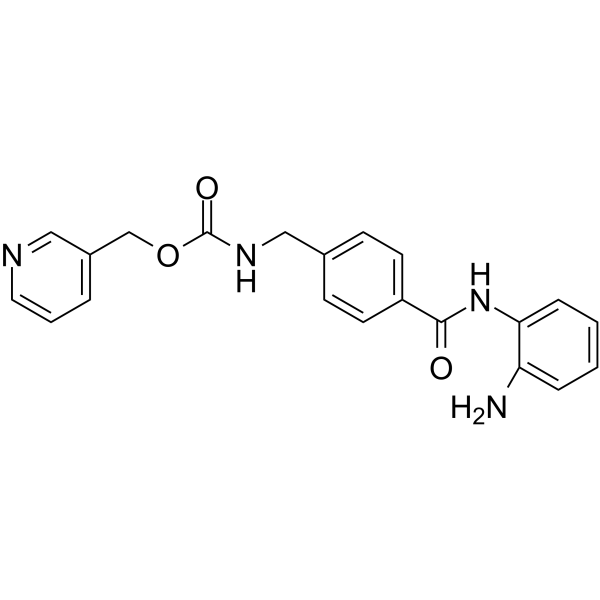
Entinostat is an oral and selective class I HDAC inhibitor, with IC50s of 243 nM, 453 nM, and 248 nM for HDAC1, HDAC2, and HDAC3, respectively.
|
-
-
- HY-15149
-
|
FK 228; FR 901228; NSC 630176
|
HDAC
Apoptosis
|
Cancer
|
|
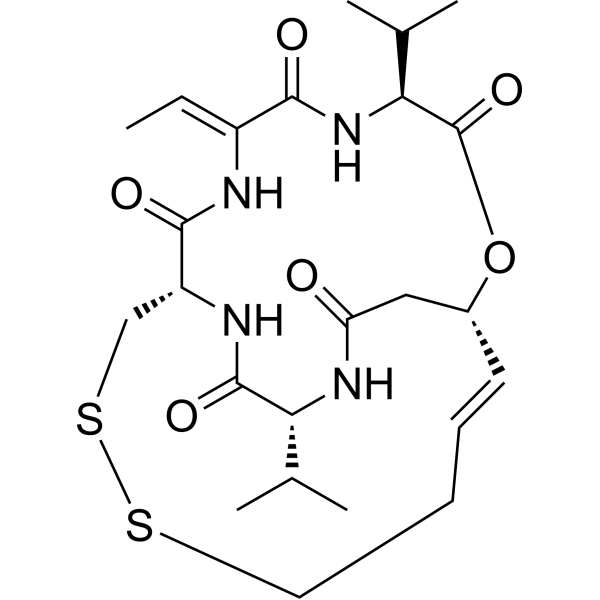
Romidepsin (FK 228) is a Histone deacetylase (HDAC) inhibitor with anti-tumor activities. Romidepsin (FK 228) inhibits HDAC1, HDAC2, HDAC4, and HDAC6 with IC50s of 36 nM, 47 nM, 510 nM and 1.4 μM, respectively . Romidepsin (FK 228) is produced by Chromobacterium violaceum, induces cell G2/M phase arrest and apoptosis [2].
|
-
-
- HY-16026
-
|
ACY-1215; Rocilinostat
|
HDAC
Apoptosis
|
Cancer
|
|
Ricolinostat (ACY-1215) is a potent and selective HDAC6 inhibitor, with an IC50 of 5 nM. ACY-1215 also inhibits HDAC1, HDAC2, and HDAC3 with IC50s of 58, 48, and 51 nM, respectively.
|
-
-
- HY-15433
-
|
JNJ-26481585
|
HDAC
Autophagy
|
Inflammation/Immunology
Cancer
|
|
Quisinostat (JNJ-26481585) is a potent and orally active pan-HDAC inhibitor (HDACi), with IC50 values ranging from 0.11 nM to 0.64 nM for HDAC1, HDAC2, HDAC4, HDAC10 and HDAC11. Quisinostat has a broad spectrum antitumoral activity . Quisinostat can induce autophagy in neuroblastoma cells [2].
|
-
-
- HY-12164
-
|
MGCD0103
|
HDAC
Autophagy
Apoptosis
|
Cancer
|
|
Mocetinostat (MGCD0103) is a potent, orally active and isotype-selective HDAC (Class I/IV) inhibitor with IC50s of 0.15, 0.29, 1.66 and 0.59 μM for HDAC1, HDAC2, HDAC3 and HDAC11, respectively. Mocetinostat shows no inhibition on HDAC4, HDAC5, HDAC6, HDAC7, or HDAC8.
|
-
-
- HY-13522
-
|
CUDC-907
|
PI3K
HDAC
Apoptosis
|
Cancer
|
|
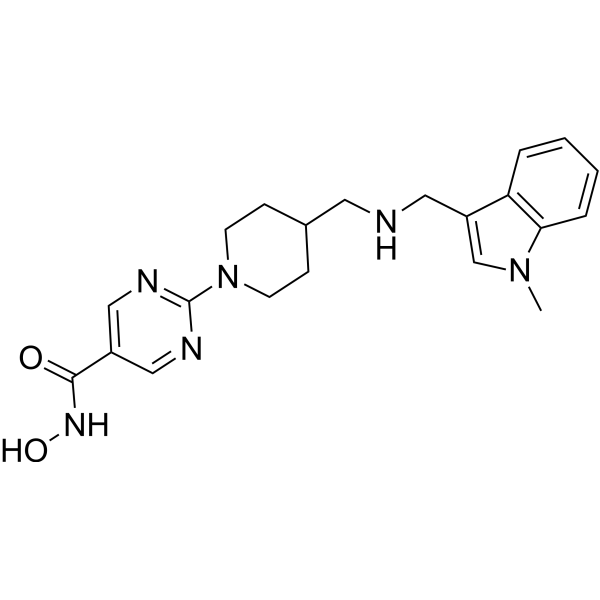
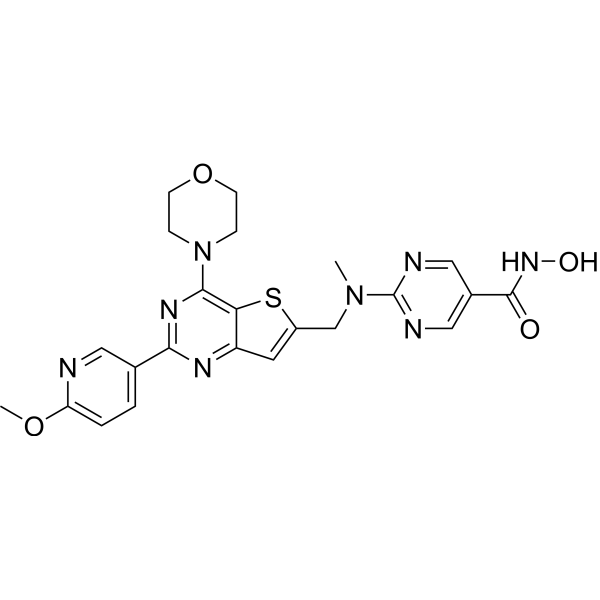
Fimepinostat (CUDC-907) potently inhibits class I PI3Ks as well as classes I and II HDAC enzymes with an IC50 of 19/54/39 nM and 1.7/5.0/1.8/2.8 nM for PI3Kα/PI3Kβ/PI3Kδ and HDAC1/HDAC2/HDAC3/HDAC10 , respectively.
|
-
-
- HY-18998
-
|
|
HDAC
|
Cancer
|
|
LMK-235 is a potent and selective HDAC4/5 inhibitor, inhibits HDAC5, HDAC4, HDAC6, HDAC1, HDAC2, HDAC11 and HDAC8, with IC50s of 4.22 nM, 11.9 nM, 55.7 nM, 320 nM, 881 nM, 852 nM and 1278 nM, respectively, and is used in cancer research.
|
-
-
- HY-N0931
-
|
CAY-10683
|
HDAC
Amyloid-β
|
Neurological Disease
Cancer
|
|
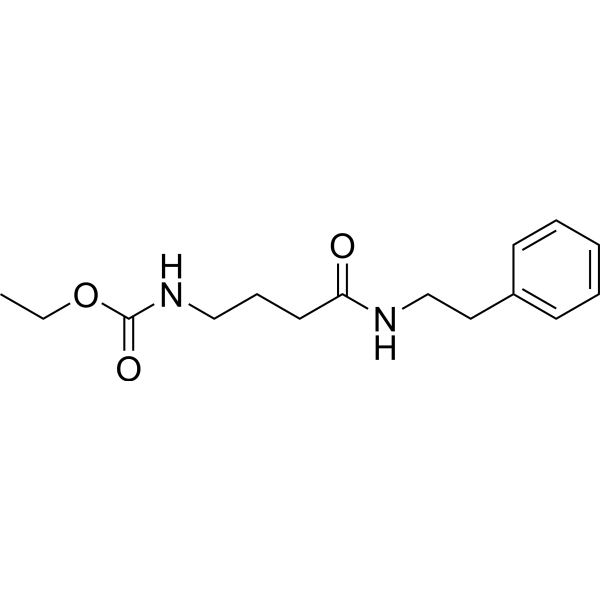
Santacruzamate A (CAY-10683, STA) is a potent and selective HDAC2 inhibitor with an IC50 of 119 pM. STA also exerts neuroprotective property against amyloid-β protein fragment 25–35. STA can be used for cancer and neurological disease research [2].
|
-
-
- HY-100719
-
|
|
HDAC
HIV
|
Infection
Cardiovascular Disease
|
|
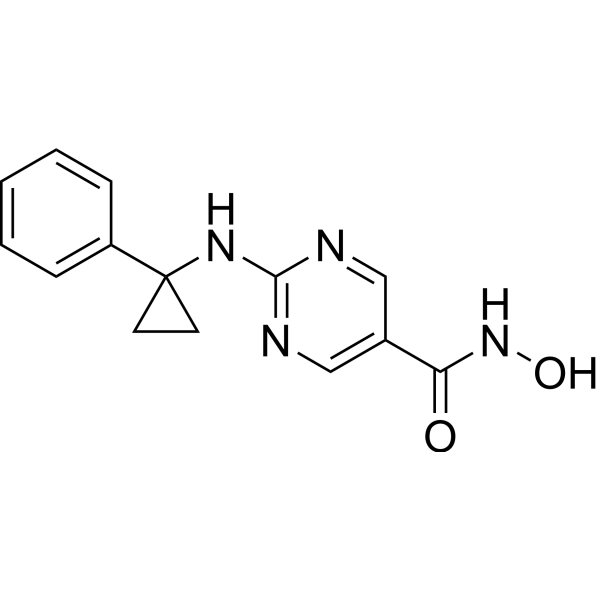
BRD-6929 is a potent, selective brain-penetrant inhibitor of class I histone deacetylase HDAC1 and HDAC2 inhibitor with IC50 of 1 nM and 8 nM, respectively. BRD-6929 shows high-affinity to HDAC1 and HDAC2 with Ki of 0.2 and 1.5 nM, respectively. BRD-6929 can be used for mood-related behavioral model research .
|
-
-
- HY-15994
-
|
ACY241
|
HDAC
|
Cancer
|
|
Citarinostat (ACY241) is a second generation potent, orally active and high-selective HDAC6 inhibitor with an IC50 of 2.6 nM (IC50s of 35 nM, 45 nM, 46 nM and 137 nM for HDAC1, HDAC2, HDAC3 and HDAC8, respectively). Citarinostat has anticancer effects .
|
-
-
- HY-16012A
-
|
4SC-202 free base
|
HDAC
Apoptosis
|
Cancer
|
|
Domatinostat (4SC-202 free base) is a selective class I HDAC inhibitor with IC50 of 1.20 μM, 1.12 μM, and 0.57 μM for HDAC1, HDAC2, and HDAC3, respectively. It also displays inhibitory activity against Lysine specific demethylase 1 (LSD1).
|
-
-
- HY-N7036
-
-
-
- HY-19327
-
ACY-738
5 Publications Verification
|
HDAC
|
Cancer
|
|
ACY-738 is a potent, selective and orally-bioavailable HDAC6 inhibitor, with an IC50 of 1.7 nM; ACY-738 also inhibits HDAC1, HDAC2, and HDAC3, with IC50s of 94, 128, and 218 nM.
|
-
-
- HY-111400
-
|
|
HDAC
|
Cancer
|
|
SR-4370 is an inhibitor of HDAC, with IC50s of 0.13 μM, 0.58 μM, 0.006 μM, 2.3 μM, and 3.4 μM for HDAC1, HDAC2, HDAC3, HDAC8, and HDAC6, respectively.
|
-
-
- HY-104008
-
ACY-957
2 Publications Verification
|
HDAC
|
Others
|
|
ACY-957 is an orally active and selective inhibitor of HDAC1 and HDAC2, with IC50s of 7 nM, 18 nM, and 1300 nM against HDAC1/2/3, respectively, and shows no inhibition on HDAC4/5/6/7/8/9 .
|
-
-
- HY-16012
-
|
4SC-202
|
HDAC
Apoptosis
|
Cancer
|
|
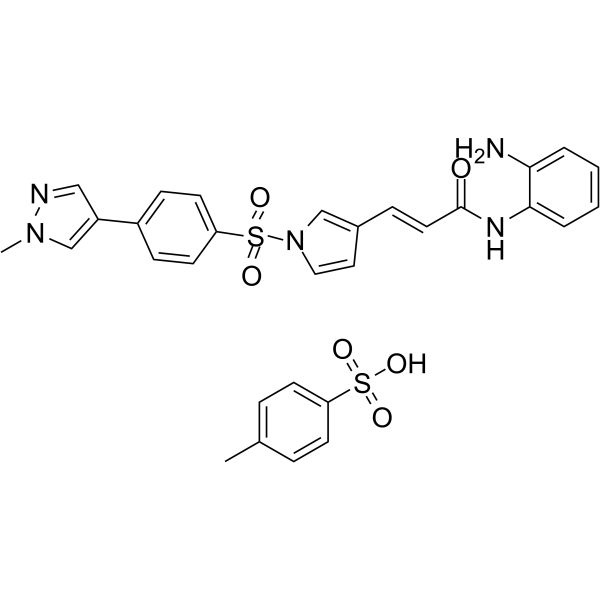
Domatinostat tosylate (4SC-202) is a selective class I HDAC inhibitor with IC50 of 1.20 μM, 1.12 μM, and 0.57 μM for HDAC1, HDAC2, and HDAC3, respectively. It also displays inhibitory activity against Lysine specific demethylase 1 (LSD1).
|
-
-
- HY-18613
-
|
BML-281
|
HDAC
|
Cancer
|
|
CAY10603 (BML-281) is a potent and selective HDAC6 inhibitor, with an IC50 of 2 pM; CAY10603 (BML-281) also inhibits HDAC1, HDAC2, HDAC3, HDAC8, HDAC10, with IC50s of 271, 252, 0.42, 6851, 90.7 nM.
|
-
-
- HY-15433A
-
|
JNJ-26481585 dihydrochloride
|
HDAC
Autophagy
|
Inflammation/Immunology
Cancer
|
|
Quisinostat dihydrochloride (JNJ-26481585 dihydrochloride) is an orally active, potent pan-HDAC inhibitor with IC50s of 0.11 nM, 0.33 nM, 0.64 nM, 0.46 nM, and 0.37 nM for HDAC1, HDAC2, HDAC4, HDAC10 and HDAC11, respectively. Quisinostat dihydrochloride has a broad spectrum antitumoral activity. Quisinostat dihydrochloride can induce autophagy in neuroblastoma cells [2].
|
-
-
- HY-100748
-
|
CXD101
|
HDAC
|
Cancer
|
|
Zabadinostat (CXD101) is a potent, selective and orally active class I HDAC inhibitor with IC50s of 63 nM, 570 nM and 550 nM for HDAC1, HDAC2 and HDAC3, respectively. Zabadinostat has no activity against HDAC class II. Zabadinostat has antitumor activity [2].
|
-
-
- HY-13432
-
|
CHR-3996
|
HDAC
Apoptosis
|
Cancer
|
|
Nanatinostat (CHR-3996) is a potent, class I selective and orally active HDAC inhibitor with IC50s of 3 nM, 4 nM, and 7 nM for HDAC1, HDAC2, and HDAC3, respectively. Nanatinostat has low activity against HDAC5 (IC50 of 200 nM) and HDAC6 (IC50 of 2100 nM). Nanatinostat induces apoptosis in myeloma cells. Nanatinostat has potent anticancer effects, such as myeloma, advanced solid tumours and colorectal cancer [2] .
|
-
-
- HY-101780
-
|
EDO-S101; NL-101
|
HDAC
|
Cancer
|
|
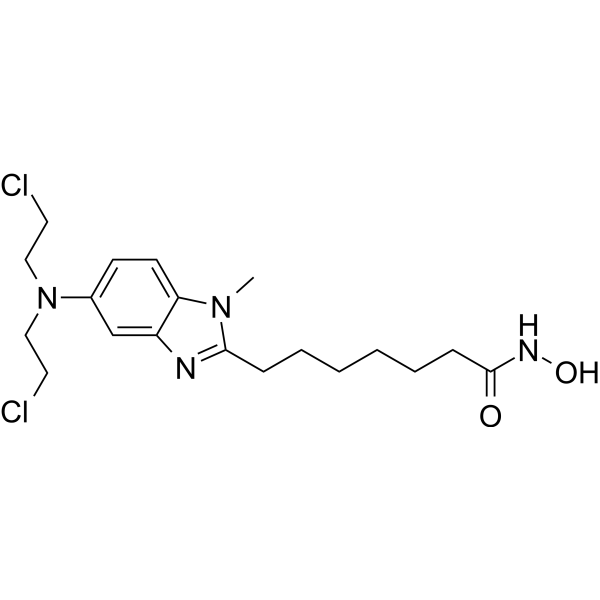
Tinostamustine (EDO-S101) is a pan HDAC inhibitor; inhibits HDAC6, HDAC1, HDAC2 and HDAC3 with IC50 values of 6 nM, 9 nM, 9 nM and 25 nM, respectively .
|
-
-
- HY-18700
-
|
|
HDAC
|
Cancer
|
|
BRD73954 is a potent HDAC inhibitor and selectively inhibiting both HDAC6 and HDAC8 with IC50 values of 0.0036, 0.12, 9, 12, 23 µM for HDAC6, HDAC8, HDAC2, HDAC1 and HDAC3, respectively. BRD73954 decreases the levels of HDAC6, associated with upregulation of Ac-Tubulin .
|
-
-
- HY-110264
-
|
|
HDAC
Apoptosis
|
Neurological Disease
Cancer
|
|
MI-192 is a selective HDAC2 and HDAC3 inhibitor with IC50s of 30 nM and 16 nM, respectively. MI-192 is more selective for HDAC2/3 than other HDAC isomers.MI-192 induces myeloid leukaemic cells apoptosis. Anticaner and neuroprotective activities [2].
|
-
-
- HY-172762
-
|
|
HDAC
Molecular Glues
Histone Demethylase
|
Cancer
|
|
S234984 is a molecular glue degrader. S234984 forms a stable ternary complex with wild-type KBTBD4 E3 ligase and HDAC2 to drive neomorphic ubiquitination and degradation of CoREST1 and LSD1. S234984 can be used for the research of medulloblastoma .
|
-
-
- HY-18712
-
BG45
4 Publications Verification
|
HDAC
Apoptosis
Caspase
|
Cancer
|
|
BG45 is a potent HDAC3 inhibitor with IC50 values of 0.289, 2, 2.2 and ﹥20 μM for HDAC3, HDAC1, HDAC2 and HDAC6, respectively. BG45 selectively targets multiple myeloma (MM) cells and induces caspase-dependent apoptosis [2].
|
-
-
- HY-117709
-
|
|
HDAC
|
Neurological Disease
|
|
BRD6688 is a selective HDAC2 inhibitor. BRD6688 increases H4K12 and H3K9 histone acetylation in primary mouse neuronal cells. BRD6688 crosses the blood brain barrier and rescues the memory defects associated with p25 induced neurodegeneration in contextual fear conditioning in a CK-p25 mouse model .
|
-
-
- HY-RS06067
-
|
|
Small Interfering RNA (siRNA)
HDAC
|
Others
|
|
HDAC2 Human Pre-designed siRNA Set A contains three designed siRNAs for HDAC2 gene (Human), as well as a negative control, a positive control, and a FAM-labeled negative control.
|
-
HDAC2 Human Pre-designed siRNA Set A
-
- HY-19754A
-
|
|
HDAC
Apoptosis
|
Cancer
|
|
CRA-026440 hydrochloride is a potent, broad-spectrum HDAC (HDAC) inhibitor. The Ki values against recombinant HDAC isoenzymes HDAC1, HDAC2, HDAC3, HDAC6, HDAC8, and HDAC10 are 4 nM, 14 nM, 11 nM, 15 nM, 7 nM, and 20 nM respectively. CRA-026440 hydrochloride shows antitumor and antiangiogenic activities . CRA-026440 (hydrochloride) is a click chemistry reagent, it contains an Alkyne group and can undergo copper-catalyzed azide-alkyne cycloaddition (CuAAc) with molecules containing Azide groups.
|
-
-
- HY-164050
-
|
|
HDAC
|
Cancer
|
|
HDAC2-IN-2 (compound 124) is an inhibitor of HDAC2 with Kd value of 0.1-1 μM .
|
-
-
- HY-102083
-
|
|
HDAC
|
Neurological Disease
|
|
BRD4884 is a potent and brain-penetrant HDAC inhibitor with IC50 values of 29 nM, 62 nM, and 1090 nM for HDAC1, HDAC2, and HDAC3, respectively. BRD4884 can be used for the study of cognitive impairment .
|
-
-
- HY-RS06069
-
|
|
Small Interfering RNA (siRNA)
|
Others
|
|
HDAC2 Rat Pre-designed siRNA Set A contains three designed siRNAs for HDAC2 gene (Rat), as well as a negative control, a positive control, and a FAM-labeled negative control.
|
-
HDAC2 Rat Pre-designed siRNA Set A
-
- HY-156422
-
|
|
HDAC
|
Neurological Disease
Cancer
|
|
KPZ560 is a potent inhibitor of HDAC1 and HDAC2, with IC50s of 12 nM and 68 nM, respectively. KPZ560 can increase in the spine density of granule neuron dendrites of mice and inhibitor cell growth of breast cancer cell line MCF .
|
-
-
- HY-152174
-
|
|
HDAC
|
Cancer
|
|
HDAC-IN-52 is a pyridine-containing HDAC inhibitor, with IC50s of 0.189, 0.227, 0.440 and 0.446 μM for HDAC1, HDAC2, HDAC3, and HDAC10, respectively. HDAC-IN-52 can be used for the research of cancer .
|
-
-
- HY-172394
-
|
|
HDAC
ADAMTS
Apoptosis
Bcl-2 Family
Cyclin G-associated Kinase (GAK)
|
Cancer
|
|
ZSNI-21 is a ADAM17/HDAC2 inhibitor with ADAM17 IC50 0.939 μM and HDAC2 IC50 0.844 μM. ZSNI-21 regulates the expression of apoptosis-related proteins (Bax, Bcl-2) and Cyclin D1, and induces apoptosis.. ZSNI-21 can be used for the research of hepatocellular carcinoma, breast cancer, and non-small cell lung cancer .
|
-
-
- HY-157388
-
|
|
Histone Methyltransferase
HDAC
|
Cancer
|
|
CARM1/HDAC2-IN-1 (compound CH-1) is a dual inhibitor against CARM1 and HDAC2, with IC50 values of 3.71 nM and 4.07 nM, respectively. CARM1/HDAC2-IN-1 possesses antitumor activity .
|
-
-
- HY-124337
-
|
|
HDAC
|
Cancer
|
|
BG48 is a potent HDAC inhibitor. BG48 inhibits the enzymatic activity of HDAC1 and HDAC2 .
|
-
-
- HY-12163S
-
|
MS-275-d4; SNDX-275-d4
|
Apoptosis
Autophagy
HDAC
|
Cancer
|
|
Entinostat-d4 is the deuterium labeled Entinostat . Entinostat is an oral and selective class I HDAC inhibitor, with IC50s of 243 nM, 453 nM, and 248 nM for HDAC1, HDAC2, and HDAC3, respectively [2].
|
-
-
- HY-161050
-
|
|
HDAC
Apoptosis
|
Cancer
|
|
YSR734 (Compound 21) is a covalent HDAC inhibitor with IC50 values of 110 nM, 154 nM, and 143 nM for HDAC1, HDAC2, and HDAC3, respectively. YSR734 can induce apoptosis in leukemia cells. YSR734 can induce myoblast differentiation and is used in the study of Duchenne muscular dystrophy .
|
-
-
- HY-162086
-
|
|
HDAC
|
Cancer
|
|
HDAC-IN-68 (Compound 29) is a potent HDAC inhibitor that disrupts microtubule structure and inhibits tumor growth. HDAC-IN-68 significantly inhibits class I HDACs (HDAC1, HDAC2, HDAC3) with IC50 values of 5.1, 11.5 and 8.8 nM, respectively .
|
-
-
- HY-W103792
-
|
|
HDAC
|
Cancer
|
|
4-Phenylcinnamic acid is a weak HDAC2 inhiibitor (IC50 > 5 μM). 4-Phenylcinnamic acid has weak cell growth inhibition against tumor cells .
|
-
-
- HY-RS06068
-
|
|
Small Interfering RNA (siRNA)
HDAC
|
Others
|
|
Hdac2 Mouse Pre-designed siRNA Set A contains three designed siRNAs for Hdac2 gene (Mouse), as well as a negative control, a positive control, and a FAM-labeled negative control.
|
-
Hdac2 Mouse Pre-designed siRNA Set A
-
- HY-139650
-
|
|
HDAC
|
Cancer
|
|
HDAC1/2-IN-3 is a HDAC1 and HDAC2 inhibitor with IC50 values 0-5 and 5-10 nM, respectively.
|
-
-
- HY-175513
-
|
|
HDAC
Apoptosis
|
Cancer
|
|
ZWZH-21 is a selective and orally active HDAC1/2 dual inhibitor with IC50 values of 34 nM for HDAC1 and 41 nM for HDAC2. ZWZH-21 can inhibit HCT116 and SW480 cells growth with IC50 values of 0.524 μM and 1.063 μM, respectively. ZWZH-21 can inhibit proliferation and migration and induces apoptosis in multiple colorectal cancer cells. ZWZH-21 can be used for the research of cancer, such as colorectal cancer .
|
-
-
- HY-155840
-
|
|
HDAC
Apoptosis
|
Cancer
|
|
KH16 is a potent and low nanomolar HDAC inhibitor. KH16 is against class I HDACs HDAC1, HDAC2, and HDAC3, with IC50 values ranging from 6 to 34 nM. KH16 induces cell apoptosis and is against tumor cells with various gene expression patterns .
|
-
-
- HY-15433B
-
|
JNJ26481585 hydrochloride
|
HDAC
Autophagy
|
Cancer
|
|
Quisinostat (JNJ-26481585) hydrochloride is a potent and orally active pan-HDAC inhibitor (HDACi), with IC50 values ranging from 0.11 nM to 0.64 nM for HDAC1, HDAC2, HDAC4, HDAC10 and HDAC11. Quisinostat hydrochloride has a broad spectrum antitumoral activity. Quisinostat hydrochloride can induce autophagy in neuroblastoma cells [2].
|
-
-
- HY-146153
-
|
|
HDAC
|
Cancer
|
|
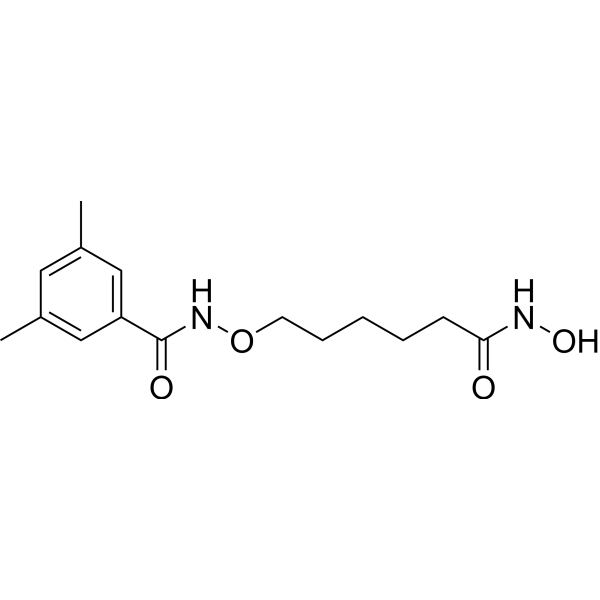
HDAC-IN-40 is a potent alkoxyamide-based HDAC inhibitor with Ki values of 60 nM and 30 nM for HDAC2 and HDAC6, respectively. HDAC-IN-40 had antitumor effects .
|
-
-
- HY-174398
-
|
|
GSK-3
HDAC
Tau Protein
|
Neurological Disease
|
|
GSK-3β/HDAC-IN-2 is a potent inhibitor of GSK-3β (IC50 = 0.04 μM), HDAC2 (IC50 = 1.05 μM, Ki = 0.070 μM) and HDAC6 (IC50 = 1.52 μM, Ki = 0.017 μM). GSK-3β/HDAC-IN-2 inhibits HDAC2 and HDAC6 activities and blocks tau hyperphosphorylation. GSK-3β/HDAC-IN-2 exerts neuroprotective effects and shows no significant toxicity. GSK-3β/HDAC-IN-2 can be used in the research of Alzheimer's disease.
|
-
-
- HY-147840
-
|
|
HDAC
|
Cancer
|
|
HDAC-IN-41 (Compound 7c) is a selective, orally active class I HDAC inhibitor with IC50 values of 0.62, 1.46 and 0.62 μM against HDAC1, HDAC2 and HDAC3, respectively. HDAC-IN-41 shows NO releasing activity .
|
-
-
- HY-151248
-
|
|
HDAC
|
Neurological Disease
|
|
HDAC2-IN-1 (Compound 17) is a brain penetrant, orally active, competitive HDAC2 inhibitor with an IC50 of 0.5 μM . HDAC2-IN-1 also inhibits HDAC1 and HDAC8 with IC50s of 1.61 μM and 0.98 μM, respectively .
|
-
-
- HY-16026R
-
|
ACY-1215 (Standard); Rocilinostat (Standard)
|
HDAC
Apoptosis
Reference Standards
|
Cancer
|
|
Ricolinostat (Standard) is the analytical standard of Ricolinostat. This product is intended for research and analytical applications. Ricolinostat (ACY-1215) is a potent and selective HDAC6 inhibitor, with an IC50 of 5 nM. ACY-1215 also inhibits HDAC1, HDAC2, and HDAC3 with IC50s of 58, 48, and 51 nM, respectively.
|
-
- HY-173330
-
|
|
HDAC
|
Cancer
|
|
HDAC-IN-89 is an inhibitor of HDAC1 (IC50: 0.95 nM), HDAC2 (IC50: 0.86 nM), HDAC3 (IC50: 1.06 nM) and HDAC8 (IC50: 4.24 nM). HDAC-IN-89 blocks the cell cycle and induces apoptosis. HDAC-IN-89 has anti-tumor activity .
|
-
- HY-10221G
-
|
SAHA (GMP); Suberoylanilide hydroxamic acid (GMP)
|
HDAC
|
Infection
Cancer
|
|
Vorinostat (GMP) is a GMP grade Vorinosta (HY-10221). GMP-grade small molecules can be used as auxiliary agents in cell therapy. Vorinostat is a potent, orally available HDAC1, HDAC2, HDAC3 (Class I), HDAC6 and Inhibitors of HDAC7 (Class II) and Class IV (HDAC11) .
|
-
- HY-162487
-
|
|
HDAC
|
Cancer
|
|
HDAC-IN-72 (compound 7j) is the most potent HDAC1 (IC50=0.65 μM), HDAC2 (IC50=0.78 μM), HDAC3 (IC50=1.70 μM) inhibitor and antiproliferative compound. HDAC-IN-72 can be used for breast cancer research .
|
-
- HY-176868
-
|
|
HDAC
|
Neurological Disease
|
|
Rodin-C is a selective HDAC inhibitor with IC50s of 0.059, 0.18 and 5.39 μM for HDAC1, HDAC2 and HDAC11, respectively, over HDAC3-10. Rodin-C significantly inhibits the HDAC-CoREST complex with low hematological toxicity. Rodin-C can be used for neurologic disorders such as Alzheimer’s disease research .
|
-
- HY-10585AS1
-
|
Sodium Valproate-d14; VPA-d14 sodium; 2-Propylpentanoic acid-d14 sodium
|
Isotope-Labeled Compounds
HDAC
Autophagy
Mitophagy
HIV
Notch
Endogenous Metabolite
|
Cancer
|
|
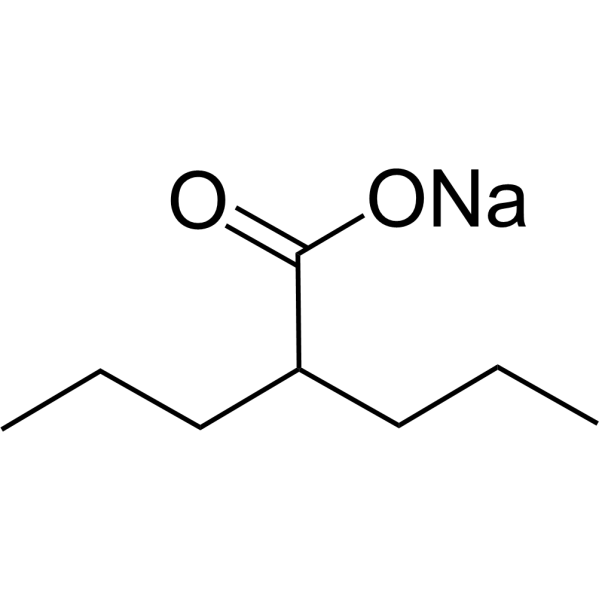
Valproic acid-d14 (sodium) is deuterium labeled Valproic acid (sodium). Valproic acid sodium salt (Sodium Valproate) is an HDAC inhibitor, with IC50 in the range of 0.5 and 2 mM, also inhibits HDAC1 (IC50, 400 μM), and induces proteasomal degradation of HDAC2. Valproic acid sodium salt activates Notch1 signaling and inhibits proliferation in small cell lung cancer (SCLC) cells. Valproic acid sodium salt is used in the treatment of epilepsy, bipolar disorder and prevention of migraine headaches.
|
-
- HY-10585AS
-
|
Sodium Valproate-d7; VPA-d7 sodium; 2-Propylpentanoic acid-d7 sodium
|
Isotope-Labeled Compounds
HDAC
Autophagy
Mitophagy
HIV
Notch
Endogenous Metabolite
|
Cancer
|
|
Valproic acid-d7 (sodium) is the deuterium labeled Valproic acid (sodium salt). Valproic acid sodium salt (Sodium Valproate) is an HDAC inhibitor, with IC50 in the range of 0.5 and 2 mM, also inhibits HDAC1 (IC50, 400 μM), and induces proteasomal degradation of HDAC2. Valproic acid sodium salt activates Notch1 signaling and inhibits proliferation in small cell lung cancer (SCLC) cells. Valproic acid sodium salt is used in the treatment of epilepsy, bipolar disorder and prevention of migraine headaches [2].
|
-
- HY-136959
-
|
|
HDAC
|
Cancer
|
|
M133 is a HDAC1 and HDAC2 selective inhibitor which shows potent antiproliferative activity against diverse human tumor cell lines with IC50s of 0.75-1.94 μM. M133 can be used for cancer research .
|
-
- HY-182321
-
|
|
HDAC
|
Neurological Disease
|
|
HDAC2-IN-3 is a selective, orally active, blood-brain barrier permeable HDAC2 inhibitor with an IC50 of 14 nM. HDAC2-IN-3 upregulates histone acetylation levels in cells and in vivo, and enhances long-term potentiation (LTP) in the hippocampus. HDAC2-IN-3 can be used for the research of Alzheimer's disease .
|
-
- HY-119316A
-
|
|
HDAC
Phosphodiesterase (PDE)
|
Neurological Disease
|
|
CM-545, the cis-isomer of CM-414 (HY-119316), is a dual inhibitor of PDE5, HDAC1, HDAC2, HDAC3, and HDAC6 with pIC50 values of 7.47, 6.65, 6.14, 6.55, and 6.84, repectively .
|
-
- HY-N0931R
-
|
CAY-10683 (Standard)
|
Reference Standards
HDAC
Amyloid-β
|
Neurological Disease
Cancer
|
|
Santacruzamate A (Standard) is the analytical standard of Santacruzamate A. This product is intended for research and analytical applications. Santacruzamate A (CAY-10683, STA) is a potent and selective HDAC2 inhibitor with an IC50 of 119 pM. STA also exerts neuroprotective property against amyloid-β protein fragment 25–35. STA can be used for cancer and neurological disease research[1][2].
|
-
- HY-117583A
-
|
|
HDAC
Histone Methyltransferase
|
Neurological Disease
|
|
BG47 is a prototypical histone deacetylases HDAC1 and HDAC2 selective, optoepigenetic probe. BG47 can bind to and competitively inhibits the deacetylase activity of HDAC targets upon a light-induced trans-to-cis isomerization, and increases Histone Methyltransferase H3K9 acetylation. BG47 can be used for neurological disease research .
|
-
- HY-179216
-
|
|
HDAC
|
Neurological Disease
Inflammation/Immunology
|
|
KTT-1 is a kinetically selective and orally active HDAC2 inhibitor. KTT-1 exhibits high HDAC2-selectivity over HDAC1. KTT-1 inhibits osteoclast differentiation at an early stage by downregulating c-Fos expression. KTT-1 effectively suppresses arthritis symptoms in the collagen-induced arthritis (CIA) mouse model. KTT-1 can be used for the research of rheumatoid arthritis and neurodegenerative diseases [2].
|
-
- HY-170379
-
|
|
HDAC
Apoptosis
|
Cancer
|
|
HDAC-IN-84 (compound 4d) is a potent HDAC inhibitor, with IC50 values of 0.0045, 0.015, 0.013, 0.038, 5.8 and 26 μM for HDAC1, HDAC2, HDAC3, HDAC6, HDAC8 and HDAC11, respectively. HDAC-IN-84 effectively inhibits the proliferation of leukemia cells without causing toxicity .
|
-
- HY-117583
-
|
|
HDAC
Histone Methyltransferase
|
Neurological Disease
|
|
cis-BG47 is an cis-isomer of BG47, BG47 is a prototypical histone deacetylases HDAC1 and HDAC2 selective, optoepigenetic probe. BG47 can bind to and competitively inhibits the deacetylase activity of HDAC targets upon a light-induced trans-to-cis isomerization, and increases Histone Methyltransferase H3K9 acetylation. cis-BG47 can be used for neurological disease research .
|
-
- HY-125645
-
|
|
HDAC
|
Cancer
|
|
M122 is a potent inhibitor of HDAC1 and HDAC2, with the IC50 values of 0.48 μM and 0.47 μM, respectively, respectively. M122 has antitumor activity .
|
-
- HY-151443
-
|
|
HDAC
|
Cancer
|
|
HDAC-IN-47 is an orally active inhibitor of histone deacetylase (HDAC), with IC50s of 19.75 nM (HDAC1), 5.63 nM (HDAC2), 40.27 nM (HDAC3), 57.8 nM (HDAC2), 302.73 nM (HDAC8), respectively. HDAC-IN-47 inhibits autophagy and induces apoptosis via the Bax/Bcl-2 and caspase-3 pathways. HDAC-IN-47 arrests cell cycle at G2/M phase, and shows anti-tumor efficacy in vivo .
|
-
- HY-13432A
-
|
CHR-3996 TFA
|
HDAC
Apoptosis
|
Cancer
|
|
Nanatinostat (CHR-3996) TFA is a potent, class I selective and orally active HDAC inhibitor with IC50s of 3 nM, 4 nM, and 7 nM for HDAC1, HDAC2, and HDAC3, respectively. Nanatinostat TFA has low activity against HDAC5 (IC50 of 200 nM) and HDAC6 (IC50 of 2100 nM). Nanatinostat TFA induces apoptosis in myeloma cells. Nanatinostat TFA has potent anticancer effects, such as myeloma, advanced solid tumours and colorectal cancer [2] .
|
-
- HY-151896
-
|
|
HDAC
|
Cancer
|
|
HDAC6-IN-14 is a highly selective HDAC6 (HDAC) inhibitor with an IC50 of 42 nM. HDAC6-IN-14 displays >100-fold selectivity over HDAC1/HDAC2/HDAC3/HDAC4 .
|
-
- HY-112908
-
|
|
HDAC
Proteasome
|
Cancer
|
|
RTS-V5 is a dual HDAC/proteasome inhibitor with IC50s of 6.9, 18, 15, 0.27, 0.53 μM for HDAC1, HDAC2, HDAC3, HDAC6, HDAC8, respectively.
|
-
- HY-N7036R
-
-
- HY-154855
-
|
|
HDAC
|
Cancer
|
|
HDAC-IN-56 ((S)-17b) is an orally active class I histone deacetylase (HDAC) inhibitor with IC50 values of 56.0 ± 6.0, 90.0 ± 5.9, 422.2 ± 105.1, >10000 nM for HDAC1, HDAC2, HDAC3, and HDAC4-11, respectively. HDAC-IN-56 has potent inhibitory activity while strongly increasing intracellular levels of acetylhistone H3 and P21 and effectively inducing G1 cell cycle arrest and apoptosis.HDAC-IN-56 has antitumor activity .
|
-
- HY-163430
-
|
|
HDAC
Apoptosis
|
Cancer
|
|
HDAC-IN-71 (Compound 17q) is a potent HDAC inhibitor with IC50 values of 12.6, 14.1, 20, 3, and 72 nM for HDAC1, HDAC2, HDAC3, HDAC6, and HDAC10, respectively. HDAC-IN-71 induces apoptosis and can be used in cancer research .
|
-
- HY-12487
-
|
|
HDAC
Hedgehog
Gli
|
Cancer
|
|
NL-103 is an inhibitor of histone deacetylases (HDACs) and Hedgehog, with the IC50 values of 21.3 nM, 57 nM, 74 nM, and 680 nM for HDAC1, HDAC2, HDAC3, and HDAC6, respectively. NL-103 can downregulate the expression of Gli2. NL-103 can be used in anti-cancer research .
|
-
- HY-151897
-
|
|
HDAC
|
Cancer
|
|
HDAC-IN-49 is a potent unselective HDAC (HDAC) inhibitor with IC50s of 13 nM, 14 nM, 21 nM, 1880 nM, and 10 nM for HDAC1, HDAC2, HDAC3, HDAC4, and HDAC6. HDAC-IN-49 demonstrates prominent antileukemic activity with low cytotoxic activity toward healthy cells .
|
-
- HY-145688
-
|
|
HDAC
|
Cancer
|
|
HDAC-IN-33 is a potent HDAC inhibitor with IC50s of 24, 46, and 47 nM for HDAC1, HDAC2 and HDAC6, respectively. HDAC-IN-33 possesses potent antiproliferation activities against tumor cells. HDAC-IN-33 shows potent antitumor efficacy in vivo That trigger antitumor immunity .
|
-
- HY-145687
-
|
|
HDAC
|
Cancer
|
|
HDAC-IN-32 is a potent HDAC inhibitor with IC50s of 5.2, 11, and 28 nM for HDAC1, HDAC2 and HDAC6, respectively. HDAC-IN-32 possesses potent antiproliferation activities against tumor cells. HDAC-IN-32 shows potent antitumor efficacy in vivo That trigger antitumor immunity .
|
-
- HY-144332
-
|
|
HDAC
HIF/HIF Prolyl-Hydroxylase
|
Cancer
|
|
PHD2/HDACs-IN-1 is a potent PHD2/HDACs hybrid inhibitor (IC50s of 1.15 μM, 19.75 μM, 26.60 μM and 15.98 μM for PHD2, HDAC1, HDAC2 and HDAC6, respectively). PHD2/HDACs-IN-1 is a low-toxicity renoprotective agent for research of cisplatin-induced acute kidney injury (AKI) .
|
-
- HY-149946
-
|
|
HDAC
Apoptosis
Histone Demethylase
|
Cancer
|
|
HDAC-IN-57 is an orally active inhibitor of histone deacetylases (HDAC), with IC50s of 2.07 nM, 4.71 nM, 2.4 nM and 107 nM for HDAC1, HDAC2, HDAC6, HDAC8, respectively. HDAC-IN-57 can inhibits LSD1, with IC50 of 1.34 μΜ. HDAC-IN-57 induces apoptosis, and has anti-tumor activity .
|
-
- HY-147873
-
|
|
iGluR
HDAC
|
Neurological Disease
|
|
NMDAR/HDAC-IN-1 (Compound 9d) is a dual NMDAR and HDAC inhibitor with a Ki of 0.59 μM for NMDAR and IC50 values of 2.67, 8.00, 2.21, 0.18 and 0.62 μM for HDAC1, HDAC2, HDAC3, HDAC6 and HDAC8, respectively. NMDAR/HDAC-IN-1 efficiently penetrates the blood brain barrier .
|
-
- HY-155890
-
|
CUDC-907 mesylate
|
PI3K
HDAC
Apoptosis
|
Cancer
|
|
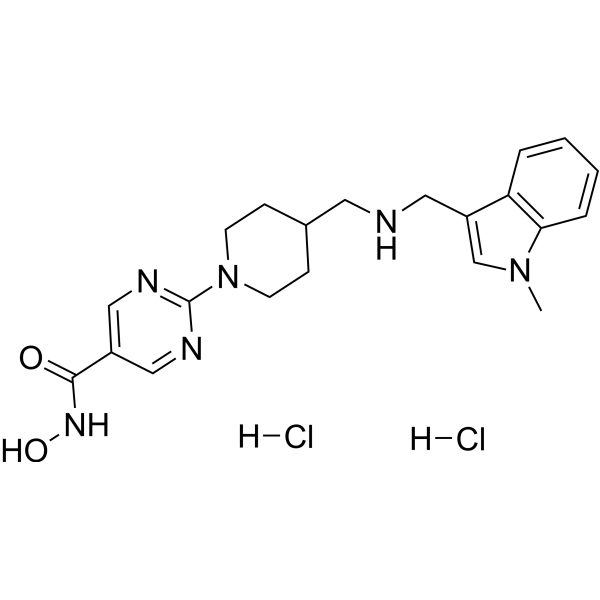
Fimepinostat mesylate potently inhibits class I PI3Ks as well as classes I and II HDAC enzymes with an IC50 of 19/54/39 nM and 1.7/5.0/1.8/2.8 nM for PI3Kα/PI3Kβ/PI3Kδ and HDAC1/HDAC2/HDAC3/HDAC10 , respectively.
|
-
- HY-146159
-
|
|
PI3K
HDAC
|
Cancer
|
|
PI3K/HDAC-IN-2 is a potent dual PI3K/HDAC inhibitor with IC50s of 226 nM, 279 nM, 467 nM, 29 nM for PI3Kα, PI3Kβ, PI3Kγ, PI3Kδ, respectively, and IC50s of 1.3 nM, 3.4 nM, 972 nM, 17 nM, 12 nM for HDAC1, HDAC2, HDC4, HDAC6, HDAC8, respectively. PI3K/HDAC-IN-2 exhibits PI3Kδ and class I and IIb HDAC selectivity. PI3K/HDAC-IN-2 has remarkable anticancer effects .
|
-
- HY-18613R
-
|
BML-281 (Standard)
|
HDAC
Reference Standards
|
Cancer
|
|
CAY10603 (Standard) is the analytical standard of CAY10603. This product is intended for research and analytical applications. CAY10603 (BML-281) is a potent and selective HDAC6 inhibitor, with an IC50 of 2 pM; CAY10603 (BML-281) also inhibits HDAC1, HDAC2, HDAC3, HDAC8, HDAC10, with IC50s of 271, 252, 0.42, 6851, 90.7 nM.
|
-
- HY-144292
-
|
|
HDAC
|
Cancer
|
|
HDAC-IN-30 is a novel multi-target HDAC inhibitor, including HDAC1 (IC50=13.4 nM),HDAC2 (IC50=28.0 nM), HDAC3 (IC50=9.18 nM), HDAC6 (IC50=42.7 nM), HDAC8 (IC50=131 nM). HDAC-IN-30 exhibits potent antitumor efficacy .
|
-
- HY-181768
-
|
|
Ligands for Target Protein for PROTAC
HDAC
|
Cancer
|
|
HDAC3-IN-8 is a selective inhibitor targeting HDAC1, HDAC2 and HDAC3, with IC50 values of 3.52 nM for HDAC1, 15.14 nM for HDAC2 and 0.38 nM for HDAC3. HDAC3-IN-8 shows high selectivity for HDAC3 and exerts its effect by inhibiting histone deacetylase activity. HDAC3-IN-8 can be used to construct HDAC3-targeted PROTAC degrader (HY-181767) and is suitable for the research of acute myeloid leukemia (AML) .
|
-
- HY-100748R
-
|
CXD101 (Standard)
|
HDAC
Reference Standards
|
Cancer
|
|
Zabadinostat (Standard) is the analytical standard of Zabadinostat (HY-100748). This product is intended for research and analytical applications. Zabadinostat (CXD101) is a potent, selective and orally active class I HDAC inhibitor with IC50s of 63 nM, 570 nM and 550 nM for HDAC1, HDAC2 and HDAC3, respectively. Zabadinostat has no activity against HDAC class II. Zabadinostat has antitumor activity [2].
|
-
- HY-119316
-
|
|
HDAC
Phosphodiesterase (PDE)
Amyloid-β
Tau Protein
|
Neurological Disease
|
|
CM-414 is a brain-penetrant phosphodiesterase 5 (PDE5) and HDAC inhibitor with IC50s of 60 nM, 91 nM, 310 nM, 322 nM and 490 nM for PDE5, HDAC6, HDAC1, HDAC3 and HDAC2, respectively. CM-414 diminishes brain Aβ and tau phosphorylation (pTau) level in Tg2576 mice. CM-414 can be used for the study of Alzheimer's disease (AD) [2].
|
-
- HY-185554B
-
|
|
HDAC
|
Cancer
|
|
(R)-HDAC-IN-102 is a HDAC2 inhibitor and the isomer of HDAC-IN-102 (HY-185554). HDAC-IN-102 inhibits total HDAC with an IC50 of 58 μM and exhibits partial subtype selectivity. Specifically, (R)-HDAC-IN-102 targets HDAC2, while (S)-HDAC-IN-102 (HY-185554A) targets HDAC8. HDAC-IN-102 exerts antioxidant effects via scavenging DPPH free radicals and can be used in cancer-related research .
|
-
- HY-185554
-
|
|
HDAC
|
Cancer
|
|
HDAC-IN-102 (Compound 21) is a histone deacetylase (HDAC) inhibitor with an IC50 of 58 μM. HDAC-IN-102 inhibits total HDAC activity and exhibits partial subtype selectivity, with the R-isomer targeting HDAC2 and the S-isomer targeting HDAC8. HDAC-IN-102 exerts antioxidant effects by scavenging DPPH free radicals. HDAC-IN-102 can be used in cancer-related research .
|
-
- HY-100719R
-
|
|
HDAC
Reference Standards
HIV
|
Infection
Cardiovascular Disease
|
|
BRD-6929 (Standard) is the analytical standard of BRD-6929 (HY-100719). This product is intended for research and analytical applications. BRD-6929 is a potent, selective brain-penetrant inhibitor of class I histone deacetylase HDAC1 and HDAC2 inhibitor with IC50 of 1 nM and 8 nM, respectively. BRD-6929 shows high-affinity to HDAC1 and HDAC2 with Ki of 0.2 and 1.5 nM, respectively. BRD-6929 can be used for mood-related behavioral model research .
|
-
- HY-179655
-
|
|
HDAC
|
Cancer
|
|
ST17 is a light-activatable ST13 prodrug. ST17 readily releases ST13 upon irradiation. ST13 is a selective, slow- and tight-binding HDAC1/HDAC2 inhibitor with antiproliferative activity. ST17 can be used in the research of melanoma and breast cancer .
|
-
- HY-183560
-
|
|
HDAC
Apoptosis
|
Cancer
|
|
HDAC6-IN-82 is a selective HDAC6 inhibitor with an IC50 of 4.9 nM against HDAC6. HDAC6-IN-82 inhibits HDAC1 (112 nM), HDAC2 (737 nM), HDAC3 (623 nM), HDAC8 (1140 nM), HDAC10 (91.4 nM) and HDAC11 (219 nM). HDAC6-IN-82 reduces cancer cell viability, induces cell cycle arrest, triggers apoptosis, and increases the acetylation levels of H3K9 and α-tubulin. HDAC6-IN-82 can be used in cancer-related research such as leukemia .
|
-
- HY-183150
-
|
|
HDAC
Apoptosis
Caspase
|
Cancer
|
|
HDAC1-IN-13 is an orally active HDAC1 inhibitor with IC50 values of 91, 185, 170, and 280 nM against HDAC1, HDAC2, HDAC3, and HDAC10, respectively, and shows no activity against HDAC4, HDAC5, HDAC6, HDAC7, and HDAC9. HDAC1-IN-13 induces extrinsic apoptosis by activating the caspase-8 pathway and triggers G0/G1 cell cycle arrest. HDAC1-IN-13 can be used for the research of leukemia .
|
-
- HY-108919
-
|
|
HDAC
Apoptosis
MDM-2/p53
Aurora Kinase
NEKs
DNA/RNA Synthesis
Bcl-2 Family
|
Inflammation/Immunology
Cancer
|
|
CG-1521 is a histone deacetylase (HDAC) inhibitor that stabilizes Ac-Lys373 P53, increases P21 levels and HDAC2 degradation. CG-1521 can inhibit proliferation, induce cell cycle arrest and apoptosis. CG-1521 promotes Bax translocation to the mitochondria and cleavage. CG-1521 downregulates KIF4, Aurora B and Nek2 protein expression and DNA synthesis. CG-1521 can be used for the research of prostate cancer and inflammatory breast cancer [2] .
|
-
- HY-P11678
-
|
|
HDAC
Apoptosis
Caspase
|
Cancer
|
|
HDAC-IN-100 is a histone deacetylase inhibitor with an IC50 of 0.038 μM against HDAC1, 0.283 μM against HDAC2, and 0.586 μM against HDAC3. HDAC-IN-100 acts as a chemosensitizer and apoptosis inducer, activates caspase 3/7, and reverses Cisplatin (HY-17394) resistance. HDAC-IN-100 exerts antiproliferative effects in ovarian cancer cells and squamous cancer cells. HDAC-IN-100 is applicable for research related to ovarian cancer, squamous cell carcinoma, and Cisplatin (HY-17394)-resistant squamous cell carcinoma .
|
-
- HY-182747
-
|
|
HDAC
Autophagy
Apoptosis
|
Cancer
|
|
HDAC6-IN-79 is a HDAC6 inhibitor with an IC50 of 98.40 nM, and it also exhibits inhibitory activity against other HDAC subtypes (HDAC1: 639.0 nM, HDAC2: 798.9 nM, HDAC8: 865.7 nM, HDAC4: 1187 nM). HDAC6-IN-79 induces acetylation of α-tubulin and histone H3, reduces the viability of cancer cells, activates the autophagy pathway and induces apoptosis. HDAC6-IN-79 can be used for research related to urothelial carcinoma (bladder cancer) .
|
-
- HY-153514
-
|
|
HDAC
Microtubule/Tubulin
Apoptosis
|
Cancer
|
|
HDAC-IN-54 is a HDAC inhibitor with an IC50 of 25 nM against human HDAC1, 66 nM against HDAC2, 6.5 nM against HDAC3, and 281 nM against HDAC6. HDAC-IN-54 induces acetylation of α-tubulin and histone H3. HDAC-IN-54 acts synergistically with cisplatin to induce cancer cell apoptosis. HDAC-IN-54 can be used in research related to head and neck cancer, ovarian cancer, and tongue squamous cell carcinoma .
|
-
- HY-179654
-
|
|
HDAC
Apoptosis
|
Cancer
|
|
ST13, an ortho-hydroxyanilide, is a selective, slow- and tight-binding HDAC1 and HDAC2 inhibitor with IC50s of 23 nM and 49 nM, respectively. ST13 shows a weak inhibition of HDAC3 (IC50 = 4.30 μM) and HDAC6 (IC50 > 10 μM). The induced fit mechanism of ST13 proceeds through a two-step process: first, the enzyme and inhibitor rapidly form a collision complex (EI), which then slowly transforms into the stable complex E*I. ST13 induces apoptosis in cancer cells. ST13 can be used for the study of melanoma and triple-negative breast .
|
-
- HY-181009
-
|
|
HDAC
Apoptosis
Autophagy
|
Cancer
|
|
HDAC-IN-98 is a HDAC1, HDAC2, HDAC3 inhibitor (one of the most selective class I HDAC inhibitors) with human IC50 values of 41.2 nM, 52.5 nM, and 74.3 nM respectively. HDAC-IN-98 induces H3K9 acetylation, p21 upregulation, G2/M arrest, cell apoptosis, has strong antiproliferative effects in colorectal cancer cells, low toxicity in healthy colon epithelium, modulates short-term in vitro effects via autophagy, and shows strong antitumor efficacy in vivo in the chorioallantoic membrane model (CAM) assay. HDAC-IN-98 can be used for the research of colorectal cancer .
|
-
- HY-124792
-
|
|
HDAC
Apoptosis
Bcr-Abl
HSP
|
Cancer
|
|
MRLB-223 is a preferential HDAC1 and HDAC2 inhibitor with activity against tumor cells.MRLB-223 induces histone hyperacetylation, intrinsic apoptotic pathway activation, tumor cell apoptosis, Hsp90 hyperacetylation, and caspase-dependent Bcr-Abl degradation.MRLB-223 mediates p53-independent tumor cell death, with activity suppressed by Bcl-2 overexpression, and kills Bcr-Abl-expressing myeloid cells.MRLB-223 exerts effects in mice bearing Eμ-myc lymphomas.MRLB-223 can be used for the research of Eμ-myc lymphoma .
|
-
- HY-104008R
-
|
|
Reference Standards
HDAC
|
Others
|
|
ACY-957 (Standard) is the analytical standard of ACY-957 (HY-104008). This product is intended for research and analytical applications. ACY-957 is an orally active and selective inhibitor of HDAC1 and HDAC2, with IC50s of 7 nM, 18 nM, and 1300 nM against HDAC1/2/3, respectively, and shows no inhibition on HDAC4/5/6/7/8/9 .
|
-
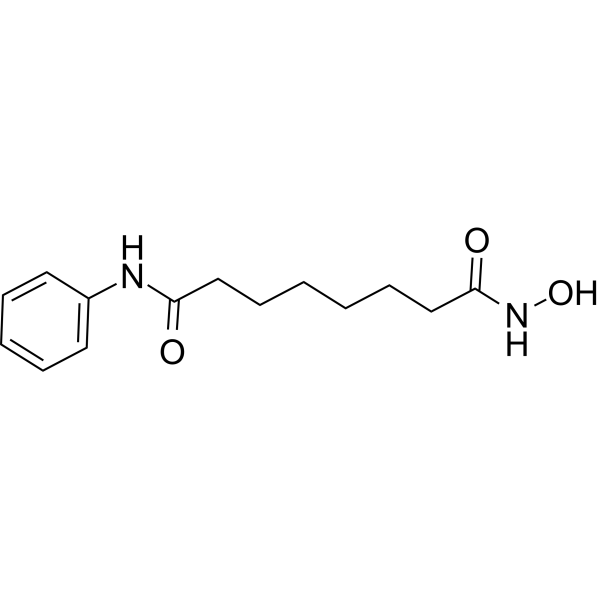
- HY-10221
-
Vorinostat
Maximum Cited Publications
159 Publications Verification
SAHA; Suberoylanilide hydroxamic acid
|
HDAC
Autophagy
Mitophagy
Filovirus
Apoptosis
HPV
|
Infection
Cancer
|
|
Vorinostat (SAHA) is a potent and orally active pan-inhibitor of HDAC1, HDAC2 and HDAC3 (Class I), HDAC6 and HDAC7 (Class II) and HDAC11 (Class IV), with ID50 values of 10 nM and 20 nM for HDAC1 and HDAC3, respectively. Vorinostat induces cell apoptosis . Vorinostat is also an effective inhibitor of human papillomaviruse (HPV)-18 DNA amplification .
|
-
- HY-161524
-
|
|
HDAC
|
Cancer
|
|
HDAC6-IN-43 (compound 26) is a potent HDAC inhibitor. HDAC6-IN-43 effectively inhibits several HDACs, notably HDAC1, HDAC2, and HDAC6 (IC50 < 150 nM), displaying a particularly high sensitivity towards HDAC6 (IC50 = 11 nM). HDAC6-IN-43 can be used for the research of autosomal dominant polycystic kidney disease (ADPKD) .
|
-
- HY-162955
-
|
|
HDAC
Histone Demethylase
|
Cancer
|
|
LSD1/HDAC-IN-1 (compound 2) is a potent inhibitor of HDAC and LSD1, with IC50s of 0.125 nM, 0.373 nM, 0.0118 nM, 0.103 nM, and 0.571 μM for HDAC1, HDAC2, HDAC6, HDAC8 and LSD1, respectively. LSD1/HDAC-IN-1 plays an important role in cancer research .
|
-
- HY-124295
-
|
ABT-301; MPT0E028; TMU-C-0012
|
HDAC
Akt
Apoptosis
|
Inflammation/Immunology
Cancer
|
|
Imofinostat (ABT-301; MPT0E028) is an orally active and selective HDAC inhibitor with IC50s of 53.0 nM, 106.2 nM, 29.5 nM for HDAC1, HDAC2 and HDAC6, respectively. Imofinostat has a weak inhibitory effect on HDAC8 (IC50 of 2.5 μM), but no inhibitory effect on HDAC4 (IC50>10 μM). Imofinostat reduces the viability of B-cell lymphomas by inducing apoptosis and possesses potent direct Akt targeting ability and reduces Akt phosphorylation in B-cell lymphoma. Imofinostat has a broad-spectrum antitumor activity, including colorectal cancer, B-cell lymphoma, non-small cell lung carcinoma (NSCLC), and pancreatic cancer, while also showing therapeutic potential in non-tumor diseases like emphysema and pulmonary fibrosis [2] .
|
-
- HY-185584
-
|
|
HDAC
Apoptosis
Drug Intermediate
|
Cancer
|
|
OKI-005 is an orally active inhibitor of Class I HDACs, with primary targeting of HDAC1, HDAC2 and HDAC3. OKI-005 is a prodrug of OKI-006 (HY-144893). OKI-005 increases histone acetylation levels, induces apoptosis and inhibits cancer cell proliferation. OKI-005 can be used in research related to triple-negative breast cancer and colorectal cancer [2].
|
-
- HY-149819
-
|
|
HDAC
CDK
|
Cancer
|
CDK/HDAC-IN-3 is an orally active HDACs/CDKs dual inhibitor. CDK/HDAC-IN-3 has potent and selective inhibition of CDK9, CDK12, CDK13, HDAC1, HDAC2 and HDAC3 with IC50 values of 98.32 nM, 98.85 nM, 100 nM, 62.12 nM, 93.28nM and 82.87 nM. CDK/HDAC-IN-3 can be used for the acute myeloid leukemia (AML) .
|
-
- HY-152173
-
|
|
HDAC
Apoptosis
Bcl-2 Family
CDK
|
Cancer
|
|
HDAC-IN-51 is a potent histone deacetylase (HDAC) inhibitor with IC50 values of 0.32, 0.353, 0.431, 0.515, and 85.4 μM for HDAC10, HDAC1, HDAC2, HDAC3 and HDAC11, respectively. HDAC-IN-51 induces cell cycle arrest and apoptosis, modulating cell cycle-/apoptosis-related miRNAs expression. HDAC-IN-51 can be used in research of cancer .
|
-
- HY-10585
-
-
- HY-10585S3
-
|
Sodium Valproate-d4; VPA-d4 sodium; 2-Propylpentanoic acid-d4 sodium
|
Isotope-Labeled Compounds
HDAC
Autophagy
Mitophagy
HIV
Notch
Endogenous Metabolite
|
Cancer
|
|
Valproic acid-d4 (sodium) is the deuterium labeled Valproic acid. Valproic acid (VPA; 2-Propylpentanoic Acid) is an HDAC inhibitor, with IC50 in the range of 0.5 and 2 mM, also inhibits HDAC1 (IC50, 400 μM), and induces proteasomal degradation of HDAC2. Valproic acid activates Notch1 signaling and inhibits proliferation in small cell lung cancer (SCLC) cells. Valproic acid sodium salt is used in the treatment of epilepsy, bipolar disorder and prevention of migraine headaches.
|
-
- HY-W105310A
-
|
Nacr
|
HDAC
Sirtuin
CDK
Bcl-2 Family
Apoptosis
|
Others
|
|
Croconic acid disodium (Nacr) is a lysine crotonylation (Kcr) activator and electroactive material. Croconic acid disodium reduces the expression of HDAC2, HDAC3, SIRT1, and SIRT3, and increases the expression of EP300, CITED1, ACSS2, DPF2, CDYL, MLLT3, and YEATS2. Croconic acid disodium elevates intracellular crotonyl-CoA content and global histone lysine crotonylation levels. Croconic acid disodium promotes the growth of bovine fibroblasts, regulates cell cycle progression, and inhibits bovine fibroblast apoptosis (apoptosis). Croconic acid disodium improves the blastocyst development efficiency of bovine somatic cell nuclear transfer embryos. Croconic acid disodium undergoes reversible lithium intercalation/deintercalation reactions via sodium-lithium ion exchange. Croconic acid disodium is applicable to research related to cell growth promotion [2].
|
-
- HY-10585S4
-
|
VPA-d4-1; 2-Propylpentanoic acid-d4-1
|
Isotope-Labeled Compounds
HDAC
Autophagy
Mitophagy
HIV
Notch
Endogenous Metabolite
|
Cancer
|
|
Valproic acid-d4-1 is the deuterium labeled Valproic acid. Valproic acid (VPA; 2-Propylpentanoic Acid) is an HDAC inhibitor, with IC50 in the range of 0.5 and 2 mM, also inhibits HDAC1 (IC50, 400 μM), and induces proteasomal degradation of HDAC2. Valproic acid activates Notch1 signaling and inhibits proliferation in small cell lung cancer (SCLC) cells. Valproic acid sodium salt is used in the treatment of epilepsy, bipolar disorder and prevention of migraine headaches [2].
|
-
- HY-149497
-
|
|
HDAC
|
Cancer
|
|
HDAC6-IN-19 (Compound 14g) is a HDAC6 inhibitor (IC50: 2.68 nM). HDAC6-IN-19 also inhibits HDAC1, HDAC2 and HDAC3 with IC50s of 61.6 nM, 98.7 nM and 103 nM. HDAC6-IN-19 potently inhibits multiple cancer cell proliferation, including leukemia, colon cancer, melanoma, and breast cancer cell lines .
|
-
- HY-10585A
-
|
Sodium Valproate; VPA sodium; 2-Propylpentanoic acid sodium
|
Organoid
HDAC
Autophagy
Mitophagy
HIV
Notch
Apoptosis
Endogenous Metabolite
|
Infection
Neurological Disease
Metabolic Disease
Cancer
|
|
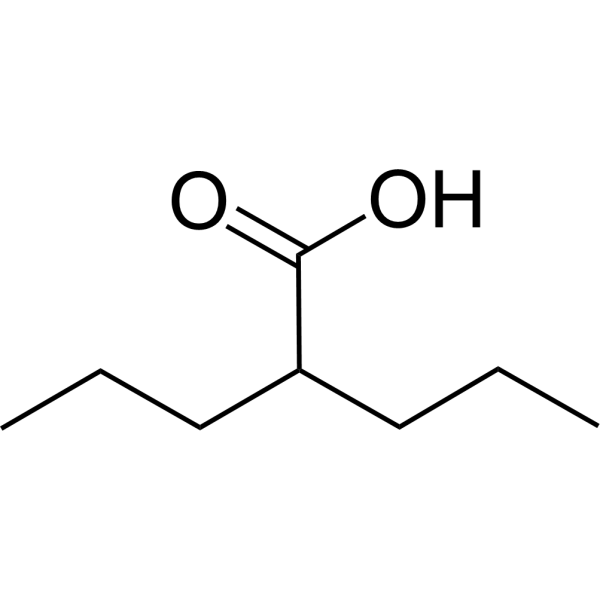
Valproic acid (Sodium Valproate) sodium is an orally active HDAC inhibitor, with IC50 in the range of 0.5 and 2 mM, also inhibits HDAC1 (IC50, 400 μM), and induces proteasomal degradation of HDAC2. Valproic acid sodium activates Notch1 signaling and inhibits proliferation in small cell lung cancer (SCLC) cells. Valproic acid sodium is used in the treatment of epilepsy, bipolar disorder, metabolic disease, HIV infection and prevention of migraine headaches [2] .
|
-
- HY-10585S
-
|
VPA-d4; 2-Propylpentanoic acid-d4
|
HDAC
Autophagy
Mitophagy
HIV
Notch
Endogenous Metabolite
|
Cancer
|
|
Valproic acid-d4 is the deuterium labeled Valproic acid. Valproic acid (VPA; 2-Propylpentanoic Acid) is an HDAC inhibitor, with IC50 in the range of 0.5 and 2 mM, also inhibits HDAC1 (IC50, 400 μM), and induces proteasomal degradation of HDAC2. Valproic acid activates Notch1 signaling and inhibits proliferation in small cell lung cancer (SCLC) cells. Valproic acid sodium salt is used in the treatment of epilepsy, bipolar disorder and prevention of migraine headaches [2].
|
-
- HY-146346
-
|
|
PROTACs
HDAC
|
Inflammation/Immunology
|
|
HD-TAC7 is a potent PROTAC HDAC degrader with IC50 values of 3.6 μM, 4.2 μM and 1.1 μM for HDAC1, HDAC2 and HDAC3, respectively. HD-TAC7 can decreases NF-κB p65 in RAW 264.7 macrophages. HD-TAC7 can be used for the research of inflammatory diseases like asthma and chronic obstructive pulmonary disease (COPD) .
|
-
- HY-10585S1
-
|
VPA-d6; 2-Propylpentanoic acid-d6
|
HDAC
Autophagy
Mitophagy
HIV
Notch
Endogenous Metabolite
|
Cancer
|
|
Valproic acid-d6 is the deuterium labeled Valproic acid. Valproic acid (VPA; 2-Propylpentanoic Acid) is an HDAC inhibitor, with IC50 in the range of 0.5 and 2 mM, also inhibits HDAC1 (IC50, 400 μM), and induces proteasomal degradation of HDAC2. Valproic acid activates Notch1 signaling and inhibits proliferation in small cell lung cancer (SCLC) cells. Valproic acid sodium salt is used in the treatment of epilepsy, bipolar disorder and prevention of migraine headaches [2].
|
-
- HY-10585S2
-
|
VPA-d15; 2-Propylpentanoic acid-d15
|
HDAC
Autophagy
Mitophagy
HIV
Notch
Endogenous Metabolite
|
Cancer
|
|
Valproic acid-d15 is the deuterium labeled Valproic acid. Valproic acid (VPA; 2-Propylpentanoic Acid) is an HDAC inhibitor, with IC50 in the range of 0.5 and 2 mM, also inhibits HDAC1 (IC50, 400 μM), and induces proteasomal degradation of HDAC2. Valproic acid activates Notch1 signaling and inhibits proliferation in small cell lung cancer (SCLC) cells. Valproic acid sodium salt is used in the treatment of epilepsy, bipolar disorder and prevention of migraine headaches [2].
|
-
- HY-10585AG
-
|
Sodium Valproate; VPA sodium; 2-Propylpentanoic acid sodium
|
Organoid
HDAC
Autophagy
Mitophagy
HIV
Notch
Apoptosis
Endogenous Metabolite
|
Infection
Neurological Disease
Metabolic Disease
Cancer
|
|
Valproic acid (Sodium Valproate) sodium is an orally active HDAC inhibitor, with IC50 in the range of 0.5 and 2 mM, also inhibits HDAC1 (IC50, 400 μM), and induces proteasomal degradation of HDAC2. Valproic acid sodium activates Notch1 signaling and inhibits proliferation in small cell lung cancer (SCLC) cells. Valproic acid sodium is used in the treatment of epilepsy, bipolar disorder, metabolic disease, HIV infection and prevention of migraine headaches [2] .
|
-
- HY-151261
-
|
|
HDAC
|
Inflammation/Immunology
|
|
HDAC6-IN-13 (Compound 35m) is a potent, highly selective, orally active HDAC6 inhibitor with an IC50 of 0.019 μM. HDAC6-IN-13 also inhibits HDAC1, HDAC2 and HDAC3 with IC50s of 1.53, 2.06 and 1.03 μM, respectively. HDAC6-IN-13 shows significant BBB permeability and anti-inflammatory activity .
|
-
- HY-12164R
-
|
MGCD0103 (Standard)
|
HDAC
Autophagy
Apoptosis
Reference Standards
|
Cancer
|
|
Mocetinostat (Standard) is the analytical standard of Mocetinostat. This product is intended for research and analytical applications. Mocetinostat (MGCD0103) is a potent, orally active and isotype-selective HDAC (Class I/IV) inhibitor with IC50s of 0.15, 0.29, 1.66 and 0.59 μM for HDAC1, HDAC2, HDAC3 and HDAC11, respectively. Mocetinostat shows no inhibition on HDAC4, HDAC5, HDAC6, HDAC7, or HDAC8.
|
-
- HY-149029
-
|
|
HDAC
Apoptosis
Reactive Oxygen Species (ROS)
|
Cancer
|
|
TH-6 is a potent HDAC inhibitor with IC50s of 0.115, 0.135, 0.242, 0.138, 2.120 µM for HDAC1, HDAC2, HDAC3, HDAC6, HDAC8, respectively. TH-6 inhibits cell migration and invasion. TH-6 induces apoptosis and cell cycle arrest at G2/M phase. TH-6 shows anti-tumor activity .
|
-
- HY-10221R
-
|
SAHA (Standard); Suberoylanilide hydroxamic acid (Standard)
|
Reference Standards
HDAC
Autophagy
Mitophagy
Filovirus
Apoptosis
HPV
|
Infection
Cancer
|
|
Vorinostat (Standard) is the analytical standard of Vorinostat. This product is intended for research and analytical applications. Vorinostat (SAHA) is a potent and orally active pan-inhibitor of HDAC1, HDAC2 and HDAC3 (Class I), HDAC6 and HDAC7 (Class II) and HDAC11 (Class IV), with ID50 values of 10 nM and 20 nM for HDAC1 and HDAC3, respectively. Vorinostat induces cell apoptosis . Vorinostat is also an effective inhibitor of human papillomaviruse (HPV)-18 DNA amplification .
|
-
- HY-144293
-
|
|
Apoptosis
HDAC
|
Cancer
|
|
HDAC-IN-31 is a potent, selective and orally active HDAC inhibitor with IC50s of 84.90, 168.0, 442.7, >10000 nM for HDAC1, HDAC2, HDAC3, HDAC8, respectively. HDAC-IN-31 induces apoptosis and cell cycle arrests at G2/M phase. HDAC-IN-31 shows good antitumor efficacy. HDAC-IN-31 has the potential for the research of diffuse large B-cell lymphoma .
|
-
- HY-145851
-
|
|
HDAC
Topoisomerase
Apoptosis
|
Cancer
|
|
Top/HDAC-IN-1 (Compound 29b) is a topoisomerase/HDAC dual inhibitor with IC50s of 18, 230, 790, 87, and 5250 nM for HDAC1, HDAC2, HDAC3, HDAC6, and HDAC8, respectively. Top/HDAC-IN-1 exhibits potent antitumor activities against the HCT116 cell line with the IC50 of 180 nM. Top/HDAC-IN-1 efficiently induces apoptosis with G2 cell cycle arrest in HCT116 cells .
|
-
- HY-162349
-
|
|
HDAC
PARP
|
Cancer
|
|
PARP7/HDACs-IN-1 (compound 9l) is a dual-target inhibitor targeting PARP7/HDAC with anti-tumor activity. PARP7/HDACs-IN-1 inhibits different subtypes of PARPs and HDACs with IC50s of 83.3 nM (PARP1), 3.1 nM (PARP7), 35 nM (HDAC1), 30.3 nM (HDAC2), 35.4 nM (HDAC3), and 6.4 nM respectively. (HDAC6) . br/ .
|
-
- HY-15149S2
-
|
FK 228-d7; FR 901228-d7; NSC 630176-d7
|
Isotope-Labeled Compounds
HDAC
Apoptosis
|
Cancer
|
|
Romidepsin-d7 (FK 228-d7) is deuterium labeled Romidepsin. Romidepsin (FK 228) is a Histone deacetylase (HDAC) inhibitor with anti-tumor activities. Romidepsin (FK 228) inhibits HDAC1, HDAC2, HDAC4, and HDAC6 with IC50s of 36 nM, 47 nM, 510 nM and 1.4 μM, respectively . Romidepsin (FK 228) is produced by Chromobacterium violaceum, induces cell G2/M phase arrest and apoptosis [2].
|
-
- HY-144654
-
|
|
HDAC
Topoisomerase
|
Cancer
|
|
HDAC/Top-IN-1 is an orally active and pan HDAC/Top dual inhibitor with IC50s of 0.036 μM, 0.14 μM, 0.059 μM, 0.089 μM and 9.8 μM for HDAC1, HDAC2, HDAC3, HDAC6 and HDAC8. HDAC/Top-IN-1 efficiently induces apoptosis with S cell-cycle arrest in HEL cells. HDAC/Top-IN-1 has exhibits excellent in vivo antitumor efficacy .
|
-
- HY-W794759
-
|
Magnesium valproate; VPA magnesium; 2-Propylpentanoic acid magnesium
|
Organoid
HDAC
Autophagy
Mitophagy
HIV
Notch
Apoptosis
Endogenous Metabolite
|
Infection
Neurological Disease
Cancer
|
|
Valproic acid magnesium (Magnesium valproate) is an orally active HDAC inhibitor, with IC50 in the range of 0.5 and 2 mM. Valproic acid magnesium inhibits HDAC1 (IC50, 400 μM), and induces proteasomal degradation of HDAC2. Valproic acid magnesium activates Notch1 signaling and inhibits proliferation in small cell lung cancer (SCLC) cells. Valproic acid magnesium is used in the epilepsy, bipolar disorder, metabolic disease, HIV infection and prevention of migraine headaches [2] .
|
-
- HY-143497
-
|
|
HDAC
CDK
Apoptosis
|
Cancer
|
|
HDAC1/2 and CDK2-IN-1 (compound 14d) is a potent HDAC1, HDAC2 and CDK2 dual inhibitor, with IC50 values of 70.7, 23.1 and 0.80 μM, respectively. HDAC1/2 and CDK2-IN-1 can block the cell cycle and induce apoptosis. HDAC1/2 and CDK2-IN-1 exhibits desirable in vivo antitumor activity .
|
-
- HY-146392
-
|
|
HDAC
Microtubule/Tubulin
Apoptosis
|
Cancer
|
|
HDAC-IN-39 (compound 16c) is a potent HDAC inhibitor, with IC50 values of 1.07 μM (HDAC1), 1.47 μM (HDAC2), and 2.27 μM (HDAC3), respectively. HDAC-IN-39 also significantly inhibits microtubule polymerization. HDAC-IN-39 induces cell cycle arrest at the G2/M phase. HDAC-IN-39 displays promising anticancer activity against resistant cancer cells .
|
-
- HY-162769
-
|
|
HDAC
Apoptosis
|
Cancer
|
|
HDAC3-IN-5 (9c) is a HDAC3 selective inhibitor, with IC50 values of 4.2 nM, 1629 nM and 298.2 nM for HDAC3, HDAC2, HDAC1, respectively. HDAC3-IN-5 (9c) can effectively induce apoptosisin MV4-11 cells in vitro and reduce the expression of anti-apoptotic proteins, the development of HDAC3 selective inhibitors may serve as a potential lead compound to reverse Venetoclax resistance .
|
-
- HY-115412
-
|
SAHA-d5; Suberoylanilide hydroxamic acid-d5
|
HDAC
Autophagy
Mitophagy
Filovirus
Apoptosis
HPV
|
Infection
Cancer
|
|
Vorinostat-d5 (SAHA-d5) is the deuterium labeled Vorinostat. Vorinostat (SAHA) is a potent and orally active pan-inhibitor of HDAC1, HDAC2 and HDAC3 (Class I), HDAC7 (Class II) and HDAC11 (Class IV), with ID50 values of 10 nM and 20 nM for HDAC1 and HDAC3, respectively. Vorinostat induces cell apoptosis . Vorinostat is also an effective inhibitor of human papillomaviruse (HPV)-18 DNA amplification .
|
-
- HY-10585B
-
|
Sodium Valproate (2:1); VPA sodium (2:1); 2-Propylpentanoic acid sodium (2:1)
|
HDAC
Autophagy
Mitophagy
HIV
Notch
Apoptosis
Endogenous Metabolite
|
Infection
Neurological Disease
Metabolic Disease
Cancer
|
|
Valproic acid (VPA) sodium (2:1) is an orally active HDAC inhibitor, with IC50 in the range of 0.5 and 2 mM, also inhibits HDAC1 (IC50, 400 μM), and induces proteasomal degradation of HDAC2. Valproic acid sodium (2:1) activates Notch1 signaling and inhibits proliferation in small cell lung cancer (SCLC) cells. Valproic acid sodium (2:1) is used in the treatment of epilepsy, bipolar disorder, metabolic disease, HIV infection and prevention of migraine headaches [2] .
|
-
- HY-19754
-
|
|
HDAC
Apoptosis
|
Cardiovascular Disease
Cancer
|
|
CRA-026440 is a potent, broad-spectrum HDAC inhibitor. The Ki values against recombinant HDAC isoenzymes HDAC1, HDAC2, HDAC3, HDAC6, HDAC8, and HDAC10 are 4, 14, 11, 15, 7, and 20 nM respectively. CRA-026440 shows antitumor and antiangiogenic activities . CRA-026440 is a click chemistry reagent, it contains an Alkyne group and can undergo copper-catalyzed azide-alkyne cycloaddition (CuAAc) with molecules containing Azide groups.
|
-
- HY-19618
-
BRD3308
1 Publications Verification
|
HDAC
HIV
Apoptosis
|
Infection
Metabolic Disease
|
|
BRD3308 is a highly selective HDAC3 inhibitor with an IC50 of 54 nM. BRD3308 is 23-fold selectivity for HDAC3 over HDAC1 (IC50 of 1.26 μM) or HDAC2 (IC50 of 1.34 μM). BRD3308 suppresses pancreatic β-cell apoptosis induced by inflammatory cytokines or glucolipotoxic stress, and increases functional insulin release. BRD3308 activates HIV-1 transcription and disrupts HIV-1 latency [2] .
|
-
- HY-10585R
-
|
VPA (Standard); 2-Propylpentanoic acid (Standard); Dipropylacetic acid (Standard)
|
Reference Standards
Organoid
HDAC
Autophagy
Mitophagy
HIV
Notch
Apoptosis
Endogenous Metabolite
|
Infection
Neurological Disease
Metabolic Disease
Cancer
|
|
Valproic acid (Dipropylacetic Acid) (Standard) is an analytical standard for valproic acid. This product is intended for research and analytical applications. Valproic acid is an orally active HDAC inhibitor (IC50=0.5-2 mM), inhibits the activity of HDAC1 (IC50=400 μM), and induces the degradation of HDAC2. Valproic acid activates Notch1 signaling and inhibits the proliferation of small cell lung cancer (SCLC) cells. Valproic acid is used in the study of epilepsy, bipolar disorder, metabolic diseases, HIV infection, and migraine [2] .
|
-
- HY-185554A
-
|
|
HDAC
|
Cancer
|
|
(S)-HDAC-IN-102 is a HDAC8 inhibitor and an isomer of HDAC-IN-102 (HY-185554). HDAC-IN-102 inhibits total HDAC with an IC50 of 58 μM and exhibits partial subtype selectivity. Specifically, (S)-HDAC-IN-102 targets HDAC8, while (R)-HDAC-IN-102 (HY-185554B) targets HDAC2. HDAC-IN-102 exerts antioxidant effects by scavenging DPPH free radicals and can be used in cancer-related research .
|
-
- HY-124053
-
|
|
HDAC
|
Cancer
|
|
BRD2492 (compound 6d) is a potent, selective HDAC1 and HDAC2 inhibitor with IC50s of 13.2 nM and 77.2 nM, respecrtively. BRD2492 exhibits >100-fold selectivity for HDAC1/2 over selectivity over HDAC3 and HDAC6. BRD2492 inhibits breast cancer cell lines growth with IC50s of 1.01 μM and 11.13 μM for T-47D and MCF-7 cells, respectively .
|
-
- HY-10585AR
-
|
Sodium Valproate (Standard); VPA sodium (Standard); 2-Propylpentanoic acid sodium (Standard)
|
Organoid
Reference Standards
HDAC
Autophagy
Mitophagy
HIV
Notch
Apoptosis
Endogenous Metabolite
|
Infection
Neurological Disease
Metabolic Disease
Cancer
|
|
Valproic acid (sodium) (Standard) is the analytical standard of Valproic acid (sodium). This product is intended for research and analytical applications. Valproic acid (Sodium Valproate) sodium is an orally active HDAC inhibitor, with IC50 in the range of 0.5 and 2 mM, also inhibits HDAC1 (IC50, 400 μM), and induces proteasomal degradation of HDAC2. Valproic acid sodium activates Notch1 signaling and inhibits proliferation in small cell lung cancer (SCLC) cells. Valproic acid sodium is used in the treatment of epilepsy, bipolar disorder, metabolic disease, HIV infection and prevention of migraine headaches [2] .
|
-
- HY-110280
-
|
|
HDAC
Apoptosis
|
Cancer
|
|
MC1742 is a potent HDAC inhibitor, with IC50s of 0.1 μM, 0.11 μM, 0.02 μM, 0.007 μM, 0.61 μM, 0.04 μM and 0.1 μM for HDAC1, HDAC2, HDAC3, HDAC6, HDAC8, HDAC10 and HDAC11, respectively. MC1742 can increase acetyl-H3 and acetyl-tubulin levels and inhibits cancer stem cells growth. MC1742 can induce growth arrest, apoptosis, and differentiation in sarcoma CSC .
|
-
- HY-163834
-
|
|
HDAC
|
Cancer
|
|
HDAC6-IN-47 (Compound S-29b) is inhibitor for HDAC, which exhibits high affinities to HDAC1, HDAC2, HDAC3, HDAC6, HDAC8, HDAC10 with Ki of 60, 56, 162, 0.44, 362 and 849 nM, respectively. HDAC6-IN-47 causes tubulin hyperacetylation in MV4-11, inhibits the proliferation of MV4-11 with an EC50 of 0.50 µM. HDAC6-IN-47 can be used in research of leukemia .
|
-
- HY-178161
-
|
|
HDAC
Apoptosis
|
Cancer
|
|
HDAC degrader-2 is a selective HDAC degrader with a DC50 values of 2.55 μM against HDAC1. HDAC degrader-2 effectively induces the degradation of HDAC1 and HDAC2, but has no significant effect on the degradation of HDAC3, 4, 6 and 8. HDAC degrader-2 exerts potent antiproliferative effects against MM.1S and MCF-7 cells. HDAC degrader-2 induces apoptosis in myeloma cells. HDAC degrader-2 can be used for the study of myeloma .
|
-
- HY-161667
-
|
|
GSK-3
HDAC
|
Neurological Disease
|
|
GSK-3β/HDAC-IN-1 (Compd 4) is a brain-penetrant and first in class dual non-ATP-competitive Glycogen Synthase Kinase 3β/Histone Deacetylases (GSK-3β/HDACs) Inhibitor with IC50s of 0.142, 0.03 and 0.045 μM against GSK-3β, HDAC2 and HDAC6, respectively. GSK-3β/HDAC-IN-1 can be used for Alzheimer’s disease research .
|
-
- HY-176207
-
|
|
ByeTAC
HDAC
|
Cancer
|
|
HDAC6 degrader-6 (compound 10c) is a ByeTAC protein degrader targeting HDAC6, with IC50 values of 0.034 μM, 0.166 μM, 0.703 μM, and 0.293 μM for HDAC6, HDAC1, HDAC2, and HDAC3, respectively. HDAC6 degrader-6 induces cell apoptosis and can be used for the study of multiple myeloma(Blue: USP14 ligand HY-159808; Pink: HDAC ligand HY-176209; Black: linker HY-W016871)
|
-
- HY-116818
-
|
|
HDAC
|
Neurological Disease
|
|
Crebinostat is a potent histone deacetylase (HDAC) inhibitor with IC50 values of 0.7 nM, 1.0 nM, 2.0 nM and 9.3 nM for HDAC1, HDAC2, HDAC3 and HDAC6, respectively. Crebinostat potently induces acetylation of both histone H3 and histone H4 as well as enhances the expression of the cAMP response element-binding protein (CREB) target gene Egr1. Crebinostat increases the density of synapsin-1 punctae along dendrites in cultured neurons. Crebinostat can modulate chromatin-mediated neuroplasticity and exhibits enhanced memory in mice .
|
-
- HY-145816
-
|
|
PROTACs
HDAC
Apoptosis
PINK1/Parkin
Autophagy
Reactive Oxygen Species (ROS)
|
Cardiovascular Disease
Cancer
|
|
JPS016 is a class I histone deacetylase (HDAC) PROTAC inhibitor. JPS016 recruits the VHL E3 ligase (Ligands for E3 Ligase) to mediate the ubiquitination and proteasomal degradation of HDAC1, HDAC2 and HDAC3. JPS016 reduces the viability of colon cancer cells and induces Apoptosis. JPS016 activates the PINK1/Parkin mitochondrial Autophagy pathway, enhances cardiomyocyte viability, alleviates mitochondrial damage, and reduces mitochondrial ROS production in cells. JPS016 is applicable to research related to colon cancer and sepsis cardiomyopathy [2].
|
-
- HY-146276
-
|
|
HDAC
CDK
Apoptosis
|
Cancer
|
|
CDK/HDAC-IN-2 is a potent HDAC/CDK dual inhibitor with IC50 of 6.4, 0.25, 45, >1000, 8.63, 0.30, >1000 nM for HDAC1, HDAC2, HDAC3, HDAC6,8, CDK1, CDK2, CDK4,6,7, respectively. CDK/HDAC-IN-2 shows excellent antiproliferative activities. CDK/HDAC-IN-2 induces apoptosis and cell cycle arrest at G2/M phase. CDK/HDAC-IN-2 shows potent antitumor efficacy .
|
-
- HY-15149G
-
|
FK 228; FR 901228; NSC 630176
|
HDAC
Apoptosis
|
Cancer
|
|
Romidepsin (GMP) (FK 228 (GMP)) is Romidepsin (HY-15149) produced by using GMP guidelines. GMP small molecules works appropriately as an auxiliary reagent for cell therapy manufacture. Romidepsin (FK 228) is a Histone deacetylase (HDAC) inhibitor with anti-tumor activities. Romidepsin (FK 228) inhibits HDAC1, HDAC2, HDAC4, and HDAC6 with IC50s of 36 nM, 47 nM, 510 nM and 1.4 μM, respectively . Romidepsin (FK 228) is produced by Chromobacterium violaceum, induces cell G2/M phase arrest and apoptosis [2].
|
-
- HY-170841
-
|
|
HDAC
Epigenetic Reader Domain
|
Cancer
|
|
HDAC3/BRD4-IN-1 (compound 26n) is an inhibitor of HDAC3/BRD4 with an IC50 of 8 nM for HDAC3 (IC50s are 220 nM and 120 nM for HDAC1 and HDAC2, respectively). HDAC3/BRD4-IN-1 has anti-tumor and anti-proliferative effects by upregulating Ac-H3 and downregulating c-Myc. The half-life of HDAC3/BRD4-IN-1 in human liver microsomes is 29.36 min .
|
-
- HY-179682
-
|
|
HDAC
NOD-like Receptor (NLR)
Interleukin Related
Caspase
|
Inflammation/Immunology
|
|
HDAC3 degrader-1 (Compound Z8) is a selective HDAC3 degrader with a DC50 of 2.42 μM. HDAC3 degrader-1 has almost no effect on HDAC1, HDAC2, and HDAC6. HDAC3 degrader-1 inhibits the activation of the NLRP3 inflammasome and reduces the secretion of IL-1β and caspase-1. HDAC3 degrader-1 shows significant efficacy in septic shock and colitis models. HDAC3 degrader-1 can be used in anti-inflammatory research .
|
-
- HY-172359
-
|
|
PROTACs
HDAC
|
Cancer
|
|
PROTAC HDAC6 degrader 4 (Compound 17c) is the PROTAC degrader for HDAC6 with a DC50 of 14 nM. PROTAC HDAC6 degrader 4 exhibits inhibitory activit against HDAC1, HDAC2, HDAC3 and HDAC6 with IC50s of 2.2, 2.37, 0.61 and 0.295 μM, respectively . (Pink: ligand for target protein HDAC6 ligand-3 (HY-172360); Black: linker (HY-138387); Blue: ligand for cereblon E3 ligase (HY-W093272))
|
-
- HY-162319
-
|
|
Apoptosis
HDAC
Microtubule/Tubulin
Reactive Oxygen Species (ROS)
|
Cancer
|
|
Tubulin/HDAC-IN-4 (compound 9n) is a dual Tubulin and HDAC inhibitor with IC50 values of 0.73, 0.43, 0.62, 2.34 µM for HDAC1, HDAC2, HDAC6, HDAC7, respectively. Tubulin/HDAC-IN-4 inhibits the tubulin polymerization by targeting the colchicine binding site. Tubulin/HDAC-IN-4 induces apoptosis and cell cycle arrest at G2/M phase. Tubulin/HDAC-IN-4 induces a significant elevation of intracellular ROS levels. Tubulin/HDAC-IN-4 shows anti-angiogenesis activity and anticancer activity .
|
-
- HY-131708A
-
|
|
HDAC
Parasite
|
Infection
|
|
FNDR-20123 is a safe, first-in-class, and orally active anti-malarial HDAC inhibitor with IC50s of 31 nM and 3 nM for Plasmodium and human HDAC, respectively. FNDR-20123 exerts anti-malarial activity against Plasmodium falciparum asexual stage (IC50=41 nM) and sexual blood stage (IC50=190 nM for male gametocytes). FNDR-20123 inhibits HDAC1, HDAC2, HDAC3, HDAC6, and HDAC8 (IC50=25/29/2/11/282 nM, respectively.) and inhibits Class III HDAC isoforms at nanomolar concentrations .
|
-
- HY-178336
-
|
|
VD/VDR
HDAC
Microtubule/Tubulin
|
Inflammation/Immunology
Cancer
|
|
AC-340 is a potent hybrid VDR agonist/HDAC inhibitor. AC-340 superinduces VDR target genes (e.g., CYP24A1) and inhibits HDAC6 (IC50 = 0.37 μM) with ~10-fold selectivity over HDAC2. AC-340 induces VDR hyperagonism by causing widespread protein hyperacetylation (e.g., tubulin and H3K9/K27), which leads to elevated H3K27 acetylation on VDR target genes. AC-340 can be used for melanoma cancer research .
|
-
- HY-145816A
-
|
|
HDAC
PROTACs
Apoptosis
PINK1/Parkin
Autophagy
Reactive Oxygen Species (ROS)
|
Cancer
|
|
JPS016 TFA is a class I histone deacetylase (HDAC) PROTAC inhibitor. JPS016 TFA recruits the VHL E3 ligase (Ligands for E3 Ligase) to mediate the ubiquitination and proteasomal degradation of HDAC1, HDAC2 and HDAC3. JPS016 TFA reduces the viability of colon cancer cells and induces Apoptosis. JPS016 TFA activates the PINK1/Parkin mitochondrial Autophagy pathway, enhances cardiomyocyte viability, alleviates mitochondrial damage, and reduces mitochondrial ROS production in cells. JPS016 TFA is applicable to research related to colon cancer and sepsis cardiomyopathy [2].
|
-
- HY-152146
-
|
|
Apoptosis
FGFR
HDAC
|
Cancer
|
|
HDAC-IN-50 is a potent and orally active FGFR and HDAC dual inhibitor with IC50 values of 0.18, 1.2, 0.46, 1.4, 1.3, 1.6, 2.6, 13 nM for FGFR1, FGFR2, FGFR3, FGFR4, HDAC1, HDAC2, HDAC6, HDAC8, respectively. HDAC-IN-50 induces Apoptosis and cell cycle arrest at G0/G1 phase. HDAC-IN-50 decreases the expression of pFGFR1, pERK, pSTAT3. HDAC-IN-50 shows anti-tumor activity .
|
-
- HY-162910
-
|
|
Xanthine Oxidase
HDAC
Autophagy
Apoptosis
|
Metabolic Disease
Inflammation/Immunology
Cancer
|
|
HDAC-IN-79 (compound 4) is an orally active dual xanthine oxidase-HDAC inhibitor (Xanthine oxidase: IC50=6.6 nM; HDAC1: IC50=134 nM; HDAC2: IC50=284 nM; HDAC3: IC50=173 nM; HDAC6: IC50=1.32 nM;), with significant in vivo anti-hyperuricemia and anti-tumor activities. HDAC-IN-79 is the most potent cell growth inhibitor (IC50=0.706 μM) of leukemia HL60 cells, induces apoptosis and autophagy, and can regulate the expression levels of signature biomarkers associated with intracellular HDAC inhibition .
|
-
- HY-131708
-
|
|
HDAC
Parasite
|
Infection
|
|
FNDR-20123 free base is a safe, first-in-class, and orally active anti-malarial HDAC inhibitor with IC50s of 31 nM and 3 nM for Plasmodium and human HDAC, respectively. FNDR-20123 free base exerts anti-malarial activity against Plasmodium falciparum asexual stage (IC50=41 nM) and sexual blood stage (IC50=190 nM for male gametocytes). FNDR-20123 free base inhibits HDAC1, HDAC2, HDAC3, HDAC6, and HDAC8 (IC50=25, 29, 2, 11, and 282 nM, respectively) and inhibits Class III HDAC isoforms at nanomolar concentrations .
|
-
- HY-172167
-
|
|
PD-1/PD-L1
HDAC
|
Inflammation/Immunology
Cancer
|
|
PD-L1/HDAC-IN-1 (Compound 14) is the inhibitor for PD-L1 and HDAC that inhibits PD-1/PD-L1 interaction, HDAC2 and HDAC3 with IC50 of 88.10, 27.98 and 14.47 nM, respectively. PD-L1/HDAC-IN-1 exhibits slight cytotoxicity in MCF-7 (IC50=19.34 μM). PD-L1/HDAC-IN-1 upregulates the expression of PD-L1 and CXCL10, promoting anti-tumour immune response by recruiting T-cell infiltration into TME .
|
-
- HY-175021
-
|
|
HDAC
Carbonic Anhydrase
Microtubule/Tubulin
PARP
Apoptosis
Bcl-2 Family
Caspase
|
Cancer
|
|
HDAC-IN-91 is a multiple inhibitor of HDAC (IC50 = 134.22 nM for HDAC1, 66.29 nM for HDAC2), carbonic anhydrase (CA) (Ki = 72.03 nM for CA IX, 50.76 nM for XII), and tubulin polymerization ( IC50 = 2.56 μM). HDAC-IN-91 inhibits PARP1 and increases the Bax/Bcl-2 ratio. HDAC-IN-91 blocks the cell cycle at the G2/M phase and induces apoptosis through a mitochondrial apoptosis activation mechanism. HDAC-IN-91 can exert potent cytotoxic activity through tubulin polymerization inhibition. HDAC-IN-91 can be used in breast, colorectal, cervical and lung cancer research .
|
-
- HY-179374
-
|
|
Aurora Kinase
HDAC
Apoptosis
|
Cancer
|
|
Aurora kinase/HDAC-IN-1 is an orally active dual Aurora kinase and HDAC inhibitor that inhibits Aurora A (IC50 = 116 nM), Aurora B (IC50 = 225 nM), HDAC1 (IC50 = 164 nM), and HDAC2 (IC50 = 346 nM).Aurora kinase/HDAC-IN-1 promotes histone H3 acetylation, inhibits Aurora A phosphorylation and downstream signaling, and induces apoptosis via G2/M cell-cycle arrest. Aurora kinase/HDAC-IN-1 exhibits potent antiproliferative activity in colorectal cancer cells, with an IC50 value of 30.2 nM in HCT-116 cells.Aurora kinase/HDAC-IN-1 significantly suppresses tumor growth in an HCT-116 colorectal cancer xenograft mouse model .
|
-
- HY-181843
-
|
|
HDAC
Apoptosis
Histone Acetyltransferase
Microtubule/Tubulin
Caspase
|
Cancer
|
|
HDAC-IN-99 is a histone deacetylase (HDAC) inhibitor with an IC50 of 37.73 nM, and it exhibits potent inhibitory activity against HDAC1 (IC50 = 48.09 nM), HDAC2 (IC50 = 300.28 nM) and HDAC6 (IC50 = 9.16 nM). HDAC-IN-99 exerts broad-spectrum antiproliferative activity in various cancer cell lines. HDAC-IN-99 induces S-phase cell cycle arrest and apoptosis in colon cancer cells, increases the acetylation levels of histone H3, histone H4 and α-tubulin, and upregulates the expression of p21 as well as the cleavage of caspase-3. HDAC-IN-99 displays antitumor activity in colon cancer xenograft models. HDAC-IN-99 can be used for the research of colon cancer .
|
-
- HY-173064
-
|
|
HDAC
Parasite
|
Infection
Cancer
|
|
DS-103 is an inhibitor for HDAC that inhibits HDAC1, HDAC2, HDAC3, HDAC6 and HDAC8 with IC50s of 0.029, 0.123, 0.022, 0.367 and 9.26 μM, respectively. DS-103 inhibits Plasmodium falciparum 3D7 with IC50 of 5.08 μM. DS-103 exhibits cytotoxicity in cells A2780 and Cal27 with IC50 of 1.48 μM and 1.47 μM, reverses Cisplatin (HY-17394) resistance in A2780 and Cal27 with IC50 of 4.62 μM and 2.23 μM. DS-103 exhibits synergistic effect with Cisplatin (HY-17394), enhances Cisplatin-induced apoptosis .
|
-
- HY-176867
-
|
|
HDAC
|
Neurological Disease
|
|
Rodin-B is a selective histone deacetylase (HDAC)-co-repressor of repressor element-1 silencing transcription factor (CoREST) complex inhibitor with an IC50 value of 0.50 μM for the CoREST complex, 0.27 μM for HDAC1, and 0.28 μM for HDAC2. Rodin-B increases the acetylation level of histone H3K9, upregulates the expression of neuron-related genes, thereby promoting the increase in dendritic spine density, the colocalization of synaptic proteins (SV2A and PSD95), and the improvement of hippocampal long-term potentiation (LTP), exerting synaptic protection and repair activity. Rodin-B is promising for research of neurodegenerative diseases related to synaptic dysfunction, especially Alzheimer’s disease .
|
-
- HY-176866
-
|
|
HDAC
|
Neurological Disease
|
|
Rodin-A is an orally active, brain-penetrant and selective histone deacetylase (HDAC)-co-repressor of repressor element-1 silencing transcription factor (CoREST) complex inhibitor with an IC50 value of 1.80 μM for the CoREST complex, 0.15 μM for HDAC1, and 0.43 μM for HDAC2. Rodin-A increases the acetylation level of histone H3K9, upregulates the expression of neuron-related genes, thereby promoting the increase in dendritic spine density, the colocalization of synaptic proteins (SV2A and PSD95), and the improvement of hippocampal long-term potentiation (LTP), exerting synaptic protection and repair activity. Rodin-A is promising for research of neurodegenerative diseases related to synaptic dysfunction, especially Alzheimer’s disease .
|
-
- HY-174803
-
|
|
p38 MAPK
HDAC
AMPK
MDM-2/p53
Microtubule/Tubulin
Pim
Survivin
Apoptosis
|
Cancer
|
|
WMJ-J-09 is an HDAC inhibitor with IC50 values of 7.5 nM (HDAC1), 21.3 nM (HDAC2), 18.4 nM (HDAC3), 90.9 nM (HDAC8), 3.9 nM (HDAC6) and 8715.7 nM (HDAC4). WMJ-J-09 blocks the cell cycle and induces apoptosis in cancer cells. WMJ-J-09 induces cancer cell death through the LKB1-AMPK-p38MAPK-p63-survivin signaling cascade.WMJ-J-09 inhibits HDAC enzyme activity, leading to acetylation of key proteins and thereby regulating cancer cell death. WMJ-J-09 can be used in HCT116 cells and FaDu cells research[1][2].
|
-
- HY-169938
-
|
|
HDAC
Histone Demethylase
Apoptosis
|
Cancer
|
|
LSD1/HDAC-IN-2 (Compound 20c) is the inhibitor for LSD and HDAC, that inhibits LSD1, HDAC1, HDAC2, HDAC3, HDAC6, and HDAC8, with IC50s of 39.0, 1.4, 1.0, 1.3, 2.9 and 16.0 nM, respectively. LSD1/HDAC-IN-2 inhibits the proliferation of cancer cells, especially the colorectal cancer cells. LSD1/HDAC-IN-2 arrests the cell cycle at G2/M phase, inhibits cell migration, and induces apoptosis in HCT-116 and HT-29 cells. LSD1/HDAC-IN-2 exhibits antitumor efficacy in mouse model without significant toxicity .
|
-
- HY-135115
-
|
3,4-DHPEA-EA
|
α-synuclein
HDAC
Adrenergic Receptor
|
Inflammation/Immunology
|
|
Oleuropein Aglycone (3,4-DHPEA-EA) is a polyphenol and the aglycone form of oleuropein (HY-N0292), formed by enzymatic, acidic or acetylated hydrolysis of oleuropein. Dietary intake of oleuropein Aglycone (50 mg/kg diet) increases the number of neuronal autophagic vesicles, reverses cognitive deficits in the TgCRND8 transgenic mouse model of Alzheimer's disease, and reduces the levels of histone deacetylase 2 (HDAC2) in the cortex and hippocampus. Oleuropein Aglycone increases urinary norepinephrine, interscapular brown adipose tissue epinephrine, and UCP1 protein levels, and reduced plasma leptin levels and total abdominal adipose tissue weight in a rat model of high-fat diet-induced obesity. Oleuropein Aglycone also reduced lung neutrophil infiltration, lipid peroxidation, and IL-1β levels in a mouse model of carrageenan-induced pleurisy.
|
-
- HY-175671
-
|
|
HDAC
Histone Demethylase
|
Neurological Disease
|
|
LSD1/HDAC-IN-3 is a inhibitor targeting class I HDAC and LSD1 enzymes. LSD1/HDAC-IN-3 inhibits HDAC1, HDAC2, HDAC3, and LSD1 with IC50 values of 1702 nM, 842 nM, 358 nM, and 1074 nM, respectively. LSD1/HDAC-IN-3 exhibits antioxidant effects in H2O2-stressed ARPE-19 and 661W retinal cells, increasing levels of acetylated and methylated histone H3. LSD1/HDAC-IN-3 enhances photoreceptor survival in the rd10 mouse model of retinitis pigmentosa. LSD1/HDAC-IN-3 can be used for the study of inherited retinal diseases such as retinitis pigmentosa (RP) .
|
-
- HY-13906
-
|
(+)-Largazole
|
HDAC
|
Neurological Disease
Cancer
|
|
Largazole ((+)-Largazole) is a potent, selective, orally active and brain-penetrant class I HDAC inhibitor found in marine cyanobacteria. Largazole shows an IC50 of 0.07 nM for HDAC2. Largazole releases its active form Largazole thiol (HY-170890) after hydrolysis. Largazole has a strong inhibitory effect on SF-268, SF-295 and SH-SY5Y cells, with IC50 values of 62, 68 and 102 nM respectively Largazole can upregulate the tumor suppressor gene Pax6 to inhibit the proliferation, invasion and colony formation of glioblastoma cells. Largazole can significantly upregulated brain-derived neurotrophic factor BDNF, neuronal transcription factor Pax6, and μ-opioid receptor gene Oprm1. Largazole exerts antitumor and neuroprotective effects. Largazole can be used for researches of Glioblastoma and Alzheimer’s disease .
|
-
- HY-N2609
-
|
|
COX
CCR
NF-κB
|
Inflammation/Immunology
Endocrinology
|
|
7,4'-Dihydroxyflavone (7,4'-DHF) is a flavonoid, which can be isolated from Glycyrrhiza uralensis. 7,4'-Dihydroxyflavone is eotaxin/CCL11 inhibitor and CBR1 inhibitor (IC50=0.28 μM). 7,4'-Dihydroxyflavone has the ability to consistently suppress eotaxin production and prevent dexamethasone (Dex)‐paradoxical adverse effects on eotaxin production . 7,4'-Dihydroxyflavone (7,4'-DHF) inhibits MUC5AC gene expression, mucus production and secretion via regulation of NF-κB, STAT6 and HDAC2.7,4'-Dihydroxyflavone (7,4'-DHF) decreases phorbol 12-myristate 13-acetate (PMA) stimulated NCI-H292 human airway epithelial cell MUC5AC gene expression and mucus production with IC50 value of 1.4 µM .
|
-
- HY-168962
-
|
|
HDAC
Apoptosis
Autophagy
Reactive Oxygen Species (ROS)
Mitochondrial Metabolism
Parasite
|
Infection
Cancer
|
|
HDAC-IN-88 (Compound HJ-9) is the inhibitor for HDAC that inhibits HDAC6, HDAC1, HDAC2, HDAC8 and HDAC3 with IC50s of 0.226, 1.103, 2.308, 3.255 and 3.864 μM, respectively. HDAC-IN-88 inhibits the proliferation of cancer cell HepG2, HCT116 and MV4-11 with IC50 of 5.47, 9.78 and 0.38 μM, inhibits the migration of HCT116, arrests the cell cycle at G0/G1 phase, and induces apoptosis and autophagy in MV4-11. HDAC-IN-88 reduces ROS level and mitochondrial membrane potential. HDAC-IN-88 exhibits antimalarial activity that inhibits P. falciparum 3D7 with EC50 of 165 nM. HDAC-IN-88 also exhibits anti-angiogenic activity .
|
-
- HY-N2609R
-
|
|
COX
Reference Standards
CCR
NF-κB
|
Inflammation/Immunology
Endocrinology
|
|
7,4'-Dihydroxyflavone (7,4'-DHF) is a flavonoid, which can be isolated from Glycyrrhiza uralensis. 7,4'-Dihydroxyflavone is eotaxin/CCL11 inhibitor and CBR1 inhibitor (IC50=0.28 μM). 7,4'-Dihydroxyflavone has the ability to consistently suppress eotaxin production and prevent dexamethasone (Dex)‐paradoxical adverse effects on eotaxin production . 7,4'-Dihydroxyflavone (7,4'-DHF) inhibits MUC5AC gene expression, mucus production and secretion via regulation of NF-κB, STAT6 and HDAC2.7,4'-Dihydroxyflavone (7,4'-DHF) decreases phorbol 12-myristate 13-acetate (PMA) stimulated NCI-H292 human airway epithelial cell MUC5AC gene expression and mucus production with IC50 value of 1.4 µM .
|
-
- HY-172159
-
|
|
HDAC
Apoptosis
|
Cancer
|
|
FF2039 (compound 1j) is a specific HDAC1, HDAC6, and HDAC isoforms of class I, IIa and IIb PROTAC degrader. FF2039 demonstrates s significant antiproliferative activity against both hematological and solid cancer cell lines, driven by cell cycle arrest and Apoptosis induction. FF2039 inhibits HDAC isoform of HDAC1, HDAC2, HDAC4 and HDAC6 with IC50s of 1.03, 2.15, 12.4 and 0.053 μM, respectively. FF2039 shows antiproliferative activity against different tumor entities of MM.1S, MDA-MB-231 and U-87MG with EC50s of 2.8, 28 and 30 μM, respectively. (Pink: PRMT5 ligand (HY-168864); Blue: E3 ligase ligand HY-W957284); Black: linker (HY-W881439); E3+linker (HY-172185 )) .
|
-
- HY-126141
-
|
|
JAK
HDAC
Apoptosis
|
Cancer
|
|
JAK/HDAC-IN-1 is a potent JAK2/HDAC dual inhibitor, exhibits antiproliferative and proapoptotic activities in several hematological cell lines. JAK/HDAC-IN-1 shows IC50s of 4 and 2 nM for JAK2 and HDAC, respectively .
|
-
- HY-177768
-
|
|
HDAC
Apoptosis
|
Cancer
|
|
HDAC-IN-96 (Compound 3f) is a selective HDAC1/2 inhibitor with IC50 values of 457.1 and 433.7 nM. HDAC-IN-96 has strong inhibitory activity against multiple hematological tumor cells (RS4;11, K562, RPMI-8226, U266), with IC50 values ranging from 2.11 to 5.35 μM. HDAC-IN-96 can induce cancer cells apoptosis and S phase arrest. HDAC-IN-96 can be used for the research of cancer, such as acute lymphoblastic leukemia .
|
-
- HY-144395
-
|
|
HDAC
Apoptosis
|
Inflammation/Immunology
Cancer
|
|
HDAC6-IN-4 (C10) is a potent, orally active and highly selective HDAC6 inhibitor with an IC50 value of 23 nM. HDAC6-IN-4 induces cancer cells apoptosis and shows significant antitumor efficacy, without obvious toxicity .
|
-
- HY-P3364A
-
|
|
Fluorescent Dye
Sirtuin
HDAC
|
Others
|
|
Ac-QPKK(Ac)-AMC acetate is a p53-derived peptide conjugated with a fluorophore, which serves as a fluorescent peptide substrate for detecting the deacylase activity of zinc-dependent HDACs and sirtuins (Ex = 360 nm; Em = 460 nm) .
|
-
- HY-181942
-
|
|
HDAC
Microtubule/Tubulin
|
Neurological Disease
|
|
HDAC6-IN-77 is a highly selective HDAC6 inhibitor with an IC50 of 7.0 nM.HDAC6-IN-77 induces neurite outgrowth.HDAC6-IN-77 exerts neuroprotective activity.HDAC6-IN-77 shows no significant toxicity on dopaminergic cells.HDAC6-IN-77 can be used for the research of Alzheimer's disease .
|
-
- HY-151464
-
|
|
SHP2
Phosphatase
HDAC
|
Inflammation/Immunology
Cancer
|
|
SHP2/HDAC-IN-1 is a dual allosteric SHP2/HDAC inhibitor with IC50 values of 20.4 nM (SHP2) and 25.3 nM (HDAC1) respectively. SHP2/HDAC-IN-1 triggers efficient antitumor immunity by activating T cells, enhancing the antigen presentation function and promoting cytokine secretion. SHP2/HDAC-IN-1 can be used in the research of cancer immunoresearch .
|
-
- HY-149630
-
|
|
VEGFR
HDAC
Apoptosis
|
Cancer
|
|
VEGFR2/HDAC1-IN-1 (compound 13) is a potent VEGFR-2/HDAC dual inhibitor, with IC50s of 57.83 nM and 9.82 nM, respectively. VEGFR2/HDAC1-IN-1 arrests the cell cycle at the S and G2 phases, and induces apoptosis in HeLa cells. VEGFR2/HDAC1-IN-1 exhibits anti-angiogenic effect .
|
-
- HY-W674241
-
|
|
Endogenous Metabolite
Apoptosis
Bcl-2 Family
Reactive Oxygen Species (ROS)
|
Neurological Disease
Cancer
|
|
4-Ethylphenyl sulfate is an orally active and brain-penetrant gut microbial metabolite. 4-Ethylphenyl sulfate downregulates Bcl2 expression, upregulates Bax expression, and induces cancer cell apoptosis via the endogenous apoptotic pathway. 4-Ethylphenyl sulfate induces G2/M cell cycle arrest and reactive oxygen species (ROS) production. 4-Ethylphenyl sulfate impairs oligodendrocyte maturation, reduces oligodendrocyte-neuron interactions, decreases axonal myelination levels, and shifts the oligodendrocyte population toward immature precursor cells. 4-Ethylphenyl sulfate alters brain region-specific neural activity and functional connectivity in mice, and correlates with anxiety-like behaviors in mice [2].
|
-
- HY-152225
-
|
|
HDAC
Apoptosis
|
Cancer
|
|
MC2625 is a potent pyridine-containing histone deacetylase (HDAC) inhibitor. MC2625 show selective HDAC3 and HDAC6 inhibition with IC50s of 80 nM and 11 nM. MC2625 increases acetyl-H3 and acetyl-tubulin levels and inhibits cancer stem cells (CSCs) growth by apoptosis induction [2].
|
-
- HY-176561
-
|
|
Casein Kinase
HDAC
|
Cancer
|
|
IOR-160 is a dual inhibitor of casein kinase 2 (CK2) and HDACs. IOR-160 exhibits high selectivity for CK2 (IC50 = 1.7 nM) and broad inhibitory activity against HDAC (HDAC 1, 2, 3, and 6 with IC50s of 3.3 nM, 24.0 nM, 3.9 nM, and 13.0 nM, respectively, with low activity for HDAC8). IOR-160 modulates key cellular signaling pathways by inhibiting AKT phosphorylation and increasing acetylated α-tubulin. IOR-160 inhibits tumor growth and reduces tumor burden through dual CK2/HDAC inhibition. IOR-160 is indicated for use in triple-negative breast cancer research .
|
-
- HY-W787758
-
|
4-yn-VPA
|
HDAC
P-glycoprotein
|
Neurological Disease
Cancer
|
|
2-Propylpent-4-ynoic acid (4-yn-VPA) is a HDAC inhibitor (with an IC50 of 0.5 mM against human HDAC). 2-Propylpent-4-ynoic acid also induces P-glycoprotein function, and exhibits teratogenicity, fetal growth inhibition and neurotoxicity. 2-Propylpent-4-ynoic acid shows significant stereospecific teratogenic effects, with the S-enantiomer being more teratogenic than the R-enantiomer and other analogs. The neurotoxicity of 2-Propylpent-4-ynoic acid is independent of its stereochemical structure. 2-Propylpent-4-ynoic acid has been used in studies related to the pathogenesis of colon cancer and neural tube defects such as exencephaly [2].
|
-
- HY-152226
-
|
|
HDAC
Apoptosis
|
Cancer
|
|
MC2590 is a potent pyridine-containing histone deacetylase (HDAC) inhibitor. MC2590 is a inhibitor of HDAC1-3, -6, -8, and -10 (class I/IIb-selective inhibitor) with IC50s of 0.015 μM-0.156 μM. MC2590 also inhibits HDAC isoforms HDAC4, HDAC5, HDAC7, HDAC9, HDAC11 with IC50s of 1.35 μM-3.98 μM. MC2625 induces G2/M cell cycle arrest and modulates pro- and anti-apoptotic microRNAs towards apoptosis induction .
|
-
| Cat. No. |
Product Name |
Type |
-
- HY-15149G
-
|
FK 228; FR 901228; NSC 630176
|
Fluorescent Dye
|
|
Romidepsin (GMP) (FK 228 (GMP)) is Romidepsin (HY-15149) produced by using GMP guidelines. GMP small molecules works appropriately as an auxiliary reagent for cell therapy manufacture. Romidepsin (FK 228) is a Histone deacetylase (HDAC) inhibitor with anti-tumor activities. Romidepsin (FK 228) inhibits HDAC1, HDAC2, HDAC4, and HDAC6 with IC50s of 36 nM, 47 nM, 510 nM and 1.4 μM, respectively . Romidepsin (FK 228) is produced by Chromobacterium violaceum, induces cell G2/M phase arrest and apoptosis [2].
|
-
- HY-10221G
-
|
SAHA (GMP); Suberoylanilide hydroxamic acid (GMP)
|
Fluorescent Dye
|
|
Vorinostat (GMP) is a GMP grade Vorinosta (HY-10221). GMP-grade small molecules can be used as auxiliary agents in cell therapy. Vorinostat is a potent, orally available HDAC1, HDAC2, HDAC3 (Class I), HDAC6 and Inhibitors of HDAC7 (Class II) and Class IV (HDAC11) .
|
-
- HY-10585AG
-
|
Sodium Valproate; VPA sodium; 2-Propylpentanoic acid sodium
|
Fluorescent Dye
|
|
Valproic acid (Sodium Valproate) sodium is an orally active HDAC inhibitor, with IC50 in the range of 0.5 and 2 mM, also inhibits HDAC1 (IC50, 400 μM), and induces proteasomal degradation of HDAC2. Valproic acid sodium activates Notch1 signaling and inhibits proliferation in small cell lung cancer (SCLC) cells. Valproic acid sodium is used in the treatment of epilepsy, bipolar disorder, metabolic disease, HIV infection and prevention of migraine headaches [2] .
|
| Cat. No. |
Product Name |
Type |
-
- HY-15149G
-
|
FK 228; FR 901228; NSC 630176
|
Biochemical Assay Reagents
|
|
Romidepsin (GMP) (FK 228 (GMP)) is Romidepsin (HY-15149) produced by using GMP guidelines. GMP small molecules works appropriately as an auxiliary reagent for cell therapy manufacture. Romidepsin (FK 228) is a Histone deacetylase (HDAC) inhibitor with anti-tumor activities. Romidepsin (FK 228) inhibits HDAC1, HDAC2, HDAC4, and HDAC6 with IC50s of 36 nM, 47 nM, 510 nM and 1.4 μM, respectively . Romidepsin (FK 228) is produced by Chromobacterium violaceum, induces cell G2/M phase arrest and apoptosis [2].
|
-
- HY-10221G
-
|
SAHA (GMP); Suberoylanilide hydroxamic acid (GMP)
|
Biochemical Assay Reagents
|
|
Vorinostat (GMP) is a GMP grade Vorinosta (HY-10221). GMP-grade small molecules can be used as auxiliary agents in cell therapy. Vorinostat is a potent, orally available HDAC1, HDAC2, HDAC3 (Class I), HDAC6 and Inhibitors of HDAC7 (Class II) and Class IV (HDAC11) .
|
-
- HY-10585AG
-
|
Sodium Valproate; VPA sodium; 2-Propylpentanoic acid sodium
|
Biochemical Assay Reagents
|
|
Valproic acid (Sodium Valproate) sodium is an orally active HDAC inhibitor, with IC50 in the range of 0.5 and 2 mM, also inhibits HDAC1 (IC50, 400 μM), and induces proteasomal degradation of HDAC2. Valproic acid sodium activates Notch1 signaling and inhibits proliferation in small cell lung cancer (SCLC) cells. Valproic acid sodium is used in the treatment of epilepsy, bipolar disorder, metabolic disease, HIV infection and prevention of migraine headaches [2] .
|
| Cat. No. |
Product Name |
Target |
Research Area |
-
- HY-144292
-
|
|
HDAC
|
Cancer
|
|
HDAC-IN-30 is a novel multi-target HDAC inhibitor, including HDAC1 (IC50=13.4 nM),HDAC2 (IC50=28.0 nM), HDAC3 (IC50=9.18 nM), HDAC6 (IC50=42.7 nM), HDAC8 (IC50=131 nM). HDAC-IN-30 exhibits potent antitumor efficacy .
|
-
- HY-P11678
-
|
|
HDAC
Apoptosis
Caspase
|
Cancer
|
|
HDAC-IN-100 is a histone deacetylase inhibitor with an IC50 of 0.038 μM against HDAC1, 0.283 μM against HDAC2, and 0.586 μM against HDAC3. HDAC-IN-100 acts as a chemosensitizer and apoptosis inducer, activates caspase 3/7, and reverses Cisplatin (HY-17394) resistance. HDAC-IN-100 exerts antiproliferative effects in ovarian cancer cells and squamous cancer cells. HDAC-IN-100 is applicable for research related to ovarian cancer, squamous cell carcinoma, and Cisplatin (HY-17394)-resistant squamous cell carcinoma .
|
-
- HY-P3364A
-
|
|
Fluorescent Dye
Sirtuin
HDAC
|
Others
|
|
Ac-QPKK(Ac)-AMC acetate is a p53-derived peptide conjugated with a fluorophore, which serves as a fluorescent peptide substrate for detecting the deacylase activity of zinc-dependent HDACs and sirtuins (Ex = 360 nm; Em = 460 nm) .
|
| Cat. No. |
Product Name |
Category |
Target |
Chemical Structure |
-
- HY-10585
-
-
-
- HY-10585A
-
-
-
- HY-N0931
-
-
-
- HY-N2609
-
|
|
Flavonoids
Classification of Application Fields
Flavones
Leguminosae
Phenols
Polyphenols
Plants
Glycyrrhiza uralensis Fisch.
Disease Research Fields
Endocrinology
Source Classification
|
COX
CCR
NF-κB
|
|
7,4'-Dihydroxyflavone (7,4'-DHF) is a flavonoid, which can be isolated from Glycyrrhiza uralensis. 7,4'-Dihydroxyflavone is eotaxin/CCL11 inhibitor and CBR1 inhibitor (IC50=0.28 μM). 7,4'-Dihydroxyflavone has the ability to consistently suppress eotaxin production and prevent dexamethasone (Dex)‐paradoxical adverse effects on eotaxin production . 7,4'-Dihydroxyflavone (7,4'-DHF) inhibits MUC5AC gene expression, mucus production and secretion via regulation of NF-κB, STAT6 and HDAC2.7,4'-Dihydroxyflavone (7,4'-DHF) decreases phorbol 12-myristate 13-acetate (PMA) stimulated NCI-H292 human airway epithelial cell MUC5AC gene expression and mucus production with IC50 value of 1.4 µM .
|
-
-
- HY-N7036
-
-
-
- HY-10585B
-
-
-
- HY-10585AR
-
|
Sodium Valproate (Standard); VPA sodium (Standard); 2-Propylpentanoic acid sodium (Standard)
|
Structural Classification
Ketones, Aldehydes, Acids
Endogenous metabolite
Source Classification
|
Organoid
Reference Standards
HDAC
Autophagy
Mitophagy
HIV
Notch
Apoptosis
Endogenous Metabolite
|
|
Valproic acid (sodium) (Standard) is the analytical standard of Valproic acid (sodium). This product is intended for research and analytical applications. Valproic acid (Sodium Valproate) sodium is an orally active HDAC inhibitor, with IC50 in the range of 0.5 and 2 mM, also inhibits HDAC1 (IC50, 400 μM), and induces proteasomal degradation of HDAC2. Valproic acid sodium activates Notch1 signaling and inhibits proliferation in small cell lung cancer (SCLC) cells. Valproic acid sodium is used in the treatment of epilepsy, bipolar disorder, metabolic disease, HIV infection and prevention of migraine headaches [2] .
|
-
-
- HY-13906
-
|
(+)-Largazole
|
Structural Classification
Natural Products
Microorganisms
Source Classification
|
HDAC
|
|
Largazole ((+)-Largazole) is a potent, selective, orally active and brain-penetrant class I HDAC inhibitor found in marine cyanobacteria. Largazole shows an IC50 of 0.07 nM for HDAC2. Largazole releases its active form Largazole thiol (HY-170890) after hydrolysis. Largazole has a strong inhibitory effect on SF-268, SF-295 and SH-SY5Y cells, with IC50 values of 62, 68 and 102 nM respectively Largazole can upregulate the tumor suppressor gene Pax6 to inhibit the proliferation, invasion and colony formation of glioblastoma cells. Largazole can significantly upregulated brain-derived neurotrophic factor BDNF, neuronal transcription factor Pax6, and μ-opioid receptor gene Oprm1. Largazole exerts antitumor and neuroprotective effects. Largazole can be used for researches of Glioblastoma and Alzheimer’s disease .
|
-
-
- HY-N2609R
-
|
|
Structural Classification
Flavonoids
Flavones
Leguminosae
Phenols
Polyphenols
Plants
Glycyrrhiza uralensis Fisch.
Source Classification
|
COX
Reference Standards
CCR
NF-κB
|
|
7,4'-Dihydroxyflavone (7,4'-DHF) is a flavonoid, which can be isolated from Glycyrrhiza uralensis. 7,4'-Dihydroxyflavone is eotaxin/CCL11 inhibitor and CBR1 inhibitor (IC50=0.28 μM). 7,4'-Dihydroxyflavone has the ability to consistently suppress eotaxin production and prevent dexamethasone (Dex)‐paradoxical adverse effects on eotaxin production . 7,4'-Dihydroxyflavone (7,4'-DHF) inhibits MUC5AC gene expression, mucus production and secretion via regulation of NF-κB, STAT6 and HDAC2.7,4'-Dihydroxyflavone (7,4'-DHF) decreases phorbol 12-myristate 13-acetate (PMA) stimulated NCI-H292 human airway epithelial cell MUC5AC gene expression and mucus production with IC50 value of 1.4 µM .
|
-
-
- HY-N0931R
-
-
-
- HY-N7036R
-
-
| Cat. No. |
Product Name |
Chemical Structure |
-
- HY-10585S
-
1 Publications Verification
|
|
Valproic acid-d4 is the deuterium labeled Valproic acid. Valproic acid (VPA; 2-Propylpentanoic Acid) is an HDAC inhibitor, with IC50 in the range of 0.5 and 2 mM, also inhibits HDAC1 (IC50, 400 μM), and induces proteasomal degradation of HDAC2. Valproic acid activates Notch1 signaling and inhibits proliferation in small cell lung cancer (SCLC) cells. Valproic acid sodium salt is used in the treatment of epilepsy, bipolar disorder and prevention of migraine headaches [2].
|
-
-
- HY-10585S1
-
|
|
|
Valproic acid-d6 is the deuterium labeled Valproic acid. Valproic acid (VPA; 2-Propylpentanoic Acid) is an HDAC inhibitor, with IC50 in the range of 0.5 and 2 mM, also inhibits HDAC1 (IC50, 400 μM), and induces proteasomal degradation of HDAC2. Valproic acid activates Notch1 signaling and inhibits proliferation in small cell lung cancer (SCLC) cells. Valproic acid sodium salt is used in the treatment of epilepsy, bipolar disorder and prevention of migraine headaches [2].
|
-
-
- HY-10585S2
-
|
|
|
Valproic acid-d15 is the deuterium labeled Valproic acid. Valproic acid (VPA; 2-Propylpentanoic Acid) is an HDAC inhibitor, with IC50 in the range of 0.5 and 2 mM, also inhibits HDAC1 (IC50, 400 μM), and induces proteasomal degradation of HDAC2. Valproic acid activates Notch1 signaling and inhibits proliferation in small cell lung cancer (SCLC) cells. Valproic acid sodium salt is used in the treatment of epilepsy, bipolar disorder and prevention of migraine headaches [2].
|
-
-
- HY-12163S
-
|
|
|
Entinostat-d4 is the deuterium labeled Entinostat . Entinostat is an oral and selective class I HDAC inhibitor, with IC50s of 243 nM, 453 nM, and 248 nM for HDAC1, HDAC2, and HDAC3, respectively [2].
|
-
-
- HY-10585S4
-
|
|
|
Valproic acid-d4-1 is the deuterium labeled Valproic acid. Valproic acid (VPA; 2-Propylpentanoic Acid) is an HDAC inhibitor, with IC50 in the range of 0.5 and 2 mM, also inhibits HDAC1 (IC50, 400 μM), and induces proteasomal degradation of HDAC2. Valproic acid activates Notch1 signaling and inhibits proliferation in small cell lung cancer (SCLC) cells. Valproic acid sodium salt is used in the treatment of epilepsy, bipolar disorder and prevention of migraine headaches [2].
|
-
-
- HY-15149S2
-
|
|
|
Romidepsin-d7 (FK 228-d7) is deuterium labeled Romidepsin. Romidepsin (FK 228) is a Histone deacetylase (HDAC) inhibitor with anti-tumor activities. Romidepsin (FK 228) inhibits HDAC1, HDAC2, HDAC4, and HDAC6 with IC50s of 36 nM, 47 nM, 510 nM and 1.4 μM, respectively . Romidepsin (FK 228) is produced by Chromobacterium violaceum, induces cell G2/M phase arrest and apoptosis [2].
|
-
-
- HY-10585AS1
-
|
|
|
Valproic acid-d14 (sodium) is deuterium labeled Valproic acid (sodium). Valproic acid sodium salt (Sodium Valproate) is an HDAC inhibitor, with IC50 in the range of 0.5 and 2 mM, also inhibits HDAC1 (IC50, 400 μM), and induces proteasomal degradation of HDAC2. Valproic acid sodium salt activates Notch1 signaling and inhibits proliferation in small cell lung cancer (SCLC) cells. Valproic acid sodium salt is used in the treatment of epilepsy, bipolar disorder and prevention of migraine headaches.
|
-
-
- HY-10585AS
-
|
|
|
Valproic acid-d7 (sodium) is the deuterium labeled Valproic acid (sodium salt). Valproic acid sodium salt (Sodium Valproate) is an HDAC inhibitor, with IC50 in the range of 0.5 and 2 mM, also inhibits HDAC1 (IC50, 400 μM), and induces proteasomal degradation of HDAC2. Valproic acid sodium salt activates Notch1 signaling and inhibits proliferation in small cell lung cancer (SCLC) cells. Valproic acid sodium salt is used in the treatment of epilepsy, bipolar disorder and prevention of migraine headaches [2].
|
-
-
- HY-10585S3
-
|
|
|
Valproic acid-d4 (sodium) is the deuterium labeled Valproic acid. Valproic acid (VPA; 2-Propylpentanoic Acid) is an HDAC inhibitor, with IC50 in the range of 0.5 and 2 mM, also inhibits HDAC1 (IC50, 400 μM), and induces proteasomal degradation of HDAC2. Valproic acid activates Notch1 signaling and inhibits proliferation in small cell lung cancer (SCLC) cells. Valproic acid sodium salt is used in the treatment of epilepsy, bipolar disorder and prevention of migraine headaches.
|
-
| Cat. No. |
Product Name |
|
Classification |
-
- HY-RS06067
-
|
|
|
siRNAs
Human Pre-designed siRNA Sets
|
|
HDAC2 Human Pre-designed siRNA Set A contains three designed siRNAs for HDAC2 gene (Human), as well as a negative control, a positive control, and a FAM-labeled negative control.
|
-
- HY-RS06069
-
|
|
|
siRNAs
Rat Pre-designed siRNA Sets
|
|
HDAC2 Rat Pre-designed siRNA Set A contains three designed siRNAs for HDAC2 gene (Rat), as well as a negative control, a positive control, and a FAM-labeled negative control.
|
-
- HY-RS06068
-
|
|
|
siRNAs
Mouse Pre-designed siRNA Sets
|
|
Hdac2 Mouse Pre-designed siRNA Set A contains three designed siRNAs for Hdac2 gene (Mouse), as well as a negative control, a positive control, and a FAM-labeled negative control.
|
| Cat. No. |
Product Name |
Target |
Research Areas |
Chemical Structure |
-
- HY-10585AG
-
|
Sodium Valproate; VPA sodium; 2-Propylpentanoic acid sodium
|
Organoid
HDAC
Autophagy
Mitophagy
HIV
Notch
Apoptosis
Endogenous Metabolite
|
Infection
Neurological Disease
Metabolic Disease
Cancer
|
|
Valproic acid (Sodium Valproate) sodium is an orally active HDAC inhibitor, with IC50 in the range of 0.5 and 2 mM, also inhibits HDAC1 (IC50, 400 μM), and induces proteasomal degradation of HDAC2. Valproic acid sodium activates Notch1 signaling and inhibits proliferation in small cell lung cancer (SCLC) cells. Valproic acid sodium is used in the treatment of epilepsy, bipolar disorder, metabolic disease, HIV infection and prevention of migraine headaches [2] .
|
-
-
- HY-15149G
-
|
FK 228; FR 901228; NSC 630176
|
HDAC
Apoptosis
|
Cancer
|
|
Romidepsin (GMP) (FK 228 (GMP)) is Romidepsin (HY-15149) produced by using GMP guidelines. GMP small molecules works appropriately as an auxiliary reagent for cell therapy manufacture. Romidepsin (FK 228) is a Histone deacetylase (HDAC) inhibitor with anti-tumor activities. Romidepsin (FK 228) inhibits HDAC1, HDAC2, HDAC4, and HDAC6 with IC50s of 36 nM, 47 nM, 510 nM and 1.4 μM, respectively . Romidepsin (FK 228) is produced by Chromobacterium violaceum, induces cell G2/M phase arrest and apoptosis [2].
|
-
Your information is safe with us. * Required Fields.
Inquiry Information
- Product Name:
- Cat. No.:
- Quantity:
- MCE Japan Authorized Agent:

