
1. Search Result
Search Result
Results for "

HIV-IN-2

" in MedChemExpress (MCE) Product Catalog:

89

Inhibitors & Agonists

1

Biochemical Assay Reagents

14

Peptides

2

Inhibitory Antibodies

3

Natural
Products

7

Isotope-Labeled Compounds

4

Click Chemistry

4

Oligonucleotides

Cat. No. Product Name Target Research Areas Chemical Structure
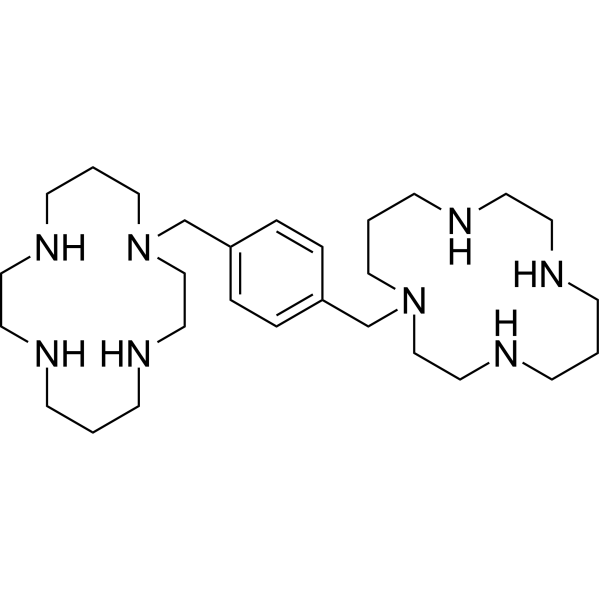
  • HY-10046
    Plerixafor
    Maximum Cited Publications
    102 Publications Verification

    AMD 3100; JM3100; SID791

    CXCR HIV Infection Inflammation/Immunology Endocrinology Cancer
    Plerixafor (AMD 3100) is a selective CXCR4 antagonist with an IC50 of 44 nM. Plerixafor, an immunostimulant and a hematopoietic stem cell (HSC) mobilizer, is an allosteric agonist of CXCR7. Plerixafor inhibits HIV-1 and HIV-2 replication with an EC50 of 1-10 nM [2] .
    Plerixafor
  • HY-14882
    Cenicriviroc
    5+ Cited Publications

    TAK-652; TBR-652

    CCR HIV Infection Endocrinology
    Cenicriviroc (TAK-652) is an orally active, dual CCR2/CCR5 antagonist, also inhibits both HIV-1 and HIV-2, and displays potent anti-inflammatory and antiinfective activity .
    Cenicriviroc
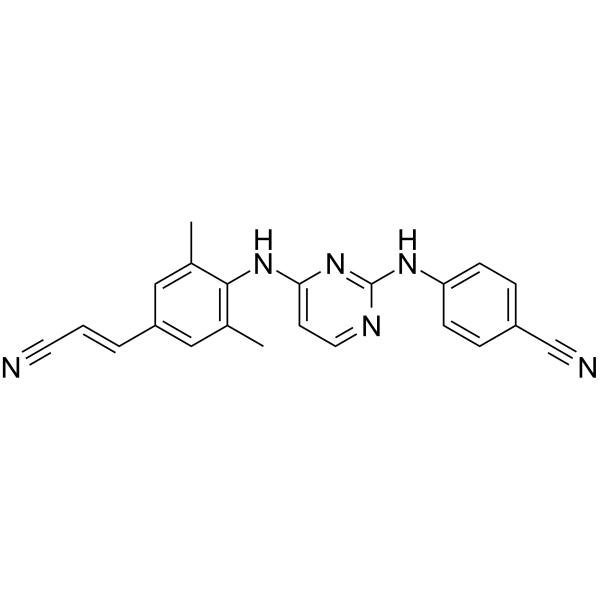
  • HY-10574
    Rilpivirine
    5+ Cited Publications

    R278474; TMC278; DB08864

    HIV Reverse Transcriptase Infection
    Rilpivirine (R278474) is a potent and specific diarylpyrimidine (DAPY) non-nucleoside reverse transcriptase inhibitor (NNRTI). Rilpivirine has high antiviral activity against wild-type HIV (EC50=0.4 nM) and mutant viruses (EC50=0.1-2.0 nM). Rilpivirine has a high genetic barrier to resistance development of HIV .
    Rilpivirine
  • HY-B1235
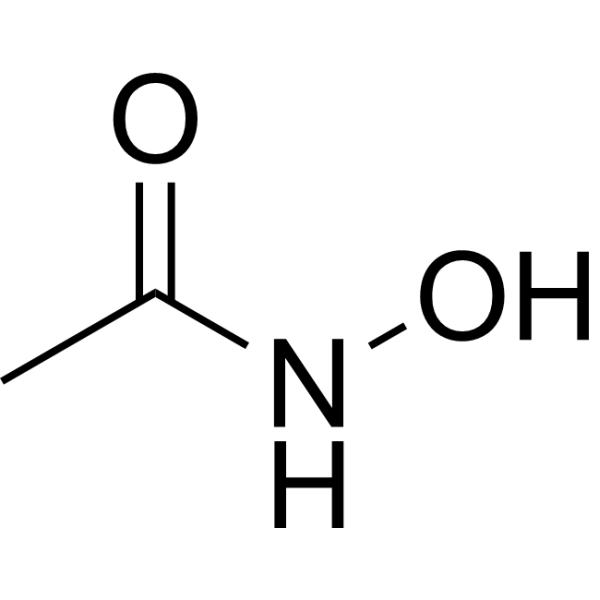
    Acetohydroxamic acid
    1 Publications Verification

    N-Hydroxyacetamide

    Bacterial HIV Infection Inflammation/Immunology
    Acetohydroxamic acid is the inhibitor for bacterial and plant urease that can be used for chronic urinary tract infections. Acetohydroxamic acid selectively inhibits arachidonic acid 5-lipoxygenase that is useful in the research of asthma. Acetohydroxamic acid inhibits the formation of advanced glycation end products, and reduces oxidative stress and inflammatory responses. Acetohydroxamic acid exhibits antiviral activity against HIV .
    Acetohydroxamic acid
  • HY-B0116
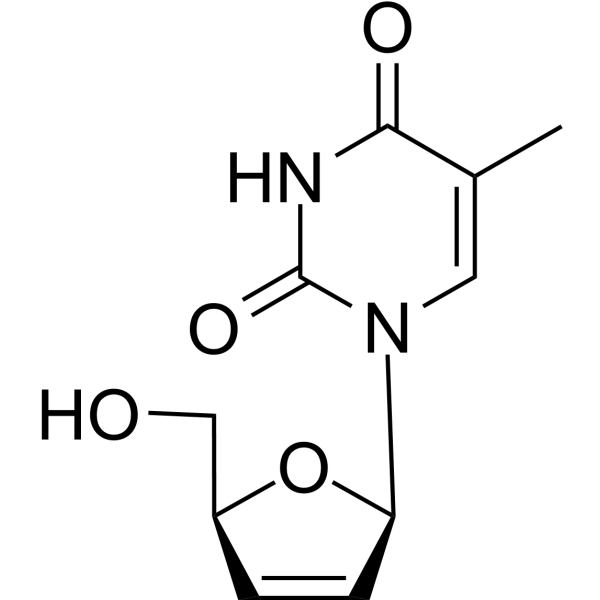
    Stavudine
    4 Publications Verification

    d4T

    Reverse Transcriptase HIV Nucleoside Antimetabolite/Analog NOD-like Receptor (NLR) Autophagy Apoptosis Infection
    Stavudine (d4T) is an orally active nucleoside reverse transcriptase inhibitor (NRTI). Stavudine has activity against HIV-1 and HIV-2. Stavudine also inhibits the replication of mitochondrial DNA (mtDNA). Stavudine reduces NLRP3 inflammasome activation and modulates Amyloid-β autophagy. Stavudine induces apoptosis [2] .
    Stavudine
  • HY-P4108

    Influenza Virus Infection
    TAT-HA2 Fusion Peptide is a peptide-based delivery agent that combines the pH-sensitive HA2 fusion peptide from Influenza and the cell-penetrating peptide TAT from HIV. TAT-HA2 Fusion Peptide is a transactivator of transcription and hemaglutanin for endosomal release. TAT-HA2 Fusion Peptide enhances cellular uptake of macromolecules .
    TAT-HA2 Fusion Peptide
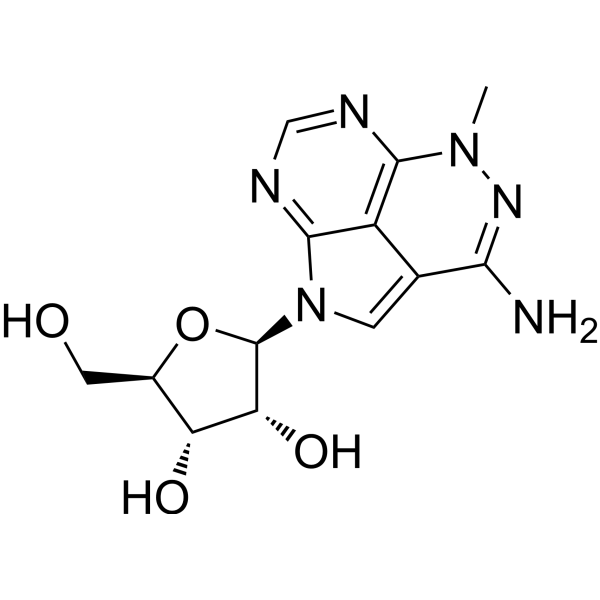
  • HY-15457
    Triciribine
    20+ Cited Publications

    API-2; NSC 154020; TCN

    DNA/RNA Synthesis Akt HIV Cancer
    Triciribine is a DNA synthesis inhibitor, also inhibits Akt and HIV-1/2 with IC50 of 130 nM, and 0.02-0.46 μM, respectively.
    Triciribine
  • HY-19314
    Azvudine
    Maximum Cited Publications
    6 Publications Verification

    RO-0622; FNC

    Reverse Transcriptase HIV HBV HCV Infection
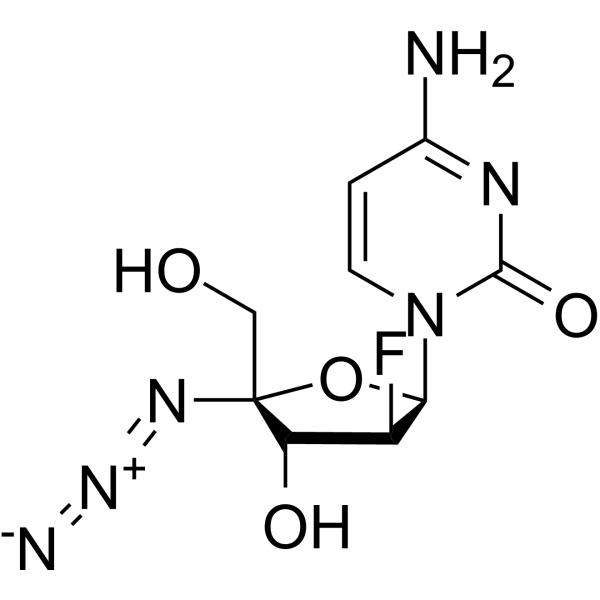
    Azvudine (RO-0622) is a potent nucleoside reverse transcriptase inhibitor (NRTI), with antiviral activity on HIV, HBV and HCV. Azvudine exerts highly potent inhibition on HIV-1 (EC50s ranging from 0.03 to 6.92 nM) and HIV-2 (EC50s ranging from 0.018 to 0.025 nM). Azvudine inhibits NRTI-resistant viral strains . Azvudine is a click chemistry reagent, it contains an Azide group and can undergo copper-catalyzed azide-alkyne cycloaddition reaction (CuAAc) with molecules containing Alkyne groups. It can also undergo strain-promoted alkyne-azide cycloaddition (SPAAC) reactions with molecules containing DBCO or BCN groups.
    Azvudine
  • HY-B0249
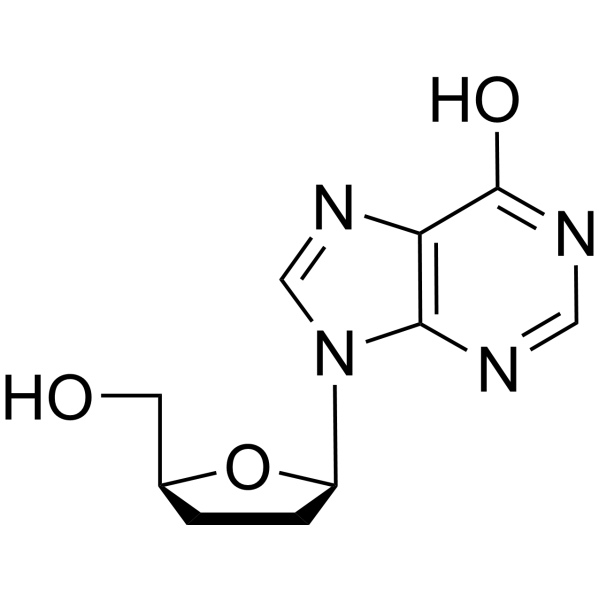
    Didanosine
    1 Publications Verification

    2',3'-DideoxyINosINe; ddI

    HIV Reverse Transcriptase Infection Neurological Disease Inflammation/Immunology
    Didanosine (2',3'-Dideoxyinosine; ddI) is a a potent and orally active dideoxynucleoside analogue, and also is a potent nucleoside reverse transcriptase inhibitor. Didanosine shows antiretroviral activity for HIV .
    Didanosine
  • HY-14882A
    Cenicriviroc Mesylate
    5+ Cited Publications

    TAK-652 Mesylate; TBR-652 Mesylate

    CCR HIV Infection Inflammation/Immunology Endocrinology
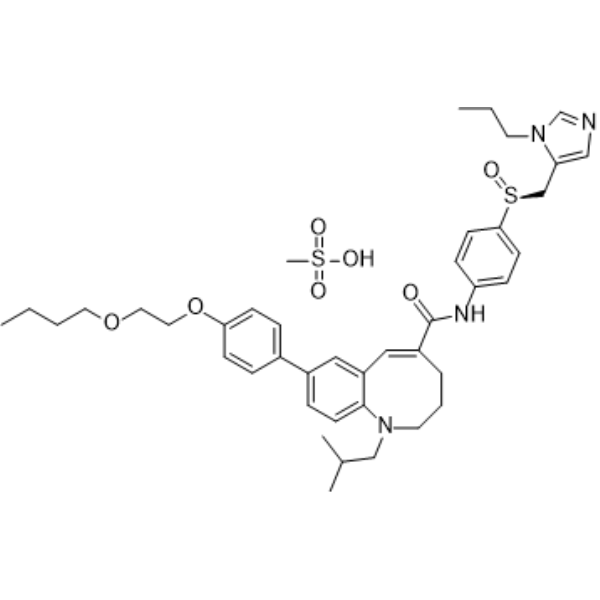
    Cenicriviroc Mesylate (TAK-652 Mesylate) is a dual CCR2/CCR5 antagonist, also inhibits both HIV-1 and HIV-2, and displays potent anti-inflammatory and antiinfective activity.
    Cenicriviroc Mesylate
  • HY-16776

    FestINavir; BMS-986001; OBP-601

    HIV Reverse Transcriptase Nucleoside Antimetabolite/Analog Infection
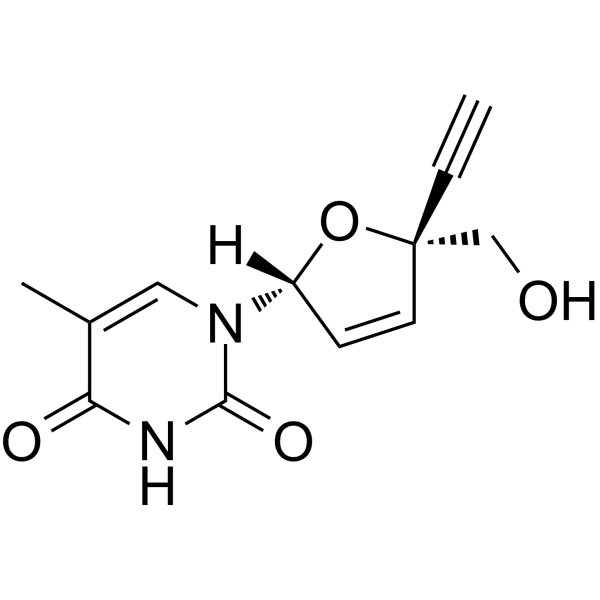
    Censavudine (OBP-601; BMS-986001), a nucleoside analog, is a nucleoside reverse transcriptase inhibitor. Censavudine is a potent HIV inhibitor with EC50 ranges from 30 nM to 81 nM and 450 nM to 890 nM for HIV-2 and HIV-1, respectively [2]. Censavudine is a click chemistry reagent, it contains an Alkyne group and can undergo copper-catalyzed azide-alkyne cycloaddition (CuAAc) with molecules containing Azide groups.
    Censavudine
  • HY-19314A
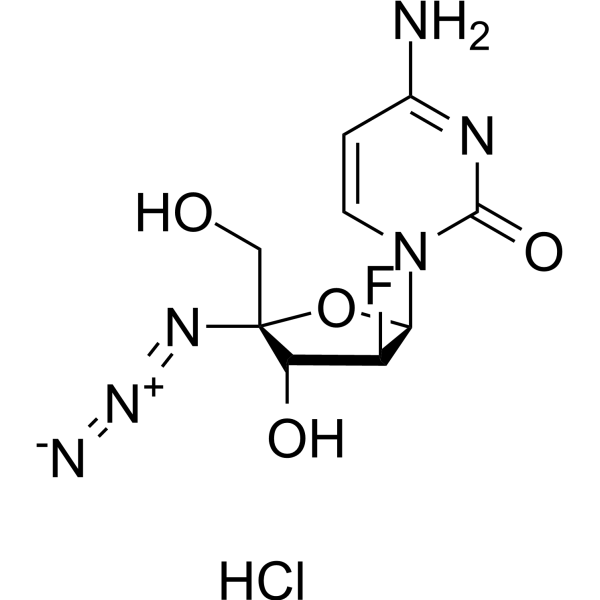
    Azvudine hydrochloride
    Maximum Cited Publications
    6 Publications Verification

    RO-0622 hydrochloride; FNC hydrochloride

    Reverse Transcriptase HIV HBV HCV Infection
    Azvudine (RO-0622) hydrochloride is a potent nucleoside reverse transcriptase inhibitor (NRTI), with antiviral activity on HIV, HBV and HCV. Azvudine hydrochloride exerts highly potent inhibition on HIV-1 (EC50s ranging from 0.03 to 6.92 nM) and HIV-2 (EC50s ranging from 0.018 to 0.025 nM). Azvudine hydrochloride inhibits NRTI-resistant viral strains . Azvudine (hydrochloride) is a click chemistry reagent, it contains an Azide group and can undergo copper-catalyzed azide-alkyne cycloaddition reaction (CuAAc) with molecules containing Alkyne groups. It can also undergo strain-promoted alkyne-azide cycloaddition (SPAAC) reactions with molecules containing DBCO or BCN groups.
    Azvudine hydrochloride
  • HY-120427
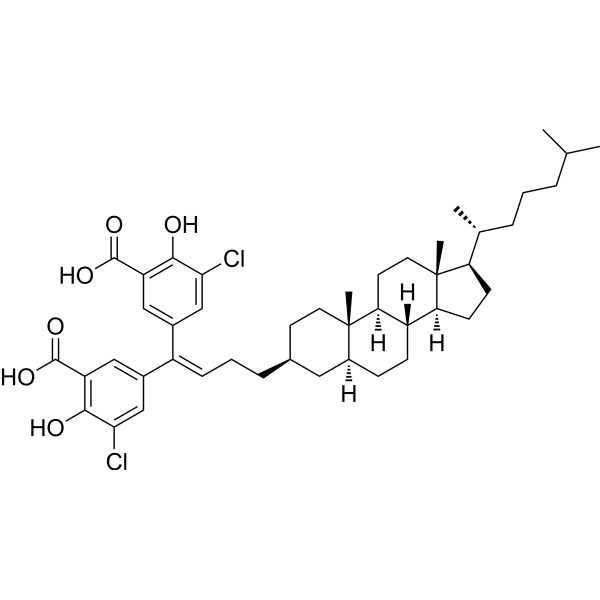
    Cosalane
    1 Publications Verification

    NSC 658586

    CCR CXCR HIV HSV Infection Inflammation/Immunology
    Cosalane (NSC 658586) is a CCR7 (IC50 = 2.43 μM) and CXCR2 antagonist (IC50 = 0.66 μM). Cosalane is an inhibitor of HIV replication with a wide range of activity against HIV-1 isolates, HIV-2, Rauscher murine leukemia virus, HSV-1, HSV-2 and human cytomegalovirus. Cosalane inhibits both attachment of gp120 to CD4. Cosalane inhibits human and murine CCR7 in response to both CCL19 and CCL21 agonists. Cosalane can be studied in research for HIV or attenuating acute graft-versus-host disease (aGVHD) in allogeneic hematopoietic stem cell transplantation (HSCT) [2] .
    Cosalane
  • HY-P990297

    CCR HIV Infection Inflammation/Immunology Cancer
    Anti-Mouse/Rat/Human CCL2/MCP-1 Antibody (2H5) is an anti-mouse/rat/human CCL2/MCP-1 IgG monoclonal antibody. Anti-Mouse/Rat/Human CCL2/MCP-1 Antibody (2H5) can reverse the immunosuppressive microenvironment by blocking the CCL2 signaling pathway. Anti-Mouse/Rat/Human CCL2/MCP-1 Antibody (2H5) can reduce the secretion of IFN-γ and the infiltration of macrophages. CCL2/MCP-1 Antibody (2H5) can reduce the amount of HIV virus by increasing the proportion of T cells. Anti-Mouse/Rat/Human CCL2/MCP-1 Antibody (2H5) can be used for researches on inflammation conditions, virus infection and cancer such as inflammatory bowel disease (IBD), hepatocellular carcinoma (HCC) and HIV .
    Anti-Mouse/Rat/Human CCL2/MCP-1 Antibody (2H5)
  • HY-15355

    R 89439

    Reverse Transcriptase HIV Infection
    Loviride (R 89439) is a non-nucleoside reverse transcriptase inhibitor (NNRTI), with an IC50 of 0.3 µM for reverse transcriptase from HIV-1. Loviride (R 89439) inhibits HIV-1, HIV-2 and SIV replication in MT-4 cells .
    Loviride
  • HY-P1066

    Apelin Receptor (APJ) HIV Infection
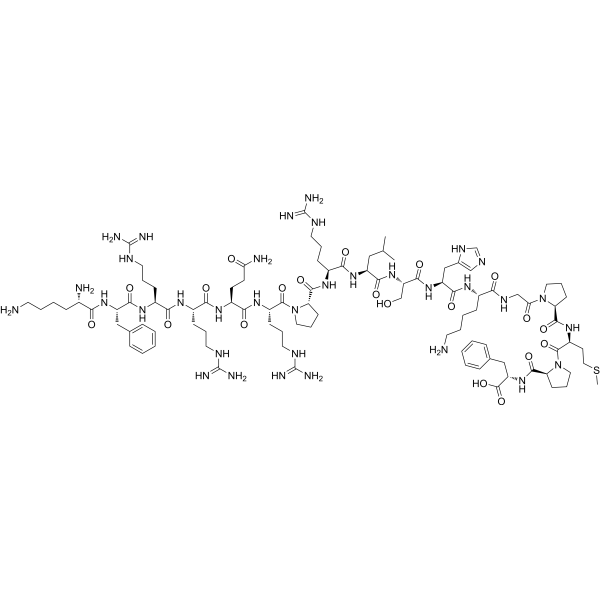
    Apelin-17(human, bovine) is an endogenous orphan G protein-coupled receptor APJ agonist. Apelin-17(human, bovine) binds to human APJ receptors expressed in HEK 293 cells (pIC50=9.02). Apelin-17(human, bovine) inhibits the entry of some HIV-1 and HIV-2 into the NP2/CD4 cells expressing APJ [2] .
    Apelin-17(human, bovine)
  • HY-N10776

    HIV Infection
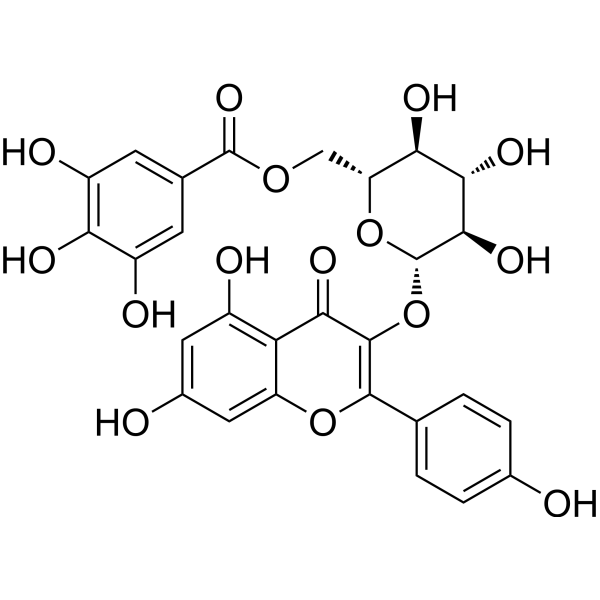
    Kaempferol-3-O-(6′′-galloyl)-β-glucopyranoside is a glucopyranoside. Kaempferol-3-O-(6′′-galloyl)-β-glucopyranoside inhibts HIV-2 RNase H with an IC50 value of 5.19 μM .
    Kaempferol-3-O-(6′′-galloyl)-β-glucopyranoside
  • HY-10574A
    Rilpivirine hydrochloride
    5+ Cited Publications

    TMC-278 hydrochloride

    SARS-CoV MMP Infection
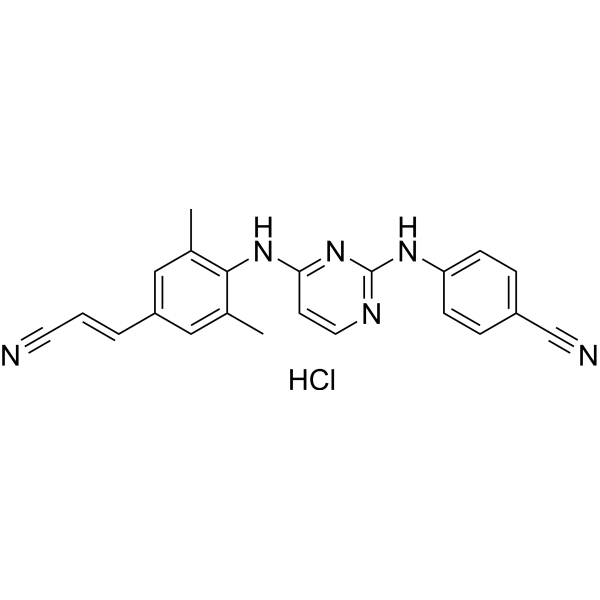
    Rilpivirine (R278474) hydrochloride is a potent and specific diarylpyrimidine (DAPY) non-nucleoside reverse transcriptase inhibitor (NNRTI). Rilpivirine hydrochloride has high antiviral activity against wild-type HIV (EC50=0.4 nM) and mutant viruses (EC50=0.1-2.0 nM). Rilpivirine hydrochloride has a high genetic barrier to resistance development of HIV .
    Rilpivirine hydrochloride
  • HY-W028350

    HIV DNA/RNA Synthesis Infection
    NSC727447 is an inhibitor of ribonuclease H (Rnase H) of HIV-1 and HIV-2. NSC727447 has little activity against E. coli RNase H, but great selectivity over human Rnase H, with IC50s value of 2.0 μM, 2.5 μM, 100 μM, 10.6 μM, respectively .
    NSC727447
  • HY-120832

    HIV Infection
    Azt-pmap, a nucleoside analogue, is an aryl phosphate derivative of AZT. Azt-pmap shows anti-HIV activity . AZT is a nucleoside reverse transcriptase inhibitor (NRTI) for HIV infection . Azt-pmap is a click chemistry reagent, it contains an Azide group and can undergo copper-catalyzed azide-alkyne cycloaddition reaction (CuAAc) with molecules containing Alkyne groups. It can also undergo strain-promoted alkyne-azide cycloaddition (SPAAC) reactions with molecules containing DBCO or BCN groups.
    Azt-pmap
  • HY-P1064

    Apelin Receptor (APJ) HIV Infection Cardiovascular Disease Metabolic Disease
    Apelin-36(human) is an endogenous orphan G protein-coupled receptor APJ agonist, with an EC50 of 20 nM. Apelin-36(human) shows high affinity to human APJ receptors expressed in HEK 293 cells (pIC50=8.61). Apelin-36 has been linked to two major types of biological activities: cardiovascular and metabolic. Apelin-36(human) inhibits the entry of some HIV-1 and HIV-2 into the NP2/CD4 cells expressing APJ [2] .
    Apelin-36(human)
  • HY-19509

    Reverse Transcriptase HIV Infection
    IQP-0528 is a highly potent nonnucleoside reverse transcriptase inhibitor (NNRTI). IQP-0528 shows nanomolar activity against both HIV-1 and HIV-2, with EC50s of 0.2 nM and 100 nM, respectively .
    IQP-0528
  • HY-P1065

    Apelin Receptor (APJ) HIV Infection Cardiovascular Disease Metabolic Disease
    Apelin-36(rat, mouse) is an endogenous orphan G protein-coupled receptor APJ agonist. Apelin-36(rat, mouse) binds to APJ receptors with an IC50 of 5.4 nM, and potently inhibits cAMP production with an EC50 of 0.52 nM. Apelin-36(rat, mouse) blocks entry of some HIV-1 and HIV-2 strains into NP-2/CD4 cells expressing APJ [2].
    Apelin-36(rat, mouse)
  • HY-P2200

    BMY-29304

    HIV Antibiotic Infection Inflammation/Immunology
    Siamycin I (BMY-29304), a 21-residue tricyclic peptide, is a secondary metabolite in actinomycetes. Siamycin I is a HIV fusion inhibitor with ED50s of 0.05 to 5.7 μM for acute HIV type 1 (HIV-1) and HIV-2 infections. Siamycin I inhibits the gelatinase and gelatinase biosynthesis-activating pheromone (GBAP) signaling via the FsrC-FsrA two-component regulatory system in a noncompetitive manner. Siamycin I suppresses the expression of both fsrBDC and gelE-sprE transcripts. Siamycin I, a lasso peptide, interacts with lipid II and inhibits cell wall biosynthesis. Siamycin I, an antibiotic, has the potential for enterococcal infections research [2] .
    Siamycin I
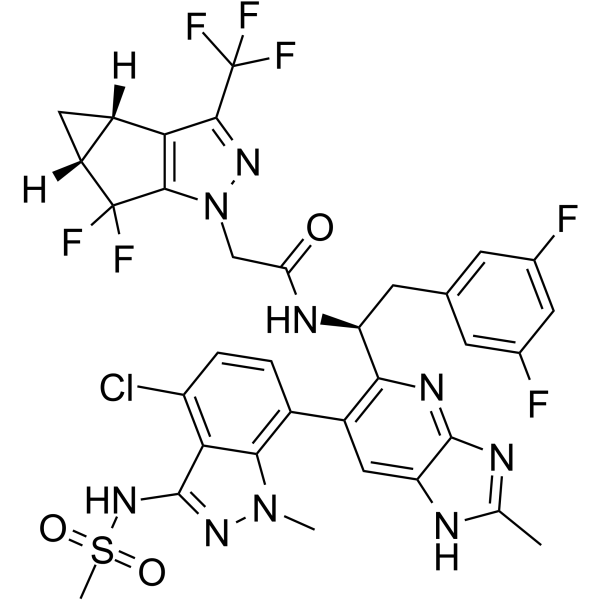
  • HY-143479

    HIV Infection
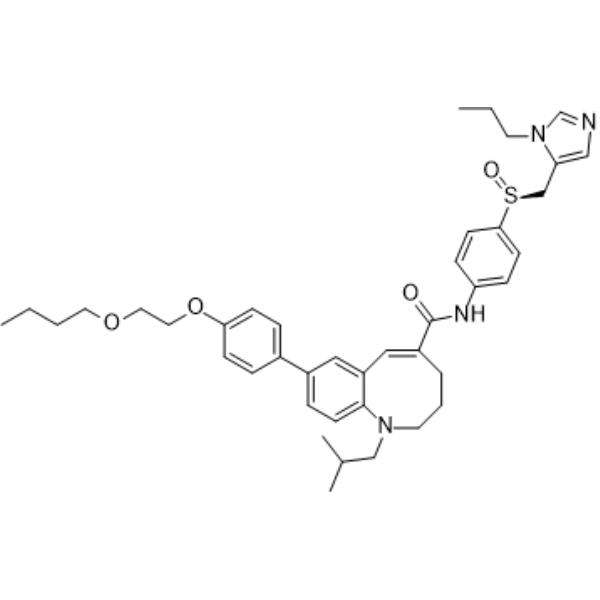
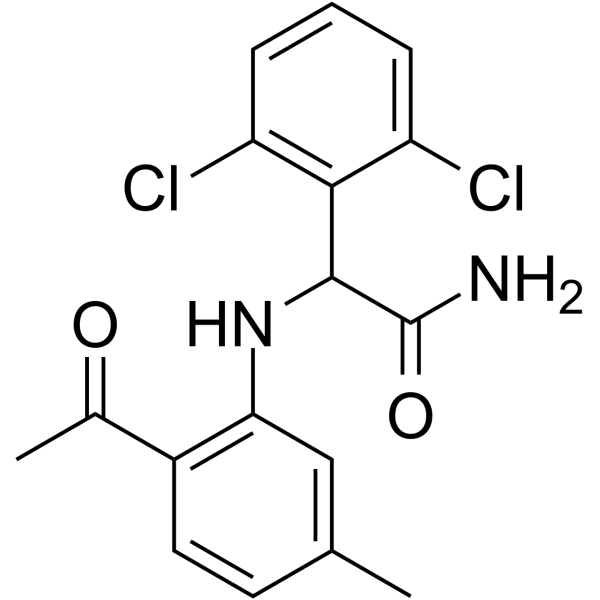
    HIV-IN-2 (Compound 100) is a potent inhibitor of HIV. HIV-IN-2 has the potential for the research of HIV infection .
    HIV-IN-2
  • HY-106395

    SC-52151

    HIV Protease HIV Infection
    Telinavir (SC-52151) is a potent and selective HIV protease inhibitor. Telinavir inhibits lymphotropic, monocytotropic strains and field isolates of HIV type 1 (HIV-1), HIV-2, and simian immunodeficiency virus with EC50s of 26 ng/mL (43 nM). Telinavir is highly protein bound in human plasma and exhibits low partitioning into erythrocytes .
    Telinavir
  • HY-B0116A

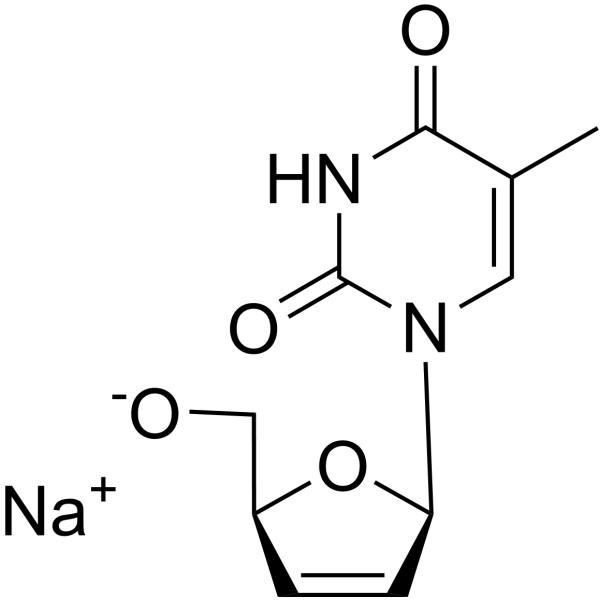
    d4T sodium

    Reverse Transcriptase HIV Nucleoside Antimetabolite/Analog NOD-like Receptor (NLR) Autophagy Apoptosis Infection
    Stavudine (d4T) sodium is an orally active nucleoside reverse transcriptase inhibitor (NRTI). Stavudine sodium has activity against HIV-1 and HIV-2. Stavudine sodium also inhibits the replication of mitochondrial DNA (mtDNA). Stavudine sodium reduces NLRP3 inflammasome activation and modulates Amyloid-β autophagy. Stavudine sodium induces apoptosis [2] .
    Stavudine sodium
  • HY-B1235R

    N-Hydroxyacetamide (Standard)

    Reference Standards Bacterial HIV Infection Inflammation/Immunology
    Acetohydroxamic acid (Standard) is the analytical standard of Acetohydroxamic acid. This product is intended for research and analytical applications. Acetohydroxamic acid is the inhibitor for bacterial and plant urease that can be used for chronic urinary tract infections. Acetohydroxamic acid selectively inhibits arachidonic acid 5-lipoxygenase that is useful in the research of asthma. Acetohydroxamic acid inhibits the formation of advanced glycation end products, and reduces oxidative stress and inflammatory responses. Acetohydroxamic acid exhibits antiviral activity against HIV .
    Acetohydroxamic acid (Standard)
  • HY-B0116R

    d4T (Standard)

    Reference Standards Reverse Transcriptase HIV Nucleoside Antimetabolite/Analog NOD-like Receptor (NLR) Autophagy Apoptosis Infection
    Stavudine (Standard) is the analytical standard of Stavudine. This product is intended for research and analytical applications. Stavudine (d4T) is an orally active nucleoside reverse transcriptase inhibitor (NRTI). Stavudine has activity against HIV-1 and HIV-2. Stavudine also inhibits the replication of mitochondrial DNA (mtDNA). Stavudine reduces NLRP3 inflammasome activation and modulates Amyloid-β autophagy. Stavudine induces apoptosis [2] .
    Stavudine (Standard)
  • HY-14913

    SPD754; AVX754

    Nucleoside Antimetabolite/Analog HIV DNA/RNA Synthesis Infection
    Apricitabine (SPD754; AVX754), the (-) enantiomer of 2′-deoxy-3′-oxa-4′-thiocytidine (dOTC), is a highly selective and orally active HIV-1 reverse transcriptase (RT) inhibitor (Ki=0.08 μM), as well as inhibits DNA polymerases α, β, and γ with Ki value of 300 μM, 12 μM, and 112.25 μM, respectively . Apricitabine (SPD754; AVX754) shows promising antiretroviral efficacy, good tolerability and a low propensity for resistance selection in antiretroviral-naive HIV infection .
    Apricitabine
  • HY-P1064A

    HIV Apelin Receptor (APJ) Infection Cardiovascular Disease Metabolic Disease
    Apelin-36(human) TFA is an endogenous orphan G protein-coupled receptor APJ agonist, with an EC50 of 20 nM. Apelin-36(human) TFA shows high affinity to human APJ receptors expressed in HEK 293 cells (pIC550=8.61). Apelin-36(human) TFA has been linked to two major types of biological activities: cardiovascular and metabolic. Apelin-36(human) TFA inhibits the entry of some HIV-1 and HIV-2 into the NP2/CD4 cells expressing APJ [2] .
    Apelin-36(human) TFA
  • HY-116282W

    DSS (MW 6500-10000); DXS (MW 6500-10000)

    HIV Inflammation/Immunology
    Dextran sulfate sodium salt (DSS) (MW 6500-10000) is a polymer of dehydrated glucose with a molecular weight of approximately 5000. Dextran sulfate sodium salt with different molecular weights exhibits different biological activities. Dextran sulfate sodium salt (MW 6500-10000) has antiviral activity against HIV-1 and HIV-2. Dextran sulfate sodium salt (MW 6500-10000) blocks the binding of virions to CD4 T lymphocytes and inhibits syncytia formation. Dextran sulfate sodium salt (MW 6500-10000) also prevents experimental urolithiasis due to its cytoprotective actions. Moreover, because of its biocompatible and highly charged properties, Dextran sulfate sodium salt (MW 6500-10000) is a suitable choice for pharmaceutical systems [2] .
    Dextran sulfate sodium salt (MW 6500-10000)
  • HY-P990835

    Integrin Infection Inflammation/Immunology
    Anti-LFA-1α/CD11a Antibody (TS-1/22.1.1.13) is a kind of mouse IgG1 chimeric antibody inhibitor, targeting to human LFA-1α/CD11a. Anti-LFA-1α/CD11a Antibody (TS-1/22.1.1.13) reacts with human LFA-1α (lymphocyte function-associated antigen 1 alpha) also known as integrin alpha L chain and CD11a. Anti-LFA-1α/CD11a Antibody (TS-1/22.1.1.13) can be used for the researches of immunology and infection, such as human immunodeficiency virus (HIV) .
    Anti-LFA-1α/CD11a Antibody (TS-1/22.1.1.13)
  • HY-13004S

    Isotope-Labeled Compounds CCR HIV Inflammation/Immunology Endocrinology Cancer
    Maraviroc-d6 (UK-427857-d6) is the deuterium labeled Maraviroc. Maraviroc (UK-427857) is a selective CCR5 antagonist with activity against human HIV .
    Maraviroc-d6
  • HY-143478

    HIV Infection
    HIV-IN-1 (Compound 50) is a potent inhibitor of HIV. HIV-IN-2 has the potential for the research of HIV infection .
    HIV-IN-1
  • HY-10046S

    Isotope-Labeled Compounds CXCR HIV Infection Inflammation/Immunology Endocrinology Cancer
    Plerixafor-d4 is the deuterium labeled Plerixafor. Plerixafor (AMD 3100) is a selective CXCR4 antagonist with an IC50 of 44 nM. Plerixafor, an immunostimulant and a hematopoietic stem cell (HSC) mobilizer, is an allosteric agonist of CXCR7. Plerixafor inhibits HIV-1 and HIV-2 replication with an EC50 of 1-10 nM [2] .
    Plerixafor-d4
  • HY-106395A

    (Rac)-SC-52151

    HIV Protease HIV Infection
    (Rac)-Telinavir ((Rac)-SC-52151) is a racemate of Telinavir (HY-106395A). Telinavir (SC-52151) is a potent and selective HIV protease inhibitor. Telinavir inhibits lymphotropic, monocytotropic strains and field isolates of HIV type 1 (HIV-1), HIV-2, and simian immunodeficiency virus with EC50s of 26 ng/mL (43 nM). Telinavir is highly protein bound in human plasma and exhibits low partitioning into erythrocytes .
    (Rac)-Telinavir
  • HY-109014

    CMX-157

    HIV HBV Nucleoside Antimetabolite/Analog Infection
    Tenofovir exalidex (CMX157) is a lipid conjugate of the acyclic nucleotide analog Tenofovir with activity against both wild-type and antiretroviral drug-resistant HIV strains, including multidrug nucleoside/nucleotide analog-resistant viruses. Tenofovir exalidex is active against all major subtypes of HIV-1 and HIV-2 in fresh human PBMCs and against all HIV-1 strains evaluated in monocyte-derived macrophages, with EC50s ranging between 0.2 and 7.2 nM. CMX157 is orally available and has no apparent toxicity. Tenofovir exalidex also shows antiviral activity against HBV [2] .
    Tenofovir exalidex
  • HY-N4155

    EBV HIV Protease HSV Infection Cancer
    2α,19α-Dihydroxy-3-oxo-urs-12-en-28-oic acid, a natural ursane-type triterpene, is a potent inhibitor of HIV protease (HIV Protease). 2α,19α-Dihydroxy-3-oxo-urs-12-en-28-oic acid is also an inhibitor of the activation of Epstein-Barr virus early antigen (EBV-EA). 2α,19α-Dihydroxy-3-oxo-urs-12-en-28-oic acid displays an inhibitory activity against nitric oxide production in Lipopolysaccharide (Lipopolysaccharides)-activated RAW 264.7 cells [2].
    2α,19α-Dihydroxy-3-oxo-urs-12-en-28-oic acid
  • HY-P3980

    HIV Protease Infection
    HIV-1, HIV-2 Protease Substrate is the substrate of HIV-1, HIV-2 protease. And there are 4 residues for conservative substitutions of the substrate binding residues of HIV-1 and HIV-2 protease .
    HIV-1, HIV-2 Protease Substrate
  • HY-19378

    PC 815

    HIV Infection
    MIV-150 is a nonnucleoside reverse transcriptase (NNRT) inhibitor, blocking HIV-1 and HIV-2 infections, with an EC50<1 nM against HIV-1/HIV-2MN.
    MIV-150
  • HY-14882R

    TAK-652 (Standard); TBR-652 (Standard)

    CCR HIV Reference Standards Infection Endocrinology
    Cenicriviroc (Standard) is the analytical standard of Cenicriviroc. This product is intended for research and analytical applications. Cenicriviroc (TAK-652) is an orally active, dual CCR2/CCR5 antagonist, also inhibits both HIV-1 and HIV-2, and displays potent anti-inflammatory and antiinfective activity .
    Cenicriviroc (Standard)
  • HY-100212

    AG1776; KNI-764

    HIV HIV Protease Infection
    JE-2147 (AG1776) is a potent dipeptide protease inhibitor with a Ki of 0.33 nM for HIV-1 protease. JE-2147 has effective activities against a wide spectrum of HIV-1, HIV-2, simian immunodeficiency virus, and various clinical HIV-1 strains in vitro [2].
    JE-2147
  • HY-15355R

    R 89439 (Standard)

    Reverse Transcriptase HIV Reference Standards Infection
    Loviride (Standard) is the analytical standard of Loviride. This product is intended for research and analytical applications. Loviride (R 89439) is a non-nucleoside reverse transcriptase inhibitor (NNRTI), with an IC50 of 0.3 μM for reverse transcriptase from HIV-1. Loviride (R 89439) inhibits HIV-1, HIV-2 and SIV replication in MT-4 cells .
    Loviride (Standard)
  • HY-10046R

    AMD 3100 (Standard); JM3100 (Standard); SID791 (Standard)

    Reference Standards CXCR HIV Infection Inflammation/Immunology Endocrinology Cancer
    Plerixafor (Standard) is the analytical standard of Plerixafor. This product is intended for research and analytical applications. Plerixafor (AMD 3100) is a selective CXCR4 antagonist with an IC50 of 44 nM. Plerixafor, an immunostimulant and a hematopoietic stem cell (HSC) mobilizer, is an allosteric agonist of CXCR7. Plerixafor inhibits HIV-1 and HIV-2 replication with an EC50 of 1-10 nM [2] .
    Plerixafor (Standard)
  • HY-162525

    HIV Protease Infection
    GS-9770 is an orally active inhibitor for HIV protease with Ki of 0.16 nM. GS-9770 exhibits antiviral activity aginst HIV-1 strains and HIV-2 strains with EC50 of 1.9-26 nM, and 26 nM. GS-9770 is metabolic stable in human liver microsomes. GS-9770 exhibits good pharmacokinetic characters in Sprague Dawley rats .
    GS-9770
  • HY-10574S

    Isotope-Labeled Compounds HIV Reverse Transcriptase Infection
    Rilpivirine-d6 is the deuterium labeled Rilpivirine. Rilpivirine (R278474) is a potent and specific diarylpyrimidine (DAPY) non-nucleoside reverse transcriptase inhibitor (NNRTI). Rilpivirine has high antiviral activity against wild-type HIV (EC50=0.4 nM) and mutant viruses (EC50=0.1-2.0 nM). Rilpivirine has a high genetic barrier to resistance development of HIV .
    Rilpivirine-d6
  • HY-P1066A

    HIV Apelin Receptor (APJ) Infection
    Apelin-17(human, bovine) TFA is an endogenous orphan G protein-coupled receptor APJ agonist. Apelin-17(human, bovine) TFA binds to human APJ receptors expressed in HEK 293 cells (pIC50=9.02). Apelin-17(human, bovine) TFA inhibits the entry of some HIV-1 and HIV-2 into the NP2/CD4 cells expressing APJ [2] .
    Apelin-17(human, bovine) TFA
  • HY-P5642

    RC-101

    Bacterial Ser/Thr Protease Influenza Virus HSV SARS-CoV Toll-like Receptor (TLR) Fungal HIV Flavivirus Infection Inflammation/Immunology
    Retrocyclin-101 (RC-101) is a synthetic cyclic θ-defensin, a broad-spectrum antimicrobial peptide with anti-pathogen (covering viruses, bacteria and fungi) activity and anti-inflammatory activity. Retrocyclin-101 exhibits significant inhibitory activity against HIV, SARS-CoV-2, flaviviruses, influenza viruses, HSV-1/2, Staphylococcus aureus and others. Retrocyclin-101 inhibits TLR4 and TLR2-mediated signal transduction and reduces pro-inflammatory cytokine expression [2] .
    Retrocyclin-101
  • HY-19869

    HIV Reverse Transcriptase Infection
    VRX-480773 is an efficient non-nucleoside reverse transcriptase inhibitor (NNRTI), used for HIV infection. VRX-480773 has high specificity for HIV-1, with an EC50 for wild-type HIV-1 being 0.14 nM. VRX-480773 does not inhibit HIV-2, HBV or HCV, and has no effect on human DNA polymerase α/β. VRX-480773 retains inhibitory activity against Efavirenz (HY-10572) resistant strains, with EC50s mostly < 1 nM. VRX-480773 can be used for research on AIDS .
    VRX-480773

Inquiry Online

Your information is safe with us. * Required Fields.

Salutation


Country or Region *

Applicant Name *


Organization Name *

Department *


Email Address *


Product Name *

Cat. No.


Requested quantity *

Phone Number *


Remarks

Inquiry Online

Inquiry Information

Product Name:
Cat. No.:
Quantity:
MCE Japan Authorized Agent:

