







From 11:00 pm to 12:00 pm EST ( 8:00 pm to 9:00 pm PST ) on January 6th, the website will be under maintenance. We are sorry for the inconvenience. Please arrange your schedule properly.
Patritumab deruxtecan (HER3-DXd) is an antibody-drug conjugate (ADC) consisting of a fully human anti-HER3 IgG1 monoclonal antibody Patritumab (HY-P99275) attached to a topoisomerase I inhibitor payload via a tetrapeptide-based cleavable linker. Patritumab deruxtecan shows anticancer activity .
Patritumab (Human Anti-ERBB3 Recombinant Antibody) is a neutralizing monoclonal antibody to ERBB3. Patritumab shows a synergy with Cetuximab (HY-P9905), potently inhibits the phosphorylation of EGFR, HER2, HER3, ERK, and AKT. Patritumab also induces cell apoptosis and suppresses the growth of pancreatic, non-small cell lung cancer, and colorectal cancer xenograft tumors .
BL-B01D1 is a bispecific ADC, which targets EGFR and HER3 through bispecific antibody Izalontamab (HY-P99676), and exhibits cytotoxicity against various cancer cells via inhibition of DNA replication and DNA synthesis by its ADC toxin ED04 (HY-153891). BL-B01D1 can be used in the study of cancer .
Izalontamab (SI-B001) is a bispecific anti-EGFR/HER3 monoclonal antibody with high selectivity for EGFR/HER3 heterodimer. Izalontamab can be used for the research of cancer .
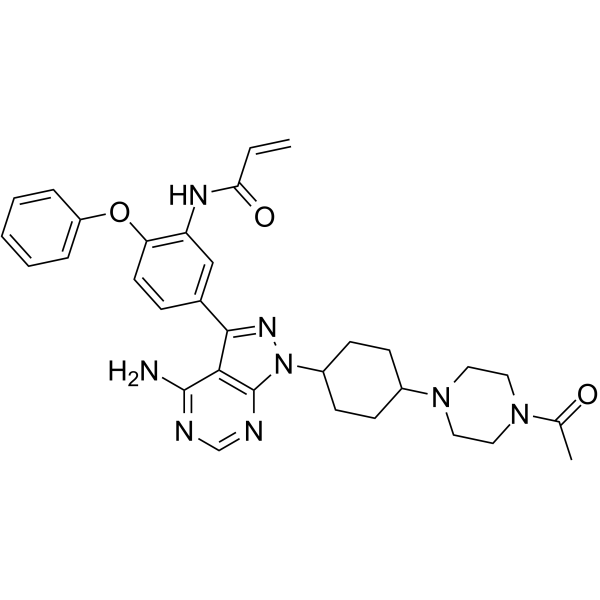
TX1-85-1 is an irreversible Her3(ErbB3) inhibitor with an IC50 of 23 nM. TX1-85-1 is also the first selective Her3 ligand, which forms a covalent bond with Cys721 located in the ATP-binding site of Her3. TX1-85-1 induces partial degradation of Her3 protein and attenuates Her3-dependent signaling .
Pumitamig (PM-8002, BNT-327) is a bispecific antibody targeting PD-L1 and VEGF-A, with immune activation and anti-angiogenic activities. By binding to PD-L1, Pumitamig restores the function of effector T cells, while neutralizing VEGF-A in the tumor microenvironment to reverse its inhibition on the infiltration and activation of immune cells and normalize tumor blood vessels. Pumitamig can also be combined with various ADCs targeting TROP2, B7H3, HER2, HER3 for the research of advanced/metastatic solid tumors, including non-small cell lung cancer, ovarian cancer, triple-negative breast cancer, cervical cancer, etc. Pumitamig also exhibits potential efficacy in "cold" tumors with low PD-L1 expression that are insensitive to immunotherapy .
Seribantumab (MM 121) is a fully human IgG2 monoclonal antibody that targets HER3. Seribantumab blocks the activation of epidermal growth factor receptor (ErbB) family members and its downstream signal. Seribantumab inhibits neuregulin 1 (NRG1) fusion-dependent tumorigenesis in vitro and in vivo in breast, lung and ovarian patient-derived cancer models .
Elgemtumab(LJM716) is a fully human IgG monoclonal antibody. Elgemtumab can specifically bind to HER3, block ligand-dependent and independent HER3 signal transduction and cell proliferation, and has good anti-tumor potential .
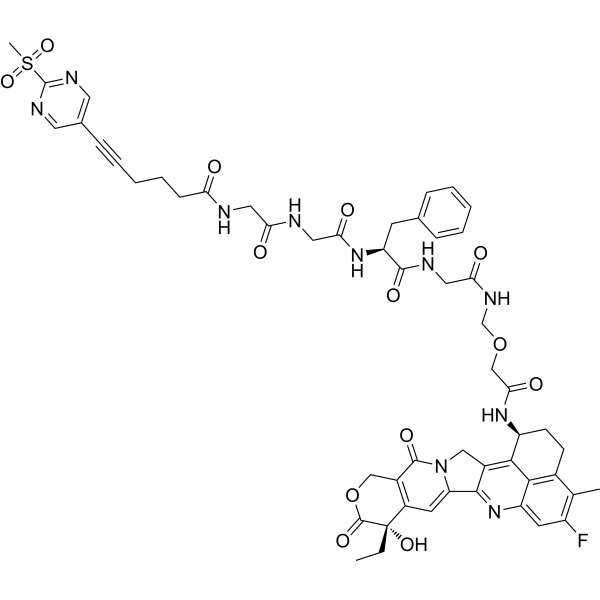
2-MSP-5-HA-GGFG-NH-CH2-O-CH2-CO-Exatecan is a drug-linker conjugates for ADC, consiting of a cleavable linker and Exatecan (HY-13631). 2-MSP-5-HA-GGFG-NH-CH2-O-CH2-CO-Exatecan can be linked to anti-Her3 antibody .
Lumretuzumab (Anti-Human ERBB3 Recombinant Antibody) is a humanized anti-HER3(ERBB3) monoclonal antibody. Lumretuzumab effectively inhibits the activity of key oncogenic signaling pathways such as PI3K/AKT and MAPK. Lumretuzumab has been optimized through glycosyl engineering to enhance antibody-dependent cell-mediated cytotoxicity (ADCC). Lumretuzumab can be used to study HER3-positive, HER2-low-expressing solid tumors, especially breast cancer .
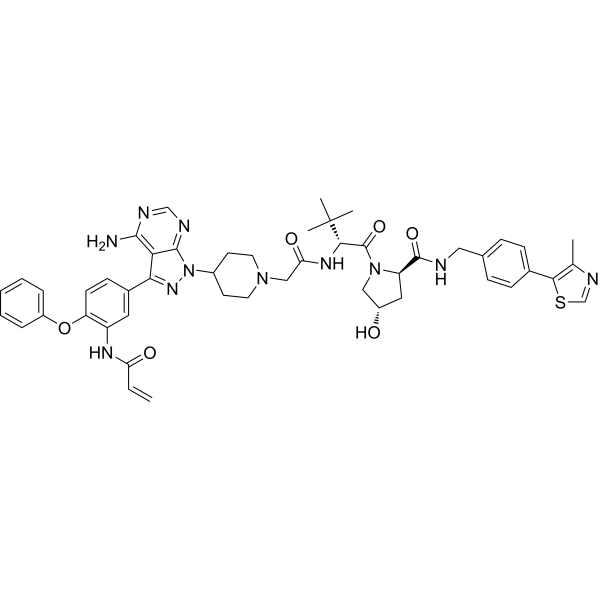
PROTAC Her3 Degrader-8 (Compound PP2) is a Her3 PROTAC degrader. PROTAC Her3 Degrader-8 promotes the ubiquitination and degradation of Her3. PROTAC Her3 Degrader-8 can be used in the study of lung adenocarcinoma and ovarian cancer (Pink: Her3 ligand (HY-107450); Blue: E3 ligase ligand (HY-170861); Black: linker (HY-Y1760)) .
Duligotuzumab (MEHD-7945A; RG 7597) is a humanized IgG-κ monoclonal antibody targeting EGFR. Duligotuzumab blocks the binding of ligands to these two receptors, inhibits downstream HER/ErbB, AKT and MAPK signaling pathways, induces antibody-dependent cellular cytotoxicity, reduces the proliferation and migration abilities of cancer cells, promotes apoptosis, exerts radiosensitizing effects, and reverses EGFR resistance in cancer cells. Duligotuzumab can be used in tumor-related research [3].
Z56-L23 is a conjugate of RAS-targeting ADC cytotoxic payload-linker with anti-tumor activity. Z56-L23 can be conjugated with HER3 antibody, EGFR antibody or EGFRxHER3 bispecific antibody to form intact antibody-drug conjugates (ADCs). ADC molecules related to Z56-L23 effectively inhibit the proliferation of tumor cells and also significantly suppress tumor growth in xenograft mouse models. Z56-L23 can be used in the research of pancreatic cancer .
PrCP-7414 is a prolyl carboxypeptidase (PRCP) inhibitor. PrCP-7414 blocks PRCP-mediated activation of the IGF1R/HER3 signaling pathway and subsequent AKT activation. PrCP-7414 exhibits pro-apoptotic, anti-tumor and synergistic cytotoxic activities, and inhibits the proliferation and survival of triple-negative breast cancer cells. PrCP-7414 can be used for the research of breast cancer .
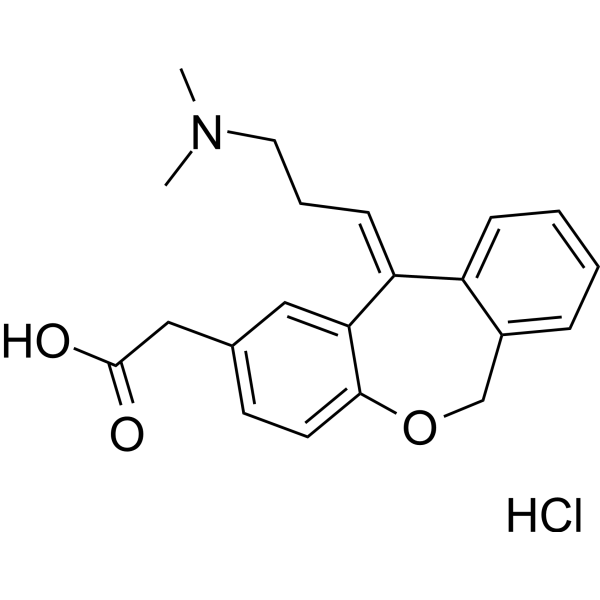
Olopatadine hydrochloride (ALO4943A; KW4679) is an orally active histamine H1 receptor antagonist and mast cell stabilizer. Olopatadine hydrochloride exerts antiallergic effects by blocking histamine H1 receptor-mediated activities. Olopatadine hydrochloride inhibits exocytosis, chemokine release, F-actin polymerization, CXCL10-induced calcium influx, and T cell chemotactic activity. Olopatadine hydrochloride also reduces the expression levels ofCXCR3 on the surface of CD4 + and CD8 + T cells. Olopatadine hydrochloride inhibits scratching behavior, improves dermatitis scores, and suppresses intraepidermal neurite outgrowth. Olopatadine hydrochloride simultaneously decreases the levels of inflammatory markers, growth factors, histamine, and specific IgE, while increasing the expression of ErbB3A/HER3A. Olopatadine hydrochloride can be used in research related to seasonal pollinosis, chronic rhinitis, urticaria, allergic conjunctivitis, alopecia areata, and atopic dermatitis [3].
Nezutatug (HMBD-001) is a humanized IgG1 monoclonal antibody inhibitor targeting HER3. Nezutatug inhibits the dimerization of HER3 and inhibits the growth, proliferation and other activities of tumor cells. Nezutatug is promising for research of cancers, such as pancreatic cancer and non-small cell lung cancer .
TAS0728 is a potent, selective, orally active, irreversible and covalent-binding HER2 inhibitor, with an IC50 of 13 nM. TAS0728 also shows IC50s of 4.9, 8.5, 31, 65, 33, 25 and 86 nM for BMX、HER4、BLK、EGFR、JAK3、SLK and LOK respectively. Furthermore, TAS0728 exhibits robust and sustained inhibition of the phosphorylation of HER2, HER3, and downstream effectors .
Olopatadine (ALO4943A; KW4679) is an orally active histamine H1 receptor antagonist and mast cell stabilizer. Olopatadine exerts antiallergic effects by blocking histamine H1 receptor-mediated activities. Olopatadine inhibits exocytosis, chemokine release, F-actin polymerization, CXCL10-induced calcium influx, and T cell chemotactic activity. Olopatadine also reduces the expression levels ofCXCR3 on the surface of CD4 + and CD8 + T cells. Olopatadine inhibits scratching behavior, improves dermatitis scores, and suppresses intraepidermal neurite outgrowth. Olopatadine simultaneously decreases the levels of inflammatory markers, growth factors, histamine, and specific IgE, while increasing the expression of ErbB3A/HER3A. Olopatadine can be used in research related to seasonal pollinosis, chronic rhinitis, urticaria, allergic conjunctivitis, alopecia areata, and atopic dermatitis [3].
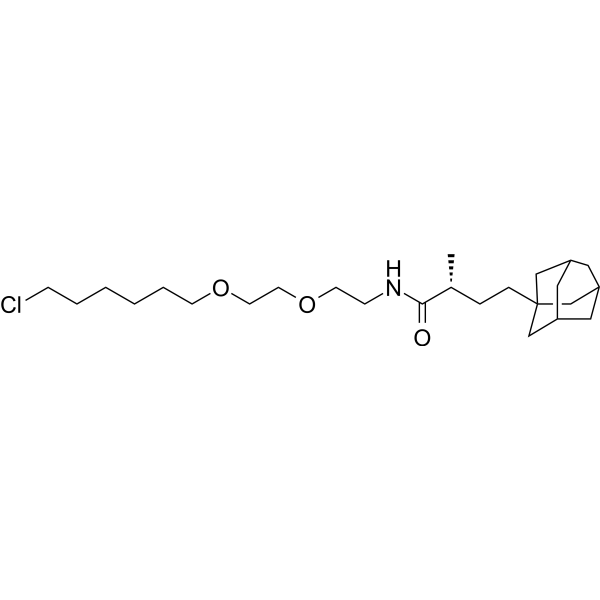
TX2-121-1 is a potent and selective Her3(ErbB3) degrader that contains a hydrophobic adamantane moiety. TX2-121-1 has an IC50 of 49 nM for Her3. TX2-121-1 inhibits Her3-dependent signaling and heterodimerization of Her3. TX2-121-1 has the ability to inhibit cell proliferation. TX2-121-1 can be used in the study of tumors. (Pink: Her3 inhibitor (HY-164988); Black: Linker; Blue: Adamantane (HY-N2427)) .
AMT-562 is an antibody-drug conjugate (ADC) consisting of a novel anti-HER3 antibody Ab562 (HY-P991505) conjugated to the linker MC-VA-PAB and the topoisomerase I inhibitor Exatecan (HY-13631). The ADC toxic molecule and linker portion are MC-VA-PAB-Exatecan (HY-147270). AMT-562 can induce apoptosis and has antitumor activity against pancreatic, esophageal, and gastric cancers .
Anti-HER3 Antibody (Ab562) is an anti-HER3 monoclonal antibody. Anti-HER3 Antibody (Ab562) can be used to synthesize the antibody-drug conjugate (ADC) AMT-562 (HY-171747) .
COVA208 is a bispecific FynomAb (a fusion protein of an antibody and a Fyn SH3-derived binding protein) that targets HER2. COVA208 induces the degradation of HER2, reduces the levels of HER2, HER3, and EGFR, thereby effectively blocking the downstream signaling pathways of HER2, including the HER3-PI3K-AKT and MAPK pathways, and simultaneously inducing apoptosis of tumor cells. COVA208 is promising for research of cancers, such as HER2-positive breast cancer, gastric cancer, and colorectal cancer .
CZY43 is a HER3 degrader. CZY43 can effectively induce HER3 degradation in a dose- and time-dependent manner in breast cancer SKBR3 cells. CZY43 potently inhibits HER3-dependent signaling and cancer cell growth and outperforms Bosutinib (HY-10158) .
Anti-ERBB3/HER3 (SGP1) is a human monoclonal antibody (mAb) targeting ERBB3/HER3. Anti-ERBB3/HER3 (SGP1) inhibits Neuregulin stimulated growth of cultured breast cancer cells. Anti-ERBB3/HER3 (SGP1) can be used in breast cancer research .
Olopatadine-d6 is the deuterium labeled Olopatadine. Olopatadine hydrochloride (ALO4943A; KW4679) is an orally active histamine H1 receptor antagonist and mast cell stabilizer. Olopatadine hydrochloride exerts antiallergic effects by blocking histamine H1 receptor-mediated activities. Olopatadine hydrochloride inhibits exocytosis, chemokine release, F-actin polymerization, CXCL10-induced calcium influx, and T cell chemotactic activity. Olopatadine hydrochloride also reduces the expression levels ofCXCR3 on the surface of CD4 + and CD8 + T cells. Olopatadine hydrochloride inhibits scratching behavior, improves dermatitis scores, and suppresses intraepidermal neurite outgrowth. Olopatadine hydrochloride simultaneously decreases the levels of inflammatory markers, growth factors, histamine, and specific IgE, while increasing the expression of ErbB3A/HER3A. Olopatadine hydrochloride can be used in research related to seasonal pollinosis, chronic rhinitis, urticaria, allergic conjunctivitis, alopecia areata, and atopic dermatitis [3].
TX2-120-1 possesses the ability to bind to Her3, with an IC50 value of 56 nM for Her3. TX2-120-1 can be used for the synthesis of TX2-121-1 (HY-118998) .
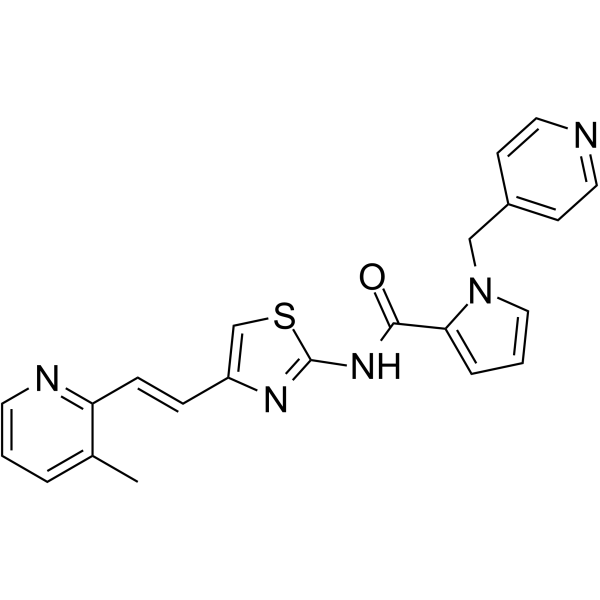
Antiproliferative agent-49 (Compound 5a) is a EGFR-TK inhibitor with an IC50 of 0.09 μM. Antiproliferative agent-49 is a anti-proliferative agent. Antiproliferative agent-49 displays good activities against HER3 and HER4 with IC50 values 0.18 and 0.37 µM. Antiproliferative agent-49 induces mitochondrial apoptotic pathway and increased accumulation of ROS .
PROTAC Her3-binding moiety 1 (Standard) is the analytical standard of PROTAC Her3-binding moiety 1 (HY-107444). This product is intended for research and analytical applications. PROTAC HER3-binding moiety 1 (compound 1b) is a Her3 Ligand for PROTAC .
Olopatadine-d3 hydrochloride (ALO4943A-d3) is the deuterium labeled Olopatadine hydrochloride. Olopatadine hydrochloride (ALO4943A; KW4679) is an orally active histamine H1 receptor antagonist and mast cell stabilizer. Olopatadine hydrochloride exerts antiallergic effects by blocking histamine H1 receptor-mediated activities. Olopatadine hydrochloride inhibits exocytosis, chemokine release, F-actin polymerization, CXCL10-induced calcium influx, and T cell chemotactic activity. Olopatadine hydrochloride also reduces the expression levels ofCXCR3 on the surface of CD4 + and CD8 + T cells. Olopatadine hydrochloride inhibits scratching behavior, improves dermatitis scores, and suppresses intraepidermal neurite outgrowth. Olopatadine hydrochloride simultaneously decreases the levels of inflammatory markers, growth factors, histamine, and specific IgE, while increasing the expression of ErbB3A/HER3A. Olopatadine hydrochloride can be used in research related to seasonal pollinosis, chronic rhinitis, urticaria, allergic conjunctivitis, alopecia areata, and atopic dermatitis [3].
Olopatadine (hydrochloride) (Standard) is the analytical standard of Olopatadine (hydrochloride). This product is intended for research and analytical applications. Olopatadine hydrochloride (ALO4943A; KW4679) is an orally active histamine H1 receptor antagonist and mast cell stabilizer. Olopatadine hydrochloride exerts antiallergic effects by blocking histamine H1 receptor-mediated activities. Olopatadine hydrochloride inhibits exocytosis, chemokine release, F-actin polymerization, CXCL10-induced calcium influx, and T cell chemotactic activity. Olopatadine hydrochloride also reduces the expression levels ofCXCR3 on the surface of CD4 + and CD8 + T cells. Olopatadine hydrochloride inhibits scratching behavior, improves dermatitis scores, and suppresses intraepidermal neurite outgrowth. Olopatadine hydrochloride simultaneously decreases the levels of inflammatory markers, growth factors, histamine, and specific IgE, while increasing the expression of ErbB3A/HER3A. Olopatadine hydrochloride can be used in research related to seasonal pollinosis, chronic rhinitis, urticaria, allergic conjunctivitis, alopecia areata, and atopic dermatitis [3] .
DB-1310 Antibody is a monoclonal antibody inhibitor targeting HER3. DB-1310 Antibody can be used to synthesize the antibody-drug conjugate (ADC) DB-1310. DB-1310 Antibody is applicable to research related to HER3-positive solid tumors, non-small cell lung cancer, breast cancer, colon cancer and prostate cancer .
TX1-85-1 (Standard) is the analytical standard of TX1-85-1 (HY-100848). This product is intended for research and analytical applications. TX1-85-1 is an irreversible Her3 (ErbB3) inhibitor with an IC50 of 23 nM. TX1-85-1 is also the first selective Her3 ligand, which forms a covalent bond with Cys721 located in the ATP-binding site of Her3. TX1-85-1 induces partial degradation of Her3 protein and attenuates Her3-dependent signaling .
SIBP-03 is a specifical anti-HER3 antibody. SIBP-03 binds strongly and specifically to recombinant HER3 protein. SIBP-03 inhibits HER3 activation, as well as the downstream PI3K/AKT signaling pathway. SIBP-03 exhibits anticancer activity against squamous cell carcinoma, non-small cell lung cancer, gastric cancer, and breast cancer. SIBP-03 synergistically enhances the antitumor activity of DS-8201 (HY-138298A) and Cetuximab (HY-P9905) .
Beruzatatug (BNT326/YL202 Antibody) is an IgG1 monoclonal antibody against HER3. Beruzatatug can be used for the synthesis of ADCs, such as BNT326/YL202 .
Rinumafusp alfa is a human monoclonal antibody targeting ERBB3/HER3. The corresponding isotype control is: Human IgG1 kappa, Isotype Control (HY-P99001).
Erbb3 Mouse Pre-designed siRNA Set A contains three designed siRNAs for Erbb3 gene (Mouse), as well as a negative control, a positive control, and a FAM-labeled negative control.
Cyclo[K(N3)larllt] is a seven-membered cyclic peptide targeting EGFR, with a Kd value of 5.09 μM, and exhibits binding selectivity toward homologous proteins HER2 and HER3. Cyclo[K(N3)larllt] has no cytotoxicity and shows no growth inhibitory effect on cancer cells overexpressing EGFR. Cyclo[K(N3)larllt] can serve as a ligand for EGFR-targeted fluorescent conjugates, which is applicable to the detection of cancers with EGFR overexpression. Cyclo[K(N3)larllt] can be used in the research of colorectal cancer .
ERBB3 Human Pre-designed siRNA Set A contains three designed siRNAs for ERBB3 gene (Human), as well as a negative control, a positive control, and a FAM-labeled negative control.
RMC-4745 is a selective dual-site inhibitor of mTORC1, with a selectivity of 35 times for mTORC1 and mTORC2. RMC-4745 inhibits the proliferation of MCF-7 cells and upregulates Caspase-3/7 activity to induce cell apoptosis. RMC-4745 does not cause the upregulation of HER3 due to the inhibition of mTORC2. RMC-4745 can be used for the study of breast cancer .
Mal-PEG2-Val-Arg-PABC-OMe-Eribulin (Compound L-1) is a drug-linker conjugate composed of O-Me Eribulin (HY-159576) and the linker Mal-PEG2-Val-Cit-PAB-OH (HY-130222). Mal-PEG2-Val-Arg-PABC-OMe-Eribulin can be used to synthesize anti-HER3/MET antibody-drug conjugates (ADCs) .
Olopatadine-d6 (ALO4943A-d6; KW4679-d6) hydrochloride is deuterium-labeled Olopatadine (hydrochloride) (HY-B0426A). Olopatadine hydrochloride (ALO4943A; KW4679) is an orally active histamine H1 receptor antagonist and mast cell stabilizer. Olopatadine hydrochloride exerts antiallergic effects by blocking histamine H1 receptor-mediated activities. Olopatadine hydrochloride inhibits exocytosis, chemokine release, F-actin polymerization, CXCL10-induced calcium influx, and T cell chemotactic activity. Olopatadine hydrochloride also reduces the expression levels ofCXCR3 on the surface of CD4 + and CD8 + T cells. Olopatadine hydrochloride inhibits scratching behavior, improves dermatitis scores, and suppresses intraepidermal neurite outgrowth. Olopatadine hydrochloride simultaneously decreases the levels of inflammatory markers, growth factors, histamine, and specific IgE, while increasing the expression of ErbB3A/HER3A. Olopatadine hydrochloride can be used in research related to seasonal pollinosis, chronic rhinitis, urticaria, allergic conjunctivitis, alopecia areata, and atopic dermatitis [3].
BSI-001 (5G9) is a HER2-targeting antibody. BSI-001 inhibits cell proliferation and migration, induces apoptosis and PARP cleavage, and suppresses HER2-mediated downstream signaling pathways (including the phosphorylation of EGFR, HER3, AKT and ERK) when combined with Trastuzumab (HY-P9907) in HER2-positive cancer cells. BSI-001 exhibits synergistic anti-tumor efficacy in animal models of gastric cancer and breast cancer when combined with Trastuzumab. BSI-001 can be used for the research of HER2-positive breast cancer and HER2-overexpressing gastric cancer .
BL-B01D1 is a bispecific ADC, which targets EGFR and HER3 through bispecific antibody Izalontamab (HY-P99676), and exhibits cytotoxicity against various cancer cells via inhibition of DNA replication and DNA synthesis by its ADC toxin ED04 (HY-153891). BL-B01D1 can be used in the study of cancer .
AMT-562 is an antibody-drug conjugate (ADC) consisting of a novel anti-HER3 antibody Ab562 (HY-P991505) conjugated to the linker MC-VA-PAB and the topoisomerase I inhibitor Exatecan (HY-13631). The ADC toxic molecule and linker portion are MC-VA-PAB-Exatecan (HY-147270). AMT-562 can induce apoptosis and has antitumor activity against pancreatic, esophageal, and gastric cancers .
Cyclo[K(N3)larllt] is a seven-membered cyclic peptide targeting EGFR, with a Kd value of 5.09 μM, and exhibits binding selectivity toward homologous proteins HER2 and HER3. Cyclo[K(N3)larllt] has no cytotoxicity and shows no growth inhibitory effect on cancer cells overexpressing EGFR. Cyclo[K(N3)larllt] can serve as a ligand for EGFR-targeted fluorescent conjugates, which is applicable to the detection of cancers with EGFR overexpression. Cyclo[K(N3)larllt] can be used in the research of colorectal cancer .
Patritumab (Human Anti-ERBB3 Recombinant Antibody) is a neutralizing monoclonal antibody to ERBB3. Patritumab shows a synergy with Cetuximab (HY-P9905), potently inhibits the phosphorylation of EGFR, HER2, HER3, ERK, and AKT. Patritumab also induces cell apoptosis and suppresses the growth of pancreatic, non-small cell lung cancer, and colorectal cancer xenograft tumors .
Izalontamab (SI-B001) is a bispecific anti-EGFR/HER3 monoclonal antibody with high selectivity for EGFR/HER3 heterodimer. Izalontamab can be used for the research of cancer .
Pumitamig (PM-8002, BNT-327) is a bispecific antibody targeting PD-L1 and VEGF-A, with immune activation and anti-angiogenic activities. By binding to PD-L1, Pumitamig restores the function of effector T cells, while neutralizing VEGF-A in the tumor microenvironment to reverse its inhibition on the infiltration and activation of immune cells and normalize tumor blood vessels. Pumitamig can also be combined with various ADCs targeting TROP2, B7H3, HER2, HER3 for the research of advanced/metastatic solid tumors, including non-small cell lung cancer, ovarian cancer, triple-negative breast cancer, cervical cancer, etc. Pumitamig also exhibits potential efficacy in "cold" tumors with low PD-L1 expression that are insensitive to immunotherapy .
Seribantumab (MM 121) is a fully human IgG2 monoclonal antibody that targets HER3. Seribantumab blocks the activation of epidermal growth factor receptor (ErbB) family members and its downstream signal. Seribantumab inhibits neuregulin 1 (NRG1) fusion-dependent tumorigenesis in vitro and in vivo in breast, lung and ovarian patient-derived cancer models .
Elgemtumab(LJM716) is a fully human IgG monoclonal antibody. Elgemtumab can specifically bind to HER3, block ligand-dependent and independent HER3 signal transduction and cell proliferation, and has good anti-tumor potential .
Lumretuzumab (Anti-Human ERBB3 Recombinant Antibody) is a humanized anti-HER3(ERBB3) monoclonal antibody. Lumretuzumab effectively inhibits the activity of key oncogenic signaling pathways such as PI3K/AKT and MAPK. Lumretuzumab has been optimized through glycosyl engineering to enhance antibody-dependent cell-mediated cytotoxicity (ADCC). Lumretuzumab can be used to study HER3-positive, HER2-low-expressing solid tumors, especially breast cancer .
Duligotuzumab (MEHD-7945A; RG 7597) is a humanized IgG-κ monoclonal antibody targeting EGFR. Duligotuzumab blocks the binding of ligands to these two receptors, inhibits downstream HER/ErbB, AKT and MAPK signaling pathways, induces antibody-dependent cellular cytotoxicity, reduces the proliferation and migration abilities of cancer cells, promotes apoptosis, exerts radiosensitizing effects, and reverses EGFR resistance in cancer cells. Duligotuzumab can be used in tumor-related research [3].
Nezutatug (HMBD-001) is a humanized IgG1 monoclonal antibody inhibitor targeting HER3. Nezutatug inhibits the dimerization of HER3 and inhibits the growth, proliferation and other activities of tumor cells. Nezutatug is promising for research of cancers, such as pancreatic cancer and non-small cell lung cancer .
Anti-HER3 Antibody (Ab562) is an anti-HER3 monoclonal antibody. Anti-HER3 Antibody (Ab562) can be used to synthesize the antibody-drug conjugate (ADC) AMT-562 (HY-171747) .
COVA208 is a bispecific FynomAb (a fusion protein of an antibody and a Fyn SH3-derived binding protein) that targets HER2. COVA208 induces the degradation of HER2, reduces the levels of HER2, HER3, and EGFR, thereby effectively blocking the downstream signaling pathways of HER2, including the HER3-PI3K-AKT and MAPK pathways, and simultaneously inducing apoptosis of tumor cells. COVA208 is promising for research of cancers, such as HER2-positive breast cancer, gastric cancer, and colorectal cancer .
Anti-ERBB3/HER3 (SGP1) is a human monoclonal antibody (mAb) targeting ERBB3/HER3. Anti-ERBB3/HER3 (SGP1) inhibits Neuregulin stimulated growth of cultured breast cancer cells. Anti-ERBB3/HER3 (SGP1) can be used in breast cancer research .
DB-1310 Antibody is a monoclonal antibody inhibitor targeting HER3. DB-1310 Antibody can be used to synthesize the antibody-drug conjugate (ADC) DB-1310. DB-1310 Antibody is applicable to research related to HER3-positive solid tumors, non-small cell lung cancer, breast cancer, colon cancer and prostate cancer .
SIBP-03 is a specifical anti-HER3 antibody. SIBP-03 binds strongly and specifically to recombinant HER3 protein. SIBP-03 inhibits HER3 activation, as well as the downstream PI3K/AKT signaling pathway. SIBP-03 exhibits anticancer activity against squamous cell carcinoma, non-small cell lung cancer, gastric cancer, and breast cancer. SIBP-03 synergistically enhances the antitumor activity of DS-8201 (HY-138298A) and Cetuximab (HY-P9905) .
Beruzatatug (BNT326/YL202 Antibody) is an IgG1 monoclonal antibody against HER3. Beruzatatug can be used for the synthesis of ADCs, such as BNT326/YL202 .
Rinumafusp alfa is a human monoclonal antibody targeting ERBB3/HER3. The corresponding isotype control is: Human IgG1 kappa, Isotype Control (HY-P99001).
BSI-001 (5G9) is a HER2-targeting antibody. BSI-001 inhibits cell proliferation and migration, induces apoptosis and PARP cleavage, and suppresses HER2-mediated downstream signaling pathways (including the phosphorylation of EGFR, HER3, AKT and ERK) when combined with Trastuzumab (HY-P9907) in HER2-positive cancer cells. BSI-001 exhibits synergistic anti-tumor efficacy in animal models of gastric cancer and breast cancer when combined with Trastuzumab. BSI-001 can be used for the research of HER2-positive breast cancer and HER2-overexpressing gastric cancer .
Olopatadine hydrochloride (ALO4943A; KW4679) is an orally active histamine H1 receptor antagonist and mast cell stabilizer. Olopatadine hydrochloride exerts antiallergic effects by blocking histamine H1 receptor-mediated activities. Olopatadine hydrochloride inhibits exocytosis, chemokine release, F-actin polymerization, CXCL10-induced calcium influx, and T cell chemotactic activity. Olopatadine hydrochloride also reduces the expression levels ofCXCR3 on the surface of CD4 + and CD8 + T cells. Olopatadine hydrochloride inhibits scratching behavior, improves dermatitis scores, and suppresses intraepidermal neurite outgrowth. Olopatadine hydrochloride simultaneously decreases the levels of inflammatory markers, growth factors, histamine, and specific IgE, while increasing the expression of ErbB3A/HER3A. Olopatadine hydrochloride can be used in research related to seasonal pollinosis, chronic rhinitis, urticaria, allergic conjunctivitis, alopecia areata, and atopic dermatitis [3].
Olopatadine (ALO4943A; KW4679) is an orally active histamine H1 receptor antagonist and mast cell stabilizer. Olopatadine exerts antiallergic effects by blocking histamine H1 receptor-mediated activities. Olopatadine inhibits exocytosis, chemokine release, F-actin polymerization, CXCL10-induced calcium influx, and T cell chemotactic activity. Olopatadine also reduces the expression levels ofCXCR3 on the surface of CD4 + and CD8 + T cells. Olopatadine inhibits scratching behavior, improves dermatitis scores, and suppresses intraepidermal neurite outgrowth. Olopatadine simultaneously decreases the levels of inflammatory markers, growth factors, histamine, and specific IgE, while increasing the expression of ErbB3A/HER3A. Olopatadine can be used in research related to seasonal pollinosis, chronic rhinitis, urticaria, allergic conjunctivitis, alopecia areata, and atopic dermatitis [3].
Olopatadine (hydrochloride) (Standard) is the analytical standard of Olopatadine (hydrochloride). This product is intended for research and analytical applications. Olopatadine hydrochloride (ALO4943A; KW4679) is an orally active histamine H1 receptor antagonist and mast cell stabilizer. Olopatadine hydrochloride exerts antiallergic effects by blocking histamine H1 receptor-mediated activities. Olopatadine hydrochloride inhibits exocytosis, chemokine release, F-actin polymerization, CXCL10-induced calcium influx, and T cell chemotactic activity. Olopatadine hydrochloride also reduces the expression levels ofCXCR3 on the surface of CD4 + and CD8 + T cells. Olopatadine hydrochloride inhibits scratching behavior, improves dermatitis scores, and suppresses intraepidermal neurite outgrowth. Olopatadine hydrochloride simultaneously decreases the levels of inflammatory markers, growth factors, histamine, and specific IgE, while increasing the expression of ErbB3A/HER3A. Olopatadine hydrochloride can be used in research related to seasonal pollinosis, chronic rhinitis, urticaria, allergic conjunctivitis, alopecia areata, and atopic dermatitis [3] .
HER3, a pivotal tyrosine-protein kinase, acts as a crucial cell receptor for neuregulins. Neuregulin-1 (NRG1) activation boosts tyrosine phosphorylation and interaction with p85 subunit of phosphatidylinositol 3-kinase. CSPG5 may also activate HER3. Its involvement in myeloid cell differentiation underscores HER3's vital role in essential cellular processes for normal development and function. HER3 Protein, Rhesus Macaque (HEK293) is the recombinant Rhesus Macaque-derived HER3 protein, expressed by HEK293 , with tag free.
HER3 Protein, a vital tyrosine-protein kinase and neuregulin cell surface receptor, activates upon binding to neuregulin-1 (NRG1), enhancing phosphorylation on tyrosine residues and associating with the p85 subunit of phosphatidylinositol 3-kinase. It is also activated by CSPG5 and plays a crucial role in regulating myeloid cell differentiation. HER3 Protein, Mouse (HEK293, His) is the recombinant mouse-derived HER3 protein, expressed by HEK293 , with C-6*His labeled tag.
HER3, a pivotal tyrosine-protein kinase, acts as a crucial cell receptor for neuregulins. Neuregulin-1 (NRG1) activation boosts tyrosine phosphorylation and interaction with p85 subunit of phosphatidylinositol 3-kinase. CSPG5 may also activate HER3. Its involvement in myeloid cell differentiation underscores HER3's vital role in essential cellular processes for normal development and function. HER3 Protein, Rhesus Macaque (HEK293, Fc) is the recombinant Rhesus Macaque-derived HER3 protein, expressed by HEK293 , with C-hFc labeled tag.
HER3, a pivotal tyrosine-protein kinase, acts as a crucial cell receptor for neuregulins. Neuregulin-1 (NRG1) activation boosts tyrosine phosphorylation and interaction with p85 subunit of phosphatidylinositol 3-kinase. CSPG5 may also activate HER3. Its involvement in myeloid cell differentiation underscores HER3's vital role in essential cellular processes for normal development and function. HER3 Protein, Rhesus Macaque (HEK293, His) is the recombinant Rhesus Macaque-derived HER3 protein, expressed by HEK293 , with C-His labeled tag.
HER3, a pivotal tyrosine-protein kinase, acts as a crucial cell receptor for neuregulins. Neuregulin-1 (NRG1) activation boosts tyrosine phosphorylation and interaction with p85 subunit of phosphatidylinositol 3-kinase. CSPG5 may also activate HER3. Its involvement in myeloid cell differentiation underscores HER3's vital role in essential cellular processes for normal development and function. HER3 Protein, Human (HEK293, mFc) is the recombinant human-derived HER3 protein, expressed by HEK293, with C-mFc labeled tag.
HER3, a pivotal tyrosine-protein kinase, acts as a crucial cell receptor for neuregulins. Neuregulin-1 (NRG1) activation boosts tyrosine phosphorylation and interaction with p85 subunit of phosphatidylinositol 3-kinase. CSPG5 may also activate HER3. Its involvement in myeloid cell differentiation underscores HER3's vital role in essential cellular processes for normal development and function. HER3 Protein, Human (HEK293, Fc) is the recombinant human-derived HER3 protein, expressed by HEK293 , with C-hFc labeled tag.
HER3, a pivotal tyrosine-protein kinase, acts as a crucial cell receptor for neuregulins. Neuregulin-1 (NRG1) activation boosts tyrosine phosphorylation and interaction with p85 subunit of phosphatidylinositol 3-kinase. CSPG5 may also activate HER3. Its involvement in myeloid cell differentiation underscores HER3's vital role in essential cellular processes for normal development and function. HER3 Protein, Human (312a.a, HEK293, Fc) is the recombinant human-derived HER3 protein, expressed by HEK293 , with C-hFc labeled tag.
HER3, a pivotal tyrosine-protein kinase, acts as a crucial cell receptor for neuregulins. Neuregulin-1 (NRG1) activation boosts tyrosine phosphorylation and interaction with p85 subunit of phosphatidylinositol 3-kinase. CSPG5 may also activate HER3. Its involvement in myeloid cell differentiation underscores HER3's vital role in essential cellular processes for normal development and function. HER3 Protein, Rat (HEK293, His) is the recombinant rat-derived HER3 protein, expressed by HEK293 , with C-His labeled tag.
HER3 is a tyrosine-protein kinase that is a key cell surface receptor for neuregulin. ErbB2 and ErbB3 can form dimers and activate signaling pathways including MAPK, PI3K/Akt and PLC纬 to promote tumor development. HER3 Protein, Rat (HEK293, Fc) is the recombinant rat-derived HER3 protein, expressed by HEK293 , with C-hFc labeled tag.
HER3, a pivotal tyrosine-protein kinase, acts as a crucial cell receptor for neuregulins. Neuregulin-1 (NRG1) activation boosts tyrosine phosphorylation and interaction with p85 subunit of phosphatidylinositol 3-kinase. CSPG5 may also activate HER3. Its involvement in myeloid cell differentiation underscores HER3's vital role in essential cellular processes for normal development and function. HER3 Protein, Human (Biotinylated, HEK293, Fc) is the recombinant human-derived HER3, expressed by HEK293, with C-hFc labeled tag.
HER3, a pivotal tyrosine-protein kinase, acts as a crucial cell receptor for neuregulins. Neuregulin-1 (NRG1) activation boosts tyrosine phosphorylation and interaction with p85 subunit of phosphatidylinositol 3-kinase. CSPG5 may also activate HER3. Its involvement in myeloid cell differentiation underscores HER3's vital role in essential cellular processes for normal development and function. HER3 Protein, Human (sf9, His-GST) is the recombinant human-derived HER3 protein, expressed by Sf9 insect cells , with N-His, N-GST labeled tag.
HER3, a pivotal tyrosine-protein kinase, acts as a crucial cell receptor for neuregulins. Neuregulin-1 (NRG1) activation boosts tyrosine phosphorylation and interaction with p85 subunit of phosphatidylinositol 3-kinase. CSPG5 may also activate HER3. Its involvement in myeloid cell differentiation underscores HER3's vital role in essential cellular processes for normal development and function. HER3 Protein, Human (Biotinylated, HEK293, His) is the recombinant human-derived HER3 protein, expressed by HEK293 , with C-His labeled tag.
HER3, a pivotal tyrosine-protein kinase, acts as a crucial cell receptor for neuregulins. Neuregulin-1 (NRG1) activation boosts tyrosine phosphorylation and interaction with p85 subunit of phosphatidylinositol 3-kinase. CSPG5 may also activate HER3. Its involvement in myeloid cell differentiation underscores HER3's vital role in essential cellular processes for normal development and function. HER3 Protein, Human (HEK293, His) is the recombinant human-derived HER3 protein, expressed by HEK293 , with C-6*His labeled tag.
HER3, a pivotal tyrosine-protein kinase, acts as a crucial cell receptor for neuregulins. Neuregulin-1 (NRG1) activation boosts tyrosine phosphorylation and interaction with p85 subunit of phosphatidylinositol 3-kinase. CSPG5 may also activate HER3. Its involvement in myeloid cell differentiation underscores HER3's vital role in essential cellular processes for normal development and function. HER3 Protein, Human (HEK293, His, solution) is the recombinant human-derived HER3 protein, expressed by HEK293 , with C-6*His labeled tag.
HER3, a pivotal tyrosine-protein kinase, acts as a crucial cell receptor for neuregulins. Neuregulin-1 (NRG1) activation boosts tyrosine phosphorylation and interaction with p85 subunit of phosphatidylinositol 3-kinase. CSPG5 may also activate HER3. Its involvement in myeloid cell differentiation underscores HER3's vital role in essential cellular processes for normal development and function. HER3 Protein, Human (Biotinylated, HEK293, His-Avi) is the recombinant human-derived HER3 protein, expressed by HEK293 , with C-Avi, C-6*His labeled tag.
HER3, a pivotal tyrosine-protein kinase, acts as a crucial cell receptor for neuregulins. Neuregulin-1 (NRG1) activation boosts tyrosine phosphorylation and interaction with p85 subunit of phosphatidylinositol 3-kinase. CSPG5 may also activate HER3. Its involvement in myeloid cell differentiation underscores HER3's vital role in essential cellular processes for normal development and function. FITC-labeled HER3 Protein, Human (HEK293, His) is the recombinant human-derived FITC-labeled HER3 protein, expressed by HEK293 , with C-His, C-Avi labeled tag.
Olopatadine-d6 is the deuterium labeled Olopatadine. Olopatadine hydrochloride (ALO4943A; KW4679) is an orally active histamine H1 receptor antagonist and mast cell stabilizer. Olopatadine hydrochloride exerts antiallergic effects by blocking histamine H1 receptor-mediated activities. Olopatadine hydrochloride inhibits exocytosis, chemokine release, F-actin polymerization, CXCL10-induced calcium influx, and T cell chemotactic activity. Olopatadine hydrochloride also reduces the expression levels ofCXCR3 on the surface of CD4 + and CD8 + T cells. Olopatadine hydrochloride inhibits scratching behavior, improves dermatitis scores, and suppresses intraepidermal neurite outgrowth. Olopatadine hydrochloride simultaneously decreases the levels of inflammatory markers, growth factors, histamine, and specific IgE, while increasing the expression of ErbB3A/HER3A. Olopatadine hydrochloride can be used in research related to seasonal pollinosis, chronic rhinitis, urticaria, allergic conjunctivitis, alopecia areata, and atopic dermatitis [3].
Olopatadine-d3 hydrochloride (ALO4943A-d3) is the deuterium labeled Olopatadine hydrochloride. Olopatadine hydrochloride (ALO4943A; KW4679) is an orally active histamine H1 receptor antagonist and mast cell stabilizer. Olopatadine hydrochloride exerts antiallergic effects by blocking histamine H1 receptor-mediated activities. Olopatadine hydrochloride inhibits exocytosis, chemokine release, F-actin polymerization, CXCL10-induced calcium influx, and T cell chemotactic activity. Olopatadine hydrochloride also reduces the expression levels ofCXCR3 on the surface of CD4 + and CD8 + T cells. Olopatadine hydrochloride inhibits scratching behavior, improves dermatitis scores, and suppresses intraepidermal neurite outgrowth. Olopatadine hydrochloride simultaneously decreases the levels of inflammatory markers, growth factors, histamine, and specific IgE, while increasing the expression of ErbB3A/HER3A. Olopatadine hydrochloride can be used in research related to seasonal pollinosis, chronic rhinitis, urticaria, allergic conjunctivitis, alopecia areata, and atopic dermatitis [3].
Olopatadine-d6 (ALO4943A-d6; KW4679-d6) hydrochloride is deuterium-labeled Olopatadine (hydrochloride) (HY-B0426A). Olopatadine hydrochloride (ALO4943A; KW4679) is an orally active histamine H1 receptor antagonist and mast cell stabilizer. Olopatadine hydrochloride exerts antiallergic effects by blocking histamine H1 receptor-mediated activities. Olopatadine hydrochloride inhibits exocytosis, chemokine release, F-actin polymerization, CXCL10-induced calcium influx, and T cell chemotactic activity. Olopatadine hydrochloride also reduces the expression levels ofCXCR3 on the surface of CD4 + and CD8 + T cells. Olopatadine hydrochloride inhibits scratching behavior, improves dermatitis scores, and suppresses intraepidermal neurite outgrowth. Olopatadine hydrochloride simultaneously decreases the levels of inflammatory markers, growth factors, histamine, and specific IgE, while increasing the expression of ErbB3A/HER3A. Olopatadine hydrochloride can be used in research related to seasonal pollinosis, chronic rhinitis, urticaria, allergic conjunctivitis, alopecia areata, and atopic dermatitis [3].
Phospho-HER3/ErbB3 (Tyr1222) Antibody (YA9874) is a Rabbit-derived and non-conjugated IgG Recombinant, Monoclonal antibody, targeting to Phospho-HER3/ErbB3 (Tyr1222).
Phospho-ErbB3/HER3 (Tyr1289) Antibody (YA9875) is a Rabbit-derived and non-conjugated IgG Recombinant, Monoclonal antibody, targeting to Phospho-ErbB3/HER3 (Tyr1289).
Cyclo[K(N3)larllt] is a seven-membered cyclic peptide targeting EGFR, with a Kd value of 5.09 μM, and exhibits binding selectivity toward homologous proteins HER2 and HER3. Cyclo[K(N3)larllt] has no cytotoxicity and shows no growth inhibitory effect on cancer cells overexpressing EGFR. Cyclo[K(N3)larllt] can serve as a ligand for EGFR-targeted fluorescent conjugates, which is applicable to the detection of cancers with EGFR overexpression. Cyclo[K(N3)larllt] can be used in the research of colorectal cancer .
Erbb3 Mouse Pre-designed siRNA Set A contains three designed siRNAs for Erbb3 gene (Mouse), as well as a negative control, a positive control, and a FAM-labeled negative control.
ERBB3 Human Pre-designed siRNA Set A contains three designed siRNAs for ERBB3 gene (Human), as well as a negative control, a positive control, and a FAM-labeled negative control.
Demande en ligne
Your information is safe with us. * Required Fields.
Western blot analysis of extracts from THP-1(lane 2(20μg), Jurkat (lane 3(20μg) and NIH3T3(lane 4(20μg) using FOXO1A (HY-P80132) Rabbit mAb. Proteins were transferred
to a PVDF membrane and blocked with 5% non-fat milk in TBST for 2 hour at room temperature. The primary antibody (1/1000) and Loading control antibody (Beta Actin, HY-P80438, 1/10000) was
used in 5% non-fat milk in TBST at 4°C overnight. Goat Anti-Mouse/Rabbit IgG-HRP Secondary Antibody (1/10000) was used for 1 hour at room temperature.
Western blot analysis of extracts from THP-1(lane 2(20μg), Jurkat (lane 3(20μg) and NIH3T3(lane 4(20μg) using FOXO1A (HY-P80132) Rabbit mAb. Proteins were transferred
to a PVDF membrane and blocked with 5% non-fat milk in TBST for 2 hour at room temperature. The primary antibody (1/1000) and Loading control antibody (Beta Actin, HY-P80438, 1/10000) was
used in 5% non-fat milk in TBST at 4°C overnight. Goat Anti-Mouse/Rabbit IgG-HRP Secondary Antibody (1/10000) was used for 1 hour at room temperature.
Western blot analysis of extracts from THP-1(lane 2(20μg), Jurkat (lane 3(20μg) and NIH3T3(lane 4(20μg) using FOXO1A (HY-P80132) Rabbit mAb. Proteins were transferred
to a PVDF membrane and blocked with 5% non-fat milk in TBST for 2 hour at room temperature. The primary antibody (1/1000) and Loading control antibody (Beta Actin, HY-P80438, 1/10000) was
used in 5% non-fat milk in TBST at 4°C overnight. Goat Anti-Mouse/Rabbit IgG-HRP Secondary Antibody (1/10000) was used for 1 hour at room temperature.
Western blot analysis of extracts from THP-1(lane 2(20μg), Jurkat (lane 3(20μg) and NIH3T3(lane 4(20μg) using FOXO1A (HY-P80132) Rabbit mAb. Proteins were transferred
to a PVDF membrane and blocked with 5% non-fat milk in TBST for 2 hour at room temperature. The primary antibody (1/1000) and Loading control antibody (Beta Actin, HY-P80438, 1/10000) was
MedchemExpress Validation 03
Western blot analysis of extracts from THP-1(lane 2(20μg), Jurkat (lane 3(20μg) and NIH3T3(lane 4(20μg) using FOXO1A (HY-P80132) Rabbit mAb. Proteins were transferred
MedchemExpress Validation 04
Western blot analysis of extracts from THP-1(lane 2(20μg), Jurkat (lane 3(20μg) and NIH3T3(lane 4(20μg) using FOXO1A (HY-P80132) Rabbit mAb. Proteins were transferred
to a PVDF membrane and blocked with 5% non-fat milk in TBST for 2 hour at room temperature. The primary antibody (1/1000) and Loading control antibody (Beta Actin, HY-P80438, 1/10000) was
used in 5% non-fat milk in TBST at 4°C overnight. Goat Anti-Mouse/Rabbit IgG-HRP Secondary Antibody (1/10000) was used for 1 hour at room temperature.
MedchemExpress Validation
Western blot analysis of extracts from THP-1(lane 2(20μg), Jurkat (lane 3(20μg) and NIH3T3(lane 4(20μg) using FOXO1A (HY-P80132) Rabbit mAb. Proteins were transferred
to a PVDF membrane and blocked with 5% non-fat milk in TBST for 2 hour at room temperature. The primary antibody (1/1000) and Loading control antibody (Beta Actin, HY-P80438, 1/10000) was
used in 5% non-fat milk in TBST at 4°C overnight. Goat Anti-Mouse/Rabbit IgG-HRP Secondary Antibody (1/10000) was used for 1 hour at room temperature.
Western blot analysis of extracts from THP-1(lane 2(20μg), Jurkat (lane 3(20μg) and NIH3T3(lane 4(20μg) using FOXO1A (HY-P80132) Rabbit mAb. Proteins were transferred
to a PVDF membrane and blocked with 5% non-fat milk in TBST for 2 hour at room temperature. The primary antibody (1/1000) and Loading control antibody (Beta Actin, HY-P80438, 1/10000) was
used in 5% non-fat milk in TBST at 4°C overnight. Goat Anti-Mouse/Rabbit IgG-HRP Secondary Antibody (1/10000) was used for 1 hour at room temperature.
MedchemExpress Validation
Western blot analysis of extracts from THP-1(lane 2(20μg), Jurkat (lane 3(20μg) and NIH3T3(lane 4(20μg) using FOXO1A (HY-P80132) Rabbit mAb. Proteins were transferred
to a PVDF membrane and blocked with 5% non-fat milk in TBST for 2 hour at room temperature. The primary antibody (1/1000) and Loading control antibody (Beta Actin, HY-P80438, 1/10000) was
used in 5% non-fat milk in TBST at 4°C overnight. Goat Anti-Mouse/Rabbit IgG-HRP Secondary Antibody (1/10000) was used for 1 hour at room temperature.
MedchemExpress Validation
Western blot analysis of extracts from THP-1(lane 2(20μg), Jurkat (lane 3(20μg) and NIH3T3(lane 4(20μg) using FOXO1A (HY-P80132) Rabbit mAb. Proteins were transferred
to a PVDF membrane and blocked with 5% non-fat milk in TBST for 2 hour at room temperature. The primary antibody (1/1000) and Loading control antibody (Beta Actin, HY-P80438, 1/10000) was
used in 5% non-fat milk in TBST at 4°C overnight. Goat Anti-Mouse/Rabbit IgG-HRP Secondary Antibody (1/10000) was used for 1 hour at room temperature.
MedchemExpress Validation
Western blot analysis of extracts from THP-1(lane 2(20μg), Jurkat (lane 3(20μg) and NIH3T3(lane 4(20μg) using FOXO1A (HY-P80132) Rabbit mAb. Proteins were transferred
to a PVDF membrane and blocked with 5% non-fat milk in TBST for 2 hour at room temperature. The primary antibody (1/1000) and Loading control antibody (Beta Actin, HY-P80438, 1/10000) was
used in 5% non-fat milk in TBST at 4°C overnight. Goat Anti-Mouse/Rabbit IgG-HRP Secondary Antibody (1/10000) was used for 1 hour at room temperature.
MedchemExpress Validation
Western blot analysis of extracts from THP-1(lane 2(20μg), Jurkat (lane 3(20μg) and NIH3T3(lane 4(20μg) using FOXO1A (HY-P80132) Rabbit mAb. Proteins were transferred
to a PVDF membrane and blocked with 5% non-fat milk in TBST for 2 hour at room temperature. The primary antibody (1/1000) and Loading control antibody (Beta Actin, HY-P80438, 1/10000) was
used in 5% non-fat milk in TBST at 4°C overnight. Goat Anti-Mouse/Rabbit IgG-HRP Secondary Antibody (1/10000) was used for 1 hour at room temperature.
MedchemExpress Validation
Western blot analysis of extracts from THP-1(lane 2(20μg), Jurkat (lane 3(20μg) and NIH3T3(lane 4(20μg) using FOXO1A (HY-P80132) Rabbit mAb. Proteins were transferred
to a PVDF membrane and blocked with 5% non-fat milk in TBST for 2 hour at room temperature. The primary antibody (1/1000) and Loading control antibody (Beta Actin, HY-P80438, 1/10000) was
used in 5% non-fat milk in TBST at 4°C overnight. Goat Anti-Mouse/Rabbit IgG-HRP Secondary Antibody (1/10000) was used for 1 hour at room temperature.
MedchemExpress Validation
Western blot analysis of extracts from THP-1(lane 2(20μg), Jurkat (lane 3(20μg) and NIH3T3(lane 4(20μg) using FOXO1A (HY-P80132) Rabbit mAb. Proteins were transferred
to a PVDF membrane and blocked with 5% non-fat milk in TBST for 2 hour at room temperature. The primary antibody (1/1000) and Loading control antibody (Beta Actin, HY-P80438, 1/10000) was
used in 5% non-fat milk in TBST at 4°C overnight. Goat Anti-Mouse/Rabbit IgG-HRP Secondary Antibody (1/10000) was used for 1 hour at room temperature.
Thanks, your subscription has been confirmed. You will hear from us soon.
Submission failed, please try again later.
Les produits sont des réactifs chimiques destinés uniquement à la recherche et ne sont pas destinés à un usage humain. Nous ne vendons pas aux patients.
MedChemExpress values your privacy and your trust is important to us. We use cookies to enhance your website experience. Some cookies are necessary to run the website.
Privacy and Cookie Policy

