


From 11:00 pm to 12:00 pm EST ( 8:00 pm to 9:00 pm PST ) on January 6th, the website will be under maintenance. We are sorry for the inconvenience. Please arrange your schedule properly.
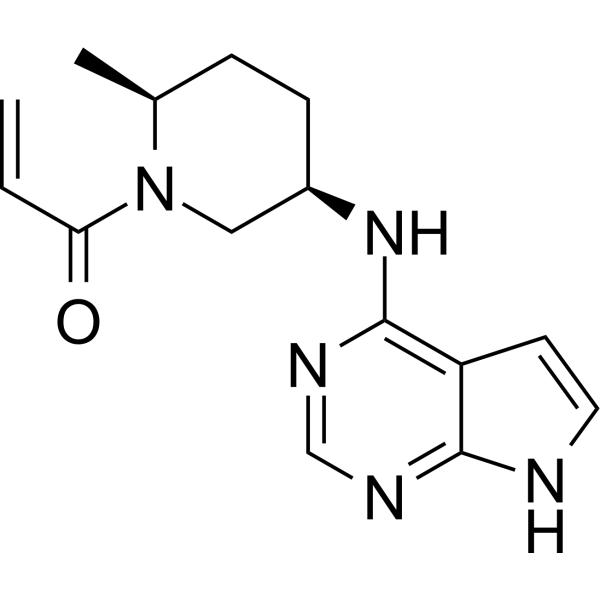
Ritlecitinib (PF-06651600) is a highly selective, orally active, irreversible covalent JAK3 inhibitor (IC50=33 nM) without inhibitory activity towards JAK1, JAK2, and TYK2 (IC50 >10 μ M). Ritlecitinib rapidly inactivates the JAK3 kinase, and blocks signaling and downstream STAT phosphorylation mediated by common gamma chain cytokines such as IL-2 and IL-15. Ritlecitinib can inhibit Th1/Th17 cell differentiation and function, and effectively suppress preclinical animal models such as alopecia areata, adjuvant-induced arthritis (AIA), and experimental autoimmune encephalomyelitis (EAE) .
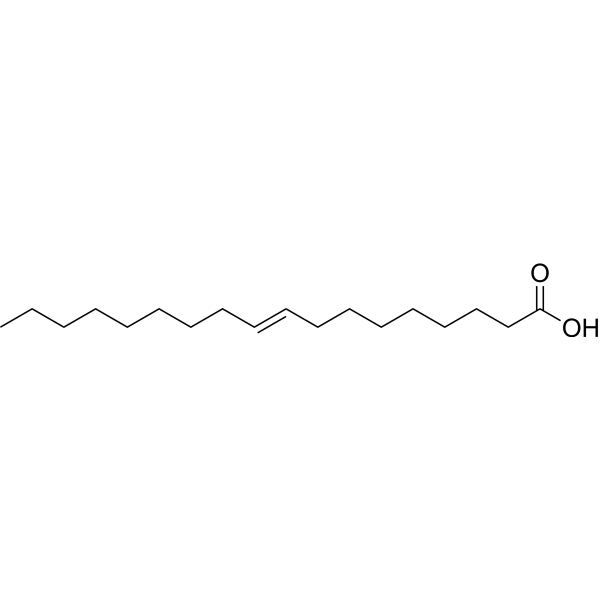
Elaidic acid is an orally active trans fatty acid. Elaidic acid enhances the stemness of colorectal cancer cells by activating the Wnt/ERK1/2 pathway, thereby promoting cell proliferation, invasion and metastasis, and inhibiting apoptosis. Elaidic acid also inhibits the growth of Lactobacillus and alters the cell surface hydrophobicity of Lactobacillus. Elaidic acid reduces basal 2-deoxyglucose uptake in muscle cells and adipocytes. Elaidic acid can be used in research on colorectal cancer, insulin and other related areas .
Tofersen (BIIB067) is an antisense oligonucleotide and SOD1 mRNA inhibitor with an IC50 of 320 pM. Tofersen mediates RNase H-dependent degradation of SOD1 mRNA to reduce SOD1 protein levels in cerebrospinal fluid and serum. Tofersen downregulates cerebrospinal fluid neurofilament light chain, neurofilament heavy chain, amyloid-beta 1-40, amyloid-beta 1-42, neuropeptide Y, ubiquitin C-terminal hydrolase L1, neuropentraxins 1, 2, R, corticotropin-releasing hormone, IL-15, and serum neurofilament light chain, neurofilament heavy chain. Tofersen can be used for the research of superoxide dismutase 1-associated amyotrophic lateral sclerosis .
Ordesekimab (AMG 714; PRV-015) is a fully human IgG1κ anti-IL-15 (Interleukin Related) monoclonal antibody. The binding of Ordesekimab to IL-15 inhibits the interaction of IL-15 with the IL-2Rβ and common γ chain of the IL-15 receptor complex, but not with the IL-15Rα chain. Ordesekimab has the potential for study of nonresponsive celiac disease (NRCD) .
Tofersen (BIIB067) sodium is an antisense oligonucleotide and SOD1 mRNA inhibitor with an IC50 of 320 pM. Tofersen sodium mediates RNase H-dependent degradation of SOD1 mRNA to reduce SOD1 protein levels in cerebrospinal fluid and serum. Tofersen sodium downregulates cerebrospinal fluid neurofilament light chain, neurofilament heavy chain, amyloid-beta 1-40, amyloid-beta 1-42, neuropeptide Y, ubiquitin C-terminal hydrolase L1, neuropentraxins 1, 2, R, corticotropin-releasing hormone, IL-15, and serum neurofilament light chain, neurofilament heavy chain. Tofersen sodium can be used for the research of superoxide dismutase 1-associated amyotrophic lateral sclerosis .
Anti-Mouse IL-15 Antibody (AIO.3) is a rat-derived IgG2a λ type antibody inhibitor, targeting to mouse IL-15. Anti-Mouse IL-15 Antibody (AIO.3) can neutralize IL-15. Anti-Mouse IL-15 Antibody (AIO.3) can be used for the researches of cancer, infection and inflammation, such as hepatitis virus infection and esophagitis .
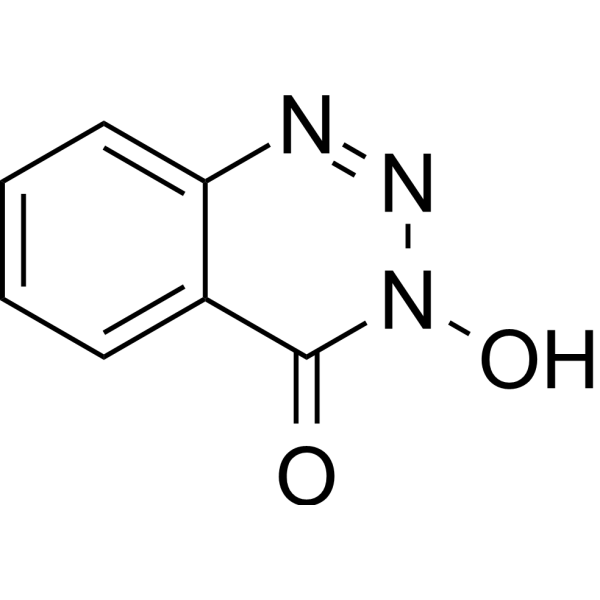
HODHBt (HOOBt) inhibits STAT5-SUMO interaction by blocking SUMOylation of phosphorylated STAT5. HODHBt enhances the magnitude of IL-15 signaling and significantly increases the natural killer (NK) cell cytotoxicity phenotype and function and the generation of cytokine-induced memory-like (CIML) natural killer (NK) cells. HODHBt can be used for research of HIV-infection and cancer .
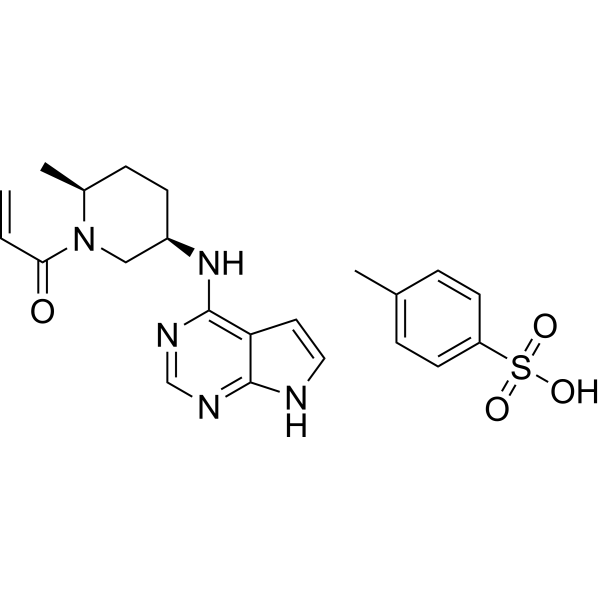
Ritlecitinib (PF-06651600) tosylate is a highly selective, orally active, irreversible covalent JAK3 inhibitor (IC50=33 nM) without inhibitory activity towards JAK1, JAK2, and TYK2 (IC50 >10 μ M). Ritlecitinib tosylate rapidly inactivates the JAK3 kinase, and blocks signaling and downstream STAT phosphorylation mediated by common gamma chain cytokines such as IL-2 and IL-15. Ritlecitinib tosylate can inhibit Th1/Th17 cell differentiation and function, and effectively suppress preclinical animal models such as alopecia areata, adjuvant-induced arthritis (AIA), and experimental autoimmune encephalomyelitis (EAE) .
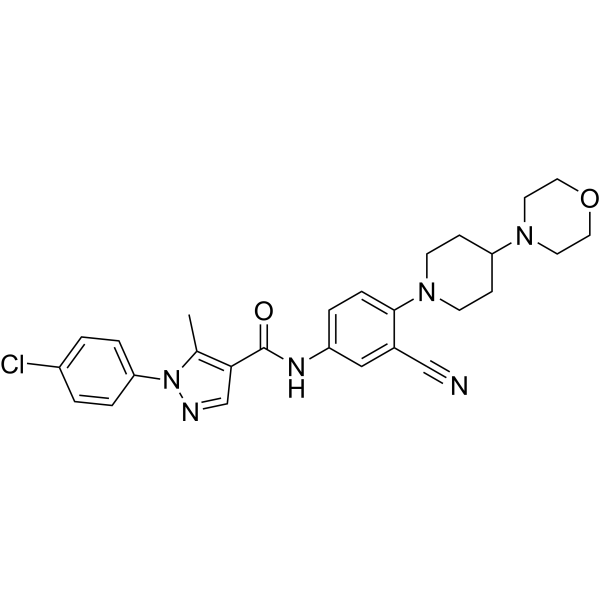
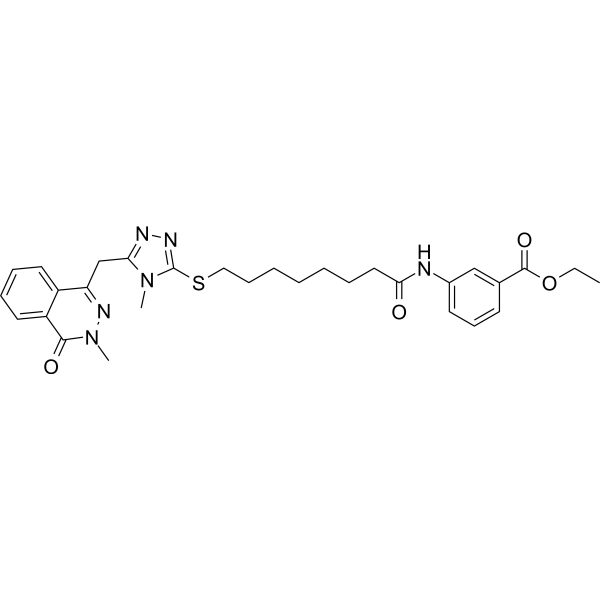
Y-320 is a potent, orally active phenylpyrazoleanilide immunomodulator. Y-320 inhibits IL-17 production by CD4 T cells stimulated with IL-15 with IC50 values of 20 to 60 nM. Y-320 enhances TP53, DMD, and COL17A1 PTC readthrough by G418 and increases cellular protein levels and protein synthesis. Y-320 concomitants use of with a low dose of Paclitaxel (HY-B0015) significantly sensitized multidrug resistance (MDR) tumors by inducing G2/M phase arrest and apoptosis. Y-320 can be used for research of rheumatoid arthritis (RA) and cancer .
Inbakicept is a dimeric human IL-15 receptor alpha (IL-15 Ra) sushi domain/human IgG1 Fc fusion protein and is an IL-15 superagonist complex. Inbakicept is able to form complex N-803 (Nogapendekin alfa inbakicept) with the IL-15 antibody Nogapendekin alfa in a 1:2 ratio. N-803 mimics the function of IL-15 and amplifies anti-CD20 mAb-mediated NK cell responses and antibody-dependent cellular cytotoxicity (ADCC). N-803 also increases degranulation and IFNγ production in cells .
IL-15-IN-1 (compound 76) is a potent and selective Interleukin 15(IL-15) inhibitor, inhibiting the proliferation of IL-15-dependent cells with an IC50 of 0.8 μM .
Nogapendekin alfa (his tag), a soluble protein subunit of a human interleukin (IL)-15 variant, is a superagonist of IL-15. Nogapendekin alfa (his tag) promotes the proliferation and viability of immune cells. Nogapendekin alfa (his tag) combines with Inbakicept (HY-P99661) at a ratio of 2:1, to form N-803 (Nogapendekin alfa inbakicept), an IL-15 cytokine antibody fusion protein. N-803 reduces tumor burden by activation of NK cells and CD8 + T cells .
The Anti-IL-15 Antibody (DISC0280) is a CHO-expressed human antibody that targets IL-15. The Anti-IL-15 Antibody (DISC0280) has a huIgG1 heavy chain and a huλ light chain, with a predicted molecular weight (MW) of 145 kDa. The isotype control for Anti-IL-15 Antibody (DISC0280) can be referenced as Human IgG1 kappa, Isotype Control (HY-P99001).
Anti-Mouse CD122/IL-2Rβ Antibody (TM-Beta 1) is a rat-derived IgG2b κ type antibody inhibito, targeting to mouse CD122/IL-2Rβ. Anti-Mouse CD122/IL-2Rβ Antibody (TM-Beta 1) can block IL-2 and IL-15. Anti-Mouse CD122/IL-2Rβ Antibody (TM-Beta 1) can deplete natural killer (NK) cells and NKT cells. Anti-Mouse CD122/IL-2Rβ Antibody (TM-Beta 1) can be used for the researches of cancer, infection, inflammation, immunology and metabolic disease, such as melanoma, experimental autoimmune encephalomyelitis (EAE) and diabetes .
IL15 Human Pre-designed siRNA Set A contains three designed siRNAs for IL15 gene (Human), as well as a negative control, a positive control, and a FAM-labeled negative control.
Il15 Mouse Pre-designed siRNA Set A contains three designed siRNAs for Il15 gene (Mouse), as well as a negative control, a positive control, and a FAM-labeled negative control.
Human IL15 mRNA encodes the human interleukin 15 (IL15) protein, a cytokine that regulates T and natural killer cell activation and proliferation. IL15 induces the activation of JAK kinases, as well as the phosphorylation and activation of transcription activators STAT3, STAT5, and STAT6.
JAK-IN-24 is a JAK inhibitor, with IC50s of 0.534 and 24 nM at the presence of 4 μM or 1mM ATP, respectively. JAK-IN-24 also inhibits PBMC IL-15 induced STAT5 phosphorylation with an IC50 of 86.171 nM . JAK-IN-24 is a click chemistry reagent, it contains an Alkyne group and can undergo copper-catalyzed azide-alkyne cycloaddition (CuAAc) with molecules containing Azide groups.
Il15 Rat Pre-designed siRNA Set A contains three designed siRNAs for Il15 gene (Rat), as well as a negative control, a positive control, and a FAM-labeled negative control.
Efbalropendekin Alfa (XmAb24306) is an IL-15/IL-15 receptor alpha complex fused to a heterodimeric Fc domain (IL15/IL15Rα-Fc). Efbalropendekin Alfa increases direct and antibody-dependent cellular cytotoxicity (ADCC)-mediated human natural killer (NK) cell cytotoxicity in vitro .
Ritlecitinib (PF-06651600) malonate is a highly selective, orally active, irreversible covalent JAK3 inhibitor (IC50=33 nM) without inhibitory activity towards JAK1, JAK2, and TYK2 (IC50 >10 μ M). Ritlecitinib malonate rapidly inactivates the JAK3 kinase, and blocks signaling and downstream STAT phosphorylation mediated by common gamma chain cytokines such as IL-2 and IL-15. Ritlecitinib malonate can inhibit Th1/Th17 cell differentiation and function, and effectively suppress preclinical animal models such as alopecia areata, adjuvant-induced arthritis (AIA), and experimental autoimmune encephalomyelitis (EAE) .
Tofersen-d27 (BIIB067-d27) is the deuterium labeled Tofersen (HY-132580). Tofersen (BIIB067) is an antisense oligonucleotide and SOD1 mRNA inhibitor with an IC50 of 320 pM. Tofersen mediates RNase H-dependent degradation of SOD1 mRNA to reduce SOD1 protein levels in cerebrospinal fluid and serum. Tofersen downregulates cerebrospinal fluid neurofilament light chain, neurofilament heavy chain, amyloid-beta 1-40, amyloid-beta 1-42, neuropeptide Y, ubiquitin C-terminal hydrolase L1, neuropentraxins 1, 2, R, corticotropin-releasing hormone, IL-15, and serum neurofilament light chain, neurofilament heavy chain. Tofersen can be used for the research of superoxide dismutase 1-associated amyotrophic lateral sclerosis.
IL15RA Human Pre-designed siRNA Set A contains three designed siRNAs for IL15RA gene (Human), as well as a negative control, a positive control, and a FAM-labeled negative control.
Il15ra Rat Pre-designed siRNA Set A contains three designed siRNAs for Il15ra gene (Rat), as well as a negative control, a positive control, and a FAM-labeled negative control.
Il15ra Mouse Pre-designed siRNA Set A contains three designed siRNAs for Il15ra gene (Mouse), as well as a negative control, a positive control, and a FAM-labeled negative control.
HuMax-IL15 is a human IgG1 monoclonal antibody against IL-15. HuMax-IL15 is applicable to the research of rheumatoid arthritis. The recommended isotype control is human IgG1 kappa (HY-P99001) .
IL-15-IN-1 (Standard) is the analytical standard of IL-15-IN-1 (HY-102049). This product is intended for research and analytical applications. IL-15-IN-1 (compound 76) is a potent and selective Interleukin 15 (IL-15) inhibitor, inhibiting the proliferation of IL-15-dependent cells with an IC50 of 0.8 μM .
Human IL15RA mRNA encodes the human interleukin 15 receptor subunit alpha (IL15RA) protein, a cytokine receptor that specifically binds interleukin 15 (IL15) with high affinity. IL15RA is reported to enhance cell proliferation and expression of apoptosis inhibitor BCL2L1/BCL2-XL and BCL2.
FB102 is an anti-human CD122 (IL-2Rβ) monoclonal antibody with selective activity. FB102 blocks the proliferation and activation of pathogenic NK cells and specific T cell subsets induced by IL-2 and IL-15, without affecting the proliferation of regulatory T cells. FB102 inhibits IL-2/IL-15-induced activation of CD4+ and CD8+ T cells in in vitro disease models. FB102 is applicable to research related to celiac disease .
Ritlecitinib (Standard) is the analytical standard of Ritlecitinib (HY-100754). This product is intended for research and analytical applications. Ritlecitinib (PF-06651600) is a highly selective, orally active, irreversible covalent JAK3 inhibitor (IC50=33 nM) without inhibitory activity towards JAK1, JAK2, and TYK2 (IC50 >10 μ M). Ritlecitinib rapidly inactivates the JAK3 kinase, and blocks signaling and downstream STAT phosphorylation mediated by common gamma chain cytokines such as IL-2 and IL-15. Ritlecitinib can inhibit Th1/Th17 cell differentiation and function, and effectively suppress preclinical animal models such as alopecia areata, adjuvant-induced arthritis (AIA), and experimental autoimmune encephalomyelitis (EAE) .
Ritlecitinib (tosylate) (Standard) is the analytical standard of Ritlecitinib (tosylate) (HY-100754C). This product is intended for research and analytical applications. Ritlecitinib (PF-06651600) tosylate is a highly selective, orally active, irreversible covalent JAK3 inhibitor (IC50=33 nM) without inhibitory activity towards JAK1, JAK2, and TYK2 (IC50 >10 μ M). Ritlecitinib tosylate rapidly inactivates the JAK3 kinase, and blocks signaling and downstream STAT phosphorylation mediated by common gamma chain cytokines such as IL-2 and IL-15. Ritlecitinib tosylate can inhibit Th1/Th17 cell differentiation and function, and effectively suppress preclinical animal models such as alopecia areata, adjuvant-induced arthritis (AIA), and experimental autoimmune encephalomyelitis (EAE) .
Ordesekimab (AMG 714; PRV-015) is a fully human IgG1κ anti-IL-15 (Interleukin Related) monoclonal antibody. The binding of Ordesekimab to IL-15 inhibits the interaction of IL-15 with the IL-2Rβ and common γ chain of the IL-15 receptor complex, but not with the IL-15Rα chain. Ordesekimab has the potential for study of nonresponsive celiac disease (NRCD) .
Anti-Mouse IL-15 Antibody (AIO.3) is a rat-derived IgG2a λ type antibody inhibitor, targeting to mouse IL-15. Anti-Mouse IL-15 Antibody (AIO.3) can neutralize IL-15. Anti-Mouse IL-15 Antibody (AIO.3) can be used for the researches of cancer, infection and inflammation, such as hepatitis virus infection and esophagitis .
Inbakicept is a dimeric human IL-15 receptor alpha (IL-15 Ra) sushi domain/human IgG1 Fc fusion protein and is an IL-15 superagonist complex. Inbakicept is able to form complex N-803 (Nogapendekin alfa inbakicept) with the IL-15 antibody Nogapendekin alfa in a 1:2 ratio. N-803 mimics the function of IL-15 and amplifies anti-CD20 mAb-mediated NK cell responses and antibody-dependent cellular cytotoxicity (ADCC). N-803 also increases degranulation and IFNγ production in cells .
Nogapendekin alfa (his tag), a soluble protein subunit of a human interleukin (IL)-15 variant, is a superagonist of IL-15. Nogapendekin alfa (his tag) promotes the proliferation and viability of immune cells. Nogapendekin alfa (his tag) combines with Inbakicept (HY-P99661) at a ratio of 2:1, to form N-803 (Nogapendekin alfa inbakicept), an IL-15 cytokine antibody fusion protein. N-803 reduces tumor burden by activation of NK cells and CD8 + T cells .
The Anti-IL-15 Antibody (DISC0280) is a CHO-expressed human antibody that targets IL-15. The Anti-IL-15 Antibody (DISC0280) has a huIgG1 heavy chain and a huλ light chain, with a predicted molecular weight (MW) of 145 kDa. The isotype control for Anti-IL-15 Antibody (DISC0280) can be referenced as Human IgG1 kappa, Isotype Control (HY-P99001).
Anti-Mouse CD122/IL-2Rβ Antibody (TM-Beta 1) is a rat-derived IgG2b κ type antibody inhibito, targeting to mouse CD122/IL-2Rβ. Anti-Mouse CD122/IL-2Rβ Antibody (TM-Beta 1) can block IL-2 and IL-15. Anti-Mouse CD122/IL-2Rβ Antibody (TM-Beta 1) can deplete natural killer (NK) cells and NKT cells. Anti-Mouse CD122/IL-2Rβ Antibody (TM-Beta 1) can be used for the researches of cancer, infection, inflammation, immunology and metabolic disease, such as melanoma, experimental autoimmune encephalomyelitis (EAE) and diabetes .
Efbalropendekin Alfa (XmAb24306) is an IL-15/IL-15 receptor alpha complex fused to a heterodimeric Fc domain (IL15/IL15Rα-Fc). Efbalropendekin Alfa increases direct and antibody-dependent cellular cytotoxicity (ADCC)-mediated human natural killer (NK) cell cytotoxicity in vitro .
HuMax-IL15 is a human IgG1 monoclonal antibody against IL-15. HuMax-IL15 is applicable to the research of rheumatoid arthritis. The recommended isotype control is human IgG1 kappa (HY-P99001) .
FB102 is an anti-human CD122 (IL-2Rβ) monoclonal antibody with selective activity. FB102 blocks the proliferation and activation of pathogenic NK cells and specific T cell subsets induced by IL-2 and IL-15, without affecting the proliferation of regulatory T cells. FB102 inhibits IL-2/IL-15-induced activation of CD4+ and CD8+ T cells in in vitro disease models. FB102 is applicable to research related to celiac disease .
Elaidic acid is an orally active trans fatty acid. Elaidic acid enhances the stemness of colorectal cancer cells by activating the Wnt/ERK1/2 pathway, thereby promoting cell proliferation, invasion and metastasis, and inhibiting apoptosis. Elaidic acid also inhibits the growth of Lactobacillus and alters the cell surface hydrophobicity of Lactobacillus. Elaidic acid reduces basal 2-deoxyglucose uptake in muscle cells and adipocytes. Elaidic acid can be used in research on colorectal cancer, insulin and other related areas .
The IL-15 protein is a cytokine that plays a key role in inflammatory and protective immune responses by regulating innate and adaptive immune cells. It stimulates the proliferation of natural killer cells, T cells and B cells, and promotes the secretion of cytokines. GMP IL-15 Protein, Human is the recombinant human-derived IL-15 protein, expressed by E. coli , with tag free.
The IL-15 protein is a key cytokine that promotes inflammatory and protective immune responses against invaders by regulating immune cells in the innate and adaptive systems. It stimulates natural killer cells, T cells and B cells, and promotes the secretion of various cytokines. Animal-Free IL-15 Protein, Pig (His) is the recombinant pig-derived animal-FreeIL-15 protein, expressed by E. coli , with N-His labeled tag. This product is for cell culture use only.
The IL-15 protein is a cytokine that crucially shapes inflammatory and protective immune responses by regulating innate and adaptive immune cells. It stimulates the proliferation and activation of natural killer cells, T cells and B cells, and promotes the secretion of cytokines. IL-15 Protein, Mouse (HEK293, Fc) is the recombinant mouse-derived IL-15 protein, expressed by HEK293 , with C-hFc labeled tag.
IL-15 protein regulates immune cells, stimulates the proliferation of NK cells, T cells, and B cells, and promotes cytokine secretion. Animal-Free IL-15 Protein, Human (His) is the recombinant human-derived animal-FreeIL-15 protein, expressed by E. coli , with N-His, N-His labeled tag.This product is for cell culture use only.
The IL-15 protein is a cytokine that plays a key role in inflammatory and protective immune responses by regulating innate and adaptive immune cells. It stimulates the proliferation of natural killer cells, T cells and B cells, and promotes the secretion of cytokines. IL-15 Protein, Rhesus macaque (P.pastoris, His) is the recombinant Rhesus Macaque-derived IL-15 protein, expressed by P. pastoris , with N-6*His labeled tag.
The IL-15 protein is a cytokine that plays a key role in inflammatory and protective immune responses by regulating innate and adaptive immune cells. It stimulates the proliferation of natural killer cells, T cells and B cells, and promotes the secretion of cytokines. IL-15 Protein, Rhesus macaque (HEK293, His) is the recombinant rhesus macaque-derived IL-15 protein, expressed by HEK293, with C-His labeled tag.
The IL-15 protein is a cytokine that crucially shapes inflammatory and protective immune responses by regulating innate and adaptive immune cells. It stimulates the proliferation and activation of natural killer cells, T cells and B cells, and promotes the secretion of cytokines. Animal-Free IL-15 Protein, Mouse (His) is the recombinant mouse-derived animal-FreeIL-15 protein, expressed by E. coli , with N-His labeled tag. This product is for cell culture use only.
IL-15R alpha is a high affinity receptor for IL-15 (Kd: 100 pM). IL-15 is essential for the development and function natural killer (NK) cell, NKT cell and memory (m) CD8+ T cell. IL-15R alpha maintains memory CD8+ T cell homeostasis and lymphocyte development. IL-15R alpha/IL-15 complex can activate the antitumor functions of NK cells and CD8+ T cells. IL-15R alpha & IL-15 Protein, Human (HEK293, Fc) is a recombinant human IL-15R alpha (I31-D96) & IL-15 (N49-S162) fusion protein with a C-Terminal hFc tag, which is produced in HEK293 cells.
IL-15R alpha is a high affinity receptor for IL-15 (Kd: 100 pM). IL-15 is essential for the development and function natural killer (NK) cell, NKT cell and memory (m) CD8+ T cell. IL-15R alpha maintains memory CD8+ T cell homeostasis and lymphocyte development. IL-15R alpha/IL-15 complex can activate the antitumor functions of NK cells and CD8+ T cells. IL-15R alpha & IL-15 Protein, Human (HEK293, His) is a recombinant human IL-15R alpha (I31-S108) & IL-15 (N49-S162) fusion protein with a C-Terminal His tag, which is produced in HEK293 cells.
IL-15R alpha is a high affinity receptor for IL-15 (Kd: 100 pM). IL-15 is essential for the development and function natural killer (NK) cell, NKT cell and memory (m) CD8+ T cell. IL-15R alpha maintains memory CD8+ T cell homeostasis and lymphocyte development. IL-15R alpha/IL-15 complex can activate the antitumor functions of NK cells and CD8+ T cells. IL-15R alpha & IL-15 Protein, Human (Biotinylated, HEK293, His) is a recombinant biotinylated human IL-15R alpha (I31-S108) & IL-15 (N49-S162) fusion protein with a C-Terminal His tag, which is produced in HEK293 cells.
The IL-15 protein is a cytokine that crucially shapes inflammatory and protective immune responses by regulating innate and adaptive immune cells. It stimulates the proliferation and activation of natural killer cells, T cells and B cells, and promotes the secretion of cytokines. IL-15 Protein, Mouse (Biotinylated, HEK293, Fc-Avi) is the recombinant mouse-derived IL-15 protein, expressed by HEK293 , with C-Avi, C-hFc labeled tag. The total length of IL-15 Protein, Mouse (Biotinylated, HEK293, Fc-Avi) is 114 a.a., with molecular weight of 50-60 kDa.
IL-15 protein regulates immune cells, stimulates the proliferation of NK cells, T cells, and B cells, and promotes cytokine secretion. IL-15 Protein, Human (Biotinylated, HEK293, Fc-Avi) is the recombinant human-derived IL-15 protein, expressed by HEK293 , with C-Avi, C-hFc labeled tag.
IL-15 Protein, Human modulates immune cells of both the innate and adaptive immune systems, induces the production of chemokines and cytokines, stimulates the proliferation of natural killer cells, T-cells and B-cells. IL-15 Protein, Human triggers both pro-inflammatory and protective immune responses. IL-15 Protein, Human is the recombinant human-derived IL-15 Protein, expressed by E. coli.
IL-15 protein regulates immune cells, stimulates the proliferation of NK cells, T cells, and B cells, and promotes cytokine secretion. IL-15 Protein, Human (HEK293) is the recombinant human-derived IL-15 protein, expressed by HEK293, with tag free.
IL-15R alpha Protein, the high-affinity receptor for interleukin-15, crucially signals in cis and trans, presenting IL-15 to neighboring IL2RG-expressing cells. In neutrophils, it activates SYK kinase, essential for IL-15-induced phagocytosis in a SYK-dependent manner. IL-15R alpha forms a heterotrimer with IL2RB and IL2RG, capable of self-association. Interactions with SYK underscore its intricate involvement in cellular signaling pathways. IL-15R alpha & IL-15 Protein, Mouse (HEK293, His) is a recombinant protein dimer complex containing mouse-derived IL-15R alpha & IL-15 protein, expressed by HEK293 , with C-His labeled tag. IL-15R alpha & IL-15 Protein, Mouse (HEK293, His), has molecular weight of ~36 kDa.
IL-15 protein regulates immune cells, stimulates the proliferation of NK cells, T cells, and B cells, and promotes cytokine secretion. IL-15 Protein, Human (HEK293, His) is the recombinant human-derived IL-15 protein, expressed by HEK293, with C-His labeled tag.
IL-15 protein regulates immune cells, stimulates the proliferation of NK cells, T cells, and B cells, and promotes cytokine secretion. IL-15 Protein, Human (HEK293, Fc) is the recombinant human-derived IL-15 protein, expressed by HEK293, with C-hFc labeled tag.
IL-15R alpha is a high affinity receptor for IL-15 (Kd: 100 pM). IL-15R alpha binds IL-15 and thereby activating the antitumor functions of NK cells and CD8+ T cells. IL-15R alpha plays an important role in memory CD8+ T cell homeostasis and lymphocyte development. IL-15R alpha Protein, Human (HEK293, His-Avi) is a recombinant human extracellular region of IL-15R alpha (I31-T205) with a C-Terminal His-Avi tag, which is produced in HEK293 cells.
IL-15R alpha Protein, a proven high-affinity receptor for interleukin-15, signals in both cis and trans. In neutrophils, it activates SYK kinase, crucial for IL-15-induced phagocytosis in a SYK-dependent manner. Different isoforms may introduce variations in signal transduction. Notably, IL-15R alpha Protein, while having high affinity, does not directly bind to IL15. FITC-Labeled IL-15R alpha Protein, Human (HEK293, Fc) is the recombinant human-derived FITC-Labeled IL-15R alpha protein, expressed by HEK293 , with Fc labeled tag.
IL-15R alpha Protein, a proven high-affinity receptor for interleukin-15, signals in both cis and trans. In neutrophils, it activates SYK kinase, crucial for IL-15-induced phagocytosis in a SYK-dependent manner. Different isoforms may introduce variations in signal transduction. Notably, IL-15R alpha Protein, while having high affinity, does not directly bind to IL15. PE-Labeled IL-15R alpha Protein, Human (HEK293, Fc) is the recombinant human-derived PE-Labeled IL-15R alpha protein, expressed by HEK293 , with Fc labeled tag.
IL-15R alpha is a high affinity receptor for IL-15 (Kd: 100 pM). IL-15R alpha binds IL-15 and thereby activating the antitumor functions of NK cells and CD8+ T cells. IL-15R alpha plays an important role in memory CD8+ T cell homeostasis and lymphocyte development. IL-15R alpha Protein, Human (Biotinylated, HEK293, His-Avi) is a biotinylated recombinant human extracellular region of IL-15R alpha (I31-T205) with a C-Terminal His-Avi tag, which is produced in HEK293 cells.
IL-15R alpha is a high affinity receptor for IL-15 (Kd: 100 pM). IL-15R alpha binds IL-15 and thereby activating the antitumor functions of NK cells and CD8+ T cells. IL-15R alpha plays an important role in memory CD8+ T cell homeostasis and lymphocyte development. IL-15R alpha Protein, Mouse (HEK293, hFc) is a recombinant mouse extracellular region of IL-15R alpha (G33-K205) with a C-Terminal hFc tag, which is produced in HEK293 cells.
IL-2R beta (CD122), a type Ⅰ cytokine receptor expressed on T lymphocytes, is a receptor for IL-2 (Kd: 1 nM approximately). IL-2R beta mediates T cell immune responses, such as stimulating T cell proliferation and activating lymphokine-activated killer cells. IL-2R beta/CD122 Protein, Cynomolgus (HEK293, His) is a recombinant cynomolgus IL-2R beta (A27-D239) with a C-Terminal His tag, which is produced in HEK 293.
IL-2R beta/CD122 Protein, Cynomolgus (HEK293, hFc) is the recombinant cynomolgus-derived IL-2R beta/CD122 protein, expressed by HEK293, with C-hFc tag.
IL-2R beta (CD122), a type Ⅰ cytokine receptor expressed on T lymphocytes, is a receptor for IL-2 (Kd: 1 nM approximately). IL-2R beta mediates T cell immune responses, such as stimulating T cell proliferation and activating lymphokine-activated killer cells. IL-2R beta/CD122 Protein, Human (HEK293, His-Avi) is a recombinant human extracellular region of IL-2R beta (A27-D239) with a C-Terminal His-Avi tag, which is produced in HEK293 cells.
IL-15R alpha Protein, a proven high-affinity receptor for interleukin-15, signals in both cis and trans. In neutrophils, it activates SYK kinase, crucial for IL-15-induced phagocytosis in a SYK-dependent manner. Different isoforms may introduce variations in signal transduction. Notably, IL-15R alpha Protein, while having high affinity, does not directly bind to IL15. IL-15R alpha Protein, Human (HEK293, Fc) is the recombinant human-derived IL-15R alpha protein, expressed by HEK293, with C-hFc labeled tag.
IL-15R alpha is a high affinity receptor for IL-15 (Kd: 100 pM). IL-15R alpha binds IL-15 and thereby activating the antitumor functions of NK cells and CD8+ T cells. IL-15R alpha plays an important role in memory CD8+ T cell homeostasis and lymphocyte development. IL-15R alpha Protein, Human (142a.a, HEK293, Fc) is a recombinant human extracellular region of IL-15R alpha (I31-T172) with a C-Terminal Fc tag, which is produced in HEK293 cells.
IL-2R beta (CD122) and IL-2Rγ (CD132), type Ⅰ cytokine receptors expressed on T lymphocytes, are receptors for IL-2 (Kd: 1 nM for IL-2R beta approximately). IL-2R beta mediates T cell immune responses. IL-2Rγ mediates inflammatory response
IL-2Rβ and IL-2Rγ heterodimer binds to IL-2 with intermediate affinity. IL2RB-IL2RG Heterodimer Protein, Human (HEK293, Fc) is a recombinant human IL-2R beta (A27-D239) and IL-2R gamma (L23-A262) heterodimer complex, with a C-Terminal hFc tag, which is produced in HEK293 cells.
Tofersen-d27 (BIIB067-d27) is the deuterium labeled Tofersen (HY-132580). Tofersen (BIIB067) is an antisense oligonucleotide and SOD1 mRNA inhibitor with an IC50 of 320 pM. Tofersen mediates RNase H-dependent degradation of SOD1 mRNA to reduce SOD1 protein levels in cerebrospinal fluid and serum. Tofersen downregulates cerebrospinal fluid neurofilament light chain, neurofilament heavy chain, amyloid-beta 1-40, amyloid-beta 1-42, neuropeptide Y, ubiquitin C-terminal hydrolase L1, neuropentraxins 1, 2, R, corticotropin-releasing hormone, IL-15, and serum neurofilament light chain, neurofilament heavy chain. Tofersen can be used for the research of superoxide dismutase 1-associated amyotrophic lateral sclerosis.
JAK-IN-24 is a JAK inhibitor, with IC50s of 0.534 and 24 nM at the presence of 4 μM or 1mM ATP, respectively. JAK-IN-24 also inhibits PBMC IL-15 induced STAT5 phosphorylation with an IC50 of 86.171 nM . JAK-IN-24 is a click chemistry reagent, it contains an Alkyne group and can undergo copper-catalyzed azide-alkyne cycloaddition (CuAAc) with molecules containing Azide groups.
Tofersen (BIIB067) is an antisense oligonucleotide and SOD1 mRNA inhibitor with an IC50 of 320 pM. Tofersen mediates RNase H-dependent degradation of SOD1 mRNA to reduce SOD1 protein levels in cerebrospinal fluid and serum. Tofersen downregulates cerebrospinal fluid neurofilament light chain, neurofilament heavy chain, amyloid-beta 1-40, amyloid-beta 1-42, neuropeptide Y, ubiquitin C-terminal hydrolase L1, neuropentraxins 1, 2, R, corticotropin-releasing hormone, IL-15, and serum neurofilament light chain, neurofilament heavy chain. Tofersen can be used for the research of superoxide dismutase 1-associated amyotrophic lateral sclerosis .
Tofersen (BIIB067) sodium is an antisense oligonucleotide and SOD1 mRNA inhibitor with an IC50 of 320 pM. Tofersen sodium mediates RNase H-dependent degradation of SOD1 mRNA to reduce SOD1 protein levels in cerebrospinal fluid and serum. Tofersen sodium downregulates cerebrospinal fluid neurofilament light chain, neurofilament heavy chain, amyloid-beta 1-40, amyloid-beta 1-42, neuropeptide Y, ubiquitin C-terminal hydrolase L1, neuropentraxins 1, 2, R, corticotropin-releasing hormone, IL-15, and serum neurofilament light chain, neurofilament heavy chain. Tofersen sodium can be used for the research of superoxide dismutase 1-associated amyotrophic lateral sclerosis .
IL15 Human Pre-designed siRNA Set A contains three designed siRNAs for IL15 gene (Human), as well as a negative control, a positive control, and a FAM-labeled negative control.
Il15 Mouse Pre-designed siRNA Set A contains three designed siRNAs for Il15 gene (Mouse), as well as a negative control, a positive control, and a FAM-labeled negative control.
Human IL15 mRNA encodes the human interleukin 15 (IL15) protein, a cytokine that regulates T and natural killer cell activation and proliferation. IL15 induces the activation of JAK kinases, as well as the phosphorylation and activation of transcription activators STAT3, STAT5, and STAT6.
Il15 Rat Pre-designed siRNA Set A contains three designed siRNAs for Il15 gene (Rat), as well as a negative control, a positive control, and a FAM-labeled negative control.
Tofersen-d27 (BIIB067-d27) is the deuterium labeled Tofersen (HY-132580). Tofersen (BIIB067) is an antisense oligonucleotide and SOD1 mRNA inhibitor with an IC50 of 320 pM. Tofersen mediates RNase H-dependent degradation of SOD1 mRNA to reduce SOD1 protein levels in cerebrospinal fluid and serum. Tofersen downregulates cerebrospinal fluid neurofilament light chain, neurofilament heavy chain, amyloid-beta 1-40, amyloid-beta 1-42, neuropeptide Y, ubiquitin C-terminal hydrolase L1, neuropentraxins 1, 2, R, corticotropin-releasing hormone, IL-15, and serum neurofilament light chain, neurofilament heavy chain. Tofersen can be used for the research of superoxide dismutase 1-associated amyotrophic lateral sclerosis.
IL15RA Human Pre-designed siRNA Set A contains three designed siRNAs for IL15RA gene (Human), as well as a negative control, a positive control, and a FAM-labeled negative control.
Il15ra Rat Pre-designed siRNA Set A contains three designed siRNAs for Il15ra gene (Rat), as well as a negative control, a positive control, and a FAM-labeled negative control.
Il15ra Mouse Pre-designed siRNA Set A contains three designed siRNAs for Il15ra gene (Mouse), as well as a negative control, a positive control, and a FAM-labeled negative control.
Human IL15RA mRNA encodes the human interleukin 15 receptor subunit alpha (IL15RA) protein, a cytokine receptor that specifically binds interleukin 15 (IL15) with high affinity. IL15RA is reported to enhance cell proliferation and expression of apoptosis inhibitor BCL2L1/BCL2-XL and BCL2.
Inquiry Online
Your information is safe with us. * Required Fields.
Western blot analysis of extracts from THP-1(lane 2(20μg), Jurkat (lane 3(20μg) and NIH3T3(lane 4(20μg) using FOXO1A (HY-P80132) Rabbit mAb. Proteins were transferred
to a PVDF membrane and blocked with 5% non-fat milk in TBST for 2 hour at room temperature. The primary antibody (1/1000) and Loading control antibody (Beta Actin, HY-P80438, 1/10000) was
used in 5% non-fat milk in TBST at 4°C overnight. Goat Anti-Mouse/Rabbit IgG-HRP Secondary Antibody (1/10000) was used for 1 hour at room temperature.
Western blot analysis of extracts from THP-1(lane 2(20μg), Jurkat (lane 3(20μg) and NIH3T3(lane 4(20μg) using FOXO1A (HY-P80132) Rabbit mAb. Proteins were transferred
to a PVDF membrane and blocked with 5% non-fat milk in TBST for 2 hour at room temperature. The primary antibody (1/1000) and Loading control antibody (Beta Actin, HY-P80438, 1/10000) was
used in 5% non-fat milk in TBST at 4°C overnight. Goat Anti-Mouse/Rabbit IgG-HRP Secondary Antibody (1/10000) was used for 1 hour at room temperature.
Western blot analysis of extracts from THP-1(lane 2(20μg), Jurkat (lane 3(20μg) and NIH3T3(lane 4(20μg) using FOXO1A (HY-P80132) Rabbit mAb. Proteins were transferred
to a PVDF membrane and blocked with 5% non-fat milk in TBST for 2 hour at room temperature. The primary antibody (1/1000) and Loading control antibody (Beta Actin, HY-P80438, 1/10000) was
used in 5% non-fat milk in TBST at 4°C overnight. Goat Anti-Mouse/Rabbit IgG-HRP Secondary Antibody (1/10000) was used for 1 hour at room temperature.
Western blot analysis of extracts from THP-1(lane 2(20μg), Jurkat (lane 3(20μg) and NIH3T3(lane 4(20μg) using FOXO1A (HY-P80132) Rabbit mAb. Proteins were transferred
to a PVDF membrane and blocked with 5% non-fat milk in TBST for 2 hour at room temperature. The primary antibody (1/1000) and Loading control antibody (Beta Actin, HY-P80438, 1/10000) was
MedchemExpress Validation 03
Western blot analysis of extracts from THP-1(lane 2(20μg), Jurkat (lane 3(20μg) and NIH3T3(lane 4(20μg) using FOXO1A (HY-P80132) Rabbit mAb. Proteins were transferred
MedchemExpress Validation 04
Western blot analysis of extracts from THP-1(lane 2(20μg), Jurkat (lane 3(20μg) and NIH3T3(lane 4(20μg) using FOXO1A (HY-P80132) Rabbit mAb. Proteins were transferred
to a PVDF membrane and blocked with 5% non-fat milk in TBST for 2 hour at room temperature. The primary antibody (1/1000) and Loading control antibody (Beta Actin, HY-P80438, 1/10000) was
used in 5% non-fat milk in TBST at 4°C overnight. Goat Anti-Mouse/Rabbit IgG-HRP Secondary Antibody (1/10000) was used for 1 hour at room temperature.
MedchemExpress Validation
Western blot analysis of extracts from THP-1(lane 2(20μg), Jurkat (lane 3(20μg) and NIH3T3(lane 4(20μg) using FOXO1A (HY-P80132) Rabbit mAb. Proteins were transferred
to a PVDF membrane and blocked with 5% non-fat milk in TBST for 2 hour at room temperature. The primary antibody (1/1000) and Loading control antibody (Beta Actin, HY-P80438, 1/10000) was
used in 5% non-fat milk in TBST at 4°C overnight. Goat Anti-Mouse/Rabbit IgG-HRP Secondary Antibody (1/10000) was used for 1 hour at room temperature.
Western blot analysis of extracts from THP-1(lane 2(20μg), Jurkat (lane 3(20μg) and NIH3T3(lane 4(20μg) using FOXO1A (HY-P80132) Rabbit mAb. Proteins were transferred
to a PVDF membrane and blocked with 5% non-fat milk in TBST for 2 hour at room temperature. The primary antibody (1/1000) and Loading control antibody (Beta Actin, HY-P80438, 1/10000) was
used in 5% non-fat milk in TBST at 4°C overnight. Goat Anti-Mouse/Rabbit IgG-HRP Secondary Antibody (1/10000) was used for 1 hour at room temperature.
MedchemExpress Validation
Western blot analysis of extracts from THP-1(lane 2(20μg), Jurkat (lane 3(20μg) and NIH3T3(lane 4(20μg) using FOXO1A (HY-P80132) Rabbit mAb. Proteins were transferred
to a PVDF membrane and blocked with 5% non-fat milk in TBST for 2 hour at room temperature. The primary antibody (1/1000) and Loading control antibody (Beta Actin, HY-P80438, 1/10000) was
used in 5% non-fat milk in TBST at 4°C overnight. Goat Anti-Mouse/Rabbit IgG-HRP Secondary Antibody (1/10000) was used for 1 hour at room temperature.
MedchemExpress Validation
Western blot analysis of extracts from THP-1(lane 2(20μg), Jurkat (lane 3(20μg) and NIH3T3(lane 4(20μg) using FOXO1A (HY-P80132) Rabbit mAb. Proteins were transferred
to a PVDF membrane and blocked with 5% non-fat milk in TBST for 2 hour at room temperature. The primary antibody (1/1000) and Loading control antibody (Beta Actin, HY-P80438, 1/10000) was
used in 5% non-fat milk in TBST at 4°C overnight. Goat Anti-Mouse/Rabbit IgG-HRP Secondary Antibody (1/10000) was used for 1 hour at room temperature.
MedchemExpress Validation
Western blot analysis of extracts from THP-1(lane 2(20μg), Jurkat (lane 3(20μg) and NIH3T3(lane 4(20μg) using FOXO1A (HY-P80132) Rabbit mAb. Proteins were transferred
to a PVDF membrane and blocked with 5% non-fat milk in TBST for 2 hour at room temperature. The primary antibody (1/1000) and Loading control antibody (Beta Actin, HY-P80438, 1/10000) was
used in 5% non-fat milk in TBST at 4°C overnight. Goat Anti-Mouse/Rabbit IgG-HRP Secondary Antibody (1/10000) was used for 1 hour at room temperature.
MedchemExpress Validation
Western blot analysis of extracts from THP-1(lane 2(20μg), Jurkat (lane 3(20μg) and NIH3T3(lane 4(20μg) using FOXO1A (HY-P80132) Rabbit mAb. Proteins were transferred
to a PVDF membrane and blocked with 5% non-fat milk in TBST for 2 hour at room temperature. The primary antibody (1/1000) and Loading control antibody (Beta Actin, HY-P80438, 1/10000) was
used in 5% non-fat milk in TBST at 4°C overnight. Goat Anti-Mouse/Rabbit IgG-HRP Secondary Antibody (1/10000) was used for 1 hour at room temperature.
MedchemExpress Validation
Western blot analysis of extracts from THP-1(lane 2(20μg), Jurkat (lane 3(20μg) and NIH3T3(lane 4(20μg) using FOXO1A (HY-P80132) Rabbit mAb. Proteins were transferred
to a PVDF membrane and blocked with 5% non-fat milk in TBST for 2 hour at room temperature. The primary antibody (1/1000) and Loading control antibody (Beta Actin, HY-P80438, 1/10000) was
used in 5% non-fat milk in TBST at 4°C overnight. Goat Anti-Mouse/Rabbit IgG-HRP Secondary Antibody (1/10000) was used for 1 hour at room temperature.
MedchemExpress Validation
Western blot analysis of extracts from THP-1(lane 2(20μg), Jurkat (lane 3(20μg) and NIH3T3(lane 4(20μg) using FOXO1A (HY-P80132) Rabbit mAb. Proteins were transferred
to a PVDF membrane and blocked with 5% non-fat milk in TBST for 2 hour at room temperature. The primary antibody (1/1000) and Loading control antibody (Beta Actin, HY-P80438, 1/10000) was
used in 5% non-fat milk in TBST at 4°C overnight. Goat Anti-Mouse/Rabbit IgG-HRP Secondary Antibody (1/10000) was used for 1 hour at room temperature.
MedChemExpress values your privacy and your trust is important to us. We use cookies to enhance your website experience. Some cookies are necessary to run the website.
Privacy and Cookie Policy

