
Search Result
Results for "
Inhalation
" in MedChemExpress (MCE) Product Catalog:
4
Biochemical Assay Reagents
6
Isotope-Labeled Compounds
| Cat. No. |
Product Name |
Target |
Research Areas |
Chemical Structure |
-
- HY-13580
-
|
|
Glucocorticoid Receptor
ADC Payload
|
Inflammation/Immunology
Cancer
|
|
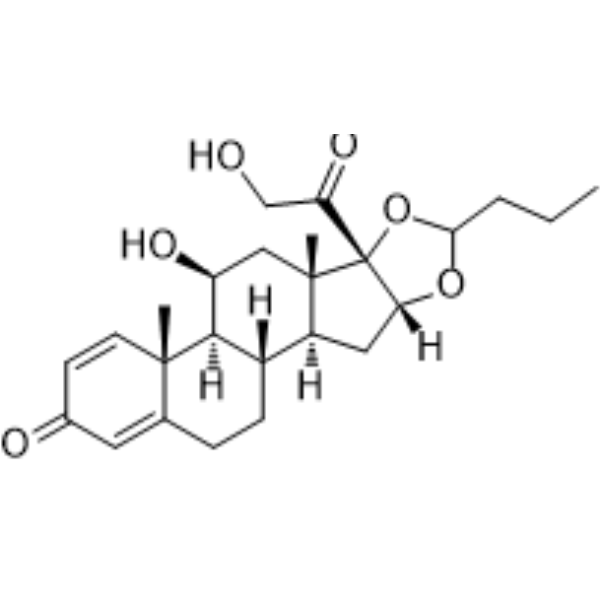
Budesonide, an inhaled glucocortical steroid, is an orally active glucocorticoid receptor agonist. Budesonide decreases the size of lung tumors, reverses DNA hypomethylation and modulates mRNA expression of genes. Budesonide is an anti-inflammatory agent used for asthma .
|
-
-
- HY-119708
-
|
RPL-554
|
Phosphodiesterase (PDE)
|
Infection
Neurological Disease
Inflammation/Immunology
Cancer
|
|
Ensifentrine (RPL-554) is an inhaled dual inhibitor of PDE3 and PDE4 with IC50s of 0.4 nM and 1479 nM, respectively. Ensifentrine blocks PDE3 and PDE4 enzymes, thereby increasing the levels of cyclic adenosine monophosphate (cAMP) and cyclic guanosine monophosphate (cGMP) in lung cells, dilating the bronchi, and inhibiting the activation and migration of inflammatory cells. Ensifentrine can be used in the research of chronic obstructive pulmonary disease (COPD) .
|
-
-
- HY-W251428
-
|
Egg PG
|
Biochemical Assay Reagents
|
Others
|
|
Phosphatidylglycerols (PG) is a selective inhibitor targeting the TLR4 accessory protein CD14/MD-2 complex, inhibiting LPS or virus (such as RSV)-mediated inflammatory signaling pathways through competitive binding. Phosphatidylglycerols directly bind to viral particles to block infection, inhibit COX-2 expression to reduce the release of inflammatory factors (IL-6, IL-8), and improve oxidative stress by regulating mitochondrial membrane phospholipid remodeling. Phosphatidylglycerols can be taken orally or by inhalation and can be used in the study of chronic inflammatory diseases (such as atherosclerosis) and respiratory viral infections (such as RSV) .
|
-
-
- HY-14301
-
|
BI1744
|
Adrenergic Receptor
|
Inflammation/Immunology
Endocrinology
|
|
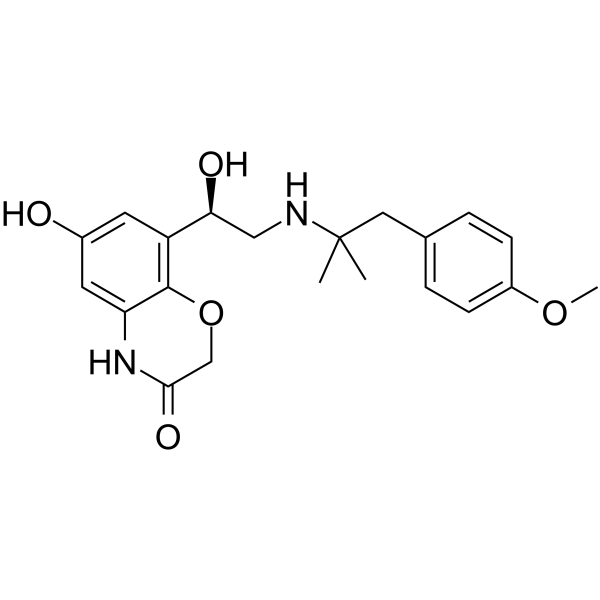
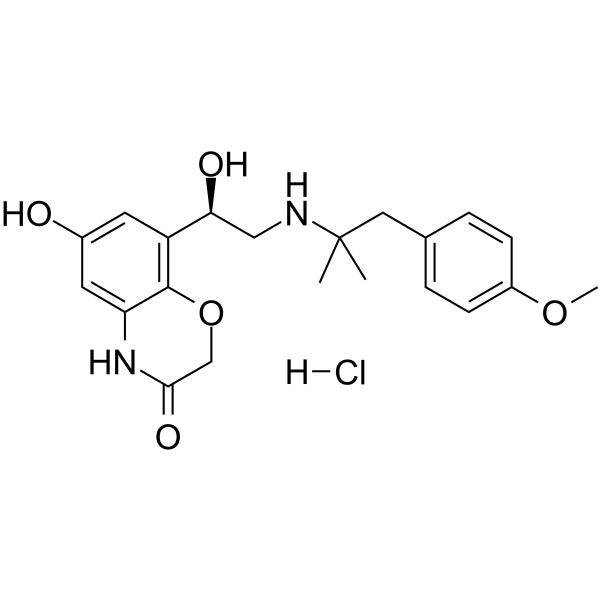
Olodaterol (BI1744) is a selective, long acting β2-adrenoceptor (β2-AR) agonist (EC50=0.1 nM and pKi= 9.14 for human β2-adrenoceptor, respectively). Olodaterol can be used for chronic obstructive pulmonary disease (COPD) and pulmonary fibrosis .
|
-
-
- HY-B2209
-
|
Vitamin B12a
|
Endogenous Metabolite
|
Neurological Disease
Metabolic Disease
|
|
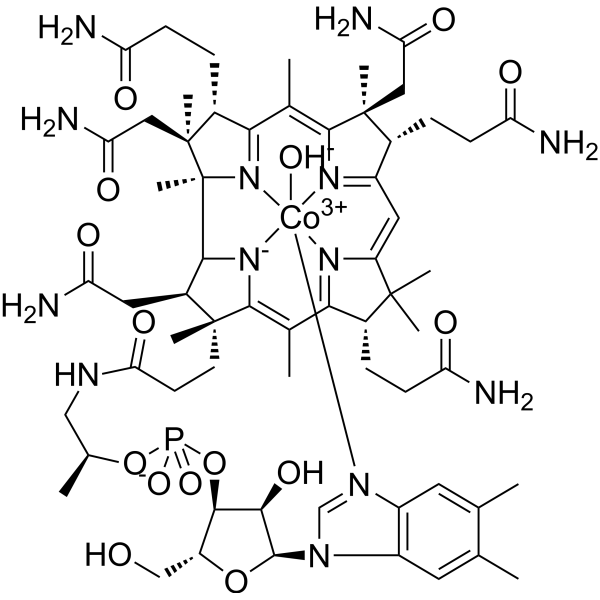
Hydroxocobalamin (Vitamin B12a) is a cyanide antidote. Hydroxocobalamin can decrease the cell and plasma cyanide concentrations and increase survival rate in acute cyanide poisoning. Hydroxocobalamin can improve newborn Cbl-C defect-induced metabolic profile and neurocognitive outcome. Hydroxocobalamin can normalize Vitamin B12 deficiency. Hydroxocobalamin can induce acute kidney injury. Hydroxocobalamin can be used for the researches of metabolic and neurological disease .
|
-
-
- HY-14144
-
|
LAS 34273; LAS-W 330
|
mAChR
|
Inflammation/Immunology
|
|
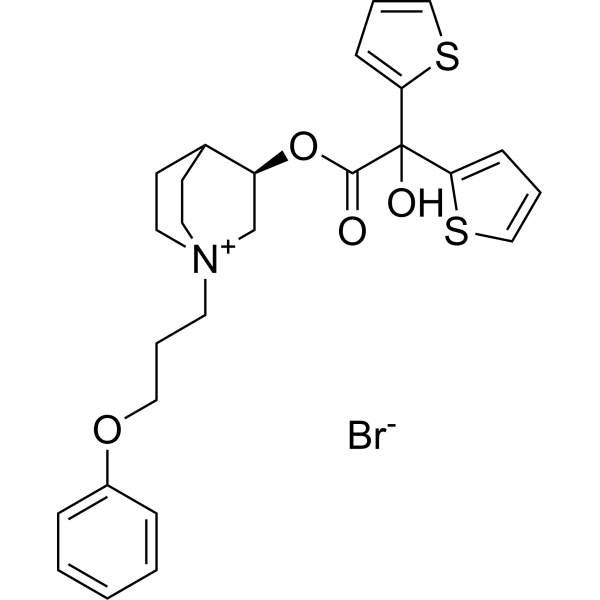
Aclidinium Bromide (LAS 34273; LAS-W 330) is a long-acting, inhaled muscarinic antagonist. Aclidinium Bromide has the potential for chronic obstructive pulmonary disease (COPD) research .
|
-
-
- HY-112624J
-
|
Dextran 4; Dextran D4; Dextran T4(MW 3200-4800)
|
Bacterial
|
Others
|
|
Dextran 4,000 is a mucus rheology modifier. The dextran molecules in Dextran 4,000 can reduce the cross-link density of mucus through osmotic effects and hydrogen bond substitution, and reduce viscoelasticity and improve the mucociliary/cough clearance index by destroying the DNA-mucin network structure in mucus. Dextran 4,000 has the ability to improve the rheological properties and clearance ability of cystic fibrosis (CF) sputum, and can be used in the study of inhalation therapy or aerosol delivery of mucostatic respiratory diseases. The Dextran series of compounds are also natural polysaccharide drug carriers that can be connected to drugs through covalent bonding methods such as ester bonds, amide bonds or click chemistry, or self-assembled to form carriers such as nanoparticles and hydrogels. Dextran is biodegradable and biocompatible, and can achieve targeted delivery and controlled release of drugs. Dextran derivatives can prolong the half-life of drugs, increase local concentrations, and reduce the activity of immune clearance .
|
-
-
- HY-B0603
-
-
-
- HY-109163
-
|
INS-1009
|
Prostaglandin Receptor
|
Inflammation/Immunology
Endocrinology
|
|
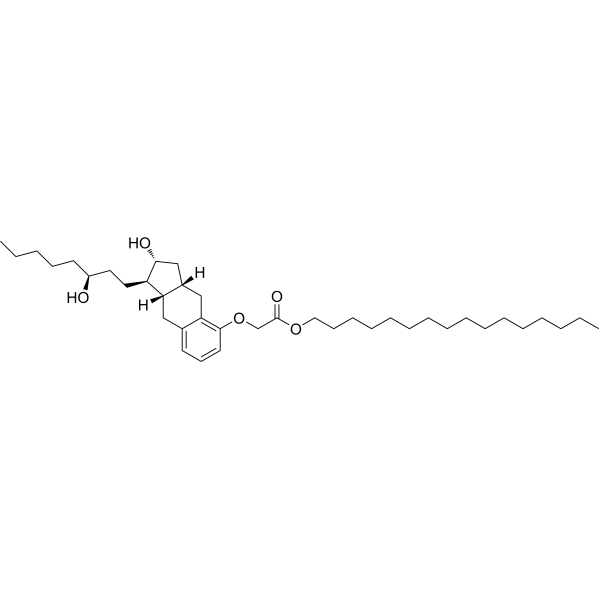
Treprostinil palmitil is a long-acting inhaled pulmonary vasodilator prodrug of Treprostinil (HY-100441), formulated in a lipid nanoparticle (LNP). Treprostinil palmitil can inhibit pulmonary vascular remodeling induced by Su/Hx challenge in rats. Treprostinil palmitil can induce cough. Treprostinil palmitil demonstrates a sustained presence in the lungs with reduced systemic exposure and prolonged inhibition of hypoxia-induced pulmonary vasoconstriction in vivo. Treprostinil palmitil can be studied in research for pulmonary arterial hypertension and interstitial lung disease .
|
-
-
- HY-109190
-
|
GB002; PK10571
|
PDGFR
c-Fms
c-Kit
|
Cardiovascular Disease
|
|
Seralutinib (GB002) is an inhaled PDGFRα and PDGFRβ inhibitor. Seralutinib also targets to CSF1R and c-KIT with IC50s of 8 nM and 14 nM, respectively. Seralutinib (GB002) is used in the study for pulmonary arterial hypertension .
|
-
-
- HY-108858
-
|
rhDNase
|
DNA/RNA Synthesis
Endonuclease
|
Inflammation/Immunology
|
|
Dornase alfa (rhDNase) is a recombinant human deoxyribonuclease I (rhDNase) that can specifically degrade extracellular DNA. Dornase alfa catalyzes the cleavage of DNA released by neutrophils in respiratory mucus, reduces sputum viscosity, thereby improving mucus clearance efficiency, reducing airway obstruction and alleviating inflammatory responses. Dornase alfa can be used to improve lung function (such as FEV_1) in cystic fibrosis (CF), reduce the risk of acute pulmonary exacerbations, and has good in vivo tolerability. Dornase alfa acts locally on the respiratory tract through aerosol inhalation, specifically improving the high viscosity of mucus caused by DNA accumulation and related respiratory symptoms .
|
-
-
- HY-N2085
-
|
(S)-(-)-Perillaldehyde; (S)-Perillaldehyde
|
Environmental Pollutants
|
Neurological Disease
|
|
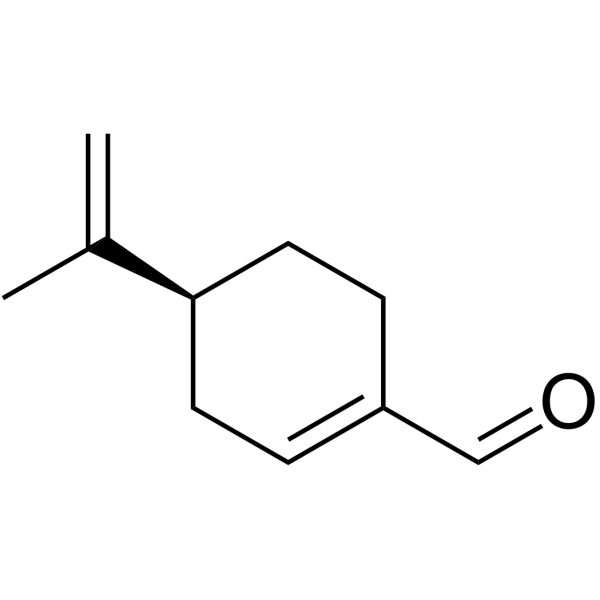
L-Perillaldehyde is a major component in the essential oil containing in Perillae Herba. Inhalation of L-Perillaldehyde shows antidepressant-like activity through the olfactory nervous function .
|
-
-
- HY-102038
-
PC786
2 Publications Verification
|
RSV
|
Infection
|
|
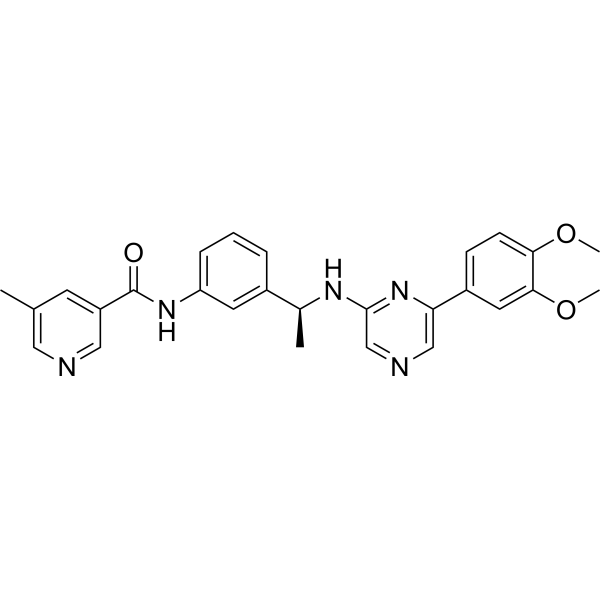
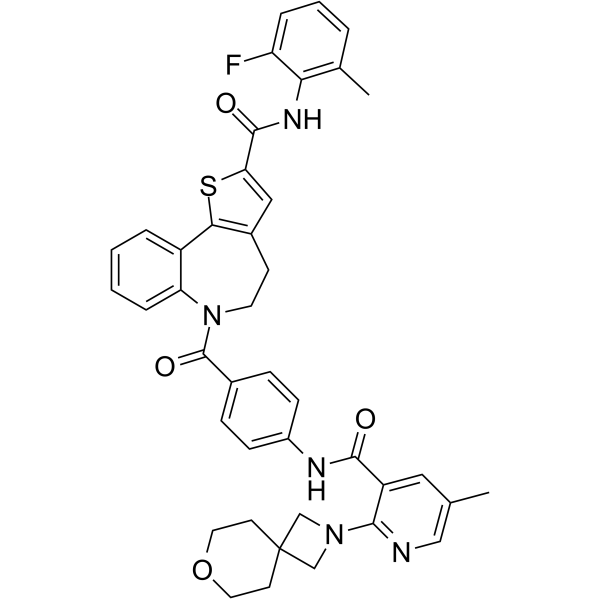
PC786 is an inhaled respiratory syncytial virus (RSV) L protein polymerase inhibitor. PC786 demonstrates potent antiviral activity against RSV-A (IC50 <0.09 to 0.71 nM) and RSV-B (IC50, 1.3 to 50.6 nM) .
|
-
-
- HY-14301A
-
|
BI1744 hydrochloride
|
Adrenergic Receptor
|
Inflammation/Immunology
Endocrinology
|
|
Olodaterol (BI1744) hydrochloride is a selective, long acting β2-adrenoceptor (β2-AR) agonist (EC50=0.1 nM and pKi= 9.14 for human β2-adrenoceptor, respectively). Olodaterol can be used for chronic obstructive pulmonary disease (COPD) and pulmonary fibrosis .
|
-
-
- HY-76025S
-
|
p-Dibromobenzene-d4
|
Isotope-Labeled Compounds
|
Inflammation/Immunology
|
|
1,4-Dibromobenzene-d4 is a deuterium labeled 1,4-Dibromobenzene. 1,4-Dibromobenzene is used as a fumigant and as a chemical intermediate for pharmaceuticals. Inhalation exposure gives rise to dizziness and chokingwhereas contact with skin or eye produces inflammation and burning in humans .
|
-
-
- HY-13580S
-
|
|
Glucocorticoid Receptor
|
Inflammation/Immunology
Cancer
|
|
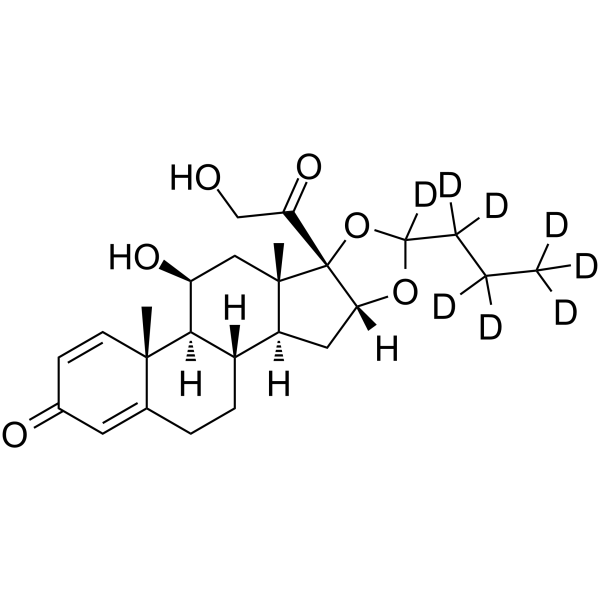
Budesonide-d8 is the deuterium labeled Budesonide. Budesonide, an inhaled glucocortical steroid, is an orally active glucocorticoid receptor agonist. Budesonide decreases the size of lung tumors, reverses DNA hypomethylation and modulates mRNA expression of genes. Budesonide is an anti-inflammatory agent used for asthma .
|
-
-
- HY-W134072
-
-
-
- HY-W040269
-
|
DHPT
|
Fluorescent Dye
|
Others
|
|
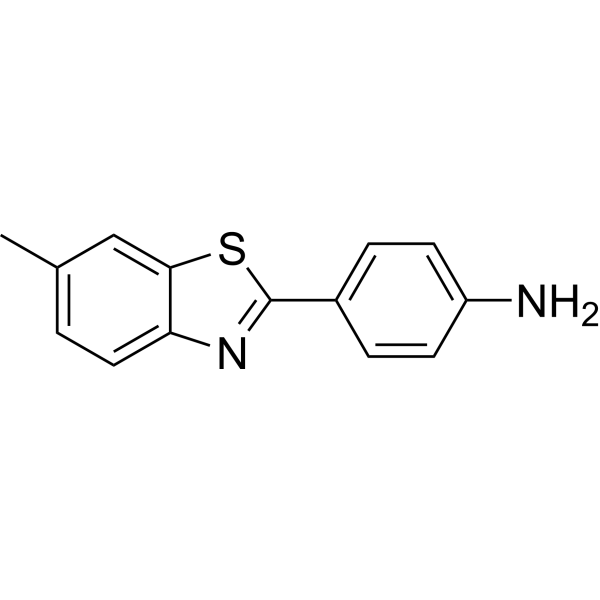
Dehydrothio-p-toluidine (DHPT) is a chemical intermediate used in dyestuff production. Dehydrothio-p-toluidine shows inhalation toxicity in acute and subchronic conditions .
|
-
-
- HY-B1112
-
-
-
- HY-103672
-
-
-
- HY-14818A
-
|
CS-8958
|
Influenza Virus
|
Infection
|
|
Laninamivir octanoate (CS-8958), a proagent of Laninamivir, is a long-acting neuraminidase (NA) inhibitor with anti-influenza virus activity. Laninamivir octanoate shows anti-influenza activity against Oseltamivir-resistant viruses, and also against the pandemic influenza viruses .
|
-
-
- HY-P99872
-
|
CSJ-117; NVP-CSJ117
|
Interleukin Related
|
Inflammation/Immunology
|
|
Ecleralimab (CSJ-117; NVP-CSJ117) is a Fab-IgG1-λ2 antibody targeting the thymic stromal lymphopoietin (TSLP). Ecleralimab significantly attenuates allergen-induced airway responses and inflammation. Ecleralimab can be used for the study of inhaled asthma .
|
-
-
- HY-18060
-
|
TC-5619
|
nAChR
|
Neurological Disease
|
|
Bradanicline (TC-5619) is an orally active agonist of α7 nAChR with moderate blood-brain barrier penetration. Bradanicline exhibits high affinity and subtype selectivity for human α7 nAChR. Bradanicline possesses antitussive activity that depends on sustained receptor binding and activation. Bradanicline requires systemic administration to dose-dependently inhibit cough induced by citric acid, bradykinin and inhaled nicotine. Bradanicline is well tolerated in preclinical studies and is widely used in research related to chronic refractory cough .
|
-
-
- HY-B0629
-
|
|
Glucocorticoid Receptor
|
Metabolic Disease
Cancer
|
|
Mometasone is an inhaled glucocorticoid. Mometasone can be used in mild asthma with a low sputum eosinophil level. Mometasone has the potential for the research of chronic hand eczema and rhinosinusitis .
|
-
-
- HY-18862
-
|
|
p38 MAPK
|
Inflammation/Immunology
|
|
PF-03715455 is a potent inhaled p38 MAPK inhibitor. PF-03715455 shows some selectivity for p38α over p38β with respective IC50 values of 0.88 and 23 nM. PF-03715455 potently inhibits LPS-induced TNFα production in human whole blood (IC50=1.7 nM). PF-03715455 has potential for the treatment of COPD (chronic obstructive pulmonary disease) .
|
-
-
- HY-111144
-
|
AZD0548; LAS100977
|
Adrenergic Receptor
|
Inflammation/Immunology
|
|
Abediterol (LAS100977) is an inhaled long-acting β2-adrenoceptor agonist (LABA) and can be used for the research of asthma and chronic obstructive pulmonary disease (COPD) .
|
-
-
- HY-108243
-
-
-
- HY-A0234
-
|
Prostenoglycine; TTPG; Tiase
|
Chloride Channel
|
Endocrinology
|
|
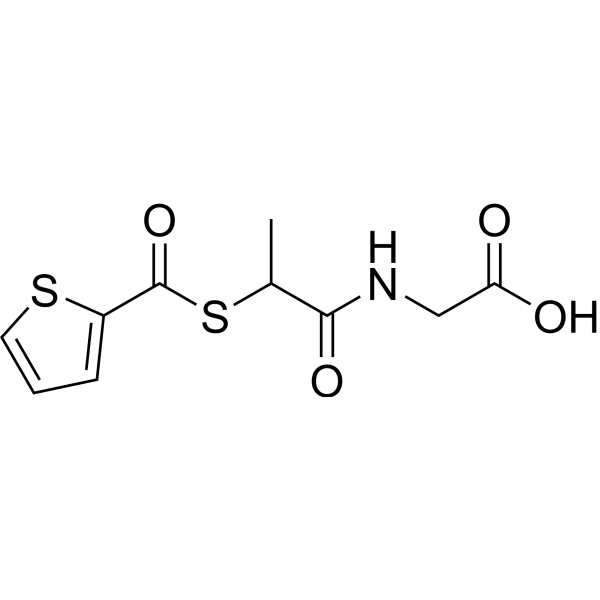
Stepronin (Prostenoglycine) is an orally active expectorant (inhalation administration is preferable to oral administration). Stepronin inhibits airway secretion in vitro by reducing Cl - secretion from epithelial cells and mucus glycoprotein secretion from submucosal glands .
|
-
-
- HY-W008201
-
-
-
- HY-14301AR
-
|
BI1744 hydrochloride (Standard)
|
Reference Standards
Adrenergic Receptor
|
Inflammation/Immunology
Endocrinology
|
|
Olodaterol (hydrochloride) (Standard) is the analytical standard of Olodaterol (hydrochloride). This product is intended for research and analytical applications. Olodaterol (BI1744) hydrochloride is a selective, long acting β2-adrenoceptor (β2-AR) agonist (EC50=0.1 nM and pKi= 9.14 for human β2-adrenoceptor, respectively). Olodaterol can be used for chronic obstructive pulmonary disease (COPD) and pulmonary fibrosis .
|
-
-
- HY-13580R
-
|
|
Reference Standards
Glucocorticoid Receptor
ADC Payload
|
Inflammation/Immunology
Cancer
|
|
Budesonide (Standard) is the analytical standard of Budesonide. This product is intended for research and analytical applications. Budesonide, an inhaled glucocortical steroid, is an orally active glucocorticoid receptor agonist. Budesonide decreases the size of lung tumors, reverses DNA hypomethylation and modulates mRNA expression of genes. Budesonide is an anti-inflammatory agent used for asthma .
|
-
-
- HY-120595
-
|
RV568
|
p38 MAPK
Src
|
Inflammation/Immunology
|
|
JNJ-49095397 (RV568) is an inhaled narrow-spectrum kinase inhibitor (NSKI) against both the α and γ isoforms of p38 MAPK. JNJ-49095397 also inhibits SRC kinase family, specifically haematopoietic kinase (HCK) JNJ-49095397 shows potent anti-inflammatory effects and can be used for the research of chronic obstructive pulmonary disease (COPD) and asthma .
|
-
-
- HY-W250172
-
|
|
Biochemical Assay Reagents
|
Others
|
|
Polyethylene glycol tert-octylphenyl ether X-405 (70% in H2O) is a nonionic surfactant commonly used in a variety of industrial and research applications. Polyethylene glycol tert-octylphenyl ether X-405 (70% in H2O) belongs to the family of polyethylene glycol (PEG) ethers with a hydrophilic head and lipophilic tail and is suitable for use in emulsions, detergents and solubilizers. Polyethylene glycol tert-octylphenyl ether X-405 (70% in H2O) is particularly useful in the study of membrane proteins, where it is used to solubilize and stabilize proteins for structural analysis techniques. It is also used in a variety of other applications, including drug delivery systems, nanotechnology, and diagnostic analysis. Additionally, Polyethylene glycol tert-octylphenyl ether X-405 (70% in H2O) is used in the production of microemulsions, salves and lotions due to its emulsifying and solubilizing properties. However, it can be toxic if ingested or inhaled, so proper handling and safety precautions are required.
|
-
-
- HY-120802
-
|
AZD-8871; LAS191351
|
mAChR
Adrenergic Receptor
|
Inflammation/Immunology
|
|
Navafenterol (AZD-8871) is an inhaled dual-acting, potent, selective, and long-lasting M3-antagonist/β2-agonist (MABA) with long-lasting effects and favorable safety profile. The pIC50 is 9.5 for human M3 receptor, and the pEC50 is 9.5 for β2-adrenoceptor. Navafenterol can be used for the research of chronic obstructive pulmonary disease (COPD). Bronchoprotective and antisialagogue effects. Favorable cardiovascular profile .
|
-
-
- HY-122317
-
|
|
Drug Metabolite
|
Others
|
|
Menthol glucuronide, a metabolite of Menthol (HY-N1369), is a plasma and urine biomarker of acute Menthol inhalation .
|
-
-
- HY-125019
-
|
|
JAK
STAT
|
Inflammation/Immunology
|
|
iJak-381 is a JAK1/2 inhibitor with anti-inflammatory activity. iJak-381 blocks IL-13 signaling and also inhibits IL-4 and IL-6 signaling pathways. iJak-381 also reduced p-STAT6 levels and inhibited the influx of inflammatory cells into the lungs of mice. iJak-381 inhibits airway hyperresponsiveness (AHR) .
|
-
-
- HY-132849
-
|
TD-0903
|
JAK
|
Infection
Inflammation/Immunology
|
|
Nezulcitinib (TD-0903) is an inhaled and lung-selective pan-Janus kinase (JAK) inhibitor. Nezulcitinib can be used for the research of COVID-19 associated acute lung injury and impaired oxygenation .
|
-
-
- HY-W015593
-
|
|
Adrenergic Receptor
|
Cardiovascular Disease
|
|
Methylhexanamine hydrochloride is an aliphatic amine and a vasoconstrictor that can be administered by inhalation to the nasal mucosa to exert its effect as a nasal decongestant .
|
-
-
- HY-131910
-
|
|
PI3K
Cytochrome P450
|
Inflammation/Immunology
|
|
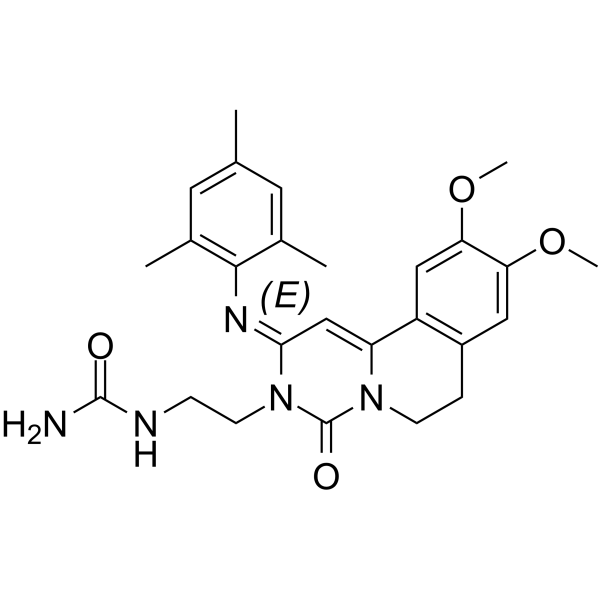
IHMT-PI3Kδ-372 is a potent and selective PI3Kδ inhibitor with an IC50 of 14 nM. IHMT-PI3Kδ-372 shows high selectivity over other class I PI3Ks (56~83 fold) and other protein kinases. IHMT-PI3Kδ-372 can be uesd for chronic obstructive pulmonary disease (COPD) research .
|
-
-
- HY-W017431
-
|
|
Drug Metabolite
|
Metabolic Disease
|
|
2,5-Dimethylbenzoic acid is one of the main urinary metabolites of Pseudocumene (1,2,4-trimethylbenzene) in rats. 2,5-Dimethylbenzoic acid can be used to quantitatively determine the inhalation exposure level of Pseudocumene .
|
-
-
- HY-A0225B
-
|
(±)-Pirbuteroldihydrochloride; ARA 211dihydrochloride
|
Endogenous Metabolite
|
Cardiovascular Disease
|
|
Pirbuterol ((±)-Pirbuterol) dihydrochloride is a beta 2 adrenergic agonist with bronchodilator activity. Pirbuterol dihydrochloride is comparable in duration of action to albuterol when administered by inhalation. Pirbuterol dihydrochloride demonstrates similar beta 2 selectivity to albuterol in humans.
|
-
-
- HY-W742981
-
-
-
- HY-106983
-
|
|
Glucocorticoid Receptor
|
Inflammation/Immunology
|
|
GR 250495X is an inhaled glucocorticoid receptor agonist. GR 250495X is designed as a antedrug, which takes effect locally in the lungs but is rapidly metabolized and inactivated in the bloodstream after entering the systemic circulation, thereby minimizing systemic side effects. GR 250495X can be used in asthma research .
|
-
-
- HY-119708S
-
|
RPL-554-d6
|
Isotope-Labeled Compounds
Phosphodiesterase (PDE)
|
Inflammation/Immunology
|
|
Ensifentrine-d6 (RPL-554-d6) is deuterium labeled Ensifentrine. Ensifentrine (RPL-554) is an inhaled first-in-class dual inhibitor of phosphodiesterase 3 (PDE3) and PDE4 with IC50s of 0.4 nM and 1479 nM, respectively. Ensifentrine has bronchoprotective and anti-inflammatory activities. Ensifentrine can be used for chronic obstructive pulmonary disease (COPD) research .
|
-
-
- HY-100087
-
-
-
- HY-B0629R
-
|
|
Reference Standards
Glucocorticoid Receptor
|
Metabolic Disease
|
|
Mometasone (Standard) is the analytical standard of Mometasone. This product is intended for research and analytical applications. Mometasone is an inhaled glucocorticoid. Mometasone can be used in mild asthma with a low sputum eosinophil level. Mometasone has the potential for the research of chronic hand eczema and rhinosinusitis .
|
-
-
- HY-B0603R
-
|
|
Reference Standards
Smo
Glucocorticoid Receptor
|
Infection
Inflammation/Immunology
Endocrinology
|
|
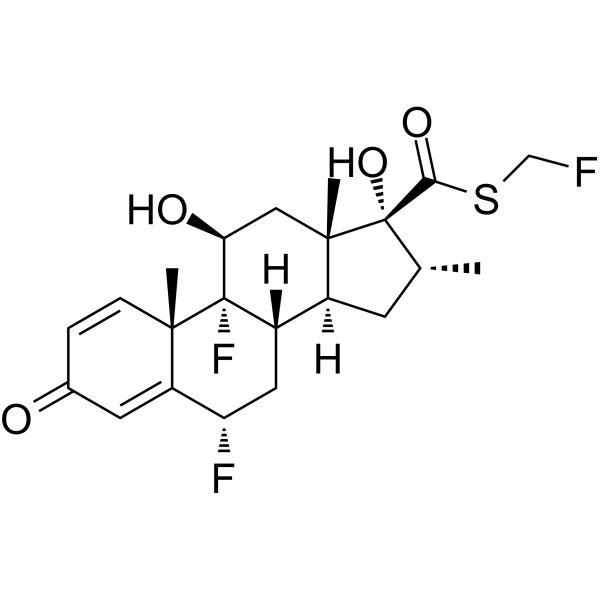
Fluticasone (Standard) is the analytical standard of Fluticasone. This product is intended for research and analytical applications. Fluticasone is an inhaled corticosteroid used for respiratory research. Fluticasone is a Smo agonist with an IC50 value of 99 nM. Fluticasone activates Hedgehog signaling and promotes the proliferation of primary neuronal stem or precursor cells .
|
-
-
- HY-120802A
-
|
AZD-8871 saccharinate; LAS191351 saccharinate
|
mAChR
Adrenergic Receptor
|
Infection
Inflammation/Immunology
|
|
Navafenterol (AZD-8871) saccharinate is an inhaled dual-acting, potent, selective, and long-lasting M3-antagonist/β2-agonist (MABA) with long-lasting effects and favorable safety profile. The pIC50 is 9.5 for human M3 receptor, and the pEC50 is 9.5 for β2-adrenoceptor. Navafenterol saccharinate can be used for the research of chronic obstructive pulmonary disease (COPD). Bronchoprotective and antisialagogue effects. Favorable cardiovascular profile .
|
-
-
- HY-159952
-
-
-
- HY-B1481B
-
|
Isoetarine hydrochloride
|
Adrenergic Receptor
|
Infection
|
|
Isoetharine hydrochloride is selective, short-acting and orally active β-agonist which is widely used as a bronchodilator in the research of inhalation research .
|
-
- HY-W181626A
-
|
DU 21445 hydrochloride
|
5-HT Receptor
|
Cardiovascular Disease
|
|
Tiprenolol hydrochloride is a β-adrenoceptor blocker. Tiprenolol hydrochloride abolished ventricular arrhythmias induced by intravenous epinephrine in dogs receiving halothane inhalation .
|
-
- HY-14786
-
|
GSK233705
|
mAChR
|
Neurological Disease
Inflammation/Immunology
|
|
Darotropium bromide (GSK233705), a long-acting muscarinic antagonist and an inhaled anticholinergic, can be used for the research of chronic obstructive pulmonary disease (COPD) .
|
-
- HY-157568S
-
|
|
Isotope-Labeled Compounds
|
Others
|
|
Budesonide acid-d8 is a deuterium labeled Budesonide acid. Budesonide acid is an impurity of Budesonide. Budesonide, an inhaled glucocortical steroid, is an orally active glucocorticoid receptor agonist .
|
-
- HY-117024
-
|
AZD0548 napadisylate; LAS100977 napadisylate
|
Adrenergic Receptor
|
Inflammation/Immunology
|
|
Abediterol napadisylate is an inhaled long-acting β2-adrenoceptor agonist (LABA) and can be used for the research of asthma and chronic obstructive pulmonary disease (COPD) .
|
-
- HY-115871
-
-
- HY-14296
-
-
- HY-14818C
-
|
CS-8958 hydrate
|
Influenza Virus
|
Infection
|
|
Laninamivir octanoate hydrate (CS-8958 hydrate), a prodrug of Laninamivir, is a long-acting neuraminidase (NA) inhibitor with anti-influenza virus activity. Laninamivir octanoate hydrate shows anti-influenza activity against Oseltamivir-resistant viruses, and also against the pandemic influenza viruses .
|
-
- HY-W039897R
-
|
α-Methyl-D-mannoside (Standard)
|
Bacterial
Reference Standards
|
Inflammation/Immunology
|
|
Methyl α-D-mannopyranoside (Standard) is the analytical standard of Methyl α-D-mannopyranoside. This product is intended for research and analytical applications. Methyl α-D-mannopyranoside could target macrophages in anti-tuberculosis inhalation therapy[1].
|
-
- HY-14818B
-
|
R 125489 TFA
|
Influenza Virus
|
Infection
|
|
Laninamivir TFA (R 125489 TFA) is an antiviral compound with inhibitory and prophylactic activity against influenza A and B viruses. Laninamivir TFA is a long-acting neuraminidase inhibitor administered by nasal inhalation. Laninamivir TFA has shown good safety and efficacy in the inhibition of influenza viruses .
|
-
- HY-W778340
-
|
|
Drug Metabolite
Glucocorticoid Receptor
|
Inflammation/Immunology
Cancer
|
|
16α-Hydroxy-11-keto prednisolone (compound M-X) is a metabolite of Budesonide (HY-13580). Budesonide, an inhaled glucocortical steroid, is an orally active glucocorticoid receptor agonist. Budesonide is a widely used for study of asthma, rhinitis, and inflammatory bowel disease .
|
-
- HY-A0234R
-
|
Prostenoglycine (Standard); TTPG (Standard); Tiase (Standard)
|
Chloride Channel
Reference Standards
|
Endocrinology
|
|
Stepronin (Standard) is the analytical standard of Stepronin. This product is intended for research and analytical applications. Stepronin (Prostenoglycine) is an orally active expectorant (inhalation administration is preferable to oral administration). Stepronin inhibits airway secretion in vitro by reducing Cl - secretion from epithelial cells and mucus glycoprotein secretion from submucosal glands .
|
-
- HY-14144R
-
|
LAS 34273 (Standard); LAS-W 330 (Standard)
|
Reference Standards
mAChR
|
Inflammation/Immunology
|
|
Aclidinium (Bromide) (Standard) is the analytical standard of Aclidinium (Bromide). This product is intended for research and analytical applications. Aclidinium Bromide (LAS 34273; LAS-W 330) is a long-acting, inhaled muscarinic antagonist. Aclidinium Bromide has the potential for chronic obstructive pulmonary disease (COPD) research .
|
-
- HY-115871A
-
|
|
mAChR
Phosphodiesterase (PDE)
|
Others
|
|
(Rac)-PDE4-IN-4 is the diastereomer mixture of PDE4-IN-4 (HY-115871). PDE4-IN-4 is a dual M3 (pIC50 = 10.2) antagonist-PDE4 (pIC50 = 8.8) inhibitor for the inhaled research of pulmonary diseases .
|
-
- HY-12980A
-
|
GSK961081 Succinate; TD-5959 Succinate
|
Adrenergic Receptor
mAChR
|
Neurological Disease
|
|
Batefenterol Succinate (GSK961081 Succinate) is a first-of-its-kind inhaled bifunctional bronchodilator with smooth muscle relaxant properties. The activities of Batefenterol Succinate include acting as a smooth muscle parasympathetic antagonist and a beta2-adrenoceptor agonist. Batefenterol Succinate is used to improve respiratory function, especially in patients with chronic obstructive pulmonary disease (COPD) .
|
-
- HY-W758934
-
|
Prostenoglycine-d5; TTPG-d5; Tiase-d5
|
Isotope-Labeled Compounds
Chloride Channel
|
Endocrinology
|
|
Stepronin-d5 (Prostenoglycine-d5; TTPG-d5; Tiase-d5) is the deuterium labeled Stepronin (HY-A0234). Stepronin (Prostenoglycine) is an orally active expectorant (inhalation administration is preferable to oral administration). Stepronin inhibits airway secretion in vitro by reducing Cl- secretion from epithelial cells and mucus glycoprotein secretion from submucosal glands .
|
-
- HY-163702
-
|
|
Adrenergic Receptor
mAChR
|
Inflammation/Immunology
|
|
CHF-6550 is an antagonist for muscarinic M3 receptor and an agonist for β2 adrenoceptor (MABA), with pKi of 9.3 and 10.6, respectively. CHF-6550 exhibits good hepatocyte clearance in rat models and good pharmacokinetic characteristics in guinea pigs .
|
-
- HY-18060A
-
|
TC-5619 hydrochloride
|
nAChR
|
Neurological Disease
|
|
Bradanicline (TC-5619) tosylate is an orally active agonist of α7 nAChR with moderate blood-brain barrier penetration. Bradanicline hydrochloride exhibits high affinity and subtype selectivity for human α7 nAChR. Bradanicline hydrochloride possesses antitussive activity that depends on sustained receptor binding and activation. Bradanicline hydrochloride requires systemic administration to dose-dependently inhibit cough induced by citric acid, bradykinin and inhaled nicotine. Bradanicline hydrochloride is well tolerated in preclinical studies and is widely used in research related to chronic refractory cough .
|
-
- HY-103158
-
|
|
Lipoxygenase
|
Others
|
|
BW B70C is a potent, selective and orally activearachidonic acid 5-lipoxygenase inhibitor. BW B70C inhibits both acute and allergic bronchoconstriction and late-phase eosinophil accumulation subsequent to allergen inhalation in guinea-pigs. BW B70C prevents leukotriene C4 synthesis and reduces leucocyte migration to the airways lumen as well as albumin microvascular leakage. BW B70C has the potential for the research of anti-asthma agent .
|
-
- HY-14915
-
|
|
Adrenergic Receptor
|
Endocrinology
|
|
Bedoradrine is a highly selective β2-adrenergic agonist with activity in suppressing asthma and chronic obstructive pulmonary disease (COPD). Bedoradrine is administered by intravenous infusion and is specifically indicated for the suppression of acute asthma attacks. Bedoradrine has shown good safety and preliminary efficacy in clinical trials, especially in patients with stable moderate to severe asthma. The results of Bedoradrine studies have shown that it can provide clinical benefits without increasing clinical risks, especially for patients who are unable to use inhalation or nebulization suppression .
|
-
- HY-P992150
-
|
|
Interleukin Related
|
Inflammation/Immunology
|
|
Altrakincept is a recombinant hIL-4 receptor and IL-4 neutralizer. Altrakincept neutralizes endogenous IL-4, and prevents the decline of pulmonary function and acute asthma exacerbations after abrupt withdrawal of inhaled glucocorticoids .
|
-
- HY-180057
-
|
|
Integrin
|
Inflammation/Immunology
|
|
α5β1 integrin-IN-1 (compound 65) is a potent and selective α5β1 integrin inhibitor with a pIC50 of 9.4. α5β1 integrin-IN-1 displays >10000-fold selectivity for α5β1 over αVβ3 (pIC50 = 5.5). α5β1 integrin-IN-1 reduces airway smooth muscle (ASM) tension through the disruption of cellular tethering. α5β1 integrin-IN-1 exhibits excellent inhalation pharmacokinetics in rodent. α5β1 integrin-IN-1 can be used for asthma research .
|
-
- HY-103672R
-
-
- HY-108243R
-
|
|
Reference Standards
Glucocorticoid Receptor
|
Inflammation/Immunology
Endocrinology
|
|
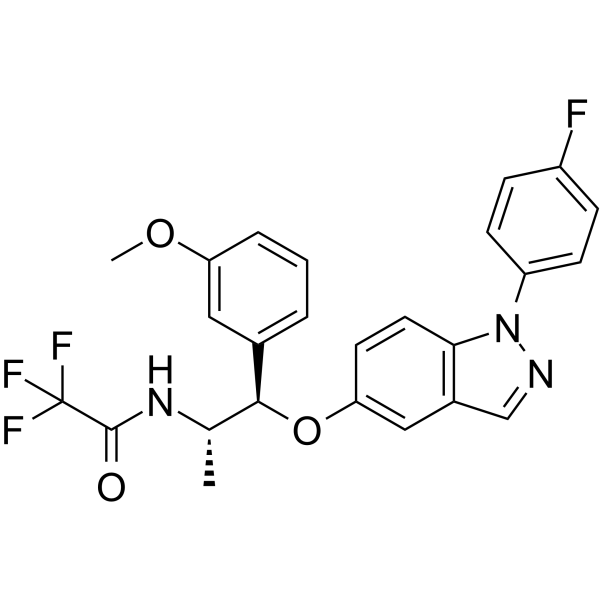
AZD5423 (Standard) is the analytical standard of AZD5423 (HY-108243). This product is intended for research and analytical applications. AZD5423 is an inhaled, potent, selective, and non-steroidal glucocorticoid receptor (GR) modulator (SGRM) . AZD5423 effectively reduces allergen-induced responses in subjects with mild allergic asthma .
|
-
- HY-102038R
-
|
|
Reference Standards
RSV
|
Infection
|
|
PC786 (Standard) is the analytical standard of PC786 (HY-102038). This product is intended for research and analytical applications. PC786 is an inhaled respiratory syncytial virus (RSV) L protein polymerase inhibitor. PC786 demonstrates potent antiviral activity against RSV-A (IC50 <0.09 to 0.71 nM) and RSV-B (IC50, 1.3 to 50.6 nM) .
|
-
- HY-180363
-
|
|
Lipoxygenase
Leukotriene Receptor
|
Inflammation/Immunology
|
|
E 6080 is an orally active and selective 5-lipoxygenase (5-LOX) inhibitor with an IC50 of 0.2 μM in rat basophilic leukemia cell. E 6080 shows potent inhibitory effects on the release of leukotrienes. E 6080 inhibits the bronchospasm induced by antigen (ovalbumin) inhalation in sensitized conscious guinea pigs. E 6080 can be used for the study of asthma .
|
-
- HY-119708A
-
|
RPL-554 tosylate
|
Phosphodiesterase (PDE)
|
Inflammation/Immunology
|
|
Ensifentrine (RPL-554) tosylate is an inhaled dual inhibitor of PDE3 and PDE4 with IC50s of 0.4 nM and 1479 nM, respectively. Ensifentrine tosylate blocks PDE3 and PDE4 enzymes, thereby increasing the levels of cyclic adenosine monophosphate (cAMP) and cyclic guanosine monophosphate (cGMP) in lung cells, dilating the bronchi, and inhibiting the activation and migration of inflammatory cells. Ensifentrine tosylate can be used in the research of chronic obstructive pulmonary disease (COPD) .
|
-
- HY-18060B
-
|
TC-5619 tosylate
|
nAChR
|
Inflammation/Immunology
|
|
Bradanicline (TC-5619) tosylate is an orally active agonist of α7 nAChR with moderate blood-brain barrier penetration. Bradanicline tosylate exhibits high affinity and subtype selectivity for human α7 nAChR. Bradanicline tosylate possesses antitussive activity that depends on sustained receptor binding and activation. Bradanicline tosylate requires systemic administration to dose-dependently inhibit cough induced by citric acid, bradykinin and inhaled nicotine. Bradanicline tosylate is well tolerated in preclinical studies and is widely used in research related to chronic refractory cough .
|
-
| Cat. No. |
Product Name |
Type |
-
- HY-W251428
-
|
Egg PG
|
Biochemical Assay Reagents
|
|
Phosphatidylglycerols (PG) is a selective inhibitor targeting the TLR4 accessory protein CD14/MD-2 complex, inhibiting LPS or virus (such as RSV)-mediated inflammatory signaling pathways through competitive binding. Phosphatidylglycerols directly bind to viral particles to block infection, inhibit COX-2 expression to reduce the release of inflammatory factors (IL-6, IL-8), and improve oxidative stress by regulating mitochondrial membrane phospholipid remodeling. Phosphatidylglycerols can be taken orally or by inhalation and can be used in the study of chronic inflammatory diseases (such as atherosclerosis) and respiratory viral infections (such as RSV) .
|
-
- HY-112624J
-
|
Dextran 4; Dextran D4; Dextran T4(MW 3200-4800)
|
Biochemical Assay Reagents
|
|
Dextran 4,000 is a mucus rheology modifier. The dextran molecules in Dextran 4,000 can reduce the cross-link density of mucus through osmotic effects and hydrogen bond substitution, and reduce viscoelasticity and improve the mucociliary/cough clearance index by destroying the DNA-mucin network structure in mucus. Dextran 4,000 has the ability to improve the rheological properties and clearance ability of cystic fibrosis (CF) sputum, and can be used in the study of inhalation therapy or aerosol delivery of mucostatic respiratory diseases. The Dextran series of compounds are also natural polysaccharide drug carriers that can be connected to drugs through covalent bonding methods such as ester bonds, amide bonds or click chemistry, or self-assembled to form carriers such as nanoparticles and hydrogels. Dextran is biodegradable and biocompatible, and can achieve targeted delivery and controlled release of drugs. Dextran derivatives can prolong the half-life of drugs, increase local concentrations, and reduce the activity of immune clearance .
|
-
- HY-W008201
-
|
|
Biochemical Assay Reagents
|
|
tert-Butyl 3-formylpyrrolidine-1-carboxylate is a drug intermediate that can be used for the synthesis nonpeptidic αvβ6 Integrin inhibitors .
|
-
- HY-W250172
-
|
|
Biochemical Assay Reagents
|
|
Polyethylene glycol tert-octylphenyl ether X-405 (70% in H2O) is a nonionic surfactant commonly used in a variety of industrial and research applications. Polyethylene glycol tert-octylphenyl ether X-405 (70% in H2O) belongs to the family of polyethylene glycol (PEG) ethers with a hydrophilic head and lipophilic tail and is suitable for use in emulsions, detergents and solubilizers. Polyethylene glycol tert-octylphenyl ether X-405 (70% in H2O) is particularly useful in the study of membrane proteins, where it is used to solubilize and stabilize proteins for structural analysis techniques. It is also used in a variety of other applications, including drug delivery systems, nanotechnology, and diagnostic analysis. Additionally, Polyethylene glycol tert-octylphenyl ether X-405 (70% in H2O) is used in the production of microemulsions, salves and lotions due to its emulsifying and solubilizing properties. However, it can be toxic if ingested or inhaled, so proper handling and safety precautions are required.
|
| Cat. No. |
Product Name |
Target |
Research Area |
Image |
-
- HY-P99872
-
|
CSJ-117; NVP-CSJ117
|
Interleukin Related
|
Inflammation/Immunology
|
|
Ecleralimab (CSJ-117; NVP-CSJ117) is a Fab-IgG1-λ2 antibody targeting the thymic stromal lymphopoietin (TSLP). Ecleralimab significantly attenuates allergen-induced airway responses and inflammation. Ecleralimab can be used for the study of inhaled asthma .
|
-
(5)
-
- HY-P992150
-
|
|
Interleukin Related
|
Inflammation/Immunology
|
|
Altrakincept is a recombinant hIL-4 receptor and IL-4 neutralizer. Altrakincept neutralizes endogenous IL-4, and prevents the decline of pulmonary function and acute asthma exacerbations after abrupt withdrawal of inhaled glucocorticoids .
|
-
(5)
| Cat. No. |
Product Name |
Category |
Target |
Chemical Structure |
| Cat. No. |
Product Name |
Chemical Structure |
-
- HY-76025S
-
|
|
|
1,4-Dibromobenzene-d4 is a deuterium labeled 1,4-Dibromobenzene. 1,4-Dibromobenzene is used as a fumigant and as a chemical intermediate for pharmaceuticals. Inhalation exposure gives rise to dizziness and chokingwhereas contact with skin or eye produces inflammation and burning in humans .
|
-
-
- HY-13580S
-
|
|
|
Budesonide-d8 is the deuterium labeled Budesonide. Budesonide, an inhaled glucocortical steroid, is an orally active glucocorticoid receptor agonist. Budesonide decreases the size of lung tumors, reverses DNA hypomethylation and modulates mRNA expression of genes. Budesonide is an anti-inflammatory agent used for asthma .
|
-
-
- HY-W742981
-
|
|
|
Budesonide-d6 is deuterium labeled Budesonide. Budesonide, an inhaled glucocortical steroid, is an orally active glucocorticoid receptor agonist. Budesonide decreases the size of lung tumors, reverses DNA hypomethylation and modulates mRNA expression of genes. Budesonide is an anti-inflammatory agent used for asthma .
|
-
-
- HY-119708S
-
|
|
|
Ensifentrine-d6 (RPL-554-d6) is deuterium labeled Ensifentrine. Ensifentrine (RPL-554) is an inhaled first-in-class dual inhibitor of phosphodiesterase 3 (PDE3) and PDE4 with IC50s of 0.4 nM and 1479 nM, respectively. Ensifentrine has bronchoprotective and anti-inflammatory activities. Ensifentrine can be used for chronic obstructive pulmonary disease (COPD) research .
|
-
-
- HY-157568S
-
|
|
|
Budesonide acid-d8 is a deuterium labeled Budesonide acid. Budesonide acid is an impurity of Budesonide. Budesonide, an inhaled glucocortical steroid, is an orally active glucocorticoid receptor agonist .
|
-
-
- HY-W758934
-
|
|
|
Stepronin-d5 (Prostenoglycine-d5; TTPG-d5; Tiase-d5) is the deuterium labeled Stepronin (HY-A0234). Stepronin (Prostenoglycine) is an orally active expectorant (inhalation administration is preferable to oral administration). Stepronin inhibits airway secretion in vitro by reducing Cl- secretion from epithelial cells and mucus glycoprotein secretion from submucosal glands .
|
-
Your information is safe with us. * Required Fields.
Inquiry Information
- Product Name:
- Cat. No.:
- Quantity:
- MCE Japan Authorized Agent:

