1. Search Result
Search Result
Results for "

LATS

" in MedChemExpress (MCE) Product Catalog:

43

Inhibitors & Agonists

1

Biochemical Assay Reagents

4

Natural
Products

3

Recombinant Proteins

1

Isotope-Labeled Compounds

2

Antibodies

2

Click Chemistry

12

Oligonucleotides

Targets Recommended:
Cat. No. Product Name Target Research Areas Chemical Structure
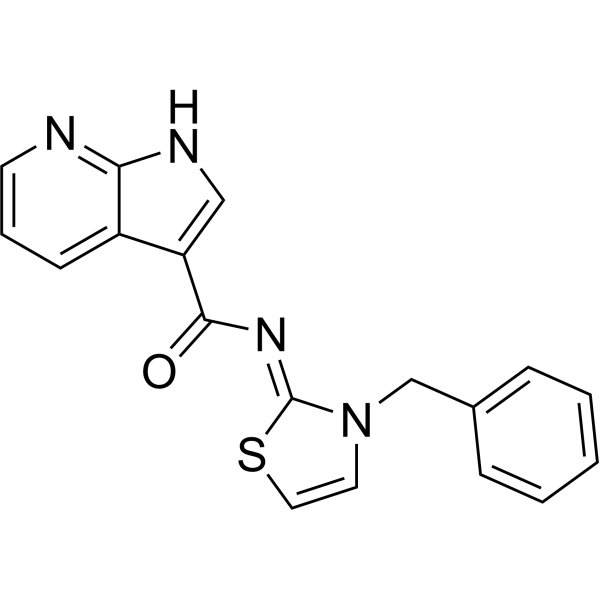
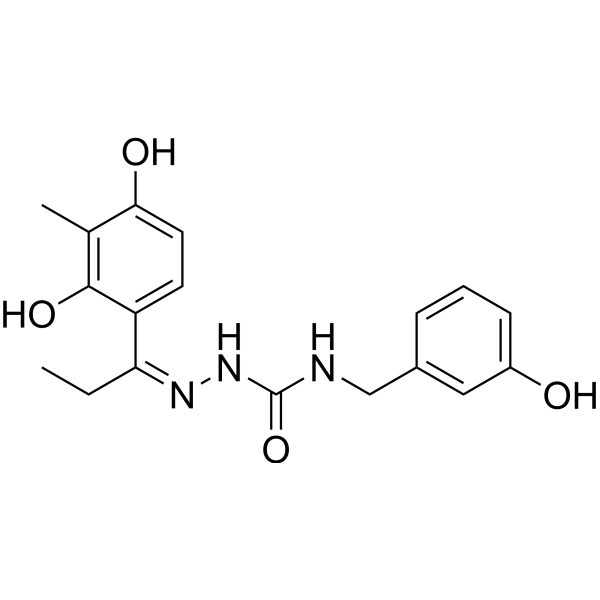
  • HY-138489
    TRULI
    Maximum Cited Publications
    27 Publications Verification

    LATS-IN-1

    Ser/Thr Kinase Large Tumor Suppressor (LATS) Others
    TRULI (Lats-IN-1) is a potent and ATP-competitive inhibitor of Lats1 and Lats2 kinases. TRULI promotes Yap-dependent proliferation in postmitotic mammalian tissues .
    TRULI
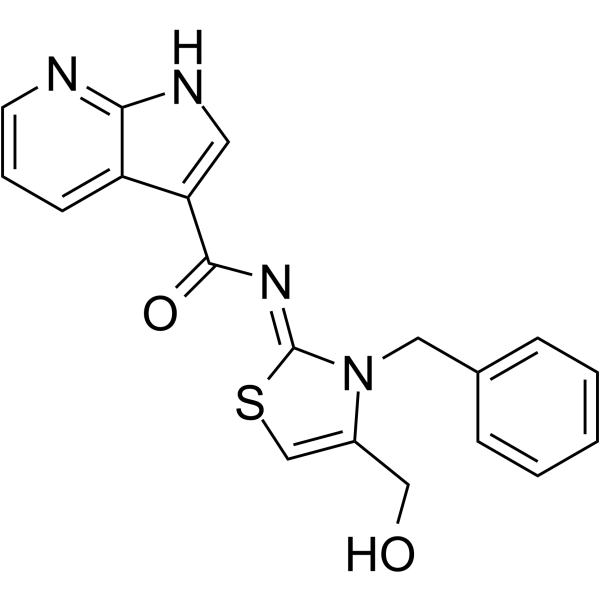
  • HY-150042
    TDI-011536
    3 Publications Verification

    Large Tumor Suppressor (LATS) YAP Cardiovascular Disease Others
    TDI-011536 is a potent Lats kinase inhibitor, interrupts Hippo-Yap signaling and initiates the proliferation of lesioned heartmuscle cells. TDI-011536 can be used in studies of organ conservation and regeneration .
    TDI-011536
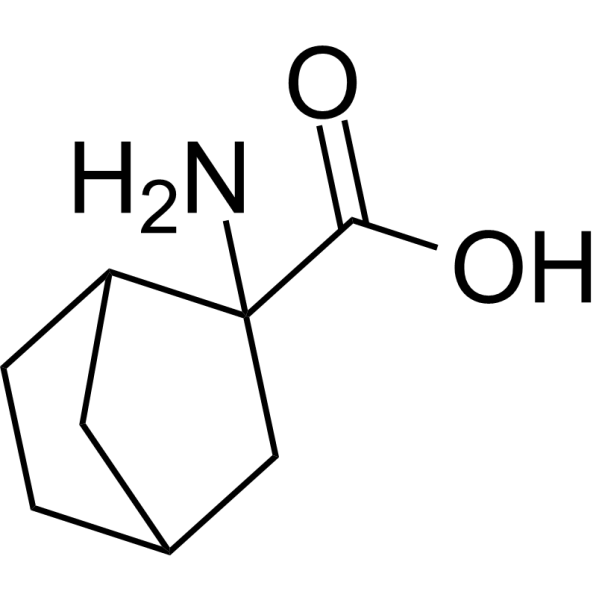
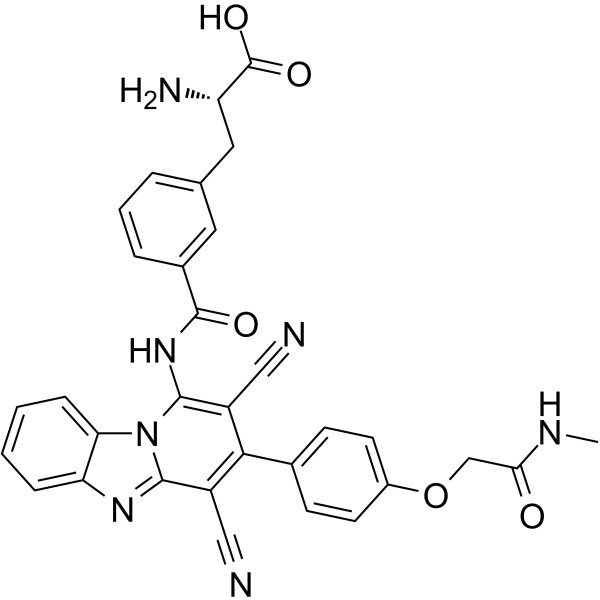
  • HY-108540
    BCH
    10+ Cited Publications

    2-Amino-2-norbornanecarboxylic acid; LAT1-IN-1

    Apoptosis Cancer
    BCH (2-Amino-2-norbornanecarboxylic acid) is a selective and competitive inhibitor of large neutral amino acid transporter 1 (LAT1) significantly inhibit cellular uptake of amino acids and mTOR phosphorylation, which induces the suppression of cancer growth and apoptosis .
    BCH
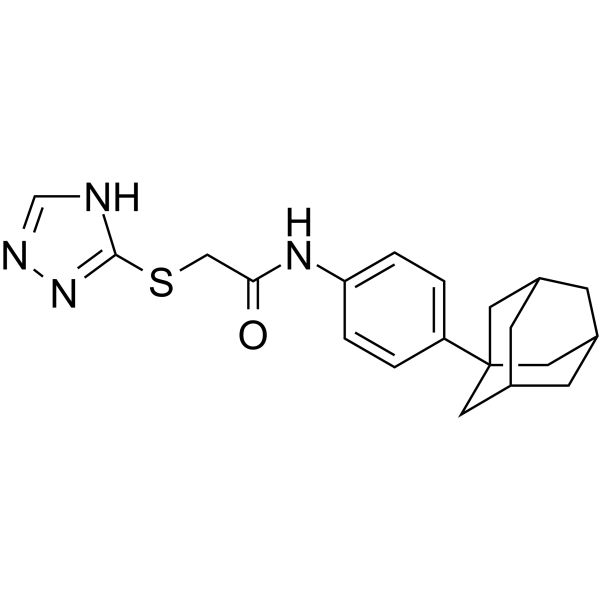
  • HY-160769
    NIBR-LTSi
    1 Publications Verification

    Large Tumor Suppressor (LATS) YAP Others
    NIBR-LTSi is an orally active and selective LATS kinase inhibitor. NIBR-LTSi can activate YAP signaling. NIBR-LTSi promotes stem cell proliferation, maintains stemness and blocks differentiation. NIBR-LTSi accelerates liver regeneration following extended hepatectomy in mice .
    NIBR-LTSi
  • HY-16929
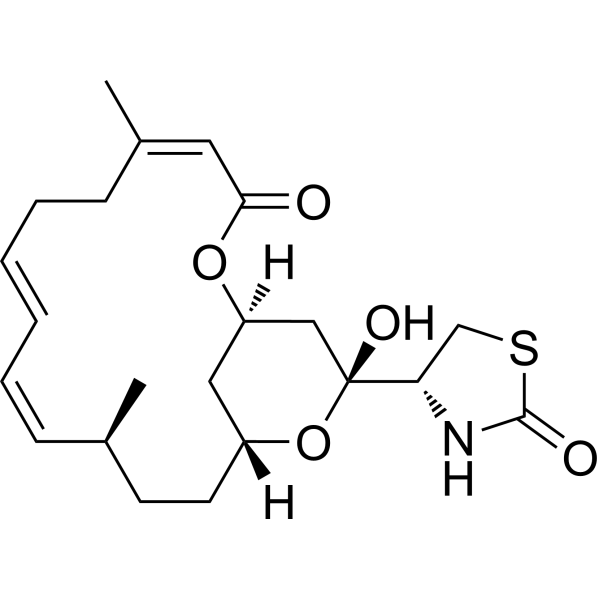
    Latrunculin A
    10+ Cited Publications

    LAT-A

    Arp2/3 Complex Cancer
    Latrunculin A (LAT-A), found in the red sea sponge Latrunculia magnifica, is a G-actin polymerization inhibitor. Latrunculin A binds to actin monomers and inhibits polymerization of actin with Kds of 0.1, 0.4, 4.7 μM and 0.19 μM for ATP-actin, ADP-Pi-actin, ADP-actin and G-actin, respectively. Latrunculin A has effective anti-metastatic properties for cancer research. Latrunculin A blocks cell migration .
    Latrunculin A
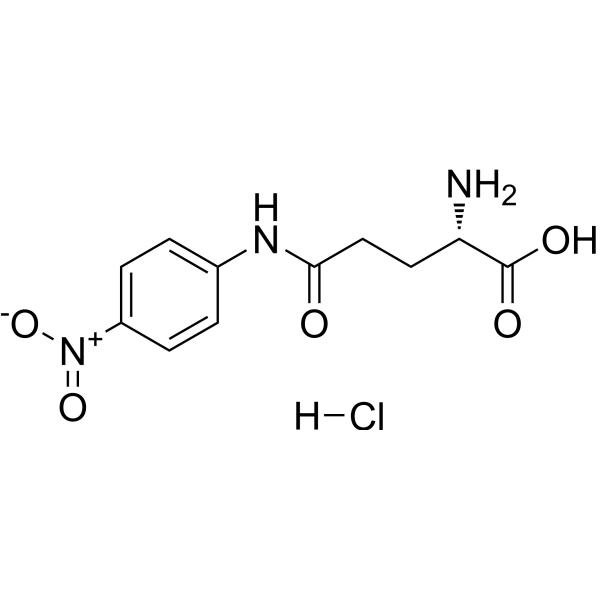
  • HY-W011391
    GPNA hydrochloride
    5+ Cited Publications

    Apoptosis ASCT Cancer
    GPNA hydrochloride is a well known substrate of the enzyme γ-glutamyltransferase (GGT). GPNA hydrochloride is a specific glutamine (Gln) transporter ASCT2 inhibitor. GPNA hydrochloride also inhibit Na +-dependent carriers, such as SNAT family (SNAT1/2/4/5), and the Na +-independent leucine transporters LAT1/2. GPNA reversibly induces apoptosis in A549 cells .
    GPNA hydrochloride
  • HY-147082
    GA-017
    5+ Cited Publications

    Large Tumor Suppressor (LATS) YAP Cancer
    GA-017 is a potent and selective LATS1 and LATS2 (large tumor suppressor kinase 1/2) inhibitor, with IC50 values of 4.10 and 3.92 nM, respectively. GA-017 is an activator of cell proliferation. GA-017 promotes YAP/TAZ activation and nuclear translocation. GA-017 promotes cell growth under 3D culture conditions. GA-017 enhances the ex vivo formation of mouse intestinal organoids .
    GA-017
  • HY-120139
    KMH-233
    1 Publications Verification

    Amino acid Transporter Cancer
    KMH-233, a potent, reversible and selective inhibitor of l-type amino acid transporter LAT1/SLC7A5, inhibits the uptake of LAT1 substrate, l-leucin (IC50=18 μM) as well as cell growth. KMH-233 significantly potentiates the efficacy of Bestatin and Cisplatin even at low concentrations (25 μM) .
    KMH-233
  • HY-147165
    VT02956
    1 Publications Verification

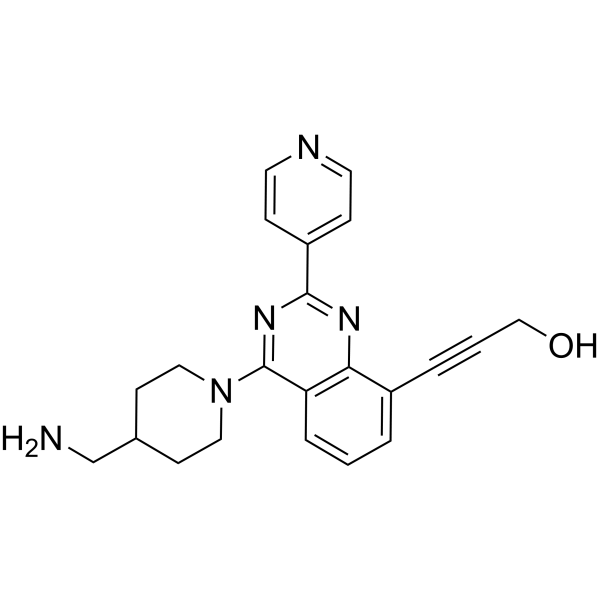
    Ser/Thr Kinase Large Tumor Suppressor (LATS) Cancer
    VT02956 is a LATS inhibitor (IC50: 0.76 nM for LATS1, 0.52 nM for LATS2). VT02956 targets the Hippo pathway. VT02956 inhibits ESR1 expression and growth of ER+ breast cancer cell lines and patient-derived tumor organoids . VT02956 is a click chemistry reagent, it contains an Alkyne group and can undergo copper-catalyzed azide-alkyne cycloaddition (CuAAc) with molecules containing Azide groups.
    VT02956
  • HY-W087830

    L-BPA

    Biochemical Assay Reagents Cancer
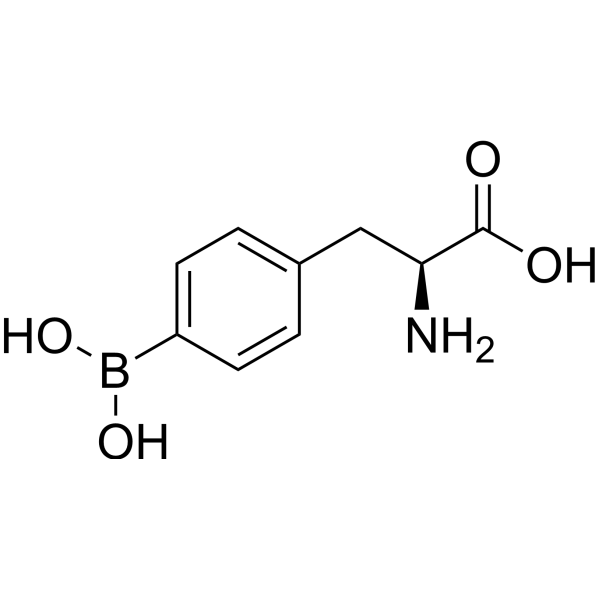
    L-p-Boronophenylalanine is a boron-containing substrate for L-type amino acid transporters (LAT1 and LAT2). L-p-Boronophenylalanine enters tumor cells by competing with natural amino acids for LAT, selectively accumulating boron in cancer cells. L-p-Boronophenylalanine can be used in boron neutron capture therapy (BNCT). When boron-10 captures thermal neutrons, a nuclear reaction occurs, producing high-energy alpha particles and lithium nuclei, which kill cancer cells at close range with little damage to surrounding tissues. L-p-Boronophenylalanine can be used in cancer research, especially glioblastoma and anaplastic astrocytoma .
    L-p-Boronophenylalanine
  • HY-139330
    MGH-CP1
    1 Publications Verification

    Apoptosis Cancer
    MGH-CP1 is a potent and orally active TEAD2 and TEAD4 auto-palmitoylation inhibitor with IC50s of 710 nM and 672 nM, respectively. MGH-CP1 can decrease the palmitoylation levels of endogenous or ectopically expressed TEAD proteins in cells. MGH-CP1 can suppress Myc expression, inhibit epithelial over-proliferation, and induce apoptosis when together with Lats1/2 deletion .
    MGH-CP1
  • HY-164254

    (E/Z)-GA-002

    Large Tumor Suppressor (LATS) YAP Cardiovascular Disease Inflammation/Immunology Cancer
    Cardiomyocyte proliferation promoting agent-1 ((E/Z)-GA-002), which is an E/Z mixture, is a cardiomyocyte proliferation promoter. GA-002 (single E configuration) is a kinase inhibitor for LATS1 and LATS2, with its IC50 values being 3.93 nM and 3.87 nM respectively. GA-002 can induce the expression of genes regulated by the Hippo pathway, inhibit the phosphorylation of YAP/TAZ, and induce the nuclear translocation of YAP .
    Cardiomyocyte proliferation promoting agent-1
  • HY-N8847

    alpha-Ionone

    Environmental Pollutants Hippo (MST) YAP Apoptosis Olfactory Receptor Large Tumor Suppressor (LATS) Cancer
    α-Ionone (alpha-Ionone) is an activator of the olfactory receptor OR10A6. α-Ionone induces apoptosis by activating OR10A6 and increasing the phosphorylation of the LATS-YAP-TAZ signaling axis in the Hippo pathway. α-Ionone can inhibit tumor formation both in vivo and in vitro .
    α-Ionone
  • HY-176886

    Large Tumor Suppressor (LATS) YAP Others
    LATS-IN-2 is an efficiently acting LATS (large tumor suppressor kinase) inhibitor. LATS-IN-2 shows potent inhibitory activity against LATS1 with an IC50 value of 1.3 nM. LATS-IN-2 suppresses the phosphorylation of YAP by inhibiting LATS kinase activity. LATS-IN-2 increases the thickness of the epidermis in mice. LATS-IN-2 can be used for the study of ocular diseases such as limbal stem cell deficiency and corneal endothelial dysfunction .
    LATS-IN-2
  • HY-175247

    Large Tumor Suppressor (LATS) E1/E2/E3 Enzyme YAP Cancer
    DDO-4033 is a SPOP inhibitor (IC50 = 16.9 μM, Kd = 15.1 μM). DDO-4033 impairs the malignant migration, invasion, and proliferation of clear cell renal cell carcinoma (ccRCC) cell lines. DDO-4033 disrupts SPOP recruitment to its substrate LATS1, inhibits its polyubiquitination and subsequent degradation, and upregulates LATS1 expression. DDO-4033 has promising antitumor activity and is promising for renal cell carcinoma research .
    DDO-4033
  • HY-175649

    Large Tumor Suppressor (LATS) YAP Cancer
    LATS1/2-IN-1 is a potent and selective LATS1 and LATS2 inhibitor. LATS1/2-IN-1 exhibits potent inhibitory activity against LATS1 and LATS2 with IC50 values of 4.4 nM and 5.5 nM as determined via r 33P functional assay. LATS1/2-IN-1 displays cellular IC50 values of 136 nM for LATS1 and 36.0 nM for LATS2 as determined via NanoBRET assay. LATS1/2-IN-1 reduces phosphorylation of YAP1 in mouse liver. LATS1/2-IN-1 demonstrates wound healing activity in HT-1080 scratch assay and in vivo SKH1 mouse punch biopsy model. LATS1/2-IN-1 can be used for the study of regenerative medicine indications such as wound healing .
    LATS1/2-IN-1
  • HY-N3999

    ESK246

    Others Cancer
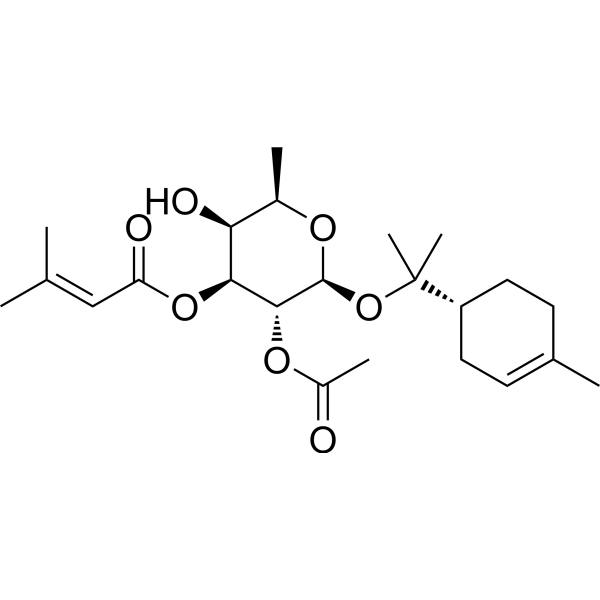
    Venuloside A is a potent inhibitor of LAT3. Venuloside A inhibits the leucine uptake in LNCaP prostate cancer cells with an IC50 of 8.12 μM .
    Venuloside A
  • HY-130504
    Propargyl-PEG1-acid
    1 Publications Verification

    PROTAC Linkers Cancer
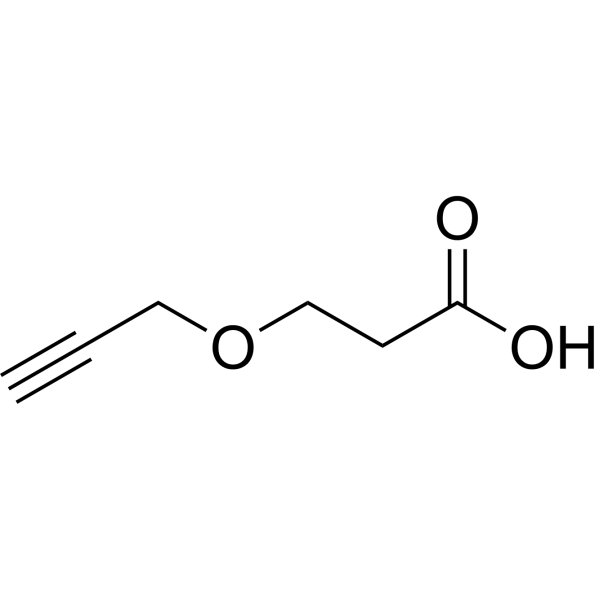
    Propargyl-PEG1-acid is a PEG-based PROTAC linker can be used in the synthesis of BTK-CRBN PROTACs Ibrutinib(HY-10997)-based PROTAC 4 and PROTAC 5. PROTAC 5 causes the degradation of BTK and induces the degradation of CSK, LYN, and LAT2 at 10 μM . Propargyl-PEG1-acid is a click chemistry reagent, it contains an Alkyne group and can undergo copper-catalyzed azide-alkyne cycloaddition (CuAAc) with molecules containing Azide groups.
    Propargyl-PEG1-acid
  • HY-164401

    EAAT DNA/RNA Synthesis DNA Alkylator/Crosslinker Neurological Disease Cancer
    QBS10072S is a bifunctional chemotherapeutic agent that can cross the blood-brain barrier (BBB), comprising a LAT1-targeting domain and a cytotoxic domain. QBS10072S exhibits inhibitory potency against LAT1-mediated substrate uptake (IC50 = 21 μM) of approximately 50-fold higher than that against LAT2 (IC50 = 1100 μM). QBS10072S enters LAT1-expressing tumor cells via LAT1-mediated active transport, induces DNA interstrand crosslinking, and causes DNA damage and cell death. QBS10072S can be used for the research of glioblastoma and aggressive T-cell lymphoma .
    QBS10072S
  • HY-120139A

    ASCT Cancer
    (R)-KMH-233 is the isomer of KMH-233 (HY-120139), and can be used as an experimental control. KMH-233, a potent, reversible and selective l-type amino acid transporter 1 (LAT1) inhibitor, inhibits the uptake of LAT1 substrate, l-leucin (IC50=18 μM) as well as cell growth. KMH-233 significantly potentiates the efficacy of Bestatin and Cisplatin even at low concentrations (25 μM) .
    (R)-KMH-233
  • HY-108540R

    2-Amino-2-norbornanecarboxylic acid (Standard); LAT1-IN-1 (Standard)

    Apoptosis Reference Standards Cancer
    BCH (Standard) is the analytical standard of BCH. This product is intended for research and analytical applications. BCH (2-Amino-2-norbornanecarboxylic acid) is a selective and competitive inhibitor of large neutral amino acid transporter 1 (LAT1) significantly inhibit cellular uptake of amino acids and mTOR phosphorylation, which induces the suppression of cancer growth and apoptosis .
    BCH (Standard)
  • HY-147165A

    YAP Large Tumor Suppressor (LATS) Cancer
    VT02956 is a LATS inhibitor (IC50: 0.76 nM for LATS1, 0.52 nM for LATS2). VT02956 targets the Hippo pathway. VT02956 inhibits ESR1 expression and growth of ER+ breast cancer cell lines and patient-derived tumor organoids . VT02956 is a click chemistry reagent, it contains an Alkyne group and can undergo copper-catalyzed azide-alkyne cycloaddition (CuAAc) with molecules containing Azide groups.
    VT02956 hydrochloride
  • HY-RS07539

    Small Interfering RNA (siRNA) Others

    LATS2 Human Pre-designed siRNA Set A contains three designed siRNAs for LATS2 gene (Human), as well as a negative control, a positive control, and a FAM-labeled negative control.

    LATS2 Human Pre-designed siRNA Set A
    LATS2 Human Pre-designed siRNA Set A
  • HY-RS23797

    Small Interfering RNA (siRNA) Others

    Lats1 Rat Pre-designed siRNA Set A contains three designed siRNAs for Lats1 gene (Rat), as well as a negative control, a positive control, and a FAM-labeled negative control.

    Lats1 Rat Pre-designed siRNA Set A
    Lats1 Rat Pre-designed siRNA Set A
  • HY-RS07538

    Small Interfering RNA (siRNA) Others

    LATS1 Human Pre-designed siRNA Set A contains three designed siRNAs for LATS1 gene (Human), as well as a negative control, a positive control, and a FAM-labeled negative control.

    LATS1 Human Pre-designed siRNA Set A
    LATS1 Human Pre-designed siRNA Set A
  • HY-RS18181

    Small Interfering RNA (siRNA) Others

    Lats2 Mouse Pre-designed siRNA Set A contains three designed siRNAs for Lats2 gene (Mouse), as well as a negative control, a positive control, and a FAM-labeled negative control.

    Lats2 Mouse Pre-designed siRNA Set A
    Lats2 Mouse Pre-designed siRNA Set A
  • HY-RS24655

    Small Interfering RNA (siRNA) Others

    Lats2 Rat Pre-designed siRNA Set A contains three designed siRNAs for Lats2 gene (Rat), as well as a negative control, a positive control, and a FAM-labeled negative control.

    Lats2 Rat Pre-designed siRNA Set A
    Lats2 Rat Pre-designed siRNA Set A
  • HY-RS07536

    Small Interfering RNA (siRNA) Others

    LAT Human Pre-designed siRNA Set A contains three designed siRNAs for LAT gene (Human), as well as a negative control, a positive control, and a FAM-labeled negative control.

    LAT Human Pre-designed siRNA Set A
    LAT Human Pre-designed siRNA Set A
  • HY-RS16816

    Small Interfering RNA (siRNA) Others

    Lat Mouse Pre-designed siRNA Set A contains three designed siRNAs for Lat gene (Mouse), as well as a negative control, a positive control, and a FAM-labeled negative control.

    Lat Mouse Pre-designed siRNA Set A
    Lat Mouse Pre-designed siRNA Set A
  • HY-RS07537

    Small Interfering RNA (siRNA) Others

    LAT2 Human Pre-designed siRNA Set A contains three designed siRNAs for LAT2 gene (Human), as well as a negative control, a positive control, and a FAM-labeled negative control.

    LAT2 Human Pre-designed siRNA Set A
    LAT2 Human Pre-designed siRNA Set A
  • HY-RS21361

    Small Interfering RNA (siRNA) Others

    Lat2 Mouse Pre-designed siRNA Set A contains three designed siRNAs for Lat2 gene (Mouse), as well as a negative control, a positive control, and a FAM-labeled negative control.

    Lat2 Mouse Pre-designed siRNA Set A
    Lat2 Mouse Pre-designed siRNA Set A
  • HY-129934S

    Lat-NEt-d4

    Isotope-Labeled Compounds Prostaglandin Receptor Endocrinology
    Latanoprost ethyl amide-d4 (Lat-NEt-d4) is deuterium labeled Latanoprost ethyl amide. Latanoprost ethyl amide (Lat-NEt) is a latanoprost analog in which the C-1 carboxyl group has been modified to an N-ethyl amide. Prostaglandin esters have been shown to have ocular hypotensive activity.1 Prostaglandin N-ethyl amides were recently introduced as alternative prostaglandin ocular hypotensive prodrugs. Although it has been claimed that prostaglandin ethyl amides are not converted to the free acids in vivo, studies in our laboratories have shown that bovine and human corneal tissue converts the N-ethyl amides of various prostaglandins to the free acids with a conversion rate of about 2.5 μg/g corneal tissue/hr. Lat-NEt would be expected to show the typical intraocular effects of Latanoprost free acid, but with the much slower hydrolysis pharmacokinetics of the prostaglandin N-amides .
    Latanoprost ethyl amide-d4
  • HY-129934

    Lat-NEt

    Prostaglandin Receptor Endocrinology
    Latanoprost ethyl amide (Lat-NEt) is a latanoprost analog in which the C-1 carboxyl group has been modified to an N-ethyl amide. Prostaglandin esters have been shown to have ocular hypotensive activity.1 Prostaglandin N-ethyl amides were recently introduced as alternative prostaglandin ocular hypotensive prodrugs. Although it has been claimed that prostaglandin ethyl amides are not converted to the free acids in vivo, studies in our laboratories have shown that bovine and human corneal tissue converts the N-ethyl amides of various prostaglandins to the free acids with a conversion rate of about 2.5 μg/g corneal tissue/hr. Lat-NEt would be expected to show the typical intraocular effects of Latanoprost free acid, but with the much slower hydrolysis pharmacokinetics of the prostaglandin N-amides.
    Latanoprost ethyl amide
  • HY-N8847R

    alpha-Ionone (Standard)

    Reference Standards Hippo (MST) YAP Cancer
    α-Ionone (Standard) is the analytical standard of α-Ionone. This product is intended for research and analytical applications. α-Ionone (alpha-Ionone) is an activator of the olfactory receptor OR10A6. α-Ionone induces apoptosis by activating OR10A6 and increasing the phosphorylation of the LATS-YAP-TAZ signaling axis in the Hippo pathway. α-Ionone can inhibit tumor formation both in vivo and in vitro .
    α-Ionone (Standard)
  • HY-RS17343

    Small Interfering RNA (siRNA) Others

    Lats1 Mouse Pre-designed siRNA Set A contains three designed siRNAs for Lats1 gene (Mouse), as well as a negative control, a positive control, and a FAM-labeled negative control.

    Lats1 Mouse Pre-designed siRNA Set A
    Lats1 Mouse Pre-designed siRNA Set A
  • HY-183147A

    Amino acid Transporter Cancer
    LAT1-IN-2 hydrochloride is an orally active anticancer agent, as well as a LAT1 substrate and tubulin-binding agent. LAT1-IN-2 hydrochloride relies on LAT1 for cellular uptake, disrupts microtubule formation by binding to the colchicine site of tubulin, and induces actin depolymerization to transform cells into a spherical shape. LAT1-IN-2 hydrochloride effectively inhibits tumor growth in xenograft mice. Compared with Etoposide (HY-13629), LAT1-IN-2 hydrochloride shows higher distribution in tumor tissues, lower distribution in major organs, and better tolerability. LAT1-IN-2 hydrochloride has been applied in studies related to esophageal cancer .
    LAT1-IN-2 hydrochloride
  • HY-164401A

    EAAT DNA/RNA Synthesis DNA Alkylator/Crosslinker Neurological Disease Cancer
    QBS10072S dihydrochloride is a bifunctional chemotherapeutic agent that can cross the blood-brain barrier (BBB), comprising a LAT1-targeting domain and a cytotoxic domain. QBS10072S dihydrochloride exhibits inhibitory potency against LAT1-mediated substrate uptake (IC50 = 21 μM) of approximately 50-fold higher than that against LAT2 (IC50 = 1100 μM). QBS10072S dihydrochloride enters LAT1-expressing tumor cells via LAT1-mediated active transport, induces DNA interstrand crosslinking, and causes DNA damage and cell death. QBS10072S dihydrochloride can be used for the research of glioblastoma and aggressive T-cell lymphoma .
    QBS10072S dihydrochloride
  • HY-RS23256

    Small Interfering RNA (siRNA) Others

    Lat Rat Pre-designed siRNA Set A contains three designed siRNAs for Lat gene (Rat), as well as a negative control, a positive control, and a FAM-labeled negative control.

    Lat Rat Pre-designed siRNA Set A
    Lat Rat Pre-designed siRNA Set A
  • HY-RS27880

    Small Interfering RNA (siRNA) Others
    Lat2 Rat Pre-designed siRNA Set A contains three designed siRNAs for Lat2 gene (Rat), as well as a negative control, a positive control, and a FAM-labeled negative control.
    Lat2 Rat Pre-designed siRNA Set A
    Lat2 Rat Pre-designed siRNA Set A
  • HY-183513

    FAP Cancer
    L-Ala-BPA is a boron delivery agent. L-Ala-BPA is transported into tumor cells via PEPT1/2 and LAT-1 (SLC7A5) pathways and is rapidly cleaved systemically by endogenous proteases including FAP to yield L-BPA (HY-W087830). L-Ala-BPA shows antitumor activity and can be used for the research of Boron Neutron Capture Therapy (BNCT) .
    L-Ala-BPA
  • HY-182254

    Cholinesterase (ChE) Neurological Disease
    AChE/BChE-IN-35, Tacrine (HY-111338) derivative, is a brain-penetrant dual AChE/BChE inhibitor with an Electric Eel AChE IC50 of 123.66 nM, human AChE IC50 of 122.34 nM, and equine BChE IC50 of 488.00 nM. AChE/BChE-IN-35 undergoes LAT1-mediated active transport across cell membranes. AChE/BChE-IN-35 exhibits enhanced brain exposure with slower brain tissue elimination. AChE/BChE-IN-35 can be used for the research of alzheimer's disease .
    AChE/BChE-IN-35
  • HY-14889

    ASCT Amino acid Transporter Amino Acid Derivatives Cancer
    Fluciclovine is an amino acid analogue that can enter cells by targeting the amino acid transporters on the cell surface (mainly ASCT2 and LAT1). After being labeled with ¹⁸F, ¹⁸F-fluciclovine can be used as an imaging agent for positron emission tomography (PET) for prostate diagnosis imaging .
    Fluciclovine
  • HY-181743

    Piezo Channel Amino acid Transporter Drug Derivative Neurological Disease
    Piezo1 agonist 2 (Compound PD2) is a blood-brain barrier-permeable Piezo1 agonist and Jedi2 (HY-131018) conjugate that utilizes LAT1. Piezo1 agonist 2 releases Jedi2 in mice. Piezo1 agonist 2 can be used for the research of neurodegenerative diseases .
    Piezo1 agonist 2

Inquiry Online

Your information is safe with us. * Required Fields.

Salutation


Country or Region *

Applicant Name *


Organization Name *

Department *


Email Address *


Product Name *

Cat. No.


Requested quantity *

Phone Number *


Remarks

Inquiry Online

Inquiry Information

Product Name:
Cat. No.:
Quantity:
MCE Japan Authorized Agent:

