



TRULI
Based on 39 publication(s) in Google Scholar
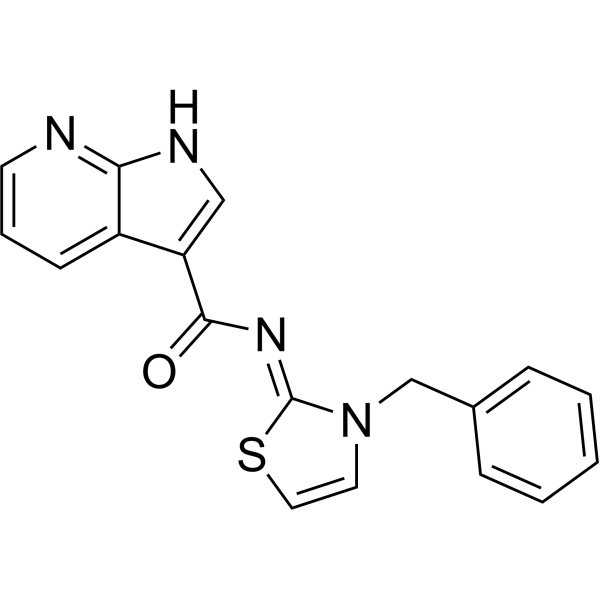
TRULI (Lats-IN-1) is a potent and ATP-competitive inhibitor of Lats1 and Lats2 kinases. TRULI promotes Yap-dependent proliferation in postmitotic mammalian tissues.
For research use only. We do not sell to patients.
- Purity : 99.27%
- CAS No.: 1424635-83-5
- Formula: C18H14N4OS
- Molecular Weight:334.39
-
Storage:Powder -20°C, 3 years , 4°C, 2 years ; In solvent -80°C, 1 year , -20°C, 6 months

To place orders, for customer services and technical support, please contact: MedChemExpress USA
Tel: 609-228-6898 E-mail: [email protected] [email protected]


-
 Biological Activity
-
Chemical Information
-
Solvent & Solubility
- Protocols
- Purity & Documentation
- References
-
 Help & FAQs


-
HY-100526
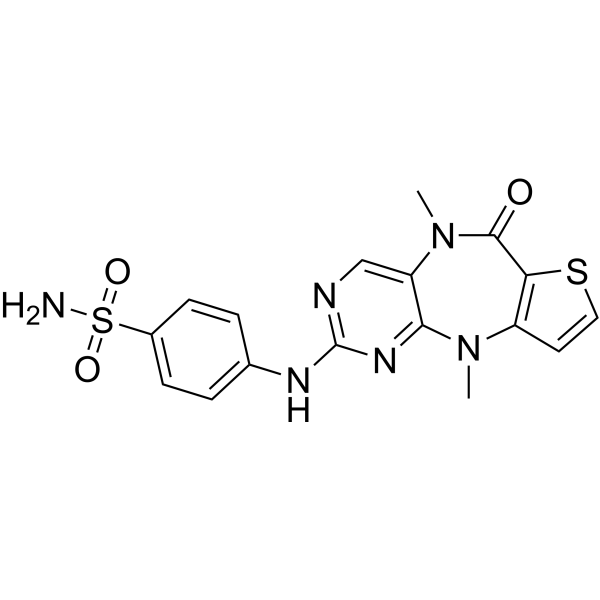
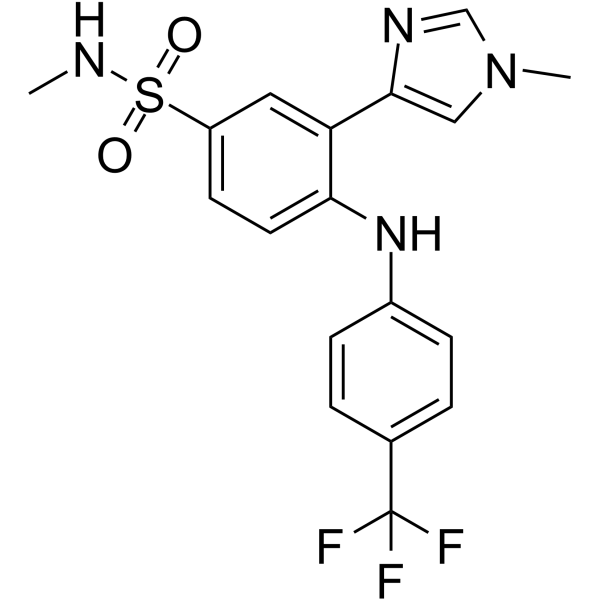
XMU-MP-1MST1/2 Inhibitor -
HY-150042
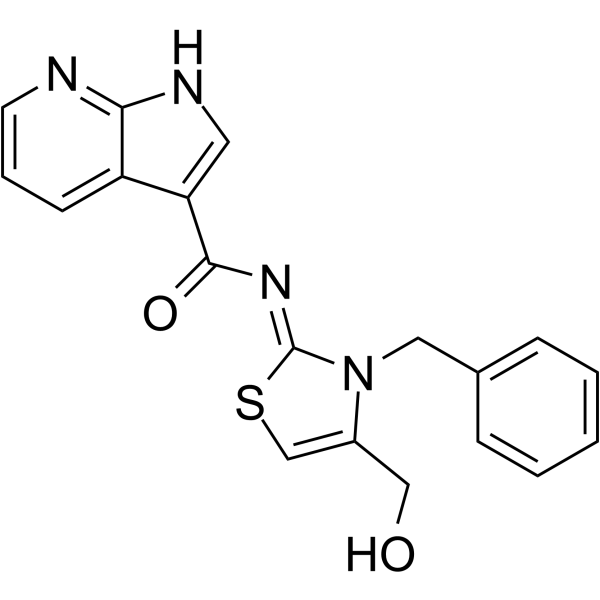
TDI-011536Lats Kinase Inhibitor -
HY-147082
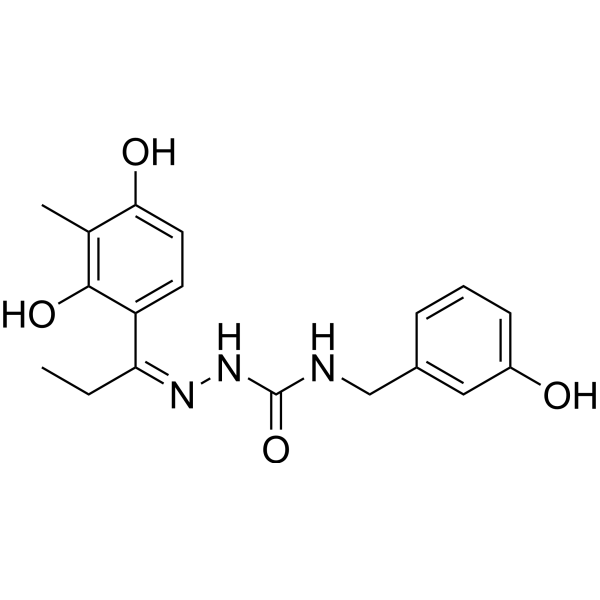
GA-017LATS1/2 Inhibitor -
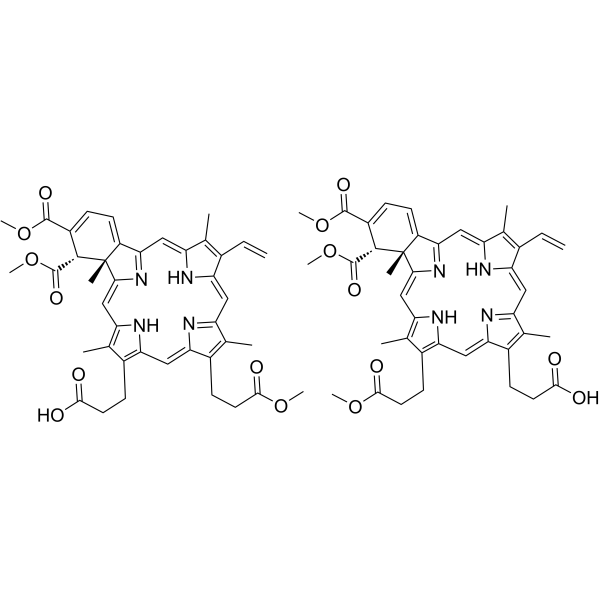
HY-B0146
VerteporfinYAP Inhibitor -
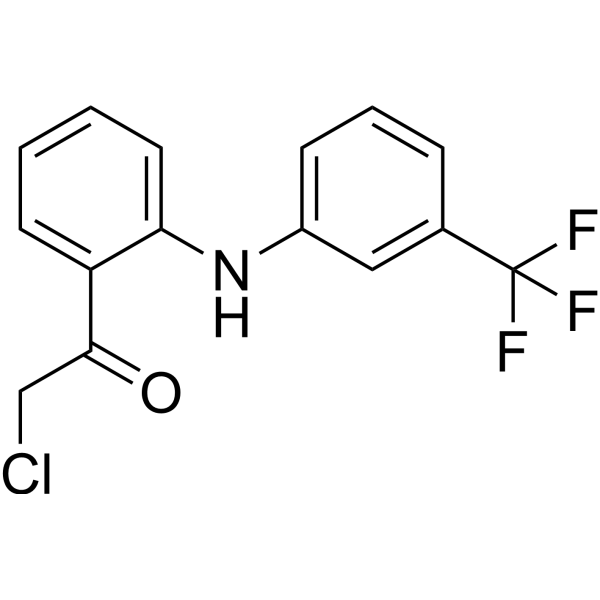
HY-125269
TED-347YAP-TEAD Inhibitor -
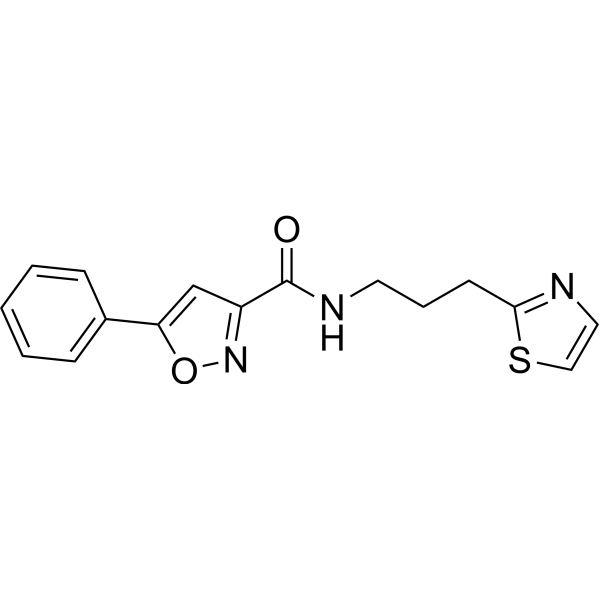
HY-141644
PY-60YAP Activator -
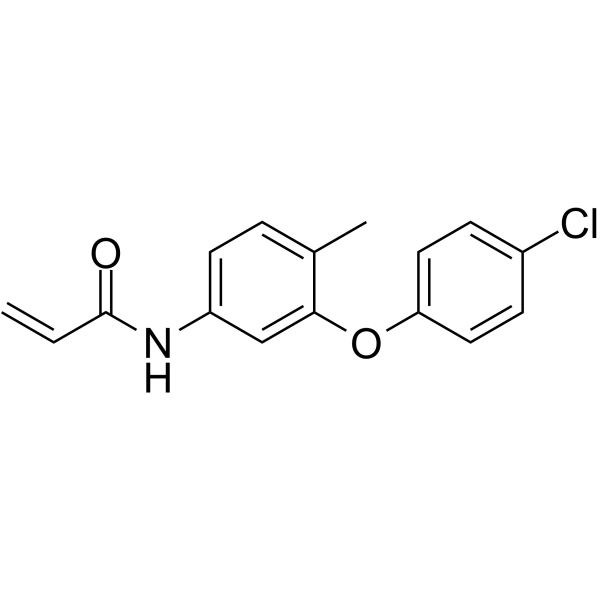
HY-138565
K-975YAP1/TAZ-TEAD Inhibitor -
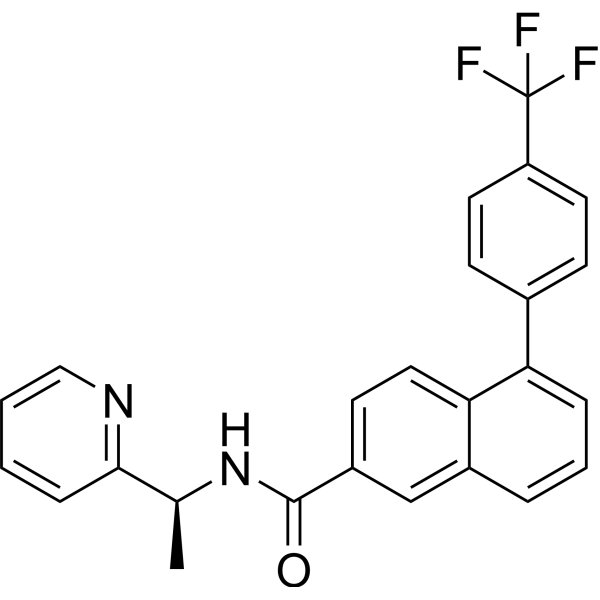
HY-134956
VT104YAP/TAZ Inhibitor -
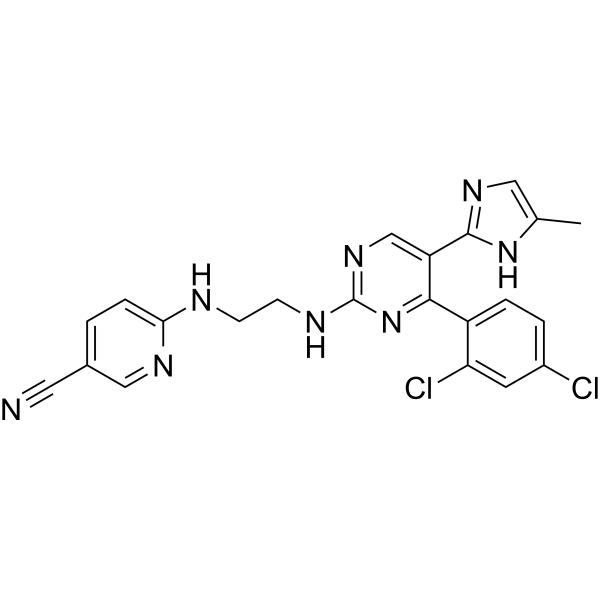
HY-10182
LaduviglusibGSK-3 Inhibitor -
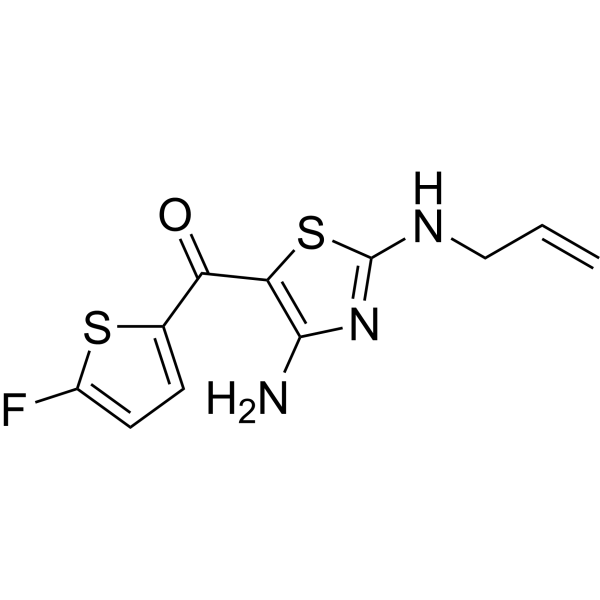
HY-125016
TT-10YAP-TEAD Activator -
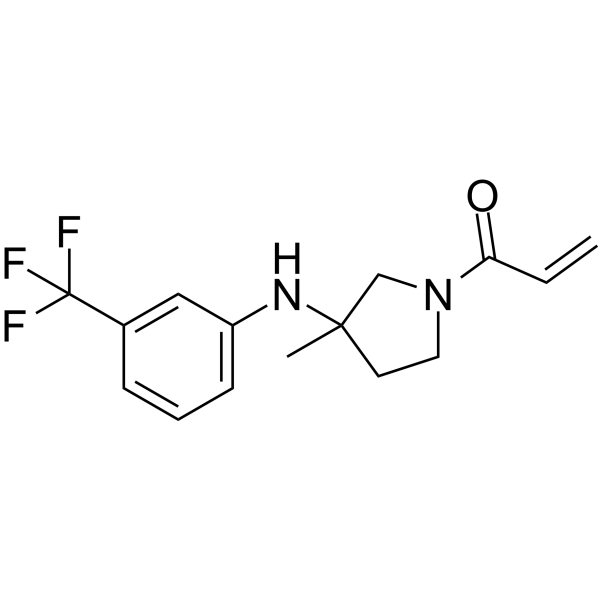
HY-139603
MYF-01-37TEAD Inhibitor -
HY-134955
VT103TEAD1 Palmitoylation Inhibitor
Publications Citing Use of MedChemExpress (MCE) TRULI
More- Nat Commun. 2024 Jan 3;15(1):210. [Abstract]
- Nat Chem Biol. 2025 May 16. [Abstract]
- Biomaterials. 2024 Jul:308:122542. [Abstract]
- Cell Death Dis. 2026 Apr 3;17(1):449. [Abstract]
- Int J Biol Sci. 2026 Jan 30;22(4):2157-2176.
- Mater Today Bio. 2025 Oct 8:35:102394. [Abstract]
- Dev Cell. 2025 Jun 25:S1534-5807(25)00362-4. [Abstract]
- Oncogene. 2023 Sep;42(39):2869-2877. [Abstract]
- EMBO J. 2024 Oct;43(20):4578-4603. [Abstract]
- EMBO J. 2023 Feb 15;42(4):e112184. [Abstract]
- Free Radic Biol Med. 2026 Aug 16:252:55-68. [Abstract]
- Cells. 2023 May 29;12(11):1503. [Abstract]
- Neurochem Int. 2023 Oct:169:105586. [Abstract]
- Sci Rep. 2024 Feb 18;14(1):3993. [Abstract]
- PLoS Pathog. 2023 Mar 27;19(3):e1011272. [Abstract]
- iScience. 2026 Aug 11;29(8):117154.
- Differentiation. 2025 Jan-Feb:141:100835. [Abstract]
- Mol Carcinog. 2023 Jul;62(7):963-974. [Abstract]
- Discov Oncol. 2023 Aug 7;14(1):144. [Abstract]
- STAR Protoc. 2025 Mar 5;6(1):103667. [Abstract]
- bioRxiv. 2026 Aug 24.
- bioRxiv. 2026 Aug 24.
- University of Wellington. 2026.
- bioRxiv. 2026 Jul 28.
- bioRxiv. 2026 Jun 10:2026.06.09.731212. [Abstract]
- bioRxiv. 2026 May 18:2026.05.17.725652. [Abstract]
- bioRxiv. 2026 Apr 15.
- bioRxiv. 2026 Jan 8.
- bioRxiv. 2025 Nov 21.
- bioRxiv. 2025 Oct 14:2025.10.13.682184. [Abstract]
- Patent. US20250268947A1.
- bioRxiv. 2025 April 16.
- bioRxiv. 2025 January 31.
- Research Square Preprint. 2024 Jul 25.
- Patent. US20240261337A1.
- bioRxiv. 2024 August 18.
- Research Square Preprint. 2024 May 2.
- Research Square Preprint. 2023 Oct 18.
- Victoria University of Wellington. 2023 Sep 15.
 Customer Validation & Images

-
In Vivo Imaging
-
Cell Imaging/Staining
-
Cell Imaging/Staining
-
Cell Imaging/Staining
-
IP


Biological Activity
Description
IC50 & Target
|
Lats1 |
Lats2 |
In Vitro
The IC50 for TRULI increases with the ATP concentration[1].
TRULI (10 μM; 24 hours) interferes with the ability of Lats kinases to phosphorylate Yap, with an EC50 of 510 nM[1].
TRULI causes Yap-dependent proliferation of murine supporting cells in the inner ear, murine cardiomyocytes, and human Müller glia in retinal organoids[1].
TRULI fosters both the G1-S and G2-M checkpoint transitions and yields supporting cells capable of transdifferentiation[1].
MedChemExpress (MCE) has not independently confirmed the accuracy of these methods. They are for reference only. Further protocols information, click here.
-
Cell Line:MCF 10A cells
-
Concentration:10 μM
-
Incubation Time:24 hours
-
Result:Decreased the phosphorylation of Yap at residue S127.


Chemical Information
-
CAS No. 1424635-83-5
-
Appearance Solid
-
Molecular Weight 334.39
-
Formula C18H14N4OS
-
Color White to light yellow
-
SMILES
O=C(C1=CNC2=NC=CC=C12)/N=C(SC=C3)/N3CC4=CC=CC=C4
-
Synonyms
Lats-IN-1
-
Shipping
Room temperature in continental US; may vary elsewhere.
-
Storage
Powder -20°C 3 years 4°C 2 years In solvent -80°C 1 year -20°C 6 months


Publications (39)
-
Journal Impact Factor
-
Most Recent
-
Nat Commun
Systems-based identification of the Hippo pathway for promoting fibrotic mesenchymal differentiation in systemic sclerosis. [Abstract]2024 Jan 3;15(1):210. PMID: 38172207 -
Nat Chem Biol
2025 May 16. PMID: 40379800 -
Biomaterials
2024 Jul:308:122542. PMID: 38547833
TRULI purchased from MedChemExpress. Usage Cited in: Biomaterials. 2024 Jul:308:122542. [Abstract]
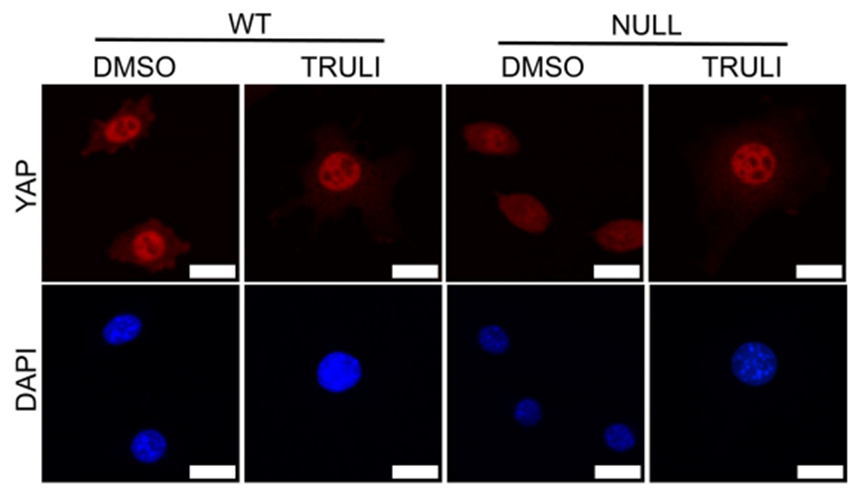
Nuclear localization of YAP was detected by treating wild-type FAK and FAK knockout fibroblasts with the LATS1/2 inhibitor TRULI (10 μM, 24 h) or DMSO.
TRULI purchased from MedChemExpress. Usage Cited in: Biomaterials. 2024 Jul:308:122542. [Abstract]
Nuclear localization of YAP was detected by treating wild-type FAK and FAK knockout fibroblasts with the LATS1/2 inhibitor TRULI (10 μM, 24 h) or DMSO.
TRULI purchased from MedChemExpress. Usage Cited in: Biomaterials. 2024 Jul:308:122542. [Abstract]
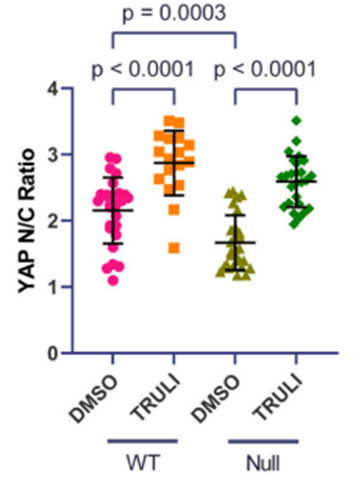
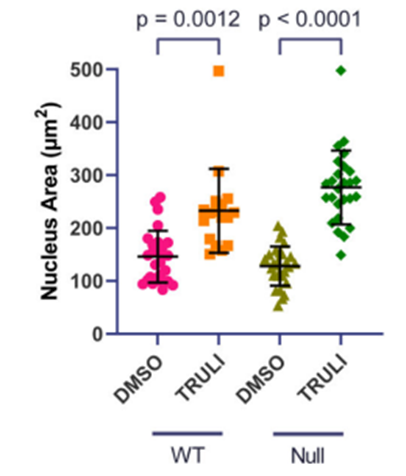
Inhibition of LATS1/2 (TRULI, 10 μM, 24 h) can increase the nuclear area of FAK-expressing cells and FAK knockout cells.
-
Cell Death Dis
PMEPA1 modulates YAP1 nuclear translocation to disrupt EMT subtypes and promote metastasis in Biliary tract cancer. [Abstract]2026 Apr 3;17(1):449. PMID: 41932868 -
-
Mater Today Bio
Molybdenum disulfide induces growth inhibition and autophagy-dependent hepatocyte cell death through directly binding and regulating the activity of MST2. [Abstract]2025 Oct 8:35:102394. PMID: 41142426
TRULI purchased from MedChemExpress. Usage Cited in: Mater Today Bio. 2025 Oct 8:35:102394. [Abstract]
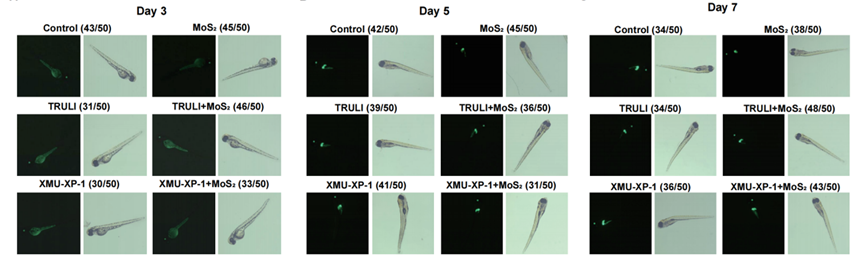
Control group or drug treatment (XMU-XP-1 or TRULI (1 μM)) group of the zebrafish line Tg (-1.7apoa2: GFP) were exposed to PBS, 1 mg/L of MoS2 nanosheets in water. At 3, 5 and 7 days post-fertilization (dpf), the zebrafish of six groups were observed by a stereomicroscope.
-
Dev Cell
Conserved signals control self-organization and symmetry breaking of murine bilayered epithelia during development and regeneration. [Abstract]2025 Jun 25:S1534-5807(25)00362-4. PMID: 40592344 -
Oncogene
AXL activates YAP through the EGFR-LATS1/2 axis and confers resistance to EGFR-targeted drugs in head and neck squamous cell carcinoma. [Abstract]2023 Sep;42(39):2869-2877. PMID: 37591955 -
EMBO J
A non-canonical repressor function of JUN restrains YAP activity and liver cancer growth. [Abstract]2024 Oct;43(20):4578-4603. PMID: 39210147 -
EMBO J
2023 Feb 15;42(4):e112184. PMID: 36588499
TRULI purchased from MedChemExpress. Usage Cited in: EMBO J. 2023 Feb 15;42(4):e112184. [Abstract]
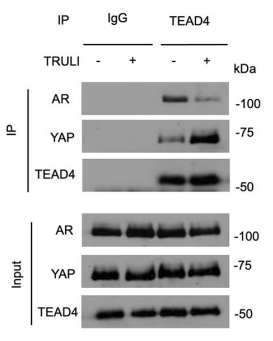
TRULI increased YAP but decreased AR binding to TEAD4. C4‐2 cell were treated with vehicle or 5 μM TRULI for 12 h. Cell extracts were immunoprecipitated with IgG or anti‐TEAD4 antibody. Immunoprecipitates and cell lysates (input) were analyzed by western blot with the indicated antibodies.
-
Free Radic Biol Med
Raddeanin A induces ferroptosis by targeting VEPH1 in a cisplatin-resistant epithelial ovarian cancer cell line. [Abstract]2026 Aug 16:252:55-68. PMID: 41997548 -
Cells
Genome-Wide Screening in Human Embryonic Stem Cells Highlights the Hippo Signaling Pathway as Granting Synthetic Viability in ATM Deficiency. [Abstract]2023 May 29;12(11):1503. PMID: 37296624 -
Neurochem Int
Downregulation of Preso protects against ischemic/reperfusion-mediated neuronal injury through regulating PSD95-nNOS/YAP pathways. [Abstract]2023 Oct:169:105586. PMID: 37442439 -
Sci Rep
Inhibition of LATS kinases reduces tumorigenicity and increases the sensitivity of human chronic myelogenous leukemia cells to imatinib. [Abstract]2024 Feb 18;14(1):3993. PMID: 38368446 -
PLoS Pathog
Discovery of Hippo signaling as a regulator of CSPG4 expression and as a therapeutic target for Clostridioides difficile disease. [Abstract]2023 Mar 27;19(3):e1011272. PMID: 36972308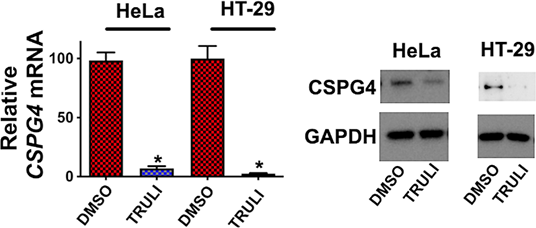
TRULI purchased from MedChemExpress. Usage Cited in: PLoS Pathog. 2023 Mar 27;19(3):e1011272. [Abstract]
TRULI ( 30 μM; 24 h) has a significant inhibitory effect on the expression of CSPG4 in HeLa and HT-29 cells.
-
-
Differentiation
Regulation of trophectoderm morphogenesis by small GTPase RHOA through HIPPO signaling-dependent and -independent mechanisms in mouse preimplantation development. [Abstract]2025 Jan-Feb:141:100835. PMID: 39874642 -
Mol Carcinog
LATS-regulated nuclear-cytoplasmic translocation of SREBP2 inhibits hepatocellular carcinoma cell migration and invasion via epithelial-mesenchymal transition. [Abstract]2023 Jul;62(7):963-974. PMID: 37042569 -
Discov Oncol
DNAJB4 suppresses breast cancer progression and promotes tumor immunity by regulating the Hippo signaling pathway. [Abstract]2023 Aug 7;14(1):144. PMID: 37548821 -
STAR Protoc
Protocol for the differentiation of human alveolar epithelial type I cells from pluripotent stem cell-derived type II-like cells. [Abstract]2025 Mar 5;6(1):103667. PMID: 40048418 -
-
-
-
-
bioRxiv
Epigenetic de-repression of basal cell metaplasia in aging AT2 cells is a risk factor for idiopathic pulmonary fibrosis (IPF). [Abstract]2026 Jun 10:2026.06.09.731212. PMID: 42327275 -
bioRxiv
2026 May 18:2026.05.17.725652. PMID: 42239294 -
-
-
-
bioRxiv
Standardized pipeline for establishing, expanding, and differentiating airway and alveolar organoids from human BAL fluid. [Abstract]2025 Oct 14:2025.10.13.682184. PMID: 41278947 -
-
-
-
-
-
-
-
-


Solvent & Solubility
In Vitro:
DMSO : 50 mg/mL (149.53 mM; Need ultrasonic; Hygroscopic DMSO has a significant impact on the solubility of product, please use newly opened DMSO)
Please refer to the solubility information to select the appropriate solvent. Once prepared, please aliquot and store the solution to prevent product inactivation from repeated freeze-thaw cycles.
Storage method and period of stock solution: -80°C, 1 year; -20°C, 6 months. When stored at -80°C, please use it within 1 year. When stored at -20°C, please use it within 6 months.
Please refer to the solubility information to select the appropriate solvent. Once prepared, please aliquot and store the solution to prevent product inactivation from repeated freeze-thaw cycles.
Storage method and period of stock solution: -80°C, 1 year; -20°C, 6 months. When stored at -80°C, please use it within 1 year. When stored at -20°C, please use it within 6 months.
Concentration (start) × Volume (start) = Concentration (final) × Volume (final)
In Vivo:
Select the appropriate dissolution method based on your experimental animal and administration route.
- For the following dissolution methods, please ensure to first prepare a clear stock solution using an In Vitro approach and then sequentially add co-solvents:
- To ensure reliable experimental results, the clarified stock solution can be appropriately stored based on storage conditions. As for the working solution for In Vivo experiments, it is recommended to prepare freshly and use it on the same day.
- The percentages shown for the solvents indicate their volumetric ratio in the final prepared solution. If precipitation or phase separation occurs during preparation, heat and/or sonication can be used to aid dissolution.
Add each solvent one by one: 10% DMSO 90% (20% SBE-β-CD in Saline)
Solubility: ≥ 2.5 mg/mL (7.48 mM); Clear solution
This protocol yields a clear solution of ≥ 2.5 mg/mL (saturation unknown).
Taking 1 mL working solution as an example, add 100 μL DMSO stock solution (25.0 mg/mL) to 900 μL 20% SBE-β-CD in Saline, and mix evenly.
Preparation of 20% SBE-β-CD in Saline (4°C, storage for one week): 2 g SBE-β-CD powder is dissolved in 10 mL Saline, completely dissolve until clear.
Add each solvent one by one: 10% DMSO 40% PEG300 5% Tween-80 45% Saline
Solubility: ≥ 2.08 mg/mL (6.22 mM); Clear solution
This protocol yields a clear solution of ≥ 2.08 mg/mL (saturation unknown).
Taking 1 mL working solution as an example, add 100 μL DMSO stock solution (20.8 mg/mL) to 400 μL PEG300, and mix evenly; then add 50 μL Tween-80 and mix evenly; then add 450 μL Saline to adjust the volume to 1 mL.
Preparation of Saline: Dissolve 0.9 g sodium chloride in ddH₂O and dilute to 100 mL to obtain a clear Saline solution.
In Vivo Dissolution Calculator
Please enter the basic information of animal experiments:
-
-
-
-
Recommended: Prepare an additional quantity of animals to account for potential losses during experiments.
Please enter your animal formula composition:
-
%DMSO +
Recommended: Keep the proportion of DMSO in working solution below 2% if your animal is weak.
-
%+
-
+%Tween-80 + +
-
%Saline +
The co-solvents required include: DMSO, . All of co-solvents are available by MedChemExpress (MCE). , Tween 80. All of co-solvents are available by MedChemExpress (MCE).
Working solution concentration: 0.22 mg/mL
Method for preparing stock solution: mg drug dissolved in μL DMSO. Stock solution concentration: mg/mL.
1. Take μL DMSO stock solution;
2. Add μL .
μL , mix evenly;
3. Then add μL Tween 80, mix evenly;
4. Then add μL
Please ensure that the stock solution in the first step is dissolved to a clear state, and add co-solvents in sequence. You can use ultrasonic heating (ultrasonic cleaner, recommended frequency 20-40 kHz), vortexing, etc. to assist dissolution.

Protocols
-
Cell Viability Determination by MTT Colorimetric Assay
The following protocol uses the MTT colorimetric assay as a classic literature-established method for assessing cell viability/metabolic activity in cultured mammalian cells. MTT[3-(4,5-dimethylthiazol-2-yl)-2,5-diphenyltetrazolium bromide] is reduced by metabolically active cells to a colored formazan product; the amount of formazan is quantified spectrophotometrically and provides an indirect measure of metabolically active viable cells. Importantly, MTT reduction reflects cellular oxidoreductase/metabolic activity rather than an absolute direct count of living cells, so changes in cellular metabolism can alter the signal independently of cell number.


Purity & Documentation
-
Data Sheet (277 KB)
-
SDS (392 KB)
- English - EN (392 KB)
- Français - FR (392 KB)
- Deutsch - DE (392 KB)
- Norwegian - NO (392 KB)
- Español - ES (392 KB)
- Swedish - SV (392 KB)
- Italian - IT (392 KB)
- Korean - KR (392 KB)
- Portuguese - PT (392 KB)
-
Handling Instructions (2659 KB)
References


Complete Stock Solution Preparation Table
Please refer to the solubility information to select the appropriate solvent. Once prepared, please aliquot and store the solution to prevent product inactivation from repeated freeze-thaw cycles.
Storage method and period of stock solution: -80°C, 1 year; -20°C, 6 months. When stored at -80°C, please use it within 1 year. When stored at -20°C, please use it within 6 months.
| Optional Solvent | Concentration Solvent Mass | 1 mg | 5 mg | 10 mg | 25 mg |
|---|---|---|---|---|---|
| DMSO | 1 mM | 2.9905 mL | 14.9526 mL | 29.9052 mL | 74.7630 mL |
| 5 mM | 0.5981 mL | 2.9905 mL | 5.9810 mL | 14.9526 mL | |
| 10 mM | 0.2991 mL | 1.4953 mL | 2.9905 mL | 7.4763 mL | |
| 15 mM | 0.1994 mL | 0.9968 mL | 1.9937 mL | 4.9842 mL | |
| 20 mM | 0.1495 mL | 0.7476 mL | 1.4953 mL | 3.7381 mL | |
| 25 mM | 0.1196 mL | 0.5981 mL | 1.1962 mL | 2.9905 mL | |
| 30 mM | 0.0997 mL | 0.4984 mL | 0.9968 mL | 2.4921 mL | |
| 40 mM | 0.0748 mL | 0.3738 mL | 0.7476 mL | 1.8691 mL | |
| 50 mM | 0.0598 mL | 0.2991 mL | 0.5981 mL | 1.4953 mL | |
| 60 mM | 0.0498 mL | 0.2492 mL | 0.4984 mL | 1.2460 mL | |
| 80 mM | 0.0374 mL | 0.1869 mL | 0.3738 mL | 0.9345 mL | |
| 100 mM | 0.0299 mL | 0.1495 mL | 0.2991 mL | 0.7476 mL |


TRULI Related Classifications
HY-138489 Related Classifications
 Powered by Bioz