Search Result
Results for "
LNCaP cell
" in MedChemExpress (MCE) Product Catalog:
7
Isotope-Labeled Compounds
| Cat. No. |
Product Name |
Target |
Research Areas |
Chemical Structure |
-
- HY-70002
-
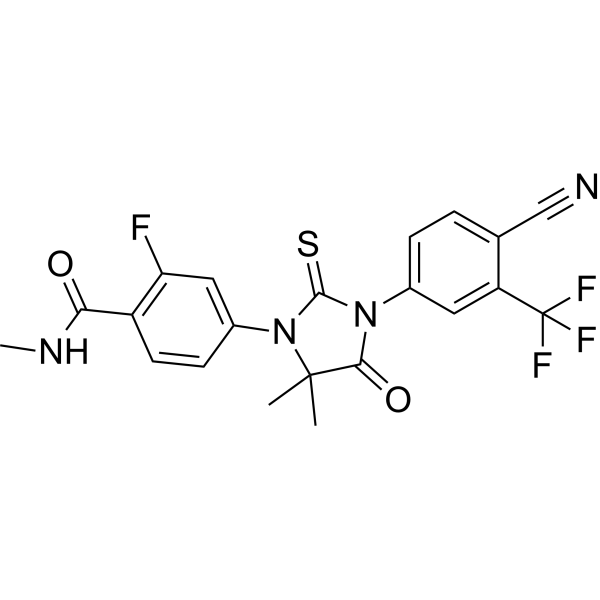
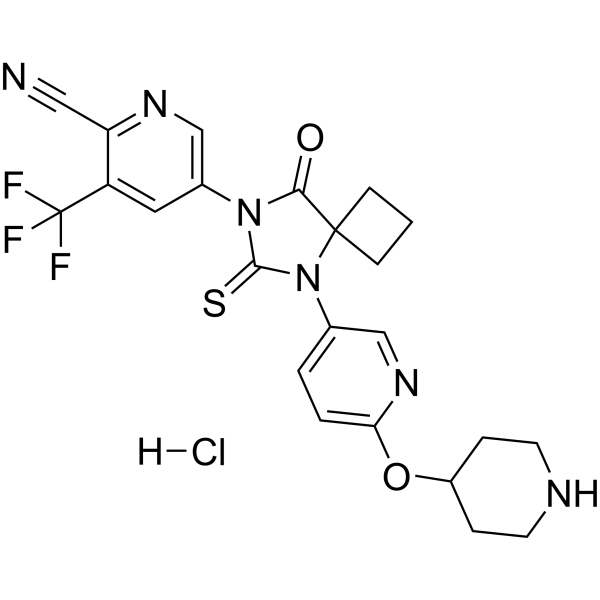
Enzalutamide
Maximum Cited Publications
214 Publications Verification
MDV3100
|
Androgen Receptor
Autophagy
|
Cancer
|
|
Enzalutamide (MDV3100) is an androgen receptor (AR) antagonist with an IC50 of 36 nM in LNCaP prostate cells. Enzalutamide is an autophagy activator .
|
-
-
- HY-W100026
-
-
-
- HY-158113
-
|
|
Histone Acetyltransferase
PROTACs
|
Cancer
|
|
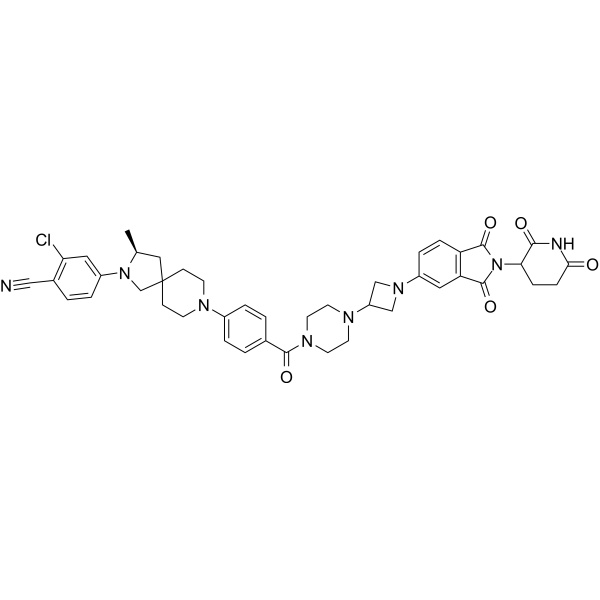
CBPD-409 is an orally active PROTAC degrader for CBP/p300, with DC50 of 0.2–0.4 nM. CBPD-409 exhibits antiproliferative effects in AR+ prostate cancer cell lines VCaP, LNCaP and 22Rv1, with IC50s of 1.2–2.0 nM. CBPD-409 exhibits antitumor efficacy (Red: CBP inhibitor GNE049 (HY-108435); Blue: CRBN/cullin 4A Thalidomide (HY-14658); Black: Linker) .
|
-
-
- HY-N2908
-
|
Methyl atrarate
|
Environmental Pollutants
NF-κB
Androgen Receptor
p38 MAPK
NO Synthase
|
Inflammation/Immunology
Cancer
|
|
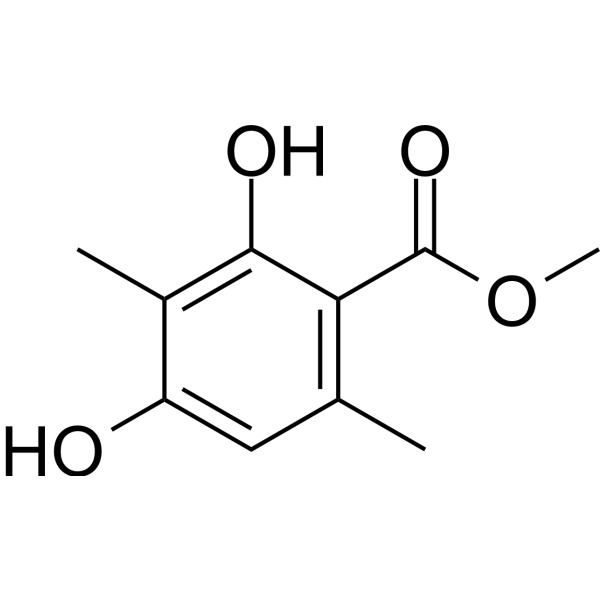
Atraric acid (Methyl atrarate) is a specific androgen receptor (AR) antagonist with anti-inflammatory and anticancer effects. Atraric acid represses the expression of the endogenous prostate specific antigen gene in both LNCaP and C4-2 cells. Atraric acid can also inhibit the synthesis of NO and cytokine, and suppress the MAPK-NFκB signaling pathway. Atraric acid can be used to research prostate diseases and inflammatory diseases .
|
-
-
- HY-113332
-
-
-
- HY-70002R
-
|
MDV3100 (Standard)
|
Reference Standards
Androgen Receptor
Autophagy
|
Cancer
|
|
Enzalutamide (Standard) is the analytical standard of Enzalutamide. This product is intended for research and analytical applications. Enzalutamide (MDV3100) is an androgen receptor (AR) antagonist with an IC50 of 36 nM in LNCaP prostate cells. Enzalutamide is an autophagy activator .
|
-
-
- HY-70002S1
-
-
-
- HY-111875
-
|
|
SNIPERs
PROTACs
Epigenetic Reader Domain
|
Cancer
|
|
SNIPER(BRD)-1 is a SNIPER degrader of BRD4, cIAP1 and XIAP. SNIPER(BRD)-1 has IC50 values of 6.8 nM, 17 nM and 49 nM for cIAP1, cIAP2 and XIAP, respectively. SNIPER(BRD)-1 can be used for cancer research . (Blue: LCL161 (HY-15518); Black: linker (HY-W008005); Pink: (+)-JQ-1 (HY-13030))
|
-
-
- HY-130992
-
|
|
Androgen Receptor
Ligands for Target Protein for PROTAC
|
Cancer
|
|
Androgen receptor antagonist 1 is an orally available full androgen receptor (AR) antagonist with an IC50 of 59 nM . Androgen receptor antagonist 1 (Compound 6) can be used in the synthesis of PROTAC AR degraders, which results 24% and 47 % AR protein degradation in LNCaP cells at 1 μM and 10 μM, respectively .
|
-
-
- HY-16079
-
AZD3514
3 Publications Verification
|
Androgen Receptor
|
Cancer
|
|
AZD3514 is an orally activie and selective androgen receptor (AR) inhibitor. AZD3514 androgen-dependently and -independently inhibits AR signal. AZD351 down-regulates nuclear AR levels in human LNCaP prostate cancer cells in the absence of androgen with an pIC50 value of 5.75. AZD3514 can be used for the research of prostate cancer .
|
-
-
- HY-70002S
-
|
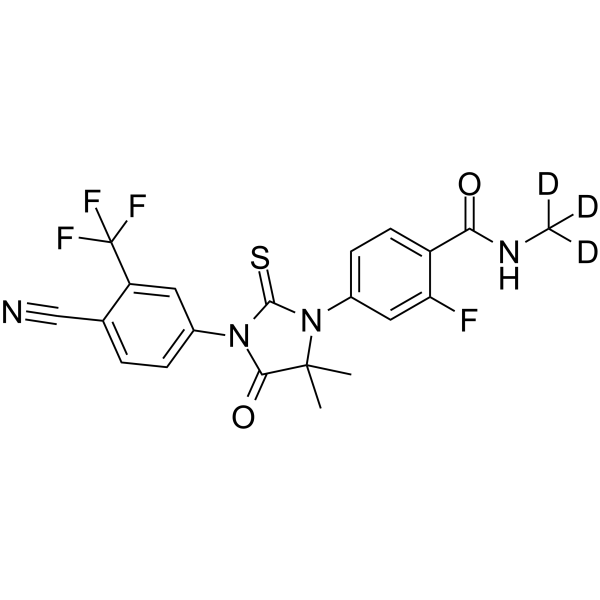
Enzalutamide-d3; MDV3100-d3
|
Androgen Receptor
Autophagy
|
Cancer
|
|
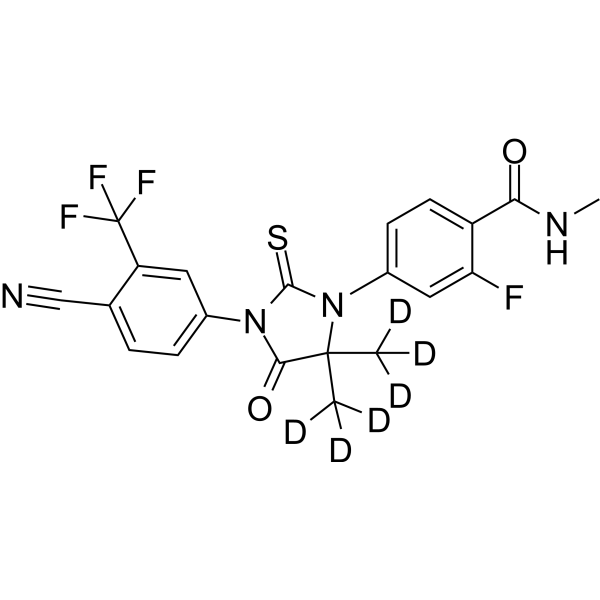
Deutenzalutamide (Enzalutamide-d3) is a developed deuterium labeled Enzalutamide (MDV3100). Enzalutamide is an androgen receptor (AR) antagonist with an IC50 of 36 nM in LNCaP prostate cells .
|
-
-
- HY-170329
-
|
|
PROTACs
Androgen Receptor
Apoptosis
|
Cancer
|
|
PROTAC AR Degrader-8 is the PROTAC degrader for androgen receptor (AR) that degrades AR-FL with DC50s of 0.018 μM and 0.14 μM in 22Rv1 cell and LNCaP cell, degrades AR-V7 with DC50 of 0.026 μM in 22Rv1 cell. PROTAC AR Degrader-8 inhibits the proliferation of cancer cell 22Rv1 and LNCaP with IC50 values of 0.038 μM and 1.11 μM. PROTAC AR Degrader-8 arrests cell cycle at G2/M phase, induces apoptosis in 22Rv1 cell. PROTAC AR Degrader-8 exhibits anticancer efficacy in mouse and zebrafish model. PROTAC AR Degrader-8 can be used for the research of prostate cancer, castration-resistant prostate cancer .
|
-
-
- HY-13626
-
|
ES-285
|
PKC
Apoptosis
|
Cancer
|
|
Spisulosine (ES-285) is an antiproliferative (antitumoral) compound of marine origin. Spisulosine inhibits the growth of the prostate PC-3 and LNCaP cells through intracellular ceramide accumulation and PKCζ activation. Spisulosine induces apoptosis in PC-3 and LNCaP cells .
|
-
-
- HY-149433
-
|
|
PROTACs
Androgen Receptor
Apoptosis
|
Cancer
|
|
BWA-522 is an orally active PROTAC degrader targeting full-length androgen receptor (AR-FL) and androgen receptor splice variant 7 (AR-V7). BWA-522 antagonizes the N-terminal domain (AR-NTD) of the androgen receptor, suppresses AR downstream signaling proteins and induces cancer cells apoptosis. BWA-522 inhibits tumor growth in LNCaP xenograft mouse model. BWA-522 can be used for the research of prostate cancer .
|
-
-
- HY-P10816
-
|
Ac-(DLeu)LLLRVK-Amba
|
Bacterial
|
Infection
Cancer
|
|
PACE4 Inhibitory peptide C23 (Compound C23; Ac-(DLeu)LLLRVK-Amba)), a potent peptidomimetic inhibitor, is a PACE4 inhibitor. PACE4 Inhibitory peptide C23e shows antiproliferative effects against PCa cell lines (Ki = 5 nM; IC50 = 25 and 40 μM for DU145 and LNCaP, respectively). PACE4 Inhibitory peptide C23 also blocks tumor growth in vivo in LNCaP xenograft-bearing mice .
|
-
-
- HY-115282A
-
|
TRC-253
|
Androgen Receptor
|
Cancer
|
|
JNJ-63576253 (TRC-253) is a potent and orally active full antagonist of androgen receptor (AR), with IC50s of 37 and 54 nM for F877L mutant AR and wild-type AR in LNCaP cells. JNJ-63576253 can be used for the research of castration-resistant prostate cancer (CRPC) .
|
-
-
- HY-133045
-
|
|
Ligands for E3 Ligase
|
Cancer
|
|
VHL Ligand 8 is a VHL ligand. VHL Ligand 8 can be used to synthesize ARD-266 (HY-133020), a highly potent and VHL E3 ligase-based androgen receptor (AR) PROTAC degrader. ARD-266 effectively induces degradation of AR protein in AR-positive LNCaP, VCaP, and 22Rv1 prostate cancer cell lines with DC50 values of 0.2-1 nM .
|
-
-
- HY-156111
-
|
|
PROTACs
Androgen Receptor
|
Cancer
|
|
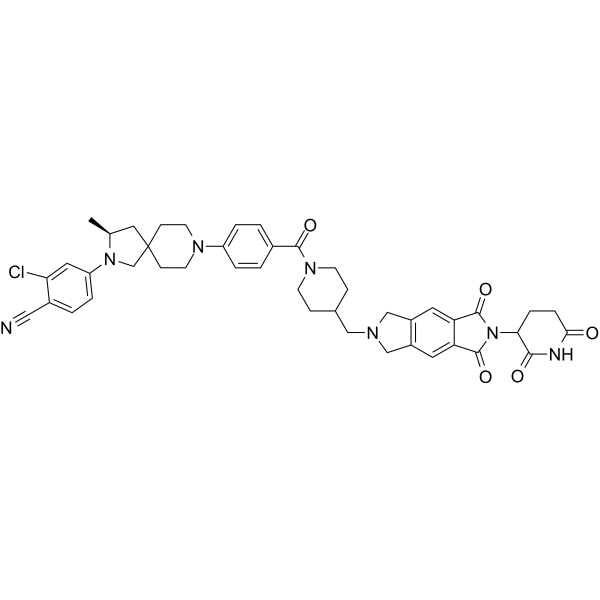
ARD-1676 is an orally available androgen receptor (AR) PROTAC degrader, consisting of AR ligand and cereblon ligand. ARD-1676 has AR-degrading activity in vitro and in vivo and inhibits VCaP tumor growth in mouse xenograft tumor models .
|
-
-
- HY-161369
-
|
|
PROTACs
Histone Acetyltransferase
|
Cancer
|
|
CBPD-268 is a potent and orally active CBP/p300 PROTAC degrader with an DC50 value of ≤ 0.03 nM. CBPD-268 induces CBP/p300 degradation and inhibits cell growth. CBPD-268 shows antitumor activity. CBPD-268 has the potential for the research of AR-positive prostate cancer (Structure Note: Red, Androgen receptor degrader (HY-W248665A); Blue, CBP/p300 ligand (HY-161483); Black, Linker) .
|
-
-
- HY-149862
-
|
|
PROTACs
Androgen Receptor
|
Cancer
|
|
ARD-2051 is a selective and orally active androgen receptor (AR) proteolysis-targeting chimera degrader. ARD-2051 achieves DC50 values of 0.6 nM for AR protein degradation in both the LNCaP and VCaP prostate cancer cell lines. ARD-2051 exhibits effective anti-tumor activity in VCaP xenograft mice model. ARD-2051 can be used for the research of prostate cancer (Pink: AR ligand (HY-400666), Blue: CRBN Ligand (HY-14658), Black: Linker) .
|
-
-
- HY-N12124
-
|
Monascinol
|
Akt
mTOR
AMPK
Androgen Receptor
Apoptosis
Autophagy
|
Cancer
|
|
Monascuspiloin (Monascinol) exhibits anti-androgenic activity with an IC50 of 7 μM. Monascuspiloin inhibits viability of PC-3 and LNCaP with IC50 of 45 and 47 μM. Monascuspiloin induces apoptosis in LNCaP through inhibition of Akt/mTOR signaling pathway, induces autophagy through activation AMPK signaling pathway and arrest cell cycle at G2/M phase in PC-3. Monascuspiloin exhibits antitumor efficacy in mice .
|
-
-
- HY-N7510
-
|
12-Methoxycarnosic acid
|
5 alpha Reductase
|
Infection
Cancer
|
|
12-O-Methylcarnosic acid (12-Methoxycarnosic acid), a diterpene carnosic acid isolated from the acetone extract of Salvia microphylla, is an active constituent of 5α-reductase inhibition with an IC50 value of 61.7 μM. 12-O-Methylcarnosic acid inhibits proliferation in LNCaP cells. 12-O-Methylcarnosic acid has antioxidant, anti-cancer and antimicrobial activity .
|
-
-
- HY-133020
-
|
|
PROTACs
Androgen Receptor
|
Cancer
|
|
ARD-266 is a highly potent and von Hippel-Lindau E3 ligase-based Androgen Receptor (AR) PROTAC degrader. ARD-266 effectively induces degradation of AR protein in AR-positive LNCaP, VCaP, and 22Rv1 prostate cancer cell lines with DC50 values of 0.2-1 nM . ARD-266 is a click chemistry reagent, it contains an Alkyne group and can undergo copper-catalyzed azide-alkyne cycloaddition (CuAAc) with molecules containing Azide groups.
|
-
-
- HY-N3999
-
|
ESK246
|
Others
|
Cancer
|
|
Venuloside A is a potent inhibitor of LAT3. Venuloside A inhibits the leucine uptake in LNCaP prostate cancer cells with an IC50 of 8.12 μM .
|
-
-
- HY-175455
-
|
|
PROTACs
Androgen Receptor
Akt
|
Cancer
|
|
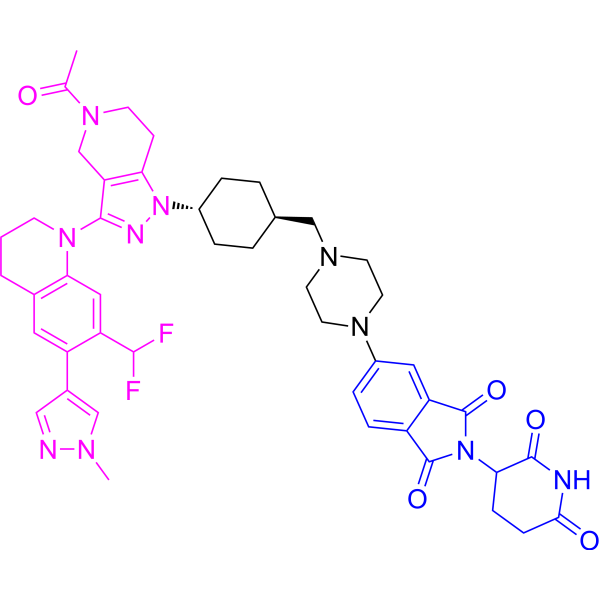
LYA914 is an orally active AR/AR-V7 PROTAC degrader. LYA914 targets the proteolytic degradation of the conserved DNA binding domain (DBD) of the androgen receptor (AR). LYA914 exhibits potent antiproliferative effects in Enzalutamide (HY-70002)-insensitive/resistant cells. LYA914 inhibits tumor growth in VCaP/LNCaP tumor mouse models. LYA914 can be used to study castration-resistant prostate cancer (CRPC). (Pink: AR-DBD ligand-1: HY-175456, Blue: Thalidomide: HY-14658, Pink + Black: AR-DBD ligand-Linker Conjugate 1: HY-175457, Black: Boc-piperidine-oxopiperidin: HY-175458) .
|
-
-
- HY-176128
-
|
|
PROTACs
Androgen Receptor
Apoptosis
PARP
Caspase
|
Cancer
|
|
BWA-6047 is an oral active PROTAC degrader targeting AR/AR-V7 and GSPT1 with DC50 values of 3.7, 3.0 and 1.2 nM in 22Rv1 cells. BWA-6047 suppresses the expression of AR downstream target genes and and transcriptional activity. BWA-6047 inhibits cancer cells proliferation, causes G1 phase cell cycle arrest and induces apoptosis. BWA-6047 increases cleaved-PARP-1 and cleaved-caspase-3 levels. BWA-6047 reduces growth of LNCaP xenograft tumors in mice models without obvious toxicity. BWA-6047 can be used for the research of prostate cancer .
|
-
-
- HY-150268
-
|
BET-IN-16
|
Epigenetic Reader Domain
|
Cancer
|
|
Zavabresib (BET-IN-16) (Compound I) is a BET inhibitor. BET-IN-16 shows anticancer activity. Zavabresib inhibits prostate cancer cell growth, with IC50 values of 0.043 and 0.034 μM against LNCaP and 22Rv1 cells, respectively .
|
-
-
- HY-163641
-
|
|
Molecular Glues
Androgen Receptor
E1/E2/E3 Enzyme
|
Cancer
|
|
AR Degrader-1 (Compound ML 2-9) is a molecular glue androgen receptor (AR) monovalent degrader. AR Degrader-1 degrades AR through DCAF16 (E3 ligase) without obvious cytotoxicity in LNCaP prostate cancer cells .
|
-
-
- HY-W748509
-
|
|
Caspase
Apoptosis
|
Cancer
|
|
Pipernonaline is a piperine derivative with antiprostate cancer activity. Pipernonaline inhibits the proliferation of androgen-dependent/independent LNCaP/PC-3 prostate cells. Pipernonaline activates caspase-3 and promotes procaspase-3/PARP cleavage. Pipernonaline also mediates reactive oxygen species (ROS) production, increased intracellular Ca(2+), and mitochondrial membrane depolarization .
|
-
-
- HY-161740
-
|
|
AUTOTACs
Estrogen Receptor/ERR
Autophagy
|
Cancer
|
|
PHTPP-1304 is a PHTPP-based autophagy targeting chimera (AUTOTAC). PHTPP-1304 induces the degradation of estrogen receptor ERβ through the autophagy pathway, rather than ubiquitination (DC50 ≈ 2 nM, in HEK293T cells; < 100 nM in ACHN renal carcinoma and MCF-7 breast cancer cells). PHTPP-1304 can induce the self-oligomerization of p62. PHTPP-1304 can be used to study various cancers mediated by ERβ .
|
-
-
- HY-N16483
-
|
|
Apoptosis
Caspase
Bcl-2 Family
PARP
Androgen Receptor
|
Cancer
|
|
Procyanidin B2-3'-O-gallate is a mono-gallate ester that can be isolated from grape seed extract. Procyanidin B2-3'-O-gallate has anti-cancer efficacy and reduces the viability of prostate carcinoma LNCaP cells. Furthermore, Procyanidin B2-3'-O-gallate induces apoptosis, and causes caspases-9 and -3 and PARP cleavage, and down-regulates Bcl-2, Bcl-Xl and androgen receptor levels .
|
-
-
- HY-116895
-
|
|
Androgen Receptor
MAGL
|
Metabolic Disease
|
|
JJH260 is AIG1inhibitor, and inhibit the fluorophosphonate reactivity and fatty acid esters of hydroxy fatty acid (FAHFA) hydrolysis activity of AIG1in HEK293T cells, with IC50 values of 0.50 μM and 0.57 μM, respectively .
|
-
-
- HY-146396
-
|
|
MetAP
|
Cancer
|
|
Anticancer agent 51 (compound 3d) is a potent anticancer agent with an Ki of 731.62 nM. Anticancer agent 51 shows anticancer activity. Anticancer agent 51 has the potential for the research of prostate cancer .
|
-
-
- HY-N16066
-
|
CHNQD-0803
|
AMPK
Apoptosis
NF-κB
TNF Receptor
|
Inflammation/Immunology
|
|
Candidusin A (CHNQD-0803) (Compound 4) is a AMPK activator with a KD of 47.28 nM. Candidusin A can be isolated from marine fungus Aspergillus candidus. Candidusin A has cytotoxic activity and induces apoptosis in human prostate cancer cells (22Rv1, PC-3 and LNCaP cells). Candidusin A reduces adipogenesis genes expression and fat deposition, negatively regulates the NF-κB-TNFα inflammatory axis to suppress inflammation, and ameliorates liver injury and fibrosis. Candidusin A can be used for non-alcoholic steatohepatitis (NASH) research .
|
-
-
- HY-105314
-
|
|
Others
|
Cancer
|
|
LY-33169 is an antitumor agent. LY-33169 had selective cytotoxicity against Colon Adenocarcinoma-38, Human Colon-116, Human Prostate LNCaP, and Human Breast WSU-Br-1 cells .
|
-
-
- HY-Y0943
-
|
|
Drug Metabolite
|
Cancer
|
|
Aldehyde Dehydrogenase Isobutyramide is an orally active liver alcohol dehydrogenase (LADH2) inhibitor. Isobutyramide inhibits ethanol metabolism and enhances differentiation-related gene expression, inducing cell cycle arrest and significantly reducing the growth rate of prostate cancer cells (LNCaP). Isobutyramide is promising for research of advanced prostate cancer .
|
-
-
- HY-121094
-
|
|
Estrogen Receptor/ERR
|
Cancer
|
|
Androgen receptor allosteric antagonist 1(compound D36)is a a llosteric, competitive androgen receptor (AR) antagonist with the Ki of 9 μM. Androgen receptor allosteric antagonist 1 inhibits R1881-mediated transcription and proliferation and can be used for study of prostate cancer .
|
-
-
- HY-109015S
-
|
Chidamide-d4; HBI-8000-d4; CS 055-d4
|
Isotope-Labeled Compounds
HDAC
|
Cancer
|
|
Tucidinostat-d4 is the deuterium labeled Tucidinostat. Tucidinostat is a potent and orally bioavailable HDAC enzymes class I (HDAC1/2/3) and class IIb (HDAC10) inhibitor, with IC50s of 95, 160, 67 and 78 nM, respectively .
|
-
-
- HY-109633
-
|
|
mTOR
PI3K
|
Cancer
|
|
PI3K/mTOR-IN-23 is a dual inhibitor of PI3K and mTOR with IC50 values of 49 and 41 nM. PI3K/mTOR-IN-23 inhibits cancer cells proliferation .
|
-
-
- HY-175248
-
|
|
PSMA
|
Cancer
|
|
PSMA-DIM is a dimeric PSMA ligand with a Kd of 37.09 nM for LNCaP cells. PSMA-DIM can be radiolabeled with [ 68Ga]Ga to form [ 68Ga]Ga-PSMA-DIM. [ 68Ga]Ga-PSMA-DIM can effectively distinguish between cells and animal models with different expression levels of PSMA. [ 68Ga]Ga-PSMA-DIM exhibits high LNCaP cells uptake and tumor uptake peak values. PSMA-DIM can be used for the study of prostate cancer (PCa) .
|
-
-
- HY-168757
-
|
|
PSMA
|
Cancer
|
|
PSMA precursor-1 is a precursor in the synthesis of prostate-specific membrane antigen (PSMA) ligands and fluorescent probes that have been used in the detection of PSMA in LNCaP and PC3 cells .
|
-
-
- HY-N1342
-
|
|
Apoptosis
|
Cancer
|
|
Rocaglaol induces apoptosis and cell cycle arrest in LNCaP cells .
|
-
-
- HY-120581
-
|
|
PGE synthase
|
Cancer
|
|
ML388 is a potent and selective hydroxyprostaglandin dehydrogenase (HPGD) inhibitor with an IC50 of 34 nM. ML388 induces PGE2 production in A549 cells and LNCaP prostate cancer cells .
|
-
-
- HY-141830
-
|
|
Histone Acetyltransferase
|
Cancer
|
|
SYY-B029-2 is a potent histone acetyltransferase (HAT) inhibitor with an IC50 of 1.4 nM. SYY-B029-2 cell growth of human mantle cell lymphoma (MCL) cell line MAVER-1 and human castration resistant prostate cancer cell line LNCaP clone FGC, with IC50 values of 15 nM and 13 nM, respectively .
|
-
-
- HY-118091A
-
|
LY300502
|
5 alpha Reductase
|
Cancer
|
|
Bexlosteride (LY300502) is a benzoquinolinone human type I 5α-reductase inhibitor. Bexlosteride shows metabolic inhibitory, antiproliferative, and antisecretory effects in LNCaP human prostatic adenocarcinoma cell cultures. Bexlosteride can be used for the research of prostatic cancer .
|
-
-
- HY-149914
-
|
|
Androgen Receptor
|
Cancer
|
|
WCA-814 is an androgen receptor (AR) antagonist-Hsp90 inhibitor conjugate. WCA-814 induces the degradation of full-length and AR-V7. WCA-814 has cytotoxic effect in prostatic cancer cells (IC50: 171.2 nM, 26.5 nM for LNCaP, 22Rv1 cell) .
|
-
-
- HY-124585
-
|
|
Epigenetic Reader Domain
|
Cancer
|
|
Y08060 is a selective BET inhibitor. Y08060 inhibits the viability of C4-2B and LNCaP cell lines with IC50 values of 3.23 and 4.41 μM. Y08060 can suppress colony formation as well as AR expression in prostate cancer cell line. Y08060 can be studied in prostate cancer research .
|
-
-
- HY-N15449
-
|
|
HSP
Caspase
Apoptosis
Reactive Oxygen Species (ROS)
Bcl-2 Family
|
Cancer
|
|
Vicanicin is a depsidone compound found in lichens. Vicanicin inhibits the expression of Hsp70, regulates the redox-sensitive mechanisms within cells, promotes the increase of reactive oxygen species (ROS) in cancer cells, changes the Bax/Bcl-2 ratio, activates caspase-3, and triggers apoptosis. Vicanicin inhibits cell growth and induces apoptosis in androgen-sensitive (LNCaP) and androgen-insensitive (DU-145) human prostate cancer cells. Vicanicin is promising for research of prostate cancer .
|
-
-
- HY-169282
-
|
|
RGS Protein
|
Cancer
|
|
RGS2–Galpha-q interaction-IN-1 (Compound AJ-3) is an inhibitor of the RGS2-Galpha-q interaction. RGS2–Galpha-q interaction-IN-1 can inhibit the growth of cancer cell lines expressing RGS2 and exhibits anti-cell migration properties .
|
-
-
- HY-144127
-
|
|
Androgen Receptor
|
Cancer
|
|
AR antagonist 3 is a potent and selective androgen receptor (AR) antagonist with an IC50 of 0.47 µM. AR antagonist 3 exhibits a dose-dependent decrease of the FRET signal (IC50= 18.05 μM). AR antagonist 3 shows effective inhibition on tumor growth when administered intratumorally .
|
-
- HY-W437569
-
|
|
Parasite
Insecticide
|
Infection
Cancer
|
|
Melicopine is an alkaloid found in Z. simulans with antimalarial and anticancer activities. It exhibits inhibitory activity against chloroquine-sensitive 3D7 and chloroquine-resistant Dd2 strains of P. falciparum, with IC50 values of 29.7 and 33.7 µg/mL, respectively. Melicopine is cytotoxic to prostate cancer cells PC-3M and LNCaP (IC50 values of 47.9 and 37.8 µg/mL), but has no effect on non-cancerous HEK293 cells (IC50 greater than 100 µg/mL). Melicopine holds promise for research in anticancer and anti-infection fields .
|
-
- HY-151533
-
|
|
Epigenetic Reader Domain
|
Cancer
|
|
PBRM1-BD2-IN-6 is a potent PBRM1 bromodomain inhibitor with an IC50 value of 0.22 μM. PBRM1-BD2-IN-6 shows antiproliferation activity. PBRM1-BD2-IN-6 has the potential for the research of PBRM1-dependent cancer .
|
-
- HY-163510
-
|
|
Androgen Receptor
|
Cancer
|
|
AR/AR-V7-IN-1 (Compound 20i) is an AR/ARV7 inhibitor (IC50 = 172.85 nM). AR/AR-V7-IN-1 potently inhibits cell growth with IC50 values of 4.87 and 2.07 μM in the LNCaP and 22RV1 cell lines, respectively. AR/AR-V7-IN-1 exhibits effective tumor growth inhibition in the 22RV1 xenograft study. AR/AR-V7-IN-1 can be used for the research of prostate cancer .
|
-
- HY-N8504
-
|
NSC 260179; Spectinabilin
|
Bacterial
|
Infection
|
|
Neoaureothin is a bacterial metabolite that has been found in Streptomyces. It is an androgen receptor (AR) antagonist that inhibits binding of dihydrotestosterone (DHT) to ARs (IC50=13 μM) and inhibits DHT-induced expression of prostate-specific antigen in LNCaP cells (IC50=1.75 nM). Neoaureothin is cytotoxic to A549, HCT116, and HepG2 cells (IC50s=34.3, 47, and 37.2 μg/mL, respectively). It also has nematocidal activity against the pine wood nematode B. xylophilus (LC50=0.84 μg/mL) and increases survival of P. densiflora trees inoculated with B. xylophilus.
|
-
- HY-135732
-
|
|
Androgen Receptor
|
Cancer
|
|
SK33, a trifluoromethylated enobosarm analog, is a potent, and tissue selective anti-androgen. SK33reduces androgen receptor (AR) transcriptional activity .
|
-
- HY-N10265
-
|
|
Endogenous Metabolite
|
Cancer
|
|
Stephacidin B is a fungal metabolite. Stephacidin B shows in vitro cytotoxicity against a panel of human tumor cell lines. Stephacidin B shows the strongest cytotoxicity against testosterone-dependent prostate LNCaP cancer cells .
|
-
- HY-N2733
-
|
|
Others
|
Others
|
|
7,2',4'-Trihydroxy-5-methoxy-3-arylcoumarin is a coumarin, that can be isolated from campylotropis hirtella (FRANCH.) SCHINDL. 7,2',4'-Trihydroxy-5-methoxy-3-arylcoumarin inhibits PSA secretion in LNCaP cells, with an IC50 of 24.2 μg/mL .
|
-
- HY-144755
-
|
|
Histone Demethylase
|
Cancer
|
|
MC2652 (compound 1a) is a potent LSD1 inhibitor. MC2652 displays high inhibiting effects in MV4-11 and NB4 leukaemia cells. MC2652 shows antiproliferative activity against prostate cancer LNCaP cells .
|
-
- HY-N3816
-
|
|
Others
|
Others
|
|
ent-17-Hydroxykaur-15-en-19-oic acid is a ent-kaurene
diterpene that can be isolated from the leaves of Laetia thamnia L..
ent-17-Hydroxykaur-15-en-19-oic acid was cytotoxic to human prostate LNCaP2
cells with IC50 17.63
mg/mL .
|
-
- HY-121619
-
|
|
Apoptosis
|
Inflammation/Immunology
Cancer
|
|
Jacaric acid is a conjugated linolenic acid, which inhibits viability in cells PC-3 (IC50 is 11.8 μM), LNCaP (IC50 is 2.2 μM) and DLD-1, induces apoptosis and necrosis . Jacaric acid exhibits anticaner activity against prostate cancer and adenocarcinoma . Jacaric acid exhibits immunomodulating activity in murine peritoneal macrophages as an immunopotentiator . Jacaric acid is orally active.
|
-
- HY-144758
-
|
|
Histone Demethylase
Monoamine Oxidase
|
Cancer
|
|
LSD1-IN-17 (compound 5b) is a potent LSD1 inhibitor. LSD1-IN-17 can inhibit LSD1-CoREST, MAO-A and MAO-B, with IC50 values of 0.005, 0.028, and 0.820 μM, respectively. LSD1-IN-17 displays cell growth arrest in prostate cancer LNCaP cells, with an IC50 of 17.2 μM .
|
-
- HY-144756
-
|
|
Histone Demethylase
Monoamine Oxidase
|
Cancer
|
|
LSD1-IN-15 (compound 1b) is a potent LSD1 inhibitor. LSD1-IN-15 can inhibit LSD1-CoREST, MAO-A and MAO-B, with IC50 values of 0.149, 0.028, and 0.327 μM, respectively. LSD1-IN-15 displays cell growth arrest in prostate cancer LNCaP cells, with an IC50 of 9.9 μM .
|
-
- HY-144757
-
|
|
Histone Demethylase
Monoamine Oxidase
|
Cancer
|
|
LSD1-IN-16 (compound 4b) is a potent LSD1 inhibitor. LSD1-IN-16 can inhibit LSD1-CoREST, MAO-A and MAO-B, with IC50 values of 0.015, 0.024, and 0.366 μM, respectively. LSD1-IN-16 displays cell growth arrest in prostate cancer LNCaP cells, with an IC50 of 15.2 μM .
|
-
- HY-N2908R
-
|
Methyl atrarate (Standard)
|
Reference Standards
Androgen Receptor
NO Synthase
p38 MAPK
NF-κB
|
Inflammation/Immunology
Cancer
|
|
Atraric acid (Standard) is the analytical standard of Atraric acid. This product is intended for research and analytical applications. Atraric acid (Methyl atrarate) is a specific androgen receptor (AR) antagonist with anti-inflammatory and anticancer effects. Atraric acid represses the expression of the endogenous prostate specific antigen gene in both LNCaP and C4-2 cells. Atraric acid can also inhibit the synthesis of NO and cytokine, and suppress the MAPK-NFκB signaling pathway. Atraric acid can be used to research prostate diseases and inflammatory diseases[1][2].
|
-
- HY-126464
-
|
EoM
|
Androgen Receptor
|
Cancer
|
|
Estromustine (EoM) is the active metabolite of Estramustine phosphate (HY-13627A). Estromustine binds to mutant androgen receptor (m-AR) with EC50 of 2.6 μM in LNCaP, exhibits cytotoxicity in human prostate cells LNCaP with IC50 of 9.73 μM .
|
-
- HY-158775
-
|
|
Ferroptosis
Apoptosis
Autophagy
|
Cancer
|
|
Ferroptocide is a cell death inducer that triggers ferroptosis and has anti-tumor activity. Ferroptocide can induce oxidative stress, leading to G2/M cell cycle arrest and apoptosis activation in LNCaP cells, while also effectively inhibiting the cell viability of both LNCaP and TRAMP-C1 cells. Ferroptocide can be used to study its capability to induce mitochondrial autophagy and to trigger immunogenic cell death (ICD) in prostate cancer cells .
|
-
- HY-111231
-
|
|
Androgen Receptor
|
Cancer
|
|
CH4933468 is a thiohydantoin derivative, shows androgen receptor (AR) pure antagonist activity in vitro. CH4933468 inhibits AR-mediated transactivation and proliferation of LNCaP and LNCaP-BC2 cells. CH4933468 can be used for castration-resistant prostate cancer (CRPC) research .
|
-
- HY-13626S
-
|
ES-285-d3
|
Isotope-Labeled Compounds
PKC
Apoptosis
|
Cancer
|
|
Spisulosine-d3 (ES-285-d3) is deuterium labeled Spisulosine (HY-13626). Spisulosine is an antiproliferative (antitumoral) compound of marine origin. Spisulosine inhibits the growth of the prostate PC-3 and LNCaP cells through intracellular ceramide accumulation and PKCζ activation. Spisulosine induces apoptosis in PC-3 and LNCaP cells .
|
-
- HY-N8856
-
|
|
Others
|
Others
|
|
Angelol M,isolated from the roots of Angelica gigas Nakai, shows activity in inhibiting prostate specific antigen (PSA) secreted from androgen dependent prostate cancer cell line, LNCaP cells .
|
-
- HY-113332R
-
|
|
Reference Standards
Apoptosis
Endogenous Metabolite
|
Inflammation/Immunology
|
|
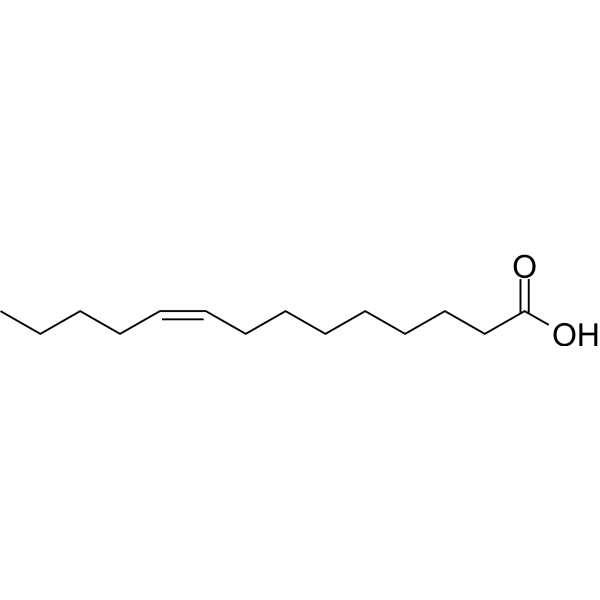
Myristoleic acid (Standard) is the analytical standard of Myristoleic acid. This product is intended for research and analytical applications. Myristoleic acid, a cytotoxic component in the extract from Serenoa repens, induces apoptosis and necrosis in human prostatic LNCaP cells[1].
|
-
- HY-N1338
-
|
NSC 122417
|
mTOR
Akt
|
Cancer
|
|
Royleanone, a diterpenoid isolated from plants, inhibits the proliferation of cancer cells by inducing cell cycle arrest and mitochondria-mediated apoptosis, also inhibits cell migration potential, inhibits mTOR/PI3/AKT signaling pathway in LNCaP prostate cancer cells .
|
-
- HY-176160
-
|
Methyl jacarate; SFE 19:3
|
Apoptosis
|
Cancer
|
|
Jacaric acid methyl ester is a methyl ester form of the conjugated PUFA jacaric acid. Jacaric acid can induce apoptosis selectively in human prostate cancer cells. Jacaric acid induces concentration- and time-dependent LNCaP cell death. Jacaric acid methyl ester can be studied in anticancer research .
|
-
- HY-131953
-
|
|
Androgen Receptor
|
Cancer
|
|
Androgen receptor-IN-3 (Compound 22) is an androgen receptor inhibitor. Androgen receptor-IN-3 inhibits AR-driven transcriptional activity in LNCaP cells, with an IC50 of 5.04 μM .
|
-
- HY-169985
-
|
|
Casein Kinase
|
Cancer
|
|
CK2-IN-13 (compound 12c) is a potent inhibitor of CK2, with the IC50 of 5.8 nM. CK2-IN-13 plays an important role in cancer research .
|
-
- HY-172173
-
|
|
Cytochrome P450
|
Cancer
|
|
CYP17A1-IN-1 (Compound 14) is the inhibitor for CYP17A1 with an IC50 of 26 nM. CYP17A1-IN-1 exhibits cytotoxicity in androgen-sensitive prostate cancer cell LNCaP, inhibits the migration of cell DU-145 .
|
-
- HY-156778
-
|
|
Drug Derivative
|
Cancer
|
|
Antitumor agent-120 (compound 1) is a flavonoid compound isolated from Kudzu root.Antitumor agent-120 has no significant inhibitory activity against LNCaP and PC3 cancer cells, with IC50s >50 μM .
|
-
- HY-153772
-
|
|
Androgen Receptor
|
Cancer
|
|
Androgen receptor antagonist 8 (Example 13) is an androgen receptor antagonist. Androgen receptor antagonist 8 inhibits prostate specific antigen secretion in LNcap cell (IC50: 88 nM). Androgen receptor antagonist 8 can be used for prostate cancer research .
|
-
- HY-17548
-
|
|
Caspase
Apoptosis
|
Cancer
|
|
VMY-1-103 is an inhibitor for cyclin/Cdk complex, that arrests the cell cycle at G1 phase. VMY-1-103 reduces mitochondrial membrane potential, induces p53 phosphorylation and and PARP cleavage, activates caspase-3, and thus induces apoptosis in prostate cancer cell LNCaP .
|
-
- HY-142772
-
|
|
Epigenetic Reader Domain
|
Cancer
|
|
Y08284 is a potent, selective, oral active CBP bromodomain inhibitor with an IC50 of 4.21 nM. Y08284 suppresses the proliferation of prostate cancer cell lines LNCaP, C4-2B, and 22Rv1. Antitumor activity .
|
-
- HY-118375
-
|
ISC-4
|
Apoptosis
|
Cancer
|
|
Phenylbutyl isoselenocyanate (ISC-4) is a selective apoptosis inducer that increases reactive oxygen species levels to inhibit androgen receptor (AR) and activate p53 pathway. Phenylbutyl isoselenocyanate induces apoptosis in LNCaP prostate cancer cells and has anti-prostate cancer properties.
|
-
- HY-164662
-
|
|
mTOR
PI3K
|
Cancer
|
|
mTOR inhibitor-24 (comounp 9d) is a mTOR inhibitor, with IC50s of 0.34 nM (mTOR) and 324 nM (PI3K-α) respectively. mTOR inhibitor-24 inhibtis LNCaP cell proliferation (IC50: 180 nM) .
|
-
- HY-139970
-
|
|
Androgen Receptor
|
Endocrinology
Cancer
|
|
VPC-13789 is a potent, selective, and orally bioavailable antiandrogen. VPC-13789 can be used for the research of castration-resistant prostate cancer (CRPC) therapeutics. VPC-13789 inhibits androgen receptor (AR) transcriptional activity in LNCaP cells (IC50=0.19 μM) .
|
-
- HY-179050
-
|
|
Androgen Receptor
Reactive Oxygen Species (ROS)
|
Cancer
|
|
Androgen receptor-IN-7 is a potent androgen receptor (AR) inhibitor. Androgen receptor-IN-7 exhibits potent anticancer activity against PC-3 cells (IC50 =370.37 nM) and LNCaP cells via both AR-dependent and AR-independent pathways. Androgen receptor-IN-7 induces ROS production in PC-3 cells. Androgen receptor-IN-7 can be used for prostate cancer research .
|
-
- HY-129672
-
|
25-Dihydrostichorrenoside E
|
Drug Derivative
|
Cancer
|
|
Thelenotoside B (25-Dihydrostichorrenoside E) shows strong cytotoxicities against five cancer cell lines as HepG2, KB, LNCaP, MCF7 and SK-Mel2 with the IC50 values from 0.95 ± 0.08 to 1.90 ± 0.13 μM. Thelenotoside B is a triterpene tetraglycoside .
|
-
- HY-162794
-
|
|
Apoptosis
Deubiquitinase
|
Cancer
|
|
YCH3124 (compound Z33) is a USP7 inhibitor (IC50=41.9 nM) with antitumor activity. YCH3124 has good in vitro antiproliferative activity against various tumor cells including LNCaP (IC50=3.6 nM) and CHP-212 (IC50=9.9 nM). In addition, YCH3124 disrupts cell cycle progression by restricting G1 phase and induces apoptosis in CHP-212 cells .
|
-
- HY-115282
-
|
TRC-253 free base
|
Androgen Receptor
|
Cancer
|
|
JNJ-63576253 (TRC-253) free base is a potent and orally active full antagonist of androgen receptor (AR), with IC50s of 37 and 54 nM for F877L mutant AR and wild-type AR in LNCaP cells. JNJ-63576253 free base can be used for the research of castration-resistant prostate cancer (CRPC) .
|
-
- HY-156003
-
|
|
HDAC
|
Cancer
|
|
HDAC-IN-64 (Compound 13) is a HDAC inhibitor. HDAC-IN-64 inhibits HDAC4/5/6/7/9 with IC50s of 24, 45, 85, 31, 37 nM. HDAC-IN-64 has anti-proliferative activity and anti-migration properties on prostate cancer (PCA) cells. HDAC-IN-64 inhibits LNCaP and RWPE-1 cell growth with GI50 of 0.32 and 1.1 μM respectively .
|
-
- HY-152520
-
|
|
Androgen Receptor
|
Cancer
|
|
RLA-5331 is an iron activator containing anti-androgen. RLA-5331 has anti-proliferative activity on metastatic castration-resistant prostate cancer (mCRPC) cell line .
|
-
- HY-W012088
-
|
Myristoleic acid methyl ester; Methyl myristoleate; cis-9-Tetradecenoate methyl ester
|
Bacterial
Apoptosis
|
Infection
|
|
(Z)-Methyl tetradec-9-enoate (Myristoleic acid methyl ester; Methyl myristoleate) is a cytotoxic component extracted from S. repens fruit extract. It induces apoptosis and necrosis in human prostate cancer LNCaP cells. In addition, (Z)-Methyl tetradec-9-enoate found in cheese-making byproducts inhibits Candida albicans germination with a minimum inhibitory concentration (MIC) of 9 μM in vivo.
|
-
- HY-152512
-
|
|
Androgen Receptor
|
Cancer
|
|
RLA-4842 is an iron activator containing anti-androgen. RLA-4842 has anti-proliferative activity on metastatic castration-resistant prostate cancer (mCRPC) cell line .
|
-
- HY-161741
-
|
|
AUTOTACs
Androgen Receptor
|
Cancer
|
|
VinclozolinM2-2204 is a androgen receptor (AR) AUTOTAC degrader, with an DC50 of 200 nM in LNCaP prostate cancer cells. VinclozolinM2-2204 induces the formation of AR +LC3 + autophagic membranes. VinclozolinM2-2204 can be used for the research of cancer .(Pink: AR inhibitor (HY-168296); Black: linker (HY-128833); Blue: CRBN Ligand (HY-168293))
|
-
- HY-169078
-
|
|
Histone Methyltransferase
|
Cancer
|
|
ML234 is a dual inhibitor against EZH2/LSD1 with IC50 values of 0.09 and 0.12 μM, respectively. ML234 displays an excellent antiproliferative capacity against prostate cancer cell lines LNCAP, PC3 and 22RV1. ML234 suppresses the tumor growth in the 22RV1 xenograft mouse model. ML234 is promising for research of anticancer agents in prostate cancer .
|
-
- HY-173409
-
|
|
Androgen Receptor
Ser/Thr Protease
|
Inflammation/Immunology
|
|
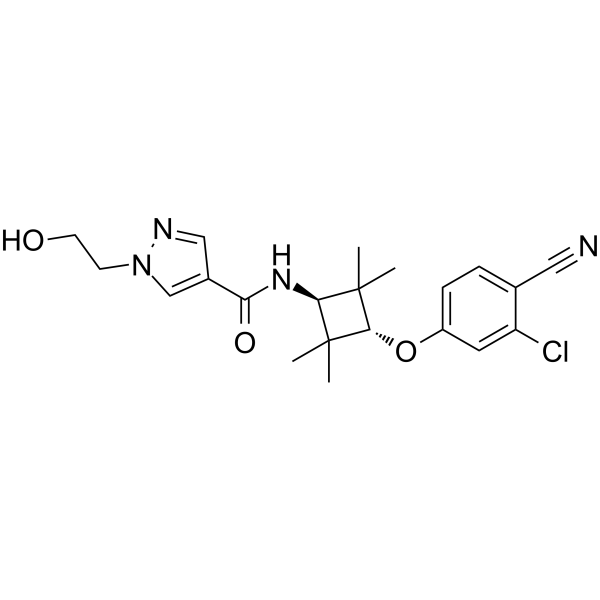
AR antagonist 11 (Compound c2) is a selective AR antagonist with an IC50 of 0.019 μM. AR antagonist 11 is also effective against AR F877L/T878A mutant (IC50: 1.03 μM). AR antagonist 11 inhibits LNCaP cell proliferation and reduces PSA protein expression (IC50: 0.54 μM). AR antagonist 11 can be used for research of prostate cancer (PCa) .
|
-
- HY-N7510R
-
|
12-Methoxycarnosic acid (Standard)
|
Reference Standards
5 alpha Reductase
|
Infection
Cancer
|
|
12-O-Methylcarnosic acid (Standard) is the analytical standard of 12-O-Methylcarnosic acid. This product is intended for research and analytical applications. 12-O-Methylcarnosic acid (12-Methoxycarnosic acid), a diterpene carnosic acid isolated from the acetone extract of Salvia microphylla, is an active constituent of 5α-reductase inhibition with an IC50 value of 61.7 μM. 12-O-Methylcarnosic acid inhibits proliferation in LNCaP cells. 12-O-Methylcarnosic acid has antioxidant, anti-cancer and antimicrobial activity .
|
-
- HY-172612
-
|
|
Androgen Receptor
|
Cancer
|
|
AR antagonist 13 (compound 19) is an androgen receptor antagonist with inhibition rates exceeding 71.5% at 10 μM. AR antagonist 13 inhibits prostate cancer cell growth .
|
-
- HY-178148
-
|
|
Androgen Receptor
|
Endocrinology
Cancer
|
|
AR antagonist 17 is a selective, orally active, low brain-penetrant Androgen Receptor (AR) antagonist (IC50 = 0.010 μM), effectively blocking AR dimerization and nuclear translocation, and demonstrating potent efficacy in several castration-resistant prostate cancer (CRPC) cells. AR antagonist 17 showed superior efficacy against variant drug-resistant AR mutants. AR antagonist 17 can inhibit tumor growth in an LNCaP xenograft model without apparent toxicity. AR antagonist 17 can be used for the study of castration-resistant prostate cancer (CRPC) .
|
-
- HY-181830
-
|
|
PD-1/PD-L1
PSMA
LYTACs
|
Cancer
|
|
Atz-L5 is a PD-L1 PTAC (PSMA-targeted chimera) degrader (DC50: 18 pM in PC3-PIP cells; 2 pM in LNCaP cells) and LYTAC. Atz-L5 promotes lysosomal degradation of PD-L1 in PSMA-positive prostate cancer cells. Atz-L5 is applicable to the research of prostate cancer .
|
-
- HY-181829
-
|
|
EGFR
PSMA
LYTACs
|
Cancer
|
|
Ctx-L3 is a selective EGFR PTAC (PSMA-targeted chimera) degrader (DC50: 4.3 pM in LNCaP cells) and LYTAC. Ctx-L3 recruits prostate-specific membrane antigen (PSMA) and mediates lysosomal degradation of EGFR in PSMA-positive prostate cancer cells. Ctx-L3 exhibits degrading activity against EGFR in prostate cancer cells. Ctx-L3 is applicable to related research on prostate cancer .
|
-
- HY-133005
-
|
4-Desacetylvinblastine; Desacetylvincaleukoblastine
|
Drug Metabolite
|
Cancer
|
|
Desacetylvinblastine (4-Desacetylvinblastine) is the major metabolite of Vinblastine (HY-13780) and a cytotoxic agent. When used alone, desacetylvinblastine has poor anti-tumor effects, but it can exert significant anti-tumor activity when in the presence of specific conjugates .
|
-
- HY-D3353
-
|
|
PSMA
|
Cancer
|
|
PSMA-SulfoCy7 is a high-affinity imaging agent targeting PSMA/GCPII (with a Ki of 18.1 nM for human PSMA). PSMA-SulfoCy7 regulates PSMA-dependent NAAG hydrolysis. PSMA-SulfoCy7 exhibits excellent in vivo imaging capability, enabling clear visualization of PSMA-expressing tumors in xenograft models, with no obvious toxicity even at a dose of 87.9 mg/kg. PSMA-SulfoCy7 is widely used in prostate cancer-related studies .
|
-
- HY-19747
-
HPOB
3 Publications Verification
|
HDAC
Apoptosis
|
Cancer
|
|
HPOB is a highly potent and selective inhibitor of HDAC6 with an IC50 of 56 nM. HPOB displays >30 fold less potent against other HDACs. HPOB enhances the effectiveness of DNA-damaging anticancer agents in transformed cells but not normal cells. HPOB does not block the ubiquitin-binding activity of HDAC6 .
|
-
- HY-P1793A
-
|
|
Opioid Receptor
Biochemical Assay Reagents
|
Neurological Disease
Inflammation/Immunology
Cancer
|
|
α-Casein (90-95) TFA is a partial agonist of opioid receptors and a copper ion ligand, with opioid activity. α-Casein (90-95) TFA inhibits the secretion of β-hexosaminidase by rat peritoneal mast cells (PMC) with IC50= 0.1 μM. α-Casein (90-95) TFA inhibits the proliferation of prostate cancer cells LNCaP, DU145, and PC3 with IC50 of 0.94 nM, 137 nM, and 6.92 nM, respectively. α-Casein (90-95) TFA activates Gi-like proteins through a membrane-assisted, receptor-independent pathway, or reversibly binds to opioid receptors, inducing intracellular calcium release and conformational changes, and exerts the activity of promoting mast cell secretion and inhibiting tumor cell proliferation. α-Casein (90-95) TFA can be used in the study of the mechanisms of allergic diseases and prostate cancer .
|
-
- HY-P1793
-
|
|
Opioid Receptor
Biochemical Assay Reagents
|
Neurological Disease
Inflammation/Immunology
Cancer
|
|
α-Casein (90-95) is a partial agonist of opioid receptors and a copper ion ligand, with opioid activity. α-Casein (90-95) inhibits the secretion of β-hexosaminidase by rat peritoneal mast cells (PMC) with IC50= 0.1 μM. α-Casein (90-95) inhibits the proliferation of prostate cancer cells LNCaP, DU145, and PC3 with IC50 of 0.94 nM, 137 nM, and 6.92 nM, respectively. α-Casein (90-95) activates Gi-like proteins through a membrane-assisted, receptor-independent pathway, or reversibly binds to opioid receptors, inducing intracellular calcium release and conformational changes, and exerts the activity of promoting mast cell secretion and inhibiting tumor cell proliferation. α-Casein (90-95) can be used in the study of the mechanisms of allergic diseases and prostate cancer .
|
-
- HY-164477
-
|
|
Androgen Receptor
|
Cancer
|
|
FL442 is an Androgen Receptor (AR) modulator. FL442 exhibits strong inhibitory effects in AR-dependent prostate cancer cells, showing similar inhibitory efficiency to traditional antiandrogen drugs Bicalutamide (HY-14249) and Enzalutamide (HY-70002), while maintaining antiandrogenic activity against the AR mutant F876L, which is highly resistant to Enzalutamide. Pharmacokinetic studies of FL442 in mice reveal a long half-life (8 hours), good targeting (prostate tissue), and metabolic stability, and it effectively inhibits LNCaP tumor growth at low plasma concentrations (30 ng/mL) .
|
-
- HY-175785
-
|
|
Estrogen Receptor/ERR
Aryl Hydrocarbon Receptor
Apoptosis
MDM-2/p53
|
Cancer
|
|
X15695 is selective and orally active estrogen receptor (ERα) degrader. X15695 is an aryl hydrocarbon receptor (AHR) ligand. X15695 enables AHR to form a complex with the ERα, promoting its proteasomal degradation. X15695 inhibits the breast cancer cells proliferation, promotes cell cycle block and induces apoptosis. X15695 can be used for the study of breast cancer .
|
-
- HY-151576
-
|
|
Histone Methyltransferase
|
Cancer
|
|
PRMT5:MEP50 PPI is a novel PRMT5:MEP50 protein-protein interaction (PRMT5:MEP50 PPI) inhibitor, shows anti-tumor activity and anti-proliferative activity of lung and prostate cancer cells .
|
-
- HY-162702
-
|
|
PROTACs
Androgen Receptor
|
Cancer
|
|
AZ‘3137 is an orally active PROTAC-type androgen receptor (AR) degrader with a DC50 value of 22 nM. AZ‘3137 can degrade L702H mutant AR (DC50 of 92 nM). AZ'3137 can inhibit cell proliferation of LNCaP, with a GI50 value of 74 nM. AZ'3137 can inhibit AR signaling and tumor growth in prostate cancer mice (Pink: AR Ligand (HY-172954); Blue: CRBN ligand (HY-172955); Black: linker (HY-W262798); E3 Ligand+Linker: HY-172956) .
|
-
- HY-133044
-
|
|
PROTAC Linkers
|
Cancer
|
|
Boc-Pip-alkyne-Ph-COOH is a PROTAC linker, which refers to the alkyl/ether composition. Boc-Pip-alkyne-Ph-COOH can be used in the synthesis of a series of PROTACs, such as ARD-266 (HY-133020). ARD-266 effectively induces degradation of androgen receptor (AR) protein in AR-positive LNCaP, VCaP, and 22Rv1 prostate cancer cell lines with DC50 values of 0.2-1 nM . Boc-Pip-alkyne-Ph-COOH is a click chemistry reagent, it contains an Alkyne group and can undergo copper-catalyzed azide-alkyne cycloaddition (CuAAc) with molecules containing Azide groups.
|
-
- HY-D3189
-
|
|
Fluorescent Dye
PSMA
|
Cancer
|
|
5GluAF-2MeTG is an activatable fluorescent probe targeting the glutamate carboxypeptidase (CP) activity of PSMA (Ex/Em=490/500-600 nm). After being hydrolyzed by PSMA, 5GluAF-2MeTG releases a cell membrane-permeable fluorescent product, and achieves fluorescence activation by disrupting donor-excited photoinduced electron transfer (d-PeT). 5GluAF-2MeTG enables fluorescence imaging of live PSMA-expressing prostate cancer cells in vitro and visualizes the carboxypeptidase activity of PSMA. 5GluAF-2MeTG can be used to detect prostate cancer regions in preclinical excised tissue specimens .
|
-
- HY-182240
-
|
|
PSMA
|
Cancer
|
|
Cy5-ZW2-617 is a PSMA ligand with a IC50 of 4.39 nM. Cy5-ZW2-617 specifically binds to PSMA and is thereby internalized by PSMA-positive cells. Cy5-ZW2-617 shows uptake in PSMA-positive tumor cells and tumor xenografts in mice. Cy5-ZW2-617 can be used for the research of prostate cancer .
|
-
- HY-108250
-
|
|
Androgen Receptor
|
Cancer
|
|
(R)-Bicalutamide is the (R)-enantiomer of Bicalutamide (HY-14249). (R)-Bicalutamide is an androgen receptor (AR) antagonist, with antineoplastic activity. (R)-Bicalutamide is widely used for the research of prostate cancer .
|
-
- HY-144636
-
|
|
Atg4
Cathepsin
Phospholipase
Autophagy
|
Cancer
|
|
Atg4B-IN-2 is a potent competitive Atg4B inhibitor with Ki value of 3.1 μM, also possesses declining PLA2 inhibitory potency, IC50s of 11 μM and 3.5 μM for Atg4B and PLA2, respectively. Atg4B-IN-2 enhances the anticancer activity of anti-castration-resistant prostate cancer agents via autophagy inhibition .
|
-
- HY-108250R
-
|
|
Reference Standards
Androgen Receptor
|
Cancer
|
|
(R)-Bicalutamide (Standard) is the analytical standard of (R)-Bicalutamide (HY-108250). This product is intended for research and analytical applications. (R)-Bicalutamide is the (R)-enantiomer of Bicalutamide (HY-14249). (R)-Bicalutamide is an androgen receptor (AR) antagonist, with antineoplastic activity. (R)-Bicalutamide is widely used for the research of prostate cancer .
|
-
- HY-151172
-
|
|
MDM-2/p53
Apoptosis
|
Cancer
|
|
MDM2-p53-IN-15 is a MDM2-p53 inhibitor with an IC50 value of 26.1 nM. MDM2-p53-IN-15 inhibits the proliferation of various cancer cells and induces cell apoptosis. MDM2-p53-IN-15 can be used for the research of cancer .
|
-
- HY-185340
-
|
|
CDK
|
Cancer
|
|
CDK9-IN-49 is a CDK9 inhibitor with an IC50 of 7.32 nM. CDK9-IN-49 inhibits the proliferation of various cancer cells. CDK9-IN-49 can be used in the research of cancers such as acute myeloid leukemia and prostate cancer .
|
-
- HY-185339
-
|
|
CDK
|
Cancer
|
|
CDK9-IN-48 is a CDK9 inhibitor with an IC50 of 1.37 nM. CDK9-IN-48 inhibits the proliferation of various cancer cells. CDK9-IN-48 can be used in the research of cancers such as acute myeloid leukemia and prostate cancer .
|
-
- HY-181688
-
|
|
Reactive Oxygen Species (ROS)
|
Cancer
|
|
2α-Ferrocenylmethyl-DHT is a dihydrotestosterone-derived ferrocene-steroid conjugate. 2α-Ferrocenylmethyl-DHT inhibits the growth of various cancer cells. 2α-Ferrocenylmethyl-DHT induces S-phase cell cycle arrest in ovarian cancer cells, elevates intracellular iron levels, triggers ROS-dependent cell death, and disrupts the integrity of multicellular tumor spheroids of ovarian cancer cells. 2α-Ferrocenylmethyl-DHT can be used in the research of prostate cancer and ovarian cancer .
|
-
- HY-162706
-
|
|
PROTACs
CDK
|
Cancer
|
|
BSJ-5-63 is a potent CDK12, CDK7, CDK9 PROTAC degrader. BSJ-5-63 BSJ-5-63 decreases the protein expression of CDK12, CDK7, CDK9, RNAPII, Cyclin K. BSJ-5-63 decreases the mRNA expression of BRCA1, BRCA2. BSJ-5-63 shows anticancer activity and has the potential for the research of prostate cancer (Pink: ligand for target protein (HY-150948); black: linker (HY-W140827); Blue: E3 ligase ligand (HY-112078)) .
|
-
- HY-115747
-
|
|
Histone Demethylase
|
Cancer
|
|
Namoline, a γ-pyrone, is a selective and reversible Lysine-specific demethylase 1 (LSD1) inhibitor with an IC50 of 51 μM in a HRP-coupled enzymatic assay. Namoline impairs LSD1 demethylase activity and blocks cell proliferation. Namoline has the potential for androgen-dependent prostate cancer research .
|
-
- HY-172954
-
-
- HY-149091
-
|
|
Histone Demethylase
|
Cancer
|
|
KDM5B-IN-4 (compound 11ad) is a lysine demethylase 5B (KDM5B) inhibitor with an IC50 of 0.025 μM KDM5B-IN-4 increases substrate H3K4me1/2/3 level by inhibiting KDM5B in PC-3 cells. KDM5B-IN-4 downregulates PI3K/AKT. KDM5B-IN-4 reduces tumor volume in mice and shows less toxic to organs .
|
-
- HY-148483
-
|
|
IKK
|
Cancer
|
|
SR8185 is a potent and selective TBK1/IKKi dual inhibitor with IC50s of 3 nM and < 10 nM against IKKi and TBK1, respectively. SR8185 exhibits potent and broad spectrum antiproliferative effects on human cancer cells. SR8185 can be used for cancer research .
|
-
- HY-P11591
-
|
PSMA-DOTA-PEI2
|
Radionuclide-Drug Conjugates (RDCs)
PSMA
|
Cancer
|
|
PDI2 (PSMA-DOTA-PEI2) is a prostate-specific membrane antigen (PSMA) ligand that acts as a tumor retention agent, renal uptake reducer, imaging agent and antitumor agent, applicable in SPECT diagnostic imaging and radiotheranostics. PDI2 specifically binds to PSMA on prostate cancer cells, enters cells via clathrin-dependent endocytosis, and exhibits higher tumor retention rate and lower renal uptake level. PDI2 is applicable in research related to prostate cancer and castration-resistant metastatic prostate cancer .
|
-
- HY-181045
-
|
|
Cytochrome P450
|
Cancer
|
|
CYP17A1-IN-2 is a potent inhibitor of CYP17A1. CYP17A1-IN-2 exhibits anti-proliferative activity against prostate cancer cells. CYP17A1-IN-2 can be used in research related to castration-resistant prostate cancer .
|
-
- HY-13915
-
|
|
Apoptosis
|
Cancer
|
|
NSC348884 is a nucleophosmin (NPM) inhibitor, it disrupts oligomer formation and induces apoptosis, inhibits cell proliferation with IC50s of 1.7-4.0 μM in distinct cancer cell lines. NSC348884 can be used for the research of cancer .
|
-
- HY-183282
-
|
|
Deubiquitinase
|
Cancer
|
|
LC-U7-44 is a potent USP7 inhibitor with an IC50 of 0.96 μM. LC-U7-44 binds to the hydrophobic catalytic pocket of USP7, forming hydrogen bonds with Gln297, Arg408, Asp295, Val296, and Gln351, and hydrophobic interactions with Leu406. LC-U7-44 exerts anti-proliferative effects on prostate cancer cells. LC-U7-44 can be used for the research of prostate cancer .
|
-
- HY-175652
-
|
|
PROTACs
Adenosine Receptor
|
Cancer
|
|
AZD9750 is an orally active, Cereblon (CRBN)-recruiting, androgen receptor (AR)-targeted PROTAC degrader. AZD9750 induces the proteasome-dependent degradation of both wild-type AR and the drug-resistant mutant AR L702H, thereby inhibiting the AR signaling pathway. AZD9750 suppresses tumor growth in mouse prostate cancer xenograft models and has been utilized in prostate cancer research .
|
-
- HY-186146
-
|
|
Pim
c-Myc
Apoptosis
|
Cancer
|
|
SGI-1776-VHL-02 is a stereoselective PIM PROTAC degrader. SGI-1776-VHL-02 promotes the ubiquitination and degradation of PIM1, PIM2 and PIM3. SGI-1776-VHL-02 downregulates c-myc protein levels, induces Apoptosis. SGI-1776-VHL-02 has anti-cancer activity against prostate cancer. SGI-1776-VHL-02 can be used in studies related to prostate cancer .
|
-
- HY-183287
-
|
|
Androgen Receptor
|
Cancer
|
|
Androgen receptor antagonist-14 (Compound S-94) is a selective antagonist of the T878A mutant androgen receptor (AR) with an IC50 of 0.38 μM. Androgen receptor antagonist-14 selectively antagonizes the transcriptional activity of the AR T878A, AR F877L/T878A and AR H875Y/T878A mutant androgen receptors. Androgen receptor antagonist-14 exhibits anticancer activity against prostate cancer. Androgen receptor antagonist-14 can be used in the research of prostate cancer .
|
-
- HY-N17444
-
|
|
Others
|
Others
|
|
3β-Hydroxy-24-methylenecholest-5-en-7-one (Compound 4) is a steroid found in the soft coral Sinularia nanolobata. 3β-Hydroxy-24-methylenecholest-5-en-7-one does not exhibit cytotoxic activity against human cancer cells .
|
-
- HY-125727
-
|
|
Fungal
|
Infection
Cancer
|
|
Globosuxanthone A is a dihydroxanthenone with obvious antifungal activity towards Fusarium graminearum, Fusarium solani, and Botrytis cinerea with MIC values of 4, 8, and 16 μg/mL, respectively. Anticancer activity .
|
-
- HY-124089
-
|
|
Cannabinoid Receptor
|
Metabolic Disease
|
|
Eicosapentaenoyl ethanolamide, an omega-3 fatty acid, is one of N-acylethanolamines (NAEs). Eicosapentaenoyl ethanolamide is cannabinoid CB1/CB2 receptor agonist. Eicosapentaenoyl ethanolamide acts as a metabolic signal. Eicosapentaenoyl ethanolamide inhibits dietary restriction (DR)-induced lifespan extension in wild type animals and suppresses lifespan extension in a TOR pathway mutant .
|
-
- HY-114256
-
|
|
PSMA
|
Cancer
|
|
EC1169 is a cytotoxic maytansinoid conjugate that specifically binds to prostate-specific membrane antigen (PSMA). EC1169 precisely delivers the maytansinoid B hydrazide payload to PSMA-positive cells to exert antitumor activity. EC1169 only inhibits the growth of PSMA-positive cells but has no effect on PSMA-negative cells, and enables complete recovery in mice bearing PSMA-positive tumors. EC1169 exhibits safety with no body weight loss or major organ damage induced. EC1169 is used in studies of prostate cancer and other PSMA-expressing malignancies .
|
-
- HY-163468
-
|
|
Src
|
Cancer
|
|
SRC-3-IN-1 (compound SI-10) is a steroid receptor coactivator 3 (SRC-3) inhibitor (IC50=3.3 μM). SRC-3-IN-1 has good water solubility, oral bioavailability, and improved selectivity profile. SRC-3-IN-1 can be used in prostate cancer research .
|
-
- HY-181694
-
|
|
Topoisomerase
HDAC
Apoptosis
Kinesin
RAD51
|
Cancer
|
|
SeSA-HCPT is an orally active dual-target inhibitor integrating Topo I and HDAC inhibition. SeSA-HCPT induces potent DNA damage, apoptosis, S-phase arrest in prostate cancer cells. SeSA-HCPT inhibits cancer cells proliferation and migration. SeSA-HCPT impairs homologous recombination by suppressing KIF4A-RAD51 signaling. SeSA-HCPT markedly inhibits CRPC tumor growth with minimal systemic toxicity .
|
-
- HY-126207
-
|
|
Histone Demethylase
|
Cancer
|
|
CBN209350 is a selective KDM4 inhibitor with an IC50 of 4 μM. CBN209350 exerts antiproliferative effects on prostate cancer cells. CBN209350 can be used for the research of prostate cancer .
|
-
- HY-183667
-
|
|
Androgen Receptor
Kallikrein
|
Cancer
|
|
JNJ-pan-AR is an orally active androgen receptor (AR) inhibitor with an IC50 of 19 nM and a Ki of 8.4 nM against human wild-type AR. JNJ-pan-AR abolishes androgen-induced KLK2 and KLK3 mRNA expression and reduces androgen-dependent colony formation in prostate cancer cells. JNJ-pan-AR blocks AR nuclear translocation, inhibits PSA protein expression, and represses the growth of AR-dependent tumor cells and ARF877L-driven tumor xenografts. JNJ-pan-AR blocks transactivation and signaling of wild-type AR and various mutant AR variants. JNJ-pan-AR is applicable for research on castration-resistant prostate cancer .
|
-
- HY-P992094
-
|
|
PSMA
|
Cancer
|
|
Capromab is an anti-human PSMA-targeting monoclonal antibody. Capromab binds specifically to the intracellular domain of PSMA, does not undergo internalization after binding, and targets necrotic cells with disrupted membranes. Capromab can be used for the research of prostate cancer .
|
-
- HY-116267
-
|
|
HDAC
Apoptosis
PARP
Bcl-2 Family
Androgen Receptor
|
Cancer
|
|
MHY219 is a histone deacetylase (HDAC) inhibitor with an IC50 of 0.276 μM. MHY219 inhibits total HDAC enzyme activity, increases histone H3 and H4 hyperacetylation. MHY219 induces cance cells phase arrest, apoptosis and inhibits proliferationin. MHY219 increases cleavage of PARP, Bax, cytochrome c levels, androgen receptor expression and decreases Bcl-2 expression. MHY219 can be used for the research of prostate cancer .
|
-
- HY-108919
-
|
|
HDAC
Apoptosis
MDM-2/p53
Aurora Kinase
NEKs
DNA/RNA Synthesis
Bcl-2 Family
|
Inflammation/Immunology
Cancer
|
|
CG-1521 is a histone deacetylase (HDAC) inhibitor that stabilizes Ac-Lys373 P53, increases P21 levels and HDAC2 degradation. CG-1521 can inhibit proliferation, induce cell cycle arrest and apoptosis. CG-1521 promotes Bax translocation to the mitochondria and cleavage. CG-1521 downregulates KIF4, Aurora B and Nek2 protein expression and DNA synthesis. CG-1521 can be used for the research of prostate cancer and inflammatory breast cancer .
|
-
- HY-16247
-
|
HE3235
|
Drug Derivative
Androgen Receptor
|
Cancer
|
|
Apoptone (HE3235) is an orally active 3β-androstanediol analog. Apoptone reduces the expression of androgen receptor (Androgen receptor) and decreases intratumoral androgen levels. Apoptone exhibits anticancer activity against castration-resistant prostate cancer .
|
-
- HY-12325
-
|
|
Fatty Acid Synthase (FASN)
|
Cancer
|
|
GSK2194069 is a potent inhibitor of β-ketoyl reductase (KR) of fatty acid synthase (FASN), with an IC50 value of 7.7 nM. GSK2194069 shows specifically inhibitory effect on FAS expressing cancer cells, by acting potent efficacy on acetoacetyl-CoA, NADPH with IC50 or Ki values of 4.8 nM and 5.6 nM, respectively .
|
-
- HY-P992209
-
|
|
Transmembrane Glycoprotein
|
Cancer
|
|
Anti-CD318/CDCP1 Antibody (25A11) is an anti-CDCP1 antibody. Anti-CD318/CDCP1 Antibody (25A11) drives the internalization of antibody-CDCP1 complexes, inhibits cancer cell migration and invasion, and blocks downstream migration/invasion signaling pathways. When conjugated with saponin, Anti-CD318/CDCP1 Antibody (25A11) mediates the killing of prostate cancer cells. When conjugated with saponin, this antibody acts as an immunotoxin to inhibit the growth and metastasis of primary prostate tumors in mouse xenograft models. Anti-CD318/CDCP1 Antibody (25A11) is applicable to prostate cancer-related research .
|
-
- HY-183600
-
-
- HY-N16404
-
|
|
Apoptosis
Endogenous Metabolite
|
Cancer
|
|
Asperindole A is an indole-diterpene alkaloid. Asperindole A can be isolated from fungus Aspergillus sp. KMM 4676. Asperindole A induces Apoptosis. Asperindole A exerts cytotoxic activity against hormone-resistant and hormone-sensitive prostate cancer cells .
|
-
- HY-403538
-
|
|
Zinc Finger Protein
|
Cancer
|
|
iZMYND8-34 is a ZMYND8 inhibitor with an IC50 of 0.66 μM. iZMYND8-34 inhibits the binding of H3K4me1–H3K14ac peptide to the ZMYND8 protein. iZMYND8-34 inhibits ZMYND8’s histone recognition. iZMYND8-34 blocks neuroendocrine prostate cancer development .
|
-
- HY-D3347
-
|
|
Fluorescent Dye
|
Cancer
|
|
DUPA-FITC is a fluorescent reagent targeting PSMA, which specifically binds to prostate cancer cells expressing PSMA without non-specific binding to normal blood cells. DUPA-FITC can label PSMA-expressing prostate cancer cells in whole blood, followed by internalization and trafficking to acidic intracellular endosomes, during which the fluorescence is quenched. When combined with flow cytometry and density gradient centrifugation enrichment, DUPA-FITC enables quantitative analysis of circulating tumor cells in peripheral blood samples from prostate cancer patients .
|
-
- HY-N0475
-
|
Hypolide; (+)-Triptophenolide
|
Androgen Receptor
Pyroptosis
Caspase
Bcl-2 Family
Apoptosis
|
Inflammation/Immunology
Cancer
|
|
Triptophenolide (Hypolide) is a colorless crystal isolated from the ethyl acetate extract of Tripterygium wilfordii. Triptophenolide is an orally active pan‑antagonist of the androgen receptor (AR) with an IC50 of 467 nM against human wild‑type AR. Triptophenolide reduces AR expression, inhibits AR nuclear translocation, downregulates prostate‑specific antigen mRNA levels, and suppresses the growth of AR‑positive prostate cancer cells. Triptophenolide shows anti-tumor effects against breast cancer by inhibiting cell proliferation and migration, inducing G1-phase arrest and apoptosis, repressing xenograft tumor growth. Triptophenolide inhibits pyroptosis, alleviates tissue inflammation, and ameliorates synovial injury. Triptophenolide can be used for the study of prostate cancer, rheumatoid arthritis and breast cancer .
|
-
- HY-19337S1
-
|
BAY 1896953-d6; ORM-15341-d6
|
Isotope-Labeled Compounds
Androgen Receptor
|
Cancer
|
|
Ketodarolutamide-d6 (BAY 1896953-d6) is the deuterium labeled Ketodarolutamide (HY-19337). Ketodarolutamide (ORM-15341) is a potent, high-affinity nonsteroidal competitive full antagonist of androgen receptor (AR). Ketodarolutamide displays a Ki value of 8 nM for rat wild-type AR and an IC50 value of 38 nM in AR-HEK293 cells . Ketodarolutamide inhibits testosterone-induced nuclear translocation of the AR and antagonizes both overexpressed and mutant ARs . Ketodarolutamide specifically suppresses the proliferation of AR-dependent prostate cancer cells and exhibits antitumor activity in models of castration-resistant prostate cancer (CRPC) . Ketodarolutamide is suitable for the mechanistic and therapeutic research of prostate cancer .
|
-
- HY-19337
-
|
BAY 1896953; ORM-15341
|
Androgen Receptor
|
Cancer
|
|
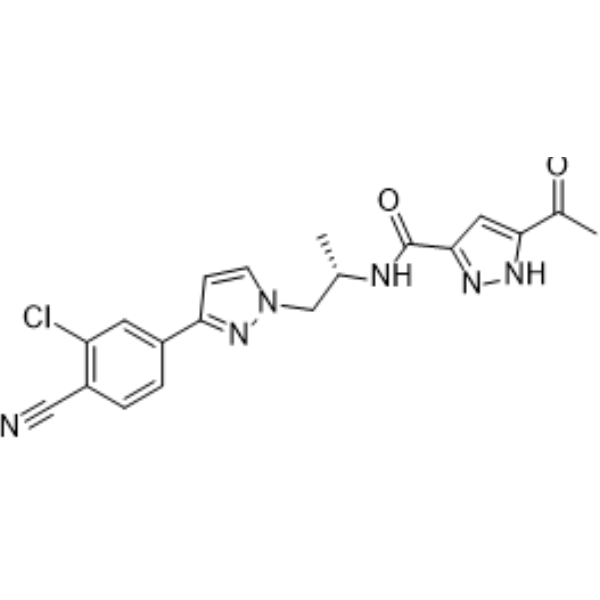
Ketodarolutamide (ORM-15341) is a potent, high-affinity nonsteroidal competitive full antagonist of androgen receptor (AR). Ketodarolutamide displays a Ki value of 8 nM for rat wild-type AR and an IC50 value of 38 nM in AR-HEK293 cells . Ketodarolutamide inhibits testosterone-induced nuclear translocation of the AR and antagonizes both overexpressed and mutant ARs . Ketodarolutamide specifically suppresses the proliferation of AR-dependent prostate cancer cells and exhibits antitumor activity in models of castration-resistant prostate cancer (CRPC) . Ketodarolutamide is suitable for the mechanistic and therapeutic research of prostate cancer .
|
-
- HY-19337S
-
|
BAY 1896953-d3; ORM-15341-d3
|
Isotope-Labeled Compounds
Androgen Receptor
|
Cancer
|
|
Ketodarolutamide-d3 (BAY 1896953-d3) is the deuterium labeled Ketodarolutamide (HY-19337). Ketodarolutamide (ORM-15341) is a potent, high-affinity nonsteroidal competitive full antagonist of androgen receptor (AR). Ketodarolutamide displays a Ki value of 8 nM for rat wild-type AR and an IC50 value of 38 nM in AR-HEK293 cells . Ketodarolutamide inhibits testosterone-induced nuclear translocation of the AR and antagonizes both overexpressed and mutant ARs . Ketodarolutamide specifically suppresses the proliferation of AR-dependent prostate cancer cells and exhibits antitumor activity in models of castration-resistant prostate cancer (CRPC) . Ketodarolutamide is suitable for the mechanistic and therapeutic research of prostate cancer .
|
-
- HY-N11908
-
|
cis-α-Santalol
|
Akt
Survivin
Apoptosis
Caspase
PARP
|
Metabolic Disease
Cancer
|
|
α-Santalol (cis-α-Santalol), a naturally occurring sesquiterpene, is an orally active anticancer agent and apoptosis inducer. α-Santalol activates caspase-3 to drive apoptotic processes. >α-Santalol induces apoptosis, decreases cell viability, and causes PARP cleavage in human prostate cancer cells. α-santalol inhibits Akt/Survivin pathway to induce cell death. α-Santalol can be used for the research of prostate cancer and diabetes mellitus .
|
-
- HY-16985
-
|
ODM-201; BAY-1841788
|
Androgen Receptor
|
Cancer
|
|
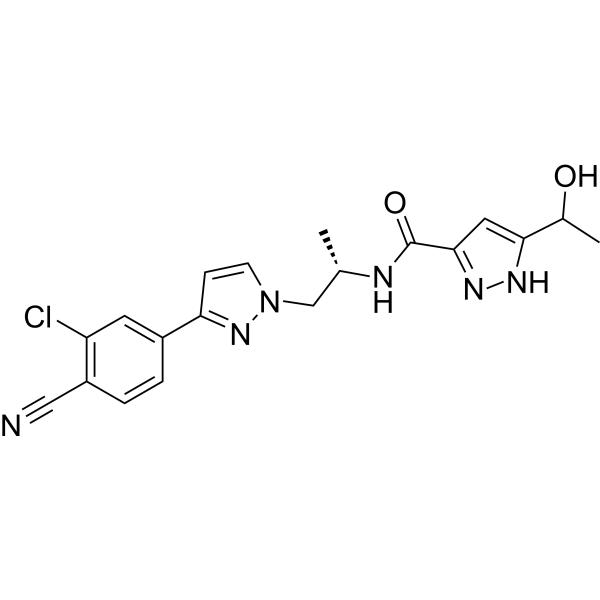
Darolutamide (ODM-201) is an orally active competitive androgen receptor (AR) antagonist. Darolutamide has a Ki of 11 nM for rat wild-type AR (wtAR) and IC50 of 26 nM for human wild-type AR (hAR)-mediated transcriptional activation . Darolutamide inhibits testosterone-induced AR nuclear translocation and transcriptional activation . Darolutamide exerts selective effects on AR-positive cells by inhibiting AR-dependent signaling pathways, and its active metabolite retains full antagonistic activity against AR mutants . Darolutamide can be used for the research of prostate cancer, including androgen receptor-dependent prostate cancer .
|
-
- HY-16985S
-
|
ODM-201-d4; BAY-1841788-d4
|
Isotope-Labeled Compounds
Androgen Receptor
|
Cancer
|
|
Darolutamide-d4 (ODM-201-d4) is deuterium labeled Darolutamide (HY-16985). Darolutamide (ODM-201) is an orally active competitive androgen receptor (AR) antagonist, with a Ki of 11 nM for rat wild-type AR (wtAR) and an IC50 of 26 nM for human wild-type AR (hAR)-mediated transcriptional activation . Darolutamide inhibits testosterone-induced AR nuclear translocation and transcriptional activation . Darolutamide exerts selective effects on AR-positive cells by inhibiting AR-dependent signaling pathways, and its active metabolite retains full antagonistic activity against AR mutants . Darolutamide can be used for the research of prostate cancer, including androgen receptor-dependent prostate cancer .
|
-
- HY-16985R
-
|
ODM-201 (Standard); BAY-1841788 (Standard)
|
Reference Standards
Androgen Receptor
|
Cancer
|
|
Darolutamide (Standard) is the analytical standard of Darolutamide (HY-16985). This product is intended for research and analytical applications. Darolutamide (ODM-201) is an orally active competitive androgen receptor (AR) antagonist, with a Ki of 11 nM for rat wild-type AR (wtAR) and an IC50 of 26 nM for human wild-type AR (hAR)-mediated transcriptional activation . Darolutamide inhibits testosterone-induced AR nuclear translocation and transcriptional activation . Darolutamide exerts selective effects on AR-positive cells by inhibiting AR-dependent signaling pathways, and its active metabolite retains full antagonistic activity against AR mutants . Darolutamide can be used for the research of prostate cancer, including androgen receptor-dependent prostate cancer .
|
-
| Cat. No. |
Product Name |
Type |
-
- HY-D3353
-
|
|
Fluorescent Dye
|
|
PSMA-SulfoCy7 is a high-affinity imaging agent targeting PSMA/GCPII (with a Ki of 18.1 nM for human PSMA). PSMA-SulfoCy7 regulates PSMA-dependent NAAG hydrolysis. PSMA-SulfoCy7 exhibits excellent in vivo imaging capability, enabling clear visualization of PSMA-expressing tumors in xenograft models, with no obvious toxicity even at a dose of 87.9 mg/kg. PSMA-SulfoCy7 is widely used in prostate cancer-related studies .
|
-
- HY-D3189
-
|
|
Fluorescent Dye
|
|
5GluAF-2MeTG is an activatable fluorescent probe targeting the glutamate carboxypeptidase (CP) activity of PSMA (Ex/Em=490/500-600 nm). After being hydrolyzed by PSMA, 5GluAF-2MeTG releases a cell membrane-permeable fluorescent product, and achieves fluorescence activation by disrupting donor-excited photoinduced electron transfer (d-PeT). 5GluAF-2MeTG enables fluorescence imaging of live PSMA-expressing prostate cancer cells in vitro and visualizes the carboxypeptidase activity of PSMA. 5GluAF-2MeTG can be used to detect prostate cancer regions in preclinical excised tissue specimens .
|
-
- HY-D3347
-
|
|
Fluorescent Dye
|
|
DUPA-FITC is a fluorescent reagent targeting PSMA, which specifically binds to prostate cancer cells expressing PSMA without non-specific binding to normal blood cells. DUPA-FITC can label PSMA-expressing prostate cancer cells in whole blood, followed by internalization and trafficking to acidic intracellular endosomes, during which the fluorescence is quenched. When combined with flow cytometry and density gradient centrifugation enrichment, DUPA-FITC enables quantitative analysis of circulating tumor cells in peripheral blood samples from prostate cancer patients .
|
| Cat. No. |
Product Name |
Target |
Research Area |
-
- HY-P10816
-
|
Ac-(DLeu)LLLRVK-Amba
|
Bacterial
|
Infection
Cancer
|
|
PACE4 Inhibitory peptide C23 (Compound C23; Ac-(DLeu)LLLRVK-Amba)), a potent peptidomimetic inhibitor, is a PACE4 inhibitor. PACE4 Inhibitory peptide C23e shows antiproliferative effects against PCa cell lines (Ki = 5 nM; IC50 = 25 and 40 μM for DU145 and LNCaP, respectively). PACE4 Inhibitory peptide C23 also blocks tumor growth in vivo in LNCaP xenograft-bearing mice .
|
-
- HY-P1793
-
|
|
Opioid Receptor
Biochemical Assay Reagents
|
Neurological Disease
Inflammation/Immunology
Cancer
|
|
α-Casein (90-95) is a partial agonist of opioid receptors and a copper ion ligand, with opioid activity. α-Casein (90-95) inhibits the secretion of β-hexosaminidase by rat peritoneal mast cells (PMC) with IC50= 0.1 μM. α-Casein (90-95) inhibits the proliferation of prostate cancer cells LNCaP, DU145, and PC3 with IC50 of 0.94 nM, 137 nM, and 6.92 nM, respectively. α-Casein (90-95) activates Gi-like proteins through a membrane-assisted, receptor-independent pathway, or reversibly binds to opioid receptors, inducing intracellular calcium release and conformational changes, and exerts the activity of promoting mast cell secretion and inhibiting tumor cell proliferation. α-Casein (90-95) can be used in the study of the mechanisms of allergic diseases and prostate cancer .
|
-
- HY-P1793A
-
|
|
Opioid Receptor
Biochemical Assay Reagents
|
Neurological Disease
Inflammation/Immunology
Cancer
|
|
α-Casein (90-95) TFA is a partial agonist of opioid receptors and a copper ion ligand, with opioid activity. α-Casein (90-95) TFA inhibits the secretion of β-hexosaminidase by rat peritoneal mast cells (PMC) with IC50= 0.1 μM. α-Casein (90-95) TFA inhibits the proliferation of prostate cancer cells LNCaP, DU145, and PC3 with IC50 of 0.94 nM, 137 nM, and 6.92 nM, respectively. α-Casein (90-95) TFA activates Gi-like proteins through a membrane-assisted, receptor-independent pathway, or reversibly binds to opioid receptors, inducing intracellular calcium release and conformational changes, and exerts the activity of promoting mast cell secretion and inhibiting tumor cell proliferation. α-Casein (90-95) TFA can be used in the study of the mechanisms of allergic diseases and prostate cancer .
|
-
- HY-P11591
-
|
PSMA-DOTA-PEI2
|
Radionuclide-Drug Conjugates (RDCs)
PSMA
|
Cancer
|
|
PDI2 (PSMA-DOTA-PEI2) is a prostate-specific membrane antigen (PSMA) ligand that acts as a tumor retention agent, renal uptake reducer, imaging agent and antitumor agent, applicable in SPECT diagnostic imaging and radiotheranostics. PDI2 specifically binds to PSMA on prostate cancer cells, enters cells via clathrin-dependent endocytosis, and exhibits higher tumor retention rate and lower renal uptake level. PDI2 is applicable in research related to prostate cancer and castration-resistant metastatic prostate cancer .
|
-
- HY-P11658
-
|
Peptoid 1
|
Peptides
|
Cancer
|
|
Anticancer peptoid 1 (Peptoid 1) is a peptoid with antitumor activity. Anticancer peptoid 1 exerts cytotoxicity primarily via plasma membrane damage. Anticancer peptoid 1 exerts cytotoxicity against a broad range of cancer cell lines, including those with multidrug resistance. Anticancer peptoid 1 inhibits tumor growth in a human breast cancer xenotransplantation mouse model without noticeable acute adverse effects. Anticancer peptoid 1 can be used for the research of cancer, such as breast cancer, and prostate cancer .
|
| Cat. No. |
Product Name |
Target |
Research Area |
Image |
-
- HY-P992094
-
|
|
PSMA
|
Cancer
|
|
Capromab is an anti-human PSMA-targeting monoclonal antibody. Capromab binds specifically to the intracellular domain of PSMA, does not undergo internalization after binding, and targets necrotic cells with disrupted membranes. Capromab can be used for the research of prostate cancer .
|
-
(5)
-
- HY-P992209
-
|
|
Transmembrane Glycoprotein
|
Cancer
|
|
Anti-CD318/CDCP1 Antibody (25A11) is an anti-CDCP1 antibody. Anti-CD318/CDCP1 Antibody (25A11) drives the internalization of antibody-CDCP1 complexes, inhibits cancer cell migration and invasion, and blocks downstream migration/invasion signaling pathways. When conjugated with saponin, Anti-CD318/CDCP1 Antibody (25A11) mediates the killing of prostate cancer cells. When conjugated with saponin, this antibody acts as an immunotoxin to inhibit the growth and metastasis of primary prostate tumors in mouse xenograft models. Anti-CD318/CDCP1 Antibody (25A11) is applicable to prostate cancer-related research .
|
-
(5)
| Cat. No. |
Product Name |
Category |
Target |
Chemical Structure |
-
- HY-N2908
-
-
-
- HY-113332
-
-
-
- HY-N11908
-
-
-
- HY-13626
-
-
-
- HY-N0475
-
-
-
- HY-N12124
-
-
-
- HY-N7510
-
-
-
- HY-N3999
-
-
-
- HY-W748509
-
|
|
Piper longum Linn.
Alkaloids
Piperidine Alkaloids
Piperaceae
Plants
Source Classification
|
Caspase
Apoptosis
|
|
Pipernonaline is a piperine derivative with antiprostate cancer activity. Pipernonaline inhibits the proliferation of androgen-dependent/independent LNCaP/PC-3 prostate cells. Pipernonaline activates caspase-3 and promotes procaspase-3/PARP cleavage. Pipernonaline also mediates reactive oxygen species (ROS) production, increased intracellular Ca(2+), and mitochondrial membrane depolarization .
|
-
-
- HY-N16483
-
-
-
- HY-N16066
-
|
CHNQD-0803
|
Monophenols
Microorganisms
Phenols
Source Classification
|
AMPK
Apoptosis
NF-κB
TNF Receptor
|
|
Candidusin A (CHNQD-0803) (Compound 4) is a AMPK activator with a KD of 47.28 nM. Candidusin A can be isolated from marine fungus Aspergillus candidus. Candidusin A has cytotoxic activity and induces apoptosis in human prostate cancer cells (22Rv1, PC-3 and LNCaP cells). Candidusin A reduces adipogenesis genes expression and fat deposition, negatively regulates the NF-κB-TNFα inflammatory axis to suppress inflammation, and ameliorates liver injury and fibrosis. Candidusin A can be used for non-alcoholic steatohepatitis (NASH) research .
|
-
-
- HY-N1342
-
-
-
- HY-N15449
-
|
|
Natural Products
Microorganisms
Source Classification
|
HSP
Caspase
Apoptosis
Reactive Oxygen Species (ROS)
Bcl-2 Family
|
|
Vicanicin is a depsidone compound found in lichens. Vicanicin inhibits the expression of Hsp70, regulates the redox-sensitive mechanisms within cells, promotes the increase of reactive oxygen species (ROS) in cancer cells, changes the Bax/Bcl-2 ratio, activates caspase-3, and triggers apoptosis. Vicanicin inhibits cell growth and induces apoptosis in androgen-sensitive (LNCaP) and androgen-insensitive (DU-145) human prostate cancer cells. Vicanicin is promising for research of prostate cancer .
|
-
-
- HY-W437569
-
|
|
Alkaloids
Cornaceae
Cornus officinalis Sieb. et Zucc.
Acridone Alkaloids
Plants
Source Classification
|
Parasite
Insecticide
|
|
Melicopine is an alkaloid found in Z. simulans with antimalarial and anticancer activities. It exhibits inhibitory activity against chloroquine-sensitive 3D7 and chloroquine-resistant Dd2 strains of P. falciparum, with IC50 values of 29.7 and 33.7 µg/mL, respectively. Melicopine is cytotoxic to prostate cancer cells PC-3M and LNCaP (IC50 values of 47.9 and 37.8 µg/mL), but has no effect on non-cancerous HEK293 cells (IC50 greater than 100 µg/mL). Melicopine holds promise for research in anticancer and anti-infection fields .
|
-
-
- HY-N10265
-
-
-
- HY-N2733
-
-
-
- HY-N3816
-
-
-
- HY-121619
-
-
-
- HY-N2908R
-
|
Methyl atrarate (Standard)
|
Microorganisms
Phenols
Plants
|
Reference Standards
Androgen Receptor
NO Synthase
p38 MAPK
NF-κB
|
|
Atraric acid (Standard) is the analytical standard of Atraric acid. This product is intended for research and analytical applications. Atraric acid (Methyl atrarate) is a specific androgen receptor (AR) antagonist with anti-inflammatory and anticancer effects. Atraric acid represses the expression of the endogenous prostate specific antigen gene in both LNCaP and C4-2 cells. Atraric acid can also inhibit the synthesis of NO and cytokine, and suppress the MAPK-NFκB signaling pathway. Atraric acid can be used to research prostate diseases and inflammatory diseases[1][2].
|
-
-
- HY-N8856
-
-
-
- HY-113332R
-
-
-
- HY-N1338
-
-
-
- HY-129672
-
|
25-Dihydrostichorrenoside E
|
Other Terpenoids
Animals
Terpenoids
Source Classification
|
Drug Derivative
|
|
Thelenotoside B (25-Dihydrostichorrenoside E) shows strong cytotoxicities against five cancer cell lines as HepG2, KB, LNCaP, MCF7 and SK-Mel2 with the IC50 values from 0.95 ± 0.08 to 1.90 ± 0.13 μM. Thelenotoside B is a triterpene tetraglycoside .
|
-
-
- HY-N7510R
-
-
-
- HY-125727
-
-
-
- HY-N16404
-
-
-
- HY-N17444
-
-
| Cat. No. |
Product Name |
Chemical Structure |
-
- HY-70002S1
-
|
|
|
Enzalutamide-d6 (MDV3100-d6) is a deuterium labeled Enzalutamide (MDV3100). Enzalutamide is an androgen receptor (AR) antagonist with an IC50 of 36 nM in LNCaP prostate cells .
|
-
-
- HY-70002S
-
|
|
|
Deutenzalutamide (Enzalutamide-d3) is a developed deuterium labeled Enzalutamide (MDV3100). Enzalutamide is an androgen receptor (AR) antagonist with an IC50 of 36 nM in LNCaP prostate cells .
|
-
-
- HY-16985S
-
|
|
|
Darolutamide-d4 (ODM-201-d4) is deuterium labeled Darolutamide (HY-16985). Darolutamide (ODM-201) is an orally active competitive androgen receptor (AR) antagonist, with a Ki of 11 nM for rat wild-type AR (wtAR) and an IC50 of 26 nM for human wild-type AR (hAR)-mediated transcriptional activation . Darolutamide inhibits testosterone-induced AR nuclear translocation and transcriptional activation . Darolutamide exerts selective effects on AR-positive cells by inhibiting AR-dependent signaling pathways, and its active metabolite retains full antagonistic activity against AR mutants . Darolutamide can be used for the research of prostate cancer, including androgen receptor-dependent prostate cancer .
|
-
-
- HY-109015S
-
|
|
|
Tucidinostat-d4 is the deuterium labeled Tucidinostat. Tucidinostat is a potent and orally bioavailable HDAC enzymes class I (HDAC1/2/3) and class IIb (HDAC10) inhibitor, with IC50s of 95, 160, 67 and 78 nM, respectively .
|
-
-
- HY-13626S
-
|
|
|
Spisulosine-d3 (ES-285-d3) is deuterium labeled Spisulosine (HY-13626). Spisulosine is an antiproliferative (antitumoral) compound of marine origin. Spisulosine inhibits the growth of the prostate PC-3 and LNCaP cells through intracellular ceramide accumulation and PKCζ activation. Spisulosine induces apoptosis in PC-3 and LNCaP cells .
|
-
-
- HY-19337S1
-
|
|
|
Ketodarolutamide-d6 (BAY 1896953-d6) is the deuterium labeled Ketodarolutamide (HY-19337). Ketodarolutamide (ORM-15341) is a potent, high-affinity nonsteroidal competitive full antagonist of androgen receptor (AR). Ketodarolutamide displays a Ki value of 8 nM for rat wild-type AR and an IC50 value of 38 nM in AR-HEK293 cells . Ketodarolutamide inhibits testosterone-induced nuclear translocation of the AR and antagonizes both overexpressed and mutant ARs . Ketodarolutamide specifically suppresses the proliferation of AR-dependent prostate cancer cells and exhibits antitumor activity in models of castration-resistant prostate cancer (CRPC) . Ketodarolutamide is suitable for the mechanistic and therapeutic research of prostate cancer .
|
-
-
- HY-19337S
-
|
|
|
Ketodarolutamide-d3 (BAY 1896953-d3) is the deuterium labeled Ketodarolutamide (HY-19337). Ketodarolutamide (ORM-15341) is a potent, high-affinity nonsteroidal competitive full antagonist of androgen receptor (AR). Ketodarolutamide displays a Ki value of 8 nM for rat wild-type AR and an IC50 value of 38 nM in AR-HEK293 cells . Ketodarolutamide inhibits testosterone-induced nuclear translocation of the AR and antagonizes both overexpressed and mutant ARs . Ketodarolutamide specifically suppresses the proliferation of AR-dependent prostate cancer cells and exhibits antitumor activity in models of castration-resistant prostate cancer (CRPC) . Ketodarolutamide is suitable for the mechanistic and therapeutic research of prostate cancer .
|
-
| Cat. No. |
Product Name |
|
Classification |
-
- HY-133020
-
|
|
|
PROTAC Synthesis
|
|
ARD-266 is a highly potent and von Hippel-Lindau E3 ligase-based Androgen Receptor (AR) PROTAC degrader. ARD-266 effectively induces degradation of AR protein in AR-positive LNCaP, VCaP, and 22Rv1 prostate cancer cell lines with DC50 values of 0.2-1 nM . ARD-266 is a click chemistry reagent, it contains an Alkyne group and can undergo copper-catalyzed azide-alkyne cycloaddition (CuAAc) with molecules containing Azide groups.
|
-
- HY-16247
-
|
HE3235
|
|
Alkynes
|
|
Apoptone (HE3235) is an orally active 3β-androstanediol analog. Apoptone reduces the expression of androgen receptor (Androgen receptor) and decreases intratumoral androgen levels. Apoptone exhibits anticancer activity against castration-resistant prostate cancer .
|
Your information is safe with us. * Required Fields.
Inquiry Information
- Product Name:
- Cat. No.:
- Quantity:
- MCE Japan Authorized Agent:

