Search Result
Results for "
M1 agonist
" in MedChemExpress (MCE) Product Catalog:
7
Isotope-Labeled Compounds
| Cat. No. |
Product Name |
Target |
Research Areas |
Chemical Structure |
-
- HY-14539
-
Clozapine
Maximum Cited Publications
11 Publications Verification
HF 1854; ZINC000019796155
|
Dopamine Receptor
mAChR
Adrenergic Receptor
5-HT Receptor
Ligands for E3 Ligase
|
Neurological Disease
Cancer
|
|
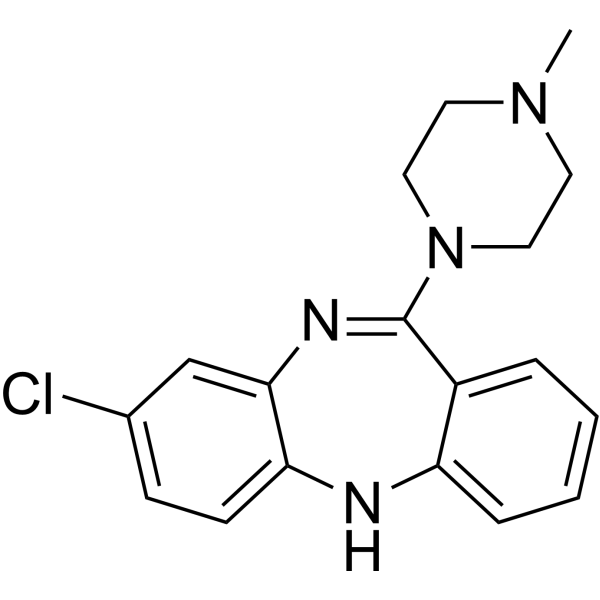
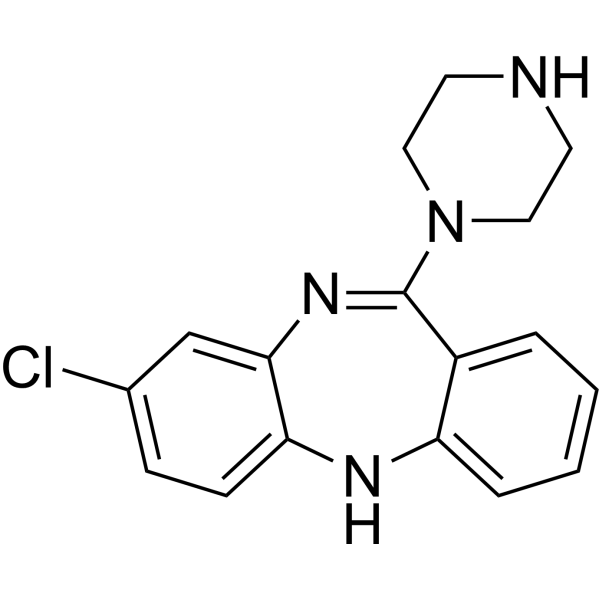
Clozapine (HF 1854) is an antipsychotic used for the research of schizophrenia. Clozapine has high affinity for a number of neuroreceptors. Clozapine is a potent antagonist of dopamine D2 with a Ki of 75 nM. Clozapine inhibits the muscarinic M1 receptor and serotonin 5HT2A receptor with Kis of 9.5 nM and 4 nM, respectively . Clozapine is also a potent and selective agonist at the muscarinic M4 receptor (EC50=11 nM) .
|
-
-
- HY-105182
-
|
LY-246708
|
mAChR
|
Neurological Disease
|
|
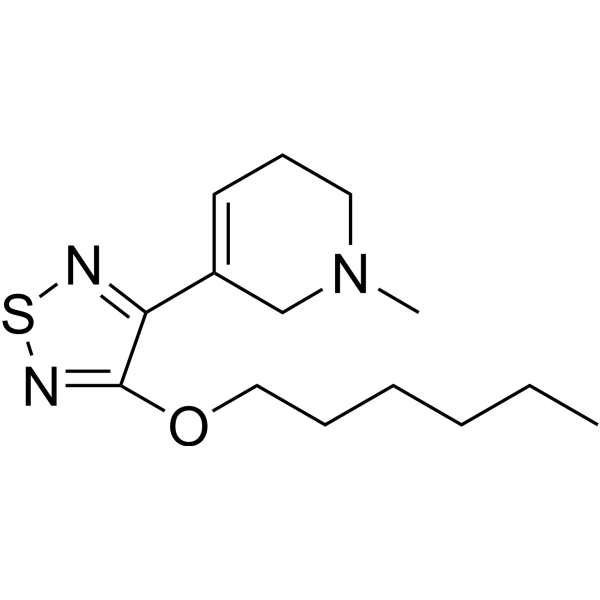
Xanomeline, as an effective and selective muscarinic type 1 and type 4 (M1/M4) receptor agonist, increases neuronal excitability. Xanomeline can be used for the research of neurological disorders, such as schizophrenia .
|
-
-
- HY-70020B
-
|
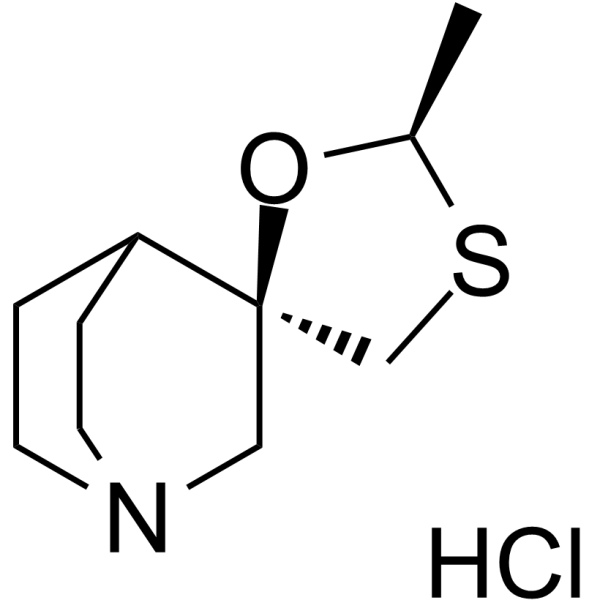
AF102B hydrochloride
|
mAChR
|
Neurological Disease
Cancer
|
|
Cevimeline hydrochloride (AF102B hydrochloride) is a quinuclidine derivative of acetylcholine and a selective and orally active muscarinic M1 and M3 receptor agonist. Cevimeline hydrochloride stimulates secretion by the salivary glands and can be used as a sialogogue for xerostomia . Cevimeline hydrochloride can cross the blood-brain barrier (BBB) .
|
-
-
- HY-105182A
-
|
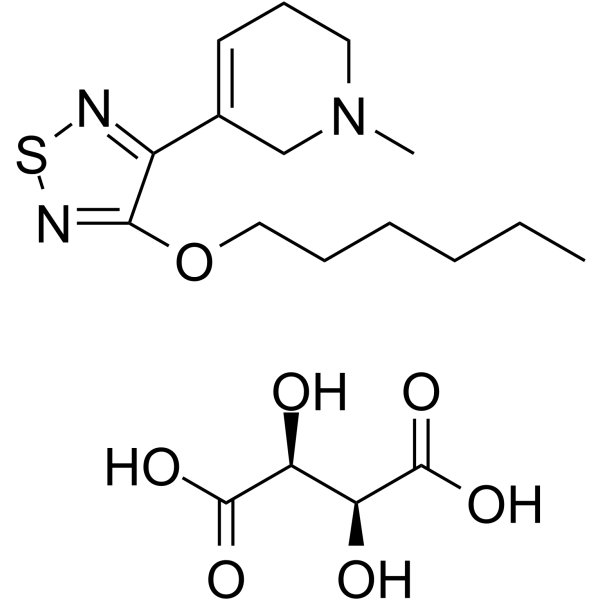
LY 246708 tartrate
|
mAChR
|
Neurological Disease
|
|
Xanomeline (LY 246708) is the potent agonist of muscarinic M1/M4 receptor with antipsychotic-like activity. Xanomeline (LY 246708) increases neuronal excitability. Xanomeline (LY 246708) can be used for the research of schizophrenia .
|
-
-
- HY-B0406A
-
|
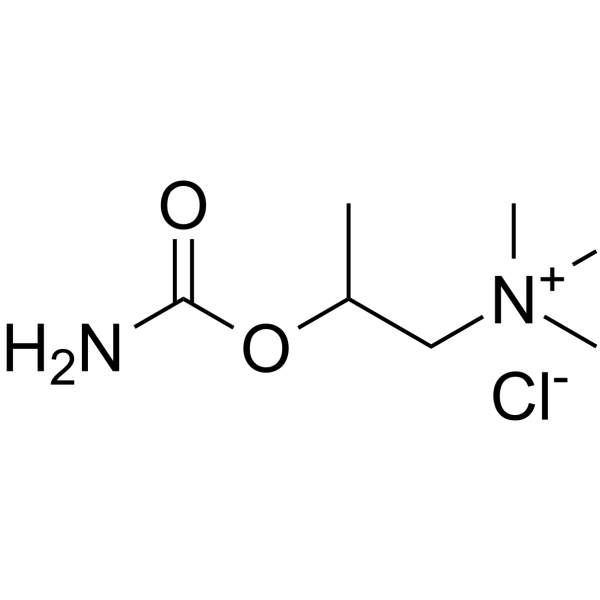
Carbamyl-β-methylcholine chloride
|
mAChR
|
Neurological Disease
Cancer
|
|
Bethanechol chloride (Carbamyl-β-methylcholine chloride), a parasympathomimetic agent, is a mAChR agonist that exerts its effects via directly stimulating the mAChR (M1, M2, M3, M4, and M5) of the parasympathetic nervous system .
|
-
-
- HY-32067
-
|
Quinuclidin-3-yl acetate
|
mAChR
|
Cardiovascular Disease
Neurological Disease
|
|
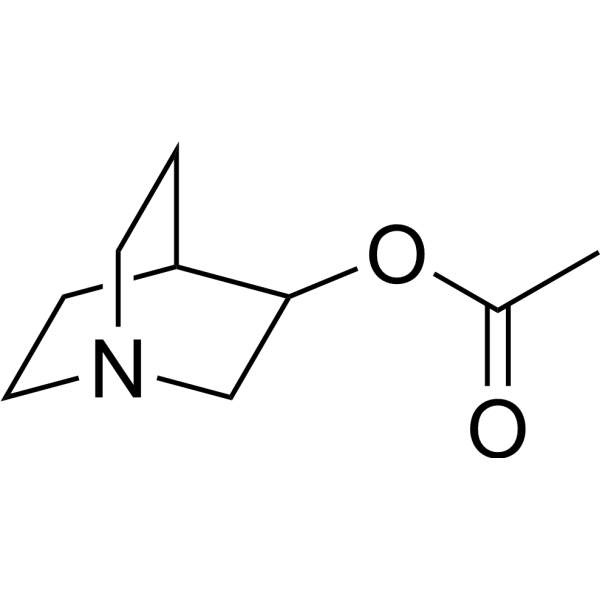
Aceclidine (Quinuclidin-3-yl acetate) is a modulator of M3 muscarinic acetylcholine receptor and a M1 receptor agonist (EC50: 40 μM). Aceclidine is a cycloplegic agent, a surfactant, a tonicity adjustor and optionally a viscosity enhancer and an antioxidant. Aceclidine has the potential for the research of disorders such as refractive errors of the eye, xerostomia, Sjogren's syndrome, glaucoma, conjunctivitis, lacrimal gland disease, and esotropia .
|
-
-
- HY-143712
-
|
|
Drug Metabolite
G protein-coupled Bile Acid Receptor 1
ROR
|
Metabolic Disease
Inflammation/Immunology
Cancer
|
|
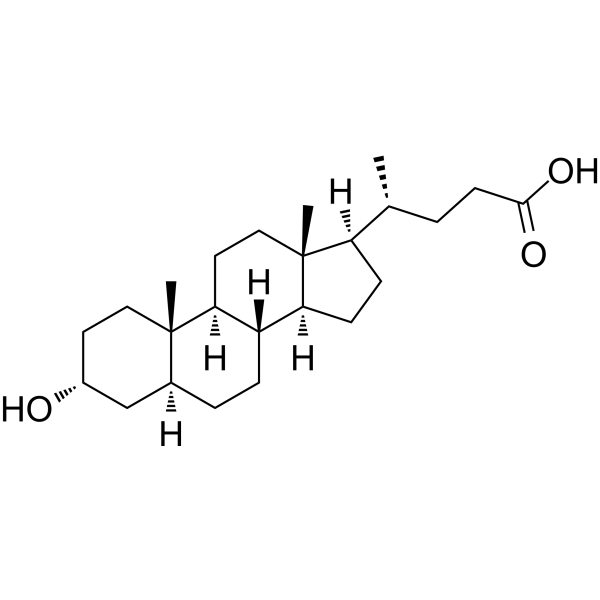
Allolithocholic acid is an orally active metabolite of Lithocholic acid (HY-B0172). Allolithocholic acid is a dual GPBAR1 agonist (EC50 = 2.7 μM) and RORγt inverse agonist (IC50 = 3.4 μM). Allolithocholic acid modulates immune and metabolic pathways, regulates immune cell polarization, prevents M1 macrophage and Th17 CD4 cell polarization. Allolithocholic acid improves insulin sensitivity, reduces liver lipid accumulation, reverses liver immunological, inflammatory and metabolic signaling dysregulation, restores bile acid homeostasis, adipose tissue histopathology/function, and intestinal microbiota composition, modulates intestinal immunity. Allolithocholic acid can be used for the researches of cancer, inflammayion, immunology and metabolic disease .
|
-
-
- HY-G0021
-
|
Norclozapine; Desmethylclozapine; Normethylclozapine
|
mAChR
Opioid Receptor
Drug Metabolite
Virus Protease
|
Infection
|
|
N-Desmethylclozapine is a major active metabolite of the atypical antipsychotic agent Clozapine. N-Desmethylclozapine is a potent, allosteric and partial M1 receptors agonist (EC50=115 nM) and is able to potentiate hippocampal N-methyl-d-aspartate (NMDA) receptor currents through M1 receptor activation. N-Desmethylclozapine is also a δ-opioid agonist .
|
-
-
- HY-15618
-
|
M1 receptor modulator
|
mAChR
Calcium Channel
|
Neurological Disease
|
|
MK-7622 (M1 receptor modulator) is an orally active positive allosteric modulator of muscarinic M1 acetylcholine receptors (mAChRs). MK-7622 enhances ACh-induced calcium flux in CHO cells expressing human M1 receptors (EC50 = 21 nM) and shows robust agonist activity in rat M1-expressing CHO cells, increasing intracellular calcium. MK-7622 reverses Scopolamine (HY-N0296)-induced cognitive deficits in rhesus macaques in an object retrieval detour task. MK-7622 can be used for the study of Alzheimer's disease (AD) .
|
-
-
- HY-19752A
-
|
CID-25010775
|
mAChR
|
Neurological Disease
|
|
VU0357017 hydrochloride (CID-25010775) is a potent, selective and brain-penetrant allosteric agonist of M1 muscarinic acetylcholine receptor, with an EC50 of 477 nM. VU0357017 hydrochloride is highly selective for M1 and has no activity at M2-M5 up to the highest concentrations tested (30 μM). VU0357017 hydrochloride can be used for the research of Alzheimer’s disease and schizophrenia .
|
-
-
- HY-76772
-
|
SNI-2011; AF102B hydrochloride hemihydrate
|
mAChR
|
Neurological Disease
Cancer
|
|
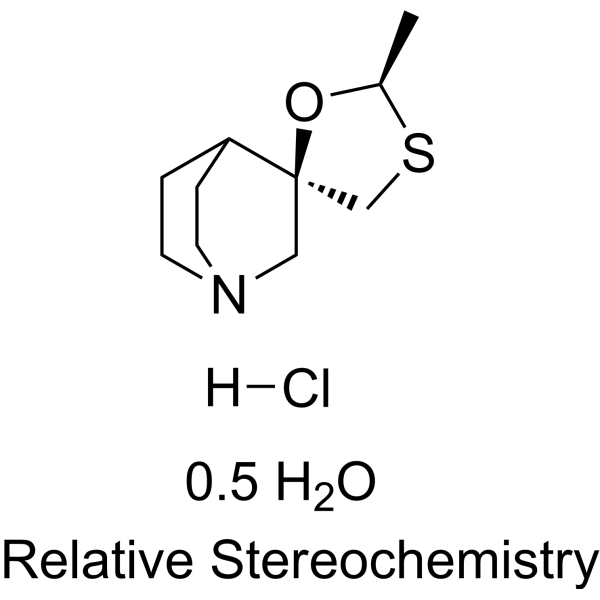
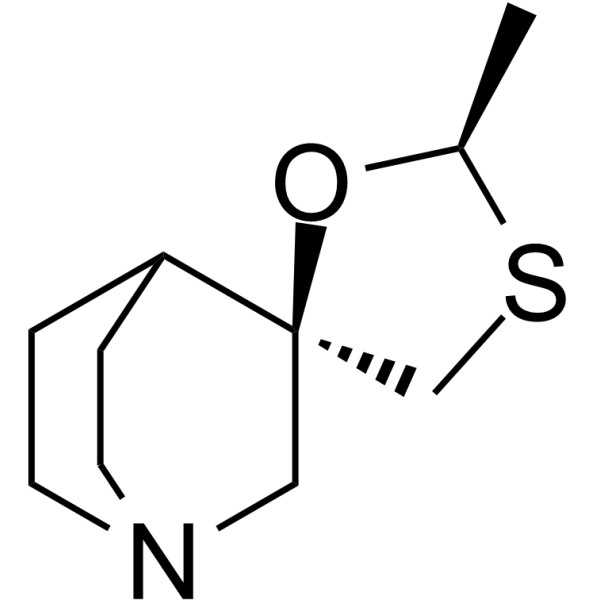
Cevimeline hydrochloride hemihydrate (SNI-2011) is a quinuclidine derivative of acetylcholine and a selective and orally active muscarinic M1 and M3 receptor agonist. Cevimeline hydrochloride hemihydrate stimulates secretion by the salivary glands and can be used as a sialogogue for xerostomia . Cevimeline hydrochloride hemihydrate can cross the blood-brain barrier (BBB) .
|
-
-
- HY-70020
-
|
AF102B
|
mAChR
|
Neurological Disease
Cancer
|
|
Cevimeline (AF-102B) is a quinuclidine derivative of acetylcholine and a selective and orally active muscarinic M1 and M3 receptor agonist. Cevimeline stimulates secretion by the salivary glands and can be used as a sialogogue for xerostomia . Cevimeline can cross the blood-brain barrier (BBB) .
|
-
-
- HY-32067A
-
|
Quinuclidin-3-yl acetate hydrochloride
|
mAChR
|
Neurological Disease
|
|
Aceclidine (Quinuclidin-3-yl acetate) hydrochloride is a modulator of M3 muscarinic acetylcholine receptor and a M1 receptor agonist (EC50: 40 μM). Aceclidine hydrochloride is a cycloplegic agent, a surfactant, a tonicity adjustor and optionally a viscosity enhancer and an antioxidant. Aceclidine hydrochloride has the potential for the research of disorders such as refractive errors of the eye, xerostomia, Sjogren's syndrome, glaucoma, conjunctivitis, lacrimal gland disease, and esotropia .
|
-
-
- HY-101341
-
|
|
5-HT Receptor
|
Neurological Disease
|
|
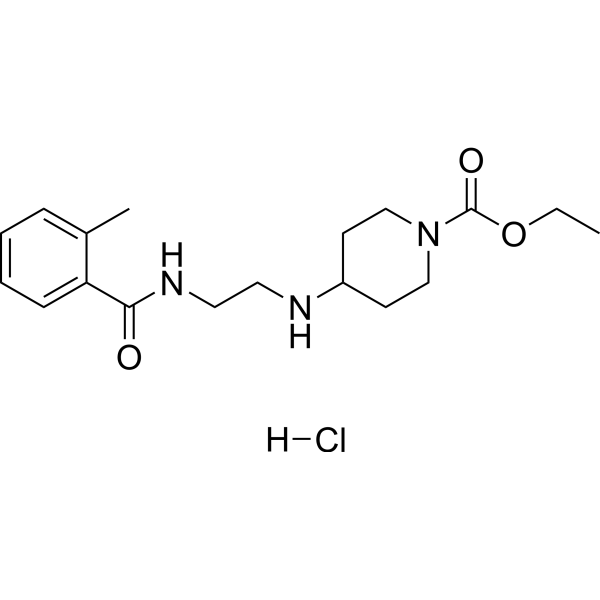
RS 67333 hydrochloride is a potent and selective 5-HT4 receptor (5-HT4R) partial agonist with a pKi of 8.7 in guinea-pig striatum. RS 67333 hydrochloride exhibits lower affinities at several other receptors including 5-HT1A, 5-HT1D, 5-HT2A, 5-HT2C, dopamine D1, D2 and muscarinic M1-M3 receptors. RS 67333 hydrochloride has neuroprotective effects, and can be used for Alzheimer's disease research .
|
-
-
- HY-159829
-
|
NBI-1117568; HTL-0016878
|
mAChR
|
Neurological Disease
|
|
Direclidine (NBI-1117568, HTL-0016878) is a selective orthosteric agonist targeting the muscarinic acetylcholine M4 receptor, exhibiting very low affinity for M1, M2, M3, and M5 receptors. It binds to the orthosteric site of the M4 receptor in a non-covalent, competitive manner. Direclidine specifically activates the M4 receptor, inhibiting the release of acetylcholine from striatal cholinergic interneurons, thereby regulating the balance of the dopaminergic system and reducing psychiatric symptoms associated with excessive dopamine release. Direclidine can improve symptoms associated with neuropsychiatric disorders and is used in research on schizophrenia and other neuropsychiatric disorders .
|
-
-
- HY-107111
-
|
|
mAChR
|
Neurological Disease
|
|
GSK1034702 is an orally active and allosteric agonist of M1 mAChR (pEC50=8.1) that can cross the blood-brain barrier. GSK1034702 activates the Gq/11 protein-mediated signaling pathway, enhancing neuronal firing and long-term potentiation (LTP) in the CA1 region of the hippocampus. GSK1034702 can modulate hippocampal function, improve memory encoding in the nicotine withdrawal cognitive dysfunction model, and show pro-cognitive effects in rodents. GSK1034702 can be used for the study of the mechanisms of cognitive impairment diseases such as Alzheimer's disease, and has certain peripheral M receptor activation-related side effects (such as gastrointestinal reactions) .
|
-
-
- HY-176710
-
|
|
Protein Arginine Deiminase
Opioid Receptor
mAChR
|
Neurological Disease
Inflammation/Immunology
Cancer
|
|
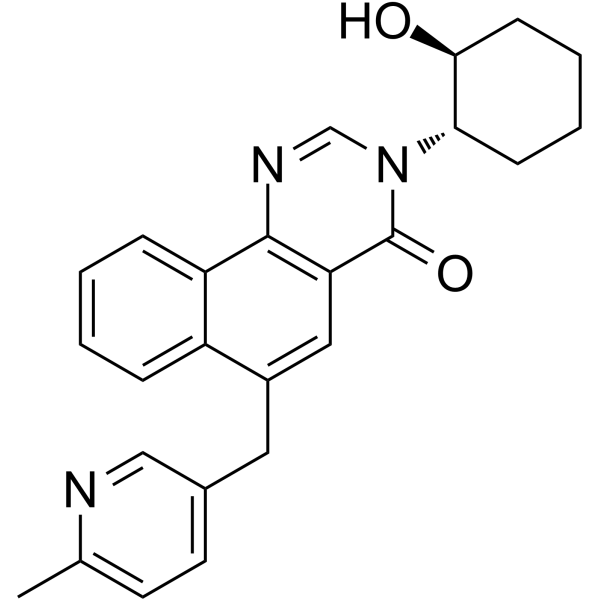
PAD-PF2 is a PAD family inhibitor, as well as a κ-opioid receptor agonist (EC50 = 7.55 μM) and an M1 muscarinic acetylcholine receptor antagonist (IC50 = 12.3 μM). The IC50 values of PAD-PF2 against PAD1, PAD2, PAD3 and PAD4 are 109 nM, 27.9 nM, 106 nM and 20.1 nM, respectively. PAD-PF2 binds to the common allosteric pocket of PAD1-4, and its inhibitory effects on PAD2 and PAD4 are Ca 2+-dependent. PAD-PF2 inhibits protein citrullination in neutrophils. PAD-PF2 is applicable to research related to rheumatoid arthritis, neurodegenerative diseases and cancer .
|
-
-
- HY-N7043
-
|
|
Apoptosis
PPAR
NF-κB
p38 MAPK
ERK
Androgen Receptor
|
Inflammation/Immunology
Cancer
|
|
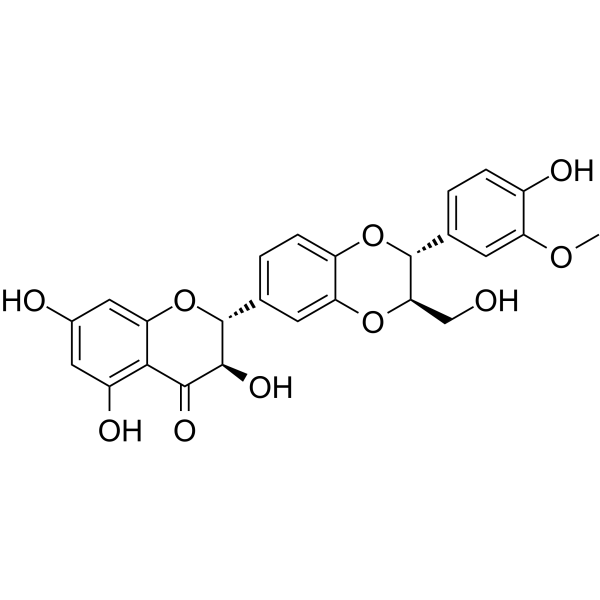
Isosilybin A is a PPARγ agonist that can be isolated from silymarin. Isosilybin A activates extrinsic and intrinsic pathways of apoptosis through targeting of the Akt-NF-kB-AR axis. Isosilybin A can relieve the inflammatory response in the rosacea model via inhibiting Erk and p38 signaling pathways and M1 macrophage polarization, with its targets related to RELA and VEGFA. Isosilybin A has anti-prostate cancer (PCA) activity [1][2][3].
|
-
-
- HY-14562
-
|
|
mAChR
Amyloid-β
|
Neurological Disease
Inflammation/Immunology
|
|
TBPB (tert-butyl peroxybenzoate) is a highly selective, blood-brain-permeable M1 mAChR allosteric agonist (EC50=289 nM) with anti-schizophrenia and anti-inflammatory activities. TBPB can enhance the sensitivity of M1 receptors to acetylcholine, activate downstream signaling pathways, and inhibit the release of pro-inflammatory cytokines (TNF-α, IL-6). TBPB can regulate the processing of amyloid and can be used in the study of neurodegenerative diseases (such as Alzheimer's disease) and inflammation-related diseases (such as sepsis) .
|
-
-
- HY-B1404
-
|
Buphenine hydrochloride
|
iGluR
Influenza Virus
|
Infection
Cardiovascular Disease
Inflammation/Immunology
|
|
Nylidrin hydrochloride (Buphenine hydrochloride) is an orally active β-adrenergic agonist. Nylidrin hydrochloride antagonizes NR1A/2B NMDA receptors (IC50 = 0.18 μM in Xenopus oocytes). Nylidrin hydrochloride reduces the levels of NP, HA, and M1. Nylidrin hydrochloride has antiviral activity against multiple H1N1 subtype influenza A viruses. Nylidrin hydrochloride improves hemorrhagic shock and anti-allergic effects .
|
-
-
- HY-116480
-
|
|
mAChR
|
Neurological Disease
|
|
LY593093 is a selective, orally active, and brain-penetrant muscarinic M1 receptor agonist with an EC50 of 22.8 nM. LY593093 can be utilized in Alzheimer’s disease research .
|
-
-
- HY-100336
-
-
-
- HY-118363
-
|
|
mAChR
|
Neurological Disease
|
|
Lu AE51090 is selective muscarinic M1 receptor agonist with blood-brain barrier penetration. Lu AE51090 activates human M1 receptor with EC50 of 61 nM, while showing no significant agonism at M2-M5 receptors. Lu AE51090 exerts procognitive effects in mice. Lu AE51090 can be used for the study of Alzheimer’s disease (AD) and cognitive impairment associated with schizophrenia (CIAS) .
|
-
-
- HY-128855
-
|
|
mAChR
|
Neurological Disease
|
|
Talsaclidine is a muscarinic agonist with preferential neuron-stimulating properties. Talsaclidine is a full agonist at the M1 subtype, and as a partial agonist at the M2 and M3 subtypes . Talsaclidine is a click chemistry reagent, it contains an Alkyne group and can undergo copper-catalyzed azide-alkyne cycloaddition (CuAAc) with molecules containing Azide groups.
|
-
-
- HY-113616A
-
|
|
MARCKS
mAChR
|
Neurological Disease
|
|
VU0364572 TFA is an orally active and selective allosteric agonist of the M1 muscarinic receptor with an EC50 of 0.11 μM. VU0364572 TFA has neuroprotective potential for preventing memory impairments and reducing neuropathology in Alzheimer’s Disease. VU0364572 TFA is CNS penetrant .
|
-
-
- HY-14539A
-
|
HF 1854 hydrochloride
|
Dopamine Receptor
mAChR
Adrenergic Receptor
5-HT Receptor
|
Neurological Disease
|
|
Clozapine hydrochloride (HF 1854 hydrochloride) is an antipsychotic used for the research of schizophrenia. Clozapine hydrochloride has high affinity for a number of neuroreceptors. Clozapine hydrochloride is a potent antagonist of dopamine D2 with a Ki of 75 nM. Clozapine hydrochloride inhibits the muscarinic M1 receptor and serotonin 5HT2A receptor with Kis of 9.5 nM and 4 nM, respectively . Clozapine hydrochloride is also a potent and selective agonist at the muscarinic M4 receptor (EC50=11 nM) .
|
-
-
- HY-116586
-
|
|
Sigma Receptor
mAChR
ERK
Amyloid-β
Tau Protein
|
Neurological Disease
|
|
AF710B is an orally effective allosteric agonist for the M1 muscarinic receptor and σ1 receptor. AF710B activates the downstream phosphorylated ERK1/2 and phosphorylated CREB signaling pathways. AF710B simultaneously improves cognitive function and alleviates the core pathological features of Alzheimer's disease, including Aβ deposition, excessive Tau phosphorylation and neuroinflammation. AF710B is applicable to the research of Alzheimer's disease .
|
-
-
- HY-14539R
-
|
HF 1854 (Standard)
|
Reference Standards
Dopamine Receptor
mAChR
Adrenergic Receptor
5-HT Receptor
|
Neurological Disease
|
|
Clozapine (Standard) is the analytical standard of Clozapine. This product is intended for research and analytical applications. Clozapine (HF 1854) is an antipsychotic used for the research of schizophrenia. Clozapine has high affinity for a number of neuroreceptors. Clozapine is a potent antagonist of dopamine D2 with a Ki of 75 nM. Clozapine inhibits the muscarinic M1 receptor and serotonin 5HT2A receptor with Kis of 9.5 nM and 4 nM, respectively . Clozapine is also a potent and selective agonist at the muscarinic M4 receptor (EC50=11 nM) .
|
-
-
- HY-101586
-
-
-
- HY-B0406
-
|
Carbamyl-β-methylcholine
|
mAChR
|
Neurological Disease
Cancer
|
|
Bethanechol (Carbamyl-β-methylcholine), a parasympathomimetic agent, is a mAChR agonist that exerts its effects via directly stimulating the mAChR (M1, M2, M3, M4, and M5) of the parasympathetic nervous system .
|
-
-
- HY-105182S1
-
|
LY-246708-d3
|
Isotope-Labeled Compounds
mAChR
|
Neurological Disease
|
|
Xanomeline-d3 (LY-246708-d3) is deuterium labeled Xanomeline. Xanomeline, as an effective and selective muscarinic type 1 and type 4 (M1/M4) receptor agonist, increases neuronal excitability. Xanomeline can be used for the research of neurological disorders, such as schizophrenia .
|
-
-
- HY-116586A
-
|
|
mAChR
Sigma Receptor
|
Neurological Disease
|
|
(Rac)-AF710B is the racemate of AF710B (HY-116586). AF710B is a highly potent and selective allosteric M1 muscarinic and σ1 receptor agonist. AF710B can be used for the research of Alzheimer’s disease .
|
-
-
- HY-113970A
-
|
WEB 1881 FU hydrochloride
|
mAChR
Calcium Channel
|
Neurological Disease
|
|
Nebracetam (WEB 1881 FU) hydrochloride is an orally active M1 muscarinic receptor agonist. Nebracetam hydrochloride can induce an increase in intracellular Ca 2+ concentration, with an EC50 value of 1.59 mM. Nebracetam hydrochloride exhibits neuroprotective activity and the ability to improve cognitive impairment. Nebracetam hydrochloride can be used in the research of neurological diseases such as Alzheimer's disease .
|
-
-
- HY-148527
-
|
AZD8999
|
Adrenergic Receptor
mAChR
|
Others
|
|
LAS190792 (AZD8999) is a potent muscarinic antagonist and β2-adrenoceptor agonist with pIC50 8.9, 8.8, 8.8, 9.2, 8.2, 7.5, 9.1, 5.6 for M1, M2, M3, M4, M5, β1, β2, β3, respectively. LAS190792 can be used as a bronchodilator .
|
-
-
- HY-N4157
-
|
|
mAChR
5-HT Receptor
Bacterial
|
Neurological Disease
|
|
Isopteropodine is a positive modulator that selectively acts on muscarinic M1 and 5-HT2 receptors. Isopteropodine has an EC50 of 9.92 μM for acetylcholine and 14.5 μM for 5-HT. Isopteropodine also has antibacterial activity against Gram-positive bacteria, with MICs of 150 μg/mL and 250 μg/mL for Staphylococcus aureus and Bacillus subtilis, respectively. Isopteropodine enhances receptor function by increasing the affinity of agonists for receptors and can also inhibit the growth of specific Gram-positive bacteria, and can be used in cognitive impairment and antibacterial research .
|
-
-
- HY-123852
-
|
|
mAChR
|
Neurological Disease
|
|
PF-06764427 is a selective M1 muscarinic acetylcholine receptor positive allosteric modulator. PF-06764427 exhibits robust M1 agonist activity. PF-06764427 can be used in the research of Alzheimer's disease and schizophrenia .
|
-
-
- HY-118806A
-
|
|
mAChR
|
Neurological Disease
|
|
AC-42 hydrochloride is the hydrochloride salt form of AC-42 (HY-118806). AC-42 hydrochloride is an allosteric agonist for muscarinic M1 receptor with EC50s of 805 nM and 220 nM for human wild-type and Y381A mutated M1 receptors, respectively. AC-42 hydrochloride stimulates the inositol phosphate (IP)-accumulation and calcium mobilization in CHO cells .
|
-
-
- HY-W014208
-
|
AF-267B
|
mAChR
|
Others
|
|
NGX-267 is a selective agonist of the actin M1 receptor, which has high selectivity among the five actin receptor subtypes, especially for the M1 receptor rather than the M3 receptor. NGX-267 also has significant differences in affinity for dopamine D2 and 5-HT2B receptors .
|
-
-
- HY-G0021S1
-
|
Norclozapine-d8 hydrochloride; Desmethylclozapine-d8 hydrochloride; Normethylclozapine-d8 hydrochloride
|
mAChR
Opioid Receptor
Drug Metabolite
Virus Protease
|
Infection
|
|
N-Desmethylclozapine-d8 (hydrochloride) is the deuterium labeled N-Desmethylclozapine hydrochloride. N-Desmethylclozapine hydrochloride is a major active metabolite of the atypical antipsychotic agent Clozapine. N-Desmethylclozapine hydrochloride is a potent, allosteric and partial M1 receptors agonist (EC50=115 nM) and is able to potentiate hippocampal N-methyl-d-aspartate (NMDA) receptor currents through M1 receptor activation. N-Desmethylclozapine hydrochloride is also a δ-opioid agonist .
|
-
-
- HY-120004
-
|
|
mAChR
|
Infection
|
|
PF-06827443 is a potent, low-clearance, orally bioavailable, and CNS-penetrant M1-selective positive allosteric modulator (PAM) with minimal agonist activity. PF-06827443 induce cholinergic AEs and convulsion .
|
-
-
- HY-177410
-
|
|
mAChR
|
Neurological Disease
|
|
Muscarinic M1 receptor agonist-1 (Ex.1-21) is a Muscarinic M1 receptor agonist. Muscarinic M1 receptor agonist-1 can be used in the research of psychiatric disorders such as schizophrenia .
|
-
-
- HY-107656
-
|
|
mAChR
|
Neurological Disease
|
|
PTAC oxalate is a selective muscarinic receptor ligand. PTAC oxalate is an partial agonist of M2 and M4 but antagonist of M1, M3, and M5 (Ki values of 0.2-2.8 nM for hM1-5 in CHO cells). PTAC oxalate alleviates the mechanical allodynia on the neuropathic pain and has antidepression effects .
|
-
-
- HY-179047
-
|
|
Toll-like Receptor (TLR)
MyD88
IKK
p38 MAPK
ERK
TNF Receptor
Interleukin Related
|
Inflammation/Immunology
Cancer
|
|
SMU-L11-R is a selective TLR7 agonist with an EC50 of 0.012 μM for human TLR7. SMU-L11-R specifically activates TLR7, recruits MyD88, and triggers MAPK/NF-κB pathways, leading to TNF-α/IL-1β/IL-6 secretion in both mouse and human peripheral blood mononuclear cells. SMU-L11-R promotes M1-like macrophage polarization. SMU-L11-R exhibits excellent synergistic anti-tumor effects with PD-L1 inhibitors by upregulating CD8 +T cells. SMU-L11-R shows potential in colorectal cancer studies .
|
-
-
- HY-U00038
-
|
ENS 213-163; Sandoz ENS 163 phosphate; Thiopilocarpine phosphate
|
mAChR
|
Neurological Disease
|
|
ENS-163 phosphate is a selective muscarinic M1 receptor agonist.
|
-
-
- HY-149702
-
|
|
mAChR
|
Neurological Disease
|
|
M1/M4 muscarinic agonist 1 (compound 41) is a selective muscarinic M4/M1 agonist with EC50 values of 14 and 55 nM for M4 and M1, respectively. M1/M4 muscarinic agonist 1 can be used for research on mental diseases, such as schizophrenia, delusional disorder, etc .
|
-
-
- HY-G0021S
-
|
Norclozapine-d8; Desmethylclozapine-d8; Normethylclozapine-d8
|
mAChR
Opioid Receptor
Drug Metabolite
Virus Protease
|
Infection
|
|
N-Desmethylclozapine-d8 is the deuterium labeled N-Desmethylclozapine. N-Desmethylclozapine is a major active metabolite of the atypical antipsychotic agent Clozapine. N-Desmethylclozapine is a potent, allosteric and partial M1 receptors agonist (EC50=115 nM) and is able to potentiate hippocampal N-methyl-d-aspartate (NMDA) receptor currents through M1 receptor activation. N-Desmethylclozapine is also a δ-opioid agonist .
|
-
-
- HY-106432
-
|
SB-202026; Memric
|
mAChR
|
Neurological Disease
|
|
Sabcomeline (SB-202026) is a potent and functionally selective muscarinic M1 receptor partial agonist that improve cognition. Sabcomeline can be used for Alzheimer's disease research .
|
-
-
- HY-116459
-
|
AF102A hydrochloride
|
mAChR
|
Neurological Disease
|
|
Trans-Cevimeline (AF102A) (hydrochloride), as a trans-isomer of AF102B, is a M1 selective cholinergic agonist. Trans-Cevimeline (AF102A) (hydrochloride) can be used for the research of Alzheimer's disease .
|
-
-
- HY-149732
-
|
|
mAChR
|
Neurological Disease
|
|
M1/M4 muscarinic agonist 3 (compound 44) is a muscarinic mAChR M1/M4 agonist with EC50s of 31 nM and 9.3 nM, respectively .
|
-
-
- HY-149703
-
|
|
mAChR
|
Neurological Disease
|
|
M1/M4 muscarinic antagonist 2 (compound 40) is a selective M1 and M4 agonist with IC5019 nM and 42 nM, respectively .
|
-
- HY-149704
-
|
|
mAChR
|
Neurological Disease
|
|
M1/M2/M4 muscarinic agonist 1 (Compound 42) is a muscarinic M4/M1/M2 agonist with EC50 values of 6.5, 26 and 210 nM for M4/M1/M2, respectively. M1/M2/M4 muscarinic agonist 1 can be used for research on mental diseases, such as schizophrenia, delusion, etc .
|
-
- HY-113616
-
|
|
mAChR
MARCKS
|
Neurological Disease
|
|
VU0364572 is a selective allosteric agonist of the M1 muscarinic receptor with an EC50 of 0.11 μM. VU0364572 has neuroprotective potential for preventing memory impairments and reducing neuropathology in Alzheimer’s Disease. VU0364572 is orally active and is CNS penetrant .
|
-
- HY-19092
-
|
|
mAChR
|
Neurological Disease
|
|
YM-796 dihydroxybutanedioate is a selective muscarinic M1 receptor agonist. YM-796 dihydroxybutanedioate can improve cognitive impairment and reduce amyloid plaque deposition. YM-796 dihydroxybutanedioate can be used in the research of cognitive impairment diseases such as Alzheimer's disease .
|
-
- HY-105182AR
-
|
LY 246708 tartrate (Standard)
|
Reference Standards
mAChR
|
Neurological Disease
|
|
Xanomeline (tartrate) (Standard) is the analytical standard of Xanomeline (tartrate). This product is intended for research and analytical applications. Xanomeline (LY 246708) is the potent agonist of muscarinic M1/M4 receptor with antipsychotic-like activity. Xanomeline (LY 246708) increases neuronal excitability. Xanomeline (LY 246708) can be used for the research of schizophrenia .
|
-
- HY-149731
-
|
|
mAChR
|
Neurological Disease
|
|
M1/M2/M4 muscarinic agonist 2 (compound 43) is a muscarinic mAChR M1/M2/M4 agonist with EC50s of 30 nM, 200 nM and 6.2 nM, respectively .
|
-
- HY-B0406AS
-
|
Carbamyl-β-methylcholine-d6 chloride
|
Isotope-Labeled Compounds
mAChR
|
Neurological Disease
|
|
Bethanechol-d6 (chloride) is the deuterium labeled Bethanechol chloride. Bethanechol chloride (Carbamyl-β-methylcholine chloride), a parasympathomimetic agent, is a mAChR agonist that exerts its effects via directly stimulating the mAChR (M1, M2, M3, M4, and M5) of the parasympathetic nervous system .
|
-
- HY-149733
-
|
|
mAChR
|
Neurological Disease
|
|
M1/M2/M4 muscarinic agonist 3 (compound 45) is a muscarinic mAChR M1/M2/M4 agonist with EC50s of 3.2 nM, 32 nM and 1.7 nM, respectively .
|
-
- HY-178945
-
|
|
Opioid Receptor
Interleukin Related
TNF Receptor
Sigma Receptor
|
Neurological Disease
Inflammation/Immunology
|
|
KOR agonist 7 (Compound 29) is a highly selective κ-opioid receptor (KOR) agonist with a Ki of 138 nM. KOR agonist 7 shows no activity at μ- and δ-opioid receptors or σ1 receptor, and exhibits extremely low affinity for σ2 receptor (Ki = 2.8 μM). KOR agonist 7 significantly reduces the secretion of pro-inflammatory cytokines such as IL-6, TNF-α, and IFN-γ, while increasing the production of the anti-inflammatory cytokine IL-10. KOR agonist 7 downregulates the expression of the pro-inflammatory M1 macrophage marker CD80 and upregulates the anti-inflammatory M2 macrophage marker CD163. KOR agonist 7 holds potential for applications in analgesia and immune modulation .
|
-
- HY-172934
-
|
|
Toll-like Receptor (TLR)
NO Synthase
PROTACs
|
Inflammation/Immunology
Cancer
|
|
FGT-4 is a folate receptor β (FR-β) targeting chimeric molecule. FGT-4 is a TLR7 agonist. FGT-4 facilitates the secretion of iNOS and proinflammatory cytokine IL-6 associated with M1 macrophages and enhances the proliferation of cytotoxic CD8 + T cells. FGT-4 has anti-tumor activity in the 4T1 breast cancer mouse model. FGT-4 can be used for the study of cancer immunity. (Pink: target protein TLR7/8 agonist 1 ligand (HY-103698); black: linker (HY-172936); blue: FR-β ligand (HY-172935)) .
|
-
- HY-169814
-
|
|
mAChR
|
Neurological Disease
|
|
Lu 25-077 is a brain-penetrant and pharmacologically active N-demethyl metabolite of Lu 25-109 (HY-101586), a partial M1 agonist and M2/M3 antagonist. Lu 25-077 can be utilized in neurological research .
|
-
- HY-119082A
-
|
|
mAChR
|
Others
|
|
VU0029767 is an allosteric enhancer of the M1 muscarinic receptor with the activity to modulate M1 receptor activity. VU0029767 can enhance M1 receptor activity by increasing agonist affinity, but exhibits different properties from other compounds under different experimental conditions, such as effects on mutant M1 receptors and effects on downstream signaling pathways.
|
-
- HY-U00230
-
-
- HY-148961
-
|
|
mAChR
|
Neurological Disease
|
|
HTL-9936 is a selective M1 muscarinic acetylcholine receptor (M1-mAChR) agonist. HTL-9936 is promising for research of neurodegenerative disorders (e.g., Alzheimer’s) .
|
-
- HY-120418
-
|
|
mAChR
|
Others
|
|
L-687306 is a high affinity muscarinic M1 receptor partial agonist with activity as a partial agonist of M1 receptors in rat ganglia and as a high affinity competitive antagonist at guinea pig cardiac M2 and ileal M3 muscarinic receptors, useful for studying the receptor reserve of muscarinic receptors.
|
-
- HY-118806
-
|
|
mAChR
|
Neurological Disease
|
|
AC-42 is a poent M1 muscarinic selective allosteric agonist with EC50s of 805 nM and 220 nM for human wild-type and Y381A mutated M1 receptors, respectively. AC-42 stimulates the IP-accumulation and calcium mobilization in CHO cells .
|
-
- HY-120915
-
|
|
mAChR
|
Neurological Disease
|
|
L 689660 maleate, a cholinomimetic agent, is a selective M1 and M3 muscarinic receptors agonist. L 689660 maleate is a potent M1 muscarinic receptor full agonist in the rat superior cervical ganglion (pEC50 of 7.3). L 689660 maleate is a potent M3 receptors agonist in the guinea-pig ileum myenteric plexus-longitudinal muscle or in trachea (pEC50 of 7.5 and 7.7, respectively) .
|
-
- HY-167933
-
|
(Rac)-SB-202026 hydrochloride; (Rac)-Memric hydrochloride
|
mAChR
|
Neurological Disease
|
|
(Rac)-Sabcomeline ((Rac)-SB-202026) hydrochloride serves as an M1 receptor agonist, making it a valuable tool for research into Alzheimer's disease.
|
-
- HY-167947
-
|
(Rac)-SB-202026; (Rac)-Memric
|
mAChR
|
Neurological Disease
|
|
(Rac)-Sabcomeline ((Rac)-SB-202026) serves as an M1/M4 muscarinic agonist, making it a valuable tool in the exploration of neurological disorders, including schizophrenia.
|
-
- HY-170032
-
|
|
mAChR
|
Neurological Disease
|
|
Oxotremorine is an agonist for mAChR, that activates M1 and M3 acetylcholine receptors. Oxotremorine exhibits nicotine-like effects in drug discrimination experiments in macaques .
|
-
- HY-G0021R
-
|
Norclozapine (Standard); Desmethylclozapine (Standard); Normethylclozapine (Standard)
|
Reference Standards
mAChR
Opioid Receptor
Drug Metabolite
Virus Protease
|
Infection
|
|
N-Desmethylclozapine (Standard) is the analytical standard of N-Desmethylclozapine. This product is intended for research and analytical applications. N-Desmethylclozapine is a major active metabolite of the atypical antipsychotic agent Clozapine. N-Desmethylclozapine is a potent, allosteric and partial M1 receptors agonist (EC50=115 nM) and is able to potentiate hippocampal N-methyl-d-aspartate (NMDA) receptor currents through M1 receptor activation. N-Desmethylclozapine is also a δ-opioid agonist .
|
-
- HY-B1789
-
|
|
mAChR
|
Neurological Disease
|
|
Telenzepine is an antimuscarinic agent with Kis of 0.94 nM (M1 mAChR) and 17.8 nM (M2 mAChR) binding to muscarinic receptors. Telenzepine effectively blocks synaptic transmission promoted by muscarinic or M1 receptor agonists. Thus, Telenzepine can reduce the amplitude of extracellular slow excitatory postsynaptic potentials (EC50=38 nM) and slow inhibitory postsynaptic potentials (EC50=253 nM) .
|
-
- HY-19752
-
|
CID-25010775 free base
|
mAChR
|
Neurological Disease
|
|
VU0357017 (CID-25010775) is a potent, selective and brain-penetrant allosteric agonist of M1 muscarinic acetylcholine receptor, with an EC50 of 477 nM. VU0357017 is highly selective for M1 and has no activity at M2-M5 up to the highest concentrations tested (30 μM). VU0357017 can be used for the research of Alzheimer’s disease and schizophrenia .
|
-
- HY-106949
-
|
|
mAChR
|
Neurological Disease
|
|
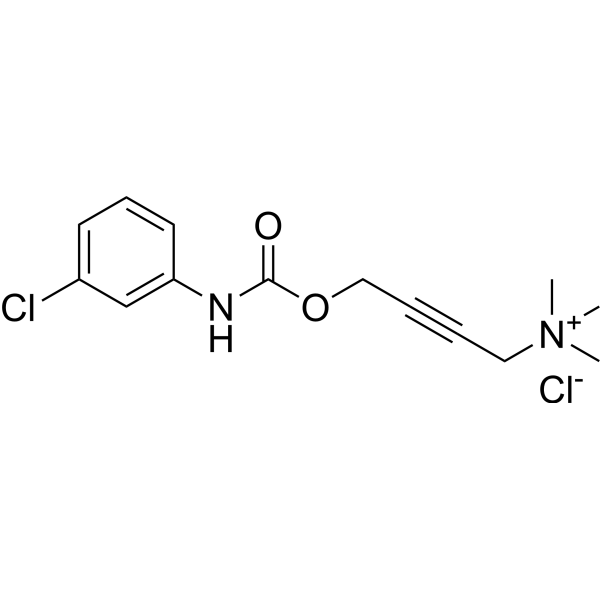
Tazomeline is a selective M1 muscarinic receptor agonist. Tazomeline inhibits twitch height in rabbit vas deferens(IC50= 0.001 nM). Tazomeline can be used for research of neuropsychiatric disorders .
|
-
- HY-105182R
-
|
LY-246708 (Standard)
|
Reference Standards
mAChR
|
Neurological Disease
|
|
Xanomeline (Standard) is the analytical standard of Xanomeline. This product is intended for research and analytical applications. Xanomeline, as an effective and selective muscarinic type 1 and type 4 (M1/M4) receptor agonist, increases neuronal excitability. Xanomeline can be used for the research of neurological disorders, such as schizophrenia .
|
-
- HY-120329
-
|
|
mAChR
|
Others
|
|
Lu 26-046 is the agonist for muscarinic M1 receptor and M2 receptor and a weak antagonist for M3 receptor, with Ki of 0.51, 26 and 5 nM, respectively. Lu 26-046 exhibits specific stimulus property, that can be recognized by rats .
|
-
- HY-B0406AR
-
|
Carbamyl-β-methylcholine chloride (Standard)
|
mAChR
Reference Standards
|
Neurological Disease
Cancer
|
|
Bethanechol (chloride) (Standard) is the analytical standard of Bethanechol (chloride). This product is intended for research and analytical applications. Bethanechol chloride (Carbamyl-β-methylcholine chloride), a parasympathomimetic agent, is a mAChR agonist that exerts its effects via directly stimulating the mAChR (M1, M2, M3, M4, and M5) of the parasympathetic nervous system .
|
-
- HY-113970
-
|
WEB 1881 FU
|
mAChR
Calcium Channel
|
Neurological Disease
|
|
Nebracetam (WEB 1881 FU) is an orally active M1 muscarinic receptor agonist. Nebracetam can induce an increase in intracellular Ca 2+ concentration, with an EC50 value of 1.59 mM. Nebracetam exhibits neuroprotective activity and the ability to improve cognitive impairment. Nebracetam can be used in the research of neurological diseases such as Alzheimer's disease .
|
-
- HY-119333
-
|
|
mAChR
|
Neurological Disease
|
|
NNC 11-1607 is a selective M1/M4 muscarinic acetylcholine receptor (mAChR) agonist. NNC 11-1607 inhibits Forskolin (HY-15371)-stimulated cAMP accumulation in Chinese hamster ovary cells expressing the human M2 or M4 mAChR. NNC 11-1607 is promising for research of central nervous system disorders, such as Alzheimer’s disease and schizophrenia .
|
-
- HY-70020BR
-
|
AF102B hydrochloride (Standard)
|
mAChR
Reference Standards
|
Neurological Disease
Cancer
|
|
Cevimeline (hydrochloride) (Standard) is the analytical standard of Cevimeline (hydrochloride). This product is intended for research and analytical applications. Cevimeline hydrochloride (AF102B hydrochloride) is a quinuclidine derivative of acetylcholine and a selective and orally active muscarinic M1 and M3 receptor agonist. Cevimeline hydrochloride stimulates secretion by the salivary glands and can be used as a sialogogue for xerostomia . Cevimeline hydrochloride can cross the blood-brain barrier (BBB) .
|
-
- HY-101586A
-
|
Lu 25-109 maleate
|
mAChR
|
Neurological Disease
|
|
Alvameline (Lu 25-109) maleate is a partial agonist of M1 and an antagonist of M2/M3. Alvameline maleate competitively antagonizes contractions induced by ammonium chloride (HY-Y1269) and electrical field stimulation in human detrusor muscle, indicating its potential application in regulating bladder function. Additionally, alvameline maleate can improve cognitive function following traumatic brain injury in rats .
|
-
- HY-108157
-
|
|
mAChR
|
Neurological Disease
|
|
A-72055 is a partial agonist of muscarinic receptors. A-72055 has binding activity to both M1 and M2 receptors, with Ki values of 32 nM and 30 nM, respectively. A-72055 can enhance cognitive function and improve learning and memory deficits. A-72055 has better security. A-72055 can be used for research on neurological disorders such as cognitive impairment .
|
-
- HY-14539B
-
|
HF 1854 dihydrochloride
|
Dopamine Receptor
mAChR
Adrenergic Receptor
5-HT Receptor
|
Neurological Disease
Cancer
|
|
Clozapine (HF 1854) dihydrochloride is an antipsychotic used for the research of schizophrenia. Clozapine has high affinity for a number of neuroreceptors. Clozapine is a potent antagonist of dopamine D2 with a Ki of 75 nM. Clozapine inhibits the muscarinic M1 receptor and serotonin 5HT2A receptor with Kis of 9.5 nM and 4 nM, respectively . Clozapine is also a potent and selective agonist at the muscarinic M4 receptor (EC50=11 nM) .
|
-
- HY-N7043R
-
|
|
Reference Standards
Apoptosis
PPAR
NF-κB
p38 MAPK
ERK
Androgen Receptor
|
Inflammation/Immunology
Cancer
|
|
Isosilybin A (Standard) is the analytical standard of Isosilybin A (HY-N7043). Isosilybin A is a PPARγ agonist that can be isolated from silymarin. Isosilybin A activates extrinsic and intrinsic pathways of apoptosis through targeting of the Akt-NF-kB-AR axis. Isosilybin A can relieve the inflammatory response in the rosacea model via inhibiting Erk and p38 signaling pathways and M1 macrophage polarization, with its targets related to RELA and VEGFA. Isosilybin A has anti-prostate cancer (PCA) activity [1][2][3].
|
-
- HY-B1404R
-
|
Buphenine hydrochloride (Standard)
|
Reference Standards
iGluR
Influenza Virus
|
Infection
Cardiovascular Disease
Inflammation/Immunology
|
|
Nylidrin (hydrochloride) (Standard) is the analytical standard of Nylidrin hydrochloride (HY-B1404). This product is intended for research and analytical applications. Nylidrin hydrochloride (Buphenine hydrochloride) is an orally active β-adrenergic agonist. Nylidrin hydrochloride antagonizes NR1A/2B NMDA receptors (IC50 = 0.18 μM in Xenopus oocytes). Nylidrin hydrochloride reduces the levels of NP, HA, and M1. Nylidrin hydrochloride has antiviral activity against multiple H1N1 subtype influenza A viruses. Nylidrin hydrochloride improves hemorrhagic shock and anti-allergic effects .
|
-
- HY-14539S3
-
|
HF 1854-d3
|
Isotope-Labeled Compounds
5-HT Receptor
Adrenergic Receptor
Dopamine Receptor
mAChR
|
Neurological Disease
Cancer
|
|
Clozapine-d3 (HF 1854-d3) is deuterium labeled Clozapine. Clozapine (HF 1854) is an antipsychotic used for the research of schizophrenia. Clozapine has high affinity for a number of neuroreceptors. Clozapine is a potent antagonist of dopamine D2 with a Ki of 75 nM. Clozapine inhibits the muscarinic M1 receptor and serotonin 5HT2A receptor with Kis of 9.5 nM and 4 nM, respectively . Clozapine is also a potent and selective agonist at the muscarinic M4 receptor (EC50=11 nM) .
|
-
- HY-107111A
-
|
|
Cholinesterase (ChE)
mAChR
|
Neurological Disease
|
|
GSK1034702 hydrochloride is an orally active and allosteric agonist of M1 mAChR (pEC50=8.1) that can cross the blood-brain barrier. GSK1034702 hydrochloride activates the Gq/11 protein-mediated signaling pathway, enhancing neuronal firing and long-term potentiation (LTP) in the CA1 region of the hippocampus. GSK1034702 hydrochloride can modulate hippocampal function, improve memory encoding in the nicotine withdrawal cognitive dysfunction model, and show pro-cognitive effects in rodents. GSK1034702 hydrochloride can be used for the study of the mechanisms of cognitive impairment diseases such as Alzheimer's disease, and has certain peripheral M receptor activation-related side effects (such as gastrointestinal reactions) .
|
-
- HY-N4157R
-
|
|
Reference Standards
mAChR
5-HT Receptor
Bacterial
|
Neurological Disease
|
|
Isopteropodine (Standard) is the analytical standard of Isopteropodine (HY-N4157). This product is intended for research and analytical applications. Isopteropodine is a positive modulator that selectively acts on muscarinic M1 and 5-HT2 receptors. Isopteropodine has an EC50 of 9.92 μM for acetylcholine and 14.5 μM for 5-HT. Isopteropodine also has antibacterial activity against Gram-positive bacteria, with MICs of 150 μg/mL and 250 μg/mL for Staphylococcus aureus and Bacillus subtilis, respectively. Isopteropodine enhances receptor function by increasing the affinity of agonists for receptors and can also inhibit the growth of specific Gram-positive bacteria, and can be used in cognitive impairment and antibacterial research .
|
-
- HY-143712R
-
|
|
Reference Standards
Drug Metabolite
G protein-coupled Bile Acid Receptor 1
ROR
|
Metabolic Disease
Inflammation/Immunology
Cancer
|
|
Allolithocholic acid (Standard) is the analytical standard of Allolithocholic acid (HY-143712). This product is intended for research and analytical applications. Allolithocholic acid is an orally active metabolite of Lithocholic acid (HY-B0172). Allolithocholic acid is a dual GPBAR1 agonist (EC50 = 2.7 μM) and RORγt inverse agonist (IC50 = 3.4 μM). Allolithocholic acid modulates immune and metabolic pathways, regulates immune cell polarization, prevents M1 macrophage and Th17 CD4 cell polarization. Allolithocholic acid improves insulin sensitivity, reduces liver lipid accumulation, reverses liver immunological, inflammatory and metabolic signaling dysregulation, restores bile acid homeostasis, adipose tissue histopathology/function, and intestinal microbiota composition, modulates intestinal immunity. Allolithocholic acid can be used for the researches of cancer, inflammayion, immunology and metabolic disease .
|
-
- HY-164641
-
-
- HY-107650
-
|
CI 979 hydrochloride; RU 35926 hydrochloride
|
mAChR
|
Neurological Disease
|
|
Milameline (CI 979; RU35926) hydrochloride is a nonselective, partical and orally active muscarinic receptor agonist that improves cognition. Milameline hydrochloride has equal affinity for different subtypes of human muscarinic receptors with IC50 of 1.3 µM for M1-, 1.1 µM for M2-, 1.5 µM for M3-, and 1.9 µM for M4-muscarinic receptors. Milameline hydrochloride has a higher affinity for sites [ 3H]CMD (IC50 = 20 nM), than [ 3H]QNB, (IC50 = 3059 nM). Milameline hydrochloride produces both central and peripheral cholinergic effects and reverses the cognitive deficits induced by Scopolamine (HY-N0296). Milameline hydrochloride can be used for the study of Alzheimer’s Disease .
|
-
- HY-135460
-
|
CI-979; RU35926
|
mAChR
|
Neurological Disease
|
|
Milameline (CI-979; RU35926) is a nonselective, partical and orally active muscarinic receptor agonist that improves cognition. Milameline has equal affinity for different subtypes of human muscarinic receptors with IC50 of 1.3 µM for M1-, 1.1 µM for M2-, 1.5 µM for M3-, and 1.9 µM for M4-muscarinic receptors. Milameline has a higher affinity for sites [ 3H]CMD (IC50 = 20 nM), than [ 3H]QNB, (IC50 = 3059 nM). Milameline produces both central and peripheral cholinergic effects and reverses the cognitive deficits induced by Scopolamine (HY-N0296). Milameline can be used for the study of Alzheimer’s Disease .
|
-
- HY-U00230A
-
-
- HY-119082
-
|
|
mAChR
|
Others
|
|
(E/Z)-VU0029767 is an allosteric enhancer of M1 muscarinic receptors with the activity to modulate M1 receptor activity. (E/Z)-VU0029767 can enhance M1 receptor activity by increasing agonist affinity, but exhibits different properties from other compounds under different experimental conditions, such as effects on mutant M1 receptors and effects on downstream signaling pathways.
|
-
- HY-100336R
-
|
|
mAChR
Reference Standards
|
Neurological Disease
|
|
AC260584 (Standard) is the analytical standard of AC260584 (HY-100336). This product is intended for research and analytical applications. AC260584 is an M1 muscarinic receptor allosteric agonist with a pEC50 of 7.6.
|
-
- HY-106432AR
-
|
SB-202026 hydrochloride (Standard); Memric hydrochloride (Standard)
|
Reference Standards
mAChR
|
Neurological Disease
|
|
Sabcomeline hydrochloride (Standard) is the analytical standard of Sabcomeline hydrochloride (HY-106432A). This product is intended for research and analytical applications. Sabcomeline (SB-202026) hydrochloride is a potent and functionally selective muscarinic M1 receptor partial agonist that improve cognition. Sabcomeline hydrochloride can be used for Alzheimer's disease research .
|
-
- HY-176710A
-
|
|
Drug Isomer
|
Others
|
|
(R)-PAD-PF2 is an isomer of PAD-PF2 (HY-176710). PAD-PF2 is a PAD family inhibitor, as well as a κ-opioid receptor agonist (EC50 = 7.55 μM) and an M1 muscarinic acetylcholine receptor antagonist (IC50 = 12.3 μM).
|
-
- HY-76772R
-
|
SNI-2011 (Standard); AF102B hydrochloride hemihydrate (Standard)
|
mAChR
Reference Standards
|
Neurological Disease
Cancer
|
|
Cevimeline (hydrochloride hemihydrate) (Standard) is the analytical standard of Cevimeline (hydrochloride hemihydrate). This product is intended for research and analytical applications. Cevimeline hydrochloride hemihydrate (SNI-2011) is a quinuclidine derivative of acetylcholine and a selective and orally active muscarinic M1 and M3 receptor agonist. Cevimeline hydrochloride hemihydrate stimulates secretion by the salivary glands and can be used as a sialogogue for xerostomia . Cevimeline hydrochloride hemihydrate can cross the blood-brain barrier (BBB) .
|
-
- HY-131196
-
|
|
mAChR
|
Neurological Disease
|
|
M3 mAChR agonist 1 is an M3-preferring M3/M5 mAChR dual positive allosteric modulators (PAM). M3 mAChR agonist 1 shows excellent subtype selectivity over other subtypes of mAChRs including M1, M2, and M4 mAChRs. M3 mAChR agonist 1 increases the contraction of isolated rat bladder strips by modulating the M3 muscarinic acetylcholine receptor, leading to enhanced signaling pathways. M3 mAChR agonist 1 can be used for the research of endocrinology .
|
-
- HY-101341R
-
|
|
5-HT Receptor
Reference Standards
|
Neurological Disease
|
|
RS 67333 (hydrochloride) (Standard) is the analytical standard of RS 67333 (hydrochloride) (HY-101341). This product is intended for research and analytical applications. RS 67333 hydrochloride is a potent and selective 5-HT4 receptor (5-HT4R) partial agonist with a pKi of 8.7 in guinea-pig striatum. RS 67333 hydrochloride exhibits lower affinities at several other receptors including 5-HT1A, 5-HT1D, 5-HT2A, 5-HT2C, dopamine D1, D2 and muscarinic M1-M3 receptors. RS 67333 hydrochloride has neuroprotective effects, and can be used for Alzheimer's disease research .
|
-
- HY-107650A
-
|
CI 979 hydroiodide; RU 35926 hydroiodide
|
mAChR
|
Neurological Disease
|
|
Milameline (CI 979; RU35926) hydroiodide is a nonselective, partical and orally active muscarinic receptor agonist that improves cognition. Milameline hydroiodide has equal affinity for different subtypes of human muscarinic receptors with IC50 of 1.3 µM for M1-, 1.1 µM for M2-, 1.5 µM for M3-, and 1.9 µM for M4-muscarinic receptors. Milameline hydroiodide has a higher affinity for sites [ 3H]CMD (IC50 = 20 nM), than [ 3H]QNB, (IC50 = 3059 nM). Milameline hydroiodide produces both central and peripheral cholinergic effects and reverses the cognitive deficits induced by Scopolamine (HY-N0296). Milameline hydroiodide can be used for the study of Alzheimer’s Disease .
|
-
- HY-107648
-
|
|
mAChR
|
Neurological Disease
Inflammation/Immunology
|
|
McN-A-343 is a selective M1 muscarinic agonist that stimulates muscarinic transmission in sympathetic ganglia. McN-A-343 produces a significant inhibitory effect on Muscarine (HY-121404)-evoked catecholamine secretion from the isolated perfused rat adrenal gland. McN-A-343 is involved in the regulation of neuronal firing and activates enteroendocrine L cells to release glucagon-like peptide 1 (GLP-1) and modulates the secretion of α-melanocyte stimulating hormone (α-MSH) from the pituitary gland in the central nervous system. McN-A-343 reduces colonic inflammation and oxidative stress in Acetic acid (HY-Y0319)-induced ulcerative colitis (UC) mice. McN-A-343 can be used for the study of ulcerative colitis .
|
-
- HY-107111R
-
|
|
Reference Standards
mAChR
|
Neurological Disease
|
|
GSK1034702 (Standard) is the analytical standard of GSK1034702 (HY-107111). This product is intended for research and analytical applications. GSK1034702 is an orally active and allosteric agonist of M1 mAChR (pEC50=8.1) that can cross the blood-brain barrier. GSK1034702 activates the Gq/11 protein-mediated signaling pathway, enhancing neuronal firing and long-term potentiation (LTP) in the CA1 region of the hippocampus. GSK1034702 can modulate hippocampal function, improve memory encoding in the nicotine withdrawal cognitive dysfunction model, and show pro-cognitive effects in rodents. GSK1034702 can be used for the study of the mechanisms of cognitive impairment diseases such as Alzheimer's disease, and has certain peripheral M receptor activation-related side effects (such as gastrointestinal reactions) .
|
-
- HY-143712S1
-
|
3α-hydoxy-5α-Cholaoic Acid-d4, allo-LCA-d4
|
Isotope-Labeled Compounds
Drug Metabolite
G protein-coupled Bile Acid Receptor 1
ROR
|
Metabolic Disease
Inflammation/Immunology
Cancer
|
|
Allolithocholic Acid-d4 (3α-hydoxy-5α-Cholaoic Acid-d4, allo-LCA-d4) is deuterium labeled Allolithocholic acid (HY-143712). Allolithocholic acid is an orally active metabolite of Lithocholic acid (HY-B0172). Allolithocholic acid is a dual GPBAR1 agonist (EC50 = 2.7 μM) and RORγt inverse agonist (IC50 = 3.4 μM). Allolithocholic acid modulates immune and metabolic pathways, regulates immune cell polarization, prevents M1 macrophage and Th17 CD4 cell polarization. Allolithocholic acid improves insulin sensitivity, reduces liver lipid accumulation, reverses liver immunological, inflammatory and metabolic signaling dysregulation, restores bile acid homeostasis, adipose tissue histopathology/function, and intestinal microbiota composition, modulates intestinal immunity. Allolithocholic acid can be used for the researches of cancer, inflammayion, immunology and metabolic disease .
|
-
- HY-B0527A
-
|
|
Serotonin Transporter
5-HT Receptor
mAChR
Histamine Receptor
Adrenergic Receptor
Trk Receptor
Sodium Channel
Potassium Channel
Dopamine Transporter
Apoptosis
|
Neurological Disease
Inflammation/Immunology
Endocrinology
|
|
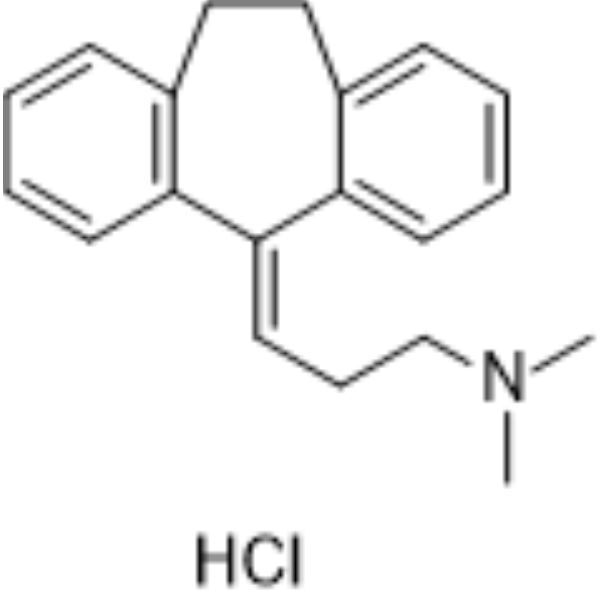
Amitriptyline hydrochloride is an orally active tricyclic antidepressant (TCA). Amitriptyline hydrochloride mainly exerts its antidepressant effect by blocking SERT (Ki = 3.45 nM) and NET (Ki = 13.3 nM), thereby increasing the concentrations of 5-hydroxytryptamine (5-HT) and norepinephrine (NE) in the synaptic cleft. Amitriptyline hydrochloride is also an agonist at α2A and TrkA/TrkB receptors, thereby exerting analgesic and neurotrophic activities (inhibiting cell apoptosis). Amitriptyline hydrochloride can reduce inflammation, angiogenesis and fibrosis. Amitriptyline hydrochloride binds to DAT (with Ki = 2.58 μM). Amitriptyline hydrochloride has high affinity for a series of receptors and can antagonize muscarinic cholinergic receptors (M1/M2/M3/M4/M5 receptors) (Ki = 11-24 nM), H1 receptors (Ki = 0.5-1.1 nM), adrenergic α1 receptors (Ki = 4.4 nM), etc., resulting in a series of side effects. Amitriptyline hydrochloride can block sodium channels and hERG potassium channel (IC50 = 4.78 μM) and it has cardiotoxicity .
|
-
- HY-B0527
-
|
|
Serotonin Transporter
Trk Receptor
Sodium Channel
5-HT Receptor
Histamine Receptor
Adrenergic Receptor
mAChR
Potassium Channel
Dopamine Transporter
Apoptosis
|
Neurological Disease
Inflammation/Immunology
Endocrinology
|
|
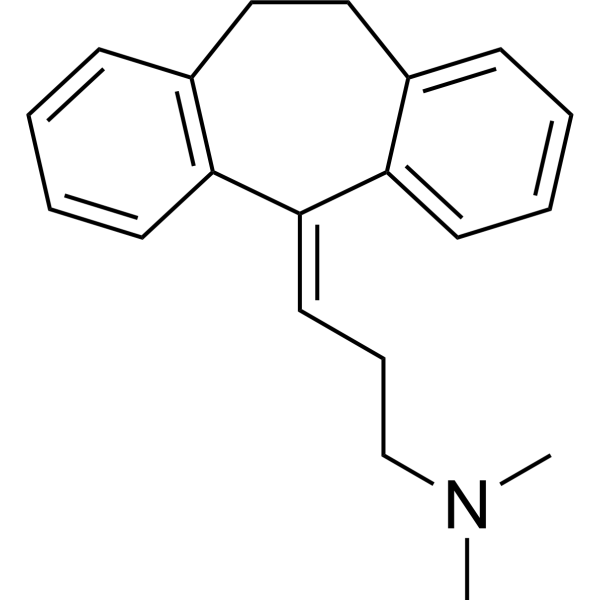
Amitriptyline is an orally active tricyclic antidepressant (TCA). Amitriptyline mainly exerts its antidepressant effect by blocking SERT (Ki = 3.45 nM) and NET (Ki = 13.3 nM), thereby increasing the concentrations of 5-hydroxytryptamine (5-HT) and norepinephrine (NE) in the synaptic cleft. Amitriptyline is also an agonist at α2A and TrkA/TrkB receptors, thereby exerting analgesic and neurotrophic activities (inhibiting cell apoptosis). Amitriptyline can reduce inflammation, angiogenesis and fibrosis. Amitriptyline binds to DAT (with Ki = 2.58 μM). Amitriptyline has high affinity for a series of receptors and can antagonize muscarinic cholinergic receptors (M1/M2/M3/M4/M5 receptors) (Ki = 11-24 nM), H1 receptors (Ki = 0.5-1.1 nM), adrenergic α1 receptors (Ki = 4.4 nM), etc., resulting in a series of side effects. Amitriptyline can block sodium channels and hERG potassium channel (IC50 = 4.78 μM) and it has cardiotoxicity .
|
-
- HY-B0527AS
-
|
|
Isotope-Labeled Compounds
Serotonin Transporter
5-HT Receptor
Histamine Receptor
mAChR
Adrenergic Receptor
Trk Receptor
Sodium Channel
Potassium Channel
Dopamine Transporter
Apoptosis
|
Neurological Disease
Inflammation/Immunology
Endocrinology
|
|
Amitriptyline-d6 hydrochloride is the deuterium labeled Amitriptyline hydrochloride (HY-B0527A). Amitriptyline hydrochloride is an orally active tricyclic antidepressant (TCA). Amitriptyline hydrochloride mainly exerts its antidepressant effect by blocking SERT (Ki = 3.45 nM) and NET (Ki = 13.3 nM), thereby increasing the concentrations of 5-hydroxytryptamine (5-HT) and norepinephrine (NE) in the synaptic cleft. Amitriptyline hydrochloride is also an agonist at α2A and TrkA/TrkB receptors, thereby exerting analgesic and neurotrophic activities (inhibiting cell apoptosis). Amitriptyline hydrochloride can reduce inflammation, angiogenesis and fibrosis. Amitriptyline hydrochloride binds to DAT (with Ki = 2.58 μM). Amitriptyline hydrochloride has high affinity for a series of receptors and can antagonize muscarinic cholinergic receptors (M1/M2/M3/M4/M5 receptors) (Ki = 11-24 nM), H1 receptors (Ki = 0.5-1.1 nM), adrenergic α1 receptors (Ki = 4.4 nM), etc., resulting in a series of side effects. Amitriptyline hydrochloride can block sodium channels and hERG potassium channel (IC50 = 4.78 μM) and it has cardiotoxicity.
|
-
- HY-B0527AR
-
|
|
Reference Standards
Serotonin Transporter
5-HT Receptor
Histamine Receptor
mAChR
Adrenergic Receptor
Trk Receptor
Sodium Channel
Potassium Channel
Dopamine Transporter
Apoptosis
|
Neurological Disease
Inflammation/Immunology
Endocrinology
|
|
Amitriptyline hydrochloride (Standard) is the analytical standard of Amitriptyline hydrochloride (HY-B0527A). This product is intended for research and analytical applications. Amitriptyline hydrochloride is an orally active tricyclic antidepressant (TCA). Amitriptyline hydrochloride mainly exerts its antidepressant effect by blocking SERT (Ki = 3.45 nM) and NET (Ki = 13.3 nM), thereby increasing the concentrations of 5-hydroxytryptamine (5-HT) and norepinephrine (NE) in the synaptic cleft. Amitriptyline hydrochloride is also an agonist at α2A and TrkA/TrkB receptors, thereby exerting analgesic and neurotrophic activities (inhibiting cell apoptosis). Amitriptyline hydrochloride can reduce inflammation, angiogenesis and fibrosis. Amitriptyline hydrochloride binds to DAT (with Ki = 2.58 μM). Amitriptyline hydrochloride has high affinity for a series of receptors and can antagonize muscarinic cholinergic receptors (M1/M2/M3/M4/M5 receptors) (Ki = 11-24 nM), H1 receptors (Ki = 0.5-1.1 nM), adrenergic α1 receptors (Ki = 4.4 nM), etc., resulting in a series of side effects. Amitriptyline hydrochloride can block sodium channels and hERG potassium channel (IC50 = 4.78 μM) and it has cardiotoxicity.
|
-
- HY-P6292
-
|
|
PACAP Receptor
PKA
ERK
PI3K
Akt
GSK-3
|
Neurological Disease
Cancer
|
|
KS-133 is a bicyclic peptide with VIPR2 antagonistic activity that can cross the blood-brain barrier. KS-133 selectively blocks VIPR2-mediated Gq/Ca, Gs/cAMP, cAMP/PKA/ERK and PI3K/AKT/GSK3β signaling pathways. KS-133 inhibits VIPR2 agonist-induced CREB phosphorylation in the prefrontal cortex of mice. KS-133 shifts the polarization direction of macrophages toward M1. KS-133 attenuates cancer cell proliferation and reduces the cell cycle distribution level at the S-M phase. KS-133 exerts antitumor effects in a mouse model of colorectal cancer. KS-133 reverses cognitive decline in mouse models of psychiatric disorders. KS-133 can be used for research related to schizophrenia, colorectal cancer and breast cancer .
|
-
- HY-122190
-
|
|
mAChR
|
Neurological Disease
|
|
TAK-071 is a novel, potent and highly selective muscarinic acetylcholine receptor 1 (M1R) positive allosteric modulator. EC50 of TAK-071 M1R agonist activities is 520 nM .
|
-
- HY-100443B
-
-
- HY-100443A
-
|
trans-PX-102
|
FXR
Autophagy
|
Metabolic Disease
|
|
PX20606 trans racemate (PX-102 trans racemate) is a FXR agonist with EC50s of 32 and 34 nM for FXR in FRET and M1H assay, respectively .
|
-
| Cat. No. |
Product Name |
Target |
Research Area |
-
- HY-P6292
-
|
|
PACAP Receptor
PKA
ERK
PI3K
Akt
GSK-3
|
Neurological Disease
Cancer
|
|
KS-133 is a bicyclic peptide with VIPR2 antagonistic activity that can cross the blood-brain barrier. KS-133 selectively blocks VIPR2-mediated Gq/Ca, Gs/cAMP, cAMP/PKA/ERK and PI3K/AKT/GSK3β signaling pathways. KS-133 inhibits VIPR2 agonist-induced CREB phosphorylation in the prefrontal cortex of mice. KS-133 shifts the polarization direction of macrophages toward M1. KS-133 attenuates cancer cell proliferation and reduces the cell cycle distribution level at the S-M phase. KS-133 exerts antitumor effects in a mouse model of colorectal cancer. KS-133 reverses cognitive decline in mouse models of psychiatric disorders. KS-133 can be used for research related to schizophrenia, colorectal cancer and breast cancer .
|
| Cat. No. |
Product Name |
Category |
Target |
Chemical Structure |
-
- HY-143712
-
|
|
Structural Classification
Classification of Application Fields
Metabolic Disease
Endogenous metabolite
Disease Research Fields
Steroids
Source Classification
|
Drug Metabolite
G protein-coupled Bile Acid Receptor 1
ROR
|
|
Allolithocholic acid is an orally active metabolite of Lithocholic acid (HY-B0172). Allolithocholic acid is a dual GPBAR1 agonist (EC50 = 2.7 μM) and RORγt inverse agonist (IC50 = 3.4 μM). Allolithocholic acid modulates immune and metabolic pathways, regulates immune cell polarization, prevents M1 macrophage and Th17 CD4 cell polarization. Allolithocholic acid improves insulin sensitivity, reduces liver lipid accumulation, reverses liver immunological, inflammatory and metabolic signaling dysregulation, restores bile acid homeostasis, adipose tissue histopathology/function, and intestinal microbiota composition, modulates intestinal immunity. Allolithocholic acid can be used for the researches of cancer, inflammayion, immunology and metabolic disease .
|
-
-
- HY-N7043
-
-
-
- HY-N4157
-
|
|
Uncaria rhynchophylla (Miq.) Miq. ex Havil.
Structural Classification
Iridoids
Terpenoids
Rubiaceae
Plants
Source Classification
|
mAChR
5-HT Receptor
Bacterial
|
|
Isopteropodine is a positive modulator that selectively acts on muscarinic M1 and 5-HT2 receptors. Isopteropodine has an EC50 of 9.92 μM for acetylcholine and 14.5 μM for 5-HT. Isopteropodine also has antibacterial activity against Gram-positive bacteria, with MICs of 150 μg/mL and 250 μg/mL for Staphylococcus aureus and Bacillus subtilis, respectively. Isopteropodine enhances receptor function by increasing the affinity of agonists for receptors and can also inhibit the growth of specific Gram-positive bacteria, and can be used in cognitive impairment and antibacterial research .
|
-
-
- HY-N7043R
-
-
-
- HY-N4157R
-
|
|
Uncaria rhynchophylla (Miq.) Miq. ex Havil.
Structural Classification
Iridoids
Terpenoids
Rubiaceae
Plants
Source Classification
|
Reference Standards
mAChR
5-HT Receptor
Bacterial
|
|
Isopteropodine (Standard) is the analytical standard of Isopteropodine (HY-N4157). This product is intended for research and analytical applications. Isopteropodine is a positive modulator that selectively acts on muscarinic M1 and 5-HT2 receptors. Isopteropodine has an EC50 of 9.92 μM for acetylcholine and 14.5 μM for 5-HT. Isopteropodine also has antibacterial activity against Gram-positive bacteria, with MICs of 150 μg/mL and 250 μg/mL for Staphylococcus aureus and Bacillus subtilis, respectively. Isopteropodine enhances receptor function by increasing the affinity of agonists for receptors and can also inhibit the growth of specific Gram-positive bacteria, and can be used in cognitive impairment and antibacterial research .
|
-
-
- HY-143712R
-
|
|
Structural Classification
Endogenous metabolite
Steroids
Source Classification
|
Reference Standards
Drug Metabolite
G protein-coupled Bile Acid Receptor 1
ROR
|
|
Allolithocholic acid (Standard) is the analytical standard of Allolithocholic acid (HY-143712). This product is intended for research and analytical applications. Allolithocholic acid is an orally active metabolite of Lithocholic acid (HY-B0172). Allolithocholic acid is a dual GPBAR1 agonist (EC50 = 2.7 μM) and RORγt inverse agonist (IC50 = 3.4 μM). Allolithocholic acid modulates immune and metabolic pathways, regulates immune cell polarization, prevents M1 macrophage and Th17 CD4 cell polarization. Allolithocholic acid improves insulin sensitivity, reduces liver lipid accumulation, reverses liver immunological, inflammatory and metabolic signaling dysregulation, restores bile acid homeostasis, adipose tissue histopathology/function, and intestinal microbiota composition, modulates intestinal immunity. Allolithocholic acid can be used for the researches of cancer, inflammayion, immunology and metabolic disease .
|
-
| Cat. No. |
Product Name |
Chemical Structure |
-
- HY-105182S1
-
|
|
|
Xanomeline-d3 (LY-246708-d3) is deuterium labeled Xanomeline. Xanomeline, as an effective and selective muscarinic type 1 and type 4 (M1/M4) receptor agonist, increases neuronal excitability. Xanomeline can be used for the research of neurological disorders, such as schizophrenia .
|
-
-
- HY-B0527AS
-
|
|
|
Amitriptyline-d6 hydrochloride is the deuterium labeled Amitriptyline hydrochloride (HY-B0527A). Amitriptyline hydrochloride is an orally active tricyclic antidepressant (TCA). Amitriptyline hydrochloride mainly exerts its antidepressant effect by blocking SERT (Ki = 3.45 nM) and NET (Ki = 13.3 nM), thereby increasing the concentrations of 5-hydroxytryptamine (5-HT) and norepinephrine (NE) in the synaptic cleft. Amitriptyline hydrochloride is also an agonist at α2A and TrkA/TrkB receptors, thereby exerting analgesic and neurotrophic activities (inhibiting cell apoptosis). Amitriptyline hydrochloride can reduce inflammation, angiogenesis and fibrosis. Amitriptyline hydrochloride binds to DAT (with Ki = 2.58 μM). Amitriptyline hydrochloride has high affinity for a series of receptors and can antagonize muscarinic cholinergic receptors (M1/M2/M3/M4/M5 receptors) (Ki = 11-24 nM), H1 receptors (Ki = 0.5-1.1 nM), adrenergic α1 receptors (Ki = 4.4 nM), etc., resulting in a series of side effects. Amitriptyline hydrochloride can block sodium channels and hERG potassium channel (IC50 = 4.78 μM) and it has cardiotoxicity.
|
-
-
- HY-G0021S1
-
|
|
|
N-Desmethylclozapine-d8 (hydrochloride) is the deuterium labeled N-Desmethylclozapine hydrochloride. N-Desmethylclozapine hydrochloride is a major active metabolite of the atypical antipsychotic agent Clozapine. N-Desmethylclozapine hydrochloride is a potent, allosteric and partial M1 receptors agonist (EC50=115 nM) and is able to potentiate hippocampal N-methyl-d-aspartate (NMDA) receptor currents through M1 receptor activation. N-Desmethylclozapine hydrochloride is also a δ-opioid agonist .
|
-
-
- HY-G0021S
-
|
|
|
N-Desmethylclozapine-d8 is the deuterium labeled N-Desmethylclozapine. N-Desmethylclozapine is a major active metabolite of the atypical antipsychotic agent Clozapine. N-Desmethylclozapine is a potent, allosteric and partial M1 receptors agonist (EC50=115 nM) and is able to potentiate hippocampal N-methyl-d-aspartate (NMDA) receptor currents through M1 receptor activation. N-Desmethylclozapine is also a δ-opioid agonist .
|
-
-
- HY-B0406AS
-
|
|
|
Bethanechol-d6 (chloride) is the deuterium labeled Bethanechol chloride. Bethanechol chloride (Carbamyl-β-methylcholine chloride), a parasympathomimetic agent, is a mAChR agonist that exerts its effects via directly stimulating the mAChR (M1, M2, M3, M4, and M5) of the parasympathetic nervous system .
|
-
-
- HY-143712S1
-
|
|
|
Allolithocholic Acid-d4 (3α-hydoxy-5α-Cholaoic Acid-d4, allo-LCA-d4) is deuterium labeled Allolithocholic acid (HY-143712). Allolithocholic acid is an orally active metabolite of Lithocholic acid (HY-B0172). Allolithocholic acid is a dual GPBAR1 agonist (EC50 = 2.7 μM) and RORγt inverse agonist (IC50 = 3.4 μM). Allolithocholic acid modulates immune and metabolic pathways, regulates immune cell polarization, prevents M1 macrophage and Th17 CD4 cell polarization. Allolithocholic acid improves insulin sensitivity, reduces liver lipid accumulation, reverses liver immunological, inflammatory and metabolic signaling dysregulation, restores bile acid homeostasis, adipose tissue histopathology/function, and intestinal microbiota composition, modulates intestinal immunity. Allolithocholic acid can be used for the researches of cancer, inflammayion, immunology and metabolic disease .
|
-
-
- HY-14539S3
-
|
|
|
Clozapine-d3 (HF 1854-d3) is deuterium labeled Clozapine. Clozapine (HF 1854) is an antipsychotic used for the research of schizophrenia. Clozapine has high affinity for a number of neuroreceptors. Clozapine is a potent antagonist of dopamine D2 with a Ki of 75 nM. Clozapine inhibits the muscarinic M1 receptor and serotonin 5HT2A receptor with Kis of 9.5 nM and 4 nM, respectively . Clozapine is also a potent and selective agonist at the muscarinic M4 receptor (EC50=11 nM) .
|
-
| Cat. No. |
Product Name |
|
Classification |
-
- HY-128855
-
|
|
|
Alkynes
|
|
Talsaclidine is a muscarinic agonist with preferential neuron-stimulating properties. Talsaclidine is a full agonist at the M1 subtype, and as a partial agonist at the M2 and M3 subtypes . Talsaclidine is a click chemistry reagent, it contains an Alkyne group and can undergo copper-catalyzed azide-alkyne cycloaddition (CuAAc) with molecules containing Azide groups.
|
-
- HY-120329
-
|
|
|
Alkynes
|
|
Lu 26-046 is the agonist for muscarinic M1 receptor and M2 receptor and a weak antagonist for M3 receptor, with Ki of 0.51, 26 and 5 nM, respectively. Lu 26-046 exhibits specific stimulus property, that can be recognized by rats .
|
Your information is safe with us. * Required Fields.
Inquiry Information
- Product Name:
- Cat. No.:
- Quantity:
- MCE Japan Authorized Agent:

