
1. Search Result
Search Result
Results for "

ME2

" in MedChemExpress (MCE) Product Catalog:

97

Inhibitors & Agonists

7

Biochemical Assay Reagents

9

Peptides

2

Natural
Products

1

Recombinant Proteins

5

Isotope-Labeled Compounds

8

Antibodies

15

Oligonucleotides

Targets Recommended:
Cat. No. Product Name Target Research Areas Chemical Structure
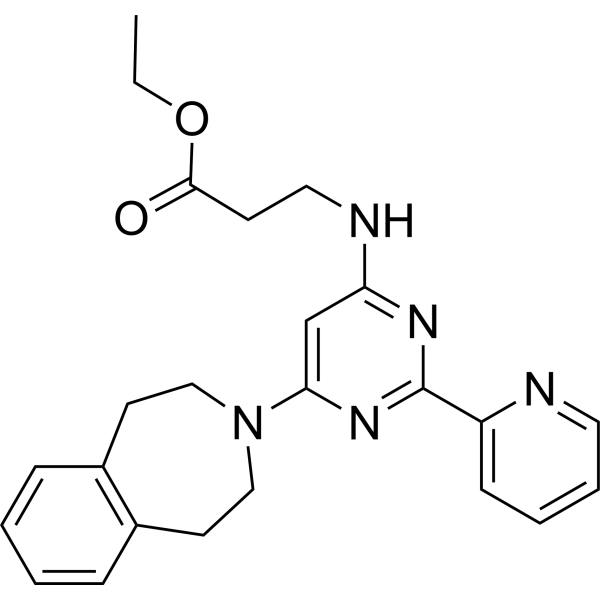
  • HY-15648B
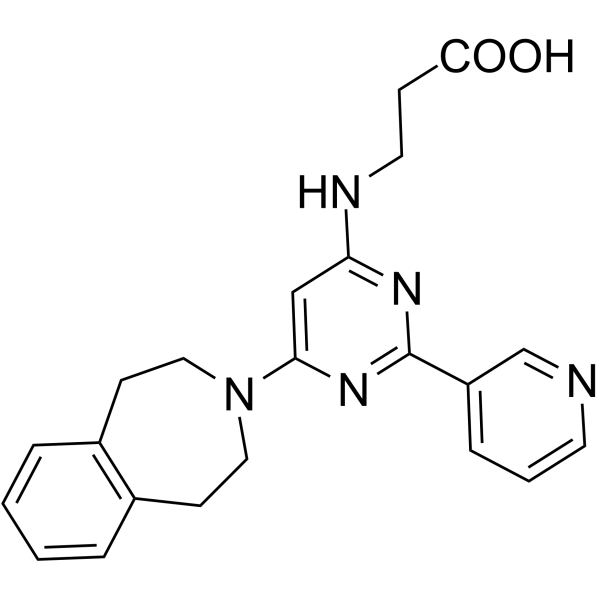
    GSK-J4
    Maximum Cited Publications
    55 Publications Verification

    Histone Demethylase Apoptosis Cancer
    GSK-J4 is a potent dual inhibitor of H3K27me3/me2-demethylases JMJD3/KDM6B and UTX/KDM6A with IC50s of 8.6 and 6.6 μM, respectively. GSK-J4 inhibits LPS-induced TNF-α production in human primary macrophages with an IC50 of 9 μM. GSK J4 is a cell permeable proagent of GSK-J1 [2] . GSK-J4 induces endoplasmic reticulum stress-related apoptosis .
    GSK-J4
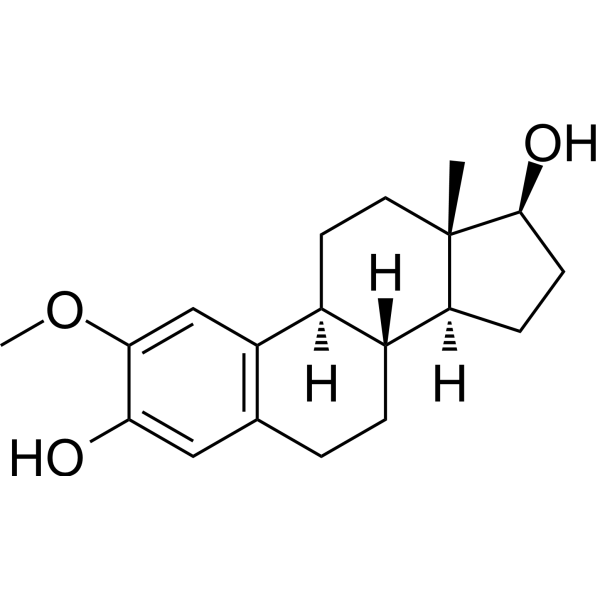
  • HY-12033
    2-Methoxyestradiol
    30+ Cited Publications

    2-ME2; NSC-659853

    Microtubule/Tubulin Reactive Oxygen Species (ROS) Apoptosis Autophagy Endogenous Metabolite Cancer
    2-Methoxyestradiol (2-ME2), an orally active endogenous metabolite of 17β-estradiol (E2), is an apoptosis inducer and an angiogenesis inhibitor with potent antineoplastic activity. 2-Methoxyestradiol also destablize microtubules. 2-Methoxyestradio, also a potent superoxide dismutase (SOD) inhibitor and a ROS-generating agent, induces autophagy in the transformed cell line HEK293 and the cancer cell lines U87 and HeLa [2] .
    2-Methoxyestradiol
  • HY-D0858
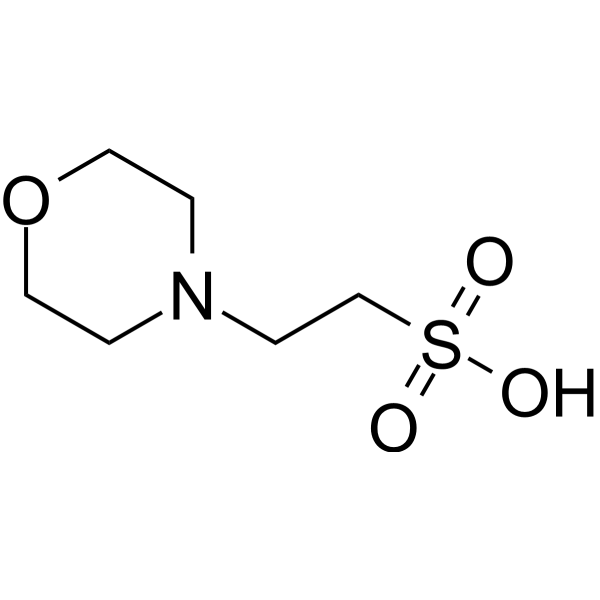
    MES
    4 Publications Verification

    2-Morpholinoethanesulphonic acid

    Biochemical Assay Reagents Others
    MES (2-Morpholinoethanesulphonic acid) is a kind of amphoteric ion buffer, the buffer capacity ranging pH 5.5-7.0. As a Good's buffer, MES is widely used in biochemistry and molecular biology experiments, such as cell culture, enzyme activity determination, electrophoresis and protein studies [2].
    MES
  • HY-15227
    EPZ004777
    5+ Cited Publications

    Histone Methyltransferase Apoptosis Inflammation/Immunology Cancer
    EPZ004777 is an effective and selective DOT1L inhibitor, with IC50 being 0.4 nM. EPZ004777 reduces the levels of H3K79me2 and H3K79me1, significantly down-regulating the expression of HOXA9 and MEIS1. EPZ004777 selectively inhibits the proliferation of MLL rearrangement cells and promotes the differentiation and subsequent apoptosis (apoptosis) of leukemia cells. EPZ004777 can be used for the study of leukemia [2] .
    EPZ004777
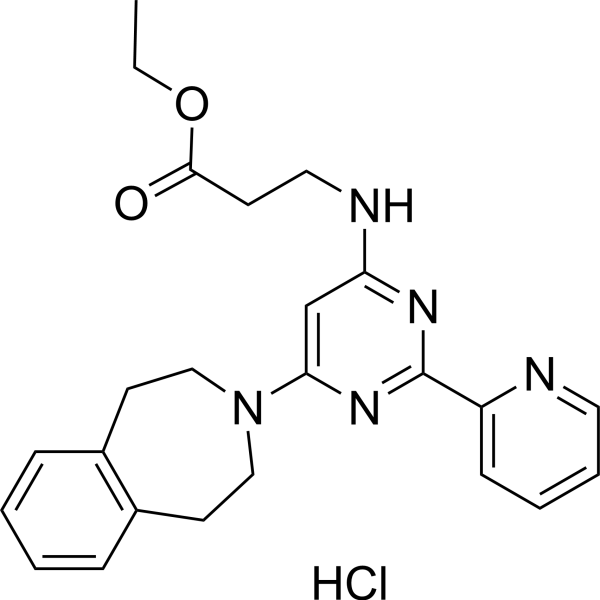
  • HY-15648F
    GSK-J4 hydrochloride
    Maximum Cited Publications
    55 Publications Verification

    Histone Demethylase Cancer
    GSK-J4 hydrochloride is a potent dual inhibitor of H3K27me3/me2-demethylases JMJD3/KDM6B and UTX/KDM6A with IC50s of 8.6 and 6.6 μM, respectively. GSK-J4 hydrochloride inhibits LPS-induced TNF-α production in human primary macrophages with an IC50 of 9 μM. GSK-J4 hydrochloride is a cell permeable proagent of GSK-J1 [2] .
    GSK-J4 hydrochloride
  • HY-154812

    KTX-1001

    Histone Methyltransferase CD44 Cancer
    Gintemetostat (KTX-1001) is an orally active, highly specific NSD2/MMSET histone methyltransferase inhibitor with human NSD2 IC50 values ranging 0.460-2.17 nM and NSD2 SET domain IC50 of 2.32 nM and Kd values ranging 6.3-70.4 nM .Gintemetostat reduces H3K36me2 levels, impairs multiple myeloma cell adhesion and colony formation, enhances cytotoxicity, boosts T-cell activation, and sensitizes resistant multiple myeloma cells to other agents [2] .Gintemetostat can be used for the research of multiple myeloma and relapsed and refractory multiple myeloma [2] .
    Gintemetostat
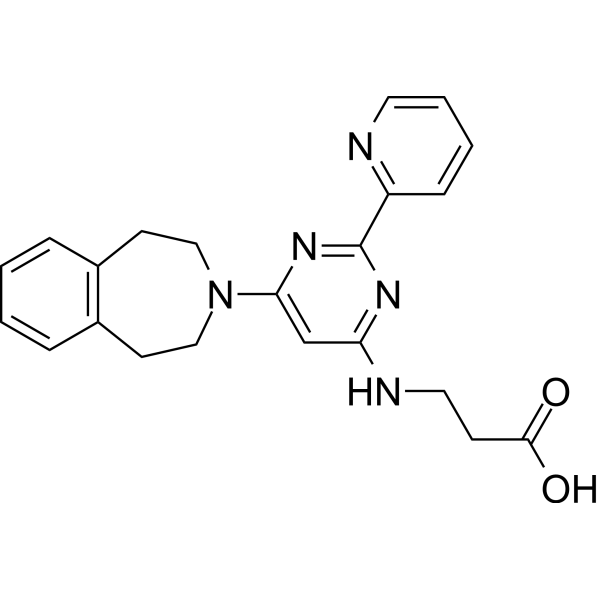
  • HY-15648
    GSK-J1
    15+ Cited Publications

    Histone Demethylase Cancer
    GSK-J1, a chemical probe, is a potent inhibitor of H3K27me3/me2-demethylases JMJD3/KDM6B and UTX/KDM6A, with IC50 of 60 nM towards KDM6B.
    GSK-J1
  • HY-D0858A
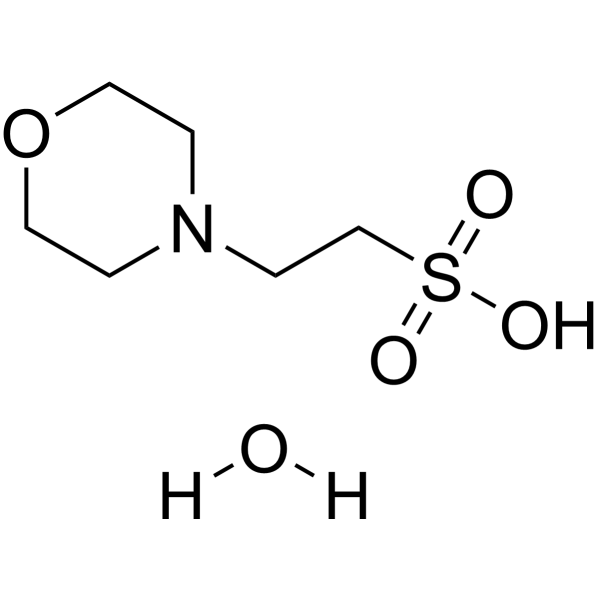
    MES monohydrate
    4 Publications Verification

    2-Morpholinoethanesulphonic acid monohydrate

    Biochemical Assay Reagents Others
    MES (2-Morpholinoethanesulphonic acid) monohydrate is a kind of amphoteric ion buffer, the buffer capacity ranging pH 5.5-7.0. As a Good's buffer, MES monohydrate is widely used in biochemistry and molecular biology experiments, such as cell culture, enzyme activity determination, electrophoresis and protein studies [2] .
    MES monohydrate
  • HY-13808
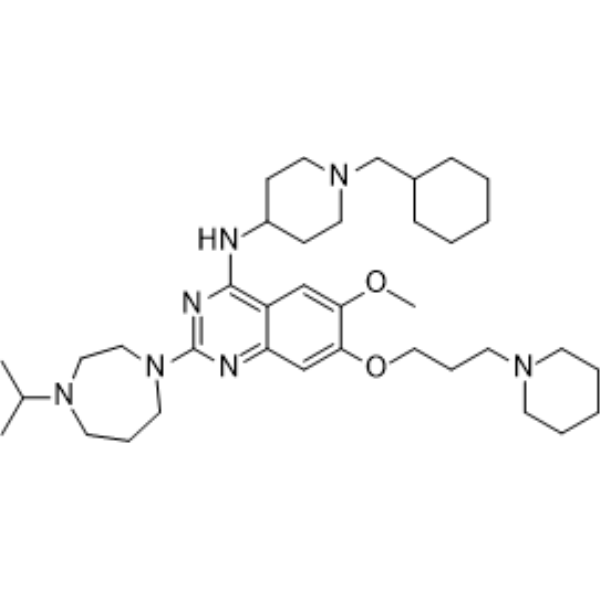
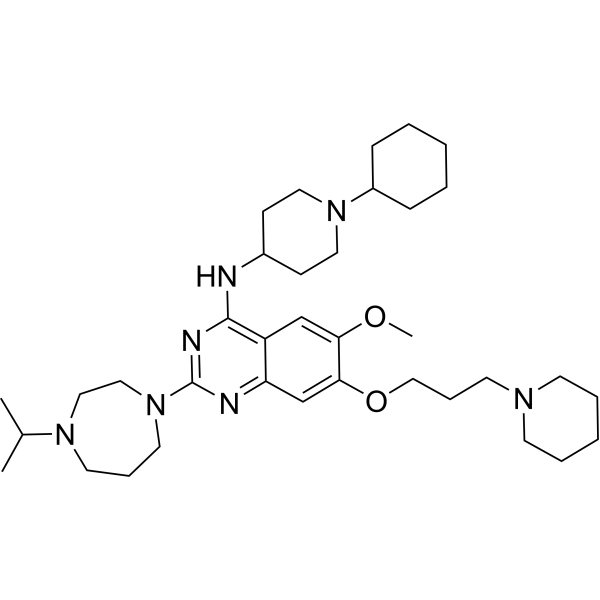
    UNC 0631
    5 Publications Verification

    Histone Methyltransferase Cancer
    UNC 0631 is a potent histone methyltransferase G9a inhibitor with an IC50 of 4 nM. UNC 0631 potently reduces H3K9me2 levels in MDA-MB-231 cells with an IC50 of 25 nM .
    UNC 0631
  • HY-15648A
    GSK-J2
    4 Publications Verification

    Histone Demethylase Cancer
    GSK-J2 is an isomer of GSK-J1 that does not have any specific activity. GSK-J1 is a potent inhibitor of H3K27me3/me2-demethylases JMJD3/KDM6B and UTX/KDM6A.
    GSK-J2
  • HY-D0858C
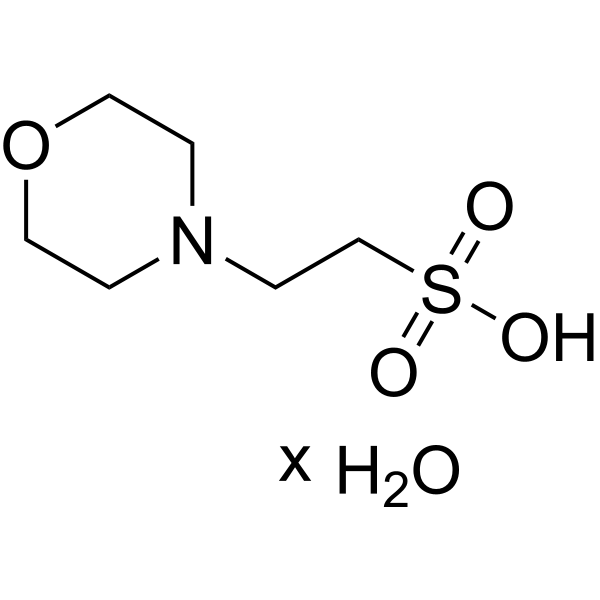
    MES hydrate
    4 Publications Verification

    2-Morpholinoethanesulphonic acid hydrate

    Biochemical Assay Reagents Others
    MES (2-Morpholinoethanesulphonic acid) hydrate is a kind of amphoteric ion buffer, the buffer capacity ranging pH 5.5-7.0. As a Good's buffer, MES hydrate is widely used in biochemistry and molecular biology experiments, such as cell culture, enzyme activity determination, electrophoresis and protein studies [2].
    MES hydrate
  • HY-D0858E
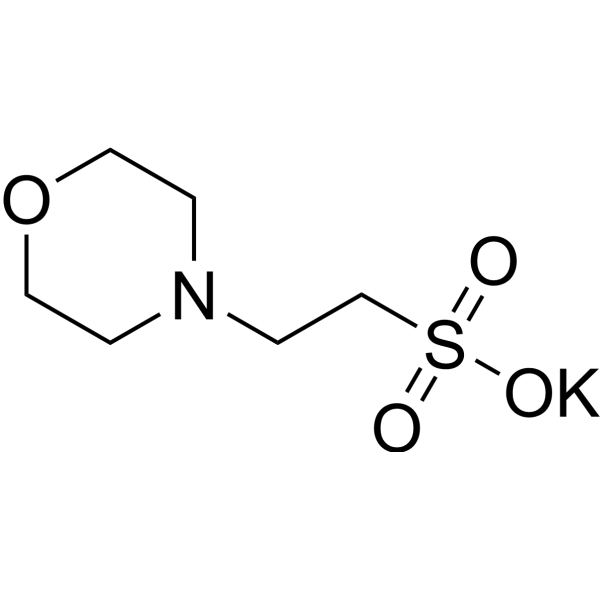
    MES potassium
    4 Publications Verification

    2-Morpholinoethanesulphonic acid potassium

    Biochemical Assay Reagents Others
    MES (2-Morpholinoethanesulphonic acid) potassium is a kind of amphoteric ion buffer, the buffer capacity ranging pH 5.5-7.0. As a Good's buffer, MES potassium is widely used in biochemistry and molecular biology experiments, such as cell culture, enzyme activity determination, electrophoresis and protein studies [2].
    MES potassium
  • HY-152775

    Histone Methyltransferase Cancer
    RK-701 is an highly selective and non-genotoxic inhibitor of G9a with IC50 value of 23-27 nM. RK-701 selectively up-regulates HbF, γ- Globin, BGLT3 expression, down-regulates H3K9me2 expression. RK-701 also has inhibition for BCL11A and ZBTB7A .
    RK-701
  • HY-13807
    UNC0646
    1 Publications Verification

    Histone Methyltransferase Cancer
    UNC0646 is a potent and selective histone methyltransferase G9a inhibitor with an IC50 of 6 nM. UNC0646 is also a potent GLP inhibitor (IC50 <15 nM) and highly selective for G9a/GLP over SETD7, SUV39H2, SETD8 and PRMT3. UNC0646 reduces H3K9me2 levels in MDA-MB-231 cells with an IC50 of 26 nM .
    UNC0646
  • HY-162275

    Histone Demethylase Histone Methyltransferase STAT Cancer
    JMJD1C-IN-1 is an orally active and selective inhibitor of JMJD1C (IC50 = 0.59 μM, Kd = 1.96 μM). JMJD1C-IN-1 inhibits the binding of JMJD1C to H3K9me2 peptide substrate in the HTRF assay (IC50 = 1.47 μM). JMJD1C-IN-1 disrupts intratumoral regulatory T (Treg) cell fitness by dual mechanisms: promoting H3K9me2 accumulation to downregulate PD1 expression and reducing STAT3 demethylation to enhance STAT3 activation. JMJD1C-IN-1 demonstrates dose-dependent antitumor efficacy in multiple mouse tumor models (MCA205 fibrosarcoma, B16-F10 melanoma, LLC lung cancer, Hepa1-6 hepatocellular carcinoma, CT26 colorectal cancer). JMJD1C-IN-1 can be used for the study of tumor immunotherapy by selectively targeting intratumoral Treg cells .
    JMJD1C-IN-1
  • HY-12033S2

    2-ME2-d5; NSC-659853-d5

    Isotope-Labeled Compounds Microtubule/Tubulin Reactive Oxygen Species (ROS) Apoptosis Autophagy Endogenous Metabolite Cancer
    2-Methoxyestradiol-d5 is the deuterium labeled 2-Methoxyestradiol. 2-Methoxyestradiol (2-ME2), an orally active endogenous metabolite of 17β-estradiol (E2), is an apoptosis inducer and an angiogenesis inhibitor with potent antineoplastic activity. 2-Methoxyestradiol also destablize microtubules. 2-Methoxyestradio, also a potent superoxide dismutase (SOD) inhibitor and a ROS-generating agent, induces autophagy in the transformed cell line HEK293 and the cancer cell lines U87 and HeLa [2] .
    2-Methoxyestradiol-d5
  • HY-100360
    MS049
    1 Publications Verification

    Histone Methyltransferase Cancer
    MS049, a chemical probe, is a potent, selective, and cell-active dual inhibitor of PRMT4 and PRMT6 with IC50s of 34 nM and 43 nM, respectively. MS049 reduces levels of Med12me2a and H3R2me2a in HEK293 cells. MS049 is not toxic and does not affect the growth of HEK293 cells .
    MS049
  • HY-145103

    Histone Methyltransferase Cancer
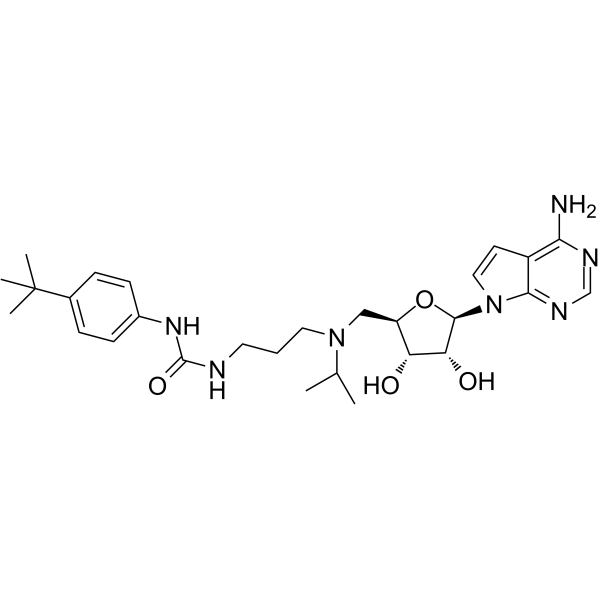
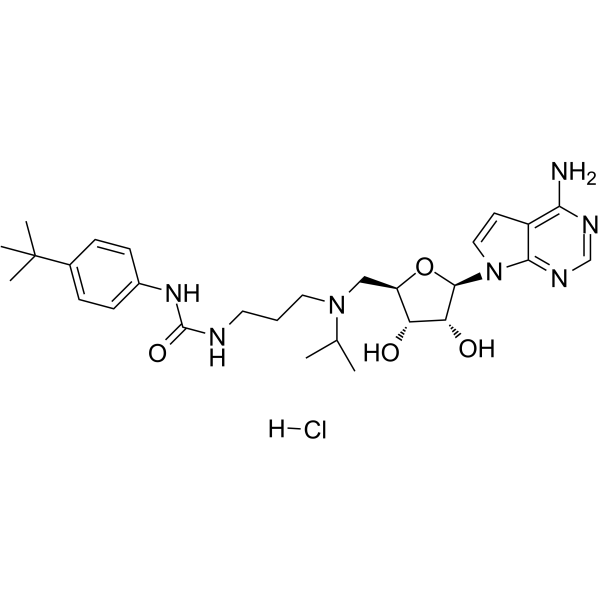
    UNC6934 is a selective NSD2-PWWP1 antagonist with IC50 values of 78 nM and 104 nM, and a Ka of 91 nM against human targets. UNC6934 binds to the canonical methyl-lysine binding pocket of NSD2-PWWP1 and directly competes with H3K36me2 for binding. UNC6934 induces the aggregation of NSD2 within the nucleolus, without altering ribosomal RNA transcription, global H3K36me2 levels or the proliferation of KMS-11 cells. UNC6934 can be used in studies related to multiple myeloma and diffuse intrinsic pontine glioma. [2]
    UNC6934
  • HY-13808R

    Reference Standards Histone Methyltransferase Cancer
    UNC 0631 (Standard) is the analytical standard of UNC 0631. This product is intended for research and analytical applications. UNC 0631 is a potent histone methyltransferase G9a inhibitor with an IC50 of 4 nM. UNC 0631 potently reduces H3K9me2 levels in MDA-MB-231 cells with an IC50 of 25 nM .
    UNC 0631 (Standard)
  • HY-157251

    Histone Methyltransferase Cancer
    UNC8153 TFA is a potent and selective nuclear receptor-binding SET domain-containing 2 (NSD2)-targeted degrader with a Kd of 24 nM. UNC8153 TFA reduces the cellular levels of both NSD2 protein (DC50 in cell U2OS is 0.35 μM) and the H3K36me2 chromatin mark. UNC8153 TFA contains a simple warhead that confers proteasome-dependent degradation of NSD2 .
    UNC8153 TFA
  • HY-15648D
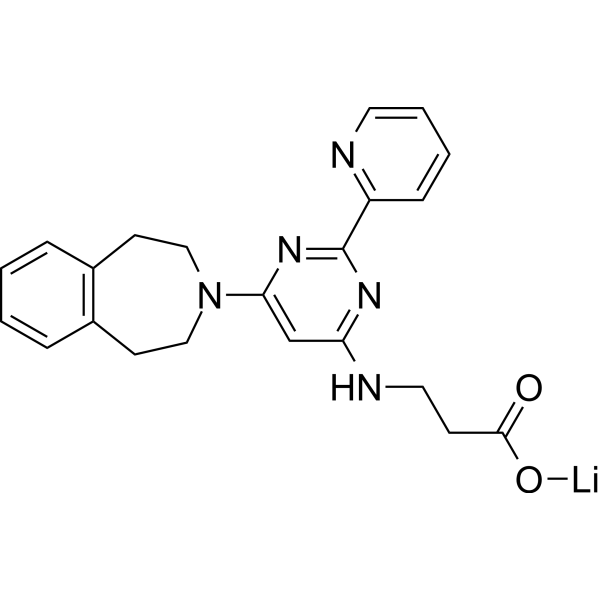
    GSK-J1 lithium salt
    15+ Cited Publications

    Histone Demethylase Cancer
    GSK-J1 lithium salt is a potent inhibitor of H3K27me3/me2-demethylases JMJD3/KDM6B and UTX/KDM6A, with IC50 of 60 nM towards KDM6B.
    GSK-J1 lithium salt
  • HY-15227A
    EPZ004777 hydrochloride
    5+ Cited Publications

    Histone Methyltransferase Apoptosis Inflammation/Immunology Cancer
    EPZ004777 hydrochloride is an effective and selective DOT1L inhibitor, with IC50 being 0.4 nM. EPZ004777 hydrochloride reduces the levels of H3K79me2 and H3K79me1, significantly down-regulating the expression of HOXA9 and MEIS1. EPZ004777 hydrochloride selectively inhibits the proliferation of MLL rearrangement cells and promotes the differentiation and subsequent apoptosis (apoptosis) of leukemia cells. EPZ004777 hydrochloride can be used for the study of leukemia [2] .
    EPZ004777 hydrochloride
  • HY-162749A

    PROTACs Histone Methyltransferase Apoptosis Cancer
    G9D-4 TFA is a G9a PROTAC degrader. G9D-4 TFA induces G9a degradation, reduces H3K9me2 levels, and prevents GLP interference via the CRBN ternary complex, proteasome and ubiquitin-like modification-dependent pathways. G9D-4 TFA exerts antiproliferative activity and induces Apoptosis in pancreatic cancer cells. G9D-4 TFA can be used for research on pancreatic cancer .
    G9D-4 TFA
  • HY-168992

    Histone Methyltransferase Neurological Disease Cancer
    UNC6535 is a covalent ligand targeting the SETDB1 triple Tudor domain (3TD) with negative allosteric modulator properties, with an IC50 of 3.4 μM and a Kd of 4.2 μM. UNC6535 inhibits the methyltransferase activity of recombinant SETDB1 protein lacking the 3TD domain. UNC6535 reversibly binds to the aromatic cages of both TD2 and TD3 subdomains of SETDB1 3TD simultaneously, displacing the endogenous H3K9Me2K14Ac histone tail ligand. UNC6535 can be used in research on cancer and neurodegenerative diseases [2].
    UNC6535
  • HY-161313

    Histone Methyltransferase HIF/HIF Prolyl-Hydroxylase Cancer
    DYB-03 is an oral active HIF-1α/EZH2 inhibitor. DYB-03 inhibits migration, invasion, and angiogenesis of lung cancer cells and HUVECs in vitro and in vivo. DYB-03 induces apoptosis in 2-ME2 - and GSK126 -resistant of A549 and H460 cells .
    DYB-03
  • HY-128579

    Histone Methyltransferase Cancer
    DW14800 is a protein arginine methyltransferase 5 (PRMT5) inhibitor, with an IC50 of 17 nM. DW14800 reduces H4R3me2s levels and enhances the transcription of HNF4α, but does not alter PRMT5 expression. Anti-cancer activity .
    DW14800
  • HY-D0858S

    Isotope-Labeled Compounds Biochemical Assay Reagents Others
    MES-d13 is the deuterium labeled MES. MES (2-Morpholinoethanesulphonic acid) is a kind of amphoteric ion buffer, the buffer capacity ranging pH 5.5-7.0. As a Good's buffer, MES is widely used in biochemistry and molecular biology experiments, such as cell culture, enzyme activity determination, electrophoresis and protein studies [2] .
    MES-d13
  • HY-D0858AR

    2-Morpholinoethanesulphonic acid monohydrate (Standard)

    Biochemical Assay Reagents Reference Standards Others
    MES (monohydrate) (Standard) is the analytical standard of MES (monohydrate). This product is intended for research and analytical applications. MES (2-Morpholinoethanesulphonic acid) is a kind of amphoteric ion buffer, the buffer capacity ranging pH 5.5-7.0. As a Good's buffer, MES is widely used in biochemistry and molecular biology experiments, such as cell culture, enzyme activity determination, electrophoresis and protein studies [2].
    MES monohydrate (Standard)
  • HY-156285

    Histone Methyltransferase Apoptosis Cancer
    ZZM-1220 is a histone lysine methyltransferase G9a/GLP covalent inhibitor with IC50s of of 458 nM and 924 nM, respectively. ZZM-1220 inhibits H3K9me2 in cells and significantly induces apoptosis of triple-negative breast cancer (TNBC) cells and blocks the cell cycle in the G2/M phase .
    ZZM-1220
  • HY-157251A

    Histone Methyltransferase Cancer
    UNC8153 is a potent and selective nuclear receptor-binding SET domain-containing 2 (NSD2)-targeted degrader with a Kd of 24 nM. UNC8153 reduces the cellular levels of both NSD2 protein (DC50 in cell U2OS is 0.35 μM) and the H3K36me2 chromatin mark. UNC8153 contains a simple warhead that confers proteasome-dependent degradation of NSD2 .
    UNC8153
  • HY-44062

    Histone Methyltransferase Inflammation/Immunology Cancer
    G9a-IN-1 (Compound 113) is a G9a protein inhibitor. G9A/EHMT2 is a nuclear histone lysine methyltransferase that catalyzes histone H3 lysine 9 dimethylation (H3K9me2), which is a reversible modification generally associated with transcriptional gene silencing. G9a-IN-1 can be used for the research of autoimmune disorders or cancer .
    G9a-IN-1
  • HY-162749

    PROTACs Histone Methyltransferase Apoptosis Cancer
    G9D-4 is a G9a PROTAC degrader. G9D-4 induces G9a degradation, reduces H3K9me2 levels, and prevents GLP interference via the CRBN ternary complex, proteasome and ubiquitin-like modification-dependent pathways. G9D-4 exerts antiproliferative activity and induces Apoptosis in pancreatic cancer cells. G9D-4 can be used for research on pancreatic cancer .
    G9D-4
  • HY-150510

    Histone Methyltransferase Neurological Disease Cancer
    MS8511 is a selective G9a/GLP covalent irreversible inhibitor by targeting a cysteine residue at the substrate binding site, with IC50 values of 100 nM (G9a) and 140 nM (GLP), and Kd values of 44 nM (G9a) and 46 nM (GLP). MS8511 reduces the cellular H3K9me2 level and enhances antiproliferation activity. MS8511 can be used for the research of several types of cancers including brain, breast, ovarian, lung, bladder, melanoma, colorectal cancer, and other disease such as Alzheimer’s disease (AD), sickle cell disease, Prader−Willi syndrome (PWS) .
    MS8511
  • HY-66025

    Amino Acid Derivatives Others
    Fmoc-Lys(Me)2-OH HCl is a lysine derivative .
    Fmoc-Lys(Me)2-OH hydrochloride
  • HY-RS08271

    Small Interfering RNA (siRNA) Others

    ME2 Human Pre-designed siRNA Set A contains three designed siRNAs for ME2 gene (Human), as well as a negative control, a positive control, and a FAM-labeled negative control.

    ME2 Human Pre-designed siRNA Set A
    ME2 Human Pre-designed siRNA Set A
  • HY-RS24141

    Small Interfering RNA (siRNA) Others

    Me2 Rat Pre-designed siRNA Set A contains three designed siRNAs for Me2 gene (Rat), as well as a negative control, a positive control, and a FAM-labeled negative control.

    Me2 Rat Pre-designed siRNA Set A
    Me2 Rat Pre-designed siRNA Set A
  • HY-RS17680

    Small Interfering RNA (siRNA) Others

    Me2 Mouse Pre-designed siRNA Set A contains three designed siRNAs for Me2 gene (Mouse), as well as a negative control, a positive control, and a FAM-labeled negative control.

    Me2 Mouse Pre-designed siRNA Set A
    Me2 Mouse Pre-designed siRNA Set A
  • HY-P4397

    Oxytocin Receptor Endocrinology
    (d(CH2)51,Tyr(Me)2,Thr4,Orn8,des-Gly-NH29)-Vasotocin, an oxytocin receptor antagonist, abolishes oxytocin-enhanced inhibitory postsynaptic currents in CA1 pyramidal neurons .
    (d(CH2)51,Tyr(Me)2,Thr4,Orn8,des-Gly-NH29)-Vasotocin
  • HY-D0858D
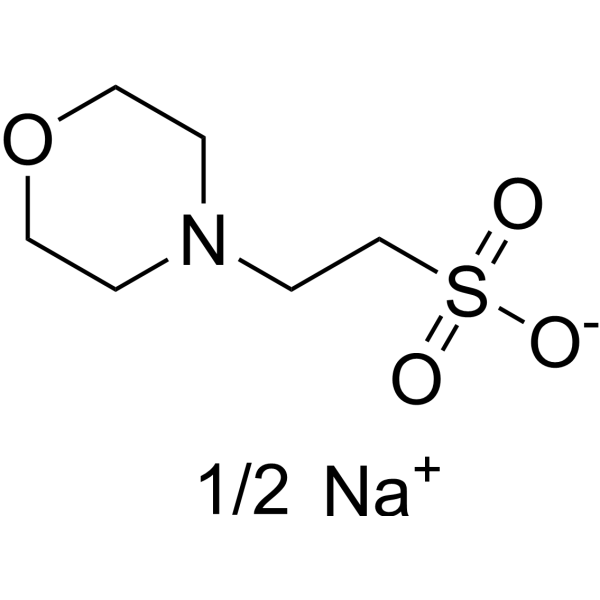
    MES hemisodium
    4 Publications Verification

    2-Morpholinoethanesulphonic acid hemisodium

    Biochemical Assay Reagents Others
    MES (2-Morpholinoethanesulphonic acid) hemisodium is a kind of amphoteric ion buffer, the buffer capacity ranging pH 5.5-7.0. As a Good's buffer, MES hemisodium is widely used in biochemistry and molecular biology experiments, such as cell culture, enzyme activity determination, electrophoresis and protein studies [2].
    MES hemisodium
  • HY-15313C
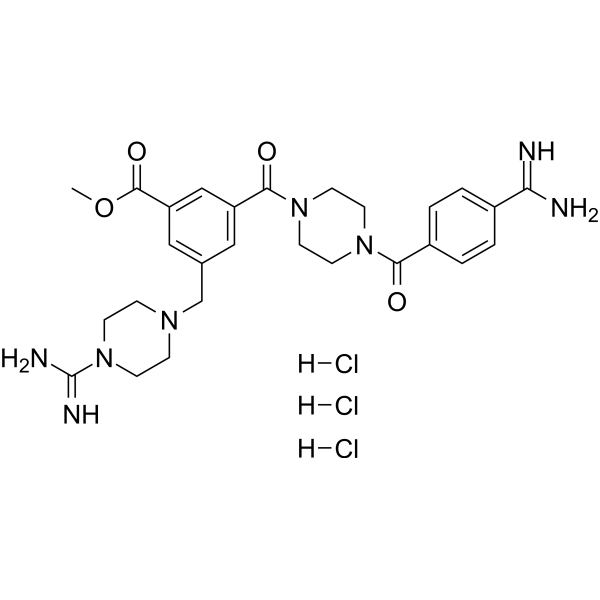
    CBB1007 trihydrochloride
    2 Publications Verification

    Histone Demethylase Metabolic Disease Cancer
    CBB1007 trihydrochloride is a reversible and selective LSD1 inhibitor with an IC50 of 5.27 µM for human LSD1. CBB1007 trihydrochloride significantly blocks the demethylase activity of LSD1 on H3K4Me2 and H3K4Me. CBB1007 trihydrochloride shows selectivity for LSD1 over LSD2 or JARID1A, and induces differentiation-related genes in pluripotent cells. CBB1007 trihydrochloride is studied in non-pluripotent cancer research, targeting teratocarcinoma, embryonic carcinoma, and seminoma [2].
    CBB1007 trihydrochloride
  • HY-150510A

    Histone Methyltransferase Neurological Disease Cancer
    MS8511 (hydrochloride) is a selective G9a/GLP covalent irreversible inhibitor by targeting a cysteine residue at the substrate binding site, with IC50 values of 100 nM (G9a) and 140 nM (GLP), and Kd values of 44 nM (G9a) and 46 nM (GLP). MS8511 (hydrochloride) reduces the cellular H3K9me2 level and enhances antiproliferation activity. MS8511 (hydrochloride) can be used for the research of several types of cancers including brain, breast, ovarian, lung, bladder, melanoma, colorectal cancer, and other disease such as Alzheimer’s disease (AD), sickle cell disease, Prader−Willi syndrome (PWS) .
    MS8511 hydrochloride
  • HY-120766

    Histone Demethylase Cancer
    NCDM-32B is a potent and selective KDM4 inhibitor, with IC50 values of 3.0 μM for KDM4A and 1.0 μM for KDM4C in in vitro enzyme assays. NCDM-32B specifically increases global H3K9me3/me2 levels in basal breast cancer cells. NCDM-32B impairs the viability of KDM4C-amplified basal breast cancer cell lines (HCC1954 and Colo824). NCDM-32B can be used for the study of breast cancer [2].
    NCDM-32B
  • HY-179427

    Histone Methyltransferase Apoptosis Reactive Oxygen Species (ROS) Cancer
    NSD2/H3K36me2 modulator-1 is an orally active NSD2/H3K36me2 modulator. NSD2/H3K36me2 modulator-1 competitively binds to the SAM pocket of NSD2, potently inhibits NSD2 expression and suppresses H3K36me2 methylation. NSD2/H3K36me2 modulator-1 reverses epithelial-mesenchymal transition (EMT), inhibits cell migration, and induces G0/G1 phase arrest and apoptosis. NSD2/H3K36me2 modulator-1 induces decreased Mitochondrial membrane potential (MMP) and subsequent Reactive oxygen species (ROS) generation. NSD2/H3K36me2 modulator-1 can be used to research the NSD2-targeting epigenetic anticancer strategies for hepatocellular carcinoma (HCC) .
    NSD2/H3K36me2 modulator-1
  • HY-154224

    Nucleoside Antimetabolite/Analog Phosphoramidites Cancer
    2’-O-Me-2-thio-U-3’-phos phoramidite is a purine nucleoside analog. Purine nucleoside analogs have broad antitumor activity targeting indolent lymphoid malignancies. Anticancer mechanisms in this process rely on inhibition of DNA synthesis, induction of apoptosis, etc .
    2’-O-Me-2-thio-U-3’-phos phoramidite
  • HY-12033S1

    2-ME2-13C6; NSC-659853-13C6

    Isotope-Labeled Compounds Microtubule/Tubulin Reactive Oxygen Species (ROS) Apoptosis Autophagy Endogenous Metabolite Cancer
    2-Methoxyestradiol- 13C6 is the 13C-labeled 2-Methoxyestradiol. 2-Methoxyestradiol (2-ME2), an orally active endogenous metabolite of 17β-estradiol (E2), is an apoptosis inducer and an angiogenesis inhibitor with potent antineoplastic activity. 2-Methoxyestradiol also destablize microtubules. 2-Methoxyestradio, also a potent superoxide dismutase (SOD) inhibitor and a ROS-generating agent, induces autophagy in the transformed cell line HEK293 and the cancer cell lines U87 and HeLa [2] .
    2-Methoxyestradiol-13C6
  • HY-P2253

    Histone Demethylase Cancer
    H3K27(Me2) (15-34), a histone peptide, is a repressive chromatin mark derived from human histone. Polycomb Repressive Complex 2 (PRC2) is a multiprotein complex that catalyzes the methylation of H3K27(Me) [2].
    H3K27(Me2) (15-34)
  • HY-12033S

    Isotope-Labeled Compounds Microtubule/Tubulin Reactive Oxygen Species (ROS) Apoptosis Autophagy Endogenous Metabolite Cancer
    2-Methoxyestradiol- 13C,d3 is the 13C- and deuterium labeled 2-Methoxyestradiol. 2-Methoxyestradiol (2-ME2), an orally active endogenous metabolite of 17β-estradiol (E2), is an apoptosis inducer and an angiogenesis inhibitor with potent antineoplastic activity. 2-Methoxyestradiol also destablize microtubules. 2-Methoxyestradio, also a potent superoxide dismutase (SOD) inhibitor and a ROS-generating agent, induces autophagy in the transformed cell line HEK293 and the cancer cell lines U87 and HeLa [2] .
    2-Methoxyestradiol-13C,d3
  • HY-15648FR

    Histone Demethylase Cancer
    GSK-J4 (hydrochloride) (Standard) is the analytical standard of GSK-J4 (hydrochloride). This product is intended for research and analytical applications. GSK-J4 hydrochloride is a potent dual inhibitor of H3K27me3/me2-demethylases JMJD3/KDM6B and UTX/KDM6A with IC50s of 8.6 and 6.6 μM, respectively. GSK-J4 hydrochloride inhibits LPS-induced TNF-α production in human primary macrophages with an IC50 of 9 μM. GSK-J4 hydrochloride is a cell permeable proagent of GSK-J1 [2] .
    GSK-J4 hydrochloride (Standard)
  • HY-15648BR

    Histone Demethylase Apoptosis Cancer
    GSK-J4 (Standard) is the analytical standard of GSK-J4. This product is intended for research and analytical applications. GSK-J4 is a potent dual inhibitor of H3K27me3/me2-demethylases JMJD3/KDM6B and UTX/KDM6A with IC50s of 8.6 and 6.6 μM, respectively. GSK-J4 inhibits LPS-induced TNF-α production in human primary macrophages with an IC50 of 9 μM. GSK J4 is a cell permeable proagent of GSK-J1 [2] . GSK-J4 induces endoplasmic reticulum stress-related apoptosis .
    GSK-J4 (Standard)
  • HY-P5006

    d(CH2)5[Tyr(ME)2, Dab5]AVP

    Vasopressin Receptor Cardiovascular Disease
    (d(CH2)51,Tyr(Me)2,Dab5,Arg8)-Vasopressin (d(CH2)5[Tyr(Me)2, Dab5]AVP) is a specific antagonist of vasopressin V1a receptor, with a pA2 of 6.71 .
    (d(CH2)51,Tyr(Me)2,Dab5,Arg8)-Vasopressin

Inquiry Online

Your information is safe with us. * Required Fields.

Salutation


Country or Region *

Applicant Name *


Organization Name *

Department *


Email Address *


Product Name *

Cat. No.


Requested quantity *

Phone Number *


Remarks

Inquiry Online

Inquiry Information

Product Name:
Cat. No.:
Quantity:
MCE Japan Authorized Agent:

