From 11:00 pm to 12:00 pm EST ( 8:00 pm to 9:00 pm PST ) on January 6th, the website will be under maintenance. We are sorry for the inconvenience. Please arrange your schedule properly.
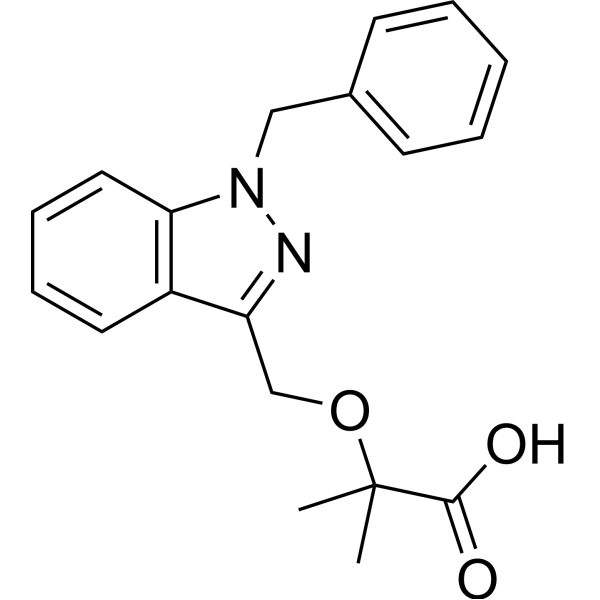
Bindarit (AF2838) is a selective inhibitor of the monocyte chemotactic proteins MCP-1/CCL2, MCP-3/CCL7, and MCP-2/CCL8, and no effect on other CC and CXC chemokines such as MIP-1α/CCL3, MIP-1β/CCL4, MIP-3/CCL23. Bindarit also has anti-inflammatory activity .
ATP (Standard) is the analytical standard of ATP. This product is intended for research and analytical applications. ATP (Adenosine 5'-triphosphate) is a central component of energy storage and metabolism in vivo. ATP provides the metabolic energy to drive metabolic pumps and serves as a coenzyme in cells. ATP is an important endogenous signaling molecule in immunity and inflammation .
In Vitro: ATP (5 mM; 1 hour) co-treatment with LPS (1 μg/mL) has a synergistic effect on the activation of the NLRP3 inflammasome in HGFs .
ATP (2 mM; 0.5-24 hours) induces secretion of IL-1β, KC and MIP-2 from BMDMs in a caspase-1 activation-dependent manner .
ATP promotes neutrophil chemotaxis in vitro . In Vivo: ATP (50 mg/kg; i.p.) protects mice against bacterial infection in vivo .
ATP induces the secretion of IL-1β, KC and MIP-2 and neutrophils recruitment in vivo .
MIPS521 is a positive allosteric modulator of adenosine A1 receptor (A1AR). MIPS521 also has a lower A1R allosteric affinity (pKB=4.95; KB=11 μM). MIPS521 exhibits pain-relieving effects in vivo through modulation of the increased levels of endogenous adenosine .
MIPS-21335 is a PI3KC2α inhibitor with an IC50 of 7 nM. MIPS-21335 also inhibits PI3KC2β, p110α, p110β and p110δ, with IC50 values of 43, 140, 386 and 742 nM, respectively. MIPS-21335 has antithrombotic effect. MIPS-21335 can be used for the researches of cardiovascular disease and metabolic disease, such as thrombosis and hyperlipidemia .
iE-DAP dihydrochloride is a Nod1 agonist. iE-DAP dihydrochloride activates NOD1, which in turn activates the NF-κB signaling pathway and MLCK signaling pathway, inducing cellular inflammatory responses and tight junction disruption. iE-DAP dihydrochloride downregulates the expression of ZO-1 and Occludin genes. iE-DAP dihydrochloride increases the secretion of IL-6, GRO-α, MCP-1, IL-8 and MIP-1β in term human trophoblast cell cultures. iE-DAP dihydrochloride triggers preterm birth in pregnant mice, reduces fetal body weight, and induces fetal inflammation. iE-DAP dihydrochloride can be used in studies related to mastitis and preterm birth .
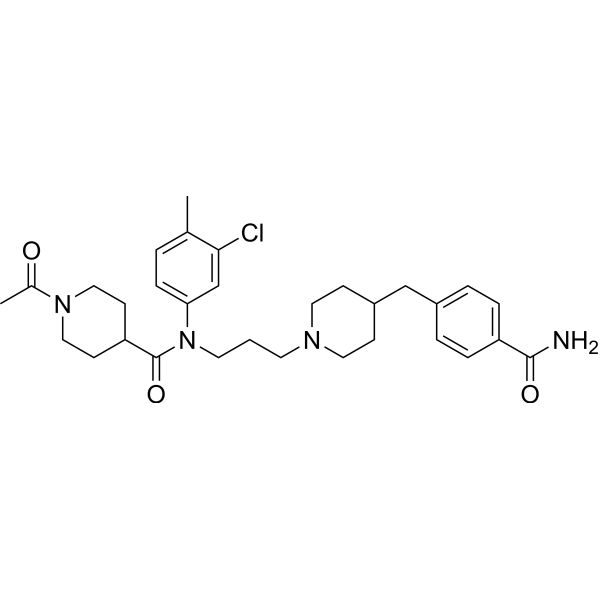
TAK-220 is a selective and orally bioavailable CCR5 antagonist, with IC50s of 3.5 nM and 1.4 nM for inhibition on the binding of RANTES and MIP-1α to CCR5, respectively, but shows no effect on the binding to CCR1, CCR2b, CCR3, CCR4, or CCR7; TAK-220 also selectively inhibits HIV-1, with EC50s of 1.2 nM (HIV-1 KK), 0.72 nM (HIV-1 CTV), 1.7 nM (HIV-1 HKW), 1.7 nM (HIV-1 HNK), 0.93 nM (HIV-1 HTN), and 0.55 nM (HIV-1 HHA), and EC90s of 12 nM (HIV-1 KK), 5 nM (HIV-1 CTV), 12 nM (HIV-1 HKW), 28 nM (HIV-1 HNK), 15 nM (HIV-1 HTN), and 4 nM (HIV-1 HHA) in PBMCs.
Met-RANTES (human) acetate is the acetate form of Met-RANTES (human) (HY-P4191). Met-RANTES (human) acetate is the antagonist for CCR1 and CCR5. Met-RANTES (human) acetate inhibits chemokines human MIP-1α and MIP-1β with IC50 of 5 and 2 nM. Met-RANTES (human) acetate reduces bone destruction and ameliorates rats adjuvant-induced arthritis (AIA) .
Ethyl 3-coumarincarboxylate is a coumarin derivative. Ethyl 3-coumarincarboxylate can be used as a pseudo-template to give a molecularly imprinted polymer (MIP) that has a fairly specific recognition capability for aflatoxins .
Calamenene is a sesquiterpene compound . Calamenene promotes dendritic cell maturation, upregulates CD1a, CD80, CD83, CD86, HLA-DR and CCR7 on the cell surface, reduces endocytic activity, enhances T cell-stimulating capacity, drives Th1 polarization through the secretion of IL-12, induces IFN-γ production, decreases IL-4 generation, and triggers intracellular Ca2+ mobilization as well as dendritic cell migration towards MIP-3β. Calamenene exerts bacteriostatic and bactericidal growth-inhibitory effects against pathogenic *Vibrio harveyi*. Calamenene can be used in studies related to cancer and bacterial infections .
MIP-1072 is a small molecule specific prostate-specific membrane antigen (PSMA) inhibitor. MIP-1072 inhibits the glutamate carboxypeptidase activity of PSMA with an Ki value of 4.6 nM. MIP-1072 is promising for research of prostate cancer .
MIP-1095 (RPS-001) TFA is a potent inhibitor of PSMA with good biodistribution and efficient targeting of tumor lesions. In applications, MIP-1095 TFA will be isotopically labeled ( 131I labeled) as an imaging probe to indicate tumor progression. And 131I-MIP-1095 showed higher renal uptake in mice .
MIPS-9922 is a potent and selective PI3Kβ inhibitor with an IC50 of 63 nM. MIPS-9922 inhibits PI3Kβ with >30-fold higher potency than PI3Kδ. MIPS-9922 blocks PI3K mediated activation of platelet glycoprotein αIIbβ3 activation and platelet adhesion in vitro. MIPS-9922 shows anti-platelet and anti-thrombotic activities .
iE-DAP is a Nod1 agonist. iE-DAP activates NOD1, which in turn activates the NF-κB signaling pathway and MLCK signaling pathway, inducing cellular inflammatory responses and tight junction disruption. iE-DAP downregulates the expression of ZO-1 and Occludin genes. iE-DAP increases the secretion of IL-6, GRO-α, MCP-1, IL-8 and MIP-1β in term human trophoblast cell cultures. iE-DAP triggers preterm birth in pregnant mice, reduces fetal body weight, and induces fetal inflammation. iE-DAP is applicable to research related to mastitis and preterm birth .
Met-RANTES (human) is the antagonist for CCR1 and CCR5. Met-RANTES (human) inhibits chemokines human MIP-1α and MIP-1β with IC50 of 5 and 2 nM. Met-RANTES (human) reduces bone destruction and ameliorates rats adjuvant-induced arthritis (AIA) .
MIPS3526 is a potent and selective A2B adenosine receptor (A2BR) agonist with a pEC50 of 10.17 (EC50 of 58 pM). MIPS3526 shows highly receptor subtype selective versus the A1R, A2AR, and A3R. MIPS3526 ameliorates angiotensin II stimulating effects in both cardiac myocytes and fibroblasts. MIPS3526 can be used for the study of cardiovascular disease including heart failure where cardiac remodeling is a major driver .
TLR4 agonist-1 (TEA) (compound 17a) is a potent agonist of Toll-like Receptor 4 (TLR4), and induces the generation of MIP-1β in RAW 264.7 and MM6 cells .
Vicriviroc (SCH 417690) is an orally active CCR5 antagonist with the IC50 of 10 nM, and also inhibts MIP-1α and intracellular calcium release induced by the ligand RANTES (10 nM) with the IC50 values of 0.91 nM and 16 nM,,respectively. Vicriviroc can inhibits human immunodeficiency virus type 1 (HIV-1) infection, and can also used for study of cancer .
Papiliocin is a potent peptide antibiotic with both anti-inflammatory and antibacterial activities. Papiliocin is primarily active against Gram-negative bacteria. Papiliocin exhibits strong anti-inflammatory activity against cell, exerting its anti-inflammatory activity by inhibiting the production of NO and the secretion of TNF-α and MIP-2. Papiliocin participates in the innate defense response mechanism by inhibiting the Toll-like receptor pathway and NF-κB. Papiliocin induces apoptosis in fungal cells and increases the total level of intracellular ROS. Papiliocin acts as an effective antiseptic peptide in sepsis models. Papiliocin is useful in anti-inflammatory and antibacterial research .
Mip-IN-1(S,S-28i)is a new rapamycin-derived macrophage infectivity potentiator (Mip) inhibitor. Mip-IN-1 displays strong anti-enzymatic activity against the Mip proteins of Neisseria meningitidis and Neisseria gonorrhoeae and substantially improved the ability of macrophages to kill the bacteria .
Mip Mouse Pre-designed siRNA Set A contains three designed siRNAs for Mip gene (Mouse), as well as a negative control, a positive control, and a FAM-labeled negative control.
MIP Human Pre-designed siRNA Set A contains three designed siRNAs for MIP gene (Human), as well as a negative control, a positive control, and a FAM-labeled negative control.
MIPEP Human Pre-designed siRNA Set A contains three designed siRNAs for MIPEP gene (Human), as well as a negative control, a positive control, and a FAM-labeled negative control.
TNPO1 Human Pre-designed siRNA Set A contains three designed siRNAs for TNPO1 gene (Human), as well as a negative control, a positive control, and a FAM-labeled negative control.
Nagrestipen, a human macrophage inflammatory protein-1 alpha (MIP-1α) variant, also known as ECI 301. Nagrestipen has antitumor activity and can be used in therapeutic trials to study cancer, tumors, metastases, radiation oncology, and tumor metastasis .
trans-J-113863 is a potent chemokine CCR1 and CCR3 receptor antagonist, and inhibits MIP-1α-induced chemotaxis in CCR1 transfectants and eotaxin-induced chemotaxis in CCR3 transfectants with IC50 of 9.57 and 93.8 nM,respectively .
E913 is a CCR5 antagonist that competes with the binding of antibodies to CCR5 which recognize the C-terminal half of the second extracellular loop (ECL2B) of CCR5. E913 can specifically block the binding of macrophage inflammatory protein-1alpha (MIP-1alpha) to CCR5 (IC50 = 0.002 μM) and MIP-1alpha-elicited cellular Ca 2+ mobilization (IC50 = 0.02 μM). E913 inhibits the replication of laboratory and primary R5 HIV-1 strains as well as various multidrug-resistant monocyte/macrophage tropic (R5) HIV-1 (IC50 = 0.03-0.06 μM). E913 can be used for the research of infection, such as HIV-1 infection .
COG112 is an antennapedia-linked apoE-mimetic peptide. COG112 attenuates induction of NO production, inhibits CXC chemokines KC and MIP-2. COG112 reduces nuclear translocation of NF-κB. COG112 inhibits phosphorylation of IκB-α and prevents the degradation of IκB-α. COG112 inhibits the inflammatory response to Citrobacter rodentium .
BC-1293 is an inhibitor for E3 ligase subunit FBXO24. BC-1293 disrupts the interaction between FBXO24 and aspartyl-tRNA synthetase (DARS2) and increases the level of DARS2. BC-1293 increases levels of IL-1β, IL-9, MIP-2, and TNF α, and exhibits immunostimulatory activity in mice .
Vicriviroc (SCH 417690) malate is an orally active CCR5 antagonist with the IC50 of 10 nM, and also inhibts MIP-1α and intracellular calcium release induced by the ligand RANTES (10 nM) with the IC50 values of 0.91 nM and 16 nM,,respectively. Vicriviroc malate can inhibits human immunodeficiency virus type 1 (HIV-1) infection, and can also used for study of cancer .
Human CCR4 mRNA encodes the human C-C motif chemokine receptor 4 (CCR4) protein, a member of G protein-coupled receptors family. CCR4 is a receptor for the CC chemokine - MIP-1, RANTES, TARC and MCP-1. Chemokines are a group of small polypeptide, structurally related molecules that regulate cell trafficking of various types of leukocytes. The chemokines also play fundamental roles in the development, homeostasis, and function of the immune system, and they have effects on cells of the central nervous system as well as on endothelial cells involved in angiogenesis or angiostasis.
CCR1 antagonist 10 (example 1) is a potent and orally active CCR1 antagonist. CCR1 antagonist 10 inhibits 125I-MIP-1α binding to THP-1 cell membranes with an Ki value of 2.3 nM .
Mip Rat Pre-designed siRNA Set A contains three designed siRNAs for Mip gene (Rat), as well as a negative control, a positive control, and a FAM-labeled negative control.
BX-513 is a highly potent and selective CCR1 antagonist. BX-513 effectively inhibits the binding of radiolabeled MIP-1α and RANTES to CCR1, with Ki values of 40 nM and 60 nM, respectively. BX-513 suppresses MIP-1α-induced extracellular acidification, MIP-1α- and RANTES-induced intracellular calcium mobilization, as well as MIP-1α- and RANTES-induced migration of peripheral blood mononuclear cells. BX-513 can be used for the research of rheumatoid arthritis and multiple sclerosis .
Mipep Mouse Pre-designed siRNA Set A contains three designed siRNAs for Mipep gene (Mouse), as well as a negative control, a positive control, and a FAM-labeled negative control.
MIPS1455 is a light-activated M1 muscarinic acetylcholine receptor ligand with irreversible binding activity to the allosteric site of the receptor. MIPS1455 is a drug target under investigation for the suppression of cognitive deficits and may become a valuable molecular tool for further investigation of allosteric interactions of the receptor .
Tnpo1 Mouse Pre-designed siRNA Set A contains three designed siRNAs for Tnpo1 gene (Mouse), as well as a negative control, a positive control, and a FAM-labeled negative control.
keleyacetal C, a meroterpenoid compound with anti-inflammatory effects via inhibiting NF-κB, ERK1/2 and IRF3 signaling pathways. Berkeleyacetal C significantly inhibits the expression of iNOS and the following NO production by macrophages. Berkeleyacetal C inhibits expression and secretion of key pro-inflammatory factors and chemokines (TNF-α, IL-6, IL-1β, MIP-1α, and MCP-1). Berkeleyacetal C also inhibits activation of neutrophils and reactive oxygen species (ROS) production. Berkeleyacetal C can be used for the study of inflammatory disorders .
iE-DAP dihydrochloride is a Nod1 agonist. iE-DAP dihydrochloride activates NOD1, which in turn activates the NF-κB signaling pathway and MLCK signaling pathway, inducing cellular inflammatory responses and tight junction disruption. iE-DAP dihydrochloride downregulates the expression of ZO-1 and Occludin genes. iE-DAP dihydrochloride increases the secretion of IL-6, GRO-α, MCP-1, IL-8 and MIP-1β in term human trophoblast cell cultures. iE-DAP dihydrochloride triggers preterm birth in pregnant mice, reduces fetal body weight, and induces fetal inflammation. iE-DAP dihydrochloride can be used in studies related to mastitis and preterm birth .
Met-RANTES (human) acetate is the acetate form of Met-RANTES (human) (HY-P4191). Met-RANTES (human) acetate is the antagonist for CCR1 and CCR5. Met-RANTES (human) acetate inhibits chemokines human MIP-1α and MIP-1β with IC50 of 5 and 2 nM. Met-RANTES (human) acetate reduces bone destruction and ameliorates rats adjuvant-induced arthritis (AIA) .
iE-DAP is a Nod1 agonist. iE-DAP activates NOD1, which in turn activates the NF-κB signaling pathway and MLCK signaling pathway, inducing cellular inflammatory responses and tight junction disruption. iE-DAP downregulates the expression of ZO-1 and Occludin genes. iE-DAP increases the secretion of IL-6, GRO-α, MCP-1, IL-8 and MIP-1β in term human trophoblast cell cultures. iE-DAP triggers preterm birth in pregnant mice, reduces fetal body weight, and induces fetal inflammation. iE-DAP is applicable to research related to mastitis and preterm birth .
Met-RANTES (human) is the antagonist for CCR1 and CCR5. Met-RANTES (human) inhibits chemokines human MIP-1α and MIP-1β with IC50 of 5 and 2 nM. Met-RANTES (human) reduces bone destruction and ameliorates rats adjuvant-induced arthritis (AIA) .
Papiliocin is a potent peptide antibiotic with both anti-inflammatory and antibacterial activities. Papiliocin is primarily active against Gram-negative bacteria. Papiliocin exhibits strong anti-inflammatory activity against cell, exerting its anti-inflammatory activity by inhibiting the production of NO and the secretion of TNF-α and MIP-2. Papiliocin participates in the innate defense response mechanism by inhibiting the Toll-like receptor pathway and NF-κB. Papiliocin induces apoptosis in fungal cells and increases the total level of intracellular ROS. Papiliocin acts as an effective antiseptic peptide in sepsis models. Papiliocin is useful in anti-inflammatory and antibacterial research .
Nagrestipen, a human macrophage inflammatory protein-1 alpha (MIP-1α) variant, also known as ECI 301. Nagrestipen has antitumor activity and can be used in therapeutic trials to study cancer, tumors, metastases, radiation oncology, and tumor metastasis .
COG112 is an antennapedia-linked apoE-mimetic peptide. COG112 attenuates induction of NO production, inhibits CXC chemokines KC and MIP-2. COG112 reduces nuclear translocation of NF-κB. COG112 inhibits phosphorylation of IκB-α and prevents the degradation of IκB-α. COG112 inhibits the inflammatory response to Citrobacter rodentium .
Bindarit (AF2838) is a selective inhibitor of the monocyte chemotactic proteins MCP-1/CCL2, MCP-3/CCL7, and MCP-2/CCL8, and no effect on other CC and CXC chemokines such as MIP-1α/CCL3, MIP-1β/CCL4, MIP-3/CCL23. Bindarit also has anti-inflammatory activity .
ATP (Standard) is the analytical standard of ATP. This product is intended for research and analytical applications. ATP (Adenosine 5'-triphosphate) is a central component of energy storage and metabolism in vivo. ATP provides the metabolic energy to drive metabolic pumps and serves as a coenzyme in cells. ATP is an important endogenous signaling molecule in immunity and inflammation .
In Vitro: ATP (5 mM; 1 hour) co-treatment with LPS (1 μg/mL) has a synergistic effect on the activation of the NLRP3 inflammasome in HGFs .
ATP (2 mM; 0.5-24 hours) induces secretion of IL-1β, KC and MIP-2 from BMDMs in a caspase-1 activation-dependent manner .
ATP promotes neutrophil chemotaxis in vitro . In Vivo: ATP (50 mg/kg; i.p.) protects mice against bacterial infection in vivo .
ATP induces the secretion of IL-1β, KC and MIP-2 and neutrophils recruitment in vivo .
Calamenene is a sesquiterpene compound . Calamenene promotes dendritic cell maturation, upregulates CD1a, CD80, CD83, CD86, HLA-DR and CCR7 on the cell surface, reduces endocytic activity, enhances T cell-stimulating capacity, drives Th1 polarization through the secretion of IL-12, induces IFN-γ production, decreases IL-4 generation, and triggers intracellular Ca2+ mobilization as well as dendritic cell migration towards MIP-3β. Calamenene exerts bacteriostatic and bactericidal growth-inhibitory effects against pathogenic *Vibrio harveyi*. Calamenene can be used in studies related to cancer and bacterial infections .
keleyacetal C, a meroterpenoid compound with anti-inflammatory effects via inhibiting NF-κB, ERK1/2 and IRF3 signaling pathways. Berkeleyacetal C significantly inhibits the expression of iNOS and the following NO production by macrophages. Berkeleyacetal C inhibits expression and secretion of key pro-inflammatory factors and chemokines (TNF-α, IL-6, IL-1β, MIP-1α, and MCP-1). Berkeleyacetal C also inhibits activation of neutrophils and reactive oxygen species (ROS) production. Berkeleyacetal C can be used for the study of inflammatory disorders .
MIP-3 alpha/CCL20 Protein, Human (His) is a CC chemokine that attracts lymphocytes and mild neutrophils by binding to and acting on the chemokine receptor CCR6. It induces intracellular calcium mobilization and mediates cancer, various autoimmune diseases, and antimicrobial effects. MIP-3 alpha/CCL20 Protein, Human (His) is a recombinant human CCL20 (A27-M96) expressed by E. coli with six-His tags at the N-terminus.
The CCL3 protein is a single factor with inflammatory and chemotactic properties that attracts immune cells such as monocytes, neutrophils, eosinophils, basophils, and lymphocytes. It is critical in pulmonary TNF-α production, neutrophil recruitment, and lung injury and may serve as an autocrine mediator of TNF-α production by macrophages. MIP-1 alpha/CCL3 Protein, Rat is the recombinant rat-derived MIP-1 alpha/CCL3 protein, expressed by E. coli , with tag free.
MIP-1 alpha/CCL3 protein, a monokine with inflammatory and chemokinetic properties, binds to CCR1, CCR4, and CCR5 receptors. Produced by CD8+ T-cells, it inhibits various strains of HIV-1, HIV-2, and SIV in a dose-dependent manner. Additionally, MIP-1 alpha/CCL3 self-associates and forms a heterodimer with MIP-1-beta(3-69). Animal-Free MIP-1 alpha/CCL3 Protein, Human (His) is the recombinant human-derived animal-FreeMIP-1 alpha/CCL3 protein, expressed by E. coli , with N-His. This product is for cell culture use only.
MIP-1 alpha/CCL3 protein, a monokine, displays inflammatory, pyrogenic, and chemokinetic properties.It induces potent chemotaxis in eosinophils and activates calcium release in neutrophils via high-affinity receptor binding.Animal-Free MIP-1 alpha/CCL3 Protein, Mouse (His) is the recombinant mouse-derived animal-FreeMIP-1 alpha/CCL3 protein, expressed by E.coli , with N-His labeled tag.This product is for cell culture use only.
CXCL2, also called Gro-beta or MIP-2, is a pro-inflammatory cytokine with chemotactic activities on neutrophils. CXCL2 is produced by activated monocytes and neutrophils and expressed at sites of inflammation. CXCL2 is involved in many immune responses including wound healing, cancer metastasis, and angiogenesis. MIP-2/CXCL2 Protein, Mouse (His-SUMO) is produced in E. coli with a N-Terminal His-tag and a N-Terminal SUMO-tag. It consists of 73 amino acids (A28-N100).
MIP-3 alpha/CCL20 Protein, Mouse (sf9, His) is a CC chemokine that attracts lymphocytes and mild neutrophils by binding to and acting on the chemokine receptor CCR6. It induces intracellular calcium mobilization and mediates cancer, various autoimmune diseases, and antimicrobial effects. MIP-3 alpha/CCL20 Protein, Mouse (sf9, His) is a recombinant mouse CCL20 expressed by Sf9 insect cells with a his tag at the C-terminus.
MIP-2/CXCL2 protein selectively attracts polymorphonuclear leukocytes without inducing chemotaxis or oxidative burst.Its chemotactic function coordinates the directional migration of polymorphonuclear leukocytes and contributes to their recruitment in response to inflammatory signals.MIP-2/CXCL2 Protein, Mouse (His) is the recombinant mouse-derived MIP-2/CXCL2 protein, expressed by E.coli , with N-6*His labeled tag.
MIP-3 alpha/CCL20 Protein, Mouse is a CC chemokine that attracts lymphocytes and mild neutrophils by binding to and acting on the chemokine receptor CCR6. It induces intracellular calcium mobilization and mediates cancer, various autoimmune diseases, and antimicrobial effects. MIP-3 alpha/CCL20 Protein, Mouse is a recombinant mouse CCL20 (A28-M97) expressed by E. coli.
MIP-3 alpha/CCL20 Protein, Human is a CC chemokine that attracts lymphocytes and mild neutrophils by binding to and acting on the chemokine receptor CCR6. It induces intracellular calcium mobilization and mediates cancer, various autoimmune diseases, and antimicrobial effects. MIP-3 alpha/CCL20 Protein, Human is a recombinant human CCL20 (A27-M96) expressed by E. coli.
MIP-1 alpha/CCL3 Protein, Human, an important chemokine, is a key regulator of immune microenvironment and primarily mediates the trafficking of immune cells in both inflammation and cancer. MIP-1 alpha/CCL3 Protein, Human is a recombinant human CCL3 (S24-A92) expressed by E.coil.
MIP-3 alpha/CCL20 Protein, Human (CHO) is a CC chemokine that attracts lymphocytes and mild neutrophils by binding to and acting on the chemokine receptor CCR6. It induces intracellular calcium mobilization and mediates cancer, various autoimmune diseases, and antimicrobial effects. MIP-3 alpha/CCL20 Protein, Human (CHO) is a recombinant human CCL20 (A27-M96) expressed by CHO cells.
MIP-4/CCL18 Protein, Human (His) is a CC chemokine ligand that binds to PITPNM3, GPR30 and CCR8 receptors and also acts as a neutral CCR3 antagonist mediating inflammation, autoimmunity and carcinogenesis. MIP-4/CCL18 Protein, Human (His) is a recombinant human MIP-4/CCL18 (A21-A89) protein expressed by E. coli with a his tag at N end.
MIP-1 alpha/CCL3 Protein, Mouse (HEK293), an important chemokine, is a key regulator of immune microenvironment and primarily mediates the trafficking of immune cells in both inflammation and cancer. MIP-1 alpha/CCL3 Protein, Mouse (HEK293) is a recombinant mouse CCL3 expressed by HEK293.
MIP-3 alpha/CCL20 Protein, Rat (HEK293) is a CC chemokine that attracts lymphocytes and mild neutrophils by binding to and acting on the chemokine receptor CCR6. It induces intracellular calcium mobilization and mediates cancer, various autoimmune diseases, and antimicrobial effects. MIP-3 alpha/CCL20 Protein, Rat (HEK293) is a recombinant rat CCL20 (A26-M96) expressed by HEK293 cells.
MIP-5/CCL15 Protein, Human (68a.a, His) is a CC chemokine with strong chemotactic properties towards myeloid cells such as dendritic cells, monocytes, neutrophils and some T-lymphocytes. MIP-5/CCL15 Protein, Human (68a.a, His) binds to chemokine receptors CCR1 and CCR3 and plays a key role in leukocyte recruitment and inflammatory disease development. development. MIP-5/CCL15 Protein, Human (68a.a, His) is a recombinant human MIP-5/CCL15 (S46–I113) expressed by E. coli with a his tag at the C end.
The MIP-3 alpha/CCL20 protein is part of the intercrine beta (CC chemokine) family and helps regulate immune cell migration and inflammation. It is thought to attract and activate dendritic cells and memory T cells, playing a crucial role in immune responses at sites of infection or inflammation. MIP-3 alpha/CCL20 Protein, Rhesus macaque (GST) is the recombinant Rhesus Macaque-derived MIP-3 alpha/CCL20 protein, expressed by E. coli , with N-GST labeled tag.
The MIP-3 α/CCL20 protein acts as a ligand for CCR6, inducing an efficient chemotactic response and intracellular calcium mobilization upon CCR6 binding. The CCL20-CCR6 pair is critical in chemotaxis, attracting dendritic cells, effector/memory T cells, and B cells, especially to skin and mucosal surfaces during homeostasis, inflammation, cancer, and autoimmune diseases. MIP-3 alpha/CCL20 Protein, Bovine (His-SUMO) is the recombinant bovine-derived MIP-3 alpha/CCL20 protein, expressed by E. coli , with N-SUMO, N-6*His labeled tag.
MIP-1 alpha/CCL3 Protein, Human, an important chemokine, is a key regulator of immune microenvironment and primarily mediates the trafficking of immune cells in both inflammation and cancer. MIP-1 alpha/CCL3 Protein, Human is a recombinant human CCL3 (S24-A92) expressed by E.coil.
The MIP-3 α/CCL20 protein acts as a ligand for CCR6, inducing an efficient chemotactic response and intracellular calcium mobilization upon CCR6 binding. The CCL20-CCR6 pair is critical in chemotaxis, attracting dendritic cells, effector/memory T cells, and B cells, especially to skin and mucosal surfaces during homeostasis, inflammation, cancer, and autoimmune diseases. MIP-3 alpha/CCL20 Protein, Bovine (P. pastoris, His) is the recombinant bovine-derived MIP-3 alpha/CCL20 protein, expressed by P. pastoris , with N-6*His labeled tag.
CCL4 protein, a monokine, acts as a homodimer and displays inflammatory and chemokinetic properties. CCL4 Protein, Rat is the recombinant rat-derived CCL4 protein, expressed by E. coli , with tag free.
MIP-1 alpha/CCL3 Protein, Mouse (His), an important chemokine, is a key regulator of immune microenvironment and primarily mediates the trafficking of immune cells in both inflammation and cancer. MIP-1 alpha/CCL3 Protein, Mouse (His) is a recombinant mouse CCL3 (A24-A92) expressed by E.coil with a N-6*His tag.
The MIP-3 beta/CCL19 protein exhibits multifaceted effects affecting lymphocyte recycling, homing, and immune responses. It is involved in T cell trafficking in the thymus and guides T cells and B cells to secondary lymphoid organs by binding to CCR7. MIP-3 beta/CCL19 Protein, Human is the recombinant human-derived MIP-3 beta/CCL19 protein, expressed by E. coli , with tag free.
The MIP-3 beta/CCL19 protein exhibits multifaceted effects affecting lymphocyte recycling, homing, and immune responses. It is involved in T cell trafficking in the thymus and guides T cells and B cells to secondary lymphoid organs by binding to CCR7. MIP-3 beta/CCL19 Protein, Human (HEK293) is the recombinant human-derived MIP-3 beta/CCL19 protein, expressed by HEK293, with tag free.
MPIF-1/CCL23 protein, Human (75a.a), a CC chemokine, is highly chemotactic for resting T cells and monocytes, mediates inflammatory and immune responses by binding to the chemokine receptor CCR1, inhibits myeloid progenitor cell formation, and has some pro-cancer effects. MPIF-1/CCL23 Protein, Human (75a.a) is a recombinant human MPIF-1/CCL23 (R46-N120) protein expressed by E. coli.
CXCL14/BRAK protein selectively attracts CESS B cells and THP-1 monocytes without affecting T cells. Its specific chemical attraction emphasizes its role in mediating B cell and monocyte migration, contributing to immune responses within the microenvironment. CXCL14/BRAK Protein, Mouse (His) is the recombinant mouse-derived CXCL14/BRAK protein, expressed by E. coli , with N-6*His labeled tag.
CXCL2, also called Gro-beta or MIP-2, is a pro-inflammatory cytokine with chemotactic activities on neutrophils. CXCL2 is produced by activated monocytes and neutrophils and expressed at sites of inflammation. CXCL2 is involved in many immune responses including wound healing, cancer metastasis, and angiogenesis. MIP-2/CXCL2 Protein, Mouse is produced in E. coli, and consists of 74 amino acids (A27-N100).
MIP-3 beta/CCL19 Protein, Mouse (sf9, His) is a CC chemokine that is strongly chemotactic for CD4 T cells and CD8 T cells and acts as a ligand that binds specifically to the chemokine receptor CCR7 to mediate tissue immunity, inflammatory responses, and antiviral infections. MIP-3 beta/CCL19 Protein, Mouse (sf9, His) is a recombinant mouse MIP-3 beta/CCL19 (G26-S108) protein expressed by Sf9 insect cells with a his tag at the C-terminus.
CCL4 protein, with inflammatory and chemokinetic properties, acts as a monokine and self-associates to form homodimers.CCL4 Protein, Mouse is the recombinant mouse-derived CCL4 protein, expressed by E.coli , with tag free.
MIP-4/CCL18 Protein, Human is a CC chemokine ligand that binds to PITPNM3, GPR30 and CCR8 receptors and also acts as a neutral CCR3 antagonist mediating inflammation, autoimmunity and carcinogenesis. MIP-4/CCL18 Protein, Human is a recombinant human MIP-4/CCL18 (A21-A89) protein expressed by E. coli.
CXCL3 is a chemoattractant for neutrophils and belongs to CXC chemokine subfamily. CXCL3 is a secreted growth factor that signals through its cognate receptor CXCR2. CXCL3 is involved in many immune responses including wound healing, cancer metastasis, and angiogenesis. GRO-ganma/CXCL3 Protein, Human is produced in E. coli , and consists of 73 amino acids (A35-N107).
CCL4 protein, with inflammatory and chemokinetic properties, acts as a monokine and self-associates to form homodimers.Animal-Free CCL4 Protein, Mouse (His) is the recombinant mouse-derived animal-FreeCCL4 protein, expressed by E.coli , with N-His labeled tag.This product is for cell culture use only.
CXCL2, also called Gro-beta or MIP-2, is a pro-inflammatory cytokine with chemotactic activities on neutrophils. CXCL2 is produced by activated monocytes and neutrophils and expressed at sites of inflammation. CXCL2 is involved in many immune responses including wound healing, cancer metastasis, and angiogenesis. GRO-beta/CXCL2 Protein, Human is produced in E. coli, and consists of 73 amino acids (A35-N107).
CXCL14 (also known as breast and kidney-expressed chemokine (BRAK)), as a non-ELR CXC chemokine. CXCL14 displays chemotactic activity for monocytes but not for B and T cells. CXCL14 is involved in cancer, immune responses, and epithelial cell proliferation and migration. CXCL14 is a potent inhibitor of angiogenesis, and also shows antimicrobial activity. CXCL14/BRAK Protein, Human is produced in E. coli, and consists of 77 amino acids (S35-E111).
MIP-3 beta/CCL19 Protein, Mouse is a CC chemokine that is strongly chemotactic for CD4 T cells and CD8 T cells and acts as a ligand that binds specifically to the chemokine receptor CCR7 to mediate tissue immunity, inflammatory responses, and antiviral infections. MIP-3 beta/CCL19 Protein, Mouse is a recombinant mouse MIP-3 beta/CCL19 (G26-S108) protein expressed by E. coli.
CXCL2, also called Gro-beta or MIP-2, is a pro-inflammatory cytokine with chemotactic activities on neutrophils. CXCL2 is produced by activated monocytes and neutrophils and expressed at sites of inflammation. CXCL2 is involved in many immune responses including wound healing, cancer metastasis, and angiogenesis. MIP-2/CXCL2 Protein, Mouse is produced in HEK293.
CXCL2, also called Gro-beta or MIP-2, is a pro-inflammatory cytokine with chemotactic activities on neutrophils. CXCL2 is produced by activated monocytes and neutrophils and expressed at sites of inflammation. CXCL2 is involved in many immune responses including wound healing, cancer metastasis, and angiogenesis. GRO-beta/CXCL2 Protein, Rat is produced in E. coli, and consists of 69 amino acids (A32-N100).
CXCL3 is a chemoattractant for neutrophils and belongs to CXC chemokine subfamily. CXCL3 is a secreted growth factor that signals through its cognate receptor CXCR2. CXCL3 is involved in many immune responses including wound healing, cancer metastasis, and angiogenesis. GRO-gamma/CXCL3 Protein, Human (CHO) is produced in CHO cells, and consists of 73 amino acids (A35-N107).
Eotaxin-3/CCL26 Protein, Human (sf9) is a CC chemokine that binds to chemokine receptors CCR3 or CX3CR1 and is a chemotactic agent for eosinophils and basophils that mediates inflammatory responses. Eotaxin-3/CCL26 Protein, Human (sf9) is a recombinant human Eotaxin-3/CCL26 (M1-L94) protein expressed by Sf9 insect cells .
MIP-5/CCL15 Protein, Human is a CC chemokine with strong chemotactic properties towards myeloid cells such as dendritic cells, monocytes, neutrophils and some T-lymphocytes. MIP-5/CCL15 Protein, Human binds to chemokine receptors CCR1 and CCR3 and plays a key role in leukocyte recruitment and inflammatory disease development. development. MIP-5/CCL15 Protein, Human is a recombinant human MIP-5/CCL15 (Q22-I113) expressed by E. coli.
CXCL14 (also known as breast and kidney-expressed chemokine (BRAK)), as a non-ELR CXC chemokine. CXCL14 displays chemotactic activity for monocytes but not for B and T cells. CXCL14 is involved in cancer, immune responses, and epithelial cell proliferation and migration. CXCL14 is a potent inhibitor of angiogenesis, and also shows antimicrobial activity. CXCL14/BRAK Protein, Human (Biotinylated), a Biotinylated CXCL14 protein, is produced in E. coli, and consists of 77 amino acids (S35-E111).
MIP-2/CXCL2 protein selectively attracts polymorphonuclear leukocytes without inducing chemotaxis or oxidative burst.Its chemotactic function coordinates the directional migration of polymorphonuclear leukocytes and contributes to their recruitment in response to inflammatory signals.Animal-Free MIP-2/CXCL2 Protein, Mouse (His) is the recombinant mouse-derived animal-FreeMIP-2/CXCL2 protein, expressed by E.coli , with N-His labeled tag.This product is for cell culture use only.
CCL4 Protein, Human (P.pastoris, His) is a small cytokine of the CC chemokine subfamily that binds to the CCR5 chemokine receptor on the cell surface, promotes leukocyte aggregation under various inflammatory conditions, and contributes to immune protection against human immunodeficiency virus type 1. CCL4 Protein, Human (P.pastoris, His) is a recombinant human CCL4 (A24-Q92) expressed by P. pastoris with a His tag at the C-terminu.
Eotaxin-3/CCL26 Protein, Human is a CC chemokine that binds to chemokine receptors CCR3 or CX3CR1 and is a chemotactic agent for eosinophils and basophils that mediates inflammatory responses. Eotaxin-3/CCL26 Protein, Human is a recombinant human Eotaxin-3/CCL26 (T24-L94) protein expressed by E. coli .
MPIF-1/CCL23 protein, Human (His), a CC chemokine, is highly chemotactic for resting T cells and monocytes, mediates inflammatory and immune responses by binding to the chemokine receptor CCR1, inhibits myeloid progenitor cell formation, and has some pro-cancer effects. MPIF-1/CCL23 Protein, Human (His) is a recombinant human MPIF-1/CCL23 protein expressed by E. coli with a his tag at the N-terminus.
The MIP-4/CCL18 protein selectively attracts lymphocytes, but not monocytes or granulocytes. It participates in the migration of B cells to follicles in lymph nodes and coordinates immune cell dynamics. MIP-4/CCL18 Protein, Human (P. pastoris, His) is the recombinant human-derived MIP-4/CCL18 protein, expressed by P. pastoris , with N-6*His labeled tag.
The GRO-gama/CXCL3 Protein, acting as a CXCR2 ligand, induces chemotactic activity for neutrophils. It potentially influences inflammation through autocrine effects on endothelial cells. In vitro studies highlight the processed form GRO-gamma(5-73)'s fivefold increase in chemotactic activity for neutrophilic granulocytes, indicating a potential regulatory mechanism for neutrophil recruitment and function. GRO-gamma/CXCL3 Protein, Human (HEK293, Fc) is the recombinant human-derived GRO-gamma/CXCL3 protein, expressed by HEK293, with N-hFc labeled tag.
GRO-beta/CXCL2 Protein, generated by activated monocytes and neutrophils, is prominently expressed at inflammatory sites. Notably, this chemokine, with hematoregulatory properties, suppresses hematopoietic progenitor cell proliferation in vitro. GRO-beta(5-73) displays heightened hematopoietic activity, emphasizing its significant role in regulating hematopoiesis. Animal-Free GRO-beta/CXCL2 Protein, Human (His) is the recombinant human-derived animal-FreeGRO-beta/CXCL2 protein, expressed by E. coli , with N-His labeled tag. This product is for cell culture use only.
GRO-beta/CXCL2 Protein, generated by activated monocytes and neutrophils, is prominently expressed at inflammatory sites. Notably, this chemokine, with hematoregulatory properties, suppresses hematopoietic progenitor cell proliferation in vitro. GRO-beta(5-73) displays heightened hematopoietic activity, emphasizing its significant role in regulating hematopoiesis. GRO-beta/CXCL2 Protein, Human (HEK293, hFc) is the recombinant human-derived GRO-beta/CXCL2 protein, expressed by HEK293, with C-hFc labeled tag.
MPIF-1/CCL23 protein, Human (99a.a), a CC chemokine, is highly chemotactic for resting T cells and monocytes, mediates inflammatory and immune responses by binding to the chemokine receptor CCR1, inhibits myeloid progenitor cell formation, and has some pro-cancer effects. MPIF-1/CCL23 Protein, Human (99a.a) is a recombinant human MPIF-1/CCL23 (R22-N120) protein expressed by E. coli.
MPIF-1/CCL23 protein, Human (P.pastoris, His), a CC chemokine, is highly chemotactic for resting T cells and monocytes, mediates inflammatory and immune responses by binding to the chemokine receptor CCR1, inhibits myeloid progenitor cell formation, and has some pro-cancer effects. MPIF-1/CCL23 Protein, Human (P.pastoris, His) is a recombinant human MPIF-1/CCL23 (R46-N120) protein expressed by P. pastoris with a his tag at the C-terminus.
CXCL3 is a chemoattractant for neutrophils and belongs to CXC chemokine subfamily. CXCL3 is a secreted growth factor that signals through its cognate receptor CXCR2. CXCL3 is involved in many immune responses including wound healing, cancer metastasis, and angiogenesis. GRO-gamma/CXCL3 Protein, Human (His) is produced in E. coli with six N-Terminal His-tags. It consists of 73 amino acids (A35-N107).
CCR1 Protein, a C-C chemokine receptor, binds MIP-1-alpha, RANTES, and, to a lesser extent, MIP-1-beta or MCP-1, initiating signal transduction and elevating intracellular calcium levels. This receptor is crucial in modulating stem cell proliferation, regulating processes vital for tissue homeostasis and immune responses. CCR1's interaction with CREB3 suggests its involvement in complex signaling networks governing cellular functions. CCR1 Protein, Mouse (Cell-Free, His) is the recombinant mouse-derived CCR1 protein, expressed by E. coli Cell-free , with N-10*His labeled tag. The total length of CCR1 Protein, Mouse (Cell-Free, His) is 355 a.a., with molecular weight of 43.7 kDa.
The GRO-gama/CXCL3 Protein, acting as a CXCR2 ligand, induces chemotactic activity for neutrophils. It potentially influences inflammation through autocrine effects on endothelial cells. In vitro studies highlight the processed form GRO-gamma(5-73)'s fivefold increase in chemotactic activity for neutrophilic granulocytes, indicating a potential regulatory mechanism for neutrophil recruitment and function. Animal-Free GRO-gama/CXCL3 Protein, Human (His) is the recombinant human-derived animal-FreeGRO-gama/CXCL3 protein, expressed by E. coli , with N-His, N-His labeled tag. This product is for cell culture use only.
CXCL3 is a chemoattractant for neutrophils and belongs to CXC chemokine subfamily. CXCL3 is a secreted growth factor that signals through its cognate receptor CXCR2. CXCL3 is involved in many immune responses including wound healing, cancer metastasis, and angiogenesis. CXCL3 Protein, Rat (CHO) is produced in CHO cells.
CCR1 Protein-VLP, Human (HEK293, His) is recommended for animal immunization, ELISA. It is not recommended for receptor-ligand interaction detection and SPR/BLI assay since there are other irrelevant membrane proteins of the host on the VLP envelope, and the receptor-ligand interaction will have strong background interference. High requirements for chips and experimental protocols are needed for SPR/BLI assays. If VLP control is required, it is recommended HY-P701236. Tags can only be detected under denaturing conditions.
LAG-1/CCL4L1 protein acts as a chemokine and can induce chemotaxis in cells expressing CCR5 or CCR1, indicating its role in cell migration (chemotaxis). Furthermore, it demonstrated the ability to inhibit HIV replication, particularly in CCR5-expressing peripheral blood mononuclear cells, suggesting a potential impact on antiviral defense mechanisms. LAG-1/CCL4L1 Protein, Human is the recombinant human-derived LAG-1/CCL4L1 protein, expressed by E. coli , with tag free.
CCR7_HUMAN; BLR 2; BLR2; C C chemokine receptor type 7; C C CKR 7; CC chemokine receptor 7; CC chemokine receptor type 7; CC CKR 7; CCCKR7; CCR 7; CD 197; CD197; CD197 antigen; CDW197; Chemokine C C motif receptor 7; Chemokine C C receptor 7; Chemokine receptor 7-like protein; EBI 1; EBI1; Ebi1h; EBV Induced G Protein Coupled Receptor 1; Epstein Barr virus induced G protein coupled receptor; Epstein Barr virus induced gene 1; EVI 1; EVI1; Lymphocyte Specific G Protein Coupled Peptide Receptor; MGC108519; MIP 3 beta receptor; MIP3 Beta Receptor.
WB, IHC-P, ICC/IF, ELISA
Human, Mouse, Rat
CCR7 Antibody is a Rabbit-derived and non-conjugated IgG polyclonal antibody, targeting to CCR7.
Mip Mouse Pre-designed siRNA Set A contains three designed siRNAs for Mip gene (Mouse), as well as a negative control, a positive control, and a FAM-labeled negative control.
MIP Human Pre-designed siRNA Set A contains three designed siRNAs for MIP gene (Human), as well as a negative control, a positive control, and a FAM-labeled negative control.
MIPEP Human Pre-designed siRNA Set A contains three designed siRNAs for MIPEP gene (Human), as well as a negative control, a positive control, and a FAM-labeled negative control.
TNPO1 Human Pre-designed siRNA Set A contains three designed siRNAs for TNPO1 gene (Human), as well as a negative control, a positive control, and a FAM-labeled negative control.
Human CCR4 mRNA encodes the human C-C motif chemokine receptor 4 (CCR4) protein, a member of G protein-coupled receptors family. CCR4 is a receptor for the CC chemokine - MIP-1, RANTES, TARC and MCP-1. Chemokines are a group of small polypeptide, structurally related molecules that regulate cell trafficking of various types of leukocytes. The chemokines also play fundamental roles in the development, homeostasis, and function of the immune system, and they have effects on cells of the central nervous system as well as on endothelial cells involved in angiogenesis or angiostasis.
Mip Rat Pre-designed siRNA Set A contains three designed siRNAs for Mip gene (Rat), as well as a negative control, a positive control, and a FAM-labeled negative control.
Mipep Mouse Pre-designed siRNA Set A contains three designed siRNAs for Mipep gene (Mouse), as well as a negative control, a positive control, and a FAM-labeled negative control.
Tnpo1 Mouse Pre-designed siRNA Set A contains three designed siRNAs for Tnpo1 gene (Mouse), as well as a negative control, a positive control, and a FAM-labeled negative control.
Inquiry Online
Your information is safe with us. * Required Fields.
Western blot analysis of extracts from THP-1(lane 2(20μg), Jurkat (lane 3(20μg) and NIH3T3(lane 4(20μg) using FOXO1A (HY-P80132) Rabbit mAb. Proteins were transferred
to a PVDF membrane and blocked with 5% non-fat milk in TBST for 2 hour at room temperature. The primary antibody (1/1000) and Loading control antibody (Beta Actin, HY-P80438, 1/10000) was
used in 5% non-fat milk in TBST at 4°C overnight. Goat Anti-Mouse/Rabbit IgG-HRP Secondary Antibody (1/10000) was used for 1 hour at room temperature.
Western blot analysis of extracts from THP-1(lane 2(20μg), Jurkat (lane 3(20μg) and NIH3T3(lane 4(20μg) using FOXO1A (HY-P80132) Rabbit mAb. Proteins were transferred
to a PVDF membrane and blocked with 5% non-fat milk in TBST for 2 hour at room temperature. The primary antibody (1/1000) and Loading control antibody (Beta Actin, HY-P80438, 1/10000) was
used in 5% non-fat milk in TBST at 4°C overnight. Goat Anti-Mouse/Rabbit IgG-HRP Secondary Antibody (1/10000) was used for 1 hour at room temperature.
Western blot analysis of extracts from THP-1(lane 2(20μg), Jurkat (lane 3(20μg) and NIH3T3(lane 4(20μg) using FOXO1A (HY-P80132) Rabbit mAb. Proteins were transferred
to a PVDF membrane and blocked with 5% non-fat milk in TBST for 2 hour at room temperature. The primary antibody (1/1000) and Loading control antibody (Beta Actin, HY-P80438, 1/10000) was
used in 5% non-fat milk in TBST at 4°C overnight. Goat Anti-Mouse/Rabbit IgG-HRP Secondary Antibody (1/10000) was used for 1 hour at room temperature.
Western blot analysis of extracts from THP-1(lane 2(20μg), Jurkat (lane 3(20μg) and NIH3T3(lane 4(20μg) using FOXO1A (HY-P80132) Rabbit mAb. Proteins were transferred
to a PVDF membrane and blocked with 5% non-fat milk in TBST for 2 hour at room temperature. The primary antibody (1/1000) and Loading control antibody (Beta Actin, HY-P80438, 1/10000) was
MedchemExpress Validation 03
Western blot analysis of extracts from THP-1(lane 2(20μg), Jurkat (lane 3(20μg) and NIH3T3(lane 4(20μg) using FOXO1A (HY-P80132) Rabbit mAb. Proteins were transferred
MedchemExpress Validation 04
Western blot analysis of extracts from THP-1(lane 2(20μg), Jurkat (lane 3(20μg) and NIH3T3(lane 4(20μg) using FOXO1A (HY-P80132) Rabbit mAb. Proteins were transferred
to a PVDF membrane and blocked with 5% non-fat milk in TBST for 2 hour at room temperature. The primary antibody (1/1000) and Loading control antibody (Beta Actin, HY-P80438, 1/10000) was
used in 5% non-fat milk in TBST at 4°C overnight. Goat Anti-Mouse/Rabbit IgG-HRP Secondary Antibody (1/10000) was used for 1 hour at room temperature.
MedchemExpress Validation
Western blot analysis of extracts from THP-1(lane 2(20μg), Jurkat (lane 3(20μg) and NIH3T3(lane 4(20μg) using FOXO1A (HY-P80132) Rabbit mAb. Proteins were transferred
to a PVDF membrane and blocked with 5% non-fat milk in TBST for 2 hour at room temperature. The primary antibody (1/1000) and Loading control antibody (Beta Actin, HY-P80438, 1/10000) was
used in 5% non-fat milk in TBST at 4°C overnight. Goat Anti-Mouse/Rabbit IgG-HRP Secondary Antibody (1/10000) was used for 1 hour at room temperature.
Western blot analysis of extracts from THP-1(lane 2(20μg), Jurkat (lane 3(20μg) and NIH3T3(lane 4(20μg) using FOXO1A (HY-P80132) Rabbit mAb. Proteins were transferred
to a PVDF membrane and blocked with 5% non-fat milk in TBST for 2 hour at room temperature. The primary antibody (1/1000) and Loading control antibody (Beta Actin, HY-P80438, 1/10000) was
used in 5% non-fat milk in TBST at 4°C overnight. Goat Anti-Mouse/Rabbit IgG-HRP Secondary Antibody (1/10000) was used for 1 hour at room temperature.
MedchemExpress Validation
Western blot analysis of extracts from THP-1(lane 2(20μg), Jurkat (lane 3(20μg) and NIH3T3(lane 4(20μg) using FOXO1A (HY-P80132) Rabbit mAb. Proteins were transferred
to a PVDF membrane and blocked with 5% non-fat milk in TBST for 2 hour at room temperature. The primary antibody (1/1000) and Loading control antibody (Beta Actin, HY-P80438, 1/10000) was
used in 5% non-fat milk in TBST at 4°C overnight. Goat Anti-Mouse/Rabbit IgG-HRP Secondary Antibody (1/10000) was used for 1 hour at room temperature.
MedchemExpress Validation
Western blot analysis of extracts from THP-1(lane 2(20μg), Jurkat (lane 3(20μg) and NIH3T3(lane 4(20μg) using FOXO1A (HY-P80132) Rabbit mAb. Proteins were transferred
to a PVDF membrane and blocked with 5% non-fat milk in TBST for 2 hour at room temperature. The primary antibody (1/1000) and Loading control antibody (Beta Actin, HY-P80438, 1/10000) was
used in 5% non-fat milk in TBST at 4°C overnight. Goat Anti-Mouse/Rabbit IgG-HRP Secondary Antibody (1/10000) was used for 1 hour at room temperature.
MedchemExpress Validation
Western blot analysis of extracts from THP-1(lane 2(20μg), Jurkat (lane 3(20μg) and NIH3T3(lane 4(20μg) using FOXO1A (HY-P80132) Rabbit mAb. Proteins were transferred
to a PVDF membrane and blocked with 5% non-fat milk in TBST for 2 hour at room temperature. The primary antibody (1/1000) and Loading control antibody (Beta Actin, HY-P80438, 1/10000) was
used in 5% non-fat milk in TBST at 4°C overnight. Goat Anti-Mouse/Rabbit IgG-HRP Secondary Antibody (1/10000) was used for 1 hour at room temperature.
MedchemExpress Validation
Western blot analysis of extracts from THP-1(lane 2(20μg), Jurkat (lane 3(20μg) and NIH3T3(lane 4(20μg) using FOXO1A (HY-P80132) Rabbit mAb. Proteins were transferred
to a PVDF membrane and blocked with 5% non-fat milk in TBST for 2 hour at room temperature. The primary antibody (1/1000) and Loading control antibody (Beta Actin, HY-P80438, 1/10000) was
used in 5% non-fat milk in TBST at 4°C overnight. Goat Anti-Mouse/Rabbit IgG-HRP Secondary Antibody (1/10000) was used for 1 hour at room temperature.
MedchemExpress Validation
Western blot analysis of extracts from THP-1(lane 2(20μg), Jurkat (lane 3(20μg) and NIH3T3(lane 4(20μg) using FOXO1A (HY-P80132) Rabbit mAb. Proteins were transferred
to a PVDF membrane and blocked with 5% non-fat milk in TBST for 2 hour at room temperature. The primary antibody (1/1000) and Loading control antibody (Beta Actin, HY-P80438, 1/10000) was
used in 5% non-fat milk in TBST at 4°C overnight. Goat Anti-Mouse/Rabbit IgG-HRP Secondary Antibody (1/10000) was used for 1 hour at room temperature.
MedchemExpress Validation
Western blot analysis of extracts from THP-1(lane 2(20μg), Jurkat (lane 3(20μg) and NIH3T3(lane 4(20μg) using FOXO1A (HY-P80132) Rabbit mAb. Proteins were transferred
to a PVDF membrane and blocked with 5% non-fat milk in TBST for 2 hour at room temperature. The primary antibody (1/1000) and Loading control antibody (Beta Actin, HY-P80438, 1/10000) was
used in 5% non-fat milk in TBST at 4°C overnight. Goat Anti-Mouse/Rabbit IgG-HRP Secondary Antibody (1/10000) was used for 1 hour at room temperature.
MedChemExpress values your privacy and your trust is important to us. We use cookies to enhance your website experience. Some cookies are necessary to run the website.
Privacy and Cookie Policy

