1. Search Result
Search Result
Results for "

NAD substrate

" in MedChemExpress (MCE) Product Catalog:

50

Inhibitors & Agonists

2

Biochemical Assay Reagents

2

Natural
Products

4

Isotope-Labeled Compounds

Targets Recommended:
Cat. No. Product Name Target Research Areas Chemical Structure
  • HY-B0445A
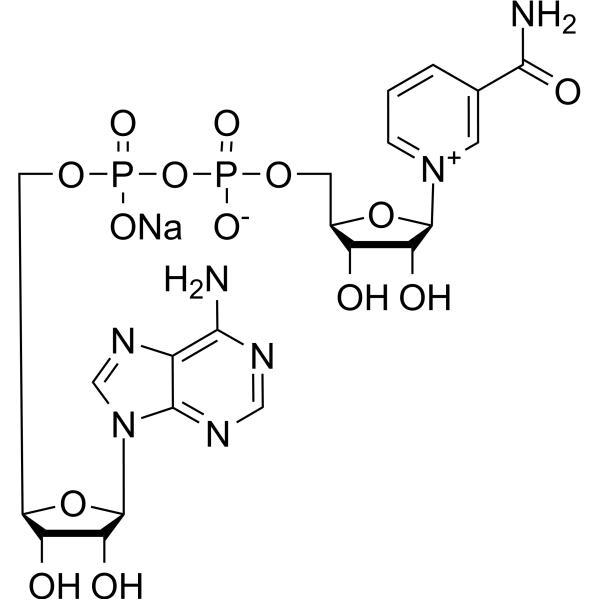
    NAD sodium
    40+ Cited Publications

    β-DPN sodium; β-NAD sodium; β-Nicotinamide Adenine Dinucleotide sodium

    Endogenous Metabolite Metabolic Disease
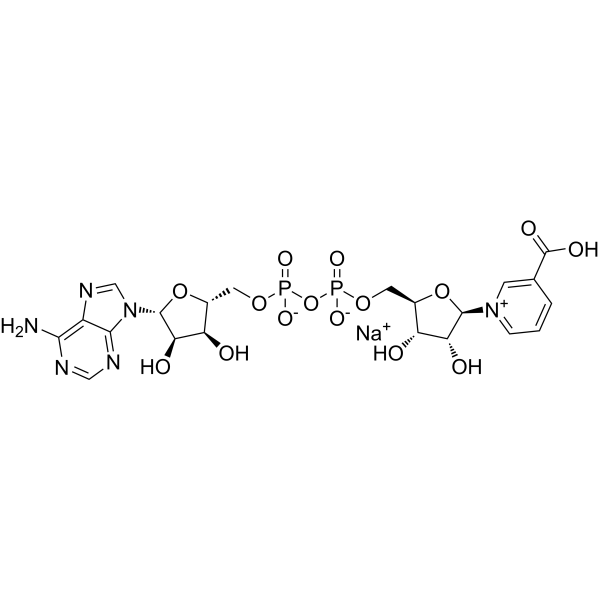
    NAD sodium is an orally effective cofactor and homeostatic regulator. NAD sodium can be reduced to β-nicotinamide adenine dinucleotide (NADH) during coupling with reactions that oxidize organic substrates. NAD sodium can be converted to β-nicotinamide adenine dinucleotide (NADH) and passes to the inside of mitochondria, which indirectly generates ATP. NAD sodium can be used for the research of non-alcoholic fatty liver disease, obesity, and glucose intolerance .
    NAD sodium
  • HY-137592

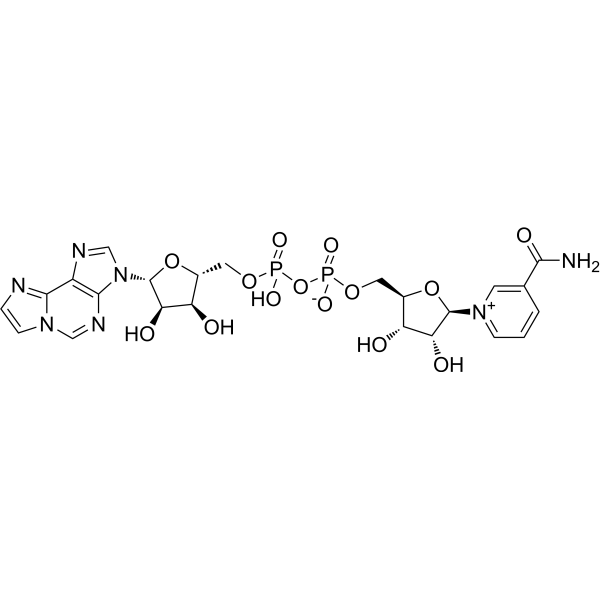
    ε-NAD

    Fluorescent Dye Phosphodiesterase (PDE) Glutamate Dehydrogenase (GLDH) Others
    Nicotinamide 1,N6-ethenoadenine dinucleotide (ε-NAD) is a fluorescent analog of NAD. Nicotinamide 1,N6-ethenoadenine dinucleotide can be cleaved by phosphodiesterase I (from C. adamanteus venom) and binds to bovine liver glutamate dehydrogenase. Nicotinamide 1,N6-ethenoadenine dinucleotide can serve as a substrate for G-ADP ribosylation of G proteins catalyzed by bacterial toxins. Nicotinamide 1,N6-ethenoadenine dinucleotide can be used as a fluorescent substrate for the study of ADP ribosylation reactions .
    Nicotinamide 1,N6-ethenoadenine dinucleotide
  • HY-B0150S
    Nicotinamide-d4
    1 Publications Verification

    Niacinamide-d4; Nicotinic acid amide-d4

    Sirtuin Endogenous Metabolite Neurological Disease Cancer
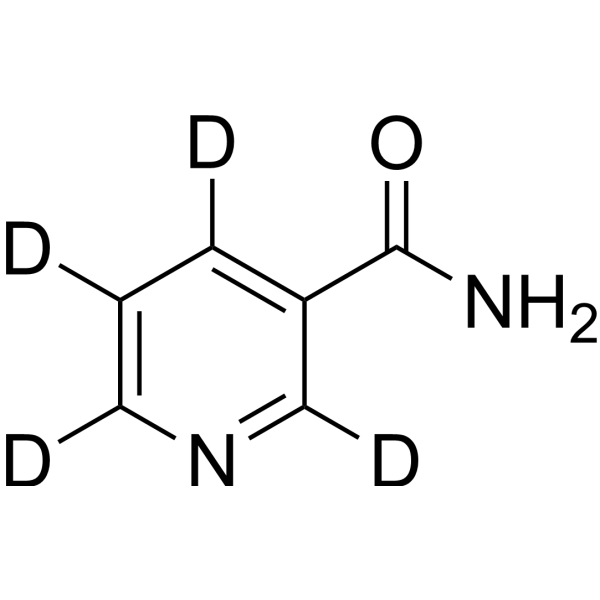
    Nicotinamide-d4 is the deuterium labeled Nicotinamide. Nicotinamide is a form of vitamin B3 that plays essential roles in cell physiology through facilitating NAD+ redox homeostasis and providing NAD+ as a substrate to a class of enzymes that catalyze non-redox reactions. Nicotinamide is an inhibitor of SIRT1.
    Nicotinamide-d4
  • HY-128895
    KL1333
    1 Publications Verification

    Quinone Reductase Mitochondrial Metabolism Metabolic Disease
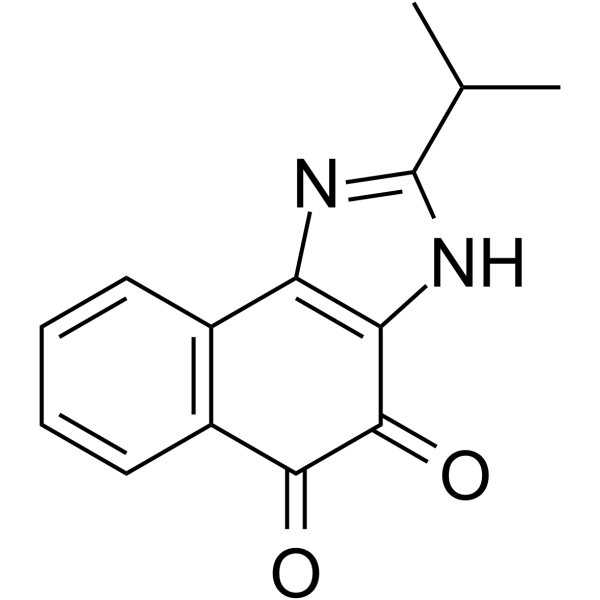
    KL1333, a derivative of β-lapachone, is an orally available NAD+ modulator. KL1333 reacts with NAD(P)H:quinone oxidoreductase 1 (NQO1) as a substrate, resulting in increases in intracellular NAD+ levels via NADH oxidation. KL1333 improves energy metabolism and mitochondrial dysfunction in MELAS fibroblasts. KL1333 protects against Cisplatin-induced ototoxicity in mouse cochlear cultures .
    KL1333
  • HY-12418
    Stenoparib
    2 Publications Verification

    E7449; 2X-121

    PARP Cancer
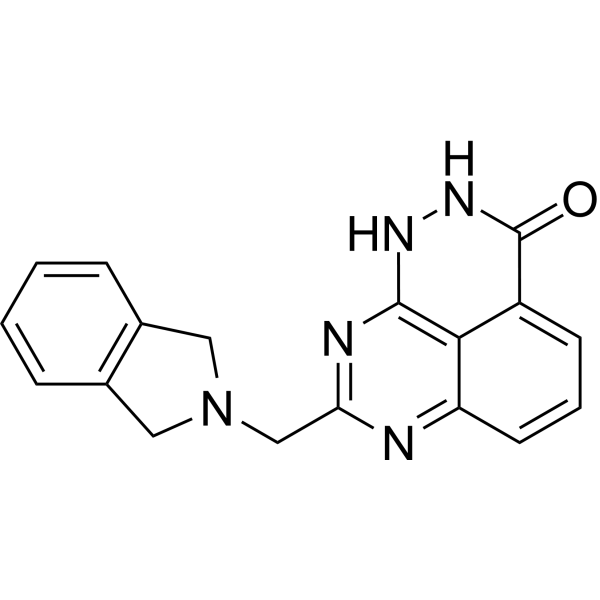
    Stenoparib (E7449) is a potent PARP1 and PARP2 inhibitor and also inhibits TNKS1 and TNKS2, with IC50s of 2.0, 1.0, ~50 and ~50 nM for PARP1, PARP2, TNKS1 and TNKS2, respectively, using 32P-NAD + as substrate.
    Stenoparib
  • HY-163316
    SIRT4-IN-1
    2 Publications Verification

    Sirtuin Glutamate Dehydrogenase (GLDH) PDHK Metabolic Disease Cancer
    SIRT4-IN-1 is a selective and potent Sirtuin 4 (Sirt4) inhibitor with an IC50 of 16 μM for hSirt4. SIRT4-IN-1 also inhibits hSirt1, hSirt2, hSirt3, hSirt4 and hSirt6. SIRT4-IN-1 competes with acyl peptide substrate for Sirt4's acyl binding site, and is noncompetitive with NAD +. SIRT4-IN-1 increases glutamate dehydrogenase (GDH) activity and rescues pyruvate dehydrogenase (PDH) activity. SIRT4-IN-1 inhibits adipocyte differentiation and suppresses Sirt4 overexpression-induced increased differentiation. SIRT4-IN-1 can be used for the researches of cancer and metabolic disease .
    SIRT4-IN-1
  • HY-125027

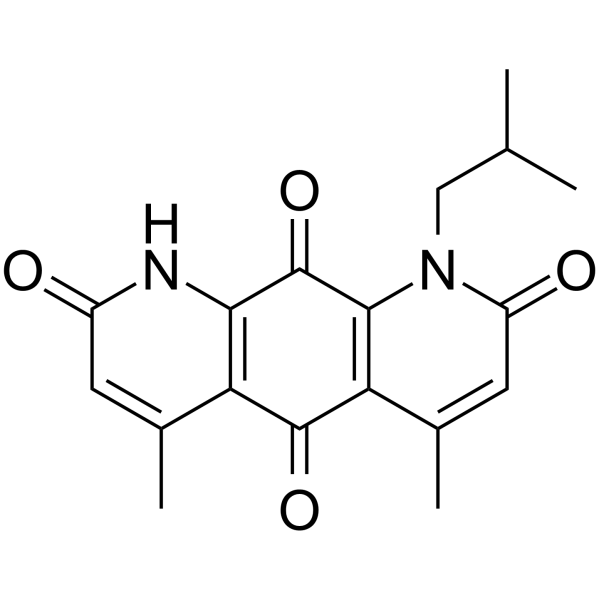
    IB-DNQ

    Quinone Reductase Cancer
    Isobutyl-deoxynyboquinone (IB-DNQ) is a selective substrate for NAD(P)H:quinone oxidoreductase (NQO1). Isobutyl-deoxynyboquinone can be used for the research of anticancer .
    Isobutyl-deoxynyboquinone
  • HY-P3185

    Biochemical Assay Reagents Metabolic Disease
    Beta-galactose dehydrogenase is a selective catalyst for β-galactose. Under pH 8.6 conditions, beta-galactose dehydrogenase catalyzes the oxidation of β-galactose, produced by the hydrolysis of lactose by β-galactosidase, with nicotinamide adenine dinucleotide (NAD) to produce reduced nicotinamide adenine dinucleotide (NADH). Beta-galactose dehydrogenase specifically mediates this oxidation reaction for the quantitative detection of the substrate, used in the analysis of lactose concentration in samples such as breast milk .
    beta-Galactose dehydrogenase
  • HY-117029
    NAAD sodium
    1 Publications Verification

    Deamido NAD sodium

    Endogenous Metabolite Metabolic Disease
    NAAD sodium (Deamido nad sodium), a functional NAD + precursor, is the substrate of glutamine-dependent NAD + synthetase. NAAD sodium is used to study the structure of nicotinate mononucleotide adenylyltransferases .
    NAAD sodium
  • HY-B0306

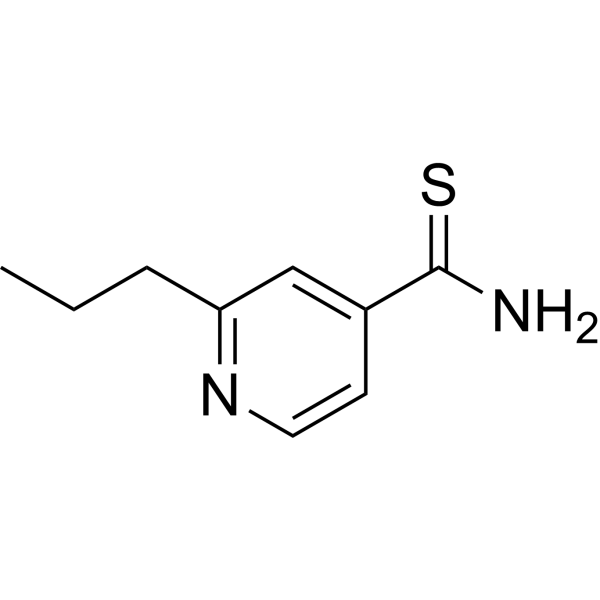
    Protionamide

    Bacterial Infection
    Prothionamide is an orally active thioamide antibacterial agent. Prothionamide is a substrate of OCT1 with a Km value of 805.8 μM. Prothionamide reacts with NAD to form a covalent adduct, with the adduct being a tight-binding inhibitor of Mycobacterium tuberculosis and Mycobacterium leprae InhA. Prothionamide can effectively inhibit the growth of Mycobacterium tuberculosis (MIC = ~0.5 µg/mL) and Mycobacterium leprae. Prothionamide is used in the research of tuberculosis and leprosy .
    Prothionamide
  • HY-15046
    EB-47
    5 Publications Verification

    PARP Cardiovascular Disease Inflammation/Immunology
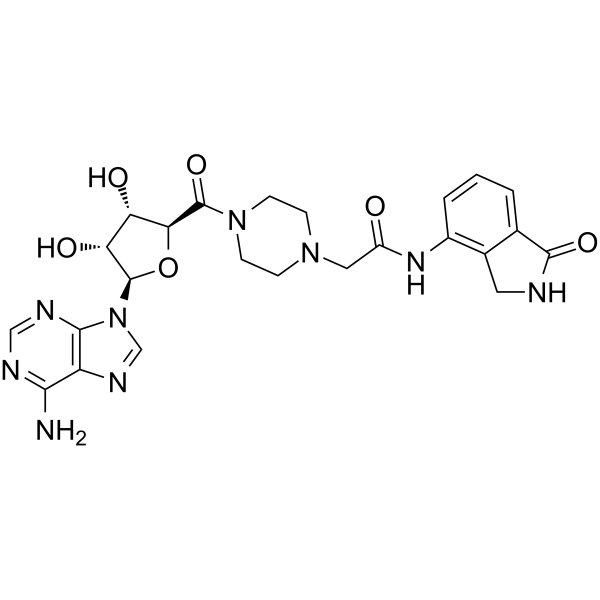
    EB-47, a potent and selective PARP-1/ARTD-1 inhibitor with an IC50 value of 45 nM, shows modest potency against ARTD5 with an IC50 value of 410 nM. EB-47 mimics the substrate NAD + and extends from the nicotinamide to the adenosine subsite .
    EB-47
  • HY-131009

    PARP Others
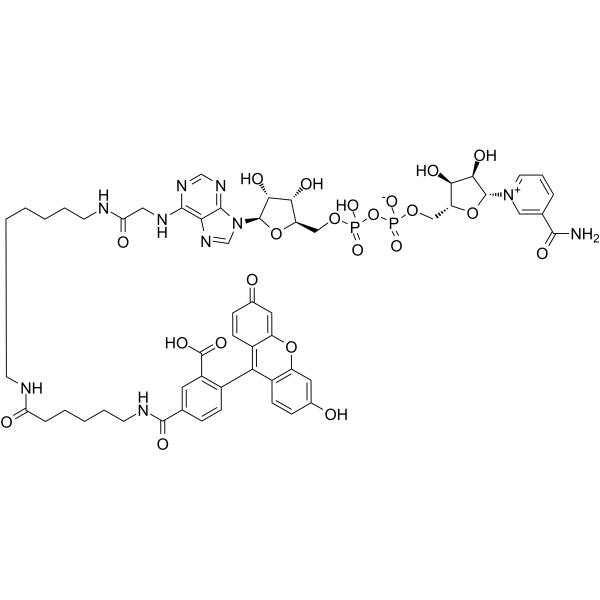
    Fluorescein-NAD+ is an alternative to radiolabeled NAD and a substrate for ADP-ribosylation. Fluorescein-NAD+ can be used in PARP assays by fluorescence microscopy. Extinction Coefficient: 262 nm.
    Fluorescein-NAD+
  • HY-134279

    Calcium Channel Others
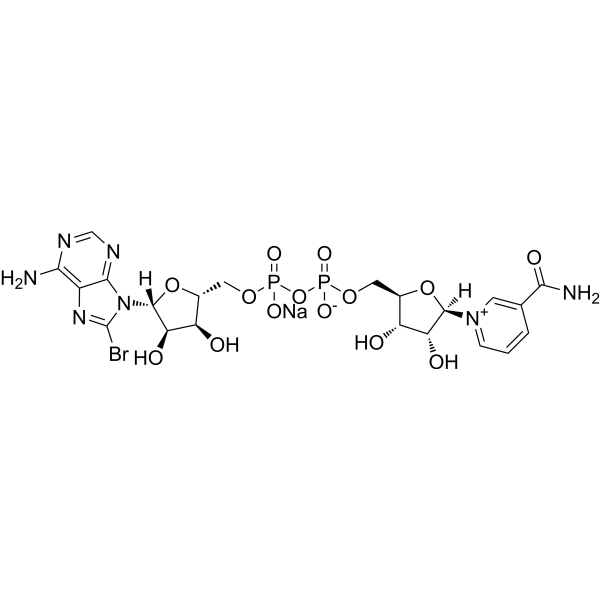
    8-Br-NAD+ sodium is an NAD+ derivative that acts as a substrate for transfer to diversely modified ADP-ribosylated molecules .
    8-Br-NAD+ sodium
  • HY-B0445B

    α-Nicotinamide Adenine Dinucleotide

    Mitochondrial Metabolism Endogenous Metabolite Metabolic Disease
    α-NAD (α-Nicotinamide Adenine Dinucleotide) serves as a substrate for reninase, functions as an analog of β-NAD, affects the kinetics of NAD-dependent enzymes, and also plays a critical role as a cofactor in mitochondrial redox reactions .
    α-NAD
  • HY-W002555

    Drug Intermediate Others
    4-Aminonicotinic acid is a building block, that can be used for synthesis of pharmaceutical agents. 4-Aminonicotinic acid can be used as the substrate or inhibitor in the research of NAD(P)H metabolism and the activity of related enzymes .
    4-Aminonicotinic acid
  • HY-108631
    EB-47 dihydrochloride
    5 Publications Verification

    PARP Inflammation/Immunology
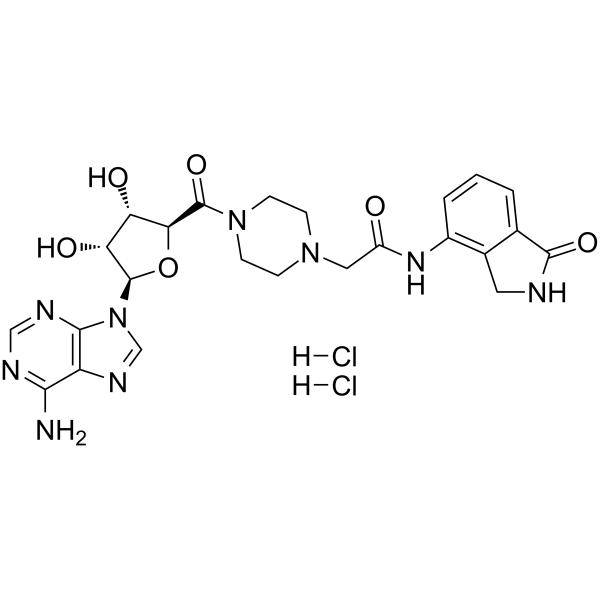
    EB-47 dihydrochloride, a potent and selective PARP-1/ARTD-1 inhibitor with an IC50 value of 45 nM, shows modest potency against ARTD5 with an IC50 value of 410 nM. EB-47 mimics the substrate NAD +?and extends from the nicotinamide to the adenosine subsite .
    EB-47 dihydrochloride
  • HY-B0150S2

    Niacinamide-13C6; Nicotinic acid amide-13C6

    Endogenous Metabolite Sirtuin Neurological Disease Cancer
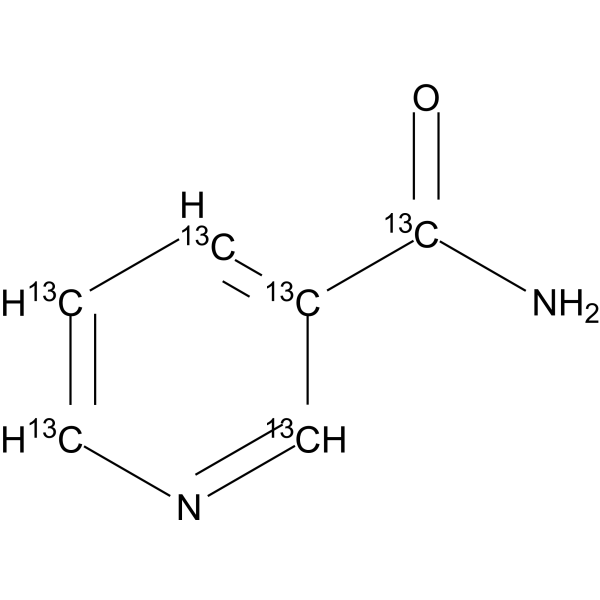
    Nicotinamide- 13C6 is the 13C-labeled Nicotinamide. Nicotinamide is a form of vitamin B3 that plays essential roles in cell physiology through facilitating NAD+ redox homeostasis and providing NAD+ as a substrate to a class of enzymes that catalyze non-redox reactions. Nicotinamide is an inhibitor of SIRT1.
    Nicotinamide-13C6
  • HY-B0150S1

    Niacinamide-15N,13C3; Nicotinic acid amide-15N,13C3

    Isotope-Labeled Compounds Endogenous Metabolite Sirtuin Neurological Disease Cancer
    Nicotinamide- 15N, 13C3 is the 13C-labeled and 15N-labeled Nicotinamide. Nicotinamide is a form of vitamin B3 that plays essential roles in cell physiology through facilitating NAD+ redox homeostasis and providing NAD+ as a substrate to a class of enzymes that catalyze non-redox reactions. Nicotinamide is an inhibitor of SIRT1.
    Nicotinamide-15N,13C3
  • HY-125147

    NAMPT Cancer
    A-1293201 is a substrate-independent NAMPT inhibitor with antitumor activity. A-1293201 effectively reduces the total cellular NAD +/NADH (NADt) level, subsequently leading to ATP depletion and cancer cell death. In addition, A-1293201 can effectively overcome the acquired resistance mechanism of the NAMPT Y18 mutant to CHS-828 (HY-10079) .
    A-1293201
  • HY-B0445AR

    β-DPN sodium (Standard); β-NAD sodium (Standard); β-Nicotinamide Adenine Dinucleotide sodium (Standard)

    Endogenous Metabolite Reference Standards Metabolic Disease
    NAD sodium (Standard) is the analytical standard of NAD sodium. This product is intended for research and analytical applications. NAD (β-Nicotinamide Adenine Dinucleotide) sodium is an analogue of NAD. NAD sodium can be reduced to β-nicotinamide adenine dinucleotide (NADH) during coupling with reactions which oxidize organic substrates. NAD sodium can be converted to β-nicotinamide adenine dinucleotide (NADH) and passes to the inside of mitochondria that indirectly generates ATP .
    NAD sodium (Standard)
  • HY-131009A

    PARP Others
    Fluorescein-NAD+ sodium is an alternative to radiolabeled NAD and a substrate for ADP-ribosylation. Fluorescein-NAD+ sodium can be used in PARP assays by fluorescence microscopy. Extinction Coefficient: 262 nm.
    Fluorescein-NAD+ sodium
  • HY-137673

    NADH Dehydrogenase Others
    2'-Deoxy-NAD+ is a noncompetitive inhibitor for NAD + with a Ki of 32 μM. 2'-Deoxy-NAD+ can be utilized as a substrate to study the ADP-ribosyl transfer reaction .
    2'-Deoxy-NAD+
  • HY-127127

    Endogenous Metabolite Others
    Deamino-NAD is a structural analog of NAD+ (HY-B0445). Deamino-NAD is involved in glycolysis as a substrate for rabbit muscle glyceraldehyde 3-phosphate dehydrogenase (GPDH), with a Km of 2300 pm, and a Kd of 112 pm .
    Deamino-NAD
  • HY-137673A

    Endogenous Metabolite Others
    2'-Deoxy-NAD+ sodium is the sodium salt form of 2'-Deoxy-NAD+ (HY-137673). 2'-Deoxy-NAD+ sodium is a noncompetitive inhibitor of NAD+ with a Ki of 32 μM. 2'-Deoxy-NAD+ sodium can be used as a substrate to study ADP-ribosyl transfer reactions.
    2'-Deoxy-NAD+ sodium
  • HY-127127A

    Aldehyde Dehydrogenase (ALDH) Endogenous Metabolite Metabolic Disease
    Deamino-NAD sodium is a structural analog of NAD+ (HY-B0445). Deamino-NAD sodium is involved in glycolysis as a substrate for rabbit muscle glyceraldehyde 3-phosphate dehydrogenase (GPDH), with a Km of 2300 pm, and a Kd of 112 pm .
    Deamino-NAD sodium
  • HY-137592A

    ε-NAD sodium

    Fluorescent Dye Others
    Nicotinamide 1,N6-ethenoadenine dinucleotide (ε-NAD) sodium, a fluorescent analogue of NAD, is able to serve as a substrate for the bacterial toxincatalyzed G-ADP ribosylation of signal-transducing G-proteins. Nicotinamide 1,N6-ethenoadenine dinucleotide sodium can be used as a fluorescent substrate for the studies of the ADP ribosylation reaction .
    Nicotinamide 1,N6-ethenoadenine dinucleotide sodium
  • HY-128895A

    Mitochondrial Metabolism Quinone Reductase Metabolic Disease
    KL1333 hydrochloride is an orally active NAD + modulator that reacts with NAD(P)H:quinone oxidoreductase 1 (NQO1) as a substrate, leading to increased intracellular NAD + levels through NADH oxidation. Elevated NAD + levels trigger activation of SIRT1 and AMPK, and subsequently activate PGC-1α. KL1333 hydrochloride improves energy metabolism and mitochondrial dysfunction in mitochondrial encephalomyopathy, lactic acidosis, and stroke-like episodes (MELAS) fibroblasts. KL1333 hydrochloride protects against cisplatin-induced ototoxicity in mouse cochlear cultures .
    KL1333 hydrochloride
  • HY-134280

    Nicotinamide 8-Br-hypoxanthine dinucleotide

    Drug Derivative Others
    8-Br-NHD+ (Nicotinamide 8-Br-hypoxanthine dinucleotide) is a derivative of NAD+ (nicotinamide adenine dinucleotide) that acts as a potential substrate, competitive inhibitor or modulator of enzymes that interact with β-NAD+. 8-Br-NHD+ can be used to synthesize a cyclic ADP nucleotide (cADPR) analog .
    8-Br-NHD+
  • HY-134355

    PARP Others
    ADPRP is an intranuclear enzyme whose main activity is to use NAD+ (nicotinamide adenine dinucleotide) as a substrate to add ADP-ribose units to chromatin-bound proteins, including the ADPRP enzyme itself. This process, called poly(ADP-ribosylation), is a post-translational modification that regulates the interaction between DNA and nuclear proteins .
    ADPRP
  • HY-156735

    17β-HSD Cancer
    HSD17B13-IN-2 is an HSD17B13 inhibitor with human IC50 values of 0.18 μM (with β-estradiol as substrate) and 0.25 μM (with Leukotriene B4 as substrate), and it exhibits selectivity for human HSD17B11. HSD17B13-IN-2 binds to the active site of HSD17B13 in an NAD +-dependent manner, interacts with the bound NAD + cofactor, and stabilizes human HSD17B13 protein to prevent its aggregation. HSD17B13-IN-2 reduces the conversion of β-estradiol to estrone in cellular assays. HSD17B13-IN-2 can be used in studies related to nonalcoholic fatty liver disease .
    HSD17B13-IN-2
  • HY-156736

    17β-HSD Cancer
    HSD17B13-IN-3 (compound 2) is a potent hydroxysteroid 17ß-dehydrogenase 13 (HSD17B13) inhibitor with IC50s of 0.38 μM and 0.45 μM in biochemical assays using both β-estradiol or Leukotriene B4 (LTB4) as substrate and NAD + as cofactor. HSD17B13-IN-3 shows low cell penetration .
    HSD17B13-IN-3
  • HY-B0306S

    Protionamide-d5

    Isotope-Labeled Compounds Bacterial Infection
    Prothionamide-d5 is deuterium labeled Prothionamide (HY-B0306). Prothionamide is an orally active thioamide antibacterial agent. Prothionamide is a substrate of OCT1 with a Km value of 805.8 μM. Prothionamide reacts with NAD to form a covalent adduct, with the adduct being a tight-binding inhibitor of Mycobacterium tuberculosis and Mycobacterium leprae InhA. Prothionamide can effectively inhibit the growth of Mycobacterium tuberculosis (MIC = ~0.5 µg/mL) and Mycobacterium leprae. Prothionamide is used in the research of tuberculosis and leprosy .
    Prothionamide-d5
  • HY-B0306R

    Protionamide (Standard)

    Reference Standards Bacterial Infection
    Prothionamide (Standard) is the analytical standard of Prothionamide (HY-B0306). This product is intended for research and analytical applications. Prothionamide is an orally active thioamide antibacterial agent. Prothionamide is a substrate of OCT1 with a Km value of 805.8 μM. Prothionamide reacts with NAD to form a covalent adduct, with the adduct being a tight-binding inhibitor of Mycobacterium tuberculosis and Mycobacterium leprae InhA. Prothionamide can effectively inhibit the growth of Mycobacterium tuberculosis (MIC = ~0.5 µg/mL) and Mycobacterium leprae. Prothionamide is used in the research of tuberculosis and leprosy .
    Prothionamide (Standard)
  • HY-134392A

    Nucleoside Antimetabolite/Analog Others
    6-Alkyne-NAD+ sodium is a nicotinamide adenine dinucleotide (NAD) analogue. 6-Alkyne-NAD+ sodium can be used as a fluorescent probe coupled with fluorescent labels for marking ADP-ribose polymerase substrate proteins .
    6-Alkyne-NAD+ sodium
  • HY-E70990

    Biochemical Assay Reagents Metabolic Disease
    Diaphorase (NADH), Bacillus megaterium (EC 1.6.99.3) is an enzyme that catalyzes the chemical reaction NAD (P)H + H+ + a quinone? NAD (P)+ + a hydroquinone. The 4 substrates of this enzyme are NADH, NADPH, H+, and quinone, whereas its 3 products are NAD+, NADP+, and hydroquinone.
    Diaphorase (NADH), Bacillus megaterium
  • HY-136263

    PARP Cancer
    Biotin-NAD + is a PARylation donor and also a substrate of poly (ADP-ribose) polymerase-1 (PARP1). Under the mediation of PARP1, Biotin-NAD + undergoes poly (ADP-ribosyl) ation to generate biotinylated poly (ADP-ribose) polymers. Biotin-NAD + can be used for pull-down assays of PARylated proteins in renal epithelial cells. Biotin-NAD + is applicable to cancer-related research .
    Biotin-NAD+
  • HY-E71009

    Biochemical Assay Reagents Metabolic Disease
    N-Acylmannosamine 1-Dehydrogenase, Pseudomonas sp. (EC 1.1.1.233) acts on the CH-OH group of donor with NAD+ or NADP+ as acceptor. The two substrates of this enzyme are N-acyl-D-mannosamine and NAD+, whereas its 3 products are N-acyl-D-mannosaminolactone, NADH, and H+.
    N-Acylmannosamine 1-Dehydrogenase, Pseudomonas sp.
  • HY-P3186B

    Endogenous Metabolite Metabolic Disease
    Glucose dehydrogenase, Pseudomonas sp. (EC 1.1.1.47) is an oxidoreductase that acts on the CH-OH group of a donor molecule and uses NAD + or NADP + as an acceptor. The three substrates of glucose dehydrogenase are β-D-glucose, NAD +, and NADP +, while its four products are D-gluconic acid-1,5-lactone, NADH, NADPH, and H +.
    Glucose dehydrogenase, Pseudomonas sp.
  • HY-E70891

    Endogenous Metabolite Metabolic Disease
    β-Galactose Dehydrogenase S, Pseudomonas fluorescens (EC 1.1.1.48) belongs to the oxidoreductase family and is an oxidoreductase that acts on the CH-OH group as a donor and uses NAD+ or NADP+ as an acceptor. β-Galactose Dehydrogenase S, Pseudomonas fluorescens, is involved in galactose metabolism. The enzyme's two substrates are D-galactose and NAD+, while its three products are D-galactonide-1,4-lactone, NADH, and H+.
    β-Galactose Dehydrogenase S, Pseudomonas fluorescens
  • HY-P2901A

    Aldose Reductase Metabolic Disease
    3α-Hydroxysteroid Dehydrogenase, Pseudomonas testosteroni (EC 1.1.1.50) belongs to the oxidoreductase family. Its three substrates are androstenedione, NAD+, and NADP+, while its four products are 5α-androstane-3,17-dione, NADH, NADPH, and H+. 3α-Hydroxysteroid Dehydrogenase, Pseudomonas testosteroni, acts on the CH-OH group of the donor molecule, with NAD+ or NADP+ as the acceptor.
    3α-Hydroxysteroid Dehydrogenase, Pseudomonas testosteroni
  • HY-179598

    Toll-like Receptor (TLR) Neurological Disease
    SARM1-IN-8 (compound 6) is a competitive SARM1 base-exchange inhibitor. SARM1-IN-8 shows competitive inhibition of SARM1 Δ1-27 activity with respect to the NAD + substrate .
    SARM1-IN-8
  • HY-DY1108

    ε-NAD (solution)

    Glutamate Dehydrogenase (GLDH) Phosphodiesterase (PDE) Fluorescent Dye Others
    Nicotinamide 1,N6-ethenoadenine dinucleotide (solution) (ε-NAD (solution)) is a fluorescent analog of NAD. Nicotinamide 1,N6-ethenoadenine dinucleotide can be cleaved by phosphodiesterase I (from C. adamanteus venom) and binds to bovine liver glutamate dehydrogenase. Nicotinamide 1,N6-ethenoadenine dinucleotide can serve as a substrate for G-ADP ribosylation of G proteins catalyzed by bacterial toxins. Nicotinamide 1,N6-ethenoadenine dinucleotide can be used as a fluorescent substrate for the study of ADP ribosylation reactions .
    Solvent and concentration: ddH2O: 20 mM
    Nicotinamide 1,N6-ethenoadenine dinucleotide (solution)
  • HY-W714186

    Etaconazole

    Bacterial Fungal Infection
    Etaconazol (Etaconazole) is an azole fungicide. Etaconazol possesses endocrine-disrupting potential and inhibits placental steroidogenesis by suppressing 3β-hydroxysteroid dehydrogenase (3β-HSD1). Etaconazol binds to the NAD +/steroid-binding site of the target enzyme and acts on both the free enzyme and enzyme-substrate complex to inhibit their activity .
    Etaconazol
  • HY-W006081

    UGT Others
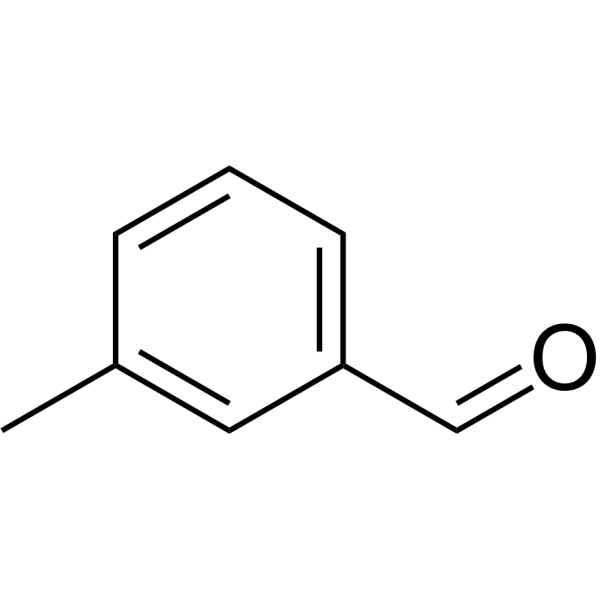
    3-Methyl-2-nitrophenol is a UDP-glucuronyltransferase (EC 2.4.1.17) acceptor substrate that can be confirmed to undergo glucuronidation catalyzed by the enzyme to form a glucuronide conjugate. 3-Methyl-2-nitrophenol functions as a substrate for conjugation, with glucuronidation forming a glucuronide conjugate that eliminates the parent compound’s characteristic yellow color. 3-Methyl-2-nitrophenol has higher lipid solubility that contributes to high glucuronidation conversion rate, and exhibits lower absorbance at 340 nm to act as a less interfering substrate for the NADH-NAD +-linked UDP-glucuronyltransferase assay .
    3-Methyl-2-nitrophenol
  • HY-E70922

    Endogenous Metabolite Metabolic Disease
    Yeast 6-Phosphogluconic Dehydrogenase (EC 1.1.1.44) belongs to the oxidoreductase family. It is an oxidoreductase that acts on the CH-OH group of the donor molecule and uses NAD+ or NADP+ as the acceptor. Yeast 6-Phosphogluconic Dehydrogenase has two substrates: 6-phosphate-D-gluconic acid and NADP+, and three products: D-ribulose-5-phosphate, CO2, and NADPH.
    Yeast 6-Phosphogluconic Dehydrogenase
  • HY-E70945

    Endogenous Metabolite Metabolic Disease
    6-Phosphogluconic Dehydrogenase, Sheep (EC 1.1.1.44) belongs to the oxidoreductase family. Its two substrates are 6-phosphate-D-gluconic acid and NADP+, and its three products are D-ribulose-5-phosphate, CO2, and NADPH. 6-Phosphogluconic Dehydrogenase, Sheep (EC 1.1.1.44) refers to an oxidoreductase that acts on the CH-OH group of the donor molecule and uses NAD+ or NADP+ as the acceptor.
    6-Phosphogluconic Dehydrogenase, Sheep
  • HY-E70977

    Biochemical Assay Reagents Metabolic Disease
    6-phospho-D-gluconate dehydrogenase, E. coli (EC 1.1.1.44) is an oxidoreductase that acts on the CH-OH group of a donor molecule and uses NAD+ or NADP+ as an acceptor. The two substrates of 6-phospho-D-gluconate dehydrogenase, E. coli (EC 1.1.1.44) are 6-phospho-D-gluconate and NADP+, while its three products are D-ribulose-5-phosphate, CO2, and NADPH.
    6-phospho-D-gluconate dehydrogenase, E. coli
  • HY-108631R

    Reference Standards PARP Inflammation/Immunology
    EB-47 dihydrochloride (Standard) is the analytical standard of EB-47 (dihydrochloride) (HY-108631). This product is intended for research and analytical applications. EB-47 dihydrochloride, a potent and selective PARP-1/ARTD-1 inhibitor with an IC50 value of 45 nM, shows modest potency against ARTD5 with an IC50 value of 410 nM. EB-47 mimics the substrate NAD+ and extends from the nicotinamide to the adenosine subsite .
    EB-47 dihydrochloride (Standard)
  • HY-182567

    NAMPT Cancer
    Nampt-IN-19 is an orally active and non-substrate nicotinamide phosphoribosyltransferase (NAMPT) inhibitor with a human Ki of 5.6 nM. Nampt-IN-19 blocks NAD + biosynthesis from Nicotinamide (HY-B0150). Nampt-IN-19 acts as an antiproliferative agent in cancer cells. Nampt-IN-19 has preclinical pharmacokinetic properties supporting oral antitumor activity in mouse xenograft models. Nampt-IN-19 can be used for the research of colorectal cancer .
    Nampt-IN-19
  • HY-182355

    Methylenetetrahydrofolate Dehydrogenase (MTHFD) Cancer
    MTHFD2-IN-7 is an orally active, selective MTHFD2 inhibitor with IC50 values of 0.038 μM and 7.44 μM against human hMTHFD1 and hMTHFD2, respectively. MTHFD2-IN-7 exerts its function by binding to the substrate-binding site of MTHFD2 and maintaining interactions with NAD+. Verified by TSA and DARTS assays, MTHFD2-IN-7 not only binds effectively to the target protein, but also possesses Caco-2 permeability and liver microsomal metabolic stability. MTHFD2-IN-7 exhibits favorable pharmacokinetic properties in mice. MTHFD2-IN-7 also significantly inhibits cancer cell proliferation and reduces tumor volume, and serves as a promising small-molecule tool for acute myeloid leukemia research .
    MTHFD2-IN-7

Inquiry Online

Your information is safe with us. * Required Fields.

Salutation


Country or Region *

Applicant Name *


Organization Name *

Department *


Email Address *


Product Name *

Cat. No.


Requested quantity *

Phone Number *


Remarks

Inquiry Online

Inquiry Information

Product Name:
Cat. No.:
Quantity:
MCE Japan Authorized Agent:

