


54 Results for "

Neutrophil migration

" in MedChemExpress (MCE) Product Catalog:
Products (54)

54 Results for "Neutrophil migration" in MCE Product Catalog:

14
14 Publications Verification
Cat. No.: HY-P1119
CAS No.: 878557-55-2
Research Areas:  

Neurological Disease

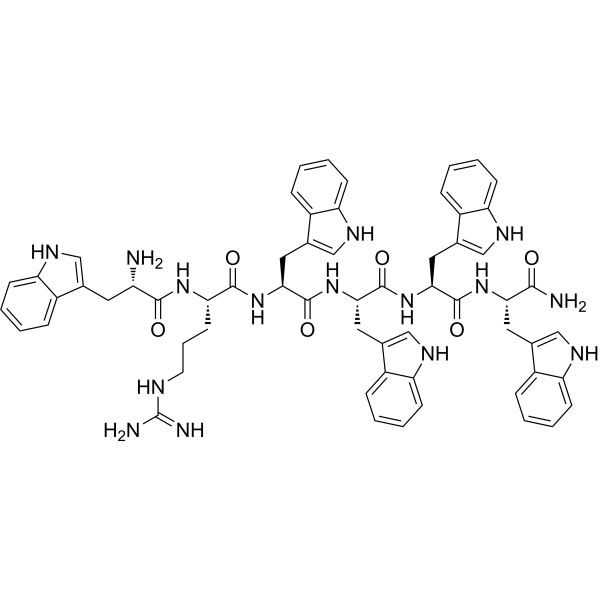
WRW4, a specific formyl peptide receptor-like 1 (FPRL1) antagonist, inhibits WKYMVm binding to FPRL1 with an IC50 of 0.23 μM. WRW4 specifically inhibits the increase in intracellular calcium by the FPRL1 agonists MMK-1, amyloid beta42 (Abeta42) peptide, and F peptide .
loading...
    loading...
4
4 Cited Publications
Cat. No.: HY-103363
CAS No.: 247580-43-4
Purity:  99.58%
Research Areas:  

Inflammation/Immunology Cancer

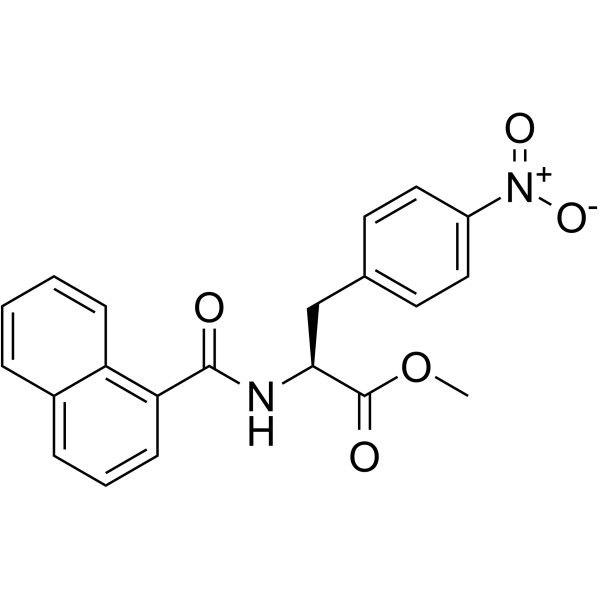
SB-328437 is a potent, selective non-peptide CCR3 antagonist with an IC50 of 4.5 nM. SB-328437 can inhibit eosinophil migration induced by eotaxin, eotaxin-2, and monocyte chemotactic protein-4. In addition, SB-328437 can sensitize 5-FU (HY-90006)-resistant gastric cancer cells. SB-328437 can also reduce the recruitment of neutrophils to the lungs and pulmonary inflammation during acute inflammation. SB-328437 can be used in the research of inflammation-related diseases .
loading...
    loading...
4
4 Cited Publications
Cat. No.: HY-106139
CAS No.: 187269-40-5
Purity:  98.82%
Synonyms: TBC-1269
Research Areas:  

Inflammation/Immunology

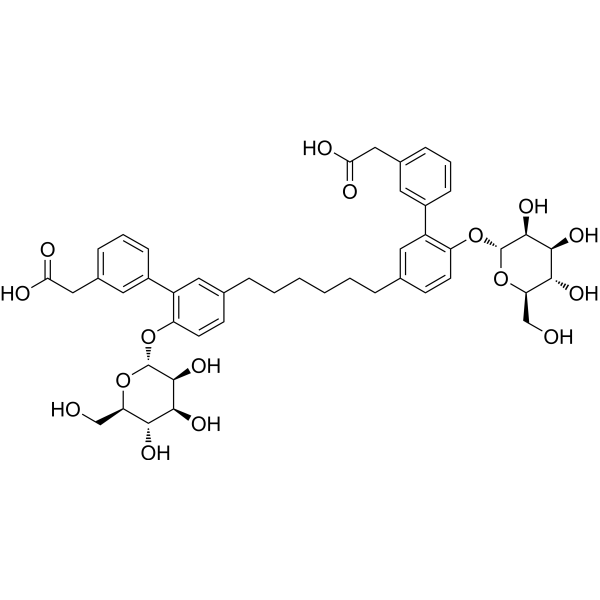
Bimosiamose (TBC-1269) is a nonoligosaccharide pan-selectin antagonist with IC50s of 88 μM, 20 μM, and 86 μM for E-selectin, P-selectin, and L-selectin, respectively. Bimosiamose has anti-inflammatory effects .
loading...
    loading...
4
4 Cited Publications
Cat. No.: HY-P70658A
Purity:  ≥ 95%, as determined by reducing SDS-PAGE.
Synonyms: LCN2; P25; Lipocalin 2; migration-Stimulating Factor Inhibitor; NGAL; Lipocalin 2 (Oncogene 24p3); Neutrophil Gelatinase-Associated Lipocalin; Siderocalin LCN2; Oncogene 24p3; Lipocalin-2; 24p3; MSFI; 25 KDa Alpha-2-Microglobulin-Related Subunit Of MMP-9
Species:  
Source:  
loading...
    loading...
1
1 Cited Publications
Cat. No.: HY-125527
CAS No.: 872993-05-0
Purity:  ≥99.0%
Synonyms: RvD1
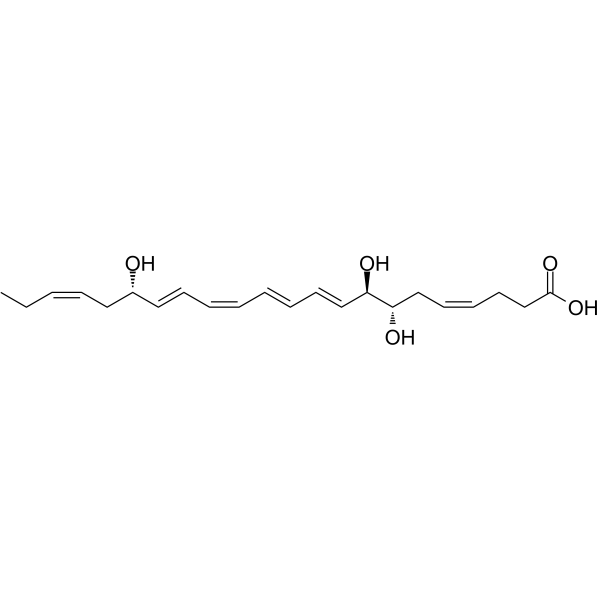
Resolvin D1 (RvD1), an endogenous pro-resolving mediator of inflammation, is derived from omega-3 docosahexaenoic acid during the resolution phase of acute inflammation. Resolvin D1 blocks proinflammatory neutrophil migration by regulating actin polymerization, reduces TNF-α–mediated inflammation in macrophages, and enhances phagocytosis of apoptotic cells by macrophages .
loading...
    loading...
1
1 Cited Publications
Cat. No.: HY-125474
CAS No.: 9000-07-1
Carrageenan is an antiviral and anticancer agent. Carrageenan inhibits herpes simplex virus (HSV), HIV, and hepatitis A virus (HAV) by directly binding to the viral capsid to block the attachment of viruses such as HPV to HSPG factors on the cell surface. Carrageenan delays and arrests cell cycle progression, exhibits cytotoxicity against HeLa cancer cells, and can be applied to studies related to cervical cancer, genital warts, hepatitis A, and other conditions. Carrageenan also induces acute non-immune inflammation, triggers a three-phase inflammatory response involving the release of multiple proinflammatory mediators, and causes persistent edema, hyperalgesia, and neutrophil recruitment in mice .
loading...
    loading...
1
1 Cited Publications
Cat. No.: HY-13508
CAS No.: 459168-41-3
Purity:  99.95%
Target:  

Histamine Receptor

Research Areas:  

Inflammation/Immunology

JNJ-7777120 is a potent and selective histamine H4 receptor antagonist (Ki=4.5 nM). JNJ-7777120 effectively blocks histamine-induced migration of mouse tracheal mast cells from connective tissue to epithelial cells. JNJ-7777120 also significantly blocks neutrophil infiltration in a mouse Zymosan-induced peritonitis model. JNJ-7777120 has a good potential to study antipruritic and anti-inflammatory .
loading...
    loading...
1
1 Cited Publications
Cat. No.: HY-P1108
CAS No.: 681260-70-8
Target:  

CRFR

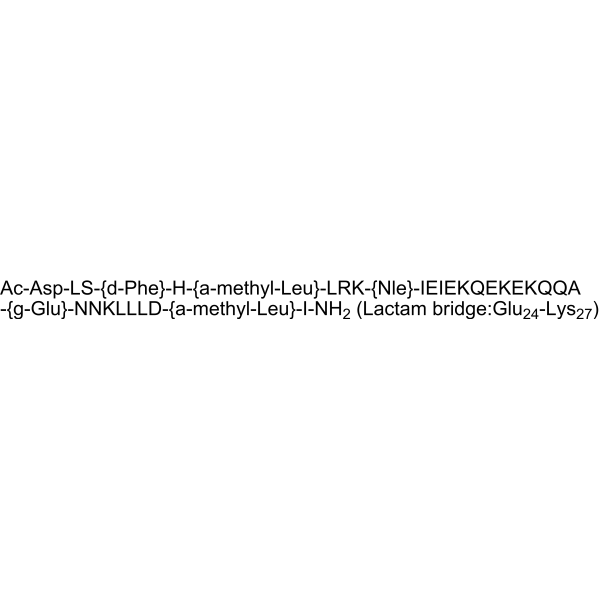
Astressin 2B is a blood-brain barrier-impermeable, highly selective CRFR2 antagonist (rCRFR2, IC50=0.57 nM). Astressin 2B blocks the protective effects mediated by CRFR2, thereby exacerbating indomethacin (HY-14397)-induced hemorrhagic intestinal injury in rats. Astressin 2B reverses the protective effects of Urocortin 1 against intestinal hypermotility, bacterial invasion and upregulation of inflammatory mediators. Astressin 2B also blocks the anxiogenic effect of Urocortin 2 and attenuates stress-induced anxiety-related behaviors. In the Clostridioides difficile toxin A (C. difficile toxin A)-mediated enteritis model, Astressin 2B mimics the phenotype of CRFR2-deficient mice, significantly exacerbating intestinal epithelial damage, edema, neutrophil migration and the expression of multiple proinflammatory cytokines. Astressin 2B is an important tool molecule for investigating the intestinal protective mechanisms of CRFR2 .
loading...
    loading...
1
1 Cited Publications
Cat. No.: HY-P1108A
Target:  

CRFR

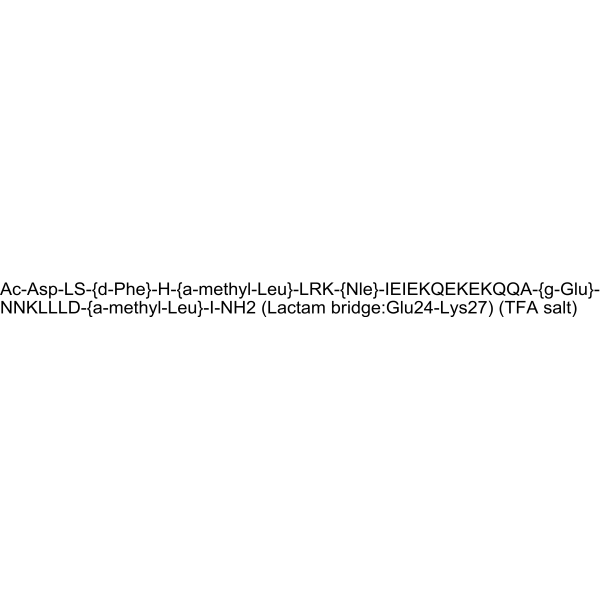
Astressin 2B TFA is a blood-brain barrier-impermeable, highly selective CRFR2 antagonist (rCRFR2, IC50=0.57 nM). Astressin 2B TFA blocks the protective effects mediated by CRFR2, thereby exacerbating indomethacin (HY-14397)-induced hemorrhagic intestinal injury in rats. Astressin 2B TFA reverses the protective effects of Urocortin 1 against intestinal hypermotility, bacterial invasion and upregulation of inflammatory mediators. Astressin 2B TFA also blocks the anxiogenic effect of Urocortin 2 and attenuates stress-induced anxiety-related behaviors. In the Clostridioides difficile toxin A (C. difficile toxin A)-mediated enteritis model, Astressin 2B TFA mimics the phenotype of CRFR2-deficient mice, significantly exacerbating intestinal epithelial damage, edema, neutrophil migration and the expression of multiple proinflammatory cytokines. Astressin 2B TFA is an important tool molecule for investigating the intestinal protective mechanisms of CRFR2 .
loading...
    loading...
1
1 Cited Publications
Cat. No.: HY-P1263A
CAS No.: 1262750-73-1
Synonyms: (trans-Cinnamoyl)-YPGKF-NH2 TFA
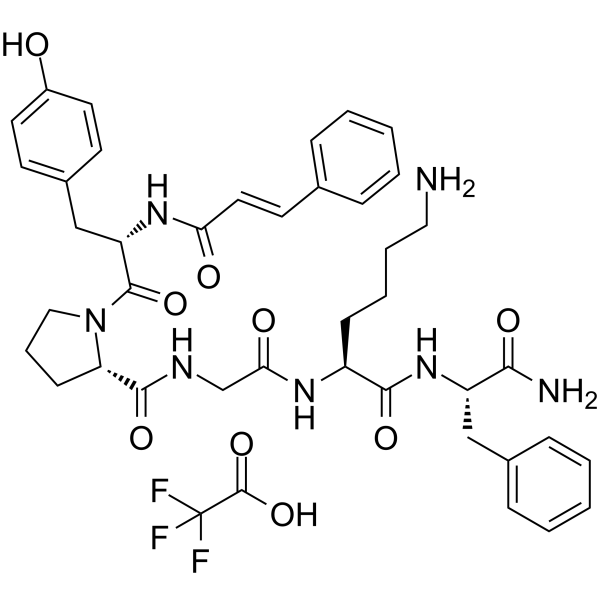
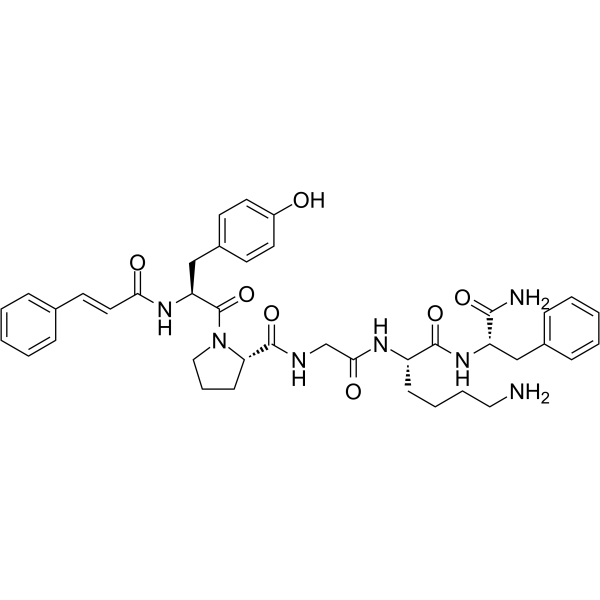
tcY-NH2 ((trans-Cinnamoyl)-YPGKF-NH2) TFA is a potent selective PAR4 antagonist peptide. tcY-NH2 TFA inhibits thrombin- and AY-NH2-induced platelet aggregation and endostatin release, and can be used in the research of inflammation, immunology .
loading...
    loading...
1
1 Cited Publications
Cat. No.: HY-P1263
CAS No.: 327177-34-4
Synonyms: (trans-Cinnamoyl)-YPGKF-NH2
tcY-NH2 ((trans-Cinnamoyl)-YPGKF-NH2) is a potent selective PAR4 antagonist peptide. tcY-NH2 inhibits thrombin- and AY-NH2-induced platelet aggregation and endostatin release, and can be used in the research of inflammation, immunology .
loading...
    loading...
1
1 Cited Publications
Cat. No.: HY-P2294A
Target:  

TGF-β Receptor

Research Areas:  

Inflammation/Immunology

pm26TGF-β1 TFA peptide is a peptide that mimics a portion of the human TGF-β1 molecule. pm26TGF-β1 peptide TFA shows high affinity for the TGF-β1 receptor. pm26TGF-β1 peptide TFA displays potent anti-inflammatory properties and does not exhibit neutrophils’ chemoattraction .
loading...
    loading...
1
1 Cited Publications
Cat. No.: HY-W014049
CAS No.: 66036-77-9
Target:  

NO Synthase

Research Areas:  

Others

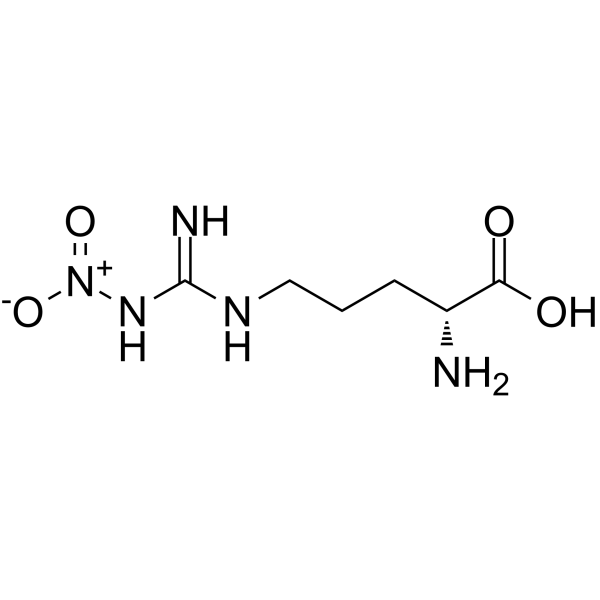
N'-Nitro-D-arginine, a nitric oxide synthesis inhibitor, also is a vasodilator that relaxes the smooth muscles and increases blood flow to the penis, improving erections. N'-Nitro-D-arginine also inhibits neutrophil migration by blocking receptors for tumour necrosis factor alpha (TNFα) and interleukin 8 (IL8) .
loading...
    loading...
1
1 Cited Publications
Cat. No.: HY-P70658
Purity:  ≥ 95%, as determined by reducing SDS-PAGE.
Synonyms: LCN2; P25; Lipocalin 2; migration-Stimulating Factor Inhibitor; NGAL; Lipocalin 2 (Oncogene 24p3); Neutrophil Gelatinase-Associated Lipocalin; Siderocalin LCN2; Oncogene 24p3; Lipocalin-2; 24p3; MSFI; 25 KDa Alpha-2-Microglobulin-Related Subunit Of MMP-9
Species:  
Source:  
loading...
    loading...
Cat. No.: HY-W127575
CAS No.: 747-90-0
Synonyms: delta-3,5-Cholestadiene
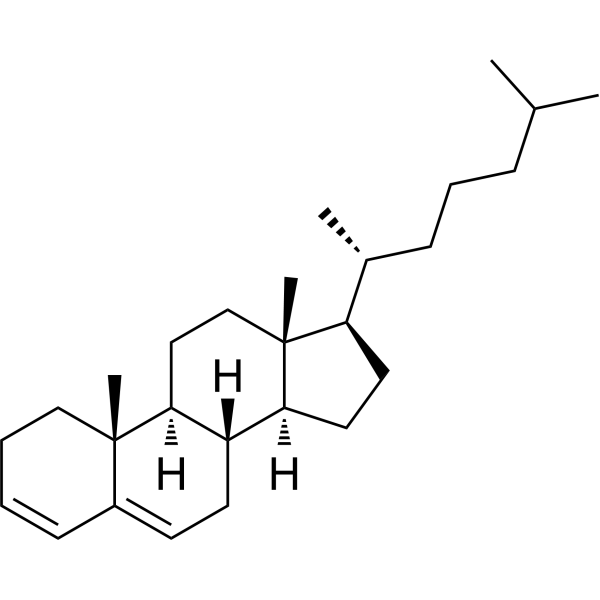
Cholesta-3,5-diene is an inflammatory modulator that targets immune cells such as neutrophils and accelerates wound healing by promoting neutrophil chemotaxis and fibroblast migration. Cholesta-3,5-diene enhances immune cell recruitment and extracellular matrix deposition by activating chemokine receptor-mediated signaling pathways such as PI3K/Akt. Cholesta-3,5-diene can be applied topically to wound repair and has potential therapeutic value in chronic ulcers or skin lesions .
loading...
    loading...
Cat. No.: HY-NP004
Synonyms: CVF
Cobra Venom Factor (CVF) is a selective activator targeting complement components C3, C5, and factor B in the complement system. After binding to factor B, Cobra Venom Factor is cleaved by factor D, forming a stable C3/C5 convertase resistant to regulatory proteins H and I. This continuously hydrolyzes C3 and C5, depleting serum complement while inducing neutrophil migration, vascular leakage, and increased TNF-α levels. Cobra Venom Factor can be used to deplete complement and mimic complement activation-related pathological states, and is applied in animal models of complement-mediated diseases such as acute respiratory distress syndrome (ARDS), sepsis, and shock. Cobra Venom Factor can be isolated from the venom of cobras (e.g., Naja atra, Naja melanoleuca, Naja kaouthia, etc.) .
loading...
    loading...
Cat. No.: HY-168894
CT-1 is a secreted protein belonging to the IL-6 cytokine family. Overexpression of CT-1 enhances cell proliferation, migration and angiogenesis via the ADMA/DDAH pathway. CT-1 inhibits the growth of triple-negative breast cancer cells by simultaneously inducing Ferroptosis in N2-type tumor-associated neutrophils and cancer cells. CT-1 activates the Jak/STAT-3, p42/p44 MAPK and AMPK pathways, and inhibits GSK-3β activity through phosphorylation to induce cardiomyocyte hypertrophy. CT-1 enhances the viability of cardiomyocytes and neurons, reduces cell Apoptosis, induces the expression of heat shock proteins (HSP) and BNP, and inhibits TNF levels. CT-1 exerts anti-tumor activity in mouse models of triple-negative breast cancer. CT-1 improves cognitive impairment in mice. CT-1 is applicable to the research of ischemic heart disease, triple-negative breast cancer, myocardial hypertrophy, Parkinson's disease, hypertensive heart disease, myocardial infarction, acute Chagas cardiomyopathy, high-fat diet-induced cognitive impairment and diabetes-related cognitive impairment .
loading...
    loading...
Cat. No.: HY-P10934
CAS No.: 1095009-44-1
Synonyms: LXY2
Target:  

Integrin

Research Areas:  

Cancer

LXY3 (LXY2) is a VLA-3-blocking peptide that inhibits the interaction between integrin α3β1 (VLA-3) on neutrophil surfaces and laminin in the basement membrane, thereby preventing neutrophil migration across the tumor vascular basement membrane barrier. LXY3 is used to block neutrophil-mediated nanoparticle release from perivascular pools into the tumor interstitium. LXY3 is commonly employed for targeted imaging of breast cancer .
loading...
    loading...
Cat. No.: HY-113483
CAS No.: 80434-82-8
Purity:  ≥98.0%
Synonyms: 20-COOH LTB4
Research Areas:  

Metabolic Disease

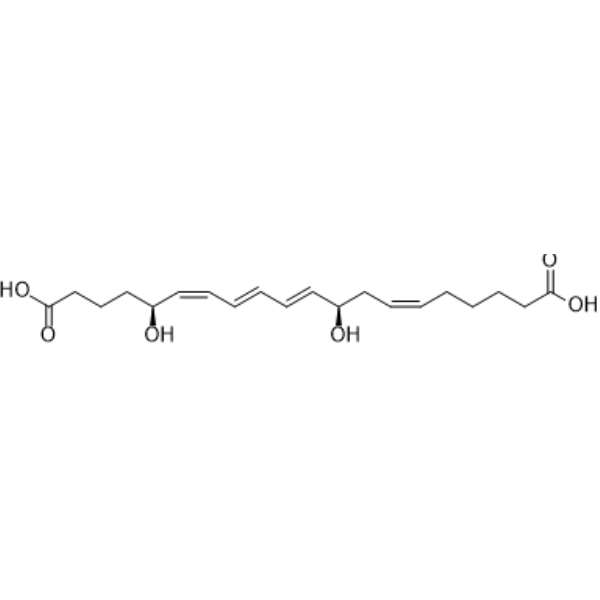
20-Carboxy-Leukotriene B4 (20-COOH LTB4) is a metabolite of Leukotriene B4 (LTB4; HY-107608). 20-Carboxy-Leukotriene B4 binds to the BLT1 receptor with high affinity. 20-Carboxy-Leukotriene B4 inhibits LTB4-mediated neutrophil responses (migration, degranulation, leukotriene biosynthesis) .
loading...
    loading...
Cat. No.: HY-P10300
Synonyms: IL-8 (54-72)
Target:  

CXCR

Research Areas:  

Inflammation/Immunology

CXCL8 (54-72) is a C-terminal peptide based on the chemokine CXCL8. CXCL8 (54-72) has an interaction between a long and highly positively charged C-terminal region and a negative charge on the GAG that binds to the GAG. CXCL8 (54-72) can inhibit the adhesion and migration of neutrophils and adhesion of endothelial cells. CXCL8 (54-72) can be used to study chemokines in inflammatory response .
loading...
    loading...

