1. Search Result
Search Result
Results for "

Nucleophilicity

" in MedChemExpress (MCE) Product Catalog:

108

Inhibitors & Agonists

3

Screening Libraries

14

Fluorescent Dyes

19

Biochemical Assay Reagents

12

Natural
Products

2

Isotope-Labeled Compounds

2

Click Chemistry

1

Oligonucleotides

Cat. No. Product Name Target Research Areas Chemical Structure
  • HY-113466
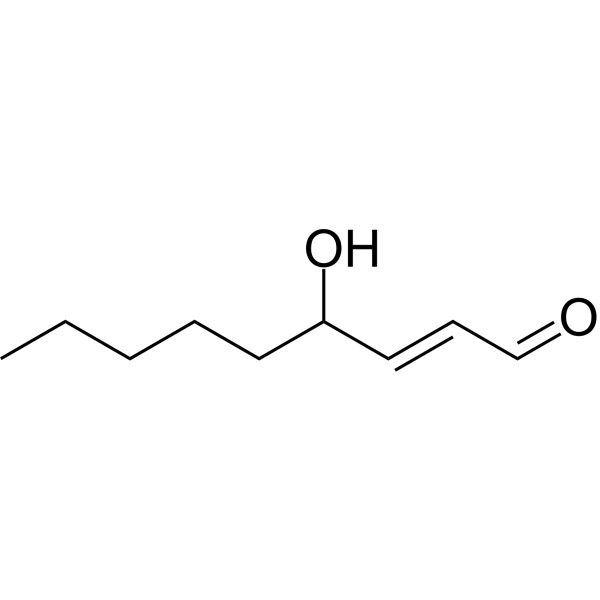
    4-Hydroxynonenal
    15+ Cited Publications

    4-HNE

    Aldehyde Dehydrogenase (ALDH) Endogenous Metabolite Cardiovascular Disease Neurological Disease Cancer
    4-Hydroxynonenal (4-HNE) is an α,β unsaturated hydroxyalkenal and an oxidative/nitrosative stress biomarker. 4-Hydroxynonenal is a substrate and an inhibitor of acetaldehyde dehydrogenase 2 (ALDH2). 4-Hydroxynonenal can modulate a number of signaling processes mainly through forming covalent adducts with nucleophilic functional groups in proteins, nucleic acids, and membrane lipids. 4-Hydroxynonenal plays an important role in cancer through mitochondria .
    4-Hydroxynonenal
  • HY-79444

    Biochemical Assay Reagents Others
    Bis(pinacolato)diborane is an organoboron reagent. Bis(pinacolato)diborane serves as a source of the [Bpin] moiety with pronounced nucleophilic character and is used in the synthesis of various organoboranes, including organoboron compounds and arylboronates .Bis(pinacolato)diborane reacts with p-benzyne to produce tetraborylated products through a series of steps involving addition and 1,2-migration of the boryl group .
    Bis(pinacolato)diborane
  • HY-20556

    1,8-Diazabicyclo[5.4.0]undec-7-ene

    Biochemical Assay Reagents Drug Intermediate Others
    DBU (1,8-diazabicyclo[5.4.0]undec-7-ene) is a bicyclic sterically hindered amidine with strong basicity, which possesses multiple properties such as nucleophilicity and coordination ability. DBU is prone to hydrolysis and can undergo addition, substitution, cyclization and other reactions with various substrates to form derivatives containing its scaffold. DBU can also be used as a catalyst .
    DBU
  • HY-15927
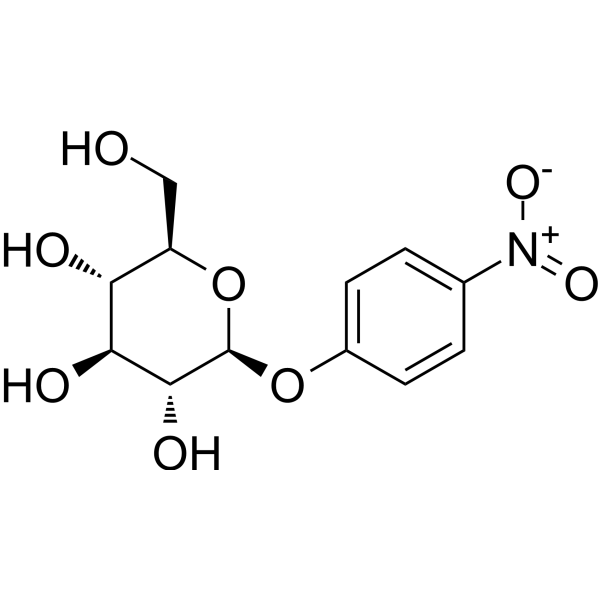
    4-Nitrophenyl β-D-glucopyranoside
    1 Publications Verification

    Biochemical Assay Reagents Metabolic Disease
    4-Nitrophenyl β-D-glucopyranoside is a chromogenic substrate for β-glucosidase. 4-Nitrophenyl β-D-glucopyranoside is converted to a colored product, p-nitrophenol that is easily detected spectrophotometrically at 405 nm when used in a β-glycosidase assay. 4-Nitrophenyl β-D-glucopyranoside is hydrolysed through intramolecular nucleophilic catalysis by the phosphate group in the 2-position. 4-Nitrophenyl β-D-glucopyranoside is promising for research of postmenopausal osteoporosis .
    4-Nitrophenyl β-D-glucopyranoside
  • HY-79647

    N-(Fmoc-oxy)succinimide

    Biochemical Assay Reagents Others
    Fmoc-OSu (N-(Fmoc-oxy)succinimide) is an acylating agent that targets amino groups (-NH2). It can selectively protect the amino groups of amino acids by covalently binding with primary or secondary amines through nucleophilic substitution reactions. Fmoc-OSu forms a stable amide bond with the amino group to avoid side reactions of the amino group in peptide synthesis. It can also be used as a fluorescent labeling reagent to react with glycosylamines for efficient labeling of N-sugar chains. Fmoc-OSu can be used as an Fmoc protection strategy in peptide synthesis, and as a fluorescent labeling and analysis method for N-sugar chains .
    Fmoc-OSu
  • HY-Y0971

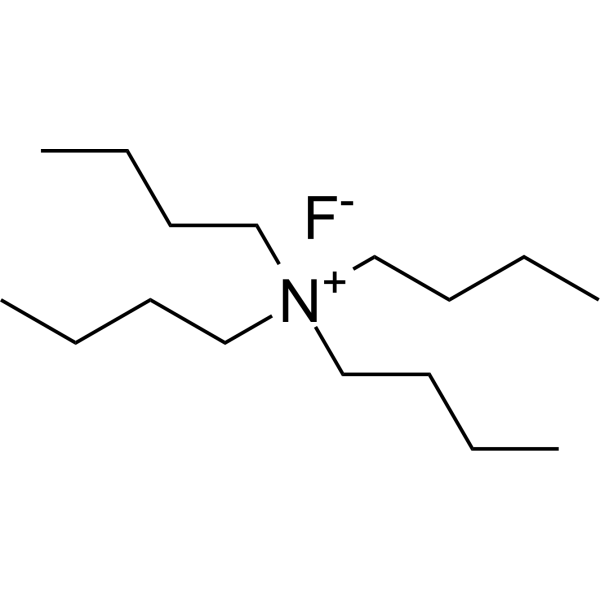
    TBAF

    Biochemical Assay Reagents Others
    Tetrabutylammonium fluoride is an organic compound containing both ammonium and fluorine functional groups. It is commonly used as a reagent in various chemical synthesis applications, especially as a source of fluoride ions for nucleophilic reactions. Tetrabutylammonium fluoride has several properties that make it suitable for these applications, including its high solubility in polar solvents and its ability to selectively activate certain chemical bonds. In addition, it can be used as a catalyst for organic reactions and as an electrolyte for batteries.
    Tetrabutylammonium fluoride (solution),1M in THF
  • HY-113128C

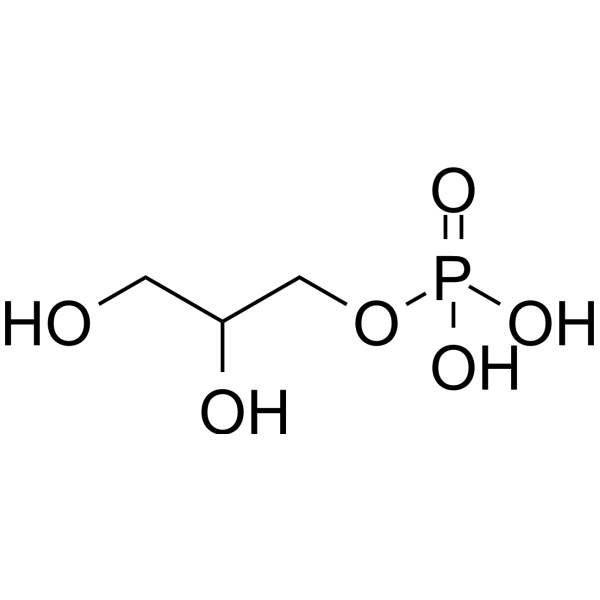
    DL-α-Glycerol phosphate

    Endogenous Metabolite Others
    (Rac)-sn-Glycerol 3-phosphate is an a-site substrate analogue. (Rac)-sn-Glycerol 3-phosphate is bound to the a-site, the rate of reaction of indole and nucleophilic indole analogues with E(A-A) is strongly inhibited .
    (Rac)-sn-Glycerol 3-phosphate
  • HY-B1200
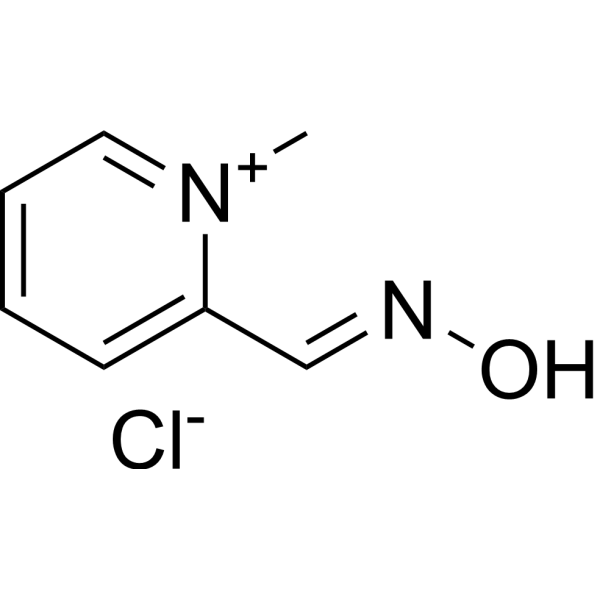
    Pralidoxime chloride
    2 Publications Verification

    2-PAM chloride

    Cholinesterase (ChE) Neurological Disease
    Pralidoxime chloride is a potent reactivator of acetylcholinesterase (AChE). Pralidoxime chloride reactivates nerve agent-inhibited AChE via direct nucleophilic attack by the oxime moiety on the phosphorus center of the bound nerve agent. Pralidoxime chloride is an antidote for organophosphate poisoning .
    Pralidoxime chloride
  • HY-Y0232

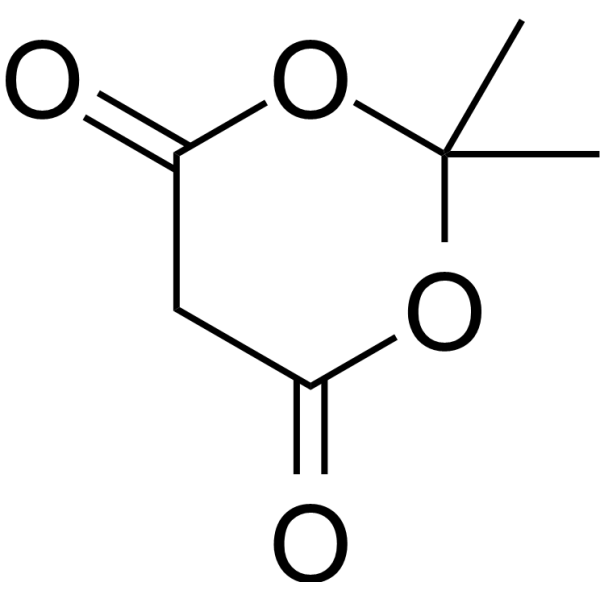
    2,2-Dimethyl-1,3-dioxane-4,6-dione

    Biochemical Assay Reagents Others
    Meldrum's acid (2,2-Dimethyl-1,3-dioxane-4,6-dione) is a nucleophilic reagent. Meldrum's acid participates in Michael addition reactions. Meldrum's acid can be used in asymmetric organocatalysis .
    Meldrum's acid
  • HY-N6856

    Bacterial Endogenous Metabolite Infection Cancer
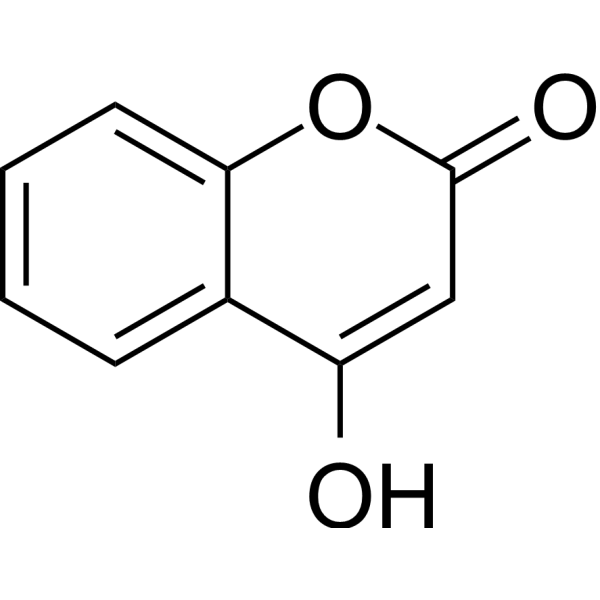
    4-Hydroxycoumarin is an orally active coumarin derivative, one of the most versatile heterocyclic scaffolds, often used in the synthesis of various organic compounds. 4-Hydroxycoumarin possesses both electrophilic and nucleophilic properties. 4-Hydroxycoumarin is an HIV protease inhibitor and tyrosine kinase inhibitor. 4-Hydroxycoumarin has anti-inflammatory, antibacterial and anti-tumor effects .
    4-Hydroxycoumarin
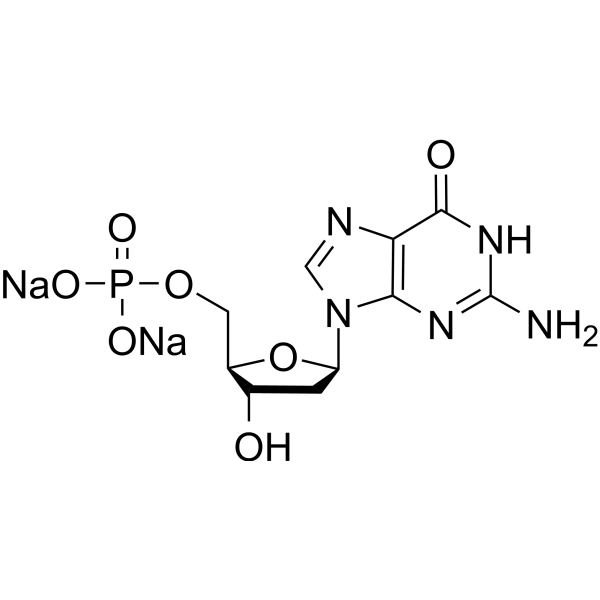
  • HY-W013159

    5′-dGMP disodium

    Endogenous Metabolite Nucleoside Antimetabolite/Analog Metabolic Disease
    2'-Deoxyguanosine 5'-monophosphate (5′-dGMP) disodium is a mononucleotide having guanine as the nucleobase. 2'-Deoxyguanosine 5'-monophosphate disodium is a reactant involved in analysis of self-assembling in solution and nucleation/growth of G-qudruplexes, nucleophilic trapping and reductive alkylation. 2'-Deoxyguanosine 5'-monophosphate disodium can be used as an oxidizable target. 2'-Deoxyguanosine 5'-monophosphate disodium is a nucleic acid guanosine triphosphate (GTP) derivative and is a nucleotide precursor used in DNA synthesis .
    2'-Deoxyguanosine 5'-monophosphate disodium
  • HY-116544

    Biochemical Assay Reagents Others
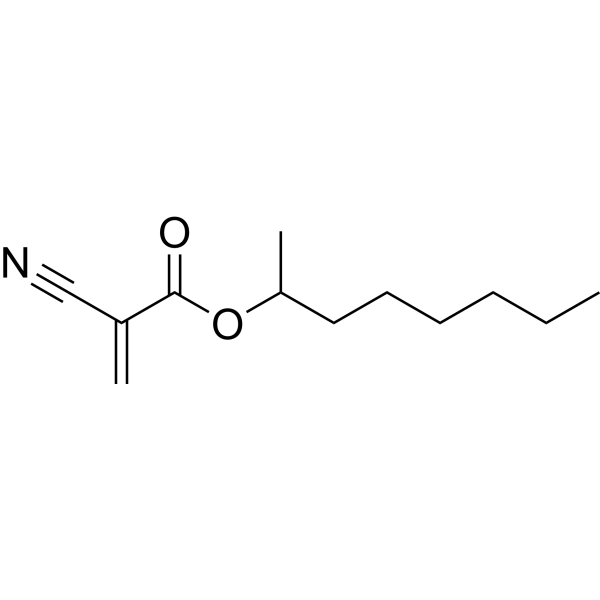
    Octan-2-yl 2-cyanoacrylate is an alkyl cyanoacrylate monomer, base-sensitive monofunctional 1,1-disubstituted electron-deficient olefin, polymerizable and copolymerizable monomer. Octan-2-yl 2-cyanoacrylate undergoes homopolymerization via nucleophilic initiation with pyridine as initiator. Octan-2-yl 2-cyanoacrylate forms true copolymers with ethyl 2-cyanoacrylate via nucleophilic initiation with pyridine as initiator .
    Octan-2-yl 2-cyanoacrylate
  • HY-B1738A

    Cholinesterase (ChE) Neurological Disease
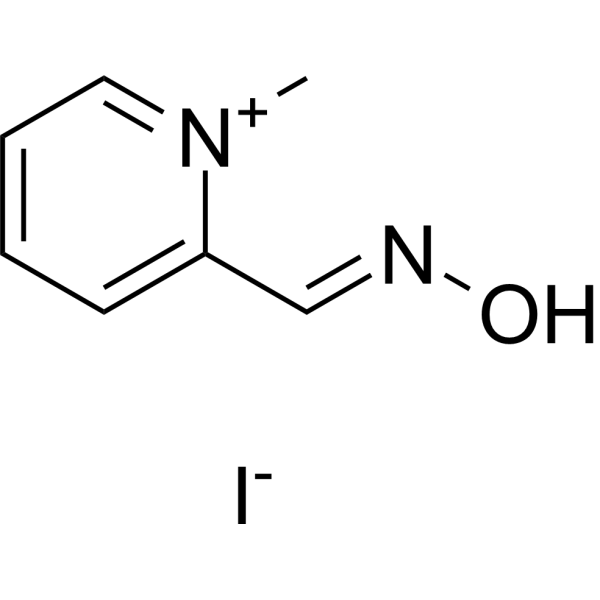
    Pralidoxime iodide is a potent reactivator of acetylcholinesterase (AChE). Pralidoxime iodide reactivates nerve agent-inhibited AChE via direct nucleophilic attack by the oxime moiety on the phosphorus center of the bound nerve agent. Pralidoxime iodide is an antidote for organophosphate poisoning .
    Pralidoxime iodide
  • HY-19997

    TATM

    Biochemical Assay Reagents Cancer
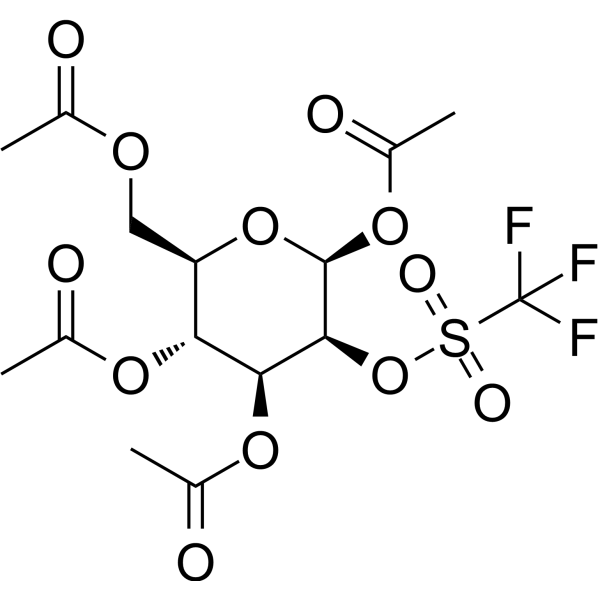
    Mannose triflate is a glucose analog. Mannose triflate is a precursor for 18F-FDG synthesis for PET applications. Mannose triflate binds to 18F via SN2 nucleophilic substitution reaction. Mannose triflate can be used for an imaging technique in detection of cancer .
    Mannose triflate
  • HY-D0980

    Biotinyl-3,6-dioxaoctanediamine; EZ-Link Amine-PEO2-Biotin

    Biochemical Assay Reagents Infection
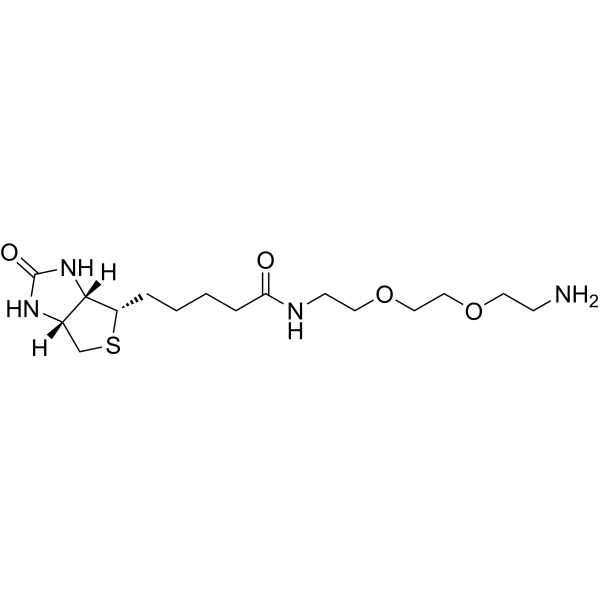
    Biotin-DADOO (Biotinyl-3,6-dioxaoctanediamine; EZ-Link Amine-PEO2-Biotin) is a biotin-containing amine compound and a biotinylation reagent. As an amino component, Biotin-DADOO participates in the nucleophilic ring-opening reaction of epoxidized ω-double bonds during the synthesis of biotinylated inhibitor derivatives. Biotin-DADOO can be conjugated with carboxymethyl cellulose derivatives. Biotin-DADOO is involved in the synthesis of biotin-estradiol conjugates for enzyme immunoassays. Biotin-DADOO can be used in the research of influenza A .
    Biotin-DADOO
  • HY-108776

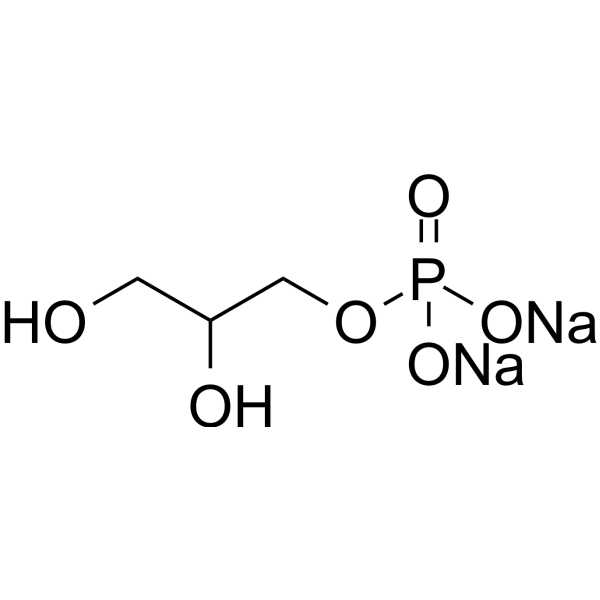
    DL-α-Glycerol phosphate sodium

    Endogenous Metabolite Inflammation/Immunology
    (Rac)-sn-Glycerol 3-phosphate sodium is an a-site substrate analogue. (Rac)-sn-Glycerol 3-phosphate sodium is bound to the a-site, the rate of reaction of indole and nucleophilic indole analogues with E(A-A) is strongly inhibited .
    (Rac)-sn-Glycerol 3-phosphate sodium
  • HY-W093017

    Amine N-methyltransferase Others
    4-Chloropyridine is a NNMT (Nicotinamide N-methyltransferase) substrate and suicide inhibition-based protein labeling scaffold precursor.4-Chloropyridine undergoes NNMT-catalyzed pyridine nitrogen methylation to increase C4 electrophilicity, enabling aromatic nucleophilic substitution by NNMT cysteine C159 for covalent NNMT modification and inactivation.4-Chloropyridine can be used for the research of various cancers .
    4-Chloropyridine
  • HY-137541

    NTCB

    Biochemical Assay Reagents Others
    2-Nitro-5-thiocyanatobenzoic acid (NTCB) is a highly reactive reagent that transfers its cyano group rapidly to a nucleophilic thiolate. 2-Nitro-5-thiocyanatobenzoic acid has been proposed as a reagent for converting thiol groups in proteins into their S-cyano derivatives .
    2-Nitro-5-thiocyanatobenzoic acid
  • HY-W042557

    Biochemical Assay Reagents Others
    Tetrabutylammonium trifluoromethanesulfonate, commonly known as TBAOTf. TBAOTf is widely used as a strong acid catalyst and phase transfer agent in organic synthesis, especially for reactions involving nucleophilic substitution, elimination, and rearrangement, in addition, it is also used as an electrolyte additive for rechargeable batteries and a stabilizer of supercritical fluids Due to its high stability, solubility and selectivity, TBAOTf is considered to be a highly efficient and multifunctional reagent in various applications.
    Tetrabutylammonium trifluoromethanesulfonate
  • HY-151523

    Ras Cancer
    KRas G12R inhibitor 1 is a covalent inhibitor targeting the common oncogenic mutant KRas G12R with selectivity for the mutant arginine. KRas G12R inhibitor 1 possesses an α,β-diketoamide and exploits strong nucleophilicity of the mutant cysteine and irreversibly binds in the Switch II region of KRas. KRas G12R inhibitor 1 can be researched for K-Ras (G12R)-driven cancer such as pancreatic ductal adenocarcinoma (PDAC) .
    KRas G12R inhibitor 1
  • HY-125372

    ABAO

    Biochemical Assay Reagents Others
    2-Amino benzamidoxime (ABAO) acts as a bioconjugation reagent precursor and a fluorescent probe precursor. 2-Amino benzamidoxime contains an aniline group for imine activation of aldehydes, as well as a nucleophilic group (Nu:) located at the ortho position of the amine, which is responsible for intramolecular cyclization. 2-Amino benzamidoxime reacts with glyoxal at the N-terminus of phage-displayed peptide libraries. Derivatives of 2-Amino benzamidoxime can be used for protein bioconjugation. Derivatives of 2-Amino benzamidoxime serve as fluorescent probes .\n


    2-Amino benzamidoxime
  • HY-113466S

    4-HNE-d3

    Isotope-Labeled Compounds Aldehyde Dehydrogenase (ALDH) Endogenous Metabolite Cardiovascular Disease Neurological Disease Cancer
    4-Hydroxynonenal-d3 is the deuterium labeled 4-Hydroxynonenal. 4-Hydroxynonenal (4-HNE) is an α,β unsaturated hydroxyalkenal and an oxidative/nitrosative stress biomarker. 4-Hydroxynonenal is a substrate and an inhibitor of acetaldehyde dehydrogenase 2 (ALDH2). 4-Hydroxynonenal can modulate a number of signaling processes mainly through forming covalent adducts with nucleophilic functional groups in proteins, nucleic acids, and membrane lipids. 4-Hydroxynonenal plays an important role in cancer through mitochondria .
    4-Hydroxynonenal-d3
  • HY-W052066

    Biochemical Assay Reagents Others
    tert-Butyl (3-chloropropyl)carbamate is a compound with a t-butyl and a terminal choloride. The cholorine (Cl) is a good leaving group for nucleophilic substitution reactions. The Boc group can be deprotected under mild acidic conditions to form the free amine.
    tert-Butyl (3-chloropropyl)carbamate
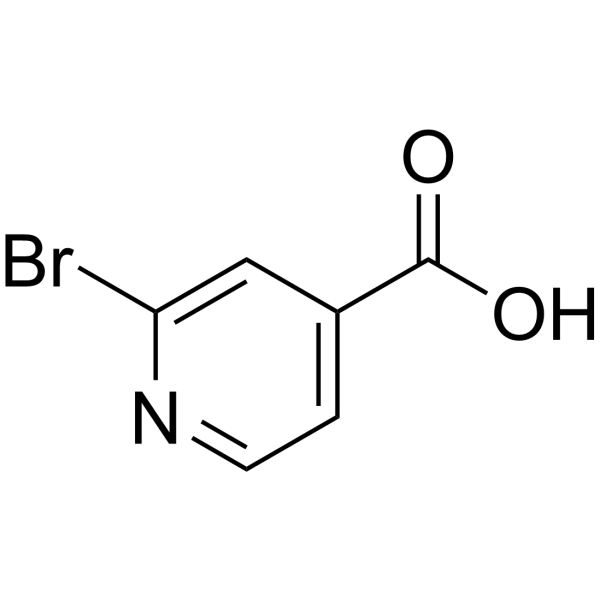
  • HY-W002805
    2-Bromoisonicotinic acid
    1 Publications Verification

    Drug Intermediate Others
    2-Bromoisonicotinic acid is a (hetero)aryl bromide building block and DNA-conjugated headpiece for photochemical C-H heteroarylation in DNA-encoded library synthesis. 2-Bromoisonicotinic acid generates a nucleophilic pyridyl radical intermediate. 2-Bromoisonicotinic acid, when conjugated to DNA, leaves electrophilic handles intact for subsequent library diversification .
    2-Bromoisonicotinic acid
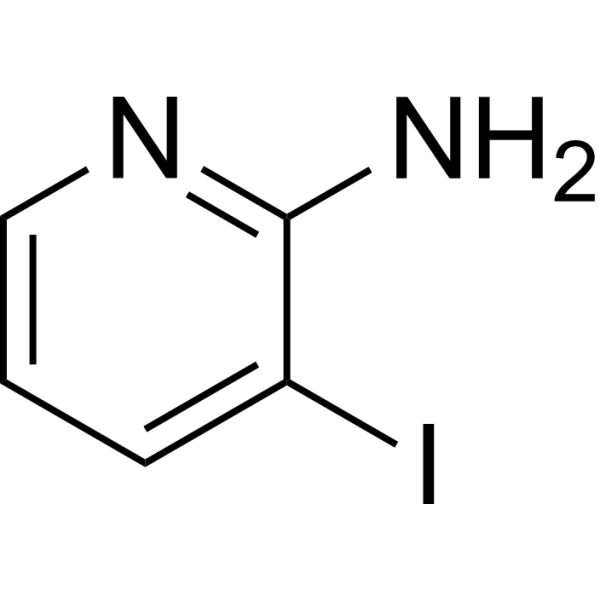
  • HY-32813
    2-Amino-3-iodopyridine
    1 Publications Verification

    3-Iodopyridin-2-amine

    Biochemical Assay Reagents Others
    2-Amino-3-iodopyridine (3-Iodopyridin-2-amine) can be coupled with formyl derivatives under a copper-catalyzed indole synthesis method, and then constructed azide analogs through copper-mediated conjugated adducts things. The nucleophilicity of 2-Amino-3-iodopyridine is lower than that of the corresponding aniline used in the synthesis of indole, a potential obstacle for future synthesis .
    2-Amino-3-iodopyridine
  • HY-148629

    JNK Neurological Disease
    GDC-0134 (RG6000) is a modulator targeting dual leucine zipper kinase (DLK) that can cross the blood-brain barrier. By inhibiting the kinase activity of DLK, GDC-0134 blocks the activation of the downstream JNK signaling pathway, suppresses DLK-dependent retrograde signal transduction of axon-to-soma degeneration, and exerts neuroprotective activity. GDC-0134 reduces TDP-43 protein aggregation and decreases the degree of neuromuscular junction denervation in motor neurons. GDC-0134 can be used in the research of amyotrophic lateral sclerosis (ALS), Alzheimer's disease and other DLK-related neurodegenerative diseases .
    GDC-0134
  • HY-N12851

    (E)-4-Oxo-2-hexenal

    Bacterial Apoptosis Infection
    4-OHE ((E)-4-Oxo-2-hexenal) is a mutagen formed by omega-3 lipid peroxidation. 4-OHE reacts with deoxyguanosine, deoxycytidine and 5-methyldeoxycytidine to form covalent adducts. 4-OHE induces apoptosis and exhibits genotoxicity. 4-OHE inhibits the growth of Gram-positive and Gram-negative bacteria, which correlates with its electrophilic reactivity towards nucleophilic biomolecules. 4-OHE is a chemical defense component of Dolycoris baccarum (sloe bug), and acts as a deterrent and toxin against insect predators .
    4-OHE
  • HY-W094511

    Gold chloride sodium dihydrate

    Biochemical Assay Reagents Others
    Tetrachloroaurate III sodium dihydrate (Gold chloride sodium dihydrate) is utilized as catalyst in reactions like nucleophilic addition to multiple bonds, nucleophilic substitution of propargylic alcohols, and nonsymmetrical etherization .
    Tetrachloroaurate(III) sodium dihydrate
  • HY-W032015

    n-Octyl Bromide

    Biochemical Assay Reagents Others
    1-Bromooctane (n-Octyl Bromide) posesses a terminal bromine. The bromine is a very good leaving group for nucleophilic substitution reactions.
    1-Bromooctane
  • HY-W016455

    Biochemical Assay Reagents Others
    6-Bromo-1-hexanol posesses a terminal bromine and hydroxylic group. The bromine is a very good leaving group for nucleophilic substitution reactions. The hydroxyl group enables further derivatization or replacement with other reactive functional groups.
    6-Bromo-1-hexanol
  • HY-Y0141

    Drug Intermediate Others
    3-Amino-6-chloropyridazine is a nitrogen-containing heterocyclic organic compound belonging to the pyridazine derivatives. 3-Amino-6-chloropyridazine has the basicity of amino groups and the nucleophilic substitution activity of chlorine atoms. 3-Amino-6-chloropyridazine can serve as an important intermediate for synthesizing some active compounds .
    3-Amino-6-chloropyridazine
  • HY-N6856R

    Reference Standards Bacterial Endogenous Metabolite Infection Cancer
    4-Hydroxycoumarin (Standard) is the analytical standard of 4-Hydroxycoumarin. This product is intended for research and analytical applications. 4-Hydroxycoumarin is an orally active coumarin derivative, one of the most versatile heterocyclic scaffolds, often used in the synthesis of various organic compounds. 4-Hydroxycoumarin possesses both electrophilic and nucleophilic properties. 4-Hydroxycoumarin is an HIV protease inhibitor and tyrosine kinase inhibitor. 4-Hydroxycoumarin has anti-inflammatory, antibacterial and anti-tumor effects .
    4-Hydroxycoumarin (Standard)
  • HY-W011985

    Biochemical Assay Reagents Others
    H-Arg-NH2 hydrochloride is a nucleophilic reagent. H-Arg-NH2 hydrochloride can be used in experiments related to the detection of enzyme activity centers .
    H-Arg-NH2 hydrochloride
  • HY-D0066

    DCCH

    Fluorescent Dye Others
    7-Diethylaminocoumarin-3-carbohydrazide is a coumarin. 7-Diethylaminocoumarin-3-carbohydrazide can be used to detect sugar chains and quantify biological carbonyl compounds .
    7-Diethylaminocoumarin-3-carbohydrazide
  • HY-W053842

    Biochemical Assay Reagents Others
    tert-Butyl 3-iodopropylcarbamate is a compound with a t-butyl and a terminal iodine. The iodine (I) is a very good leaving group for nucleophilic substitution reactions. The Boc group can be deprotected under mild acidic conditions to form the free amine.
    tert-Butyl 3-iodopropylcarbamate
  • HY-W025838

    Drug Intermediate Others
    4,5-Dimethylbenzene-1,2-diamine is a substitute for aromatic diamine compound. 4,5-Dimethylbenzene-1,2-diamine act as a bidentate nucleophilic reagent and participates in the palladium (II)-mediated isocyanate addition reaction to construct a diaminocarbene palladium complex with potential catalytic activity .
    4,5-Dimethylbenzene-1,2-diamine
  • HY-W099640

    Tetra-n-octylammonium iodide

    Biochemical Assay Reagents Others
    Tetraoctylammonium iodideIt is an organic compound and belongs to the category of quaternary ammonium salts. It is often used as a phase transfer catalyst, meaning it facilitates a reaction between two immiscible phases, such as an aqueous phase and an organic phase. Tetraoctylammonium iodideIt has a variety of applications in organic synthesis, especially in reactions involving nucleophilic substitution, oxidation, and reduction. Additionally, it is used as a surfactant and emulsifier in industrial and laboratory settings.
    Tetraoctylammonium iodide
  • HY-W190881

    Biochemical Assay Reagents Others
    N3-PEG11-CH2CH2Br is a PEG linker containing a bromine and an azide group. The hydrophilic PEG spacer increases solubility in aqueous media. The azide group can react with alkyne, BCN, DBCO via Click Chemistry to yield a stable triazole linkage. The bromine (Br) is a very good leaving group for nucleophilic substitution reactions.
    N3-PEG11-CH2CH2Br
  • HY-W095635

    Biochemical Assay Reagents Others
    Tetramethylammonium fluoride tetrahydrate (TMAF) is a quaternary ammonium salt. TMAF is commonly used as a weak base and a source of fluoride ions in various organic reactions, including nucleophilic substitution, functional group deprotection, and ring-opening polymerization. Unlike other fluoride sources, TMAF is compatible with many functional groups, making it a versatile tool in synthetic chemistry. Functional reagents, In addition, TMAF has been used as a fluorinating agent in medicinal chemistry, for the preparation of radiotracers and protein modification in biochemistry, and the tetrahydrate form of TMAF is more stable and easier to handle than the anhydrous form.
    Tetramethylammonium fluoride tetrahydrate
  • HY-D1993

    Fluorescent Dye HIV Infection
    ATTO 647 NHS ester is a fluorescent label targeting free amino groups. ATTO 647 NHS ester can undergo a nucleophilic reaction with the free amino groups of EF-C peptide via its activated carboxylic acid group to form a stable covalent conjugate. ATTO 647 NHS ester-labeled nanofibers not only retain retroviral transduction-enhancing activity but also maintain stable fluorescent signals in both buffer and cell culture systems. ATTO 647 NHS ester is suitable for detection applications including fluorescence spectroscopy, microscopy and flow cytometry. ATTO 647 NHS ester has been used in studies related to HIV-1 infection .
    ATTO 647 NHS ester
  • HY-120188

    PPAR Others
    CC618 is a selective PPARβ/δ antagonist. CC618 covalently modifies conserved Cys249 in the PPARβ/δ ligand-binding pocket via nucleophilic aromatic substitution, converting its thiol moiety to a 5-trifluoromethyl-2-pyridylthioether .
    CC618
  • HY-B1738

    Cholinesterase (ChE) Neurological Disease
    Pralidoxime is a potent reactivator of acetylcholinesterase (AChE). Pralidoxime reactivates nerve agent-inhibited AChE via direct nucleophilic attack by the oxime moiety on the phosphorus center of the bound nerve agent. Pralidoxime is an antidote for organophosphate poisoning .
    Pralidoxime
  • HY-206852

    Drug Intermediate Phosphodiesterase (PDE) Neurological Disease
    PF-06445974 precursor (Compound 28) is a nitro precursor and synthetic intermediate. PF-06445974 precursor can be used for the synthesis of PF-06445974 (HY-119190). PF-06445974 is a positron emission tomography (PET) compound that acts potently on PDE4B .
    PF-06445974 precursor
  • HY-34469

    Biochemical Assay Reagents Others
    2-Cyanophenylboronic acid is a biochemical reagent that can be used as a biological material or organic compound for life science related research. 2-Cyanophenylboronic acid contains both nucleophilic and electrophilic centres. 2-Cyanophenylboronic acid can function as an efficient electrolyte additive for high voltage LCO cathode. 2-Cyanophenylboronic acid enhances the structural reversibililty and decreases the hydrofluoric acid formation .
    2-Cyanophenylboronic acid
  • HY-W016286
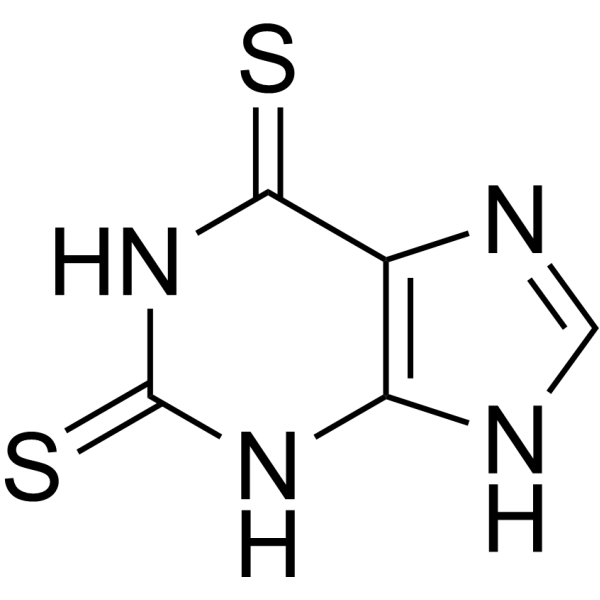
    2,6-Dithiopurine
    2 Publications Verification

    2,6-Dimercaptopurine

    Biochemical Assay Reagents Cancer
    2,6-Dithiopurine (2,6-Dimercaptopurine) is a nucleophilic scavenger for electrophilic carcinogens. 2,6-Dithiopurine abolishes both DNA adduct formation and the initiation of carcinogenesis .
    2,6-Dithiopurine
  • HY-W016286R

    2,6-Dimercaptopurine (Standard)

    Biochemical Assay Reagents Reference Standards Cancer
    2,6-Dithiopurine (2,6-Dimercaptopurine) is a nucleophilic scavenger for electrophilic carcinogens. 2,6-Dithiopurine abolishes both DNA adduct formation and the initiation of carcinogenesis .
    2,6-Dithiopurine (Standard)
  • HY-130893A

    Biochemical Assay Reagents Others
    Biotin-EDA TFA is a nucleophilic biotinylation reagent used for the conjugation of various substrates and identification and quantification using biotin-conjugated fluorescent labels .
    Biotin-EDA TFA
  • HY-121564

    Fluorescent Dye Others
    Radermachol is a red pigment that can be synthesized in four steps via a key ytterbium triflate-catalyzed furan cyclization and intramolecular nucleophilic acylation reaction .
    Radermachol
  • HY-N1635

    Others Others
    1-Methoxyindole-3-carboxylic acid (compound 5) is synthetic from a phytoalexin nucleophilic substitution reaction selectively at the 2-position .
    1-Methoxyindole-3-carboxylic acid
  • HY-W878813

    Biochemical Assay Reagents Others
    Tos-PEG22-Tos is a PEG linker containing two tosyl groups. The hydrophilic PEG spacer increases solubility in aqueous media. The tosyl group is a very good leaving group for nucleophilic substitution reactions.
    Tos-PEG22-Tos

Inquiry Online

Your information is safe with us. * Required Fields.

Salutation


Country or Region *

Applicant Name *


Organization Name *

Department *


Email Address *


Product Name *

Cat. No.


Requested quantity *

Phone Number *


Remarks

Inquiry Online

Inquiry Information

Product Name:
Cat. No.:
Quantity:
MCE Japan Authorized Agent:

