1. Search Result
Search Result
Results for "

Odor

" in MedChemExpress (MCE) Product Catalog:

66

Inhibitors & Agonists

2

Fluorescent Dyes

17

Biochemical Assay Reagents

22

Natural
Products

15

Isotope-Labeled Compounds

3

Oligonucleotides

Cat. No. Product Name Target Research Areas Chemical Structure
  • HY-N0098
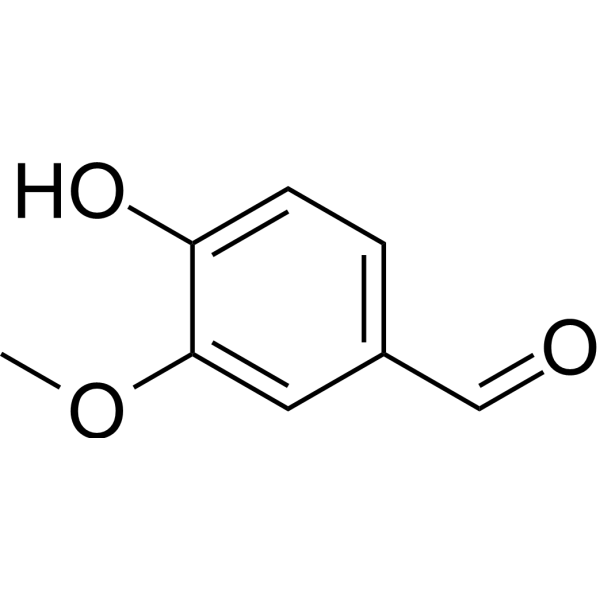
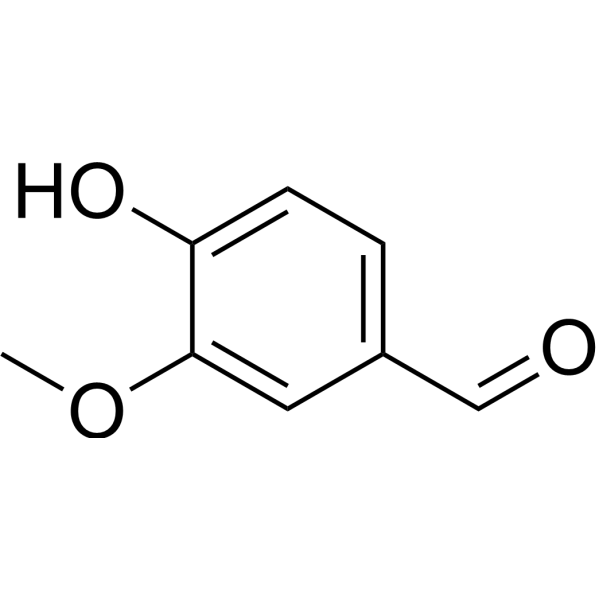
    Vanillin
    5+ Cited Publications

    p-Vanillin; m-Methoxy-p-hydroxybenzaldehyde; p-Hydroxy-m-methoxybenzaldehyde

    Environmental Pollutants Endogenous Metabolite Others
    Vanillin (p-Vanillin) is a single molecule extracted from vanilla beans and also a popular odor used widely in perfume, food and medicine.
    Vanillin
  • HY-B0892
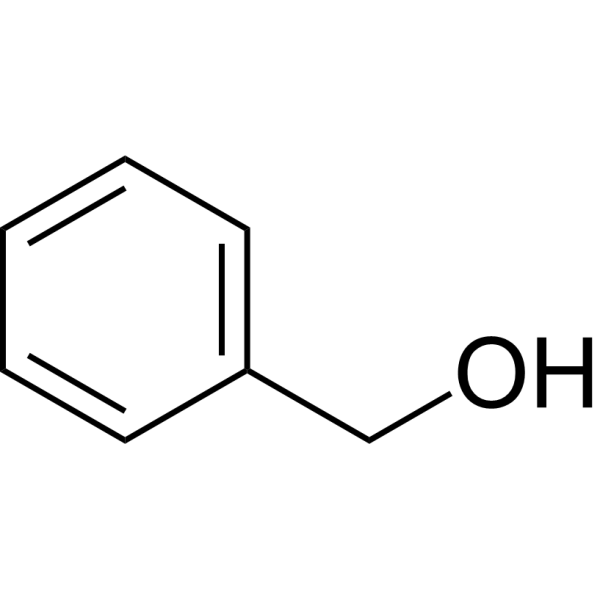
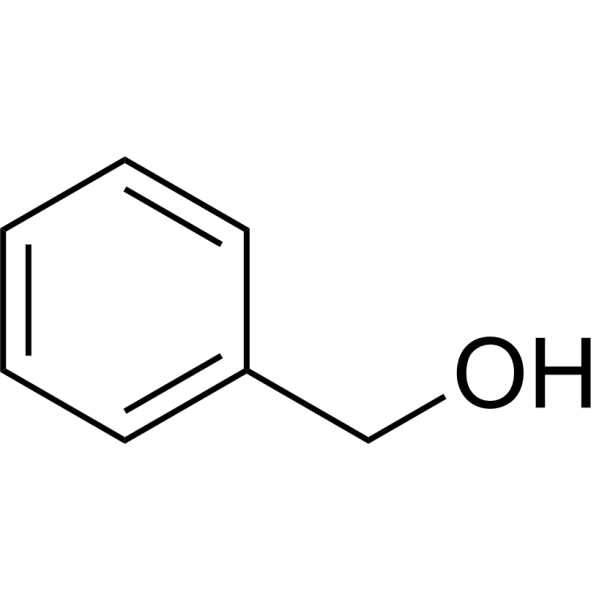
    Benzyl alcohol
    3 Publications Verification

    Benzenemethanol

    Environmental Pollutants Toll-like Receptor (TLR) Cytochrome P450 Inflammation/Immunology
    Benzyl alcohol is an aromatic alcohol, a colorless liquid with a mild aromatic odor. Benzyl alcohol is an inhibitor of P450 enzyme. Benzyl alcohol mediated Toll-Like Receptor 4 to reduce the inflammatory response of liver injury in mice .
    Benzyl alcohol
  • HY-W035903
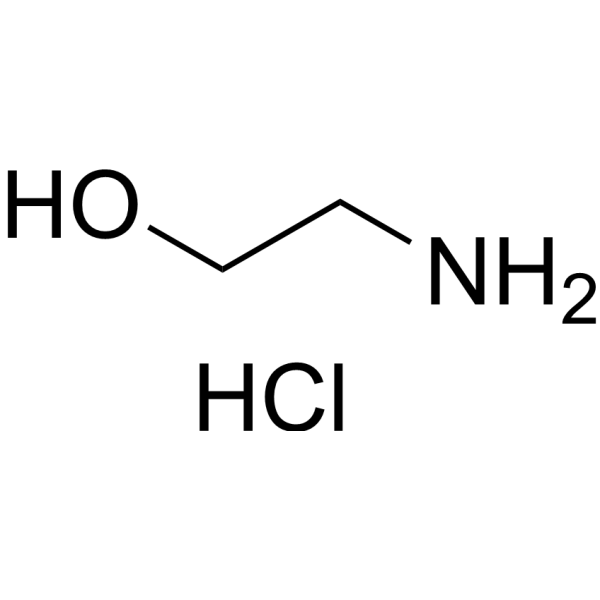
    Ethanolamine hydrochloride
    1 Publications Verification

    2-Aminoethanol hydrochloride

    Biochemical Assay Reagents Others
    Ethanolamine hydrochloride, is an organic compound used in various industrial applications. It is a white or colorless solid that is soluble in water and has a faint odor. One of the major uses of Ethanolamine hydrochloride is in the production of detergents and surfactants. Used as a raw material in the manufacture of compounds such as ethylenediaminetetraacetic acid (EDTA) and diethanolamine, which are commonly used in household and industrial cleaning products. Ethanolamine hydrochloride is also used in the synthesis of pharmaceuticals, agrochemicals and rubber processing agents. It acts as a buffer in certain chemical reactions, helping to adjust pH and maintain stability. Ethanolamine hydrochloride can be used for gas purification and metal corrosion inhibitor. Its ability to react with acid gases such as carbon dioxide and sulfur dioxide makes it useful for removing impurities from natural gas and other industrial gases. Overall, Ethanolamine hydrochloride is a multifunctional compound with many potential industrial applications. Its ability to act as a buffer, chelating agent, and corrosion inhibitor makes it an important tool in a variety of industries.
    Ethanolamine hydrochloride
  • HY-N7084

    Environmental Pollutants Others
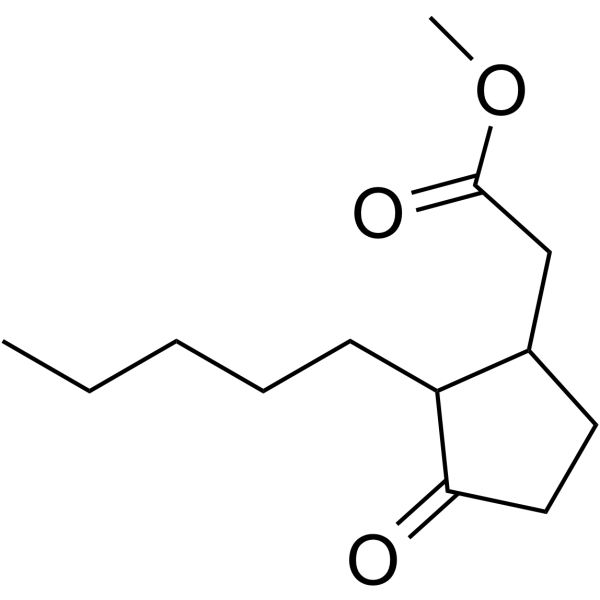
    Methyl dihydrojasmonate is a fragrance ingredient with a jasmine-like odor, used in many fragrance mixtures .
    Methyl dihydrojasmonate
  • HY-W004842

    Fungal Others
    Benzofuran-2-carboxaldehyde is a benzofuran derivative with a bitter almond odor. Benzofuran-2-carboxaldehyde exhibits high antifungal activity .
    Benzofuran-2-carboxaldehyde
  • HY-N0367
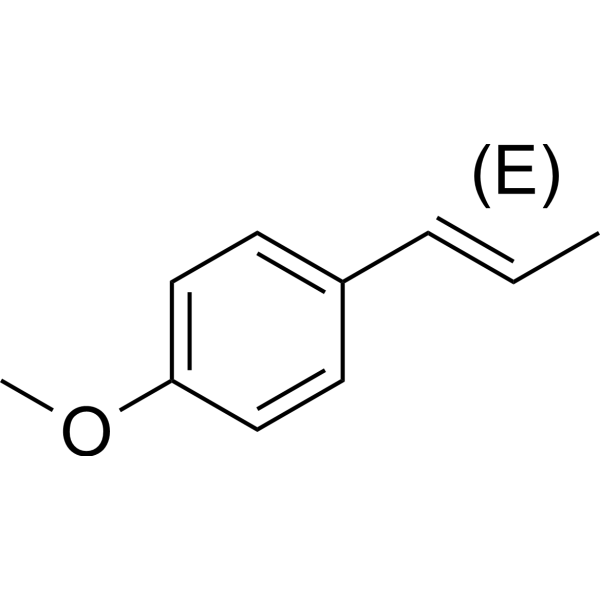
    Trans-Anethole
    2 Publications Verification

    (E)​-Anethole

    Environmental Pollutants Endogenous Metabolite Cardiovascular Disease Metabolic Disease Endocrinology Cancer
    Trans-Anethole ((E)-Anethole) is an orally active phenylpropene derivative found in Foeniculum vulgare that is estrogenic at low concentrations and cytotoxic at high concentrations in tumor cell lines. Trans-Anethole also has anti-aflatoxin, anti-thrombotic and anti-diabetic activities. Trans-Anethole is an important odor component in plants such as fennel, myrtle, liquorice, and camphor .
    Trans-Anethole
  • HY-103609
    Pyrene
    1 Publications Verification

    Benzo[def]phenanthrene

    Environmental Pollutants Biochemical Assay Reagents Others
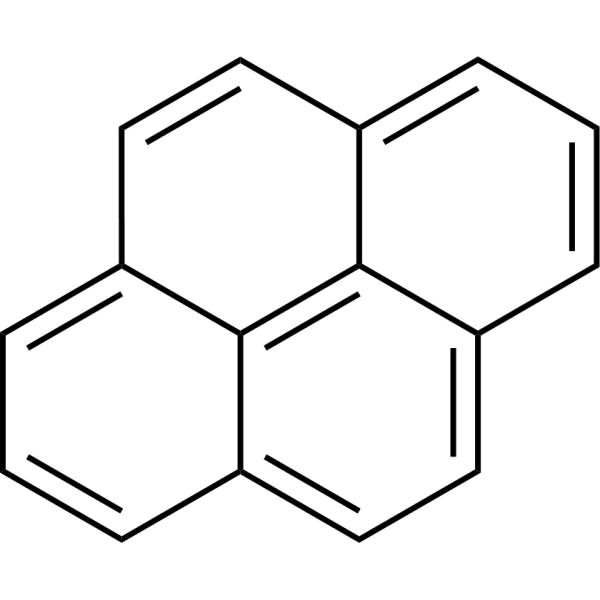
    Pyrene is a polycyclic aromatic hydrocarbon (PAH) composed of four fused benzene rings. It has a distinct aromatic odor, produced by incomplete combustion of organic matter. Pyrene exhibits strong fluorescence, emitting in the blue region of the spectrum, making it useful as a probe for studying molecular interactions in solution and on surfaces. Pyrene is also used as a model compound for the study of PAHs in various environments and biological systems because of its ubiquity in these environments. However, long-term exposure to pyrene has been associated with potential health risks, including carcinogenicity and mutagenicity.
    Pyrene
  • HY-W016153

    Biochemical Assay Reagents Bacterial Fungal Infection
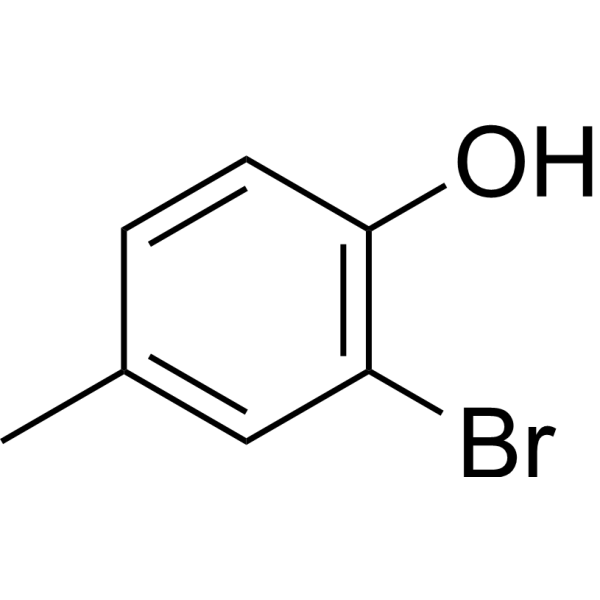
    2-Bromo-4-methylphenol is a versatile compound. 2-Bromo-4-methylphenol produces an iodine-like odor in reverse osmosis water and red wine matrices. 2-Bromo-4-methylphenol exhibits antibacterial properties and effectively inhibits the growth of bacteria and fungal. 2-Bromo-4-methylphenol is an important intermediate for a variety of organic compounds .
    2-Bromo-4-methylphenol
  • HY-W061674

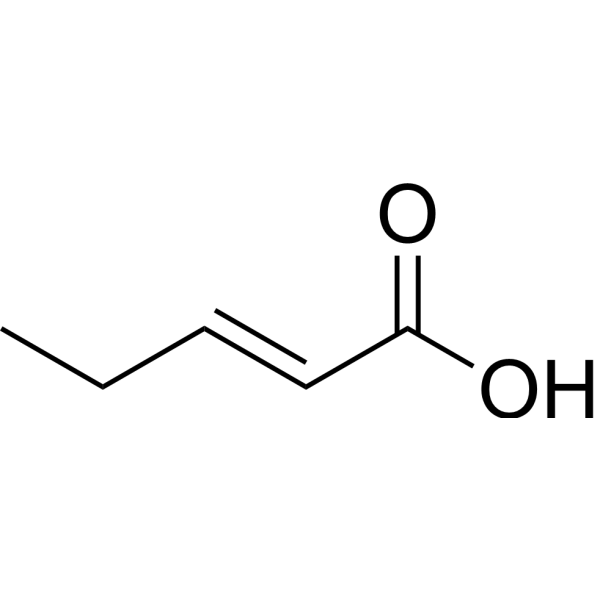
    (E)-Pent-2-enoic acid

    Biochemical Assay Reagents Others
    (2E)-Pent-2-enoic acid is an unsaturated carboxylic acid, it is also known as 2-pentenoic acid or crotonic acid, the "2E" designation indicates that the molecule has a trans double bond configuration, where the double bond The two carbon atoms on both sides are located on opposite sides, (2E)-Pent-2-enoic acid has a pungent odor, is miscible with water and most organic solvents, it is commonly used in organic synthesis as a variety of chemical reactions, including esterification, oxidation, and reduction, and in addition, its potential use as a flavoring agent in the food industry was investigated.
    trans-2-Pentenoic acid
  • HY-W127507

    Environmental Pollutants Biochemical Assay Reagents Others
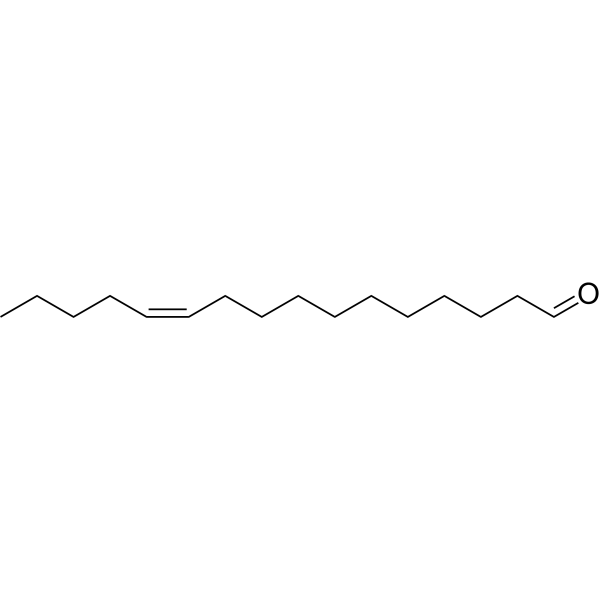
    cis-11-Hexadecenal has a fatty, waxy odor and is commonly used as a flavoring agent in the food and beverage industry. In addition, it can be used as an intermediate in the synthesis of various organic compounds, including fragrances, pharmaceuticals, and agrochemicals. Its unique chemical properties make it an important ingredient in a variety of industrial processes, notably in the production of perfumes and air fresheners.
    cis-11-Hexadecenal
  • HY-W012657

    Environmental Pollutants Parasite Infection
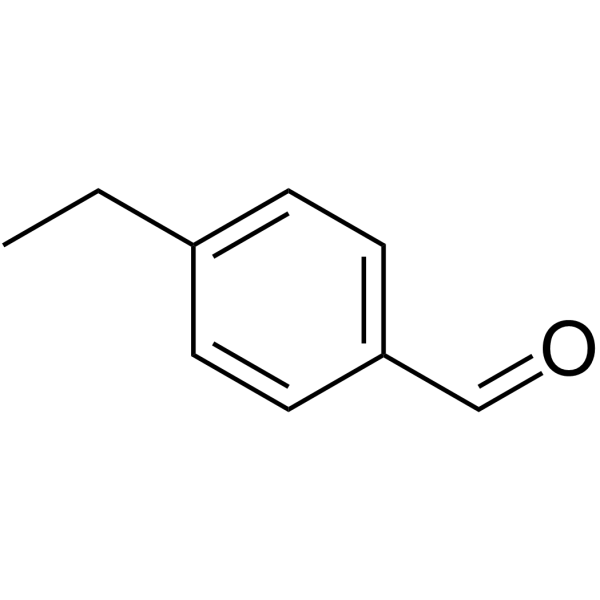
    4-Ethylbenzaldehyde is an aldehyde type organic compound with an almond-like odor. 4-Ethylbenzaldehyde is naturally present in various foods such as grilled meat, black tea, peanuts, etc. 4-Ethylbenzaldehyde has significant effects in controlling plant parasitic nematodes. 4-Ethylbenzaldehyde has genotoxicity and potential for liver damage in zebrafish models .
    4-Ethylbenzaldehyde
  • HY-128371

    Biochemical Assay Reagents Others
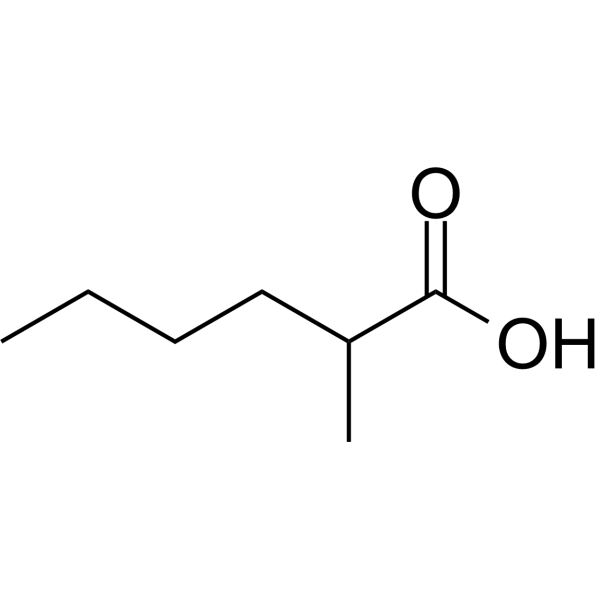
    2-Methylhexanoic acid is a saturated branched-chain carboxylic acid with a strong "fatty" or "oily" odor. At high concentrations, it is often described as having the smell of lard, chicken fat or sweat; when diluted, it exhibits a dairy, cream or cheese aroma. Therefore, it is commonly used in the formulation of milk, meat (pork/chicken) and baked food flavors. 2-Methylhexanoic acid occurs naturally in fresh apples, cheese, grape brandy, lamb, potatoes and tea .
    2-​Methylhexanoic acid
  • HY-N0098S2

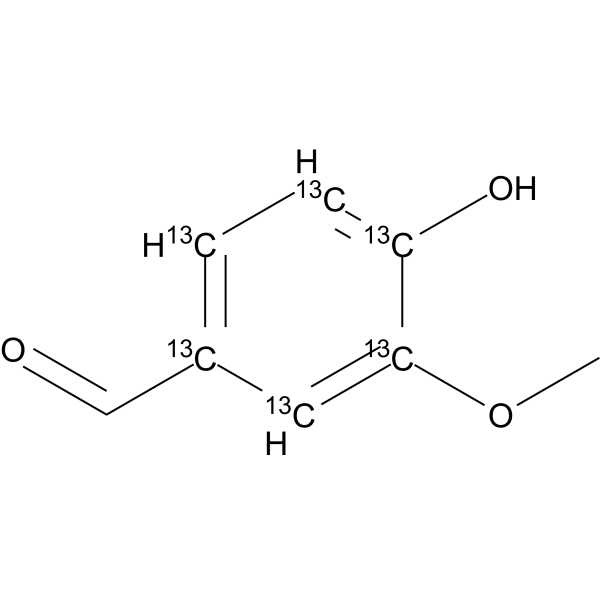
    p-Vanillin-13C6; m-Methoxy-p-hydroxybenzaldehyde-13C6; p-Hydroxy-m-methoxybenzaldehyde-13C6

    Endogenous Metabolite Others
    Vanillin- 13C6 is the 13C labeled Vanillin . Vanillin (p-Vanillin) is a single molecule extracted from vanilla beans and also a popular odor used widely in perfume, food and medicine .
    Vanillin-13C6
  • HY-W114581

    Biochemical Assay Reagents Others
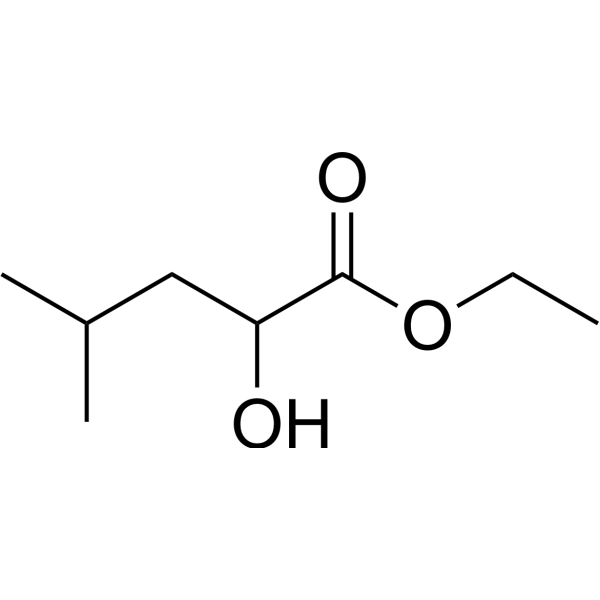
    Ethyl2-hydroxy-4-methylpentanoate has a fruity odor and is commonly used as a flavoring agent in the food and beverage industry. In addition, it can be used as an intermediate in the synthesis of various organic compounds, including pharmaceuticals and agrochemicals. Its unique chemical properties make it an important ingredient in a variety of industrial processes, including the production of cosmetics and personal care products.
    Ethyl2-hydroxy-4-methylpentanoate
  • HY-W111375

    Biochemical Assay Reagents Others
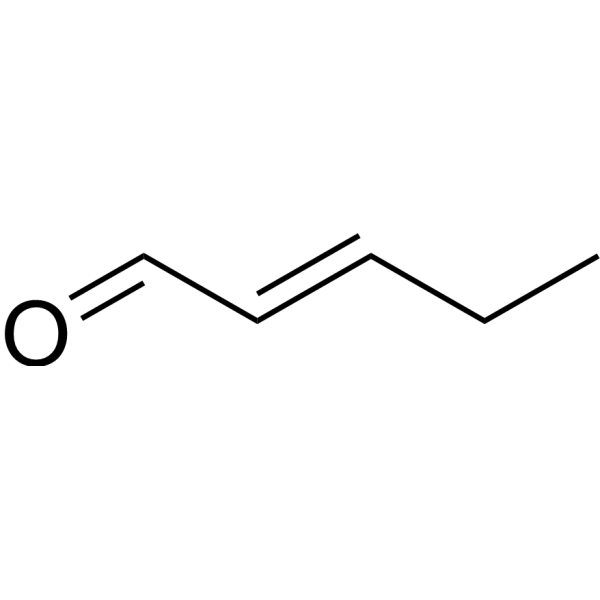
    (E)-Pent-2-enal has a pungent fruity odor. This compound is commonly used in the flavor and fragrance industry because of its strong aroma, often described as fresh and green. Furthermore, (E)-Pent-2-enal can be used as an intermediate in the synthesis of various organic compounds, including pharmaceuticals and agrochemicals. Its unique chemical properties make it an important ingredient in many commercial products, including perfumes, air fresheners and cleaners.
    (E)-Pent-2-enal
  • HY-W588272

    Drug Derivative Others
    cis-Linalool oxide is a monoterpenoid compound with an aromatic odor, and is often used as a flavoring agent. It is commonly found in certain species of aromatic plants.
    cis-Linalool oxide
  • HY-B0892R
    Benzyl alcohol (Standard)
    3 Publications Verification

    Benzenemethanol (Standard)

    Toll-like Receptor (TLR) Cytochrome P450 Reference Standards Inflammation/Immunology
    Benzyl alcohol (Standard) is the analytical standard of Benzyl alcohol. This product is intended for research and analytical applications. Benzyl alcohol is an aromatic alcohol, a colorless liquid with a mild aromatic odor.
    Benzyl alcohol (Standard)
  • HY-N0098R
    Vanillin (Standard)
    Maximum Cited Publications
    6 Publications Verification

    p-Vanillin (Standard); m-Methoxy-p-hydroxybenzaldehyde (Standard); p-Hydroxy-m-methoxybenzaldehyde (Standard)

    Reference Standards Endogenous Metabolite Others
    Vanillin (Standard) is the analytical standard of Vanillin. This product is intended for research and analytical applications. Vanillin (p-Vanillin) is a single molecule extracted from vanilla beans and also a popular odor used widely in perfume, food and medicine.
    Vanillin (Standard)
  • HY-W127330

    Biochemical Assay Reagents Others
    Butyl Laurate is an ester compound with a fruity odor commonly used as a flavoring agent in the food and beverage industry. In addition, it is used as a solvent, plasticizer or lubricant in various industrial applications. Its unique chemical properties make it an important ingredient in a variety of commercial products, including cosmetics, personal care products and cleaners.
    Butyl Laurate
  • HY-W127475

    Biochemical Assay Reagents Others
    6-Hepten-1-ol has a floral and green odor and is commonly used as a flavoring agent in the food and beverage industry. In addition, it can be used as an intermediate in the synthesis of various organic compounds, including fragrances, pharmaceuticals, and agrochemicals. Its unique chemical properties make it an important ingredient in a variety of industrial processes, notably in the production of perfumes, air fresheners and cleaning agents.
    6-Hepten-1-ol
  • HY-W099644

    Ethyl erucate

    Biochemical Assay Reagents Others
    Ethyl docos-13-enoate is a colorless or pale yellow liquid with a sweet floral aroma, used as a flavoring agent in the food industry and as a flavor enhancer in perfumes and colognes. It is also found in some vegetable oils and is used as a surfactant and emulsifier in personal care products. Ethyl docos-13-enoate is a versatile compound used in various industries due to its pleasant odor and ability to mix ingredients together.
    Ethyl docos-13-enoate
  • HY-143203

    1-Stearoyl-2-linoleoyl-sn-glycero-3-phosphoethanolamine

    Liposome Cancer
    18:0-18:2 PE is an important component of phosphatidylethanolamine (PE), involved in phospholipid metabolism and associated with diseases such as ovarian cancer. 18:0-18:2 PE in the hot processing process, its unsaturated fatty acids will degrade to form a variety of odor active compounds. 18:0-18:2 PE is mainly used in the field of food science to improve the flavor of aquatic products, as well as medical research on diseases related to phospholipid metabolism .
    18:0-18:2 PE
  • HY-W588273

    (E)-Linalool oxide

    Drug Derivative Others
    trans-Linalool oxide is a monoterpenoid compound with an aromatic odor, and is often used as a flavoring agent. It is commonly found in certain species of aromatic plants.
    trans-Linalool oxide
  • HY-B0892S1

    Benzenemethanol-d7

    Isotope-Labeled Compounds Endogenous Metabolite Others
    Benzyl alcohol-d7 is the deuterium labeled Benzyl alcohol. Benzyl alcohol is an aromatic alcohol; a colorless liquid with a mild pleasant aromatic odor.
    Benzyl alcohol-d7
  • HY-B0892S2

    Benzenemethanol-d5

    Isotope-Labeled Compounds Endogenous Metabolite Others
    Benzyl alcohol-d5 is the deuterium labeled Benzyl alcohol. Benzyl alcohol is an aromatic alcohol; a colorless liquid with a mild pleasant aromatic odor.
    Benzyl alcohol-d5
  • HY-W726140

    Biochemical Assay Reagents Others
    2-Methylisoborneol is an odor marker and can be used as a control .
    2-Methylisoborneol
  • HY-118566

    Endogenous Metabolite Others
    5α-Androstenone is an odor molecule that can be isolated from porcine adipose tissue .
    5α-Androstenone
  • HY-W087943

    Environmental Pollutants Fungal Infection
    Methyl octanoate is an ester volatile compound with an odor activity value greater than 1. Methyl octanoate helps impart brandy-like and fruity characteristics to persimmon wine. Methyl octanoate has a strong odor of citrus holly, camphor and menthol. Methyl octanoate can serve as an early marker for grape infection by *Coniella vitis*. Methyl octanoate can be used in studies related to grape white rot .
    Methyl octanoate
  • HY-W012837

    Drug Derivative Cytochrome P450 Toll-like Receptor (TLR) Others
    Benzylmethyl ether is a derivative of HY-B0892 (Benzyl alcohol). Benzylmethyl ether is an aromatic alcohol, a colorless liquid with a mild aromatic odor. Benzylmethyl ether is an inhibitor of P450 enzyme. Benzylmethyl ether mediated Toll-Like Receptor 4 to reduce the inflammatory response of liver injury in mice .
    Benzylmethyl ether
  • HY-W127465

    Biochemical Assay Reagents Others
    Oleyl RicinoleateIt is an organic compound belonging to esters. It is formed from the reaction between oleyl alcohol and ricinoleic acid and has a mild fatty odor. Oleyl RicinoleateIt has a variety of applications in the cosmetic and personal care industries, especially as an emollient and conditioning agent in skin and hair care products. Additionally, it is used as a lubricant and plasticizer in industrial settings.
    Oleyl Ricinoleate
  • HY-W127342

    Decanoic acid chloride

    Biochemical Assay Reagents Others
    Decanoyl chloride is an organic compound belonging to the class of acid chlorides. It is a colorless liquid with a pungent odor and is commonly used as a reagent in various organic chemical reactions, especially in the synthesis of esters, amides and fatty acids. Decanoyl chloride has numerous applications in synthetic organic chemistry, especially in the production of pharmaceuticals, agrochemicals and specialty chemicals. In addition, it can be used as a precursor for the synthesis of surfactants and detergents.
    Decanoyl chloride
  • HY-W250300

    Ethylene glycol monododecyl ether

    Biochemical Assay Reagents Others
    2-(Dodecyloxy) ethanol (Ethylene glycol monododecyl ether) is a nonionic ether monohydroxy C12 surfactant with a fragrance-like odor similar to jasmone and gardenia. 2-(Dodecyloxy) ethanol acts as a phase transition inducer and micelle-forming agent. 2-(Dodecyloxy) ethanol also serves as a skin penetration enhancer .
    2-(Dodecyloxy)ethanol
  • HY-B1290S2

    Phenylethyl alcohol-d5; Phenethyl alcohol-d5; Benzyl carbinol-d5

    Bacterial Virus Protease Antibiotic Infection
    2-Phenylethanol-d5 is the deuterium labeled 2-Phenylethanol . 2-Phenylethanol (Phenethyl alcohol), extracted from rose, carnation, hyacinth, Aleppo pine, orange blossom and other organisms, is a colourless liquid. It has a pleasant floral odor and also an autoantibiotic produced by the fungus Candida albicans . It is used as an additive in cigarettes and also used as a preservative in soaps due to its stability in basic conditions.
    2-Phenylethanol-d5
  • HY-W295313

    Drug Derivative Others
    (+)-Neoisomenthol is one of the isomers of (±)-Neoisomenthol. (±)-Neoisomenthol is a compound that belongs to the class of monoterpenes. (±)-Neoisomenthol is a volatile constituent of Mentha arvensis with a peppermint odor and taste. It is a chiral compound, existing as a racemic mixture of two enantiomers, (+)-neoisomenthol and (-)-neoisomenthol.
    (+)-Neoisomenthol
  • HY-N0098S3

    Endogenous Metabolite Others
    Vanillin- 13C is the 13C labeled Vanillin . Vanillin (p-Vanillin) is a single molecule extracted from vanilla beans and also a popular odor used widely in perfume, food and medicine .
    Vanillin-13C
  • HY-120893

    Endogenous Metabolite Others
    trans-4,5-Epoxy-(E)-2-decenal is an oxygenated α,β-unsaturated aldehyde found in mammalian blood that gives blood its characteristic metallic odor. It is used by predators to locate blood or prey .
    trans-4,5-Epoxy-(E)-2-decenal
  • HY-W127535

    Biochemical Assay Reagents Others
    Propyl n-octanoate is an ester compound with a fruity odor commonly used as a flavoring agent in the food and beverage industry. Furthermore, it can also be used as a solvent or intermediate in various industrial applications. Its unique chemical properties make it an important ingredient in a variety of commercial products, including perfumes, lotions and hair care products.
    Propyl n-octanoate
  • HY-W127437

    Octadecanoic acid, octadecyl ester

    Biochemical Assay Reagents Others
    Stearyl StearateIt is an organic compound belonging to esters. It is formed from the reaction between stearyl alcohol and stearic acid and has a mild fatty odor. Stearyl stearate has several applications in the cosmetic and personal care industries, especially as an emollient and conditioning agent in skin and hair care products. Additionally, it is used as a lubricant and surfactant in industrial settings.
    Stearyl Stearate
  • HY-W127471

    Margaroyl chloride

    Biochemical Assay Reagents Others
    Heptadecanoyl chlorideIt is an organic compound belonging to the category of acid chlorides. It reacts with heptadecanoic acid and thionyl chloride to produce a colorless transparent liquid with a pungent odor. Heptadecanoyl chlorideIt has various applications in the chemical and pharmaceutical industries, especially as an intermediate in the synthesis of various chemicals and drugs. In addition, it can be used in organic chemical reactions as a reagent for introducing heptadecanoyl groups into various molecules.
    Heptadecanoyl chloride
  • HY-W107869

    Biochemical Assay Reagents Others
    2-Heptenoic acid is an unsaturated fatty acid. It is a clear, colorless liquid with a strong odour, and is commonly used in the flavor and fragrance industry for its pungent, anise-like odor. In addition, it can be used as an intermediate in the synthesis of other organic compounds, including pharmaceuticals and agrochemicals. Its unique chemical properties make it an important ingredient in a variety of industrial applications, including food and beverage production, cosmetics and personal care products.
    2-Heptenoic acid
  • HY-B1290S1

    Phenylethyl alcohol-d9; Phenethyl alcohol-d9; Benzyl carbinol-d9

    Bacterial Virus Protease Antibiotic Infection
    2-Phenylethanol-d9 is the deuterium labeled 2-Phenylethanol . 2-Phenylethanol (Phenethyl alcohol), extracted from rose, carnation, hyacinth, Aleppo pine, orange blossom and other organisms, is a colourless liquid. It has a pleasant floral odor and also an autoantibiotic produced by the fungus Candida albicans . It is used as an additive in cigarettes and also used as a preservative in soaps due to its stability in basic conditions.
    2-Phenylethanol-d9
  • HY-B1290S

    Phenylethyl alcohol-d4; Phenethyl alcohol-d4; Benzyl carbinol-d4

    Bacterial Virus Protease Antibiotic Infection
    2-Phenylethanol-d4 is the deuterium labeled 2-Phenylethanol . 2-Phenylethanol (Phenethyl alcohol), extracted from rose, carnation, hyacinth, Aleppo pine, orange blossom and other organisms, is a colourless liquid. It has a pleasant floral odor and also an autoantibiotic produced by the fungus Candida albicans . It is used as an additive in cigarettes and also used as a preservative in soaps due to its stability in basic conditions.
    2-Phenylethanol-d4
  • HY-125678

    Others Others
    Jasmine lactone, a volatile substance produced by plants under stress, has a strong odor and is known for its unique jasmine-like floral and fruity scent which is very popular in tea, especially in oolong and black tea. The biosynthesis mechanism of Jasmine lactone in tea is regulated by various stresses, including mechanical damage and low temperature stress. Continuous mechanical damage and low temperature and mechanical damage can enhance the accumulation of Jasmine lactone in tea .
    Jasmine lactone
  • HY-N15417

    Others Others
    1,13-Tridecanolide is an odor compound that can be isolated from the angelica root .
    1,13-Tridecanolide
  • HY-159134

    TRP Channel Others
    TRPA1-IN-3 (commound 1) is a TRPA1 inhibitor. TRPA1-IN-3 can be used in skin and respiratory tract related research .
    TRPA1-IN-3
  • HY-W559929

    Drug Intermediate Others
    3,3-Dimethylcyclohexanol is a major odor-active compound. 3,3-Dimethylcyclohexanol can be isolated from the volatile extracts of Mayapan and Jaguar .
    3,3-Dimethylcyclohexanol
  • HY-W178699

    Drug Derivative Others
    (±)-Neoisomenthol is a monoterpene. (±)-Neoisomenthol is a volatile constituent of Mentha arvensis with a peppermint odor and taste. (±)-Neoisomenthol is a chiral compound, existing as a racemic mixture of two enantiomers, (+)-Neoisomenthol and (-)-Neoisomenthol .
    (±)-Neoisomenthol
  • HY-B0892S5

    Benzenemethanol-13C

    Isotope-Labeled Compounds Endogenous Metabolite Others
    Benzyl alcohol- 13C is the 13C labeled Benzyl alcohol (HY-B0892). Benzyl alcohol is an aromatic alcohol, a colorless liquid with a mild aromatic odor .
    Benzyl alcohol-13C
  • HY-N7084R

    Reference Standards Others Others
    Methyl dihydrojasmonate (Standard) is the analytical standard of Methyl dihydrojasmonate. This product is intended for research and analytical applications. Methyl dihydrojasmonate is a fragrance ingredient with a jasmine-like odor, used in many fragrance mixtures .
    Methyl dihydrojasmonate (Standard)
  • HY-121787

    OLC20

    Olfactory Receptor Others
    OX1a (OLC20) is an Orco antagonist with non-competitive activity that inhibits the activation of oxygen odor receptors (ORs). OX1a is able to reduce the activation of ORs by competitively inhibiting the effects of Orco agonists. OX1a also shows non-competitive inhibition of odor molecules, which may affect the olfactory-mediated behavior of insects. Through structural optimization, OX1a analogs have shown higher antagonistic potency, indicating that this type of compound may have application potential in a wide range of insect species .
    OX1a

Inquiry Online

Your information is safe with us. * Required Fields.

Salutation


Country or Region *

Applicant Name *


Organization Name *

Department *


Email Address *


Product Name *

Cat. No.


Requested quantity *

Phone Number *


Remarks

Inquiry Online

Inquiry Information

Product Name:
Cat. No.:
Quantity:
MCE Japan Authorized Agent:

