
1. Search Result
Search Result
Results for "

Olive

" in MedChemExpress (MCE) Product Catalog:

47

Inhibitors & Agonists

1

Fluorescent Dye

1

Biochemical Assay Reagents

32

Natural
Products

3

Isotope-Labeled Compounds

1

Oligonucleotides

Cat. No. Product Name Target Research Areas Chemical Structure
  • HY-108749
    Olive oil
    5+ Cited Publications

    Cropure OL

    Environmental Pollutants Xanthine Oxidase Cardiovascular Disease Metabolic Disease Inflammation/Immunology Cancer
    Olive oil (Cropure OL) is an oleaginous compound found in the fruit of the Olea europaea tree . Olive oil contains many phenolic components and exerts antioxidant activity. Olive oil exhibits hydroxyl radical scavenging, platelet aggregation inhibition and xanthine oxidase inhibitory activity. Olive oil can promote wound healing and relieve inflammation. Olive oil can be used for the research of inflammation, cancer, metabolic and cardiovascular disease, such as diabetic foot ulcers and inflammatory bowel disease .
    Olive oil
  • HY-N0292
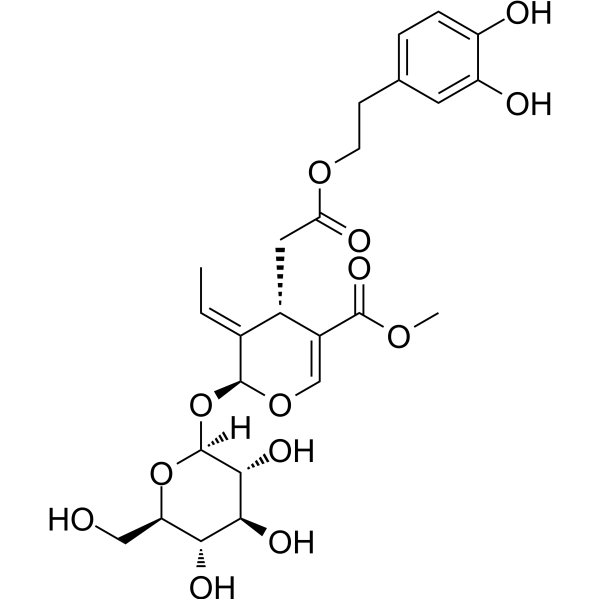
    Oleuropein
    Maximum Cited Publications
    9 Publications Verification

    Cytochrome P450 PPAR Apoptosis Cardiovascular Disease Inflammation/Immunology Cancer
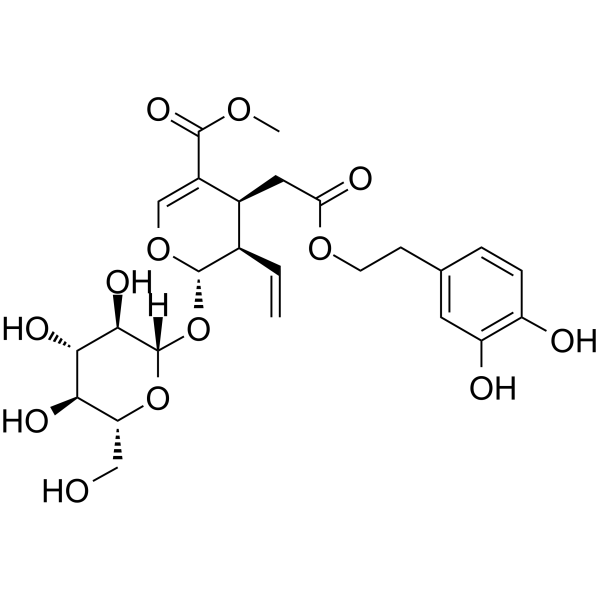
    Oleuropein, found in olive leaves and oil, exerts antioxidant, anti-inflammatory and anti-atherogenic effects through direct inhibition of PPARγ transcriptional activity . Oleuropein induces apoptosis in breast cancer cells via the p53-dependent pathway and through the regulation of Bax and Bcl2 genes. Oleuropein also inhibits aromatase .
    Oleuropein
  • HY-N0570
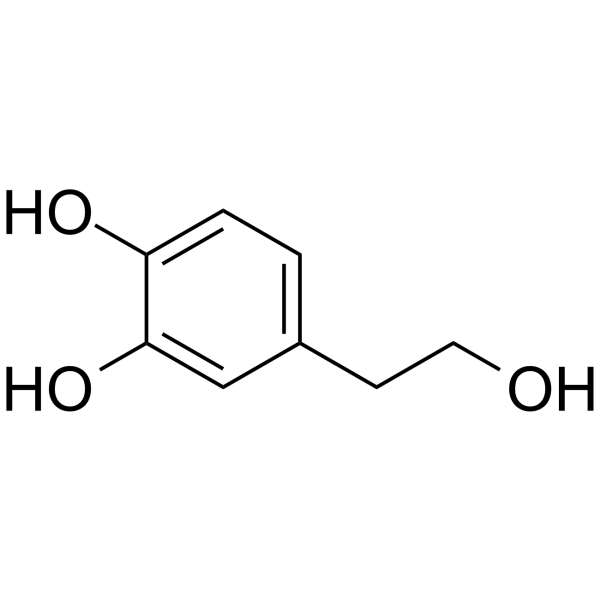
    Hydroxytyrosol
    5+ Cited Publications

    DOPET; 3,4-Dihydroxyphenethyl alcohol; 3-Hydroxytyrosol

    Apoptosis Bacterial Reactive Oxygen Species (ROS) SARS-CoV Estrogen Receptor/ERR Infection Cardiovascular Disease Neurological Disease Metabolic Disease Inflammation/Immunology Cancer
    Hydroxytyrosol (DOPET; 3,4-Dihydroxyphenethyl alcohol) is an orally active, blood-brain barrier-permeable multi-active compound with multiple effects including antibacterial, antioxidant, anti-platelet aggregation, and neuroprotective activities. Hydroxytyrosol not only inhibits the growth of Vibrio by increasing bacterial membrane permeability, but also interacts with DNA and mediates supercoiled DNA relaxation. Meanwhile, Hydroxytyrosol effectively reduces thrombosis and inhibits lipid oxidation by inhibiting COX activity and promoting vascular nitric oxide production. In terms of neuroprotection, Hydroxytyrosol significantly alleviates neuronal apoptosis and inflammatory responses by up-regulating the expression level of ERβ, thereby improving cognitive function in Alzheimer's disease models. Hydroxytyrosol has been widely used in scientific research related to Vibrio infection, arterial thrombosis, Alzheimer's disease and other related fields .
    Hydroxytyrosol
  • HY-124481

    COX Reactive Oxygen Species (ROS) NO Synthase Keap1-Nrf2 Heme Oxygenase (HO) Amyloid-β Parasite Infection Neurological Disease Inflammation/Immunology Cancer
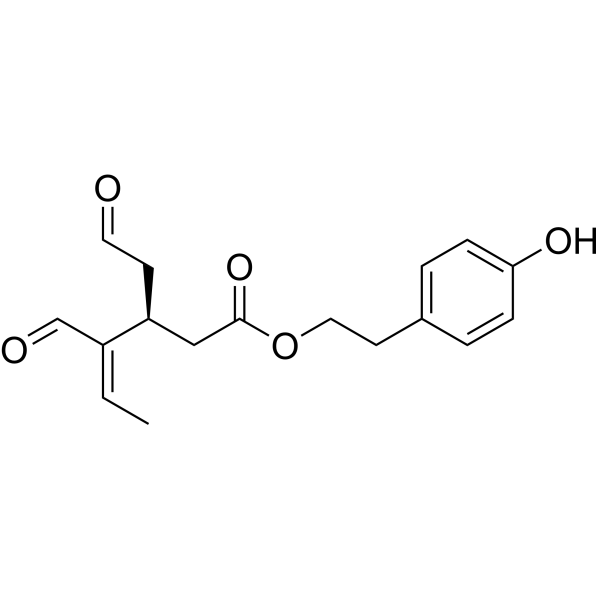
    Oleocanthal is an orally active phenolic seciridoid compound. Oleocanthal can be extracted from olive oil. Oleocanthal inhibits COX-1 and COX-2, reduces ROS and NO, and upregulates Nrf-2 and HO-1. Oleocanthal reduces deposition. Oleocanthal exhibits anti-Leishmania activity against promastigotes and amastigotes of L. major, with IC50 values of 18.7 and 87 μg/mL, respectively. Oleocanthal exhibits anticancer activity against colon, breast, liver, and melanoma cancers. Oleocanthal also exhibits anti-inflammatory and neuroprotective properties. Oleocanthal can be used in Alzheimer's disease research .
    Oleocanthal
  • HY-Y0801

    Drug Metabolite Others
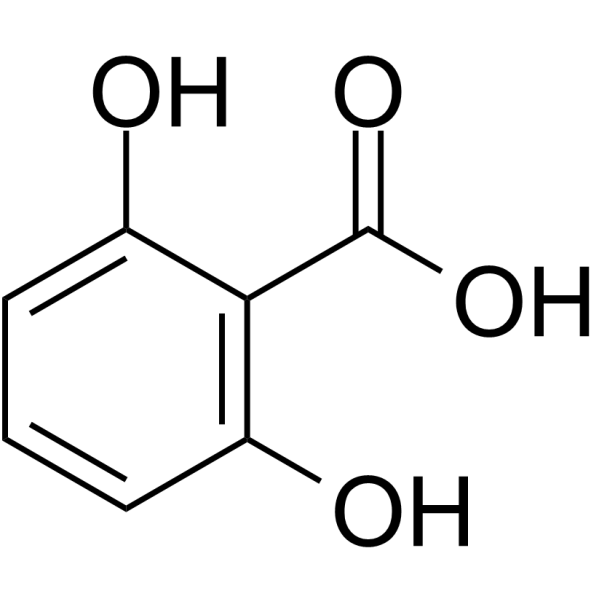
    2,6-Dihydroxybenzoic acid is an aromatic compound containing phenolic hydroxyl groups and carboxyl groups, and it is a secondary metabolite of Salicylic acid (HY-B0167). 2,6-Dihydroxybenzoic acid is also present in olive oil wastewater .
    2,6-Dihydroxybenzoic acid
  • HY-N1109
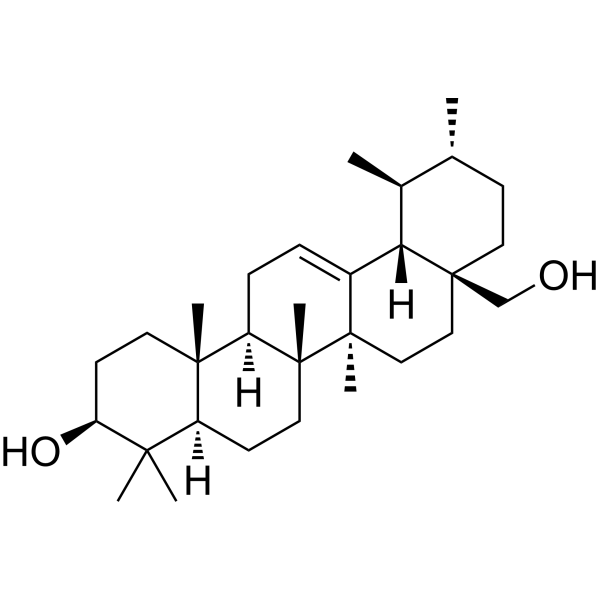
    Uvaol
    1 Publications Verification

    Apoptosis Inflammation/Immunology Cancer
    Uvaol, a triterpene present in olives and virgin olive oil, possesses anti-inflammatory properties and antioxidant effects. Uvaol is an orally active inducer of apoptosis in astroglioma cells. Uvaol also has anti-cancer activities. Uvaol attenuates pleuritis and eosinophilic inflammation in ovalbumin-induced allergy in mice .
    Uvaol
  • HY-N2419
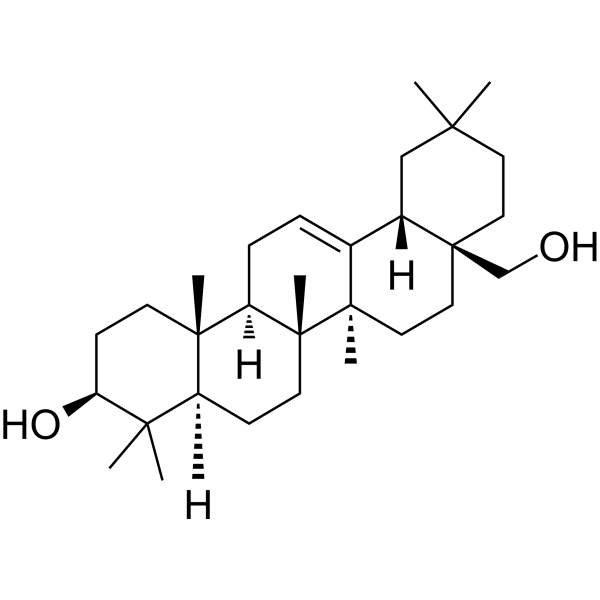
    Erythrodiol
    1 Publications Verification

    Endogenous Metabolite Metabolic Disease
    Erythrodiol is an olive oil component. Erythrodiol promotes Cholesterol efflux (ChE) by selectively inhibiting the degradation of ABCA1 protein. Erythrodiol is a good candidate to be further explored for therapeutic or preventive application in the context of atherosclerosis .
    Erythrodiol
  • HY-W010066

    NO Synthase COX IKK Inflammation/Immunology Endocrinology
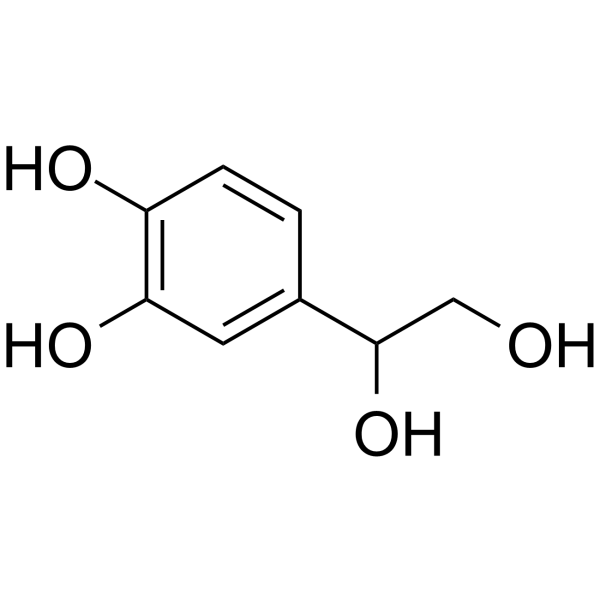
    3,4-Dihydroxyphenylglycol is a phenolic compound and antioxidant. 3,4-Dihydroxyphenylglycol can be extracted from olive oil. 3,4-Dihydroxyphenylglycol downregulates the expression of proinflammatory enzymes (iNOS, COX-2) and prevents the degradation of IκBα. 3,4-Dihydroxyphenylglycol has antioxidant properties. 3,4-Dihydroxyphenylglycol has shown positive effects on frozen-thawed ram sperm. 3,4-Dihydroxyphenylglycol can be used in the study of inflammatory-related diseases (such as ulcerative colitis) and reproductive health (sperm cryopreservation) .
    3,4-Dihydroxyphenylglycol
  • HY-N9811

    Drug Derivative Infection Metabolic Disease
    Hydroxytyrosol 4-O-glucoside is a phenolic compound found in olive pulp, vegetation water, and pomace of olive oil processing. Hydroxytyrosol 4-O-glucoside can be used in research on antibacterial, hypoglycemic, lipid-lowering, and cholesterol-lowering effects .
    Hydroxytyrosol 4-O-glucoside
  • HY-N6906
    Oleuroside
    1 Publications Verification

    Others Neurological Disease
    Oleuroside is a phenolic secoiridoid in olive. Oleuroside can protect against mitochondrial dysfunction in models of early Alzheimer's disease and brain ageing .
    Oleuroside
  • HY-N7513

    TNF Receptor Drug Metabolite Cardiovascular Disease
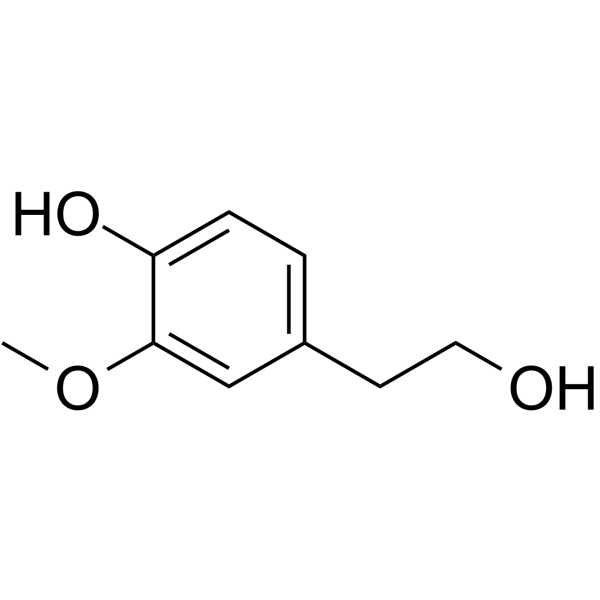
    Homovanillyl alcohol is a biological metabolite of Hydroxytyrosol. Hydroxytyrosol is a phenolic compound that is present in virgin olive oil (VOO) and wine. Homovanillyl alcohol protects red blood cells (RBCs) from oxidative injury and has protective effect on cardiovascular disease .
    Homovanillyl alcohol
  • HY-N0570R

    DOPET (Standard); 3,4-Dihydroxyphenethyl alcohol (Standard); 3-Hydroxytyrosol (Standard)

    Reference Standards Apoptosis Bacterial Reactive Oxygen Species (ROS) SARS-CoV Estrogen Receptor/ERR Infection Cardiovascular Disease Neurological Disease Metabolic Disease Inflammation/Immunology Cancer
    Hydroxytyrosol (Standard) (DOPET (Standard)) is the analytical standard of Hydroxytyrosol (HY-N0570). This product is intended for research and analytical applications. Hydroxytyrosol is an orally active, blood-brain barrier-permeable multi-active compound with multiple effects including antibacterial, antioxidant, anti-platelet aggregation, and neuroprotective activities. Hydroxytyrosol not only inhibits the growth of Vibrio by increasing bacterial membrane permeability, but also interacts with DNA and mediates supercoiled DNA relaxation. Meanwhile, Hydroxytyrosol effectively reduces thrombosis and inhibits lipid oxidation by inhibiting COX activity and promoting vascular nitric oxide production. In terms of neuroprotection, Hydroxytyrosol significantly alleviates neuronal apoptosis and inflammatory responses by up-regulating the expression level of ERβ, thereby improving cognitive function in Alzheimer's disease models. Hydroxytyrosol has been widely used in scientific research related to Vibrio infection, arterial thrombosis, Alzheimer's disease and other related fields .
    Hydroxytyrosol (Standard)
  • HY-N0292R

    Cytochrome P450 Reference Standards PPAR Apoptosis Cardiovascular Disease Inflammation/Immunology Cancer
    Oleuropein (Standard) is the analytical standard of Oleuropein. This product is intended for research and analytical applications. Oleuropein, found in olive leaves and oil, exerts antioxidant, anti-inflammatory and anti-atherogenic effects through direct inhibition of PPARγ transcriptional activity . Oleuropein induces apoptosis in breast cancer cells via the p53-dependent pathway and through the regulation of Bax and Bcl2 genes. Oleuropein also inhibits aromatase .
    Oleuropein (Standard)
  • HY-N8085

    NF-κB Inflammation/Immunology
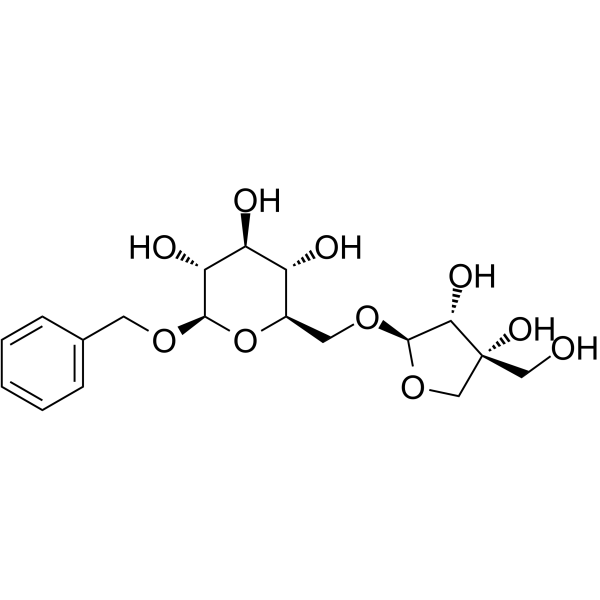
    Icariside F2 is a potent NF-κB inhibitor with an IC50 value of 16.25 μM. Icariside F2 is an aromatic glycoside isolated from the leaves of E. ulmoides Oliver. Icariside F2 has anti-inflammatory activity .
    Icariside F2
  • HY-Y1422E

    Biochemical Assay Reagents Lipase Others
    Lipase, Aspergillus niger (Immobilized) is an immobilized triacylglycerol acyl hydrolase and biocatalyst. Lipase, Aspergillus niger (Immobilized) broadly catalyzes the hydrolysis of glycerol-long-chain fatty acid esters, exhibits positional selectivity for the 1,3-positions of glycerol, but shows low hydrolysis efficiency for castor oil. Lipase, Aspergillus niger (Immobilized) displays optimal activity at 45°C and pH 7.0, and remains stable at temperatures up to 60°C and over a broad pH range of 2.0-9.0. Lipase, Aspergillus niger (Immobilized) is activated by Ca 2+ and Mg 2+, but inhibited by Mn 2+, Fe 2+ and Zn 2+ .
    Lipase,Aspergillusniger (Immobilized)
  • HY-133823

    C16:1 (cis-11/trans-11) Fatty acid

    Endogenous Metabolite Metabolic Disease
    11-Hexadecenoic acid is a monounsaturated fatty acid. 11-cis-Hexadecenoic acid and 11-trans-hexadecenoic acid have been found in ewe milk fat, and levels of each increase with dietary lipid supplementation of linseed, sunflower, olive, or fish oils. 11-trans-Hexadecenoic acid has also been found in intramuscular fat samples isolated from male and female foals. This product is a mixture of 11-cis- and 11-trans-hexadecenoic acids.
    11-Hexadecenoic acid
  • HY-113878

    Endogenous Metabolite Metabolic Disease
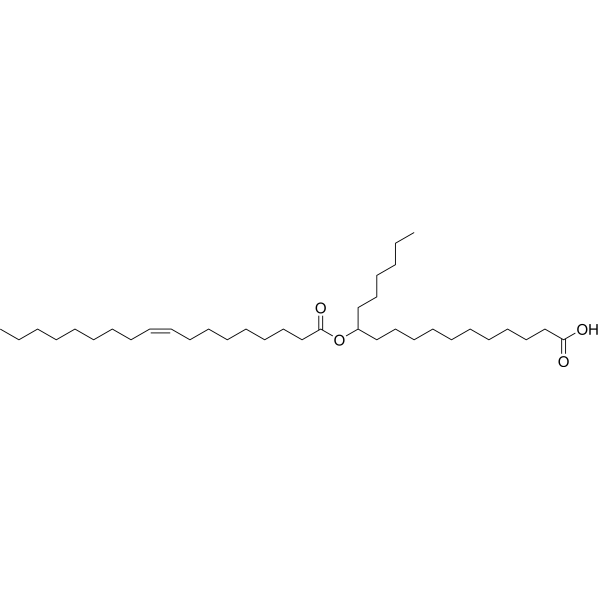
    12-OAHSA is a component of olive oil. 12-OAHSA has oral activity, and improves glucose homeostasis in insulin resistant obese mice .
    12-OAHSA
  • HY-N7953

    Endogenous Metabolite Metabolic Disease
    1,2-Dioleoyl-3-linoleoyl-rac-glycerol (OOL) is a triacylglycerol containing oleic acid at the sn-1 and sn-2 positions and linoleic acid at the sn-3 position. It is found in a variety of seed and vegetable oils, including pumpkin seed, olive, and sesame oils.
    1,2-Dioleoyl-3-linoleoyl-rac-glycerol
  • HY-B0828

    Parasite Cholinesterase (ChE) Others
    Triazophos, a non-systemic insecticide and acaricide that acts as an acetylcholinesterase (AChE) inhibitor, covalently and irreversibly binds to the acetylcholine binding site, thus blocking the hydrolysis of acetylcholine and leading to hyperexcitability; it is effective against a variety of soil insects and mites, including aphids, thrips, midges, beetles, Lepidoptera larvae, cutworms, and spider mites in crops such as ornamentals, cotton, rice, maize, soybeans, oil palms, olives, and coffee.
    Triazophos
  • HY-N0570S

    DOPET-d4; 3,4-Dihydroxyphenethyl alcohol-d4; 3-Hydroxytyrosol-d4

    Isotope-Labeled Compounds Apoptosis Bacterial Reactive Oxygen Species (ROS) SARS-CoV Estrogen Receptor/ERR Cardiovascular Disease Infection Neurological Disease Metabolic Disease Inflammation/Immunology Cancer
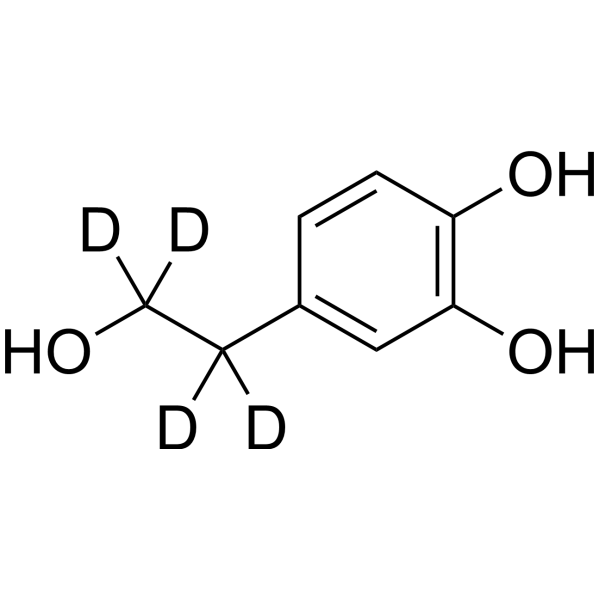
    Hydroxytyrosol-d4 (DOPET-d4) is the deuterium labeled Hydroxytyrosol (HY-N0570). Hydroxytyrosol is an orally active, blood-brain barrier-permeable multi-active compound with multiple effects including antibacterial, antioxidant, anti-platelet aggregation, and neuroprotective activities. Hydroxytyrosol not only inhibits the growth of Vibrio by increasing bacterial membrane permeability, but also interacts with DNA and mediates supercoiled DNA relaxation. Meanwhile, Hydroxytyrosol effectively reduces thrombosis and inhibits lipid oxidation by inhibiting COX activity and promoting vascular nitric oxide production. In terms of neuroprotection, Hydroxytyrosol significantly alleviates neuronal apoptosis and inflammatory responses by up-regulating the expression level of ERβ, thereby improving cognitive function in Alzheimer's disease models. Hydroxytyrosol has been widely used in scientific research related to Vibrio infection, arterial thrombosis, Alzheimer's disease and other related fields .
    Hydroxytyrosol-d4
  • HY-N0570S1

    DOPET-d5; 3,4-Dihydroxyphenethyl alcohol-d5; 3-Hydroxytyrosol-d5

    Isotope-Labeled Compounds Apoptosis Bacterial Reactive Oxygen Species (ROS) SARS-CoV Estrogen Receptor/ERR Cardiovascular Disease Infection Neurological Disease Metabolic Disease Inflammation/Immunology Cancer
    Hydroxytyrosol-d5 (DOPET-d5) is the deuterium labeled Hydroxytyrosol (HY-N0570). Hydroxytyrosol is an orally active, blood-brain barrier-permeable multi-active compound with multiple effects including antibacterial, antioxidant, anti-platelet aggregation, and neuroprotective activities. Hydroxytyrosol not only inhibits the growth of Vibrio by increasing bacterial membrane permeability, but also interacts with DNA and mediates supercoiled DNA relaxation. Meanwhile, Hydroxytyrosol effectively reduces thrombosis and inhibits lipid oxidation by inhibiting COX activity and promoting vascular nitric oxide production. In terms of neuroprotection, Hydroxytyrosol significantly alleviates neuronal apoptosis and inflammatory responses by up-regulating the expression level of ERβ, thereby improving cognitive function in Alzheimer's disease models. Hydroxytyrosol has been widely used in scientific research related to Vibrio infection, arterial thrombosis, Alzheimer's disease and other related fields .
    Hydroxytyrosol-d5
  • HY-N3144

    Others Others
    Oleoside can be isolated from olive pomace .
    Oleoside
  • HY-D0362

    Fluorescent Dye Others
    Olive GB is a multifunctional dye. Dyes are important tools in biological experiments. They can help researchers observe and analyze cell structures, track biomolecules, evaluate cell functions, distinguish cell types, detect biomolecules, study tissue pathology and monitor microorganisms. Their applications range from basic scientific research to clinical A wide range of diagnostics. Dyes are also widely used in traditional fields such as textile dyeing, as well as in emerging fields such as functional textile processing, food pigments and dye-sensitized solar cells.
    Olive GB
  • HY-N6875

    Others Metabolic Disease
    oleuropeinic acid is present initially in olive tissues or formed by the thermal treatment, possibly by the oxidation of oleuropein. Oleuropeinic acid is an antioxidant-soluble fiber .
    Oleuropeinic acid
  • HY-N6906R

    Reference Standards Others Neurological Disease
    Oleuroside (Standard) is the analytical standard of Oleuroside. This product is intended for research and analytical applications. Oleuroside is a phenolic secoiridoid in olive. Oleuroside can protect against mitochondrial dysfunction in models of early Alzheimer's disease and brain ageing .
    Oleuroside (Standard)
  • HY-N1153

    Others Others
    Threo-guaiacylglycerol is a Phenylpropanoids product that can be isolated from the barks of Eucommia ulmoides Oliver .
    Threo-guaiacylglycerol
  • HY-157734

    Endogenous Metabolite Others
    1,2-Palmitate-3-elaidate is a triglyceride that can be isolated from virgin olive oil .
    1,2-Palmitate-3-elaidate
  • HY-N10391

    Cleistenolide

    Bacterial Infection Cancer
    (-)-Cleistenolide is a α,β-unsaturated δ-lactone isolated from Cleistochlamys kirkii Oliver. (-)-Cleistenolide has antibacterial and antitumor activity .
    (-)-Cleistenolide
  • HY-N18695

    Bacterial Infection
    Olive leaf extract is an extract from olive leaves that has broad-spectrum antibacterial activity.
    Olive leaf extract
  • HY-N2419R

    Reference Standards Endogenous Metabolite Metabolic Disease
    Erythrodiol (Standard) is the analytical standard of Erythrodiol. This product is intended for research and analytical applications. Erythrodiol is an olive oil component. Erythrodiol promotes Cholesterol efflux (ChE) by selectively inhibiting the degradation of ABCA1 protein. Erythrodiol is a good candidate to be further explored for therapeutic or preventive application in the context of atherosclerosis .
    Erythrodiol (Standard)
  • HY-W778471

    DG(18:2/0:0/18:3); 1-Linolein-3-α-Linolenin; 1-Linolein-3-Linolenin

    Endogenous Metabolite Metabolic Disease
    1-Linoleoyl-3-α-linolenoyl-rac-glycerol is a diacylglycerol that contains linoleic acid (HY-N0729) at the sn-1 position and α-linolenic acid (HY-N0728) at the sn-3 position. It has been found in olive oil subjected to lipase-catalyzed glycerolysis with immobilized lipase B from C. antarctica.
    rac-1-Linoleoyl-3-linolenoyl-propanetriol
  • HY-Y0801R

    Reference Standards Drug Metabolite Others
    2,6-Dihydroxybenzoic acid (Standard) is the analytical standard of 2,6-Dihydroxybenzoic acid (HY-Y0801). This product is used for research and analytical applications. 2,6-Dihydroxybenzoic acid is an aromatic compound containing phenolic hydroxyl groups and carboxyl groups, and it is a secondary metabolite of Salicylic acid (HY-B0167). 2,6-Dihydroxybenzoic acid is also present in olive oil wastewater .
    2,6-Dihydroxybenzoic acid (Standard)
  • HY-100196AR

    PQQ disodium salt (Standard); Methoxatin disodium salt (Standard)

    Reference Standards Endogenous Metabolite Inflammation/Immunology
    Triazophos (Standard) is the analytical standard of Triazophos. This product is intended for research and analytical applications. Triazophos, a non-systemic insecticide and acaricide that acts as an acetylcholinesterase (AChE) inhibitor, covalently and irreversibly binds to the acetylcholine binding site, thus blocking the hydrolysis of acetylcholine and leading to hyperexcitability; it is effective against a variety of soil insects and mites, including aphids, thrips, midges, beetles, Lepidoptera larvae, cutworms, and spider mites in crops such as ornamentals, cotton, rice, maize, soybeans, oil palms, olives, and coffee.
    Pyrroloquinoline quinone disodium salt (Standard)
  • HY-B0828R

    Parasite Reference Standards Others
    Triazophos (Standard) is the analytical standard of Triazophos. This product is intended for research and analytical applications. Triazophos, a non-systemic insecticide and acaricide that acts as an acetylcholinesterase (AChE) inhibitor, covalently and irreversibly binds to the acetylcholine binding site, thus blocking the hydrolysis of acetylcholine and leading to hyperexcitability; it is effective against a variety of soil insects and mites, including aphids, thrips, midges, beetles, Lepidoptera larvae, cutworms, and spider mites in crops such as ornamentals, cotton, rice, maize, soybeans, oil palms, olives, and coffee.
    Triazophos (Standard)
  • HY-N6043R

    Reference Standards Apoptosis Bacterial Reactive Oxygen Species (ROS) SARS-CoV Estrogen Receptor/ERR Infection Cardiovascular Disease Neurological Disease Metabolic Disease Inflammation/Immunology Cancer
    Hydroxytyrosol acetate (Standard) is the analytical standard of Hydroxytyrosol (HY-N0570). This product is intended for research and analytical applications. Hydroxytyrosol acetate is an orally active, blood-brain barrier-permeable multi-active compound with multiple effects including antibacterial, antioxidant, anti-platelet aggregation, and neuroprotective activities. Hydroxytyrosol acetate not only inhibits the growth of Vibrio by increasing bacterial membrane permeability, but also interacts with DNA and mediates supercoiled DNA relaxation. Meanwhile, Hydroxytyrosol acetate effectively reduces thrombosis and inhibits lipid oxidation by inhibiting COX activity and promoting vascular nitric oxide production. In terms of neuroprotection, Hydroxytyrosol acetate significantly alleviates neuronal apoptosis and inflammatory responses by up-regulating the expression level of ERβ, thereby improving cognitive function in Alzheimer's disease models. Hydroxytyrosol acetate has been widely used in scientific research related to Vibrio infection, arterial thrombosis, Alzheimer's disease and other related fields .
    Hydroxytyrosol acetate (Standard)
  • HY-W010066R

    Reference Standards NO Synthase COX IKK Inflammation/Immunology Endocrinology
    3,4-Dihydroxyphenylglycol (Standard) is the analytical standard of 3,4-Dihydroxyphenylglycol (HY-W010066). This product is intended for research and analytical applications. 3,4-Dihydroxyphenylglycol is a phenolic compound and antioxidant. 3,4-Dihydroxyphenylglycol can be extracted from olive oil. 3,4-Dihydroxyphenylglycol downregulates the expression of proinflammatory enzymes (iNOS, COX-2) and prevents the degradation of IκBα. 3,4-Dihydroxyphenylglycol has antioxidant properties. 3,4-Dihydroxyphenylglycol has shown positive effects on frozen-thawed ram sperm. 3,4-Dihydroxyphenylglycol can be used in the study of inflammatory-related diseases (such as ulcerative colitis) and reproductive health (sperm cryopreservation) .
    3,4-Dihydroxyphenylglycol (Standard)
  • HY-165620

    CGA 13586

    Biochemical Assay Reagents Others
    Etacelasil (CGA 13586) is an ethylene-releasing compound. Etacelasil releases ethylene upon contact with water. Etacelasil induces olive fruit abscission .
    Etacelasil
  • HY-W641595

    Others Others
    Oct-7-en-4-ol is a compound that can be isolated from Eucommia ulmoides Oliver .
    Oct-7-en-4-ol
  • HY-N16762A

    Drug Derivative Others
    (+)-Neoolivil is a natural product that can be found in olives.
    (+)-Neoolivil
  • HY-135876

    (-)-γ-Elemene

    Drug Derivative Others
    γ-Elemene is a natural product that can be found in olives.
    γ-Elemene
  • HY-W792683

    Others Others
    Homovanillic Acid Sulfate is a Phenols product that can be isolated from From olive oil. .
    Homovanillic Acid Sulfate
  • HY-N3863

    Others Others
    erythro-Guaiacylglycerol is a Phenylpropanoids product that can be isolated from the barks of Eucommia ulmoides Oliver .
    erythro-Guaiacylglycerol
  • HY-N17429

    Drug Derivative Others
    Olean-12-ene-23 is a natural product that can be found in olives.
    Olean-12-ene-23
  • HY-N8811

    Others Inflammation/Immunology Cancer
    Acetyl 11α-methoxy-β-boswellic acid is a terpenoid compound derived from the resin of olive plants, and it holds promise for research in fields such as anti-inflammatory, anti-cancer, and analgesic applications .
    Acetyl 11α-methoxy-β-boswellic acid
  • HY-W654215

    Biochemical Assay Reagents Metabolic Disease
    Homovanillic acid sulfate (sodium) is a phenol that can be found in olive oil and a dopamine metabolite. Homovanillic acid sulfate (sodium) increases in response to acute renal injury in vivo. Homovanillic acid sulfate (sodium) can be used as a biomarker for early detection of kidney disease .
    Homovanillic acid sulfate sodium
  • HY-B0828S

    Hostathion 40EC-d5; Hostathion-d5; Hostation-d5

    Isotope-Labeled Compounds Parasite Cholinesterase (ChE) Others
    Triazophos-d5 (Hostathion 40EC-d5) is the deuterium labeled Triazophos(HY-B0828) . Triazophos, a non-systemic insecticide and acaricide that acts as an acetylcholinesterase (AChE) inhibitor, covalently and irreversibly binds to the acetylcholine binding site, thus blocking the hydrolysis of acetylcholine and leading to hyperexcitability; it is effective against a variety of soil insects and mites, including aphids, thrips, midges, beetles, Lepidoptera larvae, cutworms, and spider mites in crops such as ornamentals, cotton, rice, maize, soybeans, oil palms, olives, and coffee.
    Triazophos-d5
  • HY-N17876

    Lipase Metabolic Disease
    Royleanonic acid is an abietan-type diterpene found in the leaves of Salvia officinalis L. Royleanonic acid is a porcine pancreatic lipase inhibitor with an IC50 of 35 μg/mL .
    Royleanonic acid

Inquiry Online

Your information is safe with us. * Required Fields.

Salutation


Country or Region *

Applicant Name *


Organization Name *

Department *


Email Address *


Product Name *

Cat. No.


Requested quantity *

Phone Number *


Remarks

Inquiry Online

Inquiry Information

Product Name:
Cat. No.:
Quantity:
MCE Japan Authorized Agent:

