From 11:00 pm to 12:00 pm EST ( 8:00 pm to 9:00 pm PST ) on January 6th, the website will be under maintenance. We are sorry for the inconvenience. Please arrange your schedule properly.
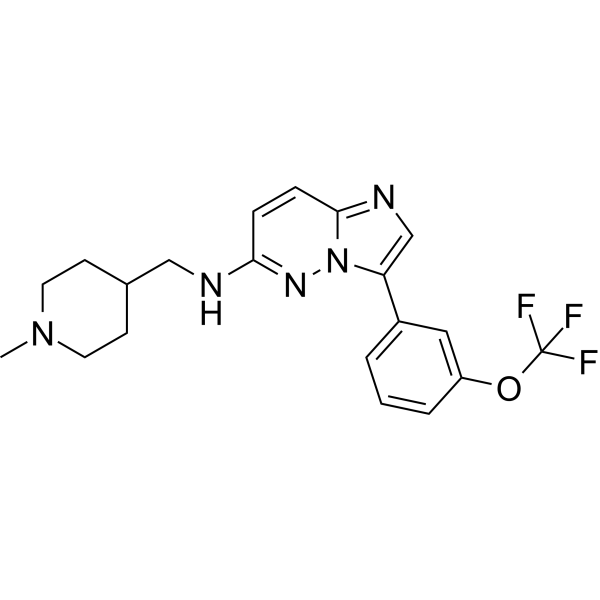
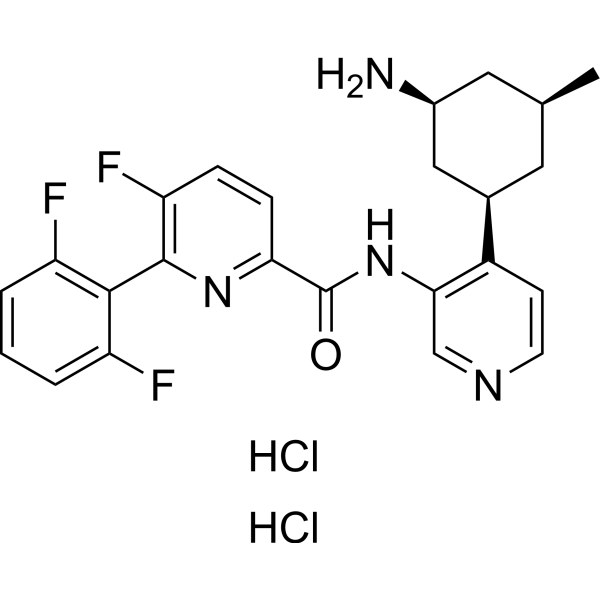
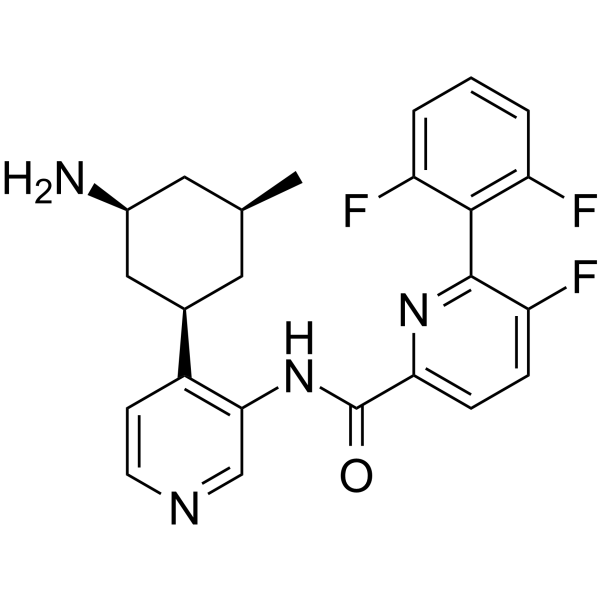
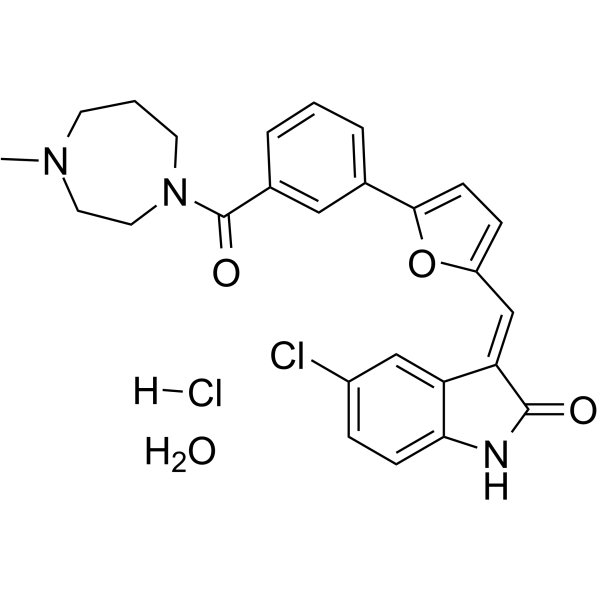
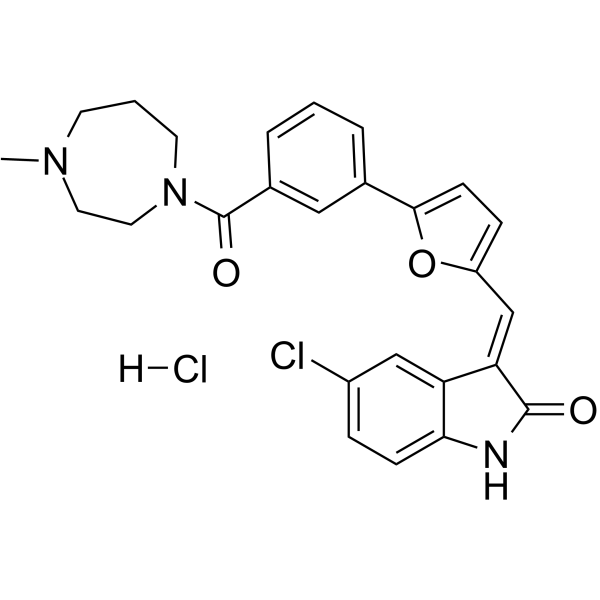
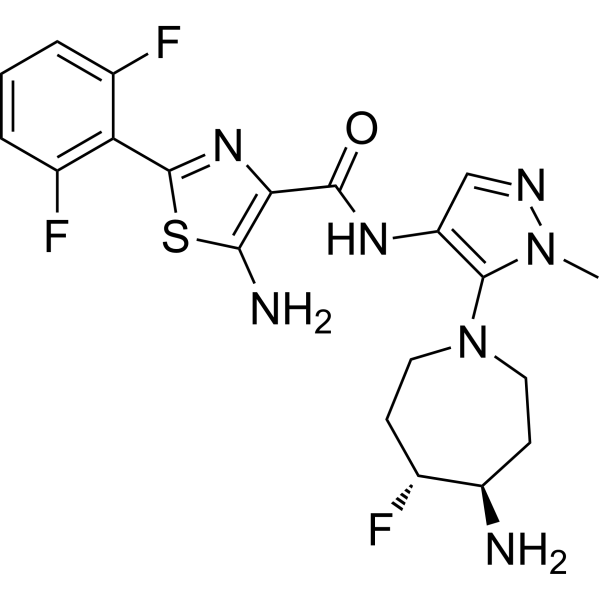
PIM447 dihydrochloride (LGH447 dihydrochloride) is a potent, orally available, and selective pan-PIMkinase inhibitor, with Ki values of 6, 18, and 9 pM for PIM1, PIM2, and PIM3, respectively. PIM447 dihydrochloride displays dual antimyeloma and bone-protective effects. PIM447 dihydrochloride induces apoptosis .
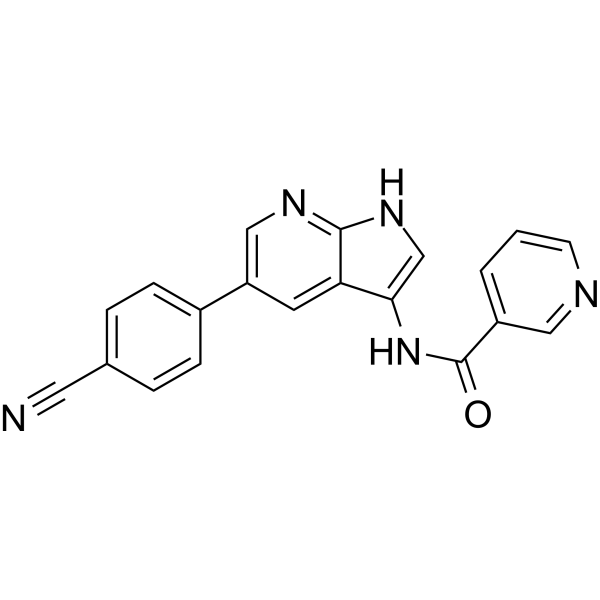
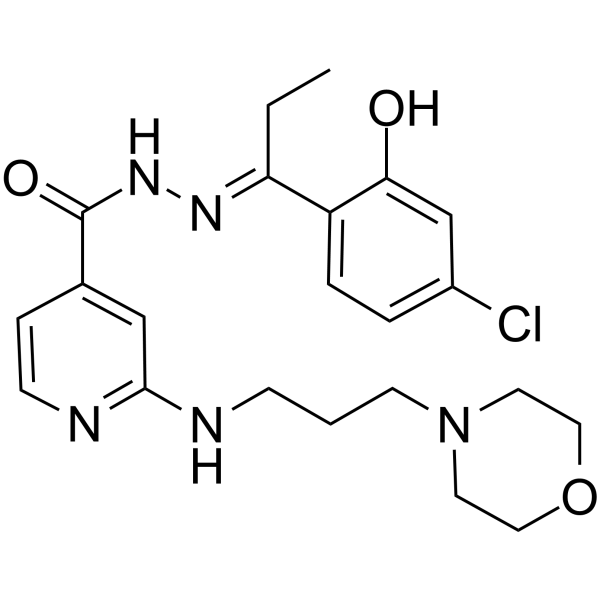
Pim1/AKK1-IN-1 is a potent multi-kinase inhibitor with Kd values of 35 nM/53 nM/75 nM/380 nM for Pim1/AKK1/MST2/LKB1 respectively, and also inhibits MPSK1 and TNIK.
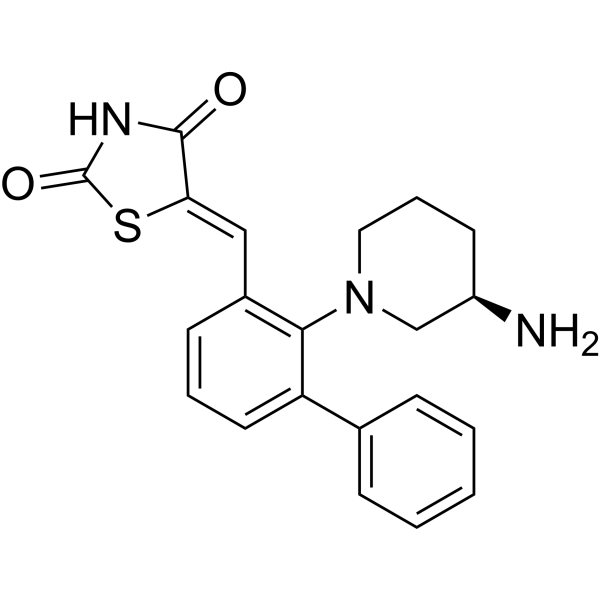
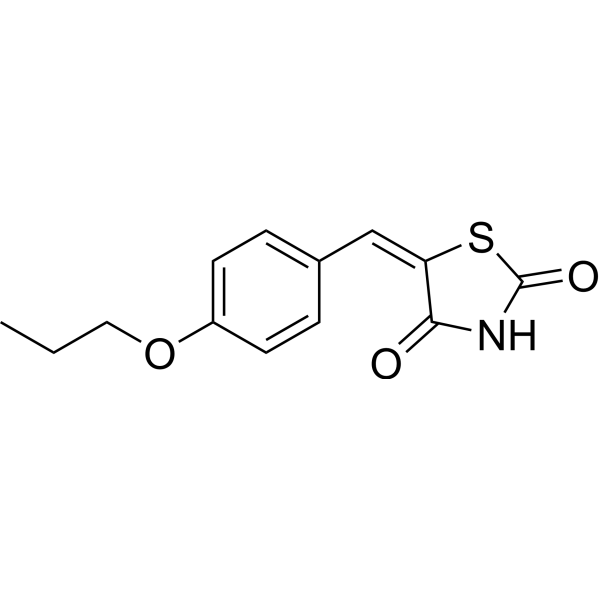
SMI-4a (TCS-PIM-1-4a) is a poten, selective, cell-permeable and ATP-competitive Pim-1 inhibitor with an IC50 of 24 μM and a Ki of 0.6 μM. SMI-4a also inhibits Pim-2 (IC50 of 100 μM), and does not significantly inhibit the other serine/threonine- or tyrosine-kinases. SMI-4a has anticancer activity .
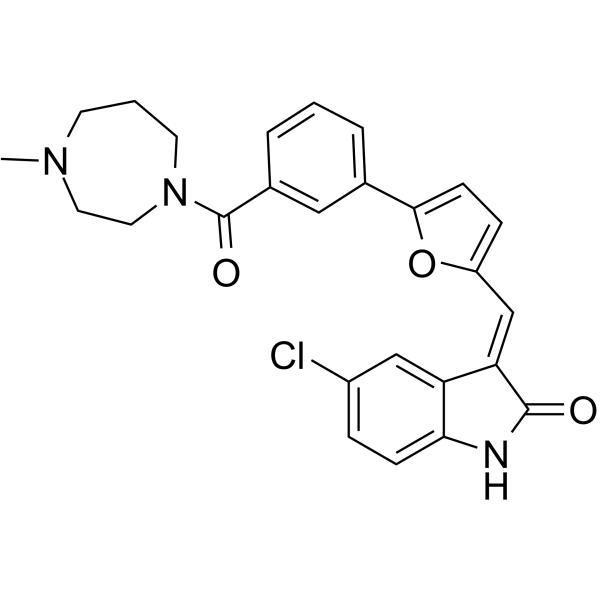
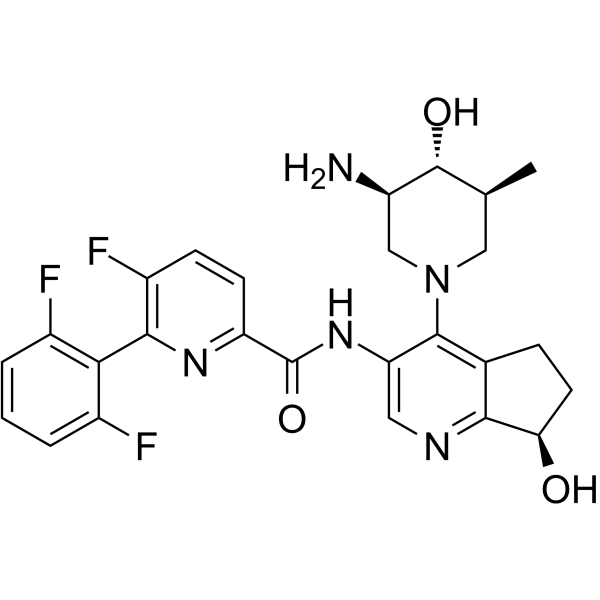
PIM447 (LGH447) is a potent, orally available, and selective pan-PIMkinase inhibitor, with Ki values of 6, 18, and 9 pM for PIM1, PIM2, and PIM3, respectively. PIM447 displays dual antimyeloma and bone-protective effects. PIM447 induces apoptosis .
M-110 is a highly selective, ATP-competitive inhibitor of PIMkinases with a preference for PIM-3 (IC50=47 nM). M-110 inhibits PIM-1 and PIM-2 with similar IC50s of 2.5 μM. M-110 inhibits the proliferation of prostate cancer cell lines with IC50s of 0.6 to 0.9 μM .
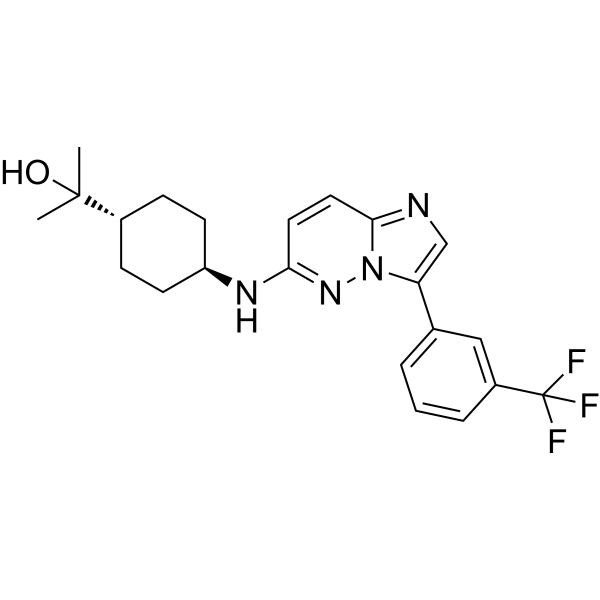
GDC-0339 is a potent, orally bioavailable and well tolerated pan-Pimkinase inhibitor, with Kis of 0.03 nM, 0.1 nM and 0.02 nM for Pim1, Pim2 and Pim3, respectively. GDC-0339 is discovered as a potential treatment of multiple myeloma .
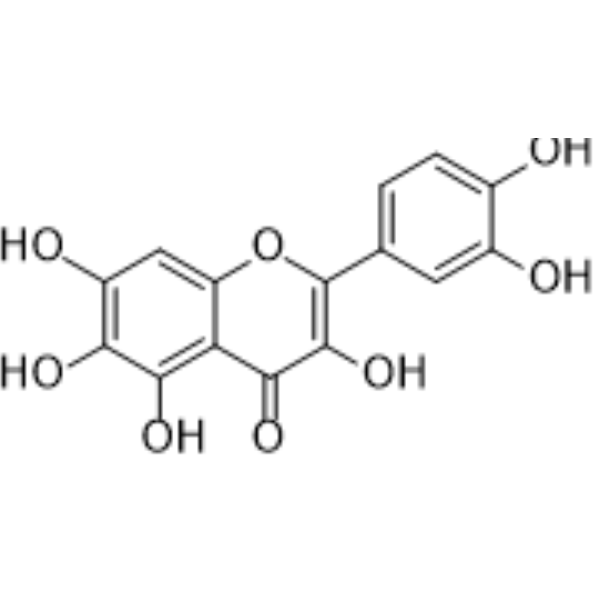
Quercetagetin (6-Hydroxyquercetin) is a flavonoid . Quercetagetin is a moderately potent and selective, cell-permeable pim-1kinase inhibitor (IC50, 0.34 μM) . Anti-inflammatory and anticancer properties.
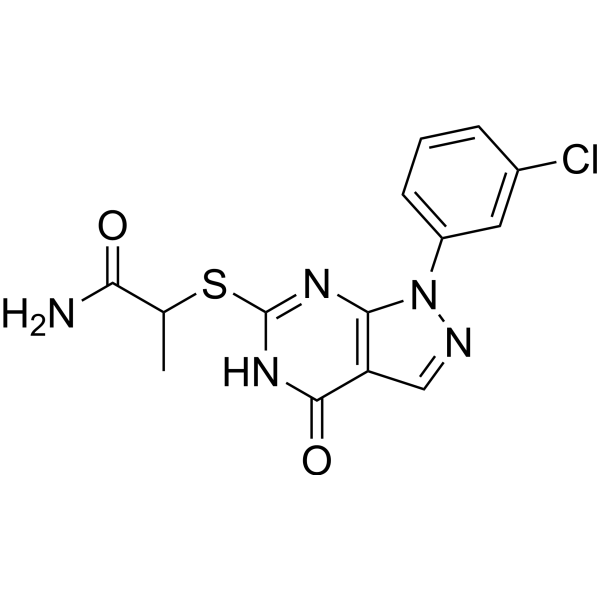
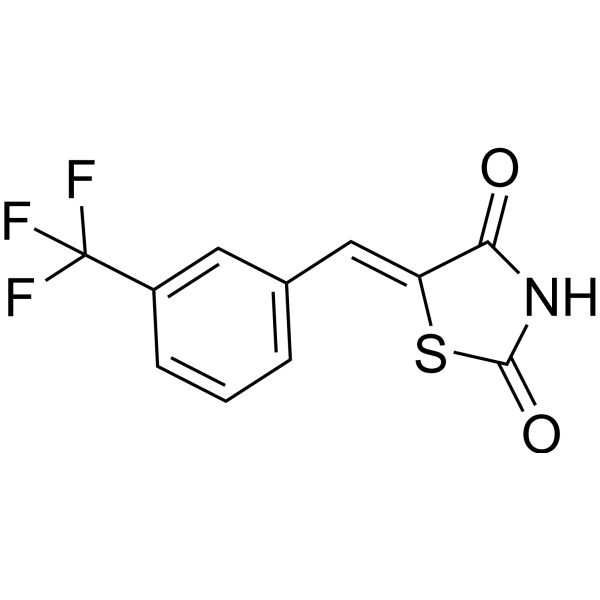
Pim-1 kinase inhibitor 2 is a PIM-1kinase inhibitor with a human IC50 of 0.63 μM. Pim-1 kinase inhibitor 2 exhibits high selectivity for cancer cells over normal cells. Pim-1 kinase inhibitor 2 induces apoptosis, increases active caspase-3 levels, upregulates BAX, downregulates Bcl-2, and elevates the Bax/Bcl-2 ratio. Pim-1 kinase inhibitor 2 suppresses cancer cell proliferation and induces cell cycle arrest. Pim-1 kinase inhibitor 2 can be used for the research of prostate carcinoma, hepatocellular carcinoma, and breast adenocarcinoma .
HS38 is a potent, selective, and ATP-competitive inhibitor of death-associated protein kinase 1 (DAPK1) and zipper-interacting protein kinase (ZIPK, also called DAPK3), with Kds of 300 nM and 280 nM, respectively. HS38 is also a PIM3 inhibitor with an IC50 of 200 nM. HS38 can be used for the research of smooth muscle related disorders .
CX-6258 hydrochloride hydrate is a potent and kinase selective pan-Pimkinases inhibitor, with IC50s of 5 nM, 25 nM and 16 nM for Pim-1, Pim-2 and Pim-3, respectively .
PIM1-IN-2 is a potent and ATP competitive Pim-1 inhibitor with a Ki of 91 nM. PIM1-IN-2 targets the ATP-binding kinase hinge region not by forming classical hydrogen bonds .
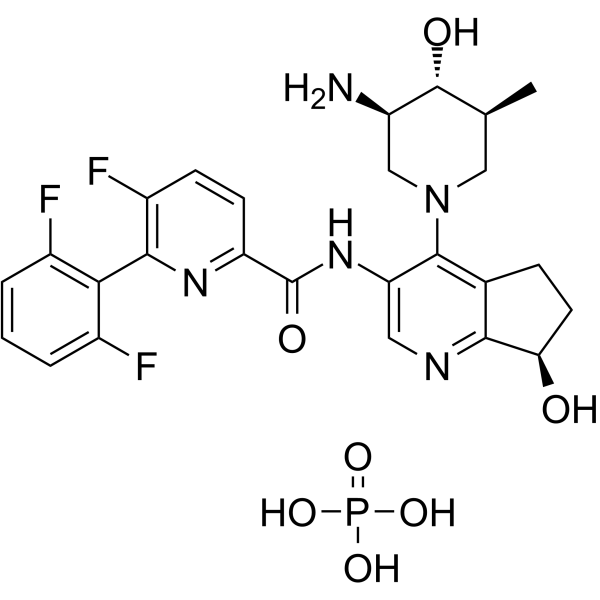
Uzansertib (INCB053914) phosphate is an orally active, ATP-competitive pan-PIMkinase inhibitor with IC50s of 0.24 nM, 30 nM, 0.12 nM for PIM1, PIM2, PIM3, respectively. Uzansertib phosphate has broad anti-proliferative activity against a variety of hematologic tumor cell lines .
Uzansertib (INCB053914) is an orally active, ATP-competitive pan-PIMkinase inhibitor with IC50s of 0.24 nM, 30 nM, 0.12 nM for PIM1, PIM2, PIM3, respectively. Uzansertib has broad anti-proliferative activity against a variety of hematologic tumor cell lines .
Pim-1/2 kinase inhibitor 1 is an orally active pim-1/2 kinase inhibitor. Pim-1/2 kinase inhibitor 1 blocks the ability of Pimkinases to phosphorylate peptides, and inhibits the pim protein kinase directed phosphorylation of 4E-BP1 and p27 Kip1. Pim-1/2 kinase inhibitor 1 can be used in study of cancer, especially prostate cancer .
CX-6258 hydrochloride is a potent and kinase selective pan-Pimkinases inhibitor, with IC50s of 5 nM, 25 nM and 16 nM for Pim-1, Pim-2 and Pim-3, respectively .
HTH-01-091 is a potent and selective maternal embryonic leucine zipper kinase (MELK) inhibitor, with an IC50 of 10.5 nM. HTH-01-091 also inhibits PIM1/2/3, RIPK2, DYRK3, smMLCK and CLK2. HTH-01-091 can be uesd for breast cancer research .
BODIPY-FL staurosporine (Compound 8a) is a fluorescence probe based on staurosporine, exhibiting high specificity towards tyrosine kinases (TK) and tyrosine kinase-like (TKL) family kinases. BODIPY-FL staurosporine has the potential to develop binding assays for kinases that are not recommended for use with Kinase Tracer 236, such as PIM3, CDC42BPG, MAP2K7, TXK, and SIK3. BODIPY-FL staurosporine can be a powerful tool for analyzing kinase selectivity in kinase drug discovery .
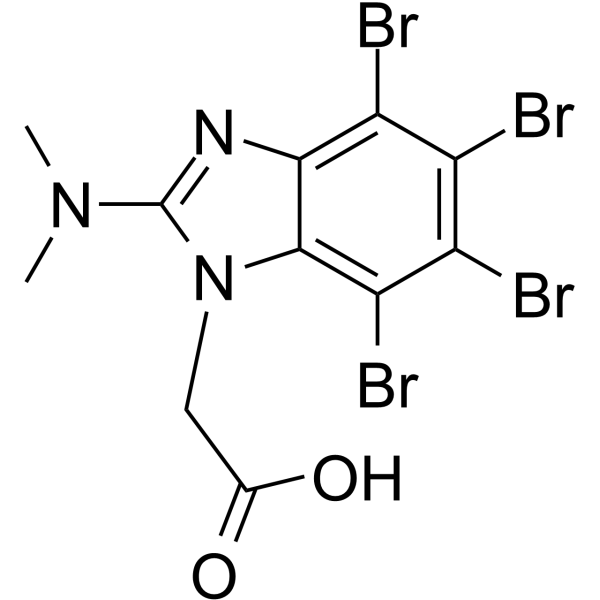
CK2/ERK8-IN-1 is a dual casein kinase 2 (CK2) (Ki of 0.25 µM) and ERK8 (MAPK15, ERK7) inhibitor with IC50s of 0.50 μM. CK2/ERK8-IN-1 also binds to PIM1, HIPK2 (homeodomain-interacting protein kinase 2), and DYRK1A with Kis of 8.65 µM, 15.25 µM, and 11.9 µM, respectively. CK2/ERK8-IN-1 has pro-apoptotic efficacy .
K00135 is a potent and selective inhibitor of PIMkinases. K00135 inhibits survival and clonogenic growth of acute leukemia cells. K00135 inhibits the phosphorylation of PIM downstream targets .
Pim-1 kinase inhibitor 8 is a potent PIM-1 inhibitor with an IC50 value of 14.3 nM. Pim-1 kinase inhibitor 8 impedes cell proliferation and migration through PIM-1 inhibition and the induction of both apoptosis and autophagy. Pim-1 kinase inhibitor 8 inhibits solid tumor growth in Solid Ehrlich Carcinoma (SEC)-bearing mice. Pim-1 kinase inhibitor 8 can be used for breast and liver cancer research .
AZD1897 is a PIM1, PIM2, and PIM3 inhibitor with IC50 values of less than 3 nM for these three PIMkinases. AZD1897 exhibits anticancer activity and synergistically inhibits the activity of acute myeloid leukemia (AML) cells in combination with Capivasertib (HY-15431). This synergistic inhibitory effect is achieved through the inhibition of the mTOR and MCL1 pathways .
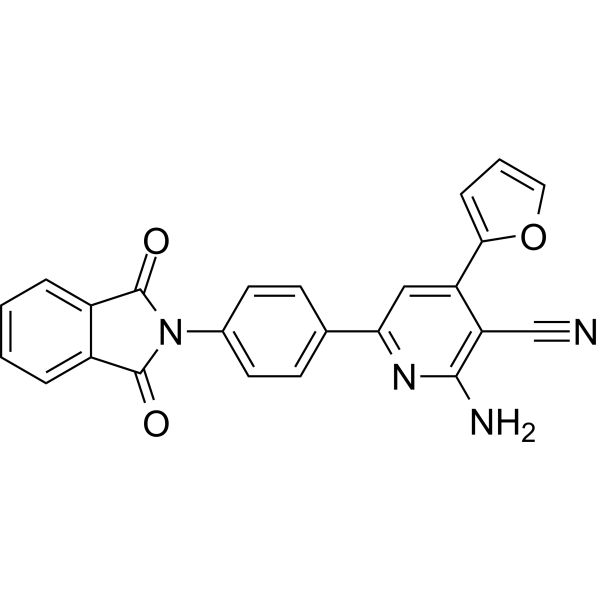
Pim-1 kinase-IN-15 (Compound 15) is a highly potent and selective Pim-1 kinase inhibitor (IC50=0.212 μM). Pim-1 kinase-IN-15 induces tumor cell apoptosis and suppresses cell migration. Pim-1 kinase-IN-15 is promising for research of oncology, such as breast cancer .
Pim-1 kinase-IN-14 is a PIM-1kinase inhibitor with an IC50 value of 94 nM. Pim-1 kinase-IN-14 shows broad-spectrum and high-efficiency anticancer activity against multiple human cancer cell lines, including liver cancer (HepG-2), colon cancer (Caco-2), myeloid leukemia (NFS-60), and prostate cancer (PC-3) cells. Pim-1 kinase-IN-14exerts its anticancer effects by inducing apoptosis and activating caspase 3/7. Pim-1 kinase-IN-14 can be used for the study of cancers associated with PIM-1 kinase overexpression .
Pim-1 kinase inhibitor 1 is a Pim-1kinase inhibitor with an IC50 of 0.11 μM for Pim-1 kinase. Pim-1 kinase inhibitor 1 shows anticancer activity to several cancer cell lines by promotes cell apoptosis. Pim-1 kinase inhibitor 1 can be used for the research of cancer .
Pim-1 kinase inhibitor 10 (compound 13a) is a both competitive and non-competitive inhibitor of PIM-1/2 kinase. Pim-1 kinase inhibitor 10 can induce cell apoptosis and exhibits anticancer activity. Pim-1 kinase inhibitor 10 also induces caspase 3/7 activation .
HTH-01-091 TFA is a potent and selective maternal embryonic leucine zipper kinase (MELK) inhibitor, with an IC50 of 10.5 nM. HTH-01-091 TFA also inhibits PIM1/2/3, RIPK2, DYRK3, smMLCK and CLK2. HTH-01-091 TFA can be uesd for breast cancer research .
Pim-1/2 kinase inhibitor 2 (compound 5b) is a competitive PIM-1 and PIM-2 kinase inhibitor with IC50s of 1.31 μM and 0.67 μM, respectively. Pim-1/2 kinase inhibitor 2 shows in-vitro low cytotoxicity against normal human lung fibroblast Wi-38 cell line and potent in-vitro anticancer activity against myeloid leukaemia (NFS-60), liver (HepG-2), prostate (PC-3), and colon (Caco-2) cancer cell lines .
PIM-1/HDAC-IN-2 is a robust PIM/HDAC inhibitor (IC50 = 0.11 μM in MV4-11cells), which exerts a synergistic antiproliferative effect through a dual mechanism of inhibiting PIM1kinase and selectively inhibiting HDAC6. PIM-1/HDAC-IN-2 induces cell apoptosis. PIM-1/HDAC-IN-2 remarkably induces the cleavage of PARP, thereby initiating the arrest of the cell cycle in G1 phase and a reduction in S phase. PIM-1/HDAC-IN-2 demonstrates significant anticancer efficacyin the MV4-11 xenograft model without notable toxicity[1].
Multi-target kinase-IN-8 (3d) is an anti-cancer agent. Multi-target kinase-IN-8 exhibits inhibitory activity against various protein kinases (B-Raf V600E (IC50 = 0.078 µg/mL), c-Met (IC50 = 0.405 µg/mL), Pim-1 (IC50 = 1.053 µg/mL), EGFR WT (IC50 = 0.177 µg/mL), VEGFR-2 (IC50 = 0.275 µg/mL)). Multi-target kinase-IN-8 can induce cell cycle arrest and promote early and late apoptosis. Multi-target kinase-IN-8 is commonly used in cancer research .
Pim-1 Kinase Inhibitor 13 (compound 10) is a Pim-1 kinase inhibitor with an IC50 of 4.41 μM. Pim-1 Kinase Inhibitor 13 can be utilized in immunology or cancer research .
Pim-1 kinase inhibitor 9 (compound 8b) is a selective inhibitor against Pim-1 kinase with IC50value of 0.24 µM. Pim-1 kinase inhibitor 9 inhibits cell cycle of T47D at S phase. Pim-1 kinase inhibitor 9 reveals antitumor activity .
Pim-1 kinase inhibitor 4 (Compound 10f) is a Pim-1 kinase inhibitor (IC50: 17.01 nM). Pim-1 kinase inhibitor 4 also has antioxidant activity and inhibits DPPH. Pim-1 kinase inhibitor 4 induces apoptosis in PC-3 cell, and inhibits PC-3 cell growth with an IC50 of 16 nM. Pim-1 kinase inhibitor 4 can be used for research of prostate cancer .
Pim-1 kinase inhibitor 6 (Compound 4d) is a potent Pim-1 kinase inhibitor with IC50 value of 0.46 μM, and has significant cytotoxic effect on cancer cells .
Pim-1 kinase inhibitor 5 (Compound 4c) is a Pim-1 kinase inhibitor (IC50: 0.61 μM). Pim-1 kinase inhibitor 5 shows cytotoxicity against cancer cells, with IC50s of 6.95-20.19 μM for HepG2, MCF-7, PC3, and HCT-116 cells .
LGB321 monohydrochloride is a potent, selective, orally active and ATP competitive inhibitor of all three PIMkinases. LGB321 monohydrochloride inhibits proliferation, mTOR-C1 signaling and phosphorylation of BAD in a number of cell lines derived from diverse hematologic malignancies. LGB321 monohydrochloride can be used for the research of hematologic malignancies .
Multi-kinase-IN-6 (compound 10e) is a multikinase inhibitor that shows good enzyme inhibitory activity against TrkA, ALK2, c-KIT, EGFR, PIM1, CK2α, CHK1, and CDK2. Multi-kinase-IN-6 reveals antiproliferative activity against MCF7, HCT116 and EKVX with IC50 values of 3.36 μM, 1.40 μM and 3.49 μM, respectively. Multi-kinase-IN-6 shows cell cycle arrest at the G1/S phase and G1 phase in MCF7 and HCT116 cells with good apoptotic effect .
CK2/PIM1-IN-1 is an inhibitor of CK2 and PIM1, with IC50s of 3.787 μM and 4.327 μM for CK2 and PIM1, respectively. CK2/PIM1-IN-1 is developed for the research of proliferative disorders such as cancer, as well as other kinase-associated conditions including inflammation, pain, vascular disorders, pathogenic infections and certain immunological disorders .
PIM-IN-2 (Pim-2) is a Pimkinases inhibitor (IC50 = 25 nM). PIM-IN-2 promotes cell survival, is antiapoptotic, and has exhibited an elevated level of expression in a variety of human tumors .
Protein kinase inhibitor 13 (Compound I-90) is the inhibitor for protein kinase that exhibits inhibitory effects on kinases such as PIM-1, CDK-2, GSK-3 and SRC .
CDK2/PIM1-IN-1 is an inhibitor of CDK2 (IC50: 0.27 μM) and PIM1 (IC50: 0.67 μM) kinases. CDK2/PIM1-IN-1 induces apoptosis and reduces tumor-promoting TNF-α expression. CDK2/PIM1-IN-1 has antitumor activity .
Protein kinase inhibitor 11 (Compound I-96) is a protein kinase inhibitor that can inhibit the activity of PIM-1, CDK-2, GSK-3, and SRC. Protein kinase inhibitor 11 holds promise for research in cancer, immune disorders, and neurodegenerative diseases .
Pim-1 kinase-IN-16 is a potent PIM-1kinase inhibitor. Pim-1 kinase-IN-16 can inhibit cancer cells proliferation, induce necrosis and late apoptosis. Pim-1 kinase-IN-16 can be used for the research of cancer, such as prostate cancer, colon cancer, lung cancer .
Quercetagetin (Standard) is the analytical standard of Quercetagetin. This product is intended for research and analytical applications. Quercetagetin (6-Hydroxyquercetin) is a flavonoid . Quercetagetin is a moderately potent and selective, cell-permeable pim-1 kinase inhibitor (IC50, 0.34 μM) . Anti-inflammatory and anticancer properties.
NDBM is a probe and binds to tumor-specific Pim-1 kinase, releases strong fluorescence, and produces cytotoxicity, thus achieving cell screening and killing effects. NDBM can specifically target lysosomes and sensitively respond to pH. NDBM can be used to track the pH changes in the intracellular environment under conditions of autophagy and external stimulation .
PC-046 is a multi-target inhibitor for tyrosine receptor kinase B (TrkB), IRAK-4 and Pim-1, with IC50 of 13.4 μM, 15.4 μM and 19.1 μM, respectively. PC-046 exhibits cytotoxicity against pancreatic cancer cell BxPC3 with IC50 of 7.5-130 nM. PC-046 induces apoptosis and arrests cell cycle at G2/M phase in BxPC3. PC-046 exhibits antitumor efficacy and exhibits good pharmacokinetic characteristics in mice .
SMI-16a (Standard) is the analytical standard of SMI-16a (HY-101947). This product is intended for research and analytical applications. SMI-16a is a selective Pimkinase inhibitor with IC50 values of 0.15, 0.02 and 48 μM for Pim1, Pim2 and PC3 cells, respectively.
PIM-IN-4 is a Pimkinase inhibitor with Ki values of 2, 3, and 0.5 nM against Pim-1, 2, 3, respectively. PIM-IN-4 blocks the phosphorylation of the pro-apoptotic protein Bad. PIM-IN-4 inhibits the growth of leukemia cells. PIM-IN-4 is applicable for leukemia-related research .
FD2024 is a pan-PIMkinase inhibitor with IC50 values of 0.17 nM, 1.86 nM, and 0.38 nM against PIM-1, PIM-2, and PIM-3, respectively. FD2024 induces cell apoptosis. FD2024 inhibits the phosphorylation of mTOR, p70S6K, S6, 4EBP1, and BAD proteins. FD2024 exhibits anti-acute myeloid leukemia activity. FD2024 can be used in studies related to acute myeloid leukemia .
VS-II-173 is a pan-Pimkinase inhibitor with IC50 values of 0.07 μM and 0.02 μM for Pim1 and Pim3, respectively, and a residual activity of 46% for Pim2 at 1 μM. VS-II-173 also inhibits kinases such as HIPK2, PRK2, RSK1, DYRK1a and AMPKα1, selectively inhibiting acute myeloid leukemia (AML) cells with significantly lower toxicity to non-malignant cells (EC50 > 30 μM). VS-II-173 weakens the phosphorylation of substrates such as Stat5 (Y694), MDM2 (S166), Bad (S112), and 4E-BP1 (T37/46) by inhibiting Pimkinase-mediated signaling pathways, blocking pro-survival signals in AML cells and inducing apoptosis. VS-II-173 synergistically enhances anti-AML activity when combined with Daunorubicin (HY-13062A). VS-II-173 can be used in AML research, especially for AML with FLT3-ITD mutations and NPM1 mutations .
TP-3654 (Standard) is the analytical standard of TP-3654 (HY-101126). This product is intended for research and analytical applications. TP-3654 is a second-generation Pimkinase inhibitor with Ki values of 5 and 42 nM for Pim-1 and Pim-3, respectively.
Pim1/AKK1-IN-1 (Standard) is the analytical standard of Pim1/AKK1-IN-1 (HY-10371). This product is intended for research and analytical applications. Pim1/AKK1-IN-1 is a potent multi-kinase inhibitor with Kd values of 35 nM/53 nM/75 nM/380 nM for Pim1/AKK1/MST2/LKB1 respectively, and also inhibits MPSK1 and TNIK.
MNK/PIM-IN-2 is a Mnk/Pimkinase inhibitor with an IC50 of 32 nM for Mnk1, 3 nM for Mnk2, and 37 nM for Pim1. MNK/PIM-IN-2 reduces the levels of p-eIF4E and p-4EBP1. MNK/PIM-IN-2 induces cell cycle arrest, apoptosis (apoptosis) and exerts antiproliferative effects in leukemia cells. MNK/PIM-IN-2 can be used in studies related to leukemia .
Uzansertib phosphate (Standard) is the analytical standard of Uzansertib phosphate (HY-101870B). This product is intended for research and analytical applications. Uzansertib (INCB053914) phosphate is an orally active, ATP-competitive pan-PIMkinase inhibitor with IC50s of 0.24 nM, 30 nM, 0.12 nM for PIM1, PIM2, PIM3, respectively. Uzansertib phosphate has broad anti-proliferative activity against a variety of hematologic tumor cell lines .
BODIPY-FL staurosporine (Compound 8a) is a fluorescence probe based on staurosporine, exhibiting high specificity towards tyrosine kinases (TK) and tyrosine kinase-like (TKL) family kinases. BODIPY-FL staurosporine has the potential to develop binding assays for kinases that are not recommended for use with Kinase Tracer 236, such as PIM3, CDC42BPG, MAP2K7, TXK, and SIK3. BODIPY-FL staurosporine can be a powerful tool for analyzing kinase selectivity in kinase drug discovery .
Quercetagetin (6-Hydroxyquercetin) is a flavonoid . Quercetagetin is a moderately potent and selective, cell-permeable pim-1kinase inhibitor (IC50, 0.34 μM) . Anti-inflammatory and anticancer properties.
Quercetagetin (Standard) is the analytical standard of Quercetagetin. This product is intended for research and analytical applications. Quercetagetin (6-Hydroxyquercetin) is a flavonoid . Quercetagetin is a moderately potent and selective, cell-permeable pim-1 kinase inhibitor (IC50, 0.34 μM) . Anti-inflammatory and anticancer properties.
The PIM2 protein is a proto-oncogene with serine/threonine kinase activity that critically promotes cell survival and proliferation through multiple mechanisms. It enhances MYC stability and transcriptional activity, explaining the synergistic effect in tumorigenesis. PIM2 Protein, Human is the recombinant human-derived PIM2 protein, expressed by E. coli , with tag free.
The PIM2 protein is a proto-oncogene with serine/threonine kinase activity that critically promotes cell survival and proliferation through multiple mechanisms. It enhances MYC stability and transcriptional activity, explaining the synergistic effect in tumorigenesis. PIM2 Protein, Human (His) is the recombinant human-derived PIM2 protein, expressed by E. coli , with N-6*His labeled tag.
The PIM1 protein is a proto-oncogene with serine/threonine kinase activity that significantly promotes cell survival and proliferation, providing a selective advantage for tumorigenesis. It regulates MYC transcription, cell cycle progression, and inhibits pro-apoptotic proteins such as BAD, MAP3K5, and FOXO3 through phosphorylation. PIM1 Protein, Human is the recombinant human-derived PIM1 protein, expressed by E. coli , with tag free.
The PIM3 protein is a serine/threonine kinase proto-oncogene that is crucial in preventing apoptosis, promoting cell survival, and protein translation in underlying tumorigenesis. It phosphorylates BAD, releases anti-apoptotic Bcl-X(L) and affects cell cycle, protein synthesis and MYC transcriptional activity, showing multifaceted effects on tumorigenesis. PIM3 Protein, Human (sf9, GST) is the recombinant human-derived PIM3 protein, expressed by sf9 insect cells , with N-GST labeled tag.
Western blot analysis of extracts from THP-1(lane 2(20μg), Jurkat (lane 3(20μg) and NIH3T3(lane 4(20μg) using FOXO1A (HY-P80132) Rabbit mAb. Proteins were transferred
to a PVDF membrane and blocked with 5% non-fat milk in TBST for 2 hour at room temperature. The primary antibody (1/1000) and Loading control antibody (Beta Actin, HY-P80438, 1/10000) was
used in 5% non-fat milk in TBST at 4°C overnight. Goat Anti-Mouse/Rabbit IgG-HRP Secondary Antibody (1/10000) was used for 1 hour at room temperature.
Western blot analysis of extracts from THP-1(lane 2(20μg), Jurkat (lane 3(20μg) and NIH3T3(lane 4(20μg) using FOXO1A (HY-P80132) Rabbit mAb. Proteins were transferred
to a PVDF membrane and blocked with 5% non-fat milk in TBST for 2 hour at room temperature. The primary antibody (1/1000) and Loading control antibody (Beta Actin, HY-P80438, 1/10000) was
used in 5% non-fat milk in TBST at 4°C overnight. Goat Anti-Mouse/Rabbit IgG-HRP Secondary Antibody (1/10000) was used for 1 hour at room temperature.
Western blot analysis of extracts from THP-1(lane 2(20μg), Jurkat (lane 3(20μg) and NIH3T3(lane 4(20μg) using FOXO1A (HY-P80132) Rabbit mAb. Proteins were transferred
to a PVDF membrane and blocked with 5% non-fat milk in TBST for 2 hour at room temperature. The primary antibody (1/1000) and Loading control antibody (Beta Actin, HY-P80438, 1/10000) was
used in 5% non-fat milk in TBST at 4°C overnight. Goat Anti-Mouse/Rabbit IgG-HRP Secondary Antibody (1/10000) was used for 1 hour at room temperature.
Western blot analysis of extracts from THP-1(lane 2(20μg), Jurkat (lane 3(20μg) and NIH3T3(lane 4(20μg) using FOXO1A (HY-P80132) Rabbit mAb. Proteins were transferred
to a PVDF membrane and blocked with 5% non-fat milk in TBST for 2 hour at room temperature. The primary antibody (1/1000) and Loading control antibody (Beta Actin, HY-P80438, 1/10000) was
MedchemExpress Validation 03
Western blot analysis of extracts from THP-1(lane 2(20μg), Jurkat (lane 3(20μg) and NIH3T3(lane 4(20μg) using FOXO1A (HY-P80132) Rabbit mAb. Proteins were transferred
MedchemExpress Validation 04
Western blot analysis of extracts from THP-1(lane 2(20μg), Jurkat (lane 3(20μg) and NIH3T3(lane 4(20μg) using FOXO1A (HY-P80132) Rabbit mAb. Proteins were transferred
to a PVDF membrane and blocked with 5% non-fat milk in TBST for 2 hour at room temperature. The primary antibody (1/1000) and Loading control antibody (Beta Actin, HY-P80438, 1/10000) was
used in 5% non-fat milk in TBST at 4°C overnight. Goat Anti-Mouse/Rabbit IgG-HRP Secondary Antibody (1/10000) was used for 1 hour at room temperature.
MedchemExpress Validation
Western blot analysis of extracts from THP-1(lane 2(20μg), Jurkat (lane 3(20μg) and NIH3T3(lane 4(20μg) using FOXO1A (HY-P80132) Rabbit mAb. Proteins were transferred
to a PVDF membrane and blocked with 5% non-fat milk in TBST for 2 hour at room temperature. The primary antibody (1/1000) and Loading control antibody (Beta Actin, HY-P80438, 1/10000) was
used in 5% non-fat milk in TBST at 4°C overnight. Goat Anti-Mouse/Rabbit IgG-HRP Secondary Antibody (1/10000) was used for 1 hour at room temperature.
Western blot analysis of extracts from THP-1(lane 2(20μg), Jurkat (lane 3(20μg) and NIH3T3(lane 4(20μg) using FOXO1A (HY-P80132) Rabbit mAb. Proteins were transferred
to a PVDF membrane and blocked with 5% non-fat milk in TBST for 2 hour at room temperature. The primary antibody (1/1000) and Loading control antibody (Beta Actin, HY-P80438, 1/10000) was
used in 5% non-fat milk in TBST at 4°C overnight. Goat Anti-Mouse/Rabbit IgG-HRP Secondary Antibody (1/10000) was used for 1 hour at room temperature.
MedchemExpress Validation
Western blot analysis of extracts from THP-1(lane 2(20μg), Jurkat (lane 3(20μg) and NIH3T3(lane 4(20μg) using FOXO1A (HY-P80132) Rabbit mAb. Proteins were transferred
to a PVDF membrane and blocked with 5% non-fat milk in TBST for 2 hour at room temperature. The primary antibody (1/1000) and Loading control antibody (Beta Actin, HY-P80438, 1/10000) was
used in 5% non-fat milk in TBST at 4°C overnight. Goat Anti-Mouse/Rabbit IgG-HRP Secondary Antibody (1/10000) was used for 1 hour at room temperature.
MedchemExpress Validation
Western blot analysis of extracts from THP-1(lane 2(20μg), Jurkat (lane 3(20μg) and NIH3T3(lane 4(20μg) using FOXO1A (HY-P80132) Rabbit mAb. Proteins were transferred
to a PVDF membrane and blocked with 5% non-fat milk in TBST for 2 hour at room temperature. The primary antibody (1/1000) and Loading control antibody (Beta Actin, HY-P80438, 1/10000) was
used in 5% non-fat milk in TBST at 4°C overnight. Goat Anti-Mouse/Rabbit IgG-HRP Secondary Antibody (1/10000) was used for 1 hour at room temperature.
MedchemExpress Validation
Western blot analysis of extracts from THP-1(lane 2(20μg), Jurkat (lane 3(20μg) and NIH3T3(lane 4(20μg) using FOXO1A (HY-P80132) Rabbit mAb. Proteins were transferred
to a PVDF membrane and blocked with 5% non-fat milk in TBST for 2 hour at room temperature. The primary antibody (1/1000) and Loading control antibody (Beta Actin, HY-P80438, 1/10000) was
used in 5% non-fat milk in TBST at 4°C overnight. Goat Anti-Mouse/Rabbit IgG-HRP Secondary Antibody (1/10000) was used for 1 hour at room temperature.
MedchemExpress Validation
Western blot analysis of extracts from THP-1(lane 2(20μg), Jurkat (lane 3(20μg) and NIH3T3(lane 4(20μg) using FOXO1A (HY-P80132) Rabbit mAb. Proteins were transferred
to a PVDF membrane and blocked with 5% non-fat milk in TBST for 2 hour at room temperature. The primary antibody (1/1000) and Loading control antibody (Beta Actin, HY-P80438, 1/10000) was
used in 5% non-fat milk in TBST at 4°C overnight. Goat Anti-Mouse/Rabbit IgG-HRP Secondary Antibody (1/10000) was used for 1 hour at room temperature.
MedchemExpress Validation
Western blot analysis of extracts from THP-1(lane 2(20μg), Jurkat (lane 3(20μg) and NIH3T3(lane 4(20μg) using FOXO1A (HY-P80132) Rabbit mAb. Proteins were transferred
to a PVDF membrane and blocked with 5% non-fat milk in TBST for 2 hour at room temperature. The primary antibody (1/1000) and Loading control antibody (Beta Actin, HY-P80438, 1/10000) was
used in 5% non-fat milk in TBST at 4°C overnight. Goat Anti-Mouse/Rabbit IgG-HRP Secondary Antibody (1/10000) was used for 1 hour at room temperature.
MedchemExpress Validation
Western blot analysis of extracts from THP-1(lane 2(20μg), Jurkat (lane 3(20μg) and NIH3T3(lane 4(20μg) using FOXO1A (HY-P80132) Rabbit mAb. Proteins were transferred
to a PVDF membrane and blocked with 5% non-fat milk in TBST for 2 hour at room temperature. The primary antibody (1/1000) and Loading control antibody (Beta Actin, HY-P80438, 1/10000) was
used in 5% non-fat milk in TBST at 4°C overnight. Goat Anti-Mouse/Rabbit IgG-HRP Secondary Antibody (1/10000) was used for 1 hour at room temperature.
MedChemExpress values your privacy and your trust is important to us. We use cookies to enhance your website experience. Some cookies are necessary to run the website.
Privacy and Cookie Policy

