Search Result
Results for "
Platinum
" in MedChemExpress (MCE) Product Catalog:
9
Biochemical Assay Reagents
| Cat. No. |
Product Name |
Target |
Research Areas |
Chemical Structure |
-
- HY-17394
-
-
-
- HY-Y0091
-
|
9,9-Dimethyl-4,5-bis(diphenylphosphino)xanthene
|
Biochemical Assay Reagents
|
Others
|
|
Xantphos (9,9-Dimethyl-4,5-bis(diphenylphosphino)xanthene) is a bisphosphine ligand. Xantphos coordinates to metals in either cis or trans chelation mode. Xantphos acts as a key ligand in palladium or platinum catalyzed reactions. Xantphos can be used in the construction of heterocyclic compounds in organic synthesis .
|
-
-
- HY-P991628
-
|
PF-08634404
|
PD-1/PD-L1
VEGFR
|
Cancer
|
|
SSGJ-707 (PF-08634404) is a bispecific antibody targeting VEGF and PD-1. SSGJ-707 exerts dual anti-tumor effects by neutralizing VEGF and blocking the PD-1 signaling pathway. SSGJ-707 can be combined with platinum-based chemotherapy to inhibit advanced non-small cell lung cancer (NSCLC), and its inhibitory effect is not limited by PD-L1 expression levels. In the HARMONi-2 trial, the objective response rate of SSGJ-707 correlates with the PD-L1 tumor proportion score, and the incidence of grade ≥3 adverse events is comparable to that of Inetetamab (HY-P99969). SSGJ-707 is being extensively investigated for a variety of malignancies including advanced NSCLC, colorectal cancer and small cell lung cancer .
|
-
-
- HY-105930
-
|
D-19466
|
Apoptosis
Caspase
Bcl-2 Family
|
Cancer
|
|
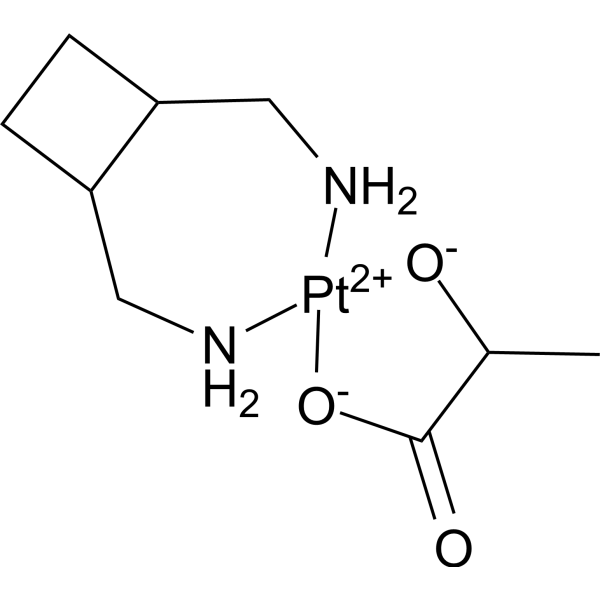
Lobaplatin (D-19466) is a diastereometric mixture of platinum(II) complexe. Lobaplatin arrests cell cycle at G1 and G2/M phase. Lobaplatin induces apoptosis by increasing expressions of caspase and Bax, decreasing expression of Bcl-2. Lobaplatin can be used for research of cancer .
|
-
-
- HY-B1022
-
Dimesna
1 Publications Verification
BNP-7787
|
Drug Derivative
|
Endocrinology
Cancer
|
|
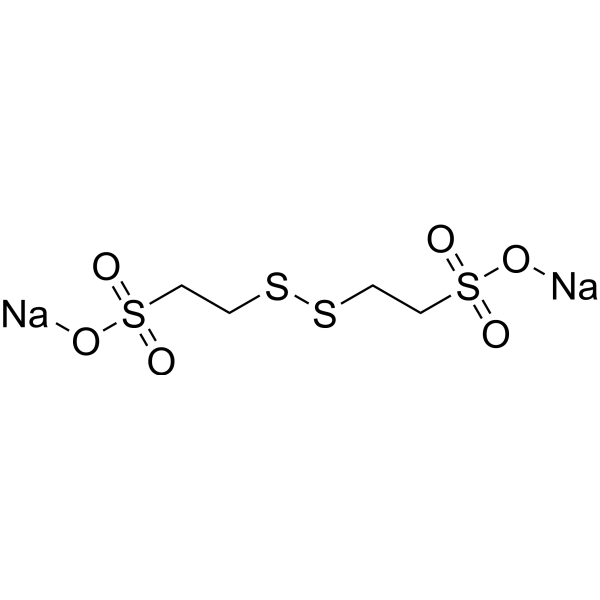
Dimesna (BNP-7787), the disulfide form of Mesna (HY-13679), is a platinum-related toxicity protective agent. Dimesna converts to Mesna, which in turn inactivates toxic platinum substances. Dimesna does not interfere with the antitumor activity of platinum compounds. Dimesna does not affect the antiproliferative effects of Cisplatin (HY-17394) or Carboplatin (HY-17393). Dimesna counteracts Cisplatin-induced nephrotoxicity. Dimesna exerts selective protective effects on the kidneys. Dimesna can be used in studies related to ovarian cancer and Cisplatin-induced nephrotoxicity .
|
-
-
- HY-109146
-
|
PT-112
|
Apoptosis
DNA Alkylator/Crosslinker
|
Cancer
|
|
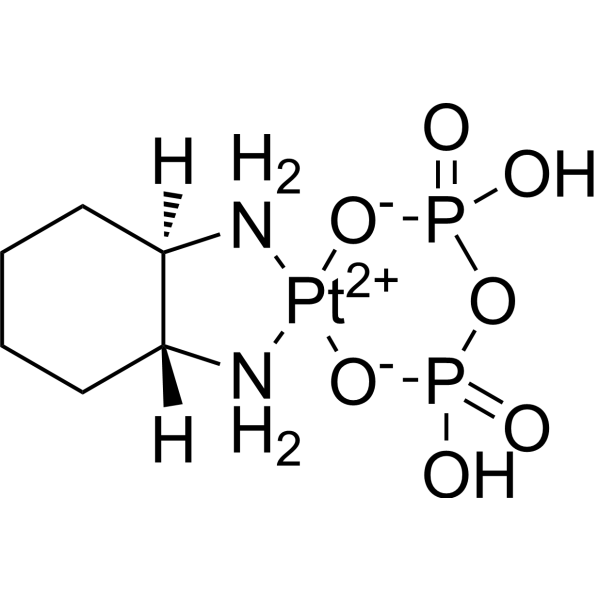
Imifoplatin (PT-112) is a platinum-based active molecule and a member of the phosphaplatins family. Imifoplatin can induce Apoptosis and exhibits antitumor activity .
|
-
-
- HY-126061
-
|
|
Biochemical Assay Reagents
Drug Metabolite
|
Others
|
|
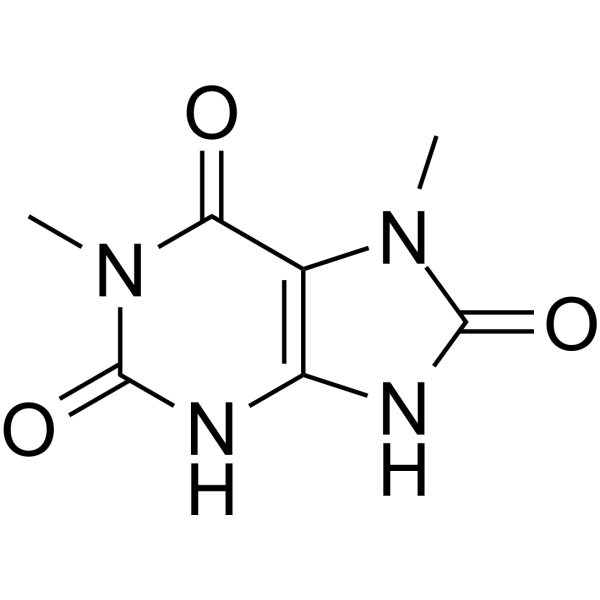
1,7-Dimethyluric acid is an N-methylated uric acid and purine derivative, as well as a caffeine metabolite. When 1,7-Dimethyluric acid is acted upon by peroxidase in the presence of H2O2, it follows the same oxidation pathway to generate a UV-absorbing intermediate, which decays via first-order kinetics. 1,7-Dimethyluric acid can adsorb onto pyrolytic graphite electrodes, but not onto glassy carbon electrodes or platinum electrodes. The N-methylation modification of its pyrimidine ring prevents ring contraction of the diol intermediate, and no NMR evidence of O-alkylation is observed during propylation under the test conditions .
|
-
-
- HY-112030
-
|
Potassium tetrachloroplatinate(Ⅱ)
|
Biochemical Assay Reagents
|
Cancer
|
|
Dipotassium tetrachloroplatinate (Potassium tetrachloroplatinate (Ⅱ)) is an important reagent for the preparation of other platinum coordination complexes. Dipotassium tetrachloroplatinate acts as a radiosensitizer to enhance the killing effect of hyperthermia. Dipotassium tetrachloroplatinate serves as a catalyst. Dipotassium tetrachloroplatinate exhibits antitumor activity .
|
-
-
- HY-114842
-
|
|
DNA/RNA Synthesis
|
Cancer
|
|
TDRL-551 is a potent replication protein A (RPA) inhibitor (IC50 = 18 µM). TDRL-551 inhibits RPA-DNA interaction and increases the anti-cancer efficacy of Platinum (Pt)-based chemotherapy. TDRL-551 can be used for the research of cancer, such as non-small cell lung cancer (NSCLC) .
|
-
-
- HY-16129
-
|
|
Calmodulin
Checkpoint Kinase (Chk)
MAPKAPK2 (MK2)
MAP3K
|
Cancer
|
|
CBP-501, a cell-permeable calmodulin-binding peptide and a G2-abrogating drug candidate, inhibits the activity of multiple Ser 216-specific kinases, such as MAPKAP-K2, C-Tak1, CHK1 and CHK2, with IC50 values of 0.9 μM, 1.4 μM 3.4 μM and 6.5 μM, respectively. CBP-501 is used for various types of cancer .
|
-
-
- HY-P99705
-
|
RG-7599; DNIB-0600A; NaPi2b-ADC
|
Antibody-Drug Conjugates (ADCs)
|
Cancer
|
|
Lifastuzumab vedotin (RG-7599; DNIB0600A) is an antibody-drug conjugate (ADC) that comprises a humanized IgG1 anti-NaPi2b monoclonal antibody (MNIB2126A) and a potent antimitotic agent, monomethyl auristatin E (MMAE), which inhibits cell division by blocking the polymerization of tubulin. Lifastuzumab vedotin has the potential for non-small cell lung cancer (NSCLC) and platinum-resistant ovarian cancer (PROC) research .
|
-
-
- HY-W096169D
-
|
|
Biochemical Assay Reagents
Drug Intermediate
|
Cancer
|
|
Platinum is a metallic element, and its complexes act as orally active anticancer agents. Platinum-based complexes used for tumors include Cisplatin (HY-17394), Carboplatin (HY-17393), and Oxaliplatin (HY-17371) .
|
-
-
- HY-W034985
-
|
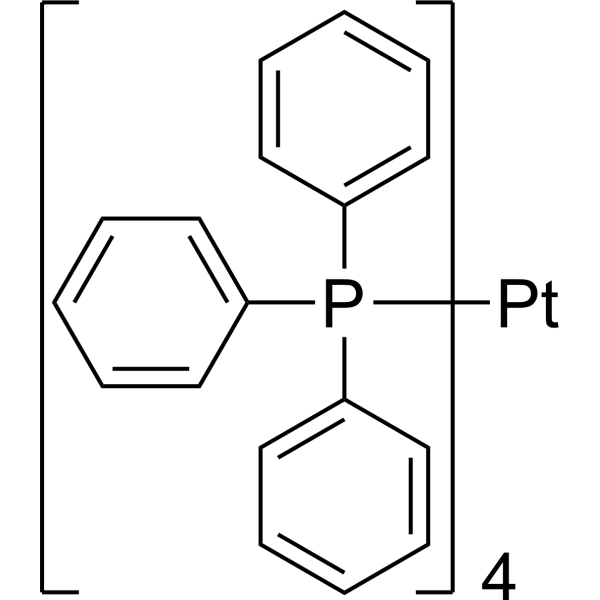
Tetrakis(triphenylphosphine)Platinum(0)
|
Biochemical Assay Reagents
|
Others
|
|
Tetrakis(triphenylphosphine)platinum is a biochemical reagent that can be used as a biological material or organic compound for life science related research.
|
-
-
- HY-W075885
-
|
trans-Platinumdiamminedichloride
|
DNA Alkylator/Crosslinker
|
Others
|
|
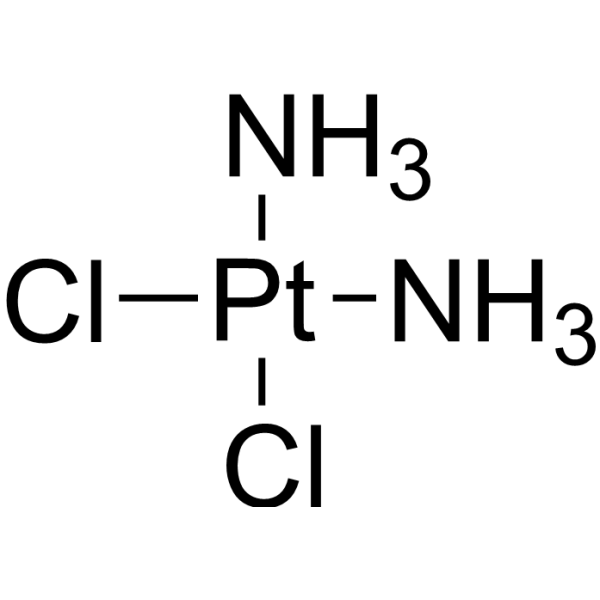
trans-Platinum(II)diammine dichloride (trans-platinumdiamminedichloride) is a geometric isomer of Cisplatin (HY-17394). Trans-Platinum(II)diammine dichloride is a DNA cross-linking agent that induces significant DNA cross-link damage while exhibiting low cytotoxicity. Trans-Platinum(II)diammine dichloride is useful for studying DNA-protein cross-links .
|
-
-
- HY-131468
-
|
AMD473; ZD0473
|
DNA/RNA Synthesis
|
Cancer
|
|
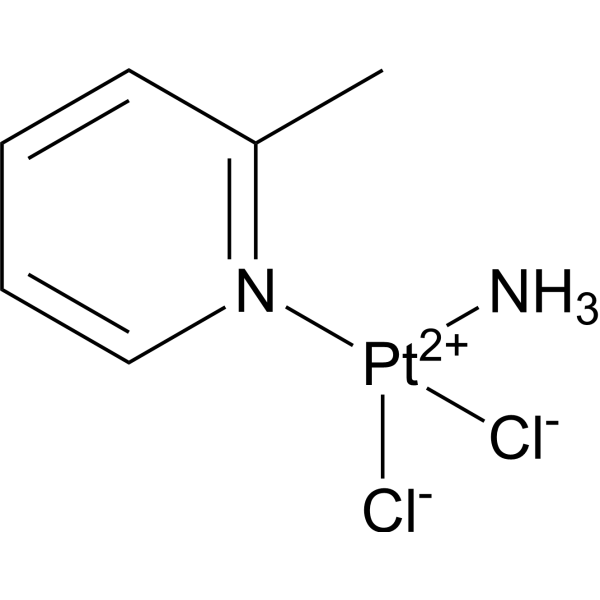
Picoplatin (AMD473) is a platinum-based antineoplastic agent. Picoplatin is specifically to circumvent thiol-mediated drug resistance by sterically hindering its reaction with glutathione (GSH) while still retaining the ability to form cytotoxic lesions with DNA .
|
-
-
- HY-162133
-
|
|
STING
Apoptosis
IKK
IFNAR
NF-κB
|
Cancer
|
MSA-2-Pt, platinum salt-modified MSA-2 (HY-136927), is a STING agonist. MSA-2-Pt inducing cell death by platinum and activating the STING pathway by MSA-2. MSA-2-Pt direct activates STING pathway, induces phosphorylation of TBK1, IRF3, and NF-κB p65. MSA-2-Pt enhances tumor infiltration of CD4 + and CD8 + T cells, and induces tumor cell death and apoptosis in mouse colon carcinoma and melanoma models .
|
-
-
- HY-106588
-
|
SKI 2053R
|
DNA Alkylator/Crosslinker
|
Cancer
|
|
Heptaplatin (SKI 2053R) is a platinum derivative with anticancer activity against various cancer cell lines, including cisplatin-resistant tumor cell lines. SKI-2053R is active in the research of gastric adenocarcinoma and has favorable toxicity profiles .
|
-
-
- HY-139813
-
-
-
- HY-150184
-
|
|
DNA/RNA Synthesis
|
Cancer
|
|
And1-IN-1 is a potent And1 inhibitor with an IC50 of 2.08 μM. And1-IN-1 binds to the N-terminus of And-1 and induces a conformational change in And-1, which promotes the interaction of And-1 with E3 ligase CUL4B for ubiquitin-mediated degradation. And1-IN-1 suppresses the growth of a broad range of cancers and resensitizes platinum-resistant ovarian cancer cells to platinum agents. And1-IN-1 can be used for the studies of ovarian cancer and breast cancer .
|
-
-
- HY-W007712
-
|
2-Bromo-3-picoline
|
Drug Intermediate
|
Cancer
|
|
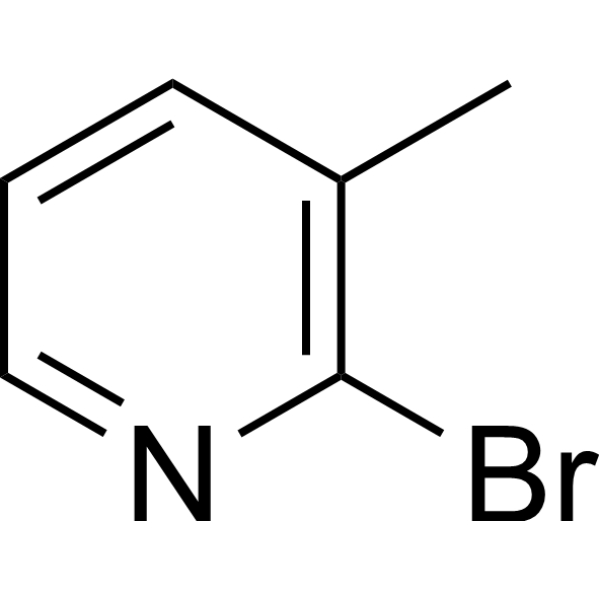
2-Bromo-3-methylpyridine (2-Bromo-3-picoline) is a heterocyclic intermediate of the halomethylpyridine family. 2-Bromo-3-methylpyridine can be used in the synthesis of platinum(IV) diazide complexes .
|
-
-
- HY-151883
-
|
|
Apoptosis
MDM-2/p53
|
Cancer
|
|
APE1-IN-2 (compound AP1) is a Pt(IV) proagent, targeting a critical BER protein, apurinic/apyrimidinic endonuclease 1 (APE1). APE1-IN-2 shows anticancer activity. APE1-IN-2 induces intracellular accumulation of platinum and activates DNA damage response and apoptosis signals .
|
-
-
- HY-179392
-
|
|
Apoptosis
DNA Alkylator/Crosslinker
VEGFR
PDGFR
|
Cancer
|
|
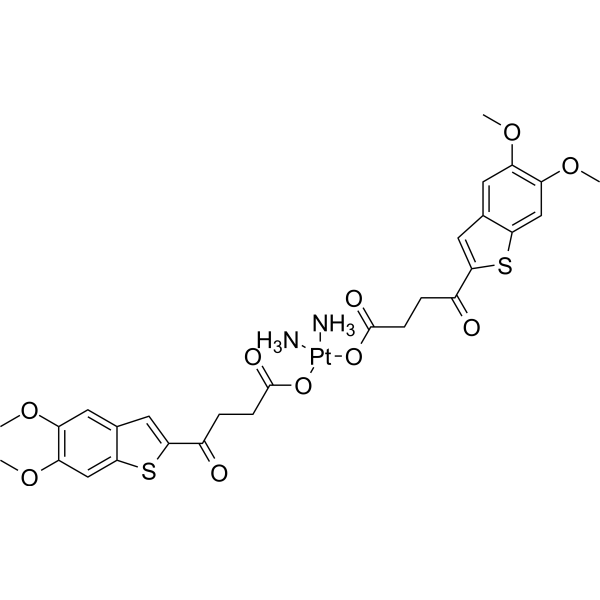
Sunitinib-platinum(IV) prodrug-1 (Complex A) is a Pt(IV) prodrug based on Cisplatin (HY-17394), and this design aims to enable Pt(IV) to be reduced to active Pt(II) under intracellular reducing conditions, while simultaneously releasing a derivative of Sunitinib (HY-10255A) with tyrosine kinase inhibitor (TKI) activity. Sunitinib-platinum(IV) prodrug-1 exhibits excellent cytotoxicity against renal cell carcinoma (RCC), causing DNA crosslinking and apoptosis. Sunitinib-platinum(IV) prodrug-1 inhibits the VEGFR/PDGFR signaling pathway, suppressing tumor growth and angiogenesis. Sunitinib-platinum(IV) prodrug-1 can be used for research on renal cell carcinoma .
|
-
-
- HY-W112941
-
|
Pt(II) Meso-Tetraphenylporphine
|
MOFs
|
Others
|
|
Meso- tetraphenylporphyrin - pt(ii) is a biochemical reagent that can be used as a biological material or organic compound for life science related research.
|
-
-
- HY-120420
-
|
|
Antibiotic
|
Cancer
|
|
N4Py is a pentadentate ligand, that forms a stable complex with metal ions, such as iron, platinum, and copper. N4py mimics the metal binding domains of iron-dependent antibiotics like Bleomycin(HY-17565), forms the DNA-cleaving FeII-N4Py complexes, generates reactive oxygen species (ROS), and causes oxidative damage in cells. N4py can be used in cancer research .
|
-
-
- HY-179418
-
|
|
Apoptosis
|
Cancer
|
|
Ceritinib-platinum(IV)-4-phenylbutyrate (complex 7) is a Ceritinib (HY-15656)-conjugated Platinum(IV) prodrug with anticancer activity. Ceritinib-platinum(IV)-4-phenylbutyrate induces S-phase arrest, DNA damage responses, and apoptosis. Ceritinib-platinum(IV)-4-phenylbutyrate combines cytotoxicity with immune and anti-invasive activation in cancer cell models. Ceritinib-platinum(IV)-4-phenylbutyrate can be used for cancer research, such as non-small cell lung cancer (NSCLC) .
|
-
-
- HY-W033728
-
|
|
Bacterial
|
Infection
|
|
Platinum(COD)dichloride (Compound Pt1) is an Antibacterial agent. Platinum(COD)dichloride shows antibacterial activity against a panel of gram-positive bacteria including Vancomycin (HY-B0671) and Methicillin (HY-121544) resistant Staphylococcus aureus .
|
-
-
- HY-175257
-
|
|
PARP
Reactive Oxygen Species (ROS)
Apoptosis
NF-κB
ERK
Bcl-2 Family
TGF-β Receptor
EGFR
Cadherin
|
Cancer
|
|
Theophylline-platinum(IV) prodrug-1 is a PARP-1 inhibitor. Theophylline-platinum(IV) prodrug-1 enhances DNA
damage, ROS production, mitochondrial dysfunction, apoptosis and S-phase arrest, along with reducing invasion and metastasis in cells. Theophylline-platinum(IV) prodrug-1 exhibits superior antitumor activity in the xenograft SKOV3-BRCA1-KD tumor model. Theophylline-platinum(IV) prodrug-1 can be used for the study of ovarian cancer .
|
-
-
- HY-W414604
-
|
|
Biochemical Assay Reagents
|
Cancer
|
|
Dichloro(1,2-diaminocyclohexane)platinum(II) is a platinum (II) analog and the oxaliplatin parent complex. Dichloro(1,2-diaminocyclohexane)platinum(II) is a potent chemotherapeutic with a wide spectrum of anticancer activity, low toxicity, and lack of cross resistance in many cisplatin-resistant cancers .
|
-
-
- HY-105522
-
|
Tetraplatin; NSC 363812
|
Drug Derivative
|
Cancer
|
|
Ormaplatin (Tetraplatin) is a Platinum (HY-W096169D) analog with anticancer activity. Ormaplatin demonstrates cytotoxic activity in Cisplatin (HY-17394)-sensitive cell lines in vitro and in vivo. Ormaplatin can be used for non-small cell lung, colon, and breast cancer research .
|
-
-
- HY-W556802
-
|
|
Biochemical Assay Reagents
|
Others
|
|
Dichloro(1,2-diaminocyclohexane)platinum(II) is a platinum (II) analog and the oxaliplatin parent complex. Dichloro(1,2-diaminocyclohexane)platinum(II) is a potent chemotherapeutic with a wide spectrum of anticancer activity, low toxicity, and lack of cross resistance in many cisplatin-resistant cancers .
|
-
-
- HY-W034990
-
|
Platinum(II) acetylacetonate
|
|
|
|
|
-
-
- HY-P10782
-
|
|
Peptide-Drug Conjugates (PDCs)
|
Cancer
|
|
Pt(IV)-M13 is a BBB-penetrable Platinum (IV) prodrug-perfluoroaryl macrocyclic peptide conjugate. Pt(IV)-M13 is cytotoxic to glioma stem cells and increases uptake of platinum in the brain. Pt(IV)-M13 can be used in the study of glioblastoma .
|
-
-
- HY-16129A
-
|
|
Calmodulin
MAP3K
MAPKAPK2 (MK2)
Checkpoint Kinase (Chk)
|
Cancer
|
|
CBP-501 acetate, a cell-permeable calmodulin-binding peptide and a G2-abrogating drug candidate, inhibits the activity of multiple Ser 216-specific kinases, such as MAPKAP-K2, C-Tak1, CHK1 and CHK2, with IC50 values of 0.9 μM, 1.4 μM 3.4 μM and 6.5 μM, respectively. CBP-501 acetate is used for various types of cancer .
|
-
-
- HY-125010
-
|
|
DNA/RNA Synthesis
Apoptosis
|
Cancer
|
|
Dicycloplatin is a DNA damage inducer. Dicycloplatin induces DNA damage by activating biphosphorylated checkpoint kinase 2 (CHK2), breast cancer 1 (BRCA1) and triphosphorylated p53. Dicycloplatin can induce cell cycle arrest, inhibit proliferation and lead to apoptosis in prostate cancer PC3 cells and lung cancer NCI/H446 cells. Dicycloplatin can be used in cancer researchr .
|
-
-
- HY-126060
-
|
|
Nucleoside Antimetabolite/Analog
|
Cancer
|
|
9-Ethylguanine is a modified nucleobase derived from guanine that coordinates to azolato-bridged dinuclear platinum(II) complexes via its N7 nitrogen atom. 9-Ethylguanine forms adducts with a ruthenium(II) complex via the N7 position of its guanine moiety .
|
-
-
- HY-W009022
-
|
|
Biochemical Assay Reagents
|
Others
|
|
Diantipyrylmethane is a chromogenic reagent commonly used for the determination of the contents of metals such as Au (III), Ti (IV), Ir, Fe (III), molybdenum, neodymium, U (IV), iridium, platinum and rhenium via spectrophotometry and extraction photometry. Diantipyrylmethane can also form a fluorescent complex with Er (III) ions, which is applied to the determination of erbium .
|
-
-
- HY-W073183
-
|
|
Biochemical Assay Reagents
|
Others
|
|
Dibenzo-24-crown-8-ether is a phase transfer catalyst that can reduce H 2PtCl 6·6H 2O and FeCl 2·4H 2O in a thermal system to synthesize 17 nm monodispersed iron-platinum (FePt) alloy nanoparticles .
|
-
-
- HY-106768
-
|
CB 10-375; NSC 283162
|
DNA Alkylator/Crosslinker
|
Cancer
|
|
Trimelamol (CB10-375; NSC283162) is a highly efficient acid-catalyzed DNA interstrand crosslinker with low neurotoxicity due to its limited BBB penetration. Trimelamol exhibits anti-tumor activity and overcomes platinum resistance. Trimelamol is investigated for lung and ovarian cancer research [1][2][3][4][5].
|
-
-
- HY-176149
-
|
|
CaMK
MMP
AMPK
Apoptosis
Autophagy
|
Cancer
|
|
Fluoxetine-Conjugated Platinum(IV) prodrug-1 (Compound 8) is an eEF2K inhibitor. Fluoxetine-Conjugated Platinum(IV) prodrug-1 inhibits cancer cell proliferation, induces DNA damage, cell cycle arrest at S phase and apoptosis. Fluoxetine-Conjugated Platinum(IV) prodrug-1 induces ROS accumulation and mitochondrial dysfunction. Fluoxetine-Conjugated Platinum(IV) prodrug-1 inhibits TNBC cell migration and invasion by inhibiting MMP-2 activity. Fluoxetine-Conjugated Platinum(IV) prodrug-1 induces autophagy in TNBC cells by activating AMPK. Fluoxetine-Conjugated Platinum(IV) prodrug-1 has antitumor activity and activates immunosuppression in the 4T1-Luc mouse model. Fluoxetine-Conjugated Platinum(IV) prodrug-1 can be used in triple-negative breast cancer (TNBC) research .
|
-
-
- HY-105530
-
|
CL 286558
|
Biochemical Assay Reagents
|
Cancer
|
|
Zeniplatin is a third-generation, water-soluble platinum compound that has shown broad antitumor activity. Zeniplatin can be used for cancer research .
|
-
-
- HY-161623
-
|
|
DNA/RNA Synthesis
|
Cancer
|
|
ERCC1/XPA interaction inhibitor 1 (compound 27o) is a potent ERCC1/XPA67-80 interaction inhibitor with an EC50 value of 4.7 µM. ERCC1/XPA interaction inhibitor 1 has the potential for the research of DNA damaging agents and overcoming resistance to platinum-based chemotherapy .
|
-
-
- HY-155012
-
|
|
Bcl-2 Family
|
Cancer
|
|
Mcl-1 inhibitor 16 (Compound 9) is a mitochondrial targeting Platinum-based inhibitor of Mcl-1. Mcl-1 inhibitor 1 induces Bax/Bak-dependent apoptosis in cancer cells. Mcl-1 inhibitor 16 can be used alone or together with ABT-199 (HY-15531) and shows anti-tumor activity .
|
-
-
- HY-B1022A
-
|
BNP-7787 free acid
|
Drug Derivative
|
Endocrinology
Cancer
|
|
Dimesna (BNP-7787) free acid, the disulfide form of Mesna (HY-13679), is a platinum-related toxicity protective agent. Dimesna free acid converts to Mesna, which in turn inactivates toxic platinum substances. Dimesna free acid does not interfere with the antitumor activity of platinum compounds. Dimesna free acid does not affect the antiproliferative effects of Cisplatin (HY-17394) or Carboplatin (HY-17393). Dimesna free acid counteracts Cisplatin-induced nephrotoxicity. Dimesna free acid exerts selective protective effects on the kidneys. Dimesna free acid can be used in studies related to ovarian cancer and Cisplatin-induced nephrotoxicity .
|
-
-
- HY-129909
-
|
|
Apoptosis
|
Infection
Cancer
|
|
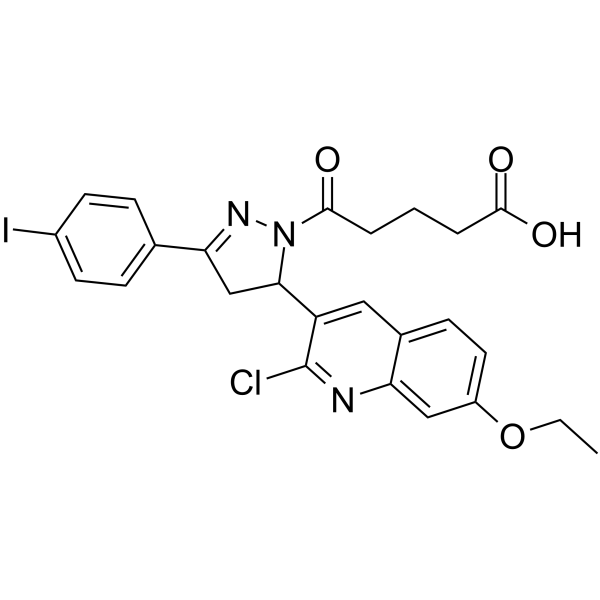
Anticancer agent 173 (compound 19) is a potent thioxodihydroquinazolinone analogs when combined with platinum drugs in inducing apoptotic cancer cells death .
|
-
-
- HY-163383
-
|
L-EOP
|
Bacterial
|
Infection
|
|
L-Ent-oxPt IV (L-EOP) is a Oxaliplatin (HY-17371)-based siderophore-platinum conjugate. L-Ent-oxPt IV exhibits selectivity towards Escherichia coli and antibacterial activity through DNA damage .
|
-
-
- HY-157222
-
|
|
Apoptosis
Ferroptosis
|
Cancer
|
|
Antitumor agent-125 (compound 17A) is a novel platinum(IV) prodrug. Antitumor agent-125 can activate the mitochondrion-dependent apoptosis pathway. Antitumor agent-125 induces ferroptosis in HCT-116/OXA .
|
-
-
- HY-155807
-
|
|
STAT
JAK
Apoptosis
|
Cancer
|
|
DPP is a Platinum(IV) complex, bearing pterostilbene-derived axial ligand. DPP inhibit the JAK2-STAT3 pathway in breast cancer (BC) cells with antiproliferative activity, and activates caspase-3 and cleaved poly ADP-ribose polymerase to induces apoptosis. DPP promotes the maturation and antigen presentation of dendritic cells, and exhibits in vivo safety .
|
-
-
- HY-168877
-
|
|
MDM-2/p53
Reactive Oxygen Species (ROS)
Apoptosis
Caspase
PARP
Bcl-2 Family
|
Cancer
|
|
FMP is a Platinum(IV) complexe. FMP significantly upregulates the expression of γ-H2AX and p53. FMP increases the production of ROS. FMP markedly upregulates the expressions of Apoptosis-related proteins (DR5, Fas, caspase-8, Cyt-c, caspase-3, cleaved-PARP1, Bax). FMP shows antiproliferative activity against breast cancer .
|
-
-
- HY-155808
-
|
|
STAT
JAK
Apoptosis
COX
|
Cancer
|
|
STAT3-IN-18 (compound SPP) is a platinum (IV) complex with an axial ligand derived from sandalwood. STAT3-IN-18 inhibits the JAK2-STAT3 pathway in breast cancer (BC) cells, with anti-proliferative activity. STAT3-IN-18 activates caspase-3 and increases cleaved polyADP-ribose polymerase to induce apoptosis. STAT3-IN-18 promotes maturation and antigen presentation of dendritic cells and demonstrates safety in vivo.
|
-
-
- HY-U00279B
-
|
|
DNA/RNA Synthesis
|
Cancer
|
|
Nitracrine hydrochloride is a platinum-based antineoplastic drug with selective toxicity to hypoxic cells. Nitracrine hydrochloride exhibits significant cytotoxicity against the Chinese hamster ovary cell line AA8 under hypoxic conditions. Nitracrine hydrochloride exerts its effect by binding to the insertion of DNA and forming covalent adducts. The cytotoxicity of Nitracrine hydrochloride under hypoxic conditions is related to its reductive metabolism to form alkylated substances. At the same time, it may enhance the reactivity to DNA through the insertion of DNA, thereby improving the efficacy. Nitracrine hydrochloride can also inhibit RNA synthesis, contributing to its anti-tumor effect .
|
-
- HY-183544
-
|
|
TrxR
Glutathione Peroxidase
Ferroptosis
Reactive Oxygen Species (ROS)
|
Cancer
|
|
Platinum (IV) Prodrug-1 (Compound 6b) is a Pt (IV) prodrug and selective TrxR1 inhibitor. Platinum (IV) Prodrug-1 induces ferroptosis (Ferroptosis) by depleting glutathione, accumulating intracellular lipid peroxides, and inactivating Glutathione peroxidase 4. Platinum (IV) Prodrug-1 triggers endoplasmic reticulum stress and immunogenic cell death via excessive accumulation of intracellular ROS. Platinum (IV) Prodrug-1 exhibits anticancer activity against both Cisplatin (HY-17394)-sensitive and Cisplatin-resistant triple-negative breast cancer cells. Platinum (IV) Prodrug-1 can be used for the research of triple-negative breast cancer .
|
-
- HY-182360
-
|
|
PERK
Eukaryotic Initiation Factor (eIF)
Bcl-2 Family
Apoptosis
Reactive Oxygen Species (ROS)
STING
DNA/RNA Synthesis
PD-1/PD-L1
|
Cancer
|
|
Cytisine-Platinum(IV) Prodrug-1 is a Pt(IV) prodrug incorporating the natural compound Cytisine (HY-N0175) with antiproliferative activity against tumor cells. Cytisine-Platinum(IV) Prodrug-1 promotes calcium transfer across the IP3R1-GRP75-VDAC1 axis to drive mitochondrial calcium overload. Cytisine-Platinum(IV) Prodrug-1 initiates unfolded protein response via PERK, eIF2α, ATF4, and CHOP to modulate Bcl-2 and Bax, triggering apoptosis. Cytisine-Platinum(IV) Prodrug-1 induces mitochondrial dysfunction, ROS production, reduced ATP synthesis, DNA damage, and S-phase cell cycle arrest. Cytisine-Platinum(IV) Prodrug-1 activates the cGAS-STING pathway, reduces PD-L1 expression, drives immunogenic cell death. Cytisine-Platinum(IV) Prodrug-1 exhibits high physiological stability, efficient cellular accumulation, and enhanced platinum-DNA binding, and inhibits tumor growth in mouse models with reduced systemic toxicity. Cytisine-Platinum(IV) Prodrug-1 can be used for the research of lung cancer .
|
-
- HY-W075885R
-
|
trans-Platinumdiamminedichloride (Standard)
|
Biochemical Assay Reagents
Reference Standards
|
Others
|
|
trans-Platinum(II)diammine dichloride (trans-platinumdiamminedichloride) (Standard) is an analytical standard for trans-Platinum(II)diammine dichloride (HY-W075885). This product is intended for research and analytical applications. trans-Platinum(II)diammine dichloride is a geometric isomer of Cisplatin (HY-17394). trans-Platinum(II)diammine dichloride is a DNA cross-linking agent that induces significant DNA cross-link damage but exhibits low cytotoxicity. trans-Platinum(II)diammine dichloride can be used to study DNA-protein cross-links.
|
-
- HY-175048
-
|
Platinum(II)-N-heterocyclic carbene complex 2C
|
Reactive Oxygen Species (ROS)
Apoptosis
ER-phagy
|
Cancer
|
|
Pt(II)-NHC Complex 2C (Platinum(II)-N-Heterocyclic Carbene complex 2C) (Compound 2C) is a platinum(II) complex based on N-heterocyclic carbene (NHC). Pt(II)-NHC Complex 2C is an immunogenic cell death (ICD) inducer that can induce endoplasmic reticulum stress (ERS) in liver cancer cells and produce reactive oxygen species (ROS), ultimately leading to the release of damage-associated molecular patterns (DAMP). Pt(II)-NHC Complex 2C blocks the cell cycle at the S phase and significantly induces cell apoptosis. Pt(II)-NHC Complex 2C shows anti-liver cancer potential in mouse models and activates immune cells in liver injury models.
|
-
- HY-W414840R
-
|
[SP-4-2-(1R-trans)]-(1,2-Cyclohexanediamine-N,N') dichloridePlatinum(II) (Standard)
|
Reference Standards
|
|
|
Platinum, dichloro(1,2-cyclohexanediamine-n,n')-, [sp-4-2-(1r-trans)]- (Standard) is the analytical standard of Platinum, dichloro(1,2-cyclohexanediamine-n,n')-, [sp-4-2-(1r-trans)]-. This product is intended for research and analytical applications.
|
-
- HY-W783446
-
|
S,S-DACH-sulph
|
DNA/RNA Synthesis
|
Cancer
|
|
S,S-DACH-Pt-SO4 is a platinum based drug. S,S-DACH-Pt-SO4 can cause cellular DNA damage. S,S-DACH-Pt-SO4 is toxic to sensitive cells but shows varying degrees of resistance to drug-resistant cells. S,S-DACH-Pt-SO4 can be used for cancer research .
|
-
- HY-N16122
-
|
|
Drug Intermediate
|
Cancer
|
|
Isopentylglycine is an amino acid ligand that can be used to prepare metal complexes, such as palladium(II) complexes and platinum(II) complexes. Isopentylglycine can be used in cancer research .
|
-
- HY-W583012
-
|
DWA-2114R
|
DNA/RNA Synthesis
|
Cancer
|
|
Miboplatin (DWA-2114R), a platinum compound, is a DNA synthesis inhibitor. Miboplatin reduces its template activity for prokaryotic and eukaryotic DNA polymerases .
|
-
- HY-P992124
-
|
BAT8006 Antibody; BAT-6028
|
Folate Receptor (FR)
|
Cancer
|
|
Onvontatug (BAT8006 Antibody) is a humanized monoclonal antibody targeting folate receptor α (FRα). Onvontatug can be used to construct antibody-drug conjugates (ADCs), such as BAT8006. It is applicable to research related to platinum-resistant ovarian cancer .
|
-
- HY-19257
-
|
|
DNA Alkylator/Crosslinker
|
Cancer
|
|
Triplatin tetranitrate is a novel trinuclear platinum complex. Triplatin tetranitrate blocks G2/M phase. Triplatin tetranitrate can covalently bind to the DNA bases. Triplatin tetranitrate exhibits significant antitumor effects against neuroblastoma .
|
-
- HY-P992003
-
|
IKS01 Antibody
|
ADC Antibody
|
Cancer
|
|
IKS012 Antibody (Isumab01) is a monoclonal antibody inhibitor targeting folate receptor α (FRA). IKS012 Antibody can be used to synthesize the antibody-drug conjugate (ADC) IKS012. IKS012 Antibody can be used to research related to platinum-resistant ovarian cancer .
|
-
- HY-185280
-
|
HS-20089; GSK5733584
|
Antibody-Drug Conjugates (ADCs)
|
Cancer
|
|
Mocertatug rezetecan (HS-20089; GSK5733584) is an antibody-drug conjugate (ADC) targeting B7-H4. Mocertatug rezetecan exhibits activity against platinum-resistant ovarian cancer. Mocertatug rezetecan is used for the research of advanced solid tumors, especially ovarian cancer and triple-negative breast cancer .
|
-
- HY-P992004
-
|
RA15-7, HuRA15-7Acc
|
Folate Receptor (FR)
|
Cancer
|
|
KHK2805 (RA15-7) is a humanized antibody against folate receptor α (FOLR1), with a Kd of 0.647 nM for human FOLR1. KHK2805 binds to a unique epitope of FOLR1 and mediates antibody-dependent cellular cytotoxicity and complement-dependent cytotoxicity against FOLR1-expressing cells. KHK2805 exhibits cytotoxicity against both ovarian cancer cells and Platinum (HY-W096169D)-resistant ovarian cancer cells. KHK2805 can be used for the research of tumors such as ovarian cancer .
|
-
- HY-182067
-
|
|
Reactive Oxygen Species (ROS)
Apoptosis
Ferroptosis
|
Cancer
|
|
anti-TNBC agent-15 is a platinum (IV) complex with anti-triple-negative breast cancer activity. anti-TNBC agent-15 inhibits cancer cell viability. anti-TNBC agent-15 reverses the resistance of triple-negative breast cancer cells to Cisplatin (HY-17394), increases intracellular uptake, and effectively triggers apoptosis by inducing DNA damage, enhancing intracellular ROS accumulation and activating the mitochondrial pathway. anti-TNBC agent-15 enhances lipid peroxidation, interferes with the signal transduction of the cystine/glutamate transporter-glutathione peroxidase axis, and induces ferroptosis. anti-TNBC agent-15 significantly inhibits tumor growth in triple-negative breast cancer/Cisplatin xenograft models. anti-TNBC agent-15 can be used for the research of triple-negative breast cancer .
|
-
| Cat. No. |
Product Name |
Type |
-
- HY-Y0091
-
|
9,9-Dimethyl-4,5-bis(diphenylphosphino)xanthene
|
Biochemical Assay Reagents
|
|
Xantphos (9,9-Dimethyl-4,5-bis(diphenylphosphino)xanthene) is a bisphosphine ligand. Xantphos coordinates to metals in either cis or trans chelation mode. Xantphos acts as a key ligand in palladium or platinum catalyzed reactions. Xantphos can be used in the construction of heterocyclic compounds in organic synthesis .
|
-
- HY-W096169D
-
|
|
Biochemical Assay Reagents
|
|
Platinum is a metallic element, and its complexes act as orally active anticancer agents. Platinum-based complexes used for tumors include Cisplatin (HY-17394), Carboplatin (HY-17393), and Oxaliplatin (HY-17371) .
|
-
- HY-W034985
-
|
Tetrakis(triphenylphosphine)Platinum(0)
|
Biochemical Assay Reagents
|
|
Tetrakis(triphenylphosphine)platinum is a biochemical reagent that can be used as a biological material or organic compound for life science related research.
|
-
- HY-W075885
-
|
trans-Platinumdiamminedichloride
|
Biochemical Assay Reagents
|
|
trans-Platinum(II)diammine dichloride (trans-platinumdiamminedichloride) is a geometric isomer of Cisplatin (HY-17394). Trans-Platinum(II)diammine dichloride is a DNA cross-linking agent that induces significant DNA cross-link damage while exhibiting low cytotoxicity. Trans-Platinum(II)diammine dichloride is useful for studying DNA-protein cross-links .
|
-
- HY-W007712
-
|
2-Bromo-3-picoline
|
Biochemical Assay Reagents
|
|
2-Bromo-3-methylpyridine (2-Bromo-3-picoline) is a heterocyclic intermediate of the halomethylpyridine family. 2-Bromo-3-methylpyridine can be used in the synthesis of platinum(IV) diazide complexes .
|
-
- HY-W112941
-
|
Pt(II) Meso-Tetraphenylporphine
|
Biochemical Assay Reagents
|
|
Meso- tetraphenylporphyrin - pt(ii) is a biochemical reagent that can be used as a biological material or organic compound for life science related research.
|
-
- HY-W009022
-
|
|
Biochemical Assay Reagents
|
|
Diantipyrylmethane is a chromogenic reagent commonly used for the determination of the contents of metals such as Au (III), Ti (IV), Ir, Fe (III), molybdenum, neodymium, U (IV), iridium, platinum and rhenium via spectrophotometry and extraction photometry. Diantipyrylmethane can also form a fluorescent complex with Er (III) ions, which is applied to the determination of erbium .
|
-
- HY-W073183
-
|
|
Biochemical Assay Reagents
|
|
Dibenzo-24-crown-8-ether is a phase transfer catalyst that can reduce H 2PtCl 6·6H 2O and FeCl 2·4H 2O in a thermal system to synthesize 17 nm monodispersed iron-platinum (FePt) alloy nanoparticles .
|
-
- HY-W075885R
-
|
trans-Platinumdiamminedichloride (Standard)
|
Biochemical Assay Reagents
|
|
trans-Platinum(II)diammine dichloride (trans-platinumdiamminedichloride) (Standard) is an analytical standard for trans-Platinum(II)diammine dichloride (HY-W075885). This product is intended for research and analytical applications. trans-Platinum(II)diammine dichloride is a geometric isomer of Cisplatin (HY-17394). trans-Platinum(II)diammine dichloride is a DNA cross-linking agent that induces significant DNA cross-link damage but exhibits low cytotoxicity. trans-Platinum(II)diammine dichloride can be used to study DNA-protein cross-links.
|
| Cat. No. |
Product Name |
Target |
Research Area |
-
- HY-16129
-
|
|
Calmodulin
Checkpoint Kinase (Chk)
MAPKAPK2 (MK2)
MAP3K
|
Cancer
|
|
CBP-501, a cell-permeable calmodulin-binding peptide and a G2-abrogating drug candidate, inhibits the activity of multiple Ser 216-specific kinases, such as MAPKAP-K2, C-Tak1, CHK1 and CHK2, with IC50 values of 0.9 μM, 1.4 μM 3.4 μM and 6.5 μM, respectively. CBP-501 is used for various types of cancer .
|
-
- HY-P11050
-
|
|
Peptides
|
Cancer
|
|
SP94 peptide, Cys conjugated is a hepatocellular carcinoma (HCC)-targeting peptide conjugated with Cys. SP94 peptide, Cys conjugated can be used for synthesis of stimuli-responsive peptide nanomaterials (SRPNs) like platinum nanocluster assemblies (PT-NA) and it promotes the entry of PT-NA into HCC cells by mediating endocytosis. SP94 peptide, Cys conjugated can be used for cancers research .
|
-
- HY-P10782
-
|
|
Peptide-Drug Conjugates (PDCs)
|
Cancer
|
|
Pt(IV)-M13 is a BBB-penetrable Platinum (IV) prodrug-perfluoroaryl macrocyclic peptide conjugate. Pt(IV)-M13 is cytotoxic to glioma stem cells and increases uptake of platinum in the brain. Pt(IV)-M13 can be used in the study of glioblastoma .
|
-
- HY-16129A
-
|
|
Calmodulin
MAP3K
MAPKAPK2 (MK2)
Checkpoint Kinase (Chk)
|
Cancer
|
|
CBP-501 acetate, a cell-permeable calmodulin-binding peptide and a G2-abrogating drug candidate, inhibits the activity of multiple Ser 216-specific kinases, such as MAPKAP-K2, C-Tak1, CHK1 and CHK2, with IC50 values of 0.9 μM, 1.4 μM 3.4 μM and 6.5 μM, respectively. CBP-501 acetate is used for various types of cancer .
|
| Cat. No. |
Product Name |
Target |
Research Area |
Image |
-
- HY-P991628
-
|
PF-08634404
|
PD-1/PD-L1
VEGFR
|
Cancer
|
|
SSGJ-707 (PF-08634404) is a bispecific antibody targeting VEGF and PD-1. SSGJ-707 exerts dual anti-tumor effects by neutralizing VEGF and blocking the PD-1 signaling pathway. SSGJ-707 can be combined with platinum-based chemotherapy to inhibit advanced non-small cell lung cancer (NSCLC), and its inhibitory effect is not limited by PD-L1 expression levels. In the HARMONi-2 trial, the objective response rate of SSGJ-707 correlates with the PD-L1 tumor proportion score, and the incidence of grade ≥3 adverse events is comparable to that of Inetetamab (HY-P99969). SSGJ-707 is being extensively investigated for a variety of malignancies including advanced NSCLC, colorectal cancer and small cell lung cancer .
|
-
(5)
-
- HY-P992124
-
|
BAT8006 Antibody; BAT-6028
|
Folate Receptor (FR)
|
Cancer
|
|
Onvontatug (BAT8006 Antibody) is a humanized monoclonal antibody targeting folate receptor α (FRα). Onvontatug can be used to construct antibody-drug conjugates (ADCs), such as BAT8006. It is applicable to research related to platinum-resistant ovarian cancer .
|
-
(5)
-
- HY-P992003
-
|
IKS01 Antibody
|
ADC Antibody
|
Cancer
|
|
IKS012 Antibody (Isumab01) is a monoclonal antibody inhibitor targeting folate receptor α (FRA). IKS012 Antibody can be used to synthesize the antibody-drug conjugate (ADC) IKS012. IKS012 Antibody can be used to research related to platinum-resistant ovarian cancer .
|
-
(5)
-
- HY-P992004
-
|
RA15-7, HuRA15-7Acc
|
Folate Receptor (FR)
|
Cancer
|
|
KHK2805 (RA15-7) is a humanized antibody against folate receptor α (FOLR1), with a Kd of 0.647 nM for human FOLR1. KHK2805 binds to a unique epitope of FOLR1 and mediates antibody-dependent cellular cytotoxicity and complement-dependent cytotoxicity against FOLR1-expressing cells. KHK2805 exhibits cytotoxicity against both ovarian cancer cells and Platinum (HY-W096169D)-resistant ovarian cancer cells. KHK2805 can be used for the research of tumors such as ovarian cancer .
|
-
(5)
| Cat. No. |
Product Name |
Category |
Target |
Chemical Structure |
Your information is safe with us. * Required Fields.
Inquiry Information
- Product Name:
- Cat. No.:
- Quantity:
- MCE Japan Authorized Agent:

