
1. Search Result
Search Result
Results for "

Potential substrate

" in MedChemExpress (MCE) Product Catalog:

66

Inhibitors & Agonists

6

Biochemical Assay Reagents

8

Peptides

4

Natural
Products

2

Isotope-Labeled Compounds

1

Click Chemistry

2

Oligonucleotides

Targets Recommended:
Cat. No. Product Name Target Research Areas Chemical Structure
  • HY-E70005H

    Proteasome Cardiovascular Disease
    Collagenase, Type VIII is a mixed enzyme derived from Clostridium histolyticum that contains collagenase, a nonspecific protease, and a clostripain. Collagenase, Type VIII can hydrolyze Type VIII collagen and may be used to study the formation of atherosclerosis. Type VIII collagen is a regulator of endothelial cell differentiation and angiogenesis, a substrate for cell adhesion and migration such as smooth muscle cells, and may accumulate in atherosclerosis. After endotoxin activates the expression of Collagenase, Type VIII, it can reduce the production of Type VIII collagen and has the potential to inhibit atherosclerosis .
    Collagenase, Type VIII
  • HY-134539
    IMT1
    Maximum Cited Publications
    10 Publications Verification

    Oxidative Phosphorylation Mitochondrial Metabolism DNA/RNA Synthesis Metabolic Disease Cancer
    IMT1 is a first-in-class specific and noncompetitive human mitochondrial RNA polymerase (POLRMT) inhibitor. IMT1 causes a conformational change of POLRMT, which blocks substrate binding and transcription in a dose-dependent way in vitro. IMT1 reduces deoxynucleoside triphosphate levels and citric acid cycle intermediates, resulting in a marked depletion of cellular amino acid levels. IMT1 has the potential for mitochondrial transcription disorders related diseases .
    IMT1
  • HY-10446
    Pralatrexate
    5+ Cited Publications

    Antifolate Apoptosis Cancer
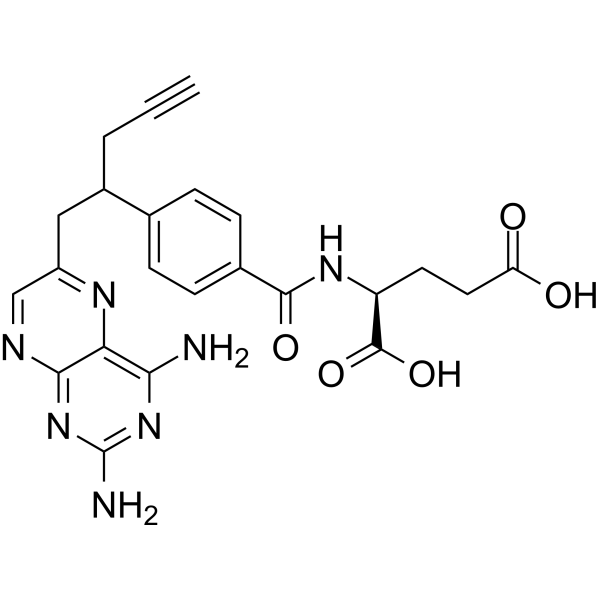
    Pralatrexate is an antifolate and is a potent dihydrofolate reductasean (DHFR) inhibitor with a Ki of 13.4 pM. Pralatrexate is a substrate for folylpolyglutamate synthetase with improved cellular uptake and retention. Pralatrexate has antitumor activities and has the potential for relapsed/refractory T-cell lymphoma treatment . Pralatrexate is a click chemistry reagent, it contains an Alkyne group and can undergo copper-catalyzed azide-alkyne cycloaddition (CuAAc) with molecules containing Azide groups.
    Pralatrexate
  • HY-B0804
    Nadolol
    5 Publications Verification

    SQ-11725

    Adrenergic Receptor Cardiovascular Disease
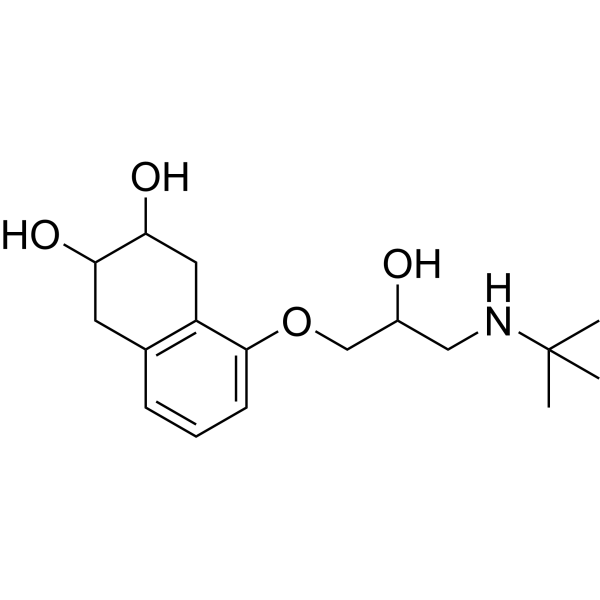
    Nadolol (SQ-11725) is a non-selective and orally active β-adrenergic receptors blocker and is a substrate of organic anion transporting polypeptide 1A2 (OATP1A2). Nadolol has the the potential for high blood pressure, angina pectoris and vascular headaches research .
    Nadolol
  • HY-146237

    CC-99282

    Ligands for E3 Ligase Molecular Glues Cancer
    Golcadomide (CC-99282) is a potent and orally active CRBN E3 ligase modulator (CELMoD). Golcadomide interacts with the CRL4 CRBN E3 ubiquitin ligase substrate receptor CRBN, inducing the recruitment and ubiquitin-mediated proteasomal degradation of the transcription factors Ikaros and Aiolos. Golcadomide shows potential for research in cancer-related fields, including chronic lymphocytic leukemia (CLL) and non-Hodgkin lymphoma (NHL) .
    Golcadomide
  • HY-14895

    CM346

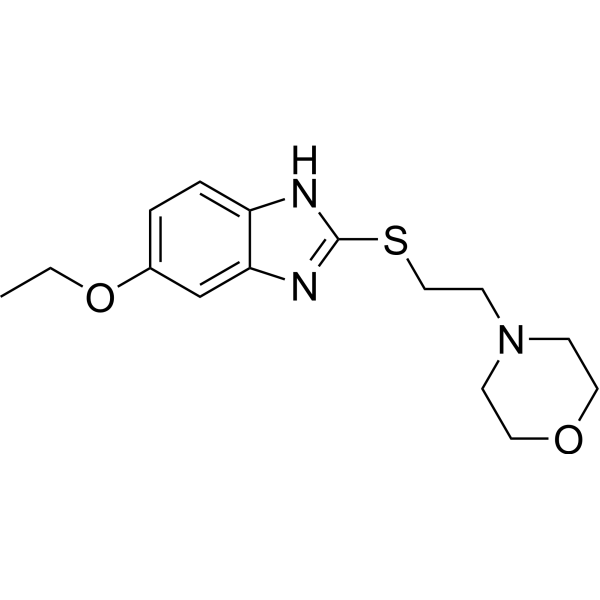
    Parasite Monoamine Oxidase Sigma Receptor P-glycoprotein Infection Cardiovascular Disease Neurological Disease
    Fabomotizole (CM346) is an insecticide with anxiolytic, antianxiety, and neuroprotective activities and a substrate of p-glycoprotein. Fabomotizole inhibits the ST-segment depression induced by isoproterenol in a rat model of acute subendocardial ischemia. Fabomotizole also inhibits Giardia lamblia and has the potential to inhibit giardiasis. Fabomotizole also targets Sigma1R, NRH:quinone reductase 2 (NQO2), and MAO-A to exert anxiolytic effects .
    Fabomotizole
  • HY-W406070

    LNA-G

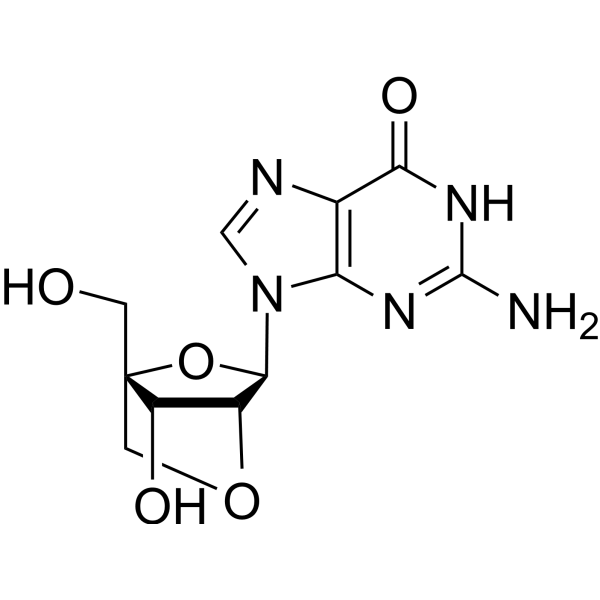
    Nucleoside Antimetabolite/Analog DNA/RNA Synthesis Others
    2′-O,4′-C-Methyleneguanosine (LNA-G) is a reverse guanine analog, where LNA (locked nucleic acid) is a nucleic acid analog. LNA modification can be widely used in various fields, such as effective binding affinity with complementary sequences and stronger nuclease resistance than natural nucleotides, providing great potential for application in disease diagnosis and research. 2'-O,4'-C-Methyleneguanosine is a substrate for KOD DNA polymerase, which incorporates LNA-G nucleotides into growing DNA strands, including consecutive incorporations , to generate full-length extension products .
    2'-O,4'-C-Methyleneguanosine
  • HY-P2295
    Dabcyl-KTSAVLQSGFRKME-Edans TFA
    2 Publications Verification

    SARS-CoV Others
    Dabcyl-KTSAVLQSGFRKME-Edans TFA is a fluorogenic peptide. Dabcyl-KTSAVLQSGFRKME-Edans TFA is used as the substrate to measure the enzymatic activities of protease forms. Dabcyl-KTSAVLQSGFRKME-Edans TFA has the potential for study 2019-nCoV (COVID-19) infection .
    Dabcyl-KTSAVLQSGFRKME-Edans TFA
  • HY-W129633

    DCIP sodium hydrate; DPIP sodium hydrate

    Biochemical Assay Reagents Others
    2,6-Dichlorophenolindophenol (DCIP; DPIP) sodium hydrate is a redox chromogenic indicator with a redox potential of +217 mV relative to SHE, and it acts as a substrate for reduction reactions. During the metabolic process of nutrient consumption by Saccharomyces cerevisiae, 2,6-Dichlorophenolindophenol sodium hydrate is reduced from dark blue to colorless, resulting in a decrease in absorbance. 2,6-Dichlorophenolindophenol sodium hydrate is widely used in spectrophotometric biochemical oxygen demand determination and preclinical colorimetric toxicity analysis for heavy metal ion detection based on Saccharomyces cerevisiae .
    2,6-Dichlorophenolindophenol sodium hydrate
  • HY-W016188

    Cholinesterase (ChE) Others
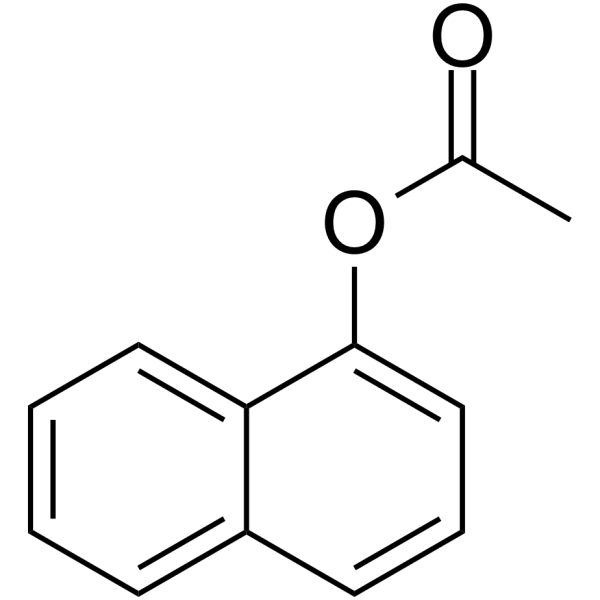
    1-Naphthyl acetate is an attractive chromogenic substrate for the detection of erythrocyte acetylcholinesterase (AChE) activity. 1-Naphthyl acetate has the potential to detect organophosphorus pesticide (OP) poisoning .
    1-Naphthyl acetate
  • HY-136490

    Galactosylsphingosine

    PKC Neurological Disease Cancer
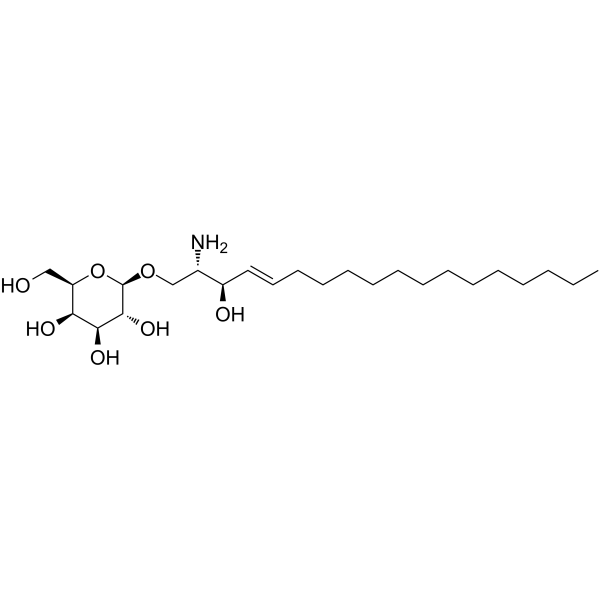
    Psychosine (Galactosylsphingosine), a substrate of the galactocerebrosidase (GALC) enzyme, is a potential biomarker for Krabbe disease . Psychosine is a highly cytotoxic lipid, capable of inducing cell death in a wide variety of cell types including, most relevantly to globoid cell leukodystrophy (GLD), oligodendrocytes. Psychosine causes cell death at least in part via apoptosis. Psychosine also is an inhibitor of PKC .
    Psychosine
  • HY-139979
    USP5-IN-1
    3 Publications Verification

    Deubiquitinase Cancer
    USP5-IN-1 (compound 64) is a selective competitive inhibitor of USP5 zinc finger ubiquitin binding domain (ZnF-UBD) (KD=2.8 μM). USP5-IN-1 competitively blocks the binding of ubiquitin to ZnF-UBD, inhibits the catalytic activity of USP5, and thus hinders the hydrolysis of ubiquitin chains. USP5-IN-1 can inhibit USP5 cleavage of Lys48-linked diubiquitin substrates in vitro and is a potential USP5 chemical probe and potential inhibitor of USP5-related cancers.
    USP5-IN-1
  • HY-P10605

    Akt GSK-3 Cancer
    GSK3β-peptide is a substrate mimetic peptide of glycogen synthase kinase 3-β (GSK3-β) that can bind to the active site of GSK3-β and mimic the behavior of a real substrate. GSK3β-peptide can be used to develop substrate mimetic inhibitors of Akt as potential anticancer drugs .
    GSK3β-peptide
  • HY-136490S

    Galactosylsphingosine-d5

    PKC Neurological Disease Cancer
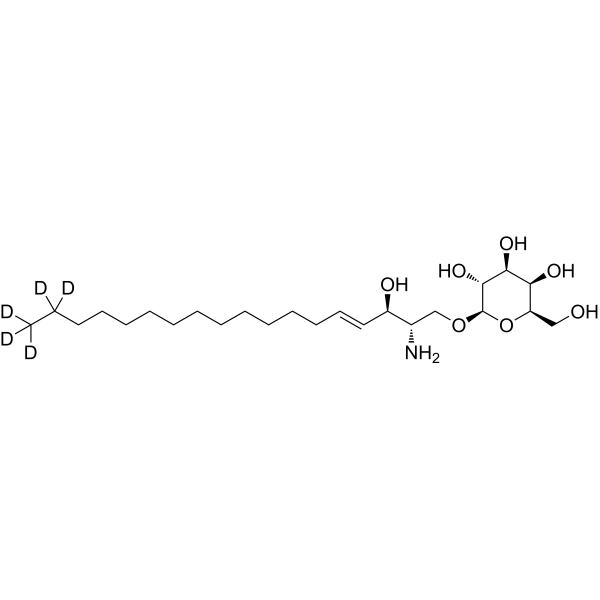
    Psychosine-d5 is deuterium labeled Psychosine. Psychosine, a substrate of the galactocerebrosidase (GALC) enzyme, is a potential biomarker for Krabbe disease. Psychosine is a highly cytotoxic lipid, capable of inducing cell death in a wide variety of cell.
    Psychosine-d5
  • HY-145935
    NT219
    1 Publications Verification

    Insulin Receptor STAT Cancer
    NT219 is a potent and dual inhibitor of insulin receptor substrates 1/2 (IRS1/2) and STAT3. IRS1/2 and STAT3 are major signaling junctions regulated by various oncogenes. NT219 affects IRS1/2 degradation and inhibits STAT3 phosphorylation. NT219 has the potential for the research of cancer diseases .
    NT219
  • HY-W015782

    Tyrosinase PKA Metabolic Disease Inflammation/Immunology
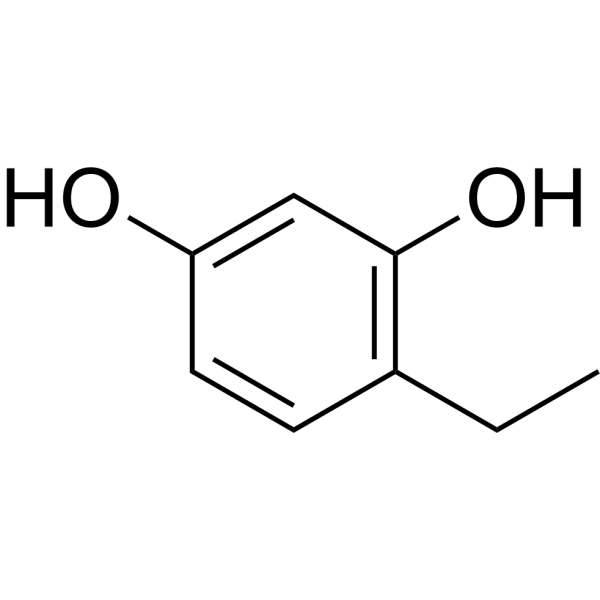
    4-Ethylresorcinol is a derivative of resorcinol and can serve as a substrate for tyrosinase. 4-Ethylresorcinol has anti-hyperpigmentation and antioxidant effects and can inhibit melanin synthesis. 4-Ethylresorcinol has potential whitening value .
    4-Ethylresorcinol
  • HY-P4566

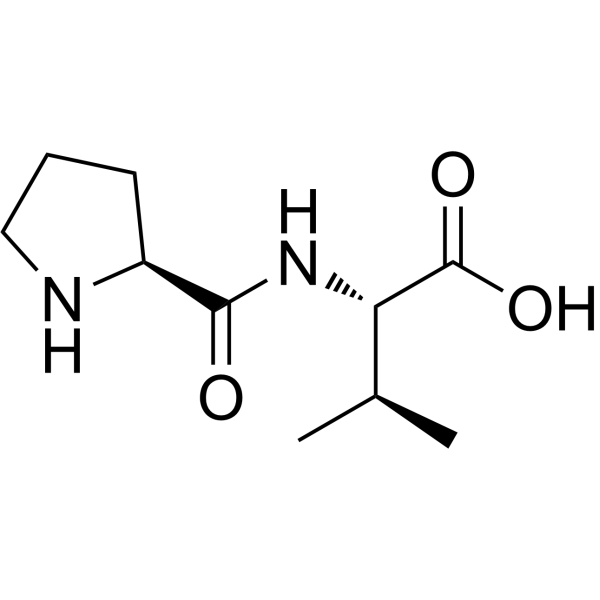
    Pro-Val

    Dipeptidyl Peptidase Others
    H-Pro-Val-OH is a deprotonation dipeptide containing proline, which can catalyze the Michael addition reaction of acetone to trans-β-nitrostyrene. H-Pro Val OH can also serve as a substrate for fibroblast enzymes and prolinase, and has potential applications in biochemical analysis .
    H-Pro-Val-OH
  • HY-148682

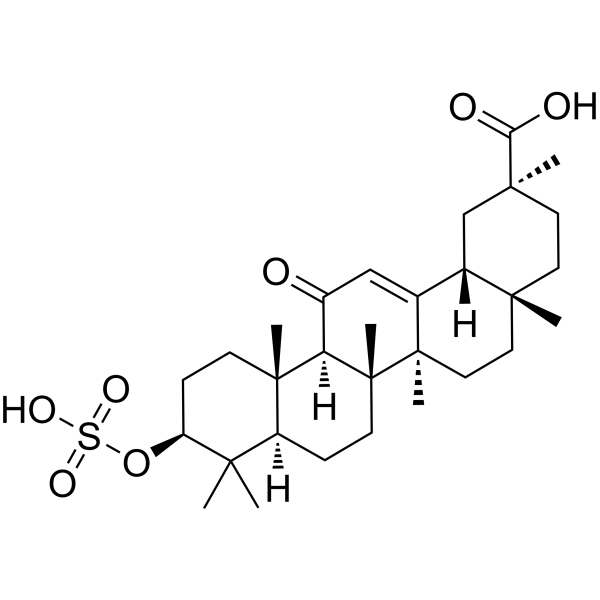
    Glycyrrhetic acid 3-O-hydrogen sulfate

    OAT 11β-HSD Drug Metabolite Metabolic Disease Inflammation/Immunology
    18β-Glycyrrhetyl-3-O-sulfate (Glycyrrhetic acid 3-O-(hydrogen sulfate)) is a potent type 2 11β-hydroxysteroid dehydrogenase (11β-HSD2) inhibitor with an IC50 of 0.10 µM using rat kidney microsome. 18β-Glycyrrhetyl-3-O-sulfate is the major metabolite of Glycyrrhetinic acid (GA). 18β-Glycyrrhetyl-3-O-sulfate is the substrate of organic anion transporter (OAT) 1 and OAT3. 18β-Glycyrrhetyl-3-O-sulfate has anti-inflammatory effects and has the potential for pseudohyperaldosteronism research .
    18β-Glycyrrhetyl-3-O-sulfate
  • HY-W035133

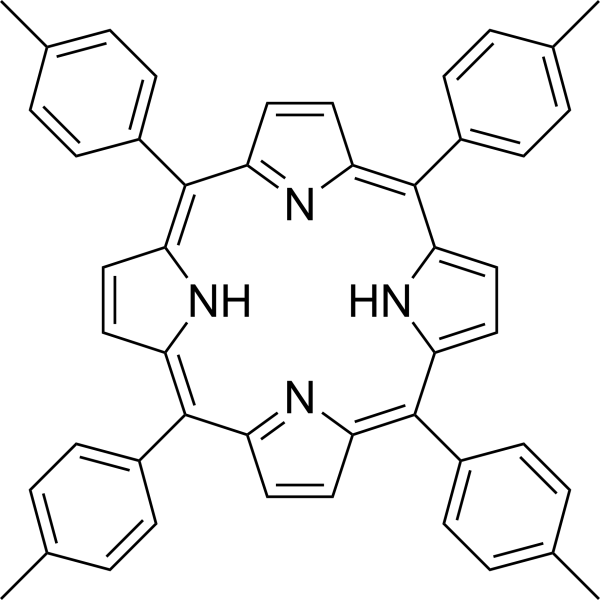
    5,10,15,20-Tetra-p-tolyl-21H,23H-porphine

    MOFs Others
    5,10,15,20-Tetrakis(p-tolyl)porphyrin (TTP) is an organic compound belonging to the class of porphyrins, a cyclic molecule composed of four pyrrole rings linked together. TTP is a synthetic porphyrin commonly used as a sensitizer for dye-sensitized solar cells and a catalyst for organic reactions. Due to its unique structure, TTP has a series of interesting properties, including at specific wavelengths and its potential as a catalyst for various chemical reactions. In dye-sensitized solar cells, TTPs help convert sunlight into electricity by absorbing photons and transferring electrons to the semiconductor layer of the device. In organic chemistry, TTP is often used as a catalyst for various organic compounds in reactions such as oxidation and reduction. Its ability to selectively bind certain substrates makes it a useful tool for synthesizing complex molecules and studying their properties.
    5,10,15,20-Tetrakis(p-tolyl)porphyrin
  • HY-109051A

    Endogenous Metabolite Others
    Arfolitixorin calcium is a bioactive compound that acts as an enzyme substrate. Arfolitixorin calcium is used as a substrate for methylenetetrahydrofolate reductase to generate 5-methyltetrahydrofolate. Arfolitixorin calcium may have potential applications in neurobiological research, particularly in studies related to gene expression and metabolism. Research on arfolitixorin calcium helps reveal the functional genetics of bird genes .
    Arfolitixorin calcium
  • HY-P4561

    Cathepsin Others
    H-Pro-Thr-Glu-Phe-p-nitro-Phe-Arg-Leu-OH is a water-soluble polypeptide that can serve as a substrate for cathepsin D, pepsin and pepsinogen. H-Pro-Thr-Glu-Phe-p-nitro-Phe-Arg-Leu-OH has potential applications in biochemical analysis .
    H-Pro-Thr-Glu-Phe-p-nitro-Phe-Arg-Leu-OH
  • HY-163174

    Amine N-methyltransferase Cardiovascular Disease Neurological Disease Metabolic Disease Cancer
    II399 is a potent, selective NNMT bisubstrate inhibitor containing an unconventional SAM mimic, with a Ki of 5.9 nM. II399 exhibits an explicit pattern of competitive inhibition for NAM. II399 occupies both the substrate and cofactor binding pockets. II399 has the potential for the research of cancers, metabolic, cardiovascular, and neurodegenerative diseases .
    II399
  • HY-119172

    Bacterial Infection Inflammation/Immunology Cancer
    NSC-60339, an efflux pump inhibitor and a substrate of AcrAB-TolC, is a polybasic terephthalic acid derivative studied as a potential cancer chemotherapeutic agent .
    NSC-60339
  • HY-W016188R

    Reference Standards Cholinesterase (ChE) Others
    1-Naphthyl acetate is an attractive chromogenic substrate for the detection of erythrocyte acetylcholinesterase (AChE) activity. 1-Naphthyl acetate has the potential to detect organophosphorus pesticide (OP) poisoning .
    1-Naphthyl acetate (Standard)
  • HY-136490S1

    Galactosylsphingosine-d7

    PKC Neurological Disease Cancer
    Psychosine-d7 is deuterium labeled Psychosine. Psychosine, a substrate of the galactocerebrosidase (GALC) enzyme, is a potential biomarker for Krabbe disease. Psychosine is a highly cytotoxic lipid, capable of inducing cell death in a wide variety of cell
    Psychosine-d7
  • HY-W103317

    Indoxazene

    Drug Intermediate Neurological Disease
    1,2-Benzisoxazole (Indoxazene) is a potential substrate of rabbit liver aldehyde oxidase. 1,2-Benzisoxazole was used in the discovery and development of zonisamide (HY-B0124) for the study of epilepsy and Parkinson's disease .
    1,2-Benzisoxazole
  • HY-123000

    Biochemical Assay Reagents
    4-Methylumbelliferyl 2-acetamido-2-deoxy-α-D-galactopyranoside is a fluorogenic substrate for studying the enzymatic activity of α-galactosidase. 4-Methylumbelliferyl 2-acetamido-2-deoxy-α-D-galactopyranoside is used to analyze enzyme activity in various biological samples, helping scientists gain insight into the function of the enzyme in vivo. 4-Methylumbelliferyl 2-acetamido-2-deoxy-α-D-galactopyranoside can also be used to screen potential compounds to inhibit or activate this enzyme.
    4-Methylumbelliferyl 2-acetamido-2-deoxy-α-D-galactopyranoside
  • HY-W747548

    Lipoxygenase Leukotriene Receptor Inflammation/Immunology
    12(S)-HEPE is a monohydroxy fatty acid synthesized from EPA by the action of 12-LO. Unstimulated neutrophils metabolize 12(S)-HEPE to 12(S),20-diHEPE, whereas stimulated neutrophils produce 5(S),12(S)-HEPE via the 5-lipoxygenase pathway. The competitive action of 12(S)-HEPE with arachidonic acid as a substrate for 5-LO in the formation of leukotrienes may provide a basis for the anti-inflammatory potential of ω-3 fatty acids.
    12(S)-HEPE
  • HY-175040

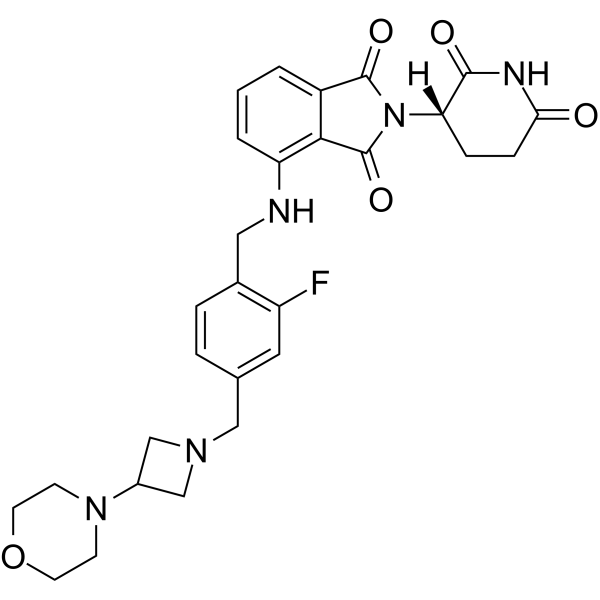
    PROTACs Molecular Glues FLT3 IKZF Family Cancer
    PROTAC FLT-3 degrader 5 is a FLT3 PROTAC degrader (DC50 = 1.2 nM). PROTAC FLT-3 degrader 5 functions as a molecular glue to degrade cereblon substrates GSPT1 and IKZF1/3. PROTAC FLT-3 degrader 5 exhibits antiproliferative activity against drug-resistant acute myeloid leukemia (AML) cells and is potentially useful in AML research. (Pink: FLT3/GSPT1/IKZF1/3 ligand: (HY-169374); Blue: Thalidomide: (HY-14658); Black: linker; Thalidomide + linker: (HY-W1123823)) .
    PROTAC FLT-3 degrader 5
  • HY-126720

    Endogenous Metabolite Metabolic Disease
    N-Lignoceroyl Taurine is an arachidonoyl amino acid and taurine conjugate with a fatty acid that can be isolated from bovine brain. N-Lignoceroyl Taurine is one of several novel taurine-conjugated fatty acids discovered during mass spectrometry lipidomic analysis of the brain and spinal cord of wild-type and fatty acid amide hydrolase (FAAH) knockout mice. N-Lignoceroyl Taurine levels were 23-26-fold higher in FAAH -/- mice compared to wild-type mice, suggesting that FAAH utilizes N-Lignoceroyl Taurine as a substrate. However, in vitro experiments with purified FAAH showed that N-Lignoceroyl Taurine was hydrolyzed 2,000-fold slower in FAAH compared to oleoylethanolamide. N-Acyl Taurines with polyunsaturated acyl chains can activate members of the transient receptor potential (TRP) calcium channel family, including TRPV1 and TRPV4.
    N-Lignoceroyl Taurine
  • HY-P5377

    Cathepsin K substrate

    Ser/Thr Protease Others
    Abz-HPGGPQ-EDDnp (Cathepsin K substrate) is a biological active peptide. (Cathepsins are a class of globular lysosomal proteases, playing a vital role in mammalian cellular turnover. They degrade polypeptides and are distinguished by their substrate specificities. Cathepsin K is the lysosomal cysteine protease involved in bone remodeling and resorption. It has potential as a drug target in autoimmune diseases and osteoporosis.This FRET peptide can be used to monitor selectively cathepsin K activity in physiological fluids and cell lysates. Abz-HPGGPQ-EDDnp [where Abz represents o-aminobenzoic acid and EDDnp represents N -(2, 4-dinitrophenyl)-ethylenediamine], a substrate initially developed for trypanosomal enzymes, is efficiently cleaved at the Gly-Gly bond by cathepsin K. This peptide is resistant to hydrolysis by cathepsins B, F, H, L, S and V, Ex/Em=340 nm/420 nm.)
    Abz-HPGGPQ-EDDnp
  • HY-B0804R

    SQ-11725 (Standard)

    Reference Standards Adrenergic Receptor Cardiovascular Disease
    Nadolol (Standard) is the analytical standard of Nadolol. This product is intended for research and analytical applications. Nadolol (SQ-11725) is a non-selective and orally active β-adrenergic receptors blocker and is a substrate of organic anion transporting polypeptide 1A2 (OATP1A2). Nadolol has the the potential for high blood pressure, angina pectoris and vascular headaches research .
    Nadolol (Standard)
  • HY-N15826

    Fluorescent Dye Ceramidase Cancer
    RBM1-151, a 1-deoxy derivative and vinilog of RBM14-C12 (HY-150163), as a fluorogenic substrate of Amidases (HY-P2736) (Ex/Em). RBM1-151 is hydrolyzed by acid ceramidase (AC) (( appKm = 7.0 μM; appVmax = 99.3 nM/min), N-acylethanolamine-hydrolyzing acid amidase ( appKm = 0.73 μM; appVmax = 0.24 nM/min), and fatty Acid amide hydrolase (FAAH) ( appKm = 3.6 μM; appVmax = 7.6 nM/min) but not by other ceramidases. RBM1-151 is applicable for basic biological studies of lipid amidase function, as well as potential diagnostic/prognostic evaluations of diseases involving dysregulated AC, NAAA, or FAAH (Farber disease, cancer) .
    RBM1-151
  • HY-134246

    5'-dTuMP

    Nucleoside Antimetabolite/Analog Others
    7-CH-5'-dAMP (5'-dTuMP) is an adenylate derivative that acts as a potential substrate, competitive inhibitor, or modulator of enzymes that interact with 2-deoxyadenosine-5-monophosphate .
    7-CH-5'-dAMP
  • HY-134245

    Tubercidin 5'-phosphate; 7-Deaza-AMP

    Nucleoside Antimetabolite/Analog Others
    7-Deazaadenosine 5'-phosphate (Tubercidin 5'-phosphate; 7-Deaza-AMP) is a potential substrate or competitive inhibitor of enzymes that interact with 5′-adenylic acid monophosphate. As a nucleotide derivative, 7-Deazaadenosine 5'-phosphate can regulate cellular functions by affecting intracellular signaling pathways, especially in signaling involving AMP .
    7-Deazaadenosine 5'-phosphate
  • HY-131812

    2'-Deoxyadenosine 5'-O-thiophosphate

    Nucleoside Antimetabolite/Analog Others
    5'-dAMPS is an analogue of 5'-dAMP and thus a potential substrate, competitive inhibitor or regulator of enzymes that interact with dAMP .
    5'-dAMPS
  • HY-131815

    Nucleoside Antimetabolite/Analog Others
    5'-dIMPS is an analogue of 5'-dIMP and a potential substrate, competitive inhibitor or regulator of enzymes that interact with 5'-dIMP .
    5'-dIMPS
  • HY-131814

    Nucleoside Antimetabolite/Analog Others
    5'-dGMPS is an analogue of 5'-dGMP and a potential substrate, competitive inhibitor or regulator of enzymes that interact with 5'-dGMP .
    5'-dGMPS
  • HY-131813

    2'-Deoxycytidine-5'-O-monophosphorothioate

    Drug Derivative Others
    5'-dCMPS is an analogue of 5'-dCMP and a potential substrate, competitive inhibitor or regulator of enzymes that interact with 5'-dCMP .
    5'-dCMPS
  • HY-P10082

    Caspase Others
    Ac-VETD-AMC is a synthetic peptide substrate for caspase 8. Ac-VETD-AMC also has potential to assess functional activity of recombinant phytaspase .
    Ac-VETD-AMC
  • HY-P4574

    MMP Others
    VPLSLYSG is an octapeptide that can be degraded by matrix metalloproteinase-9 (MMP-9), MMP-1 and MMP-2. VPLSLYSG has potential applications in MMP substrates .
    VPLSLYSG
  • HY-149425

    Sirtuin Inflammation/Immunology Cancer
    SIRT5 Inhibitor 6 is a potent, substrate-competitive and selective SIRT5 inhibitor with an IC50 of 3.0 μM. SIRT5 Inhibitor6 has a therapeutic potential against septic AKI in vivo .
    SIRT5 inhibitor 6
  • HY-171195

    5-HT Receptor Metabolic Disease
    VU0631019 is a potent antagonist of 5-HT2B, with the IC50 of 29 nM. VU0631019 is predicted to have very limited potential for brain penetration in human subjects, as is predicted to be substrates for P-gp-mediated efflux in humans .
    VU0631019
  • HY-171194

    5-HT Receptor Metabolic Disease
    VU0530244 is a potent antagonist of 5-HT2B, with the IC50 of 17.3 nM. VU0530244 is predicted to have very limited potential for brain penetration in human subjects, as is predicted to be substrates for P-gp-mediated efflux in humans .
    VU0530244
  • HY-119172R

    Bacterial Infection Inflammation/Immunology Cancer
    NSC-60339 (Standard) is the analytical standard of NSC-60339. This product is intended for research and analytical applications. NSC-60339, an efflux pump inhibitor and a substrate of AcrAB-TolC, is a polybasic terephthalic acid derivative studied as a potential cancer chemotherapeutic agent .
    NSC-60339 (Standard)
  • HY-W777429

    Biochemical Assay Reagents
    Ceratamine B is a fluorescent substrate with significant biological activity and can be used for cell imaging and biolabeling. Ceratamine B can effectively penetrate cell membranes, facilitating the study of cellular processes. Ceratamine B also shows broad application potential in compound screening and biosensor development.
    Ceratamine B
  • HY-163292

    Bacterial Parasite Infection
    Antibacterial agent 180 (15g), an appropriate substrate for the type I nitro reductases (TcNTR I), is a promising antitrypanosomatid agent. Antibacterial agent 180 (15g) shows nonmutagenic potential against Salmonella typhimurium strains (TA98, TA100, and TA102) .
    Antibacterial agent 180
  • HY-134280

    Nicotinamide 8-Br-hypoxanthine dinucleotide

    Drug Derivative Others
    8-Br-NHD+ (Nicotinamide 8-Br-hypoxanthine dinucleotide) is a derivative of NAD+ (nicotinamide adenine dinucleotide) that acts as a potential substrate, competitive inhibitor or modulator of enzymes that interact with β-NAD+. 8-Br-NHD+ can be used to synthesize a cyclic ADP nucleotide (cADPR) analog .
    8-Br-NHD+
  • HY-W004305R

    Palmitaldehyde (Standard)

    Reference Standards Endogenous Metabolite Metabolic Disease
    Hexadecanal (Standard) is an analytical standard for Hexadecanal. This product is intended for research and analytical applications. Hexadecanal (Palmitaldehyde), a volatile, long-chain fatty aldehyde, is released from human feces, skin, and breath. The hexadecanal receptor (OR37B) is highly conserved in mammals. Hexadecanal may exert its effects by modulating functional connectivity between social evaluation brain substrates and aggression execution brain substrates. Hexadecanal has also been shown to have a strong deterrent effect on black ants. Hexadecanal has potential for use in startle response and aggression behavior
    Hexadecanal (Standard)
  • HY-E70030

    Bacterial Infection
    GlcNAc 1-P uridyltransferase (CjGlmU) is a sugar nucleotidyltransferase (SNT). GlcNAc 1-P uridyltransferase (CjGlmU) utilizes UTP and GlcNAc-1-P as its natural substrates, synthesizes UDP-GlcNAc. GlcNAc 1-P uridyltransferase (CjGlmU) has the potential for the research of antimicrobial agents .
    GlcNAc 1-P uridyltransferase (CjGlmU)

Inquiry Online

Your information is safe with us. * Required Fields.

Salutation


Country or Region *

Applicant Name *


Organization Name *

Department *


Email Address *


Product Name *

Cat. No.


Requested quantity *

Phone Number *


Remarks

Inquiry Online

Inquiry Information

Product Name:
Cat. No.:
Quantity:
MCE Japan Authorized Agent:

