1. Search Result
Search Result
Results for "

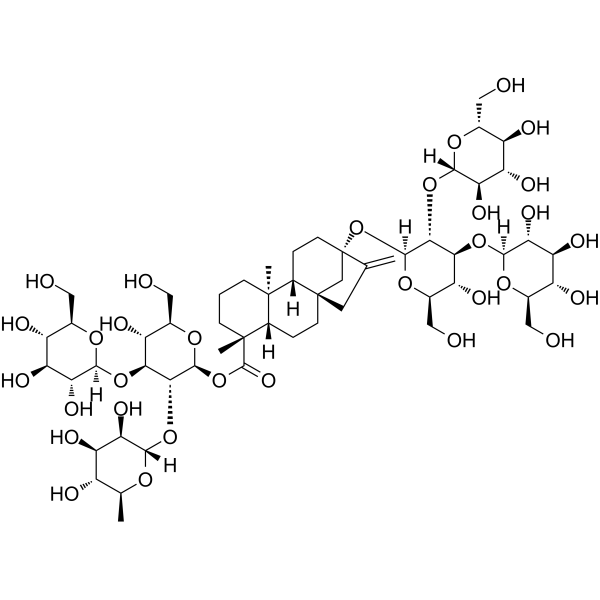
Rebaudioside A

" in MedChemExpress (MCE) Product Catalog:

23

Inhibitors & Agonists

23

Natural
Products

Cat. No. Product Name Target Research Areas Chemical Structure
  • HY-N0466

    Glycosidase HMG-CoA Reductase (HMGCR) Fatty Acid Synthase (FASN) LDLR Others
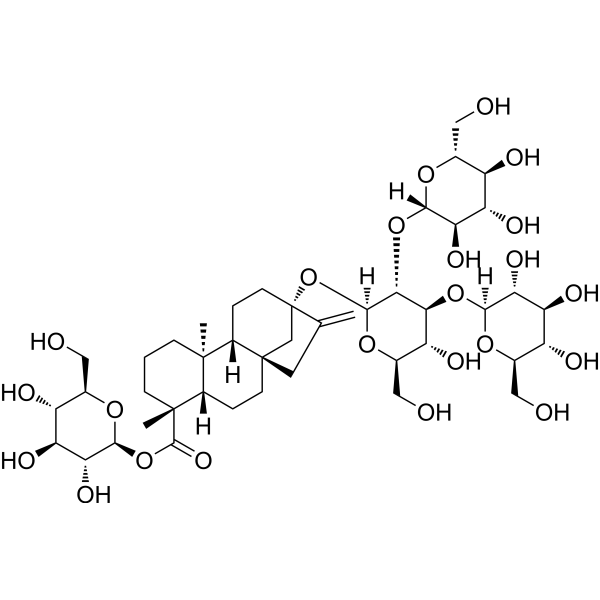
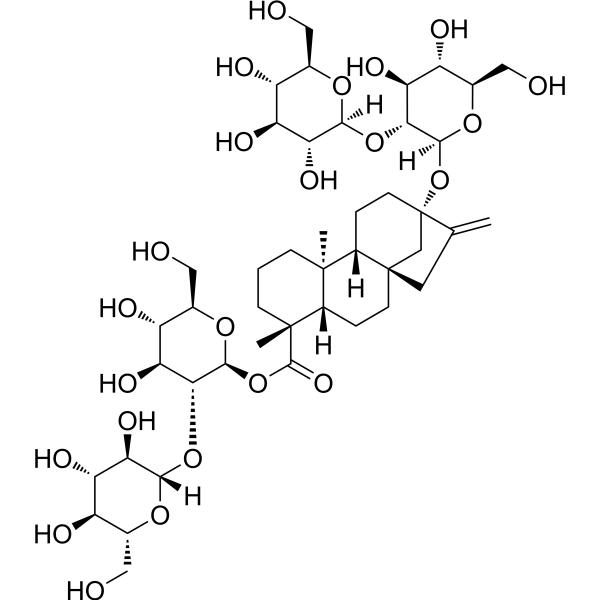
    Rebaudioside A is an orally effective steviol glycoside with high sweetness. Rebaudioside A acts as an inhibitor of α-glucosidase with an IC50 value of 35.01 μg/mL. Rebaudioside A increases the ATP/ADP ratio in β cells in a glucose-dependent manner, thereby inhibiting KATP channels, leading to membrane depolarization, calcium influx, and ultimately stimulating insulin secretion. Rebaudioside A activates the SREBP signaling pathway by inhibiting HMGCR, the rate-limiting enzyme in cholesterol synthesis, resulting in increased expression of LDLR on the cell surface, thus promoting the uptake of LDL-C in the blood. Rebaudioside A can be used for studies on blood glucose and lipid regulation as well as anti-obesity .
    Rebaudioside A
  • HY-N6833
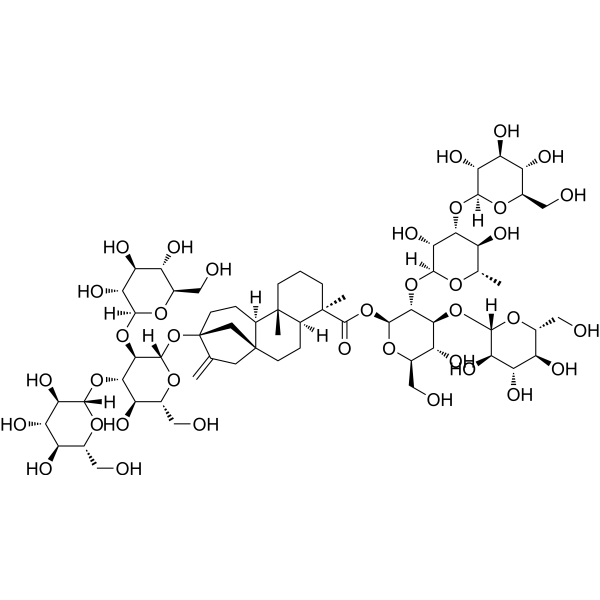
    Rebaudioside M
    1 Publications Verification

    Others Metabolic Disease Inflammation/Immunology Cancer
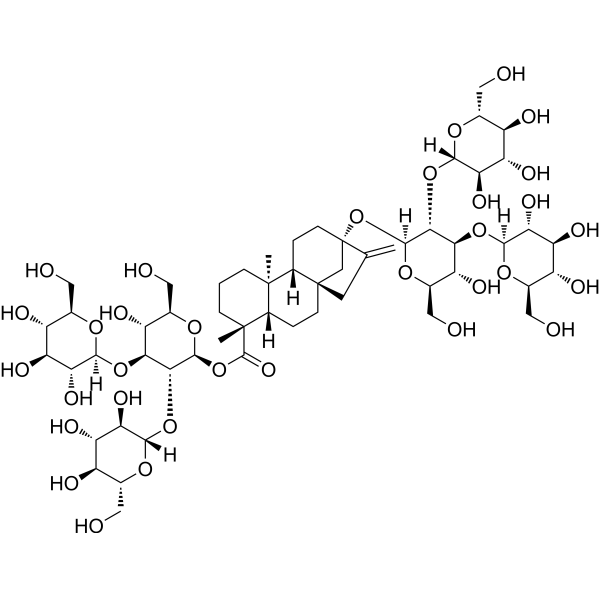
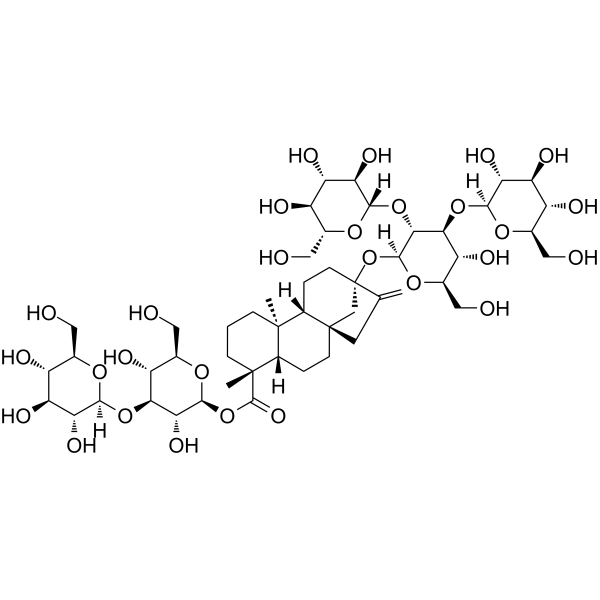
    Rebaudioside M, a glycoside of the ent-kaurene diterpenoid aglycone, is a non-calorie sweetener isolated from Stevia rebaudiana. Rebaudioside M has antidiabetics, antihypertension, anti-inflammatory, antioxidant, anticaries and anticancer benefits. Rebaudioside M is more than 350 times sweeter than sucrose. Rebaudioside M can be used in food and beverage .
    Rebaudioside M
  • HY-N0468
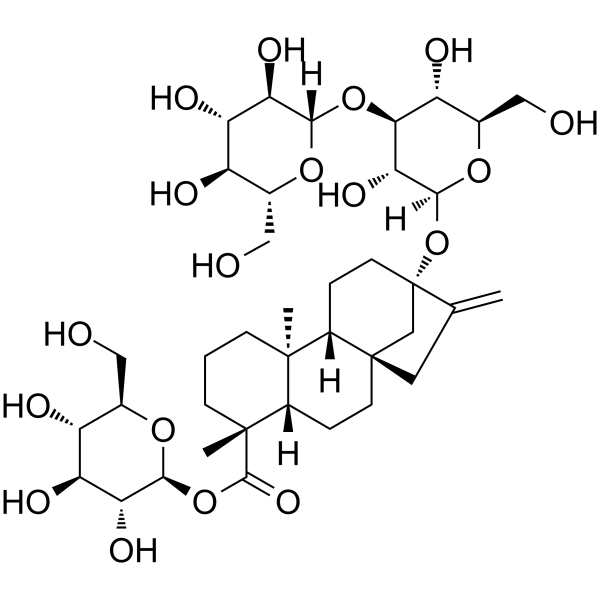
    Rebaudioside D
    1 Publications Verification

    FXR Acetyl-CoA Carboxylase Metabolic Disease
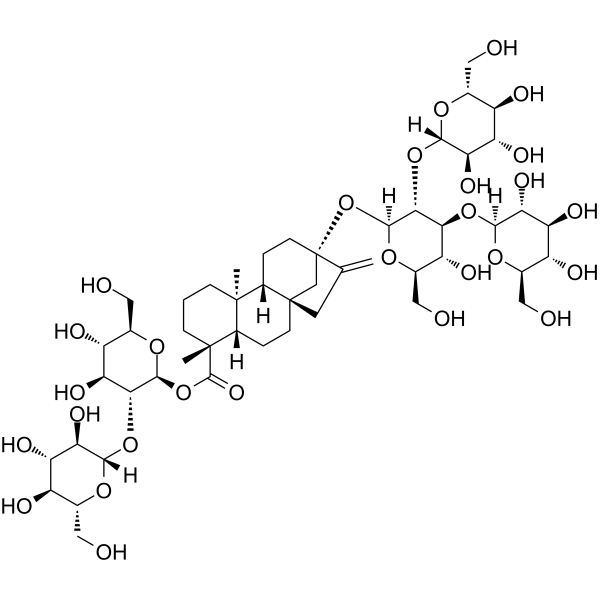
    Rebaudioside D is an orally active sweetener that targets and activates FXR, modulates Acetyl-CoA Carboxylase, and inhibits 3-hydroxy-3-methylglutaryl-CoA reductase. Rebaudioside D regulates bile acid homeostasis and lipid metabolism, reduces the synthesis rates of fatty acids and cholesterol, and exerts multiple effects including anti-adipogenesis, hepatoprotection, anti-steatosis, gut microbiota modulation, enhancement of secondary bile acid metabolism, anti-endotoxin activity, regulation of bile acid transport, and inhibition of bile acid efflux. Rebaudioside D also reduces body weight gain, visceral fat accumulation, hepatic triglyceride and cholesterol accumulation, hepatic lipid peroxidation, and decreases the circulating level of lipopolysaccharide-binding protein. Rebaudioside D additionally enhances the secondary bile acid metabolic pathway of intestinal bacteria, upregulates the gene expression of ileal organic solute transporter α, and downregulates the gene expression of hepatic bile salt export pump. Rebaudioside D does not affect glucose homeostasis, alter total caloric intake or fecal energy excretion, induce weight gain, exacerbate obesity, promote hepatic steatosis, impair brown adipose tissue function, nor change skeletal muscle metabolism-related proteins. Rebaudioside D can be used in diet-induced obesity and obesity-related research .
    Rebaudioside D
  • HY-N6888

    Others Others
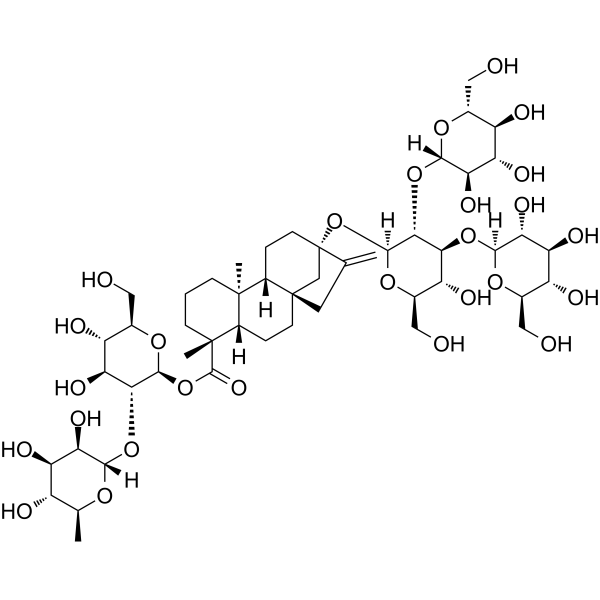
    Rebaudioside E is a steviol glycoside isolated from Stevia rebaudiana leaves .
    Rebaudioside E
  • HY-N0467

    Dulcoside B

    Endogenous Metabolite Neurological Disease
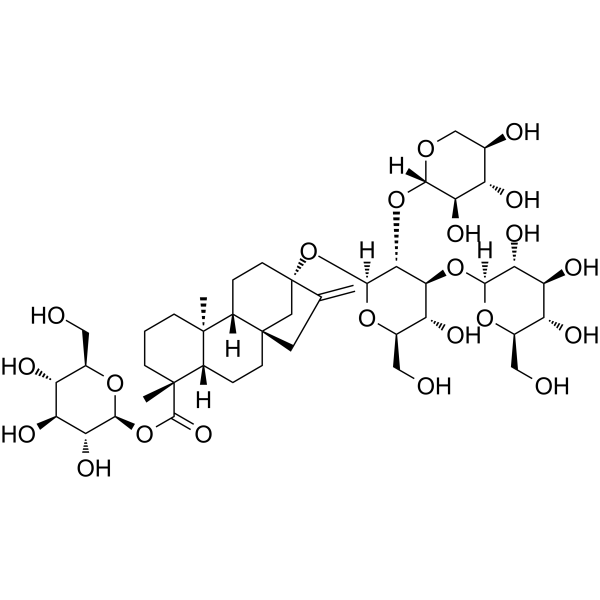
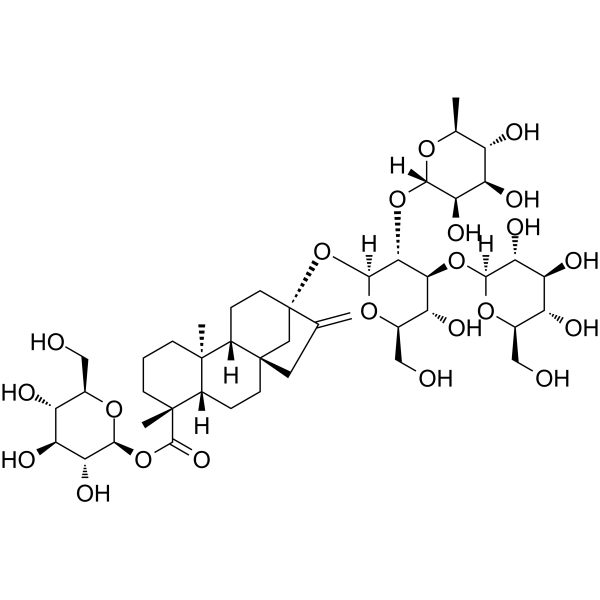
    Rebaudioside C (Dulcoside B) is an orally effective natural sweetener that cannot pass the blood-brain barrier and selectively binds to human sweet taste receptors (TAS1R2/TAS1R3). The sweetness of Rebaudioside C is about 20-30 times that of sucrose, and its sweetness activity depends on the C-16/C-17 double bond structure and specific aglycones. The glycoside structure in the Rebaudioside C molecule can bind to the sweet taste receptor, activate the taste signal transduction pathway, and produce sweetness perception .
    Rebaudioside C
  • HY-N6808

    Others Others
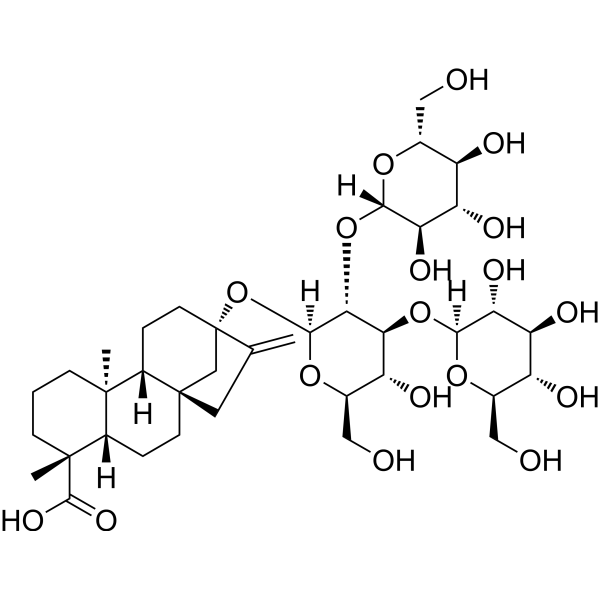
    Rebaudioside B is the minor constituent isolated from the leaves of Stevia rebaudiana Bertoni. Rebaudioside B tastes about 150 times sweeter than sucrose. Rebaudioside B can hydrolysis to steviol .
    Rebaudioside B
  • HY-N6889

    Drug Derivative Others
    Rebaudioside I is a natural non-caloric high-potency sweetener belonging to the steviol glycoside family, which can be isolated from Stevia rebaudiana Morita .
    Rebaudioside I
  • HY-N8009

    Biochemical Assay Reagents Others
    Rebaudioside O is a heptapyranosyl diterpene glycoside that occurs in the leaves of Stevia rebaudiana Bertoni. Rebaudioside O serves as a sweetener .
    Rebaudioside O
  • HY-N6887

    Others Others
    Rebaudioside F is a steviol glycoside isolated from Stevia rebaudiana leaves. is a new natural sweet ingredient .
    Rebaudioside F
  • HY-N6833R

    Reference Standards Others Others
    Rebaudioside M (Standard) is the analytical standard of Rebaudioside M. This product is intended for research and analytical applications. Rebaudioside M, a glycoside of the ent-kaurene diterpenoid aglycone, is a non-calorie sweetener isolated from Stevia rebaudiana. Rebaudioside M is more than 350 times sweeter than sucrose .
    Rebaudioside M (Standard)
  • HY-N6832

    Others Others
    Rebaudioside N is a minor steviol glycoside isolated from the leaves of Stevia rebaudiana Bertoni .
    Rebaudioside N
  • HY-N0466R

    Reference Standards Glycosidase HMG-CoA Reductase (HMGCR) Fatty Acid Synthase (FASN) LDLR Others
    Rebaudioside A (Standard) is the analytical standard of Rebaudioside A. This product is intended for research and analytical applications. Rebaudioside A is an orally effective steviol glycoside with high sweetness. Rebaudioside A acts as an inhibitor of α-glucosidase with an IC50 value of 35.01 μg/mL. Rebaudioside A increases the ATP/ADP ratio in β cells in a glucose-dependent manner, thereby inhibiting KATP channels, leading to membrane depolarization, calcium influx, and ultimately stimulating insulin secretion. Rebaudioside A activates the SREBP signaling pathway by inhibiting HMGCR, the rate-limiting enzyme in cholesterol synthesis, resulting in increased expression of LDLR on the cell surface, thus promoting the uptake of LDL-C in the blood. Rebaudioside A can be used for studies on blood glucose and lipid regulation as well as anti-obesity.
    Rebaudioside A (Standard)
  • HY-N6888R

    Reference Standards Drug Intermediate Others
    Rebaudioside E (Standard) is the analytical standard of Rebaudioside E. This product is intended for research and analytical applications. Rebaudioside E is a steviol glycoside and also a high-intensity sweetener. The sweetness of Rebaudioside E is 150-300 times that of sucrose. Rebaudioside E serves as a precursor for the biosynthesis of Rebaudioside D (HY-N0468) and Rebaudioside M (HY-N6833).
    Rebaudioside E (Standard)
  • HY-N0467R

    Dulcoside B (Standard)

    Reference Standards Endogenous Metabolite Others
    Rebaudioside C (Standard) is the analytical standard of Rebaudioside C. This product is intended for research and analytical applications. Rebaudioside C (Dulcoside B) is a natural sweetener that can be used in controlled diets for diabetic patients.
    Rebaudioside C (Standard)
  • HY-N6832R

    Reference Standards Others Others
    Rebaudioside N (Standard) is the analytical standard of Rebaudioside N. This product is intended for research and analytical applications. Rebaudioside N is a minor steviol glycoside isolated from the leaves of Stevia rebaudiana Bertoni .
    Rebaudioside N (Standard)
  • HY-N0468R

    Reference Standards Acetyl-CoA Carboxylase FXR Metabolic Disease
    Rebaudioside D (Standard) is the analytical standard of Rebaudioside D. This product is intended for research and analytical applications. Rebaudioside D is an orally active sweetener that targets and activates FXR, modulates Acetyl-CoA Carboxylase, and inhibits 3-hydroxy-3-methylglutaryl-CoA reductase. Rebaudioside D regulates bile acid homeostasis and lipid metabolism, reduces the synthesis rates of fatty acids and cholesterol, and exerts multiple effects including anti-adipogenesis, hepatoprotection, anti-steatosis, gut microbiota modulation, enhancement of secondary bile acid metabolism, anti-endotoxin activity, regulation of bile acid transport, and inhibition of bile acid efflux. Rebaudioside D also reduces body weight gain, visceral fat accumulation, hepatic triglyceride and cholesterol accumulation, hepatic lipid peroxidation, and decreases the circulating level of lipopolysaccharide-binding protein. Rebaudioside D additionally enhances the secondary bile acid metabolic pathway of intestinal bacteria, upregulates the gene expression of ileal organic solute transporter α, and downregulates the gene expression of hepatic bile salt export pump. Rebaudioside D does not affect glucose homeostasis, alter total caloric intake or fecal energy excretion, induce weight gain, exacerbate obesity, promote hepatic steatosis, impair brown adipose tissue function, nor change skeletal muscle metabolism-related proteins. Rebaudioside D can be used in diet-induced obesity and obesity-related research .
    Rebaudioside D (Standard)
  • HY-N2291

    Others Others
    Rebaudioside G is the minor constituent isolated from the leaves of Stevia rebaudiana Bertoni, used for sweeteners research .
    Rebaudioside G
  • HY-N6808R

    Reference Standards Others Others
    Rebaudioside B (Standard) is the analytical standard of Rebaudioside B. This product is intended for research and analytical applications. Rebaudioside B is the minor constituent isolated from the leaves of Stevia rebaudiana Bertoni. Rebaudioside B tastes about 150 times sweeter than sucrose .
    Rebaudioside B (Standard)
  • HY-100385R

    Cyclo(L-Pro-L-Trp) (Standard)

    Reference Standards PI3K Bacterial Infection
    Rebaudioside C (Standard) is the analytical standard of Rebaudioside C. This product is intended for research and analytical applications. Rebaudioside C (Dulcoside B) is a natural sweetener that can be used in controlled diets for diabetic patients.
    Brevianamide F (Standard)
  • HY-N6886

    Others Others
    Rebaudioside J is a diterpene glycoside that can be found in Stevia rebaudiana.
    Rebaudioside J
  • HY-N11064

    Others Others
    Rebaudioside S is a minor steviol glycoside that can be isolated from the leaves of Stevia rebaudiana .
    Rebaudioside S
  • HY-N18366

    Drug Derivative Others
    Dulcoside C is a rhamnose-containing steviol glycoside found in Stevia rebaudiana leaves.Dulcoside C exhibits significantly lower sweetness compared to Rebaudioside A (HY-N0466) .
    Dulcoside C
  • HY-N18729

    Others Others
    Stevia rebaudiana extract is derived from the leaves of the stevia plant. Its active ingredients are steviol glycosides, primarily steviol glycosides and rebaudioside A, which give stevia its extremely high sweetness. Stevia rebaudiana extract is used as a natural, zero-calorie sweetener in various foods and beverages, serving as an alternative to sucrose and artificial sweeteners.
    Stevia rebaudiana extract

Inquiry Online

Your information is safe with us. * Required Fields.

Salutation


Country or Region *

Applicant Name *


Organization Name *

Department *


Email Address *


Product Name *

Cat. No.


Requested quantity *

Phone Number *


Remarks

Inquiry Online

Inquiry Information

Product Name:
Cat. No.:
Quantity:
MCE Japan Authorized Agent:

