
1. Search Result
Search Result
Results for "

Repellent activity

" in MedChemExpress (MCE) Product Catalog:

28

Inhibitors & Agonists

15

Natural
Products

5

Isotope-Labeled Compounds

Cat. No. Product Name Target Research Areas Chemical Structure
  • HY-B0263
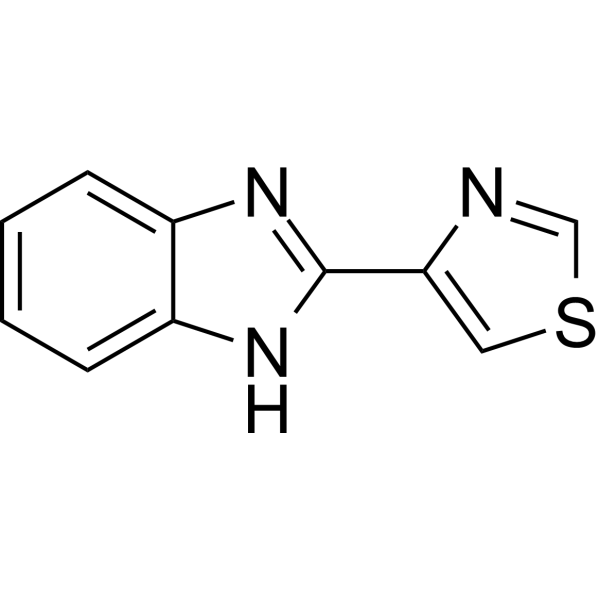
    Thiabendazole
    4 Publications Verification

    Tiabendazole; 2-(4-Thiazolyl)benzimidazole

    Environmental Pollutants Mitochondrial Metabolism Parasite Caspase VEGFR MDM-2/p53 CDK Interleukin Related Infection Cardiovascular Disease Inflammation/Immunology Cancer
    Thiabendazole is an orally available benzimidazole fungicide with repellent and anticancer activities. Thiabendazole can result in developmental malformations. Thiabendazole can be used for modeling .
    Thiabendazole
  • HY-N1500
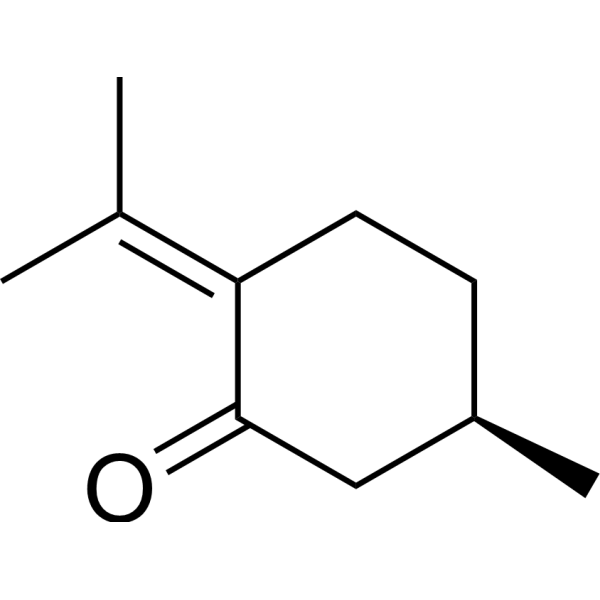
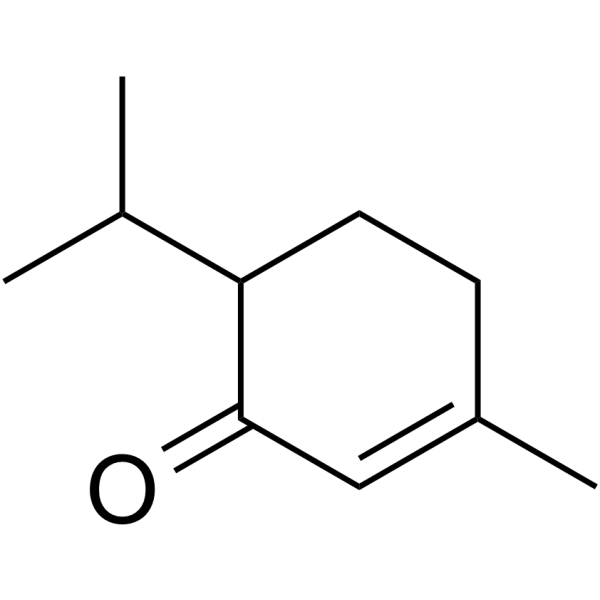
    Pulegone
    1 Publications Verification

    TRP Channel Bacterial Fungal NO Synthase COX NF-κB p38 MAPK Keap1-Nrf2 Heme Oxygenase (HO) PERK JNK Calcium Channel Infection Neurological Disease Inflammation/Immunology
    Pulegone is a monoterpene ketone compound widely present in the essential oils of many plants. Pulegone can also be used as a bird repellent. Pulegone has multiple activities such as anti-inflammatory, antibacterial, antifungal, and anti-hyperalgesic effects. Pulegone is particularly effective against bacteria of the Salmonella species .
    Pulegone
  • HY-Y0496

    Insecticide Environmental Pollutants Mitosis Cancer
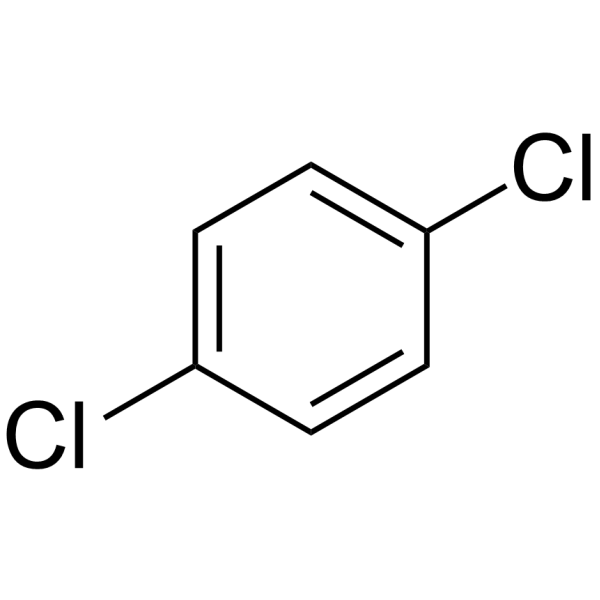
    1,4-Dichlorobenzene is a non-genotoxic, orally active mitogenic/tumor-promoting carcinogen that is also widely used as a dye, resin intermediate, and deodorant, moth repellent/insecticide. 1,4-Dichlorobenzene induces liver tumors in mice and promotes the growth of spontaneous precancerous lesions, but shows no liver tumor-inducing activity in F344 rats. Exposure to 1,4-dichlorobenzene leads to elevated leukocyte counts, serum alanine aminotransferase, and blood urea nitrogen levels. Due to the hepatotoxic characteristics, 1,4-Dichlorobenzene is applicable to liver cancer-related research .
    1,4-Dichlorobenzene
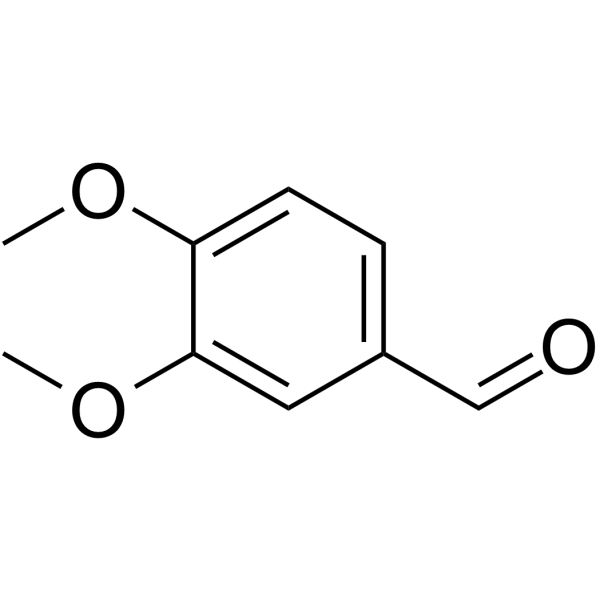
  • HY-N1096

    Environmental Pollutants Bacterial Parasite Infection
    Veratraldehyde is an orally active aromatic compound and antibacterial agent. Veratraldehyde can be isolated from essential oils of plants such as peppermint and ginger. Veratraldehyde targets the PilY1 protein. Veratraldehyde has antibacterial activity against Pseudomonas aeruginosa. Veratraldehyde has a repellent effect against mosquitoes and ticks. Veratraldehyde can be used as a flavoring agent .
    Veratraldehyde
  • HY-116144R

    Lcaridin (Standard)

    Reference Standards Parasite Infection
    Picaridin (Standard) is the analytical standard of Picaridin. This product is intended for research and analytical applications. Picaridin (Lcaridin) is a broad spectrum arthropod repellent. The repellent and deterrent activities of Picaridin involve olfactory sensing in mosquitoes, and ticks, via their interactions with odorant receptor proteins .
    Picaridin (Standard)
  • HY-N9496

    Insecticide Infection
    Piperitone is as a powerful repellent and antiappetent agent. Piperitone is very toxic to Cymbopogon schoenanthus (C. schoenanthus) adults, newly laid eggs and to neonate larvae. Insecticidal activity .
    Piperitone
  • HY-W014394

    TRP Channel Parasite Infection Cardiovascular Disease
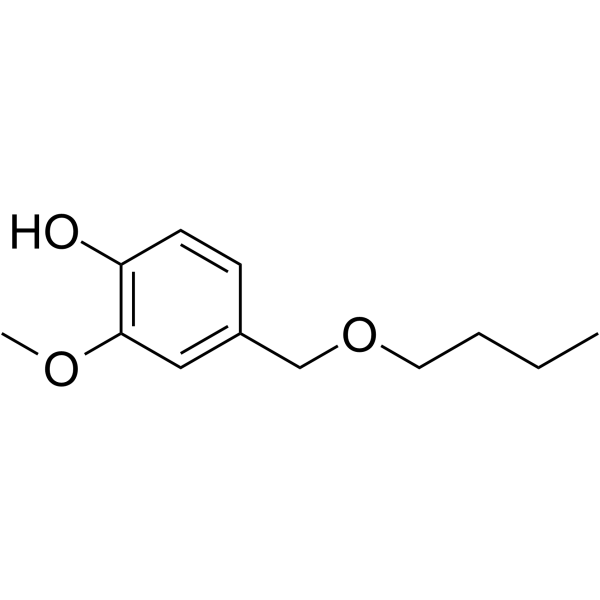
    Vanillyl butyl ether is a major contributor to the characteristic flavor and fragrance of vanilla. Vanillyl butyl ether is one of the eco-friendly and nontoxic substances. Vanillyl butyl ether exhibits mutually inhibitory effects on mammalian TRPV1 and TRPM8 channels. Vanillyl butyl ether shows repellency activity against Tribolium castaneum, T. confusum and L. bostrychophila. Vanillyl butyl ether acts as a mild warming agent, providing a warming sensation and enhancing blood circulation .
    Vanillyl butyl ether
  • HY-W015616

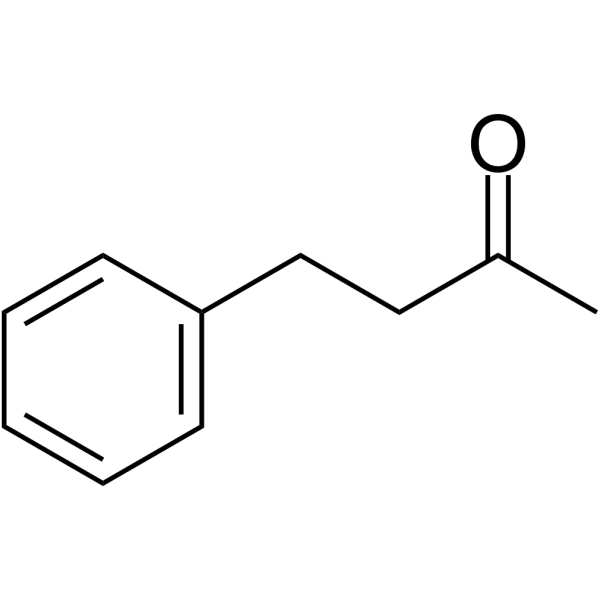
    4-Penylbutan-2-one

    Environmental Pollutants Tyrosinase Infection Metabolic Disease
    Benzylacetone (4-Penylbutan-2-one) is an aromatic compound. Benzylacetone is a mushroom tyrosinase inhibitor with an IC50 of 2.8 mM, a Ki of 1.25 mM for monophenolase and an IC50 of 0.6 mM, a Ki of 0.39 mM for diphenolase. Benzylacetone inhibits free mushroom tyrosinase and enzyme-substrate complex. Benzylacetone acts as an appetite enhancer via olfactory stimulation, reduces spontaneous locomotor activity, induces weight gain. Benzylacetone exhibits repellent, fumigant, and contact toxicity against Tribolium castaneum adults .
    Benzylacetone
  • HY-N12378

    NF-κB Toll-like Receptor (TLR) PKA Epigenetic Reader Domain Keap1-Nrf2 Sirtuin AMPK Caspase FASTK ERK ROCK Apoptosis Metabolic Disease Inflammation/Immunology Cancer
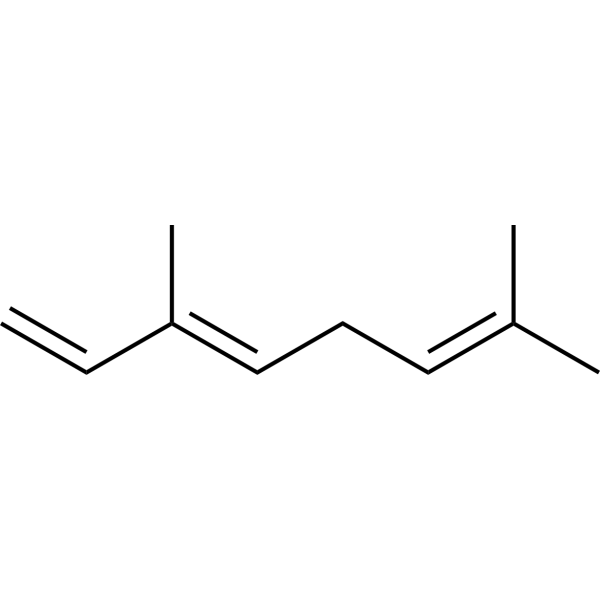
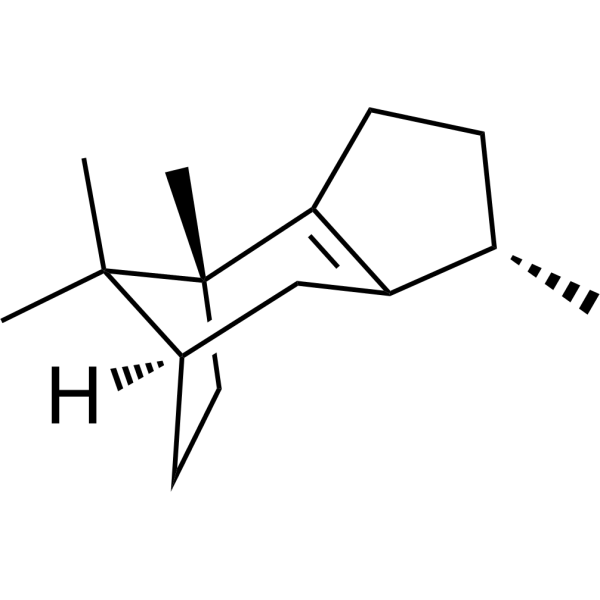
    β-Patchoulene is an orally active anti-inflammatory, antioxidant, and anti-apoptotic agent. β-Patchoulene inhibits the NF-κB, TLR4, and cAMP/PKA/CREB signaling pathways; activates the Sirt1/Nrf2 and AMPK signaling pathways; and targets Fas/FasL, Caspase-3, ERK1/2, ROCK1/MLC2 for inhibition. β-Patchoulene regulates cytokine secretion, inflammatory cell infiltration, lipid peroxidation, cell polarization, gut microbiota, and lipid metabolism, restores barrier function, mitochondrial function, and cell viability, and exhibits repellent activity against Spodoptera exigua larvae. β-Patchoulene can be used in research related to various inflammatory, ischemic, fibrosis-associated diseases, as well as hepatocellular carcinoma .
    β-Patchoulene
  • HY-112006

    (+)-alpha-Curcumene

    Drug Derivative Others
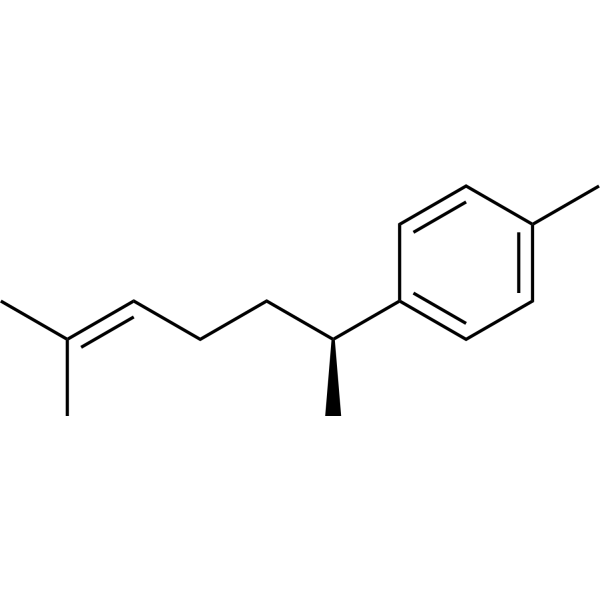
    (S)-ar-Curcumene ((+)-alpha-Curcumene), found in oil from Zingiber officinalis, is a natural product. (S)-ar-Curcumene has weak repellent activity against B. tabaci. (S)-ar-Curcumene can be used for research of insect repellent .
    (S)-ar-Curcumene
  • HY-N9496R

    Insecticide Reference Standards Infection
    Piperitone (Standard) is the analytical standard of Piperitone. This product is intended for research and analytical applications. Piperitone is as a powerful repellent and antiappetent agent. Piperitone is very toxic to Cymbopogon schoenanthus (C. schoenanthus) adults, newly laid eggs and to neonate larvae. Insecticidal activity .
    Piperitone (Standard)
  • HY-W075176

    Insecticide Infection
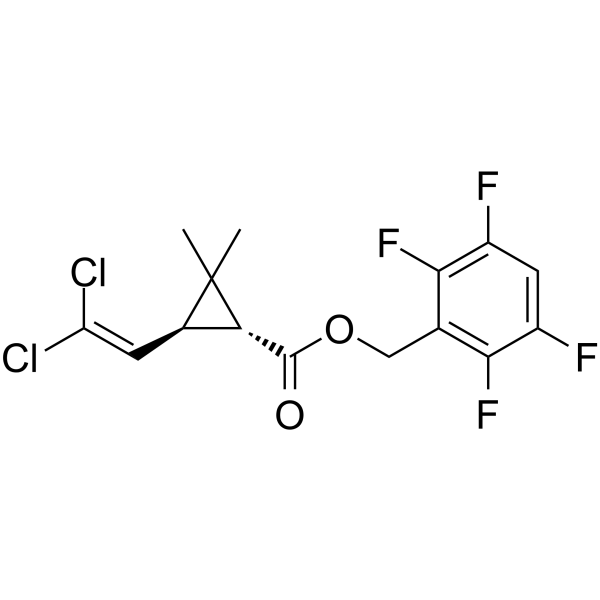
    Transfluthrin is an insecticide with extremely low acute toxicity to vertebrates. It acts as a mosquito repellent, exerts mosquito control effects via electric heating fumigators, and is widely used in studies related to malaria, bancroftian filariasis and mosquito-borne infectious diseases. Transfluthrin may also induce adverse reactions such as pulmonary sensory irritation, sensitization, genotoxicity and respiratory depression, and can increase the concentrations and activities of CYP2E1 and CYP3A2 in rat brains. Transfluthrin can be removed from wastewater through biodegradation and activated sludge adsorption, and can be degraded by microorganisms such as *Azovibrio* and *Tauera* .
    Transfluthrin
  • HY-N1096S1

    Isotope-Labeled Compounds Bacterial Parasite Infection
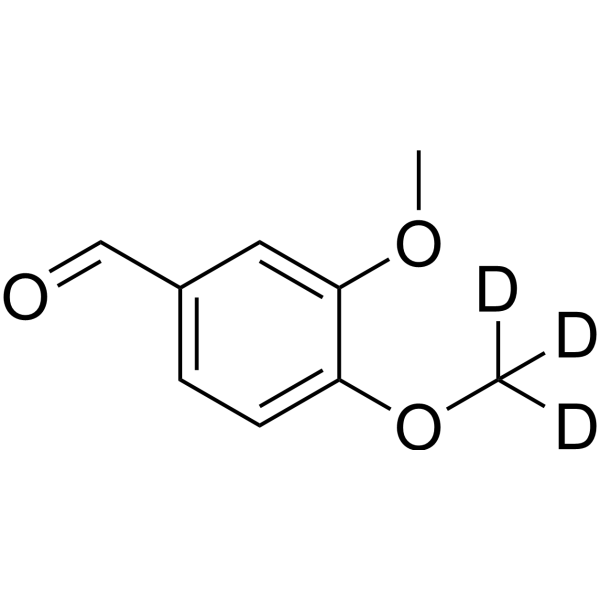
    Veratraldehyde-d3 is the deuterium labeled Veratraldehyde (HY-N1096). Veratraldehyde is an orally active aromatic compound and antibacterial agent. Veratraldehyde can be isolated from essential oils of plants such as peppermint and ginger. Veratraldehyde targets the PilY1 protein. Veratraldehyde has antibacterial activity against Pseudomonas aeruginosa. Veratraldehyde has a repellent effect against mosquitoes and ticks. Veratraldehyde can be used as a flavoring agent .
    Veratraldehyde-d3
  • HY-Y0496S

    Isotope-Labeled Compounds Insecticide Others
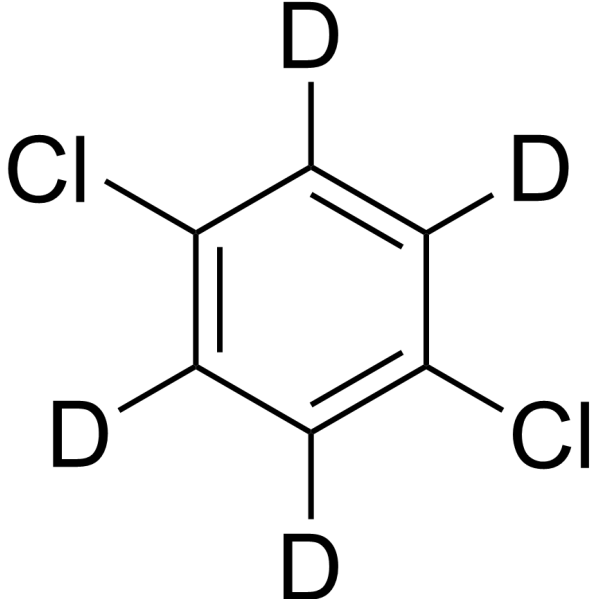
    1,4-Dichlorobenzene-d4 is the deuterium labeled 1,4-Dichlorobenzene. 1,4-Dichlorobenzene is a non-genotoxic, orally active mitogenic/tumor-promoting carcinogen that is also widely used as a dye, resin intermediate, and deodorant, moth repellent/insecticide. 1,4-Dichlorobenzene induces liver tumors in mice and promotes the growth of spontaneous precancerous lesions, but shows no liver tumor-inducing activity in F344 rats. 1,4-Dichlorobenzene increases the levels of white blood cell count, serum alanine aminotransferase and blood urea nitrogen in occupationally exposed populations. 1,4-Dichlorobenzene is metabolized to 2,5-dichlorophenol and excreted in urine, and this metabolite can serve as a biomarker for 1,4-Dichlorobenzene exposure. Due to its specific hepatotoxic characteristics, 1,4-Dichlorobenzene is applicable to liver cancer-related research .
    1,4-Dichlorobenzene-d4
  • HY-N3878

    Others Others
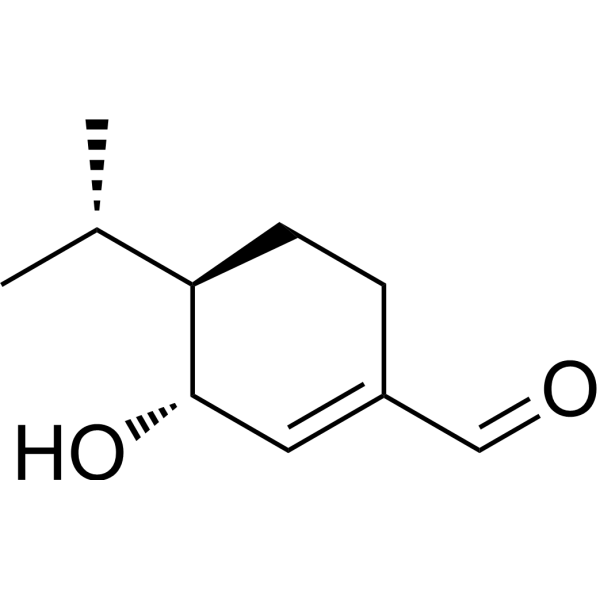
    Eucamalol is a new mosquito repellent from Eucalyptus camaldulensis, and exhibits significant repellent activity against Aedes albopictus .
    Eucamalol
  • HY-N1134

    Hinokiresinol; trans-Hinokiresinol

    Others Others
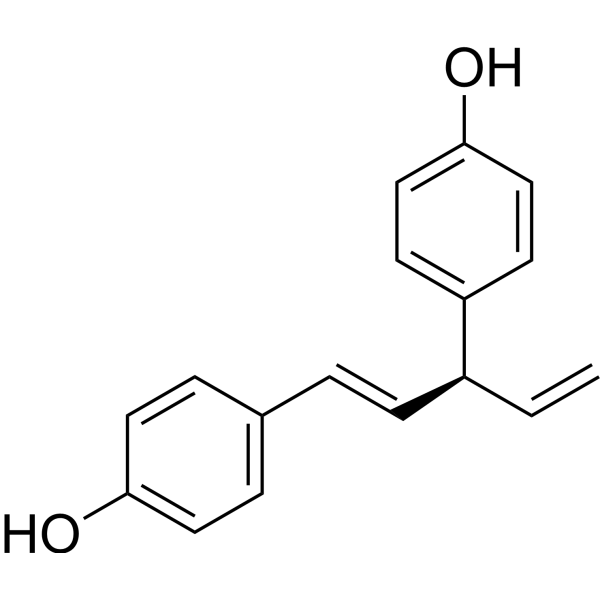
    (-)-Hinokiresinol (Hinokiresinol; trans-Hinokiresinol) can be isolated from Chamaecyparis obtusa. (-)-Hinokiresinol has weak termiticidal activity but strong antifeedant and repellent activity .
    (-)-Hinokiresinol
  • HY-N15269

    Others Others
    Cyperol is a chemical component of the Nagarmotha (Cyperus rotundus). Nagarmotha possesses various pharmacological activities such as diuresis, digestion, menstruation, insect repellent, analgesia and anti-inflammatory .
    Cyperol
  • HY-N10100

    Others Others
    Epiglobulol is a natural product that can be isolated from Atalantia buxifolia. Epiglobulol is a principal components of essential oil which has significant contact toxicity against three stored-product insects .
    Epiglobulol
  • HY-W774881

    Tiabendazole-d6; 2-(4-Thiazolyl)benzimidazole-d6

    Isotope-Labeled Compounds Others
    Thiabendazole-d6 is a deuterated labeled Thiabendazole (HY-B0263). Thiabendazole is an orally available benzimidazole fungicide with repellent and anticancer activities. Thiabendazole can result in developmental malformations. Thiabendazole can be used for modeling .
    Thiabendazole-d6
  • HY-N15444

    Fungal Infection Inflammation/Immunology
    Bullatenone is a volatile bioactive compound that can be found in Lophomyrtus bullata. It has insect - repellent, anti - ulcer, anti - UV, and antifungal activities. Bullatenone can inhibit the growth of fungi such as Candida albicans and Cladosporium resinae. Bullatenone can be used in the research of diseases such as inflammation and infections .
    Bullatenone
  • HY-N1500S1

    Isotope-Labeled Compounds TRP Channel NO Synthase Bacterial Fungal NF-κB COX p38 MAPK Keap1-Nrf2 PERK JNK Heme Oxygenase (HO) Calcium Channel Infection Neurological Disease Inflammation/Immunology
    Pulegone-d8 is deuterated labeled Pulegone (HY-N1500). Pulegone is a monoterpene ketone compound widely present in the essential oils of many plants. Pulegone can also be used as a bird repellent. Pulegone has multiple activities such as anti-inflammatory, antibacterial, antifungal, and anti-hyperalgesic effects. Pulegone is particularly effective against bacteria of the Salmonella species .
    Pulegone-d8
  • HY-N1500R

    Reference Standards TRP Channel Bacterial Fungal NO Synthase COX NF-κB p38 MAPK Keap1-Nrf2 Heme Oxygenase (HO) PERK JNK Calcium Channel Infection Neurological Disease Inflammation/Immunology
    Pulegone (Standard) is the analytical standard of Pulegone (HY-N1500). This product is intended for research and analytical applications. Pulegone is a monoterpene ketone compound widely present in the essential oils of many plants. Pulegone can also be used as a bird repellent. Pulegone has multiple activities such as anti-inflammatory, antibacterial, antifungal, and anti-hyperalgesic effects. Pulegone is particularly effective against bacteria of the Salmonella species .
    Pulegone (Standard)
  • HY-W738270

    3,4-Dimethoxy[7-13C]-benzaldehyde

    Isotope-Labeled Compounds Bacterial Parasite Infection
    Veratraldehyde- 13C (3,4-Dimethoxy[7- 13C]-benzaldehyde) is the 13C-labeled Veratraldehyde (HY-N1096). Veratraldehyde is an orally active aromatic compound and antibacterial agent. Veratraldehyde can be isolated from essential oils of plants such as peppermint and ginger. Veratraldehyde targets the PilY1 protein. Veratraldehyde has antibacterial activity against Pseudomonas aeruginosa. Veratraldehyde has a repellent effect against mosquitoes and ticks. Veratraldehyde can be used as a flavoring agent .
    Veratraldehyde-13C
  • HY-Y0496R

    Reference Standards Insecticide Others
    1,4-Dichlorobenzene (Standard) is the analytical standard of 1,4-Dichlorobenzene. This product is intended for research and analytical applications. 1,4-Dichlorobenzene is a non-genotoxic, orally active mitogenic/tumor-promoting carcinogen that is also widely used as a dye, resin intermediate, and deodorant, moth repellent/insecticide. 1,4-Dichlorobenzene induces liver tumors in mice and promotes the growth of spontaneous precancerous lesions, but shows no liver tumor-inducing activity in F344 rats. 1,4-Dichlorobenzene increases the levels of white blood cell count, serum alanine aminotransferase and blood urea nitrogen in occupationally exposed populations. 1,4-Dichlorobenzene is metabolized to 2,5-dichlorophenol and excreted in urine, and this metabolite can serve as a biomarker for 1,4-Dichlorobenzene exposure. Due to its specific hepatotoxic characteristics, 1,4-Dichlorobenzene is applicable to liver cancer-related research .
    1,4-Dichlorobenzene (Standard)
  • HY-W269352

    Insecticide Infection
    2-Dodecanone is an insecticide with repellent activity against specific insect species. 2-Dodecanone exhibits contact toxicity against adult Tribolium castaneum, Lasioderma serricorne and Liposcelis bostrychophila. 2-Dodecanone shows repellent effects against adult Lasioderma serricorne .
    2-Dodecanone
  • HY-W727481

    Parasite Insecticide Infection
    Cyetpyrafen is a pyrazole insecticide/acaricide with broad-spectrum insecticidal activity. Cyetpyrafen binds to DhelOBP4 (Ki = 4.95 μM) and DhelOBP21 (Ki = 5.51 μM) to mediate olfactory recognition in *Cryptolaemus montrouzieri*. Cyetpyrafen induces dose-dependent electroantennogram responses in *Cryptolaemus montrouzieri* and exhibits repellent effects on the species. Cyetpyrafen has bioaccumulative properties, is rapidly and passively absorbed by the roots of lettuce and rice, reaches a steady state within 24 h, preferentially accumulates in roots, and shows limited xylem/phloem translocation .
    Cyetpyrafen
  • HY-W015616R

    4-Penylbutan-2-one (Standard)

    Tyrosinase Reference Standards Infection Metabolic Disease
    Benzylacetone (4-Penylbutan-2-one) (Standard) is the analytical standard of Benzylacetone (HY-W015616). This product is intended for research and analytical applications. Benzylacetone is an aromatic compound. Benzylacetone is a mushroom tyrosinase inhibitor with an IC50 of 2.8 mM, a Ki of 1.25 mM for monophenolase and an IC50 of 0.6 mM, a Ki of 0.39 mM for diphenolase. Benzylacetone inhibits free mushroom tyrosinase and enzyme-substrate complex. Benzylacetone acts as an appetite enhancer via olfactory stimulation, reduces spontaneous locomotor activity, induces weight gain. Benzylacetone exhibits repellent, fumigant, and contact toxicity against Tribolium castaneum adults .
    Benzylacetone (Standard)
  • HY-N12378A

    Drug Derivative Metabolic Disease Inflammation/Immunology Cancer
    α-Patchoulene is an orally active anti-inflammatory, antioxidant, and anti-apoptotic agent. α-Patchoulene inhibits the NF-κB, TLR4, and cAMP/PKA/CREB signaling pathways; activates the Sirt1/Nrf2 and AMPK signaling pathways; and targets Fas/FasL, Caspase-3, ERK1/2, ROCK1/MLC2 for inhibition. α-Patchoulene regulates cytokine secretion, inflammatory cell infiltration, lipid peroxidation, cell polarization, gut microbiota, and lipid metabolism, restores barrier function, mitochondrial function, and cell viability, and exhibits repellent activity against Spodoptera exigua larvae. α-Patchoulene can be used in research related to various inflammatory, ischemic, fibrosis-associated diseases, as well as hepatocellular carcinoma .
    α-Patchoulene

Inquiry Online

Your information is safe with us. * Required Fields.

Salutation


Country or Region *

Applicant Name *


Organization Name *

Department *


Email Address *


Product Name *

Cat. No.


Requested quantity *

Phone Number *


Remarks

Inquiry Online

Inquiry Information

Product Name:
Cat. No.:
Quantity:
MCE Japan Authorized Agent:

