Search Result
Results for "
SPPS
" in MedChemExpress (MCE) Product Catalog:
1
Biochemical Assay Reagents
12
Isotope-Labeled Compounds
| Cat. No. |
Product Name |
Target |
Research Areas |
Chemical Structure |
-
- HY-B2060A
-
|
Thiamutilin fumarate
|
Bacterial
Antibiotic
|
Infection
|
|
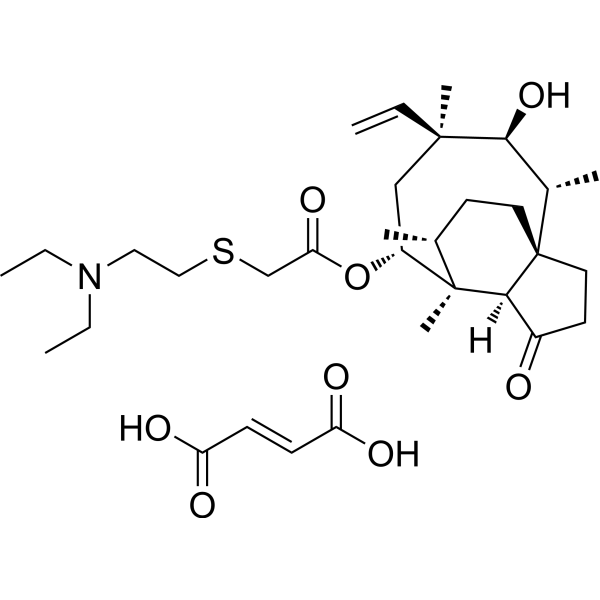
Tiamulin (Thiamutilin) fumarate is a diterpenic antibiotic that is widely used in pigs and poultry for the control of infectious diseases. Tiamulin fumarate is effectively used in the study of airsacculitis, which is primarily caused by Mycoplasma spp .
|
-
-
- HY-Y1636
-
-
-
- HY-108009A
-
|
Biafungin acetate; CD101 acetate; SP-3025 acetate
|
Fungal
|
Infection
|
|
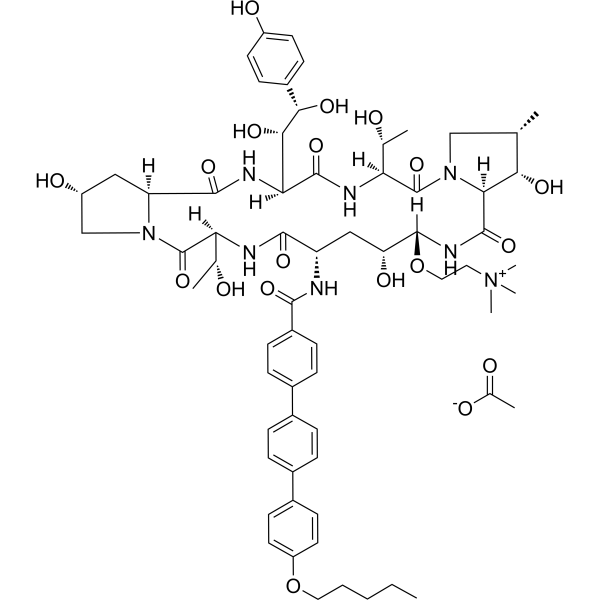
Rezafungin acetate (Biafungin acetate) is a next-generation, broad-spectrum, and long-lasting echinocandin. Rezafungin acetate shows potent antifungal activity against Candida spp., Aspergillus spp., and Pneumocystis spp. .
|
-
-
- HY-P990116
-
|
|
Osteopontin
|
Inflammation/Immunology
|
|
Anti-Mouse osteopontin/SPP1 Antibody (103D6) is a mouse-derived anti-mouse osteopontin/SPP1 IgG2c κ type antibody inhibitor. Anti-Mouse osteopontin/SPP1 Antibody (103D6) increases cytotoxic T lymphocyte lytic activity and suppresses colon tumor growth. Anti-Mouse osteopontin/SPP1 Antibody (103D6) ameliorates liver injury in common bile duct ligation (CBDL)-induced primary sclerosing cholangitis mice models .
|
-
-
- HY-P990117
-
|
|
Integrin
|
Cardiovascular Disease
Cancer
|
|
Anti-Mouse/Rat/Human Osteopontin/SPP1 Antibody (MPIIIB10) is a mouse-derived Osteopontin/SPP1 IgG1 κ type antibody inhibitor. Anti-Mouse/Rat/Human Osteopontin/SPP1 Antibody (MPIIIB10) blocks Angiotensin II (HY-13948)-induced DNA synthesis and collagen gel contraction in cardiac fibroblasts. Anti-Mouse/Rat/Human Osteopontin/SPP1 Antibody (MPIIIB10) significantly inhibits tumor growth in CT26 or MC38 tumors mice models .
|
-
-
- HY-104029
-
|
F901318
|
Fungal
Dihydroorotate Dehydrogenase
|
Infection
|
|
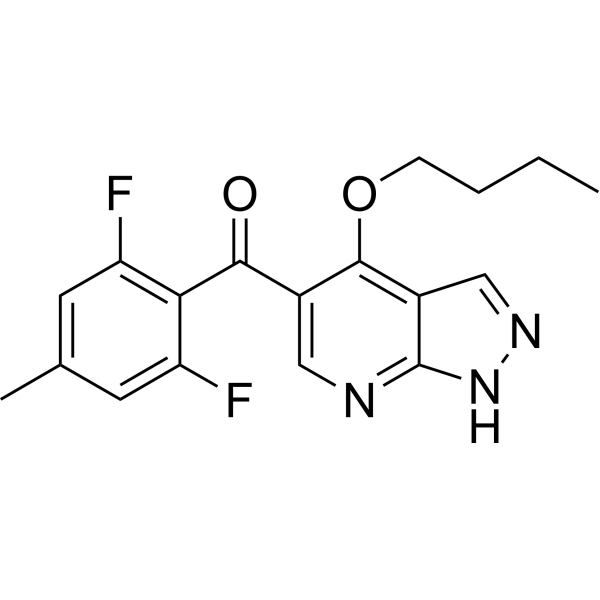
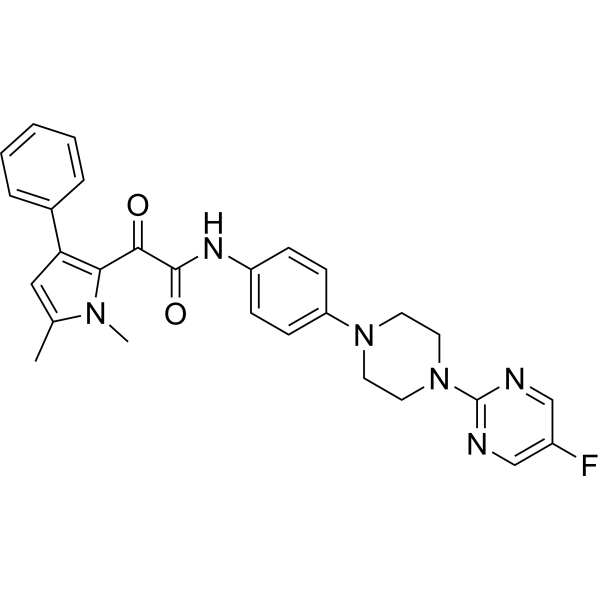
Olorofim (F901318) selectively inhibits fungal dihydroorotate dehydrogenase (DHODH), a key enzyme in the pyrimidine biosynthesis pathway. Olorofim (F901318). Olorofim exhibits excellent activity against A. fumigatus and other Aspergillus spp. .
|
-
-
- HY-126491
-
|
|
Drug-Linker Conjugates for ADC
|
Cancer
|
|
SPP-DM1 is a agent-linker conjugate for ADC with potent antitumor activity by using DM1 (a potent microtubule-disrupting agent), linked via the ADC linker SPP .
|
-
-
- HY-B2060
-
|
Thiamutilin
|
Bacterial
Antibiotic
|
Infection
|
|
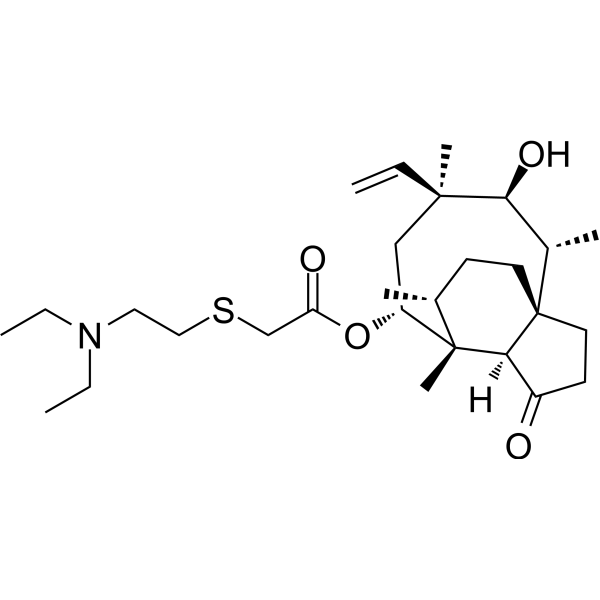
Tiamulin (Thiamutilin) is a diterpenic antibiotic that is widely used in pigs and poultry for the control of infectious diseases. Tiamulin is effectively used in the study of airsacculitis, which is primarily caused by Mycoplasma spp .
|
-
-
- HY-W009168
-
|
|
Bacterial
Antibiotic
|
Infection
Cancer
|
|
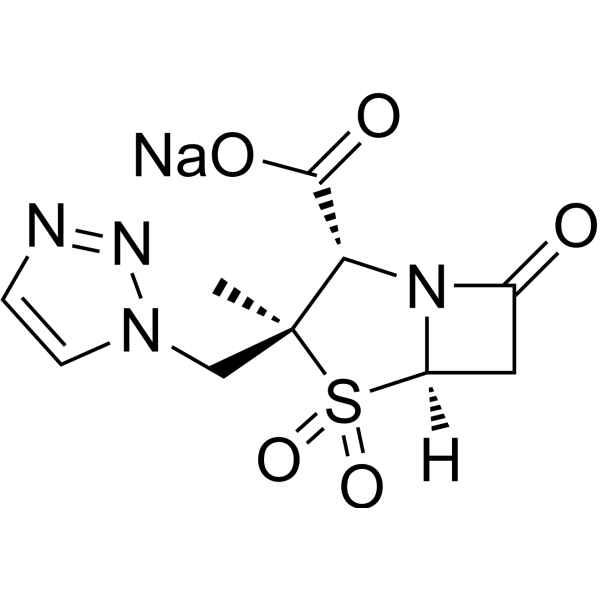
Tazobactam sodium is an antibiotic of the beta-lactamase inhibitor class. Ceftolozane combines with Tazobactam, extends the activity of ceftolozane against many ESBL-producing Enterobacteriaceae and some Bacteroides spp..
|
-
-
- HY-16911
-
|
API-1252; Debio 1452
|
Bacterial
Antibiotic
|
Infection
|
|
AFN-1252 is an orally active and selective inhibitor of FabI, an essential enzyme in fatty acid biosynthesis in Staphylococcus spp. AFN-1252 exhibits exquisite and highly selective activity against Staphylococcus spp. AFN-1252 exhibits typical MIC90 values of ⩽0.015 μg/ml against diverse clinical isolates of S. aureus. AFN-1252 is efficacious in a mouse model of septicemia providing 100% protection from an otherwise lethal peritoneal infection of S. aureus Smith .
|
-
-
- HY-108009
-
|
Biafungin; CD101; SP-3025
|
Fungal
|
Infection
|
|
Rezafungin (Biafungin) is a next-generation, broad-spectrum, and long-lasting echinocandin. Rezafungin shows potent antifungal activity against Candida spp., Aspergillus spp., and Pneumocystis spp. .
|
-
-
- HY-P990795
-
|
|
Osteopontin
|
Inflammation/Immunology
Cancer
|
|
Anti-Mouse osteopontin/SPP1 Antibody (100D3) is an anti-mouse osteopontin/SPP1 IgG2c monoclonal antibody. Anti-Mouse osteopontin/SPP1 Antibody (100D3) can reverse the inhibition of osteopontin (OPN) on T cells and enhance cytotoxic T lymphocyte (CTL) killing ability. Anti-Mouse osteopontin/SPP1 Antibody (100D3) can improve dentin density. Anti-Mouse osteopontin/SPP1 Antibody (100D3) can be used for researches on cancer and dental related conditions such as colon cancer. The recommend isotype control of Anti-Mouse osteopontin/SPP1 Antibody (100D3): Mouse IgG2c kappa, Isotype Control (HY-P99981) .
|
-
-
- HY-N2340
-
|
(+)-Melezitose; D-Melezitose
|
Bacterial
|
Infection
|
|
D-(+)-Melezitose can be used to identify clinical isolates of indole-positive and indole-negative Klebsiella spp.
|
-
-
- HY-128926
-
SPP
1 Publications Verification
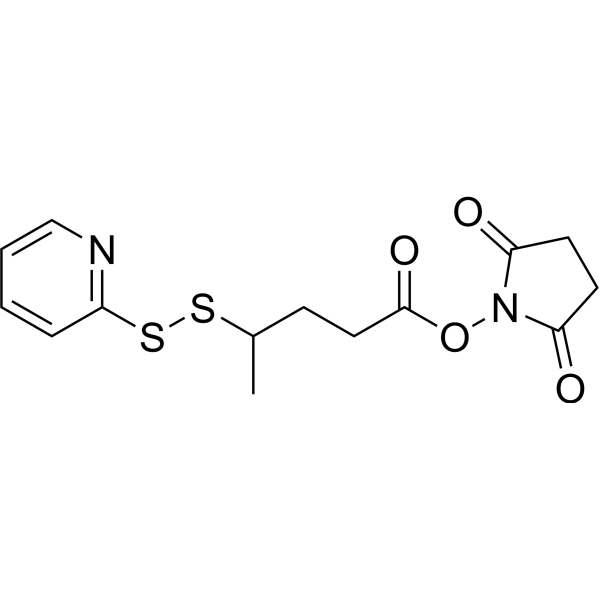
N-succinimidyl 4-(2-pyridyldithio) pentanoate
|
ADC Linker
|
Cancer
|
|
SPP (N-succinimidyl 4-(2-pyridyldithio) pentanoate) is a cleavable disulfide linker, can be used to form cytotoxic compound- linker conjugate .
|
-
-
- HY-Y0760
-
|
3-Anisic acid; NSC 27014; m-Methoxybenzoic acid
|
Drug Intermediate
|
Infection
|
|
3-Methoxybenzoic acid (3-Anisic acid; NSC 27014; m-Methoxybenzoic acid) is a substituted benzoic acid and precursor for synthesis of hydrazide-hydrazone derivatives active against Gram-positive bacteria, including Bacillus spp .
|
-
-
- HY-105048
-
|
|
Bacterial
|
Infection
|
|
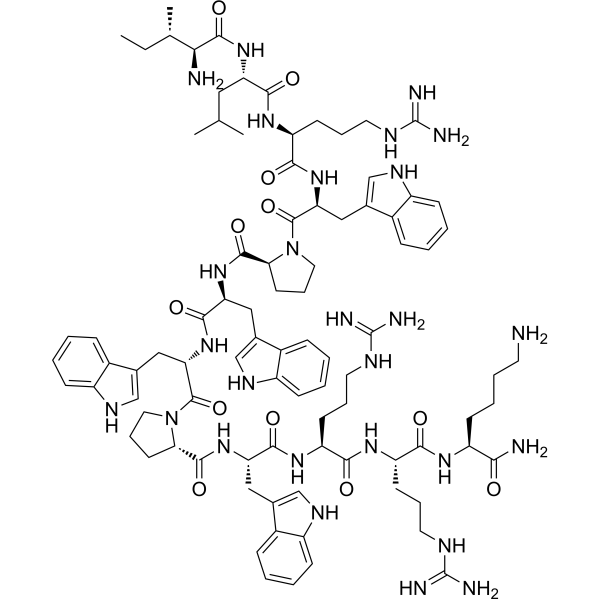
Omiganan is a cationic antimicrobial peptide. Omiganan as an analogue of indolicidin shows activity against gram-positive and gram-negative bacteria but also Candida spp. isolates. Omiganan can be used for the research of alcohol nose and acne .
|
-
-
- HY-110193
-
SPP-86
2 Publications Verification
|
RET
|
Cancer
|
|
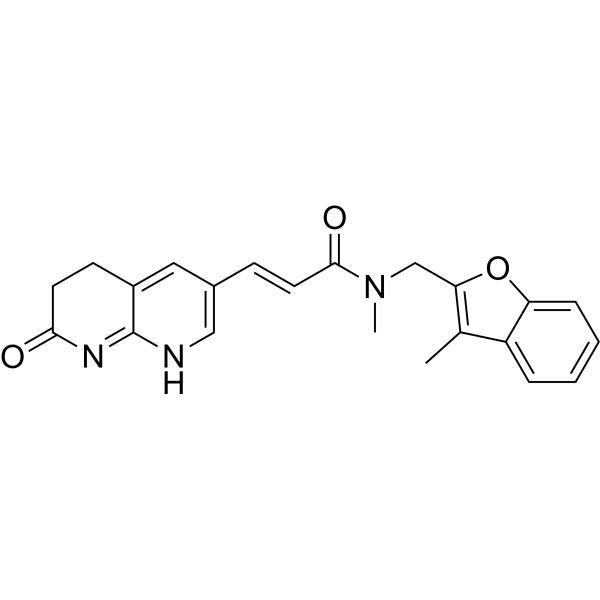
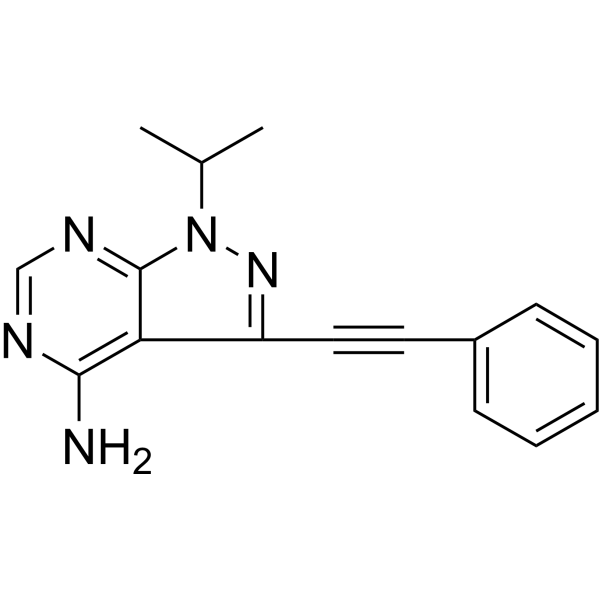
SPP-86 is a potent and selective cell permeable inhibitor of RET tyrosine kinase, with an IC50 of 8 nM. SPP-86 inhibits RET-induced phosphatidylinositide 3-kinases (PI3K)/Akt and MAPK signaling, also inhibits RET-induced estrogen receptorα (ERα) phosphorylation in MCF7 cells . SPP-86 is a click chemistry reagent, it contains an Alkyne group and can undergo copper-catalyzed azide-alkyne cycloaddition (CuAAc) with molecules containing Azide groups.
|
-
-
- HY-P2148
-
|
|
Bacterial
Antibiotic
|
Infection
Inflammation/Immunology
|
|
P-113 is an antimicrobial peptide (AMP) derived from the human salivary protein histatin 5. P-113 is active against clinically important microorganisms such as Pseudomonas spp., Staphylococcus spp., and C. albicans .
|
-
-
- HY-129034
-
|
|
Bacterial
Antibiotic
|
Infection
|
|
Ramoplanin is a broad-spectrum lipoglycodepsipeptide antibiotic derived from the Actinoplanes spp with with activity against gram-positive bacteria .
|
-
-
- HY-W099729
-
|
|
Bacterial
|
Inflammation/Immunology
|
|
Ethylhexylglycerin has antimicrobial activity, inhibiting the growth of Acinetobacter spp., Pseudomonas aeruginosa complex, and Stenotrophomonas maltophilia. Ethylhexylglycerin can cause pigmentary contact dermatitis .
|
-
-
- HY-122071
-
|
|
Antibiotic
Bacterial
|
Infection
|
|
Bicyclomycin is an antibiotic. Bicyclomycin exhibits selective antibacterial activity against Gram-negative bacteria such as Escherichia coli and Klebsiella spp., with no cross-resistance. Bicyclomycin is applicable to the research of infectious diseases .
|
-
-
- HY-B0643
-
|
LY237216
|
Bacterial
Antibiotic
|
Infection
|
|
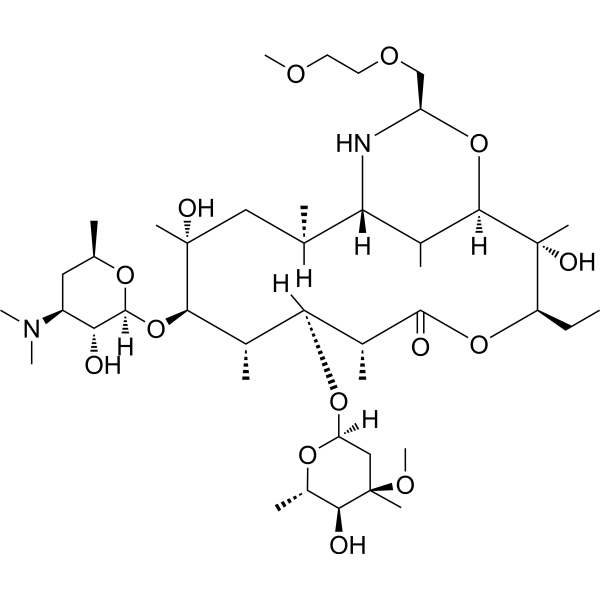
Dirithromycin (LY237216), a derivative of Erythromycin, is a potent and orally active semi-synthetic macrolide antibiotic. Dirithromycin is active against gram-positive bacteria, Legionella spp., Helicobacter pylori, and Chlamydia trachomatis .
|
-
-
- HY-B1036
-
|
|
Parasite
|
Infection
|
|
Decoquinate is an orally active, selective inhibitor of the mitochondrial bc1 complex, targeting Eimeria spp. sporozoites and first generation schizonts, and Plasmodium spp. Decoquinate inhibits electron transfer by competitively binding to the mitochondrial cytochrome b system, blocking the parasite's energy metabolism, thereby inhibiting its development and reproduction. Decoquinate has significant anticoccidial activity, preventing intestinal damage and improving host growth performance, and also has inhibitory effects on the liver and blood stages of Plasmodium. Decoquinate is mainly used in veterinary research to prevent and treat coccidiosis in ruminants and poultry .
|
-
-
- HY-B0293A
-
|
|
Fungal
|
Infection
|
|
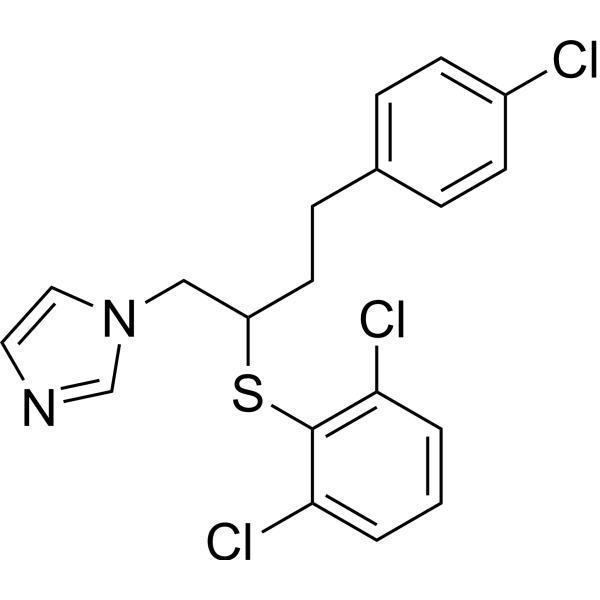
Butoconazole, an imidazole antifungal agent, is active against Candida spp. and effective against vaginal infections due to Candida albicans. Butoconazole is presumed to function as other imidazole derivatives via inhibition of steroid synthesis .
|
-
-
- HY-12136
-
-
-
- HY-W020785
-
|
|
Environmental Pollutants
Cholinesterase (ChE)
|
Others
|
|
Fosthiazate is a broad-spectrum nematicide against various plant parasitic nematodes, including Meloidogyne spp., Globodera spp., and Pratylenchus spp., through inhibiting the synthesis of acetylcholinesterase .
|
-
-
- HY-111360
-
SPL-707
1 Publications Verification
|
γ-secretase
|
Inflammation/Immunology
|
|
SPL-707 is an orally active, selective signal peptide peptidase-like 2a (SPPL2a) inhibitor with an IC50 of 77 nM for hSPPL2a. SPL-707 inhibits γ-secretase (IC50=6.1 μM) and SPP (IC50=3.7 μM). SPL-707 has the potential for autoimmune diseases research by targeting B cells and dendritic cells .
|
-
-
- HY-126409
-
|
|
Others
|
Others
|
|
Petunidin-3-O-arabinoside chloride is an anthocyanin with antioxidant activity that can be isolated from blueberry (Vaccinium Spp.) puree .
|
-
-
- HY-N6695
-
|
Aflatoxin R0
|
Drug Metabolite
|
Cancer
|
|
Aflatoxin (Aflatoxin R0) is a metabolite of aflatoxin B1 produced from Rhizopus spp , and is mutagenic and carcinogenic mycotoxin .
|
-
-
- HY-16246
-
|
|
Fungal
|
Infection
|
|
Haloprogin is a potent antifungal agent. Haloprogin has activity against dermatophytes, Candida spp and a limited number of Gram-positive bacteria .
|
-
-
- HY-172888
-
|
|
Endogenous Metabolite
Sialyltransferase
FAK
Integrin
|
Cancer
|
|
SPP-037 is an orally active and selective inhibitor of ST6GAL1 (IC50 = 3.59 μM). SPP-037 inhibits integrin α2,6-sialylation and integrin-FAK-paxillin pathway. SPP-037 inhibits cancer cell proliferation, migration and exhibits antiangiogenic activity. SPP-037 has anti-tumor activity in MDA-MB-231 xenograft mouse model. SPP-037 can be used for the research of triple-negative breast cancer .
|
-
-
- HY-RS16219
-
|
|
Small Interfering RNA (siRNA)
|
Others
|
|
SPP1 Mouse Pre-designed siRNA Set A contains three designed siRNAs for SPP1 gene (Mouse), as well as a negative control, a positive control, and a FAM-labeled negative control.
|
-
SPP1 Mouse Pre-designed siRNA Set A
-
- HY-RS13702
-
|
|
Small Interfering RNA (siRNA)
|
Others
|
|
SPP1 Human Pre-designed siRNA Set A contains three designed siRNAs for SPP1 gene (Human), as well as a negative control, a positive control, and a FAM-labeled negative control.
|
-
SPP1 Human Pre-designed siRNA Set A
-
- HY-N9142
-
|
Ergosterol 3-O-β-D-glucopyranoside
|
Others
|
Others
|
|
Ergosterol glucoside is a steroid that can be isolated from Tuber spp. truffles .
|
-
-
- HY-126987
-
-
-
- HY-P990227
-
|
|
Interleukin Related
Bacterial
|
Infection
Inflammation/Immunology
|
|
Anti-Mouse IL-12 Antibody (R1-5D9) is a rat-derived IgG2a type antibody inhibitor, targeting to mouse IL-12. Anti-Mouse IL-12 Antibody (R1-5D9) can neutralize IL-12. Anti-Mouse IL-12 Antibody (R1-5D9) can be used for the researches of infection, inflammation and immunology, such as Leishmania infection and skin inflammation .
|
-
-
- HY-N1923
-
|
|
Others
|
Cardiovascular Disease
|
|
Hypaconine is a C19-diterpenoid alkaloid isolated from Aconitum and Delphinium spp. Hypaconine exhibits strong cardiac activity .
|
-
-
- HY-136425
-
|
Fosetyl-Al
|
Fungal
|
Infection
|
|
Fosetyl-aluminum (Fosetyl-Al) is an active ingredient in many fungicides against downy mildew. Fosetyl-aluminum is used to control many diseases caused by Phytophthora spp. on agricultural and horticultural crops .
|
-
-
- HY-N6740
-
|
|
Apoptosis
|
Metabolic Disease
|
|
Beta-Zearalenol is an mycotoxin produced by Fusarium spp, which causes apoptosis and oxidative stress in mammalian reproductive cells . Beta-Zearalenol is the derivative of zearalenone (ZEA) which can conjugate with glucuronic acid .
|
-
-
- HY-N4108
-
|
|
P-glycoprotein
|
Inflammation/Immunology
Cancer
|
|
Hypophyllanthin is a major lignan in Phyllanthus spp, with strong anti-inflammatory activity. Hypophyllanthin directly inhibits P-glycoprotein (P-gp) activity and did not interfere with multidrug resistance protein 2 (MRP2) activity .
|
-
-
- HY-116479
-
|
|
Bacterial
|
Others
|
|
Citromycetin is an aromatic polyketide compound from Australian marine-derived and terrestrial Penicillium spp .
|
-
-
- HY-105282
-
|
MM 45289; A 82846A
|
Antibiotic
Bacterial
|
Infection
|
|
Eremomycin (MM 45289) is a potent glycopeptide antibiotic closely related to Vancomycin (HY-B0671). Eremomycin shows antibacterial activity in Staphylococcus spp. and Bacillus subtilis ATCC6633, with the MIC values of 0.03-1.6 μg/mL .
|
-
-
- HY-151786
-
|
|
ADC Linker
|
Others
|
|
Fmoc-L-Lys(Pentynoyl-DIM)-OH is a click chemistry reagent containing an azide. Fmoc-L-Lys(Pentynoyl-DIM)-OH can be used as a SPPS building block for the “helping hand” strategy for purification of highly insoluble peptides. Solubilizing residues are attached to the Lys side-chains using Click-chemistry. The solubilizing tag can be removed with 1M hydrazine or hydroxylamine solution . It contains an azide group and can undergo copper-catalyzed azide-alkyne cycloaddition (CuAAc) with molecules containing alkyne groups. It can also undergo ring strain-promoted alkyne-azide cycloaddition (SPAAC) with molecules containing DBCO or BCN groups.
|
-
-
- HY-W286805
-
|
Phenalenone
|
Fungal
|
Infection
|
|
Perinaphthenone has antifungal activity, with IC50s of 36.2 μM (at day 3), 13.3 μM (at day 3), and 39.0 μM (at 60 h) for Botrytis spp., Fusarium spp. and Botryodiplodia spp., respectively .
|
-
-
- HY-151679
-
|
|
ADC Linker
|
Others
|
|
Fmoc-L-Lys(4-N3-Z)-OH is a click chemistry reagent containing an azide group. Fmoc-L-Lys(4-N3-Z)-OH acts as Lysine building-block for SPPS containing an Azide moiety as a bioorthogonal ligation handle, an infrared probe and a photo-affinity reagent. It can be decaged by trans-cyclooctenols via a strain-promoted 1,3-dipolar cycloaddition . Fmoc-L-Lys(4-N3-Z)-OH is a click chemistry reagent, it contains an Azide group and can undergo copper-catalyzed azide-alkyne cycloaddition reaction (CuAAc) with molecules containing Alkyne groups. It can also undergo strain-promoted alkyne-azide cycloaddition (SPAAC) reactions with molecules containing DBCO or BCN groups.
|
-
-
- HY-129377
-
|
|
ADC Linker
|
Cancer
|
|
Sulfo-SPP is a heterobifunctional, thiol-cleavable and membrane impermeable crosslinker.
|
-
-
- HY-N2340A
-
|
(+)-Melezitose hydrate; D-Melezitose hydrate
|
Bacterial
|
Infection
|
|
D-(+)-Melezitose hydrate ((+)-Melezitose hydrate) can be used to identify clinical isolates of indole-positive and indole-negative Klebsiella spp .
|
-
-
- HY-12613
-
|
NSC 45109
|
Drug Derivative
Fungal
|
Others
|
|
2-C-methylene-myo-inositol oxide (NSC 45109), an inositol derivative, induces pseudohyphae formation in Saccharomyces spp .
|
-
-
- HY-151671
-
|
|
ADC Linker
|
Others
|
|
Fmoc-L-MeLys(N3)-OH is a click chemistry reagent containing an azide. Fmoc-L-MeLys(N3)-OH is a SPPS building-block for the introduction of N-Me-Lys that can be modified at the N3-group using Click-chemistry . Fmoc-L-MeLys(N3)-OH is a click chemistry reagent, it contains an Azide group and can undergo copper-catalyzed azide-alkyne cycloaddition reaction (CuAAc) with molecules containing Alkyne groups. It can also undergo strain-promoted alkyne-azide cycloaddition (SPAAC) reactions with molecules containing DBCO or BCN groups.
|
-
-
- HY-163548
-
|
|
Sialyltransferase
|
Cancer
|
|
SPP-002 is a ST6GAL1 inhibitor with a human IC50 of 16.7 μM. SPP-002 selectively inhibits N-glycan sialylation over O-glycan sialylation and binds strongly to the enzyme active site. SPP-002 suppresses expression of signaling proteins in the integrin/FAK/paxillin pathway. SPP-002 can be used for the research of triple negative breast cancer metastasis .
|
-
- HY-W250315
-
|
pectate sodium
|
Glycosidase
Bacterial
Endogenous Metabolite
|
Others
|
|
Polypectate sodium is a major component of cell wall polysaccharides (pectins) and is used as a carbon source and inducer of polygalacturonase. Polypectate sodium can also be used to evaluate alkaline active and alkaline stable pectate lyases from Streptomyces spp. and to study the optimization of polygalacturonase production from Xanthophyllum spp. and reaction conditions .
|
-
- HY-130110
-
|
|
ADC Linker
|
Cancer
|
|
Sulfo-DMAC-SPP is a cleavable ADC linker used in the synthesis of antibody-drug conjugates (ADCs) .
|
-
- HY-W013781
-
|
|
Biochemical Assay Reagents
|
Others
|
|
Boc-Glu(OBzl)-OH (Compound 9) is a glutamic acid derivative commonly used in Boc SPPS. Glutamic acid residues increase the hydrophilicity of the polypeptide and play an important structural and receptor binding role .
|
-
- HY-139698
-
|
LCB10-0200
|
Antibiotic
Bacterial
|
Infection
|
|
GT-1 (LCB10-0200), a siderophore-linked cephalosporin, is effective against clinical isolates of P. aeruginosa, Klebsiella oxytoca, Proteus spp., Serratia marcescens, and Enterobacter aerogenes.
|
-
- HY-P99140
-
|
|
Interleukin Related
|
Infection
Metabolic Disease
Inflammation/Immunology
|
|
Anti-Mouse IL-1R Antibody (JAMA-147) is an anti-mouse IL-1R IgG2b antibody inhibitor derived from host Armenian Hamster. Anti-Mouse IL-1R Antibody (JAMA-147) diminishes Spp1hi-TAM-mediated T cell suppression. Anti-Mouse IL-1R Antibody (JAMA-147) can be used for the researches of inflammation, metabolic disease and infection, such as diabetes .
|
-
- HY-164207
-
|
|
Biochemical Assay Reagents
|
Infection
|
|
VLPA-GlcNAc is a chromogenic glucosaminide substrate. VLPA-GlcNAc can be used to prepare agar media for the identification of Candida spp .
|
-
- HY-P11187
-
|
|
Bacterial
|
Infection
|
|
Bactofencin A is a novel class IId bacteriocin. Bactofencin A can be produced by the intestinal isolate Lactobacillus salivarius DPC6502. Bactofencin A displays activity against S. aureus and Listeria spp .
|
-
- HY-16246R
-
|
|
Fungal
Reference Standards
|
Infection
|
|
Haloprogin (Standard) is the analytical standard of Haloprogin. This product is intended for research and analytical applications. Haloprogin is a potent antifungal agent. Haloprogin has activity against dermatophytes, Candida spp and a limited number of Gram-positive bacteria .
|
-
- HY-N12178
-
|
A 83094A; Omomycin
|
Antibiotic
Bacterial
Parasite
|
Infection
|
|
16-Deethylindanomycin (A 83094A) is an antibiotic, which can be produced by Streptomyces setonii. 16-Deethylindanomycin exhibits antimicrobial activities against gram-positive bacteria Staphylococcus spp. and Streptococcus with MIC of 2-4 µg/mL. 16-Deethylindanomycin exhibits anticoccidial activity against Eimeria tenella .
|
-
- HY-106940
-
|
|
Bacterial
DNA/RNA Synthesis
|
Infection
|
|
DV-7751A is a new Fluoroquinolone and antibacterial agent. DV-7751A inhibits the supercoiling activity of DNA gyrases. DV-7751A exhibits antimicrobial activity against Streptococcus pneumonae, Streptococcus pyogenes, and Peptostreptococcus spp. DV-7751A has a rapid bactericidal effect against S. aureus, Escherichia coli, and P. aeruginosa .
|
-
- HY-120729
-
|
Curamil
|
Fungal
|
Infection
|
|
Pyrazophos (Curamil) is a slightly systemic fungicide against the powdery mildew on crops and cereals. Pyrazophos is widely used in Greece to control diseases caused by Erysiphe spp., Sphaerotheca spp., Leveillula spp. and Oidium spp. .
|
-
- HY-125388
-
|
|
Antibiotic
Bacterial
|
Infection
|
|
Martinomycin is an antibiotic, which inhibits Staphylococcus spp., Streptococcus spp. and Enterococcus spp., with MICs ranging from 0.06 to 0.5 μg/mL .
|
-
- HY-129367
-
|
|
ADC Linker
|
Cancer
|
|
NO2-SPP is a cleavable linker that is used for making antibody-drug conjugate (ADC).
|
-
- HY-W020785R
-
|
|
Cholinesterase (ChE)
Reference Standards
|
Others
|
|
Fosthiazate (Standard) is the analytical standard of Fosthiazate. This product is intended for research and analytical applications. Fosthiazate is a broad-spectrum nematicide against various plant parasitic nematodes, including Meloidogyne spp., Globodera spp., and Pratylenchus spp., through inhibiting the synthesis of acetylcholinesterase .
|
-
- HY-RS25876
-
|
|
Small Interfering RNA (siRNA)
|
Others
|
|
Spp2 Rat Pre-designed siRNA Set A contains three designed siRNAs for Spp2 gene (Rat), as well as a negative control, a positive control, and a FAM-labeled negative control.
|
-
Spp2 Rat Pre-designed siRNA Set A
- HY-RS13703
-
|
|
Small Interfering RNA (siRNA)
|
Others
|
|
SPP2 Human Pre-designed siRNA Set A contains three designed siRNAs for SPP2 gene (Human), as well as a negative control, a positive control, and a FAM-labeled negative control.
|
-
SPP2 Human Pre-designed siRNA Set A
- HY-129377A
-
|
|
ADC Linker
|
Cancer
|
|
Sulfo-SPP sodium a heterobifunctional, thiol-cleavable and membrane impermeable crosslinker.
|
-
- HY-N11995
-
|
|
Others
|
Others
|
|
allo-Aloeresin D is a chromone glycoside isolated from Aloe spp. .
|
-
- HY-N15183
-
|
|
Fungal
|
Infection
|
|
Aselacin C is a cyclic peptide that can be isolated from the fungus Acremonium spp. .
|
-
- HY-130111
-
|
|
ADC Linker
|
Cancer
|
|
DMAC-SPP is a cleavable ADC linker used in the synthesis of antibody-drug conjugates (ADCs) .
|
-
- HY-N2340R
-
|
(+)-Melezitose (Standard); D-Melezitose (Standard)
|
Reference Standards
Bacterial
|
Infection
|
|
D-(+)-Melezitose can be used to identify clinical isolates of indole-positive and indole-negative Klebsiella spp.
|
-
- HY-N15015
-
|
|
Phosphatase
|
Metabolic Disease
|
|
Dephostatin is a competitive protein tyrosine phosphatase (PTP) inhibitor that can be isolated from Streptomyces spp., with activity in the micromolar range .
|
-
- HY-129378
-
|
|
ADC Linker
|
Cancer
|
|
NO2-SPP-sulfo-Me is a cleavable linker that is used for making antibody-drug conjugate (ADC) .
|
-
- HY-133547
-
|
|
ADC Linker
|
Cancer
|
|
NO2-SPP-sulfo is a cleavable ADC linker used in the synthesis of antibody-drug conjugates (ADCs) .
|
-
- HY-P0068
-
|
HMR 3270; IP960; NXL201
|
Fungal
|
Infection
|
|
Aminocandin (HMR 3270) is water-soluble antifungal agent of the echinocandin class with excellent activity against Aspergillus and Candida spp. .
|
-
- HY-N12414
-
|
|
Bacterial
|
Cancer
|
|
Apicularen A is a macrolide isolated from the mucoid bacterium Chondrosporium spp. Apicularen A is also a highly selective inhibitor of vesicular ATPase .
|
-
- HY-136384
-
|
|
Fungal
|
Infection
|
|
Diethofencarb is a fungicide with strong activity against Botrytis cinerea and Benzimidazole-resistant strains of Botryis spp. Diethofencarb has a role as an antifungal agrochemical .
|
-
- HY-126157
-
|
|
Apoptosis
|
Inflammation/Immunology
|
|
Linearol, a diterpene extracted from Sideritis L. spp. (Lamiaceae), exhibits a diverse array of properties, including potent antioxidant, anti-inflammatory, and anti-apoptotic effects.
|
-
- HY-N7709
-
|
|
Others
|
Cardiovascular Disease
|
|
Cinchonain IIb is a proanthocyanidin. Cinchonain IIb has the effect of rational utilization of decreased cardiac function. Cinchonain IIb is isolated from natural hawthorn (Crataegus spp. ) .
|
-
- HY-139746
-
|
|
Beta-lactamase
Bacterial
|
Infection
|
|
FPI-1602 is a β-lactamase inhibitor. FPI-1602 displays marked antimicrobial activity against P. aeruginosa, E. coli, and Enterobacter spp. .
|
-
- HY-114622
-
|
API-1252 tosylate; Debio 1452 tosylate
|
Bacterial
Antibiotic
|
Infection
|
|
AFN-1252 (API-1252) tosylate is an orally active and selective inhibitor of FabI, an essential enzyme in fatty acid biosynthesis in Staphylococcus spp. AFN-1252 tosylate exhibits exquisite and highly selective activity against Staphylococcus spp. AFN-1252 tosylate exhibits typical MIC90 values of 0.015 μg/ml against diverse clinical isolates of S. aureus. AFN-1252 tosylate is efficacious in a mouse model of septicemia providing 100% protection from an otherwise lethal peritoneal infection of S. aureus Smith .
|
-
- HY-N12882
-
|
|
Others
|
Others
|
|
(Z)-10-Hexadecen-1-ol is a insect sex pheromones, which can be secreted by some female nocturnal moths, or by the heads of male bumblebees (Bombus spp.) .
|
-
- HY-12176A
-
|
CGP 60536 hydrochloride; CGP60536B hydrochloride; SPP 100 hydrochloride
|
Renin
Autophagy
|
Cardiovascular Disease
Cancer
|
|
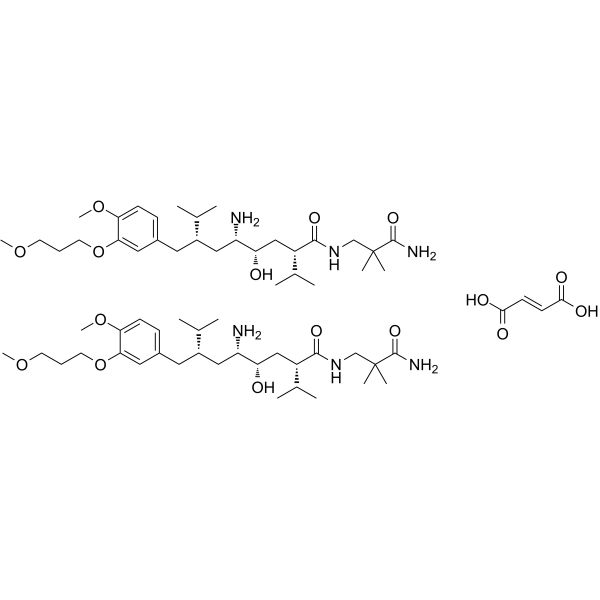
Aliskiren (CGP 60536; CGP60536B; SPP 100) hydrochloride is an orally active and selective renin inhibitor, with IC50 of 1.5 nM. Aliskiren hydrochloride can be used for the research of hypertension, cardiovascular diseases and cancer cachexia - .
|
-
- HY-136384R
-
|
|
Reference Standards
Fungal
|
Infection
|
|
Diethofencarb (Standard) is the analytical standard of Diethofencarb. This product is intended for research and analytical applications. Diethofencarb is a fungicide with strong activity against Botrytis cinerea and Benzimidazole-resistant strains of Botryis spp. Diethofencarb has a role as an antifungal agrochemical .
|
-
- HY-N9075
-
|
|
Glycosidase
|
Cancer
|
|
9-(4′-Hydroxyphenyl)-2-methoxyphenalen-1-one is a phytoalexin and mixed competitive α-glucosidase inhibitor of Bacillus stearothermophilus (IC50: 3.86 mg/L) .
|
-
- HY-179584
-
|
|
Parasite
|
Infection
|
|
Antileishmanial agent-38 (compound 197) is a host-directed small molecule antileishmanial agent exhibiting potent broad-spectrum activity against Leishmania spp. Antileishmanial agent-38 inhibits intracellular parasites primarily by targeting the host protein lysozyme, while also displaying direct activity against extracellular L. donovani promastigotes. Antileishmanial agent-38 can be used for leishmaniasis research .
|
-
- HY-120729R
-
|
Curamil (Standard)
|
Reference Standards
Fungal
|
Infection
|
|
Pyrazophos (Standard) is the analytical standard of Pyrazophos. This product is intended for research and analytical applications. Pyrazophos (Curamil) is a slightly systemic fungicide against the powdery mildew on crops and cereals. Pyrazophos is widely used in Greece to control diseases caused by Erysiphe spp., Sphaerotheca spp., Leveillula spp. and Oidium spp. .
|
-
- HY-123761
-
|
|
γ-secretase
|
Neurological Disease
|
|
L505-yne is an active site-directed γ-secretase inhibitor. L505-yne blocks photoaffinity labeling of PS1-NTF, PS1-CTF, and SPP by clickable GSI photoprobes, binds the γ-secretase complex and inhibits Aβ42 production. L458-BPyne can be used for the research of Alzheimer’s disease .
|
-
- HY-RS22980
-
|
|
Small Interfering RNA (siRNA)
|
Others
|
|
Spp1 Rat Pre-designed siRNA Set A contains three designed siRNAs for Spp1 gene (Rat), as well as a negative control, a positive control, and a FAM-labeled negative control.
|
-
Spp1 Rat Pre-designed siRNA Set A
- HY-RS19384
-
|
|
Small Interfering RNA (siRNA)
|
Others
|
|
Spp2 Mouse Pre-designed siRNA Set A contains three designed siRNAs for Spp2 gene (Mouse), as well as a negative control, a positive control, and a FAM-labeled negative control.
|
-
Spp2 Mouse Pre-designed siRNA Set A
- HY-N7876
-
|
|
Drug Derivative
|
Others
|
|
Ejaponine B is a natural product that can be found in Tripterygium wilfordii Hook. f., Begonia spp..
|
-
- HY-N7941
-
|
|
Drug Derivative
|
Others
|
|
Celangulin II is a natural product that can be found in Tripterygium wilfordii Hook. f., Begonia spp..
|
-
- HY-N7874
-
|
|
Drug Derivative
|
Others
|
|
Celangulatin F is a natural product that can be found in Tripterygium wilfordii Hook. f., Begonia spp..
|
-
- HY-N7873
-
|
|
Drug Derivative
|
Others
|
|
Celangulin III is a natural product that can be found in Tripterygium wilfordii Hook. f., Begonia spp..
|
-
- HY-N2728
-
|
|
Others
|
Others
|
|
6-O-Syringoylajugol (compound 65) is a natural product that can be found in Verbacum spp .
|
-
- HY-125306
-
|
|
Others
|
Others
|
|
Rotihibin A is a novel plant growth regulator isolated from Streptomyces spp., which has the activity of inhibiting the growth of various plants without lethal activity.
|
-
- HY-106026
-
|
IMC-XV
|
Antibiotic
Bacterial
|
Infection
|
|
YM 133 (IMC-XV) is a semisynthetic macrolide antibiotic with potent bactericidal activity. YM 133 shows activity against Erythromycin (HY-B0220)-, Josamycin (HY-B1920)-, and rokitamycin-resistant (MIC ≥ 100 μg/mL) strains of staphylococci, streptococci, Bacteroides spp., and Clostridium spp. YM 133 exhibits excellent activity against macrolide-resistant strains and against anaerobes. YM 133 can be used for antibacterial research .
|
-
- HY-P4613
-
|
|
Drug Derivative
Drug Intermediate
|
Others
|
|
Fmoc-D-allo-Thr-OH is a derivative of D-allothreonine (HY-W001959), which is commonly used as a building block in solid-phase peptide synthesis (SPPS) .
|
-
- HY-W341759
-
|
|
Parasite
|
Infection
|
|
1,4-Dihydrazinylphthalazine (Compound 2) is an antiparasitic agent targeting
Leishmania spp. 1,4-Dihydrazinylphthalazine is promising for research of tropical diseases, particularly cutaneous leishmaniasis .
|
-
- HY-W142497
-
|
|
Drug Intermediate
|
Others
|
|
3-Methyl-2(5H)-furanone is the common structural unit in natural and several synthetic strigolactones, which are germination stimulants for seeds of the parasitic weeds Striga and Orobanche spp. .
|
-
- HY-P11155
-
|
|
Parasite
|
Infection
|
|
Halictine 2 is an antimicrobial peptide. Halictine 2 exhibits promising anti-parasitic activity against Leishmania spp., targeting both the extracellular infective metacyclic promastigotes and intracellular amastigotes. Halictine 2 can be used for the study of leishmaniases .
|
-
- HY-W744633
-
|
|
Drug Metabolite
Bacterial
|
Infection
|
|
Cefdaloxime is an orally active cephalosporin and HR-916 ester metabolite. Cefdaloxime has a broad spectrum of activity against pathogens such as the majority of members of the family Enterobacteriaceae, staphylococci, Streptococcus spp., Neisseria gonorrhoeae, Moraxella catarrhalis, Haemophilus influenzae .
|
-
- HY-12177
-
|
CGP 60536 hemifumarate; CGP60536B hemifumarate; SPP 100 hemifumarate
|
Renin
Autophagy
|
Cardiovascular Disease
Cancer
|
|
Aliskiren (CGP 60536; CGP60536B; SPP 100) hemifumarate is an orally active and selective renin inhibitor, with IC50 of 1.5 nM. Aliskiren hemifumarate can be used for the research of hypertension, cardiovascular diseases and cancer cachexia .
|
-
- HY-127072
-
|
|
Antibiotic
Bacterial
|
Infection
Inflammation/Immunology
Cancer
|
|
Amicoumacin A is an orally active antibiotic. Amicoumacin A targets bacterial ribosomes and inhibits bacterial translation by stabilizing the interaction between mRNA and ribosomes. Amicoumacin A induces cancer cell death by targeting eukaryotic ribosomes. Amicoumacin A exhibits anti-inflammatory and anti-ulcer activities, inhibits carrageenan-induced paw edema, and prevents stress-induced gastric ulcers. Amicoumacin A inhibits the growth of Gram-positive bacteria, Salmonella spp., Shigella spp., Helicobacter pylori, and methicillin-resistant Staphylococcus aureus. Amicoumacin A can be used in the research of lung cancer, breast cancer, bacterial infections, inflammatory edema and gastric ulcers [2] .
|
-
- HY-W766785
-
|
|
Isotope-Labeled Compounds
Antibiotic
Bacterial
|
Infection
|
|
Tiamulin Fumarate- 13C4 is the 13C-labeled Tiamulin. Tiamulin (Thiamutilin) fumarate is a diterpenic antibiotic that is widely used in pigs and poultry for the control of infectious diseases. Tiamulin fumarate is effectively used in the study of airsacculitis, which is primarily caused by Mycoplasma spp .
|
-
- HY-B0293
-
|
RS 35887
|
Fungal
|
Infection
|
|
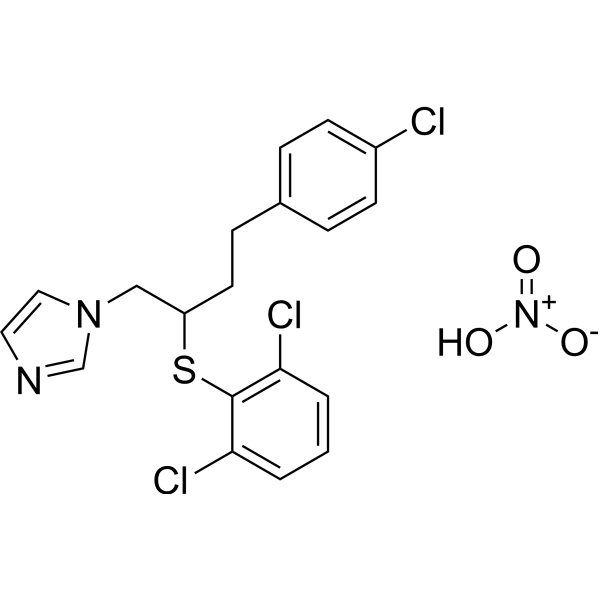
Butoconazole nitrate (RS 35887), an imidazole antifungal agent, is active against Candida spp. and effective against vaginal infections due to Candida albicans. Butoconazole nitrate is presumed to function as other imidazole derivatives via inhibition of steroid synthesis .
|
-
- HY-B2060S1
-
|
|
Isotope-Labeled Compounds
Bacterial
Antibiotic
|
Infection
|
|
Tiamulin-d10-1 (hydrochloride) is deuterium labeled Tiamulin. Tiamulin (Thiamutilin) is a diterpenic antibiotic that is widely used in pigs and poultry for the control of infectious diseases. Tiamulin is effectively used in the study of airsacculitis, which is primarily caused by Mycoplasma spp .
|
-
- HY-125152
-
|
CndD
|
Antibiotic
Fungal
|
Infection
|
|
Candicidin D (CndD) is an antibiotic, which exhibits antifungal activity through interaction with steroids in cell membranes. Candicidin D inhibits S. cerevisiae, Candida albicans and other Candida spp. with MIC of 0.25-1 μg/mL in RPMI-1640 medium.
|
-
- HY-19688B
-
|
WR 6026 tosylate
|
Parasite
Mitochondrial Metabolism
|
Infection
|
|
Sitamaquine (WR6026) tosylate, an orally active 8-aminoquinoline analog, is an antileishmanial agent. Sitamaquine tosylate inhibits mitochondrial complex II (succinate dehydrogenase). Sitamaquine tosylate is a lipophilic weak base that rapidly accumulates in acidic compartments of Leishmania spp., mainly in acidocalcisomes .
|
-
- HY-B2060AR
-
|
Thiamutilin fumarate (Standard)
|
Reference Standards
Bacterial
Antibiotic
|
Infection
|
|
Tiamulin (fumarate) (Standard) is the analytical standard of Tiamulin (fumarate). This product is intended for research and analytical applications. Tiamulin (Thiamutilin) fumarate is a diterpenic antibiotic that is widely used in pigs and poultry for the control of infectious diseases. Tiamulin fumarate is effectively used in the study of airsacculitis, which is primarily caused by Mycoplasma spp .
|
-
- HY-B2060R
-
|
Thiamutilin (Standard)
|
Reference Standards
Bacterial
Antibiotic
|
Infection
|
|
Tiamulin (Standard) is the analytical standard of Tiamulin. This product is intended for research and analytical applications. Tiamulin (Thiamutilin) is a diterpenic antibiotic that is widely used in pigs and poultry for the control of infectious diseases. Tiamulin is effectively used in the study of airsacculitis, which is primarily caused by Mycoplasma spp .
|
-
- HY-19688A
-
|
WR 6026 hydrochloride
|
Parasite
Mitochondrial Metabolism
|
Infection
|
|
Sitamaquine (WR6026) hydrochloride, an orally active 8-aminoquinoline analog, is an antileishmanial agent. Sitamaquine hydrochloride inhibits mitochondrial complex II (succinate dehydrogenase). Sitamaquine hydrochloride is a lipophilic weak base that rapidly accumulates in acidic compartments of Leishmania spp., mainly in acidocalcisomes .
|
-
- HY-N7101
-
|
U-76,252; CS-807
|
Bacterial
Antibiotic
Penicillin-binding protein (PBP)
|
Infection
|
|
Cefpodoxime Proxetil is an orally active broad spectrum third-generation cephalosporin with potent antibacterial activity against both Gram-positive and Gram-negative bacteria including staphylococci, streptococci, Haemophilus influenzae, Neisseria gonorrhoeae, Escherichia coli, Klebsiella pnuemoniae, Citrobacter spp, and Proteus spp. Cefpodoxime Proxetil binds to penicillin binding proteins (PBPs), which inhibits peptidoglycan synthesis, finally results in interfering bacterial cell wall biosynthesis. Cefpodoxime Proxetil can be used against skin structure infections, acute otitis media, pharyngitis, tonsillitis, upper respiratory tract infection, urinary tract infections and sexually transmitted diseases .
|
-
- HY-N7071
-
|
Maduramycin
|
Antibiotic
Apoptosis
|
Infection
|
|
Maduramicin (Maduramycin) is isolated from the actinomycete Actinomadura rubra. Maduramicin is an anticoccidial agent for the the treatment of Eimeria spp., E. adenoeides, E. gallopavonis, and E. dispersa infection . Maduramicin induces cell apoptosis in chicken myocardial cells via intrinsic and extrinsic pathways .
|
-
- HY-126987R
-
|
|
Acetolactate Synthase (ALS)
Reference Standards
|
Others
|
|
Mesosulfuron-methyl (Standard) is the analytical standard of Mesosulfuron-methyl. This product is intended for research and analytical applications. Mesosulfuron-methyl is a sulfonylurea herbicide that inhibits acetolactate synthase (ALS) and is used in research for post-emergence control of ryegrass and Avena spp. (wild oat) in wheat fields .
|
-
- HY-W012349
-
|
|
NF-κB
Fungal
Apoptosis
Autophagy
|
Infection
Cancer
|
|
2′-Hydroxychalcone is a hydroxyl derivative of chalcones with anticancer activities. 2'-Hydroxychalcone inhibits NF-κB pathway and induces autophagy and apoptosis in breast cancer cells . 2′-Hydroxychalcone shows a better antifungal activity against the complex Paracoccidioides spp .
|
-
- HY-15195
-
|
Ro 67-0565; SPP-301
|
Endothelin Receptor
|
Cardiovascular Disease
Endocrinology
|
|
Avosentan (Ro 67-0565; SPP-301) is an orally active endothelin (ETA) receptor antagonist. Avosentan can block the ETA receptor, thereby reducing vascular contraction and exerting a renal protective effect. Avosentan inhibits vascular contraction caused by ET-1 and alleviates the reduction in retinal and optic nerve head blood flow induced by it, lowering intraocular pressure in the glaucoma monkey model. Avosentan non-specifically blocks ETB receptors at high doses, inhibiting ETB-mediated diuresis and natriuresis, and may cause fluid retention. Avosentan can be used to reduce proteinuria with diabetic nephropathy, but induces significant fluid overload and congestive heart failure .
|
-
- HY-19882
-
|
|
Bacterial
|
Infection
|
|
BAL-30072, a siderophore sulfactam, is a monocyclic beta-lactam antibiotic, with activity against multiresistant gram-negative bacilli. BAL30072 shows MIC90 values of 4 μg/mL for MDR Acinetobacter spp. and 8 μg/mL for MDR P. aeruginosa, respectively .
|
-
- HY-105434
-
|
|
Bacterial
|
Infection
|
|
CP-74667 is a quinolone antibacterial agent. CP-74667 shows high activity against Xanthomonas maltophilia (MIC50 = 1 μg/mL), Staphylococcus spp. (MIC50 = 0.06-0.12 μg/mL) and enterococci (MIC50 = 0.5-4 μg/mL) .
|
-
- HY-B2033
-
|
|
Environmental Pollutants
Fungal
|
Infection
|
|
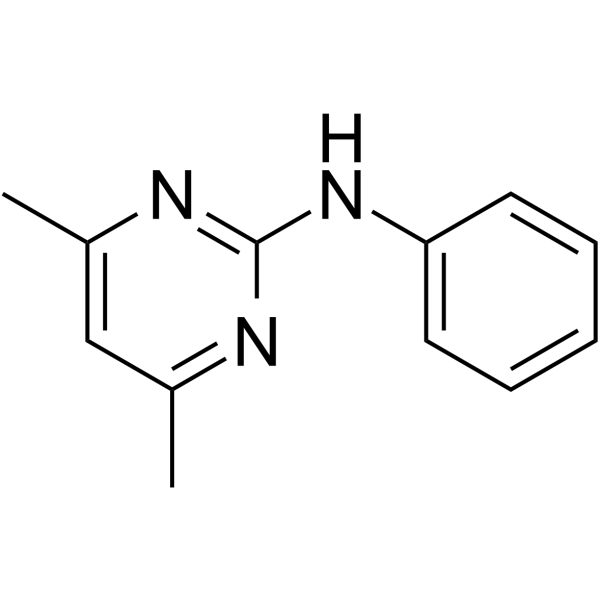
Pyrimethanil is an anilinopyrimidine and broad-spectrum contact fungicide for the control of Botrytis spp. on a wide variety of crops . Pyrimethanil inhibits the biosynthesis of methionine and other amino acids in Botrytis cinerea. Pyrimethanil can be used for the research of fungal diseases prevention on fruit, vegetable and ornamental plants with mold infection .
|
-
- HY-B0643R
-
|
LY237216 (Standard)
|
Reference Standards
Bacterial
Antibiotic
|
Infection
|
|
Dirithromycin (Standard) is the analytical standard of Dirithromycin. This product is intended for research and analytical applications. Dirithromycin (LY237216), a derivative of Erythromycin, is a potent and orally active semi-synthetic macrolide antibiotic. Dirithromycin is active against gram-positive bacteria, Legionella spp., Helicobacter pylori, and Chlamydia trachomatis .
|
-
- HY-N7101R
-
|
U-76,252 (Standard); CS-807 (Standard)
|
Reference Standards
Bacterial
Antibiotic
Penicillin-binding protein (PBP)
|
Infection
|
|
Cefpodoxime Proxetil (Standard) is the analytical standard of Cefpodoxime Proxetil. This product is intended for research and analytical applications. Cefpodoxime Proxetil is an orally active broad spectrum third-generation cephalosporin with potent antibacterial activity against both Gram-positive and Gram-negative bacteria including staphylococci, streptococci, Haemophilus influenzae, Neisseria gonorrhoeae, Escherichia coli, Klebsiella pnuemoniae, Citrobacter spp, and Proteus spp. Cefpodoxime Proxetil binds to penicillin binding proteins (PBPs), which inhibits peptidoglycan synthesis, finally results in interfering bacterial cell wall biosynthesis. Cefpodoxime Proxetil can be used against skin structure infections, acute otitis media, pharyngitis, tonsillitis, upper respiratory tract infection, urinary tract infections and sexually transmitted diseases .
|
-
- HY-136425R
-
|
Fosetyl-Al (Standard)
|
Reference Standards
Fungal
|
Infection
|
|
Fosetyl-aluminum (Standard) is the analytical standard of Fosetyl-aluminum. This product is intended for research and analytical applications. Fosetyl-aluminum (Fosetyl-Al) is an active ingredient in many fungicides against downy mildew. Fosetyl-aluminum is used to control many diseases caused by Phytophthora spp. on agricultural and horticultural crops .
|
-
- HY-N4108R
-
|
|
Reference Standards
P-glycoprotein
|
Inflammation/Immunology
Cancer
|
|
Hypophyllanthin (Standard) is the analytical standard of Hypophyllanthin. This product is intended for research and analytical applications. Hypophyllanthin is a major lignan in Phyllanthus spp, with strong anti-inflammatory activity. Hypophyllanthin directly inhibits P-glycoprotein (P-gp) activity and did not interfere with multidrug resistance protein 2 (MRP2) activity .
|
-
- HY-12136R
-
|
|
Xanthine Oxidase
Reference Standards
|
Cardiovascular Disease
Inflammation/Immunology
Cancer
|
|
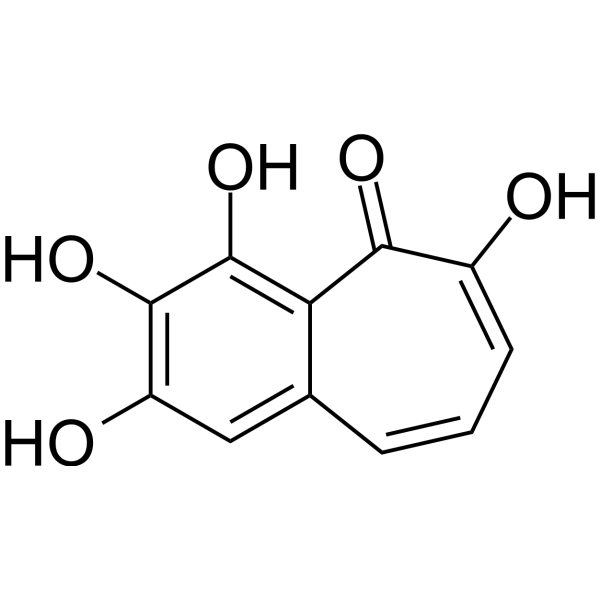
Purpurogallin (Standard) is the analytical standard of Purpurogallin. This product is intended for research and analytical applications. Purpurogallin is a naturally phenol extracted from the plants of Quercus spp, has potent xanthine oxidase (XO) inhibitory activity with an IC50 of 0.2 μM. Purpurogallin has antioxidant and anti-inflammatory effects .
|
-
- HY-131134S
-
|
Fosetyl-Al-d15
|
Fungal
Isotope-Labeled Compounds
|
Infection
|
|
Fosetyl-aluminum-d15 (Fosetyl-Al-d15) is the deuterium labeled Fosetyl-aluminum. Fosetyl-aluminum (Fosetyl-Al) is an active ingredient in many fungicides against downy mildew. Fosetyl-aluminum is used to control many diseases caused by Phytophthora spp. on agricultural and horticultural crops .
|
-
- HY-P11679
-
|
|
DNA/RNA Synthesis
|
Others
|
|
Boc-PNA-U-OH is a protected peptide nucleic acid (PNA) monomer containing a uracil base, designed for solid-phase peptide synthesis (SPPS) using the Boc/Z protection strategy. Boc-PNA-U-OH acts as a building block in creating PNA oligomers that are neutral, stable, and used for antisense/antigene applications.
|
-
- HY-P11682
-
|
|
DNA/RNA Synthesis
|
Others
|
|
Boc-PNA-M(Z)-OH is a protected peptide nucleic acid (PNA) monomer used in solid-phase peptide synthesis (SPPS). Boc-PNA-M(Z)-OH consists of an adenyl base protected with a benzyloxycarbonyl (Z) group and a backbone protected with a tert-butyloxycarbonyl (Boc) group, typically used for creating PNA oligomers.
|
-
- HY-N7071A
-
|
Maduramycin ammonium
|
Bacterial
Apoptosis
Antibiotic
Autophagy
AMPK
Eukaryotic Initiation Factor (eIF)
|
Infection
Cardiovascular Disease
|
|
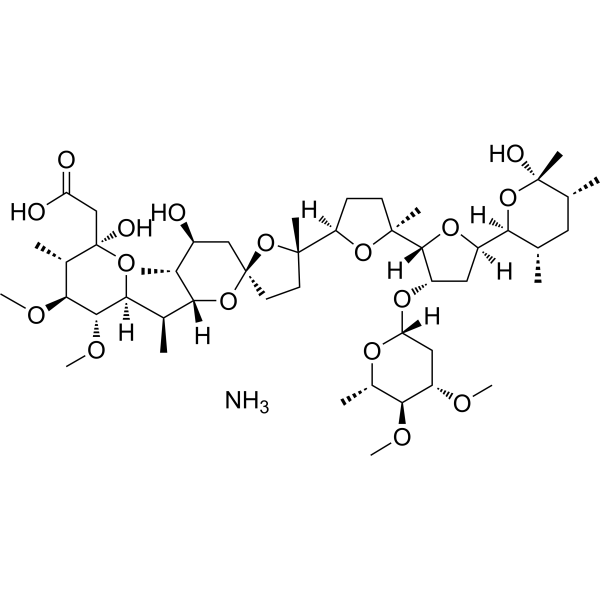
Maduramicin ammonium (Maduramycin ammonium) is isolated from the actinomycete Actinomadura rubra. Maduramicin ammonium (Maduramycin ammonium) is an anticoccidial agent for the the treatment of Eimeria spp., E. adenoeides, E. gallopavonis, and E. dispersa infection . Maduramicin ammonium (Maduramycin ammonium) induces cell apoptosis in chicken myocardial cells via intrinsic and extrinsic pathways .
|
-
- HY-104029R
-
|
F901318 (Standard)
|
Fungal
Reference Standards
Dihydroorotate Dehydrogenase
|
Infection
|
|
Olorofim (Standard) is the analytical standard of Olorofim (HY-104029). This product is intended for research and analytical applications. Olorofim (F901318) selectively inhibits fungal dihydroorotate dehydrogenase (DHODH), a key enzyme in the pyrimidine biosynthesis pathway. Olorofim (F901318). Olorofim exhibits excellent activity against A. fumigatus and other Aspergillus spp. .
|
-
- HY-Y0760R
-
|
3-Anisic acid (Standard); NSC 27014 (Standard); m-Methoxybenzoic acid (Standard)
|
Reference Standards
Drug Intermediate
|
Infection
|
|
3-Methoxybenzoic acid (3-Anisic acid; NSC 27014; m-Methoxybenzoic acid) (Standard) is the analytical standard of 3-Methoxybenzoic acid. This product is intended for research and analytical applications. 3-Methoxybenzoic acid is a substituted benzoic acid and precursor for synthesis of hydrazide-hydrazone derivatives active against Gram-positive bacteria, including Bacillus spp .
|
-
- HY-146079
-
|
|
Fungal
|
Infection
|
|
Antifungal agent 31 (compound 12) is a potent and orally active triazole antifungal agents with a pyrrolotriazinone scaffold. Antifungal agent 31 shows antifungal activity against Candida spp. and filamentous fungi. Antifungal agent 31 significantly reduced mortality rates and kidney fungal burden in two murine models of lethal systemic infections .
|
-
- HY-Y1636S1
-
-
- HY-N6740S1
-
|
|
Isotope-Labeled Compounds
|
Metabolic Disease
|
|
β-Zearalanol- 13C18 is the 13C-labeled β-Zearalanol. Beta-Zearalenol is an mycotoxin produced by Fusarium spp, which causes apoptosis and oxidative stress in mammalian reproductive cells . Beta-Zearalenol is the derivative of zearalenone (ZEA) which can conjugate with glucuronic acid .
|
-
- HY-106946
-
|
|
Bacterial
|
|
|
E 5065 is an orally active antibacterial agent. E 5065 exhibits potent in vitro activity against Gram-negative microorganisms, Gram-positive cocci, and anaerobes. E 5065 exhibits an MIC90 of 0.5 μg/mL against Clostridium spp. E 5065 provides protection against experimental infections caused by P. aeruginosa .
|
-
- HY-N6740S
-
|
|
Isotope-Labeled Compounds
Apoptosis
|
Metabolic Disease
|
|
β-Zearalanol-d4 is a deuterium labeled Beta-Zearalanol (HY-N6740) . Beta-Zearalenol is an mycotoxin produced by Fusarium spp, which causes apoptosis and oxidative stress in mammalian reproductive cells . Beta-Zearalenol is the derivative of zearalenone (ZEA) which can conjugate with glucuronic acid .
|
-
- HY-B0293R
-
|
RS 35887 (Standard)
|
Reference Standards
Fungal
|
Infection
|
|
Butoconazole (nitrate) (Standard) is the analytical standard of Butoconazole (nitrate). This product is intended for research and analytical applications. Butoconazole nitrate (RS 35887), an imidazole antifungal agent, is active against Candida spp. and effective against vaginal infections due to Candida albicans. Butoconazole nitrate is presumed to function as other imidazole derivatives via inhibition of steroid synthesis .
|
-
- HY-12177R
-
|
CGP 60536 hemifumarate (Standard); CGP60536B hemifumarate (Standard); SPP 100 hemifumarate (Standard)
|
Renin
Autophagy
Reference Standards
|
Cardiovascular Disease
Cancer
|
|
Aliskiren (hemifumarate) (Standard) is the analytical standard of Aliskiren (hemifumarate). This product is intended for research and analytical applications. Aliskiren (CGP 60536; CGP60536B; SPP 100) hemifumarate is an orally active and selective renin inhibitor, with IC50 of 1.5 nM. Aliskiren hemifumarate can be used for the research of hypertension, cardiovascular diseases and cancer cachexia .
|
-
- HY-N8461
-
|
3-Hydroxypropionaldehyde; 3-Hydroxypropanal
|
Bacterial
|
Infection
|
|
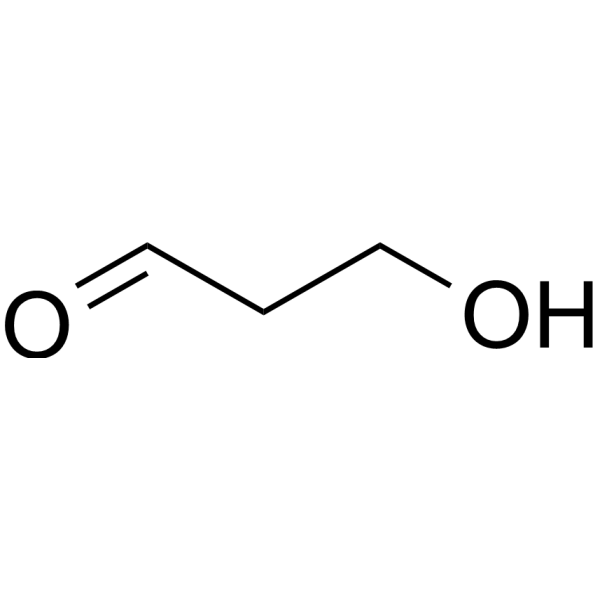
Reuterin is a broad-spectrum antimicrobial agent active against Gram positive and Gram negative bacteria, as well as yeasts, moulds and protozoa. Reuterin is produced by specific strains of Lactobacillus reuteri during anaerobic metabolism of glycerol. Reuterin also demonstrates potent antimicrobial activity against a broad panel of human and poultry meat campylobacter spp. Isolates .
|
-
- HY-146023
-
|
|
Bacterial
Fungal
|
Infection
|
|
Antifungal agent 27 (compound 7) is a antifungal agent. Antifungal agent 27 shows moderate antibacterial and weak antifungal activities against MRSA and C. albicans SS5314, with MIC values of 8 and 32 μg/mL, respectively .
|
-
- HY-146024
-
|
|
Fungal
|
Infection
|
|
Antifungal agent 28 (compound 18) is a potent and selective antifungal agent. Antifungal agent 28 inhibits pathogenic strains of C. albicans and non-albicans species including fluconazole-resistant strains. Antifungal agent 28 inhibits Cryptococcus and Aspergillus strains. Antifungal agent 28 disrupts mature Candida biofilm .
|
-
- HY-N6740S2
-
|
|
Isotope-Labeled Compounds
Apoptosis
|
Metabolic Disease
|
|
Beta-Zearalanol-d5 is the deuterium labeled Beta-Zearalanol (HY-N6740). Beta-Zearalenol is an mycotoxin produced by Fusarium spp, which causes apoptosis and oxidative stress in mammalian reproductive cells . Beta-Zearalenol is the derivative of Zearalenone (HY-103447) which can conjugate with glucuronic acid .
|
-
- HY-B2004
-
|
|
Environmental Pollutants
Fungal
Mitochondrial Metabolism
|
Infection
|
|
Thifluzamide is a fungicide that inhibits fungal respiration by blocking the ubiquinone-binding site in mitochondrial complex II. Thifluzamide exhibits significant activity against Basidiomycota pathogens (such as Rhizoctonia cerealis, Ustilago and Puccinia genera) and is commonly used in studies on wheat sharp eyespot. Thifluzamide displays a dual mechanism in regulating lipid metabolism: it reduces fatty acid synthase activity to inhibit endogenous fatty acid synthesis, and increases carnitine palmitoyltransferase-I activity to accelerate fatty acid β-oxidation, thereby reducing total cholesterol and triglyceride levels in the liver. Thifluzamide also induces hepatotoxicity in zebrafish models and carries a risk of developmental toxicity. Thifluzamide inhibition of Rhizoctonia cerealis may result in low to moderate levels of drug resistance, leading to the generation of stable drug-resistant mutants .
|
-
- HY-W017143
-
|
|
Fungal
|
Infection
|
|
Antifungal agent 158 is an α-pyrone derivative that can be found in Trichoderma harzianum, exhibiting antifungal activity against select plant-pathogenic fungi, including Chaetomium spp., Curvularia lunata, and Aspergillus flavus. Antifungal agent 158 is non-toxic to greenhouse-grown bean, corn, and tobacco plants. Antifungal agent 158 can be used for research on Aspergillus flavus infection .
|
-
- HY-B2033S1
-
|
|
Fungal
Isotope-Labeled Compounds
|
Others
|
|
Pyrimethanil-d5 is the deuterium labeled Pyrimethanil (HY-B2033). Pyrimethanil is an anilinopyrimidine and broad-spectrum contact fungicide for the control of Botrytis spp. on a wide variety of crops . Pyrimethanil inhibits the biosynthesis of methionine and other amino acids in Botrytis cinerea. Pyrimethanil can be used for the research of fungal diseases prevention on fruit, vegetable and ornamental plants with mold infection .
|
-
- HY-B2033R
-
|
|
Reference Standards
Fungal
|
Infection
|
|
Pyrimethanil (Standard) is the analytical standard of Pyrimethanil. This product is intended for research and analytical applications. Pyrimethanil is an anilinopyrimidine and broad-spectrum contact fungicide for the control of Botrytis spp. on a wide variety of crops . Pyrimethanil inhibits the biosynthesis of methionine and other amino acids in Botrytis cinerea. Pyrimethanil can be used for the research of fungal diseases prevention on fruit, vegetable and ornamental plants with mold infection .
|
-
- HY-125042
-
|
|
Bacterial
|
Infection
|
|
Sarothralin G is an antibacterial compound isolated from Hypericum japonicum Thunb. (Japanese spurfle). The structure of Sarothralin G contains phenolic and aromatic acid moieties and shows excellent antibacterial activity against Gram-positive bacteria such as Staphylococcus aureus, Bacillus subtilis and Nocardia spp., which is stronger than Sarothralen A, B and Saroaspidin A, B, C. Sarothralin G exhibits significant antibacterial potential.
|
-
- HY-N10625A
-
|
5α-Cyprinol
|
Phosphatase
|
Metabolic Disease
|
|
Cyprinol (5α-Cyprinol) is an orally active bile salt and xenochemical pheromone . Cyprinol impairs renal function and increases plasma ALP activity in rats, induces diel vertical migration in Daphnia spp., enhances the permeability of the rectal mucosa to water-soluble compounds, and aids lipid digestion in fish. Cyprinol can be used in studies of fish toxicity and acute renal failure .
|
-
- HY-N7101S
-
|
U-76-d7,252-d7; CS-807-d7
|
Isotope-Labeled Compounds
Bacterial
Antibiotic
Penicillin-binding protein (PBP)
|
Infection
|
|
Cefpodoxime proxetil-d7 (U-76-d7,252-d7; CS-807-d7) is the deuterium labeled Cefpodoxime Proxetil (HY-N7101). Cefpodoxime Proxetil is an orally active broad spectrum third-generation cephalosporin with potent antibacterial activity against both Gram-positive and Gram-negative bacteria including staphylococci, streptococci, Haemophilus influenzae, Neisseria gonorrhoeae, Escherichia coli, Klebsiella pnuemoniae, Citrobacter spp, and Proteus spp. Cefpodoxime Proxetil binds to penicillin binding proteins (PBPs), which inhibits peptidoglycan synthesis, finally results in interfering bacterial cell wall biosynthesis. Cefpodoxime Proxetil can be used against skin structure infections, acute otitis media, pharyngitis, tonsillitis, upper respiratory tract infection, urinary tract infections and sexually transmitted diseases .
|
-
- HY-163632
-
|
|
EGFR
|
Cancer
|
|
EGFR-IN-112 (SPP10) is an EGFR kinase inhibitor which exhibits IC50s of 2.31 ± 0.3, 3.16 ± 0.8, and 4.2 ± 0.2 μM, against MCF-7, H69AR, and PC-3 cancer cells, respectively. EGFR-IN-112 also demonstrates selective cytotoxicity against cancer cells .
|
-
- HY-P3752
-
|
H-Gly-Ala-Tyr-OH
|
Biochemical Assay Reagents
Bacterial
|
Others
|
|
Gly-Ala-Tyr (H-Gly-Ala-Tyr-OH) is a tripeptide substrate composed of L-glycine, alanine, and L-tyrosine joined in sequence by peptide linkages. Gly-Ala-Tyr can be hydrolyzed at both extracellular and intracellular levels by Streptococcus thermophilus, Lactobacillus delbrueckii ssp. bulgaricus, Lactobacillus acidophilus, and Bifidobacterium spp. Ala-Gly-Tyr is functionally related to L-alanine, glycine and L-tyrosine. .
|
-
- HY-W008558
-
|
|
Amino Acid Derivatives
|
Others
|
|
Fmoc-N-Me-Leu-OH is an N-Fmoc-N-methyl amino acid that can be used in peptide coupling reactions. Fmoc-N-Me-Leu-OH is primarily used as a standard building block in solid-phase peptide synthesis (SPPS) to introduce N-methylleucine residues into peptide chains, thereby enhancing the enzymatic stability, altering conformational flexibility, and modifying the biological activity of the target peptide .
|
-
- HY-123508
-
|
|
Drug Metabolite
Bacterial
|
Infection
|
|
PD 131628 is an antimicrobial agent and active PD 131112 metabolite. PD 131628 is two- to four-fold more active than Ciprofloxacin (HY-B0356), inhibiting all strains of Staphylococcus aureus and Streptococcus pneumoniae. PD 131628 is very active against Neisseria spp., Haemophilus influenzae and Moraxella catarrhalis, with MIC90s ranging from 0.004 to 0.008 mg/L .
|
-
- HY-136380
-
|
|
Herbicide
|
Others
|
|
Clodinafop-propargyl, a main member of aryloxyphenoxy-propionate herbicides, is used for postemergence control of annual grasses in cereals, including Avena, Lolium, Setaria, Phalaris and Alopecurus spp . Clodinafop-propargyl is a click chemistry reagent, it contains an Alkyne group and can undergo copper-catalyzed azide-alkyne cycloaddition (CuAAc) with molecules containing Azide groups. Clodinafop-propargyl has developmental toxicity to zebrafish embryos .
|
-
- HY-B2033S
-
|
|
Isotope-Labeled Compounds
Fungal
|
Infection
|
|
Pyrimethanil- 13C, 15N2 is the 13C-labeled and 15N-labeled Pyrimethanil. Pyrimethanil is an?anilinopyrimidine?and broad-spectrum?contact fungicide for the control of Botrytis spp. on a wide variety of crops . Pyrimethanil inhibits the biosynthesis of methionine and other amino acids in?Botrytis cinerea. Pyrimethanil can be used for the research of fungal diseases prevention on fruit, vegetable and ornamental plants with mold infection .
|
-
- HY-Y1636S
-
-
- HY-N7071AR
-
|
Maduramycin ammonium (Standard)
|
Reference Standards
Bacterial
Apoptosis
Antibiotic
|
Infection
|
|
Maduramicin (ammonium) (Standard) is the analytical standard of Maduramicin (ammonium). This product is intended for research and analytical applications. Maduramicin ammonium (Maduramycin ammonium) is isolated from the actinomycete Actinomadura rubra. Maduramicin ammonium (Maduramycin ammonium) is an anticoccidial agent for the the treatment of Eimeria spp., E. adenoeides, E. gallopavonis, and E. dispersa infection . Maduramicin ammonium (Maduramycin ammonium) induces cell apoptosis in chicken myocardial cells via intrinsic and extrinsic pathways .
|
-
- HY-135813
-
|
|
Bacterial
|
Infection
|
|
LtaS-IN-1 (compound 1771) is a potent small-molecule inhibitor of Lipoteichoic acid (LTA) synthesis in multidrug-resistant (MDR) E. faecium and by altering the cell wall morphology. LtaS-IN-1 alone inhibits Enterococcus.spp 28 strains with varying MIC values ranging from 0.5 μg/mL to 64 μg/mL. LtaS-IN-1 combination with antibiotics abolishs multidrug-resistant E. faecium growth almost completely .
|
-
- HY-155131
-
|
|
Fungal
|
Infection
|
|
Y18501 is a oxysterol-binding protein (OSBPI) inhibitor with a similar structure to Oxathiapiprolin. Y18501 shows strong inhibitory activities against Phytophthora spp. and Pseudoperonospora cubensis, with EC50 ranging from 0.0005 to 0.0046 μg/mL. Y18501 shows excellent protective and curative activities against P. cubensis. Y18501 in combination with Chlorothalonil (HY-N6625) can significantly promote the inhibition of P. cubensis .
|
-
- HY-N1136
-
|
|
Bacterial
|
Infection
|
|
(+)-Totarol is a diterpenoid membrane-disrupting agent and membrane structure regulator found in plants of the genus Podocarpus spp. (+)-Totarol inserts into phospholipid model membranes, disrupts phospholipid packing, and impairs the functional integrity of membranes. (+)-Totarol exhibits antibacterial activity against a variety of bacterial species and β-lactam-resistant strains, and its action is associated with changes in membrane physical properties. (+)-Totarol can be used in studies related to bacterial infections .
|
-
- HY-151659
-
|
|
ADC Linker
|
Others
|
|
Fmoc-L-Lys(N3-Gly)-OH is a click chemistry reagent containing a lysine-containing azidoacetyl group building-block for SPPS and can be used for various biochemical studies . It contains an azide group and can undergo copper-catalyzed azide-alkyne cycloaddition (CuAAc) with molecules containing alkyne groups. It can also undergo ring strain-promoted alkyne-azide cycloaddition (SPAAC) with molecules containing DBCO or BCN groups.
|
-
- HY-162521
-
|
|
Bacterial
Fungal
|
Infection
|
|
Antibacterial agent 215 (Compound 3b) is an inhibitor for carbonic anhydrase (CA), with Ki of 17.61, 5.14 and 43.74 nM, for hCA I, hCA II and AChE, respectively. Antibacterial agent 215 exhibits anti-tuberculosis, with MIC of 62.5 µg/ml against M. tuberculosis. Antibacterial agent 215 exhibits antifungal activities against Candida spp. strains ATCC 14053, ATCC 1369, and ATCC 15126, with MICs of 125 µg/ml .
|
-
- HY-15275
-
|
|
CDK
Angiotensin-converting Enzyme (ACE)
|
Infection
Cardiovascular Disease
Cancer
|
|
BMS-265246 is a potent and selective cyclin-dependent kinase CDK1 and CDK2 inhibitor, with IC50 values of 6 and 9 nM, respectively. BMS-265246 inhibits CHI3L1 (chitinase 3-like-1) stimulation of ACE2 (angiotensin converting enzyme 2) and SPP (viral spike protein priming proteases). BMS-265246 can be used for ovarian cancer and COVID-19 research .
|
-
- HY-B1419
-
|
2-Hydroxybenzyl alcohol; Saligenin
|
Drug Intermediate
Bacterial
|
Others
|
|
Salicyl alcohol (2-Hydroxybenzyl alcohol; Saligenin) is a phenolic alcohol-type topical anesthetic and strong sensitizer with antiseptic, antibacterial and antipyretic activities. Salicyl alcohol serves as a precursor for salicin synthesis. Salicyl alcohol induces contact dermatitis and eczematous skin reactions, and is a well-known allergen identified in phenolic resins. Salicyl alcohol is isolated from the barks of European aspen (Populus tremula), rowan (Sorbus aucuparia) and willow (Salix spp.). Salicyl alcohol is used in studies related to allergic contact dermatitis .
|
-
- HY-120462
-
|
|
Dihydroorotate Dehydrogenase
Parasite
|
Infection
|
|
Genz-669178 is an inhibitor for dihydroorotate dehydrogenase (DHODH) with IC50 of 0.015-0.05 μM in Plasmodium spp.. Genz-669178 inhibits P. berghei, P. falciparum strains 3D7 and Dd2 with IC50 of 0.068, 0.008 and 0.01 μM, respectively. Genz-669178 exhibits anti-malarial efficacy in P. berghei-infected mice with ED50 of 13-21 mg/kg/day. Genz-669178 exhibits good pharmacokinetic characteristics in mice .
|
-
- HY-W019901B
-
|
Gypsum ustum (97%)
|
Environmental Pollutants
Biochemical Assay Reagents
RUNX
|
Metabolic Disease
|
|
Anhydrous calcium sulfate (97%) serves as an oil-based drilling fluid additive and an osteogenic material. Anhydrous calcium sulfate (97%) increases the plastic viscosity, yield point, apparent viscosity and gel strength of oil-based drilling fluids. Anhydrous calcium sulfate (97%) upregulates the expression of bone-related genes FOSL1, RUNX2 and SPP1. Anhydrous calcium sulfate (97%) significantly affects the behavior of dental pulp stem cells, enhancing their proliferation, differentiation and matrix deposition .
|
-
- HY-181686
-
|
|
Bacterial
Reactive Oxygen Species (ROS)
|
Infection
|
|
Antibacterial agent 326 is a bactericide that inhibits the growth of various bacterial strains. Antibacterial agent 326 inhibits biofilm formation in Escherichia coli, disrupts bacterial cell membranes, induces oxidative stress and lipid peroxidation in Escherichia coli, increases ROS levels, and reduces GSH activity. Antibacterial agent 326 can be used in studies of bacterial infections, including those caused by Escherichia coli, Staphylococcus aureus, Enterococcus faecalis, Listeria spp., Bacillus subtilis, Serratia marcescens, Salmonella enteritidis and Acinetobacter calcoaceticus .
|
-
- HY-179477
-
|
|
Amino Acid Derivatives
Drug Intermediate
|
Others
|
|
Fmoc-β-Ala-Asp(OMpe)-OH is a specialized amino acid derivative used in solid-phase peptide synthesis (SPPS). Fmoc-β-Ala-Asp(OMpe)-OH consists of a beta-alanine spacer linked to an aspartic acid residue, where the beta-carboxyl group is protected with a 3-methylpentyl ester (OMpe) to prevent aspartimide formation during synthesis. Fmoc-β-Ala-Asp(OMpe)-OH a useful building block for creating peptides that contain aspartic acid, as the OMpe group is designed to minimize unwanted side reactions .
|
-
- HY-B0724A
-
|
T-3762; Pazufloxacin methanesulfonate; Pazufloxacin mesilate
|
Bacterial
DNA/RNA Synthesis
|
Infection
|
|
Pazufloxacin mesylate is an orally active fluoroquinolone antimicrobial agent. Pazufloxacin mesylate inhibits DNA gyrase with IC50 values of 0.88 μg/mL (E. coli) and 1.9 μg/mL (P. aeruginosa). Pazufloxacin mesylate exhibits broad-spectrum antimicrobial activity, with MIC90 values ranging from 0.025 to 100 μg/mL against Gram-positive and Gram-negative bacteria, non-fermenting bacteria, Legionella spp., and anaerobic bacteria. Pazufloxacin mesylate is indicated for research on systemic infections, lung infections, urinary tract infections, and Legionella pneumonia .
|
-
- HY-155808
-
|
|
STAT
JAK
Apoptosis
COX
|
Cancer
|
|
STAT3-IN-18 (compound SPP) is a platinum (IV) complex with an axial ligand derived from sandalwood. STAT3-IN-18 inhibits the JAK2-STAT3 pathway in breast cancer (BC) cells, with anti-proliferative activity. STAT3-IN-18 activates caspase-3 and increases cleaved polyADP-ribose polymerase to induce apoptosis. STAT3-IN-18 promotes maturation and antigen presentation of dendritic cells and demonstrates safety in vivo.
|
-
- HY-B0724B
-
|
T3761
|
Bacterial
DNA/RNA Synthesis
|
Infection
|
|
Pazufloxacin is an orally active fluoroquinolone antimicrobial agent. Pazufloxacin inhibits DNA gyrase with IC50 values of 0.88 μg/mL (E. coli) and 1.9 μg/mL (P. aeruginosa). Pazufloxacin exhibits broad-spectrum antimicrobial activity, with MIC90 values ranging from 0.025 to 100 μg/mL against Gram-positive and Gram-negative bacteria, non-fermenting bacteria, Legionella spp., and anaerobic bacteria. Pazufloxacin is indicated for research on systemic infections, lung infections, urinary tract infections, and Legionella pneumonia .
|
-
- HY-B0398AR
-
|
|
Reference Standards
Bacterial
Antibiotic
Topoisomerase
|
Infection
|
|
Liquiritin (Standard) is the analytical standard of Liquiritin. This product is intended for research and analytical applications. Liquiritin, a flavonoid isolated from Glycyrrhiza uralensis, is a potent and competitive AKR1C1 inhibitor with IC50s of 0.62 μM, 0.61 μM, and 3.72μM for AKR1C1, AKR1C2 and AKR1C3, respectively. Liquiritin efficiently inhibits progesterone metabolism mediated by AKR1C1 in vivo . Liquiritin acts as an antioxidant and has neuroprotective, anti-cancer and anti-inflammatory activity .
|
-
- HY-B0398R
-
|
|
Reference Standards
Bacterial
Antibiotic
Topoisomerase
|
Infection
|
|
Nalidixic acid (Standard) is the analytical standard of Nalidixic acid. This product is intended for research and analytical applications. Nalidixic acid, a quinolone antibiotic, is effective against both gram-positive and gram-negative bacteria. Nalidixic acid acts in a bacteriostatic manner in lower concentrations and is bactericidal in higher concentrations. Nalidixic acid inhibits a subunit of DNA gyrase and topoisomerase IV and reversibly blocks DNA replication in susceptible bacteria .
|
-
- HY-B0398
-
|
|
Bacterial
Antibiotic
Topoisomerase
|
Infection
|
|
Nalidixic acid, a quinolone antibiotic, is effective against both gram-positive and gram-negative bacteria. Nalidixic acid acts in a bacteriostatic manner in lower concentrations and is bactericidal in higher concentrations. Nalidixic acid inhibits a subunit of DNA gyrase and topoisomerase IV and reversibly blocks DNA replication in susceptible bacteria .
|
-
- HY-B0398A
-
|
|
Bacterial
Antibiotic
Topoisomerase
|
Infection
|
|
Nalidixic acid sodium salt, a quinolone antibiotic, is effective against both gram-positive and gram-negative bacteria. Nalidixic acid acts in a bacteriostatic manner in lower concentrations and is bactericidal in higher concentrations. Nalidixic acid inhibits a subunit of DNA gyrase and topoisomerase IV and reversibly blocks DNA replication in susceptible bacteria .
|
-
- HY-178064
-
|
|
Parasite
Mitochondrial Metabolism
|
Infection
|
|
Antiparasitic agent-29 (Compound 5) is a Trypanosome alternative oxidase (TAO) inhibitor with an IC50 of 1.3 nM in Trypanosoma brucei. Antiparasitic agent-29 has a broad-spectrum antiparasitic activity against Trypanosoma and Leishmania spp. Antiparasitic agent-29 accumulates in parasite mitochondria, selectively disrupting its energy metabolism and has potent membrane-perturbing activity with no cross-resistance. Antiparasitic agent-29 shows low ecotoxicity in zebrafish and Daphnia magna models. Antiparasitic agent-29 can be used for parasitic diseases like surra and dourine research .
|
-
- HY-151787
-
|
|
ADC Linker
|
Others
|
|
Fmoc-L-Lys(N3-Aca-DIM)-OH is a click chemistry reagent containing an azide group. Used as a SPPS building-block for the “helping hand” strategy for purification of highly insoluble peptides. Solubilizing residues are attached to the Lys side-chains using Click-chemistry. The solubilizing tag can be removed with 1M hydrazine or hydroxylamine solution . It contains an azide group and can undergo copper-catalyzed azide-alkyne cycloaddition (CuAAc) with molecules containing alkyne groups. It can also undergo ring strain-promoted alkyne-azide cycloaddition (SPAAC) with molecules containing DBCO or BCN groups.
|
-
- HY-135125
-
|
|
ADC Payload
|
Cancer
|
|
DC4, an ADC cytotoxin, can be used in the synthesis of antibody-drug conjugate (ADC). DC4 can be used for the targeted treatment of cancer .
|
-
- HY-B0724AR
-
|
T-3762 (Standard); Pazufloxacin methanesulfonate (Standard); Pazufloxacin mesilate (Standard)
|
Reference Standards
Bacterial
DNA/RNA Synthesis
|
Infection
|
|
Pazufloxacin (mesylate) (Standard) is the analytical standard of Pazufloxacin mesylate (HY-B0724A). This product is intended for research and analytical applications. Pazufloxacin mesylate is an orally active fluoroquinolone antimicrobial agent. Pazufloxacin mesylate inhibits DNA gyrase with IC50 values of 0.88 μg/mL (E. coli) and 1.9 μg/mL (P. aeruginosa). Pazufloxacin mesylate exhibits broad-spectrum antimicrobial activity, with MIC90 values ranging from 0.025 to 100 μg/mL against Gram-positive and Gram-negative bacteria, non-fermenting bacteria, Legionella spp., and anaerobic bacteria. Pazufloxacin mesylate is indicated for research on systemic infections, lung infections, urinary tract infections, and Legionella pneumonia .
|
-
- HY-B0724BS
-
|
T3761-d4
|
Isotope-Labeled Compounds
Bacterial
DNA/RNA Synthesis
|
Infection
|
|
Pazufloxacin-d4 is deuterium labeled Pazufloxacin (HY-B0724B). Pazufloxacin is an orally active fluoroquinolone antimicrobial agent. Pazufloxacin inhibits DNA gyrase with IC50 values of 0.88 μg/mL (E. coli) and 1.9 μg/mL (P. aeruginosa). Pazufloxacin exhibits broad-spectrum antimicrobial activity, with MIC90 values ranging from 0.025 to 100 μg/mL against Gram-positive and Gram-negative bacteria, non-fermenting bacteria, Legionella spp., and anaerobic bacteria. Pazufloxacin is indicated for research on systemic infections, lung infections, urinary tract infections, and Legionella pneumonia .
|
-
- HY-W746884
-
|
|
Cholinesterase (ChE)
|
Neurological Disease
|
|
2-Methyl-2-butenyl (E)-Caffeate is a type of caffeic acid ester compound. The petroleum ether and chloroform extracts containing 2-Methyl-2-butenyl (E)-Caffeate have inhibitory effects on acetylcholinesterase (AChE) and butyrylcholinesterase (BChE). The ether extract containing 2-Methyl-2-butenyl (E)-Caffeate exhibits strong antioxidant properties. 2-Methyl-2-butenyl (E)-Caffeate can be used in the research of Alzheimer's disease .
|
-
- HY-W010712
-
|
|
Amino Acid Derivatives
|
Others
|
|
Fmoc-His(Trt)-OH is a histidine derivative with a trityl (Trt) group protecting the His side chain. Fmoc-His(Trt)-OH also has an Fmoc group protecting the α-NH2 group. Fmoc-His(Trt)-OH can be used in solid-phase peptide synthesis to prevent racemization and byproduct formation. Fmoc-His(Trt)-OH acts as a protected histidine precursor in solid-phase peptide synthesis (SPPS), participating in peptide chain construction through amide bond formation. Fmoc-His(Trt)-OH can be precisely incorporated into the target peptide sequence, ensuring correct peptide chain synthesis and reducing impurity formation. Fmoc-His(Trt)-OH is mainly used in the solid-phase synthesis research of pharmaceutical peptides and bioactive peptides, and is particularly suitable for the preparation of peptide drugs requiring precise control of histidine configuration .
|
-
- HY-W004864
-
|
|
Amino Acid Derivatives
|
Others
|
|
Fmoc-(S)-2-(4-pentenyl) Ala-OH is an Fmoc-protected unnatural amino acid. Fmoc-(S)-2-(4-pentenyl) Ala-OH can be used for polypeptide synthesis, such as NYAD-13 (HY-P10834) .
|
-
| Cat. No. |
Product Name |
Type |
-
- HY-W019901B
-
|
Gypsum ustum (97%)
|
Biochemical Assay Reagents
|
|
Anhydrous calcium sulfate (97%) serves as an oil-based drilling fluid additive and an osteogenic material. Anhydrous calcium sulfate (97%) increases the plastic viscosity, yield point, apparent viscosity and gel strength of oil-based drilling fluids. Anhydrous calcium sulfate (97%) upregulates the expression of bone-related genes FOSL1, RUNX2 and SPP1. Anhydrous calcium sulfate (97%) significantly affects the behavior of dental pulp stem cells, enhancing their proliferation, differentiation and matrix deposition .
|
| Cat. No. |
Product Name |
Target |
Research Area |
-
- HY-Y1636
-
-
- HY-W010712
-
|
|
Amino Acid Derivatives
|
Others
|
|
Fmoc-His(Trt)-OH is a histidine derivative with a trityl (Trt) group protecting the His side chain. Fmoc-His(Trt)-OH also has an Fmoc group protecting the α-NH2 group. Fmoc-His(Trt)-OH can be used in solid-phase peptide synthesis to prevent racemization and byproduct formation. Fmoc-His(Trt)-OH acts as a protected histidine precursor in solid-phase peptide synthesis (SPPS), participating in peptide chain construction through amide bond formation. Fmoc-His(Trt)-OH can be precisely incorporated into the target peptide sequence, ensuring correct peptide chain synthesis and reducing impurity formation. Fmoc-His(Trt)-OH is mainly used in the solid-phase synthesis research of pharmaceutical peptides and bioactive peptides, and is particularly suitable for the preparation of peptide drugs requiring precise control of histidine configuration .
|
-
- HY-105048
-
|
|
Bacterial
|
Infection
|
|
Omiganan is a cationic antimicrobial peptide. Omiganan as an analogue of indolicidin shows activity against gram-positive and gram-negative bacteria but also Candida spp. isolates. Omiganan can be used for the research of alcohol nose and acne .
|
-
- HY-P3752
-
|
H-Gly-Ala-Tyr-OH
|
Biochemical Assay Reagents
Bacterial
|
Others
|
|
Gly-Ala-Tyr (H-Gly-Ala-Tyr-OH) is a tripeptide substrate composed of L-glycine, alanine, and L-tyrosine joined in sequence by peptide linkages. Gly-Ala-Tyr can be hydrolyzed at both extracellular and intracellular levels by Streptococcus thermophilus, Lactobacillus delbrueckii ssp. bulgaricus, Lactobacillus acidophilus, and Bifidobacterium spp. Ala-Gly-Tyr is functionally related to L-alanine, glycine and L-tyrosine. .
|
-
- HY-W004864
-
|
|
Amino Acid Derivatives
|
Others
|
|
Fmoc-(S)-2-(4-pentenyl) Ala-OH is an Fmoc-protected unnatural amino acid. Fmoc-(S)-2-(4-pentenyl) Ala-OH can be used for polypeptide synthesis, such as NYAD-13 (HY-P10834) .
|
-
- HY-P0123
-
|
|
Peptides
|
Others
|
|
SPACE peptide is a skin penetrating peptide (SPPs). SPACE peptide can enhance topical delivery of a macromolecule, hyaluronic acid .
|
-
- HY-P2148
-
|
|
Bacterial
Antibiotic
|
Infection
Inflammation/Immunology
|
|
P-113 is an antimicrobial peptide (AMP) derived from the human salivary protein histatin 5. P-113 is active against clinically important microorganisms such as Pseudomonas spp., Staphylococcus spp., and C. albicans .
|
-
- HY-129034
-
|
|
Bacterial
Antibiotic
|
Infection
|
|
Ramoplanin is a broad-spectrum lipoglycodepsipeptide antibiotic derived from the Actinoplanes spp with with activity against gram-positive bacteria .
|
-
- HY-W013781
-
|
|
Biochemical Assay Reagents
|
Others
|
|
Boc-Glu(OBzl)-OH (Compound 9) is a glutamic acid derivative commonly used in Boc SPPS. Glutamic acid residues increase the hydrophilicity of the polypeptide and play an important structural and receptor binding role .
|
-
- HY-P11187
-
|
|
Bacterial
|
Infection
|
|
Bactofencin A is a novel class IId bacteriocin. Bactofencin A can be produced by the intestinal isolate Lactobacillus salivarius DPC6502. Bactofencin A displays activity against S. aureus and Listeria spp .
|
-
- HY-P0068
-
|
HMR 3270; IP960; NXL201
|
Fungal
|
Infection
|
|
Aminocandin (HMR 3270) is water-soluble antifungal agent of the echinocandin class with excellent activity against Aspergillus and Candida spp. .
|
-
- HY-P11155
-
|
|
Parasite
|
Infection
|
|
Halictine 2 is an antimicrobial peptide. Halictine 2 exhibits promising anti-parasitic activity against Leishmania spp., targeting both the extracellular infective metacyclic promastigotes and intracellular amastigotes. Halictine 2 can be used for the study of leishmaniases .
|
-
- HY-W344602
-
|
|
Peptides
|
Others
|
|
Substance P, [Met-OMet11] is a selective SP-P agonist. Substance P, [Met-OMet11] also is an active peptide. Substance P, [Met-OMet11] can be used for various biochemical studies .
|
-
- HY-P4613
-
|
|
Drug Derivative
Drug Intermediate
|
Others
|
|
Fmoc-D-allo-Thr-OH is a derivative of D-allothreonine (HY-W001959), which is commonly used as a building block in solid-phase peptide synthesis (SPPS) .
|
-
- HY-P11679
-
|
|
DNA/RNA Synthesis
|
Others
|
|
Boc-PNA-U-OH is a protected peptide nucleic acid (PNA) monomer containing a uracil base, designed for solid-phase peptide synthesis (SPPS) using the Boc/Z protection strategy. Boc-PNA-U-OH acts as a building block in creating PNA oligomers that are neutral, stable, and used for antisense/antigene applications.
|
-
- HY-P11682
-
|
|
DNA/RNA Synthesis
|
Others
|
|
Boc-PNA-M(Z)-OH is a protected peptide nucleic acid (PNA) monomer used in solid-phase peptide synthesis (SPPS). Boc-PNA-M(Z)-OH consists of an adenyl base protected with a benzyloxycarbonyl (Z) group and a backbone protected with a tert-butyloxycarbonyl (Boc) group, typically used for creating PNA oligomers.
|
| Cat. No. |
Product Name |
Target |
Research Area |
Image |
-
- HY-P990116
-
|
|
Osteopontin
|
Inflammation/Immunology
|
|
Anti-Mouse osteopontin/SPP1 Antibody (103D6) is a mouse-derived anti-mouse osteopontin/SPP1 IgG2c κ type antibody inhibitor. Anti-Mouse osteopontin/SPP1 Antibody (103D6) increases cytotoxic T lymphocyte lytic activity and suppresses colon tumor growth. Anti-Mouse osteopontin/SPP1 Antibody (103D6) ameliorates liver injury in common bile duct ligation (CBDL)-induced primary sclerosing cholangitis mice models .
|
-
(5)
-
- HY-P990117
-
|
|
Integrin
|
Cardiovascular Disease
Cancer
|
|
Anti-Mouse/Rat/Human Osteopontin/SPP1 Antibody (MPIIIB10) is a mouse-derived Osteopontin/SPP1 IgG1 κ type antibody inhibitor. Anti-Mouse/Rat/Human Osteopontin/SPP1 Antibody (MPIIIB10) blocks Angiotensin II (HY-13948)-induced DNA synthesis and collagen gel contraction in cardiac fibroblasts. Anti-Mouse/Rat/Human Osteopontin/SPP1 Antibody (MPIIIB10) significantly inhibits tumor growth in CT26 or MC38 tumors mice models .
|
-
(5)
-
- HY-P990795
-
|
|
Osteopontin
|
Inflammation/Immunology
Cancer
|
|
Anti-Mouse osteopontin/SPP1 Antibody (100D3) is an anti-mouse osteopontin/SPP1 IgG2c monoclonal antibody. Anti-Mouse osteopontin/SPP1 Antibody (100D3) can reverse the inhibition of osteopontin (OPN) on T cells and enhance cytotoxic T lymphocyte (CTL) killing ability. Anti-Mouse osteopontin/SPP1 Antibody (100D3) can improve dentin density. Anti-Mouse osteopontin/SPP1 Antibody (100D3) can be used for researches on cancer and dental related conditions such as colon cancer. The recommend isotype control of Anti-Mouse osteopontin/SPP1 Antibody (100D3): Mouse IgG2c kappa, Isotype Control (HY-P99981) .
|
-
(5)
-
- HY-P990227
-
|
|
Interleukin Related
Bacterial
|
Infection
Inflammation/Immunology
|
|
Anti-Mouse IL-12 Antibody (R1-5D9) is a rat-derived IgG2a type antibody inhibitor, targeting to mouse IL-12. Anti-Mouse IL-12 Antibody (R1-5D9) can neutralize IL-12. Anti-Mouse IL-12 Antibody (R1-5D9) can be used for the researches of infection, inflammation and immunology, such as Leishmania infection and skin inflammation .
|
-
(5)
-
- HY-P99140
-
|
|
Interleukin Related
|
Infection
Metabolic Disease
Inflammation/Immunology
|
|
Anti-Mouse IL-1R Antibody (JAMA-147) is an anti-mouse IL-1R IgG2b antibody inhibitor derived from host Armenian Hamster. Anti-Mouse IL-1R Antibody (JAMA-147) diminishes Spp1hi-TAM-mediated T cell suppression. Anti-Mouse IL-1R Antibody (JAMA-147) can be used for the researches of inflammation, metabolic disease and infection, such as diabetes .
|
-
(5)
| Cat. No. |
Product Name |
Category |
Target |
Chemical Structure |
-
- HY-N8461
-
-
-
- HY-B0398
-
-
-
- HY-N2340
-
-
-
- HY-Y0760
-
-
-
- HY-N7071A
-
-
-
- HY-N1136
-
|
|
Infection
Animals
Classification of Application Fields
Terpenoids
Diterpenoids
Disease Research Fields
Source Classification
|
Bacterial
|
|
(+)-Totarol is a diterpenoid membrane-disrupting agent and membrane structure regulator found in plants of the genus Podocarpus spp. (+)-Totarol inserts into phospholipid model membranes, disrupts phospholipid packing, and impairs the functional integrity of membranes. (+)-Totarol exhibits antibacterial activity against a variety of bacterial species and β-lactam-resistant strains, and its action is associated with changes in membrane physical properties. (+)-Totarol can be used in studies related to bacterial infections .
|
-
-
- HY-B1419
-
-
-
- HY-129034
-
-
-
- HY-122071
-
-
-
- HY-12136
-
-
-
- HY-126409
-
-
-
- HY-N9142
-
-
-
- HY-N1923
-
-
-
- HY-N6740
-
-
-
- HY-N4108
-
-
-
- HY-127072
-
|
|
Structural Classification
Microorganisms
Antibiotics
Other Antibiotics
Source Classification
|
Antibiotic
Bacterial
|
|
Amicoumacin A is an orally active antibiotic. Amicoumacin A targets bacterial ribosomes and inhibits bacterial translation by stabilizing the interaction between mRNA and ribosomes. Amicoumacin A induces cancer cell death by targeting eukaryotic ribosomes. Amicoumacin A exhibits anti-inflammatory and anti-ulcer activities, inhibits carrageenan-induced paw edema, and prevents stress-induced gastric ulcers. Amicoumacin A inhibits the growth of Gram-positive bacteria, Salmonella spp., Shigella spp., Helicobacter pylori, and methicillin-resistant Staphylococcus aureus. Amicoumacin A can be used in the research of lung cancer, breast cancer, bacterial infections, inflammatory edema and gastric ulcers [2] .
|
-
-
- HY-116479
-
-
-
- HY-105282
-
-
-
- HY-N2340A
-
-
-
- HY-W250315
-
-
-
- HY-N7071
-
-
-
- HY-B0398R
-
-
-
- HY-N12178
-
-
-
- HY-125388
-
-
-
- HY-N11995
-
-
-
- HY-N15183
-
-
-
- HY-N2340R
-
-
-
- HY-N15015
-
-
-
- HY-N12414
-
-
-
- HY-N7709
-
-
-
- HY-N12882
-
-
-
- HY-N9075
-
-
-
- HY-N4108R
-
-
-
- HY-12136R
-
-
-
- HY-Y0760R
-
-
-
- HY-N7071AR
-
|
Maduramycin ammonium (Standard)
|
Structural Classification
Microorganisms
Ketones, Aldehydes, Acids
Source Classification
|
Reference Standards
Bacterial
Apoptosis
Antibiotic
|
|
Maduramicin (ammonium) (Standard) is the analytical standard of Maduramicin (ammonium). This product is intended for research and analytical applications. Maduramicin ammonium (Maduramycin ammonium) is isolated from the actinomycete Actinomadura rubra. Maduramicin ammonium (Maduramycin ammonium) is an anticoccidial agent for the the treatment of Eimeria spp., E. adenoeides, E. gallopavonis, and E. dispersa infection . Maduramicin ammonium (Maduramycin ammonium) induces cell apoptosis in chicken myocardial cells via intrinsic and extrinsic pathways .
|
-
-
- HY-W746884
-
|
|
Structural Classification
Animals
Phenols
Polyphenols
Source Classification
|
Cholinesterase (ChE)
|
|
2-Methyl-2-butenyl (E)-Caffeate is a type of caffeic acid ester compound. The petroleum ether and chloroform extracts containing 2-Methyl-2-butenyl (E)-Caffeate have inhibitory effects on acetylcholinesterase (AChE) and butyrylcholinesterase (BChE). The ether extract containing 2-Methyl-2-butenyl (E)-Caffeate exhibits strong antioxidant properties. 2-Methyl-2-butenyl (E)-Caffeate can be used in the research of Alzheimer's disease .
|
-
-
- HY-N7876
-
-
-
- HY-N7941
-
-
-
- HY-N7874
-
-
-
- HY-N7873
-
-
-
- HY-N2728
-
-
-
- HY-125306
-
-
-
- HY-W142497
-
-
-
- HY-W017143
-
|
|
Structural Classification
Microorganisms
Ketones, Aldehydes, Acids
Source Classification
|
Fungal
|
|
Antifungal agent 158 is an α-pyrone derivative that can be found in Trichoderma harzianum, exhibiting antifungal activity against select plant-pathogenic fungi, including Chaetomium spp., Curvularia lunata, and Aspergillus flavus. Antifungal agent 158 is non-toxic to greenhouse-grown bean, corn, and tobacco plants. Antifungal agent 158 can be used for research on Aspergillus flavus infection .
|
-
-
- HY-N10625A
-
|
5α-Cyprinol
|
Structural Classification
Animals
Steroids
Source Classification
|
Phosphatase
|
|
Cyprinol (5α-Cyprinol) is an orally active bile salt and xenochemical pheromone . Cyprinol impairs renal function and increases plasma ALP activity in rats, induces diel vertical migration in Daphnia spp., enhances the permeability of the rectal mucosa to water-soluble compounds, and aids lipid digestion in fish. Cyprinol can be used in studies of fish toxicity and acute renal failure .
|
-
| Cat. No. |
Product Name |
Chemical Structure |
-
- HY-N6740S
-
|
|
|
β-Zearalanol-d4 is a deuterium labeled Beta-Zearalanol (HY-N6740) . Beta-Zearalenol is an mycotoxin produced by Fusarium spp, which causes apoptosis and oxidative stress in mammalian reproductive cells . Beta-Zearalenol is the derivative of zearalenone (ZEA) which can conjugate with glucuronic acid .
|
-
-
- HY-B2033S
-
|
|
|
Pyrimethanil- 13C, 15N2 is the 13C-labeled and 15N-labeled Pyrimethanil. Pyrimethanil is an?anilinopyrimidine?and broad-spectrum?contact fungicide for the control of Botrytis spp. on a wide variety of crops . Pyrimethanil inhibits the biosynthesis of methionine and other amino acids in?Botrytis cinerea. Pyrimethanil can be used for the research of fungal diseases prevention on fruit, vegetable and ornamental plants with mold infection .
|
-
-
- HY-Y1636S
-
|
|
|
Fmoc-Arg(Pbf)-OH- 13C6, 15N4 is the 13C-labeled and 15N-labeled Fmoc-Arg(Pbf)-OH (HY-Y1636). Fmoc-Arg(Pbf)-OH is an arginine derivative containing amine protecting group Fmoc. Fmoc-Arg(Pbf)-OH is a building block for the introduction of Arg into SPPS (Solid-Phase Peptide Synthesis) .
|
-
-
- HY-131134S
-
|
|
|
Fosetyl-aluminum-d15 (Fosetyl-Al-d15) is the deuterium labeled Fosetyl-aluminum. Fosetyl-aluminum (Fosetyl-Al) is an active ingredient in many fungicides against downy mildew. Fosetyl-aluminum is used to control many diseases caused by Phytophthora spp. on agricultural and horticultural crops .
|
-
-
- HY-B0724BS
-
|
|
|
Pazufloxacin-d4 is deuterium labeled Pazufloxacin (HY-B0724B). Pazufloxacin is an orally active fluoroquinolone antimicrobial agent. Pazufloxacin inhibits DNA gyrase with IC50 values of 0.88 μg/mL (E. coli) and 1.9 μg/mL (P. aeruginosa). Pazufloxacin exhibits broad-spectrum antimicrobial activity, with MIC90 values ranging from 0.025 to 100 μg/mL against Gram-positive and Gram-negative bacteria, non-fermenting bacteria, Legionella spp., and anaerobic bacteria. Pazufloxacin is indicated for research on systemic infections, lung infections, urinary tract infections, and Legionella pneumonia .
|
-
-
- HY-W766785
-
|
|
|
Tiamulin Fumarate- 13C4 is the 13C-labeled Tiamulin. Tiamulin (Thiamutilin) fumarate is a diterpenic antibiotic that is widely used in pigs and poultry for the control of infectious diseases. Tiamulin fumarate is effectively used in the study of airsacculitis, which is primarily caused by Mycoplasma spp .
|
-
-
- HY-B2060S1
-
|
|
|
Tiamulin-d10-1 (hydrochloride) is deuterium labeled Tiamulin. Tiamulin (Thiamutilin) is a diterpenic antibiotic that is widely used in pigs and poultry for the control of infectious diseases. Tiamulin is effectively used in the study of airsacculitis, which is primarily caused by Mycoplasma spp .
|
-
-
- HY-Y1636S1
-
|
|
|
Fmoc-Arg(Pbf)-OH- 13C6 is the 13C labeled Fmoc-Arg(Pbf)-OH . Fmoc-Arg(Pbf)-OH is an arginine derivative containing amine protecting group Fmoc. Fmoc-Arg(Pbf)-OH is a building block for the introduction of Arg into SPPS (Solid-Phase Peptide Synthesis) .
|
-
-
- HY-N6740S2
-
|
|
|
Beta-Zearalanol-d5 is the deuterium labeled Beta-Zearalanol (HY-N6740). Beta-Zearalenol is an mycotoxin produced by Fusarium spp, which causes apoptosis and oxidative stress in mammalian reproductive cells . Beta-Zearalenol is the derivative of Zearalenone (HY-103447) which can conjugate with glucuronic acid .
|
-
-
- HY-B2033S1
-
|
|
|
Pyrimethanil-d5 is the deuterium labeled Pyrimethanil (HY-B2033). Pyrimethanil is an anilinopyrimidine and broad-spectrum contact fungicide for the control of Botrytis spp. on a wide variety of crops . Pyrimethanil inhibits the biosynthesis of methionine and other amino acids in Botrytis cinerea. Pyrimethanil can be used for the research of fungal diseases prevention on fruit, vegetable and ornamental plants with mold infection .
|
-
-
- HY-N7101S
-
|
|
|
Cefpodoxime proxetil-d7 (U-76-d7,252-d7; CS-807-d7) is the deuterium labeled Cefpodoxime Proxetil (HY-N7101). Cefpodoxime Proxetil is an orally active broad spectrum third-generation cephalosporin with potent antibacterial activity against both Gram-positive and Gram-negative bacteria including staphylococci, streptococci, Haemophilus influenzae, Neisseria gonorrhoeae, Escherichia coli, Klebsiella pnuemoniae, Citrobacter spp, and Proteus spp. Cefpodoxime Proxetil binds to penicillin binding proteins (PBPs), which inhibits peptidoglycan synthesis, finally results in interfering bacterial cell wall biosynthesis. Cefpodoxime Proxetil can be used against skin structure infections, acute otitis media, pharyngitis, tonsillitis, upper respiratory tract infection, urinary tract infections and sexually transmitted diseases .
|
-
-
- HY-N6740S1
-
|
|
|
β-Zearalanol- 13C18 is the 13C-labeled β-Zearalanol. Beta-Zearalenol is an mycotoxin produced by Fusarium spp, which causes apoptosis and oxidative stress in mammalian reproductive cells . Beta-Zearalenol is the derivative of zearalenone (ZEA) which can conjugate with glucuronic acid .
|
-
| Cat. No. |
Product Name |
|
Classification |
-
- HY-151786
-
|
|
|
Alkynes
Azide
|
|
Fmoc-L-Lys(Pentynoyl-DIM)-OH is a click chemistry reagent containing an azide. Fmoc-L-Lys(Pentynoyl-DIM)-OH can be used as a SPPS building block for the “helping hand” strategy for purification of highly insoluble peptides. Solubilizing residues are attached to the Lys side-chains using Click-chemistry. The solubilizing tag can be removed with 1M hydrazine or hydroxylamine solution . It contains an azide group and can undergo copper-catalyzed azide-alkyne cycloaddition (CuAAc) with molecules containing alkyne groups. It can also undergo ring strain-promoted alkyne-azide cycloaddition (SPAAC) with molecules containing DBCO or BCN groups.
|
-
- HY-151679
-
|
|
|
Azide
|
|
Fmoc-L-Lys(4-N3-Z)-OH is a click chemistry reagent containing an azide group. Fmoc-L-Lys(4-N3-Z)-OH acts as Lysine building-block for SPPS containing an Azide moiety as a bioorthogonal ligation handle, an infrared probe and a photo-affinity reagent. It can be decaged by trans-cyclooctenols via a strain-promoted 1,3-dipolar cycloaddition . Fmoc-L-Lys(4-N3-Z)-OH is a click chemistry reagent, it contains an Azide group and can undergo copper-catalyzed azide-alkyne cycloaddition reaction (CuAAc) with molecules containing Alkyne groups. It can also undergo strain-promoted alkyne-azide cycloaddition (SPAAC) reactions with molecules containing DBCO or BCN groups.
|
-
- HY-136380
-
|
|
|
Alkynes
|
|
Clodinafop-propargyl, a main member of aryloxyphenoxy-propionate herbicides, is used for postemergence control of annual grasses in cereals, including Avena, Lolium, Setaria, Phalaris and Alopecurus spp . Clodinafop-propargyl is a click chemistry reagent, it contains an Alkyne group and can undergo copper-catalyzed azide-alkyne cycloaddition (CuAAc) with molecules containing Azide groups. Clodinafop-propargyl has developmental toxicity to zebrafish embryos .
|
-
- HY-151659
-
|
|
|
Azide
|
|
Fmoc-L-Lys(N3-Gly)-OH is a click chemistry reagent containing a lysine-containing azidoacetyl group building-block for SPPS and can be used for various biochemical studies . It contains an azide group and can undergo copper-catalyzed azide-alkyne cycloaddition (CuAAc) with molecules containing alkyne groups. It can also undergo ring strain-promoted alkyne-azide cycloaddition (SPAAC) with molecules containing DBCO or BCN groups.
|
-
- HY-151671
-
|
|
|
Azide
|
|
Fmoc-L-MeLys(N3)-OH is a click chemistry reagent containing an azide. Fmoc-L-MeLys(N3)-OH is a SPPS building-block for the introduction of N-Me-Lys that can be modified at the N3-group using Click-chemistry . Fmoc-L-MeLys(N3)-OH is a click chemistry reagent, it contains an Azide group and can undergo copper-catalyzed azide-alkyne cycloaddition reaction (CuAAc) with molecules containing Alkyne groups. It can also undergo strain-promoted alkyne-azide cycloaddition (SPAAC) reactions with molecules containing DBCO or BCN groups.
|
-
- HY-151787
-
|
|
|
Azide
|
|
Fmoc-L-Lys(N3-Aca-DIM)-OH is a click chemistry reagent containing an azide group. Used as a SPPS building-block for the “helping hand” strategy for purification of highly insoluble peptides. Solubilizing residues are attached to the Lys side-chains using Click-chemistry. The solubilizing tag can be removed with 1M hydrazine or hydroxylamine solution . It contains an azide group and can undergo copper-catalyzed azide-alkyne cycloaddition (CuAAc) with molecules containing alkyne groups. It can also undergo ring strain-promoted alkyne-azide cycloaddition (SPAAC) with molecules containing DBCO or BCN groups.
|
| Cat. No. |
Product Name |
|
Classification |
-
- HY-RS16219
-
|
|
|
siRNAs
Mouse Pre-designed siRNA Sets
|
|
SPP1 Mouse Pre-designed siRNA Set A contains three designed siRNAs for SPP1 gene (Mouse), as well as a negative control, a positive control, and a FAM-labeled negative control.
|
-
- HY-RS13702
-
|
|
|
siRNAs
Human Pre-designed siRNA Sets
|
|
SPP1 Human Pre-designed siRNA Set A contains three designed siRNAs for SPP1 gene (Human), as well as a negative control, a positive control, and a FAM-labeled negative control.
|
-
- HY-RS25876
-
|
|
|
siRNAs
Rat Pre-designed siRNA Sets
|
|
Spp2 Rat Pre-designed siRNA Set A contains three designed siRNAs for Spp2 gene (Rat), as well as a negative control, a positive control, and a FAM-labeled negative control.
|
-
- HY-RS13703
-
|
|
|
siRNAs
Human Pre-designed siRNA Sets
|
|
SPP2 Human Pre-designed siRNA Set A contains three designed siRNAs for SPP2 gene (Human), as well as a negative control, a positive control, and a FAM-labeled negative control.
|
-
- HY-RS22980
-
|
|
|
siRNAs
Rat Pre-designed siRNA Sets
|
|
Spp1 Rat Pre-designed siRNA Set A contains three designed siRNAs for Spp1 gene (Rat), as well as a negative control, a positive control, and a FAM-labeled negative control.
|
-
- HY-RS19384
-
|
|
|
siRNAs
Mouse Pre-designed siRNA Sets
|
|
Spp2 Mouse Pre-designed siRNA Set A contains three designed siRNAs for Spp2 gene (Mouse), as well as a negative control, a positive control, and a FAM-labeled negative control.
|
Your information is safe with us. * Required Fields.
Inquiry Information
- Product Name:
- Cat. No.:
- Quantity:
- MCE Japan Authorized Agent:

