1. Search Result
Search Result
Pathways Recommended: Neuronal Signaling JAK/STAT Signaling
Results for "

Signal transduction

" in MedChemExpress (MCE) Product Catalog:

282

Inhibitors & Agonists

12

Screening Libraries

4

Fluorescent Dye

17

Biochemical Assay Reagents

18

Peptides

21

Inhibitory Antibodies

44

Natural
Products

1

Recombinant Proteins

26

Isotope-Labeled Compounds

6

Antibodies

1

Click Chemistry

19

Oligonucleotides

1

GMP Molecules

Targets Recommended:
Cat. No. Product Name Target Research Areas Chemical Structure
  • HY-10431
    SB-431542
    Maximum Cited Publications
    294 Publications Verification

    Organoid TGF-β Receptor Apoptosis Cancer
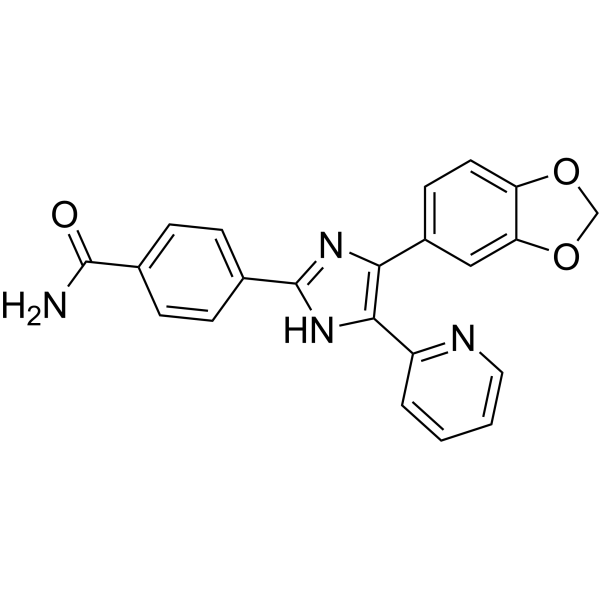
    SB-431542 is a TGF-β receptor kinase inhibitor (TRKI). SB-431542 has inhibitory activity for ALK4, ALK5 and ALK7 with IC50 values of 1 μM, 0.75 μM and 2 μM, respectively. SB-431542 also inhibits TGF-β-induced transcription, gene expression, apoptosis, and growth suppression. SB-431542 can be used for the research of cancer and signal transduction pathways .
    SB-431542
  • HY-13756
    Tacrolimus
    Maximum Cited Publications
    101 Publications Verification

    FK506; Fujimycin; FR900506

    Phosphatase FKBP Bacterial Autophagy Antibiotic Infection Inflammation/Immunology Cancer
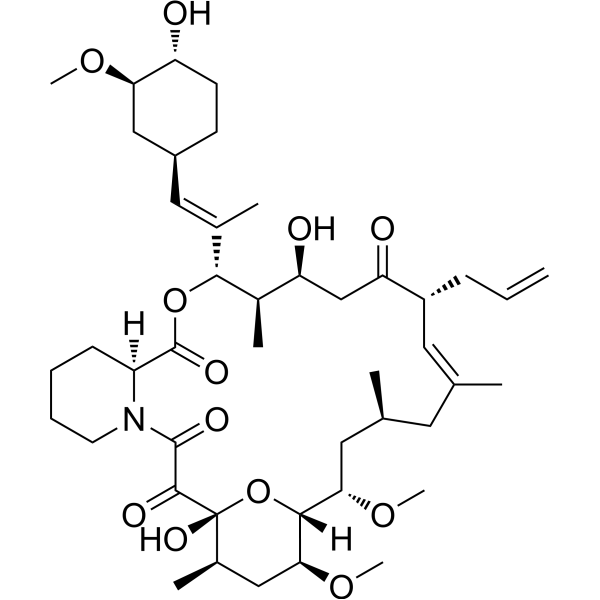
    Tacrolimus (FK506), a macrocyclic lactone, binds to FK506 binding protein (FKBP) to form a complex. Tacrolimus inhibits calcineurin phosphatase, which inhibits T-lymphocyte signal transduction and IL-2 transcription. Immunosuppressive properties .
    Tacrolimus
  • HY-A0181
    Adenosine monophosphate
    15+ Cited Publications

    AMP

    Endogenous Metabolite Adenosine Receptor HSV Infection Metabolic Disease
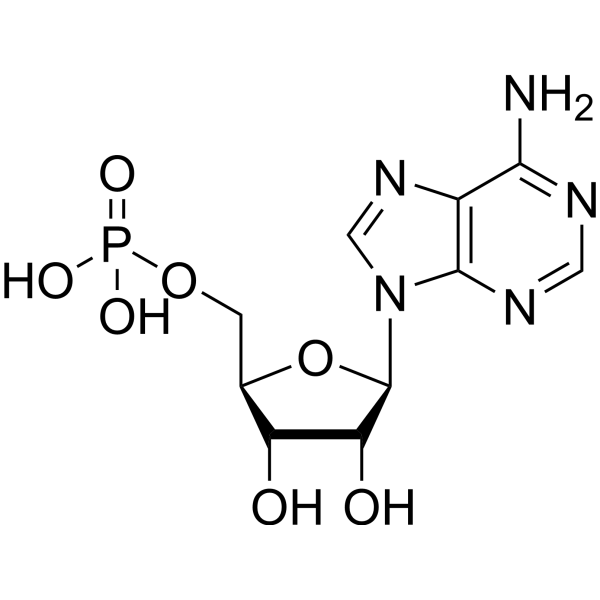
    Adenosine monophosphate is an adenosine A1 receptor agonist. Adenosine monophosphate has significant antiviral activity against HSV-1 and HSV-2. Adenosine monophosphate is a key cellular metabolite regulating energy homeostasis and signal transduction .
    Adenosine monophosphate
  • HY-B1511
    Cyclic AMP
    20+ Cited Publications

    Cyclic adenosine monophosphate; Adenosine cyclic 3', 5'-monophosphate; cAMP

    Endogenous Metabolite Neurological Disease Metabolic Disease Cancer
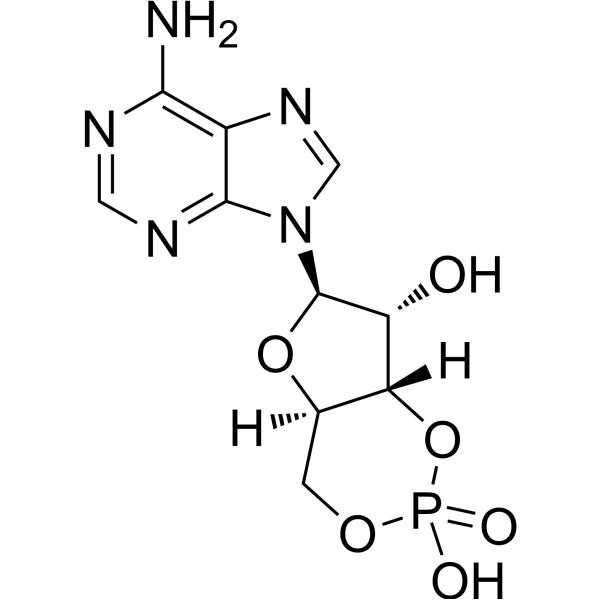
    Cyclic AMP (Cyclic adenosine monophosphate), adenosine triphosphate derivative, is an intracellular signaling molecule responsible for directing cellular responses to extracellular signals. Cyclic AMP is an important second messenger in many biological processes .
    Cyclic AMP
  • HY-B1411
    i-Inositol
    5+ Cited Publications

    myo-Inositol; meso-Inositol

    Endogenous Metabolite Others
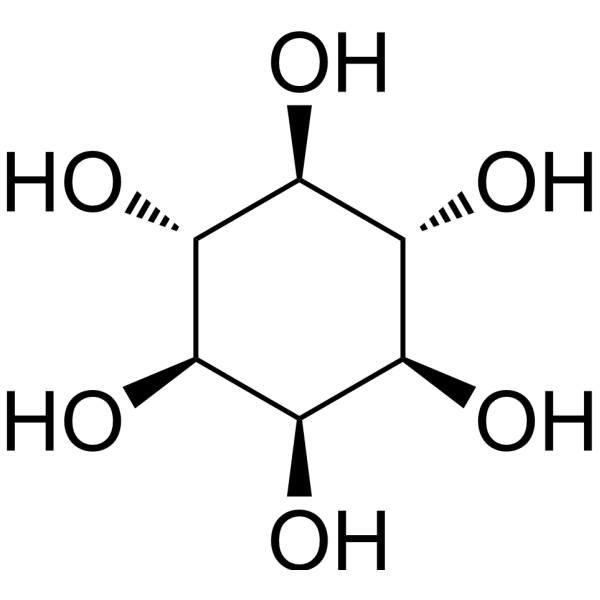
    i-Inositol (myo-Inositol) is a compound of sugar alcohols. i-Inositol is involved in a series of biological processes such as insulin signal transduction and cytoskeletal transduction. i-Inositol mainly exists in glial cells and plays an osmotic role .
    i-Inositol
  • HY-B1511A
    Cyclic AMP sodium
    20+ Cited Publications

    Cyclic adenosine monophosphate sodium; Adenosine cyclic 3', 5'-monophosphate sodium; cAMP sodium

    Biochemical Assay Reagents Neurological Disease Metabolic Disease Cancer
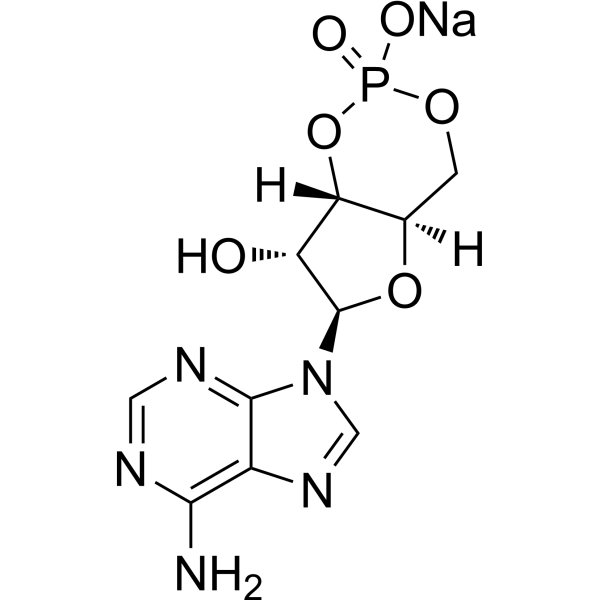
    Cyclic AMP (Cyclic adenosine monophosphate) sodium, adenosine triphosphate derivative, is an intracellular signaling molecule responsible for directing cellular responses to extracellular signals. Cyclic AMP sodium is an important second messenger in many biological processes .
    Cyclic AMP sodium
  • HY-126741
    Azadirachtin
    2 Publications Verification

    Environmental Pollutants Parasite Caspase NF-κB Apoptosis Bcl-2 Family Infection Inflammation/Immunology Cancer
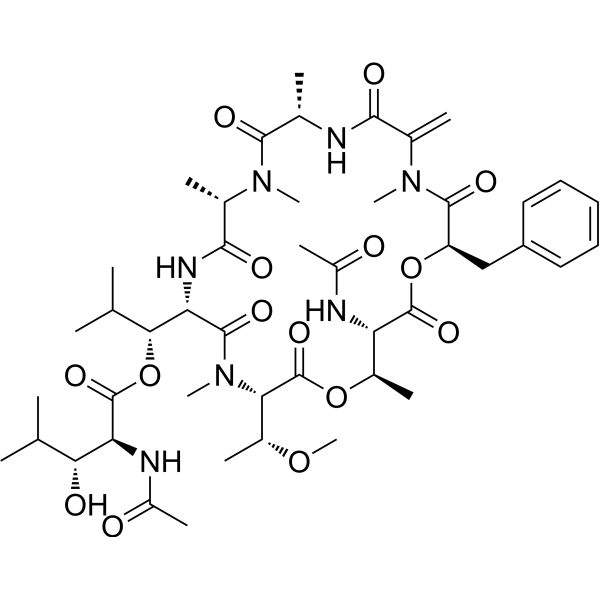
    Azadirachtin is an oral active triterpenoid compound with anticancer, antimalarial, anti-inflammatory, and insecticidal activities. Azadirachtin induces cell apoptosis through the mitochondrial pathway (by inhibiting Bcl-2/Bax ratio or activating Apaf-1 and caspase-3) or through death receptors (by inhibiting TNFR activation). Additionally, Azadirachtin exerts its anti-inflammatory effects by inhibiting NF-кB signaling pathway activation, and it exhibits insecticidal activity by inducing apoptosis in insect cells .
    Azadirachtin
  • HY-13018
    MRT67307
    25+ Cited Publications

    IKK ULK Autophagy Inflammation/Immunology Cancer
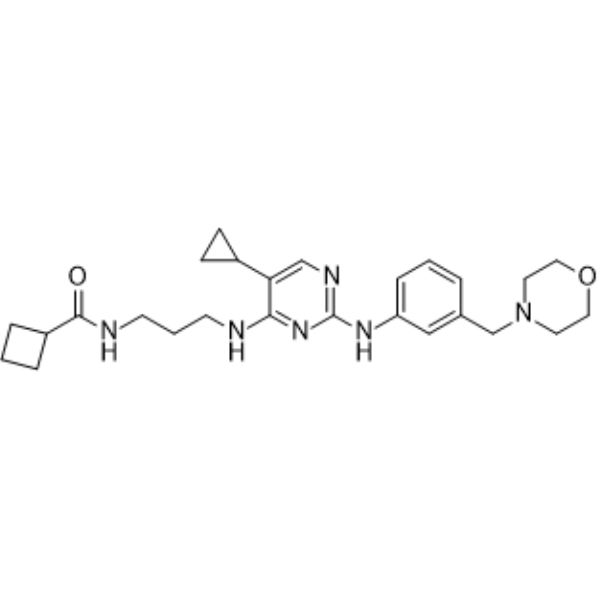
    MRT67307 is a dual inhibitor of the IKKε and TBK-1 with IC50s of 160 and 19 nM, respectively . MRT67307 also inhibits ULK1 and ULK2 with IC50s of 45 and 38 nM, respectively. MRT67307 also blocks autophagy in cells .
    MRT67307
  • HY-13756A
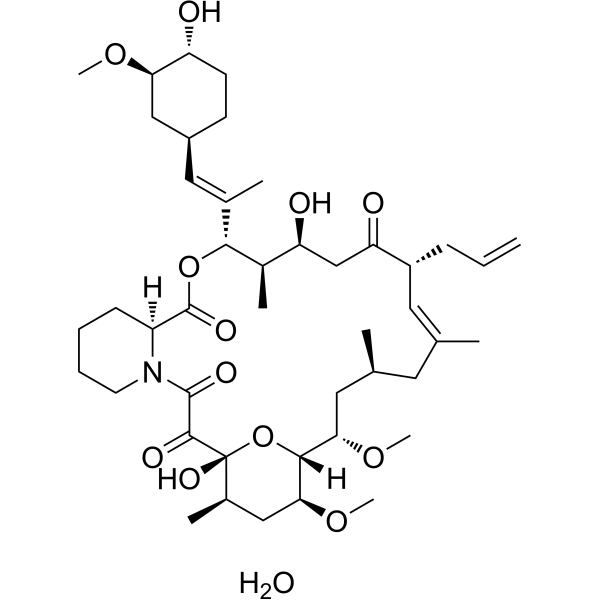
    Tacrolimus monohydrate
    Maximum Cited Publications
    101 Publications Verification

    FK506 monohydrate; Fujimycin monohydrate; FR900506 monohydrate

    Phosphatase FKBP Autophagy Bacterial Antibiotic Infection Inflammation/Immunology Cancer
    Tacrolimus monohydrate (FK506 monohydrate), a macrocyclic lactone, binds to FK506 binding protein (FKBP) to form a complex and inhibits calcineurin phosphatase, which inhibits T-lymphocyte signal transduction and IL-2 transcription. Immunosuppressive properties .
    Tacrolimus monohydrate
  • HY-W013706

    ITP trisodium salt; Inosine triphosphate trisodium salt

    Endogenous Metabolite Metabolic Disease
    Inosine-5'-triphosphate trisodium salt is a nucleotide analogue that acts on multiple G proteins and is widely used in G protein-related research. It can bind to the α -subunit of G proteins and participate in G protein-mediated signal transduction as a substitute for GTP. Its mechanism of action is to interact with the nucleotide-binding site of the G protein α -subunit, affecting the activity and function of G proteins. In the research field, it is mainly used to explore the role of the G protein signaling pathway in cellular physiological and pathological processes. For example, in HL-60 leukemia cells, its impact on G protein-mediated signal transduction can be studied .
    Inosine-5'-triphosphate trisodium salt
  • HY-136244
    PF-06952229
    4 Publications Verification

    TGF-β Receptor Cancer
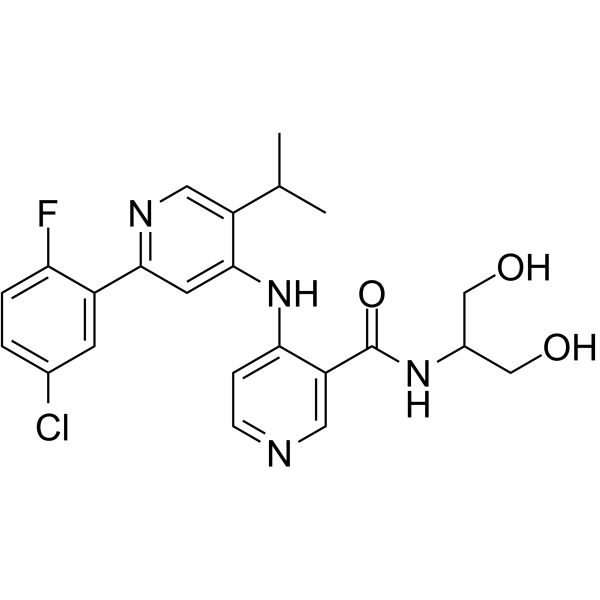
    PF-06952229 is a potent, selective and orally active TGFbR1 inhibitor. PF-06952229 specifically binds to TGFbR1 and prevents TGFbR1-mediated signal transduction.?PF-06952229 is a promising antineoplastic?agent for the study solid tumors, especifically metastatic breast cancer .
    PF-06952229
  • HY-P0102

    nAChR Neurological Disease Metabolic Disease
    Dipeptide diaminobutyroyl benzylamide diacetate, a Wagerlin-1-mimicking peptide, is a nAChR antagonist. Dipeptide diaminobutyroyl benzylamide diacetate mimics Waglerin-1 to block neuromuscular junction nicotinic acetylcholine receptors, partially inhibits neuronal signal transduction, and relaxes muscles. Dipeptide diaminobutyroyl benzylamide diacetate reduces appearance of facial wrinkles linked to repeated muscle movement.Dipeptide diaminobutyroyl benzylamide diacetate can be used for the research of mild-to-moderate fine and coarse periocular and perioral wrinkles and periorbital ageing .
    Dipeptide diaminobutyroyl benzylamide diacetate
  • HY-122816
    HLY78
    10+ Cited Publications

    Wnt β-catenin Apoptosis Cardiovascular Disease Neurological Disease Cancer
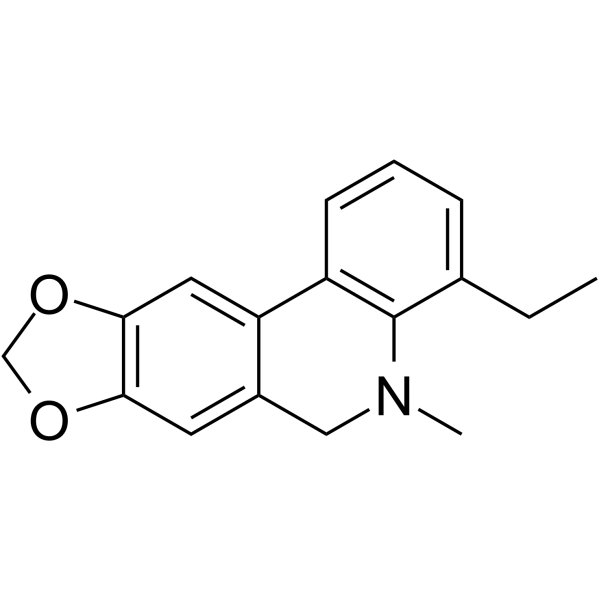
    HLY78, a Lycorine (HY-N0288) derivative, is a potent activator of the Wnt/β-catenin signaling pathway. HLY78 targets the DIX domain of Axin and promotes the Axin-LRP6 (lipoprotein receptor-related protein 6) association, thus promoting LRP6 phosphorylation and Wnt signal transduction. HLY78 can be used for subarachnoid hemorrhage (SAH) research .
    HLY78
  • HY-P99936

    LJM716

    EGFR Cancer
    Elgemtumab(LJM716) is a fully human IgG monoclonal antibody. Elgemtumab can specifically bind to HER3, block ligand-dependent and independent HER3 signal transduction and cell proliferation, and has good anti-tumor potential .
    Elgemtumab
  • HY-P3281

    FGFR Neurological Disease
    FGL peptide is a fibroblast growth factor receptor (FGFR) modulator and blood-brain barrier-penetrant. FGL peptide activates NCAM-FGFR and FGFR1 signaling pathways. FGL peptide alters expression of apoptosis, signal transduction and metabolism regulator genes in traumatic brain injury contexts. FGL peptide can be used for the research of traumatic brain injury .
    FGL peptide
  • HY-W145561

    Neu5Ac alpha(2-3)Gal beta MP glycoside

    Biochemical Assay Reagents Others
    Neu5Acα(2-3)Galβ MP glycoside (Neu5Ac alpha(2-3)Gal beta MP glycoside) is a glycoside used in glycobiology research to explore cell surface interactions and signal transduction pathways.
    Neu5Acα(2-3)Galβ MP glycoside
  • HY-10431R

    Apoptosis TGF-β Receptor Organoid Reference Standards Cancer
    SB-431542 (Standard) is the analytical standard of SB-431542. SB-431542 is a TGF-β receptor kinase inhibitor (TRKI). SB-431542 has inhibitory activity for ALK4, ALK5 and ALK7 with IC50 values of 1 μM, 0.75 μM and 2 μM, respectively. SB-431542 also inhibits TGF-β-induced transcription, gene expression, apoptosis, and growth suppression. SB-431542 can be used for the research of cancer and signal transduction pathways .
    SB-431542 (Standard)
  • HY-145295
    Flupyradifurone
    2 Publications Verification

    Environmental Pollutants nAChR Infection
    Flupyradifurone is a systemic nAChR agonist that interferes with signal transduction in the central nervous system of sucking pests. Flupyradifurone can be used as a butenolide insecticide .
    Flupyradifurone
  • HY-W587552

    Liposome Endogenous Metabolite
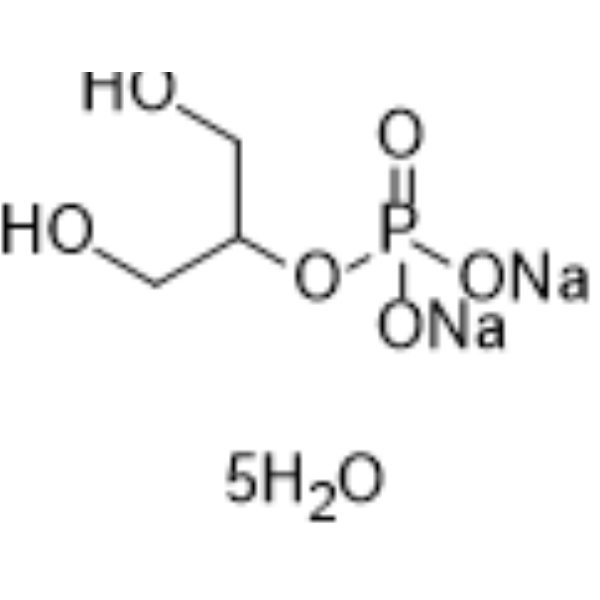
    1,3-Diolein is a phospholipid compound that has the activity of regulating cell membrane fluidity and signal transduction. 1,3-Diolein is widely used in cell biology research to study lipid-mediated signal transduction pathways and membrane protein interactions. 1,3-Diolein can also serve as a functional carrier in compound delivery systems to help improve the bioavailability of compounds.
    1,3-Diolein
  • HY-126741R

    Reference Standards Apoptosis Parasite NF-κB Bcl-2 Family Caspase Infection Inflammation/Immunology Cancer
    Azadirachtin (Standard) is the analytical standard of Azadirachtin. This product is intended for research and analytical applications. Azadirachtin, one of the most promising botanical insecticides, is widely used for pest control. Azadirachtin induces apoptosis in insect cell lines, including Sf9, SL-1 and BTI-Tn-5B1-4 .
    Azadirachtin (Standard)
  • HY-P99223

    MEDI-575

    PDGFR Cancer
    Tovetumab (MEDI-575) is an anti-PDGFRα monoclonal antibody that selectively blocks the PDGFRα signal transduction. Tovetumab can be used in the research of glioblastoma and non-small cell lung cancer (NSCLC) .
    Tovetumab
  • HY-156004

    Bacterial Others
    Ziapin 2 is a membrane potential modulator and an intracellular membrane photoactuator. Ziapin 2 binds to the bacterial plasma membrane, and upon embedding into the lipid bilayer, undergoes trans-cis isomerization under 470 nm light irradiation, which triggers membrane potential hyperpolarization and induces the opening of ion channels on bacterial cell membranes. Through interactions with lipids, Ziapin 2 increases the overall flexibility of the lipid bilayer. Ziapin 2 can form photosensitive transmembrane dimers to trigger cellular signal transduction. Ziapin 2 is applicable to the research and regulation of bacterial electrical signal transduction and the regulation of membrane physical properties .
    Ziapin 2
  • HY-W587861
    5β-Dihydroprogesterone
    1 Publications Verification

    5βDHP

    Oxytocin Receptor Endocrinology
    5β-Dihydroprogesterone (5βDHP) is the metabolite of Progesterone (HY-N0437). 5β-Dihydroprogesterone binds to oxytocin receptor, reduces the Oxytocin (HY-17571)-induced calcium signal transduction, thereby exhibiting the tocolytic activity .
    5β-Dihydroprogesterone
  • HY-13756R

    FK506 (Standard); Fujimycin (Standard); FR900506 (Standard)

    Reference Standards Phosphatase FKBP Bacterial Autophagy Antibiotic Infection Inflammation/Immunology Cancer
    Tacrolimus (Standard) is the analytical standard of Tacrolimus. This product is intended for research and analytical applications. Tacrolimus (FK506), a macrocyclic lactone, binds to FK506 binding protein (FKBP) to form a complex. Tacrolimus inhibits calcineurin phosphatase, which inhibits T-lymphocyte signal transduction and IL-2 transcription. Immunosuppressive properties .
    Tacrolimus (Standard)
  • HY-B1411R

    myo-Inositol (Standard); meso-Inositol (Standard)

    Reference Standards Endogenous Metabolite Others
    i-Inositol (Standard) is the analytical standard of i-Inositol. This product is intended for research and analytical applications. i-Inositol (myo-Inositol) is a compound of sugar alcohols. i-Inositol is involved in a series of biological processes such as insulin signal transduction and cytoskeletal transduction. i-Inositol mainly exists in glial cells and plays an osmotic role .
    i-Inositol (Standard)
  • HY-141873
    Wnt/β-catenin agonist 2
    1 Publications Verification

    Wnt β-catenin Others
    Wnt/β-catenin agonist 2 is a potent Wnt agonist. Wnt/β-catenin agonist 2 activates Wnt/β-catenin signaling and can be used in the research of diseases related to the signal transduction . (From patent WO2007078113A1, compound 39)
    Wnt/β-catenin agonist 2
  • HY-16125
    Carboxyamidotriazole Orotate
    4 Publications Verification

    L-651582 Orotate; CAI Orotate

    Calcium Channel Cardiovascular Disease Inflammation/Immunology Cancer
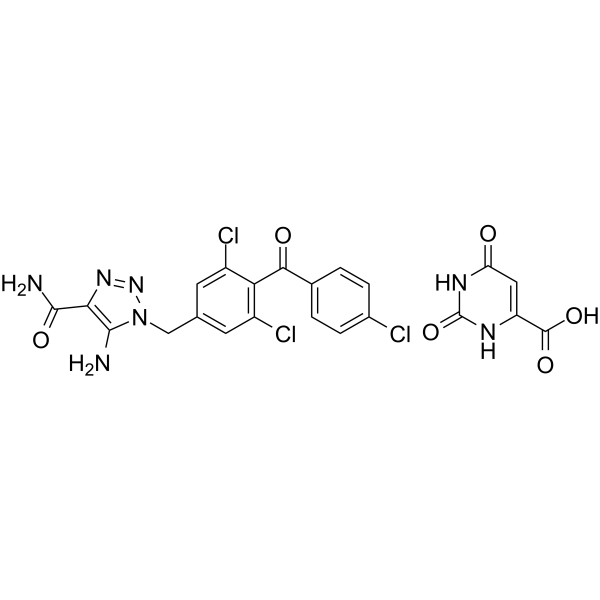
    Carboxyamidotriazole Orotate (L-651582 Orotate) is the orotate salt form of Carboxyamidotriazole (CAI), an orally bioavailable signal transduction inhibitor. Carboxyamidotriazole Orotate is a cytostatic inhibitor of nonvoltage-operated calcium channels and calcium channel-mediated signaling pathways. Carboxyamidotriazole Orotate shows anti-tumor, anti-inflammatory and antiangiogenic effects .
    Carboxyamidotriazole Orotate
  • HY-P10489

    Kisspeptin Receptor Cancer
    Kisspeptin-14 human is a peptide hormone encoded by the KiSS-1 gene. Kisspeptin-14 human, along with several other similar peptide hormones, is produced from a common precursor protein by cleavage by different proteases. Kisspeptin-14 human is an endogenous ligand of KISS1R. Kisspeptin-14 human has the same receptor binding efficiency and potency as full-length kisspeptin. Kisspeptin-14 human binds to its receptor GPR54 and is able to activate this G protein-coupled receptor and activate multiple intracellular signaling pathways. Kisspeptin-14 human can be used to study reproductive development and tumor metastasis .
    Kisspeptin-14 human
  • HY-B1511R

    Cyclic adenosine monophosphate (Standard); Adenosine cyclic 3', 5'-monophosphate (Standard); cAMP (Standard)

    Endogenous Metabolite Reference Standards Cancer
    Cyclic AMP (Standard) is the analytical standard of Cyclic AMP. Cyclic AMP (Cyclic adenosine monophosphate), adenosine triphosphate derivative, is an intracellular signaling molecule responsible for directing cellular responses to extracellular signals. Cyclic AMP is an important second messenger in many biological processes .
    Cyclic AMP (Standard)
  • HY-P99659

    ANB 019

    Interleukin Related Inflammation/Immunology
    Imsidolimab (ANB 019) is a high-affinity, humanized monoclonal antibody of anti-IL-36R. Imsidolimab antagonizes IL-36 cytokine signal transduction. Imsidolimab has potential application in generalized pustular psoriasis (GPP) and other inflammatory skin diseases .
    Imsidolimab
  • HY-P99266

    Anti-Human CD4 Recombinant Antibody

    Transmembrane Glycoprotein Inflammation/Immunology Cancer
    Zanolimumab (Anti-Human CD4 Recombinant Antibody) is a fully human monoclonal antibody targets CD4. Zanolimumab effectively inhibits T-cell receptor (TCR) signal transduction. Zanolimumab can be used for the research of heumatoid arthritis, psoriasis, melanoma, cutaneous and peripheral T-cell lymphoma .
    Zanolimumab
  • HY-U00416

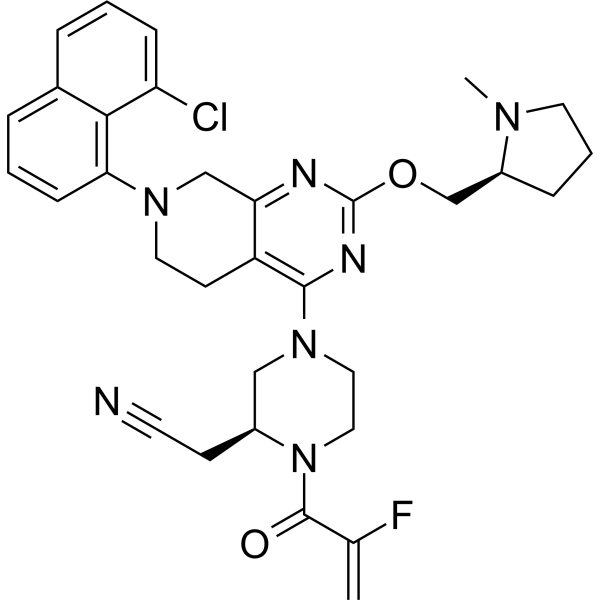
    Ras Cancer
    ARS-1323 is a KRAS G12C inhibitor. ARS-1323 specifically binds to the cysteine residue on the mutant K-Ras protein, locks it in the GDP-bound conformation, thereby blocking K-Ras activation and downstream signaling pathways. ARS-1323 can be used to investigate the signal transduction mechanisms and growth characteristics of tumor cells driven by K-Ras G12C .
    ARS-1323
  • HY-P1135

    Neuropeptide Y Receptor Neurological Disease
    M1145, a chimeric peptide, is a selective galanin receptor type 2 (GAL2) agonist, with a Ki of 6.55 nM. M1145 shows more than 90-fold higher affinity for GAL2 over GAL1 (Ki=587 nM) and a 76-fold higher affinity over GalR3 (Ki=497 nM). M1145 has an additive effect on the signal transduction of galanin .
    M1145
  • HY-128465

    Endogenous Metabolite Others
    1,2-Dilauroyl-sn-glycerol is a saturated diacylglycerol and may play a role in second messenger signal transduction .
    1,2-Dilauroyl-sn-glycerol
  • HY-P2948

    Ser/Thr protein kinase

    Biochemical Assay Reagents Infection
    Protein serine/threonine kinase is a type of serine/threonine protein kinase. Protein serine/threonine kinases are pleiotropic signaling proteins that can phosphorylate various substrates, thereby initiating branched signaling pathways. Mycobacteria protein serine/threonine kinase plays a crucial role in signal transduction pathways, ultimately determining the growth and metabolic adaptability of mycobacteria .
    Protein serine/threonine kinase
  • HY-W654041

    AMP-13C5

    Isotope-Labeled Compounds Endogenous Metabolite Others
    Adenosine monophosphate- 13C5 (AMP- 13C5) is 13C labeled Adenosine monophosphate. Adenosine monophosphate is a key cellular metabolite regulating energy homeostasis and signal transduction .
    Adenosine monophosphate-13C5
  • HY-137016A
    8-Pcpt-cGMP sodium
    1 Publications Verification

    HCN Channel Neurological Disease
    8-Pcpt-cGMP sodium is the sodium salt form of 8-Pcpt-cGMP (HY-137016). 8-Pcpt-cGMP sodium is an agonist for cyclic nucleotide-gated (CNG) channel with an EC50 of 0.5 μM. 8-Pcpt-cGMP sodium exhibits good membrane permeability. 8-Pcpt-cGMP sodium can be used in studies about the function of CNG channels in visual signal transduction and olfactory transduction .
    8-Pcpt-cGMP sodium
  • HY-P10208A
    RKH acetate
    1 Publications Verification

    Toll-like Receptor (TLR) Infection Inflammation/Immunology
    RKH acetate exerts protective effects against sepsis-induced death and organ damage. RKH acetate can directly bind to Toll-like receptor 4 (TLR4) and block TLR4 signal transduction in immune cells .
    RKH acetate
  • HY-W127699

    N,N,N-Trimethyl-2-(propionyloxy)ethanaminium (p-toluenesulfonate)

    Biochemical Assay Reagents Others
    Propionylcholine (p-toluenesulfonate) is an organic compound commonly used in biochemical research and neuroscience research. It can be used to study cholinergic signal transduction and esterase activity, and is widely used in biomedical research and pharmacological research. In addition, this compound is also used as a substrate or catalyst in certain biochemical reactions.
    Propionylcholine (p-toluenesulfonate)
  • HY-134254

    8-(6-Aminohexylamino)-cAMP

    Biochemical Assay Reagents Others
    8-AHA-cAMP (8-(6-Aminohexylamino)-cAMP) is a cAMP derivative that modulates the function of proteins by interacting with their cAMP binding domain (CNBD). 8-AHA-cAMP can be used to reveal the mechanism of action of cAMP in cell signaling .
    8-AHA-cAMP
  • HY-13018A

    IKK ULK Autophagy Inflammation/Immunology Cancer
    MRT67307 hydrochloride is a dual inhibitor of the IKKε and TBK-1 with IC50s of 160 and 19 nM, respectively . MRT67307 hydrochloride also inhibits ULK1 and ULK2 with IC50s of 45 and 38 nM, respectively. MRT67307 hydrochloride also blocks autophagy in cells .
    MRT67307 hydrochloride
  • HY-D2361

    Nucleoside Antimetabolite/Analog Others
    Adenosine 2'-PEG-Biotin is a biochemical reagent derived from adenosine. Adenosine 2'-PEG-Biotin regulates cell signaling pathways by mimicking the effects of endogenous adenosine and binding to its receptors. Adenosine 2'-PEG-Biotin can be used in the research of bioprobes, biosensors and diagnostic reagents .
    Adenosine 2'-PEG-Biotin
  • HY-150163

    Endogenous Metabolite Metabolic Disease
    RBM14C12 is a compound with cell signal transduction activity. RBM14C12 has important uses in studying lipid metabolism and cell membrane structure. RBM14C12 can also be used to develop novel compounds to regulate the biological mechanisms of lipid-related diseases.
    RBM14C12
  • HY-164770A

    ApU sodium

    DNA/RNA Synthesis Others
    Adenosyl-(3′→5′)-uridine (ApU) sodium is a nucleotide, which is composed of an adenine base and a uracil sugar molecule through a 3'-5' phosphodiester bond. Adenosyl-(3′→5′)-uridine (ApU) sodium participates in the biological processes, such as gene expression regulation, signal transduction, and protein synthesis .
    Adenosyl-(3′→5′)-uridine sodium
  • HY-145025

    ERK Inflammation/Immunology Cancer
    ERK1/2 inhibitor 3 is a potent inhibitor of ERK1/2. Mitogen-activated protein kinase (MAPK) plays an extremely important role in the signal transduction pathway, and extracellular signal regulated kinase (ERK) is a member of the MAPK family. ERK1/2 inhibitor 3 has the potential for the research or prevention of cancer, inflammation or other proliferative diseases (extracted from patent WO2021218912A1, compound 1) .
    ERK1/2 inhibitor 3
  • HY-W014883

    1,12-DD; 1,12-Diamino dodecane

    Potassium Channel Metabolic Disease
    1,12-Dodecanediamine (1,12-DD) is a reversible Maxi calcium-activated potassium channel blocker. 1,12-Dodecanediamine can reduce the single-channel current amplitude, mean channel open time, and channel open probability. 1,12-Dodecanediamine is promising for research of cell electrical signal transduction mechanism .
    1,12-Dodecanediamine
  • HY-W590849

    Endogenous Metabolite Metabolic Disease
    F1874-108 is an inhibitor of brassinosteroid biosynthesis and signal transduction .
    F1874-108
  • HY-W749117

    Endogenous Metabolite Metabolic Disease
    Inosine 5’-diphosphate sodium is a purine ribonucleoside 5’-diphosphate with inosine as the nucleobase, which can participate in intracellular energy metabolism and signal transduction processes .
    Inosine 5′-diphosphate sodium
  • HY-W750777

    Isotope-Labeled Compounds nAChR Infection
    Flupyradifurone-d5 is the deuterium labeled Flupyradifurone (HY-145295). Flupyradifurone is a systemic?nAChR?agonist that interferes with signal transduction in the central nervous system of sucking pests. Flupyradifurone can be used as a butenolide?insecticide .
    Flupyradifurone-d5
  • HY-W703190

    Inositol 1,4,5,6-tetraphosphate; D-Ins(1,4,5,6)P4

    Endogenous Metabolite Metabolic Disease
    D-myo-Inositol-1,4,5,6-tetraphosphate (D-Ins(1,4,5,6)P4) is one of several different inositol oligophosphate isomers implicated in signal transduction. It almost completely inhibits calcium-activated chloride channels at a concentration of 8-10 μM .
    D-myo-Inositol-1,4,5,6-tetraphosphate

Inquiry Online

Your information is safe with us. * Required Fields.

Salutation


Country or Region *

Applicant Name *


Organization Name *

Department *


Email Address *


Product Name *

Cat. No.


Requested quantity *

Phone Number *


Remarks

Inquiry Online

Inquiry Information

Product Name:
Cat. No.:
Quantity:
MCE Japan Authorized Agent:

