1. Search Result
Search Result
Results for "

TGR5 activator

" in MedChemExpress (MCE) Product Catalog:

29

Inhibitors & Agonists

9

Natural
Products

11

Isotope-Labeled Compounds

Cat. No. Product Name Target Research Areas Chemical Structure
  • HY-13771
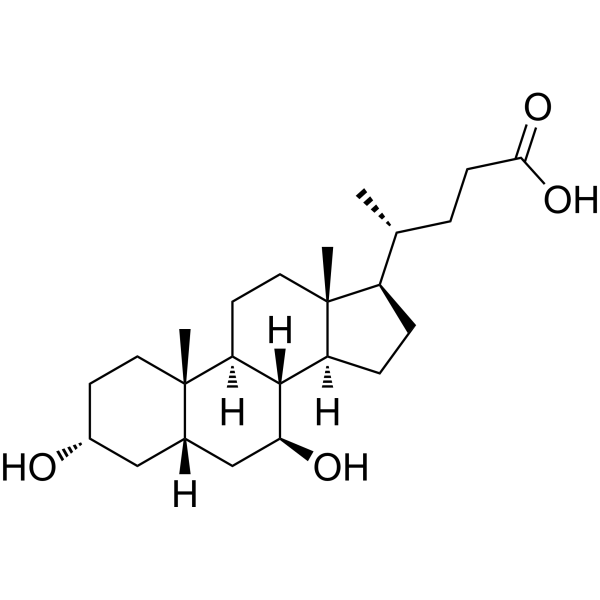
    Ursodeoxycholic acid
    Maximum Cited Publications
    26 Publications Verification

    Ursodeoxycholate; Ursodiol; UDCA

    G protein-coupled Bile Acid Receptor 1 FXR Angiotensin-converting Enzyme (ACE) Endogenous Metabolite Infection Metabolic Disease Cancer
    Ursodeoxycholic acid (Ursodeoxycholate) is a secondary bile acid issued from the transformation of (cheno)deoxycholic acid by intestinal bacteria, acting as a key regulator of the intestinal barrier integrity and essential for lipid metabolism. Ursodeoxycholic acid acts as signaling molecule, exerting its effects by interacting with bile acid activated receptors, including G-protein coupled bile acid receptor 5 (TGR5, GPCR19) and the farnesoid X receptor (FXR). Ursodeoxycholic acid can be used for the research of a variety of hepatic and gastrointestinal diseases. Ursodeoxycholic acid also reduces ACE2 expression and is beneficial for reducing SARS-CoV-2 infection. Orally active .
    Ursodeoxycholic acid
  • HY-121238
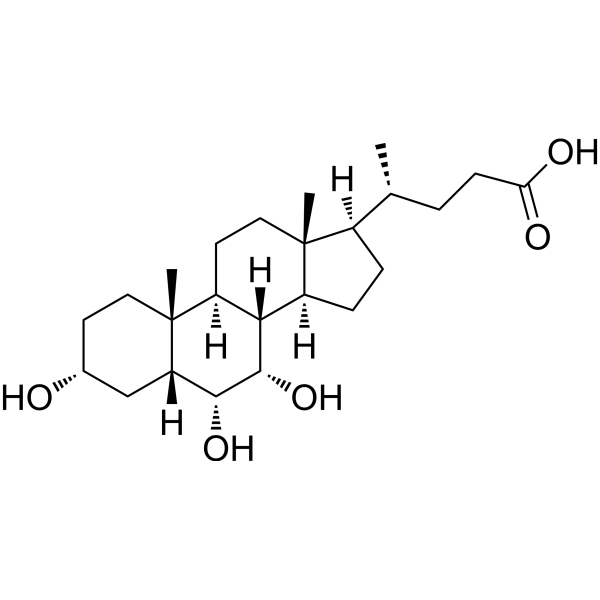
    Hyocholic acid
    2 Publications Verification

    FXR G protein-coupled Bile Acid Receptor 1 Metabolic Disease
    Hyocholic Acid is a bile acid found in pig. Hyocholic Acid can also be found in urine samples from patients with cholestasis. Hyocholic Acid promotes GLP-1 secretion via activating TGR5 and inhibiting FXR in enteroendocrine cells. Hyocholic Acid is known for its exceptional resistance to type 2 diabetes .
    Hyocholic acid
  • HY-113308
    Taurolithocholic acid
    5+ Cited Publications

    Calcium Channel Ferroptosis PI3K Akt HBV Reactive Oxygen Species (ROS) Cardiovascular Disease Infection Inflammation/Immunology
    Taurolithocholic acid is an orally active bile acid and antiviral agent. Taurolithocholic acid upregulates FADS2 by activating the TGR5-PI3K/AKT-SREBP2 signaling axis, inhibits SFTSV-induced ferroptosis (Ferroptosis), viral replication and viral entry of HBV/HDV, while reducing the release of IL-1β, lipid ROS and LDH. While exerting antiviral protective effects, Taurolithocholic acid also stimulates the recycling of hepatocellular membrane transporters, impairs canalicular bile acid secretion function, and induces hepatocyte cholestasis, apoptosis and acute hepatocellular injury. Taurolithocholic acid serves as an experimental model compound for hepatocellular cholestasis. At concentrations ≤200 μM, Taurolithocholic acid shows no cytotoxicity and does not activate the interferon pathway. Taurolithocholic acid not only protects mice from lethal SFTSV infection but also is suitable for studies related to severe fever with thrombocytopenia syndrome and cholestasis .
    Taurolithocholic acid
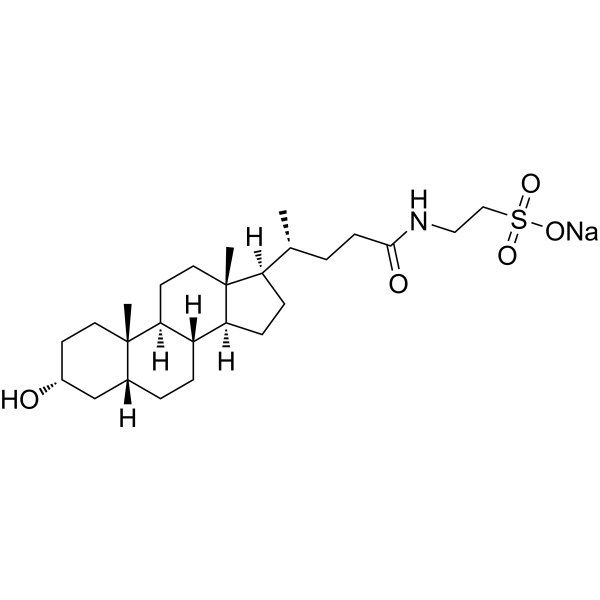
  • HY-113308A

    Calcium Channel Ferroptosis PI3K Reactive Oxygen Species (ROS) Akt HBV Metabolic Disease
    Taurolithocholic acid sodium salt is an orally active bile acid and antiviral agent. Taurolithocholic acid sodium salt upregulates FADS2 by activating the TGR5-PI3K/AKT-SREBP2 signaling axis, inhibits SFTSV-induced ferroptosis, viral replication and viral entry of HBV/HDV, while reducing the release of IL-1β, lipid ROS and LDH. While exerting antiviral protective effects, Taurolithocholic acid sodium salt also stimulates the recycling of hepatocellular membrane transporters, impairs canalicular bile acid secretion function, and induces hepatocyte cholestasis, apoptosis and acute hepatocellular injury. Taurolithocholic acid sodium salt serves as an experimental model compound for hepatocellular cholestasis. At concentrations ≤200 μM, Taurolithocholic acid sodium salt shows no cytotoxicity and does not activate the interferon pathway. Taurolithocholic acid sodium salt not only protects mice from lethal SFTSV infection but also is suitable for studies related to severe fever with thrombocytopenia syndrome and cholestasis .
    Taurolithocholic acid sodium salt
  • HY-N0593S
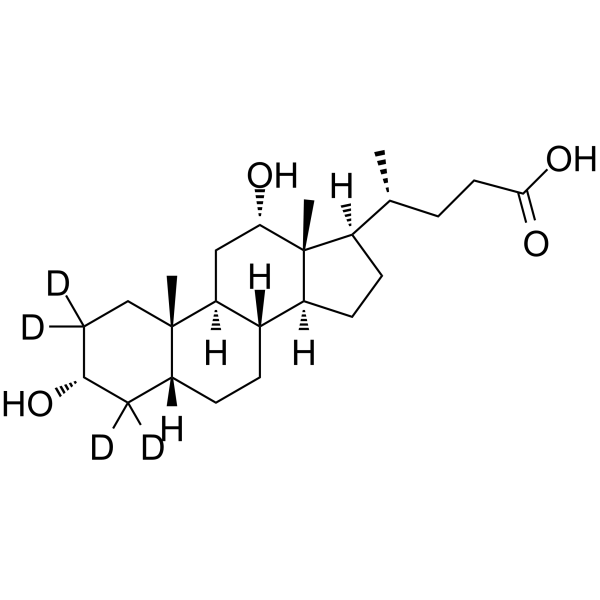
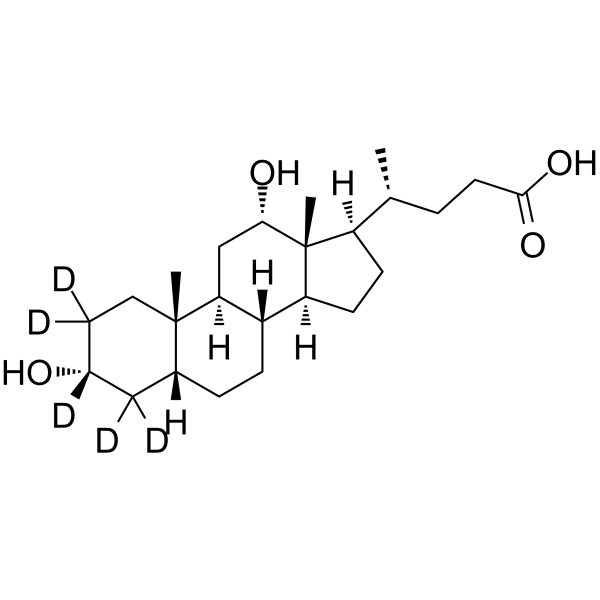
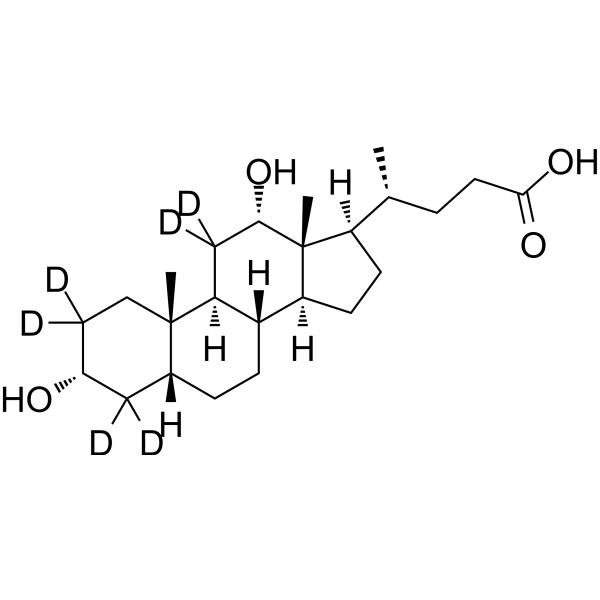
    Deoxycholic acid-d4
    1 Publications Verification

    Isotope-Labeled Compounds G protein-coupled Bile Acid Receptor 1 Endogenous Metabolite Metabolic Disease
    Deoxycholic acid-d4 is the deuterium labeled Deoxycholic acid. Deoxycholic acid is specifically responsible for activating the G protein-coupled bile acid receptor TGR5 that stimulates brown adipose tissue (BAT) thermogenic activity.
    Deoxycholic acid-d4
  • HY-13771A
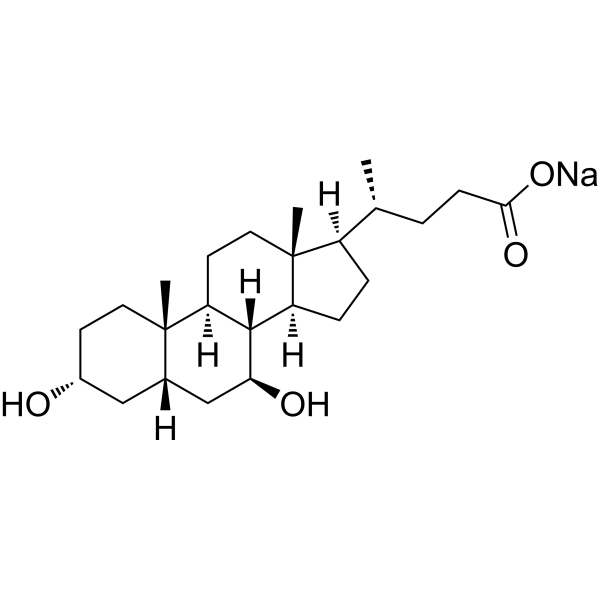
    Ursodeoxycholic acid sodium
    Maximum Cited Publications
    26 Publications Verification

    Ursodeoxycholate sodium; Ursodiol sodium; UCDA sodium

    G protein-coupled Bile Acid Receptor 1 FXR Endogenous Metabolite Metabolic Disease Inflammation/Immunology Cancer
    Ursodeoxycholic acid (Ursodeoxycholate) sodium is a secondary bile acid issued from the transformation of (cheno)deoxycholic acid by intestinal bacteria, acting as a key regulator of the intestinal barrier integrity and essential for lipid metabolism. Ursodeoxycholic acid sodium acts as signaling molecule, exerting its effects by interacting with bile acid activated receptors, including G-protein coupled bile acid receptor 5 (TGR5, GPCR19) and the farnesoid X receptor (FXR). Ursodeoxycholic acid sodium can be used for the research of a variety of hepatic and gastrointestinal diseases. Orally active .
    Ursodeoxycholic acid sodium
  • HY-B1899A
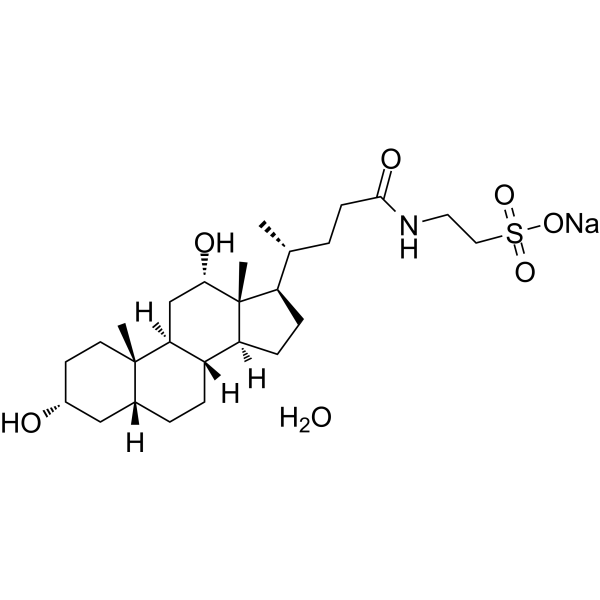
    Taurodeoxycholic acid sodium hydrate
    3 Publications Verification

    Taurodeoxycholate sodium hydrate

    G protein-coupled Bile Acid Receptor 1 Endogenous Metabolite Metabolic Disease
    Taurodeoxycholic acid sodium hydrate (Sodium taurodeoxycholate monohydrate), a bile acid, is an amphiphilic surfactant molecule synthesized from cholesterol in the liver. Taurodeoxycholic acid sodium hydrate activates the S1PR2 pathway in addition to the TGR5 pathway .
    Taurodeoxycholic acid sodium hydrate
  • HY-120565

    G protein-coupled Bile Acid Receptor 1 Metabolic Disease
    WB403 is an orally active TGR5 activator with an EC50 of 5.5 μM against human TGR5. WB403 activates TGR5 to stimulate downstream signaling pathways, promote GLP-1 secretion, improve glucose tolerance in mice with type 2 diabetes, and reduce levels of fasting blood glucose, postprandial blood glucose and HbA1c. WB403 increases pancreatic β-cell mass and restores the distribution of α-cells and β-cells in islets. WB403 is applicable to the research of type 2 diabetes .
    WB403
  • HY-113478S

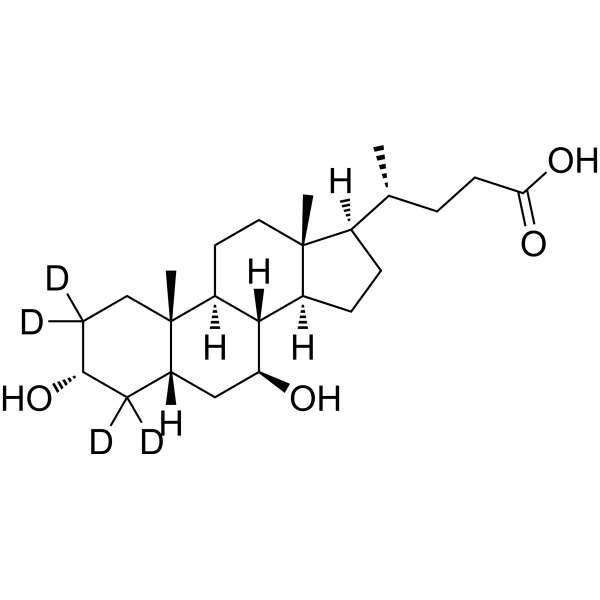
    Ursodeoxycholate-d4; Ursodiol-d4; UDCA-d4

    Isotope-Labeled Compounds Infection Metabolic Disease
    Ursodeoxycholic acid-2,2,4,4-d4 is the deuterium labeled Ursodeoxycholic acid (HY-13771). Ursodeoxycholic acid is a secondary bile acid issued from the transformation of (cheno)deoxycholic acid by intestinal bacteria, acting as a key regulator of the intestinal barrier integrity and essential for lipid metabolism. Ursodeoxycholic acid acts as signaling molecule, exerting its effects by interacting with bile acid activated receptors, including G-protein coupled bile acid receptor 5 (TGR5, GPCR19) and the farnesoid X receptor (FXR). Ursodeoxycholic acid can be used for the research of a variety of hepatic and gastrointestinal diseases. Ursodeoxycholic acid also reduces ACE2 expression and is beneficial for reducing SARS-CoV-2 infection .
    Ursodeoxycholic acid-d4
  • HY-N3266

    Tyrosinase Phosphatase Cholinesterase (ChE) SARS-CoV PERK JNK p38 MAPK TGF-beta/Smad Apoptosis Reactive Oxygen Species (ROS) AMPK MMP Cardiovascular Disease Infection Neurological Disease Inflammation/Immunology Cancer
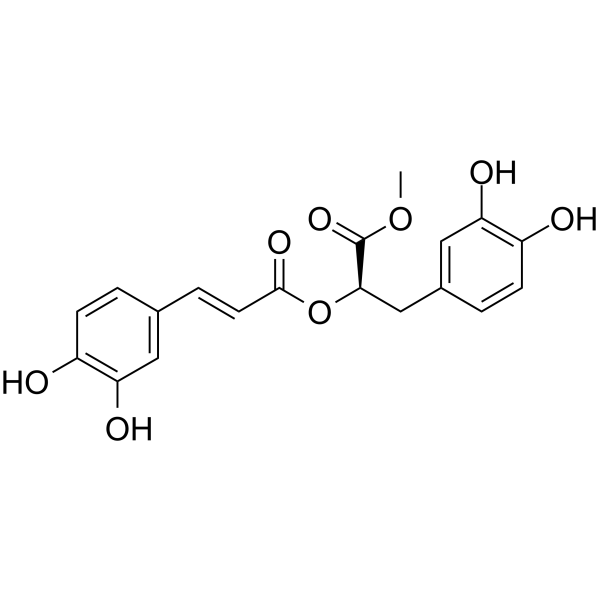
    Methyl rosmarinate is an orally active hydroxycinnamic acid. Methyl rosmarinate exhibits an IC50 of 24.70 μM and a Ki of 15.29 μM against PTP1B, an IC50 of 41.46 μg/mL against BChE, a Ki of 0.61 mM against mushroom tyrosinase, and an IC50 of 2.50 μM against SARS-CoV-2 3CLpro. Methyl rosmarinate downregulates the phosphorylation levels of ERK, JNK, p38, Smad2 and Smad3. Methyl rosmarinate activates erythrocyte BPGM and promotes the production of 2,3-BPG. Methyl rosmarinate induces apoptosis of fibroblasts. Methyl rosmarinate prolongs the survival time of hypoxic mice. Methyl rosmarinate improves insulin sensitivity. Methyl rosmarinate binds to SARS-CoV-2 3CLpro and inhibits viral replication. Methyl rosmarinate induces glioblastoma cell death. Methyl rosmarinate activates the TGR5/AMPK axis and reduces the levels of ROS and MDA. Methyl rosmarinate shows inhibitory activity against MMP-1. Methyl rosmarinate can be used in research related to pulmonary fibrosis, hypoxia-induced injury, type 2 diabetes, Alzheimer's disease, hyperpigmentation disorders, COVID-19, glioblastoma and myocardial ischemia-reperfusion injury .
    Methyl rosmarinate
  • HY-N0910
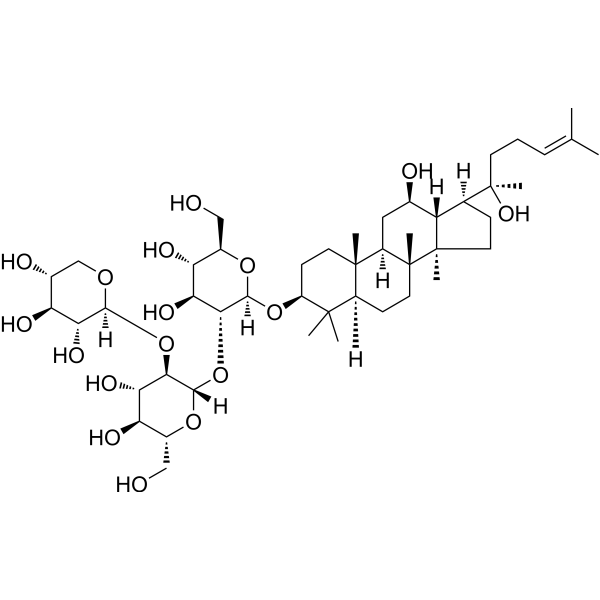
    Notoginsenoside Ft1
    1 Publications Verification

    PI3K mTOR Akt Apoptosis p38 MAPK ERK Transmembrane Glycoprotein Glutathione Reductase (GR) Estrogen Receptor/ERR Calcium Channel Ferroptosis G protein-coupled Bile Acid Receptor 1 FXR Cardiovascular Disease Neurological Disease Metabolic Disease Inflammation/Immunology Cancer
    Notoginsenoside Ft1 is an orally active bioactive saponin. Notoginsenoside Ft1 inhibits the PI3K/AKT/mTOR signaling pathway, activates the p38 MAPK and ERK1/2 signaling pathways, and increases the proportion of CD8 + T cells, thereby inducing apoptosis and lysosomal cell death in various cancer cells, and promoting angiogenesis. Notoginsenoside Ft1 causes vasodilation by activating glucocorticoid receptors (GR) and estrogen receptor beta (ERβ) in endothelial cells. Notoginsenoside Ft1 increases intracellular Ca 2+ accumulation, reduces cAMP levels by activating a signaling network mediated through P2Y12 receptors, and promotes platelet aggregation, thereby exerting a procoagulant effect. Notoginsenoside Ft1 inhibits ferroptosis (ferroptosis) in renal tubular epithelial cells by activating the TGR5 receptor, thereby demonstrating a renal protective effect. Notoginsenoside Ft1 acts as a TGR5 agonist and an FXR antagonist to combat obesity and insulin resistance .
    Notoginsenoside Ft1
  • HY-13771R

    Ursodeoxycholate (Standard); Ursodiol (Standard); UDCA (Standard)

    Reference Standards G protein-coupled Bile Acid Receptor 1 FXR Angiotensin-converting Enzyme (ACE) Endogenous Metabolite Infection Metabolic Disease Cancer
    Ursodeoxycholic acid (Standard) is the analytical standard of Ursodeoxycholic acid. This product is intended for research and analytical applications. Ursodeoxycholic acid (Ursodeoxycholate) is a secondary bile acid issued from the transformation of (cheno)deoxycholic acid by intestinal bacteria, acting as a key regulator of the intestinal barrier integrity and essential for lipid metabolism. Ursodeoxycholic acid acts as signaling molecule, exerting its effects by interacting with bile acid activated receptors, including G-protein coupled bile acid receptor 5 (TGR5, GPCR19) and the farnesoid X receptor (FXR). Ursodeoxycholic acid can be used for the research of a variety of hepatic and gastrointestinal diseases. Ursodeoxycholic acid also reduces ACE2 expression and is beneficial for reducing SARS-CoV-2 infection. Orally active .
    Ursodeoxycholic acid (Standard)
  • HY-N0593S1

    Isotope-Labeled Compounds G protein-coupled Bile Acid Receptor 1 Endogenous Metabolite Metabolic Disease
    Deoxycholic acid-d5 is the deuterium labeled Deoxycholic acid. Deoxycholic acid is specifically responsible for activating the G protein-coupled bile acid receptor TGR5 that stimulates brown adipose tissue (BAT) thermogenic activity.
    Deoxycholic acid-d5
  • HY-N0593S3

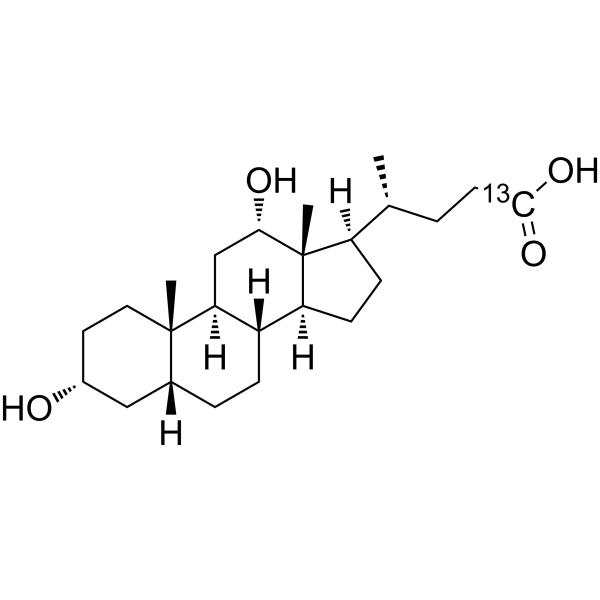
    Cholanoic Acid-13C; Desoxycholic acid-13C

    G protein-coupled Bile Acid Receptor 1 Endogenous Metabolite Metabolic Disease
    Deoxycholic acid- 13C is the 13C-labeled Deoxycholic acid. Deoxycholic acid is specifically responsible for activating the G protein-coupled bile acid receptor TGR5 that stimulates brown adipose tissue (BAT) thermogenic activity.
    Deoxycholic acid-13C
  • HY-113308S1

    Isotope-Labeled Compounds Calcium Channel Ferroptosis PI3K Reactive Oxygen Species (ROS) Akt HBV Others
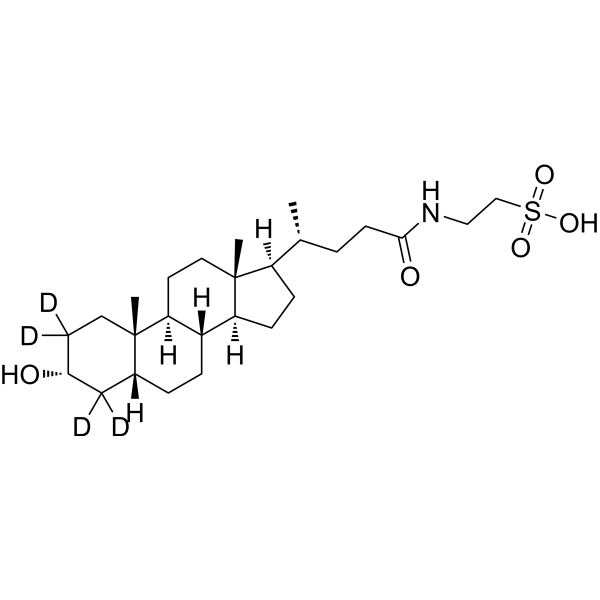
    Taurolithocholic acid-d4 is deuterium labeled Taurolithocholic acid. Taurolithocholic acid is an orally active bile acid and antiviral agent. Taurolithocholic acid upregulates FADS2 by activating the TGR5-PI3K/AKT-SREBP2 signaling axis, inhibits SFTSV-induced ferroptosis, viral replication and viral entry of HBV/HDV, while reducing the release of IL-1β, lipid ROS and LDH. While exerting antiviral protective effects, Taurolithocholic acid also stimulates the recycling of hepatocellular membrane transporters, impairs canalicular bile acid secretion function, and induces hepatocyte cholestasis, apoptosis and acute hepatocellular injury. Taurolithocholic acid serves as an experimental model compound for hepatocellular cholestasis. At concentrations ≤200 μM, Taurolithocholic acid shows no cytotoxicity and does not activate the interferon pathway. Taurolithocholic acid not only protects mice from lethal SFTSV infection but also is suitable for studies related to severe fever with thrombocytopenia syndrome and cholestasis .
    Taurolithocholic acid-d4
  • HY-N0593S2

    Cholanoic acid-d6; Desoxycholic acid-d6

    Isotope-Labeled Compounds G protein-coupled Bile Acid Receptor 1 Endogenous Metabolite Metabolic Disease
    Deoxycholic acid-d6 is the deuterium labeled Deoxycholic acid. Deoxycholic acid is specifically responsible for activating the G protein-coupled bile acid receptor TGR5 that stimulates brown adipose tissue (BAT) thermogenic activity.
    Deoxycholic acid-d6
  • HY-113308AR

    Reference Standards Calcium Channel Ferroptosis PI3K Reactive Oxygen Species (ROS) Akt HBV Metabolic Disease
    Taurolithocholic acid (sodium salt) (Standard) is the analytical standard of Taurolithocholic acid (sodium salt). This product is intended for research and analytical applications. Taurolithocholic acid sodium salt is an orally active bile acid and antiviral agent. Taurolithocholic acid sodium salt upregulates FADS2 by activating the TGR5-PI3K/AKT-SREBP2 signaling axis, inhibits SFTSV-induced ferroptosis, viral replication and viral entry of HBV/HDV, while reducing the release of IL-1β, lipid ROS and LDH. While exerting antiviral protective effects, Taurolithocholic acid sodium salt also stimulates the recycling of hepatocellular membrane transporters, impairs canalicular bile acid secretion function, and induces hepatocyte cholestasis, apoptosis and acute hepatocellular injury. Taurolithocholic acid sodium salt serves as an experimental model compound for hepatocellular cholestasis. At concentrations ≤200 μM, Taurolithocholic acid sodium salt shows no cytotoxicity and does not activate the interferon pathway. Taurolithocholic acid sodium salt not only protects mice from lethal SFTSV infection but also is suitable for studies related to severe fever with thrombocytopenia syndrome and cholestasis .
    Taurolithocholic acid sodium salt (Standard)
  • HY-13771S1

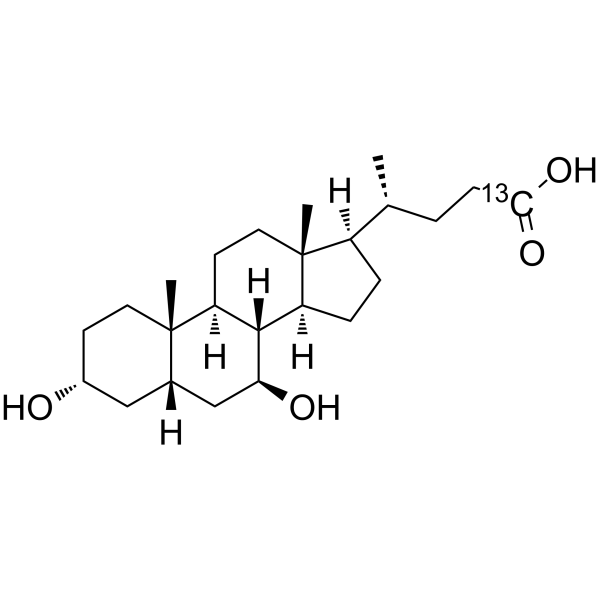
    Ursodeoxycholate-13C; Ursodiol-13C; UDCA-13C

    Isotope-Labeled Compounds G protein-coupled Bile Acid Receptor 1 FXR Endogenous Metabolite Cancer
    Ursodeoxycholic acid- 13C is the 13C labeled Ursodeoxycholic acid. Ursodeoxycholic acid (Ursodeoxycholate) is a secondary bile acid issued from the transformation of (cheno)deoxycholic acid by intestinal bacteria, acting as a key regulator of the intestinal barrier integrity and essential for lipid metabolism. Ursodeoxycholic acid acts as signaling molecule, exerting its effects by interacting with bile acid activated receptors, including G-protein coupled bile acid receptor 5 (TGR5, GPCR19) and the farnesoid X receptor (FXR). Ursodeoxycholic acid can be used for the research of a variety of hepatic and gastrointestinal diseases. Orally active .
    Ursodeoxycholic acid-13C
  • HY-113308AS1

    Isotope-Labeled Compounds Calcium Channel Ferroptosis PI3K Reactive Oxygen Species (ROS) Akt HBV Metabolic Disease
    Taurolithocholic Acid-d5 (sodium) is the deuterium labeled Taurolithocholic acid sodium salt. Taurolithocholic Acid sodium salt is an orally active bile acid and antiviral agent. Taurolithocholic Acid sodium salt upregulates FADS2 by activating the TGR5-PI3K/AKT-SREBP2 signaling axis, inhibits SFTSV-induced ferroptosis, viral replication and viral entry of HBV/HDV, while reducing the release of IL-1β, lipid ROS and LDH. While exerting antiviral protective effects, Taurolithocholic Acid sodium salt also stimulates the recycling of hepatocellular membrane transporters, impairs canalicular bile acid secretion function, and induces hepatocyte cholestasis, apoptosis and acute hepatocellular injury. Taurolithocholic Acid sodium salt serves as an experimental model compound for hepatocellular cholestasis. At concentrations ≤200 μM, Taurolithocholic Acid sodium salt shows no cytotoxicity and does not activate the interferon pathway. Taurolithocholic Acid sodium salt not only protects mice from lethal SFTSV infection but also is suitable for studies related to severe fever with thrombocytopenia syndrome and cholestasis .
    Taurolithocholic Acid-d5 sodium salt
  • HY-W089835R

    Reference Standards G protein-coupled Bile Acid Receptor 1 Endogenous Metabolite Metabolic Disease
    Sodium taurodeoxycholate hydrate (Standard) is the analytical standard of Sodium taurodeoxycholate hydrate. This product is intended for research and analytical applications. Sodium taurodeoxycholate hydrate, a bile acid, is an amphiphilic surfactant molecule synthesized from cholesterol in the liver. Sodium taurodeoxycholate hydrate activates the S1PR2 pathway in addition to the TGR5 pathway .
    Sodium taurodeoxycholate hydrate (Standard)
  • HY-121238R

    G protein-coupled Bile Acid Receptor 1 FXR Reference Standards Others Metabolic Disease
    Hyocholic Acid (Standard) is the analytical standard of Hyocholic Acid. This product is intended for research and analytical applications. Hyocholic Acid is a bile acid found in pig. Hyocholic Acid can also be found in urine samples from patients with cholestasis. Hyocholic Acid promotes GLP-1 secretion via activating TGR5 and inhibiting FXR in enteroendocrine cells. Hyocholic Acid is known for its exceptional resistance to type 2 diabetes [1][2][3].
    Hyocholic Acid (Standard)
  • HY-181102

    G protein-coupled Bile Acid Receptor 1 Metabolic Disease Inflammation/Immunology
    TGR5 agonist 10 is a selective, allosteric and orally active Takeda G protein coupled receptor 5 (TGR5) agonist with EC50s of 0.8 μM and 0.6 μM for human TGR5 and mouse TGR5, respectively. TGR5 agonist 10 demonstrates selectivity for TGR5 over FXR. TGR5 agonist 10 activates hTGR5 and mTGR5 to induce cAMP accumulation, and positively modulates lithocholic acid functional activity and potency at hTGR5, with higher selectivity for cAMP formation over β-arrestin2 recruitment. TGR5 agonist 10 exerts glucose-lowering effects in Mus musculus oral glucose tolerance tests. TGR5 agonist 10 can be used for the research of diabetes .
    TGR5 agonist 10
  • HY-182905

    Somatostatin Receptor G protein-coupled Bile Acid Receptor 1 Metabolic Disease
    SSTR5/TGR5-modulator-1 is an orally active and dual-target small molecule, balanced in vitro activity at human TGR5 and human SSTR5. SSTR5/TGR5-modulator-1 activates human TGR5 to promote cAMP accumulation. SSTR5/TGR5-modulator-1 blocks human SSTR5 to inhibit agonist-induced calcium mobilization. SSTR5/TGR5-modulator-1 improves glucose tolerance in mice. SSTR5/TGR5-modulator-1 alleviates gallbladder filling in mice at pharmacologically relevant doses. SSTR5/TGR5-modulator-1 has suboptimal physicochemical and metabolic properties.SSTR5/TGR5-modulator-1 can be used for the research of type 2 diabetes mellitus .
    SSTR5/TGR5-modulator-1
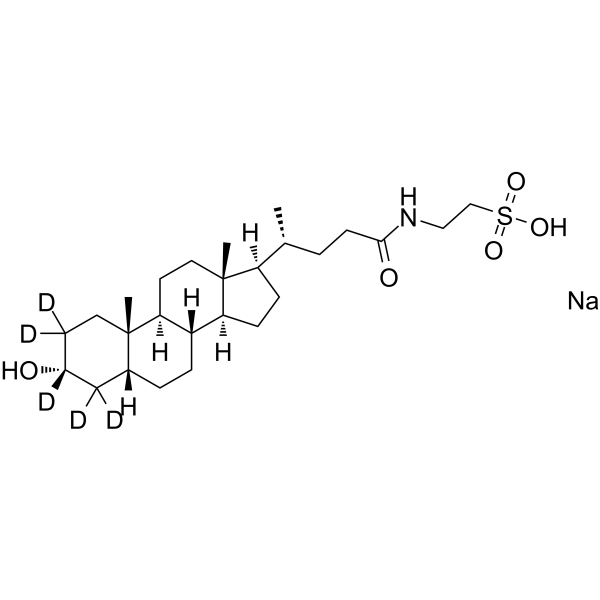
  • HY-113308AS

    Isotope-Labeled Compounds Calcium Channel Ferroptosis PI3K Reactive Oxygen Species (ROS) Akt HBV Metabolic Disease
    Taurolithocholic acid-d4 (sodium) is the deuterium labeled Taurolithocholic acid (sodium salt). Taurolithocholic acid sodium is an orally active bile acid and antiviral agent. Taurolithocholic acid sodium upregulates FADS2 by activating the TGR5-PI3K/AKT-SREBP2 signaling axis, inhibits SFTSV-induced ferroptosis, viral replication and viral entry of HBV/HDV, while reducing the release of IL-1β, lipid ROS and LDH. While exerting antiviral protective effects, Taurolithocholic acid sodium also stimulates the recycling of hepatocellular membrane transporters, impairs canalicular bile acid secretion function, and induces hepatocyte cholestasis, apoptosis and acute hepatocellular injury. Taurolithocholic acid sodium serves as an experimental model compound for hepatocellular cholestasis. At concentrations ≤200 μM, Taurolithocholic acid sodium shows no cytotoxicity and does not activate the interferon pathway. Taurolithocholic acid sodium not only protects mice from lethal SFTSV infection but also is suitable for studies related to severe fever with thrombocytopenia syndrome and cholestasis .
    Taurolithocholic acid-d4 sodium
  • HY-113308AS2

    Isotope-Labeled Compounds Calcium Channel Ferroptosis PI3K Reactive Oxygen Species (ROS) Akt HBV Metabolic Disease
    Taurolithocholic acid-d4-1 (sodium) is the deuterium labeled Taurolithocholic acid. Taurolithocholic acid sodium is an orally active bile acid and antiviral agent. Taurolithocholic acid sodium upregulates FADS2 by activating the TGR5-PI3K/AKT-SREBP2 signaling axis, inhibits SFTSV-induced ferroptosis, viral replication and viral entry of HBV/HDV, while reducing the release of IL-1β, lipid ROS and LDH. While exerting antiviral protective effects, Taurolithocholic acid sodium also stimulates the recycling of hepatocellular membrane transporters, impairs canalicular bile acid secretion function, and induces hepatocyte cholestasis, apoptosis and acute hepatocellular injury. Taurolithocholic acid sodium serves as an experimental model compound for hepatocellular cholestasis. At concentrations ≤200 μM, Taurolithocholic acid sodium shows no cytotoxicity and does not activate the interferon pathway. Taurolithocholic acid sodium not only protects mice from lethal SFTSV infection but also is suitable for studies related to severe fever with thrombocytopenia syndrome and cholestasis .
    Taurolithocholic acid-d4-1 sodium
  • HY-113308S

    Isotope-Labeled Compounds Calcium Channel Ferroptosis PI3K Reactive Oxygen Species (ROS) Akt HBV Others
    Taurolithocholic acid-d5 is deuterium labeled Taurolithocholic acid. Taurolithocholic acid is an orally active bile acid and antiviral agent. Taurolithocholic acid upregulates FADS2 by activating the TGR5-PI3K/AKT-SREBP2 signaling axis, inhibits SFTSV-induced ferroptosis, viral replication and viral entry of HBV/HDV, while reducing the release of IL-1β, lipid ROS and LDH. While exerting antiviral protective effects, Taurolithocholic acid also stimulates the recycling of hepatocellular membrane transporters, impairs canalicular bile acid secretion function, and induces hepatocyte cholestasis, apoptosis and acute hepatocellular injury. Taurolithocholic acid serves as an experimental model compound for hepatocellular cholestasis. At concentrations ≤200 μM, Taurolithocholic acid shows no cytotoxicity and does not activate the interferon pathway. Taurolithocholic acid not only protects mice from lethal SFTSV infection but also is suitable for studies related to severe fever with thrombocytopenia syndrome and cholestasis .
    Taurolithocholic acid-d5
  • HY-171949

    3α,7α,12α,25-Tetrahydroxycoprostane

    G protein-coupled Bile Acid Receptor 1 Endogenous Metabolite Metabolic Disease
    5β-Cholestane-3α,7α,12α,25-tetrol (3α,7α,12α,25-Tetrahydroxycoprostane) is a bile acid alcohol. 5β-Cholestane-3α,7α,12α,25-tetrol is a GPBAR1 (also known as TGR5) activator (EC50: 1.36 μM). 5β-Cholestane-3α,7α,12α,25-tetrol is the predominant bile-alcohol disease marker present in patients with Cerebrotendinous xanthomatosis (CTX) .
    5β-Cholestane-3α,7α,12α,25-tetrol
  • HY-41333

    G protein-coupled Bile Acid Receptor 1 Metabolic Disease
    6ECA is a selective TGR5 receptor activator with an EC50 of 3.44 μM. 6ECA shows no significant activity at FXR. 6ECA can be used for the study of diabesity .
    6ECA
  • HY-182026

    FXR G protein-coupled Bile Acid Receptor 1 TNF Receptor Reactive Oxygen Species (ROS) Inflammation/Immunology
    FXR agonist 17 is an orally active, steroidal FXR agonist with EC50 values of 42.2 nM (TR-FRET) and 176.4 nM (luciferase reporter assay), respectively. FXR agonist 17 activates TGR5 (EC50 = 2.6 μM) but does not activate hMRGPRX4. FXR agonist 17 exerts anti-inflammatory, hepatoprotective and antifibrotic effects, improves the non-alcoholic steatohepatitis (NAFLD) activity score and reduces the severity of liver fibrosis. FXR agonist 17 can be used for the research of NAFLD, cholestatic liver disease and liver fibrosis .
    FXR agonist 17

Inquiry Online

Your information is safe with us. * Required Fields.

Salutation


Country or Region *

Applicant Name *


Organization Name *

Department *


Email Address *


Product Name *

Cat. No.


Requested quantity *

Phone Number *


Remarks

Inquiry Online

Inquiry Information

Product Name:
Cat. No.:
Quantity:
MCE Japan Authorized Agent:

