1. Search Result
Search Result
Results for "

TXA

" in MedChemExpress (MCE) Product Catalog:

73

Inhibitors & Agonists

1

Biochemical Assay Reagents

3

Peptides

6

Natural
Products

3

Isotope-Labeled Compounds

2

Antibodies

Cat. No. Product Name Target Research Areas Chemical Structure
  • HY-12403
    Talfirastide
    15+ Cited Publications

    TXA127; Angiotensin (1-7); Ang-(1-7)

    Angiotensin Receptor Angiotensin-converting Enzyme (ACE) Endogenous Metabolite Cardiovascular Disease Inflammation/Immunology Endocrinology Cancer
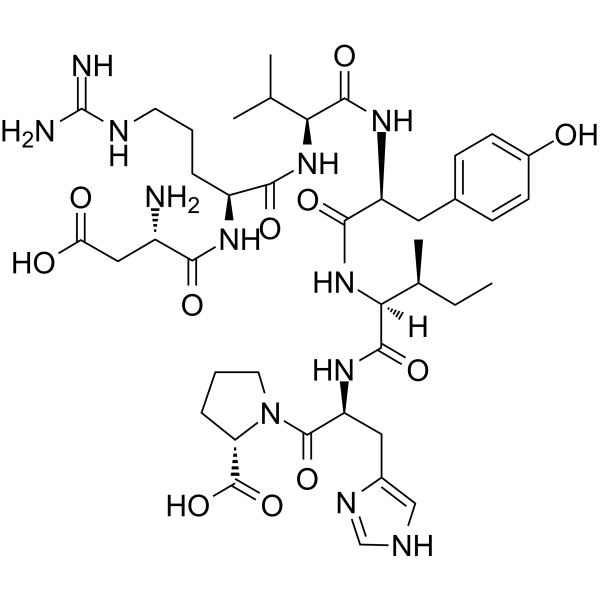
    Angiotensin 1-7 (Ang-(1-7)) is an endogenous heptapeptide from the renin-angiotensin system (RAS) with a cardioprotective role due to its anti-inflammatory and anti-fibrotic activities in cardiac cells. Angiotensin 1-7 inhibits purified canine ACE activity (IC50=0.65 μM). Angiotensin 1-7 acts as a local synergistic modulator of kinin-induced vasodilation by inhibiting ACE and releasing nitric oxide. Angiotensin 1-7 blocks Ang II-induced smooth muscle cell proliferation and hypertrophy and shows antiangiogenic and growth-inhibitory effects on the endothelium. Angiotensin 1-7 shows anti-inflammatory activity .
    Talfirastide
  • HY-108566
    U-46619
    10+ Cited Publications

    9,11-Methanoepoxy PGH2

    Prostaglandin Receptor Cardiovascular Disease
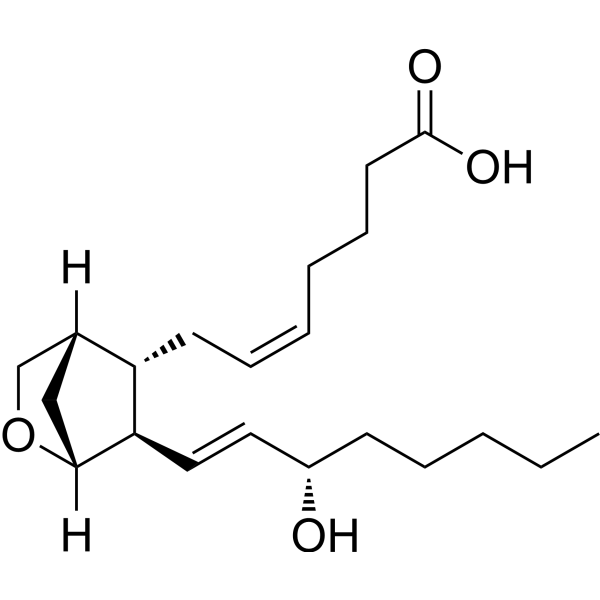
    U-46619 (9,11-Methanoepoxy PGH2) is a stable analogue of Thromboxane A2 (HY-113350) (TXA2) and acts as a potent TXA2 (TP) agonist. U-46619 also is a RhoA agonist. U-46619 stimulates the activation of RhoA through TXA2 receptor activation .
    U-46619
  • HY-N0607
    Ginsenoside Ro
    1 Publications Verification

    Polysciasaponin P3; Chikusetsusaponin 5; Chikusetsusaponin V

    Calcium Channel Prostaglandin Receptor Cardiovascular Disease Endocrinology
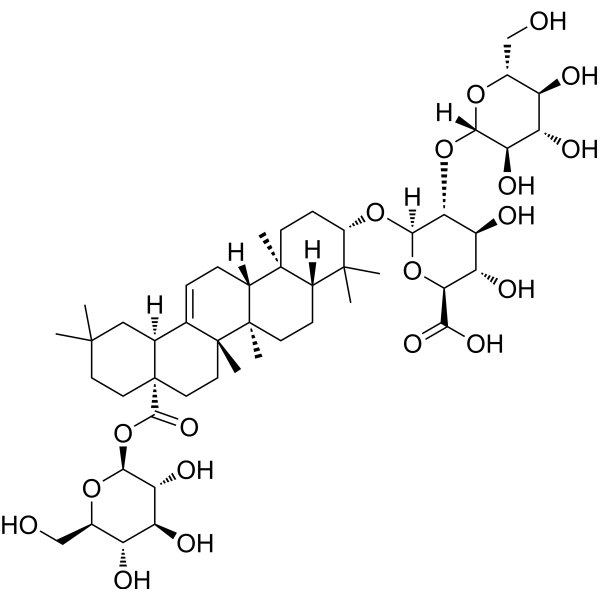
    Ginsenoside Ro (Polysciasaponin P3; Chikusetsusaponin 5; Chikusetsusaponin V) exhibits a Ca 2+-antagonistic antiplatelet effect with an IC50 of 155 μM. Ginsenoside Ro reduces the production of TXA2 more than it reduces the activities of COX-1 and TXAS.
    Ginsenoside Ro
  • HY-18763
    Indobufen
    2 Publications Verification

    Ibustrin

    COX Cardiovascular Disease
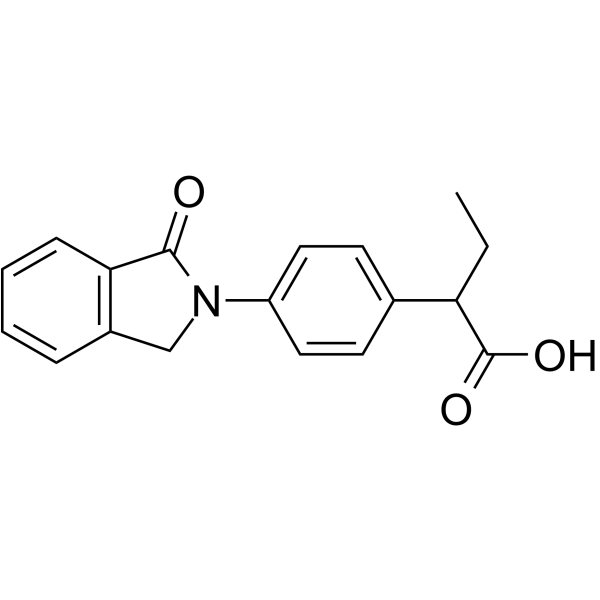
    Indobufen is a platelet aggregation inhibitor. Indobufen is a reversible platelet cyclooxygenase (Cox) activity inhibitor. Indobufen suppresses thromboxane A2 (TxA2) synthesis. Indobufen down-regulates tissue factor (TF) in monocytes .
    Indobufen
  • HY-153695

    Bacterial Infection
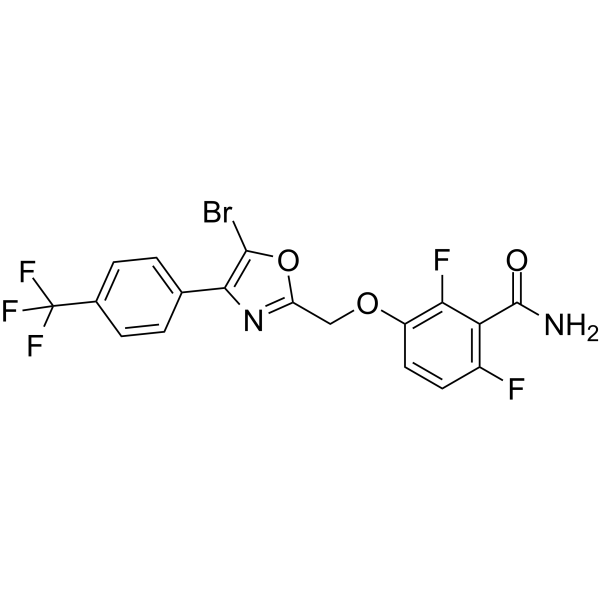
    TXA707 is an FtsZ-targeting antibacterial agent. TXA707 disrupts bacterial septum formation, induces cell enlargement, causes penicillin-binding protein mislocalization, and triggers cell lysis in Staphylococcus aureus cells. TXA707 can be used for the research of Staphylococcus aureus infections .
    TXA707
  • HY-B0428
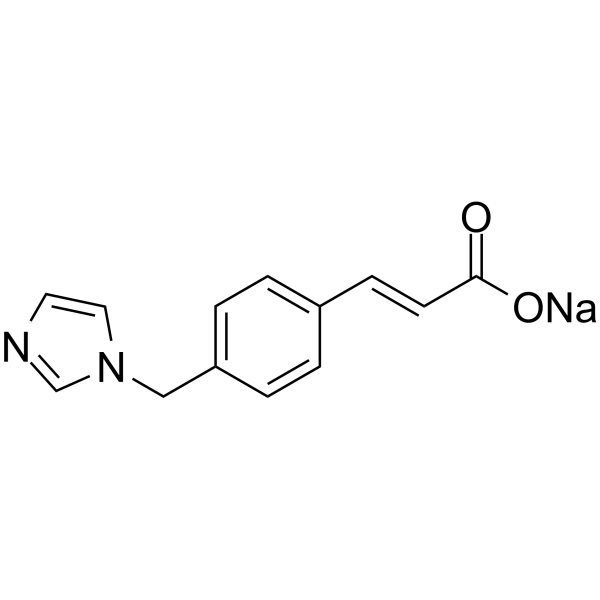
    Ozagrel
    1 Publications Verification

    OKY-046

    Prostaglandin Receptor Cardiovascular Disease Neurological Disease Inflammation/Immunology
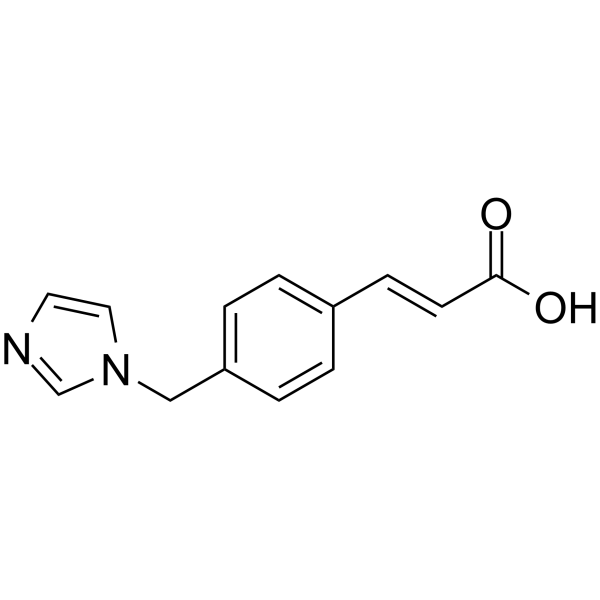
    Ozagrel (OKY-046) is a high selective and orally active thromboxane A2 (TXA2) synthase inhibitor with an IC50 of 11 nM. Ozagrel exerts anti-platelet aggregation, vasodilation and anti-inflammatory effects by inhibiting the production of TXA2 and increasing the production of prostacyclin (PGI2). Ozagrel can be used for the study of ischemic stroke, asthma and thromboembolic diseases .
    Ozagrel
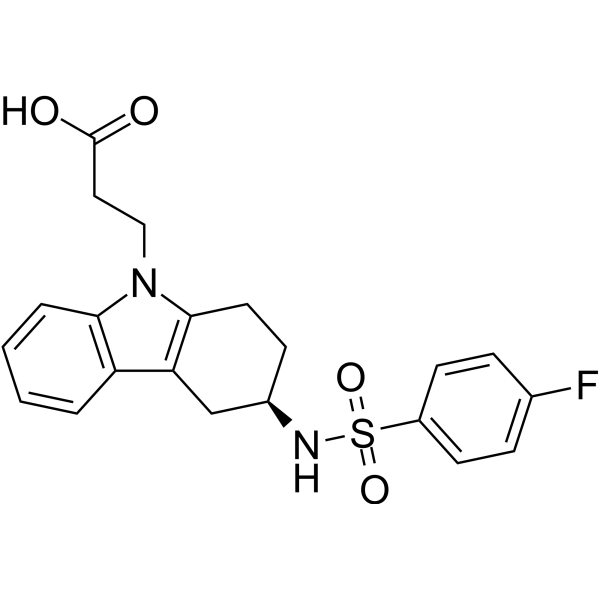
  • HY-B0745

    BAY u3405

    Prostaglandin Receptor Inflammation/Immunology Endocrinology Cancer
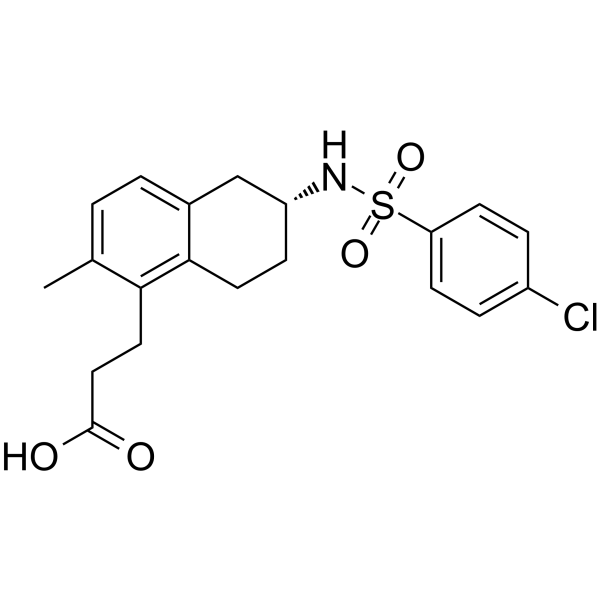
    Ramatroban is a selective thromboxane A2 (TxA2, IC50=14 nM) antagonist, which also antagonizes CRTH2 (IC50=113 nM) by inhibiting PGD2 binding.
    Ramatroban
  • HY-16991
    Terutroban
    1 Publications Verification

    S-18886

    Prostaglandin Receptor Cardiovascular Disease Metabolic Disease
    Terutroban (S-18886) is a selective and orally active thromboxane-prostaglandin (TP) receptor antagonist with an IC50 of 16.4 nM. Terutroban inhibits TXA2 and prostaglandin endoperoxide receptors. Terutroban is a potent antithrombotic agent and possesses anti-atherosclerotic and anti-vasoconstrictor properties .
    Terutroban
  • HY-12403A
    Talfirastide acetate
    15+ Cited Publications

    TXA127 acetate; Angiotensin (1-7) acetate; Ang-(1-7) acetate

    Angiotensin Receptor Angiotensin-converting Enzyme (ACE) Endogenous Metabolite Cardiovascular Disease Inflammation/Immunology Endocrinology Cancer
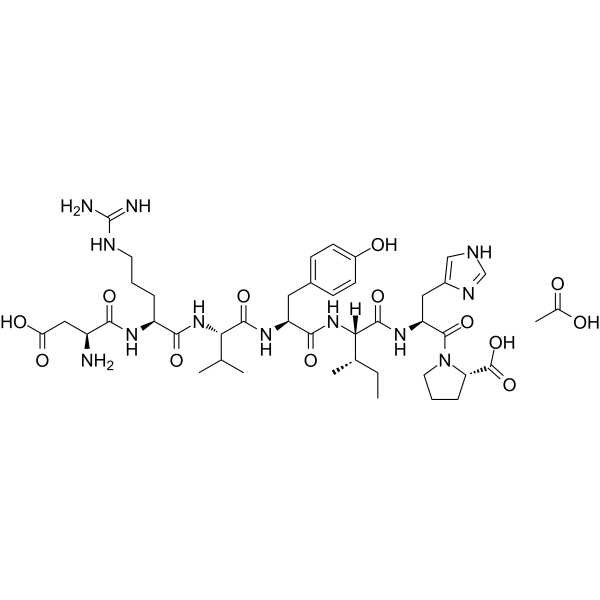
    Angiotensin 1-7 (Ang-(1-7)) acetate is an endogenous heptapeptide from the renin-angiotensin system (RAS) with a cardioprotective role due to its anti-inflammatory and anti-fibrotic activities in cardiac cells. Angiotensin 1-7 acetate inhibits purified canine ACE activity (IC50=0.65 μM). Angiotensin 1-7 acetate acts as a local synergistic modulator of kinin-induced vasodilation by inhibiting ACE and releasing nitric oxide. Angiotensin 1-7 acetate blocks Ang II-induced smooth muscle cell proliferation and hypertrophy and shows antiangiogenic and growth-inhibitory effects on the endothelium .
    Talfirastide acetate
  • HY-B0428B
    Ozagrel hydrochloride
    1 Publications Verification

    OKY-046 hydrochloride

    Prostaglandin Receptor Cardiovascular Disease Neurological Disease Inflammation/Immunology
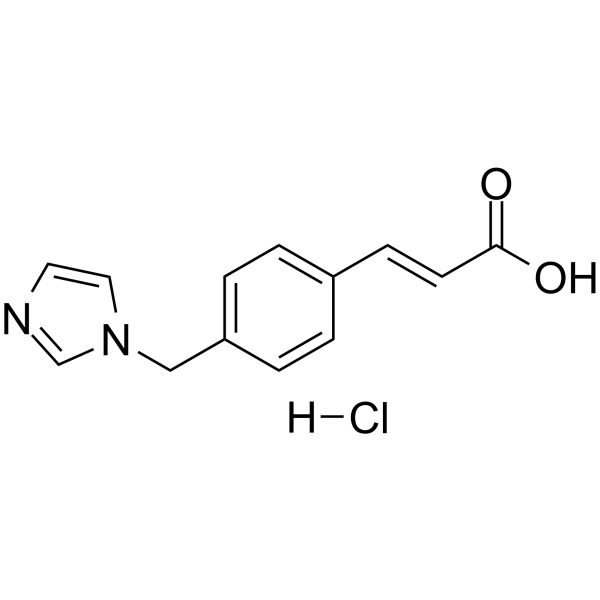
    Ozagrel hydrochloride (OKY-046 hydrochloride) is a high selective and orally active thromboxane A2 (TXA2) synthase inhibitor with an IC50 of 11 nM. Ozagrel hydrochloride exerts anti-platelet aggregation, vasodilation and anti-inflammatory effects by inhibiting the production of TXA2 and increasing the production of prostacyclin (PGI2). Ozagrel hydrochloride can be used for the study of ischemic stroke, asthma and thromboembolic diseases .
    Ozagrel hydrochloride
  • HY-129851

    Prostaglandin Receptor Cardiovascular Disease
    NTP42 is a thromboxane A2 (TXA2) receptor antagonist with an IC50 of 3.278 nM for antagonizing T prostanoid receptor (TP)- mediated [Ca 2+] mobilization following stimulation of cells with the alternative TP agonist U46619 . NTP42 can be used for the treatment of pulmonary arterial hypertension (PAH) .
    NTP42
  • HY-120980

    TXB1

    Endogenous Metabolite Cardiovascular Disease
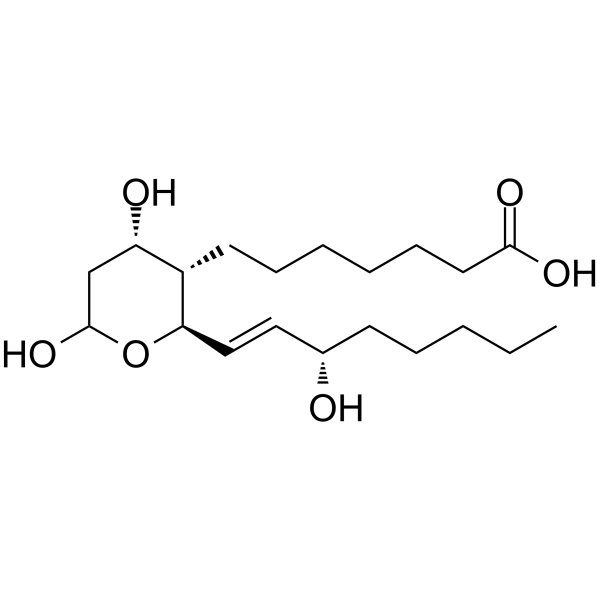
    Thromboxane B1 (TXB1) is a stable, inactive endogenous metabolite of Thromboxane A1 (TXA1) .
    Thromboxane B1
  • HY-B0428A
    Ozagrel sodium
    1 Publications Verification

    OKY-046 sodium

    Prostaglandin Receptor Cardiovascular Disease Neurological Disease Inflammation/Immunology
    Ozagrel sodium (OKY-046 sodium) is a high selective and orally active thromboxane A2 (TXA2) synthase inhibitor with an IC50 of 11 nM. Ozagrel sodium exerts anti-platelet aggregation, vasodilation and anti-inflammatory effects by inhibiting the production of TXA2 and increasing the production of prostacyclin (PGI2). Ozagrel sodium can be used for the study of ischemic stroke, asthma and thromboembolic diseases .
    Ozagrel sodium
  • HY-121018

    BM-13505; SKF 96148

    Prostaglandin Receptor Cardiovascular Disease
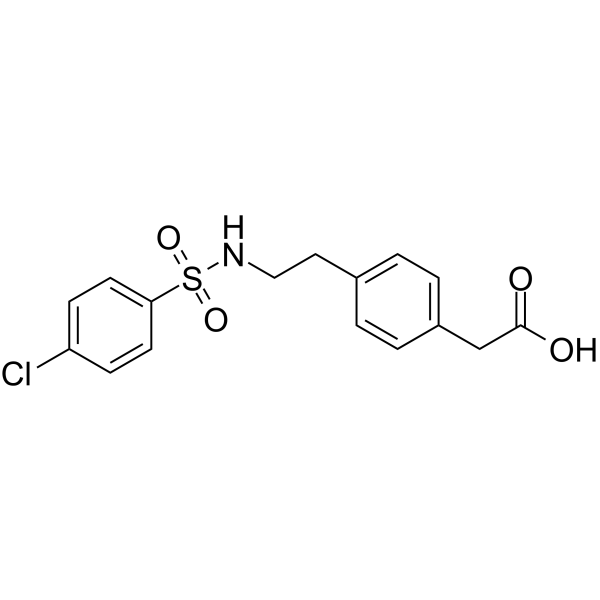
    Daltroban (BM-13505) is a selective and specific thromboxane A2 (TXA2) receptor antagonist. Daltroban increase intracellular calcium in vascular smooth muscle cells. Daltroban shows protective effect in reperfusion injury .
    Daltroban
  • HY-105218A
    Ifetroban sodium
    1 Publications Verification

    BMS-180291 sodium

    Prostaglandin Receptor Cardiovascular Disease Endocrinology Cancer
    Ifetroban (BMS-180291) sodium is an orally active antagonist of thromboxane A2 (TXA2) or prostaglandin H2 (PGH2) receptor. Ifetroban sodium shows antiplatelet activity, and inhibits tumor cell migration without affecting cell proliferation. Ifetroban sodium can be used for myocardial ischemia, hypertension, stroke, thrombosis, cardiomyopathy research .
    Ifetroban sodium
  • HY-105218
    Ifetroban
    1 Publications Verification

    BMS-180291

    Prostaglandin Receptor Cardiovascular Disease Endocrinology Cancer
    Ifetroban (BMS-180291) is an orally active antagonist of thromboxane A2 (TXA2) or prostaglandin H2 (PGH2) receptor. Ifetroban shows antiplatelet activity, and inhibits tumor cell migration without affecting cell proliferation. Ifetroban can be used for myocardial ischemia, hypertension, stroke, thrombosis, cardiomyopathy research .
    Ifetroban
  • HY-B1735

    Prostaglandin Receptor Cardiovascular Disease
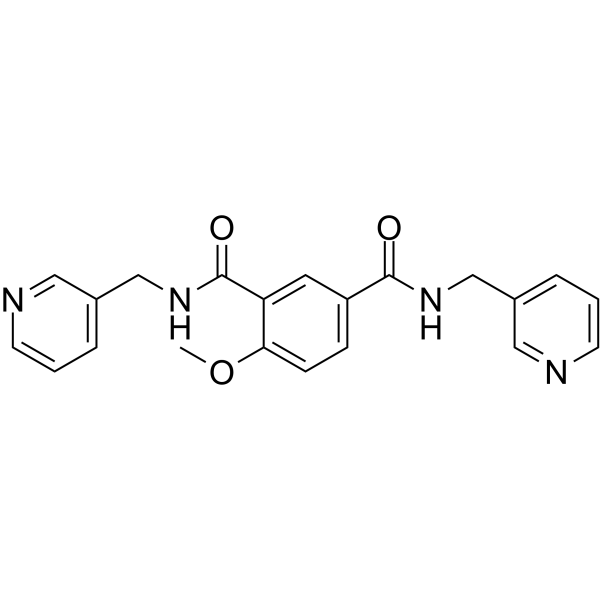
    Picotamide is a combined inhibitor of thromboxane A2 (TxA2) synthase and receptor. Picotamide has antiplatelet activity. Picotamide promotes the reduction of microalbuminuria and the inhibition of growth of carotid plaques in diabetes. Picotamide can be used for researching acute or chronic cardiovascular diseases .
    Picotamide
  • HY-150699

    Bacterial Infection
    TXA6101 is a bacterial protein FtsZ (filamentous temperature-sensitive protein Z) inhibitor that inhibits bacterial division. TXA6101 has antimicrobial activity against MRSA isolates expressing either the G193D or G196S mutant FtsZ with the MIC value of 1 μg/mL, retains significant activity against the TXA707-resistant FtsZ mutant. TXA6101 can be used as a potential method against Gram-negative bacterial infections .
    TXA6101
  • HY-118044

    Prostaglandin Receptor Cardiovascular Disease
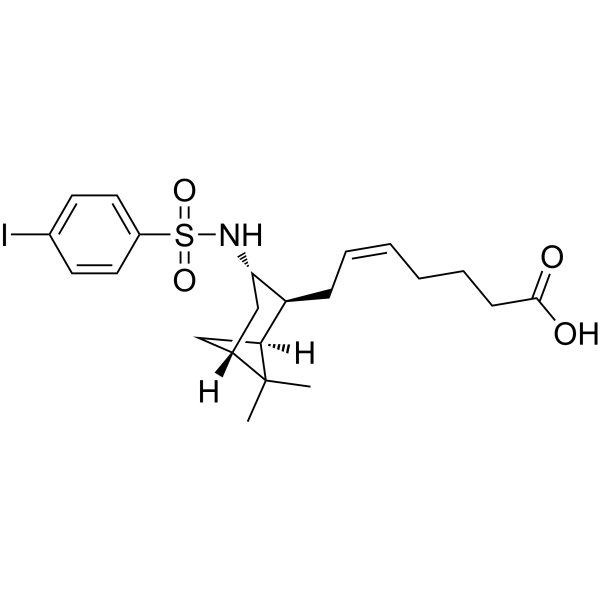
    I-SAP is a radioiodinated TXA2/PGH2 receptor antagonist. The bind between I-SAP and the receptors, is inhibited by the histidine modifying reagent diethyl-pyrocarbonate (DEPC) .
    I-SAP
  • HY-16991A
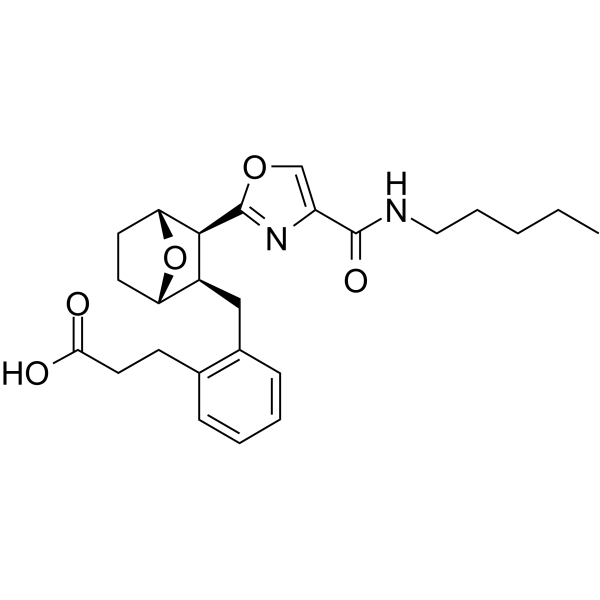
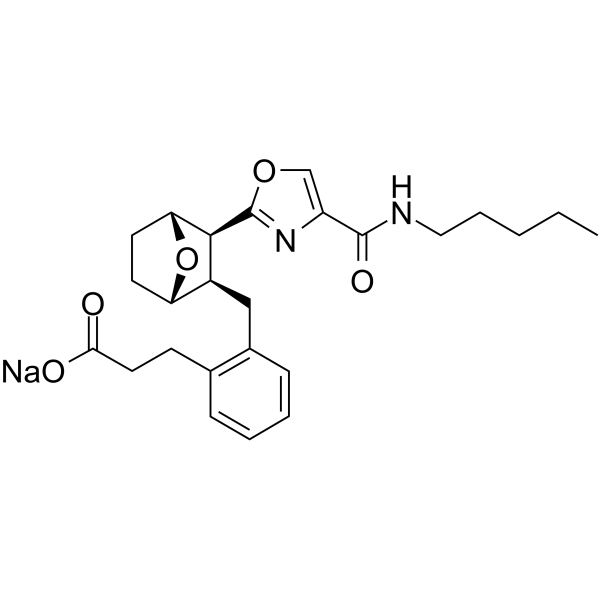
    Terutroban sodium
    1 Publications Verification

    S-18886 sodium

    Prostaglandin Receptor Cardiovascular Disease Metabolic Disease
    Terutroban (S-18886) sodium is a selective and orally active thromboxane-prostaglandin (TP) receptor antagonist with an IC50 of 16.4 nM. Terutroban sodium inhibits TXA2 and prostaglandin endoperoxide receptors. Terutroban sodium is a potent antithrombotic agent and possesses anti-atherosclerotic and anti-vasoconstrictor properties .
    Terutroban sodium
  • HY-137555

    11-dehydro-2,3-dinor TXB2

    Endogenous Metabolite Metabolic Disease
    11-dehydro-2,3-dinor Thromboxane B2 (11-dehydro-2,3-dinor TXB2) is a metabolite of the TXA2 inactive metabolite TXB2 (Item No. 19030). It is formed from TXB2 by cytosolic aldehyde dehydrogenase (ALDH) and β-oxidation. Levels of 11-dehydro-2,3-dinor TXB2 are increased 5.2-fold in a surgery-induced rat model of tendon overuse.
    11-dehydro-2,3-dinor Thromboxane B2
  • HY-135447

    Prostaglandin Receptor Others
    BM-531 is a dual-acting agent for thromboxane receptor (TXA2) antagonism and thromboxane synthase inhibition. BM-531 exerts anti-aggregatory effects on human citrated platelet-rich plasma (PRP), inhibiting Arachidonic acid (HY-109590A)-induced aggregation with an ED100 of 0.125 μM and U-46619 (HY-108566)-induced aggregation with an ED50 of 0.482 μM. BM-531 inhibits high-K +-induced contraction of porcine uterine smooth muscle .
    BM-531
  • HY-165587

    Prostaglandin Receptor Cardiovascular Disease
    BM-573 is an orally active dual thromboxane A₂ (TXA₂) modulator with an IC50 of 1.3 nM. BM-573 possesses both thromboxane synthase (TxAS) inhibition and thromboxane receptor (TP) antagonistic effects. BM-573 can completely inhibit platelet aggregation induced by Arachidonic acid (HY-109590) or U-46619 (TXA₂ analogues). BM-573 completely blocks the generation of TXB₂ (the stable metabolite of TXA₂) in human platelets and does not inhibit cyclooxygenase (COX-1/COX-2), thus avoiding interference with other prostaglandin synthesis. BM-573 has an inhibitory effect on U-46619-induced contractions in rat gastric fundus smooth muscle (ED₅₀ = 4.2 μM), but has no effect on contractions caused by PGE₂, PGF₂α, or PGI₂. BM-573 can be used in the study of atherosclerosis, myocardial infarction, pulmonary hypertension and shock .
    BM-573
  • HY-U00072

    Leukotriene Receptor Prostaglandin Receptor Inflammation/Immunology Endocrinology
    RS-601 is a novel leukotriene D4 (LTD4)/thromboxane A2 (TxA2) dual receptor antagonist, with antiasthmatic activities.
    RS-601
  • HY-100283

    Prostaglandin Receptor Inflammation/Immunology Endocrinology
    CGS 15435, a potent thromboxane (TxA2) synthetase inhibitor with an IC50 of 1 nM, has a selectivity for Tx synthetase 100000-fold greater than that for cyclooxygenase, PGI2 synthetase and lipoxygenase enzymes.
    CGS 15435
  • HY-14654B

    Acetylsalicylic acid DL-lysine; ASA DL-lysine

    COX NF-κB p38 MAPK Cardiovascular Disease Others Inflammation/Immunology
    Aspirin DL-lysine (ASA DL-lysine) is a lysine-containing aspirin derivative. Aspirin DL-lysine inhibits cyclooxygenase (COX) in platelets, blocks the synthesis of thromboxane A2 (TXA2), and thus inhibits platelet aggregation and activation. Aspirin DL-lysine can be used to study thrombin generation in patients with unstable angina pectoris .
    Aspirin DL-lysine
  • HY-105866

    Calcium Channel Prostaglandin Receptor Cardiovascular Disease
    Wy 27569 is an orally active vascular selective calcium channel blocker that can effectively lower blood pressure. Wy 27569 is a thromboxane synthase inhibitor that can reshape prostaglandin balance, reduce pro thrombotic TXA2, and increase anti thrombotic PGI2. Wy 27569 can be used for research on cardiovascular diseases such as hypertension and angina .
    Wy 27569
  • HY-125533

    Bacterial Infection
    TXA497 is a potent local topical bactericide. TXA497 exerts its bactericidal effect by interfering with the polymerization kinetics of the bacterial cell division protein FtsZ, rather than inhibiting it. TXA497 shows strong activity against various Staphylococcus aureus strains, including MRSA and MSSA, with an MIC value ranging from 1.0 to 2.0 μg/mL. TXA497 skin deposition is concentration-dependent in its formulation, consistent with Fick's first law. TXA497 has limited systemic permeability through the lipid pathway of the stratum corneum and is easily absorbed through this route. TXA497 can be used for research on topical bactericidal agents .
    TXA497
  • HY-101235

    Prostaglandin Receptor Cardiovascular Disease Inflammation/Immunology
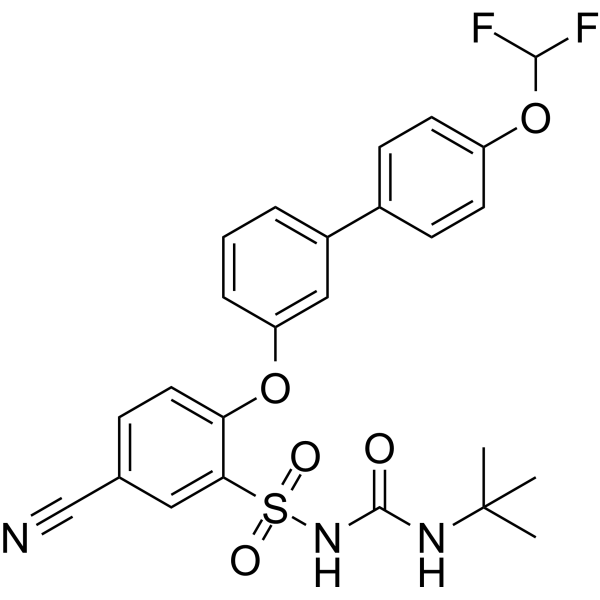
    ICI 185282 is a potent, selective, orally active thromboxane A2 (TXA₂) receptor antagonist. ICI 185282 causes dose-dependent inhibition of U-46619 (HY-108566)-induced platelet aggregation ex-vivo in guinea-pig. ICI 185,282 inhibits bronchospasm induced by U-46619, PGD2 (HY-101988), PGF (HY-12956), arachidonic acid (HY-109590), LTD4 and PAF (HY-108635) in vivo. ICI 185282 can be used for bronchial asthma research .
    ICI 185282
  • HY-B0149S3

    Cyclocapron-13C2,15N

    Isotope-Labeled Compounds Inflammation/Immunology
    Tranexamic acid- 13C2, 15N (Cyclocapron- 13C2, 15N) is the 13C2 and 15N labeled Tranexamic acid. Tranexamic acid is an antifibrinolytic agent that alleviates liver damage and fibrosis in mouse models of chronic bile duct injury .
    Tranexamic acid-13C2,15N
  • HY-19129

    Prostaglandin Receptor Cardiovascular Disease
    KT2-962 is a thromboxane A2 (TXA2) receptor antagonist and potent hydroxyl radical scavenger (IC50=500 nM). KT2-962 reduces myocardial infarct size and ventricular fibrillation. KT2-962 demonstrates cardioprotective effect in a canine ischemia/reperfusion model. KT2-962 is promising for research of myocardial ischemia-reperfusion injury and TXA2-mediated vascular diseases .
    KT2-962
  • HY-101606

    Eterylate; Etherylate

    Prostaglandin Receptor Cardiovascular Disease Endocrinology
    Etersalate inhibits platelet function and decreases thromboxane A2 (TXA2) levels.
    Etersalate
  • HY-101700

    Prostaglandin Receptor Cardiovascular Disease
    LCB-2853 is an antagonist of thromboxane A2 (TXA2) receptor, with antiplatelet and antithrombotic activities.
    LCB-2853
  • HY-118920

    Prostaglandin Receptor Cardiovascular Disease
    SQ 26655 is a TxA2 receptor agonist. SQ 26655 induces human platelet aggregation .
    SQ 26655
  • HY-176022

    Prostaglandin Receptor Cardiovascular Disease
    U-46619 serinol amide is a derivative of U-46619 (HY-108566). U-46619 serinol amide is a stable analog of Thromboxane A2 (HY-113350) (TXA2). U-46619 serinol amide is a potent TXA2 agonist that can induce platelet shape change and aggregation .
    U-46619 serinol amide
  • HY-N0607R

    Polysciasaponin P3 (Standard); Chikusetsusaponin 5 (Standard); Chikusetsusaponin V (Standard)

    Reference Standards Calcium Channel Prostaglandin Receptor Cardiovascular Disease Endocrinology
    Ginsenoside Ro (Standard) is the analytical standard of Ginsenoside Ro. This product is intended for research and analytical applications. Ginsenoside Ro (Polysciasaponin P3; Chikusetsusaponin 5; Chikusetsusaponin V) exhibits a Ca2+-antagonistic antiplatelet effect with an IC50 of 155 μM. Ginsenoside Ro reduces the production of TXA2 more than it reduces the activities of COX-1 and TXAS.
    Ginsenoside Ro (Standard)
  • HY-124353

    11-Dehydro-TXB3

    Endogenous Metabolite Others
    11-Dehydro thromboxane B3 (11-Dehydro-TXB3) is a urinary metabolite of Thromboxane A3 (TXA3) .
    11-Dehydro thromboxane B3
  • HY-169803

    Prostaglandin Receptor Cardiovascular Disease
    L-657926 is a stereoselective antagonist of the thromboxane A2 (TxA2) receptor, composed of (-)-9-chlorobenzyl-6-fluoro-1,2,3,4-tetrahydrocarbazol-1-yl acetic acid and (+)-9-chlorobenzyl-6-fluoro-1,2,3,4-tetrahydrocarbazol-l-yl acetic acid. The IC50s of (-) and (+) configurations for TxA2 are 0.27 nM and 124 nM, respectively.
    L-657926
  • HY-121720

    Prostaglandin Receptor Cardiovascular Disease
    L 657925 is a potent thromboxane A2 (TXA2) antagonist. L 657925 selectively abolishes ONO 11113-evoked transient increment in [Ca2 2+] .
    L 657925
  • HY-U00355

    YM-57158

    Leukotriene Receptor Prostaglandin Receptor Inflammation/Immunology Endocrinology
    YM158 free base is a potent and selective LTD4 and TXA2 receptor antagonist with pA2 values of about 8.87 and 8.81, respectively.
    YM158 free base
  • HY-12403R

    TXA127 (Standard); Angiotensin (1-7) (Standard); Ang-(1-7) (Standard)

    Angiotensin Receptor Angiotensin-converting Enzyme (ACE) Endogenous Metabolite Reference Standards Cardiovascular Disease Inflammation/Immunology Endocrinology Cancer
    Talfirastide (Standard) is the analytical standard of Talfirastide. This product is intended for research and analytical applications. Angiotensin 1-7 (Ang-(1-7)) is an endogenous heptapeptide from the renin-angiotensin system (RAS) with a cardioprotective role due to its anti-inflammatory and anti-fibrotic activities in cardiac cells. Angiotensin 1-7 inhibits purified canine ACE activity (IC50=0.65 μM). Angiotensin 1-7 acts as a local synergistic modulator of kinin-induced vasodilation by inhibiting ACE and releasing nitric oxide. Angiotensin 1-7 blocks Ang II-induced smooth muscle cell proliferation and hypertrophy and shows antiangiogenic and growth-inhibitory effects on the endothelium. Angiotensin 1-7 shows anti-inflammatory activity .
    Talfirastide (Standard)
  • HY-B0428BR

    OKY-046 hydrochloride (Standard)

    Reference Standards Prostaglandin Receptor Cardiovascular Disease Neurological Disease Inflammation/Immunology
    Ozagrel hydrochloride (Standard) is the analytical reference standard of Ozagrel hydrochloride (HY-B0428B). Ozagrel hydrochloride (OKY-046 hydrochloride) is a high selective and orally active thromboxane A2 (TXA2) synthase inhibitor with an IC50 of 11 nM. Ozagrel hydrochloride exerts anti-platelet aggregation, vasodilation and anti-inflammatory effects by inhibiting the production of TXA2 and increasing the production of prostacyclin (PGI2). Ozagrel hydrochloride can be used for the study of ischemic stroke, asthma and thromboembolic diseases .
    Ozagrel hydrochloride (Standard)
  • HY-100570

    Prostaglandin Receptor Inflammation/Immunology
    KF15766 (compd 34E) is an orally active TXA2 and H1 dual antagonist with Kis of 740 and 20 nM. KF15766 can be used for antiallergic research .
    KF15766
  • HY-19249

    Prostaglandin Receptor Metabolic Disease Inflammation/Immunology
    Z-335 sodium is an orally active thromboxane a2 (TXA2) receptor antagonist, with IC50 values of 29.9 nM and 32.5 nM for human and Guinea pig platelets, respectively .
    Z-335 sodium
  • HY-106066

    UK38485

    Prostaglandin Receptor Cardiovascular Disease
    Dazmegrel (UK-38485) is a thromboxane synthetase inhibitor which inhibits Thromboxane A2 (TXA2) synthesis and exhibits antiplatelet vasodilator effects. Dazmegrel can be utilized in thrombosis research .
    Dazmegrel
  • HY-18763A

    Ibustrin sodium

    COX Cardiovascular Disease
    Indobufen sodium is a platelet aggregation inhibitor. Indobufen sodium is a reversible platelet cyclooxygenase (Cox) activity inhibitor. Indobufen sodium suppresses thromboxane A2 (TxA2) synthesis. Indobufen sodium down-regulates tissue factor (TF) in monocytes .
    Indobufen sodium
  • HY-119890

    CV-4151

    Prostaglandin Receptor Cardiovascular Disease Cancer
    Isbogrel (CV-4151) is a potent selective inhibitor of thromboxane A2 synthase. Isbogrel has oral activity and inhibits blood TXA2 generation with an ID50 value of 0.04 mg/kg .
    Isbogrel
  • HY-101236

    Prostaglandin Receptor Endocrinology
    ICI 192605 is a potent TXA2R (thromboxane A2 receptor) antagonist as cell signaling prostaglandin. ICI 192605 blocks contraction of isolated guinea pig trachea induced by U-46619 .
    ICI 192605
  • HY-116281

    Prostaglandin Receptor Cardiovascular Disease
    ICI D1542 is a selective and potent inhibitor of thromboxane A2 (TXA2) synthase and the thromboxane A2 receptor (TP-receptor). ICI D1542 is effective at preventing thrombus formation by redirection of arachidonic acid metabolism .
    ICI D1542
  • HY-106080A

    U-63557A

    Prostaglandin Receptor Cardiovascular Disease
    Furegrelate Sodium (U-63557A) is a potent, orally available, and selective thromboxane synthase inhibitor. Furegrelate Sodium inhibits human platelet microsomal thromboxane A2 (TxA2) synthase with an IC50 of 15 nM. Furegrelate Sodium is being developed as an antiplatelet agent .
    Furegrelate sodium

Inquiry Online

Your information is safe with us. * Required Fields.

Salutation


Country or Region *

Applicant Name *


Organization Name *

Department *


Email Address *


Product Name *

Cat. No.


Requested quantity *

Phone Number *


Remarks

Inquiry Online

Inquiry Information

Product Name:
Cat. No.:
Quantity:
MCE Japan Authorized Agent:

