1. Search Result
Search Result
Results for "

Tolerated

" in MedChemExpress (MCE) Product Catalog:

124

Inhibitors & Agonists

1

Fluorescent Dye

1

Biochemical Assay Reagents

5

Peptides

3

Inhibitory Antibodies

8

Natural
Products

9

Isotope-Labeled Compounds

1

GMP Molecules

Cat. No. Product Name Target Research Areas Chemical Structure
  • HY-B0265
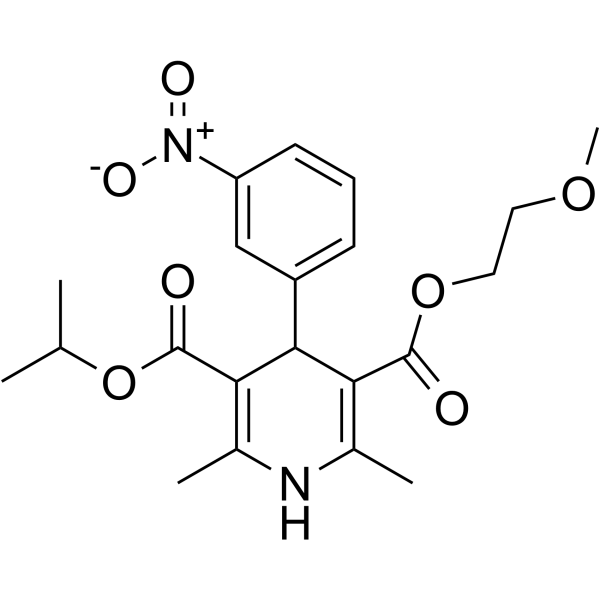
    Nimodipine
    20+ Cited Publications

    BAY-e 9736

    Autophagy Calcium Channel Cardiovascular Disease Cancer
    Nimodipine (BAY-e 9736) is an orally active, well-tolerated and light-sensitive dihydropyridine calcium antagonist. Nimodipine can be used for the research of cerebrovascular disorders .
    Nimodipine
  • HY-16700

    ADC Payload Topoisomerase Cancer
    PNU-159682, a metabolite of the anthracycline Nemorubicin, is a highly potent DNA topoisomerase II inhibitor with excellent cytotoxicity. PNU-159682 acts as a more potent and tolerated ADC cytotoxin than Doxorubicin for ADC synthesis. PNU-159682 can be used in EDV-nanocell technology to overcome agent resistance.
    PNU-159682
  • HY-B0193A
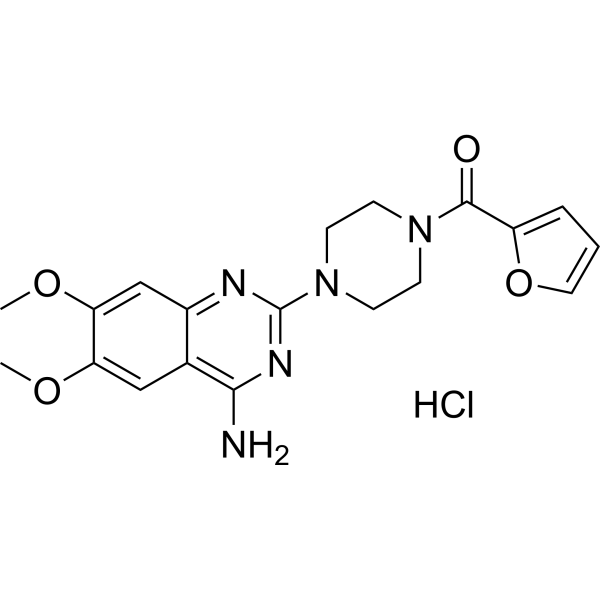
    Prazosin hydrochloride
    15+ Cited Publications

    Adrenergic Receptor Autophagy Cardiovascular Disease Endocrinology Cancer
    Prazosin hydrochloride is a well-tolerated, CNS-active α1-adrenergic receptor antagonist for the research of high blood pressure and alcohol use disorders . Prazosin hydrochloride potently inhibits Norepinephrine (NE)-stimulated 45Ca efflux with an IC50 of 0.15 nM .Prazosin hydrochloride inhibits organic cation transporters OCT-1 and OCT-3 with IC50s of 1.8, and 13 μM, respectively .
    Prazosin hydrochloride
  • HY-112163
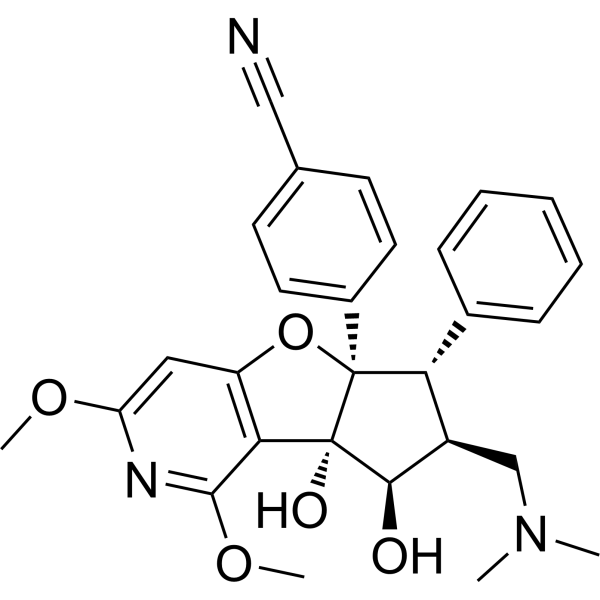
    Zotatifin
    5+ Cited Publications

    eFT226

    Eukaryotic Initiation Factor (eIF) SARS-CoV Apoptosis Infection Cancer
    Zotatifin (eFT226) is a potent, selective, and well-tolerated eIF4A inhibitor. Zotatifin promotes eIF4A binding to specific mRNA sequences with recognition motifs in the 5’-UTRs (IC50=2 nM) and interferes with the assembly of the eIF4F initiation complex . Zotatifin shows robust antiviral effects, it effectively reduces viral infectivity by inhibiting SARS-CoV-2 NP protein biogenesis (IC90=37 nM) . Zotatifin induces cell apoptosis .
    Zotatifin
  • HY-145603
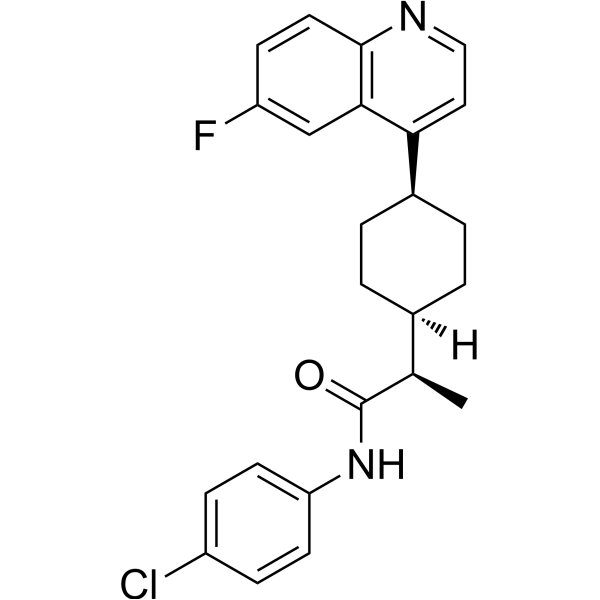
    Vanzacaftor
    4 Publications Verification

    VX-121

    CFTR Chloride Channel Neurological Disease
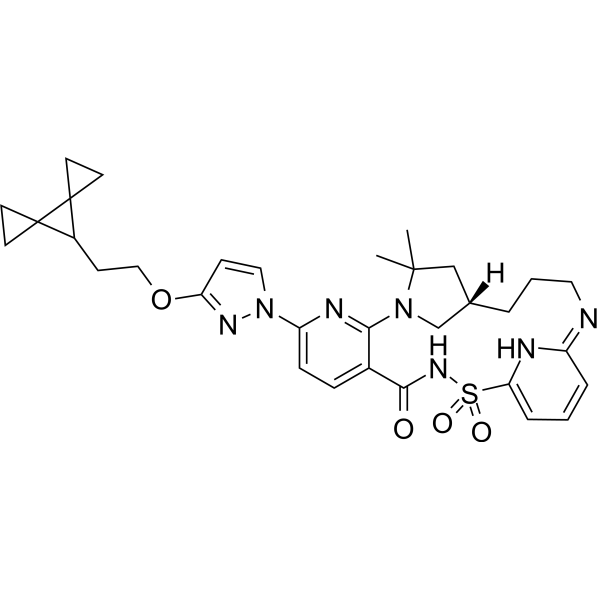
    Vanzacaftor (VX-121) is an orally active noval corrector of Cystic fibrosis transmembrane conductance regulator (CFTR). Vanzacaftor improves processing and trafficking of CFTR protein as well as increases chloride transport in triple combined with Tezacaftor (HY-15448) and Deutivacaftor. Vanzacaftor-Tezacaftor-Deutivacaftor is safe and well tolerated, improving lung function, respiratory symptoms, and CFTR function with cystic fibrosis, which is promising for research in the field of cystic fibrosis diseases .
    Vanzacaftor
  • HY-101560
    Linrodostat
    5+ Cited Publications

    BMS-986205; ONO-7701

    Indoleamine 2,3-Dioxygenase (IDO) Cancer
    Linrodostat (BMS-986205) is a selective and irreversible indoleamine 2,3-dioxygenase 1 (IDO1) inhibitor with an IC50 value of 1.1 nM in IDO1-HEK293 cells. Linrodostat is well tolerated with potent pharmacodynamic activity in advanced cancers .
    Linrodostat
  • HY-109523
    Cerivastatin sodium
    2 Publications Verification

    HMG-CoA Reductase (HMGCR) Ferroptosis Cardiovascular Disease Cancer
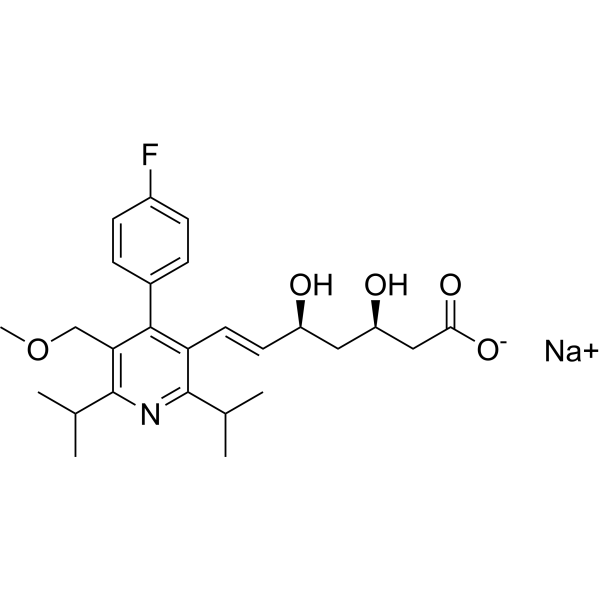
    Cerivastatin sodium is a synthetic lipid-lowering agent and a highly potent, well-tolerated and orally active HMG-CoA reductase inhibitor, with a Ki of 1.3 nM/L. Cerivastatin sodium reduces low-density lipoprotein cholesterol levels. Cerivastatin sodium also inhibits proliferation and invasiveness of MDA-MB-231 cells, mainly by RhoA inhibition, and has anti-cancer effect .
    Cerivastatin sodium
  • HY-122611A
    CSRM617 hydrochloride
    1 Publications Verification

    Androgen Receptor Apoptosis Cancer
    CSRM617 hydrochloride is a selective small-molecule inhibitor of the transcription factor ONECUT2 (OC2, a master regulator of androgen receptor) with a Kd of 7.43 uM in SPR assays, binding to OC2-HOX domain directly. CSRM617 hydrochloride induces apoptosis by appearance of cleaved Caspase-3 and PARP. CSRM617 hydrochloride is well tolerated in the prostate cancer mouse model
    CSRM617 hydrochloride
  • HY-16712
    LDN-214117
    2 Publications Verification

    TGF-β Receptor Cancer
    LDN-214117 is an orally active ALK2 inhibitor with well-tolerated and good brain penetration. LDN-214117 has a high selectivity and low cytotoxicity for ALK2 with an IC50 value of 24 nM. LDN-214117 also is a specific bone morphogenetic proteins (BMPs) signaling inhibitor and has relatively selective inhibition for BMP6 with an IC50 value of 100 nM. LDN-214117 can be used for the research of fibrodysplasia ossificans progressiva (FOP), diffuse intrinsic pontine glioma (DIPG) .
    LDN-214117
  • HY-109052
    Atabecestat
    1 Publications Verification

    JNJ-54861911

    Beta-secretase Neurological Disease
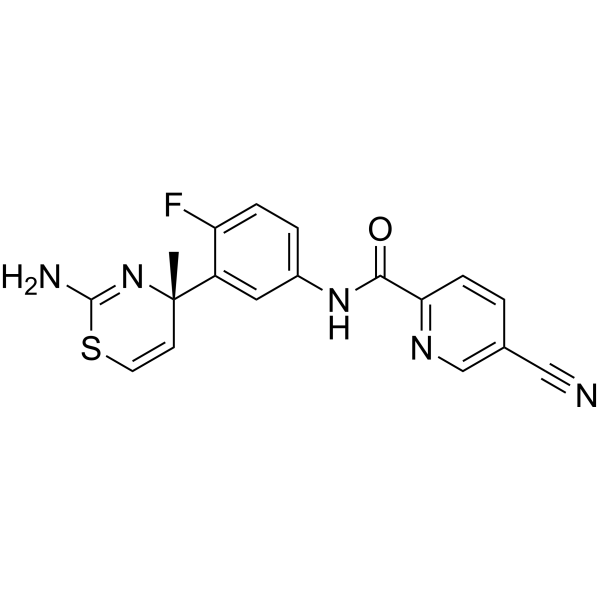
    Atabecestat (JNJ-54861911) is a potent brain-penetrant and orally active β-site amyloid precursor protein cleaving enzyme 1 (BACE1) inhibitor, achieves robust and high CSF Aβ reduction. Atabecestat s tolerated and displays a sustained pharmacokinetic (PK) and pharmacodynamic (PD) characteristics. Atabecestat has the potential for Alzheimer's Disease treatment .
    Atabecestat
  • HY-174406

    Myosin PDGFR Reactive Oxygen Species (ROS) Ferroptosis Akt mTOR ERK Cancer
    MT-125 is a specific and well-tolerated inhibitor of non-muscle myosin IIA (Ki,NMIIA = 2.7 μM) and IIB (EC50 = 1.7 μM). MT-125 can pass through the blood-brain barrier. MT-125 induces ferroptosis and DNA damage by increasing the levels of reactive oxygen species (ROS) within tumor cells. MT-125 can enhance the PDGFR signaling pathway. MT-125 can be used for research on glioblastoma.
    MT-125
  • HY-12170
    Prinomastat
    4 Publications Verification

    AG3340; KB-R9896

    MMP Apoptosis Cancer
    Prinomastat (AG3340) is a broad spectrum, potent, orally active metalloproteinase (MMP) inhibitor with IC50s of 79, 6.3 and 5.0 nM for MMP-1, MMP-3 and MMP-9, respectively. Prinomastat inhibits MMP-2, MMP-3, MMP-13 and MMP-9 with Kis of 0.05 nM, 0.3 nM, 0.03 nM and 0.26 nM, respectively. Prinomastat crosses blood-brain barrier. Antitumor avtivity .
    Prinomastat
  • HY-114237

    Sodium Channel Neurological Disease
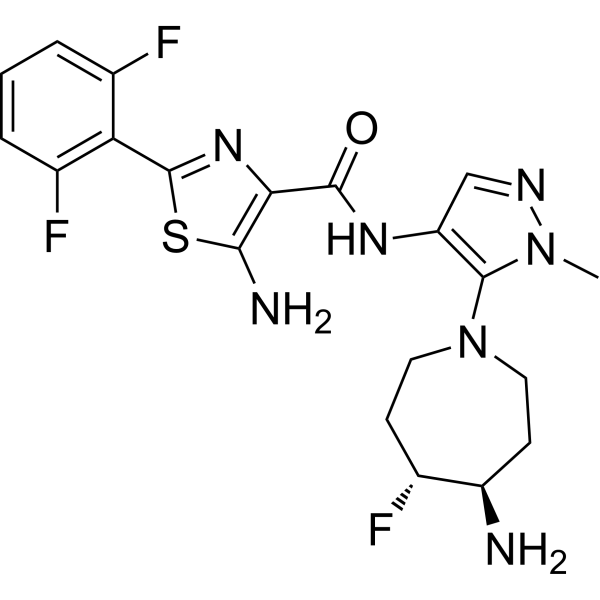
    GDC-0276 is a potent, selective, reversible and orally active NaV1.7 inhibitor with an IC50 value of 0.4 nM. GDC-0276 is well tolerated and exhibits a good pharmacokinetic profile. GDC-0276 has the potential for the treatment of pain and to address shortcomings of existing pain medications, such as addiction and off-target side effects .
    GDC-0276
  • HY-P99665

    LY-3209590

    Insulin Receptor Metabolic Disease
    Insulin efsitora alfa (LY-3209590) is a selective agonist of insulin receptor (IR). Insulin efsitora alfa is a fusion protein composed of human IR agonists fused with the crystallizable (Fc) domain of human immunoglobulin G2 (IgG2) fragment, with a molecular weight of 64.1 kDa. Insulin efsitora alfa is well tolerated and has potential applications in diabetes .
    Insulin efsitora alfa
  • HY-B1895

    (S)-(-)-Dropropizine; DF-526

    Histamine Receptor Neurological Disease Inflammation/Immunology Endocrinology
    Levodropropizine (DF-526) is an orally active histamine receptor inhibitor, Levodropropizine is an effective and very well tolerated peripheral antitussive agent .
    Levodropropizine
  • HY-16487

    TMFX; TA-167 free acid; A-62254 free acid

    Bacterial Antibiotic Infection
    Temafloxacin (TMFX) is an orally active quinolone broad-spectrum antibacterial agent. Temafloxacin is well tolerated in lower respiratory and genitourinary tract infections .
    Temafloxacin
  • HY-N1373
    Sophoridine
    5+ Cited Publications

    Apoptosis Cancer
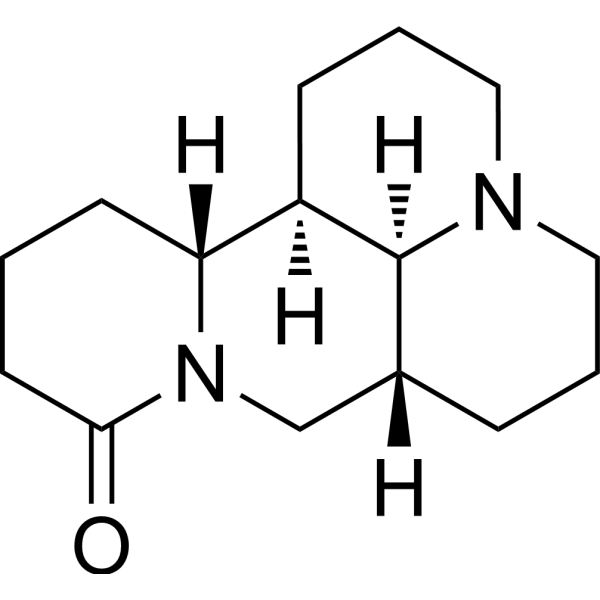
    Sophoridine is a quinolizidine alkaloid isolated from Leguminous plant Sophora flavescens. Sophoridine induces apoptosis. Sophoridine has the potential to be a novel, potent and selective antitumor agent candidate for pancreatic cancer with well-tolerated toxicity .
    Sophoridine
  • HY-N7393

    Palatinitol

    Environmental Pollutants Lactate Dehydrogenase Metabolic Disease
    Isomalt (Palatinitol), a well-tolerated, non-toxic polyol and a protein-stabilizing excipient, stabilizes lactate dehydrogenase (LDH) moderately during freeze-drying, and performs better during storage. Isomalt is traditionally used as a sweetening agent in the food industry and as a tabletting excipient for pharmaceutical purposes .
    Isomalt
  • HY-16976
    GDC-0339
    2 Publications Verification

    Pim Cancer
    GDC-0339 is a potent, orally bioavailable and well tolerated pan-Pim kinase inhibitor, with Kis of 0.03 nM, 0.1 nM and 0.02 nM for Pim1, Pim2 and Pim3, respectively. GDC-0339 is discovered as a potential treatment of multiple myeloma .
    GDC-0339
  • HY-B1804

    Trioctanoin; Glyceryl trioctanoate

    Endogenous Metabolite Neurological Disease Inflammation/Immunology
    Tricaprilin (Trioctanoin) is an orally active and well tolerated ketogenic agent that safely induces ketosis. Tricaprilin restores brain electrical activity and metabolism to help counteract neuroinflammation in migraine. Tricaprilin is promising for research of migraine prevention and Alzheimer’s disease (AD). Tricaprilin is a pure C8 medium chain triglyceride (MCT) .
    Tricaprilin
  • HY-100375
    Diroximel fumarate
    4 Publications Verification

    ALKS 8700; BIIB098

    Keap1-Nrf2 Inflammation/Immunology
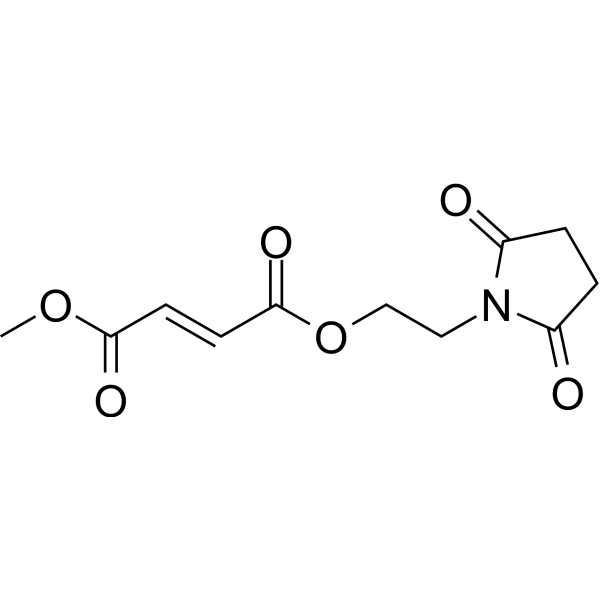
    Diroximel fumarate (ALKS 8700) is an orally-active and well-tolerated monomethyl fumarate (MMF) proagent in a controlled-release formulation. Diroximel fumarate is considered as active equivalent to its active metabolite dimethyl fumarate (DMF). Diroximel fumarate has a favorable safety and efficacy profile, has the potential for the study of multiple sclerosis (MS). Diroximel fumarate is a Nrf2 activator that alleviate MGO-induced pain hypersensitivity .
    Diroximel fumarate
  • HY-P1682A
    Balixafortide TFA
    1 Publications Verification

    POL6326 TFA

    CXCR Arrestin Cancer
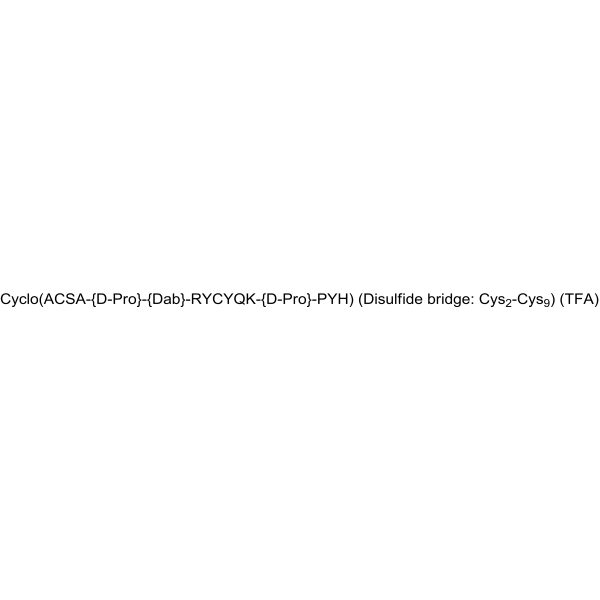
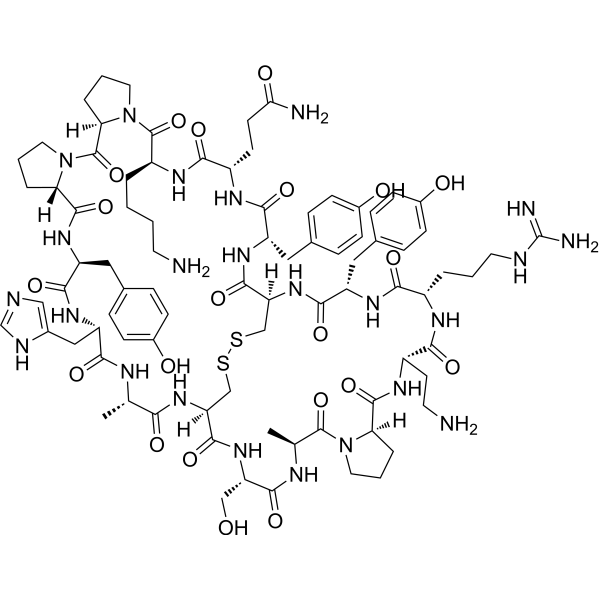
    Balixafortide TFA (POL6326 TFA) is a potent, selective, well-tolerated peptidic CXCR4 antagonist with an IC50 < 10 nM. Balixafortide TFA shows 1000-fold selective for CXCR4 than a large panel of receptors including CXCR7. Balixafortide TFA blocks β-arrestin recruitment and calcium flux with IC50s < 10 nM. Balixafortide TFA is also a potent hematopoietic stem and progenitor cell (HSPC) mobilizing agent. Anti-cancer effects .
    Balixafortide TFA
  • HY-129650
    Florbetapir
    1 Publications Verification

    AV-45; Flobetapir

    Biochemical Assay Reagents Others
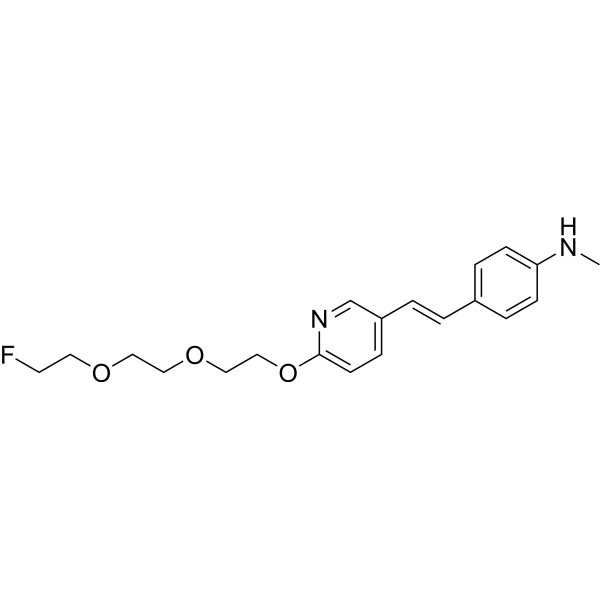
    Flobetapir (AV-45) may be a well-tolerated imaging agent. Flobetapir synthesizes Florbetapir (18F) that is a PET scanning radiopharmaceutical compound containing the radionuclide fluorine-18 .
    Florbetapir
  • HY-109148

    TD-1473; JNJ-8398

    JAK Inflammation/Immunology
    Izencitinib (TD-1473) is an orally active, non-selective and gut-restricted JAK inhibitor. Izencitinib (TD-1473) can be used in the study for ulcerative colitis .
    Izencitinib
  • HY-148772

    DNA/RNA Synthesis Neurological Disease
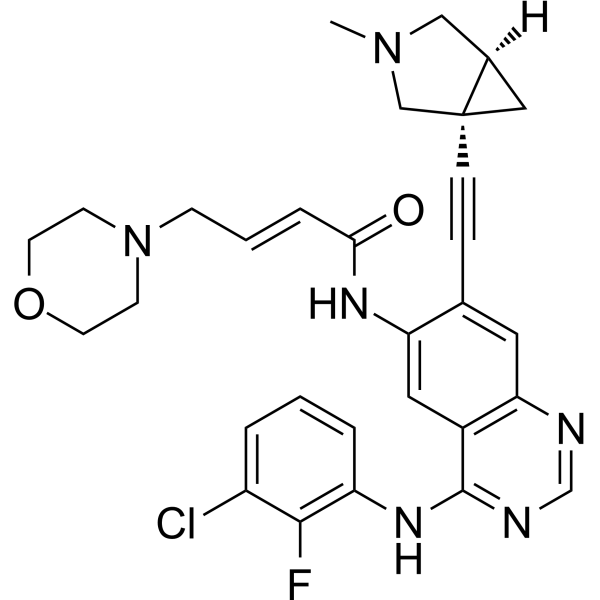
    PTC258 is a specific and orally active splicing modulator of Elongator complex protein 1 gene (ELP1). PTC258 increases the expression of ELP1 in vitro and in vivo. PTC258 is well tolerated in mouse model .
    PTC258
  • HY-12170A
    Prinomastat hydrochloride
    4 Publications Verification

    AG3340 hydrochloride; KB-R9896 hydrochloride

    MMP Apoptosis Cancer
    Prinomastat hydrochloride (AG3340 hydrochloride) is a broad spectrum, potent, orally active metalloproteinase (MMP) inhibitor with IC50s of 79, 6.3 and 5.0 nM for MMP-1, MMP-3 and MMP-9, respectively. Prinomastat hydrochloride inhibits MMP-2, MMP-3, MMP-13 and MMP-9 with Kis of 0.05 nM, 0.3 nM, 0.03 nM and 0.26 nM, respectively. Prinomastat hydrochloride can cross blood-brain barrier. Antitumor avtivity .
    Prinomastat hydrochloride
  • HY-126810A

    Fungal Infection
    NP213 TFA is a rapidly acting, novel, first-in-class synthetic antimicrobial peptide (AMP), has anti-fungal activities. NP213 TFA targets the fungal cytoplasmic membrane and plays it role via membrane perturbation and disruption. NP213 TFA is effective and well-tolerated in resolving nail fungal infections .
    NP213 TFA
  • HY-112163A

    rel-eFT226

    Eukaryotic Initiation Factor (eIF) SARS-CoV Apoptosis Infection Cancer
    rel-Zotatifin is the racemic isomer of Zotatifin, acts as an eIF4A inhibitor with activity less than Zotatifin. Zotatifin (eFT226) is a potent, selective, and well-tolerated eIF4A inhibitor. Zotatifin promotes eIF4A binding to specific mRNA sequences with recognition motifs in the 5’-UTRs (IC50=2 nM) and interferes with the assembly of the eIF4F initiation complex .
    rel-Zotatifin
  • HY-P1682
    Balixafortide
    1 Publications Verification

    POL6326

    CXCR Arrestin Cancer
    Balixafortide (POL6326) is a potent, selective, well-tolerated peptidic CXCR4 antagonist with an IC50 < 10 nM. Balixafortide shows 1000-fold selective for CXCR4 than a large panel of receptors including CXCR7. Balixafortide blocks β-arrestin recruitment and calcium flux with IC50s < 10 nM. Balixafortide is also a potent hematopoietic stem and progenitor cell (HSPC) mobilizing agent. Anti-cancer effects .
    Balixafortide
  • HY-18060

    TC-5619

    nAChR Neurological Disease
    Bradanicline (TC-5619) is an orally active agonist of α7 nAChR with moderate blood-brain barrier penetration. Bradanicline exhibits high affinity and subtype selectivity for human α7 nAChR. Bradanicline possesses antitussive activity that depends on sustained receptor binding and activation. Bradanicline requires systemic administration to dose-dependently inhibit cough induced by citric acid, bradykinin and inhaled nicotine. Bradanicline is well tolerated in preclinical studies and is widely used in research related to chronic refractory cough .
    Bradanicline
  • HY-161672

    IRE1 Cancer
    G-5758 is a selective and orally effective IRE1α inhibitor with an IC50 of 38 nM (detected by the XBP1s luciferase reporter cell assay). G-5758 is still well tolerated in rats at oral doses up to 500 mg/kg. G-5758 can be used in the research of multiple myeloma .
    G-5758
  • HY-122347A

    GW823296 maleate

    Neurokinin Receptor Neurological Disease Inflammation/Immunology
    Orvepitant maleate (GW823296 maleate) is potent, selective, orally active and well-tolerated neurokinin-1 receptor (NK-1) antagonist with a pKi of 10.2 for human neurokinin-1 receptor. Orvepitant maleate can across the blood-brain barrier. Orvepitant maleate has the potential for depressive disorder and chronic refractory cough (CRC) treatment .
    Orvepitant maleate
  • HY-112081

    DNA/RNA Synthesis Cancer
    BAY-707, a chemical probe, is a substrate-competitive, highly potent and selective inhibitor of MTH1(NUDT1) with an IC50 of 2.3 nM. BAY-707 has a good pharmacokinetic (PK) profile to other MTH1 compounds and is well-tolerated in mice, but shows a clear lack of in vitro or in vivo anticancer efficacy .
    BAY-707
  • HY-107345

    Ombolan

    Prostaglandin Receptor Inflammation/Immunology
    Droxicam (Ombolan) is a non-steroidal anti-inflammatory agent, with strong analgesic activity. Droxicam acts by inhibiting PGE2 varies, and is characterised by being a pro-drug of Piroxicam (HY-B0253). Droxicam is well tolerated with slight side effects in the said mucosa. Droxicam does not show cardiovascular or respiratory effects in cats, and inhibits peritoneal capillary permeability in mouse .
    Droxicam
  • HY-125999

    Reactive Oxygen Species (ROS) Neurological Disease
    EPI-589, a quinone derivative, is a safe and well tolerated oxidoreductase enzyme inhibitor and a free radical scavenger, with blood-brain barrier permeable and orally available. EPI-589 is a redox-active neuroprotectant that effectively delays the symptoms of motor neuron disease in wobbler mice. EPI-589 can be used in amyotrophic lateral sclerosis (ALS) research .
    EPI-589
  • HY-34222

    DYRK Cancer
    7-Deazaguanine (Compound 1) is a highly selective, well-tolerated, brain-penetrant DYRK1A inhibitor. 7-Deazaguanine is promising for research of cancers and Down’s syndrome .
    7-Deazaguanine
  • HY-124674A
    CCT365623 hydrochloride
    1 Publications Verification

    Monoamine Oxidase EGFR Akt TGF-beta/Smad Cancer
    CCT365623 hydrochloride is an orally active lysyl oxidase (LOX) inhibitor, with an IC50 of 0.89 μM. CCT365623 hydrochloride suppresses EGFR (pY1068) and AKT phosphorylation driven by EGF. CCT365623 hydrochloride is extremely well tolerated, and has good pharmacokinetic properties .
    CCT365623 hydrochloride
  • HY-126810

    Fungal Infection
    NP213 is a rapidly acting, novel, first-in-class synthetic antimicrobial peptide (AMP), has anti-fungal activities. NP213 targets the fungal cytoplasmic membrane and plays it role via membrane perturbation and disruption. NP213 is effective and well-tolerated in resolving nail fungal infections .
    NP213
  • HY-121212

    LDLR Metabolic Disease Inflammation/Immunology
    Icosabutate, an orally active ω-3 polyunsaturated fatty acid, is an aeicosapentaenoic acid (EPA) derivative. Icosabutate overcomes the drawbacks of unmodified EPA for liver targeting and improves insulin sensitivity, hepatic inflammation and fibrosis . Icosabutate is well tolerated, and efficacious in lowering non-high-density lipoprotein cholesterol (non-HDL-C) levels in persistent hypertriglyceridemia .
    Icosabutate
  • HY-B1804S

    Trioctanoin-13C3; Glyceryl trioctanoate-13C3

    Isotope-Labeled Compounds Endogenous Metabolite Neurological Disease Inflammation/Immunology
    Tricaprilin- 13C3 (Trioctanoin- 13C3) is a 13C-labeled Tricaprilin (HY-B1804) . Tricaprilin is an orally active and well tolerated ketogenic agent that safely induces ketosis. Tricaprilin restores brain electrical activity and metabolism to help counteract neuroinflammation in migraine. Tricaprilin is promising for research of migraine prevention and Alzheimer’s disease (AD). Tricaprilin is a pure C8 medium chain triglyceride (MCT) .
    Tricaprilin-13C3
  • HY-103262

    NTPDase Cardiovascular Disease Neurological Disease Inflammation/Immunology Cancer
    PSB069 bearing a p-chlorophenylamino residue is a potent, well-tolerated and nonselective NTPDases1, 2, 3 inhibitor(Ki=16~18 μM) .
    PSB069
  • HY-B0265B

    (S)-BAY-e 9736

    Calcium Channel Cardiovascular Disease
    (S)-Nimodipine ((S)-BAY-e 9736) is an enantiomer of Nimodipine. Nimodipine (BAY-e 9736) is an orally active, well-tolerated and light-sensitive dihydropyridine calcium antagonist. Nimodipine can be used for the research of cerebrovascular disorders .
    (S)-Nimodipine
  • HY-B1895R

    (S)-(-)-Dropropizine (Standard); DF-526 (Standard)

    Reference Standards Histamine Receptor Neurological Disease Inflammation/Immunology Endocrinology
    Levodropropizine (Standard) is the analytical standard of Levodropropizine. This product is intended for research and analytical applications. Levodropropizine (DF-526) is an orally active histamine receptor inhibitor, Levodropropizine is an effective and very well tolerated peripheral antitussive agent .
    Levodropropizine (Standard)
  • HY-18317

    VEGFR RET c-Kit Cancer
    JNJ-38158471 is a well tolerated, orally available, highly selective VEGFR-2 inhibitor, with an IC50 of 40 nM. JNJ-38158471 also inhibits Ret and Kit with IC50s of 180 and 500 nM, respectively .
    JNJ-38158471
  • HY-107495

    NSC19005

    MOFs Histamine Receptor Inflammation/Immunology
    Betahistine EP Impurity C (NSC19005) is an impurity of Betahistine . Betahistine is a potent, orally active and well-tolerated histamine H1 receptor agonist and H3 receptor antagonist used for the study of rheumatoid arthritis (RA) .
    Betahistine EP Impurity C
  • HY-129458

    HMG-CoA Reductase (HMGCR) Ferroptosis Cardiovascular Disease Cancer
    Cerivastatin is a synthetic lipid-lowering agent and a highly potent, well-tolerated and orally active HMG-CoA reductase inhibitor, with a Ki of 1.3 nM/L. Cerivastatin reduces low-density lipoprotein cholesterol levels. Cerivastatin also inhibits proliferation and invasiveness of MDA-MB-231 cells, mainly by RhoA inhibition, and has anti-cancer effect .
    Cerivastatin
  • HY-122611

    Androgen Receptor Apoptosis Cancer
    CSRM617 is a selective small-molecule inhibitor of the transcription factor ONECUT2 (OC2, a master regulator of androgen receptor) with a Kd of 7.43 uM in SPR assays, binding to OC2-HOX domain directly. CSRM617 induces apoptosis by appearance of cleaved Caspase-3 and PARP. CSRM617 is well tolerated in the prostate cancer mouse model
    CSRM617
  • HY-117621

    CCR Metabolic Disease
    PF-0463481 is a potent and orally active dual CCR2/CCR5 antagonist with comparable human and rodent CCR2 potency (rat IC50=20.8 nM), and displays 10-20 fold less rodent CCR5 potency (rat IC50=470 nM). PF-0463481 is safe and well-tolerated and has the potential for the study of diabetic nephropathy .
    PF-04634817
  • HY-117621A

    CCR Metabolic Disease
    PF-0463481 succinate is a potent and orally active dual CCR2/CCR5 antagonist with comparable human and rodent CCR2 potency (rat IC50=20.8 nM), and displays 10-20 fold less rodent CCR5 potency (rat IC50=470 nM). PF-0463481 succinate is safe and well-tolerated and has the potential for the study of diabetic nephropathy .
    PF-04634817 succinate
  • HY-102036

    Btk Inflammation/Immunology
    G-744 is a highly potent, selective and orally active Btk inhibitor with an IC50 of 2 nM. G-744 is metabolically stable, well tolerated and efficacious to treat arthritis .
    G-744

Inquiry Online

Your information is safe with us. * Required Fields.

Salutation


Country or Region *

Applicant Name *


Organization Name *

Department *


Email Address *


Product Name *

Cat. No.


Requested quantity *

Phone Number *


Remarks

Inquiry Online

Inquiry Information

Product Name:
Cat. No.:
Quantity:
MCE Japan Authorized Agent:

