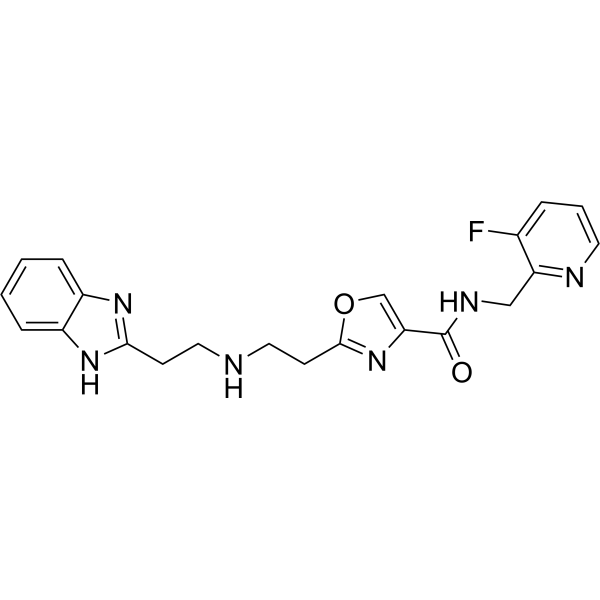
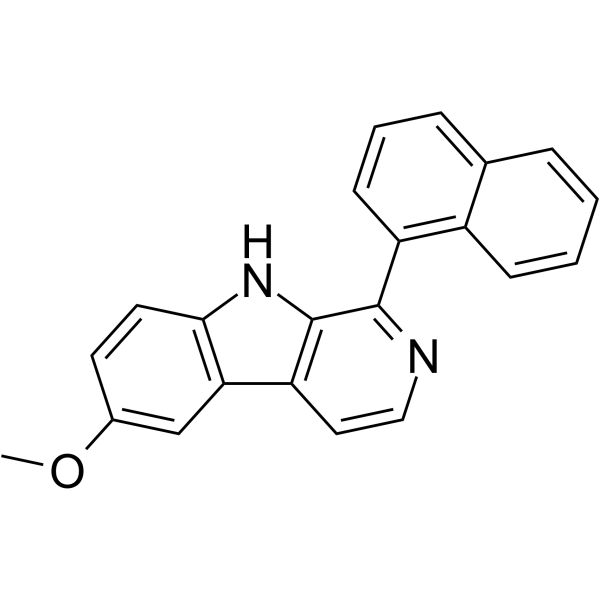
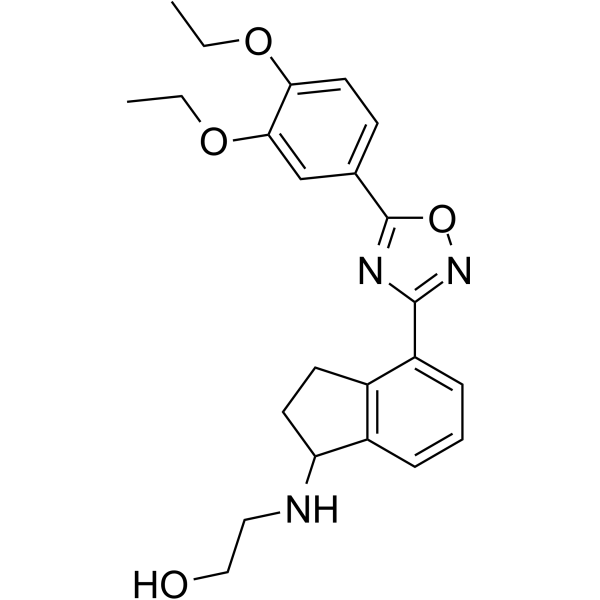
1. Search Result
Search Result
Results for "

Ubiquitination

" in MedChemExpress (MCE) Product Catalog:

317

Inhibitors & Agonists

6

Screening Libraries

13

Peptides

1

Inhibitory Antibodies

17

Natural
Products

3

Recombinant Proteins

4

Isotope-Labeled Compounds

2

Antibodies

3

Click Chemistry

Cat. No. Product Name Target Research Areas Chemical Structure
  • HY-13814
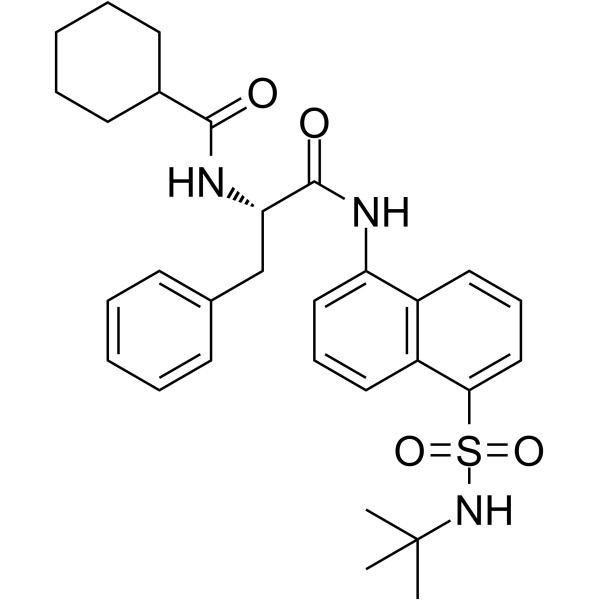
    PR-619
    35+ Cited Publications

    Deubiquitinase Autophagy Apoptosis Cancer
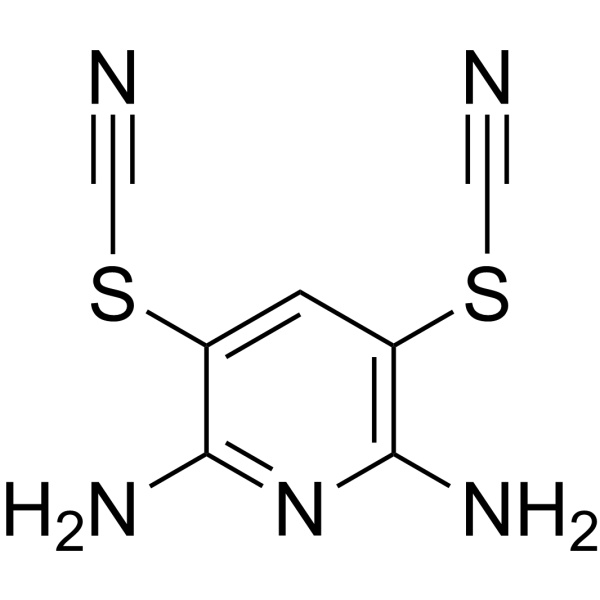
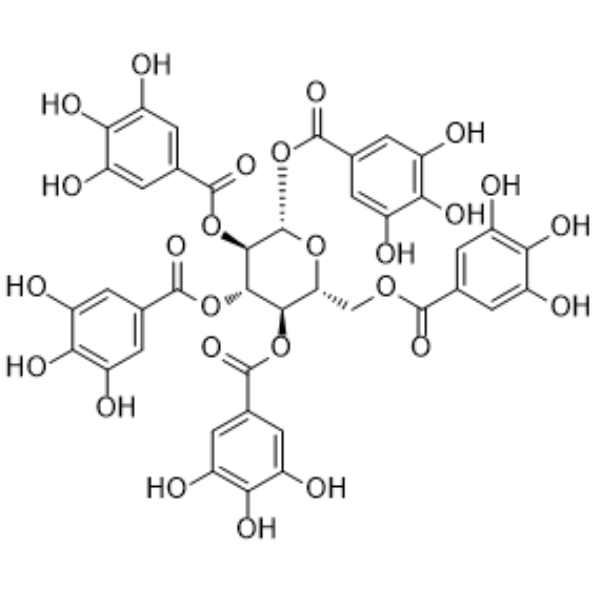
    PR-619 is a broad-range and reversible DUB inhibitor with EC50s of 3.93, 4.9, 6.86, 7.2, and 8.61 μM for USP4, USP8, USP7, USP2, and USP5, respectively. PR-619 induces ER Stress and ER-Stress related apoptosis .
    PR-619
  • HY-130800
    Eragidomide
    5+ Cited Publications

    CC-90009

    Ligands for E3 Ligase Molecular Glues Apoptosis Inflammation/Immunology Cancer
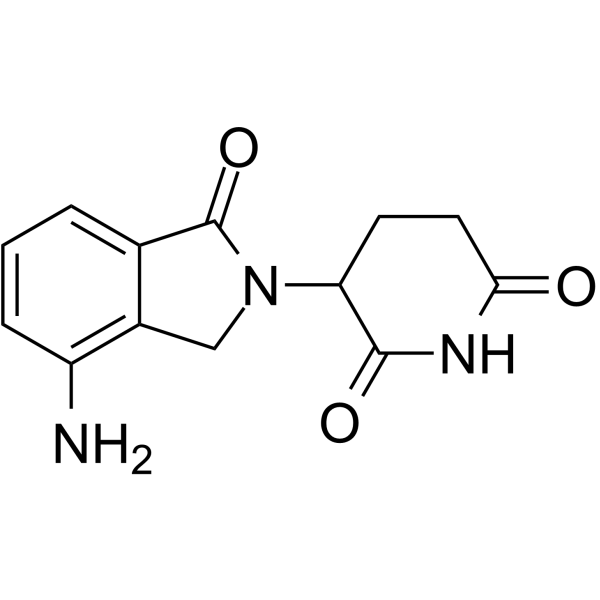
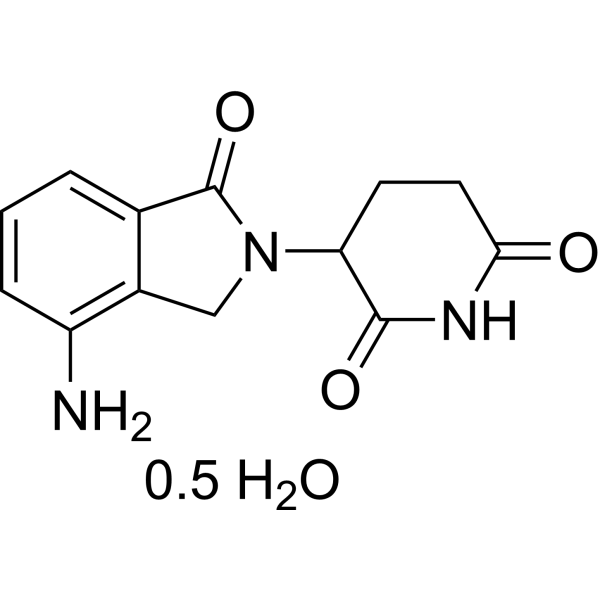
    Eragidomide (CC-90009) is a first-in-class GSPT1-selective cereblon (CRBN) E3 ligase modulator, acts as a molecular glue. Eragidomide coopts the CRL4 CRBN to selectively target GSPT1 for ubiquitination and proteasomal degradation .
    Eragidomide
  • HY-W020033
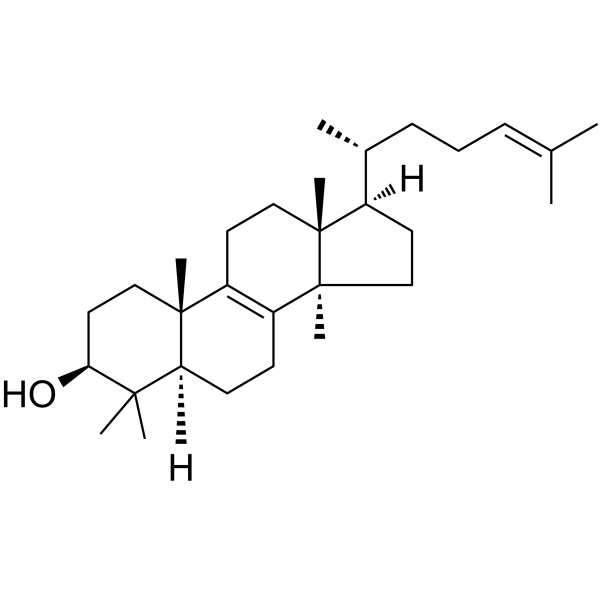
    Lanosterol
    3 Publications Verification

    Endogenous Metabolite Neurological Disease
    Lanosterol is an intermediate of cholesterol synthesis and use of lanosterol induces ubiquitination and degradation of a rate-controlling enzyme of cholesterol synthesis, i.e., HMG CoA reductase. Lanosterol suppresses the aggregation and cytotoxicity of misfolded proteins linked with neurodegenerative diseases .
    Lanosterol
  • HY-112220
    VIT-2763
    5+ Cited Publications

    Ferroportin Metabolic Disease
    VIT-2763, an oral ferroportin inhibitor, inhibits hepcidin binding to ferroportin and blocks iron efflux. VIT-2763 has the potential in the treatment of β-thalassemia .
    VIT-2763
  • HY-163814

    Molecular Glues CDK Cancer
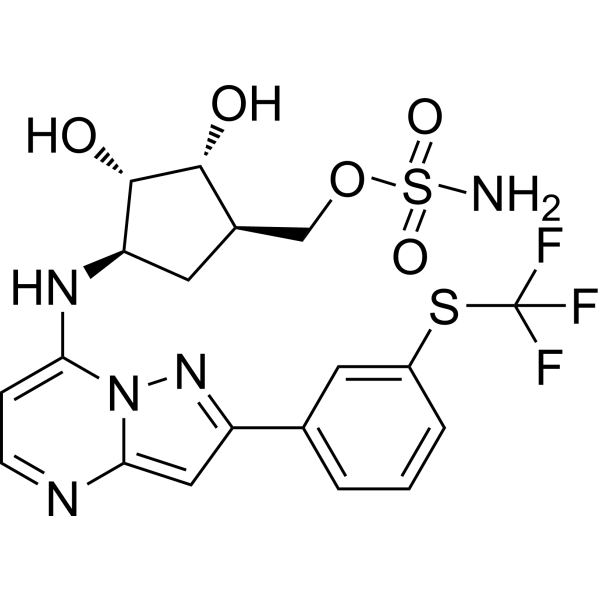
    CDK2 degrader 1 (Compound 3) is a selective CDK2 molecular glue degrader with a Dmax (CDK2) of > 80% and a Ki (CRBN) > 1 μM. CDK2 degrader 1 binds to cereblon to induce ubiquitination and subsequent proteasomal degradation of the CDK2. CDK2 degrader 1 is used in the research of a wide range of cancers .
    CDK2 degrader 1
  • HY-112438
    MF-094
    5+ Cited Publications

    Deubiquitinase Cancer
    MF-094 is a potent and selective USP30 inhibitor with an IC50 of 120 nM. MF-094 increases protein ubiquitination and accelerates mitophagy .
    MF-094
  • HY-139662

    E1/E2/E3 Enzyme Cancer
    HB007 is a small ubiquitin-related modifier 1 (SUMO1) degrader. HB007 induces ubiquitination and degradation of SUMO1, resulting in reduced tumor growth in vivo. HB007 can be used for the research of brain, breast, colon, and lung cancers .
    HB007
  • HY-169912

    Molecular Glues CDK Cancer
    CDK2 degrader 5 is a CRBN-binding CDK2 molecular glue degrader. CDK2 degrader 5 induces ubiquitination and subsequent proteasomal degradation of CDK2. CDK2 degrader 5 can be used for the research of cancer .
    CDK2 degrader 5
  • HY-175552

    Tau Protein Neurological Disease
    CHIPOpt, a peptide, is an orthosteric CHIP TPR domain inhibitor with a Kd of ∼16 nM. CHIPOpt has anti-aggregation activity and decreases p.tau ubiquitination with little effect on unmodified tau. CHIPOpt can be used for Alzheimer’s disease research .
    CHIPOpt
  • HY-18643
    TZ9
    2 Publications Verification

    E1/E2/E3 Enzyme Apoptosis Cancer
    TZ9 is a selective Rad6 inhibitor. TZ9 inhibits Rad6B-induced histone H2A ubiquitination, downregulates intracellular β-catenin, induces G2-M arrest and apoptosis, and inhibits the proliferation and migration of metastatic human breast cancer cells .
    TZ9
  • HY-18638
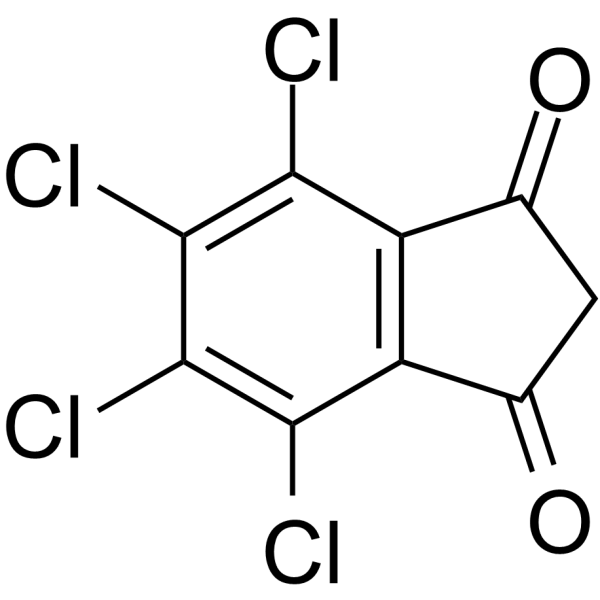
    TCID
    5+ Cited Publications

    4,5,6,7-Tetrachloroindan-1,3-dione

    Deubiquitinase Neurological Disease
    TCID (4,5,6,7-Tetrachloroindan-1,3-dione) is a potent and selective neuronal ubiquitin C-terminal hydrolase (UCH-L3) inhibitor with an IC50 of 0.6 μM . TCID diminishes glycine transporter GlyT2 ubiquitination in brainstem and spinal cord primary neurons .
    TCID
  • HY-110261
    GS143
    2 Publications Verification

    IKK E1/E2/E3 Enzyme NF-κB Inflammation/Immunology
    GS143 is a selec­tive IκBα ubiquitination inhibitor with an IC50 of 5.2 μM for SCF βTrCP1-mediated IκBα ubiquitylation. GS143 sup­presses NF-κB acti­va­tion and tran­scrip­tion of tar­get genes and does not inhibit proteasome activity. GS143 has anti-asthma effect .
    GS143
  • HY-176134

    PROTACs Ras Cancer
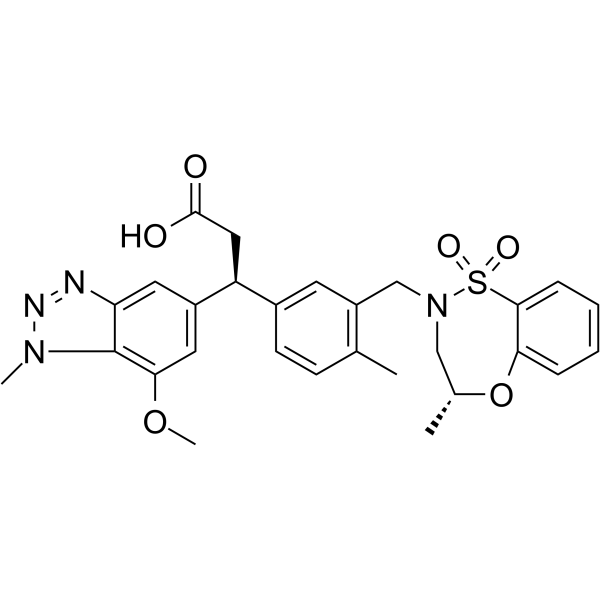
    RP03707 is a PROTAC degrader of KRAS G12D. RP03707 forms a ternary complex with KRAS G12D and the CRBN E3 ligase, promoting the ubiquitination and proteasomal degradation of KRAS G12D. RP03707 inhibits the growth of KRAS G12D-positive tumor cells .
    RP03707
  • HY-128481

    STING Inflammation/Immunology Cancer
    SB24011 is a STING modulator and a TRIM29-STING protein-protein interaction inhibitor. SB24011 blocks TRIM29-induced K48-linked specific ubiquitination by binding to STING, thereby upregulating intracellular STING protein levels. SB24011 enhances inflammatory cytokine expression and STING-mediated immune responses, and exhibits abscopal antitumor activity that promotes tumor regression and activates T cell infiltration. When combined with STING agonists or anti-PD1 antibodies, SB24011 synergistically enhances antitumor responses. SB24011 is suitable for research related to colon cancer and melanoma .
    SB24011
  • HY-110182
    SP-141
    4 Publications Verification

    MDM-2/p53 Cancer
    SP-141 is a specific inhibitor of MDM2. SP-141 promotes MDM2 auto-ubiquitination and degradation. SP-141 might be used for the research of pancreatic cancer and breast cancer cells .
    SP-141
  • HY-123961

    PROTACs p38 MAPK Cancer
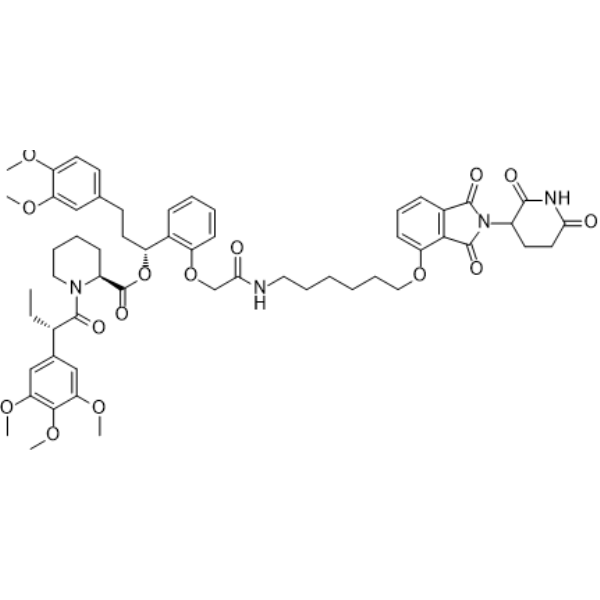
    SJF-8240 is a selective p38α PROTAC degrader. SJF-8240 promotes ubiquitination and selective degradation of p38α. SJF-8240 can be used in breast cancer-related research .
    SJF-8240
  • HY-176444A

    Molecular Glues CDK Cancer
    (R)-CDK2 degrader 6 is the R-enantiomer of CDK2 degrader 6 (HY-176444), a cereblon-based molecular glue degrader of CDK2 with a DC50 of 27 nM. (R)-CDK2 degrader 6 induces ubiquitination and proteasomal degradation of CDK2 by bridging cereblon and CDK2. (R)-CDK2 degrader 6 is applicable for cancer research .
    (R)-CDK2 degrader 6
  • HY-135199

    E1/E2/E3 Enzyme Cancer
    Ubiquitination-IN-1 (compound 24) is a ubiquitination and Cksl-Skp2 protein-protein interaction (IC50=0.17 μM) inhibitor. Ubiquitination-IN-1 increases levels of p27. Ubiquitination-IN-1 has the potential for treatment disease by blocking the degradation of tumor suppressors .
    Ubiquitination-IN-1
  • HY-158684

    PROTACs MDM-2/p53 Apoptosis Cancer
    YX-02-030 is a VHL-dependent MDM2 PROTAC degrader with a Kd of 35 nM. YX-02-030 recruits the VHL E3 ligase to form a ternary complex, leading to ubiquitination and proteasome-mediated degradation of MDM2. YX-02-030 inhibits MDM2-p53 and VHL-HIF1α binding with IC50 values of 63 and 1350 nM. YX-02-030 activates TAp73, upregulates p53 family target genes and induces apoptosis. YX-02-030 demonstrates on-target efficacy in TNBC xenograft-bearing mice, extending survival without normal cell toxicity .
    YX-02-030
  • HY-164027

    E1/E2/E3 Enzyme Metabolic Disease Cancer
    MyoMed 205 is an orally active muscle ring finger protein 1 (MuRF1) inhibitor. MyoMed-205 reduces ubiquitination and subsequent proteasomal degradation of muscle proteins by inhibiting MuRF1 activity. MyoMed 205 augments muscle performance, attenuates muscle weight loss and alleviates disease-induced weight loss. MyoMed 205 can be used for the research of cancer cachexia, type 2 diabetes mellitus, and heart failure with preserved ejection fraction .
    MyoMed 205
  • HY-115715
    EN219
    1 Publications Verification

    E1/E2/E3 Enzyme Cancer
    EN219 is a moderately selective synthetic covalent ligand against an N-terminal cysteine (C8) of RNF114 with an IC50 of 470 nM. EN219 inhibits RNF114-mediated autoubiquitination and p21 ubiquitination .
    EN219
  • HY-144984

    β-catenin Molecular Glues Cancer
    NRX-1933 is a type of molecular glue. NRX-1933 is a β-catenin:β-TrCP interaction enhancer for the development of small molecule degraders. NRX-1933 promotes the ubiquitination of mutated β-Catenin, leading to degradation. NRX-1933 can be applied to tumor research on abnormal activation of Wnt/β - catenin signaling pathway .
    NRX-1933
  • HY-144977

    Molecular Glues CDK Cancer
    dCeMM4 (Compound 5) is a molecular glue degrader. dCeMM4 induces ubiquitination and degradation of cyclin K by prompting an interaction of CDK12-cyclin K with a CRL4B ligase complex .
    dCeMM4
  • HY-144971

    Molecular Glues CDK Cancer
    dCeMM2 (Compound 2) is a molecular glue-type degrader that targets cyclin K. dCeMM2 induces ubiquitination and degradation of cyclin K by prompting an interaction of CDK12-cyclin K with a CRL4B ligase complex .
    dCeMM2
  • HY-130841

    APC Ligands for Target Protein for PROTAC Cancer
    Apcin-A is a small molecule inhibitor that selectively targets the cell division cycle protein Cdc20 and is a derivative of Apcin (HY-110287). Apcin-A competitively binds to the D-box binding pocket of Cdc20 and inhibits substrate ubiquitination mediated by the anaphase promoting complex APC/C-Cdc20. Apcin-A also blocks the binding of Cdc20 to substrates (such as securin and cyclin B1), inhibiting anaphase initiation and cell cycle exit. Apcin-A can promote or prolong mitotic slippage in coordination with p31 comet under conditions of high spindle assembly checkpoint (SAC) activity. Apcin-A can be used to develop anti-mitotic drugs and overcome tumor chemotherapy resistance. Apcin-A can be used to synthesize PROTAC CP5V (HY-130257)[1][2][3].
    Apcin-A
  • HY-147025

    PROTACs TGF-beta/Smad HIF/HIF Prolyl-Hydroxylase Inflammation/Immunology Cancer
    (S,R,S)-AHPC-C2-amide-benzofuranylmethyl-pyridine is a dual target PROTAC that can not only target to the ubiquitination and degradation of Smad3 but also improve the HIF-α protein level. (S,R,S)-AHPC-C2-amide-benzofuranylmethyl-pyridine has a multi-path anti-fibrosis function and a renal protection function for research of renal anemia. (S,R,S)-AHPC-C2-amide-benzofuranylmethyl-pyridine can be used for research on prostate cancer and other cancers .
    (S,R,S)-AHPC-C2-amide-benzofuranylmethyl-pyridine
  • HY-161410

    PROTACs Apoptosis Bcl-2 Family Cancer
    WH244 is a second generation BCL-2 and BCL-xL dual depressant (PROTAC). The primary activity of WH244 is the specific degradation of BCL-2 and BCL-xL proteins (BCL-xL: DC50=0.6 nM, BCL-2: DC50=7.4 nM). WH244 promotes their ubiquitination and subsequent proteasome degradation by targeting these proteins, thereby restoring the cell's apoptosis pathway. WH244 has good antitumor activity. (Pink: BCL-2/BCL-xL ligand (HY-161415); Blue: E3 ligase ligand (HY-112078); Black: linker) .
    WH244
  • HY-W181530

    Molecular Glues CDK Apoptosis Ligands for E3 Ligase Cancer
    NCT02 is a molecular glue degrader based on the E3 ubiquitin ligase DDB1 that targets CDK12 and its binding partner CCNK. NCT02 triggers the ubiquitination and proteasomal degradation of CCNK, thereby downregulating CDK12 protein levels and inhibiting its downstream signaling pathways. NCT02 can induce tumor cell apoptosis, arrest the cell cycle, and selectively inhibit the proliferation of colorectal cancer cells carrying TP53 defects or belonging to the consensus molecular subtype CMS4. NCT02 has the potential to inhibit tumor growth in in vitro and in vivo models .
    NCT02
  • HY-160528
    IBG3
    1 Publications Verification

    Epigenetic Reader Domain Molecular Glues Cancer
    IBG3 is a Molecular glue degrader targeting BRD2 and BRD4, with DC50 values of 8.6 pM and 6.7 pM, respectively. IBG3 binds simultaneously to the tandem bromodomains of BRD2/BRD4, induces intramolecular conformational changes, enhances the affinity of BRD2/BRD4 for DCAF16, and promotes ubiquitination and degradation. IBG3 is applicable to the research of chronic myeloid leukemia .
    IBG3
  • HY-168669

    PROTACs Ras Caspase ERK Cancer
    PROTAC K-Ras Degrader-5 is a cereblon-based K-Ras PROTAC degrader with a DC50 of <100 nM for KRAS G12D. PROTAC K-Ras Degrader-5 recruits KRAS G12D to the cereblon E3 ubiquitin ligase complex for ubiquitination and subsequent proteasomal degradation. PROTAC K-Ras Degrader-5 suppresses pERK levels downstream of KRAS G12D degradation in cancer cells. PROTAC K-Ras Degrader-5 reduces proliferation of cancer cells. PROTAC K-Ras Degrader-5 induces caspase 3/7 activity and cPARP, markers of apoptosis, in pancreatic cancer spheroids and tumors. PROTAC K-Ras Degrader-5 can be used for the research of pancreatic cancer and colorectal cancer .
    PROTAC K-Ras Degrader-5
  • HY-122550
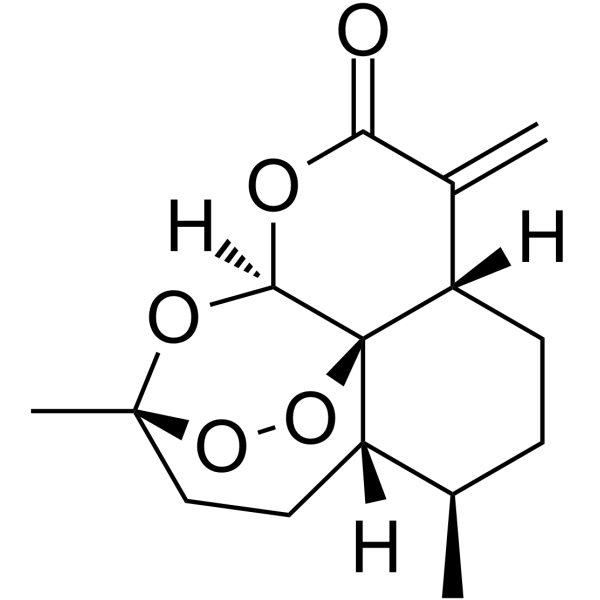
    Artemisitene
    4 Publications Verification

    Keap1-Nrf2 Topoisomerase Apoptosis Cancer
    Artemisitene, a natural derivative of Artemisinin, is a Nrf2 activator with antioxidant and anticancer activities. Artemisitene activates Nrf2 by decreasing Nrf2 ubiquitination and increasing its stability .
    Artemisitene
  • HY-15301

    E1/E2/E3 Enzyme Cancer
    CC0651 is an allosteric inhibitor of the human Cdc34 ubiquitin-conjugating enzyme. CC0651 potently (IC50=1.72 μM) inhibits the ubiquitination of p27 Kip1, as confirmed by dose-response analysis.
    CC0651
  • HY-136001

    PROTACs α-synuclein Neurological Disease
    PROTAC α-synuclein degrader 3 (Compound 5) is a selective α-synuclein PROTAC degrader. PROTAC α-synuclein degrader 3 can promote the ubiquitination and degradation of α-synuclein. PROTAC α-synuclein degrader 3 can be used for Parkinson's disease research (Pink: target protein ligand (HY-W278021); Black: linker; HY-133302; Blue: E3 ligase VHL ligand (HY-112078)) .
    PROTAC α-synuclein degrader 3
  • HY-N9362

    EmodAN

    Ferroptosis Antibiotic Cardiovascular Disease Infection
    Emodinanthrone (EmodAn) is a MARCH7 stabilizer that inhibits ferroptosis (EC50=70 nM). Emodinanthrone is also a precursor to Emodin (HY-14393) and possesses antibiotic activity. Emodinanthrone directly binds to MARCH7 and blocks its ubiquitination-mediated degradation at the K608 site; this action enhances MARCH7-mediated K48 ubiquitination and degradation of NCOA4, as well as its regulation of the intracellular localization of TFR1 via K63 ubiquitination, thereby reducing the intracellular labile iron pool and blocking ferroptosis. Emodinanthrone demonstrates in vivo cardioprotective effects and exhibits a favorable safety profile. Emodinanthrone is applicable to research on ferroptosis-related cardiovascular diseases, including Doxorubicin (HY-15142A)-induced cardiomyopathy and myocardial ischemia-reperfusion injury .
    Emodinanthrone
  • HY-147088

    YAP Cancer
    TEAD-IN-2 is a novel, orally active inhibitor of transcriptional enhancer associate domain (TEAD) and modulates TEAD by ubiquitination and/or degradation by compounds. TEAD-IN-2 can be used for the research of a variety of diseases, disorders or conditions associated with TEAD .
    TEAD-IN-2
  • HY-144976

    Molecular Glues CDK Cancer
    dCeMM3 (Compound 3) is a molecular glue degrader. dCeMM3 induces ubiquitination and degradation of cyclin K by prompting an interaction of CDK12-cyclin K with a CRL4B ligase complex .
    dCeMM3
  • HY-161108

    PROTACs Checkpoint Kinase (Chk) Cancer
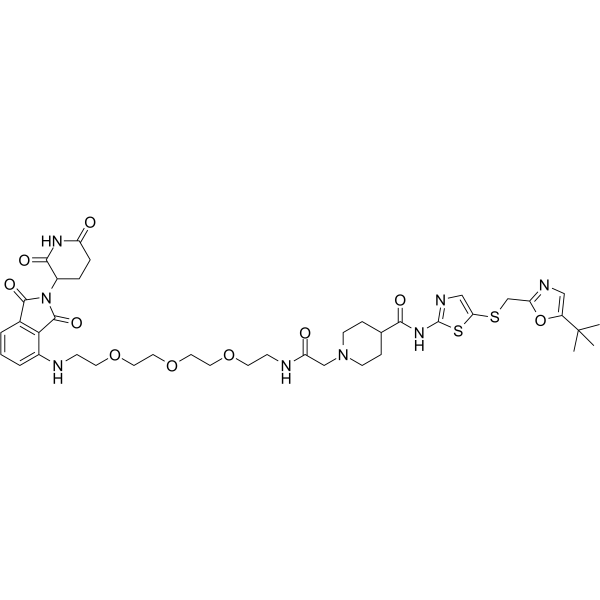
    PROTAC Chk1 degrader-1 is a Chk1-targeting PROTAC.PROTAC Chk1 degrader-1 recruits the Cereblon E3 ligase to induce ubiquitination and proteasomal degradation of Chk1.PROTAC Chk1 degrader-1 exhibits Chk1 degradation activity in malignant melanoma cells without showing a hook effect.PROTAC Chk1 degrader-1 can be used for the research of malignant melanoma .
    PROTAC Chk1 degrader-1
  • HY-160928

    E1/E2/E3 Enzyme Cardiovascular Disease
    Smurf1 modulator-1 (Compound 20) is a selective inhibitor for Smad ubiquitination regulatory factor 1 (Smurf1), with IC50 of 180 nM .
    Smurf1 modulator-1
  • HY-124834

    Keap1-Nrf2 Apoptosis Cancer
    Nrf2 activator-10 (Compound AI-1) is a PI3K-dependent inducer for antioxidant response element (ARE) (EC50 is 2.7 μM) and an activator for Nrf2. Nrf2 activator-10 modifies Keap1, blocks Cul3-Keap1 ubiquitin ligase complex, activates the transcription of Nrf2. Nrf2 activator-10 protects cells from H2O2-induced apoptosis.
    Nrf2 activator-10
  • HY-124713

    DNA/RNA Synthesis Neurological Disease
    ML372 inhibits survival motor neuron (SMN) protein ubiquitination, increases SMN protein stability without affecting mRNA expression. ML372 improves spinal muscular atrophy (SMA) in mice. ML372 is brain penetrant and has a reasonable exposure and half-life in vivo .
    ML372
  • HY-175358

    PROTACs Deubiquitinase Cancer
    PROTAC USP7 Degrader-1 is a VHL-recruiting PROTAC and USP7 degrader with binding activity to both USP7 and the VHL E3 ubiquitin ligase. PROTAC USP7 Degrader-1 recruits the VHL E3 ligase to mediate the ubiquitination and subsequent proteolytic degradation of USP7 .
    PROTAC USP7 Degrader-1
  • HY-176861

    E1/E2/E3 Enzyme Cadherin Cancer
    Hakin-1 is a E3 Ubiquitin-Ligase Hakai inhibitor. Hakin-1 blocks Hakai-mediated global ubiquitination and specific ubiquitination of E-cadherin and inhibits epithelial-mesenchymal transition (EMT) progression. Hakan-1 inhibits tumor progression and cancer metastasis. Hakin-1 can be used for the study of carcinoma such as colorectal cancer .
    Hakin-1
  • HY-168135

    PROTACs c-Met/HGFR Cancer
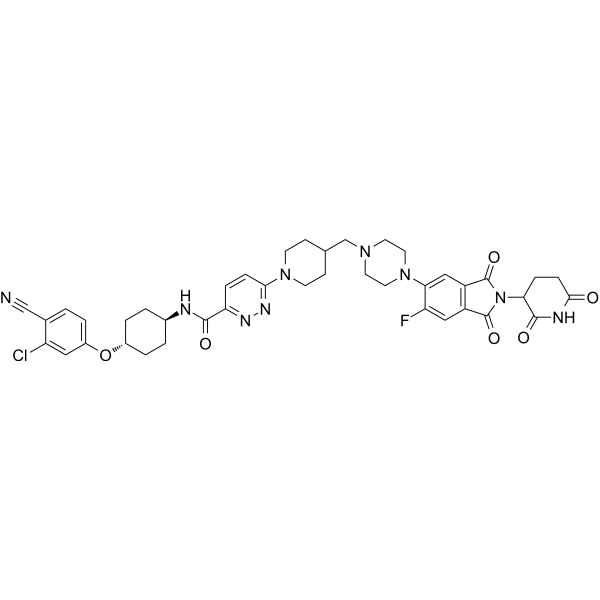
    PROTAC c-Met degrader-1 is a selective and orally active c-Met PROTAC degrader with a DC50 of 6.21 nM against c-Met. PROTAC c-Met degrader-1 induces CRBN-dependent ubiquitination and proteasomal degradation of c-Met. PROTAC c-Met degrader-1 induces G0/G1 phase arrest in c-Met-dependent cancer cells. PROTAC c-Met degrader-1 kills c-Met-dependent cancer cells. PROTAC c-Met degrader-1 inhibits tumor growth in animal models. PROTAC c-Met degrader-1 can be used for the research of gastric cancer .
    PROTAC c-Met degrader-1
  • HY-W020033R

    Reference Standards Endogenous Metabolite Neurological Disease
    Lanosterol (Standard) is the analytical standard of Lanosterol. This product is intended for research and analytical applications. Lanosterol is an intermediate of cholesterol synthesis and use of lanosterol induces ubiquitination and degradation of a rate-controlling enzyme of cholesterol synthesis, i.e., HMG CoA reductase. Lanosterol suppresses the aggregation and cytotoxicity of misfolded proteins linked with neurodegenerative diseases[1][2].
    Lanosterol (Standard)
  • HY-174368

    Pro-BA

    PROTACs Apoptosis Anaplastic lymphoma kinase (ALK) Cancer
    PROTAC EML4-ALK Degrader-2 (Pro-BA) is a selective and orally active linker-free EML4-ALK PROTAC degrader with the DC50 of 74 nM in H1322 cells (T1/2 = 8 h). PROTAC EML4-ALK Degrader-2 relies on GID4 and proteasome pathways to promote ubiquitination of target proteins, leading to cell apoptosis. PROTAC EML4-ALK Degrader-2 can be used for research on cancer. (Pink: EML4-ALK Ligand (HY-40114); Blue: GID4 Ligand (HY-150908))
    PROTAC EML4-ALK Degrader-1
  • HY-169133

    PROTACs Glutathione Peroxidase Ferroptosis Cancer
    GDCNF-11 is a HIM-PROTAC GPX4 degrader based on the chaperone protein HSP90. GDCNF-11 promotes the ubiquitination and degradation of GPX4 through the HSP 90 chaperone complex, reduces endogenous GPX4 expression to induce ferroptosis in HT-1080 cells, and the DC50 value is 0.08 μM (Pink: Target protein ligand (HY-153748); Blue: HSP90 ligand (HY-10212); Black: Linker (HY-W169526)) .
    GDCNF-11
  • HY-175600

    IKZF Family Casein Kinase Molecular Glues Cancer
    MI-2-80 is a molecular glue degrader. MI-2-80 induces proteins (such as IKZF1/3 and CSNK1A1) to bind to CRBN, promoting their ubiquitination and degradation .
    MI-2-80
  • HY-115461

    Insulin Receptor Metabolic Disease
    MID-1 is a disruptor of MG53-IRS-1 (Mitsugumin 53-insulin receptor substrate-1) interaction. MID-1 disrupts molecular association of MG53 with IRS-1 and abolishes MG53-induced IRS-1 ubiquitination and degradation in skeletal muscle, leading to elevated IRS-1 expression level and increased insulin signaling and glucose uptake .
    MID-1
  • HY-178389

    Molecular Glues Glutathione Peroxidase Ferroptosis Reactive Oxygen Species (ROS) Cancer
    GPX4-IN-20, a Arctigenin (HY-N0035) derived, is a GPX4& molecular gluedegrader. GPX4-IN-20 induces ferroptosis by increasing lipid ROS levels and suppressing GSH levels. GPX4-IN-20 reduces the protein expression and enzyme activity of GPX4 in a dose-dependent manner without affecting other ferroptosis-related proteins. GPX4-IN-20 induces ubiquitination-dependent proteasomal degradation of GPX4. GPX4-IN-20 also increases the level of malondialdehyde (MDA) in HCT-116 cells. GPX4-IN-20 can be used for the research of colorectal cancer .
    GPX4-IN-20
  • HY-W020033S

    Isotope-Labeled Compounds Endogenous Metabolite Neurological Disease
    Lanosterol-d6 is deuterium labeled Lanosterol. Lanosterol is an intermediate of cholesterol synthesis and use of lanosterol induces ubiquitination and degradation of a rate-controlling enzyme of cholesterol synthesis, i.e., HMG CoA reductase. Lanosterol s
    Lanosterol-d6

Inquiry Online

Your information is safe with us. * Required Fields.

Salutation


Country or Region *

Applicant Name *


Organization Name *

Department *


Email Address *


Product Name *

Cat. No.


Requested quantity *

Phone Number *


Remarks

Inquiry Online

Inquiry Information

Product Name:
Cat. No.:
Quantity:
MCE Japan Authorized Agent:

