
1. Search Result
Search Result
Results for "

activation slowing

" in MedChemExpress (MCE) Product Catalog:

45

Inhibitors & Agonists

1

Biochemical Assay Reagents

1

Peptides

2

Inhibitory Antibodies

8

Natural
Products

1

Isotope-Labeled Compounds

1

Oligonucleotides

Targets Recommended:
Cat. No. Product Name Target Research Areas Chemical Structure
  • HY-N0219
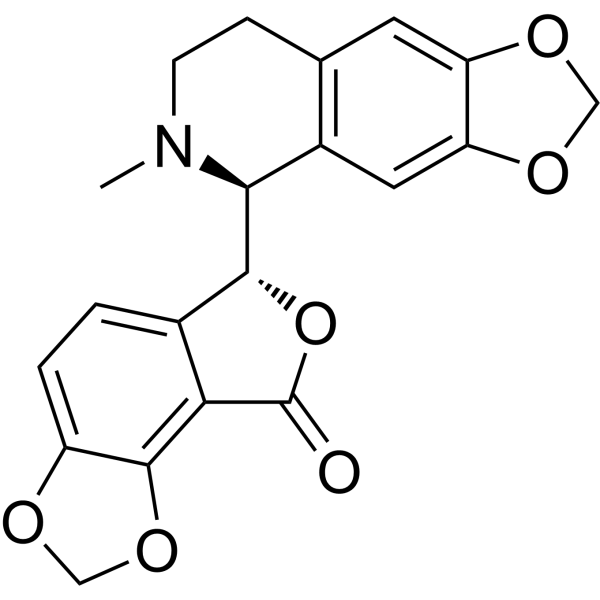
    Bicuculline
    35+ Cited Publications

    (+)-Bicuculline

    GABA Receptor Neurological Disease
    Bicuculline ((+)-Bicuculline) is A competing neurotransmitter GABAA receptor antagonist (IC50=2 μM). Bicuculline also blocks Ca 2+ activating potassium (SK) channels and subsequently blocks slow post-hyperpolarization (slow AHP). Bicuculline has anticonvulsant activity. Bicuculline can be used to induce seizures in mice .
    Bicuculline
  • HY-100001
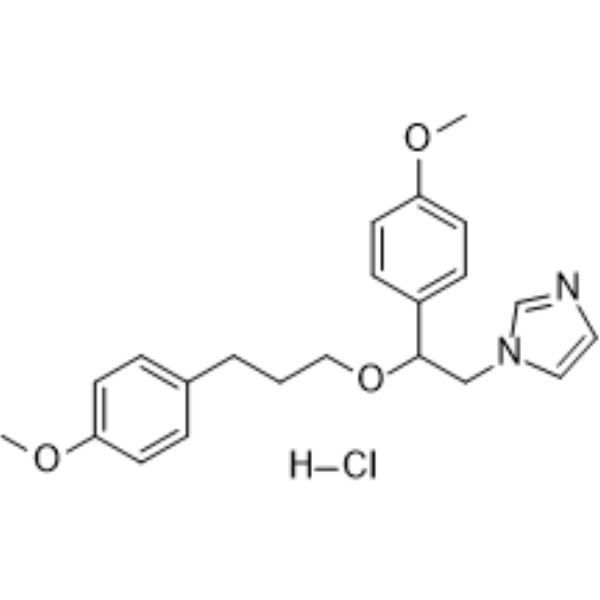
    SKF-96365 (hydrochloride)
    25+ Cited Publications

    TRP Channel CRAC Channel Autophagy CaMK Akt Apoptosis Na+/Ca2+ Exchanger Calcium Channel Neurological Disease Inflammation/Immunology Cancer
    SKF-96365 hydrochloride is a TRPC channel antagonist and store-operated calcium entry (SOCE) inhibitor. SKF-96365 hydrochloride reduces calcium ion influx by inhibiting the activity and expression of TRPC6, STIM1 and Orai1. SKF-96365 hydrochloride inhibits voltage-gated sodium current (cardiac INa/NaV1.5) and slows myocardial conduction. SKF-96365 hydrochloride inhibits phosphorylation/activation of CaMKIIγ and suppresses the downstream AKT signaling pathway. SKF-96365 hydrochloride induces G2/M phase cell cycle arrest, apoptosis and cytoprotective autophagy in colorectal cancer cells. SKF-96365 hydrochloride alleviates allergic rhinitis symptoms by reducing inflammatory cytokine levels. SKF-96365 hydrochloride reduces intracellular calcium overload, inhibits Homer1 expression, prevents nuclear damage and suppresses apoptosis. SKF-96365 hydrochloride inhibits the growth of colorectal cancer xenografts in nude mice . SKF-96365 hydrochloride is applicable to research related to allergic rhinitis, colorectal cancer, Parkinson's disease, persistent spontaneous nociception and hyperalgesia .
    SKF-96365 (hydrochloride)
  • HY-N0283
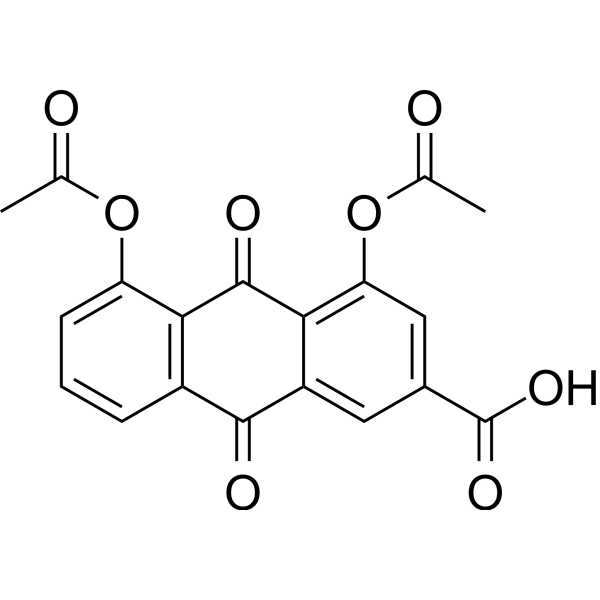
    Diacerein
    5+ Cited Publications

    Diacerhein; Diacetylrhein

    Interleukin Related Calcium Channel Inflammation/Immunology
    Diacerein (Diacerhein), an orally active anthraquinone, reduces production of IL-1 converting enzyme then inhibits the activation of IL-1β by related downstream signaling. Diacerein is an anti-inflammatory and anti-rheumatic drug. Diacerein can relieve bronchospasm and control airway inflammation in asthmatic mice. Diacerein has the potential for slow acting drug in osteoarthritis (SYSADOA) research .
    Diacerein
  • HY-147140
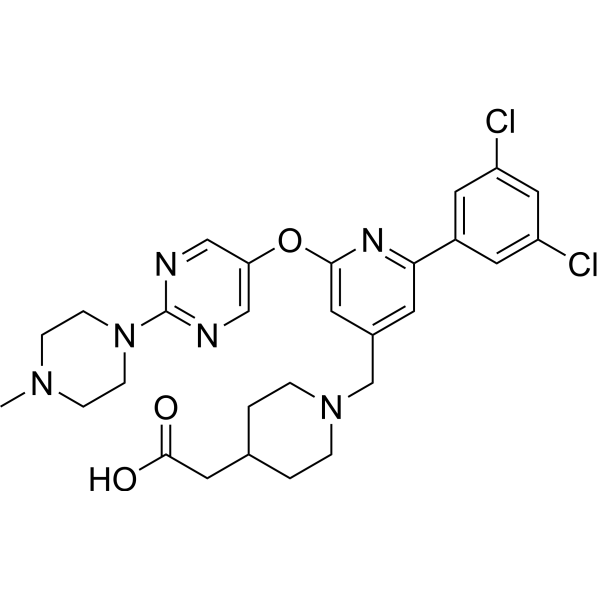
    BOS-318
    2 Publications Verification

    Furin Inflammation/Immunology
    BOS-318 is a potent, slowly dissociating, highly selective, and cell-permeable furin inhibitor with IC50 value of 1.9 nM. BOS-318 protects ENaC from subsequent activation by neutrophil elastase. BOS-318 can be used for the rsearch for CF lung disease .
    BOS-318
  • HY-N0538

    Xylite

    Environmental Pollutants Endogenous Metabolite Bacterial Autophagy Atg7 Atg8/LC3 Metabolic Disease Cancer
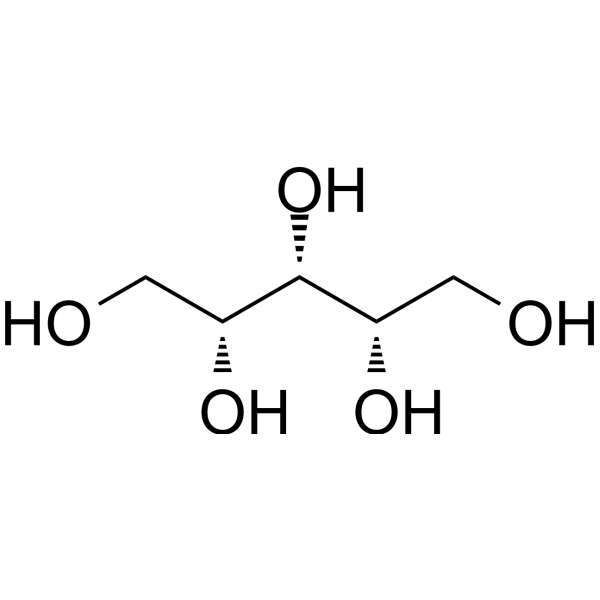
    Xylitol can be classified as a polyol and sugar alcohol, exhibiting inhibitory activity on cancer cell proliferation. It induces autophagy (Autophagy) and cell death in A549 cells by activating the autophagy signaling pathway, as evidenced by the increased expression of LC3-II and Atg5-Atg12 upon Xylitol treatment. Additionally, Xylitol inhibits acetaldehyde production by Candida species, thereby reducing their carcinogenic potential. In vivo, Xylitol induces alterations in the gut microbiota of mice, which may enhance cholesterol accumulation and upregulate hepatic ChREBP, while also slowing tumor growth in the B16F10 melanoma C57BL/6 mouse model .
    Xylitol
  • HY-W001160

    Endogenous Metabolite Calcium Channel nAChR Neurological Disease Endocrinology Cancer
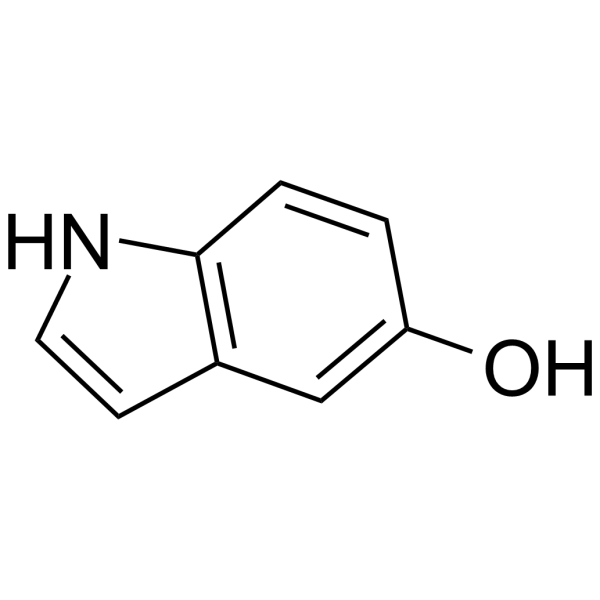
    5-Hydroxyindole is an orally active hydroxylated indole and tryptophan metabolite. 5-Hydroxyindole activates α7 nicotinic acetylcholine receptors and acts on intestinal L-type calcium channels. 5-Hydroxyindole slows down the desensitization of 5-HT3 receptor-mediated ion currents in cells. 5-Hydroxyindole causes convulsions and loss of consciousness. 5-Hydroxyindole is used in the study of neuroblastoma, schizophrenia, and diseases related to intestinal motility disorders .
    5-Hydroxyindole
  • HY-N6017

    HDAC TNF Receptor Interleukin Related TGF-β Receptor IFNAR PI3K PKC Akt GSK-3 Caspase Apoptosis Cancer
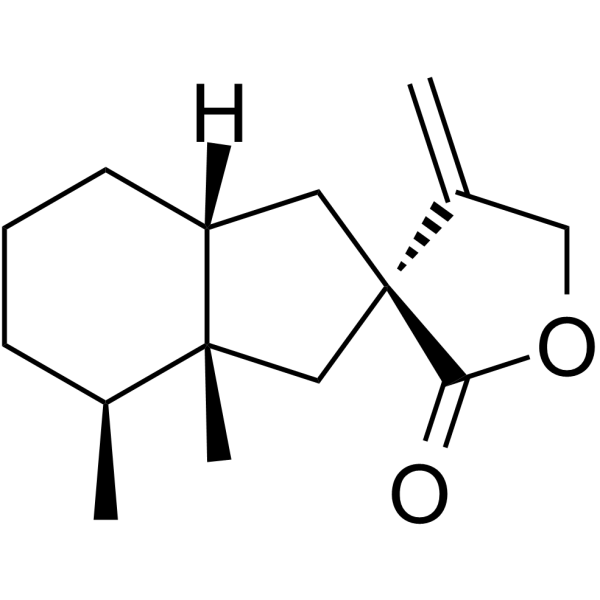
    Bakkenolide A is an anticancer agent. Bakkenolide A reduces the viability of leukemia cells, inhibits cell colony formation and invasion, and downregulates the expression of HDAC3 in cells. Bakkenolide A downregulates the expression of pro-inflammatory cytokines including TNF-α, interleukins such as IL-1β, TGF-β1 and IFN-γ, as well as the expression of PI3K, PDK and PKC in leukemia cells. Bakkenolide A downregulates activated Akt, GSK and Bad, while upregulates Cyto-c, cleaved Caspase3 and cleaved Caspase7, induces apoptosis (apoptosis) in leukemia cells and thereby inhibits inflammatory responses in leukemia cells. Bakkenolide A significantly slows the growth of subcutaneous leukemia tumors in nude mice. Bakkenolide A is applicable to leukemia-related research .
    Bakkenolide A
  • HY-16642A
    LY2828360
    1 Publications Verification

    Cannabinoid Receptor Neurological Disease
    LY2828360 is a slowly acting but efficacious G protein-biased cannabinoid (CB2) agonist, inhibiting cAMP accumulation and activating ERK1/2 signaling.
    LY2828360
  • HY-106844A

    Phosphodiesterase (PDE) Cardiovascular Disease
    (+)-EMD 57033 is a cardiac troponin C (cTnC) activator, is a dominant Ca 2+ sensitizer. (+)-EMD 57033 binds the cardiac/slow skeletal troponin C isoform and exerts myocardial contractile promotion function .
    (+)-EMD 57033
  • HY-13422
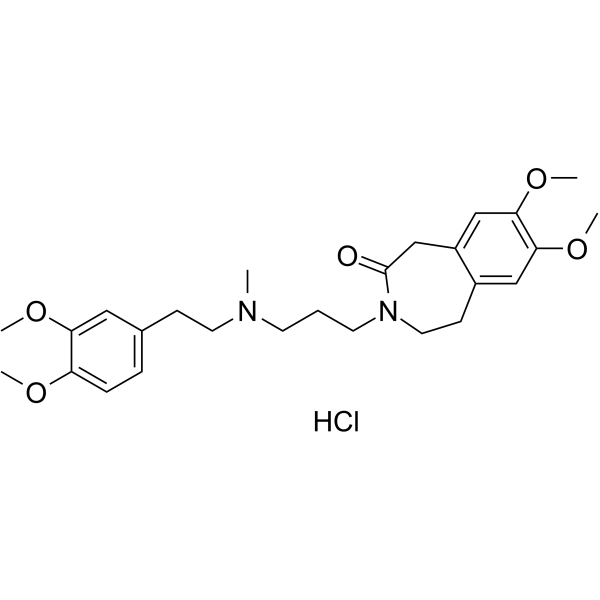
    Zatebradine hydrochloride
    2 Publications Verification

    UL-FS-49; UL-FS-49CL

    HCN Channel Cardiovascular Disease
    Zatebradine (UL-FS-49 (free base)) is a potent inhibitor of hyperpolarization-activated cyclic nucleotide-gated (HCN) channels with an IC50 values 1.96 µM. Zatebradine blocks the slow inward current through human HCN1, HCN2, HCN3 and HCN4 channels, with IC50 values of 1.83 µM, 2.21 µM, 1.90 µM and 1.88 µM, respectively .
    Zatebradine hydrochloride
  • HY-108588
    NS5806
    1 Publications Verification

    Potassium Channel Cardiovascular Disease
    NS5806, a potent potassium current activator, increases KV4.3/KChIP2 peak current amplitudes with an EC50 of 5.3 μM. NS5806 slows KV4.3 and KV4.2 current dacay in channel complexes containing KChIP2 .
    NS5806
  • HY-156420

    Phosphatase Apoptosis Inflammation/Immunology Cancer
    ATUX-1215 is an activator of protein phosphatase 2A (PP2A). ATUX-1215 reduced the phosphorylation of ERK, p38, JNK, and Akt and the secretion of IL-12p70, GM-CSF, and IL1α in Bleomycin hydrochloride (HY-17565A)-treated animals. ATUX-1215 can slow the progression of lung fibrosis .
    ATUX-1215
  • HY-16915
    RPR-260243
    1 Publications Verification

    Potassium Channel Cardiovascular Disease
    RPR-260243, a potent activator of human ether-a-go-go-related gene (hERG), slows deactivation and attenuates inactivation of hERG1 channels. RPR260243-modified HERG currents are inhibited by Dofetilide (IC50=58 nM). RPR260243 displays no activator-like effects on other voltage-dependent ion channels, including the closely related ERG3 K+ channel . RPR-260243 is a click chemistry reagent, it contains an Alkyne group and can undergo copper-catalyzed azide-alkyne cycloaddition (CuAAc) with molecules containing Azide groups.
    RPR-260243
  • HY-P990552A

    PAI-1 Integrin Cancer
    huATN-658 is an inhibitor that specifically targets the DIII domain of human urokinase plasminogen activator receptor (uPAR). huATN-658 neutralizes uPAR function by blocking the interaction between uPAR and integrins, without interfering with the binding of uPA or vitronectin to uPAR. huATN-658 inhibits the proliferation and invasion of breast cancer cells, slows the growth of primary breast tumors, reduces breast cancer-induced bone lesions and decreases osteoclast activity. huATN-658 also alters the gene expression of the TGF-β receptor complex signaling pathway. huATN-658 exerts synergistic anticancer effects when combined with Zoledronic Acid (HY-13777), and does not cause physiological or behavioral abnormalities in immunodeficient mice. huATN-658 can be used in research related to breast cancer, metastatic breast cancer and breast cancer-induced bone disease .
    huATN-658
  • HY-108591

    R-L3

    Potassium Channel Cardiovascular Disease
    L-364,373 (R-L3) is a voltage-gated Kv7.1 (KCNQ1)/mink channels activator. L-364,373 activates Iks (slow delayed rectifier potassium current) and shortens action potential duration in guinea pig cardiac myocytes, and suppresses early afterdepolarizations in rabbit ventricular myocytes .
    L-364,373
  • HY-152949

    Myosin Neurological Disease
    Myosin V-IN-1 (compound 8) is a potent and selective Myosin V inhibitor, with a Ki of 6 μM. Myosin V-IN-1 shows acute inhibition of myosin V. Myosin V-IN-1 slows the actin-activated myosin V ATPase by specifically inhibiting ADP release from the actomyosin complex .
    Myosin V-IN-1
  • HY-120026
    KB130015
    1 Publications Verification

    KB015

    Thyroid Hormone Receptor Calcium Channel Potassium Channel Sodium Channel Cardiovascular Disease
    KB130015 (KB015) is an orally active and potent ThRα and ThRβ (thyroid hormone receptor) inhibitor, with IC50 values of 4.5 and 5.1 μM, respectively. KB130015 markedly slows the kinetics of inactivation of Na + channels. KB130015 activates hERG1 channels (EC50 = 12.2 μM) and large-conductance Ca 2+-activated K + (BKCa) channels formed by hSlo1 (α) subunits in HEK 293 cells. KB130015 has antiarrhythmic properties. KB130015 can be used for the study of cardiovascular disease .
    KB130015
  • HY-13422A
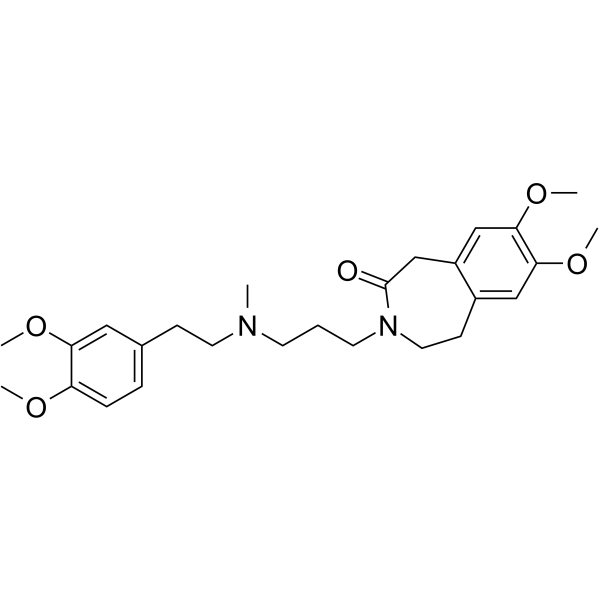
    Zatebradine
    2 Publications Verification

    UL-FS-49 free base; UL-FS-49CL free base

    HCN Channel Cardiovascular Disease
    Zatebradine (UL-FS-49 (free base); UL-FS-49CL (free base)) is a potent inhibitor of hyperpolarization-activated cyclic nucleotide-gated (HCN) channels with an IC50 value of 1.96 µM. Zatebradine blocks the slow inward current through human HCN1, HCN2, HCN3 and HCN4 channels, with IC50 values of 1.83 µM, 2.21 µM, 1.90 µM and 1.88 µM, respectively .
    Zatebradine
  • HY-110162

    Potassium Channel Neurological Disease
    QO 58 is a potent modulator of K(v)7 channels. QO-58 increases the current amplitudes, shifts the voltage-dependent activation curve in a more negative direction and slows the deactivation of K(v)7.2/K(v)7.3 currents. QO-58 has the potential for the research of diseases associated with neuronal hyperexcitability .
    QO 58
  • HY-139201E

    PDLHB (MW 150000-300000)

    CaSR 5-HT Receptor Metabolic Disease
    Poly-D-lysine hydrobromide (MW 150000-300000) is a synthetic polymer composed of D-lysine residues and is one of the most widely used matrices in neural cell culture applications. Poly-D-lysine hydrobromide (MW 150000-300000) can be used as a non-specific cell adhesion enhancer. Poly-D-lysine hydrobromide (MW 30000-70000) is an orally active CaSR agonist peptide that indirectly activates the 5-HT₃ receptor signaling pathway, delaying gastric emptying and thereby slowing the rate at which glucose enters the small intestine and is absorbed .
    Poly-D-lysine hydrobromide (MW 150000-300000)
  • HY-125942
    SKF-96365
    25+ Cited Publications

    CRAC Channel TRP Channel CaMK Akt Apoptosis Autophagy Na+/Ca2+ Exchanger Calcium Channel Neurological Disease Inflammation/Immunology Cancer
    SKF-96365 is a TRPC channel antagonist and store-operated calcium entry (SOCE) inhibitor. SKF-96365 reduces calcium ion influx by inhibiting the activity and expression of TRPC6, STIM1 and Orai1. SKF-96365 inhibits voltage-gated sodium current (cardiac INa/NaV1.5) and slows myocardial conduction. SKF-96365 inhibits phosphorylation/activation of CaMKIIγ and suppresses the downstream AKT signaling pathway. SKF-96365 induces G2/M phase cell cycle arrest, apoptosis and cytoprotective autophagy in colorectal cancer cells. SKF-96365 alleviates allergic rhinitis symptoms by reducing inflammatory cytokine levels. SKF-96365 reduces intracellular calcium overload, inhibits Homer1 expression, prevents nuclear damage and suppresses apoptosis. SKF-96365 inhibits the growth of colorectal cancer xenografts in nude mice . SKF-96365 is applicable to research related to allergic rhinitis, colorectal cancer, Parkinson's disease, persistent spontaneous nociception and hyperalgesia .
    SKF-96365
  • HY-149933

    Cannabinoid Receptor Neurological Disease
    AM841 is a high-affinity electrophilic ligand. AM841 interacts covalently with a cysteine in helix six and activates the CB1 cannabinoid receptor. AM841 reduces Forskolin (HY-15371)-stimulated cAMP accumulation. AM841 also slows gastrointestinal motility .
    AM841
  • HY-126720

    Endogenous Metabolite Metabolic Disease
    N-Lignoceroyl Taurine is an arachidonoyl amino acid and taurine conjugate with a fatty acid that can be isolated from bovine brain. N-Lignoceroyl Taurine is one of several novel taurine-conjugated fatty acids discovered during mass spectrometry lipidomic analysis of the brain and spinal cord of wild-type and fatty acid amide hydrolase (FAAH) knockout mice. N-Lignoceroyl Taurine levels were 23-26-fold higher in FAAH -/- mice compared to wild-type mice, suggesting that FAAH utilizes N-Lignoceroyl Taurine as a substrate. However, in vitro experiments with purified FAAH showed that N-Lignoceroyl Taurine was hydrolyzed 2,000-fold slower in FAAH compared to oleoylethanolamide. N-Acyl Taurines with polyunsaturated acyl chains can activate members of the transient receptor potential (TRP) calcium channel family, including TRPV1 and TRPV4.
    N-Lignoceroyl Taurine
  • HY-N0219R

    (+)-Bicuculline (Standard)

    Reference Standards GABA Receptor Neurological Disease
    Bicuculline (Standard) is the analytical standard of Bicuculline. This product is intended for research and analytical applications. Bicuculline ((+)-Bicuculline) is A competing neurotransmitter GABAA receptor antagonist (IC50=2 μM). Bicuculline also blocks Ca2+ activating potassium (SK) channels and subsequently blocks slow post-hyperpolarization (slow AHP). Bicuculline has anticonvulsant activity. Bicuculline can be used to induce seizures in mice .
    Bicuculline (Standard)
  • HY-185011

    Ceramidase PPAR TRP Channel Interleukin Related NEDD8-activating Enzyme Inflammation/Immunology Cancer
    AM9053 is a selective, effective and slowly reversible inhibitor of N-acyl ethanolamine acid amidease (NAAA) (IC50 = 30 nM). The effect of AM9053 on FAAH activity is limited (IC50 > 100 nM). AM9053 inhibits the proliferation of colorectal cancer cells by activating the PPAR-α and TRPV1 dependent mechanisms and induces S-phase cell cycle arrest. AM9053 alleviates intestinal fibrosis by regulating macrophage activity and inhibiting the IL-23 signaling pathway. AM9053 leads to an increase in NAE levels, especially PEA and OEA. AM9053 can be used for the study of colorectal cancer and intestinal fibrosis .
    AM9053
  • HY-126106

    Potassium Channel Others
    (BrMT)2 (compound 2) is a non-peptide snail toxin that slows down the activation of Kv1.1 channels .
    (BrMT)2
  • HY-144812

    Cathepsin Inflammation/Immunology Cancer
    Gü1303 is a potent, reversible, slow-binding cathepsin K (CatK) inhibitor with a Ki of 0.91 nM for mature CatK (mCatK). Gü1303 suppresses the autocatalytic activation of the cathepsin K zymogen .
    Gü1303
  • HY-113673

    Potassium Channel Cardiovascular Disease
    A-935142 is a human ether-a-go-go-related gene (hERG, Kv 11.1) channel activator. A-935142 enhances hERG current in a complex manner by facilitation of activation, reduction of inactivation, and slowing of deactivation, and abbreviates atrial and ventricular repolarization .
    A-935142
  • HY-117051

    HSP Cancer
    STA-2842 is an inhibitor of heat shock protein HSP90 with potential to inhibit autosomal dominant polycystic kidney disease (ADPKD). ADPKD is caused by inherited mutations in the PKD1 or PKD2 genes that abnormally activate multiple signaling proteins and pathways that regulate cell proliferation. STA-2842 can significantly reduce initial renal cyst formation and kidney growth in mice, and slow disease progression in mice with existing cysts.
    STA-2842
  • HY-126704

    KC-8857

    Potassium Channel Cardiovascular Disease
    Tedisamil (KC-8857) is an antiarrhythmic compound with important biological activities. Tedisamil exhibits a significant slowing effect on heart rate, which is achieved by inhibiting the transient outward potassium current (I(to)) in the atrium. Tedisamil inhibits multiple potassium currents, including IK, K(ATP), and PKA-activated chloride channels, thereby prolonging the cardiac action potential and QT interval, and increasing cardiac reentry. Tedisamil has antiarrhythmic effects on ventricular arrhythmias and atrial flutter in animal models .
    Tedisamil
  • HY-13422R

    UL-FS-49 (Standard); UL-FS-49CL (Standard)

    HCN Channel Reference Standards Cardiovascular Disease
    Zatebradine (hydrochloride) (Standard) is the analytical standard of Zatebradine (hydrochloride). This product is intended for research and analytical applications. Zatebradine (UL-FS-49 (free base)) is a potent inhibitor of hyperpolarization-activated cyclic nucleotide-gated (HCN) channels with an IC50 values 1.96 μM. Zatebradine blocks the slow inward current through human HCN1, HCN2, HCN3 and HCN4 channels, with IC50 values of 1.83 μM, 2.21 μM, 1.90 μM and 1.88 μM, respectively .
    Zatebradine hydrochloride (Standard)
  • HY-162347

    Sodium Channel Neurological Disease
    Nav1.7-IN-13 (compound 3g) is a sodium channel inhibitor that significantly inhibits Veratridine (HY-N6691)-induced neuronal activity. Nav1.7-IN-13 inhibits total Na+ current in DRG neurons in a concentration-dependent manner; slows down the activation of Navs. Nav1.7-IN-13 significantly alleviated mechanical pain behavior in a rat model of nerve injury (SNI) and had analgesic activity .
    Nav1.7-IN-13
  • HY-W001160R

    Reference Standards Endogenous Metabolite nAChR Calcium Channel Neurological Disease Endocrinology Cancer
    5-Hydroxyindole (Standard) is the analytical standard of 5-Hydroxyindole (HY-W001160). This product is intended for research and analytical applications. 5-Hydroxyindole is an orally active hydroxylated indole and tryptophan metabolite. 5-Hydroxyindole activates α7 nicotinic acetylcholine receptors and acts on intestinal L-type calcium channels. 5-Hydroxyindole slows down the desensitization of 5-HT3 receptor-mediated ion currents in cells. 5-Hydroxyindole causes convulsions and loss of consciousness. 5-Hydroxyindole is used in the study of neuroblastoma, schizophrenia, and diseases related to intestinal motility disorders .
    5-Hydroxyindole (Standard)
  • HY-W768347

    Xylite-13C5

    Isotope-Labeled Compounds Bacterial Autophagy Endogenous Metabolite Atg8/LC3 Atg7 Cancer
    Xylitol- 13C5 (Xylite- 13C5) is the 13C-labeled Xylitol (HY-N0538). Xylitol can be classified as a polyol and sugar alcohol, exhibiting inhibitory activity on cancer cell proliferation. It induces autophagy (Autophagy) and cell death in A549 cells by activating the autophagy signaling pathway, as evidenced by the increased expression of LC3-II and Atg5-Atg12 upon Xylitol treatment. Additionally, Xylitol inhibits acetaldehyde production by Candida species, thereby reducing their carcinogenic potential. In vivo, Xylitol induces alterations in the gut microbiota of mice, which may enhance cholesterol accumulation and upregulate hepatic ChREBP, while also slowing tumor growth in the B16F10 melanoma C57BL/6 mouse model .
    Xylitol-13C5
  • HY-P99911

    MEDI-6383

    Orexin Receptor (OX Receptor) Inflammation/Immunology Cancer
    Efizonerimod alfa (MEDI-6383) is a recombinant human OX40L IgG4P Fc fusion protein that assembles into a hexameric structure and exerts potent agonist activity upon binding to OX40. The activity of Efizonerimod alfa is enhanced by Fcγ receptor-mediated aggregation. Efizonerimod alfa binds to OX40 on the surface of activated T cells, induces NF-κB promoter activity in OX40-expressing T cells, and triggers the production of Th1-type cytokines, T cell proliferation, and resistance to regulatory T cell (Treg)-mediated suppression. Efizonerimod alfa enhances the cytolytic activity of tumor-reactive T cells and slows tumor growth in immunodeficient mice. Efizonerimod alfa induces the proliferation of CD4, CD8, and B cells in the peripheral blood of healthy non-human primates. Efizonerimod alfa can be used in the research of advanced solid malignancies and melanoma .
    Efizonerimod alfa
  • HY-E71266

    Biochemical Assay Reagents Others
    β-Adrenergic-receptor kinase (EC 2.7.11.15) requires G-protein for activation and therefore belongs to the family of G-protein-dependent receptor kinases (GRKs) . Acts on the agonist-occupied form of the receptor; also phosphorylates rhodopsin, but more slowly.
    β-Adrenergic-receptor kinase
  • HY-182646

    Potassium Channel Cardiovascular Disease
    NE-10133 is a ISK and IKS potassium channel (Potassium Channel) inhibitor. NE-10133 inhibits voltage-dependent and slowly activated delayed rectifier potassium currents. NE-10133 exhibits class III antiarrhythmic activity. NE-10133 is applicable for research related to arrhythmias .
    NE-10133
  • HY-179655

    HDAC Cancer
    ST17 is a light-activatable ST13 prodrug. ST17 readily releases ST13 upon irradiation. ST13 is a selective, slow- and tight-binding HDAC1/HDAC2 inhibitor with antiproliferative activity. ST17 can be used in the research of melanoma and breast cancer .
    ST17
  • HY-108591R

    R-L3 (Standard)

    Reference Standards Potassium Channel Cardiovascular Disease
    L-364,373 (Standard) is the analytical standard of L-364,373 (HY-108591). This product is intended for research and analytical applications. L-364,373 (R-L3) is a voltage-gated Kv7.1 (KCNQ1)/mink channels activator. L-364,373 activates Iks (slow delayed rectifier potassium current) and shortens action potential duration in guinea pig cardiac myocytes, and suppresses early afterdepolarizations in rabbit ventricular myocytes .
    L-364,373 (Standard)
  • HY-108588R

    Reference Standards Potassium Channel Cardiovascular Disease
    NS5806 (Standard) is the analytical standard of NS5806 (HY-108588). This product is intended for research and analytical applications. NS5806, a potent potassium current activator, increases KV4.3/KChIP2 peak current amplitudes with an EC50 of 5.3 μM. NS5806 slows KV4.3 and KV4.2 current dacay in channel complexes containing KChIP2 .
    NS5806 (Standard)
  • HY-131575

    Biochemical Assay Reagents Others
    Sedoheptulose 1,7-diphosphate is a substrate for fructose bisphosphatase form B from Synechococcus leopoliensis. Sedoheptulose 1,7-diphosphate undergoes hydrolysis at the carbon 1-ester, stabilizes the activated tetrameric state of fructose bisphosphatase form B, and prevents the enzyme’s slow inactivation. Sedoheptulose 1,7-diphosphate supports fructose bisphosphatase form B-mediated bisphosphatase reactions within the reductive pentose phosphate cycle .
    Sedoheptulose 1,7-diphosphate
  • HY-126704A

    KC-8857 dihydrochloride

    Potassium Channel Cardiovascular Disease
    Tedisamil (KC-8857) dihydrochloride is an antiarrhythmic compound with important biological activities. Tedisamil dihydrochloride exhibits a significant slowing effect on heart rate, which is achieved by inhibiting the transient outward potassium current (I(to)) in the atrium. Tedisamil dihydrochloride inhibits multiple potassium currents, including IK, K(ATP), and PKA-activated chloride channels, thereby prolonging the cardiac action potential and QT interval, and increasing cardiac reentry. Tedisamil dihydrochloride has antiarrhythmic effects on ventricular arrhythmias and atrial flutter in animal models .
    Tedisamil dihydrochloride
  • HY-180529

    Keap1-Nrf2 Reactive Oxygen Species (ROS) Potassium Channel Cardiovascular Disease
    4-Octyl itaconate-Bn-S-NH2 (Compound 8b) is a vasodilator. 4-Octyl itaconate-Bn-S-NH2 can slowly and stably release H₂S, and it alleviates oxidative stress through an antioxidant reaction that depends on the activation of Nrf2. 4-Octyl itaconate-Bn-S-NH2 inhibits the production of intracellular ROS caused by H₂O₂ damage and the cytotoxicity of cells, and activates potassium channel. 4-Octyl itaconate-Bn-S-NH2 can be used for research on hypertension .
    4-Octyl itaconate-Bn-S-NH2
  • HY-186062

    Toll-like Receptor (TLR) Potassium Channel Phosphatase Cardiovascular Disease Neurological Disease Inflammation/Immunology
    HCN-IN-1 is a TLR4 inhibitor and HCN channel modulator with activity against HCN2 and HCN4.HCN-IN-1 inhibits TLR4-mediated alkaline phosphatase (SEAP) signal activity.HCN-IN-1 reduces HCN2 current across tested voltages, shifts voltage-dependent activation to more hyperpolarized potentials, slows activation kinetics, and does not affect deactivation process.HCN-IN-1 blocks HCN4 current.HCN-IN-1 exhibits analgesic, anti-inflammatory, and anti-anginal effects.HCN-IN-1 can be used for the research of inflammatory pain, neuropathic pain, heart failure, inflammation .
    HCN-IN-1
  • HY-181494

    FAP Cancer
    FAPI-X5 is a fibroblast activation protein (FAP) inhibitor. FAPI-X5 binds to the FAP catalytic domain, forming hydrogen bonds with key active residues and engaging in π-π stacking to drive functional inhibition. FAPI-X5 exhibits albumin binding activity to prolong systemic circulation half-life. FAPI-X5 induces cytostatic effects on glioblastoma tumors, slowing tumor growth without regression. FAPI-X5, when labeled with 68Ga, acts as a PET tracer with rapid tumor uptake and high-contrast imaging in glioblastoma tumor-bearing mice. FAPI-X5, when labeled with 177Lu or 47Sc, functions as a targeted radionuclide agent with prolonged tumor retention. FAPI-X5 can be used for the research of glioblastoma .
    FAPI-X5

Inquiry Online

Your information is safe with us. * Required Fields.

Salutation


Country or Region *

Applicant Name *


Organization Name *

Department *


Email Address *


Product Name *

Cat. No.


Requested quantity *

Phone Number *


Remarks

Inquiry Online

Inquiry Information

Product Name:
Cat. No.:
Quantity:
MCE Japan Authorized Agent:

