1. Search Result
Search Result
Results for "

aldehyde dehydrogenase

" in MedChemExpress (MCE) Product Catalog:

52

Inhibitors & Agonists

2

Fluorescent Dyes

1

Biochemical Assay Reagents

5

Natural
Products

10

Recombinant Proteins

1

Isotope-Labeled Compounds

26

Antibodies

Cat. No. Product Name Target Research Areas Chemical Structure
  • HY-B0240
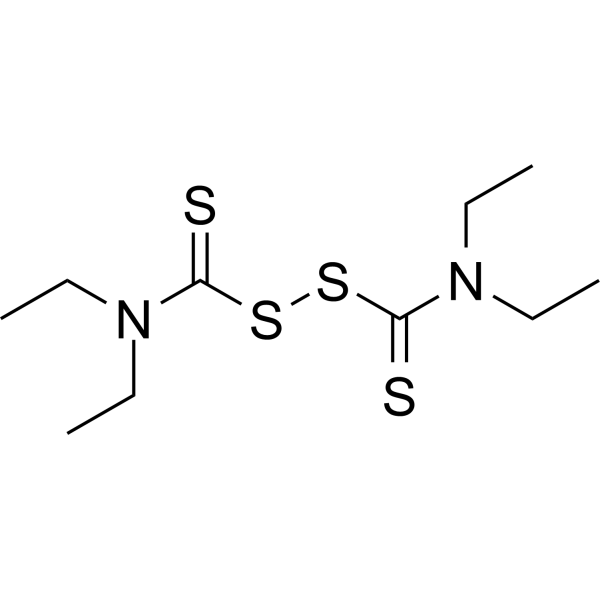
    Disulfiram
    Maximum Cited Publications
    141 Publications Verification

    Tetraethylthiuram disulfide; TETD

    Aldehyde Dehydrogenase (ALDH) Interleukin Related Pyroptosis Apoptosis Cuproptosis Metabolic Disease Cancer
    Disulfiram (Tetraethylthiuram disulfide) is a specific inhibitor of aldehyde-dehydrogenase (ALDH1), used for the treatment of chronic alcoholism by producing an acute sensitivity to alcohol. Disulfiram inhibits gasdermin D (GSDMD) pore formation in liposomes and inflammasome-mediated pyroptosis and IL-1β secretion in human and mouse cells. Disulfiram, a copper ion carrier, with Cu 2+ increases intracellular ROS levels and induces cuproptosis .
    Disulfiram
  • HY-W016645
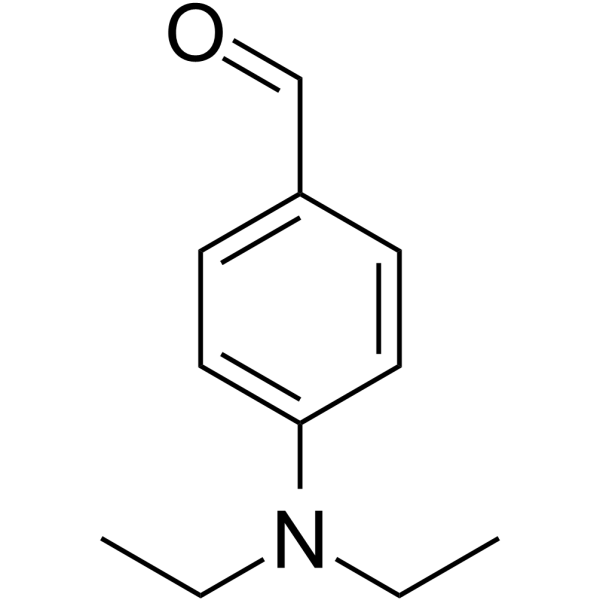
    4-Diethylaminobenzaldehyde
    5 Publications Verification

    Aldehyde Dehydrogenase (ALDH) Cancer
    4-Diethylaminobenzaldehyde is a reversible aldehyde dehydrogenases (ALDHs) inhibitor, with a Ki of 4 nM for ALDH1. 4-Diethylaminobenzaldehyde displays potent anti-androgenic effect (IC50= 1.71μM) .
    4-Diethylaminobenzaldehyde
  • HY-19801
    CVT-10216
    3 Publications Verification

    Aldehyde Dehydrogenase (ALDH) Neurological Disease
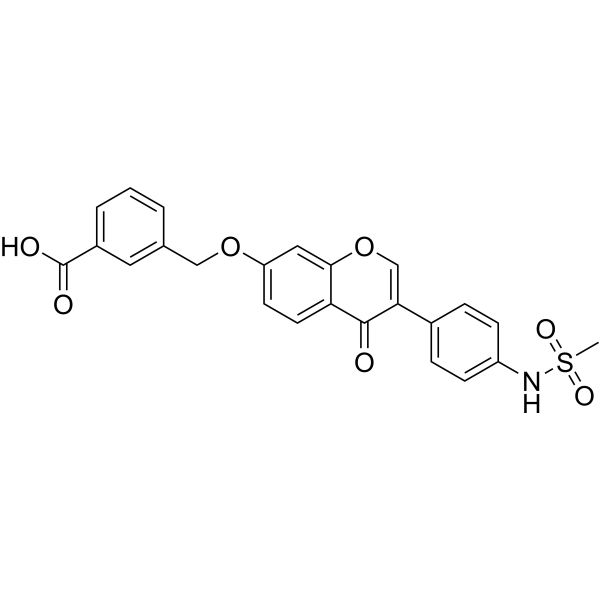
    CVT-10216 is a highly selective, reversible aldehyde dehydrogenase-2 (ALDH-2) inhibitor with an IC50 of 29 nM. CVT-10216 also has inhibitory effect of ALDH-1 with an IC50 of 1.3 μM. CVT-10216 can reduce excessive alcohol drinking in alcohol-preferring rats and exhibit anxiolytic effects .
    CVT-10216
  • HY-N2597
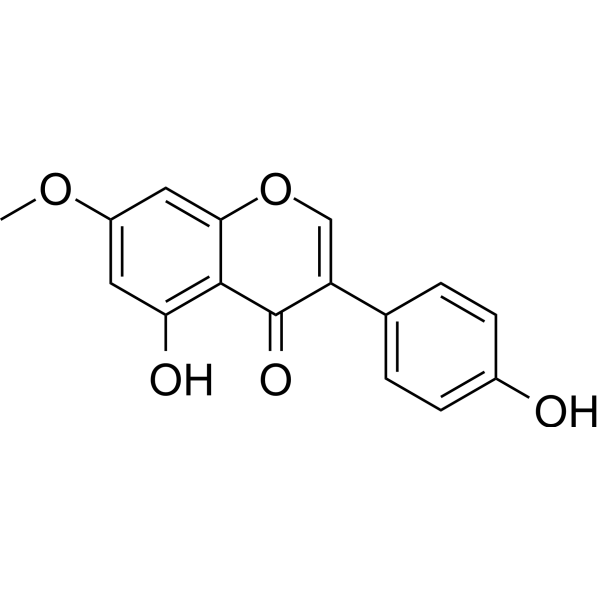
    Prunetin
    3 Publications Verification

    Aldehyde Dehydrogenase (ALDH) Inflammation/Immunology
    Prunetin, an O-methylated isoflavone, possesses anti-inflammatory activity. Prunetin is a potent human aldehyde dehydrogenases inhibitor .
    Prunetin
  • HY-P2947

    aldehyde dehydrogenase (NAD(P))

    Aldehyde Dehydrogenase (ALDH) Others Cancer
    ALDH (Aldehyde dehydrogenase (NAD(P))) catalyzes the oxidation of aldehydes into their corresponding carboxylic acids with the concomitant reduction of the cofactor NAD(P) into NAD(P)H, is often used in biochemical studies. The ALDHs are one of many enzyme systems the body utilizes to alleviate aldehyde stress .
    ALDH
  • HY-76006

    M-Hydroxybenzaldehyde

    Aldehyde Dehydrogenase (ALDH) NF-κB p38 MAPK Cardiovascular Disease Inflammation/Immunology
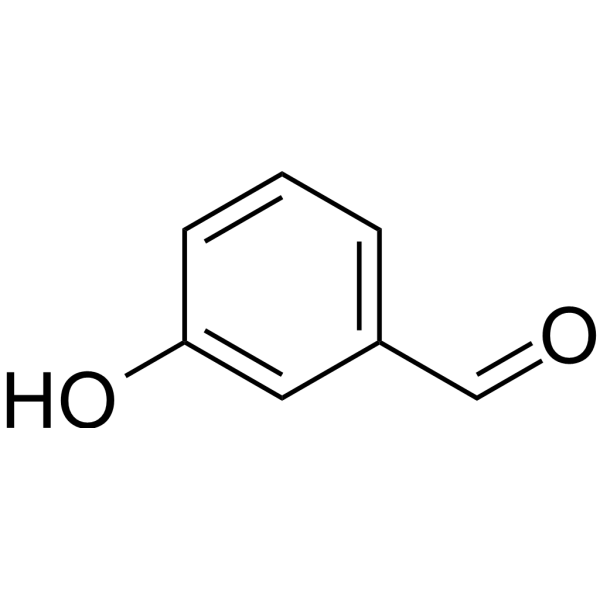
    3-Hydroxybenzaldehyde (3-HBA) is a precursor compound for phenolic compounds like Protocatechuic aldehyde (PCA) (HY-N0295). 3-Hydroxybenzaldehyde, produced by 3-hydroxybenzyl-alcohol dehydrogenase, is a substrate of aldehyde dehydrogenase (ALDH) in rats and humans. 3-Hydroxybenzaldehyde has vasculoprotective effects in vitro and in vivo. 3-Hydroxybenzaldehyde is proming for research of atherosclerosis .
    3-Hydroxybenzaldehyde
  • HY-112278

    Aldehyde Dehydrogenase (ALDH) Cancer
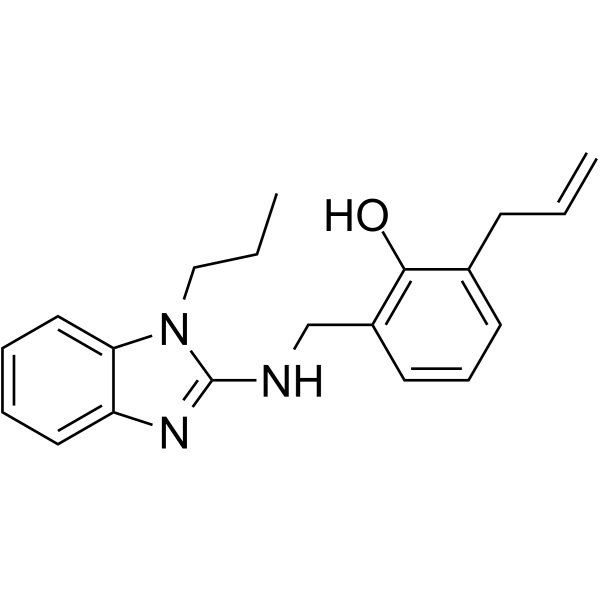
    NCT-506 is an orally bioavailable aldehyde dehydrogenase 1A1 (ALDH1A1) inhibitors with an IC50 of 7 nM .
    NCT-506
  • HY-B0240R

    Tetraethylthiuram disulfide (Standard); TETD (Standard)

    Reference Standards Aldehyde Dehydrogenase (ALDH) Interleukin Related Pyroptosis Apoptosis Cuproptosis Metabolic Disease Cancer
    Disulfiram (Standard) is the analytical standard of Disulfiram. This product is intended for research and analytical applications. Disulfiram (Tetraethylthiuram disulfide) is a specific inhibitor of aldehyde-dehydrogenase (ALDH1), used for the treatment of chronic alcoholism by producing an acute sensitivity to alcohol. Disulfiram inhibits gasdermin D (GSDMD) pore formation in liposomes and inflammasome-mediated pyroptosis and IL-1β secretion in human and mouse cells. Disulfiram + Cu 2+ increases intracellular ROS levels triggering apoptosis of ovarian cancer stem cells [1-6].
    Disulfiram (Standard)
  • HY-135841
    CM010
    1 Publications Verification

    Aldehyde Dehydrogenase (ALDH) Metabolic Disease Cancer
    CM010 is a potent and selective aldehyde dehydrogenase 1A (ALDH1A) family inhibitor, with IC50s of 1700, 740, and 640 nM for ALDH1A1, ALDH1A2, and ALDH1A3, respectively. CM010 does not inhibit any of the other ALDH family members. CM010 can regulate metabolism and has anti-cancer activity .
    CM010
  • HY-122577

    Aldehyde Dehydrogenase (ALDH) Cancer
    EN40 is a potent, selective aldehyde dehydrogenase 3A1 (ALDH3A1) inhibitor as a covalent ligand, exhibits an IC50 value of 2 uM
    EN40
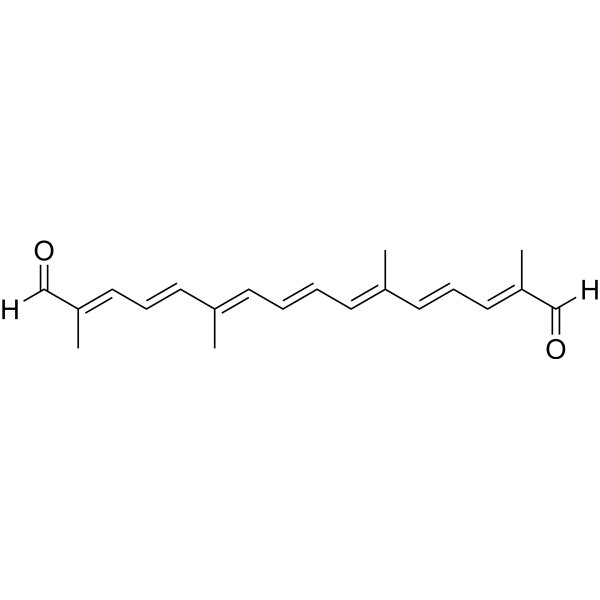
  • HY-N10991

    Drug Derivative Others
    Crocetin dialdehyde is a non-volatile apocarotenoid obtained by the action of the plastidic enzyme CCD2 over the carotenoid zeaxanthin in saffron. Crocetin dialdehyde can be converted into Crocetin (HY-N2072) by aldehyde dehydrogenases (ALDHs). Crocetin dialdehyde has no effect on the liver in mice .
    Crocetin dialdehyde
  • HY-126003

    Aldehyde Dehydrogenase (ALDH) Cancer
    ALDH1A1-IN-2 (compound 297) is a potent inhibitor of aldehyde dehydrogenase 1a1 (aldh1a1). Aldehyde dehydrogenases (ALDH) constitute a family of enzymes that play a critical role in oxidizing various cytotoxic xenogenic and biogenic aldehydes. ALDH1A1-IN-2 has the potential for the research of cancer, inflammation, or obesity .
    ALDH1A1-IN-2
  • HY-122373

    Aldehyde Dehydrogenase (ALDH) Drug Derivative Metabolic Disease
    Coprine is an orally active disulfiram (HY-B0240)-like component and an inhibitor of aldehyde dehydrogenase. Coprine is isolated from Coprinus atranentarius. Coprine inhibits low Km aldehyde dehydrogenase in rat liver and increases blood acetaldehyde levels during in vivo ethanol metabolism. Coprine does not inhibit semi-purified low Km aldehyde dehydrogenase from rat liver in vitro. Coprine can be used in studies related to alcoholism .
    Coprine
  • HY-139005

    BAAA-DA

    Fluorescent Dye Others
    BODIPY aminoacetaldehyde diethyl acetal is a stable precursor to BODIPY-aminoacetaldehyde and can be converted into BODIPY-aminoacetaldehyde under acidic conditions. BODIPY-aminoacetaldehyde is a fluorescent substrate for aldehyde dehydrogenase (ALDH) .
    BODIPY aminoacetaldehyde diethyl acetal
  • HY-107030

    EMD-15700

    Aldehyde Dehydrogenase (ALDH) Metabolic Disease
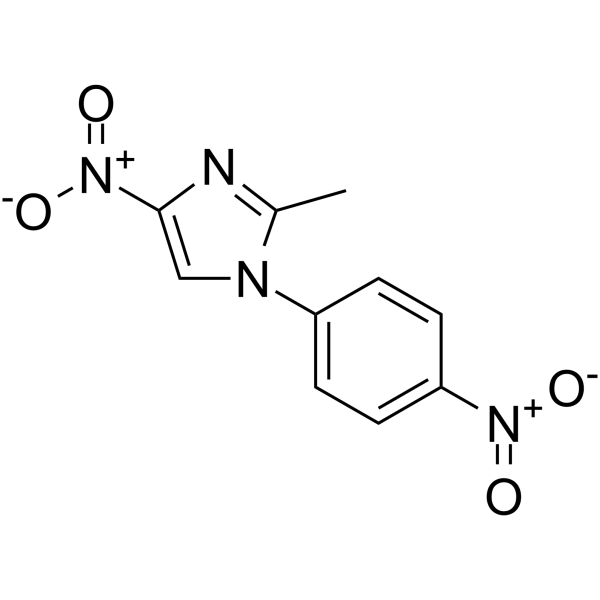
    Nitrefazole is a 4-nitroimidazole derivative with strong and long lasting inhibition of aldehyde dehydrogenase (ALDH), an enzyme involved in the metabolism of alcohol.
    Nitrefazole
  • HY-112277

    Aldehyde Dehydrogenase (ALDH) Cancer
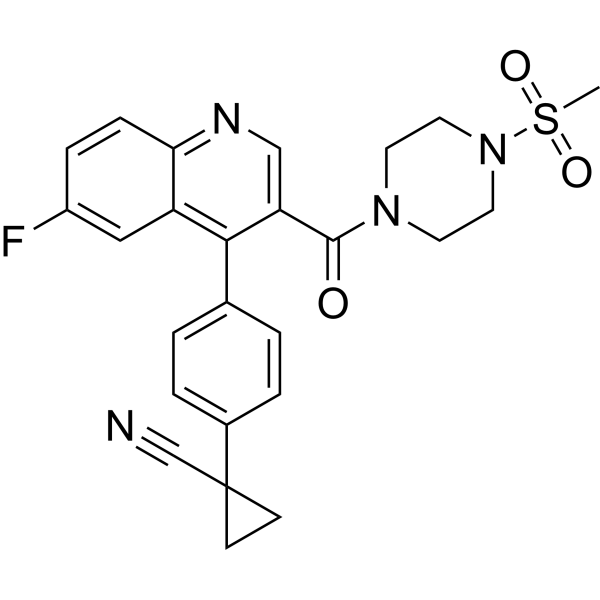
    NCT-505 is a potent and selective aldehyde dehydrogenase (ALDH1A1) inhibitor, with an IC50 of 7 nM, and weakly inhibits hALDH1A2, hALDH1A3, hALDH2, hALDH3A1 (IC50s, >57, 22.8, 20.1, >57 μM).
    NCT-505
  • HY-176716

    Aldehyde Dehydrogenase (ALDH) Cardiovascular Disease
    ALDH2 activator 1 (Compound Z17) is an allosteric aldehyde dehydrogenase 2 (ALDH2) agonist. ALDH2 activator 1 enhances cardiac function and reduces myocardial necrosis in a mouse model of myocardial ischemia-reperfusion. ALDH2 activator 1 is promising for research of cardiovascular diseases such as myocardial infarction (MI) .
    ALDH2 activator 1
  • HY-168566

    HSP Cancer
    EV206 is a Hsp70 binder and apoptosis inducer that binds to the N-terminal domain of Hsp70, promotes Hsp70 degradation via the ubiquitin-proteasome system, and reduces Hsp70 protein stability. EV206 induces apoptotic cell death, inhibits colony formation, and downregulates the expression of cancer stem cell-related markers in non-small cell lung cancer cells. EV206 inhibits the growth of H460 xenograft tumors in nude mice and can be used for the research of non-small cell lung cancer .
    EV206
  • HY-151229

    DETC-Me; DDTC-Me; Diethyldithiocarbamic acid methyl ester

    Aldehyde Dehydrogenase (ALDH) Metabolic Disease
    S-Methyl-N,N-diethylthiolcarbamate (DETC-Me; DDTC-Me) is the active metabolite of the aldehyde dehydrogenase inhibitor disulfiram (HY-B0240). It is produced by the methylation of the disulfiram metabolite diethyldithiocarbamate in mouse liver microsomes. S-Methyl-N,N-diethylthiolcarbamate (DETC-Me; DDTC-Me) inhibits rat liver low Km aldehyde dehydrogenase (ALDH) (ID50=15.5 mg/kg). When administered at a dose of 20.6 mg/kg, it decreases mean arterial pressure (MAP) and increases heart rate in rats during ethanol stimulation.
    S-Methyl-N,N-diethylthiolcarbamate
  • HY-144669

    Aldehyde Dehydrogenase (ALDH) Cancer
    ALDH1A3-IN-2 (Compound 15) is a potent inhibitor of ALDH1A3 with an IC50 of 1.29 μM. Aldehyde dehydrogenases (ALDHs) are overexpressed in various tumor types including prostate cancer. ALDH1A3-IN-2 has the potential for the research of cancer diseases .
    ALDH1A3-IN-2
  • HY-Y1668

    Pivalic aldehyde

    Drug Derivative Others
    Trimethylacetaldehyde (Pivalic aldehyde) is an analog of Betaine aldehyde. Trimethylacetaldehyde has a significant enzyme inhibitory activity towards betaine aldehyde dehydrogenase. Trimethylacetaldehyde can be used for osmoprotectants of E.coli research .
    Trimethylacetaldehyde
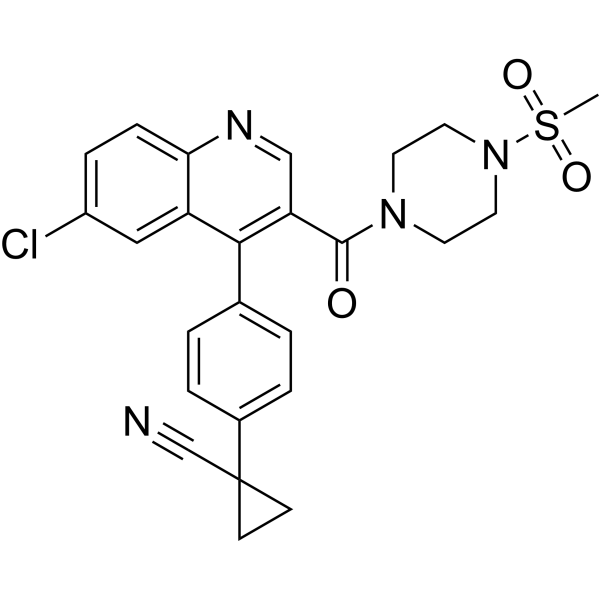
  • HY-113734

    Aldehyde Dehydrogenase (ALDH) Others
    CM026 is a selective aldehyde dehydrogenase 1A1 inhibitor with submicromolar inhibitory activity against aldehyde dehydrogenase 1A1. Its inhibitory mechanism is related to binding to the aldehyde binding pocket and utilizing a unique glycine residue. It can be used as a chemical tool to study the role of this enzyme in disease.
    CM026
  • HY-121817

    Aldehyde Dehydrogenase (ALDH) Drug Intermediate Amyloid-β Infection Neurological Disease
    Sulfiram is a very weak aldehyde dehydrogenase (ALDH) inhibitor, with an IC50 value of 413 μM against Saccharomyces cerevisiae ALDH. As a photochemical precursor, Sulfiram undergoes photoconversion to form Disulfiram (HY-B0240), a potent ALDH inhibitor. Sulfiram inhibits the dimerization of the extracellular domain fragment (amino acid residues 230-624) of amyloid precursor protein (APP), alters the monomer-dimer equilibrium, induces conformational changes in the fragment, and enhances the production of sAPPα via α-cleavage of APP. Sulfiram can be used in research related to scabies and Alzheimer's disease .
    Sulfiram
  • HY-148617

    Aldehyde Dehydrogenase (ALDH) Metabolic Disease
    ALDH2 modulator 1 is a potent and orally active aldehyde dehydrogenase-2 (ALDH2) modulator. ALDH2 modulator 1 reduces blood alcohol levels in mice .
    ALDH2 modulator 1
  • HY-N2597R

    Reference Standards Aldehyde Dehydrogenase (ALDH) Inflammation/Immunology
    Prunetin, an O-methylated isoflavone, possesses anti-inflammatory activity. Prunetin is a potent human aldehyde dehydrogenases inhibitor .
    Prunetin (Standard)
  • HY-Y0943

    Drug Metabolite Cancer
    Aldehyde Dehydrogenase Isobutyramide is an orally active liver alcohol dehydrogenase (LADH2) inhibitor. Isobutyramide inhibits ethanol metabolism and enhances differentiation-related gene expression, inducing cell cycle arrest and significantly reducing the growth rate of prostate cancer cells (LNCaP). Isobutyramide is promising for research of advanced prostate cancer .
    Isobutyramide
  • HY-18768A

    Aldehyde Dehydrogenase (ALDH) Cancer
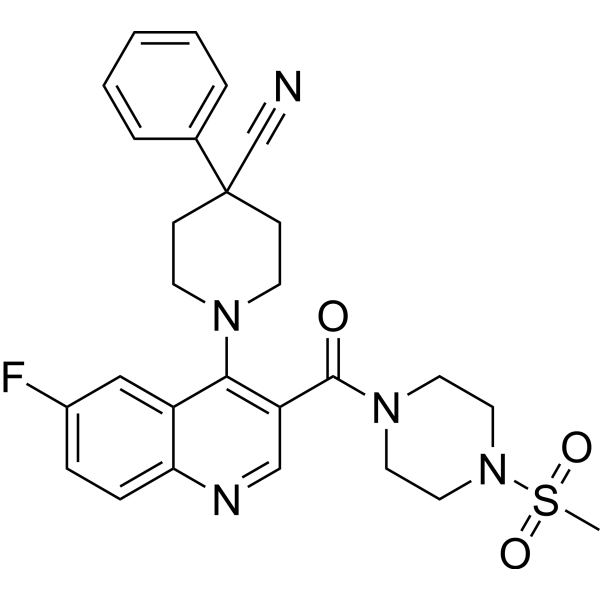
    NCT-501 hydrochloride is a potent and selective theophylline-based inhibitor of aldehyde dehydrogenase 1A1 (ALDH1A1), inhibits hALDH1A1 with IC50 of 40 nM, typically shows better selectivity over other ALDH isozymes and other dehydrogenases (hALDH1B1, hALDH3A1, and hALDH2, IC50 >57 μM) .
    NCT-501 hydrochloride
  • HY-W587751

    Amorpha-4,11-diene-12-ol

    Drug Intermediate Infection
    Arteannuic alcohol (Amorpha-4,11-diene-12-ol) is a precursor substance in the biosynthetic pathway of Artemisinin (HY-B0094). Alcohol dehydrogenase catalyzes the dehydrogenation reaction of chlorogenic alcohol to produce artemisinic aldehyde .
    Arteannuic alcohol
  • HY-137555

    11-dehydro-2,3-dinor TXB2

    Endogenous Metabolite Metabolic Disease
    11-dehydro-2,3-dinor Thromboxane B2 (11-dehydro-2,3-dinor TXB2) is a metabolite of the TXA2 inactive metabolite TXB2 (Item No. 19030). It is formed from TXB2 by cytosolic aldehyde dehydrogenase (ALDH) and β-oxidation. Levels of 11-dehydro-2,3-dinor TXB2 are increased 5.2-fold in a surgery-induced rat model of tendon overuse.
    11-dehydro-2,3-dinor Thromboxane B2
  • HY-168985

    Aldehyde Dehydrogenase (ALDH) Cancer
    Mirivadelgat is an activator of aldehyde dehydrogenase 2 activator. Mirivadelgat is promising for research of interstitial lung disease-pulmonary hypertension and cancers .
    Mirivadelgat
  • HY-W016645R

    Reference Standards Aldehyde Dehydrogenase (ALDH) Cancer
    4-Diethylaminobenzaldehyde is a reversible aldehyde dehydrogenases (ALDHs) inhibitor, with a Ki of 4 nM for ALDH1. 4-Diethylaminobenzaldehyde displays potent anti-androgenic effect (IC50= 1.71μM) .
    4-Diethylaminobenzaldehyde (Standard)
  • HY-158026

    Aldehyde Dehydrogenase (ALDH) Cancer
    ALDH1A1-IN-5 (compound 25) is a potent aldehyde dehydrogenase 1A1 (ALDH1A1) inhibitor with EC50 value of 83, 45, 43 µM for ALDH1A1, ALDH1A2, ALDH1A3, respectively. ALDH1A1-IN-5 has the potential for the research of high-grade serous ovarian cancer (HGSOC) .
    ALDH1A1-IN-5
  • HY-13654

    Smo Hedgehog Cancer
    IPI-269609 is an orally effective Smoothed (SMO) inhibitor that targets the Hedgehog (Hh) signaling pathway. IPI-269609 specifically reduces the ALDH-bright (high aldehyde dehydrogenase activity) cell subset, which is considered the "cancer stem cells" in pancreatic cancer. IPI-269609 significantly inhibits the migration and colony formation of pancreatic cancer cells. IPI-269609 effectively inhibits pancreatic cancer metastasis in a mouse model. IPI-269609 can be used for pancreatic cancer research .
    IPI-269609
  • HY-134917

    Aldehyde Dehydrogenase (ALDH) Metabolic Disease Cancer
    Aldi-2 is a potent and specific covalent inhibitor of aldehyde dehydrogenases (ALDHs) with IC50s of 2.5, 6.4 and 1.9 μM against ALDH1A1, ALDH2 and ALDH3A1, respectively. Aldi-2 can be utilized in cancer research .
    Aldi-2
  • HY-76006R

    M-Hydroxybenzaldehyde (Standard)

    Reference Standards Aldehyde Dehydrogenase (ALDH) NF-κB p38 MAPK Cardiovascular Disease Inflammation/Immunology
    3-Hydroxybenzaldehyde (Standard) is the analytical standard of 3-Hydroxybenzaldehyde. This product is intended for research and analytical applications. 3-Hydroxybenzaldehyde (3-HBA) is a precursor compound for phenolic compounds like Protocatechuic aldehyde (PCA) (HY-N0295). 3-Hydroxybenzaldehyde, produced by 3-hydroxybenzyl-alcohol dehydrogenase, is a substrate of aldehyde dehydrogenase (ALDH) in rats and humans. 3-Hydroxybenzaldehyde has vasculoprotective effects in vitro and in vivo. 3-Hydroxybenzaldehyde is proming for research of atherosclerosis[1][2][3][4].
    3-Hydroxybenzaldehyde (Standard)
  • HY-W653739

    Abscisic aldehyde

    Drug Intermediate Others
    (+)-Abscisic Aldehyde (ABAld) is an intermediate in the biosynthesis of the plant hormone abscisic acid (ABA). (+)-Abscisic Aldehyde is produced by the dehydrogenation of xanthoxin by xanthoxin dehydrogenases, followed by selective oxidation by abscisic aldehyde oxygenase. (+)-Abscisic Aldehyde has an oxidizing PsAOγ activity and it correlates with ABA accumulation in the old leaves of pea plants with long exposure of salinity, ammonium or nitrogen deficiency. (+)-Abscisic Aldehyde can be used for plant growth and development research .
    (+)-Abscisic aldehyde
  • HY-129314

    Aldehyde Dehydrogenase (ALDH) Cancer
    CM-39 is a non-covalent and reversible inhibitor for aldehyde dehydrogenase 1A (ALDH1A) with an IC50 of 0.9 μM .
    CM-39
  • HY-107030R

    EMD-15700 (Standard)

    Aldehyde Dehydrogenase (ALDH) Reference Standards Metabolic Disease
    Nitrefazole (Standard) is the analytical standard of Nitrefazole. This product is intended for research and analytical applications. Nitrefazole is a 4-nitroimidazole derivative with strong and long lasting inhibition of aldehyde dehydrogenase (ALDH), an enzyme involved in the metabolism of alcohol.
    Nitrefazole (Standard)
  • HY-121817R

    Reference Standards Parasite Aldehyde Dehydrogenase (ALDH) Infection
    Sulfiram (Standard) is the analytical standard of Sulfiram (HY-121817). This product is intended for research and analytical applications. Sulfiram, an ectoparasiticide, is a weak aldehyde dehydrogenase (ALDH) inhibitor. Sulfiram can be used for the study of scabies .
    Sulfiram (Standard)
  • HY-Z12431

    KMD-3293

    Endogenous Metabolite Metabolic Disease
    Silodosin carboxylic acid impurity (KMD-3293) is an inactive silodosin metabolite. Silodosin carboxylic acid impurity is the major metabolite that can be generated via oxidation by alcohol and aldehyde dehydrogenase. Silodosin carboxylic acid impurity can be studied in research for benign prostatic hyperplasia .
    Silodosin carboxylic acid impurity
  • HY-157872

    Aldehyde Dehydrogenase (ALDH) Cancer
    ALDH1A1-IN-4 (compound A1) is a potent inhibitor of aldehyde dehydrogenase (ALDH) A1, with IC50 value of 0.32 μM. ALDH1A1-IN-4 plays an important role in cancer research .
    ALDH1A1-IN-4
  • HY-144671

    Aldehyde Dehydrogenase (ALDH) Cancer
    ALDH3A1-IN-2 (Compound 19) is a potent inhibitor of ALDH3A1 with an IC50 of 1.29 μM. Aldehyde dehydrogenases (ALDHs) are overexpressed in various tumor types including prostate cancer. ALDH3A1-IN-2 has the potential for the research of cancer diseases .
    ALDH3A1-IN-2
  • HY-146240

    Aldehyde Dehydrogenase (ALDH) Metabolic Disease
    ALDH1A1-IN-3 (compound 57) is an excellent and selective aldehyde dehydrogenase 1A1 (ALDH1A1) inhibitor with an IC50 value of 0.379 μM. ALDH1A1-IN-3 can effectively improve glucose consumption in HepG2 cells. ALDH1A1-IN-3 can be used for researching glucose metabolism improvement .
    ALDH1A1-IN-3
  • HY-W720629

    Isotope-Labeled Compounds Phytohormone Aldehyde Dehydrogenase (ALDH) Others
    Cyanamide- 15N2 is the 15N-labeled Cyanamide (HY-Y0070). Cyanamide is a cell division and plant growth inhibitor, as well as an allelochemical derived from Vicia villosa. Cyanamide inhibits root growth and biomass accumulation in a dose-dependent manner by disrupting the formation of mitotic spindles and phragmoplast complexes, reducing the number of mitotic cells and blocking the cell cycle. The effects of Cyanamide are partially reversible after removal from low-concentration environments. Cyanamide is also a specific inhibitor of aldehyde dehydrogenase (ALDH). Although Cyanamide has no direct effect on tumor growth, it can significantly enhance the anti-tumor efficacy of Cyclophosphamide (HY-17420) at non-toxic doses by inhibiting the inactivation of Cyclophosphamide. Cyanamide enables Cyclophosphamide to exert equivalent therapeutic effects at lower doses, effectively inhibiting the growth of primary and metastatic tumors and prolonging the lifespan of tumor-bearing mice. Cyanamide is commonly used in studies related to ha-1 hepatoma and rls lymphosarcoma .
    Cyanamide-15N2
  • HY-D3183

    Fluorescent Dye Aldehyde Dehydrogenase (ALDH) Others
    AldRed 659-A is a red-shifted fluorescent substrate for aldehyde dehydrogenase (ALDH). AldRed 659-A exhibits only minimal fluorescent uptake shift in comparison with DEAB (ALDH inhibitor)-treated control .
    AldRed 659-A
  • HY-D3182

    Fluorescent Dye Aldehyde Dehydrogenase (ALDH) Cancer
    AldeRed 588-A is a fluorescent labeling reagent and a substrate for aldehyde dehydrogenase (ALDH). AldeRed 588-A is metabolized by functionally active ALDH enzymes, thereby specifically labeling viable ALDH bright cell populations with red-shifted fluorescence. AldeRed 588-A supports one-step isolation and sorting of ALDH-expressing cells (including normal stem cells and cancer stem cells), and can be used in combination with green fluorophores for multicolor experimental applications. AldeRed 588-A is widely applicable to research related to various cancers such as bladder cancer, breast cancer, and head and neck cancer .
    AldRed 588-A
  • HY-P2740C

    Endogenous Metabolite Metabolic Disease
    Alcohol Dehydrogenase(NADP+ dependent), Thermoanaerobium brockii (EC 1.1.1.2) is involved in the reduction of biogenic and xenobiotic aldehydes and is present in virtually every tissue.
    Alcohol Dehydrogenase(NADP+ dependent), Thermoanaerobium brockii
  • HY-E71098

    Biochemical Assay Reagents Metabolic Disease
    (R)-Dehydropantoate dehydrogenase (EC 1.2.1.33) belongs to the family of oxidoreductases, specifically those acting on the aldehyde or oxo group of donor with NAD+ or NADP+ as acceptor.
    (R)-Dehydropantoate dehydrogenase
  • HY-Y0070

    Phytohormone Aldehyde Dehydrogenase (ALDH) Cancer
    Cyanamide is a cell division and plant growth inhibitor, as well as an allelochemical derived from Vicia villosa. Cyanamide inhibits root growth and biomass accumulation in a dose-dependent manner by disrupting the formation of mitotic spindles and phragmoplast complexes, reducing the number of mitotic cells and blocking the cell cycle. The effects of Cyanamide are partially reversible after removal from low-concentration environments. Cyanamide is also a specific inhibitor of aldehyde dehydrogenase (ALDH). Although Cyanamide has no direct effect on tumor growth, it can significantly enhance the anti-tumor efficacy of Cyclophosphamide (HY-17420) at non-toxic doses by inhibiting the inactivation of Cyclophosphamide. Cyanamide enables Cyclophosphamide to exert equivalent therapeutic effects at lower doses, effectively inhibiting the growth of primary and metastatic tumors and prolonging the lifespan of tumor-bearing mice. Cyanamide is commonly used in studies related to ha-1 hepatoma and rls lymphosarcoma .
    Cyanamide
  • HY-E70931

    Endogenous Metabolite Metabolic Disease
    Aromatic Alcohol Dehydrogenase (NADP+ dependent), Thermoanaerobium sp. (EC 1.1.1.2), is involved in the reduction of both biological and exogenous aldehydes and is present in almost all tissues.
    Aromatic Alcohol Dehydrogenase(NADP+ dependent), Thermoanaerobium sp.

Inquiry Online

Your information is safe with us. * Required Fields.

Salutation


Country or Region *

Applicant Name *


Organization Name *

Department *


Email Address *


Product Name *

Cat. No.


Requested quantity *

Phone Number *


Remarks

Inquiry Online

Inquiry Information

Product Name:
Cat. No.:
Quantity:
MCE Japan Authorized Agent:

