1. Search Result
Search Result
Results for "

alkylation

" in MedChemExpress (MCE) Product Catalog:

61

Inhibitors & Agonists

1

Fluorescent Dye

8

Biochemical Assay Reagents

9

Natural
Products

4

Isotope-Labeled Compounds

2

Click Chemistry

2

Oligonucleotides

Cat. No. Product Name Target Research Areas Chemical Structure
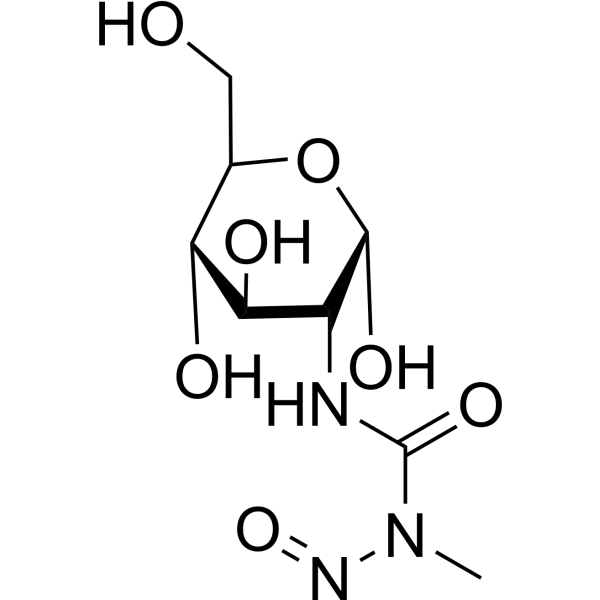
  • HY-13753
    Streptozotocin
    Maximum Cited Publications
    137 Publications Verification

    Streptozocin; NSC-85998; U 9889

    DNA/RNA Synthesis DNA Alkylator/Crosslinker Autophagy Bacterial Antibiotic Apoptosis Infection Cancer
    Streptozotocin (Streptozocin; STZ) is an antibiotic widely used in experimental animal models of induced diabetes. Streptozotocin enters B cells via the glucose transporter (GLUT2) and causes the alkylation of DNA ( DNA-methylating ). Streptozotocin can induce the apoptosis of β cells .
    Streptozotocin
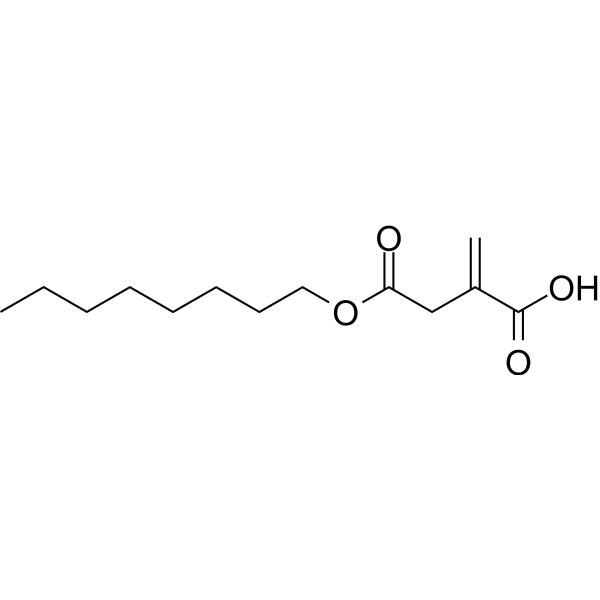
  • HY-112675
    4-Octyl itaconate
    85+ Cited Publications

    4-OI

    Keap1-Nrf2 Inflammation/Immunology
    4-Octyl Itaconate is a cell-permeable Itaconate derivative. Itaconate is an anti-inflammatory metabolite that activates Nrf2 via alkylation of KEAP1 .
    4-Octyl itaconate
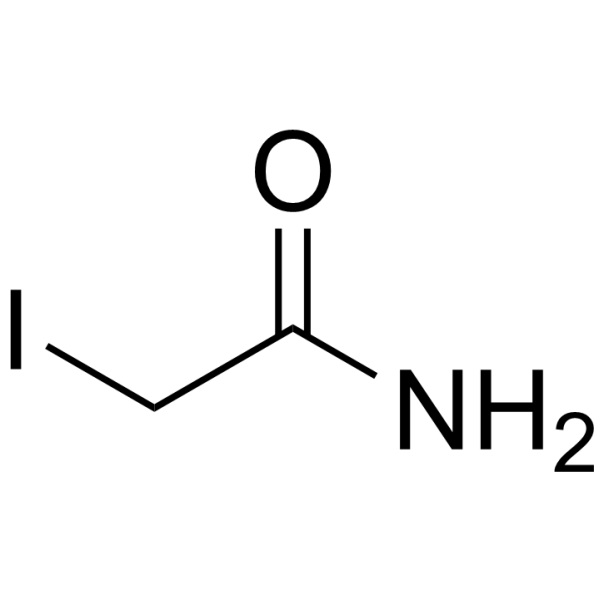
  • HY-34477
    2-Iodoacetamide
    5+ Cited Publications

    Iodoacetamide

    DNA Alkylator/Crosslinker Others
    2-Iodoacetamide (Iodoacetamide), an alkylating agent, is a commonly used agent for alkylation of cysteine during sample preparation for proteomics .
    2-Iodoacetamide
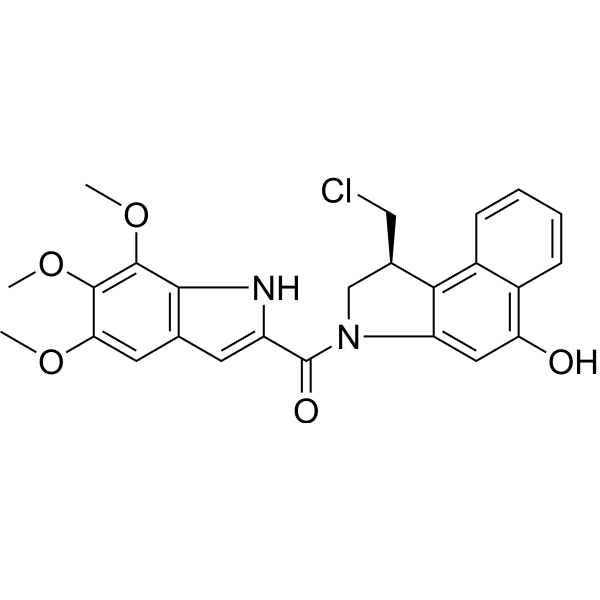
  • HY-107769
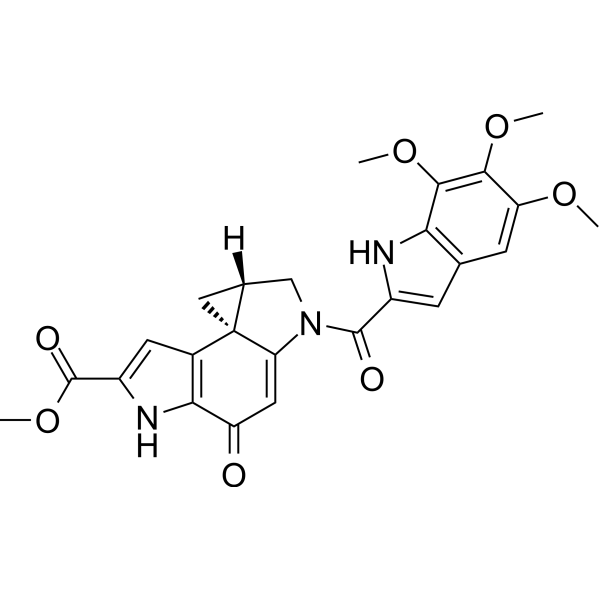
    Duocarmycin TM
    1 Publications Verification

    CBI-TMI

    ADC Payload DNA Alkylator/Crosslinker Antibiotic Cancer
    Duocarmycin TM (CBI-TMI) is a potent antitumor antibiotic. Duocarmycin TM induces a sequence-selective alkylation of duplex DNA.
    Duocarmycin TM
  • HY-12456

    Antibiotic ADC Payload DNA Alkylator/Crosslinker Necroptosis Apoptosis Cancer
    Duocarmycin SA is an orally active antitumor antibiotic with an IC50 of 10 pM . Duocarmycin SA is an extremely potent cytotoxic agent capable of inducing a sequence-selective alkylation of duplex DNA. Duocarmycin SA demonstrates synergistic cytotoxicity against glioblastoma multiforme (GBM) cells treated with proton radiation in vitro .
    Duocarmycin SA
  • HY-125098
    Illudin S
    1 Publications Verification

    DNA Alkylator/Crosslinker Apoptosis Infection Cancer
    Illudin S, a cytotoxic Illudin, is a natural sesquiterpene with strong anti-tumour and antiviral activities. Illudin S has genotoxic activities. Illudin S blocks the G1-S phase interface of the cell cycle in human leukemia cells .
    Illudin S
  • HY-W021005

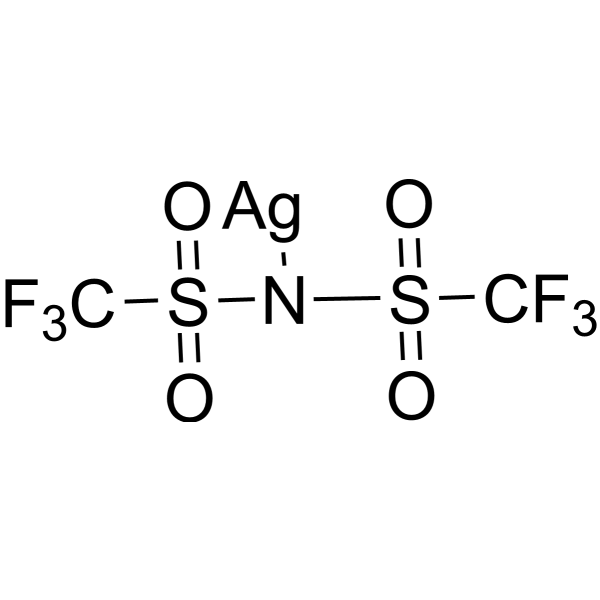
    Silver triflimide

    Biochemical Assay Reagents Others
    Silver bis(trifluoromethanesulfonyl)imide is a kind of silver salt and is widely used as an organic synthesis catalyst. Silver bis(trifluoromethanesulfonyl)imide is used for the C-3 regioselective alkylation of indole derivatives with α,β -enones through conjugated addition reactions. Silver bis(trifluoromethanesulfonyl)imide can also be used as a highly efficient and stable solid-state dye sensitization and P-type dopant for perovskite solar cells .
    Silver bis(trifluoromethanesulfonyl)imide
  • HY-W013159

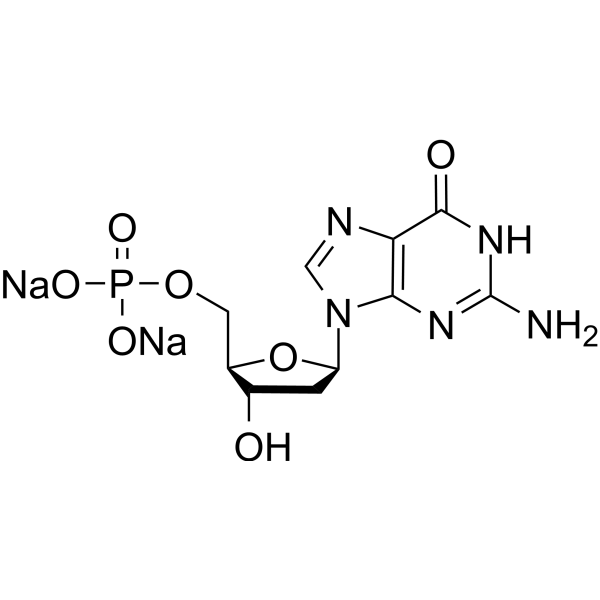
    5′-dGMP disodium

    Endogenous Metabolite Nucleoside Antimetabolite/Analog Metabolic Disease
    2'-Deoxyguanosine 5'-monophosphate (5′-dGMP) disodium is a mononucleotide having guanine as the nucleobase. 2'-Deoxyguanosine 5'-monophosphate disodium is a reactant involved in analysis of self-assembling in solution and nucleation/growth of G-qudruplexes, nucleophilic trapping and reductive alkylation. 2'-Deoxyguanosine 5'-monophosphate disodium can be used as an oxidizable target. 2'-Deoxyguanosine 5'-monophosphate disodium is a nucleic acid guanosine triphosphate (GTP) derivative and is a nucleotide precursor used in DNA synthesis .
    2'-Deoxyguanosine 5'-monophosphate disodium
  • HY-Y0694
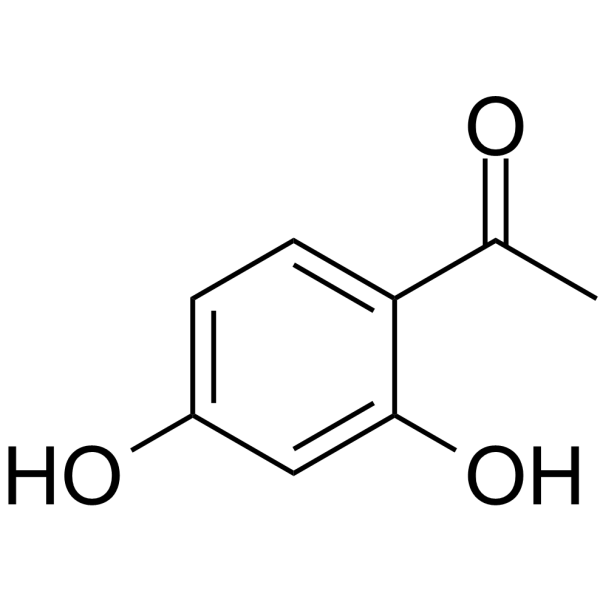
    2',4'-Dihydroxyacetophenone
    1 Publications Verification

    Resacetophenone; 1-​(2,​4-​Dihydroxyphenyl)​ethanone

    Endogenous Metabolite COX Cancer
    2',4'-Dihydroxyacetophenone (Resacetophenone) is acetophenone carrying hydroxy substituents at positions 2' and 4'. 2',4'-Dihydroxyacetophenone involves in a practical CsHCO3-mediated alkylation that efficiently provide 4-alkylated products with excellent regioselectivity, good isolated yields and a broad substrate scope. 2',4'-Dihydroxyacetophenone is a plant metabolite .
    2',4'-Dihydroxyacetophenone
  • HY-116423

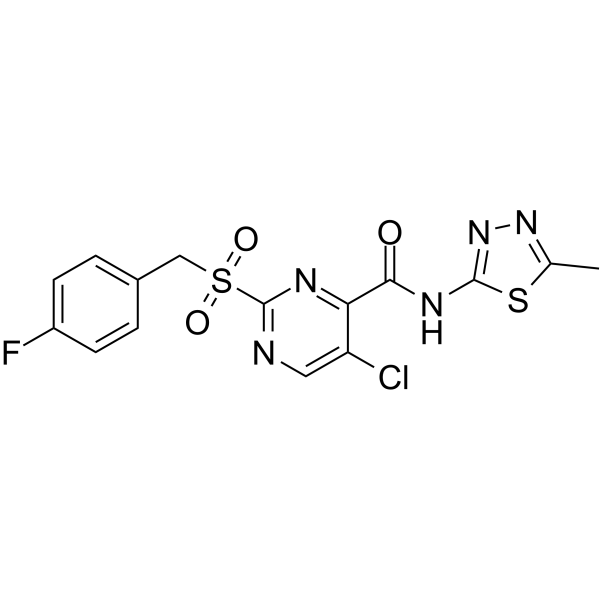
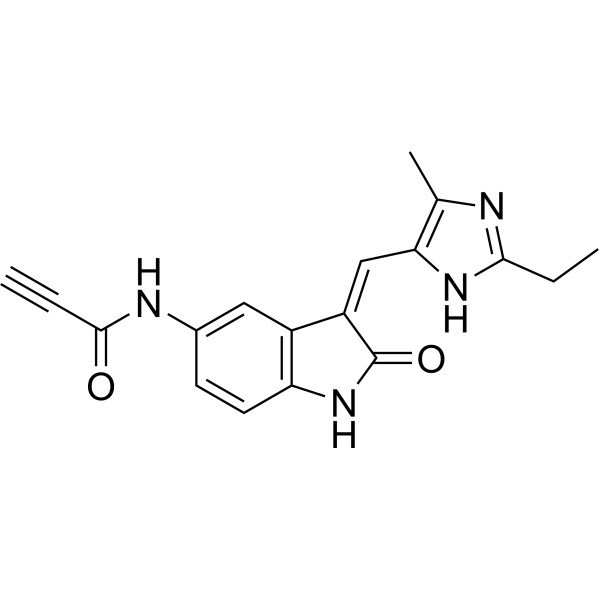
    NEKs Cancer
    JH295 is a potent, irreversible and selective NIMA-related kinase 2 (Nek2) inhibitor with an IC50 of 770 nM. JH295 inhibits cellular Nek2 via alkylation of Cys22. JH295 is inactive against the mitotic kinases, Cdk1, Aurora B or Plk1, and does not perturb bipolar spindle assembly or the spindle assembly checkpoint . JH295 is a click chemistry reagent, it contains an Alkyne group and can undergo copper-catalyzed azide-alkyne cycloaddition (CuAAc) with molecules containing Azide groups.
    JH295
  • HY-128784

    MDM-2/p53 Reactive Oxygen Species (ROS) Cancer
    PK11007 is a mild thiol alkylator with anticancer activity. PK11007 stabilizes p53 via selective alkylation of two surface-exposed cysteines without compromising its DNA binding activity. PK11007 induces mutant p53 cancer cell death by increasing reactive oxygen species (ROS) levels .
    PK11007
  • HY-Y1078

    N-Dimethoxymethyl-N,N-dimethylamine

    Biochemical Assay Reagents Others
    DMF-DMA (N-Dimethoxymethyl-N,N-dimethylamine) is a reagent with both condensation and alkylation functions. DMF-DMA can undergo condensation reactions with active methylene groups or amino groups to generate enamine and imino derivatives, and can also act as an alkylating agent to methylate nitrogen and oxygen atoms in heterocyclic structures. DMF-DMA is widely used in the synthesis of enaminones and dimethylamino imine intermediates, as well as in the construction of heterocyclic backbones such as pyridine, pyrimidine and pyrazole. DMF-DMA can also serve as a polar aprotic co-solvent; although DMF-DMA cannot dissolve cellulose alone, it can form an efficient cellulose dissolution system with diallylimidazolium methoxyacetate .
    DMF-DMA
  • HY-126061

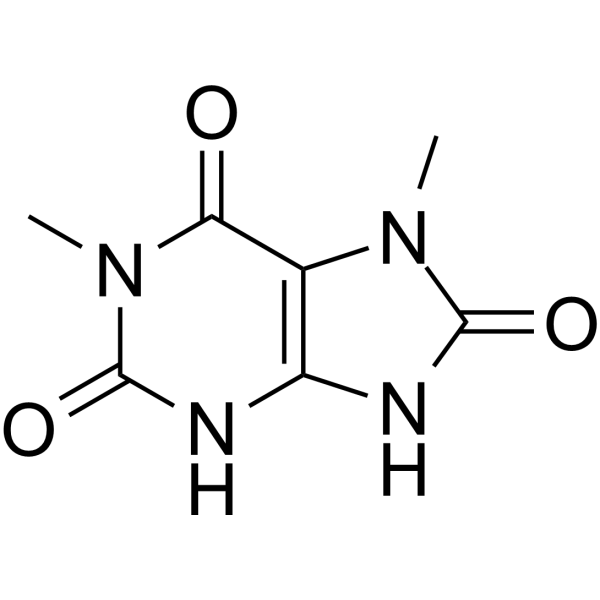
    Biochemical Assay Reagents Drug Metabolite Others
    1,7-Dimethyluric acid is an N-methylated uric acid and purine derivative, as well as a caffeine metabolite. When 1,7-Dimethyluric acid is acted upon by peroxidase in the presence of H2O2, it follows the same oxidation pathway to generate a UV-absorbing intermediate, which decays via first-order kinetics. 1,7-Dimethyluric acid can adsorb onto pyrolytic graphite electrodes, but not onto glassy carbon electrodes or platinum electrodes. The N-methylation modification of its pyrimidine ring prevents ring contraction of the diol intermediate, and no NMR evidence of O-alkylation is observed during propylation under the test conditions .
    1,7-Dimethyluric acid
  • HY-41877

    pyrrolidine-2,5-dione

    Biochemical Assay Reagents Others Neurological Disease
    Succinimide rapidly hydrolyzes into aspartic acid and aspartic acid during the reduction/alkylation process. Succinimide is utilized in the development of antiepileptic agent .
    Succinimide
  • HY-41340

    Biochemical Assay Reagents Drug Intermediate Others
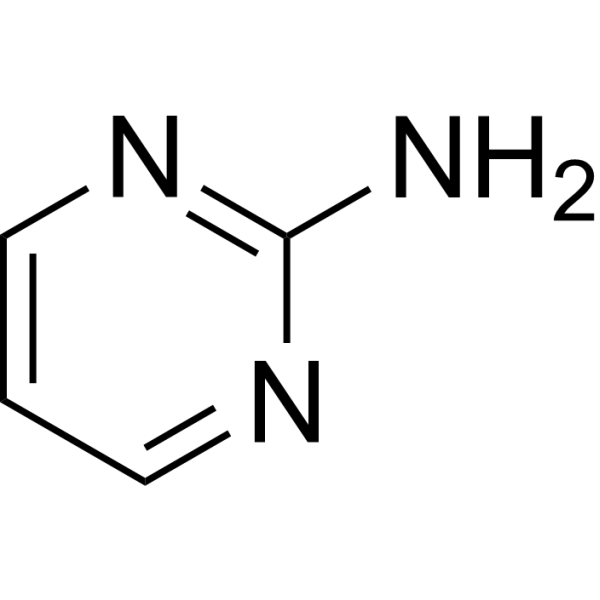
    2-Aminopyrimidine is an important heterocyclic intermediate. 2-Aminopyrimidine can undergo various reactions such as alkylation and acylation, and can be used for the synthesis of other active compounds .
    2-Aminopyrimidine
  • HY-34477S1

    Iodoacetamide-d4

    DNA Alkylator/Crosslinker Others
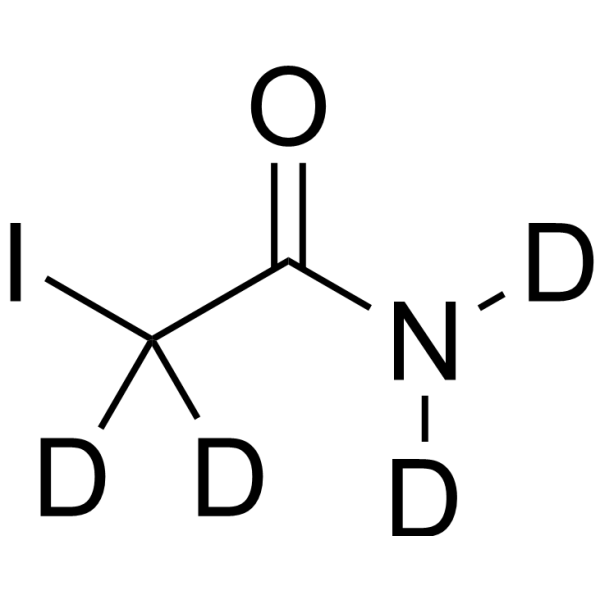
    2-Iodoacetamide-d4 is the deuterium labeled 2-Iodoacetamide . 2-Iodoacetamide (Iodoacetamide), an alkylating agent, is a commonly used agent for alkylation of cysteine during sample preparation for proteomics .
    2-Iodoacetamide-d4
  • HY-34477R

    Iodoacetamide (Standard)

    DNA Alkylator/Crosslinker Reference Standards Others
    2-Iodoacetamide (Standard) is the analytical standard of 2-Iodoacetamide. This product is intended for research and analytical applications. 2-Iodoacetamide (Iodoacetamide), an alkylating agent, is a commonly used agent for alkylation of cysteine during sample preparation for proteomics .
    2-Iodoacetamide (Standard)
  • HY-76667

    MDM-2/p53 Biochemical Assay Reagents Drug Intermediate Others
    3-(Boc-amino) propyl bromide is an alkylating reagent used for the N-alkylation of benzopyranotriazolopyrimidine-based MDM2-p53 protein-protein inhibitor 4 to prepare Compound 13 .
    3-(Boc-amino)propyl bromide
  • HY-W015179

    Monoacetone-D-xylose

    Biochemical Assay Reagents Drug Derivative Others
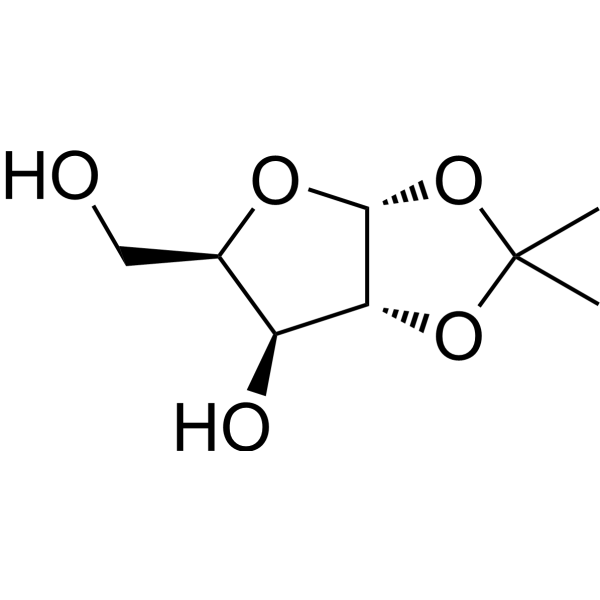
    1,2-O-Isopropylidene-alpha-D-xylofuranose is a derivative of D-xylose (HY-N0537). 1,2-O-isopropylidene-α-D-xylofuranose can be used in the asymmetric alkylation of Benzaldehyde with Diethylzinc .
    1,2-O-Isopropylidene-alpha-D-xylofuranose
  • HY-W741573

    nAChR Neurological Disease
    N-Biotinyl p-aminophenyl arsenic acid is a bifunctional reagent that can bind to both streptavidin and dithiols. N-Biotinyl p-aminophenyl arsenic acid decreases the Rbungarotoxin-binding sites in reduced Torpedo nicotinic receptors (IC50 is 10-300 nM), and protects the receptor from irreversible alkylation by bromoacetylcholine .
    N-Biotinyl p-aminophenyl arsenic acid
  • HY-W100491

    Drug Derivative Cancer
    Trimethylbenzoquinone (Compound 5) is a methylated benzoquinone. Trimethylbenzoquinone exhibits moderate cytotoxicity against K562 cells, with its IC50 being 0.75 μM. Trimethylbenzoquinone is completely unable to cause inter-strand DNA cross-linking and cannot alkylate DNA guanines. Trimethylbenzoquinone can be used to study the relationship between the nitrogen heterocyclic group and DNA cross-linking .
    Trimethylbenzoquinone
  • HY-W007664

    Drug Intermediate Cytochrome P450 Cancer
    (R)-4-Benzyl-2-oxazolidinone is an oxazolidinone-type auxiliary that enables highly stereoselective asymmetric alkylation reactions. (R)-4-Benzyl-2-oxazolidinone is applied in the total synthesis of natural products and pharmaceutical preparations. Especially in pharmaceutical research and development, (R)-4-Benzyl-2-oxazolidinone not only serves as a key precursor for the synthesis of aromatase inhibitors, but also can be used in studies related to estrogen-dependent breast cancer .
    (R)-4-Benzyl-2-oxazolidinone
  • HY-Y0643

    Pivaloyloxymethyl chloride

    Biochemical Assay Reagents Drug Intermediate Others
    Pivaloyloxymethyl chloride is an intermediate. Pivaloyloxymethyl chloride can be used in the synthesis of Compound 8b. Compound 8b can stimulate the production of interferon gamma .
    Pivaloyloxymethyl chloride
  • HY-122493

    DNA Alkylator/Crosslinker Apoptosis Cancer
    Illudin M is a cytotoxic fungal sesquiterpene that can be isolated from the culture medium of Omphalotus illudens mushrooms. Illudin M can alkylate DNA. Illudin M has anti-tumor activities .
    Illudin M
  • HY-13641

    Myelobromol; DBM

    DNA Alkylator/Crosslinker Cancer
    Mitobronitol (Myelobromol; DBM) is a brominated analog of mannitol, also known as an anticancer agent that is classified as an alkylating agent. Mitobronitol has potential for myelosuppression associated with significantly decreased risk for several complications of allogeneic bone marrow transplantation in accelerated chronic granulocytic leukemia .
    Mitobronitol
  • HY-118810

    TGF-β Receptor Cancer
    BIO-013077-01 is a pyrazole TGF-β inhibitor .
    BIO-013077-01
  • HY-W615327

    Biochemical Assay Reagents Others
    Bis-sulfone NHS Ester is a bis-alkylating labeling reagent that is selective for the cysteine sulfur atoms from a native disulfide. These reagents undergo bis-alkylation to conjugate both thiols derived from the two cysteine residues of a reduced native disulfide bond such as the interchain disulfide bonds of an antibody. The reaction results in covalent rebridging of the disulfide bond via a three carbon bridge leaving the protein structurally intact.
    Bis-sulfone NHS ester
  • HY-129379

    ADC Payload Cancer
    DC0-NH2 is an effector moiety for ADC and a simplified analog of DC1 with better stability. DC0-NH2 is about 1000-fold more cytotoxic than commonly used anticancer agents (ex. Doxorubicin). DC0-NH2 can bind to the minor groove of DNA, followed by alkylation of adenine residues by its propabenzindole (CBI) component .
    DC0-NH2
  • HY-W013159S

    5′-dGMP-13C10,15N5 disodium

    Isotope-Labeled Compounds Endogenous Metabolite Nucleoside Antimetabolite/Analog Metabolic Disease
    2'-Deoxyguanosine 5'-monophosphate- 13C10, 15N5 (dGMP- 13C10, 15N5) disodium is the 13C and 15N labeled 2'-Deoxyguanosine 5'-monophosphate disodium (HY-W013159). 2'-Deoxyguanosine 5'-monophosphate (5′-dGMP) disodium is a mononucleotide having guanine as the nucleobase. 2'-Deoxyguanosine 5'-monophosphate disodium is a reactant involved in analysis of self-assembling in solution and nucleation/growth of G-qudruplexes, nucleophilic trapping and reductive alkylation. 2'-Deoxyguanosine 5'-monophosphate disodium can be used as an oxidizable target. 2'-Deoxyguanosine 5'-monophosphate disodium is a nucleic acid guanosine triphosphate (GTP) derivative and is a nucleotide precursor used in DNA synthesis .
    2'-Deoxyguanosine 5'-monophosphate-13C10,15N5 disodium
  • HY-Y1778

    Drug Intermediate Others
    N-(Diphenylmethylene)glycine tert-butyl ester is a protected glycine derivative. N-(Diphenylmethylene)glycine tert-butyl ester undergoes enantioselective alkylation to produce α-alkyl-α-amino acid derivatives .
    N-(Diphenylmethylene)glycine tert-butyl ester
  • HY-116423A

    NEKs Cancer
    JH295 hydrate is a potent, irreversible and selective NIMA-related kinase 2 (Nek2) inhibitor with an IC50 of 770 nM. JH295 hydrate inhibits cellular Nek2 via alkylation of Cys22. JH295 hydrate is inactive against the mitotic kinases, Cdk1, Aurora B or Plk1, and does not perturb bipolar spindle assembly or the spindle assembly checkpoint . JH295 (hydrate) is a click chemistry reagent, it contains an Alkyne group and can undergo copper-catalyzed azide-alkyne cycloaddition (CuAAc) with molecules containing Azide groups.
    JH295 hydrate
  • HY-W007489

    Biochemical Assay Reagents Others
    5-Methylthiazole can be used to generate mobile ionic liquids through alkylation with n-butyl bromide and anion exchange of Br - for BF4 - .
    5-Methylthiazole
  • HY-W013156

    2′,3′,5′-Tri-O-acetylinosine

    Biochemical Assay Reagents Cancer
    2′,3′,5′-Triacetylinosine (2′,3′,5′-Tri-O-acetylinosine) has been shown to inhibit the growth of cancer cells, and is also an efficient method for bond cleavage and radiation protection. 2',3',5'-Tri-O-acetylinosine has been shown to bind to pyridinium ions, and it has been used in the synthesis of tetrapeptides with hydroxyl groups or alkylation.
    2′,3′,5′-Triacetylinosine
  • HY-119916

    DNA/RNA Synthesis Cancer
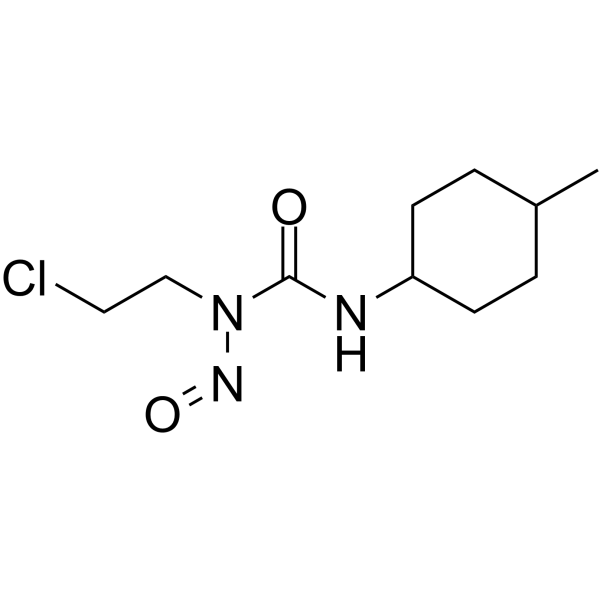
    Tauromustine is an orally active nitrosourea anticancer agent. Tauromustine has an alkylation effect and can damage the DNA function. Tauromustine has a high therapeutic index, especially in the study of Walker 256 rat sarcoma. It is also active against melanoma, breast cancer, pleural mesothelioma and ovarian cancer. Tauromustine is mainly metabolized in the liver, but some of its metabolites also have cytotoxicity .
    Tauromustine
  • HY-126160

    Nucleoside Antimetabolite/Analog DNA Alkylator/Crosslinker Cancer
    CB10-277 is a Dacarbazine (HY-B0078) analog that mediates alkylation of guanine residues at the O 6 position in DNA and subsequently reduces ATase levels in lymphocytes and tumors. CB10-277 is useful in the study of metastatic malignant melanoma .
    CB10-277
  • HY-106052

    ICIG 1105; NSC 279194; RFCNU

    DNA/RNA Synthesis Cancer
    Bofumustine (ICIG 1105) is a nitrosourea compound with antitumor activity. Bofumustine can interfere with the replication and division of tumor cell DNA through alkylation, leading to the death of tumor cells. Bofumustine can be used in the field of cancer research .
    Bofumustine
  • HY-10537

    VNP40101M

    DNA/RNA Synthesis Cancer
    Laromustine (VNP40101M) is a compound with antitumor activity. The mechanism of action of Laromustine mainly involves DNA alkylation and DNA repair inhibition. Laromustine can be used for bone marrow transplantation in patients with acute myeloid leukemia and cancer .
    Laromustine
  • HY-Y0694R

    Reference Standards Endogenous Metabolite COX Cancer
    2',4'-Dihydroxyacetophenone (Resacetophenone) is acetophenone carrying hydroxy substituents at positions 2' and 4'. 2',4'-Dihydroxyacetophenone involves in a practical CsHCO3-mediated alkylation that efficiently provide 4-alkylated products with excellent regioselectivity, good isolated yields and a broad substrate scope. 2',4'-Dihydroxyacetophenone is a plant metabolite .
    2',4'-Dihydroxyacetophenone (Standard)
  • HY-160764

    Drug Derivative Others
    N6-Carboxymethyl-ATP is the alkylation product of ATP with iodoacetic acid at pH 6.5, where alkylation of ATP with iodoacetic acid at pH 6.5 yielded 1-carboxymethyl-ATP which, after alkaline rearrangement gave N6-carboxymethyl-ATP .
    N6-Carboxymethyl-ATP
  • HY-101002

    SarCNU; Sarmustine

    Apoptosis DNA Alkylator/Crosslinker Cancer
    Sarcosinamide chloroethylnitrosourea is an orally active alkylating agent. Sarcosinamide chloroethylnitrosourea can induce apoptosis by promoting DNA alkylation. Sarcosinamide chloroethylnitrosourea can be used in cancer-related research .
    Sarcosinamide chloroethylnitrosourea
  • HY-41877S

    Isotope-Labeled Compounds Others
    Succinimide- 15N is the 15N labeled Succinimide. Succinimide rapidly hydrolyzes into aspartic acid and aspartic acid during the reduction/alkylation process. Succinimide is utilized in the development of antiepileptic agent .
    Succinimide-15N
  • HY-159471

    Drug Derivative Others
    N6-[(6-Aminohexyl)carbamoylmethyl]-ADP is an analog of ADP (HY-W010918), which can be obtained by alkylating ADP .
    N6-[(6-Aminohexyl)carbamoylmethyl]-ADP
  • HY-112675S

    4-OI-13C5-1

    Isotope-Labeled Compounds Others
    4-Octyl itaconate- 13C5-1 is 13C-labeled 4-Octyl itaconate (HY-112675). Itaconate is an anti-inflammatory metabolite that activates Nrf2 via alkylation of KEAP1.
    4-Octyl itaconate-13C5-1
  • HY-W588285

    3-MG

    DNA/RNA Synthesis Others
    3-Methylguanine is a DNA damage product caused by alkylation. 3-Methylguanine is cytotoxic and causes cell death by inhibiting DNA replication. 3-Methylguanine can be used to study the mechanism of DNA damage caused by alkylating agents and its repair pathways .
    3-Methylguanine
  • HY-156843

    Nucleoside Antimetabolite/Analog Cancer
    Antiproliferative agent-38 (com 18) is a tetracyclic ring, but its most reactive ring nitrogen (probably the quinoline moiety) cannot undergo N-alkylation. Antiproliferative agent-38 lacks anti-malarial activity and lacks anti-cancer cell proliferation activity .
    Antiproliferative agent-38
  • HY-112675R

    4-OI (Standard)

    Reference Standards Keap1-Nrf2 Inflammation/Immunology
    4-Octyl itaconate (Standard) is the analytical standard of 4-Octyl itaconate. This product is intended for research and analytical applications. 4-Octyl Itaconate is a cell-permeable Itaconate derivative. Itaconate is an anti-inflammatory metabolite that activates Nrf2 via alkylation of KEAP1[1].
    4-Octyl itaconate (Standard)
  • HY-41340R

    Biochemical Assay Reagents Reference Standards Drug Intermediate Others
    2-Aminopyrimidine (Standard) is the analytical standard of 2-Aminopyrimidine (HY-41340). This product is intended for research and analytical applications. 2-Aminopyrimidine is an important heterocyclic intermediate. 2-Aminopyrimidine can undergo various reactions such as alkylation and acylation, and can be used for the synthesis of other active compounds.
    2-Aminopyrimidine (Standard)
  • HY-W190743

    Biochemical Assay Reagents Others
    Br-PEG8-OH is a PEG derivative that consists of a bromine atom (Br), eight PEG units, and a hydroxyl group (-OH). The bromine group is a common functional group in chemical reactions and can be used for alkylation reactions, coupling reactions, or the introduction of other functional groups. Br-PEG8-OH can be used as a polymer-based material or as a modifier for biomolecules .
    Br-PEG8-OH
  • HY-155991

    Apoptosis Cancer
    RUNX-IN-2 (Compound Conjugate 3) covalently binds to the RUNX-binding sequences, and inhibits the binding of RUNX proteins to their target sites. RUNX-IN-2 induces the p53-dependent apoptosis and inhibits cancer cell growth. RUNX-IN-2 inhibits tumor growth in PANC-1 xenograft mice. RUNX-IN-2 has high alkylation efficiency and specificity .
    RUNX-IN-2
  • HY-121261

    Necroptosis Apoptosis Cancer
    Antineoplastic agent-1 is an alkylating agent and a genotoxic agent that can induce DNA damage. Antineoplastic agent-1 can lead to irreversible damage and progressive death of liver cells due to necroptosis and apoptosis. Antineoplastic agent-1 can cause alkylation damage to hematopoietic cells and stromal cells in the bone marrow. Antineoplastic agent-1 can be used in tumor research .
    Antineoplastic agent-1

Inquiry Online

Your information is safe with us. * Required Fields.

Salutation


Country or Region *

Applicant Name *


Organization Name *

Department *


Email Address *


Product Name *

Cat. No.


Requested quantity *

Phone Number *


Remarks

Inquiry Online

Inquiry Information

Product Name:
Cat. No.:
Quantity:
MCE Japan Authorized Agent:

