

Search Result
Results for "
and NASH
" in MedChemExpress (MCE) Product Catalog:
7
Isotope-Labeled Compounds
| Cat. No. |
Product Name |
Target |
Research Areas |
Chemical Structure |
-
- HY-116374
-
|
Lithocholylglycine
|
Endogenous Metabolite
|
Inflammation/Immunology
|
|
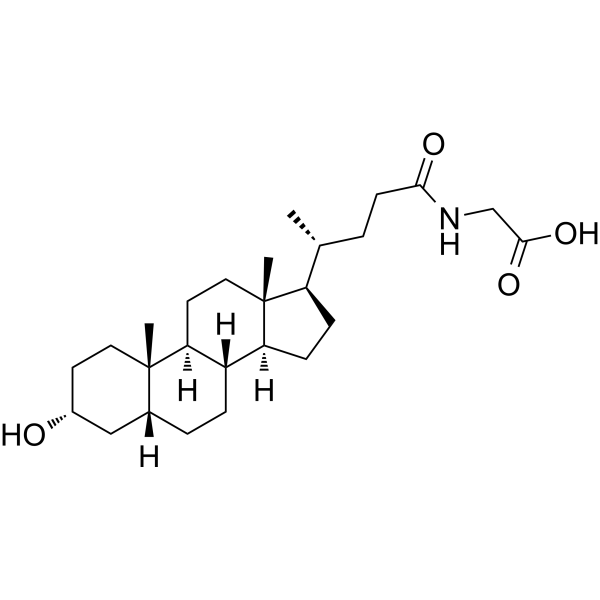
Glycolithocholic acid (Lithocholylglycine), an endogenous metabolite, is a glycine-conjugated secondary bile acid. Glycolithocholic acid can be used to diagnose ulcerative colitis (UC), non-alcoholic steatohepatitis (NASH) and primary sclerosing cholangitis (PSC) .
|
-
-
- HY-109083
-
|
GS-9674
|
FXR
Autophagy
|
Inflammation/Immunology
|
|
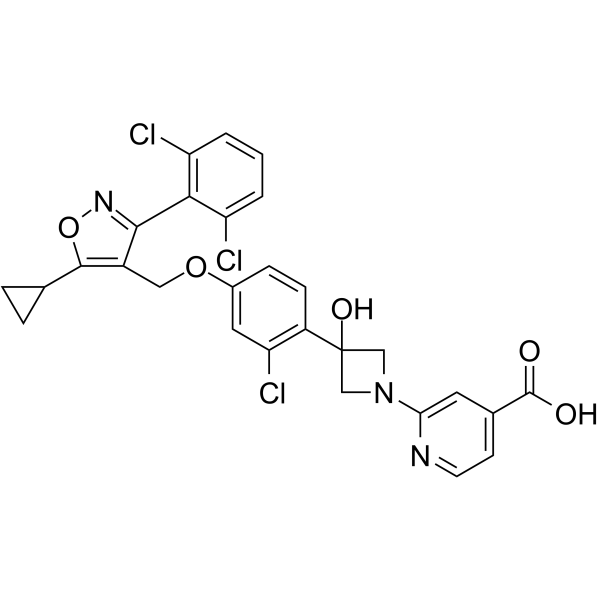
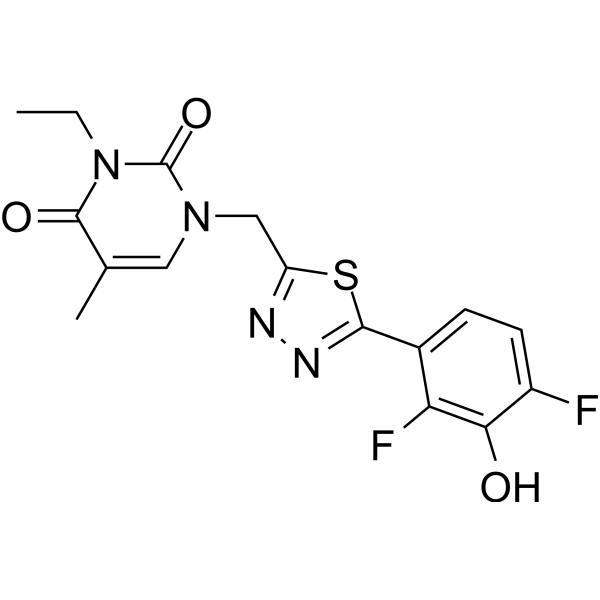
Cilofexor (GS-9674) is a potent, selective and orally active nonsteroidal FXR agonist with an EC50 of 43 nM. Cilofexor has anti-inflammatory and antifibrotic effects. Cilofexor has the potential for primary sclerosing cholangitis (PSC) and nonalcoholic steatohepatitis (NASH) research .
|
-
-
- HY-P3463
-
|
GLP-1 (human)
|
GCGR
|
Metabolic Disease
Inflammation/Immunology
|
|
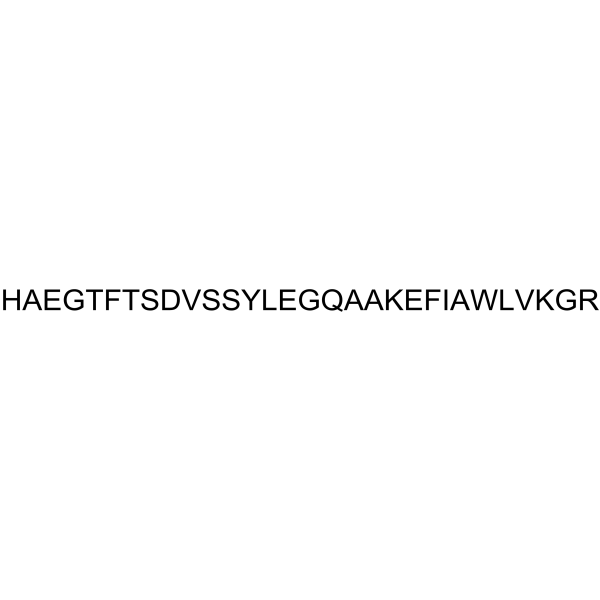
Beinaglutide is a human GLP-1 polypeptide that shares almost 100% homology with human GLP-1 (7–36). Beinaglutide displays does-dependent effects in glycemic control, inhibiting food intake and gastric empty and promoting weight loss. Beinaglutide has the potential for the research of overweight/obesity and nonalcoholic steatohepatitis (NASH) .
|
-
-
- HY-145632
-
|
ALT-801
|
GLP Receptor
GCGR
|
Metabolic Disease
|
|
Pemvidutide (ALT-801) is a GLP-1R/GCGR dual agonist, shows striking reductions in body weight, liver fat and serum lipids. Pemvidutide can be used in non-alcoholic steatohepatitis (NASH) and obesity research .
|
-
-
- HY-B2209B
-
|
Vitamin B12a acetate
|
NO Synthase
|
Cardiovascular Disease
Metabolic Disease
|
|
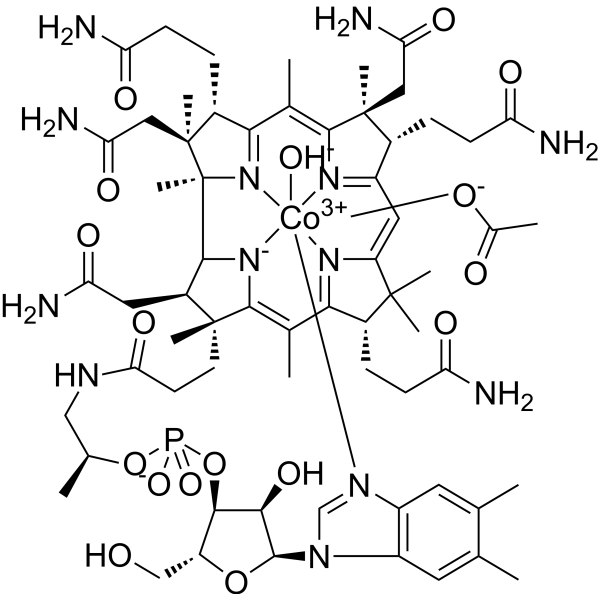
Hydroxocobalamin acetate is an injectable natural vitamin B12. Hydroxocobalamin acetate binds to NO. Hydroxocobalamin acetate detoxifies Cyanide and NaSH. Hydroxocobalamin acetate reduces hypotension. Hydroxocobalamin acetate is used in research related to vitamin B12 deficiency, including pernicious anemia .
|
-
-
- HY-147246
-
|
HTD1801; BUDCA
|
Biochemical Assay Reagents
|
Metabolic Disease
|
|
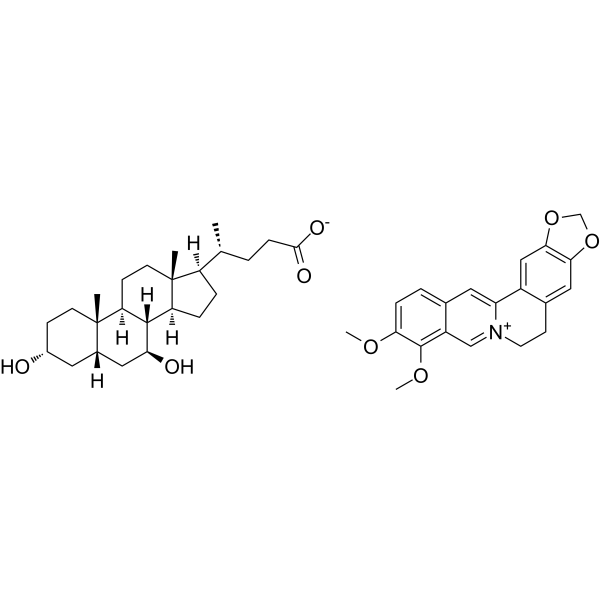
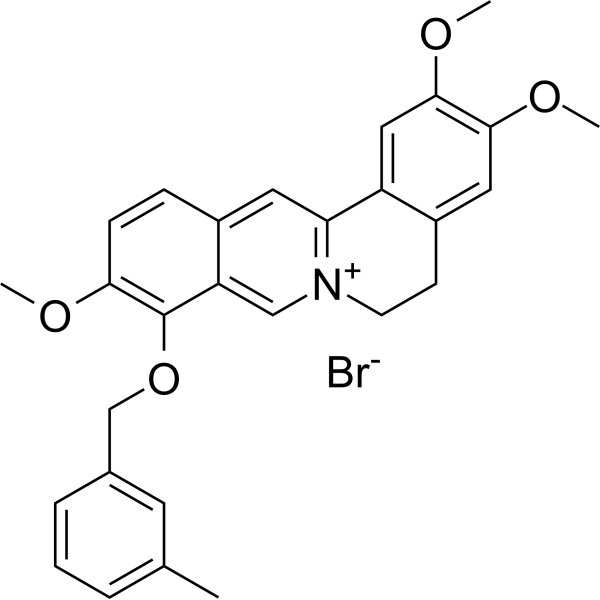
Berberine ursodeoxycholate (HTD1801), an ionic salt of Berberine and Ursodeoxycholic acid, is an orally active and potent hypolipidemic agent. Berberine ursodeoxycholate shows significantly great reduction in liver fat content. Berberine ursodeoxycholate has a broad spectrum of metabolic activity. Berberine ursodeoxycholate can be used for the research of hyperlipidemia, non-alcoholic steatohepatitis (NASH) and diabetes .
|
-
-
- HY-19796
-
|
Aramchol; C20-FABAC
|
Stearoyl-CoA Desaturase (SCD)
|
Metabolic Disease
|
|
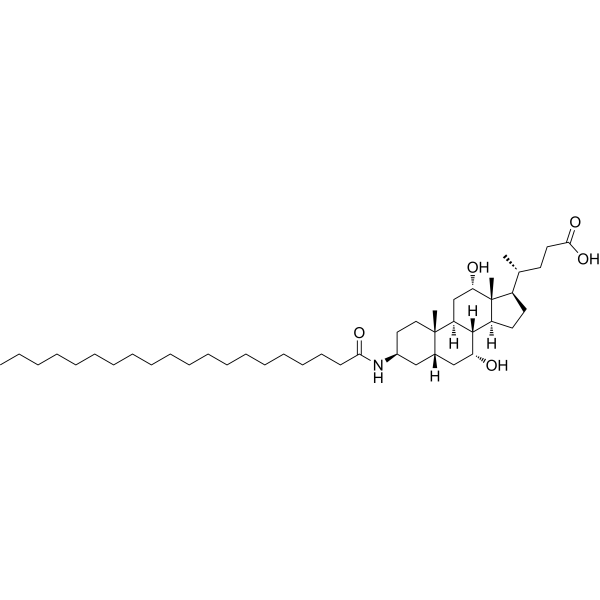
Icomidocholic acid (Aramchol) is a lipid molecule synthesized from cholic acid and arachidic acid. Icomidocholic acid is an orally active SCD1 inhibitor and cholesterol solubilizer with antifibrotic effects. Icomidocholic acid can reduce liver fat content, dissolve cholesterol crystals and prevent gallstone formation. Icomidocholic acid can be used in the study of nonalcoholic fatty liver disease (NAFLD) and nonalcoholic steatohepatitis (NASH) .
|
-
-
- HY-148814
-
BI-3231
2 Publications Verification
|
17β-HSD
|
Metabolic Disease
|
|
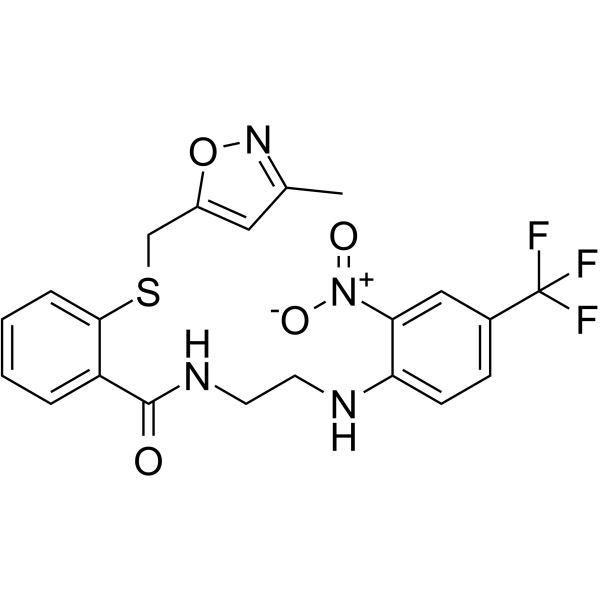
BI 3231, a chemical probe, is a potent and selective hydroxysteroid 17β-dehydrogenase 13 (HSD17B13) inhibitor, with IC50s of 1 and 13 nM for hHSD17B13 and mHSD17B13, respectively. BI 3231 has the potential for the research of nonalcoholic steatohepatitis (NASH) and other liver diseases .
|
-
-
- HY-108022
-
-
-
- HY-P99697
-
|
PRO 140
|
CCR
HIV
|
Infection
Cancer
|
|
Leronlimab (PRO 140) is a humanized IgG4 anti-CCR5 monoclonal antibody. Leronlimab inhibits CCR5-mediated HIV-1 viral and lung metastasis in mouse tumor models. Leronlimab can be used for the research of HIV nonalcoholic steatohepatitis (NASH) and cancer .
|
-
-
- HY-119039
-
RU-301
1 Publications Verification
|
TAM Receptor
|
Inflammation/Immunology
Cancer
|
|
RU-301 is a pan TAM inhibitor that blocks Gas6-induced TAM activation and tumorigenicity. RU-301 significantly reduces nonalcoholic steatohepatitis (NASH) fibrosis, along with attenuates ERK activation and TGFβ1 expression. RU-301 can be used in studies of cancer and nonalcoholic steatohepatitis .
|
-
-
- HY-164774
-
|
|
GLP Receptor
|
Metabolic Disease
Inflammation/Immunology
|
|
(4S)-GLP-1 receptor agonist 14 is a potent and orally active GLP-1 receptor agonist with an EC50 ≤ 20 nM. (4S)-GLP-1 receptor agonist 14 can be used for research on diabetes, obesity, metabolic diseases, cardiovascular diseases, liver diseases, nonalcoholic steatohepatitis (NASH), and other diseases associated with GLP-1 receptor .
|
-
-
- HY-101190
-
-
-
- HY-143613
-
|
|
Thyroid Hormone Receptor
|
Metabolic Disease
|
|
THR-β agonist 2 is a potent agonist of THR-β. THR-β agonist 2 has the potential for the research of metabolic diseases such as obesity, hyperlipidemia, hypercholesterolemia, diabetes and other conditions such as steatosis and non-alcoholic steatohepatitis (NASH), atherosclerosis and other related conditions and diseases (extracted from patent WO2021121210A1, compound 3) .
|
-
-
- HY-135644
-
|
CRV431
|
Cyclophilin
Sirtuin
Nuclear Factor of activated T Cells (NFAT)
Interleukin Related
|
Cancer
|
|
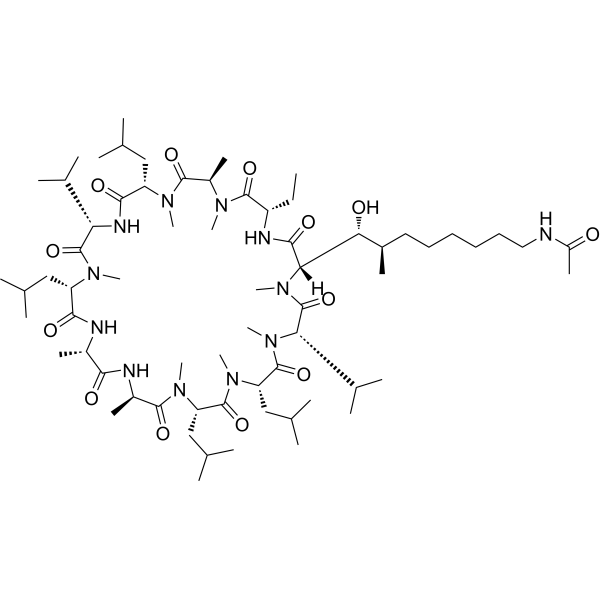
Rencofilstat (CRV431) is an orally active pan-cyclophilin inhibitor with IC50 values of 2.5 nM, 3.1 nM, 2.8 nM, 7.3 nM for Cyp A, CypB, Cyp D and Cyp G, respectively. Rencofilstat reduces fibrosis and tumor growth in models of chronic liver disease. Rencofilstat can be used for the study of nonalcoholic steatohepatitis (NASH), hepatocellular carcinoma and viral hepatitis-induced liver disease .
|
-
-
- HY-109096
-
|
LMB763
|
FXR
Autophagy
|
Inflammation/Immunology
|
|
Nidufexor (LMB763) is an orally-available farnesoid X receptor (FXR) agonist for the research of nonalcoholic steatohepatitis (NASH) .
|
-
-
- HY-147296
-
|
MET409
|
FXR
|
Inflammation/Immunology
Cancer
|
|
Omesdafexor (MET409) is an orally active FXR agonist with a unique non-bile acid structure. Omesdafexor can be used for the study of non-alcoholic steatohepatitis (NASH) .
|
-
-
- HY-151932
-
|
|
FXR
|
Inflammation/Immunology
|
|
FXR agonist 3 is an anti-NASH agent, acting by activating FXR. FXR agonist 3 inhibits COL1A1, TGF-β1, α-SMA and TIMP1 expression with anti-fibrogenic activity. FXR agonist 3 significantly reduces liver steatosis and inflammation, improves liver fibrosis level .
|
-
-
- HY-134988
-
|
|
FXR
Phosphatase
Cytochrome P450
|
Inflammation/Immunology
|
|
EDP-305 is an orally active, potent and selective farnesoid X receptor (FXR) agonist, with EC50 values of 34 nM (chimeric FXR in CHO cells) and 8 nM (full-length FXR in HEK cells). EDP-305 shows a potent and consistent antifibrotic effect. EDP-305 can be used for primary biliary cholangitis (PBC) and non-alcoholic steatohepatitis (NASH) research .
|
-
-
- HY-151481
-
|
|
FXR
|
Metabolic Disease
|
|
FXR antagonist 1 (compound F6) is an orally active and selective intestinal FXR antagonist (IC50=2.1 μM). FXR antagonist 1 selectively inhibits intestinal FXR signalling through antagonism of intestinal FXR and feedback activation of hepatic FXR to improve hepatic steatosis, inflammation and fibrosis in NASH (nonalcoholic steatohepatitis) models. FXR antagonist 1 can be used in NASH studies .
|
-
-
- HY-116374A
-
|
Lithocholylglycine sodium
|
Endogenous Metabolite
|
Metabolic Disease
|
|
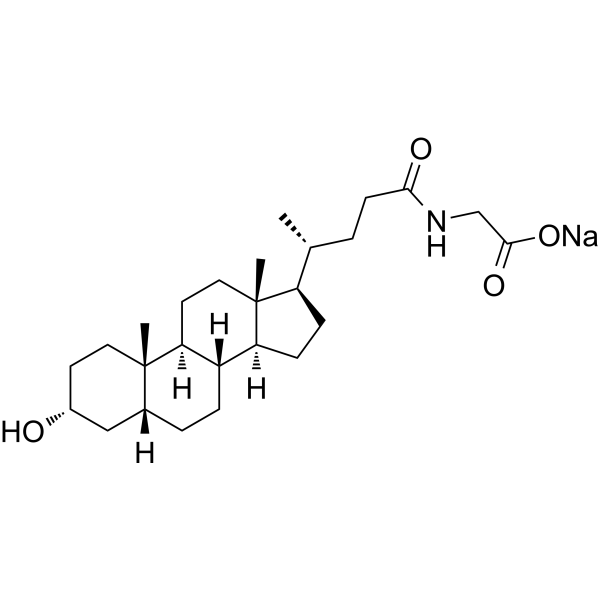
Glycolithocholic acid (Lithocholylglycine) sodium is the sodium salt of Glycolithocholic acid. Glycolithocholic acid is a glycine-conjugated secondary bile acid. Glycolithocholic acid can be used to diagnose ulcerative colitis (UC), non-alcoholic steatohepatitis (NASH) and primary sclerosing cholangitis (PSC) .
|
-
-
- HY-158127
-
-
-
- HY-112948
-
|
|
Endogenous Metabolite
|
Metabolic Disease
|
|
2-Methylbutyrylcarnitine is a fatty acid metabolite. 2-Methylbutyrylcarnitine is found mainly in the blood and urine of humans and animals and is produced through the pyruvate carboxylation pathway. 2-Methylbutyrylcarnitine exhibits high level in the plasma of subjects with steatohepatitis (NASH) and can be used as an indicator for the diagnosis of metabolic diseases .
|
-
-
- HY-153476A
-
|
|
GLP Receptor
GCGR
|
Inflammation/Immunology
|
|
GIP/GLP-1 dual receptor agonist-1 sodium is a GIP/GLP-1 dual receptor agonist. GIP/GLP-1 dual receptor agonist-1 sodium is used in the research of metabolic disorders and fatty liver diseases, including non-alcoholic steatohepatitis (NASH) and non-alcoholic fatty liver disease (NAFLD) .
|
-
-
- HY-153476
-
|
|
GCGR
GLP Receptor
|
Inflammation/Immunology
|
|
GIP/GLP-1 dual receptor agonist-1 is a GIP/GLP-1 dual receptor agonist. GIP/GLP-1 dual receptor agonist-1 is used in the research of metabolic disorders and fatty liver diseases, including non-alcoholic steatohepatitis (NASH) and non-alcoholic fatty liver disease (NAFLD) .
|
-
-
- HY-149987
-
|
KHK-IN-3
|
Ketohexokinase
|
Cardiovascular Disease
Metabolic Disease
Inflammation/Immunology
|
|
KHK-IN-3 (Example 1) is a ketohexokinase (KHK) inhibitor. KHK-IN-3 can be used in the study of kidney disease, nonalcoholic steatohepatitis (NASH), diabetes and heart failure. KHK is a rate-limiting enzyme and fructokinase involved in fructose metabolism. KHK catalyzes the phosphorylation of fructose to fructose-1-phosphate (FIP) at the expense of ATP. The lack of feedback inhibition of fructose metabolism triggers the accumulation of downstream intermediates such as lipogenesis, gluconeogenesis, and oxidative phosphorylation .
|
-
-
- HY-163649
-
|
|
AMPK
|
Metabolic Disease
|
|
A17 is a bile acid analog with anti-non-alcoholic steatohepatitis (NASH) and anti-inflammatory activities. A17 reduces fatty acid (FA) uptake and promotes FA oxidation though inhibiting fatty acid translocase (Cd36) expression and activating AMPKα. A17 can be used for NASH research .
|
-
-
- HY-145632A
-
|
ALT-801 TFA
|
GLP Receptor
GCGR
|
Metabolic Disease
|
|
Pemvidutide (ALT-801) TFA is a GLP-1R/GCGR dual agonist, shows striking reductions in body weight, liver fat and serum lipids. Pemvidutide TFA can be used in non-alcoholic steatohepatitis (NASH) and obesity research .
|
-
-
- HY-146997
-
|
|
Thyroid Hormone Receptor
|
Metabolic Disease
|
|
TRβ agonist 1 is a selective and mutation-sensitive thyroid hormone receptor β (TRβ) agonist, with an EC50 value of 21 nM. TRβ agonist 1 can be used for researching dyslipidemia, nonalcoholic steatohepatitis (NASH), and resistance to thyroid hormone (RTH) .
|
-
-
- HY-169792
-
|
|
FXR
Aminotransferases (Transaminases)
|
Metabolic Disease
Inflammation/Immunology
|
|
HPG1860 is an orally active, highly selective and potent FXR agonist, with an EC50 of 18 nM (FXR-luciferase reporter assay). HPG1860 has EC50 values >30.0 μM for TGR5 and 13 other related nuclear receptors (cAMP biological assay). HPG1860 can be used for the research of non-alcoholic steatohepatitis (NASH) .
|
-
-
- HY-163071
-
|
|
FXR
|
Metabolic Disease
|
|
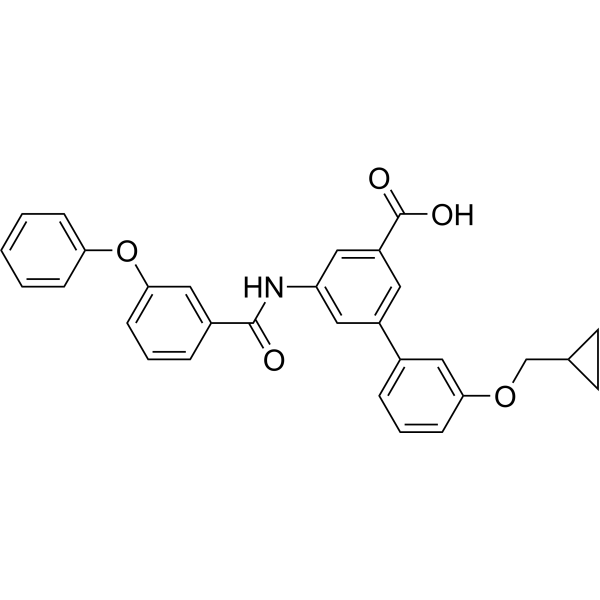
V023-9340 is a potent FXR inhibitor with IC50 of 4.27 μM that can be used in NASH (nonalcoholic steatohepatitis) research .
|
-
-
- HY-116374S
-
-
-
- HY-149831
-
|
|
FXR
|
Metabolic Disease
|
ZLY28 is the first-in-class intestinal restricted and orally active FXR and FABP1 dual modulator. ZLY28 also is a novel anti-NASH agent. ZLY28 can be used for the research of nonalcoholic steatohepatitis (NASH) .
|
-
-
- HY-150191
-
|
|
Lipoxygenase
Acetyl-CoA Carboxylase
|
Metabolic Disease
|
|
IMA-1 is an inhibitor that inhibits the interaction between arachidonic acid 12-lipoxygenase (ALOX12) and acetyl-CoA carboxylase 1 (ACC1). IMA-1 significantly blocks the progression of diet-induced non-alcoholic steatohepatitis (NASH) in male mice and crab-eating monkeys, and does not cause hyperlipidemia. IMA-1 can be used for the study of NASH .
|
-
-
- HY-177128
-
-
-
- HY-116374R
-
|
Lithocholylglycine (Standard)
|
Endogenous Metabolite
Reference Standards
|
Inflammation/Immunology
|
|
Glycolithocholic acid (Standard) is the analytical standard of Glycolithocholic acid. This product is intended for research and analytical applications. Glycolithocholic acid (Lithocholylglycine), an endogenous metabolite, is a glycine-conjugated secondary bile acid. Glycolithocholic acid can be used to diagnose ulcerative colitis (UC), non-alcoholic steatohepatitis (NASH) and primary sclerosing cholangitis (PSC) .
|
-
-
- HY-164799
-
|
|
FXR
|
Inflammation/Immunology
|
|
FXR agonist 12 (Compound C7) is the orally active agonist for FXR. FXR agonist 12 down-regulates bile acid synthesis-related genes, and up-regulates bile acid transport-related genes in HepG2 cells. FXR agonist 12 improves ANIT-induced cholestasis, ameliorates the liver damage and fibrosis in mouse NASH models .
|
-
-
- HY-131448
-
|
|
β-catenin
Wnt
|
Metabolic Disease
|
|
A3051 is a potent and orally active inhibtor of CXXC5-DVL extracted from patent WO2020079569, has an IC50 of 63.06 nM. A3334 can be used for the research of high fat diet (HFD)-induced and methionine-choline deficient diet (MCD)-induced phenotypes such as obesity, diabetes, and NASH .
|
-
-
- HY-P11042
-
|
|
GLP Receptor
|
Metabolic Disease
|
|
TE-8105 is a GLP-1 receptor agonist that has demonstrated prolonged and potent efficacy in models of diabetes, obesity, and non-alcoholic steatohepatitis (NASH) .
|
-
-
- HY-16521
-
|
|
Caspase
|
Inflammation/Immunology
|
|
VX-166, a pan caspase inhibitor, can be used for the research of Non- Alcoholic Fatty Liver Disease (NAFLD), nonalcoholic steatohepatitis (NASH), alcoholic steatohepatitis (ASH), and other diseases involving fibrosis, steatosis, or inflammation of the liver .
|
-
-
- HY-173565
-
|
|
Acetyl-CoA Carboxylase
|
Inflammation/Immunology
|
|
ACC-IN-1 (Compound B1) is an allosteric inhibitor of acetyl-CoA carboxylase (ACC). ACC-IN-1 targets ACC to regulate lipid metabolism, which can improve liver steatosis, inflammation related to non-alcoholic steatohepatitis (NASH) .
|
-
-
- HY-176873
-
|
|
Amino acid Transporter
|
Metabolic Disease
|
|
SLC6A19-IN-2 (Example 4) is a potent SLC6A19 inhibitor with an IC50 of 14 nM. SLC6A19-IN-2 can be used for the study of metabolic diseases such as nonalcoholic steatohepatitis (NASH), nonalcoholic fatty liver disease (NAFLD) and phenylketonuria (PKU) .
|
-
-
- HY-128145
-
|
|
17β-HSD
|
Metabolic Disease
|
|
HSD17B13-IN-41 (Compound C) is an inhibitor of hydroxysteroid 17β-dehydrogenase 13 (HSD17B13). HSD17B13-IN-41 can be used for research on liver diseases, metabolic diseases, or cardiovascular diseases, such as NAFLD or NASH .
|
-
-
- HY-175985
-
|
|
Reactive Oxygen Species (ROS)
|
Inflammation/Immunology
|
|
MPO-IN-9 is a selective inhibitor of myeloperoxidase (MPO), with an IC50 value of 3.9 nM. MPO-IN-9 inhibits MPO-mediated ROS production and protects NO-dependent vascular function by blocking MPO's chlorination and peroxidation cycles. MPO-IN-9 can be used for the study of diseases such as chronic kidney disease (CKD), non-alcoholic steatohepatitis (NASH) .
|
-
-
- HY-149218
-
|
|
Thyroid Hormone Receptor
|
Metabolic Disease
Inflammation/Immunology
|
|
THR-β agonist 6 is an orally active, selective thyroid hormone receptor β (THR-β) agonist with EC50s of 0.03 μM and 0.22 μM for THR-β and THR-α, respectively. THR-β agonist 6 exhibits an xcellent liver-to-serum ratio of 93:1 in mice. THR-β agonist 6 has the potential for nonalcoholic steatohepatitis (NASH) research .
|
-
-
- HY-153114
-
|
|
FXR
|
Inflammation/Immunology
|
|
HEC96719 is a selective and orally active tricyclic farnesoid X receptor (FXR) agonist with EC50 values of 1.37 and 1.55 nM by time-resolved fluorescence energy transfer (TR-FRET) and luciferase reporter assays, respectively. HEC96719 significantly improves non-alcoholic steatohepatitis (NASH) and liver fibrosis with favorable tissue distribution in liver and intestine. HEC96719 can be used for the research of non-alcoholic steatohepatitis .
|
-
-
- HY-155525
-
|
|
PPAR
|
Metabolic Disease
Inflammation/Immunology
|
|
Anti-NASH agent 1 (compound 3d),a derivative of Elafibranor (HY-16737),is a potent agonist of PPAR-α/δ,targeting to nonalcoholic steatohepatitis (NASH). Anti-NASH agent 1 (3-10 mg/kg; 4 weeks) improves hyperlipidemia,liver fat degeneration and liver inflammation in Methionine-choline deficiency (MCD) induced NASH mice model. Anti-NASH agent 1 shows low liver toxicity and potent liver protection effect .
|
-
-
- HY-172105
-
|
|
PPAR
|
Metabolic Disease
Inflammation/Immunology
|
|
Anti-NASH agent 2 (compound 21) is an inhibitor of de novo adipogenesis activity and α-SMA gene expression. Anti-NASH agent 2 improves hepatic steatosis, edema, inflammatory infiltrates, and liver fibrosis in NASH mouse models .
|
-
-
- HY-137922
-
|
|
Mitochondrial Metabolism
|
Metabolic Disease
|
|
SHS4121705 is an orally effective mitochondrial uncoupling agent with an IC50 of 4.3 μM in L6 myoblasts. SHS4121705 can be used in the study of non-alcoholic steatohepatitis (NASH) .
|
-
-
- HY-W048502
-
|
8-Thioadenosine
|
Drug Intermediate
|
Others
|
|
8-Mercaptoadenosine is a nucleoside derivative that can be synthesized in DMF-aqueous solution at room temperature using NaSH via the corresponding 8-bromo compounds, and it is an intermediate in the synthesis of the substrate for RNA pyrophosphorylase .
|
-
- HY-163886
-
|
|
Ketohexokinase
|
Metabolic Disease
|
|
KHK-IN-5 (Compound 18) is a KHK inhibitor. KHK-IN-5 can be used for the research of nonalcoholic fatty liver disease (NAFLD), nonalcoholic steatohepatitis (NASH), and type 2 diabetes (T2DM) .
|
-
- HY-149893
-
|
|
Acyltransferase
|
Metabolic Disease
|
|
MGAT2-IN-4 (compound 33) is an inhibitor of monoacylglycerol transferase 2 (MGAT2), with liver metabolic stability. MGAT2-IN-4 can be used for research on obesity, diabetes and non-alcoholic steatohepatitis (NASH) .
|
-
- HY-13956A
-
|
(R)-U 72107-d1
|
Endogenous Metabolite
|
Inflammation/Immunology
|
|
(R)-Pioglitazone-d1 ((R)-U 72107-d1) is a stabilized and deuterated R-enantiomer of pioglitazone, exhibiting pharmacological properties that are beneficial for NASH treatment, including modulation of mitochondrial function, non-steroidal anti-inflammatory effects, and glucose-lowering capabilities.
|
-
- HY-161979
-
|
|
17β-HSD
|
Cancer
|
|
HSD17B13-IN-103 (Compound 44) is a HSD17B13 inhibitor. HSD17B13-IN-103 can be used in the study of non-alcoholic fatty liver disease (NAFLD) and nonalcoholic steatohepatitis (NASH) .
|
-
- HY-168327
-
|
|
FXR
|
Inflammation/Immunology
|
|
LH10 is a fexaramine-based agonist for FXR with an EC50 of 0.14 μM. LH10 exhibits liver protection efficacy, ameliorates the alpha naphthylisothiocyanate (ANIT)-induced cholestasis, APAP (HY-66005)-induced acute liver injury and non-alcoholic steatohepatitis (NASH) in mouse models .
|
-
- HY-150787
-
|
|
FXR
Cytochrome P450
|
Metabolic Disease
|
|
BMS-986339 is an orally active, potent FXR agonist. BMS-986339 forms H-bond with His298 and ASN287 residues. BMS-986339 can be used in the research of primary biliary cirrhosis (PBC), primary sclerosing cholangitis (PSC), and nonalcoholic steatohepatitis (NASH), anti-fibrosis .
|
-
- HY-P6177
-
|
|
Dipeptidyl Peptidase
|
Inflammation/Immunology
|
|
SGP8 (IAVPGEVA) is an octapeptide produced by hydrolysis of soybean 11S globulin, which has the effects of regulating lipid metabolism, inflammation and fibrosis. SGP8 (IAVPGEVA) exhibits inhibitory activity against DPP4 and inhibits the JNK-c-Jun signaling pathway, and has the ability to inhibit non-alcoholic steatohepatitis (NASH) .
|
-
- HY-156328
-
|
|
Apoptosis
|
Cancer
|
|
NSC 48160 inhibits the growth of the pancreatic cancer cells with IC50s of 84.3 μM for CPFAC-1 and 94.5 μM for BxPC-3. NSC 48160 also induces pancreatic cancer cell apoptosis. NSC 48160 can improve metabolic syndromes, such as NASH, obesity and lipid metabolism disorders .
|
-
- HY-143614
-
|
|
Thyroid Hormone Receptor
|
Metabolic Disease
|
|
THR-β agonist 3 is a potent agonist of THR-β. THR-β agonist 3 has the potential for the research of metabolic diseases such as obesity, hyperlipidemia, hypercholesterolemia, diabetes and other conditions such as steatosis and non-alcoholic steatohepatitis (NASH), atherosclerosis and other related conditions and diseases (extracted from patent WO2021129827A1, compound 6) .
|
-
- HY-W750488
-
|
Lithocholylglycine-d5
|
Isotope-Labeled Compounds
Endogenous Metabolite
|
Inflammation/Immunology
|
|
Glycolithocholic acid-d5 (Lithocholylglycine-d5) is the deuterium labeled Glycolithocholic acid (HY-116374). Glycolithocholic acid (Lithocholylglycine), an endogenous metabolite, is a glycine-conjugated secondary bile acid. Glycolithocholic acid can be used to diagnose ulcerative colitis (UC), non-alcoholic steatohepatitis (NASH) and primary sclerosing cholangitis (PSC) .
|
-
- HY-157665
-
|
|
17β-HSD
|
Metabolic Disease
|
|
HSD17B13-IN-39 (Compound A) is an inhibitor of hydroxysteroid 17β-dehydrogenase 13 (HSD17B13). HSD17B13-IN-39 can be used for research on liver diseases, metabolic diseases, or cardiovascular diseases, such as NAFLD or NASH .
|
-
- HY-142917
-
|
|
Thyroid Hormone Receptor
|
Metabolic Disease
|
|
THR-β agonist 4 is a potent agonist of THR-β. THR-β agonist 4 has the potential for the research of metabolic diseases such as obesity, hyperlipidemia, hypercholesterolemia, diabetes and other conditions such as steatosis and non-alcoholic steatohepatitis (NASH), atherosclerosis and other related conditions and diseases (extracted from patent WO2021143706A1, compound 72) .
|
-
- HY-157664
-
|
|
17β-HSD
|
Metabolic Disease
|
|
HSD17B13-IN-38 (Compound D) is an inhibitor of hydroxysteroid 17β-dehydrogenase 13 (HSD17B13). HSD17B13-IN-38 can be used for research on liver diseases, metabolic diseases, or cardiovascular diseases, such as NAFLD or NASH .
|
-
- HY-163498
-
|
|
NOD-like Receptor (NLR)
|
Neurological Disease
Inflammation/Immunology
|
|
NLRP3-IN-37 (Compound 23) is a NLRP3 inhibitor (EC50: 5 nM). NLRP3-IN-37 can be used for NLRP3 related research, such as gout, pseudogout, CAPS, NASH fibrosis, heart failure, idiophathic pericarditis, atopic dermatitis, inflammatory bowel disease, Alzheimer's Disease, Parkinson's Disease and traumatic brain injury .
|
-
- HY-167643
-
|
|
Drug Metabolite
|
Metabolic Disease
Inflammation/Immunology
|
|
Hydroxy tipelukast (Compound MN-002), the metabolite of Compound MN-001, is an orally active phenoxyalkylcarboxylic acid. Hydroxy tipelukast inhibits liver steatosis, lobular inflammation, hepatic ballooning, and hepatic scarring, and reduces liver hydroxyproline levels. Hydroxy tipelukast is promising for research of non-alcoholic fatty liver disease (NAFLD) and non-alcoholic steatohepatitis (NASH) .
|
-
- HY-148926
-
|
|
17β-HSD
|
Metabolic Disease
|
|
HSD17B13-IN-1 (compound 2) is a ppotent inhibitor of hydroxysteroid 17?-dehydrogenase 13 (HSD17B13), with the IC50 of < 0.1 μM? estradiol? as substrates. HSD17B13-IN-1? plays an important role in nonalcoholic fatty liver diseases (NAFLDs) including NASH (nonalcoholic steatohepatitis) .
|
-
- HY-161226
-
|
|
17β-HSD
|
Metabolic Disease
|
|
HSD17B13-IN-42 (compound 10)? is a ppotent inhibitor of hydroxysteroid 17?-dehydrogenase 13 (HSD17B13), with the IC50 of < 0.1 μM? estradiol? as substrates. HSD17B13-IN-42? plays an important role in nonalcoholic fatty liver diseases (NAFLDs) including NASH (nonalcoholic steatohepatitis) .
|
-
- HY-163247
-
|
|
17β-HSD
|
Metabolic Disease
|
|
HSD17B13-IN-35 (compound 76) is a ppotent inhibitor of hydroxysteroid 17?-dehydrogenase 13 (HSD17B13), with the IC50 of < 0.1 μM? estradiol? as substrates. HSD17B13-IN-35? plays an important role in nonalcoholic fatty liver diseases (NAFLDs) including NASH (nonalcoholic steatohepatitis) .
|
-
- HY-163242
-
|
|
17β-HSD
|
Metabolic Disease
|
|
HSD17B13-IN-28 (compound? 47) is a ppotent inhibitor of hydroxysteroid 17?-dehydrogenase 13 (HSD17B13), with the IC50 of < 0.1 μM? estradiol? as substrates. HSD17B13-IN-28? plays an important role in nonalcoholic fatty liver diseases (NAFLDs) including NASH (nonalcoholic steatohepatitis) .
|
-
- HY-161225
-
|
|
17β-HSD
|
Metabolic Disease
|
|
HSD17B13-IN-40 (compound 6) is a ppotent inhibitor of hydroxysteroid 17?-dehydrogenase 13 (HSD17B13), with the IC50 of < 0.1 μM? estradiol? as substrates. HSD17B13-IN-40? plays an important role in nonalcoholic fatty liver diseases (NAFLDs) including NASH (nonalcoholic steatohepatitis) .
|
-
- HY-163244
-
|
|
17β-HSD
|
Metabolic Disease
|
|
HSD17B13-IN-30 (compound 64) is a ppotent inhibitor of hydroxysteroid 17?-dehydrogenase 13 (HSD17B13), with the IC50 of < 0.1 μM? estradiol? as substrates. HSD17B13-IN-30? plays an important role in nonalcoholic fatty liver diseases (NAFLDs) including NASH (nonalcoholic steatohepatitis) .
|
-
- HY-157663
-
|
|
17β-HSD
|
Metabolic Disease
|
|
HSD17B13-IN-36 (compound 116) is a ppotent inhibitor of hydroxysteroid 17?-dehydrogenase 13 (HSD17B13), with the IC50 of < 0.1 μM? estradiol? as substrates. HSD17B13-IN-36? plays an important role in nonalcoholic fatty liver diseases (NAFLDs) including NASH (nonalcoholic steatohepatitis) .
|
-
- HY-157613
-
|
|
17β-HSD
|
Metabolic Disease
|
|
HSD17B13-IN-5 (Compound 96) is an inhibitor of hydroxysteroid 17β-dehydrogenase 13 (HSD17B13) with a Ki value of ≤ 50 nM for the estradiol substrate LCMS. HSD17B13-IN-5 can be used in the research of liver diseases, metabolic disorders, or cardiovascular diseases such as NAFLD or NASH, or drug-induced liver injury (DILI) .
|
-
- HY-157601
-
|
|
17β-HSD
|
Metabolic Disease
|
|
HSD17B13-IN-4 (Compound 95) is an inhibitor of hydroxysteroid 17β-dehydrogenase 13 (HSD17B13) with a Ki value of ≤ 50 nM for the estradiol substrate LCMS. HSD17B13-IN-4 can be used in the research of liver diseases, metabolic disorders, or cardiovascular diseases such as NAFLD or NASH, or drug-induced liver injury (DILI) .
|
-
- HY-163243
-
|
|
17β-HSD
|
Metabolic Disease
|
|
HSD17B13-IN-29 (Compound 53) is an inhibitor of hydroxysteroid 17β-dehydrogenase 13 (HSD17B13) with an IC50 value of ≤ 0.1 μM for estradiol. HSD17B13-IN-29 can be used for research on liver diseases, metabolic diseases, or cardiovascular diseases, such as NAFLD or NASH, as well as drug-induced liver injury (DILI) .
|
-
- HY-163249
-
|
|
17β-HSD
|
Metabolic Disease
|
|
HSD17B13-IN-49 (Compound 81) is an inhibitor of hydroxysteroid 17β-dehydrogenase 13 (HSD17B13) with an IC50 value of ≤ 0.1 μM for estradiol. HSD17B13-IN-49 can be used for research on liver diseases, metabolic diseases, or cardiovascular diseases, such as NAFLD or NASH, as well as drug-induced liver injury (DILI) .
|
-
- HY-161229
-
|
|
17β-HSD
|
Metabolic Disease
|
|
HSD17B13-IN-69 (Compound 11) is an inhibitor of hydroxysteroid 17β-dehydrogenase 13 (HSD17B13) with an IC50 value of ≤ 0.1 μM for estradiol. HSD17B13-IN-69 can be used for research on liver diseases, metabolic diseases, or cardiovascular diseases, such as NAFLD or NASH, as well as drug-induced liver injury (DILI) .
|
-
- HY-162223
-
|
|
17β-HSD
|
Metabolic Disease
|
|
HSD17B13-IN-97 (compound 4) is a potent hydroxysteroid 17ß-dehydrogenase 13 (HSD17B13) inhibitor with an IC50 value of ≤0.1 µM. HSD17B13-IN-97 has the potential for the research of Nonalcoholic fatty liver diseases (NAFLDs), nonalcoholic steatohepatitis (NASH) or or drug induced liver injury (DILI) .
|
-
- HY-162213
-
|
|
17β-HSD
|
Metabolic Disease
|
|
HSD17B13-IN-86 (Compound 188) is an inhibitor of hydroxysteroid 17β-dehydrogenase 13 (HSD17B13) with an IC50 value of ≤ 0.1 μM for estradiol. HSD17B13-IN-86 can be used for research on liver diseases, metabolic diseases, or cardiovascular diseases, such as NAFLD or NASH, as well as drug-induced liver injury (DILI) .
|
-
- HY-163251
-
|
|
17β-HSD
|
Metabolic Disease
|
|
HSD17B13-IN-52 (Compound 84) is an inhibitor of hydroxysteroid 17β-dehydrogenase 13 (HSD17B13) with an IC50 value of ≤ 0.1 μM for estradiol. HSD17B13-IN-52 can be used for research on liver diseases, metabolic diseases, or cardiovascular diseases, such as NAFLD or NASH, as well as drug-induced liver injury (DILI) .
|
-
- HY-163261
-
|
|
17β-HSD
|
Metabolic Disease
|
|
HSD17B13-IN-66 (Compound 146) is an inhibitor of hydroxysteroid 17β-dehydrogenase 13 (HSD17B13) with an IC50 value of ≤ 0.1 μM for estradiol. HSD17B13-IN-66 can be used for research on liver diseases, metabolic diseases, or cardiovascular diseases, such as NAFLD or NASH, as well as drug-induced liver injury (DILI) .
|
-
- HY-162210
-
|
|
17β-HSD
|
Metabolic Disease
|
|
HSD17B13-IN-65 (Compound 168) is an inhibitor of hydroxysteroid 17β-dehydrogenase 13 (HSD17B13) with an IC50 value of ≤ 0.1 μM for estradiol. HSD17B13-IN-65 can be used for research on liver diseases, metabolic diseases, or cardiovascular diseases, such as NAFLD or NASH, as well as drug-induced liver injury (DILI) .
|
-
- HY-161230
-
|
|
17β-HSD
|
Metabolic Disease
|
|
HSD17B13-IN-75 (Compound 21) is an inhibitor of hydroxysteroid 17β-dehydrogenase 13 (HSD17B13) with an IC50 value of ≤ 0.1 μM for estradiol. HSD17B13-IN-75 can be used for research on liver diseases, metabolic diseases, or cardiovascular diseases, such as NAFLD or NASH, as well as drug-induced liver injury (DILI) .
|
-
- HY-162209
-
|
|
17β-HSD
|
Metabolic Disease
|
|
HSD17B13-IN-63 (Compound 160) is an inhibitor of hydroxysteroid 17β-dehydrogenase 13 (HSD17B13) with an IC50 value of ≤ 0.1 μM for estradiol. HSD17B13-IN-63 can be used for research on liver diseases, metabolic diseases, or cardiovascular diseases, such as NAFLD or NASH, as well as drug-induced liver injury (DILI) .
|
-
- HY-163254
-
|
|
17β-HSD
|
Metabolic Disease
|
|
HSD17B13-IN-57 (Compound 93) is an inhibitor of hydroxysteroid 17β-dehydrogenase 13 (HSD17B13) with an IC50 value of ≤ 0.1 μM for estradiol. HSD17B13-IN-57 can be used for research on liver diseases, metabolic diseases, or cardiovascular diseases, such as NAFLD or NASH, as well as drug-induced liver injury (DILI) .
|
-
- HY-163263
-
|
|
17β-HSD
|
Metabolic Disease
|
|
HSD17B13-IN-80 (Compound 151) is an inhibitor of hydroxysteroid 17β-dehydrogenase 13 (HSD17B13) with an IC50 value of ≤ 0.1 μM for estradiol. HSD17B13-IN-80 can be used for research on liver diseases, metabolic diseases, or cardiovascular diseases, such as NAFLD or NASH, as well as drug-induced liver injury (DILI) .
|
-
- HY-163264
-
|
|
17β-HSD
|
Metabolic Disease
|
|
HSD17B13-IN-81 (Compound 154) is an inhibitor of hydroxysteroid 17β-dehydrogenase 13 (HSD17B13) with an IC50 value of ≤ 0.1 μM for estradiol. HSD17B13-IN-81 can be used for research on liver diseases, metabolic diseases, or cardiovascular diseases, such as NAFLD or NASH, as well as drug-induced liver injury (DILI) .
|
-
- HY-157662
-
|
|
17β-HSD
|
Metabolic Disease
|
|
HSD17B13-IN-33 (Compound 115) is an inhibitor of hydroxysteroid 17β-dehydrogenase 13 (HSD17B13) with an IC50 value of < 0.1 μM for estradiol. HSD17B13-IN-33 can be used for research on liver diseases, metabolic diseases, or cardiovascular diseases, such as NAFLD or NASH, as well as drug-induced liver injury (DILI) .
|
-
- HY-163252
-
|
|
17β-HSD
|
Metabolic Disease
|
|
HSD17B13-IN-53 (Compound 88) is an inhibitor of hydroxysteroid 17β-dehydrogenase 13 (HSD17B13) with an IC50 value of ≤ 0.1 μM for estradiol. HSD17B13-IN-53 can be used for research on liver diseases, metabolic diseases, or cardiovascular diseases, such as NAFLD or NASH, as well as drug-induced liver injury (DILI) .
|
-
- HY-163266
-
|
|
17β-HSD
|
Metabolic Disease
|
|
HSD17B13-IN-83 (Compound 150) is an inhibitor of hydroxysteroid 17β-dehydrogenase 13 (HSD17B13) with an IC50 value of ≤ 0.1 μM for estradiol. HSD17B13-IN-83 can be used for research on liver diseases, metabolic diseases, or cardiovascular diseases, such as NAFLD or NASH, as well as drug-induced liver injury (DILI) .
|
-
- HY-163253
-
|
|
17β-HSD
|
Metabolic Disease
|
|
HSD17B13-IN-56 (Compound 89) is an inhibitor of hydroxysteroid 17β-dehydrogenase 13 (HSD17B13) with an IC50 value of ≤ 0.1 μM for estradiol. HSD17B13-IN-56 can be used for research on liver diseases, metabolic diseases, or cardiovascular diseases, such as NAFLD or NASH, as well as drug-induced liver injury (DILI) .
|
-
- HY-163250
-
|
|
17β-HSD
|
Metabolic Disease
|
|
HSD17B13-IN-51 (Compound 82) is an inhibitor of hydroxysteroid 17β-dehydrogenase 13 (HSD17B13) with an IC50 value of ≤ 0.1 μM for estradiol. HSD17B13-IN-51 can be used for research on liver diseases, metabolic diseases, or cardiovascular diseases, such as NAFLD or NASH, as well as drug-induced liver injury (DILI) .
|
-
- HY-161228
-
|
|
17β-HSD
|
Metabolic Disease
|
|
HSD17B13-IN-48 (Compound 12) is an inhibitor of hydroxysteroid 17β-dehydrogenase 13 (HSD17B13) with an IC50 value of ≤ 0.1 μM for estradiol. HSD17B13-IN-48 can be used for research on liver diseases, metabolic diseases, or cardiovascular diseases, such as NAFLD or NASH, as well as drug-induced liver injury (DILI) .
|
-
- HY-163265
-
|
|
17β-HSD
|
Metabolic Disease
|
|
HSD17B13-IN-82 (Compound 156) is an inhibitor of hydroxysteroid 17β-dehydrogenase 13 (HSD17B13) with an IC50 value of ≤ 0.1 μM for estradiol. HSD17B13-IN-82 can be used for research on liver diseases, metabolic diseases, or cardiovascular diseases, such as NAFLD or NASH, as well as drug-induced liver injury (DILI) .
|
-
- HY-163262
-
|
|
17β-HSD
|
Metabolic Disease
|
|
HSD17B13-IN-71 (Compound 149) is an inhibitor of hydroxysteroid 17β-dehydrogenase 13 (HSD17B13) with an IC50 value of ≤ 0.1 μM for estradiol. HSD17B13-IN-71 can be used for research on liver diseases, metabolic diseases, or cardiovascular diseases, such as NAFLD or NASH, as well as drug-induced liver injury (DILI) .
|
-
- HY-181792
-
|
|
STAT
|
Inflammation/Immunology
|
|
ZDZ-553 is an orally active STAT1 inhibitor with an IC50 value of 0.87 μM. ZDZ-553 modulates STAT1 signaling to affect downstream lipid metabolism and inflammatory pathways. ZDZ-553 attenuates hepatic steatosis in NASH mouse models. ZDZ-553 reduces inflammatory responses in NASH mouse models. ZDZ-553 can be used for the research of nonalcoholic steatohepatitis .
|
-
- HY-181896S
-
|
|
PPAR
|
Inflammation/Immunology
|
|
PPARγ agonist-23 (Compound 9) is an orally active PPARγ agonist with an EC50 of 0.32 μM. PPARγ agonist-23 improves hepatic triglyceride levels, reduces scores of steatosis and hepatocellular ballooning, and decreases the total activity score of non-alcoholic steatohepatitis (NASH). PPARγ agonist-23 can be used for the research of non-alcoholic steatohepatitis .
|
-
- HY-108022R
-
|
MSDC-0602 (Standard)
|
Reference Standards
Mitochondrial Metabolism
PPAR
|
Neurological Disease
Metabolic Disease
Inflammation/Immunology
|
|
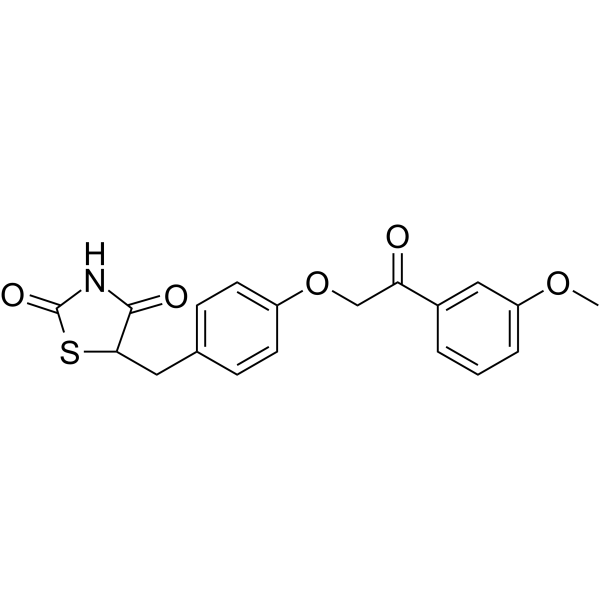
Azemiglitazone (Standard) is the analytical standard of Azemiglitazone (HY-108022). This product is intended for research and analytical applications. Azemiglitazone (MSDC-0602) is an orally active thiazolidinedione (TZD) -like molecule, which binds to PPARγ with low binding and activating affinity. Azemiglitazone inhibits mitochondrial pyruvate carrier (MPC), which inhibits Alzheimer’s disease and diminishes nonalcoholic steatohepatitis (NASH) caused liver injury .
|
-
- HY-173504
-
|
|
Others
|
Inflammation/Immunology
|
|
Anti-inflammatory agent 101 (Compound C04) is an orally active anti-inflammatory agent. Anti-inflammatory agent 101 has significant anti-lipid accumulation, anti-inflammatory and anti-fibrotic activities. Anti-inflammatory agent 101 works by reducing fatty acid uptake, stimulating fatty acid oxidation and alleviating inflammation. Anti-inflammatory agent 101 can be used in the study of NASH and its related liver fibrosis .
|
-
- HY-180489
-
|
|
GLP Receptor
|
Metabolic Disease
|
|
GLP-1R agonist 38 (page 15, compound 1) is a glucagon-like peptide-1 receptor (GLP-1R) agonist. GLP-1R agonist 38 can be used for the study of metabolic disorders and related diseases, including but not limited to type II diabetes mellitus (T2DM), obesity and non-alcoholic fatty liver disease (NASH) .
|
-
- HY-162208
-
|
|
17β-HSD
|
Metabolic Disease
|
|
HSD17B13-IN-55 (Compound 167) is an inhibitor of hydroxysteroid 17β-dehydrogenase 13 (HSD17B13) with an IC50 value of ≤ 0.1 μM for estradiol. HSD17B13-IN-55 can be used for research on liver diseases, metabolic diseases, or cardiovascular diseases, such as NAFLD or NASH, as well as drug-induced liver injury (DILI) .
|
-
- HY-163258
-
|
|
17β-HSD
|
Metabolic Disease
|
|
HSD17B13-IN-61 (Compound 132) is an inhibitor of hydroxysteroid 17β-dehydrogenase 13 (HSD17B13) with an IC50 value of ≤ 0.1 μM for estradiol. HSD17B13-IN-61 can be used for research on liver diseases, metabolic diseases, or cardiovascular diseases, such as NAFLD or NASH, as well as drug-induced liver injury (DILI) .
|
-
- HY-162207
-
|
|
17β-HSD
|
Metabolic Disease
|
|
HSD17B13-IN-54 (Compound 158) is an inhibitor of hydroxysteroid 17β-dehydrogenase 13 (HSD17B13) with an IC50 value of ≤ 0.1 μM for estradiol. HSD17B13-IN-54 can be used for research on liver diseases, metabolic diseases, or cardiovascular diseases, such as NAFLD or NASH, as well as drug-induced liver injury (DILI) .
|
-
- HY-161232
-
|
|
17β-HSD
|
Metabolic Disease
|
|
HSD17B13-IN-79 (Compound 32) is an inhibitor of hydroxysteroid 17β-dehydrogenase 13 (HSD17B13) with an IC50 value of ≤ 0.1 μM for estradiol. HSD17B13-IN-79 can be used for research on liver diseases, metabolic diseases, or cardiovascular diseases, such as NAFLD or NASH, as well as drug-induced liver injury (DILI) .
|
-
- HY-163260
-
|
|
17β-HSD
|
Metabolic Disease
|
|
HSD17B13-IN-64 (Compound 143) is an inhibitor of hydroxysteroid 17β-dehydrogenase 13 (HSD17B13) with an IC50 value of ≤ 0.1 μM for estradiol. HSD17B13-IN-64 can be used for research on liver diseases, metabolic diseases, or cardiovascular diseases, such as NAFLD or NASH, as well as drug-induced liver injury (DILI) .
|
-
- HY-162225
-
|
|
17β-HSD
|
Metabolic Disease
|
|
HSD17B13-IN-99 (Compound 6) is an inhibitor of hydroxysteroid 17β-dehydrogenase 13 (HSD17B13) with an IC50 value of < 0.1 μM for estradiol. HSD17B13-IN-99 can be used for research on liver diseases, metabolic diseases, or cardiovascular diseases, such as NAFLD or NASH, as well as drug-induced liver injury (DILI) .
|
-
- HY-163257
-
|
|
17β-HSD
|
Metabolic Disease
|
|
HSD17B13-IN-60 (Compound 126) is an inhibitor of hydroxysteroid 17β-dehydrogenase 13 (HSD17B13) with an IC50 value of ≤ 0.1 μM for estradiol. HSD17B13-IN-60 can be used for research on liver diseases, metabolic diseases, or cardiovascular diseases, such as NAFLD or NASH, as well as drug-induced liver injury (DILI) .
|
-
- HY-163256
-
|
|
17β-HSD
|
Metabolic Disease
|
|
HSD17B13-IN-59 (Compound 177) is an inhibitor of hydroxysteroid 17β-dehydrogenase 13 (HSD17B13) with an IC50 value of ≤ 0.1 μM for estradiol. HSD17B13-IN-59 can be used for research on liver diseases, metabolic diseases, or cardiovascular diseases, such as NAFLD or NASH, as well as drug-induced liver injury (DILI) .
|
-
- HY-161216
-
|
|
17β-HSD
|
Metabolic Disease
|
|
HSD17B13-IN-15 (Compound 6) is an inhibitor of hydroxysteroid 17β-dehydrogenase 13 (HSD17B13) with an IC50 value of ≤ 1 μM for leukotriene B3 and ≤ 0.1 μM for estradiol. HSD17B13-IN-15 can be used in the research of liver diseases, metabolic disorders, or cardiovascular diseases such as NAFLD or NASH, or drug-induced liver injury (DILI) .
|
-
- HY-161218
-
|
|
17β-HSD
|
Metabolic Disease
|
|
HSD17B13-IN-17 (compound 9) is a ppotent inhibitor of hydroxysteroid 17?-dehydrogenase 13 (HSD17B13), with the IC50 of < 0.1 μM and? < 1 μM estradiol and Leukotriene B3 as substrates, respectively. HSD17B13-IN-17? plays an important role in nonalcoholic fatty liver diseases (NAFLDs) including NASH (nonalcoholic steatohepatitis) .
|
-
- HY-161223
-
|
|
17β-HSD
|
Metabolic Disease
|
|
HSD17B13-IN-27 (compound 30) is a ppotent inhibitor of hydroxysteroid 17?-dehydrogenase 13 (HSD17B13), with the IC50 of < 0.1 μM and ?< 1 μM estradiol and Leukotriene B3 as substrates, respectively. HSD17B13-IN-27? plays an important role in nonalcoholic fatty liver diseases (NAFLDs) including NASH (nonalcoholic steatohepatitis) .
|
-
- HY-161220
-
|
|
17β-HSD
|
Metabolic Disease
|
|
HSD17B13-IN-19 (compound 16) is a ppotent inhibitor of hydroxysteroid 17?-dehydrogenase 13 (HSD17B13), with the IC50 of < 0.1 μM and? < 1 μM estradiol and Leukotriene B3 as substrates, respectively. HSD17B13-IN-19? plays an important role in nonalcoholic fatty liver diseases (NAFLDs) including NASH (nonalcoholic steatohepatitis) .
|
-
- HY-163245
-
|
|
17β-HSD
|
Metabolic Disease
|
|
HSD17B13-IN-32(Compound 67) is an inhibitor of hydroxysteroid 17β-dehydrogenase 13 (HSD17B13) with an IC50 value of ≤ 0.1 μM for estradiol. HSD17B13-IN-32can be used for research on liver diseases, metabolic diseases, or cardiovascular diseases, such as NAFLD or NASH, as well as drug-induced liver injury (DILI) .
|
-
- HY-161224
-
|
|
17β-HSD
|
Metabolic Disease
|
|
HSD17B13-IN-31 (compound 32) is a ppotent inhibitor of hydroxysteroid 17?-dehydrogenase 13 (HSD17B13), with the IC50 of < 0.1 μM and? < 1 μM estradiol and Leukotriene B3 as substrates, respectively. HSD17B13-IN-31? plays an important role in nonalcoholic fatty liver diseases (NAFLDs) including NASH (nonalcoholic steatohepatitis) .
|
-
- HY-161217
-
|
|
17β-HSD
|
Metabolic Disease
|
|
HSD17B13-IN-16 (compound 8) is a ppotent inhibitor of hydroxysteroid 17?-dehydrogenase 13 (HSD17B13), with the IC50 of < 0.1 μM and? < 1 μM estradiol and Leukotriene B3 as substrates, respectively. HSD17B13-IN-16? plays an important role in nonalcoholic fatty liver diseases (NAFLDs) including NASH (nonalcoholic steatohepatitis) .
|
-
- HY-148187
-
|
|
NOD-like Receptor (NLR)
|
Infection
Cardiovascular Disease
Neurological Disease
Inflammation/Immunology
|
|
NLRP3-IN-11 is a NLR family pyrin domain containing 3 (NLRP3) proteins inhibitor. NLRP3-IN-11 has biological activity for NLRP3 with an IC50 value of <0.3 μM. NLRP3-IN-11 can be used for the researh of inflammatory and degenerative diseases including NASH, atherosclerosis and other cardiovascular diseases, Alzheimer's disease, Parkinson's disease, diabetes, gout, and numerous other autoinflammatory diseases .
|
-
- HY-161215
-
|
|
17β-HSD
|
Metabolic Disease
|
|
HSD17B13-IN-14 (Compound 4) is an inhibitor of hydroxysteroid 17β-dehydrogenase 13 (HSD17B13) with an IC50 value of ≤ 1 μM for leukotriene B3 and ≤ 0.1 μM for estradiol. HSD17B13-IN-14 can be used in the research of liver diseases, metabolic disorders, or cardiovascular diseases such as NAFLD or NASH, or drug-induced liver injury (DILI) .
|
-
- HY-161221
-
|
|
17β-HSD
|
Metabolic Disease
|
|
HSD17B13-IN-21 (compound 17) is a ppotent inhibitor of hydroxysteroid 17?-dehydrogenase 13 (HSD17B13), with the IC50 of < 0.1 μM and? < 1 μM estradiol and Leukotriene B3 as substrates, respectively. HSD17B13-IN-21? plays an important role in nonalcoholic fatty liver diseases (NAFLDs) including NASH (nonalcoholic steatohepatitis) .
|
-
- HY-161214
-
|
|
17β-HSD
|
Metabolic Disease
|
|
HSD17B13-IN-12 (Compound 3) is an inhibitor of hydroxysteroid 17β-dehydrogenase 13 (HSD17B13) with an IC50 value of ≤ 0.1 μM for both leukotriene B3 and estradiol. HSD17B13-IN-12 can be used in the research of liver diseases, metabolic disorders, or cardiovascular diseases such as NAFLD or NASH, or drug-induced liver injury (DILI) .
|
-
- HY-161213
-
|
|
17β-HSD
|
Metabolic Disease
|
|
HSD17B13-IN-11 (Compound 2) is an inhibitor of hydroxysteroid 17β-dehydrogenase 13 (HSD17B13) with an IC50 value of ≤ 1 μM for leukotriene B3 and ≤ 0.1 μM for estradiol. HSD17B13-IN-11 can be used in the research of liver diseases, metabolic disorders, or cardiovascular diseases such as NAFLD or NASH, or drug-induced liver injury (DILI) .
|
-
- HY-161222
-
|
|
17β-HSD
|
Metabolic Disease
|
|
HSD17B13-IN-23 (compound 18) is a ppotent inhibitor of hydroxysteroid 17?-dehydrogenase 13 (HSD17B13), with the IC50 of < 0.1 μM and? < 1 μM estradiol and Leukotriene B3 as substrates, respectively. HSD17B13-IN-23? plays an important role in nonalcoholic fatty liver diseases (NAFLDs) including NASH (nonalcoholic steatohepatitis) .
|
-
- HY-161219
-
|
|
17β-HSD
|
Metabolic Disease
|
|
HSD17B13-IN-18 (compound 13) is a ppotent inhibitor of hydroxysteroid 17?-dehydrogenase 13 (HSD17B13), with the IC50 of < 0.1 μM and? < 1 μM estradiol and Leukotriene B3 as substrates, respectively. HSD17B13-IN-18? plays an important role in nonalcoholic fatty liver diseases (NAFLDs) including NASH (nonalcoholic steatohepatitis) .
|
-
- HY-137846A
-
|
|
Acetyl-CoA Carboxylase
OAT
|
Metabolic Disease
Inflammation/Immunology
|
|
PF-05221304 tromethamine is an orally active, liver-directed and dual ACC1/ACC2 inhibitor with IC50s of 7.5 nM for rat ACC1, 8.2 nM for rat ACC2. PF-05221304 tromethamine is a substrate for organic anion transport polypeptides. PF-05221304 tromethamine directly improves a variety of non-alcoholic fatty liver (NAFL) and non-alcoholic steatohepatitis (NASH) pathogenic factors .
|
-
- HY-123986
-
CTPI-2
Maximum Cited Publications
13 Publications Verification
|
Mitochondrial Metabolism
|
Inflammation/Immunology
Cancer
|
|
CTPI-2 is a third-generation mitochondrial citrate carrier SLC25A1 inhibitor with a KD of 3.5 μM. CTPI-2 inhibits glycolysis, PPARγ, and its downstream target the glucose transporter GLUT4. CTPI-2 halts salient alterations of NASH reverting steatosis, preventing the evolution to steatohepatitis, reducing inflammatory macrophage infiltration in the liver and adipose tissue, and starkly mitigating obesity induced by a high-fat diet. Antitumor activity .
|
-
- HY-162220
-
|
|
Estrogen Receptor/ERR
17β-HSD
|
Metabolic Disease
|
|
HSD17B13-IN-94 (Compound 12) is an effective inhibitor of hydroxysteroid 17β-dehydrogenase 13 (HSD17B13) with an IC50 value of ≤ 0.1 μM for Estradiol (HY-B0141). HSD17B13-IN-94 can be used for research on liver diseases, metabolic diseases, or cardiovascular diseases, such as NAFLD, NASH, or drug-induced liver injury (DILI) .
|
-
- HY-162219
-
|
|
17β-HSD
|
Metabolic Disease
|
|
HSD17B13-IN-93 (Compound 9) is an inhibitor of hydroxysteroid 17β-dehydrogenase 13 (HSD17B13) with an IC50 value for estradiol that is greater than 0.1 μM and less than or equal to 0.5 μM. HSD17B13-IN-93 can be used for research on liver diseases, metabolic diseases, or cardiovascular diseases, such as NAFLD or NASH, as well as drug-induced liver injury (DILI) .
|
-
- HY-182769
-
|
|
Thyroid Hormone Receptor
|
Inflammation/Immunology
|
|
TRβ agonist-4 is an orally bioavailable, liver-targeted selective agonist of hTHR-β (EC50=6.0 nM), with a 105.3-fold selectivity over THR-α. TRβ agonist-4 exists in multiple crystal forms, including Form A, Form B, Form C, Form D, Form E, as well as an amorphous form. TRβ agonist-4 can be used for research related to non-alcoholic steatohepatitis (NASH) .
|
-
- HY-162217
-
|
|
17β-HSD
|
Metabolic Disease
|
|
HSD17B13-IN-91 (Compound 5) is an inhibitor of hydroxysteroid 17β-dehydrogenase 13 (HSD17B13) with an IC50 value for estradiol that is greater than 0.1 μM and less than or equal to 0.5 μM. HSD17B13-IN-91 can be used for research on liver diseases, metabolic diseases, or cardiovascular diseases, such as NAFLD or NASH, as well as drug-induced liver injury (DILI) .
|
-
- HY-163253S
-
|
|
17β-HSD
|
Metabolic Disease
|
|
HSD17B13-IN-56-D3 (Compound 169) is an inhibitor of hydroxysteroid 17β-dehydrogenase 13 (HSD17B13) with an IC50 value of ≤ 0.1 μM for estradiol. HSD17B13-IN-56-D3 can be used for research on liver diseases, metabolic diseases, or cardiovascular diseases, such as NAFLD or NASH, as well as drug-induced liver injury (DILI) .
|
-
- HY-179517
-
|
|
ASK1
JNK
p38 MAPK
|
Metabolic Disease
Inflammation/Immunology
|
|
ASK1-IN-12 is an ASK1 inhibitor with an IC50 of 6.3 nM. ASK1-IN-12 inhibits TNF-α-induced activation of the ASK1-p38/JNK pathway. ASK1-IN-12 can reduce free fatty acid-induced cholesterol increase, lipid droplet accumulation and improves hepatocellular steatosis. ASK1-IN-12 can be used for the research of non-alcoholic steatohepatitis (NASH) .
|
-
- HY-128421
-
|
Brassylic Acid
|
Endogenous Metabolite
Parasite
|
Infection
Metabolic Disease
|
|
Tridecanedioic acid is an endogenous metabolite. Tridecanedioic acid is an endogenous metabolite. Tridecanedioic acid is related to the metabolic regulation of non-alcoholic fatty liver disease (NASH) and may be an important node molecule in the intestinal microbiota-host metabolism interaction network. Tridecanedioic acid is significantly accumulated in tolerant cabbage-type rapeseed varieties and has a lower content in sensitive varieties. It plays an important role in the defense response against the infection of the small cabbage moth (Plutella xylostella). Tridecanedioic acid can be used as a biomarker for plant insect resistance or a diagnostic marker for metabolic diseases .
|
-
- HY-N16066
-
|
CHNQD-0803
|
AMPK
Apoptosis
NF-κB
TNF Receptor
|
Inflammation/Immunology
|
|
Candidusin A (CHNQD-0803) (Compound 4) is a AMPK activator with a KD of 47.28 nM. Candidusin A can be isolated from marine fungus Aspergillus candidus. Candidusin A has cytotoxic activity and induces apoptosis in human prostate cancer cells (22Rv1, PC-3 and LNCaP cells). Candidusin A reduces adipogenesis genes expression and fat deposition, negatively regulates the NF-κB-TNFα inflammatory axis to suppress inflammation, and ameliorates liver injury and fibrosis. Candidusin A can be used for non-alcoholic steatohepatitis (NASH) research .
|
-
- HY-101190A
-
|
(3R,4S,5S)-SHP626; (3R,4S,5S)-LUM002
|
Drug Isomer
|
Inflammation/Immunology
|
|
(3R,4S,5S)-Volixibat ((3R,4S,5S)-SHP626) is an isomer of Volixibat (HY-101190). Volixibat is a highly selective, minimally absorbed, and competitive apical sodium-dependent bile acid transporter (ASBT) inhibitor. (3R,4S,5S)-Volixibat may be used in research on non-alcoholic steatohepatitis (NASH) .
|
-
- HY-174253
-
|
|
17β-HSD
|
Metabolic Disease
|
|
HSD17B13-IN-105 (Compound EX.87) is a selective 17β-hydroxysteroid dehydrogenase 13 (17BHSD13) inhibitor with an IC50 value of 0.036 μM, showing high selectivity over 17BHSD4 (with an IC50 value of 31.5 μM). HSD17B13-IN-105 is promising for research of liver diseases such as non-alcoholic fatty liver disease (NAFLD) and non-alcoholic steatohepatitis (NASH) .
|
-
- HY-179703
-
|
|
FXR
|
Inflammation/Immunology
|
|
FXR agonist 15 is a selective, potent and orally active farnesoid X receptor (FXR) agonist with EC50 of 0.76 μM. FXR agonist 15 exhibits no obvious activation on other nuclear receptors including LXRα/β, PXR, PPARα/β/γ, THR-β, with EC50 values all >10 μM. FXR agonist 15 can alleviate steatosis, lobular inflammation, hepatocyte ballooning and liver fibrosis. FXR agonist 15 can be used for the research of nonalcoholic steatohepatitis (NASH) .
|
-
- HY-111237
-
|
Olomoucin
|
CDK
NF-κB
PERK
Bcl-2 Family
Reactive Oxygen Species (ROS)
Apoptosis
|
Metabolic Disease
Inflammation/Immunology
Cancer
|
|
Butyrolactone I is an orally active and ATP-competitive inhibitor of CDK1. Butyrolactone I inhibits NF-κB, cdc2 kinase, Bax, ROS production, modulates the PERK/CHOP. Butyrolactone I mitigates heat-stress-induced Apoptosis. Butyrolactone I shows anti-inflammatory and intestinal protective activity. Butyrolactone I has antitumor effects against non-small cell lung, small cell lung, prostate cancer and leukemia. Butyrolactone I can be used in NASH research .
|
-
- HY-P99143
-
|
|
Neurokinin Receptor
NF-κB
STAT
|
Inflammation/Immunology
|
|
Anti-Mouse NK1.1 Antibody (PK136) is an anti-mouse NK1.1 IgG2a monoclonal antibody. Anti-Mouse NK1.1 Antibody (PK136) can deplete natural killer (NK) cells. Anti-Mouse NK1.1 Antibody (PK136) inhibits the JAK-STAT and NF-κB signaling pathways. Anti-Mouse NK1.1 Antibody (PK136) can be used for research on inflammation conditions such as non-alcoholic steatohepatitis (NASH) .
|
-
- HY-W018587
-
-
- HY-100008
-
|
NIK333
|
RAR/RXR
SphK
Autophagy
HCV
|
Infection
Cancer
|
|
Peretinoin is an oral acyclic retinoid with a vitamin A-like structure that targets retinoid nuclear receptors such as retinoid X receptor (RXR) and retinoic acid receptor (RAR). Peretinoin reduces the mRNA level of sphingosine kinase 1 (SPHK1) in vitro by downregulating a transcription factor, Sp1 . Peretinoin prevents the progression of non-alcoholic steatohepatitis (NASH) and the development of hepatocellular carcinoma (HCC) through activating the autophagy pathway by increased Atg16L1 expression . Peretinoin inhibits HCV RNA amplification and virus release by altering lipid metabolism with a EC50 of 9 μM .
|
-
- HY-176770
-
|
|
GLP Receptor
|
Metabolic Disease
|
|
GLP-1R agonist 34 (Compound 1) is an orally active small molecule glucagon-like peptide-1 receptor (GLP-1R) agonist. GLP-1R agonist 34 promotes insulin secretion, inhibits glucagon release, and delays gastric emptying, thereby effectively lowering blood glucose levels. GLP-1R agonist 34 is promising for research of metabolic diseases, including type 2 diabetes, obesity, and non-alcoholic steatohepatitis (NASH) .
|
-
- HY-113111
-
|
|
Drug Metabolite
|
Inflammation/Immunology
|
|
11,12-DiHETrE is a dihydroxy fatty acid metabolite of Arachidonic Acid (HY-109590). 11,12-DiHETrE is converted to 11,12-DiHETrE under elevated soluble epoxide hydrolase (sEH) activity, a process closely related to inflammation and oxidative stress. 11,12-DiHETrE can serve as a single biomarker to differentiate between NAFL (non-alcoholic fatty liver disease) and NASH (non-alcoholic steatohepatitis). 11,12-DiHETrE can be used in studies on preterm birth, autism, and pulmonary hypertension .
|
-
- HY-171850
-
|
|
GLP Receptor
|
Metabolic Disease
Inflammation/Immunology
|
|
GLP-1R modulator-1 (Compound 384) is an orally active, potent selective glucagon-like peptide-1 receptor (GLP-1R) agonist. GLP-1R modulator-1 activates G-protein coupled signaling, elevates intracellular cAMP levels, promotes insulin secretion, delays gastric emptying and suppresses appetite. GLP-1R modulator-1 is promising for research of type 2 diabetes, obesity, and non-alcoholic steatohepatitis (NASH) .
|
-
- HY-128421R
-
|
Brassylic Acid (Standard)
|
Reference Standards
Endogenous Metabolite
Parasite
|
Infection
Metabolic Disease
|
|
Tridecanedioic acid (Standard) is the analytical standard of Tridecanedioic acid (HY-128421). This product is intended for research and analytical applications. Tridecanedioic acid is an endogenous metabolite. Tridecanedioic acid is an endogenous metabolite. Tridecanedioic acid is related to the metabolic regulation of non-alcoholic fatty liver disease (NASH) and may be an important node molecule in the intestinal microbiota-host metabolism interaction network. Tridecanedioic acid is significantly accumulated in tolerant cabbage-type rapeseed varieties and has a lower content in sensitive varieties. It plays an important role in the defense response against the infection of the small cabbage moth (Plutella xylostella). Tridecanedioic acid can be used as a biomarker for plant insect resistance or a diagnostic marker for metabolic diseases.
|
-
- HY-P10302
-
|
|
GLP Receptor
Insulin Receptor
|
Metabolic Disease
|
|
GLP-1R/GIPR AgonIST-1 is a double-receptor agonist for GLP-1 (glucagon-like peptide-1) and GIP (glucose-dependent insulin releasing peptide). GLP-1R/GIPR agonist-1 lowers blood sugar by mimicking the action of endogenous hormones GLP-1 and GIP, enhancing insulin secretion while inhibiting glucagon secretion. GLP-1R/GIPR agonist-1 can be used in the study of metabolic diseases such as diabetes, obesity, and non-alcoholic steatohepatitis (NASH) .
|
-
- HY-W011121
-
|
2-OG
|
GPR119
NF-κB
TGF-beta/Smad
GLP Receptor
|
Metabolic Disease
|
|
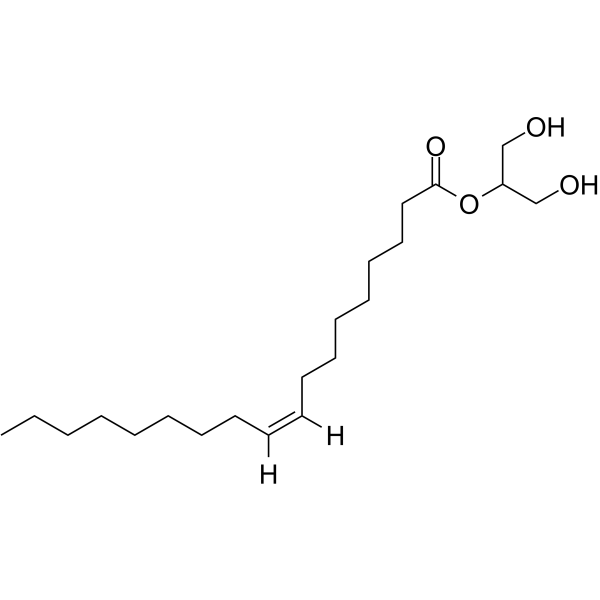
2-Oleoylglycerol (2-OG) is a lipid found in the diet. It is a GPR119 agonist, with an EC50 value of 2.5 μM in activating hGPR119 in transiently transfected COS-7 cells. 2-Oleoylglycerol enhances the inflammatory response of macrophages and promotes fibrosis by activating the GPR119/TAK1/NF-κB/TGF-β1 signaling pathway. It also stimulates glucagon-like peptide 1 (GLP-1) secretion in vivo. 2-Oleoylglycerol is expected to be used in the research of non-alcoholic steatohepatitis (NASH) .
|
-
- HY-163263S1
-
|
|
17β-HSD
|
Metabolic Disease
|
|
HSD17B13-IN-80-d2 (Compound 200) is the the deuterium labeled HSD17B13-IN-80 (HY-163263). HSD17B13-IN-80 is an inhibitor of hydroxysteroid 17β-dehydrogenase 13 (HSD17B13) with an IC50 value of ≤ 0.1 μM for estradiol. HSD17B13-IN-80 can be used for research on liver diseases, metabolic diseases, or cardiovascular diseases, such as NAFLD or NASH, as well as drug-induced liver injury (DILI) .
|
-
- HY-100008R
-
|
NIK333 (Standard)
|
Reference Standards
RAR/RXR
SphK
Autophagy
HCV
|
Infection
Cancer
|
|
Peretinoin (Standard) is the analytical standard of Peretinoin. This product is intended for research and analytical applications. Peretinoin is an oral acyclic retinoid with a vitamin A-like structure that targets retinoid nuclear receptors such as retinoid X receptor (RXR) and retinoic acid receptor (RAR). Peretinoin reduces the mRNA level of sphingosine kinase 1 (SPHK1) in vitro by downregulating a transcription factor, Sp1[1]. Peretinoin prevents the progression of non-alcoholic steatohepatitis (NASH) and the development of hepatocellular carcinoma (HCC) through activating the autophagy pathway by increased Atg16L1 expression[2]. Peretinoin inhibits HCV RNA amplification and virus release by altering lipid metabolism with a EC50 of 9 μM[3].
|
-
- HY-160004
-
|
|
AMPK
|
Cardiovascular Disease
Neurological Disease
Metabolic Disease
Inflammation/Immunology
Cancer
|
|
PXL770 is an orally active, direct allosteric AMP-activated protein kinase (AMPK) activator. PXL770 decreases C26:0 levels, improves mitochondrial respiration, reduces expression of proinflammatory genes and induces expression of compensatory transporters (ABCD2/3) in ALD fibroblasts/lymphocytes. PXL770 normalizes plasma VLCFA levels, significantly reduces elevated VLCFA levels in brain and spinal cord in Abcd1 KO mice. PXL770 improves glycemia, dyslipidemia, and insulin resistance in ob/ob and high-fat diet (HFD)-fed mice. PXL770 can be used for the study of X-linked adrenoleukodystrophy (ALD), autosomal dominant polycystic kidney disease and nonalcoholic steatohepatitis (NASH) .
|
-
- HY-W701772
-
|
2-OG-d5
|
Isotope-Labeled Compounds
GPR119
TGF-beta/Smad
NF-κB
GLP Receptor
|
Metabolic Disease
|
|
2-Oleoylglycerol-d5 (2-OG-d5) is the deuterium labeled 2-Oleoylglycerol (HY-W011121). 2-Oleoylglycerol (2-OG) is a lipid found in the diet. It is a GPR119 agonist, with an EC50 value of 2.5 μM in activating hGPR119 in transiently transfected COS-7 cells. 2-Oleoylglycerol enhances the inflammatory response of macrophages and promotes fibrosis by activating the GPR119/TAK1/NF-κB/TGF-β1 signaling pathway. It also stimulates glucagon-like peptide 1 (GLP-1) secretion in vivo. 2-Oleoylglycerol is expected to be used in the research of non-alcoholic steatohepatitis (NASH) .
|
-
- HY-N19083
-
|
|
Bacterial
|
Inflammation/Immunology
|
|
Tecomella undulata Extract, also known as Rohida extract, is a valuable botanical extract derived from the bark and leaves of the Tecomella undulata plant native to the Indian Thar Desert and is rich in bioactive compounds such as flavonoids, quinones, triterpenoids, and other phytochemicals that contribute to its diverse therapeutic properties. This extract is widely recognized for its hepatoprotective effects demonstrated through its ability to protect against liver damage induced by toxins such as paracetamol and carbon tetrachloride by normalizing elevated liver enzyme levels reducing oxidative stress and improving liver function. Additionally, it exhibits significant anti-inflammatory activity comparable to standard drugs like indomethacin and has been used to treat conditions like ascites and hepatosplenomegaly while also showing immunomodulatory effects by enhancing both humoral and cell-mediated immune responses and possessing antimicrobial properties that make it effective against various pathogens. Recent research suggests that Tecomella undulata may have potential in managing nonalcoholic steatohepatitis (NASH) by reducing body weight insulin resistance and improving liver function markers making it a versatile natural remedy with significant applications in hepatoprotection anti-inflammation and immune support.
|
-
-
-
HY-L199
-
|
|
4,703 compounds
|
|
Non-alcoholic fatty liver disease (NAFLD) is one of the most common liver diseases worldwide and is the primary liver manifestation of metabolic syndrome. The growth of NAFLD has coincided with the obesity epidemic. NAFLD is composed of excess lipid accumulation in the liver, causing steatotoxicity, and shows a wide range of histopathological abnormalities. NAFLD may progress from simple steatosis to Non-alcoholic steatohepatitis (NASH) with or without fibrosis (NASH), and eventually to cirrhosis and hepatocellular carcinoma. To date, very few drugs have been approved for marketing specifically for the treatment of NAFLD, so increased efforts to develop NAFLD drugs are necessary.
MCE designs a unique collection of 4,703 small molecules with definite or potential anti-NAFLD activity, which is an important tool for studying the pathological mechanism of NAFLD and developing drugs for NAFLD.
|
| Cat. No. |
Product Name |
Target |
Research Area |
-
- HY-P3463
-
|
GLP-1 (human)
|
GCGR
|
Metabolic Disease
Inflammation/Immunology
|
|
Beinaglutide is a human GLP-1 polypeptide that shares almost 100% homology with human GLP-1 (7–36). Beinaglutide displays does-dependent effects in glycemic control, inhibiting food intake and gastric empty and promoting weight loss. Beinaglutide has the potential for the research of overweight/obesity and nonalcoholic steatohepatitis (NASH) .
|
-
- HY-145632
-
|
ALT-801
|
GLP Receptor
GCGR
|
Metabolic Disease
|
|
Pemvidutide (ALT-801) is a GLP-1R/GCGR dual agonist, shows striking reductions in body weight, liver fat and serum lipids. Pemvidutide can be used in non-alcoholic steatohepatitis (NASH) and obesity research .
|
-
- HY-153476A
-
|
|
GLP Receptor
GCGR
|
Inflammation/Immunology
|
|
GIP/GLP-1 dual receptor agonist-1 sodium is a GIP/GLP-1 dual receptor agonist. GIP/GLP-1 dual receptor agonist-1 sodium is used in the research of metabolic disorders and fatty liver diseases, including non-alcoholic steatohepatitis (NASH) and non-alcoholic fatty liver disease (NAFLD) .
|
-
- HY-153476
-
|
|
GCGR
GLP Receptor
|
Inflammation/Immunology
|
|
GIP/GLP-1 dual receptor agonist-1 is a GIP/GLP-1 dual receptor agonist. GIP/GLP-1 dual receptor agonist-1 is used in the research of metabolic disorders and fatty liver diseases, including non-alcoholic steatohepatitis (NASH) and non-alcoholic fatty liver disease (NAFLD) .
|
-
- HY-145632A
-
|
ALT-801 TFA
|
GLP Receptor
GCGR
|
Metabolic Disease
|
|
Pemvidutide (ALT-801) TFA is a GLP-1R/GCGR dual agonist, shows striking reductions in body weight, liver fat and serum lipids. Pemvidutide TFA can be used in non-alcoholic steatohepatitis (NASH) and obesity research .
|
-
- HY-P10302
-
|
|
GLP Receptor
Insulin Receptor
|
Metabolic Disease
|
|
GLP-1R/GIPR AgonIST-1 is a double-receptor agonist for GLP-1 (glucagon-like peptide-1) and GIP (glucose-dependent insulin releasing peptide). GLP-1R/GIPR agonist-1 lowers blood sugar by mimicking the action of endogenous hormones GLP-1 and GIP, enhancing insulin secretion while inhibiting glucagon secretion. GLP-1R/GIPR agonist-1 can be used in the study of metabolic diseases such as diabetes, obesity, and non-alcoholic steatohepatitis (NASH) .
|
-
- HY-P11042
-
|
|
GLP Receptor
|
Metabolic Disease
|
|
TE-8105 is a GLP-1 receptor agonist that has demonstrated prolonged and potent efficacy in models of diabetes, obesity, and non-alcoholic steatohepatitis (NASH) .
|
-
- HY-P6177
-
|
|
Dipeptidyl Peptidase
|
Inflammation/Immunology
|
|
SGP8 (IAVPGEVA) is an octapeptide produced by hydrolysis of soybean 11S globulin, which has the effects of regulating lipid metabolism, inflammation and fibrosis. SGP8 (IAVPGEVA) exhibits inhibitory activity against DPP4 and inhibits the JNK-c-Jun signaling pathway, and has the ability to inhibit non-alcoholic steatohepatitis (NASH) .
|
| Cat. No. |
Product Name |
Target |
Research Area |
Image |
-
- HY-P99428
-
|
NGM282
|
Inhibitory Antibodies
|
Metabolic Disease
|
|
Aldafermin (NGM282) is an analog of fibroblast growth factor 19. Aldafermin can be used for the research of nonalcoholic steatohepatitis (NASH) .
|
-
(5)
-
- HY-P99697
-
|
PRO 140
|
CCR
HIV
|
Infection
Cancer
|
|
Leronlimab (PRO 140) is a humanized IgG4 anti-CCR5 monoclonal antibody. Leronlimab inhibits CCR5-mediated HIV-1 viral and lung metastasis in mouse tumor models. Leronlimab can be used for the research of HIV nonalcoholic steatohepatitis (NASH) and cancer .
|
-
(5)
-
- HY-P99143
-
|
|
Neurokinin Receptor
NF-κB
STAT
|
Inflammation/Immunology
|
|
Anti-Mouse NK1.1 Antibody (PK136) is an anti-mouse NK1.1 IgG2a monoclonal antibody. Anti-Mouse NK1.1 Antibody (PK136) can deplete natural killer (NK) cells. Anti-Mouse NK1.1 Antibody (PK136) inhibits the JAK-STAT and NF-κB signaling pathways. Anti-Mouse NK1.1 Antibody (PK136) can be used for research on inflammation conditions such as non-alcoholic steatohepatitis (NASH) .
|
-
(5)
| Cat. No. |
Product Name |
Category |
Target |
Chemical Structure |
-
- HY-116374
-
-
-
- HY-B2209B
-
-
-
- HY-W011121
-
-
-
- HY-112948
-
-
-
- HY-128421
-
|
Brassylic Acid
|
Classification of Application Fields
Ketones, Aldehydes, Acids
Metabolic Disease
Endogenous metabolite
Disease Research Fields
Source Classification
|
Endogenous Metabolite
Parasite
|
|
Tridecanedioic acid is an endogenous metabolite. Tridecanedioic acid is an endogenous metabolite. Tridecanedioic acid is related to the metabolic regulation of non-alcoholic fatty liver disease (NASH) and may be an important node molecule in the intestinal microbiota-host metabolism interaction network. Tridecanedioic acid is significantly accumulated in tolerant cabbage-type rapeseed varieties and has a lower content in sensitive varieties. It plays an important role in the defense response against the infection of the small cabbage moth (Plutella xylostella). Tridecanedioic acid can be used as a biomarker for plant insect resistance or a diagnostic marker for metabolic diseases .
|
-
-
- HY-116374R
-
-
-
- HY-N16066
-
|
CHNQD-0803
|
Monophenols
Microorganisms
Phenols
Source Classification
|
AMPK
Apoptosis
NF-κB
TNF Receptor
|
|
Candidusin A (CHNQD-0803) (Compound 4) is a AMPK activator with a KD of 47.28 nM. Candidusin A can be isolated from marine fungus Aspergillus candidus. Candidusin A has cytotoxic activity and induces apoptosis in human prostate cancer cells (22Rv1, PC-3 and LNCaP cells). Candidusin A reduces adipogenesis genes expression and fat deposition, negatively regulates the NF-κB-TNFα inflammatory axis to suppress inflammation, and ameliorates liver injury and fibrosis. Candidusin A can be used for non-alcoholic steatohepatitis (NASH) research .
|
-
-
- HY-128421R
-
|
Brassylic Acid (Standard)
|
Structural Classification
Ketones, Aldehydes, Acids
Endogenous metabolite
Source Classification
|
Reference Standards
Endogenous Metabolite
Parasite
|
|
Tridecanedioic acid (Standard) is the analytical standard of Tridecanedioic acid (HY-128421). This product is intended for research and analytical applications. Tridecanedioic acid is an endogenous metabolite. Tridecanedioic acid is an endogenous metabolite. Tridecanedioic acid is related to the metabolic regulation of non-alcoholic fatty liver disease (NASH) and may be an important node molecule in the intestinal microbiota-host metabolism interaction network. Tridecanedioic acid is significantly accumulated in tolerant cabbage-type rapeseed varieties and has a lower content in sensitive varieties. It plays an important role in the defense response against the infection of the small cabbage moth (Plutella xylostella). Tridecanedioic acid can be used as a biomarker for plant insect resistance or a diagnostic marker for metabolic diseases.
|
-
-
- HY-N19083
-
|
|
Structural Classification
Extract
|
Bacterial
|
|
Tecomella undulata Extract, also known as Rohida extract, is a valuable botanical extract derived from the bark and leaves of the Tecomella undulata plant native to the Indian Thar Desert and is rich in bioactive compounds such as flavonoids, quinones, triterpenoids, and other phytochemicals that contribute to its diverse therapeutic properties. This extract is widely recognized for its hepatoprotective effects demonstrated through its ability to protect against liver damage induced by toxins such as paracetamol and carbon tetrachloride by normalizing elevated liver enzyme levels reducing oxidative stress and improving liver function. Additionally, it exhibits significant anti-inflammatory activity comparable to standard drugs like indomethacin and has been used to treat conditions like ascites and hepatosplenomegaly while also showing immunomodulatory effects by enhancing both humoral and cell-mediated immune responses and possessing antimicrobial properties that make it effective against various pathogens. Recent research suggests that Tecomella undulata may have potential in managing nonalcoholic steatohepatitis (NASH) by reducing body weight insulin resistance and improving liver function markers making it a versatile natural remedy with significant applications in hepatoprotection anti-inflammation and immune support.
|
-
| Cat. No. |
Product Name |
Chemical Structure |
-
- HY-116374S
-
|
|
|
Glycolithocholic acid-d4 is the deuterium labeled Glycolithocholic acid. Glycolithocholic acid, an endogenous metabolite, is a glycine-conjugated secondary bile acid and can be used to diagnose ulcerative colitis (UC), non-alcoholic steatohepatitis (NASH) and primary sclerosing cholangitis (PSC) .
|
-
-
- HY-13956A
-
|
|
|
(R)-Pioglitazone-d1 ((R)-U 72107-d1) is a stabilized and deuterated R-enantiomer of pioglitazone, exhibiting pharmacological properties that are beneficial for NASH treatment, including modulation of mitochondrial function, non-steroidal anti-inflammatory effects, and glucose-lowering capabilities.
|
-
-
- HY-W750488
-
|
|
|
Glycolithocholic acid-d5 (Lithocholylglycine-d5) is the deuterium labeled Glycolithocholic acid (HY-116374). Glycolithocholic acid (Lithocholylglycine), an endogenous metabolite, is a glycine-conjugated secondary bile acid. Glycolithocholic acid can be used to diagnose ulcerative colitis (UC), non-alcoholic steatohepatitis (NASH) and primary sclerosing cholangitis (PSC) .
|
-
-
- HY-163253S
-
|
|
|
HSD17B13-IN-56-D3 (Compound 169) is an inhibitor of hydroxysteroid 17β-dehydrogenase 13 (HSD17B13) with an IC50 value of ≤ 0.1 μM for estradiol. HSD17B13-IN-56-D3 can be used for research on liver diseases, metabolic diseases, or cardiovascular diseases, such as NAFLD or NASH, as well as drug-induced liver injury (DILI) .
|
-
-
- HY-163263S1
-
|
|
|
HSD17B13-IN-80-d2 (Compound 200) is the the deuterium labeled HSD17B13-IN-80 (HY-163263). HSD17B13-IN-80 is an inhibitor of hydroxysteroid 17β-dehydrogenase 13 (HSD17B13) with an IC50 value of ≤ 0.1 μM for estradiol. HSD17B13-IN-80 can be used for research on liver diseases, metabolic diseases, or cardiovascular diseases, such as NAFLD or NASH, as well as drug-induced liver injury (DILI) .
|
-
-
- HY-W701772
-
|
|
|
2-Oleoylglycerol-d5 (2-OG-d5) is the deuterium labeled 2-Oleoylglycerol (HY-W011121). 2-Oleoylglycerol (2-OG) is a lipid found in the diet. It is a GPR119 agonist, with an EC50 value of 2.5 μM in activating hGPR119 in transiently transfected COS-7 cells. 2-Oleoylglycerol enhances the inflammatory response of macrophages and promotes fibrosis by activating the GPR119/TAK1/NF-κB/TGF-β1 signaling pathway. It also stimulates glucagon-like peptide 1 (GLP-1) secretion in vivo. 2-Oleoylglycerol is expected to be used in the research of non-alcoholic steatohepatitis (NASH) .
|
-
-
- HY-181896S
-
|
|
|
PPARγ agonist-23 (Compound 9) is an orally active PPARγ agonist with an EC50 of 0.32 μM. PPARγ agonist-23 improves hepatic triglyceride levels, reduces scores of steatosis and hepatocellular ballooning, and decreases the total activity score of non-alcoholic steatohepatitis (NASH). PPARγ agonist-23 can be used for the research of non-alcoholic steatohepatitis .
|
-
| Cat. No. |
Product Name |
|
Classification |
-
- HY-W048502
-
|
8-Thioadenosine
|
|
Nucleoside Analogs
Adenosine
|
|
8-Mercaptoadenosine is a nucleoside derivative that can be synthesized in DMF-aqueous solution at room temperature using NaSH via the corresponding 8-bromo compounds, and it is an intermediate in the synthesis of the substrate for RNA pyrophosphorylase .
|
Your information is safe with us. * Required Fields.
Inquiry Information
- Product Name:
- Cat. No.:
- Quantity:
- MCE Japan Authorized Agent:

