


1. Search Result
Search Result
Results for "

asialoglycoprotein

" in MedChemExpress (MCE) Product Catalog:

28

Inhibitors & Agonists

2

Biochemical Assay Reagents

8

Recombinant Proteins

9

Oligonucleotides

Cat. No. Product Name Target Research Areas Chemical Structure
  • HY-148118A

    LYTACs Cancer
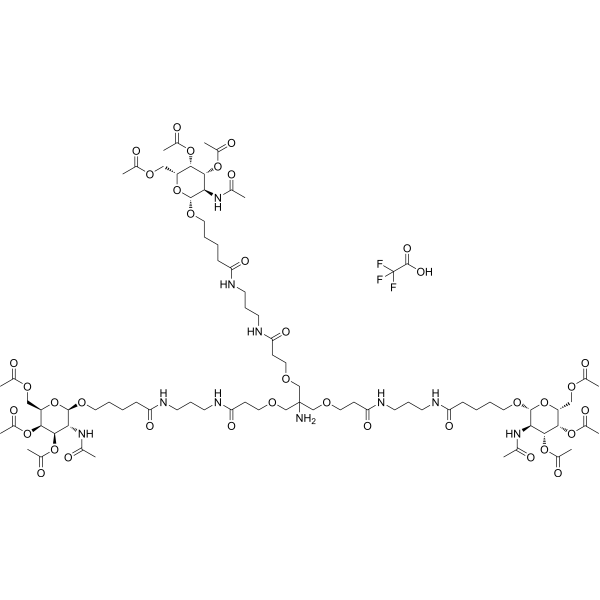
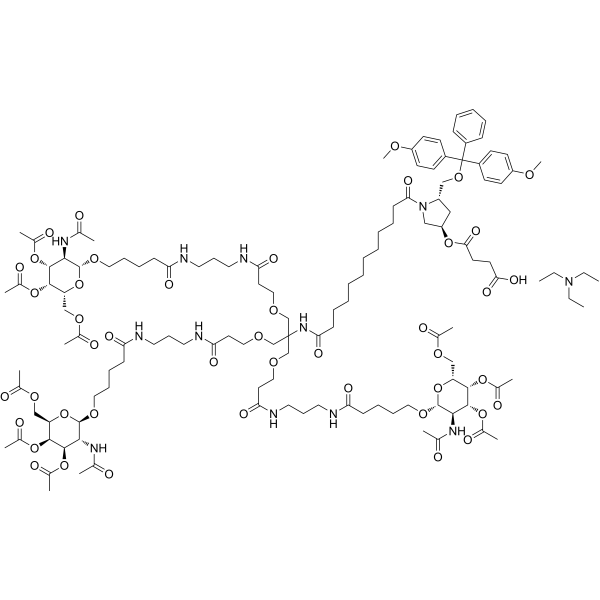
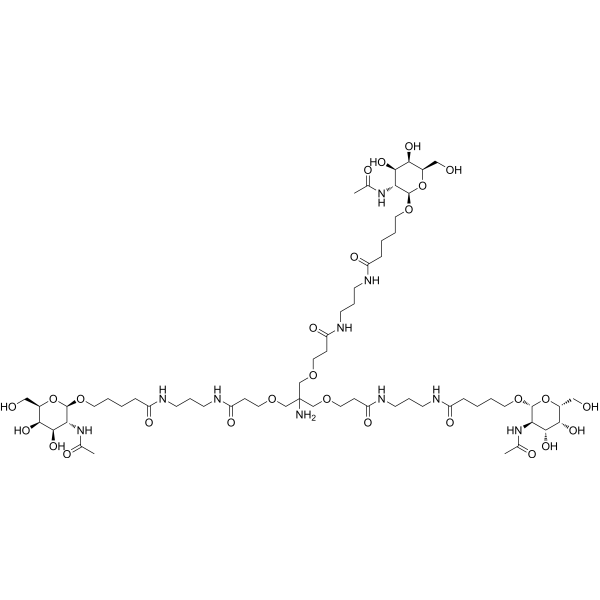
    Tri-GalNAc(OAc)3 TFA is a trivalent N-acetylgalactosamine (GalNAc) derivative that can be used to synthesize GalNAc-LYTAC. Tri-GalNAc is a specific ligand targeting the asialoglycoprotein receptor (ASGPR), mediating the endocytosis and transport of cell surface proteins (such as EGFR, HER2) to lysosomes for degradation by lysosomal targeting chimeras (LYTACs). Tri-GalNAc significantly reduces the level of target proteins and inhibits downstream signaling pathways (such as EGFR-mediated Akt and MAPK signals). Tri-GalNAc(OAc)3 TFA can be used for hepatocyte targeting studies, and can degrade carcinogenic membrane proteins and inhibit tumor cell proliferation in liver cancer cell models .
    Tri-GalNAc(OAc)3 TFA
  • HY-148089
    Eplontersen
    1 Publications Verification

    Transthyretin (TTR) Neurological Disease
    Eplontersen is a triantennary N-acetyl galactosamine (GalNAc3-7a)-conjugated antisense oligonucleotide targeting transthyretin (TTR) mRNA to inhibit production of both variant and wild-type TTR protein. Misfolded TTR induces amyloid fibrils formation in the heart and peripheral nerves, leads to amyloid TTR (ATTR) amyloidosis diseases .
    Eplontersen
  • HY-147354

    LYTACs Cardiovascular Disease
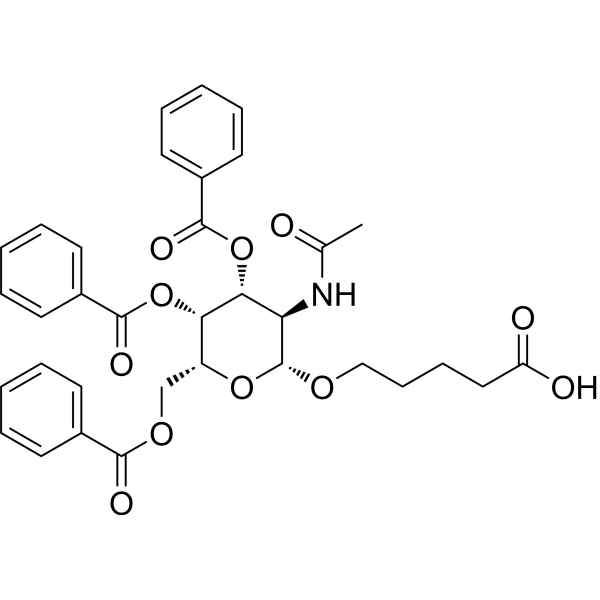
    TriGalNAc CBz is a GalNAc derivative and tri-GalNAc is an asialoglycoprotein receptor (ASGPR) ligand. TriGalNAc CBz can be used for mRNA drug delivery as well as lysosomal targeted chimerism (LYTAC) studies .
    TriGalNAc CBz
  • HY-139482

    LYTACs Cancer
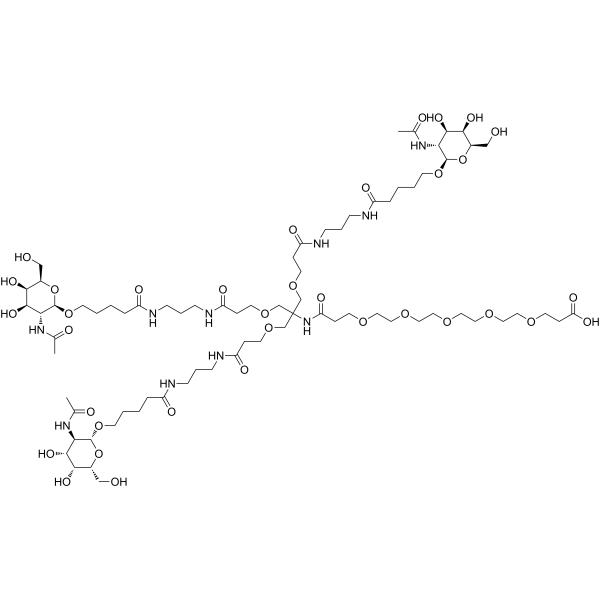
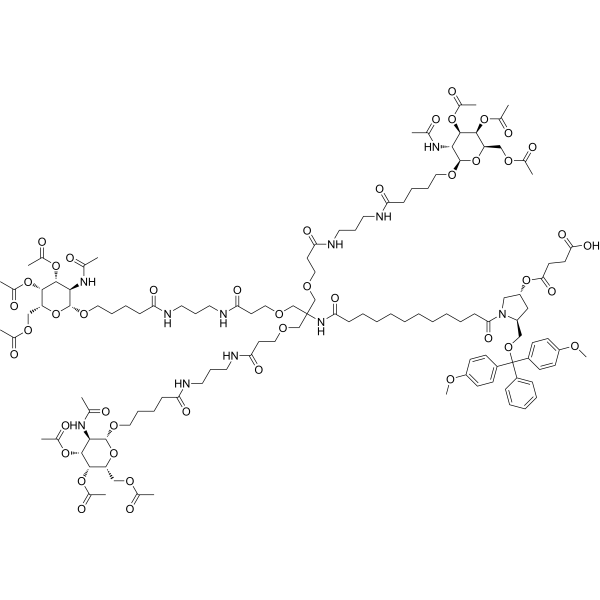
    tri-GalNAc-COOH is an asialoglycoprotein receptor (ASGPR) ligand that can be used for LYsosome TArgeting Chimera (LYTAC) research .
    tri-GalNAc-COOH
  • HY-157950

    Liposome Cancer
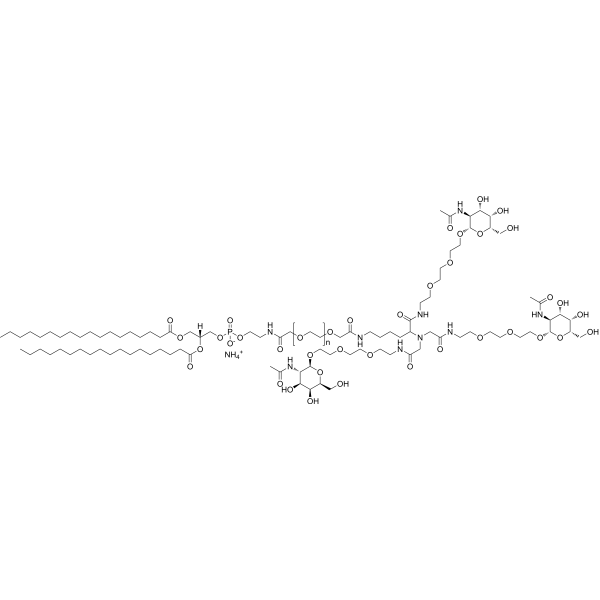
    DSPE-PEG2K-triGalNAc ammonium is a polar lipid composed of DSPE and tri-N-acetylgalactosamine that can be used to construct liposomes target to asialoglycoprotein receptor (ASGPR).
    DSPE-PEG2000-triGalNAc ammonium
  • HY-147012

    Drug Intermediate Others
    GalNAc-L96, a triantennary N-acetylgalactosamine (GalNAc), is a ligand of asialoglycoprotein receptor (ASGPR). GalNAc-L96 can be used to synthesize GalNAc-siRNA and can be used for oligonucleotide delivery .
    GalNAc-L96
  • HY-173247

    C-type Lectin-like Receptors (CTLRs) Others
    GalNAc-NAG37 phosphoramidite is an N-acetylgalactosamine (GalNAc) derivative that acts as a ligand for the asialoglycoprotein receptor (ASGPR). GalNAc-NAG37 phosphoramidite can be used to synthesize GalNAc-siRNA and for oligonucleotide delivery .
    GalNAc-NAG37 phosphoramidite
  • HY-148089A
    Eplontersen sodium
    1 Publications Verification

    Transthyretin (TTR) Neurological Disease
    Eplontersen sodium the sodium salt form of Eplontersen (HY-148089). Eplontersen sodium is a triantennary N-acetyl galactosamine (GalNAc3-7a)-conjugated antisense oligonucleotide targeting transthyretin (TTR) mRNA to inhibit production of both variant and wild-type TTR protein. Misfolded TTR induces amyloid fibrils formation in the heart and peripheral nerves, leads to amyloid TTR (ATTR) amyloidosis diseases .
    Eplontersen sodium
  • HY-132590A

    ALN-TTRSC sodium

    Small Interfering RNA (siRNA) Transthyretin (TTR) Neurological Disease
    Revusiran (ALN-TTRSC) sodium is an RNA interference agent targeting the mRNA of transthyretin (Transthyretin, TTR). Revusiran sodium mediates sequence-specific degradation of TTR mRNA through RNA interference, reduces the synthesis of TTR protein, binds to GalNAc ligands, and is taken up by hepatocytes via the asialoglycoprotein receptor. Revusiran sodium exhibits favorable nonclinical safety profiles. Revusiran sodium can be used in studies related to transthyretin-mediated amyloidosis .
    Revusiran sodium
  • HY-150151A

    LYTACs Cardiovascular Disease
    GalNac-siRNA negative control (21nt) is the negative control form of GalNac-siRNA. GalNac-siRNA is an Asialoglycoprotein receptor (ASGPR)-targeted inhibitor conjugate. GalNac-siRNA is promising for research of hereditary transthyretin amyloidosis, acute hepatic porphyria, hemophilia and hypercholesterolemia .
    GalNac-siRNA negative control (21nt)
  • HY-147102

    LYTACs Metabolic Disease
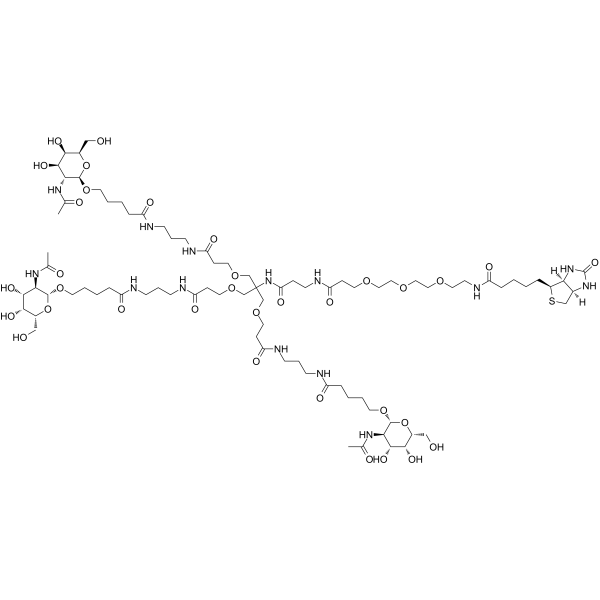
    tri-GalNAc biotin is a biotinylated ASGPR (Asialoglycoprotein receptor) ligand. tri-GalNAc biotin promotes cellular uptake of neutravidin (NA) via ASGPR. tri-GalNAc biotin delivers neutravidin to lysosomes for degradation. tri-GalNAc biotin can be used for research of LYsosome TArgeting Chimera (LYTAC) .
    tri-GalNAc biotin
  • HY-145368B

    LYTACs Metabolic Disease
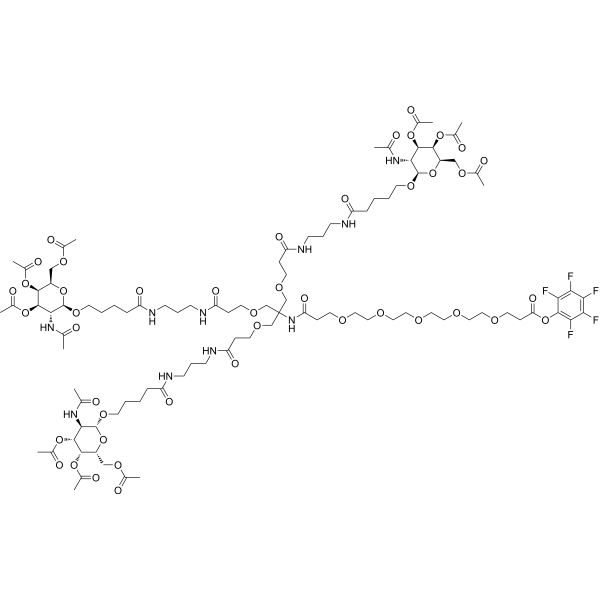
    Tri-GalNAc(OAc)3-Perfluorophenyl is a pentafluorophenyl modified Tri-GalNAc(OAc)3 (HY-148118), a tri-GalNAc ligand that can be used for the synthesis of GalNAc-LYTAC. GalNAc-LYTAC engages the asialoglycoprotein receptor for targeted protein degradation.Tri-GalNAc(OAc)3-Perfluorophenyl can be used for the study of liver metabolism .
    Tri-GalNAc(OAc)3-Perfluorophenyl
  • HY-139787A

    ISIS-721744; IONIS-PKK-LRX

    Kallikrein Cardiovascular Disease Inflammation/Immunology
    Donidalorsen (ISIS-721744; IONIS-PKK-LRX) sodium is an antisense oligonucleotide targeting prekallikrein (PKK). Donidalorsen sodium inhibits kallikrein activity and reduces the production of Bradykinin (HY-P0206) by specifically binding to and degrading PKK mRNA in the liver. Donidalorsen sodium can be used in the research of hereditary angioedema .
    Donidalorsen sodium
  • HY-156994

    Asialoglycoprotein Receptor (ASGPR) Others
    ASGPR ligand-1 (Compound int-CC2) is an asialoglycoprotein receptor (ASGPR) ligand with a binding Kd value of 0.9 nM. ASGPR ligand-1 is applicable to research on lysosome degradation-related diseases .
    ASGPR ligand-1
  • HY-171910

    Asialoglycoprotein Receptor (ASGPR) LYTACs Others
    tri(GalNAc-PEG2)-PEG4-cyclo(Ac-DCAW-{Arg(3F-Ph)-PEG2}-LGELVWCT) (Cys2-Cys12) is an asialoglycoprotein receptor (ASGPR) ligand that can be used for LYsosome TArgeting Chimera (LYTAC) research .
    tri(GalNAc-PEG2)-PEG4-cyclo(Ac-DCAW-{Arg(3F-Ph)-PEG2}-LGELVWCT) (Cys2-Cys12)
  • HY-153184

    Asialoglycoprotein Receptor (ASGPR) Small Interfering RNA (siRNA) Metabolic Disease
    GalNAc-L96 free base is a conjugate of GalNAc and its ligand L96. When conjugated with the A-rich HCV sequence (H12), GalNAc-L96 free base binds potently to ASGPR, with a Ki value of 10.4 nM. GalNAc-L96 free base promotes siRNA delivery to hepatocytes .
    GalNAc-L96 free base
  • HY-179737

    LYTACs Metabolic Disease
    ASGPR ligand-2 (Compound 366) is an asialoglycoprotein receptor (ASGPR) binder. ASGPR ligand-2 can be coupled with recognition elements of target proteins (such as antibodies or antigen-binding fragments), and through the endocytosis mediated by ASGPR, the target protein is delivered to the lysosomes of liver cells, promoting the degradation of the target protein. ASGPR ligand-2 can be used for the research of metabolic disease .
    ASGPR ligand-2
  • HY-132590

    ALN-TTRSC

    Small Interfering RNA (siRNA) Transthyretin (TTR) Neurological Disease
    Revusiran (ALN-TTRSC) is an RNA interference agent targeting the mRNA of transthyretin (Transthyretin, TTR). Revusiran mediates sequence-specific degradation of TTR mRNA through RNA interference, reduces the synthesis of TTR protein, binds to GalNAc ligands, and is taken up by hepatocytes via the asialoglycoprotein receptor. Revusiran exhibits favorable nonclinical safety profiles. Revusiran can be used in studies related to transthyretin-mediated amyloidosis .
    Revusiran
  • HY-142881

    LYTACs Others
    D-MoDE-A (1) is a bifunctional small molecule that mediates the degradation of extracellular proteins through the asialoglycoprotein receptor (ASGPR).
    D-MoDE-A (1)
  • HY-153527

    LYTACs Metabolic Disease
    GalNAc-L96 analog is an intermediate in the synthesis of the asialoglycoprotein receptor (ASGPR) ligand GalNAc-L96 (HY-147012).
    GalNac-L96 analog
  • HY-145649A

    AD-85481 sodium; ALN-AGT sodium

    Small Interfering RNA (siRNA) Asialoglycoprotein Receptor (ASGPR) Cardiovascular Disease
    Zilebesiran (AD-85481; ALN-AGT) sodium is a long-acting liver-targeted small interfering RNA (siRNA) antihypertensive agent. Zilebesiran sodium binds to the hepatic asialoglycoprotein receptor (ASGPR), activates the RNA-induced silencing complex to degrade hepatic angiotensinogen mRNA, thereby inhibiting the gene expression and synthesis of angiotensinogen. Zilebesiran sodium dose-dependently reduces serum angiotensinogen levels and 24-hour ambulatory blood pressure, with its effect persisting throughout the circadian cycle. Zilebesiran sodium is applicable to research related to hypertension .
    Zilebesiran sodium
  • HY-164863

    Biochemical Assay Reagents Others
    β-GalNAc-PEG4-Azide is an asialoglycoprotein receptor ligand with PEG4 linker and azide group that can be utilized in onward click chemistry .
    β-GalNAc-PEG4-Azide
  • HY-153545

    Liposome Cancer
    9-Amino-NeuAc is a substrate of synthase. 9-Amino-NeuAc can be converted to CMP9-amino-NeuAc, activated to the corresponding CMPglycoside and transferred to asialoglycoprotein. 9-Amino-NeuAc can be used to target liposome synthesis while modulating tumor surface immunogenicity .
    9-Amino-NeuAc
  • HY-142885

    LYTACs Others
    M-MoDE-A (2) is a bifunctional small molecule that mediates the degradation of extracellular proteins through the asialoglycoprotein receptor (ASGPR).
    M-MoDE-A (2)
  • HY-112752

    Liposome Others
    Gal-C4-Chol is a glycosylated cholesterol derivative. Gal-C4-Chol can be used as a ligand for asialoglycoprotein receptors (ASGPR) to prepare Galactosylated (Gal) liposomes. Gal-C4-Chol can be used to prepare simple lipid-based nanoparticles .
    Gal-C4-Chol
  • HY-175472

    Phosphatase Apoptosis Cancer
    (GalNAc)3-CPT is a glycoconjugate prodrug that targets the asialoglyco-protein receptor (ASGR) overexpressed on hepatocytes. (GalNAc)3-CPT exhibits significant antitumor activity (IC50 value of 3.07 μM in HepG2 cells) by activating the cGAS-STING pathway and promoting CD8+ T cell infiltration into tumors, thereby inducing tumor cell apoptosis .
    (GalNAc)3-CPT
  • HY-171342

    LYTACs Inflammation/Immunology
    Mal-C2-amide-C10-tri-GalNAc (Compound 1226) is an asialoglycoprotein receptor (ASGPR) binding ligand fragment and a component of lysosome-targeted bifunctional molecules. Mal-C2-amide-C10-tri-GalNAc promotes the sequestration and degradation of extracellular target molecules in lysosomes. Mal-C2-amide-C10-tri-GalNAc is used in the research of autoimmune diseases .
    Mal-C2-amide-C10-tri-GalNAc
  • HY-19272

    Nucleoside Antimetabolite/Analog Asialoglycoprotein Receptor (ASGPR) Cancer
    OGT-719 is a potent, orally active nucleoside analogue that targets the asialoglycoprotein receptor (ASGP-R). OGT-719 inhibits growth of metastatic colorectal tumors in the liver of nude mice. OGT-719 can be used for primary hepatocellular carcinoma and colorectal liver metastases research .
    OGT-719

Inquiry Online

Your information is safe with us. * Required Fields.

Salutation


Country or Region *

Applicant Name *


Organization Name *

Department *


Email Address *


Product Name *

Cat. No.


Requested quantity *

Phone Number *


Remarks

Inquiry Online

Inquiry Information

Product Name:
Cat. No.:
Quantity:
MCE Japan Authorized Agent:

