
1. Search Result
Search Result
Results for "

binding models

" in MedChemExpress (MCE) Product Catalog:

292

Inhibitors & Agonists

1

Screening Libraries

2

Fluorescent Dye

6

Biochemical Assay Reagents

21

Peptides

26

Inhibitory Antibodies

21

Natural
Products

5

Isotope-Labeled Compounds

1

Click Chemistry

4

Oligonucleotides

Cat. No. Product Name Target Research Areas Chemical Structure
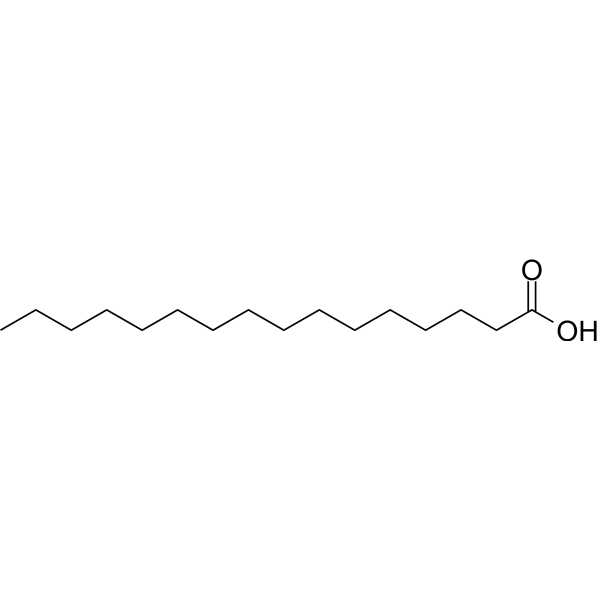
  • HY-N0830
    Palmitic acid
    Maximum Cited Publications
    100 Publications Verification

    Environmental Pollutants Endogenous Metabolite HSP Cardiovascular Disease Neurological Disease Metabolic Disease Cancer
    Palmitic acid is a long-chain saturated fatty acid commonly found in both animals and plants. PA can induce the expression of glucose-regulated protein 78 (GRP78) and CCAAT/enhancer binding protein homologous protein (CHOP) in in mouse granulosa cells. Palmitic acid is used to establish a cell steatosis model .
    Palmitic acid
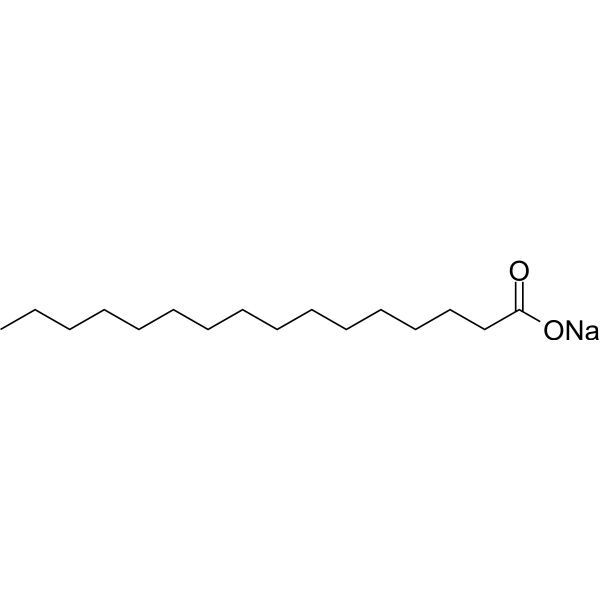
  • HY-N0830B
    Palmitic acid sodium
    95+ Cited Publications

    Environmental Pollutants Endogenous Metabolite HSP Cancer
    Palmitic acid sodium is a long-chain saturated fatty acid commonly found in both animals and plants. Palmitic acid sodium can induce the expression of glucose-regulated protein 78 (GRP78) and CCAAT/enhancer binding protein homologous protein (CHOP) in in mouse granulosa cells. Palmitic acid sodium is used to establish a cell steatosis model .
    Palmitic acid sodium
  • HY-16261
    Aldoxorubicin
    20+ Cited Publications

    INNO-206; DOXO-EMCH

    Topoisomerase ADC Payload Cancer
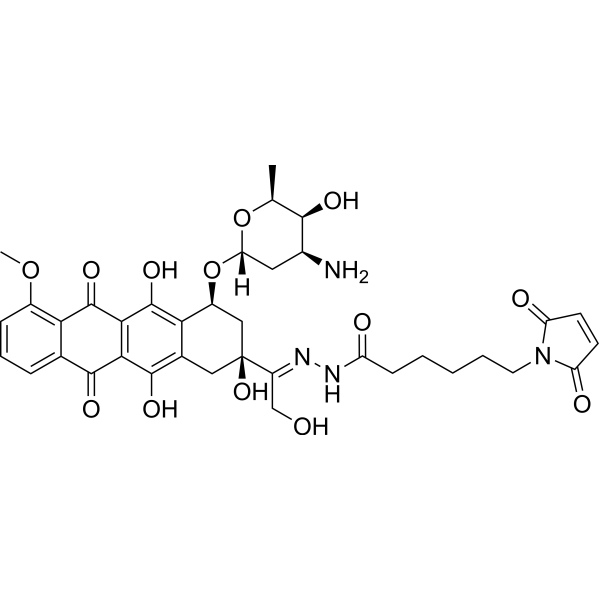
    Aldoxorubicin (INNO-206) is an albumin-binding proagent of Doxorubicin (DNA topoisomerase II inhibitor), which is released from albumin under acidic conditions. Aldoxorubicin (INNO-206) has potent antitumor activities in various cancer cell lines and in murine tumor models.
    Aldoxorubicin
  • HY-11079
    A-803467
    3 Publications Verification

    Sodium Channel Neurological Disease Inflammation/Immunology Cancer
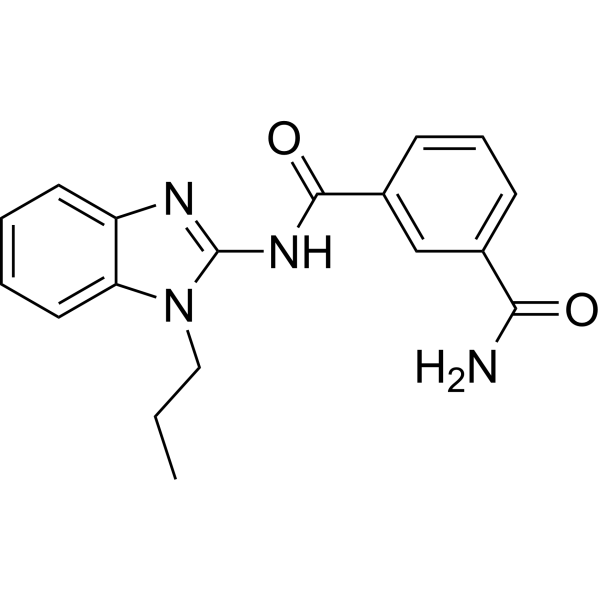
    A-803467 is a potent and selective tetrodotoxin-resistant Nav1.8 sodium channel blocker (IC50=8 nM). A-803467 has shown significant anti-nociception in neuropathic and inflammatory pain models. A-803467 enhances the chemosensitivity of conventional anticancer agents through interaction with the ATP-binding cassette subfamily G member 2 (ABCG2) transporter .
    A-803467
  • HY-D0846

    Biochemical Assay Reagents Neurological Disease
    Diethyl pyrocarbonate is a potent, orally active, non-specific chemical inhibitor of RNase. Diethyl pyrocarbonate has been useful in vitro as an agent relatively specific for binding to imidazole of histidine. Diethyl pyrocarbonate inhibits central chemosensitivity in rabbits. Diethyl pyrocarbonate can modify Ser, Thr, His and Tyr residues. Diethyl pyrocarbonate can be used for modeling .
    Diethyl pyrocarbonate
  • HY-122611A
    CSRM617 hydrochloride
    1 Publications Verification

    Androgen Receptor Apoptosis Cancer
    CSRM617 hydrochloride is a selective small-molecule inhibitor of the transcription factor ONECUT2 (OC2, a master regulator of androgen receptor) with a Kd of 7.43 uM in SPR assays, binding to OC2-HOX domain directly. CSRM617 hydrochloride induces apoptosis by appearance of cleaved Caspase-3 and PARP. CSRM617 hydrochloride is well tolerated in the prostate cancer mouse model
    CSRM617 hydrochloride
  • HY-P9964

    11F8; IMC-11F8; LY3012211

    EGFR Cancer
    Necitumumab (11F8; IMC-11F8; LY3012211) is a human IgG monoclonal antibody directed against EGFR. Necitumumab binds to the EGF binding site of EGFR, blocks ligand binding, neutralizes ligand-induced EGFR phosphorylation and downstream signaling, induces EGFR internalization and degradation, and mediates antibody-dependent cellular cytotoxicity (ADCC) in EGFR-expressing cells. Necitumumab enhances antitumour activity in combination with Gemcitabine (HY-17026) and Cisplatin (HY-17394) in murine non-small-cell lung cancer xenograft models. Necitumumab can be used in research on cancers such as non-small cell lung cancer and colorectal cancer .
    Necitumumab
  • HY-NP006
    Protein A
    1 Publications Verification

    SPA

    Endogenous Metabolite Apoptosis Inflammation/Immunology
    Protein A (SPA) is an immunoglobulin (Ig)-binding protein that exists on the bacterial surface and can be freely secreted into the extracellular environment. Protein A blocks opsonophagocytosis and induces B cell apoptosis in vitro by binding to the Fc region of antibodies and the Fab region of B cell receptors. Protein A can form toxic immune complexes with IgG, thereby inducing leukocyte necrosis. Protein A contributes to the virulence expression of Staphylococcus aureus. Protein A triggers allergic reactions in IgG-pretreated mouse models. Protein A can be used in studies related to immune system diseases .
    Protein A
  • HY-B0027
    Valnemulin hydrochloride
    2 Publications Verification

    Antibiotic Bacterial Infection Metabolic Disease
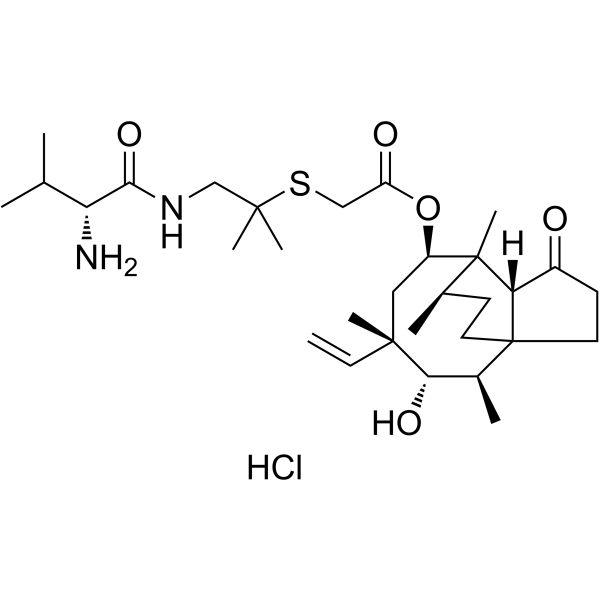
    Valnemulin hydrochloride is an orally effective truncated pleurotin antibiotic that inhibits protein synthesis in bacteria by binding to peptidyl transferase in the 50s ribosome subunit. Valnemulin hydrochloride effectively eliminates Mycobacterium bovis in the lungs in an experimental bovine model of Mycoplasma bovis infection. Valnemulin hydrochloride can reduce the mortality of epidemic rabbit enteropathy and has no adverse effect on the growth performance of rabbits .
    Valnemulin hydrochloride
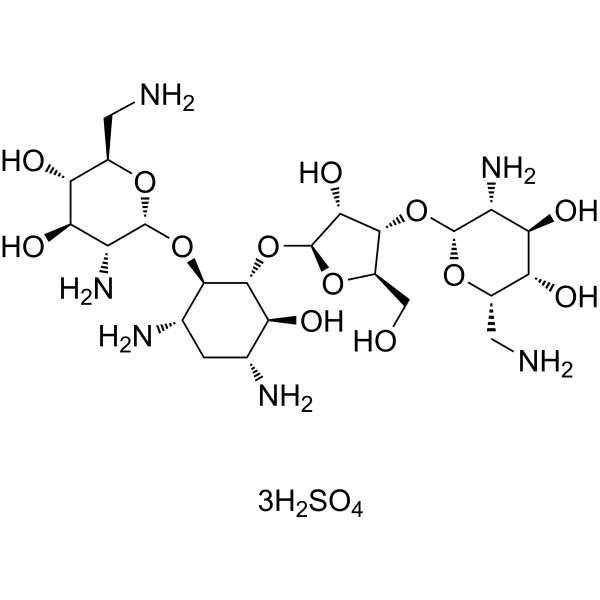
  • HY-B1864A
    Kasugamycin hydrochloride
    1 Publications Verification

    Ksg hydrochloride

    Environmental Pollutants Antibiotic Bacterial Infection
    Kasugamycin (Ksg) hydrochloride hydrate is an antibiotic that binds to 30s and 70s ribosomes but not to the 50s subunit, and has anti-infective activity. Kasugamycin hydrochloride hydrate mimics mRNA nucleotides, disrupts tRNA binding and inhibits canonical translation initiation. Kasugamycin hydrochloride hydrate increases the sensitivity of mycobacteria to Rifampicin (HY-B0272) in vitro and in mouse infection models .
    Kasugamycin hydrochloride
  • HY-P99171
    Gevokizumab
    2 Publications Verification

    Interleukin Related Inflammation/Immunology Cancer
    Gevokizumab is a potent anti-IL-1β antibody, negatively modulates IL-1β signaling through an allosteric mechanism. Gevokizumab selectively decreases the binding affinity of IL-1β for the IL-1 receptor type I (IL-1RI) signaling receptor instead of IL-1 counter-regulatory decoy receptor (IL-1 receptor type II) .
    Gevokizumab
  • HY-107830

    Endogenous Metabolite Collagen Infection Metabolic Disease
    Methyl cholate is a bile acid analog and a specific inhibitor of TcdB toxin from Clostridioides difficile. Methyl cholate exerts a stronger selective inhibitory effect on TcdB than on TcdA. Methyl cholate induces conformational stabilization by binding to a unique site of TcdB, thereby blocking the binding of the toxin to host receptors and its self-processing process. Methyl cholate effectively protects human fibroblasts from TcdB-induced cytopathic effects. Methyl cholate exhibits dose-dependent anti-hepatic fibrosis activity in both cellular and zebrafish models, and significantly reduces the expression levels of α-SMA and COL-I. Methyl cholate is suitable for in-depth research in the fields of Clostridioides difficile infection and hepatic fibrosis .
    Methyl cholate
  • HY-P991577

    DS-8895A

    Ephrin Receptor Cancer
    DS-8895(DS-8895A) is an anti-EphA2 monoclonal antibody with specific binding to EphA2 receptors and EphA2-expressing cells. DS-8895, when conjugated with 89Zr, 111In, or 125I, supports molecular imaging of EphA2 expression in xenograft models. DS-8895 allows noninvasive measurement of EphA2 expresssion in tumors in vivo. .
    DS-8895
  • HY-W008270

    γ-Crotonolactone

    Endogenous Metabolite Bacterial Infection Neurological Disease
    2(5H)-Furanone (γ-Crotonolactone) is an endogenous metabolite. 2(5H)-Furanone mimics N-acyl homoserine lactone signals, occupies the binding site of LuxR homologs, and interferes with quorum sensing-mediated gene regulation. 2(5H)-Furanone inhibits quorum sensing mediated by AHLs with different acyl chain lengths. 2(5H)-Furanone inhibits biofilm formation of environmental Aeromonas hydrophila strains on polystyrene plates. 2(5H)-Furanone suppresses spike-and-wave discharges in a rat model of generalized absence seizures and exhibits selective activity against absence seizures. 2(5H)-Furanone can be used in studies related to bacteria infections and generalized absence seizures.
    2(5H)-Furanone
  • HY-B1864B
    Kasugamycin hydrochloride hydrate
    1 Publications Verification

    Ksg hydrochloride hydrate

    Antibiotic Bacterial Infection
    Kasugamycin (Ksg) hydrochloride hydrate is an antibiotic that binds to 30s and 70s ribosomes but not to the 50s subunit, and has anti-infective activity. Kasugamycin hydrochloride hydrate mimics mRNA nucleotides, disrupts tRNA binding and inhibits canonical translation initiation. Kasugamycin hydrochloride hydrate increases the sensitivity of mycobacteria to Rifampicin (HY-B0272) in vitro and in mouse infection models .
    Kasugamycin hydrochloride hydrate
  • HY-P3732

    Integrin Cancer
    RGD-4C is a arginine-glycine-aspartic acid peptide (ACDCRGDCFC) with integrin binding activity. The Arg-Gly-Asp (RGD) sequence serves as the primary integrin recognition site in extracellular matrix proteins, and peptides containing this sequence can mimic the recognition specificity of the matrix proteins. RGD-4C is a αv-integrin ligand, can conjugate with bioactive molecule to exert antitumor effects in animal models .
    RGD-4C
  • HY-103423

    Dopamine Receptor Neurological Disease
    PAOPA, an analog of L-proline-l-leucine-glycine amide (PLG) peptide, is an allosteric modulator of Dopamine D2 Receptor. PAOPA can effectively reduce behavioral abnormalities in rodent models of schizophrenia. PAOPA increases the high affinity dopamine D2 receptor and promotes its binding to agonists .
    PAOPA
  • HY-144549

    LXR Cardiovascular Disease
    LXR (Liver X receptor) agonist 1 is potent LXR agonist with AC50s of 1.5 nM and 12 nM for LXR-α and LXR-β, respectively. LXR agonist 1 has the potential for the research of atherosclerosis .
    LXR agonist 1
  • HY-P5542

    SB-01; Peniel 2000

    Factor Xa TGF-beta/Smad Inflammation/Immunology
    Vicatertide (SB-01, Peniel 2000) is a polypeptide with both competitive inhibitory activity against TGF-β1 and selective inhibitory activity against human factor XIa (hFXIa, with a Ka of 80 nM for hFXIa). Vicatertide binds allosterically to the two binding sites of dimeric hFXI/hFXIa, while directly binding to activated TGF-β1, selectively blocking the Smad1/5/8 pathway and maintaining low-level activation of the Smad2 pathway to enhance the synthesis of type Ⅱ collagen and aggrecan. Vicatertide inhibits thrombus formation in arteriovenous thrombosis models, and also reduces thrombus weight and thrombus incidence in mouse lung cancer models. Vicatertide can be used for research on degenerative disc disease and thrombosis-related diseases .
    Vicatertide
  • HY-P99249

    Pogalizumab; MOXR 0916

    Orexin Receptor (OX Receptor) Cancer
    Vonlerolizumab (Pogalizumab; MOXR 0916) is a humanized IgG1 monoclonal antibody targeting OX40 (CD134). Pogalizumab partially blocks the interaction between OX40 and its natural ligand OX40L upon binding, thereby activating the NF-κB signaling pathway. Pogalizumab enhances T cell activation and proliferation and has shown antitumor activity in mouse models .
    Vonlerolizumab
  • HY-116940
    Sm4
    1 Publications Verification

    Oct3/4 Notch STAT Cancer
    Sm4 is a selective and orally active SOX18 inhibitor. Sm4 inhibits SOX18-DNA binding (IC50 = 97.5 μM); Sm4 disrupts the SOX18-RBPJ protein-protein interaction (IC50 = 42.3 μM). Sm4 blocks SOX18 DNA binding, disrupts multiple SOX18 protein-protein interactions with RBPJ, DDX1, DDX17, ILF3, SOX7 and STAT1, modulates SOX18 chromatin binding dynamics. Sm4 exerts anti‑angiogenic and anti‑lymphangiogenic effects, reduces tumor vascular density, triggers vascular defects in zebrafish, prolongs survival in mouse metastatic cancer models. Sm4 can be used for the research of breast cancer .
    Sm4
  • HY-P10943

    Fluorescent Dye Inflammation/Immunology Cancer
    APO-15 is a phosphatidylserine-binding fluorescent probe and apoptosis imaging reagent. APO-15 exhibits high chemical stability under proteolytic and oxidative conditions, enables quantification and imaging of drug-induced apoptosis in preclinical mouse models, and is applicable to fixed tissue samples and multiple in vivo administration routes (Ex = 488 nm; Em = 525 nm). APO-15 can be used in studies related to acute lung injury and breast cancer .
    APO-15
  • HY-16999

    MDM-2/p53 E1/E2/E3 Enzyme Apoptosis Cancer
    RO8994 (Compound 4) is an orally active, highly potent and selective spiroindolinone p53-MDM2 inhibitor with an IC50 value of 5 nM (HTRF binding assays) and 20 nM (MTT proliferation assays). RO8994 induces up-regulation of p53 expression and Apoptosis in wild-type p53 cancer cells. RO8994 also inhibits tumor growth in the tumor xenograft model .
    RO8994
  • HY-112316

    Epigenetic Reader Domain Cancer
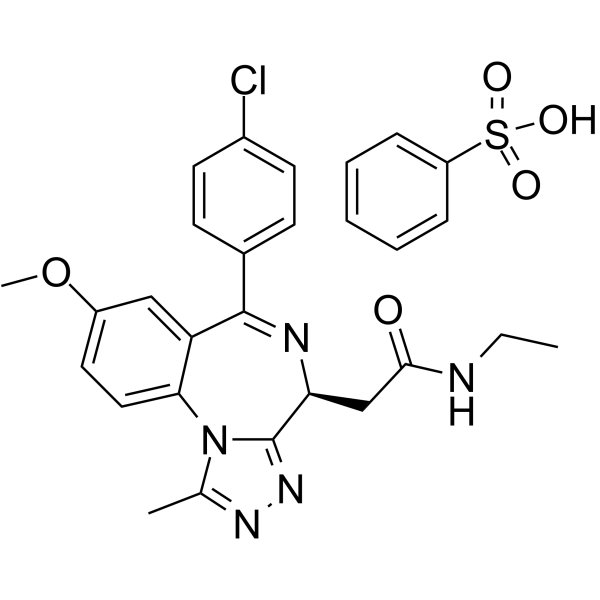
    BAY1238097 is a potent and selective inhibitor of BET binding to histones and has strong anti-proliferative activity in different AML (acute myeloid leukemia) and MM (multiple myeloma) models through down-regulation of c-Myc levels and its downstream transcriptome (IC50 <100 nM).
    BAY1238097
  • HY-100982

    trans-4-Hydroxycrotonic acid; trans-γ-Hydroxycrotonic acid; T‐HCA

    GABA Receptor Neurological Disease
    (E)-4-Hydroxycrotonic acid (T-HCA) is a high-affinity ligand for GHB binding sites, with a ki value of 1.1 μM. The introduction of diaryl substituents into (E)-4-Hydroxycrotonic acid significantly enhances its affinity for GHB binding sites, with ki values ranging from 0.023 to 0.075 μM. (E)-4-Hydroxycrotonic acid holds promise for optimizing GHB ligand structures and assisting in the development of effective three-dimensional pharmacophore models .
    (E) -4-Hydroxycrotonic acid
  • HY-12168

    BAY 12-9566

    MMP Cancer
    Tanomastat (BAY 12-9566) is an orally bioavailable, non-peptidic biphenyl matrix metalloproteinases (MMPs) inhibitor with a Zn-binding carboxyl group. The Ki values are 11, 143, 301, and 1470 nM for MMP-2, MMP-3, MMP-9, MMP-13 respectively. Tanomastat shows anti-invasive and antimetastatic activity in several experimental tumor models .
    Tanomastat
  • HY-168366

    Opioid Receptor Neurological Disease
    R-6890 is a Brorphine-related opioid receptor antagonist that exhibits differential binding activities toward rat opioid receptors (IC50=4.6 nM (0.05 M Tris; pH 7.4) and 170 nM (0.05 M Tris+0.1 M NaCl)). R-6890 displaces bound labeled opioids from receptors, and its binding affinity is affected by environmental factors, decreasing in the presence of NaCl. R-6890 crosses the blood-brain barrier (BBB) and exerts analgesic effects in the warm water-induced tail-flick reflex model of male Wistar rats .
    R-6890
  • HY-122255

    mGluR Neurological Disease
    LY487379 is a selective human mGluR2 positive allosteric modulator (PAM). LY487379 potentiates glutamate-stimulated [ 35S]GTPγS binding with EC50 values of 1.7 μM and >10 μM for mGlu2 and mGlu3 receptors respectively. LY487379 promotes cognitive flexibility and facilitates behavioral inhibition in a rat model. LY487379 can be used for schizophrenia research .
    LY487379
  • HY-153165

    RAR/RXR Others
    RXR antagonist 5 (compound 22) is a selective retinoic acid X receptor (RXR) antagonist with binding potential to RXR evaluated by modeling.
    RXR antagonist 5
  • HY-177506

    Cholecystokinin Receptor Metabolic Disease
    FE100726 (Compound 39) is a Cholecystokinin 2 (CCK2) receptor agonist. FE100726 has a superior binding capacity on CCK2 receptor. FE100726 can induce gastric acid secretion in anaesthetized rat models. FE100726 can be used for diabetes research .
    FE100726
  • HY-122611

    Androgen Receptor Apoptosis Cancer
    CSRM617 is a selective small-molecule inhibitor of the transcription factor ONECUT2 (OC2, a master regulator of androgen receptor) with a Kd of 7.43 uM in SPR assays, binding to OC2-HOX domain directly. CSRM617 induces apoptosis by appearance of cleaved Caspase-3 and PARP. CSRM617 is well tolerated in the prostate cancer mouse model
    CSRM617
  • HY-139046

    Adrenergic Receptor Neurological Disease
    MEPB is a modulator of AF-2 of the androgen receptor. MEPB increases co-repressor binding of AR. MEPB can bind to the BF3 pocket of AR specifically, thereby modulating the binding of co-regulators to the AF2 domain. MEPB alleviates degeneration in spinal bulbar muscular atrophy mouse model .
    MEPB
  • HY-115527

    SHP2 Cancer
    SHP244 is a conformational inhibitor targeting the "latch allosteric site" (site 2) of the SHP2 protein with an IC50 value for SHP2 WT of 60 μM. SHP244 has no significant effect on the level of p-ERK alone. SHP244 combined with RMC-4550 (HY-116009) ("tunnel site" site 1 inhibitor) can reduce p-ERK and inhibit the rebound of p-ERK, thereby reducing drug resistance. SHP244 can be used to study drug resistance in FGFR-driven cancers .
    SHP244
  • HY-106969A

    Glycine Receptor (GlyR) iGluR Cardiovascular Disease Neurological Disease
    ZD 9379 sodium is a competitive glycine/NMDA receptor antagonist, with an IC50 value of 75 nM (glutamate site). ZD 9379 sodium selectively antagonizes the glycine binding site (GlyB site) on the NMDA receptor, inhibiting the binding of glycine to the NMDA receptor and alleviating excitotoxicity. ZD 9379 sodium reduces the frequency of cortical spreading depression (SDs), alleviates energy depletion in the ischemic penumbra, and delays the expansion of infarction. ZD 9379 sodium reduces the infarct volume and improves neurological function in mouse models. ZD 9379 sodium can be used in studies of acute ischemic stroke, etc .
    ZD 9379 sodium
  • HY-W127458

    Hexadecanoic acid, tin(2+) salt

    Environmental Pollutants Endogenous Metabolite HSP Neurological Disease Metabolic Disease Cancer
    Tin(II) palmitate (Hexadecanoic acid, tin(2+) salt) is a long-chain saturated fatty acid commonly found in animals and plants. Tin(II) palmitate can induce the expression of glucose-regulated protein 78 (GRP78) and CCAAT/enhancer-binding protein homologous protein (CHOP) in mouse granular cells. Tin(II) palmitate can be used to establish a model of cellular steatosis.
    Tin(II) palmitate
  • HY-P11354

    TGF-β Receptor Apoptosis Interleukin Related Integrin Cadherin Inflammation/Immunology
    THR-123 is an orally active ALK3 peptide agonist. THR-123 has a relatively weak binding to ALK2, but does not bind to ALK6. THR-123 suppresses inflammation, apoptosis and the epithelial-to-mesenchymal transition program and reverses established fibrosis in five mouse models of acute and chronic renal injury. THR-123 can be used for the study of kidney fibrosis .
    THR-123
  • HY-175250

    TNF Receptor Inflammation/Immunology
    TNF-α-IN-25 is an orally active TNF-α inhibitor. TNF-α-IN-25 shows Fluorescence Polarization (FP) assay IC50 of 103 nM in FP binding assays and L929 assay IC50 of 505 nM in cell-based assays. TNF-α-IN-25 inhibits paw swelling in the glucose-6-phosphate isomerase (GPI) arthritis model. TNF-α-IN-25 can be used for the study of arthritis .
    TNF-α-IN-25
  • HY-181846

    DNA/RNA Synthesis Neurological Disease
    nTRD22 is an RNA-binding allosteric modulator targeting TDP-43. nTRD22 binds to the N-terminal domain of TDP-43, thereby allosterically regulating the RNA-binding domain of TDP-43 and reducing its RNA-binding ability. nTRD22 decreases the TDP-43 protein level in primary motor neurons. nTRD22 alleviates motor dysfunction in amyotrophic lateral sclerosis models. nTRD22 is applicable to related research on amyotrophic lateral sclerosis .
    nTRD22
  • HY-W841438

    Amyloid-β Tau Protein Neurological Disease
    Lithium orotate is an orally active lithium supplement with reduced binding that can bypass amyloid sequestration in AD mice models. Lithium orotate can prevent Aβ plaque deposition and phospho-tau accumulation and reverse AD pathology, neuroinflammatory changes and memory loss in AD mice models and ageing wild-type mice. Lithium orotate can be used for the research of alcoholism and Alzheimer’s disease .
    Lithium orotate
  • HY-16261C

    INNO-206 hydrochloride; DOXO-EMCH hydrochloride

    Topoisomerase ADC Payload Cancer
    Aldoxorubicin (INNO-206) hydrochloride is an albumin-binding proagent of Doxorubicin (DNA topoisomerase II inhibitor), which is released from albumin under acidic conditions. Aldoxorubicin hydrochloride (INNO-206) has potent antitumor activities in various cancer cell lines and in murine tumor models.
    Aldoxorubicin hydrochloride
  • HY-177021

    Microtubule/Tubulin Apoptosis Cancer
    Tubulin-IN-51 is an orally available, potent tubulin inhibitor (IC50 = 31 nM). Tubulin-IN-51 promotes tubulin polymerization in vitro and does not compete with Paclitaxel (HY-B0015) for binding. Tubulin-IN-51 inhibits the binding of Vinblastine (HY-13780) to tubulin. Tubulin-IN-51 downregulates the proportion of cells in the G1 phase and induces apoptosis. Tubulin-IN-51 inhibits tumor growth in multiple nude mouse xenograft models .
    Tubulin-IN-51
  • HY-124483

    Arrestin Metabolic Disease
    W2476 is a regulator of thioredocin-interacting protein signaling pathway. W2476 promotes competitive binding of forkhead box O1 transcription factor (FOXO1). W2476 can ameliorate β-cell dysfunction and enhance insulin secretion in diabetic mouse model .
    W2476
  • HY-P991618

    Transmembrane Glycoprotein Cancer
    ST2485 is a monoclonal antitenascin antibody. ST2485 shows additivity in tenascin C binding in vitro as well as in a xenograft model. ST2485 binds human tenascin at an epitope partially shared with BC2. ST2485 cross-reacts with murine tenascin. ST2485 can be studied in antitumor research .
    ST2485
  • HY-112316A

    Epigenetic Reader Domain Cancer
    (R)-BAY1238097 is the R-isomer with lower activity of BAY1238097. BAY1238097 is a potent and selective inhibitor of BET binding to histones and has strong anti-proliferative activity in different AML (acute myeloid leukemia) and MM (multiple myeloma) models through down-regulation of c-Myc levels and its downstream transcriptome .
    (R)-BAY1238097
  • HY-126336

    Calcium Channel Cardiovascular Disease Neurological Disease
    HM12 is a covalent inhibitor of L-/T-type calcium channels. HM12 can strongly inhibit the Cav1.2 (L-type) and Cav3.2 (T-type) calcium channels, and has selectivity for the N-type channels. HM12 produces an irreversible inhibition that persisted after washout. HM12 can be used to study diseases such as hypertension, pain, epilepsy, etc .
    HM12
  • HY-15350

    LY 300046 hydrochloride

    Reverse Transcriptase Others
    Trovirdine hydrochloride, a phenethylthiazolylthiourea (PETT) derivative, is an HIV reverse transcriptase (RT) non-nucleoside inhibitor (NNI). A novel computer model of the RT/NNI binding pocket revealed spatial gaps around Trovirdine hydrochloride's pyridyl ring. Docking studies suggested that replacing this planar ring with a nonplanar piperidinyl or piperazinyl ring could better occupy the binding pocket, enhancing anti-HIV activity. Synthesized heterocyclic compounds based on this modification demonstrated greater potency than Trovirdine hydrochloride, effectively inhibiting HIV replication at nanomolar concentrations without cytotoxicity in infected peripheral blood mononuclear cells .
    Trovirdine hydrochloride
  • HY-W674149

    Microtubule/Tubulin Cancer
    ABI-274 is a tubulin and colchicine binding site inhibitor. ABI-274 significantly promotes cancer cell apoptosis in vitro when combined with vemurafenib (HY-12057). ABI-274 exhibits potent synergistic efficacy in the vemurafenib-resistant xenograft model in nude mice. ABI-274 can be studied in research on melanoma .
    ABI-274
  • HY-123928

    Reactive Oxygen Species (ROS) Histamine Receptor Monoamine Oxidase Cholinesterase (ChE) Neurological Disease Metabolic Disease
    Contilisant is a permeable antioxidant and neuroprotectant agent. Contilisant exhibits high nM affinity at H3R. Contilisant inhibits monoamine oxidases and cholinesterases. Contilisant has a binding affinity of 65.23 nM towards hS1R. Contilisant can significantly restore cognitive deficit induced by Aβ1-42 in the radial maze assay of Alzheimer’s animal model .
    Contilisant
  • HY-P11354A

    TGF-β Receptor Apoptosis Interleukin Related Integrin Cadherin Inflammation/Immunology
    THR-123 TFA is an orally active ALK3 peptide agonist. THR-123 TFA has a relatively weak binding to ALK2, but does not bind to ALK6. THR-123 TFA suppresses inflammation, Apoptosis and the epithelial-to-mesenchymal transition program and reverses established fibrosis in five mouse models of acute and chronic renal injury. THR-123 TFA can be used for the study of kidney fibrosis .
    THR-123 TFA
  • HY-170764

    YAP Cancer
    M3686 (Compound 29) is a potent, selective TEAD1 inhibitor with an IC50 value of 51 nM. M3686 also shows weaker binding activity on TEAD3. M3686 potently inhibits cell viability against YAP-dependent NCI-H226 cell line with an IC50 value of 0.06 uM. M3686 shows strong anti-tumor effects in the NCI-H226 xenograft model .
    M3686

Inquiry Online

Your information is safe with us. * Required Fields.

Salutation


Country or Region *

Applicant Name *


Organization Name *

Department *


Email Address *


Product Name *

Cat. No.


Requested quantity *

Phone Number *


Remarks

Inquiry Online

Inquiry Information

Product Name:
Cat. No.:
Quantity:
MCE Japan Authorized Agent:

