1. Search Result
Search Result
Results for "

brain-penetrant agents

" in MedChemExpress (MCE) Product Catalog:

27

Inhibitors & Agonists

1

Peptides

1

Natural
Products

3

Isotope-Labeled Compounds

Cat. No. Product Name Target Research Areas Chemical Structure
  • HY-B0568
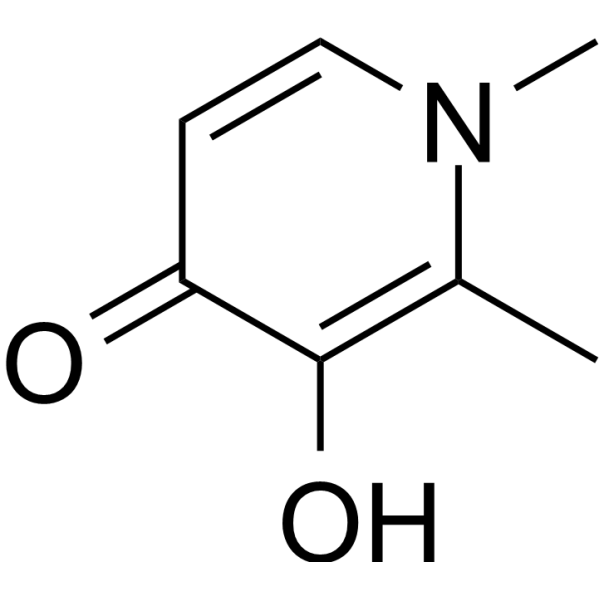
    Deferiprone
    Maximum Cited Publications
    47 Publications Verification

    Ferroptosis HCV Apoptosis COX Histone Demethylase Cardiovascular Disease Infection Neurological Disease Metabolic Disease Inflammation/Immunology Cancer
    Deferiprone is a potent, orally active, brain-penetrant, cell-penetrant, skin-permeable, free iron chelating agent. Deferiprone inhibits the proliferation and migration, and stimulates apoptosis in tumor cell. Deferiprone can inhibit KDM. Deferiprone has antianemic, neuroprotective, anti-inflammatory, antioxidant, and antidotal activity. Deferiprone can be used in cancer, cardiovascular disease, infection, inflammation, and neurological disease study .
    Deferiprone
  • HY-145804
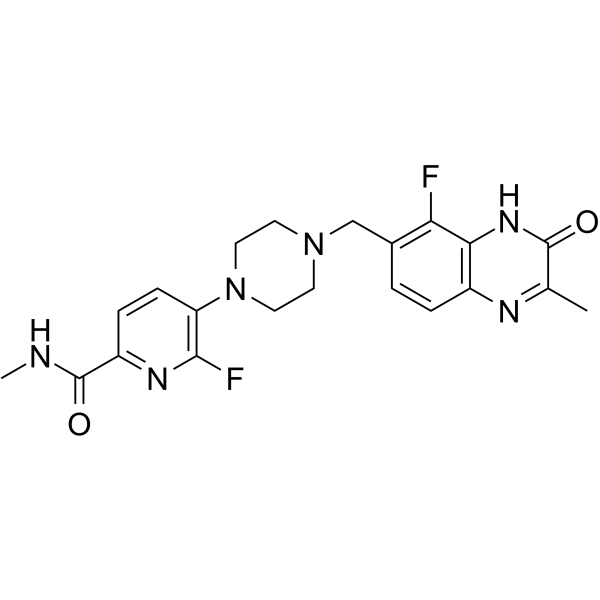
    Palacaparib
    1 Publications Verification

    AZD-9574

    PPAR Neurological Disease Cancer
    AZD-9574 is a potent and brain penetrant PARP1 inhibitor and shows >8000-fold selectivity for PARP1 compared to PARP2/3/5a/6. AZD-9574 acts by selectively inhibiting and trapping PARP1 at the sites of SSBs. AZD-9574 is an anti-cancer agent and can be used for HRD +?breast cancer and advanced solid malignancies research .
    Palacaparib
  • HY-W017540
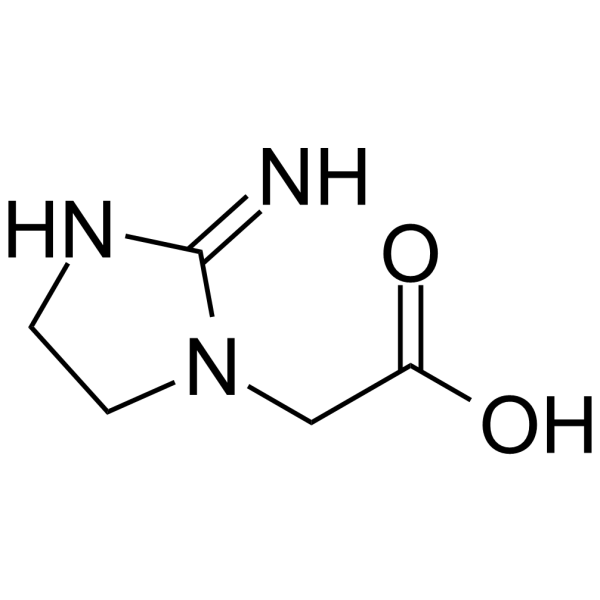
    Cyclocreatine
    1 Publications Verification

    ATP Synthase Cardiovascular Disease Neurological Disease Metabolic Disease Cancer
    Cyclocreatine, a creatine analogue, acts as a brain-penetrant and potent bioenergetic protective agent by providing high levels of ATP. Cyclocreatine can be phosphorylated and dephosphorylated by creatine kinases. Cyclocreatine suppresses creatine metabolism ameliorating the cognitive, autistic and epileptic phenotype in a mouse model of creatine transporter defciency. Cyclocreatine protects against ischemic injury and enhances cardiac recovery during early reperfusion in dogs and rats. Cyclocreatine decreases plaque-adjacent neuronal dystrophy in TREM2-deficient mice with amyloid-β pathology. Cyclocreatine is proming for research of ischemic heart disease, cardiovascular diseases, Alzheimer’s disease and other neurodegenerative diseases associated with microglial dysfunction, prostate cancer .
    Cyclocreatine
  • HY-12624
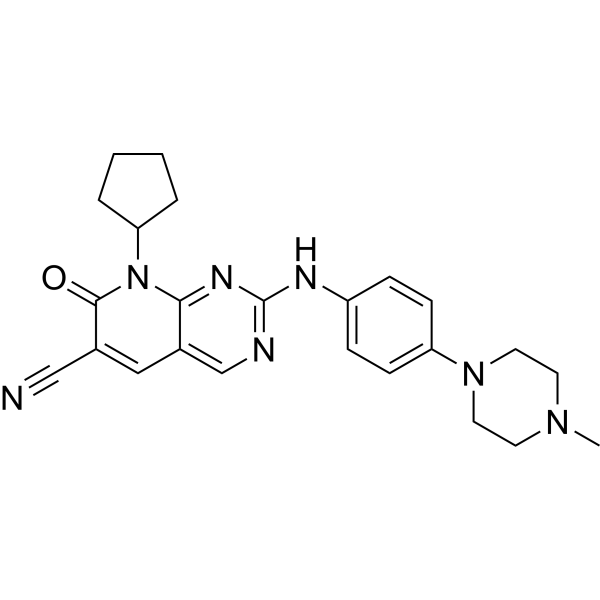
    Narazaciclib
    2 Publications Verification

    ON123300

    CDK AMPK PDGFR Cancer
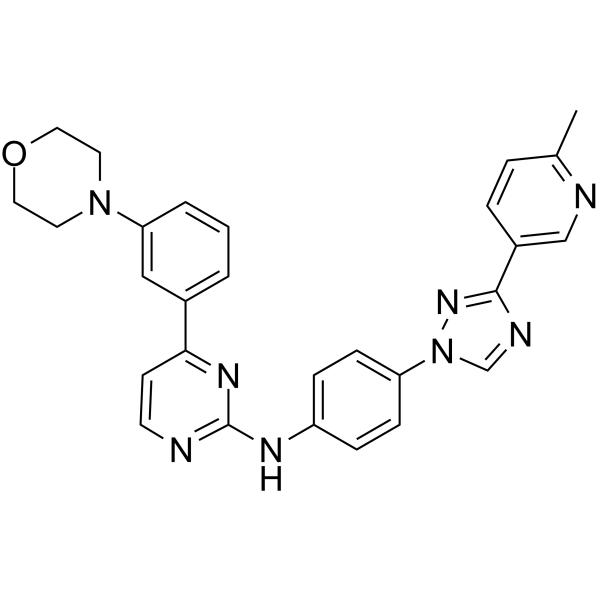
    Narazaciclib (ON123300), a strong and brain-penetrant multi-kinase inhibitor, inhibits CDK4 (IC50=3.9 nM), Ark5 (IC50=5 nM), PDGFRβ (IC50=26 nM), FGFR1 (IC50=26 nM), RET (IC50=9.2 nM), and FYN (IC50=11 nM). Single agent Narazaciclib causes a dose-dependent suppression of phosphorylation of Akt as well as activation of Erk in brain tumors . Narazaciclib inhibits CDK6 with an IC50 of 9.82 nM .
    Narazaciclib
  • HY-W013150

    GABA Receptor Neurological Disease
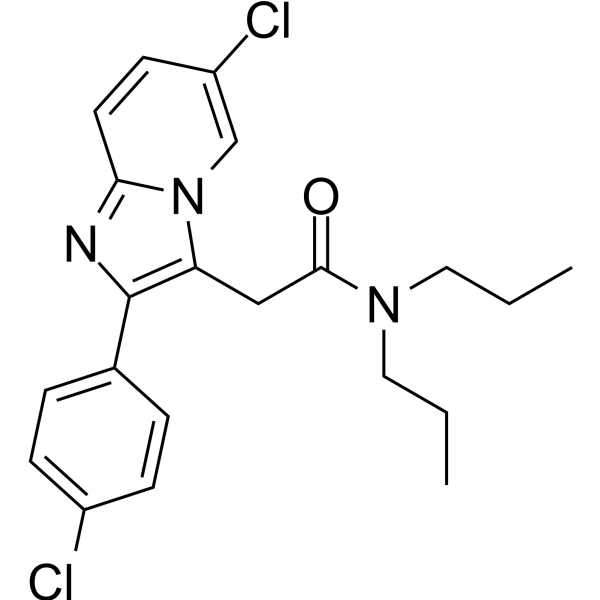
    Alpidem, an anxiolytic agent, is an orally active and brain-penetrant GABAA receptor ligand, binds to α1β2γ2 subunit-containing GABAA receptors (IC50 of 17 nM) over α5β2γ2 subunit-containing GABAA receptors (IC50 of >10 μM). Alpidem modulates calcium-induced mitochondrial permeability transition, induces glutathione depletion and hepatocyte necrosis, potentiates TNF-α toxicity, inhibits marble-burying and locomotor activity, enhances stressed rodent feeding behavior, and exerts anticonvulsant effects. Alpidem can be used for the research of anxiety, anxiety disorders, and convulsions .
    Alpidem
  • HY-B1239
    Drofenine hydrochloride
    1 Publications Verification

    Hexahydroadiphenine hydrochloride

    Cholinesterase (ChE) Potassium Channel Amyloid-β TRP Channel Tau Protein NOD-like Receptor (NLR) JNK NF-κB IKK Neurological Disease Metabolic Disease Inflammation/Immunology
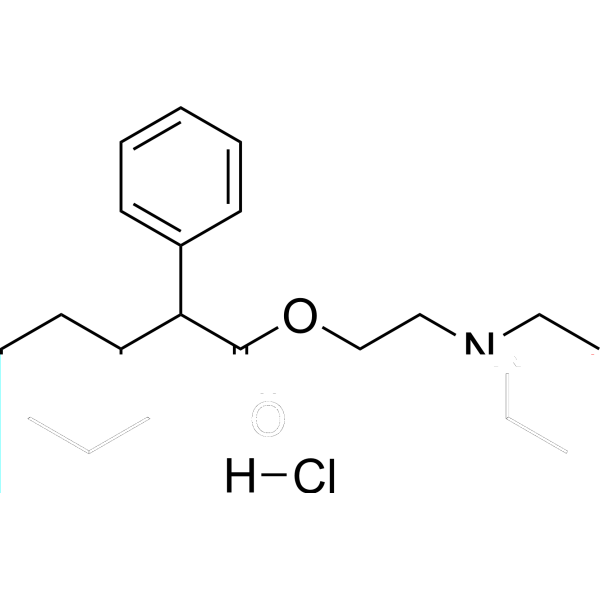
    Drofenine (Cycloadiphene; Hexahydroadiphenine) hydrochloride is an brain-penetrant antispasmodic agent. Drofenine hydrochloride is a Kv2.1 channel inhibitor with human IC50 of 9.53 μM. Drofenine hydrochloride is a butyrylcholinesterase (BChE) inhibitor with Ki of 0.003 mM, and is a TRPV3 activator. Drofenine hydrochloride blocks Kv2.1-dependent potassium efflux, inhibits Kv2.1/JNK/NF-κB and IkBa/NF-kB signaling, suppresses Kv2.1 mRNA/protein expression. Drofenine suppresses oligomeric -induced microglial NLRP3 inflammasome activation and neuronal Tau hyperphosphorylation, improves cognitive impairment, promotes neurite outgrowth. Drofenine hydrochloride induces calcium influx in keratinocytes and exert cytotoxicity against keratinocytes. Drofenine hydrochloride ameliorates diabetic peripheral neuropathy -like pathology. Drofenine hydrochloride can be used for the researches of Alzheimer's disease, diabetic peripheral neuropathy and smooth muscle spasm .
    Drofenine hydrochloride
  • HY-12829
    SR-3306
    1 Publications Verification

    JNK Neurological Disease Metabolic Disease Inflammation/Immunology
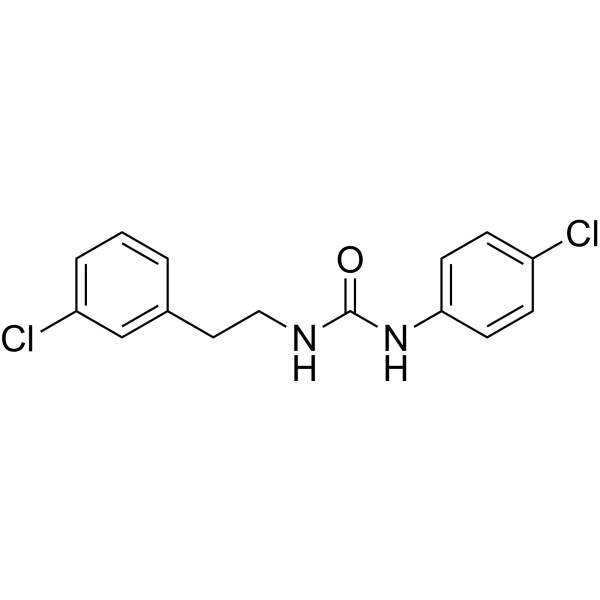
    SR-3306 is a brain-penetrant and selective pan-JNK (JNK1/2/3) inhibitor. SR-3306 is a neuroprotective agent that can be used for the study of Parkinson's disease, ischemia/reperfusion (I/R) injury and obesity .
    SR-3306
  • HY-B0568R

    Reference Standards Ferroptosis HCV Apoptosis COX Infection Cardiovascular Disease Neurological Disease Inflammation/Immunology Endocrinology Cancer
    Deferiprone (Standard) is the analytical standard of Deferiprone. This product is intended for research and analytical applications. Deferiprone is a potent, orally active, brain-penetrant, cell-penetrant, skin-permeable, free iron chelating agent. Deferiprone inhibits the proliferation and migration, and stimulates apoptosis in tumor cell. Deferiprone has antianemic, neuroprotective, anti-inflammatory, antioxidant, and antidotal activity. Deferiprone can be used in cancer, cardiovascular disease, infection, inflammation, and neurological disease study .
    Deferiprone (Standard)
  • HY-P10862

    Exosomes Virus Protease Infection Cancer
    AH-D peptide is a brain-penetrant antiviral agent disrupting highly curved lipid membranes. AH-D peptide exhibits broad-spectrum antiviral activity against ZIKV, Dengue virus, Chikungunya virus, yellow fever virus and Japanese encephalitis virus, with
    IC50
    values of 11.9, 12.5, 35.7, 206 and 136 nM, respectively. AH-D peptide reduces the viral load in the brain, suppresses inflammation, protects neurons, and does not damage the blood brain barrier. AH-D peptide restores antitumor immunity by decreasing circulating PD-L1 + exosomes, reducing intratumoral immunosuppressive cells (regulatory T cells, myeloid-derived suppressor cells), and enhancing T cell function. AH-D peptide inhibits membrane-enveloped viruses and cancer cell metastasis in vivo. AH-D peptide exhibits no immunogenicity and has negligible effects on normal tissues. AH-D peptide can be used for research in Zika virus and other mosquito-borne viruses, cancer immunotherapy and metastasis .
    AH-D peptide
  • HY-163737

    Microtubule/Tubulin Cancer
    ST-401, a microtubule-targeting agent (MTA), is a brain-penetrant microtubule (MT) assembly inhibitor. ST-401 disrupts microtubule (MT) function through gentle and reverisible reduction in MT assembly that triggers mitotic delay and cell death in interphase. ST-401 shows a potent antitumor activity .
    ST-401
  • HY-178048

    Autophagy Neurological Disease
    Neuroprotective agent 13 is a brain-penetrant 1H-benzo[d]imidazoles compound with neuroprotective effect. Neuroprotective agent 13 can activate autophagy and clear SCMAS accumulation from iPSC-derived neural progenitor cells. Neuroprotective agent 13 can be used for the research of neurological disease, such as neuronal ceroid lipofuscinoses (NCLs) .
    Neuroprotective agent 13
  • HY-N10183

    Reactive Oxygen Species (ROS) Neurological Disease
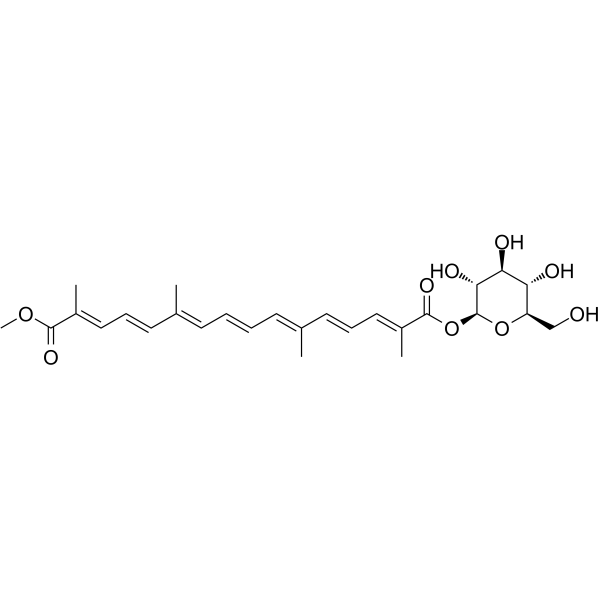
    Crocin-4, a carotenoid constituent of saffron, is a potent and brain-penetrant antioxidant agent. Crocin-4 can inhibit the aggregation and the concomitant deposition of Aβ fibrils in the brain. Crocin-4 can be used for the research of Alzheimer's Disease. Crocin-4 also exhibits antitumor and anti-inflammatory activities .
    Crocin-4
  • HY-178454

    Monoamine Oxidase Amyloid-β Mitochondrial Metabolism Apoptosis Reactive Oxygen Species (ROS) COX NF-κB Neurological Disease
    Multitarget AD-IN-3 is a brain-penetrant neuroprotective agent. Multitarget AD-IN-3 can selectively inhibit MAO-B with an IC50 of 4.42 μM and a SI of 18.12. Multitarget AD-IN-3 can eliminate ROS. Multitarget AD-IN-3 Multitarget AD-IN-3 can inhibit 1-42 self-aggregation and can reverse Aβ1-42-induced mitochondrial membrane depolarization and inhibit apoptosis. Multitarget AD-IN-3 can be used for the research of neurological disease, such as Alzheimer’s disease .
    Multitarget AD-IN-3
  • HY-W017540R

    Reference Standards ATP Synthase Cardiovascular Disease Neurological Disease Metabolic Disease Cancer
    Cyclocreatine, a creatine analogue, acts as a brain-penetrant and potent bioenergetic protective agent by providing high levels of ATP. Cyclocreatine can be phosphorylated and dephosphorylated by creatine kinases. Cyclocreatine suppresses creatine metabolism ameliorating the cognitive, autistic and epileptic phenotype in a mouse model of creatine transporter defciency. Cyclocreatine protects against ischemic injury and enhances cardiac recovery during early reperfusion in dogs and rats. Cyclocreatine decreases plaque-adjacent neuronal dystrophy in TREM2-deficient mice with amyloid-β pathology. Cyclocreatine is proming for research of ischemic heart disease, cardiovascular diseases, Alzheimer’s disease and other neurodegenerative diseases associated with microglial dysfunction, prostate cancer .
    Cyclocreatine (Standard)
  • HY-172604

    TNF Receptor Reactive Oxygen Species (ROS) Neurological Disease Inflammation/Immunology
    Neuroprotective agent 10 (Compound 11c) is a brain-penetrant neuroprotective agent. Neuroprotective agent 10 scavenges ABTS radicals (scavenging IC50: 9.20 μM), DPPH radicals (scavenging IC50: 7.09 μM) and superoxide anion radicals (inhibition percentage: 48.4%). Neuroprotective agent 10 also alleviates H2O2-induced oxidative damage and LPS-induced neuroinflammation with antiepileptic activity. Neuroprotective agent 10 is promising for research of epilepsy and neuroprotection .
    Neuroprotective agent 10
  • HY-155103

    Proteasome Parasite Infection
    Antitrypanosomal agent 15 (compound 26) is an orally active, brain-penetrant, selective inhibitor against Trypanosoma cruzi proteasome, with an pIC50 of 7.4 and <4 for T. cruzi and human proteasome, respectively. Antitrypanosomal agent 15 has favorable ADME properties and can be used for Chagas disease study .
    Antitrypanosomal agent 15
  • HY-178052

    Autophagy Neurological Disease
    Neuroprotective agent 14 is a brain-penetrant 1H-benzo[d]imidazoles compound with neuroprotective effect. Neuroprotective agent 14 can activate autophagy and clear SCMAS accumulation from iPSC-derived neural progenitor cells. Neuroprotective agent 14 can be used for the research of neurological disease, such as neuronal ceroid lipofuscinoses (NCLs) .
    Neuroprotective agent 14
  • HY-177738

    Drug Derivative Neurological Disease Metabolic Disease
    6'Nicotinate Ac4ManNAz (Compound 2) is a brain-penetrant carbohydrate-neuroactive heteromer conjugating Ac4ManNAz (HY-W728531) and Nicotinic acid (HY-B0143). 6'Nicotinate Ac4ManNAz can be used for the development of glycosylation-regulating agents or diagnostic probes that cross the BBB .
    6'Nicotinate Ac4ManNAz
  • HY-145196

    Cannabinoid Receptor Neurological Disease
    RTICBM-189 is a potent, brain-penetrant allosteric modulator of the cannabinoid type-1 (CB1) receptor with a pIC50 of 7.54 in Ca 2+ mobilization assay. RTICBM-189 has pIC50s of 5.29 and 6.25 for hCB1 and mCB1, respectively. RTICBM-189 significantly and selectively attenuates the reinstatement of the addictive agent-seeking behavior in rats .
    RTICBM-189
  • HY-B0568S

    Isotope-Labeled Compounds HCV Ferroptosis Cardiovascular Disease Infection Neurological Disease Metabolic Disease Inflammation/Immunology Cancer
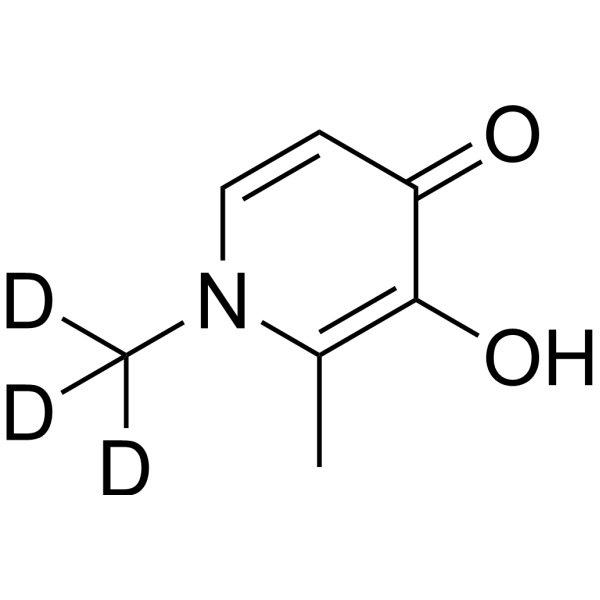
    Deferiprone-d3 is the deuterium labeled Deferiprone (HY-B0568). Deferiprone is a potent, orally active, brain-penetrant, cell-penetrant, skin-permeable, free iron chelating agent. Deferiprone inhibits the proliferation and migration, and stimulates apoptosis in tumor cell. Deferiprone can inhibit KDM. Deferiprone has antianemic, neuroprotective, anti-inflammatory, antioxidant, and antidotal activity. Deferiprone can be used in cancer, cardiovascular disease, infection, inflammation, and neurological disease study .
    Deferiprone-d3
  • HY-W013150R

    Reference Standards GABA Receptor Neurological Disease
    Alpidem (Standard) is the analytical standard of Alpidem (HY-W013150). This product is intended for research and analytical applications. Alpidem, an anxiolytic agent, is an orally active and brain-penetrant GABAA receptor ligand, binds to α1β2γ2 subunit-containing GABAA receptors (IC50 of 17 nM) over α5β2γ2 subunit-containing GABAA receptors (IC50 of >10 μM). Alpidem modulates calcium-induced mitochondrial permeability transition, induces glutathione depletion and hepatocyte necrosis, potentiates TNF-α toxicity, inhibits marble-burying and locomotor activity, enhances stressed rodent feeding behavior, and exerts anticonvulsant effects. Alpidem can be used for the research of anxiety, anxiety disorders, and convulsions.
    Alpidem (Standard)
  • HY-W013150S

    Isotope-Labeled Compounds GABA Receptor Neurological Disease
    Alpidem-d14 is the deuterium labeled Alpidem (HY-W013150) . Alpidem, an anxiolytic agent, is an orally active and brain-penetrant GABAA receptor ligand, binds to α1β2γ2 subunit-containing GABAA receptors (IC50 of 17 nM) over α5β2γ2 subunit-containing GABAA receptors (IC50 of >10 μM). Alpidem modulates calcium-induced mitochondrial permeability transition, induces glutathione depletion and hepatocyte necrosis, potentiates TNF-α toxicity, inhibits marble-burying and locomotor activity, enhances stressed rodent feeding behavior, and exerts anticonvulsant effects. Alpidem can be used for the research of anxiety, anxiety disorders, and convulsions.
    Alpidem-d14
  • HY-W017540S

    Isotope-Labeled Compounds ATP Synthase Cardiovascular Disease Neurological Disease Metabolic Disease Cancer
    Cyclocreatine- 13C3 is the 13C-labeled Cyclocreatine (HY-W017540). Cyclocreatine, a creatine analogue, acts as a brain-penetrant and potent bioenergetic protective agent by providing high levels of ATP. Cyclocreatine can be phosphorylated and dephosphorylated by creatine kinases. Cyclocreatine suppresses creatine metabolism ameliorating the cognitive, autistic and epileptic phenotype in a mouse model of creatine transporter defciency. Cyclocreatine protects against ischemic injury and enhances cardiac recovery during early reperfusion in dogs and rats. Cyclocreatine decreases plaque-adjacent neuronal dystrophy in TREM2-deficient mice with amyloid-β pathology. Cyclocreatine is proming for research of ischemic heart disease, cardiovascular diseases, Alzheimer’s disease and other neurodegenerative diseases associated with microglial dysfunction, prostate cancer .
    Cyclocreatine-13C3
  • HY-B1239A

    Cycloadiphene; Hexahydroadiphenine

    Potassium Channel Cholinesterase (ChE) TRP Channel NOD-like Receptor (NLR) Amyloid-β Tau Protein JNK NF-κB IKK Neurological Disease Metabolic Disease Inflammation/Immunology
    Drofenine (Cycloadiphene; Hexahydroadiphenine) is an brain-penetrant antispasmodic agent. Drofenine is a Kv2.1 channel inhibitor with human IC50 of 9.53 μM. Drofenine is a butyrylcholinesterase (BChE) inhibitor with Ki of 0.003 mM, and is a TRPV3 activator. Drofenine blocks Kv2.1-dependent potassium efflux, inhibits Kv2.1/JNK/NF-κB and IkBa/NF-kB signaling, suppresses Kv2.1 mRNA/protein expression. Drofenine suppresses oligomeric -induced microglial NLRP3 inflammasome activation and neuronal Tau hyperphosphorylation, improves cognitive impairment, promotes neurite outgrowth. Drofenine induces calcium influx in keratinocytes and exert cytotoxicity against keratinocytes. Drofenine ameliorates diabetic peripheral neuropathy -like pathology. Drofenine can be used for the researches of Alzheimer's disease, diabetic peripheral neuropathy and smooth muscle spasm .
    Drofenine
  • HY-186105

    NAMPT Neurological Disease
    P7C3-S243 is a brain-penetrant P7C3 class of neuroprotective agent. P7C3-S243 augments synthesis of nicotinamide adenine dinucleotide through activation of the metabolic enzyme nicotinamide phosphoribosyltransferase. P7C3-S243 shows potent neuroprotective efficacy in parkinson’s disease mice models. P7C3-S243 can be used for the research of parkinson’s disease .
    P7C3-S243
  • HY-183357

    GABA Receptor 5-HT Receptor Reactive Oxygen Species (ROS) TNF Receptor Interleukin Related COX NF-κB IKK NO Synthase Neurological Disease Inflammation/Immunology
    GABAAR/5-HT2AR modulator-1 is an orally active and brain-penetrant GABAAR agonist and 5-HT2AR antagonist with Kd values of 0.89 and 0.78 μM. GABAAR/5-HT2AR modulator-1 blocks 5-HT-stimulated IP1 accumulation, inducing a chloride current, reduces LPS (HY-D1056)-induced increases of ROS, NO, TNF-α, IL-6, IL-1β, iNOS, and COX-2 levels. Antidepressant agent 11 dihydrochloride inhibits NF-κB pathway activation by reducing IκBα and p65 phosphorylation and blocking p65 nuclear translocation. GABAAR/5-HT2AR modulator-1 alleviates depression-like behaviors in LPS-challenged and chronic restraint stress-challenged mice, and protects hippocampal neurons against inflammation-mediated damage .
    GABAAR/5-HT2AR modulator-1
  • HY-183672

    c-Met/HGFR Cancer
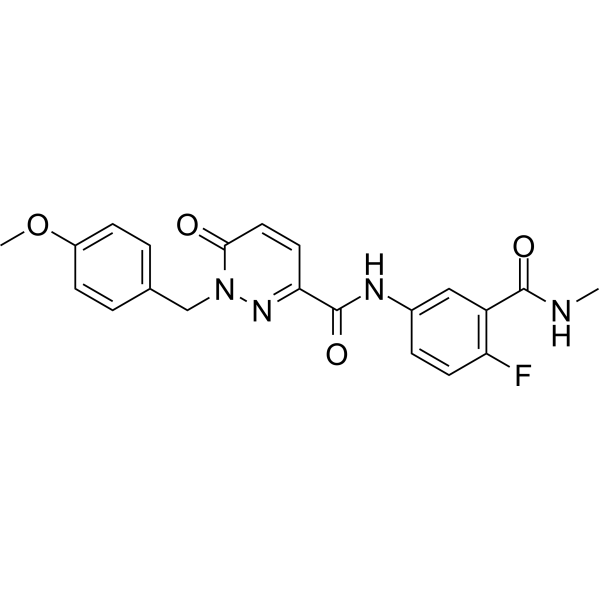
    c-Met-IN-28 is a type III allosteric inhibitor of c-MET, with pKi values of 7.4 (WT) and 7.1 (D1228V), and IC50 values of 37 nM (WT) and 72 nM (D1228V) against human c-MET. c-Met-IN-28 can be used for research on c-MET-driven cancers .
    c-Met-IN-28

Inquiry Online

Your information is safe with us. * Required Fields.

Salutation


Country or Region *

Applicant Name *


Organization Name *

Department *


Email Address *


Product Name *

Cat. No.


Requested quantity *

Phone Number *


Remarks

Inquiry Online

Inquiry Information

Product Name:
Cat. No.:
Quantity:
MCE Japan Authorized Agent:

