1. Search Result
Search Result
Results for "

cardiac tissue

" in MedChemExpress (MCE) Product Catalog:

38

Inhibitors & Agonists

5

Biochemical Assay Reagents

2

Peptides

4

Natural
Products

1

Isotope-Labeled Compounds

4

Oligonucleotides

Cat. No. Product Name Target Research Areas Chemical Structure
  • HY-W018026

    L-p-Hydroxyphenylglycine; 4-Hydroxy-L-phenylglycine; UK 25842

    Acyltransferase Apoptosis Cardiovascular Disease Metabolic Disease
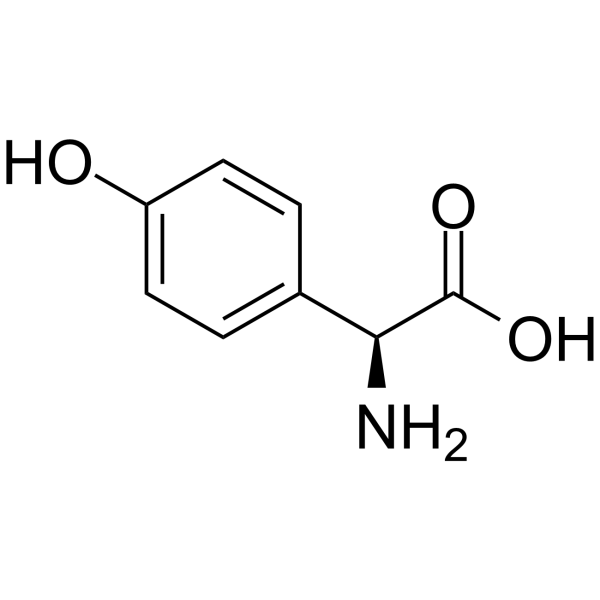
    Oxfenicine (L-p-Hydroxyphenylglycine) is an orally active carnitine palmitoyltransferase-1 inhibitor. Oxfenicine inhibits the oxidation of fatty acids in the heart, protecting cardiac tissue from necrotic damage during ischemia, and also has an inhibitory effect on cardiac tissue apoptosis. In addition, Oxfenicine promotes lipolysis in a high-fat diet rat model. Oxfenicine can be used in the study of cardiovascular and metabolic diseases .
    Oxfenicine
  • HY-B1018A
    Phenelzine sulfate
    Maximum Cited Publications
    6 Publications Verification

    Monoamine Oxidase GABA Receptor Histone Demethylase Cardiovascular Disease Neurological Disease Metabolic Disease Inflammation/Immunology Cancer
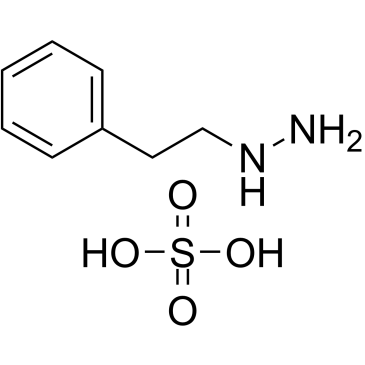
    Phenelzine sulfate, an antidepressant agent, is an irreversible and orally active monoamine oxidase (MAO-A and MAO-B) inhibitor. Phenelzine sulfate inhibits GABA transaminase and primary amine oxidase (PrAO), and sequester reactive aldehydes. Phenelzine sulfate also inhibits LSD1 (Ki: 5.6 μM) and suppresses oxidative stress and lipogenesis. Phenelzine sulfate elevates neurotransmitters (serotonin, norepinephrine, dopamine). Phenelzine sulfate is studied in neurological, metabolic and cancer diseases for depression and anxiety disorders, stroke, spinal cord injury, traumatic brain injury, multiple sclerosis, Parkinson’s disease, Alzheimer’s disease, inflammatory pain, obesity and prostate cancer .
    Phenelzine sulfate
  • HY-N2263
    Skimmin
    1 Publications Verification

    Umbelliferone glucoside

    Interleukin Related TGF-β Receptor TNF Receptor Parasite Inflammation/Immunology
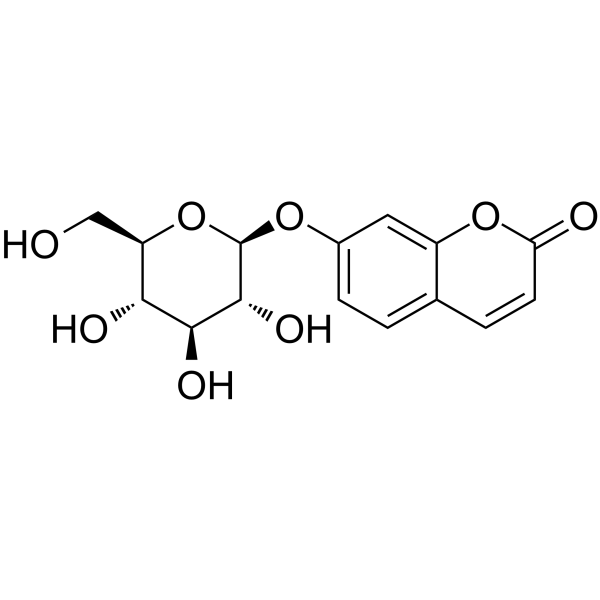
    Skimmin (Umbelliferone glucoside) is a major pharmacologically active and orally active molecule present in Hydrangea paniculata, a medical herb used in traditional Chinese medicine as an anti-inflammatory agent. Skimmin has renal protective activity. Skimmin can improve creatinine clearance, and reduce plasma creatinine, and kidney injuries. Skimmin has good anti-amoebic activity against the HM1:IMMS strain of Entamoeba histolytica. Skimmin has anti-cancer and neuroprotective activities. Skimmin reduces cardiac fibrosis as well as decreasing TNF-α, IL-6, IL1β, and TGFβ1 in cardiac tissues. Skimmin can be studied in research for diabetes and diabetes-related diseases .
    Skimmin
  • HY-149662

    Calcium Channel ATP Synthase Myosin Cardiovascular Disease
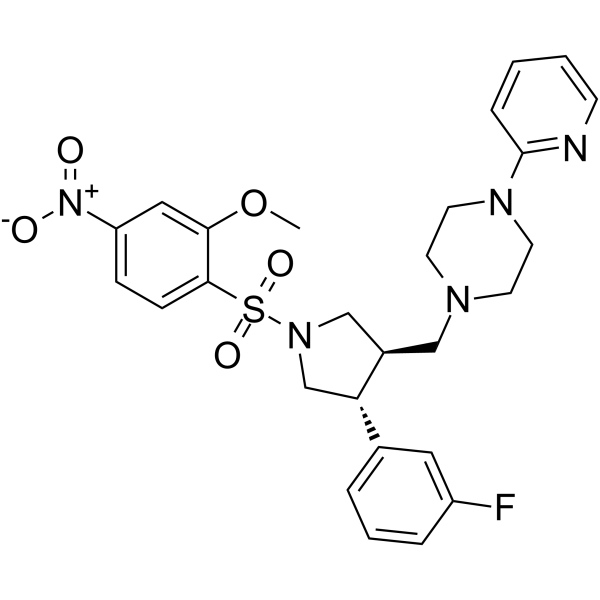
    TMDJ-035 is a high-affinity, selective RyR2 inhibitor with an EC50 of 0.0130 μM. TMDJ-035 reduces RyR2 protein expression without affecting action potential-induced Ca 2+ transients. TMDJ-035 decreases ATP content and intracellular Ca 2+ levels. TMDJ-035 inhibits arrhythmias in a CPVT mouse model carrying mutant RyR2s. TMDJ-035 has no effect on electrocardiogram parameters or cardiac systolic function. TMDJ-035 exacerbates heart failure in mouse myocardial infarction models and hypoxic cardiomyocytes by altering cardiac function, causing tissue damage, promoting inflammatory infiltration, collagen deposition, and changes in Myosin heavy chain/actin expression. TMDJ-035 can be used in studies related to heart failure, catecholaminergic polymorphic ventricular tachycardia, and arrhythmias .
    TMDJ-035
  • HY-B0653A
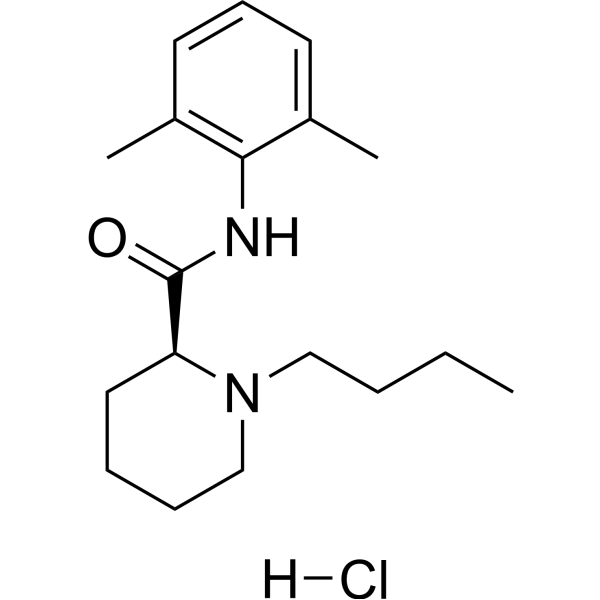
    Levobupivacaine hydrochloride
    2 Publications Verification

    (S)-(-)-Bupivacaine monohydrochloride

    Sodium Channel Ferroptosis Cardiovascular Disease Neurological Disease Cancer
    Levobupivacaine hydrochloride ((S)-(-)-Bupivacaine monohydrochloride) is a long-acting amide local agent that can suppress or relieve pain. Levobupivacaine hydrochloride exerts agent that can suppress or relieve pain. and analgesic effects through reversible blockade of neuronal sodium channel. Levobupivacaine hydrochloride can inhibit impulse transmission and conduction in cardiovascular and other tissues, possessing certain cardiac and CNS toxicity. Levobupivacaine hydrochloride is metabolized by hepatic cytochrome P450 (CYP450) enzymes in vivo. Levobupivacaine hydrochloride can also induce ferroptosis by miR-489-3p/SLC7A11 signaling in gastric cancer .
    Levobupivacaine hydrochloride
  • HY-12717A
    Phentolamine hydrochloride
    Maximum Cited Publications
    6 Publications Verification

    Adrenergic Receptor Cardiovascular Disease Endocrinology
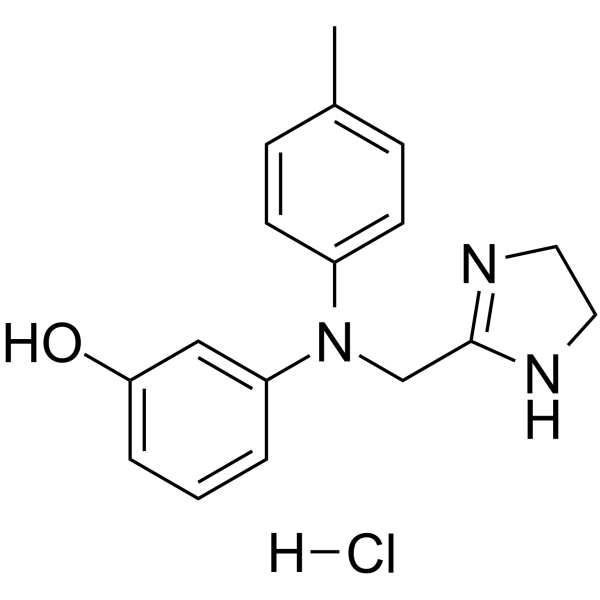
    Phentolamine hydrochloride is an orally active, selective α1 and α2 Adrenergic receptor antagonist. Phentolamine hydrochloride antagonizes the vasodilatory effect of Cromakalim (HY-110011) on isolated circumflex coronary artery segments in dogs. Phentolamine hydrochloride reduces systemic vascular resistance and increases cardiac output. Phentolamine hydrochloride improves erectile dysfunction. Phentolamine hydrochloride can be used for the research of erectile dysfunction .
    Phentolamine hydrochloride
  • HY-177204

    Ferroptosis Apoptosis Glutathione Peroxidase Cardiovascular Disease
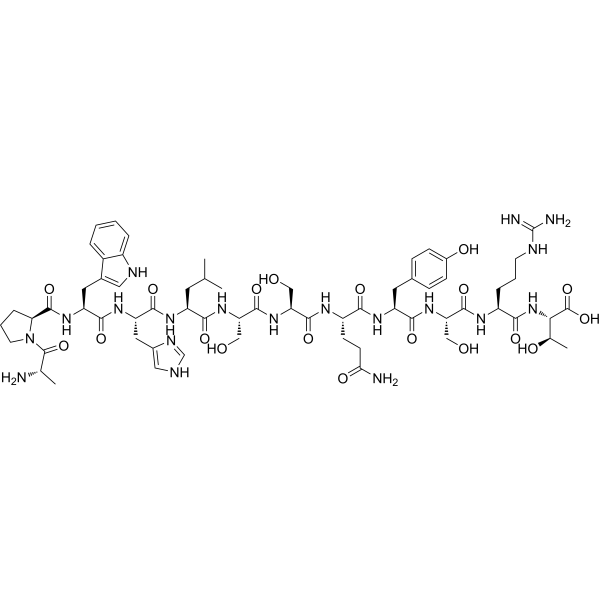
    DSPE-PEG2000-WLSEAGPVVTVRALRGTGSW is a polypeptide targeting tenascin-X (Tenascin-X) that can be conjugated with liposomes and exosomes. DSPE-PEG2000-WLSEAGPVVTVRALRGTGSW specifically binds to Tenascin-X on the surface of cardiomyocytes, mediates receptor-dependent uptake of nanocarriers, enhances targeted drug delivery of cargo to cardiomyocytes, and increases drug accumulation in cardiac tissue. DSPE-PEG2000-WLSEAGPVVTVRALRGTGSW protects cardiomyocytes treated with LPS, alleviates oxidative stress, repairs mitochondrial function, inhibits ferroptosis and apoptosis, and downregulates the secretion of pro-inflammatory cytokines at the same time. DSPE-PEG2000-WLSEAGPVVTVRALRGTGSW improves cardiac injury and pathological morphology in mice with sepsis-induced cardiomyopathy, restores GPX4 expression, and promotes the internalization of cardiomyocyte-derived exosomes, making it suitable for related research on sepsis-induced cardiomyopathy, myocardial ischemia-reperfusion injury, and other conditions .
    DSPE-PEG2000-WLSEAGPVVTVRALRGTGSW
  • HY-174400

    SGLT SOD Na+/H+ Exchanger (NHE) Autophagy Cardiovascular Disease
    SGLT2-IN-2 (Compound E9) is an inhibitor of SGLT2. SGLT2-IN-2 significantly enhances the inhibition of SGLT2, NHE1, and SOD enzyme activity. SGLT2-IN-2 has protective effect on the glucose-free DMEM-induced injured cardiomyocytes. SGLT2-IN-2 significantly improves cardiac function in TAC-induced HF mice and inhibits cardiomyocyte hypertrophy as well as collagen deposition. SGLT2-IN-2 can ameliorate myocardial tissue damage and enhance mitochondrial autophagy in injured cardiomyocytes, thereby increasing survival rates in HF mice .
    SGLT2-IN-2
  • HY-120006A
    (rel)-AR234960
    1 Publications Verification

    ERK Cardiovascular Disease
    (rel)-AR234960 is a selective and competitive agonist of the G protein-coupled receptor MAS. (rel)-AR234960 binds to the MAS receptor to activate the downstream ERK1/2 signaling pathway, inducing the expression of connective tissue growth factor (CTGF) and its downstream collagen subtype genes (such as COL1A1, COL3A1). (rel)-AR234960 promotes collagen synthesis in cardiac fibroblasts through the MAS-ERK1/2-CTGF pathway and aggravates extracellular matrix remodeling. (rel)-AR234960's in vitro effect can be blocked by the MAS inverse agonist AR244555 and MEK1 inhibitor. (rel)-AR234960 regulates the expression of cardiac fibrosis-related genes and can be used in the study of heart failure .
    (rel)-AR234960
  • HY-164583

    Phosphoramidites DNA/RNA Synthesis Others
    DMTr-2'-O-C22-rA-3'-CE-Phosphoramidite is an RNA phosphoramidite monomer. DMTr-2'-O-C22-rA-3'-CE-Phosphoramidite allows site-specific introduction of a 2'-O-C22 lipophilic modification at adenosine positions to construct double-stranded RNA (dsRNA) molecules with extrahepatic delivery capability. DMTr-2'-O-C22-rA-3'-CE-Phosphoramidite supports target gene silencing in skeletal muscle, cardiac muscle and adipose tissue by enhancing the lipophilicity and tissue uptake efficiency of dsRNA. DMTr-2'-O-C22-rA-3'-CE-Phosphoramidite can be used for the construction and mechanism research of nucleic acid silencing molecules .
    DMTr-2'-O-C22-rA-3'-CE-Phosphoramidite
  • HY-P10641

    Exosomes STAT ERK Akt Cardiovascular Disease
    Heart-homing peptide is a heart-targeting peptide with the sequence CRPPR that mediates cardiac endothelial targeting and accumulates in cardiac tissues. Heart-homing peptide mediates the translocation of liposomal and exosomal cargos across cardiac endothelium into interstitial tissues, enhances the accumulation of exosomes in the heart, and inhibits the GP130-STAT3/ERK1/2/AKT pathway. Heart-homing peptide accumulates at sites of ischemia/reperfusion, myocardial infarction and hypertrophy in mice. Heart-homing peptide can be used for the research of cardiovascular diseases .
    Heart-homing peptide
  • HY-164582

    Phosphoramidites DNA/RNA Synthesis Others
    DMTr-2'-O-C22-rC (Ac)-3'-CE-Phosphoramidite is an RNA phosphoramidite monomer. DMTr-2'-O-C22-rC (Ac)-3'-CE-Phosphoramidite enables site-specific introduction of 2'-O-C22 lipophilic modification at cytidine positions during oligonucleotide synthesis, which is used to construct double-stranded RNA (dsRNA) molecules with extrahepatic delivery capability. DMTr-2'-O-C22-rC (Ac)-3'-CE-Phosphoramidite supports target gene silencing in skeletal muscle, cardiac muscle and adipose tissue by enhancing the lipophilicity and tissue uptake efficiency of dsRNA. Construction and mechanism study of DMTr-2'-O-C22-rC (Ac)-3'-CE-Phosphoramidite nucleic acid silencing molecules .
    DMTr-2'-O-C22-rC(Ac)-3'-CE-Phosphoramidite
  • HY-14825A

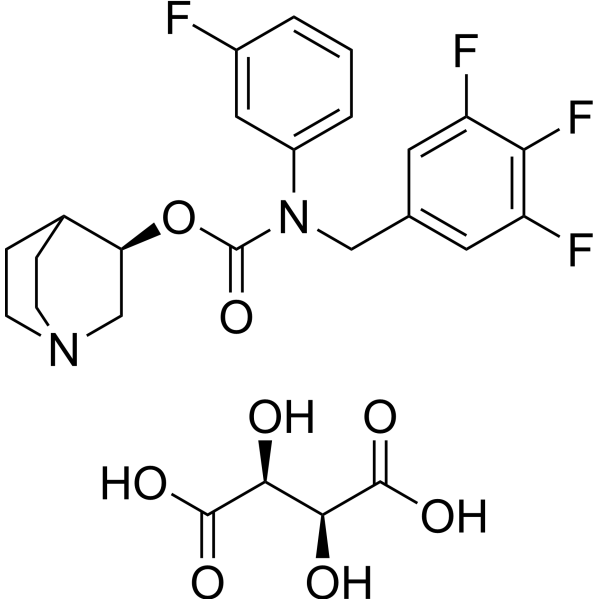
    SVT-40776 D-tartrate

    mAChR Inflammation/Immunology
    Tarafenacin (SVT-40776) (D-tartrate) is an orally active, selective M3 muscarinic receptor (M3 muscarinic receptor) antagonist with 203-fold selectivity over the M2 muscarinic receptor. Tarafenacin (D-tartrate) does not affect atrial contraction, arterial blood pressure or arterial pressure at high doses. Tarafenacin (D-tartrate) can be used in the research of overactive bladder .
    Tarafenacin D-tartrate
  • HY-117658

    MAP3K Cardiovascular Disease
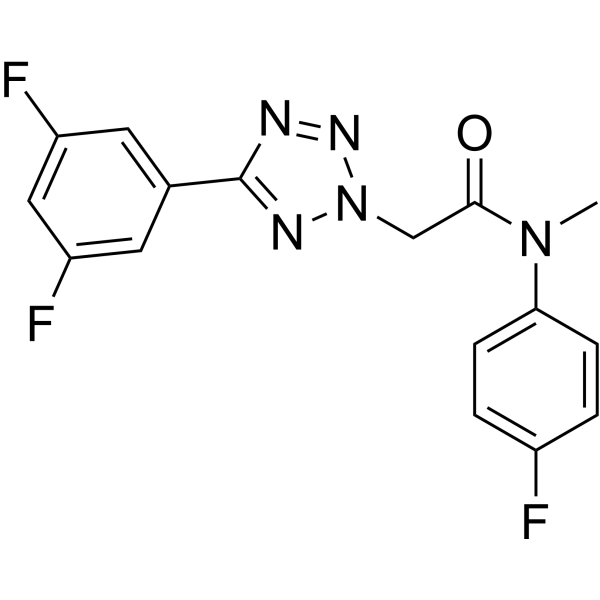
    GSK-114 is a highly selective, orally active TNNI3K inhibitor (IC50= 25 nM). GSK-114 shows a 40-fold selectivity for TNNI3K over B-Raf kinase (IC50= 1 μM). Cardiac troponin I-interacting kinase (TNNI3K or CARK) is a member of the tyrosine-like kinase family that is selectively expressed in heart tissue .
    GSK-114
  • HY-B0653
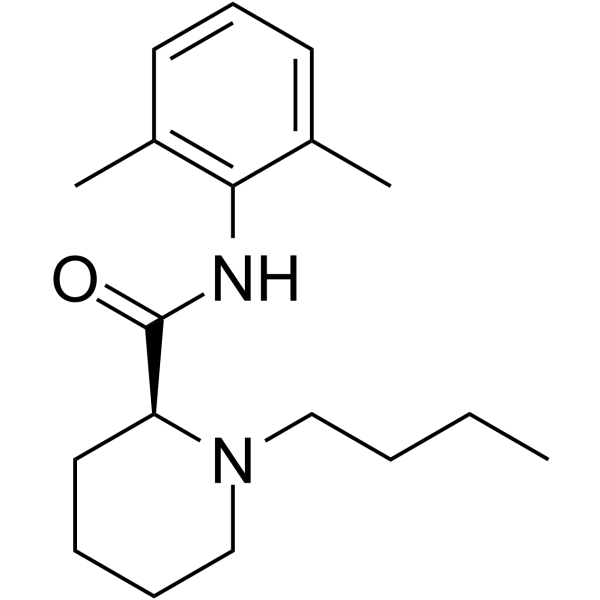
    Levobupivacaine
    2 Publications Verification

    (S)-(-)-Bupivacaine

    Sodium Channel Ferroptosis Neurological Disease Cancer
    Levobupivacaine ((S)-(-)-Bupivacaine) is a long-acting amide local agent that can suppress or relieve pain. Levobupivacaine exerts agent that can suppress or relieve pain. and analgesic effects through reversible blockade of neuronal sodium channel. Levobupivacaine can inhibit impulse transmission and conduction in cardiovascular and other tissues, possessing certain cardiac and CNS toxicity. Levobupivacaine is metabolized by hepatic cytochrome P450 (CYP450) enzymes in vivo. Levobupivacaine can also induce ferroptosis by miR-489-3p/SLC7A11 signaling in gastric cancer .
    Levobupivacaine
  • HY-164581

    Phosphoramidites DNA/RNA Synthesis Others
    DMTr-2'-O-C22-rG (ibu)-3'-CE-Phosphoramidite is an RNA phosphoramidite monomer for oligonucleotide synthesis. DMTr-2'-O-C22-rG (ibu)-3'-CE-Phosphoramidite enables site-specific introduction of 2'-O-C22 lipophilic modification at guanosine positions to construct double-stranded RNA (dsRNA) molecules with extrahepatic delivery capability. DMTr-2'-O-C22-rG (ibu)-3'-CE-Phosphoramidite supports target gene silencing in skeletal muscle, cardiac muscle and adipose tissue by enhancing the lipid solubility and tissue uptake efficiency of dsRNA. DMTr-2'-O-C22-rG (ibu)-3'-CE-Phosphoramidite can be used for the construction and mechanism research of nucleic acid silencing molecules .
    DMTr-2'-O-C22-rG(ibu)-3'-CE-Phosphoramidite
  • HY-177361

    Sodium Channel Cardiovascular Disease
    Zocainone is an antiarrhythmic agent. Zocainone blocks sodium channels in cardiac tissue, stabilizing the cardiac action potential and reducing abnormal electrical activity. Zocainone is promising for research of cardiac arrhythmias .
    Zocainone
  • HY-16121

    Cathepsin Others
    CAA-0225 is a tissue protease L inhibitor that inhibits rat liver tissue protease L with a IC50 value of 1.9 nM. CAA-0225 can participate in the degradation of autophagosome membrane markers LC3-II and GABARAP (HY-P72639), improve cardiac function in mice with reperfusion injury, and kill and eliminate Trypanosoma brucei parasites [1][2][3].
    CAA-0225
  • HY-123659

    Na+/H+ Exchanger (NHE) Apoptosis Cardiovascular Disease Cancer
    KR-33028 is a selective NHE1 inhibitor. KR-33028 reduces hypoxia-induced necrosis and apoptosis in H9c2 cells. KR-33028 inhibits hypoxia-induced increases in cytoplasmic and mitochondrial Ca 2+ levels and cytochrome c release. KR-33028 improves cardiac contractility, reduces lactate dehydrogenase release, and increases tissue ATP, creatine phosphate, and glycogen levels. KR-33028 can be used in research on cancers such as cardioblastoma and cardiovascular diseases such as ischemic stroke .
    KR-33028
  • HY-N6609

    nAChR Others
    Magnocurarine is a neuromuscular junction blocker that inhibits muscle contraction by functionally blocking signal transmission without directly damaging nerve or muscle tissues. In frog, mouse and rabbit models, Magnocurarine exerts a dose-dependent paralytic effect, which progresses gradually from limb weakness and loss of righting reflex to respiratory depression and even cardiac arrest. Although high doses cause complete cessation of movement, Magnocurarine does not affect the spinal multineuronal reflex in frogs. Magnocurarine exhibits biological activity similar to that of tubocurarine (HY-125901) in various animal models .
    Magnocurarine
  • HY-130272

    Drug Derivative Cardiovascular Disease
    Anti-MI/R injury agent 1 (compound 18), a Panaxatriol derivative, is an orally active, potent anti-myocardial ischemia/reperfusion (anti-MI/R) injury agent. Anti-MI/R injury agent 1 enhances oxygen-glucose deprivation and reperfusion (OGD/R)-induced cardiomyocyte injury cell viability. Anti-MI/R injury agent 1 can markedly reduce myocardial infarction size, decrease circulating cardiac troponin I (cTnI) leakage, and alleviate cardiac tissue damage in the rats .
    Anti-MI/R injury agent 1
  • HY-120682

    mAChR Neurological Disease
    UH-AH 37 is a muscarinic (mAChR) antagonist. UH-AH 37 exhibits a higher potency in inhibiting muscarinic responses in intestinal tissue than cardiac tissue .
    UH-AH 37
  • HY-122405

    Others Cardiovascular Disease
    Quebrachidine is an indole alkaloid that exhibits antiarrhythmic profile. Quebrachidine also demonstrates a net positive inotropic action on cardiac tissues .
    Quebrachidine
  • HY-123251

    Parasite Infection
    DB-766 is an anti-parasite and antileishmanial agent, and is active against T. cruzi. DB-766 effectively reduces the parasite load in the blood and cardiac tissue .
    DB-766
  • HY-116759

    Potassium Channel Cardiovascular Disease
    VU0405601 is a potent KV11.1 channel activator. VU0405601 protects cardiac tissue from dofetilide (HY-B0232)-induced ventricular tachycardia .
    VU0405601
  • HY-169052

    JNK Apoptosis Cardiovascular Disease Inflammation/Immunology
    Cyy-272 is an orally active JNK inhibitor with IC50 values of 1.25 μM for JNK1, 1.07 μM for JNK2, and 1.24 μM for JNK3. Cyy-272 exerts anti-inflammatory effects by inhibiting JNK phosphorylation, thereby alleviating acute lung injury (ALI) induced by lipopolysaccharide (LPS, HY-D1056). Additionally, Cyy-272 significantly reduces inflammation in cardiomyocytes and cardiac tissue induced by high lipid concentrations, further mitigating cardiac hypertrophy, fibrosis, and apoptosis. Cyy-272 can be used in the study of obese cardiomyopathy .
    Cyy-272
  • HY-162902

    TGF-β Receptor Cardiovascular Disease
    ALK5-IN-82 is a potent and selective inhibitor against activin receptor-like kinase 5 (ALK5) with an IC50 value of 9.1 nM. ALK5-IN-82 inhibits the protein expression of α-smooth muscle actin (α-SMA), collagen I and tissue inhibitor of metalloproteinase 1 (TIMP-1)/matrix metalloproteinase 13 (MMP-13) in transforming growth factor-β-induced human umbilical vein endothelial cells. ALK5-IN-82 is promising for research of cardiac fibrosis .
    ALK5-IN-82
  • HY-B0653AS

    (S)-(–)-Bupivacaie-d9hydrochloride

    Isotope-Labeled Compounds Ferroptosis Sodium Channel Cardiovascular Disease Neurological Disease Cancer
    Levobupivacaine-d9 ((S)-(–)-Bupivacaie-d9) hydrochloride is deuterium labeled Levobupivacaine hydrochloride (HY-B0653A). Levobupivacaine hydrochloride ((S)-(-)-Bupivacaine monohydrochloride) is a long-acting amide local agent that can suppress or relieve pain. Levobupivacaine hydrochloride exerts agent that can suppress or relieve pain. and analgesic effects through reversible blockade of neuronal sodium channel. Levobupivacaine hydrochloride can inhibit impulse transmission and conduction in cardiovascular and other tissues, possessing certain cardiac and CNS toxicity. Levobupivacaine hydrochloride is metabolized by hepatic cytochrome P450 (CYP450) enzymes in vivo. Levobupivacaine hydrochloride can also induce ferroptosis by miR-489-3p/SLC7A11 signaling in gastric cancer .
    Levobupivacaine-d9 hydrochloride
  • HY-14825

    SVT-40776

    mAChR Inflammation/Immunology
    Tarafenacin (SVT-40776) is an orally active, selective M3 muscarinic receptor (M3 muscarinic receptor) antagonist with 203-fold selectivity over the M2 muscarinic receptor. Tarafenacin does not affect atrial contraction, arterial blood pressure or arterial pressure at high doses. Tarafenacin can be used in the research of overactive bladder .
    Tarafenacin
  • HY-182095C

    Liposome Cardiovascular Disease
    DSPE-PEG5000-CTP is a PEG compound which composed of DSPE and a Cardiac-targeting peptide CTP (HY-P4094). CTP molecules that specifically recognize cardiac tissue and is primarily used for targeted drug delivery. CTP effectively recognizes and binds to specific receptors on the surface of cardiac cells, thereby achieving precise localization of drug molecules. DSPE-PEG5000-CTP can be used for drug delivery .
    DSPE-PEG5000-CTP
  • HY-182095A

    Liposome Cardiovascular Disease
    DSPE-PEG2000-CTP is a PEG compound which composed of DSPE and a Cardiac-targeting peptide CTP (HY-P4094). CTP molecules that specifically recognize cardiac tissue and is primarily used for targeted drug delivery. CTP effectively recognizes and binds to specific receptors on the surface of cardiac cells, thereby achieving precise localization of drug molecules. DSPE-PEG2000-CTP can be used for drug delivery .
    DSPE-PEG2000-CTP
  • HY-182095B

    Liposome Cardiovascular Disease
    DSPE-PEG3400-CTP is a PEG compound which composed of DSPE and a Cardiac-targeting peptide CTP (HY-P4094). CTP molecules that specifically recognize cardiac tissue and is primarily used for targeted drug delivery. CTP effectively recognizes and binds to specific receptors on the surface of cardiac cells, thereby achieving precise localization of drug molecules. DSPE-PEG3400-CTP can be used for drug delivery .
    DSPE-PEG3400-CTP
  • HY-182095

    Liposome Cardiovascular Disease
    DSPE-PEG1000-CTP is a PEG compound which composed of DSPE and a Cardiac-targeting peptide CTP (HY-P4094). CTP molecules that specifically recognize cardiac tissue and is primarily used for targeted drug delivery. CTP effectively recognizes and binds to specific receptors on the surface of cardiac cells, thereby achieving precise localization of drug molecules. DSPE-PEG1000-CTP can be used for drug delivery .
    DSPE-PEG1000-CTP
  • HY-W982689

    Biochemical Assay Reagents Metabolic Disease
    Fluindarol is a phenylindandione derivative and an orally active anticoagulant. Fluindarol acts as a toxicant that induces organ and tissue haemorrhages and liver parenchymal necrosis in rats. Fluindarol exhibits acute and cumulative preclinical toxicity in rats, rabbits, and dogs, with higher toxicity in female rats than male rats. Fluindarol lacks analgesic action, produces only minor blood pressure effects, and does not alter circulation, respiration, CNS, or cardiac activity. Fluindarol is considered too toxic for clinical use based on preclinical data .
    Fluindarol
  • HY-N6609B

    nAChR Cardiovascular Disease
    Magnocurarine chloride is a neuromuscular junction blocker that inhibits muscle contraction by functionally blocking signal transmission without directly damaging nerve or muscle tissues. In frog, mouse and rabbit models, Magnocurarine chloride exerts a dose-dependent paralytic effect, which progresses gradually from limb weakness and loss of righting reflex to respiratory depression and even cardiac arrest. Although high doses cause complete cessation of movement, Magnocurarine chloride does not affect the spinal multineuronal reflex in frogs. Magnocurarine chloride exhibits biological activity similar to that of tubocurarine (HY-125901) in various animal models .
    Magnocurarine chloride
  • HY-105439A

    LY 150378

    Drug Derivative Cardiovascular Disease
    Clofilium phosphate (LY 150378) is an antiarrhythmic/antifibrillatory agent. Clofilium phosphate significantly prolongs the action potential duration and effective refractory period of canine cardiac Purkinje fibers, increases the ventricular fibrillation threshold, reduces the risk of reentrant arrhythmias, and enables spontaneous conversion of some ventricular fibrillation episodes to sinus rhythm. Clofilium phosphate is applicable to research related to ventricular fibrillation, arrhythmias, and ventricular tachyarrhythmias .
    Clofilium phosphate
  • HY-182392

    DNA/RNA Synthesis Inflammation/Immunology
    NFYi5 is a nuclear transcription factor-Y (NF-Y) inhibitor. NFYi5 disrupts the binding of NF-Y to DNA, accelerates the ubiquitin-independent degradation of the NF-YA subunit, and reduces the transcriptional activity of NF-Y. As an antimitotic agent, NFYi5 decreases the mRNA levels of NF-Y target genes without affecting the expression of housekeeping genes, and inhibits cell proliferation. NFYi5 can be used in the research of tissue fibrosis .
    NFYi5
  • HY-183709

    Sodium Channel Neurological Disease
    Nav1.8-IN-24 is a voltage-gated sodium channel Nav1.8 inhibitor with pIC50 values of 7.4 (resting state) and 7.5 (inactivated state), and it exhibits high selectivity for NaV1.1-1.7 subtypes. Nav1.8-IN-24 possesses in vitro safety and drug interaction profiles. Nav1.8-IN-24 can be used for the research of acute pain and chronic neuropathic pain .
    Nav1.8-IN-24

Inquiry Online

Your information is safe with us. * Required Fields.

Salutation


Country or Region *

Applicant Name *


Organization Name *

Department *


Email Address *


Product Name *

Cat. No.


Requested quantity *

Phone Number *


Remarks

Inquiry Online

Inquiry Information

Product Name:
Cat. No.:
Quantity:
MCE Japan Authorized Agent:

