1. Search Result
Search Result
Results for "

cholinergic activity

" in MedChemExpress (MCE) Product Catalog:

62

Inhibitors & Agonists

1

Screening Libraries

2

Biochemical Assay Reagents

1

Peptides

8

Natural
Products

8

Isotope-Labeled Compounds

Cat. No. Product Name Target Research Areas Chemical Structure
  • HY-B0282
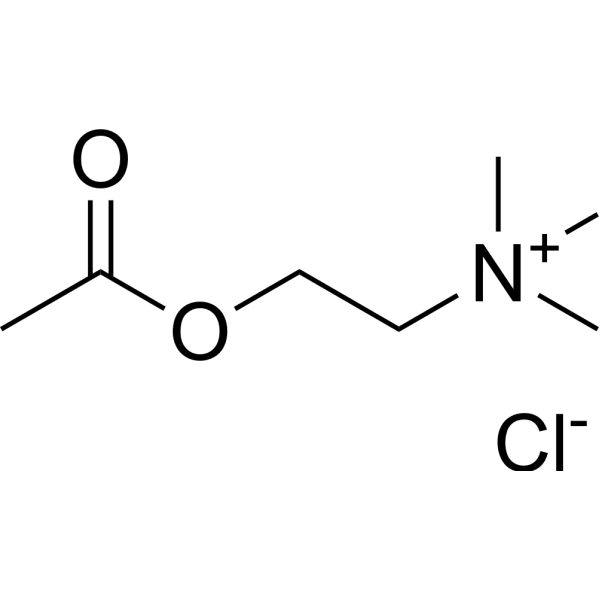
    Acetylcholine chloride
    20+ Cited Publications

    ACh chloride

    nAChR Calcium Channel Endogenous Metabolite Infection Neurological Disease Cancer
    Acetylcholine chloride (ACh chloride), a neurotransmitter, is a potent and BBB-permeable cholinergic agonist. Acetylcholine chloride is a modulator of the activity of dopaminergic (DAergic) neurons through the stimulation of nicotinic acetylcholine receptors (nAChRs) . Acetylcholine chloride inhibits p53 mutant peptide aggregation in vitro .
    Acetylcholine chloride
  • HY-B0527A
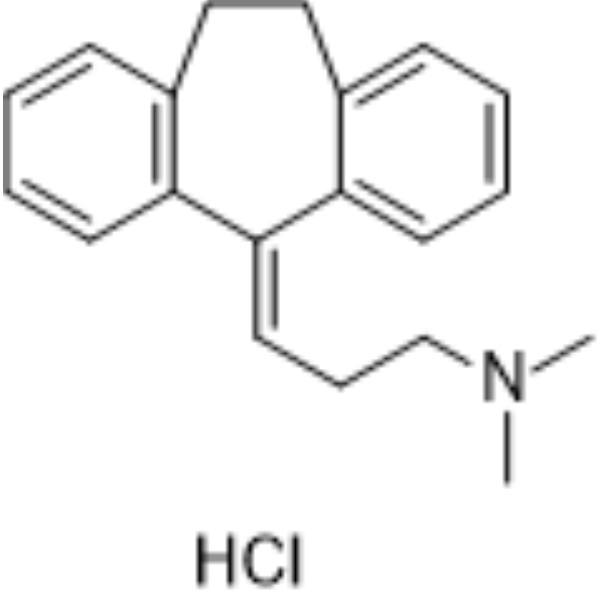
    Amitriptyline hydrochloride
    5+ Cited Publications

    Serotonin Transporter 5-HT Receptor mAChR Histamine Receptor Adrenergic Receptor Trk Receptor Sodium Channel Potassium Channel Dopamine Transporter Apoptosis Neurological Disease Inflammation/Immunology Endocrinology
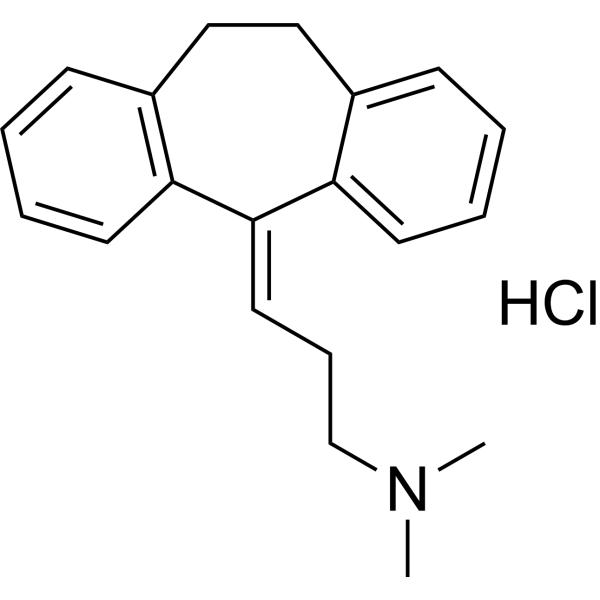
    Amitriptyline hydrochloride is an orally active tricyclic antidepressant (TCA). Amitriptyline hydrochloride mainly exerts its antidepressant effect by blocking SERT (Ki = 3.45 nM) and NET (Ki = 13.3 nM), thereby increasing the concentrations of 5-hydroxytryptamine (5-HT) and norepinephrine (NE) in the synaptic cleft. Amitriptyline hydrochloride is also an agonist at α2A and TrkA/TrkB receptors, thereby exerting analgesic and neurotrophic activities (inhibiting cell apoptosis). Amitriptyline hydrochloride can reduce inflammation, angiogenesis and fibrosis. Amitriptyline hydrochloride binds to DAT (with Ki = 2.58 μM). Amitriptyline hydrochloride has high affinity for a series of receptors and can antagonize muscarinic cholinergic receptors (M1/M2/M3/M4/M5 receptors) (Ki = 11-24 nM), H1 receptors (Ki = 0.5-1.1 nM), adrenergic α1 receptors (Ki = 4.4 nM), etc., resulting in a series of side effects. Amitriptyline hydrochloride can block sodium channels and hERG potassium channel (IC50 = 4.78 μM) and it has cardiotoxicity .
    Amitriptyline hydrochloride
  • HY-B0527
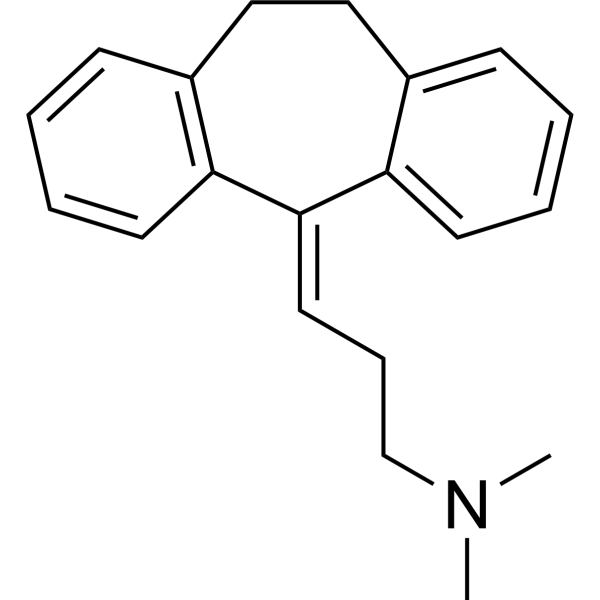
    Amitriptyline
    5+ Cited Publications

    Serotonin Transporter Trk Receptor Sodium Channel 5-HT Receptor Histamine Receptor Adrenergic Receptor mAChR Potassium Channel Dopamine Transporter Apoptosis Neurological Disease Inflammation/Immunology Endocrinology
    Amitriptyline is an orally active tricyclic antidepressant (TCA). Amitriptyline mainly exerts its antidepressant effect by blocking SERT (Ki = 3.45 nM) and NET (Ki = 13.3 nM), thereby increasing the concentrations of 5-hydroxytryptamine (5-HT) and norepinephrine (NE) in the synaptic cleft. Amitriptyline is also an agonist at α2A and TrkA/TrkB receptors, thereby exerting analgesic and neurotrophic activities (inhibiting cell apoptosis). Amitriptyline can reduce inflammation, angiogenesis and fibrosis. Amitriptyline binds to DAT (with Ki = 2.58 μM). Amitriptyline has high affinity for a series of receptors and can antagonize muscarinic cholinergic receptors (M1/M2/M3/M4/M5 receptors) (Ki = 11-24 nM), H1 receptors (Ki = 0.5-1.1 nM), adrenergic α1 receptors (Ki = 4.4 nM), etc., resulting in a series of side effects. Amitriptyline can block sodium channels and hERG potassium channel (IC50 = 4.78 μM) and it has cardiotoxicity .
    Amitriptyline
  • HY-B0461

    mAChR Neurological Disease
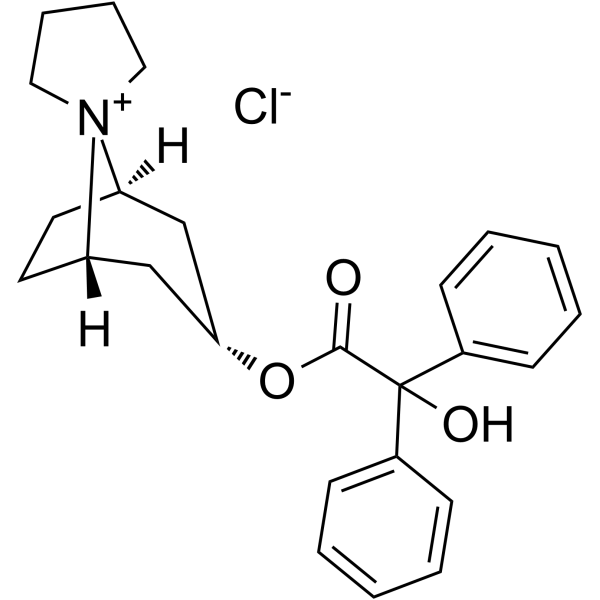
    Trospium chloride is an orally active, specific and competitive antagonist of muscarinic cholinergic receptors (mAChRs), with antimuscarinic activity. Trospium chloride binds to muscarinic receptors M1, M2 and M3 with high affinity, but not nicotinic, cholinergic receptors .
    Trospium chloride
  • HY-B0282S

    ACh-d4 chloride

    nAChR Calcium Channel Endogenous Metabolite Neurological Disease Cancer
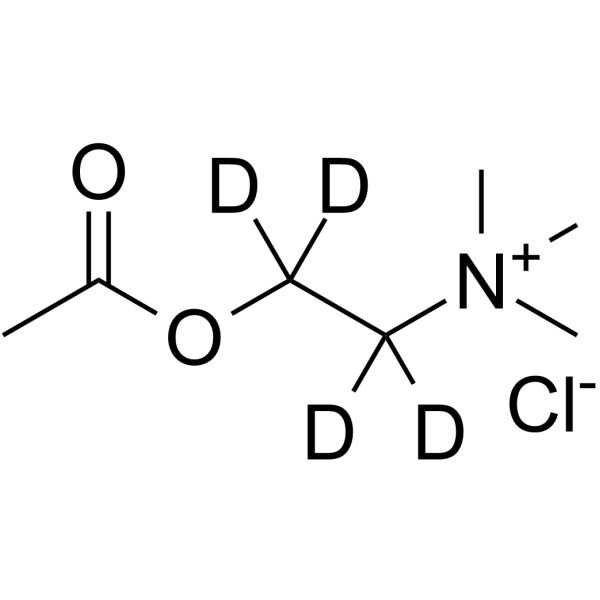
    Acetylcholine-d4 (chloride) is the deuterium labeled Acetylcholine chloride. Acetylcholine chloride (ACh chloride), a neurotransmitter, is a potent and BBB-permeable cholinergic agonist. Acetylcholine chloride is a modulator of the activity of dopaminergic (DAergic) neurons through the stimulation of nicotinic acetylcholine receptors (nAChRs) . Acetylcholine chloride inhibits p53 mutant peptide aggregation in vitro .
    Acetylcholine-d4 chloride
  • HY-B1277
    Trihexyphenidyl hydrochloride
    3 Publications Verification

    mAChR Cholinesterase (ChE) Neurological Disease
    Trihexyphenidyl hydrochloride is a selective and orally active M1 muscarinic receptor antagonist with an IC50 of 3.7 nM for rat cerebral cortex M1 muscarinic receptors. Trihexyphenidyl hydrochloride modulates cholinergic activity, countering acetylcholine supersensitivity in neural pathways. Trihexyphenidyl hydrochloride improves movement disorder, inhibits McN-A-343 (HY-107648)-induced pressor responses, vagally-induced bradycardia and vasodilatation. Trihexyphenidyl hydrochloride can be used for the research of Parkinson's disease. .
    Trihexyphenidyl hydrochloride
  • HY-B1693
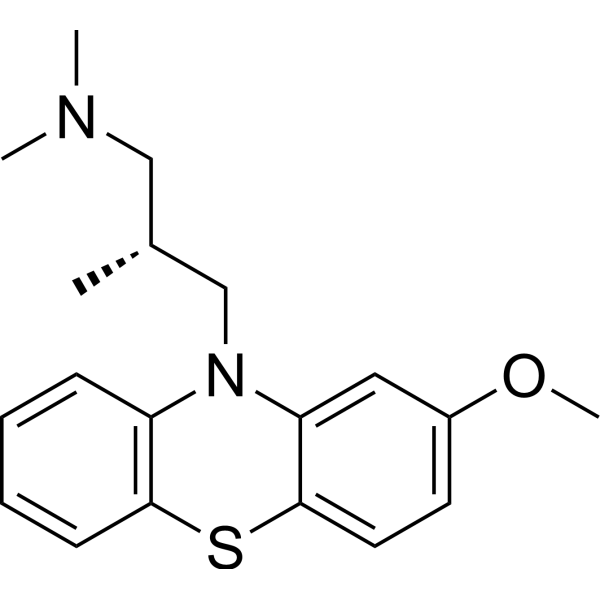
    Levomepromazine
    1 Publications Verification

    Methotrimeprazine

    5-HT Receptor Dopamine Receptor Histamine Receptor Autophagy Enterovirus Calcium Channel Infection Neurological Disease Inflammation/Immunology
    Levomepromazine (Methotrimeprazine) is an orally active antipsychotic compound and Ca 2+ release inducer. Levomepromazine inhibits SERCA pump and induces an increase in cytoplasmic Ca 2+ levels. Levomepromazine has antagonistic effects on a variety of neurotransmitter receptors, including dopamine, cholinergic, serotonin, and histamine receptors. Levomepromazine can induce adaptive ER stress and autophagy. In addition, Levomepromazine has antiviral, anti-inflammatory, neuroprotective and analgesic, sedative and anti-injurious activities. Levomepromazine can be used in the study psychiatric disorders and relieving nausea and vomiting .
    Levomepromazine
  • HY-B0170A

    Azatadine maleate

    Histamine Receptor Inflammation/Immunology Endocrinology
    Azatadine dimaleate (Azatadine maleate) is an inhibitor of histamine and cholinergic with an IC50 of 6. Azatadine dimaleate has additional antiserotonin activity. Azatadine dimaleate can be studied in research on perennial allergic rhinitis .
    Azatadine dimaleate
  • HY-B0282S1

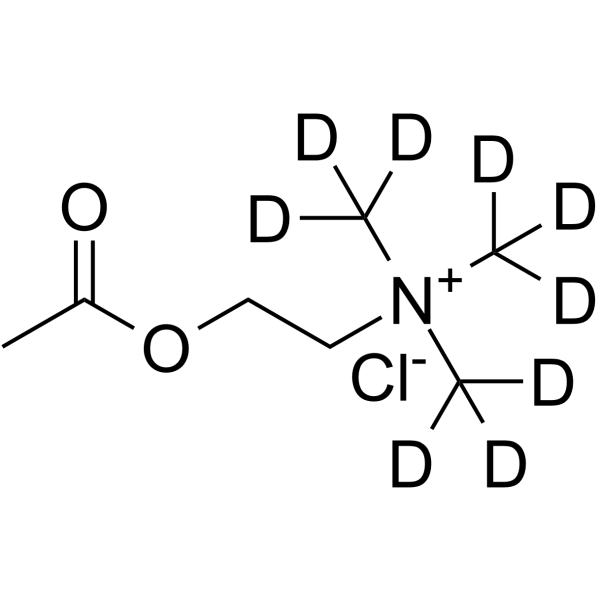
    ACh-d9 chloride

    nAChR Calcium Channel Endogenous Metabolite Neurological Disease Cancer
    Acetylcholine-d9 (chloride) is the deuterium labeled Acetylcholine chloride. Acetylcholine chloride (ACh chloride), a neurotransmitter, is a potent and BBB-permeable cholinergic agonist. Acetylcholine chloride is a modulator of the activity of dopaminergic (DAergic) neurons through the stimulation of nicotinic acetylcholine receptors (nAChRs) . Acetylcholine chloride inhibits p53 mutant peptide aggregation in vitro .
    Acetylcholine-d9 chloride
  • HY-NP143

    Biochemical Assay Reagents Neurological Disease
    Nerve Growth Factor 2.5S, murine submaxillary gland is a neurotrophic polypeptide required for normal growth and development of sympathetic and embryonic sensory neurons and certain cholinergic neurons in the central nervous system. Nerve Growth Factor 2.5S, murine submaxillary gland has only β-subunit , and shows nerve growth-promoting activity .
    Nerve Growth Factor 2.5S,murine submaxillary gland
  • HY-B0282R

    ACh chloride (Standard)

    Reference Standards nAChR Calcium Channel Endogenous Metabolite Neurological Disease Cancer
    Acetylcholine (chloride) (Standard) is the analytical standard of Acetylcholine (chloride). This product is intended for research and analytical applications. Acetylcholine chloride (ACh chloride), a neurotransmitter, is a potent and BBB-permeable cholinergic agonist. Acetylcholine chloride is a modulator of the activity of dopaminergic (DAergic) neurons through the stimulation of nicotinic acetylcholine receptors (nAChRs) . Acetylcholine chloride inhibits p53 mutant peptide aggregation in vitro .
    Acetylcholine chloride (Standard)
  • HY-B0461R

    mAChR Reference Standards Neurological Disease
    Trospium (chloride) (Standard) is the analytical standard of Trospium (chloride). This product is intended for research and analytical applications. Trospium chloride is an orally active, specific and competitive antagonist of muscarinic cholinergic receptors (mAChRs), with antimuscarinic activity. Trospium chloride binds to muscarinic receptors M1, M2 and M3 with high affinity, but not nicotinic, cholinergic receptors .
    Trospium chloride (Standard)
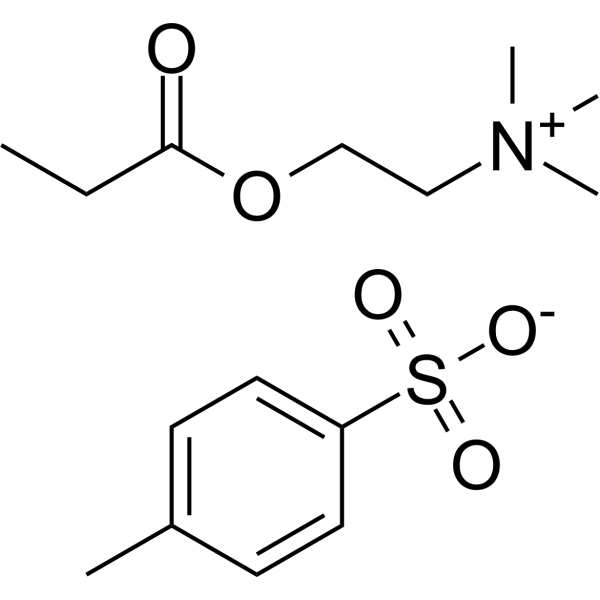
  • HY-W127699

    N,N,N-Trimethyl-2-(propionyloxy)ethanaminium (p-toluenesulfonate)

    Biochemical Assay Reagents Others
    Propionylcholine (p-toluenesulfonate) is an organic compound commonly used in biochemical research and neuroscience research. It can be used to study cholinergic signal transduction and esterase activity, and is widely used in biomedical research and pharmacological research. In addition, this compound is also used as a substrate or catalyst in certain biochemical reactions.
    Propionylcholine (p-toluenesulfonate)
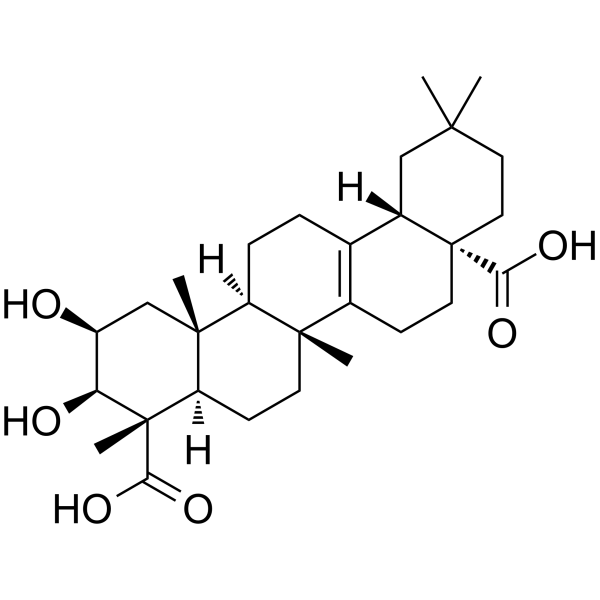
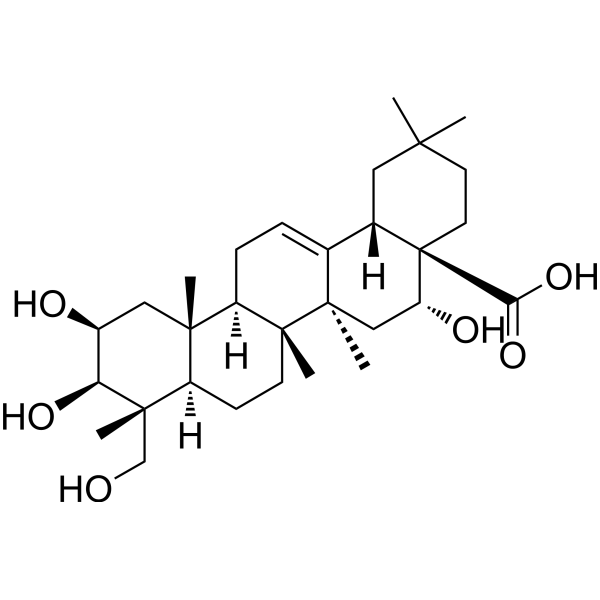
  • HY-N0801

    MMP Cholinesterase (ChE) Neurological Disease Inflammation/Immunology
    Polygalacic acid, is a triterpene, isolated from the root of Polygala tenuifolia Willd. Polygalacic acid inhibits MMP expression. Polygalacic acid may have a therapeutic effect in Osteoarthritis (OA) treatment . Polygalacic acid exerts a significant neuroprotective effect on cognitive impairment, PA improves cholinergic system reactivity by inhibiting acetylcholinesterase (AChE) activity, increasing choline acetyltransferase (ChAT) activity, and elevating levels of acetylcholine (Ach) in the hippocampus and frontal cortex .
    Polygalacic acid
  • HY-B0527AR
    Amitriptyline hydrochloride (Standard)
    4 Publications Verification

    Reference Standards Serotonin Transporter 5-HT Receptor Histamine Receptor mAChR Adrenergic Receptor Trk Receptor Sodium Channel Potassium Channel Dopamine Transporter Apoptosis Neurological Disease Inflammation/Immunology Endocrinology
    Amitriptyline hydrochloride (Standard) is the analytical standard of Amitriptyline hydrochloride (HY-B0527A). This product is intended for research and analytical applications. Amitriptyline hydrochloride is an orally active tricyclic antidepressant (TCA). Amitriptyline hydrochloride mainly exerts its antidepressant effect by blocking SERT (Ki = 3.45 nM) and NET (Ki = 13.3 nM), thereby increasing the concentrations of 5-hydroxytryptamine (5-HT) and norepinephrine (NE) in the synaptic cleft. Amitriptyline hydrochloride is also an agonist at α2A and TrkA/TrkB receptors, thereby exerting analgesic and neurotrophic activities (inhibiting cell apoptosis). Amitriptyline hydrochloride can reduce inflammation, angiogenesis and fibrosis. Amitriptyline hydrochloride binds to DAT (with Ki = 2.58 μM). Amitriptyline hydrochloride has high affinity for a series of receptors and can antagonize muscarinic cholinergic receptors (M1/M2/M3/M4/M5 receptors) (Ki = 11-24 nM), H1 receptors (Ki = 0.5-1.1 nM), adrenergic α1 receptors (Ki = 4.4 nM), etc., resulting in a series of side effects. Amitriptyline hydrochloride can block sodium channels and hERG potassium channel (IC50 = 4.78 μM) and it has cardiotoxicity.
    Amitriptyline hydrochloride (Standard)
  • HY-B2198

    Actinomin chloride

    Cholinesterase (ChE) Neurological Disease
    Carpronium (Actinomin) chloride is an orally active cholinergic agonist, local vasodilator and parasympathomimetic agent. Carpronium chloride is structurally similar to acetylcholine. Carpronium chloride promotes hair growth, and oral overdose induces cholinergic crisis. Carpronium chloride is applicable to research related to alopecia areata .
    Carpronium chloride
  • HY-B0461S

    Isotope-Labeled Compounds mAChR Neurological Disease
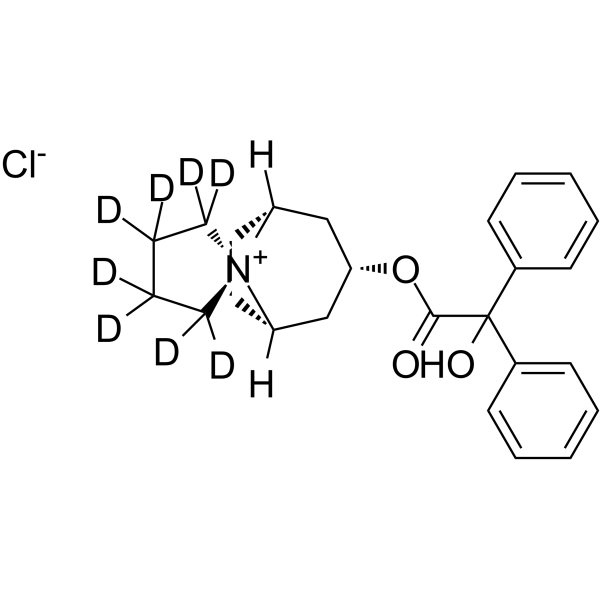
    Trospium-d8 (chloride) is the deuterium labeled Trospium chloride. Trospium chloride is an orally active, specific and competitive antagonist of muscarinic cholinergic receptors (mAChRs), with antimuscarinic activity. Trospium chloride binds to muscarinic receptors M1, M2 and M3 with high affinity, but not nicotinic, cholinergic receptors .
    Trospium-d8 chloride
  • HY-135483A

    nAChR Neurological Disease
    AR-R17779 hydrochloride is a potent and selective full agonist of nAChR, with Kis of 92 and 16000 nM for α7 and α4β2 subtype, respectively. AR-R17779 hydrochloride can improve learning and memory in rats. AR-R17779 hydrochloride also has anxiolytic activity. AR-R17779 hydrochloride can reduce inflammation by activating antiinflammatory cholinergic (vagal) pathways .
    AR-R17779 hydrochloride
  • HY-W987949

    Others Neurological Disease
    Z-4105 is an orally active nootropic agent. Z-4105 reverses the amnesic effects of electroconvulsive shock (ECS) and methylazoxymethanol acetate (MAM), and improves learning and memory functions. Z-4105 enhances the activity of the brain cholinergic system without affecting other neurotransmitter systems. Z-4105 significantly alleviates neuropathic pain in rats. Z-4105 can be used in the research of neuropathic pain and brain dysfunction .
    Z-4105
  • HY-B0527AS

    Isotope-Labeled Compounds Serotonin Transporter 5-HT Receptor Histamine Receptor mAChR Adrenergic Receptor Trk Receptor Sodium Channel Potassium Channel Dopamine Transporter Apoptosis Neurological Disease Inflammation/Immunology Endocrinology
    Amitriptyline-d6 hydrochloride is the deuterium labeled Amitriptyline hydrochloride (HY-B0527A). Amitriptyline hydrochloride is an orally active tricyclic antidepressant (TCA). Amitriptyline hydrochloride mainly exerts its antidepressant effect by blocking SERT (Ki = 3.45 nM) and NET (Ki = 13.3 nM), thereby increasing the concentrations of 5-hydroxytryptamine (5-HT) and norepinephrine (NE) in the synaptic cleft. Amitriptyline hydrochloride is also an agonist at α2A and TrkA/TrkB receptors, thereby exerting analgesic and neurotrophic activities (inhibiting cell apoptosis). Amitriptyline hydrochloride can reduce inflammation, angiogenesis and fibrosis. Amitriptyline hydrochloride binds to DAT (with Ki = 2.58 μM). Amitriptyline hydrochloride has high affinity for a series of receptors and can antagonize muscarinic cholinergic receptors (M1/M2/M3/M4/M5 receptors) (Ki = 11-24 nM), H1 receptors (Ki = 0.5-1.1 nM), adrenergic α1 receptors (Ki = 4.4 nM), etc., resulting in a series of side effects. Amitriptyline hydrochloride can block sodium channels and hERG potassium channel (IC50 = 4.78 μM) and it has cardiotoxicity.
    Amitriptyline-d6 hydrochloride
  • HY-114899

    Environmental Pollutants Cholinesterase (ChE) Insecticide Infection Neurological Disease
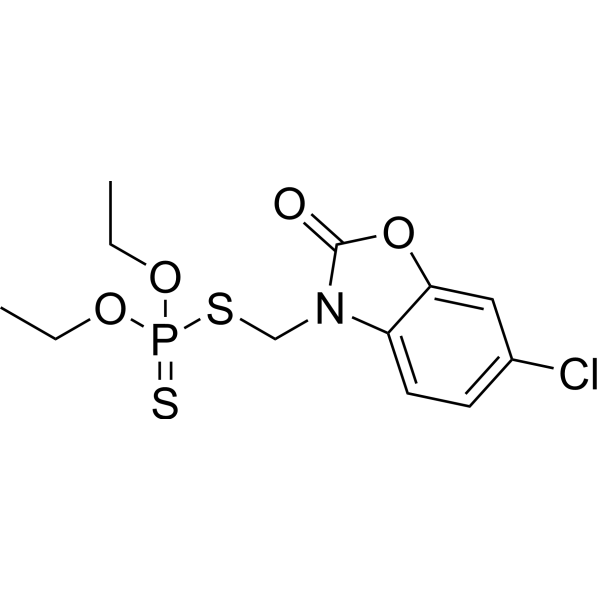
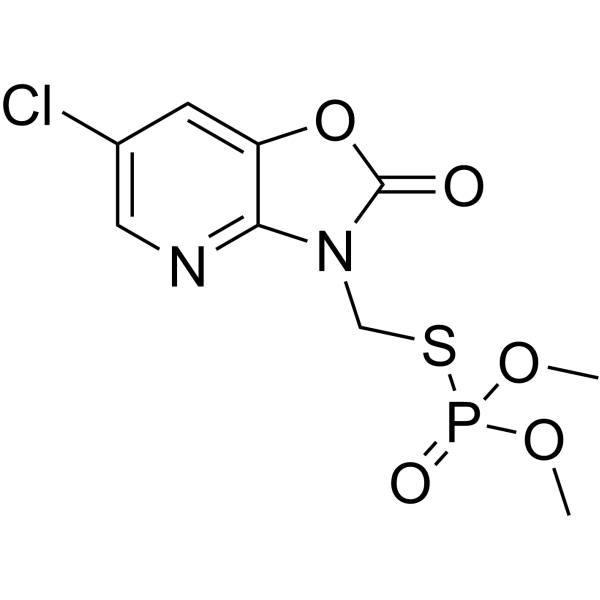
    Azamethiphos is an acetylcholinesterase inhibitor and insecticide. Azamethiphos covalently binds to acetylcholinesterase via phosphorylation, inhibits its activity, causes acetylcholine to accumulate in cholinergic synapses, triggers uncontrolled excitation of cholinergic sites, induces paralysis and leads to death. Azamethiphos can be used as a bath insecticide in salmonid aquaculture to control sea lice infestations, and it exerts acute toxicity to European lobster larvae, including mortality and movement disorders .
    Azamethiphos
  • HY-105170B

    nAChR Neurological Disease
    ABT-418 hydrochloride is a potent and selective agonist of nAChRs with cognitive enhancing and anxiolytic activities. ABT-418 hydrochloride activates cholinergic channel and can be used for research of Alzheimer's disease .
    ABT-418 hydrochloride
  • HY-119918

    mAChR Neurological Disease
    Cycrimine is an orally active muscarinic cholinergic receptor (mAChR) M1 antagonist, reduces the acetylcholine levels in parkinson model. Cycrimine shows antispasmodic activity, can be used in studies of behavioral and mental disorder .
    Cycrimine
  • HY-120004

    mAChR Infection
    PF-06827443 is a potent, low-clearance, orally bioavailable, and CNS-penetrant M1-selective positive allosteric modulator (PAM) with minimal agonist activity. PF-06827443 induce cholinergic AEs and convulsion .
    PF-06827443
  • HY-B1277A

    mAChR Cholinesterase (ChE) Cardiovascular Disease Neurological Disease
    Trihexyphenidyl is a selective and orally active M1 muscarinic receptor antagonist with an IC50 of 3.7 nM for rat cerebral cortex M1 muscarinic receptors. Trihexyphenidyl modulates cholinergic activity, countering acetylcholine supersensitivity in neural pathways. Trihexyphenidyl improves movement disorder, inhibits McN-A-343 (HY-107648)-induced pressor responses, vagally-induced bradycardia and vasodilatation. Trihexyphenidyl can be used for the research of Parkinson's disease. .
    Trihexyphenidyl
  • HY-B1585B

    Parpanil (edisylate)

    iGluR Neurological Disease
    Caramiphen edisylate (Parpanil edisylate) is an anticholinergic agent with NMDA receptor antagonist activity. Caramiphen edisylate can be used to inhibit diseases related to cholinergic neurotransmission. Caramiphen edisylate exerts its pharmacological effects by blocking cholinergic effects .
    Caramiphen (edisylate)
  • HY-P3176

    Motilin Receptor Others
    Motilin, human, porcine is a gastrointestinal hormone, which is released during fasting and after eating, or by drinking water. Motilin, human, porcine promotes enteric cholinergic activity in human stomach with an EC50 of 33 nM, and thus modulates gastrointestinal motility function .
    Motilin, human, porcine
  • HY-120408

    Atroscine

    Adrenergic Receptor Neurological Disease
    (±)-Scopolamine (Atroscine) is the racemic modification of Scopolamine. (±)-Scopolamine inhibits α-adrenergic receptor activity. (±)-Scopolamine has Ki values of 33 μM and 7.25 nM for α1-adrenerg receptor and muscarinic cholinergic receptor, respectively .
    (±)-Scopolamine
  • HY-B1693A

    Methotrimeprazine hydrochloride

    5-HT Receptor Dopamine Receptor Histamine Receptor Autophagy Enterovirus Calcium Channel Infection Neurological Disease Inflammation/Immunology
    Levomepromazine (Methotrimeprazine) hydrochloride is an orally active antipsychotic compound and Ca 2+ release inducer. Levomepromazine inhibits SERCA pump and induces an increase in cytoplasmic Ca 2+ levels. Levomepromazine hydrochloride has antagonistic effects on a variety of neurotransmitter receptors, including dopamine, cholinergic, serotonin, and histamine receptors. Levomepromazine hydrochloride can induce adaptive ER stress and autophagy. In addition, Levomepromazine hydrochloride has antiviral, anti-inflammatory, neuroprotective and analgesic, sedative and anti-injurious activities. Levomepromazine hydrochloride can be used in the study psychiatric disorders and relieving nausea and vomiting .
    Levomepromazine hydrochloride
  • HY-B1693R

    Methotrimeprazine (Standard)

    Reference Standards 5-HT Receptor Dopamine Receptor Autophagy Histamine Receptor Enterovirus Calcium Channel Infection Neurological Disease Inflammation/Immunology
    Levomepromazine (Standard) is the analytical standard of Levomepromazine. This product is intended for research and analytical applications. Levomepromazine (Methotrimeprazine) is an orally active antipsychotic compound and Ca 2+ release inducer. Levomepromazine inhibits SERCA pump and induces an increase in cytoplasmic Ca 2+ levels. Levomepromazine has antagonistic effects on a variety of neurotransmitter receptors, including dopamine, cholinergic, serotonin, and histamine receptors. Levomepromazine can induce adaptive ER stress and autophagy. In addition, Levomepromazine has antiviral, anti-inflammatory, neuroprotective and analgesic, sedative and anti-injurious activities. Levomepromazine can be used in the study psychiatric disorders and relieving nausea and vomiting .
    Levomepromazine (Standard)
  • HY-B1585

    Parpanil

    iGluR Neurological Disease
    Parpanil is an anticholinergic agent with NMDA receptor antagonist activity. Parpanil can be used to inhibit diseases related to cholinergic neurotransmission. Parpanil exerts its pharmacological effects by blocking cholinergic effects .
    Caramiphen
  • HY-N15736

    mAChR Neurological Disease
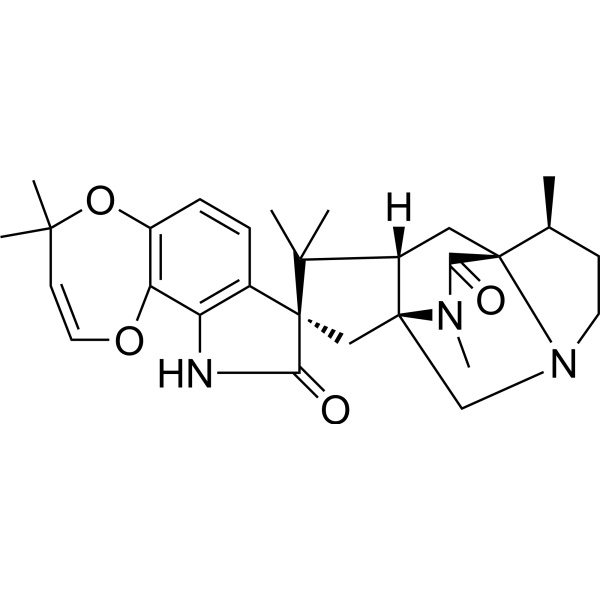
    Petiline is a steroidal alkaloid found in Petilium raddeanum, acting as a selective antagonist of M cholinergic receptors. Petiline exerts anticholinergic effects (e.g., reducing vagal influence on the heart) by competitively blocking M cholinergic receptors, and also has central excitatory, cardiotonic, and spasmolytic activities. Petiline is promising for research of cholinergic system-related diseases (e.g., arrhythmia, intestinal spasm) .
    Petiline
  • HY-167699

    mAChR Others
    Cyclodrine is a cholinergic receptor antagonist that exhibits biological activity by influencing both muscarinic and nicotinic receptors.
    Cyclodrine
  • HY-14607

    HP 749

    Potassium Channel Neurological Disease
    Besipirdine (hydrochloride) is a potassium channel blocker with cholinergic and adrenergic activity. The cholinergic activity of Besipirdine (hydrochloride) involves stimulating phosphatidylinositol turnover and reducing potassium currents. The adrenergic activity of Besipirdine (hydrochloride) involves stimulating norepinephrine release, which is attributed to the inhibition of presynaptic α2-adrenergic receptors and the inhibition of norepinephrine uptake. Besipirdine (hydrochloride) may be used in research for Alzheimer's disease .
    Besipirdine hydrochloride
  • HY-U00085

    RU 47213

    Cholinesterase (ChE) Neurological Disease
    Itameline (RU 47213) is a prodrug with oral and long-lasting cholinergic activity. Itameline is a novel tetrahydropyridine-oxime that is cleaved in vivo to form an active metabolite, RU 35963. RU 35963 is a muscarinic receptor agonist that is nonselective with respect to receptor subtypes. Itameline possesses the capacity to reduce memory deficits induced by an impairment of cholinergic transmission in the rat .
    Itameline
  • HY-114899S

    Isotope-Labeled Compounds Cholinesterase (ChE) Insecticide Infection Neurological Disease
    Azamethiphos-d6 is deuterated labeled Azamethiphos (HY-114899). Azamethiphos is an acetylcholinesterase inhibitor and insecticide. Azamethiphos covalently binds to acetylcholinesterase via phosphorylation, inhibits its activity, causes acetylcholine to accumulate in cholinergic synapses, triggers uncontrolled excitation of cholinergic sites, induces paralysis and leads to death. Azamethiphos can be used as a bath insecticide in salmonid aquaculture to control sea lice infestations, and it exerts acute toxicity to European lobster larvae, including mortality and movement disorders .
    Azamethiphos-d6
  • HY-114899R

    Reference Standards Cholinesterase (ChE) Insecticide Infection Neurological Disease
    Azamethiphos (Standard) is the analytical standard of Azamethiphos (HY-114899). This product is intended for research and analytical applications. Azamethiphos is an acetylcholinesterase inhibitor and insecticide. Azamethiphos covalently binds to acetylcholinesterase via phosphorylation, inhibits its activity, causes acetylcholine to accumulate in cholinergic synapses, triggers uncontrolled excitation of cholinergic sites, induces paralysis and leads to death. Azamethiphos can be used as a bath insecticide in salmonid aquaculture to control sea lice infestations, and it exerts acute toxicity to European lobster larvae, including mortality and movement disorders .
    Azamethiphos (Standard)
  • HY-105545C

    (+)-Benzetimide hydrochloride; (S)-(+)-Dexetimide hydrochloride; Dexbenzetimide hydrochloride

    mAChR Neurological Disease
    Dexetimide hydrochloride ((+)-Benzetimide hydrochloride) is an antimuscarinic drug with the activity of suppressing neuroleptic-induced Parkinson's syndrome. Dexetimide hydrochloride is used to improve the symptoms of movement disorders caused by the use of neuroleptics. Dexetimide hydrochloride, as the (-)-enantiomer of (-)-Benzetimide, shows the ability to selectively inhibit cholinergic receptors .
    Dexetimide hydrochloride
  • HY-B0170AR

    Azatadine maleate (Standard)

    Histamine Receptor Reference Standards Inflammation/Immunology Endocrinology
    Azatadine (dimaleate) (Standard) is the analytical standard of Azatadine (dimaleate). This product is intended for research and analytical applications. Azatadine dimaleate (Azatadine maleate) is an inhibitor of histamine and cholinergic with an IC50 of 6. Azatadine dimaleate has additional antiserotonin activity. Azatadine dimaleate can be studied in research on perennial allergic rhinitis .
    Azatadine dimaleate (Standard)
  • HY-105327

    Cholinesterase (ChE) Neurological Disease
    P11149 is a competitive, BBB-penetarated weakly, orally active and selective inhibitor of AChE. P11149 exhibits an IC50 of 1.3 μM for rat BChE/AChE. P11149, a Galanthamine derivative, demonstrates central cholinergic activity, behavioral efficacy and safety. P11149 is used in the study for Alzheimer's disease .
    P11149
  • HY-114846

    Prostaglandin Receptor Cardiovascular Disease
    Ro 22-9194 inhibits aggregation and thromboxane Az (TXA2) synthetase activity in rabbit and human platelets. Ro 22-9194 has a potent inhibitory action against various types of model arrhythmias. Ro 22-9194 has non-cholinergic cardiac depressant properties with its vasodilating action .
    Ro 22-9194
  • HY-156031

    Cholinesterase (ChE) Neurological Disease
    BChE-IN-19 (Compound 7b) is a para-substituted derivative of indone (7b) with inhibitory activity of butyryl cholinesterase (BChE) (IC50=0.04 μM). BChE-IN-19 improves cholinergic scheduling in the nervous system. BChE-IN-19 can be used against Alzheimer's disease .
    BChE-IN-19
  • HY-105793

    mAChR Neurological Disease
    Mazaticol is an anticholinergic agent. Mazaticol blocks the muscarinic acetylcholine receptors and cholinergic nerve activity. Mazaticol is a potent 3H-QNB and 3H-PZ binding inhibitor, can bind to the M2 receptors with high affinity. Mazaticol exhibits inhibitory effects on dopamine uptake in the striatal nerve terminal. Mazaticol can be used for parkinsonian syndrome research .
    Mazaticol
  • HY-136625

    N-myristoyltransferase Cardiovascular Disease
    LY134046 is an inhibitor of norepinephrine N-methyltransferase (NMT) with cardiovascular activity. LY134046 causes sustained reductions in mean arterial blood pressure and heart rate, but no significant reductions in norepinephrine concentrations in the rat brain. LY134046 does not interact with adrenergic or cholinergic receptors, and its hypotensive and bradycardic effects do not require neurogenic tension. LY134046 (40 mg/kg/day) causes sustained and significant inhibition of hypothalamic and brainstem NMT activity, resulting in central norepinephrine depletion.
    LY134046
  • HY-172884

    Cholinesterase (ChE) iGluR Neurological Disease
    MDAR IN-1 (Compound 5m) is a brain-penetrant inhibitor of acetylcholinesterase (AChE) and antagonist of the GluN1/GluN2B subtype of NMDAR receptor. MDAR IN-1 effectively inhibits AChE activity, enhances cholinergic neurotransmission, and blocks NMDAR, reducing excitatory neurotoxicity. MDAR IN-1 is promising for research of Alzheimer's disease .
    MDAR-IN-1
  • HY-123934

    P-glycoprotein Neurological Disease
    VU6007477 is a brain-penetrant, selective M1 positive allosteric modulator (PAM) with an EC50 value of 230 nM. VU6007477 is also a human P-glycoprotein (P-gp) substrate with moderate permeability. VU6007477 displays improved central nervous system (CNS) penetration over the hydroxylated congeners. VU6007477 a pyranyl amide derivative, which is promising for research of robust cholinergic seizure activity .
    VU6007477
  • HY-118056

    Cannabinoid Receptor
    ABD459 is a CB1 receptor antagonist with significant effects on regulating food intake and sleep-wake cycles. ABD459 completely displaces CB1 agonist CP99540 (Ki = 8.6 nM) and antagonizes CP55940-induced GTPγS binding (KB = 7.7 nM). ABD459 may specifically modulate endogenous cannabinoid release through cholinergic activity and plays a role in attention and arousal regulation. ABD459 is suitable for research in neurological disorders .
    ABD459
  • HY-B1277AS

    Isotope-Labeled Compounds mAChR Cholinesterase (ChE) Neurological Disease
    Trihexyphenidyl-d5 is deuterium labeled Trihexyphenidyl (HY-B1277A). Trihexyphenidyl is a selective and orally active M1 muscarinic receptor antagonist with an IC50 of 3.7 nM for rat cerebral cortex M1 muscarinic receptors. Trihexyphenidyl modulates cholinergic activity, countering acetylcholine supersensitivity in neural pathways. Trihexyphenidyl improves movement disorder, inhibits McN-A-343 (HY-107648)-induced pressor responses, vagally-induced bradycardia and vasodilatation. Trihexyphenidyl can be used for the research of Parkinson's disease. .
    Trihexyphenidyl-d5
  • HY-136258

    nAChR Neurological Disease
    nAChR agonist CMPI hydrochloride is a potent and selective positive allosteric modulator (PAM) of nAChR containing a α4:α4 subunit interface. nAChR agonist CMPI hydrochloride enhances the response of (α4)3(β2)2 nAChR to ACh (10 µM) with an EC50 of 0.26 µM. nAChR agonist CMPI hydrochloride has potential for the research of nicotine dependence and many neuropsychiatric conditions associated with decreased brain cholinergic activity .
    nAChR agonist CMPI hydrochloride
  • HY-B1277S

    Isotope-Labeled Compounds mAChR Cholinesterase (ChE) Neurological Disease
    Trihexyphenidyl-d5 hydrochloride is deuterium labeled Trihexyphenidyl hydrochloride (HY-B1277). Trihexyphenidyl hydrochloride is a selective and orally active M1 muscarinic receptor antagonist with an IC50 of 3.7 nM for rat cerebral cortex M1 muscarinic receptors. Trihexyphenidyl hydrochloride modulates cholinergic activity, countering acetylcholine supersensitivity in neural pathways. Trihexyphenidyl hydrochloride improves movement disorder, inhibits McN-A-343 (HY-107648)-induced pressor responses, vagally-induced bradycardia and vasodilatation. Trihexyphenidyl hydrochloride can be used for the research of Parkinson's disease. .
    Trihexyphenidyl-d5 hydrochloride

Inquiry Online

Your information is safe with us. * Required Fields.

Salutation


Country or Region *

Applicant Name *


Organization Name *

Department *


Email Address *


Product Name *

Cat. No.


Requested quantity *

Phone Number *


Remarks

Inquiry Online

Inquiry Information

Product Name:
Cat. No.:
Quantity:
MCE Japan Authorized Agent:

