
1. Search Result
Search Result
Results for "

diffusion

" in MedChemExpress (MCE) Product Catalog:

53

Inhibitors & Agonists

1

Screening Libraries

6

Fluorescent Dye

9

Biochemical Assay Reagents

2

Peptides

11

Natural
Products

1

Isotope-Labeled Compounds

Cat. No. Product Name Target Research Areas Chemical Structure
  • HY-12807
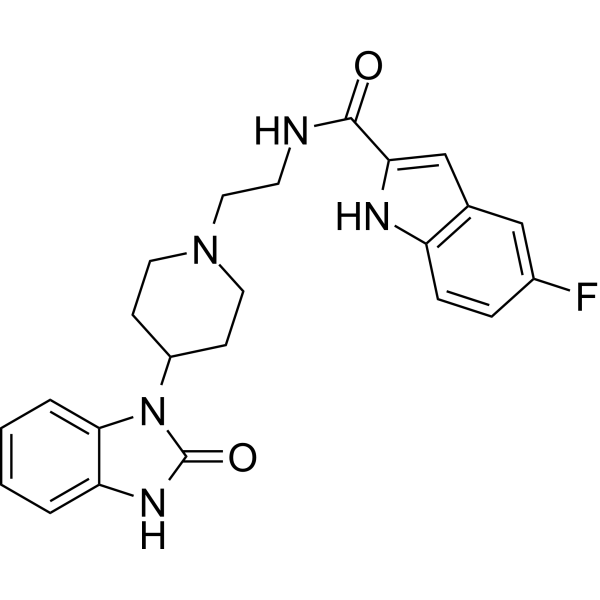
    FIPI
    5 Publications Verification

    5-Fluoro-2-indolyl deschlorohalopemide

    Phospholipase Cardiovascular Disease Neurological Disease Inflammation/Immunology Cancer
    FIPI is a phospholipase D (PLD) inhibitor with an IC50 for PLD1 and PLD2 of about 25 nM. FIPI regulates cytoskeletal recombination, cell diffusion and chemotaxis. FIPI can be used in cancer research. In addition, FIPI can enhance the secretion and aggregation of platelet dense particles, inhibit thrombosis, reduce ischemic stroke infarct volume and improve nerve function .
    FIPI
  • HY-W012382

    Endogenous Metabolite Metabolic Disease Cancer
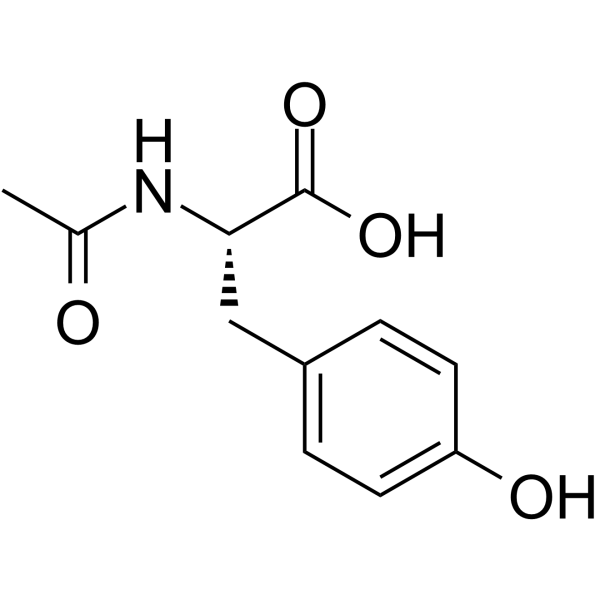
    N-Acetyl-L-tyrosine is an orally active endogenous mitochondrial stress response regulator that can permeate the cell membrane by passive diffusion. N-Acetyl-L-tyrosine induces low-level reactive oxygen species (ROS) generation by transiently perturbing mitochondrial membrane potential, triggering reverse signaling to activate FoxO and Keap1 pathways. As a result, N-Acetyl-L-tyrosine enhances the expression of antioxidant enzyme genes, exerting anti-stress and cytoprotective effects. N-Acetyl-L-tyrosine can improve heat stress tolerance, inhibit tumor growth, and regulate energy metabolism. N-Acetyl-L-tyrosine can be used in the research of aging, metabolic diseases (such as diabetes), and cancer .
    N-Acetyl-L-tyrosine
  • HY-D0722
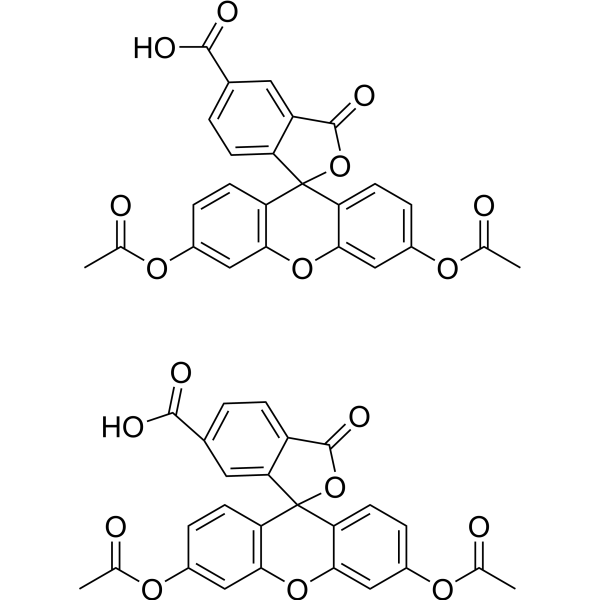
    5(6)-CFDA
    5+ Cited Publications

    5-(6)-Carboxyfluorescein diacetate; CFDA

    Fluorescent Dye Others
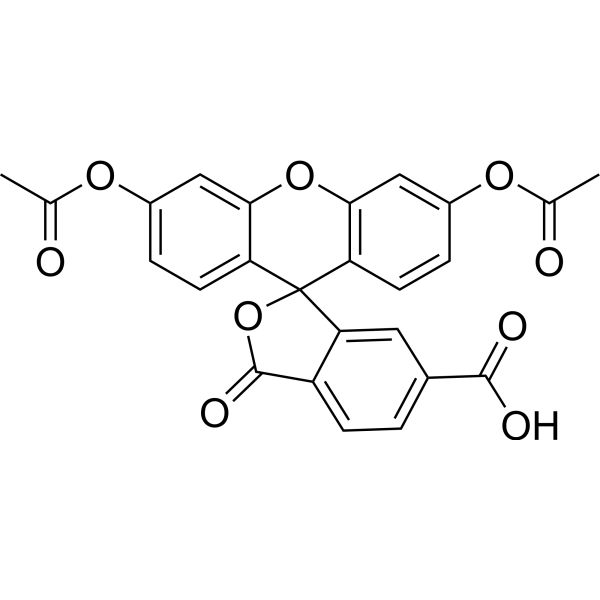
    5(6)-CFDA is a common aliphatic luciferin-line organism. CFDA conducts free diffusion into cells, and then it is hydrolyzed into carboxyl fluorescein (CF) by intracellular non-specific lipase. CF containing portion contains an additional negative charge so that it is better retained in cells, compared to fluorescein dyes .
    5(6)-CFDA
  • HY-D0889
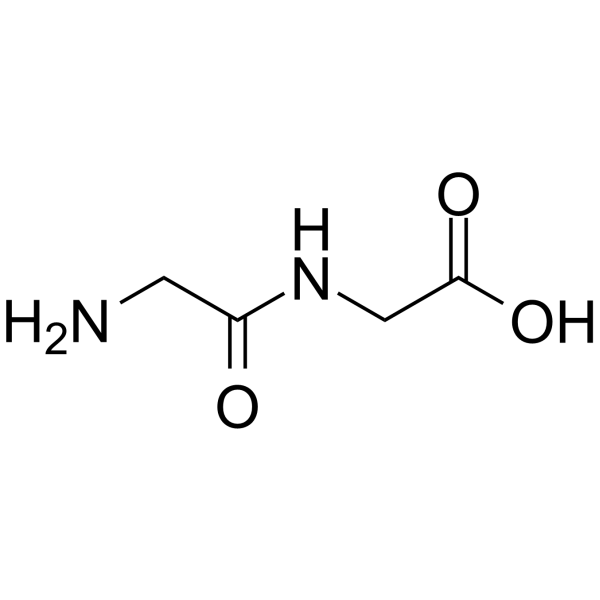
    Glycylglycine
    1 Publications Verification

    Gly-Gly; H-Gly-Gly-OH

    Endogenous Metabolite Metabolic Disease
    Glycylglycine is a non-selective glycylglycine dipeptidase substrate and iNOS inhibitor. Glycylglycine can cross the cell membrane by passive diffusion and is hydrolyzed to glycine in the cell, participating in energy metabolism and antioxidant processes. Glycylglycine promotes spermatogonial stem cells (SSCs) proliferation, inhibits astrocyte overactivation and reduces nitric oxide (NO) release, while upregulating the expression of neurotrophic factors (such as PDGFA, FGF2, CNTF) to support nerve myelin repair. Glycylglycine can be used to study male reproductive biology (such as SSCs proliferation regulation) and neurodegenerative diseases (such as neuroprotective mechanisms in multiple sclerosis) .
    Glycylglycine
  • HY-W007432

    Biochemical Assay Reagents Others
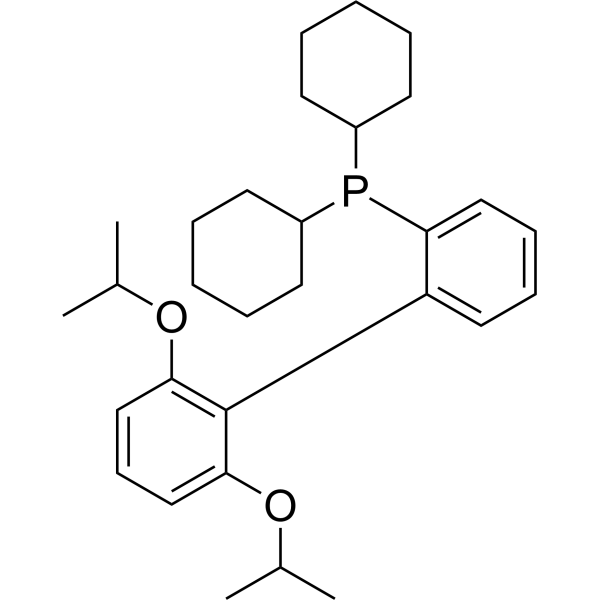
    RuPhos is a Buchwald ligand. In aqueous Suzuki-Miyaura catalytic transfer polymerization, RuPhos forms inactive Pd (RuPhos)2 with palladium and inhibits diffusion to improve polymerization controllability. RuPhos additional addition in anhydrous Kumada polymerization exacerbates catalyst deactivation and chain transfer, significantly impairing polymerization control .
    RuPhos
  • HY-P2860A

    Cholinesterase (ChE) Neurological Disease
    Acetylcholinesterase, Electric eel is a cholinergic enzyme that is mainly found in neuromuscular junctions and cholinergic chemical synapses and is often used in biochemical research. Acetylcholinesterase, Electric eel can catalyze the decomposition or hydrolysis of acetylcholine and some other choline esters that act as neurotransmitters into acetic acid and choline. The main function of Acetylcholinesterase, Electric eel is to terminate neuronal transmission and signal conduction between synapses to prevent ACh diffusion and activation of nearby receptors .
    Acetylcholinesterase, Electric eel
  • HY-112624I

    Dextran 3; Dextran D3; Dextran T3(MW 2400-3600)

    Bacterial Others
    Dextran T3 (Dextran 3; Dextran T3(MW 2400-3600)) is a neural tracer and intestinal permeability probe that can move anterogradely and retrogradely in neuronal axons by passive diffusion. Dextran T3 (MW 3,000) is able to permeate across the intestinal epithelial cell membrane in the presence of cholera toxin-induced cytoskeletal disturbance. Dextran T3 (MW 3,000) is used as a fluorescent marker to rapidly label developing neurons (such as Xenopus retinal ganglion cells) and to assess intestinal barrier function. It can be used to study axonal transport in neuroanatomy and permeability changes in intestinal pathophysiology. The Dextran series of compounds are also natural polysaccharide drug carriers that can be connected to drugs through covalent bonding methods such as ester bonds, amide bonds or click chemistry, or self-assembled to form carriers such as nanoparticles and hydrogels. Dextran is biodegradable and biocompatible, and can achieve targeted delivery and controlled release of drugs. Dextran derivatives can prolong the half-life of drugs, increase local concentrations, and reduce the activity of immune clearance .
    Dextran T3 (MW 3,000)
  • HY-D0047
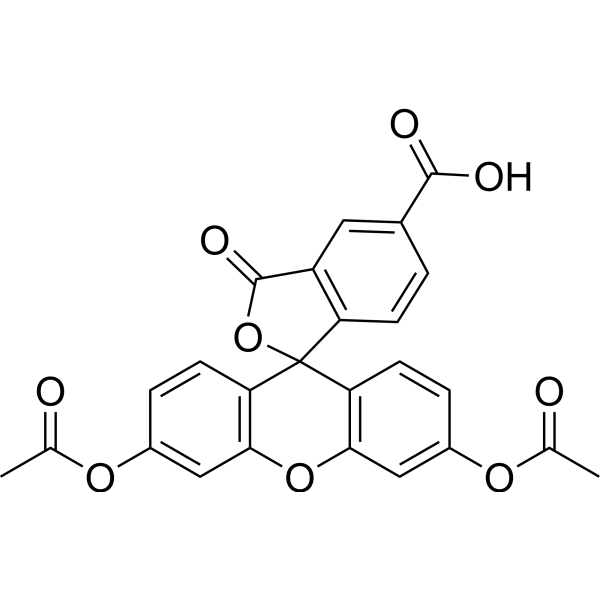
    5-CFDA
    3 Publications Verification

    5-Carboxyfluorescein diacetate

    Fluorescent Dye Others
    5-CFDA is a common aliphatic luciferin-line organism. CFDA conducts free diffusion into cells, and then it is hydrolyzed into carboxyl fluorescein (CF) by intracellular non-specific lipase. CF containing portion contains an additional negative charge so that it is better retained in cells, compared to fluorescein dyes .
    5-CFDA
  • HY-D0721

    6-Carboxyfluorescein diacetate

    Fluorescent Dye Others
    6-CFDA is a common aliphatic luciferin-line organism. CFDA conducts free diffusion into cells, and then it is hydrolyzed into carboxyl fluorescein (CF) by intracellular non-specific lipase. CF containing portion contains an additional negative charge so that it is better retained in cells, compared to fluorescein dyes .
    6-CFDA
  • HY-A0104K

    Hypromellose (Type II,Viscosity:3mPa.s); (Hydroxypropyl)methyl cellulose (Type II,Viscosity:3mPa.s); Celacol HPM 5000 (Type II,Viscosity:3mPa.s)

    Environmental Pollutants Biochemical Assay Reagents Others
    HPMC (Type II, Viscosity: 3 mPa.s) is a nonionic polymer prepared via synthetic modification of cellulose. As a hydrophilic matrix material, HPMC prolongs drug release through non-Fickian diffusion, which includes the diffusion of drugs in the hydrated matrix and the polymer relaxation process .
    HPMC (Type II,Viscosity:3mPa.s)
  • HY-A0104B

    Hypromellose (Type I,Viscosity:100mPa.s); (Hydroxypropyl)methyl cellulose (Type I,Viscosity:100mPa.s); Celacol HPM 5000 (Type I,Viscosity:100mPa.s)

    Environmental Pollutants Biochemical Assay Reagents Others
    HPMC (Type I, Viscosity: 100 mPa·s) is a nonionic polymer obtained via synthetic modification of cellulose. As a hydrophilic matrix material, HPMC prolongs drug release through non-Fickian diffusion, including the diffusion of drugs within the hydrated matrix and the polymer relaxation process .
    HPMC (Type I,Viscosity:100mPa.s)
  • HY-A0104E

    Hypromellose (Type II,Viscosity:100mPa.s); (Hydroxypropyl)methyl cellulose (Type II,Viscosity:100mPa.s); Celacol HPM 5000 (Type II,Viscosity:100mPa.s)

    Environmental Pollutants Biochemical Assay Reagents Others
    HPMC (Hypromellose; (Hydroxypropyl)methyl cellulose; Celacol HPM 5000) (Type II,Viscosity:100mPa.s) is a non-ionic polymer obtained via synthetic modification of cellulose. As a hydrophilic matrix material, HPMC prolongs drug release through non-Fickian diffusion, including the diffusion of drugs in the hydrated matrix and the polymer relaxation process .
    HPMC (Type II,Viscosity:100mPa.s)
  • HY-Y1219H

    Biochemical Assay Reagents Others
    Silica gel, high-purity grade, 200-400 mesh is a biologically inert matrix and desiccant with high water retention capacity and low regeneration temperature. Silica gel, high-purity grade, 200-400 mesh prevents DNA degradation by absorbing water from plant leaves, and is suitable for preserving field-collected samples for subsequent DNA extraction, restriction endonuclease digestion, PCR amplification and gene sequencing. Silica gel, high-purity grade, 200-400 mesh can be regenerated and reused after water absorption saturation. Silica gel, high-purity grade, 200-400 mesh provides a non-toxic, inert aqueous environment for embedded cells, allows free diffusion of nutrients, oxygen and metabolic wastes, blocks external contamination, and thus maintains the viability of fibroblasts and epithelial cells. Silica gel, high-purity grade, 200-400 mesh serves as an ideal candidate material for tissue culture scaffolds and implantable bioreactors .
    Silica gel, high-purity grade, 200-400 mesh
  • HY-W007531

    Biochemical Assay Reagents Others
    2-Fluoro-5-iodopyridine is an electrolyte additive. 2-Fluoro-5-iodopyridine can not only effectively protect the anode by forming a stable SEI film, but also convert dead lithium into active lithium. 2-Fluoro-5-iodopyridine effectively improves the performance of lithium metal batteries .
    2-Fluoro-5-iodopyridine
  • HY-A0104I

    Hypromellose (Type II,Viscosity:100000mPa.s); (Hydroxypropyl)methyl cellulose (Type II,Viscosity:100000mPa.s); Celacol HPM 5000 (Type II,Viscosity:100000mPa.s)

    Biochemical Assay Reagents Others
    HPMC (Hypromellose; (Hydroxypropyl)methyl cellulose; Celacol HPM 5000) (Type II,Viscosity:100000mPa.s) is a non-ionic polymer obtained via synthetic modification of cellulose. As a hydrophilic matrix material, HPMC prolongs drug release through non-Fickian diffusion, including the diffusion of drugs in the hydrated matrix and the polymer relaxation process .
    HPMC (Type II,Viscosity:100000mPa.s)
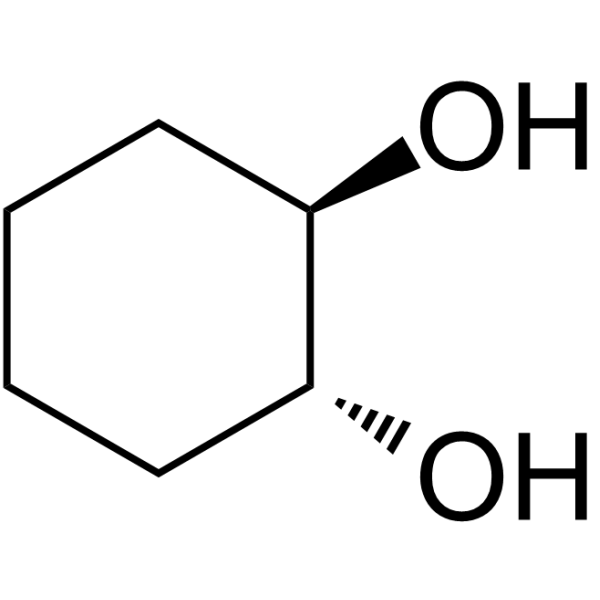
  • HY-W010514

    Endogenous Metabolite Metabolic Disease
    trans-Cyclohexane-1,2-diol (TCHD) is a transient dilator of the nuclear pore complex (NPC). By interacting with the hydrophobic core (FG nucleoporin) of the NPC, trans-Cyclohexane-1,2-diol can disrupt the NPC structure and reversibly increase the permeability of the nuclear pore, allowing macromolecules larger than 40 kDa (such as plasmid DNA) to enter the cell nucleus by passive diffusion, thereby enhancing the nuclear import efficiency of non-viral vectors. trans-Cyclohexane-1,2-diol can improve the efficiency of in vitro electrotransfection or lipid-mediated gene transfection, especially significantly increasing gene expression in differentiated airway epithelial cells .
    trans-Cyclohexane-1,2-diol
  • HY-155386

    Biochemical Assay Reagents Enterovirus DNA/RNA Synthesis Mitochondrial Metabolism Infection Neurological Disease
    Peroxynitrite sodium is a product of the diffusion-controlled reaction between nitric oxide and superoxide radicals, as well as an oxidant and an antiviral agent. Peroxynitrite sodium inhibits Mitochondrial respiration. Peroxynitrite sodium suppresses the replication of Coxsackievirus, partly by inhibiting viral RNA entry into host cells. Peroxynitrite sodium induces a significant nociceptive response .
    Peroxynitrite sodium
  • HY-D1991

    Fluorescent Dye Others
    ATTO 647 is a carborhodamine fluorophore and imaging tracer with photostable properties. ATTO 647 serves as a fluorescent probe to investigate cell membrane structure and diffusion characteristics. When conjugated with wheat germ agglutinin, ATTO 647 specifically binds to N-acetyl-β-D-glucosamine and sialic acid residues on membrane glycoproteins, enabling single-molecule tracing of glycoprotein diffusion. ATTO 647 exhibits highly stable fluorescence properties with significantly reduced blinking in mounting media such as ROXS (AA/MV) and ROXS (TX/TQ), whereas its brightness properties vary in Ibidi-MM and Vectashield. ATTO 647 can also be used to label histone H2B-GFP in fixed cells for confocal microscopy photobleaching experiments .
    ATTO 647
  • HY-N0406

    P-glycoprotein Inflammation/Immunology
    2"-O-beta-L-galactopyranosylorientin is extracted from the flowers of Trollius ledebouri. 2"-O-beta-L-galactopyranosylorientin involves transporter mediated efflux in addition to passive diffusion and is the substrate of multidrug resistance protein 2 (MRP2). Anti-inflammatory effect .
    2
  • HY-D0889R

    Gly-Gly (Standard); H-Gly-Gly-OH (Standard)

    Reference Standards Endogenous Metabolite Metabolic Disease
    Glycylglycine (Standard) is the analytical standard of Glycylglycine (HY-D0889). This product is intended for research and analytical applications. Glycylglycine is a non-selective glycylglycine dipeptidase substrate and iNOS inhibitor. Glycylglycine can cross the cell membrane by passive diffusion and is hydrolyzed to glycine in the cell, participating in energy metabolism and antioxidant processes. Glycylglycine promotes spermatogonial stem cells (SSCs) proliferation, inhibits astrocyte overactivation and reduces nitric oxide (NO) release, while upregulating the expression of neurotrophic factors (such as PDGFA, FGF2, CNTF) to support nerve myelin repair. Glycylglycine can be used to study male reproductive biology (such as SSCs proliferation regulation) and neurodegenerative diseases (such as neuroprotective mechanisms in multiple sclerosis) .
    Glycylglycine (Standard)
  • HY-W012382S

    Isotope-Labeled Compounds Endogenous Metabolite Metabolic Disease Cancer
    N-Acetyl-L-tyrosine-d3 is the deuterated form of N-Acetyl-L-tyrosine (HY-W012382). N-Acetyl-L-tyrosine is an orally active endogenous mitochondrial stress response regulator that can permeate the cell membrane by passive diffusion. N-Acetyl-L-tyrosine induces low-level reactive oxygen species (ROS) generation by transiently perturbing mitochondrial membrane potential, triggering reverse signaling to activate FoxO and Keap1 pathways. As a result, N-Acetyl-L-tyrosine enhances the expression of antioxidant enzyme genes, exerting anti-stress and cytoprotective effects. N-Acetyl-L-tyrosine can improve heat stress tolerance, inhibit tumor growth, and regulate energy metabolism. N-Acetyl-L-tyrosine can be used in the research of aging, metabolic diseases (such as diabetes), and cancer .
    N-Acetyl-L-tyrosine-d3
  • HY-134215

    Bacterial Fungal Infection
    cis-11-Methyl-2-dodecenoic acid is a quorum sensing (QS) signal that acts as a diffusion signaling factor (DSF) in extracellular microbial and fungal communication systems. DSF is involved in the regulation of virulence and biofilm formation of a variety of bacterial pathogens .
    cis-11-Methyl-2-dodecenoic acid
  • HY-116245

    Biochemical Assay Reagents Others
    Octanophenone is a substance used as a test compound in liquid chromatography research to study related properties such as particle diffusion within the column. A series of experiments showed that the Titan-C18 column in which it is located has some special property differences compared to other columns.
    Octanophenone
  • HY-B1829
    Dexamethasone phosphate
    Maximum Cited Publications
    10 Publications Verification

    Dexamethasone 21-phosphate

    Glucocorticoid Receptor Others
    Dexamethasone phosphate (Dexamethasone 21-phosphate) disodium is a biologically inactive compound which undergoes dephosphorylation by intra-erythrocyte enzymes. The active metabolite, Dexamethasone, is then released into the circulation by simple passive diffusion through cell membranes. Dexamethasone phosphate disodium-encapsulated erythrocyte has the potential for steroid-dependent ulcerative colitis research .
    Dexamethasone phosphate
  • HY-W134328B

    Dextran blue (MW 10000)

    Biochemical Assay Reagents Others
    Blue dextran (Dextran blue) (MW 10000) is a 10 kDa osmotic dextran. Blue dextran (MW 10000) penetrates all sublayers of the pre-epithelial mucus gel layer in the rat distal colon and is taken up by the nuclei of surface cells in the rat distal colonic mucosa. Blue dextran (MW 10000) is not blocked by the pre-epithelial mucus gel layer of the rat distal colon, which acts as a diffusion barrier .
    Blue dextran (MW 10000)
  • HY-W012382R

    Reference Standards Endogenous Metabolite Metabolic Disease Cancer
    N-Acetyl-L-tyrosine (Standard) is the analytical standard of N-Acetyl-L-tyrosine (HY-W012382). This product is intended for research and analytical applications. N-Acetyl-L-tyrosine is an orally active endogenous mitochondrial stress response regulator that can permeate the cell membrane by passive diffusion. N-Acetyl-L-tyrosine induces low-level reactive oxygen species (ROS) generation by transiently perturbing mitochondrial membrane potential, triggering reverse signaling to activate FoxO and Keap1 pathways. As a result, N-Acetyl-L-tyrosine enhances the expression of antioxidant enzyme genes, exerting anti-stress and cytoprotective effects. N-Acetyl-L-tyrosine can improve heat stress tolerance, inhibit tumor growth, and regulate energy metabolism. N-Acetyl-L-tyrosine can be used in the research of aging, metabolic diseases (such as diabetes), and cancer .
    N-Acetyl-L-tyrosine (Standard)
  • HY-N4236

    Others Others
    Angelol A is a coumarin isolated from the roots of Angelica pubescens f. biserrata, which is passive diffusion as the dominating process in Caco-2 cell monolayer model .
    Angelol A
  • HY-N4235

    Others Inflammation/Immunology
    Angelol B is a coumarin isolated from the roots of Angelica pubescens f. biserrata, which is passive diffusion as the dominating process in Caco-2 cell monolayer model .
    Angelol B
  • HY-N10273

    Fungal Infection
    Deoxyfusapyrone is an antifungal alpha-pyrone from Fusarium semitectum. Deoxyfusapyrone shows a strong antibiotic activity towards Geotrichum candidum in disk diffusion assays, but is not toxic to Artemia salina larvae .
    Deoxyfusapyrone
  • HY-130317

    trans-δ2-11-Methyl-dodecenoic acid

    Fungal Infection
    trans-11-Methyl-2-dodecenic acid is a isomer of cis-11-Methyl-2-dodecenoic acid (HY-134215). cis-11-Methyl-2-dodecenoic acid is a quorum sensing (QS) signal that acts as a diffusion signaling factor (DSF) in extracellular microbial and fungal communication systems .
    trans-11-Methyl-2-dodecenic acid
  • HY-103467

    Fluorescent Dye Others
    NPE-caged-HPTS sodium is a caged fluorophore that fluoresces upon uncaged fluorophore release, releasing the free highly polar fluorophore HPTS (Exc=470/40 nm, Em=525/50 nm). HPTS releases the fluorophore rapidly and uniformly, allowing for measurement of diffusion within tissues, with a diffusion coefficient of μm 2s -1, similar to that of synaptic L-glutamate .
    NPE-caged-HPTS sodium
  • HY-W641657

    Drug Metabolite Metabolic Disease
    Desmonomethylpromazine is the brain-penetrant demethylated metabolite of Promazine (HY-B1225A). Desmonomethylpromazine can enter red blood cells and tissues through passive diffusion, distributes in tissues such as lung, liver, and kidney in rats .
    Desmonomethylpromazine
  • HY-124286

    C14-9Z-HSL

    Bacterial Inflammation/Immunology
    N-cis-Tetradec-9Z-enoyl-L-homoserine lactone (C14-9Z-HSL) is an autoinducer in C. rodentium, that serves as signal molecule, coordinates the gene expression and behaviors through diffusion into cells of different bacterial species .
    N-cis-Tetradec-9Z-enoyl-L-homoserine lactone
  • HY-W320538

    Fungal Infection
    Benz[g]isoquinoline-5,10-dione, an active component isolated from the ethanolic extract of the aerial parts of Mitracarpus scaber, demonstrates notable in vitro inhibitory activity against AIDS-related pathogens, along with significant antibacterial and antifungal properties, as evidenced by the agar well-diffusion assay.
    Benz[g]isoquinoline-5,10-dione
  • HY-167702

    GABA Receptor Neurological Disease
    (Rac)-Acetoxyvalerenic acid is a derivative of valerenic acid that acts as a GABA (A) receptor modulator, potentially providing sedative and sleep-enhancing effects. (Rac)-Acetoxyvalerenic acid exhibits slower permeability across the blood-brain barrier compared to diazepam, indicating that its transport may rely on an unidentified pathway rather than transcellular passive diffusion.
    (Rac)-Acetoxyvalerenic acid
  • HY-A0158R

    Glucocorticoid Receptor Reference Standards Inflammation/Immunology
    Diflorasone (Standard) is the analytical standard of Diflorasone. This product is intended for research and analytical applications. Diflorasone act as a corticosteroid hormone receptor agonist with anti-inflammatory and immunosuppressive properties. Diflorasone enters the cell by diffusion across the cell membrane and binds to the glucocorticoid receptor (GR) in the cytoplasm. Diflorasone is used for the research of skin diseases such as eczema or psoriasis .
    Diflorasone (Standard)
  • HY-131340

    Phosphodiesterase (PDE) Inflammation/Immunology
    LASSBio-1632 is a new anti-asthmatic lead candidate associated with selective inhibition of PDE4A and PDE4D isoenzymes and blockade of airway hyper-reactivity (AHR) and TNF-α production in the lung tissue. LASSBio-1632 (7j) displays high experimental BBB permeability across BBB through passive diffusion .
    LASSBio-1632
  • HY-12807A

    5-Fluoro-2-indolyl deschlorohalopemide hydrochloride

    Phospholipase Cardiovascular Disease Neurological Disease Inflammation/Immunology Cancer
    FIPI hydrochloride is a phospholipase D (PLD) inhibitor with an IC50 for PLD1 and PLD2 of about 25 nM. FIPI hydrochloride regulates cytoskeletal recombination, cell diffusion and chemotaxis. FIPI hydrochloride can be used in cancer research. In addition, FIPI hydrochloride can enhance the secretion and aggregation of platelet dense particles, inhibit thrombosis, reduce ischemic stroke infarct volume and improve nerve function .
    FIPI hydrochloride
  • HY-B1829R

    Dexamethasone 21-phosphate (Standard)

    Glucocorticoid Receptor Reference Standards Others
    Dexamethasone phosphate (Standard) is the analytical standard of Dexamethasone phosphate. This product is intended for research and analytical applications. Dexamethasone phosphate (Dexamethasone 21-phosphate) disodium is a biologically inactive compound which undergoes dephosphorylation by intra-erythrocyte enzymes. The active metabolite, Dexamethasone, is then released into the circulation by simple passive diffusion through cell membranes. Dexamethasone phosphate disodium-encapsulated erythrocyte has the potential for steroid-dependent ulcerative colitis research .
    Dexamethasone phosphate (Standard)
  • HY-N0406R

    Reference Standards Others Inflammation/Immunology
    2"-O-beta-L-galactopyranosylorientin (Standard) is the analytical standard of 2"-O-beta-L-galactopyranosylorientin. This product is intended for research and analytical applications. 2"-O-beta-L-galactopyranosylorientin is extracted from the flowers of Trollius ledebouri. 2"-O-beta-L-galactopyranosylorientin involves transporter mediated efflux in addition to passive diffusion and is the substrate of multidrug resistance protein 2 (MRP2). Anti-inflammatory effect .
    2
  • HY-111127

    Antibiotic Bacterial Infection
    LY164846 is an orally active cephalosporin. LY164846 is highly sensitive to Haemophilus influenzae (including Ampicillin (HY-B0522)-resistant strains) and Moraxella catarrhalis (with MIC90 ≤ 4 μg/mL). LY164846 is generally sensitive to Methicillin (HY-121544)-resistant Staphylococcus aureus and Streptococcus (except Enterococcus) (with MIC90: 0.25 - 8 μg/mL), and moderately sensitive to anaerobic bacteria. LY164846 has MBC/MIC ratio to Haemophilus influenzae of ≤ 2, showing bactericidal activity. LY164846 can be used for research on respiratory and skin infections .
    LY164846
  • HY-118205

    Bacterial Infection
    SCH-538415 is a novel acyl carrier protein synthase inhibitor isolated from an unknown bacterial microorganism. The structural elucidation of compound 1 was completed by analyzing spectral data including UV, MS and 2D-NMR spectra. Compound 1 showed inhibitory activity in the acyl carrier protein synthase (AcpS) test with an IC50 value of 4.19 μM and exhibited antibacterial activity against Staphylococcus aureus in the agar diffusion test.
    SCH-538415
  • HY-149211

    Cholinesterase (ChE) Beta-secretase Amyloid-β Neurological Disease
    AChE/BChE-IN-12 (compound 10b), a 3,5-dimethoxy analogue, is a potent AChE, BChE, and β-secretase-1 (BACE-1) inhibitor, with IC50 values of 2.57, 3.26, and 10.65 μM, respectively. AChE/BChE-IN-12 crosses the blood-brain barrier via passive diffusion and inhibits the self-aggregation of amyloid-β monomers. AChE/BChE-IN-12 can be used for Alzheimer’s disease (AD) research .
    AChE/BChE-IN-12
  • HY-122980

    (S)-Myxochelin A

    Lipoxygenase Infection
    Myxochelin A is a microbial metabolite that has been found in A. disciformis and has diverse biological activities. It is active against Gram-positive bacteria, including B. cereus, S. aureus, and M. luteus, but not Gram-negative bacteria or fungi in an agar diffusion assay when used at a concentration of 80 μg/disc. Myxochelin A inhibits 5-lipoxygenase (5-LO) activity with an IC50 value of 1.9 μM for the recombinant human enzyme. It is cytotoxic to 26-L5 colon cancer cells when used at a concentration of 3 μg/mL.
    Myxochelin A
  • HY-W040074

    Diglycine hydrochloride hydrate; Gly-Gly (HCl H2O)

    Biochemical Assay Reagents Metabolic Disease
    Glycylglycine hydrochloride hydrate is a non-selective Glycylglycine hydrochloride hydrate dipeptidase substrate and iNOS inhibitor. Glycylglycine hydrochloride hydrate can cross the cell membrane by passive diffusion and is hydrolyzed to glycine in the cell, participating in energy metabolism and antioxidant processes. Glycylglycine hydrochloride hydrate promotes spermatogonial stem cells (SSCs) proliferation, inhibits astrocyte overactivation and reduces nitric oxide (NO) release, while upregulating the expression of neurotrophic factors (such as PDGFA, FGF2, CNTF) to support nerve myelin repair. Glycylglycine hydrochloride hydrate can be used to study male reproductive biology (such as SSCs proliferation regulation) and neurodegenerative diseases (such as neuroprotective mechanisms in multiple sclerosis) .
    Glycylglycine hydrochloride hydrate
  • HY-W587665

    Insecticide Infection
    Demeton-S sulfoxide is a systemic insecticide. When Demeton-S sulfoxide is topically applied to cotton stems, it is absorbed and transported to cotton leaves, whereas its penetration and diffusion capabilities are limited when it is topically applied to young lemon leaves .
    Demeton-S sulfoxide
  • HY-118260

    Adrenergic Receptor Endocrinology
    Phendioxan is a compound with binding activity at the α(1)-adrenaline receptor subtype. The facilitated membrane diffusion of phendioxan is thought to be associated with improved α(1d)-AR affinity. Docking simulations of phendioxan at biological targets supported the stoichiometric analysis and revealed the importance of polar, electrostatic, hydrophobic, and shape effects of its phenoxy terminal orthogonal substituents on ligand binding .
    Phendioxan
  • HY-19688

    WR 6026

    Parasite Succinate Dehydrogenase Apoptosis Calcium Channel Mitochondrial Metabolism Infection
    Sitamaquine (WR 6026) is an orally active Antileishmanial agent and Succinate dehydrogenase inhibitor. Sitamaquine accumulates in the acidocalcisomes of Leishmania, induces organelle alkalization, and crosses the plasma membrane of Leishmania via temperature- and energy-independent diffusion. Sitamaquine disrupts oxidative phosphorylation in Leishmania, induces mitochondrial depolarization, oxidative stress, elevated intracellular calcium, plasma membrane depolarization, and Apoptosis-like cell death. Sitamaquine can be used in the research of leishmaniasis .
    Sitamaquine
  • HY-D3196

    Fluorescent Dye Cancer
    AG2 is a glucose uptake tracer and two-photon fluorescent probe. AG2 is taken up by cells via glucose-specific transport systems, rather than passive diffusion; it preferentially accumulates in cancer cells and colon cancer tissues compared with normal cells and tissues; it mainly localizes to mitochondria, with a small amount also distributed in the cytoplasm and cell membrane. AG2 can be used for colon cancer research .
    AG2
  • HY-D3240

    Fluorescent Dye Others
    Photoactive NTR probe (Compound 1) is a covalent crosslinker and Fluorescent indicator targeting Nitroreductase. The Photoactive NTR probe undergoes a sequential activation process: it is first activated via nitroreductase-mediated nitro-to-amino conversion, and then forms a fluorescent product upon photoactivation. The Photoactive NTR probe can form covalent adducts with the side chains of cysteine, tyrosine, lysine and histidine in adjacent proteins to reduce fluorophore diffusion. The Photoactive NTR probe enables super-resolution (STORM) imaging of active mitochondrial nitroreductase microdomains in living cells .
    Photoactive NTR probe

Inquiry Online

Your information is safe with us. * Required Fields.

Salutation


Country or Region *

Applicant Name *


Organization Name *

Department *


Email Address *


Product Name *

Cat. No.


Requested quantity *

Phone Number *


Remarks

Inquiry Online

Inquiry Information

Product Name:
Cat. No.:
Quantity:
MCE Japan Authorized Agent:

