1. Search Result
Search Result
Results for "

dysregulated

" in MedChemExpress (MCE) Product Catalog:

36

Inhibitors & Agonists

1

Screening Libraries

1

Inhibitory Antibodies

1

Natural
Products

2

Isotope-Labeled Compounds

1

Oligonucleotides

Cat. No. Product Name Target Research Areas Chemical Structure
  • HY-A0170
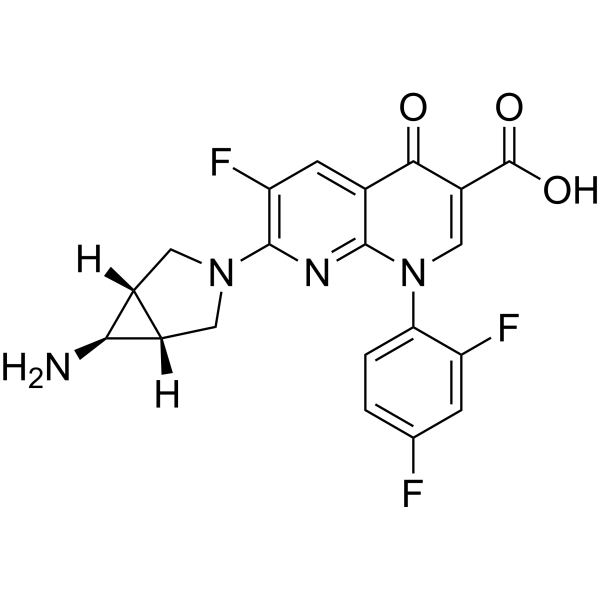
    Trovafloxacin
    Maximum Cited Publications
    7 Publications Verification

    Bacterial Topoisomerase Antibiotic Infection
    Trovafloxacin is a broad-spectrum quinolone antibiotic with potent activity against Gram-positive, Gram-negative and anaerobic organisms. Trovafloxacin blocks the DNA gyrase and topoisomerase IV activity. Trovafloxacin is also a potent, selective and orally active pannexin 1 channel (PANX1) inhibitor with an IC50 of 4 μM for PANX1 inward current. Trovafloxacin does not inhibit connexin 43 gap junction or PANX2. Trovafloxacin leads to dysregulated fragmentation of apoptotic cells by inhibiting PANX1 .
    Trovafloxacin
  • HY-103399
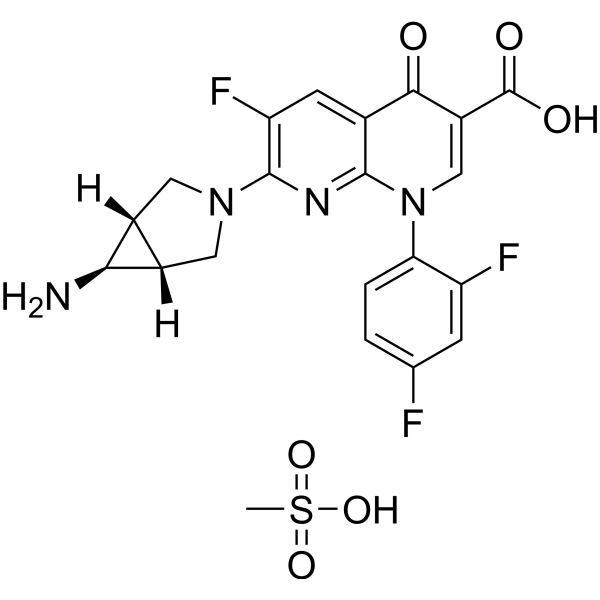
    Trovafloxacin mesylate
    Maximum Cited Publications
    7 Publications Verification

    Bacterial Topoisomerase Antibiotic Infection
    Trovafloxacin mesylate is a broad-spectrum quinolone antibiotic with potent activity against Gram-positive, Gram-negative and anaerobic organisms. Trovafloxacin mesylate blocks the DNA gyrase and topoisomerase IV activity. Trovafloxacin mesylate is also a potent, selective and orally active pannexin 1 channel (PANX1) inhibitor with an IC50 of 4 μM for PANX1 inward current. Trovafloxacin mesylate does not inhibit connexin 43 gap junction or PANX2. Trovafloxacin mesylate leads to dysregulated fragmentation of apoptotic cells by inhibiting PANX1 .
    Trovafloxacin mesylate
  • HY-B0926A

    Diatrizoic acid sodium salt; Sodium amidotrizoate

    Apoptosis Inflammation/Immunology
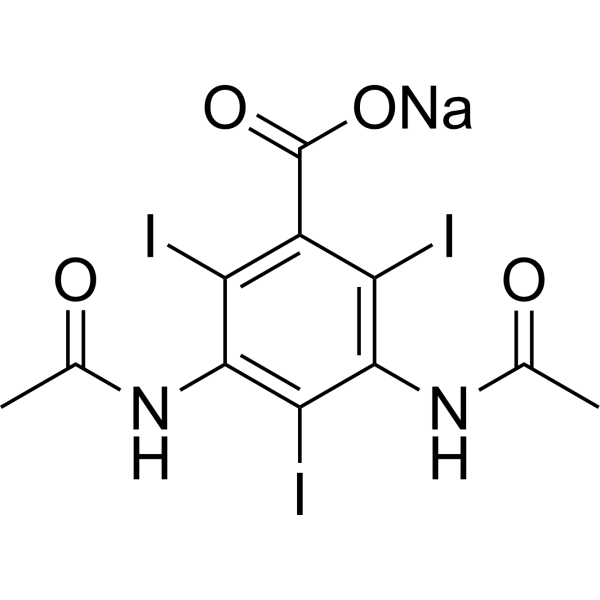
    Sodium diatrizoate (Diatrizoic acid sodium salt) is an iodinated radiocontrast agent and has the potential for radiographic imaging of the airways. Sodium diatrizoate induces mitochondrial turnover and oxidative stress, and activating apoptosis by dysregulating calcium .
    Sodium diatrizoate
  • HY-B0926

    Diatrizoate; Amidotrizoic acid

    Apoptosis Inflammation/Immunology
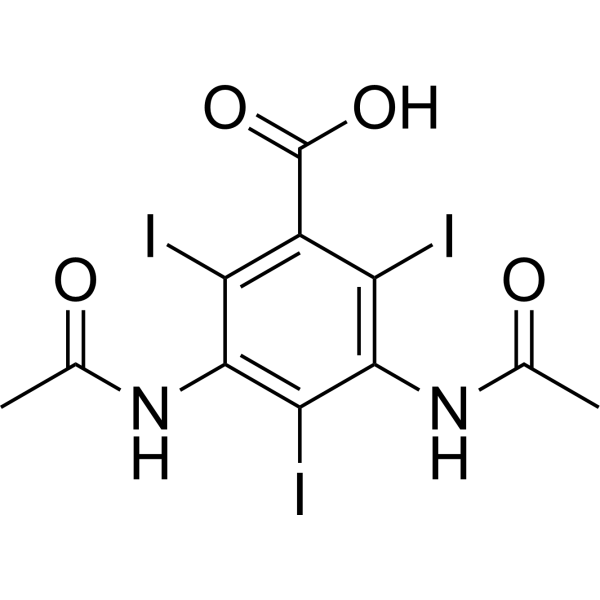
    Diatrizoic acid (Diatrizoate) is an iodinated radiocontrast agent and has the potential for radiographic imaging of the airways. Diatrizoic acid induces mitochondrial turnover and oxidative stress, and activating apoptosis by dysregulating calcium .
    Diatrizoic acid
  • HY-137978A
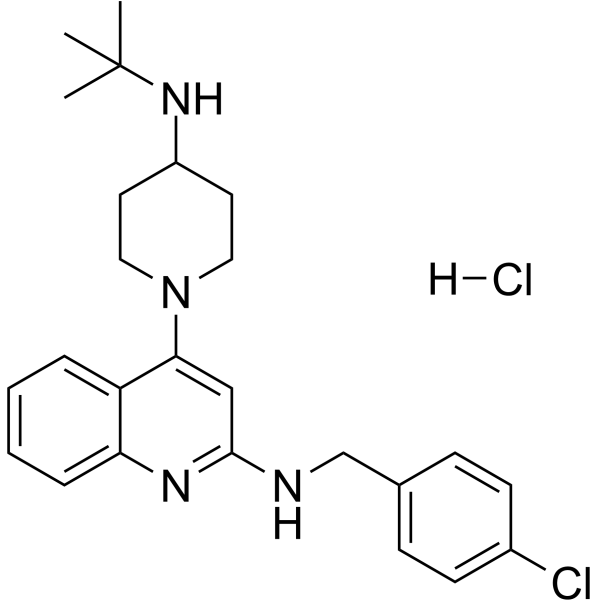
    Ezurpimtrostat hydrochloride
    3 Publications Verification

    GNS561 hydrochloride

    SARS-CoV IFNAR Autophagy Apoptosis Metabolic Disease Inflammation/Immunology Cancer
    Ezurpimtrostat hydrochloride (GNS561 hydrochloride) is an orally active PPT1 inhibitor, autophagy inhibitor, immunomodulator, anti-inflammatory agent, and anticancer agent. Ezurpimtrostat hydrochloride inhibits PPT1, dysregulates lysosomal function, redistributes mTOR, and induces apoptosis. Ezurpimtrostat hydrochloride reduces IFN‑α, CRP, immune complex deposition, and SARS‑CoV‑2 viral load. Ezurpimtrostat hydrochloride can be used for the study of systemic lupus erythematosus, SARS‑CoV‑2, hepatocellular carcinoma, fibrosis, and related disorders .
    Ezurpimtrostat hydrochloride
  • HY-N6670

    Antibiotic Raf ERK Ras MEK Bacterial Infection
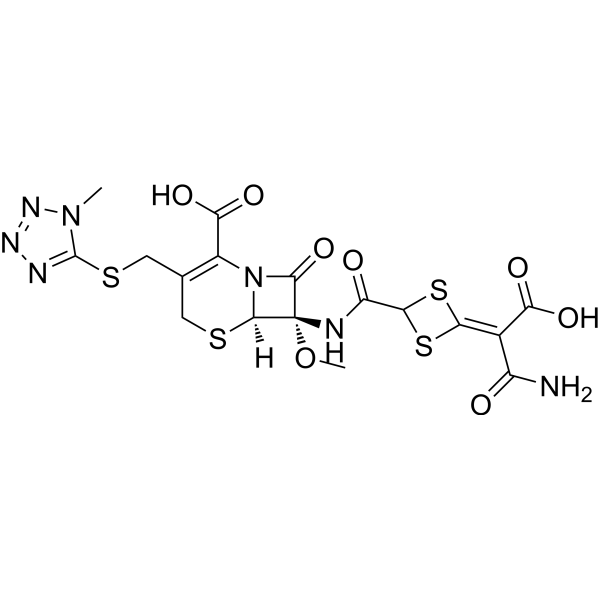
    Cefotetan is a binding agent that targets human Raf1 kinase inhibitor protein (hRKIP). Cefotetan binds to hRKIP, reduces the binding space between hRKIP and Raf1 kinase, relieves hRKIP's inhibition of the Ras/Raf1/MEK/ERK signaling pathway, and enhances ERK phosphorylation. Cefotetan can be used to study diseases associated with dysregulated Ras/Raf1/MEK/ERK signaling pathways. Cefotetan is also a broad-spectrum antibacterial agent that disrupts cell wall synthesis by binding to bacterial penicillin-binding proteins (PBPs). It is used to study bacterial infections such as bone, skin, urinary tract, and lower respiratory tract .
    Cefotetan
  • HY-W011725

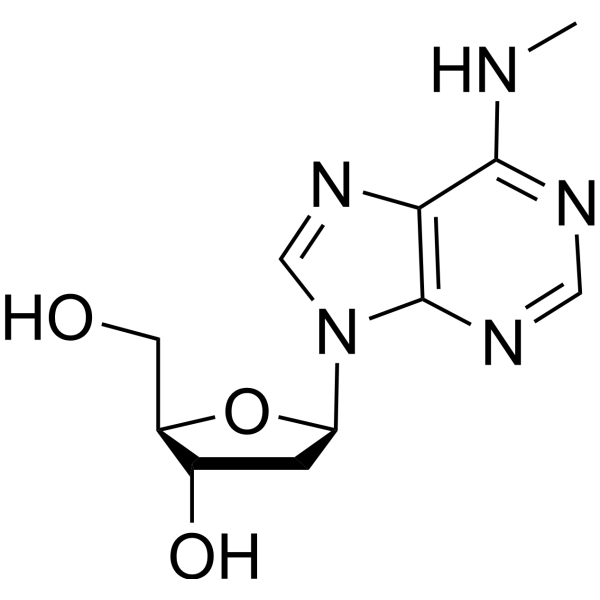
    m6dA

    Nucleoside Antimetabolite/Analog Mitochondrial Metabolism DNA/RNA Synthesis Neurological Disease Cancer
    N-6-Methyl-2-deoxyadenosine (m6dA) is an adenine nucleoside analogue. N-6-Methyl-2-deoxyadenosine targets nuclear processes and DNA replication machineries including WER, SATB1, TFAM, Jumu, SSBP1, DNA polymerase η and phage polymerase Gp90 exo . N-6-Methyl-2-deoxyadenosine acts as a multifunctional epigenetic regulator that modulates transcription, DNA damage response, cell cycle, transposon silencing, stress adaptation, epigenetic crosstalk, and nucleosome organization in both prokaryotes and eukaryotes. N-6-Methyl-2-deoxyadenosine regulates mitochondrial epigenetic inheritance and is required for fear extinction memory in mice. N-6-Methyl-2-deoxyadenosine exhibits dysregulated levels in cancers. N-6-Methyl-2-deoxyadenosine can be used for the research of glioblastoma, triple negative breast cancer, and conditioned fear (fear extinction impairment) .
    N-6-Methyl-2-deoxyadenosine
  • HY-12502A
    Efonidipine hydrochloride monoethanolate
    1 Publications Verification

    NZ-105 hydrochloride monoethanolate; (±)-Efonidipine hydrochloride monoethanolate

    Calcium Channel SARS-CoV Cardiovascular Disease Neurological Disease Cancer
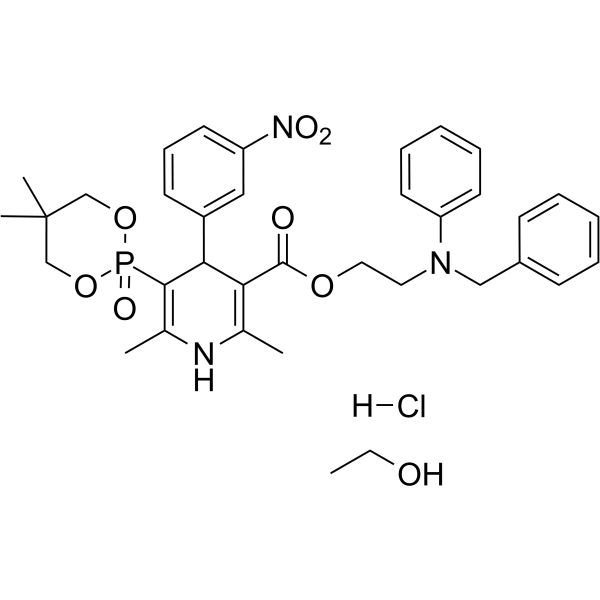
    Efonidipine (NZ-105) hydrochloride monoethanolate is an orally active dual L-type and T-type calcium channel blocker (CCB) with IC50 values of 1.8 and 350 nM, respectively. Efonidipine hydrochloride monoethanolate inhibits SARS-CoV-2 main protease. Efonidipine hydrochloride monoethanolate modulates adrenal steroidogenesis by increasing the expression of steroidogenic acute regulatory protein (StAR), dbcAMP-or angiotensin II-induced StAR mRNA expression and DHEA-S production, while suppressing the biosynthesis of aldosterone and cortisol. Efonidipine hydrochloride monoethanolate reduces plasma aldosterone levels in vivo. Efonidipine hydrochloride monoethanolate improves cardiac function in heart failure models by inhibiting T-type calcium channels (via both tonic and use-dependent blockade), independently of blood pressure reduction. Efonidipine hydrochloride monoethanolate can be used for research in hypertension, heart failure, and disorders involving dysregulated steroid hormone synthesis .
    Efonidipine hydrochloride monoethanolate
  • HY-111449
    BAY-218
    2 Publications Verification

    AHR antagonist 1

    Aryl Hydrocarbon Receptor Inflammation/Immunology Cancer
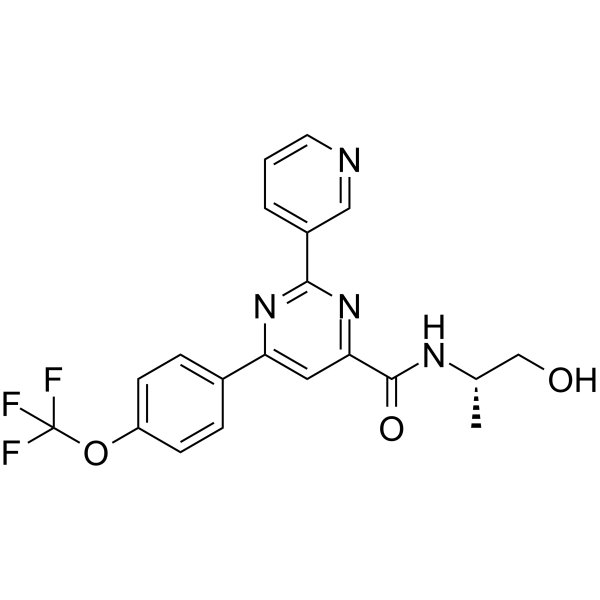
    BAY-218 (AHR antagonist 1) is an aryl hydrocarbon receptor (AHR) antagonist. BAY-218 has AHR inhibitory activity with an IC50 of 39.9 nM in in U87 glioblastoma cells. BAY-218 can be used for the research of cancer or conditions with dysregulated immune responses .
    BAY-218
  • HY-153468

    TEQ103; Sera2

    Sodium Channel TRP Channel Cancer
    ErSO-TFPy (TEQ103) is an ERα+ tumor cell inhibitor with low nanomolar cytotoxic activity against ERα+ breast cancer cells. ErSO-TFPy activates the sodium channel TRPM4, causes an imbalance of intracellular calcium and sodium ions. ErSO-TFPy dysregulates calcium homeostasis in ERα+ tumor cells, triggers the anticipatory unfolded protein response, and induces rapid immune cell-independent necrotic cell death. ErSO-TFPy can be used for the research of estrogen receptor alpha positive breast cancer .
    ErSO-TFPy
  • HY-171658

    PROTACs Ser/Thr Kinase TNF Receptor Toll-like Receptor (TLR) NF-κB p38 MAPK Inflammation/Immunology Cancer
    R1-ICR-5 is a highly selective RIPK1 PROTAC degrader. Mediated by VHL, R1-ICR-5 induces the degradation of RIPK1, which in turn dysregulates the TNFR1 and TLR3/4 signaling hubs, enhances the signaling outputs of NF-κB, MAPK and IFN, and simultaneously promotes RIPK3 activation and necroptosis (necroptosis). R1-ICR-5 can be used in the research of triple-negative breast cancer and skin inflammation .
    R1-ICR-5
  • HY-112181
    KO-947
    4 Publications Verification

    ERK Cancer
    KO-947 is a potent and selective inhibitor of ERK1/2 kinases with potential utility in MAPK pathway dysregulated tumors.
    KO-947
  • HY-12502
    Efonidipine
    1 Publications Verification

    NZ-105; (±)-Efonidipine

    Calcium Channel SARS-CoV Cardiovascular Disease Neurological Disease Cancer
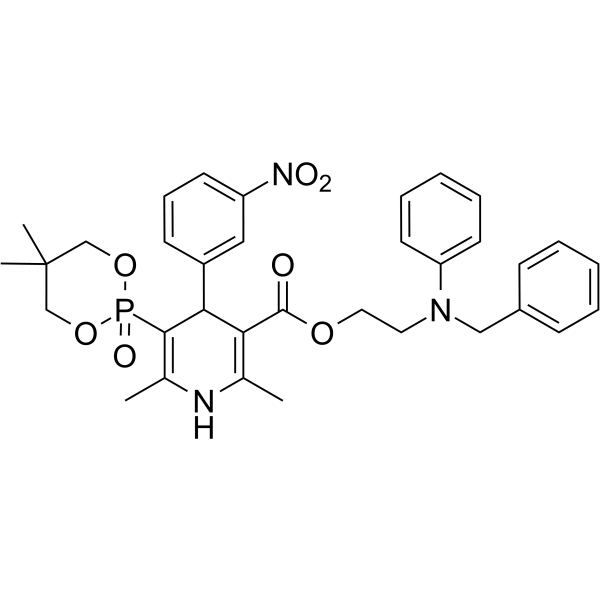
    Efonidipine (NZ-105) is an orally active dual L-type and T-type calcium channel blocker (CCB) with IC50 values of 1.8 and 350 nM, respectively. Efonidipine inhibits SARS-CoV-2 main protease. Efonidipine modulates adrenal steroidogenesis by increasing the expression of steroidogenic acute regulatory protein (StAR), dbcAMP-or angiotensin II-induced StAR mRNA expression and DHEA-S production, while suppressing the biosynthesis of aldosterone and cortisol. Efonidipine reduces plasma aldosterone levels in vivo. Efonidipine improves cardiac function in heart failure models by inhibiting T-type calcium channels (via both tonic and use-dependent blockade), independently of blood pressure reduction. Efonidipine can be used for research in hypertension, heart failure, and disorders involving dysregulated steroid hormone synthesis .
    Efonidipine
  • HY-137978
    Ezurpimtrostat
    3 Publications Verification

    GNS561

    SARS-CoV IFNAR Autophagy Apoptosis Infection Metabolic Disease Inflammation/Immunology Cancer
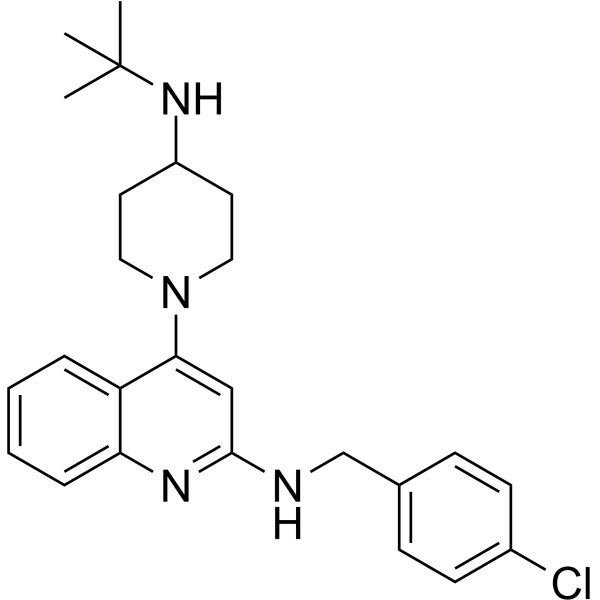
    Ezurpimtrostat (GNS561) is an orally active PPT1 inhibitor, autophagy inhibitor, immunomodulator, anti-inflammatory agent, and anticancer agent. Ezurpimtrostat inhibits PPT1, dysregulates lysosomal function, redistributes mTOR, and induces apoptosis. Ezurpimtrostat reduces IFN‑α, CRP, immune complex deposition, and SARS‑CoV‑2 viral load. Ezurpimtrostat can be used for the study of systemic lupus erythematosus, SARS‑CoV‑2, hepatocellular carcinoma, fibrosis, and related disorders .
    Ezurpimtrostat
  • HY-135831
    AHR antagonist 2
    1 Publications Verification

    Aryl Hydrocarbon Receptor Inflammation/Immunology Cancer
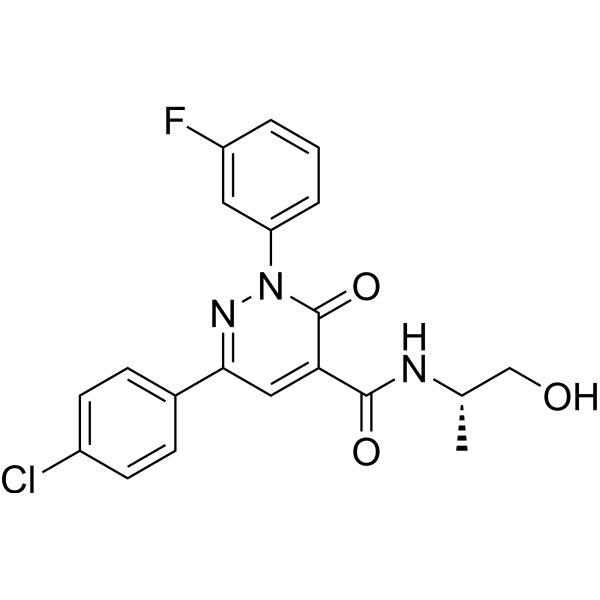
    AHR antagonist 2 (Example 1) is a potent aryl hydrocarbon receptor (AHR) antagonist with IC50s of 885 pM and 2.03 nM for human and mouse AHR. AHR antagonist 2 can be used for the studies of cancers and imbalance of the immune response .
    AHR antagonist 2
  • HY-178521

    Cadherin Cancer
    BAS00602705 is an E-cadherin inhibitor. BAS00602705 exerts its function by blocking the trans-interactions of E-cadherin molecules within junctional complexes, without permanently altering E-cadherin expression levels. BAS00602705 significantly impairs invadopodia formation in pancreatic cancer cells. BAS00602705 can be used for the study of anti-invasive therapeutic strategies in cancers characterized by dysregulated E-cadherin-mediated invadopodia activity, such as pancreatic ductal adenocarcinoma (PDAC) .
    BAS00602705
  • HY-147600

    CDK Cancer
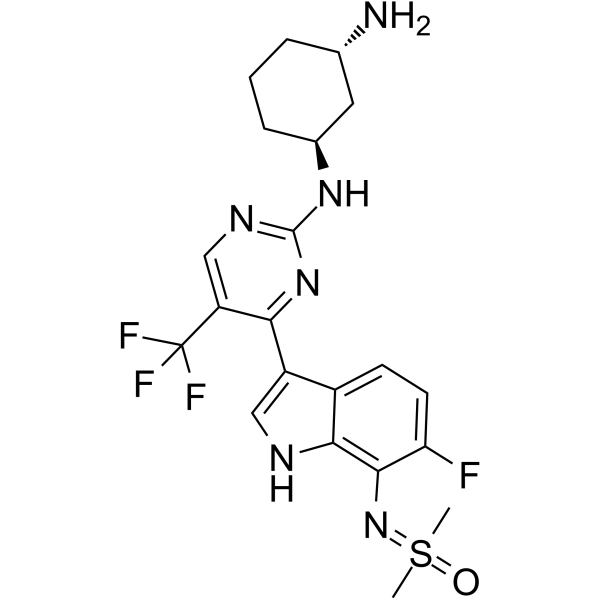
    CDK7-IN-15 (Compound 8) is a selective CDK7 inhibitor with an IC50 greater than 10 nM and less than or equal to 100 nM. CDK7-IN-15 is applicable to the research of cancers associated with transcriptional dysregulation .
    CDK7-IN-15
  • HY-136540

    RvD3

    AMPK Autophagy Inflammation/Immunology
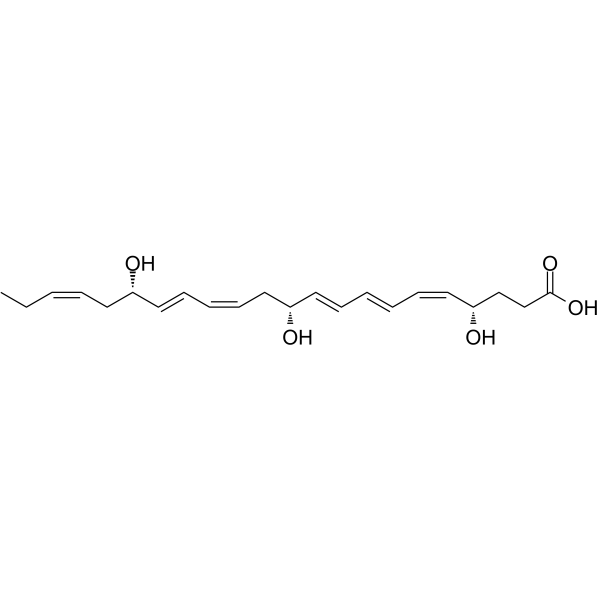
    Resolvin D3 (RvD3) is a docosahexaenoic acid (DHA) derived mediator. Resolvin D3 is dysregulated in arthritis and reduces arthritic inflammation .
    Resolvin D3
  • HY-W231513

    MASTL Ser/Thr Protease Aurora Kinase Cancer
    MASTL/Aurora A-IN-1 (Compound MA4) is a dual inhibitor of MASTL and Aurora A kinases with IC50 values of 0.56 μM and 0.16 μM, respectively. MASTL/Aurora A-IN-1 has broad-spectrum anticancer activity and has potent anticancer activity against SR (leukemia), K-562 (leukemia), MDA-MB-435 (melanoma), MOLT-4 (leukemia), and SK-MEL-2 (melanoma) cell lines in NCI-60 cancer cell lines with GI50 values of 0.023, 0.032, 0.037, 0.044, and 0.051 μM, respectively. MASTL/Aurora A-IN-1 inhibits Aurora A and MASTL kinases, inducing cell cycle G2/M arrest, thereby inhibiting cancer cell proliferation. MASTL/Aurora A-IN-1 can be used in cancer research, especially for tumors with dysregulated mitosis .
    MASTL/Aurora A-IN-1
  • HY-12502B

    NZ-105 hydrochloride; (±)-Efonidipine hydrochloride

    Calcium Channel SARS-CoV Cardiovascular Disease Cancer
    Efonidipine (NZ-105) hydrochloride is an orally active dual L-type and T-type calcium channel blocker (CCB) with IC50 values of 1.8 and 350 nM, respectively. Efonidipine hydrochloride inhibits SARS-CoV-2 main protease. Efonidipine hydrochloride modulates adrenal steroidogenesis by increasing the expression of steroidogenic acute regulatory protein (StAR), dbcAMP-or angiotensin II-induced StAR mRNA expression and DHEA-S production, while suppressing the biosynthesis of aldosterone and cortisol. Efonidipine hydrochloride reduces plasma aldosterone levels in vivo. Efonidipine hydrochloride improves cardiac function in heart failure models by inhibiting T-type calcium channels (via both tonic and use-dependent blockade), independently of blood pressure reduction. Efonidipine hydrochloride can be used for research in hypertension, heart failure, and disorders involving dysregulated steroid hormone synthesis .
    Efonidipine hydrochloride
  • HY-153895

    Estrogen Receptor/ERR Endocrinology
    SLU-PP-1072 is a dual ERRα/γ inverse agonist, used in Prostate cancer (PCa) research. SLU-PP-1072 disrupts PCa cell metabolism, and induces apoptosis via dysregulating cell cycle .
    SLU-PP-1072
  • HY-P99846

    QAX576

    Interleukin Related Inflammation/Immunology
    Dectrekumab (QAX576) is a human monoclonal antibody that targets IL-13. Dectrekumab significantly improves intraepithelial esophageal eosinophil counts and dysregulated esophageal disease-related transcripts with Eosinophilic esophagitis (EoE) in a sustained manner and can be used for inflammation and immunology related research .
    Dectrekumab
  • HY-N15826

    Fluorescent Dye Ceramidase Cancer
    RBM1-151, a 1-deoxy derivative and vinilog of RBM14-C12 (HY-150163), as a fluorogenic substrate of Amidases (HY-P2736) (Ex/Em). RBM1-151 is hydrolyzed by acid ceramidase (AC) (( appKm = 7.0 μM; appVmax = 99.3 nM/min), N-acylethanolamine-hydrolyzing acid amidase ( appKm = 0.73 μM; appVmax = 0.24 nM/min), and fatty Acid amide hydrolase (FAAH) ( appKm = 3.6 μM; appVmax = 7.6 nM/min) but not by other ceramidases. RBM1-151 is applicable for basic biological studies of lipid amidase function, as well as potential diagnostic/prognostic evaluations of diseases involving dysregulated AC, NAAA, or FAAH (Farber disease, cancer) .
    RBM1-151
  • HY-156001

    Deubiquitinase Cancer
    DUB-IN-7 (compound 43) is a Deubiquitinating enzymes (DUBs) inhibitor. DUB-IN-7 can be used in the study of diseases mediated by dysregulated JAK2 activity, such as leukemia .
    DUB-IN-7
  • HY-136540S

    RvD3-d5

    Isotope-Labeled Compounds Inflammation/Immunology
    Resolvin D3-d5 is the deuterium labeled Resolvin D3. Resolvin D3 (RvD3) is a docosahexaenoic acid (DHA) derived mediator. Resolvin D3 is dysregulated in arthritis and reduces arthritic inflammation .
    Resolvin D3-d5
  • HY-B0926R

    Diatrizoate (Standard); Amidotrizoic acid (Standard)

    Reference Standards Apoptosis Inflammation/Immunology
    Diatrizoic acid (Standard) is the analytical standard of Diatrizoic acid. This product is intended for research and analytical applications. Diatrizoic acid (Diatrizoate) is an iodinated radiocontrast agent and has the potential for radiographic imaging of the airways. Diatrizoic acid induces mitochondrial turnover and oxidative stress, and activating apoptosis by dysregulating calcium .
    Diatrizoic acid (Standard)
  • HY-B0926AR

    Diatrizoic acid sodium salt (Standard); Sodium amidotrizoate (Standard)

    Reference Standards Apoptosis Inflammation/Immunology
    Sodium diatrizoate (Standard) is the analytical standard of Sodium diatrizoate. This product is intended for research and analytical applications. Sodium diatrizoate (Diatrizoic acid sodium salt) is an iodinated radiocontrast agent and has the potential for radiographic imaging of the airways. Sodium diatrizoate induces mitochondrial turnover and oxidative stress, and activating apoptosis by dysregulating calcium .
    Sodium diatrizoate (Standard)
  • HY-163360

    PI3K Cancer
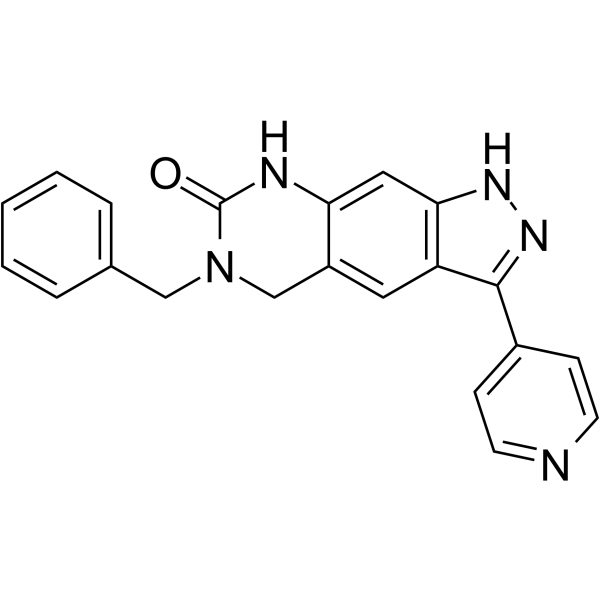
    PI3Kα-IN-19 (Compound 1) is a PI3Kα inhibitor with a targeted binding site at the p110α catalytic subunit. PI3Kα is one of the most common dysregulated kinases used in cancer research .
    PI3Kα-IN-19
  • HY-122251

    RGS Protein Others Neurological Disease
    CCG-4986 is an RGS protein inhibitor. CCG-4986 inhibits protein activity by covalently modifying the Cys-132 site of RGS4. CCG-4986 can be used to study diseases related to dysregulated G protein-coupled receptor (GPCR) signaling, such as Parkinson's disease and opioid addiction .
    CCG-4986
  • HY-B0926S

    Diatrizoate-d6; Amidotrizoic acid-d6

    Isotope-Labeled Compounds Apoptosis Inflammation/Immunology
    Diatrizoic acid-d6 (Diatrizoate-d6; Amidotrizoic acid-d6) is the deuterium labeled Diatrizoic acid (HY-B0926). Diatrizoic acid (Diatrizoate) is an iodinated radiocontrast agent and has the potential for radiographic imaging of the airways. Diatrizoic acid induces mitochondrial turnover and oxidative stress, and activating apoptosis by dysregulating calcium .
    Diatrizoic acid-d6
  • HY-179052

    Apoptosis Autophagy Bcl-2 Family Caspase Atg8/LC3 Atg7 CDK Reactive Oxygen Species (ROS) Cancer
    Apoptosis inducer 50 (Compound 5e) is an apoptosis inducer as well as an autophagy inducer agent. Apoptosis inducer 50 exhibits potent and selective anti-cancer activity against triple-negative breast cancer cells and metastatic colon cancer cells. Apoptosis inducer 50 upregulates the expression of pro-apoptotic proteins (Bax, Bim, cleaved Caspase-9) and downregulates the expression of the anti-apoptotic protein (BCL-XL). Apoptosis inducer 50 upregulates key autophagy markers such as Beclin-1 and ATG5, and enhances the conversion of LC3-I to LC3-II., Apoptosis inducer 50 arrests cancer cells in the G1/S phase by upregulating the expression of p21 and p27 while downregulating Cyclin D1. Apoptosis inducer 50 increases the level of ROS .
    Apoptosis inducer 50
  • HY-117885

    PDK-1 Cancer
    PF-5177624 is a specific and potent inhibitor of PDK1, a key enzyme in the PI3K/AKT signaling pathway that is frequently dysregulated in breast cancer. PDK1 phosphorylates AKT at T308 and other substrates, activating downstream signaling pathways that are important for tumor progression. PF-5177624 blocks IGF-1-stimulated PDK1 activity and downstream AKT and p70S6K phosphorylation, reducing cell proliferation and transformation in breast cancer cells .
    PF-5177624
  • HY-A0170R

    Reference Standards Bacterial Topoisomerase Antibiotic Infection
    Trovafloxacin (Standard) is the analytical standard of Trovafloxacin. This product is intended for research and analytical applications. Trovafloxacin is a broad-spectrum quinolone antibiotic with potent activity against Gram-positive, Gram-negative and anaerobic organisms. Trovafloxacin blocks the DNA gyrase and topoisomerase IV activity. Trovafloxacin is also a potent, selective and orally active pannexin 1 channel (PANX1) inhibitor with an IC50 of 4 μM for PANX1 inward current. Trovafloxacin does not inhibit connexin 43 gap junction or PANX2. Trovafloxacin leads to dysregulated fragmentation of apoptotic cells by inhibiting PANX1 .
    Trovafloxacin (Standard)
  • HY-12502AR

    NZ-105 hydrochloride monoethanolate (Standard); (±)-Efonidipine hydrochloride monoethanolate (Standard)

    Reference Standards Calcium Channel SARS-CoV Cardiovascular Disease
    Efonidipine (NZ-105) hydrochloride monoethanolate (Standard) is the analytical standard of Efonidipine hydrochloride monoethanolate (HY-12502AR). This product is intended for research and analytical applications. Efonidipine (NZ-105) hydrochloride monoethanolate is an orally active dual L-type and T-type calcium channel blocker (CCB) with IC50 values of 1.8 and 350 nM, respectively. Efonidipine hydrochloride monoethanolate inhibits SARS-CoV-2 main protease. Efonidipine hydrochloride monoethanolate modulates adrenal steroidogenesis by increasing the expression of steroidogenic acute regulatory protein (StAR), dbcAMP-or angiotensin II-induced StAR mRNA expression and DHEA-S production, while suppressing the biosynthesis of aldosterone and cortisol. Efonidipine hydrochloride monoethanolate reduces plasma aldosterone levels in vivo. Efonidipine hydrochloride monoethanolate improves cardiac function in heart failure models by inhibiting T-type calcium channels (via both tonic and use-dependent blockade), independently of blood pressure reduction. Efonidipine hydrochloride monoethanolate can be used for research in hypertension, heart failure, and disorders involving dysregulated steroid hormone synthesis .
    Efonidipine hydrochloride monoethanolate (Standard)
  • HY-136682

    Histone Demethylase Cancer
    N19-0881 (Compound 33) is an orally active, potent and selective KDM5A/5B histone lysine demethylase inhibitor (IC50= 0.013 μM and 0.002 μM, respectively). N19-0881 is promising for research of epigenetically dysregulated tumors (e.g., breast cancer) .
    N19-0881
  • HY-181532

    Ligands for E3 Ligase IAP Cancer
    IAP ligand 8 is an ASX-series, non-peptidic SMAC mimetic and IAP binder with high cell permeability. IAP ligand 8 selectively targets cIAP1-BIR3, XIAP-BIR2 (with a KD of 15.8 nM for both). IAP ligand 8 serves as an IAP ligand moiety to synthesize IAP-recruiting protein degrader (IPD) (HY-181590). This IPD simultaneously forms two ternary complexes, cIAP1-A538-TEAD1 and XIAP-A538-TEAD1, and efficiently degrades TEAD1 via a dual E3 recruitment mechanism, while inducing the autodegradation of cIAP1. IAP ligand 8 and its series of degraders are applicable to targeted research on Hippo pathway-dysregulated cancers such as NF2-mutant mesothelioma .
    IAP ligand 8

Inquiry Online

Your information is safe with us. * Required Fields.

Salutation


Country or Region *

Applicant Name *


Organization Name *

Department *


Email Address *


Product Name *

Cat. No.


Requested quantity *

Phone Number *


Remarks

Inquiry Online

Inquiry Information

Product Name:
Cat. No.:
Quantity:
MCE Japan Authorized Agent:

