

1. Search Result
Search Result
Results for "

embryonic development

" in MedChemExpress (MCE) Product Catalog:

73

Inhibitors & Agonists

3

Screening Libraries

1

Biochemical Assay Reagents

6

Peptides

7

Natural
Products

18

Oligonucleotides

Targets Recommended:
Cat. No. Product Name Target Research Areas Chemical Structure
  • HY-N6612
    D-Glucuronic acid
    1 Publications Verification

    Endogenous Metabolite Toll-like Receptor (TLR) Neurological Disease Metabolic Disease Inflammation/Immunology Cancer
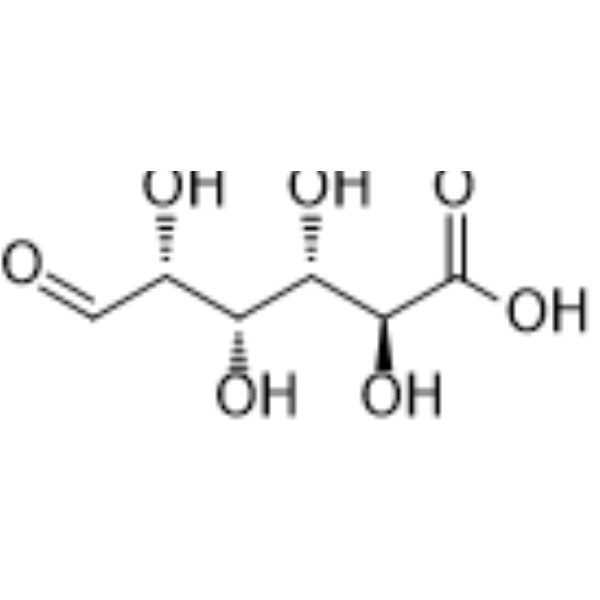
    D-Glucuronic acid is a major component of many anti-inflammatory proteoglycans, which can promote embryonic development and inhibit cell aggregation. After being metabolized into ethyl glucuronide (HY-113093), D-Glucuronic acid activates Toll-like receptor 4 (TLR4), causing pain. D-Glucuronic acid and its derivative glucurono-lactone can serve as liver detoxifiers, and its derivatives also possess anti-tumor activity .
    D-Glucuronic acid
  • HY-B0631
    Alendronic acid
    5+ Cited Publications

    NF-κB Interleukin Related Metabolic Disease
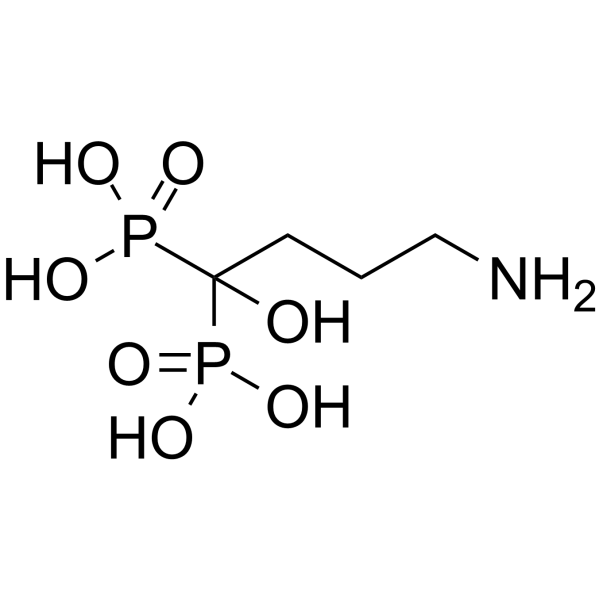
    Alendronate acid is an orally active bisphosphonate which binds to bone surfaces and inhibits bone resorption by osteoclasts. Alendronate acid induces skeletal alterations in the chicken embryonic development model. Alendronate acid can be used for osteoporosis research .
    Alendronic acid
  • HY-101117
    EED226
    Maximum Cited Publications
    14 Publications Verification

    Histone Methyltransferase Cancer
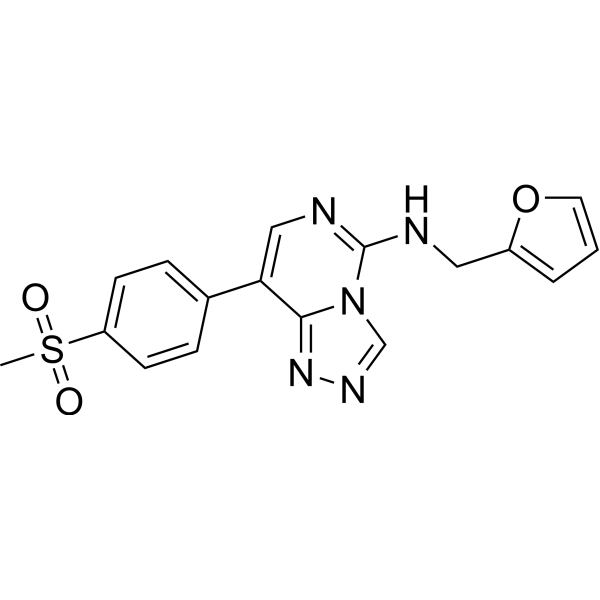
    EED226 is a polycomb repressive complex 2 (PRC2) inhibitor, which binds to the K27me3-pocket on embryonic ectoderm development (EED) and shows strong antitumor activity in xenograft mice model . EED226 is a potent, selective, and orally bioavailable EED inhibitor . EED226 inhibits PRC2 with an IC50 of 23.4 nM when the H3K27me0 peptide is used as a substrate in the in vitro enzymatic assays .
    EED226
  • HY-108685
    Alendronate sodium
    5+ Cited Publications

    Alendronic acid monosodium salt

    NF-κB Interleukin Related Metabolic Disease
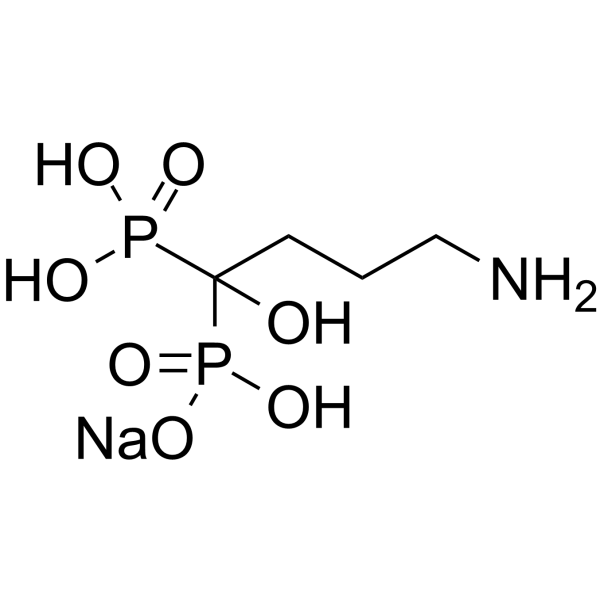
    Alendronate sodium is an orally active bisphosphonate which binds to bone surfaces and inhibits bone resorption by osteoclasts. Alendronate sodium induces skeletal alterations in the chicken embryonic development model. Alendronate sodium can be used for osteoporosis research .
    Alendronate sodium
  • HY-103663
    MAK683
    4 Publications Verification

    Histone Methyltransferase Cancer
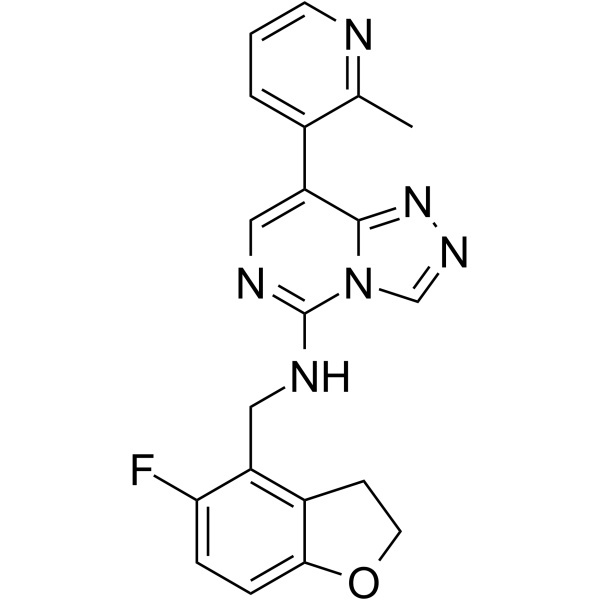
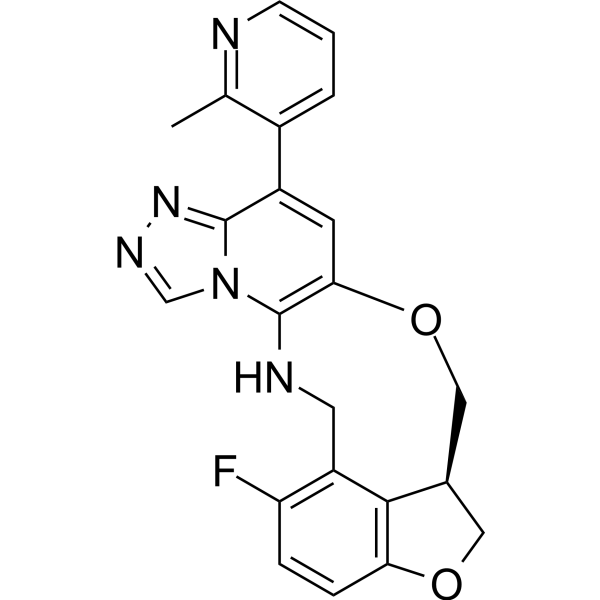
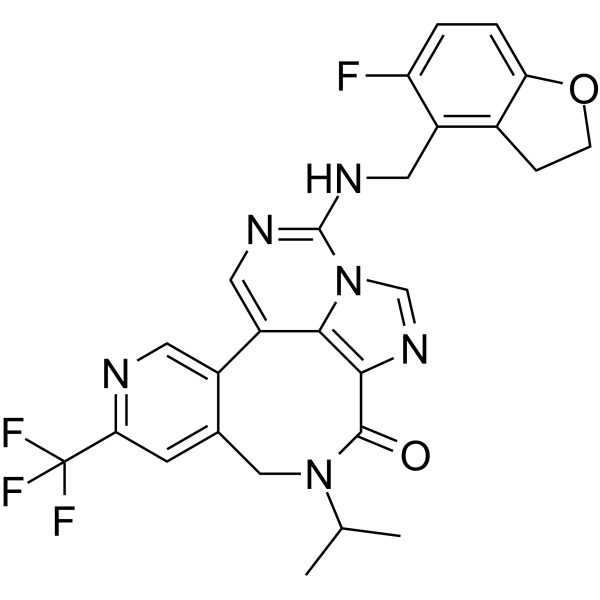
    MAK683 is an embryonic ectoderm development (EED) inhibitor extracted from patent US20160176882 A1, compound example 2. MAK683 exhibits IC50s of 59, 89, 26 nM in EED Alphascreen binding, LC-MS and ELISA assay .
    MAK683
  • HY-139400

    FTX-6058

    Histone Methyltransferase Cardiovascular Disease
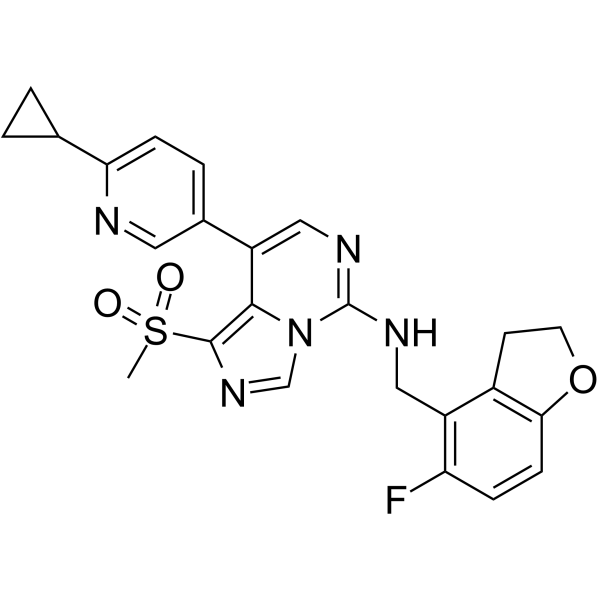
    Pociredir (FTX-6058) is a potent and orally active inhibitor of Embryonic Ectoderm Development (EED). Pociredir can induce HbF protein expression in cell and murine models. Pociredir can be used for the research of select hemoglobinopathies, including sickle cell disease and β-thalassemia .
    Pociredir
  • HY-130708
    UNC6852
    4 Publications Verification

    Histone Methyltransferase PROTACs Cancer
    UNC6852 is a selective polycomb repressive complex 2 (PRC2) degrader based on PROTAC and contains an EED (embryonic ectoderm development) ligand and a von Hippel-Lindau ligand, with an IC50 of 247 nM for EED .
    UNC6852
  • HY-P0254
    Kisspeptin-10, human
    1 Publications Verification

    Kisspeptin Receptor Cardiovascular Disease Cancer
    Kisspeptin-10, human is a potent vasoconstrictor and inhibitor of angiogenesis. Kisspeptin-10, human acts as a tumor metastasis suppressor via its receptor GPR54. Kisspeptin-10-GPR54 system plays an important role in embryonic kidney development. Kisspeptin-10/GPR54 signaling induces osteoblast differentiation via NFATc4-mediated BMP2 expression .
    Kisspeptin-10, human
  • HY-136977
    EEDi-5285
    1 Publications Verification

    Histone Methyltransferase Cancer
    EEDi-5285 is an exceptionally potent and orally active embryonic ectoderm development (EED) inhibitor with an IC50 value of 0.2 nM for binds to the EED protein. EEDi-5285 has anti-cancer activity .
    EEDi-5285
  • HY-W013272

    HFT

    Androgen Receptor Drug Metabolite Akt PI3K Gap Junction Protein Integrin Cancer
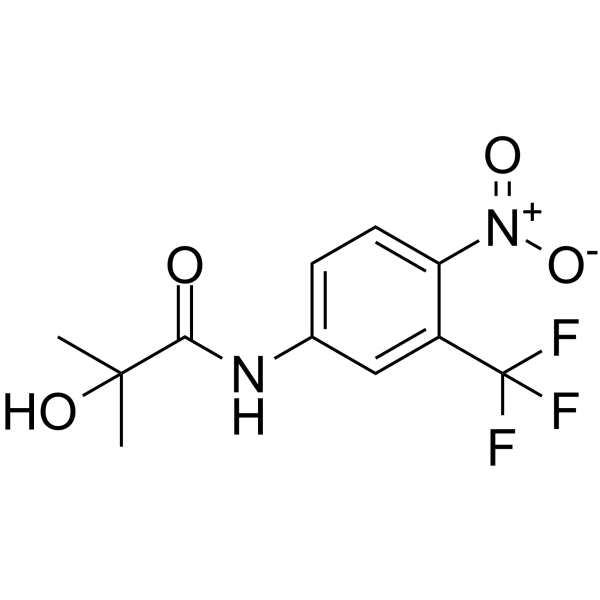
    Hydroxyflutamide (HFT) is the active metabolite of Flutamide (HY-B0022) and exhibits oral activity. Hydroxyflutamide is a potent androgen receptor antagonist with an IC50 of 700 nM. Hydroxyflutamide can affect embryonic development and reproductive tract development in mice. Additionally, Hydroxyflutamide can enhance the efficacy of Bacillus Calmette-Guérin (BCG) to better inhibit the progression of bladder cancer. Hydroxyflutamide can be used in research related to tumors and reproductive diseases .
    Hydroxyflutamide
  • HY-132922

    APG-5918

    Histone Methyltransferase Cancer
    EEDi-5273 (APG-5918) is a potent and orally active embryonic ectoderm development (EED) inhibitor with an IC50 of 0.2 nM. EEDi-5273 can inhibit the polycomb repressive complex 2 (PRC2) activity and block trimethylation of histone H3 lysine 27. EEDi-5273 can be used for the research of cancer, such as ovarian cancer .
    EEDi-5273
  • HY-N6612R

    Reference Standards Endogenous Metabolite Toll-like Receptor (TLR) Metabolic Disease Inflammation/Immunology Cancer
    D-Glucuronic acid (Standard) is the analytical standard of D-Glucuronic acid. This product is intended for research and analytical applications. D-Glucuronic acid is a major component of many anti-inflammatory proteoglycans, which can promote embryonic development and inhibit cell aggregation. After being metabolized into ethyl glucuronide (HY-113093), D-Glucuronic acid activates Toll-like receptor 4 (TLR4), causing pain. D-Glucuronic acid and its derivative glucurono-lactone can serve as liver detoxifiers for human health prevention, and its derivatives also possess anti-tumor activity .
    D-Glucuronic acid (Standard)
  • HY-14608R

    Reference Standards Endogenous Metabolite iGluR Ferroptosis Apoptosis Neurological Disease
    L-Glutamic acid (Standard) is the analytical standard of L-Glutamic acid. This product is intended for research and analytical applications. L-Glutamic acid is an excitatory amino acid neurotransmitter that acts as an agonist for all subtypes of glutamate receptors (metabolic rhodophylline, NMDA, and AMPA). L-Glutamic acid has an agonist effect on the release of DA from dopaminergic nerve endings. L-Glutamic acid can be used in the study of neurological diseases . IC50 & Target:DA . In Vitro: L-Glutamic acid (120, 500, 750, 1000 mg/dL) can reduce the harmful effect of lithium on the embryonic development of Xenopus Xenopus .
    L-Glutamic acid (2, 5, 10, 20 mM, 24-48 h) can induce neuroexcitotoxicity in neuroblastoma .
    In Vivo: L-Glutamic acid (3 g/kg, subcutaneous injection) can promote excitotoxic degeneration of retinal ganglion cells in mice .
    L-Glutamic acid (750 mg/kg, intraperitoneal injection) can reduce and inhibit oxidative stress induced by chlorpyrifos (CPF) in rats .
    L-Glutamic acid (Standard)
  • HY-130815A

    Ligands for Target Protein for PROTAC Histone Methyltransferase Cancer
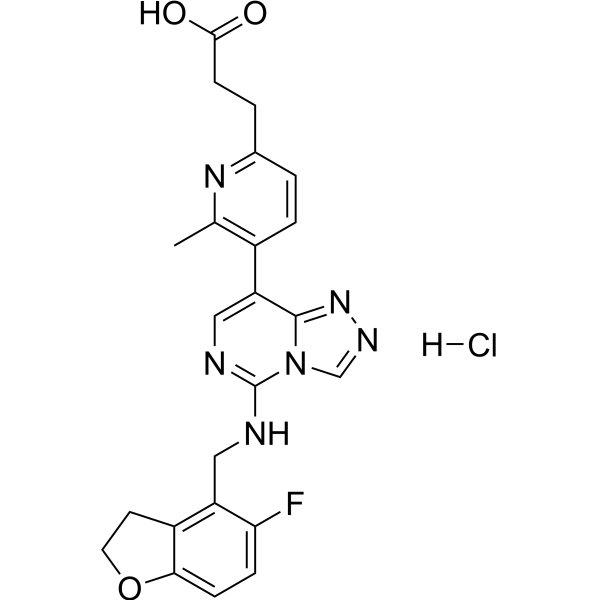
    MAK683-CH2CH2COOH binds to EED (embryonic ectoderm development protein). MAK683-CH2CH2COOH and a VHL ligand for the E3 ubiquitin ligase have been used to design PROTAC EED degrader-1 (HY-130614) and PROTAC EED degrader-2 (HY-130615) .
    MAK683-C2-acid hydrochloride
  • HY-103073
    Mesendogen
    1 Publications Verification

    TRP Channel Others
    Mesendogen is a TRPM6 inhibitor. Mesendogen enhances the mesoderm and definitive endoderm (DE) differentiations of human embryonic stem cells (hESCs) and human induced pluripotent stem cells (hiPSCs). Mesendogen can be used for the research of magnesium homeostasis during early embryonic cell development .
    Mesendogen
  • HY-17597

    Parasite Infection
    Febantel is an oral dewormer used to treat gastrointestinal nematodes in sheep, as well as roundworm and tapeworm infections in poultry and livestock, and it also inhibits the embryonic development of mouse hairworms and whipworm eggs .
    Febantel
  • HY-124838
    EG1
    1 Publications Verification

    DNA/RNA Synthesis Cancer
    EG1, a specific Pax2 inhibitor, directly binds the paired domain of Pax2 (Kd=1.35-1.5 μM) and inhibits Pax2-DNA interactions. EG1 can inhibit embryonic kidney development, a process directly dependent on Pax2 activity .
    EG1
  • HY-NP143

    Biochemical Assay Reagents Neurological Disease
    Nerve Growth Factor 2.5S, murine submaxillary gland is a neurotrophic polypeptide required for normal growth and development of sympathetic and embryonic sensory neurons and certain cholinergic neurons in the central nervous system. Nerve Growth Factor 2.5S, murine submaxillary gland has only β-subunit , and shows nerve growth-promoting activity .
    Nerve Growth Factor 2.5S,murine submaxillary gland
  • HY-139400A

    FTX-6058 hydrochloride

    Histone Methyltransferase Cardiovascular Disease
    Pociredir (FTX-6058) hydrochloride is a potent and orally active inhibitor of Embryonic Ectoderm Development (EED). Pociredir hydrochloride can induce HbF protein expression in cell and murine models. Pociredir hydrochloride can be used for the research of select hemoglobinopathies, including sickle cell disease and β-thalassemia .
    Pociredir hydrochloride
  • HY-102067

    Wnt Cancer
    3289-8625 is an inhibitor of the PDZ domain of Dishevelled (Dvl) protein (Kd=10.6 μM) and has an inhibitory effect on Wnt signaling. In addition, 3289-8625 can slow the growth of prostate cancer PC-3 cells (IC50=12.5 μM). 3289-8625 can be used in the study of embryonic development and cancer .
    3289-8625
  • HY-E70098

    Others Cancer
    RNase H2 is the predominant source of RNase H activity in mammalian and human cells. RNase H2 protects genome integrity. RNase H2 has been associated with ribonucleotide removal from genomic DNA in yeast and mouse, where it is required for embryonic development .
    RNase H2
  • HY-156095
    F7H
    2 Publications Verification

    Wnt Cancer
    F7H is a Frizzled receptor FZD7 antagonist (IC50: 1.25 μM). Frizzled receptors (FZDs) influence Wnt signaling, mediating embryonic development and tissue homeostasis. F7H is a potent ligand for the FZD7 transmembrane domain (TMD) .
    F7H
  • HY-W004154

    Environmental Pollutants Biochemical Assay Reagents Others
    2-Ethylbutyric acid is a volatile fatty acid. 2-Ethylbutyric acid exhibits phytotoxicity. 2-Ethylbutyric acid is used as an internal standard in milk and dairy products and as an internal standard (IS) in the calibration of fecal VFA standards. 2-Ethylbutyric acid can be used in the research of embryonic development .
    2-Ethylbutyric acid
  • HY-126181

    Endogenous Metabolite Others
    5-Formylcytosine is a modified base, which is oxidized from 5-methylcytosine. 5-Formylcytosine is a intermediate of in the active DNA demethylation .
    5-Formylcytosine
  • HY-P0254A
    Kisspeptin-10, human TFA
    1 Publications Verification

    Kisspeptin Receptor Cardiovascular Disease Cancer
    Kisspeptin-10, human TFA is a potent vasoconstrictor and inhibitor of angiogenesis. Kisspeptin-10, human TFA acts as a tumor metastasis suppressor via its receptor GPR54. Kisspeptin-10-GPR54 system plays an important role in embryonic kidney development. Kisspeptin-10/GPR54 signaling induces osteoblast differentiation via NFATc4-mediated BMP2 expression .
    Kisspeptin-10, human TFA
  • HY-P5351A

    Transmembrane Glycoprotein Inflammation/Immunology Cancer
    Hyaluronan-binding peptide, biotin labeled TFA is a biological active peptide. (This peptide is a hyaluronan-binding peptide biotinylated through a C-terminal GGGSK linker. Hyaluronan (HA) is a nonsulfated glycosaminoglycan expressed in the extracellular matrix and on cell surfaces. HA plays a role in fertilization, embryonic development, wound healing, angiogenesis, leukocyte trafficking to inflamed tissues, and cancer metastasis. This peptide has been shown to block HA binding to CD44 receptors and inhibit T cell proliferation.) .
    Hyaluronan-binding peptide, biotin labeled TFA
  • HY-W020788

    CGA 154281

    Environmental Pollutants Glutathione S-transferase Estrogen Receptor/ERR Pregnane X Receptor (PXR) FXR Metabolic Disease Cancer
    Benoxacor (CGA 154281) is a herbicide safener and xenobiotic metabolism regulator. Benoxacor protects maize from the toxicity of metolachlor mainly by inducing detoxifying enzymes such as Glutathione S-transferase. Benoxacor also activates FXR, PXR and ERRα, and inhibits aromatase (aromatase). However, Benoxacor exhibits potential subacute oral toxicity and a high risk of hepatotoxicity in animal models. Benoxacor induces reactive oxygen species accumulation, interferes with embryonic heart development, and causes increased liver and kidney weights as well as alterations in gut microbiota in mice. Benoxacor can be used in studies related to hepatic steatosis, infertility, breast cancer and developmental toxicity .
    Benoxacor
  • HY-103663A

    Histone Methyltransferase Cancer
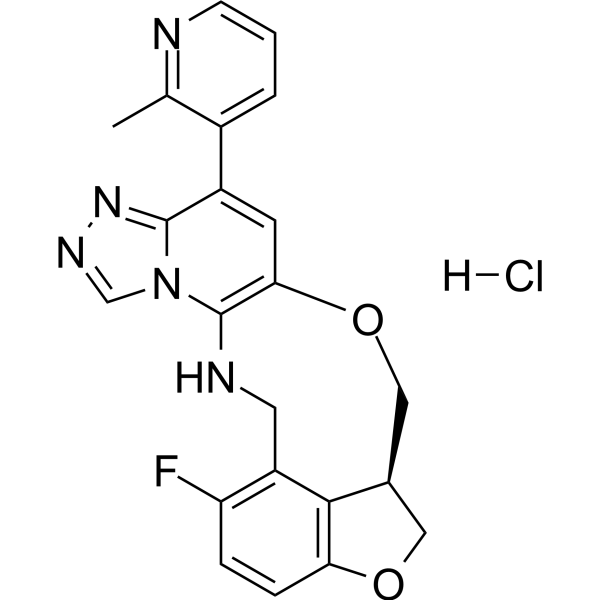
    MAK683 hydrochloride is an embryonic ectoderm development (EED) inhibitor extracted from patent US20160176882 A1, compound example 2. MAK683 exhibits IC50s of 59, 89, 26 nM in EED Alphascreen binding, LC-MS and ELISA assay .
    MAK683 hydrochloride
  • HY-130815

    Histone Methyltransferase Ligands for Target Protein for PROTAC Cancer
    MAK683-CH2CH2COOH binds to EED (embryonic ectoderm development protein). MAK683-CH2CH2COOH and a VHL ligand for the E3 ubiquitin ligase have been used to design PROTAC EED degrader-1 (HY-130614) and PROTAC EED degrader-2 (HY-130615) .
    MAK683-CH2CH2COOH
  • HY-N6612A

    Endogenous Metabolite Toll-like Receptor (TLR) Neurological Disease Metabolic Disease Inflammation/Immunology Cancer
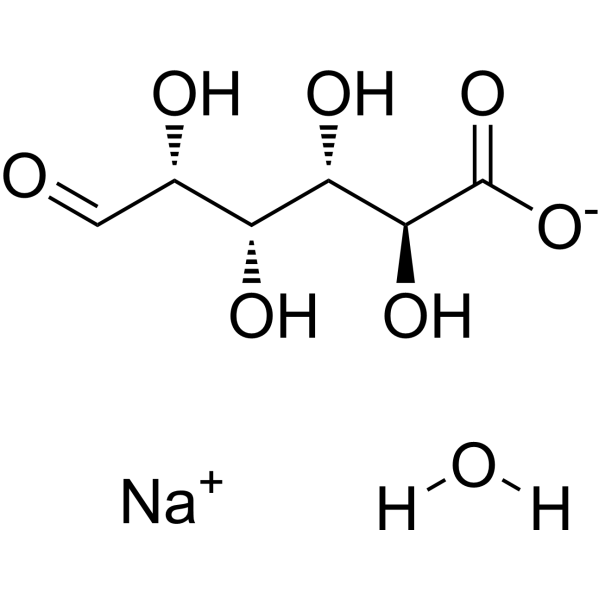
    D-Glucuronic acid sodium salt monohydrate is a major component of many anti-inflammatory proteoglycans, which can promote embryonic development and inhibit cell aggregation. After being metabolized into ethyl glucuronide (HY-113093), D-Glucuronic acid sodium salt monohydrate activates Toll-like receptor 4 (TLR4), causing pain. D-Glucuronic acid sodium salt monohydrate and its derivative glucurono-lactone can serve as liver detoxifiers, and its derivatives also possess anti-tumor activity .
    D-Glucuronic acid sodium salt monohydrate
  • HY-146272

    Vasopressin Receptor Endocrinology
    Vasopressin V2 receptor antagonist 1 is a vasopressin V2 receptor (V2R) antagonist with a Ki value of 3.8 nM. Vasopressin V2 receptor antagonist 1 inhibits renal cyst formation in embryonic renal cyst models and mouse models. Vasopressin V2 receptor antagonist 1 can be used in research related to autosomal dominant polycystic kidney disease .
    Vasopressin V2 receptor antagonist 1
  • HY-116603

    5-HT Receptor Others
    SB-236057 is an inverse agonist of the 5-HT1B receptor that exhibits strong skeletal teratogenicity in rodents and rabbits. SB-236057 affects gene expression during embryonic development through interference with the Notch signaling pathway and interaction with r-esp1. SB-236057 induces somatic patterning and tail extension defects in rat embryos during early organogenesis .
    SB-236057
  • HY-W025074

    Sirtuin Histone Methyltransferase Cancer
    BML-278 is a SIRT1 activator (EC150: 1 μM). BML-278 increases H3K9 methylation and inhibits H3K9 acetylation in both the paternal and maternal pronucleus. BML-278 improves early embryonic development. BML-278 arrests the cell cycle at the G1/S phase, and reduces senescence in primary human mesenchymal cells. BML-278 reduces tubulin acetylation in U937 cells. BML-278 also increases mitochondrial density in murine C2C12 myoblasts .
    BML-278
  • HY-144869

    FLT3 Cancer
    OTS447 is a potent FLT3 inhibitor with an IC50 of 21 nM (WO2012016082A1, compound 335) .
    OTS447
  • HY-P2266

    Histone Methyltransferase Cancer
    SAH-EZH2, a stable EZH2 α-helical peptide, is an EZH2/EED interaction inhibitor. SAH-EZH2 targets native embryonic ectoderm development (EED), disturbs its interactions with EZH1 and EZH2, and selectively decreases trimethylation of H3K27 .
    SAH-EZH2
  • HY-107408

    Hedgehog Gli Metabolic Disease Cancer
    SANT 2 is a potent Hh-signaling pathway antagonist. SANT 2 interferes with the expression of Gli1. SANT 2 causes developmental delay in medaka embryos. SANT 2 has the potential for the research of several malignancies including Gorlin syndrome (a disorder predisposing to basal cell carcinoma, medulloblastoma and rhabdomyosarcoma), prostate, pancreatic and breast cancers .
    SANT 2
  • HY-W020788R

    CGA 154281 (Standard)

    Reference Standards Glutathione S-transferase Estrogen Receptor/ERR Pregnane X Receptor (PXR) FXR Others
    Benoxacor (Standard) is the analytical standard of Benoxacor. This product is intended for research and analytical applications. Benoxacor (CGA 154281) is a herbicide safener and xenobiotic metabolism regulator. Benoxacor protects maize from the toxicity of metolachlor mainly by inducing detoxifying enzymes such as Glutathione S-transferase. Benoxacor also activates FXR, PXR and ERRα, and inhibits aromatase (aromatase). However, Benoxacor exhibits potential subacute oral toxicity and a high risk of hepatotoxicity in animal models. Benoxacor induces reactive oxygen species accumulation, interferes with embryonic heart development, and causes increased liver and kidney weights as well as alterations in gut microbiota in mice. Benoxacor can be used in studies related to hepatic steatosis, infertility, breast cancer and developmental toxicity .
    Benoxacor (Standard)
  • HY-174705

    mRNA Cancer
    Human FGF17 mRNA encodes the human fibroblast growth factor 17 (FGF17) protein, a member of the fibroblast growth factor (FGF) family. FGF17 probably plays an important role in the regulation of embryonic development and as signaling molecule in the induction and patterning of the embryonic brain. It is also required for normal brain development.
    Human FGF17 mRNA
  • HY-174668

    mRNA Metabolic Disease
    Human HNF1B mRNA encodes the human HNF1 homeobox B (HNF1B) protein, a member of the homeodomain-containing superfamily of transcription factors. HNF1B has been shown to function in nephron development, and regulates development of the embryonic pancreas.
    Human HNF1B mRNA
  • HY-122299

    Ro 11-1430

    Drug Derivative Others
    Motretinide (Ro 11-1430) is an aromatic retinoic acid with teratogenic activity. Motretinide can be used in studies on medication guidance during pregnancy .
    Motretinide
  • HY-174706

    mRNA Cardiovascular Disease
    Human FGF16 mRNA encodes the human fibroblast growth factor 16 (FGF16) protein, a member of the fibroblast growth factor (FGF) family. FGF16 probably plays an important role in the regulation of embryonic development, cell proliferation and cell differentiation. It is also required for normal cardiomyocyte proliferation and heart development.
    Human FGF16 mRNA
  • HY-174592

    mRNA Cancer
    Human kruppel like factor 4 (KLF4) mRNA encodes a protein that belongs to the Kruppel family of transcription factors. KLF4 protein is thought to regulate the expression of key transcription factors during embryonic development and play an important role in maintaining embryonic stem cells, and in preventing their differentiation. In addition it is also required for establishing the barrier function of the skin and for postnatal maturation and maintenance of the ocular surface.
    Human KLF4 mRNA
  • HY-174553

    mRNA Cancer
    Human PDGFA mRNA encodes the human platelet derived growth factor A (PDGFA) protein, a member of the platelet-derived growth factor family. PDGFA plays an essential role in the regulation of embryonic development, cell proliferation, cell migration, survival and chemotaxis.
    Human PDGFA mRNA
  • HY-174552

    mRNA Cancer
    Human PDGFB mRNA encodes the human platelet derived growth factor B (PDGFB) protein, a member of the platelet-derived growth factor family. PDGFB plays an essential role in the regulation of embryonic development, cell proliferation, cell migration, survival and chemotaxis.
    Human PDGFB mRNA
  • HY-174550

    mRNA Cancer
    Human PDGFD mRNA encodes the human platelet derived growth factor D (PDGFD) protein, a member of the platelet-derived growth factor family. PDGFD plays an essential role in the regulation of embryonic development, cell proliferation, cell migration, survival and chemotaxis.
    Human PDGFD mRNA
  • HY-174551

    mRNA Cancer
    Human PDGFC mRNA encodes the human platelet derived growth factor C (PDGFC) protein, a member of the platelet-derived growth factor family. PDGFC plays an essential role in the regulation of embryonic development, cell proliferation, cell migration, survival and chemotaxis.
    Human PDGFC mRNA
  • HY-174696

    mRNA Cancer
    Human FGF4 mRNA encodes the human fibroblast growth factor 4 (FGF4) protein, a member of the fibroblast growth factor (FGF) family. FGF4 may play an important role in the regulation of embryonic development, cell proliferation, and cell differentiation.
    Human FGF4 mRNA
  • HY-174697

    mRNA Cancer
    Human FGF3 mRNA encodes the human fibroblast growth factor 3 (FGF3) protein, a member of the fibroblast growth factor (FGF) family. FGF3 may play an important role in the regulation of embryonic development, cell proliferation, and cell differentiation.
    Human FGF3 mRNA
  • HY-174544

    mRNA Cancer
    Human POU class 5 homeobox 1 (POU5F1) mRNA encodes a transcription factor containing a POU homeodomain that plays a key role in embryonic development and stem cell pluripotency. Aberrant expression of this gene in adult tissues is associated with tumorigenesis.
    Human POU5F1 mRNA
  • HY-174679

    mRNA Cancer
    Human FOXA2 mRNA encodes the human forkhead box A2 (FOXA2) protein, a member of the forkhead class of DNA-binding proteins. FOXA2 is involved in embryonic development, establishment of tissue-specific gene expression and regulation of gene expression in differentiated tissues.
    Human FOXA2 mRNA

Inquiry Online

Your information is safe with us. * Required Fields.

Salutation


Country or Region *

Applicant Name *


Organization Name *

Department *


Email Address *


Product Name *

Cat. No.


Requested quantity *

Phone Number *


Remarks

Inquiry Online

Inquiry Information

Product Name:
Cat. No.:
Quantity:
MCE Japan Authorized Agent:

