1. Search Result
Search Result
Results for "

epilepsy model

" in MedChemExpress (MCE) Product Catalog:

47

Inhibitors & Agonists

1

Screening Libraries

1

Fluorescent Dye

1

Peptides

1

Natural
Products

2

Isotope-Labeled Compounds

Cat. No. Product Name Target Research Areas Chemical Structure
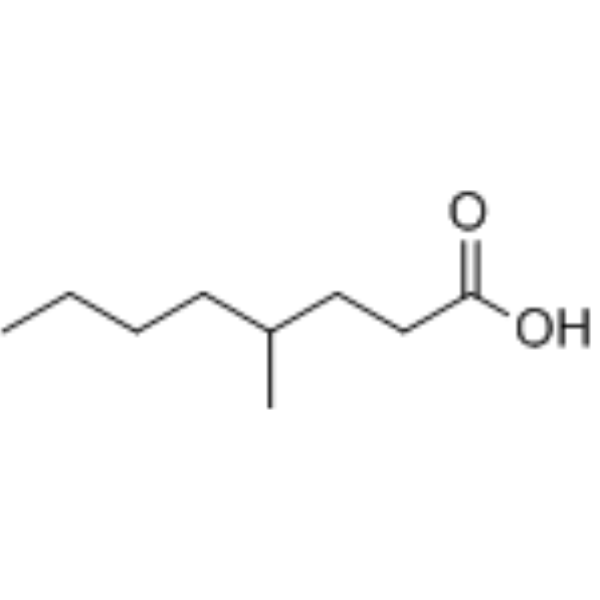
  • HY-107661
    Arundic Acid
    2 Publications Verification

    ONO-2506; (R)-2-Propyloctanoic acid

    ERK Akt NF-κB EAAT Cardiovascular Disease Neurological Disease
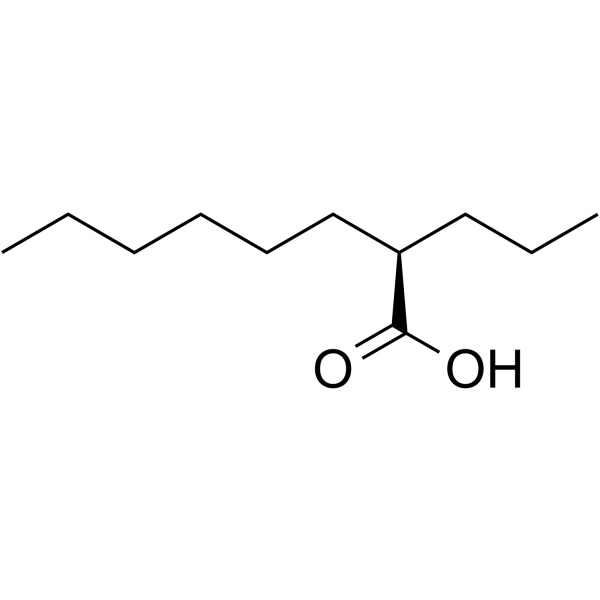
    Arundic Acid is an orally effective astrocyte function modulator and neuroprotective agent. Arundic Acid increases the expression and function of the astrocytic glutamate transporter EAAT1 by activating the ERK, Akt and NF-κB pathways. Arundic Acid attenuates retinal ganglion cell death in a normal-tension glaucoma model. Arundic Acid exerts neuroprotective effects in a mouse model of Parkinson's disease. Arundic Acid is a S100β protein synthesis inhibitor that prevents neurological deficits and brain tissue damage after intracerebral hemorrhage in rats. Arundic Acid downregulates neuroinflammation and astrocytic dysfunction after status epilepticus in immature rats. Arundic Acid is applicable to research related to Parkinson's disease, cerebral ischemia, glaucoma, intracerebral hemorrhage and epilepsy .
    Arundic Acid
  • HY-120546
    Ulixacaltamide
    1 Publications Verification

    Z944; PRAX-944

    Calcium Channel Neurological Disease Inflammation/Immunology
    Ulixacaltamide (Z944) is an orally available T-type calcium channel antagonist that can slow the progression of epilepsy. Ulixacaltamide effectively reduces tremor in a normal alkaline tremor animal model. Ulixacaltamide reverses thermal hyperalgesia and mediates pain relief .
    Ulixacaltamide
  • HY-B0340

    DM9384; DZL-221

    nAChR iGluR mGluR PKC GABA Receptor Calcium Channel Neurological Disease
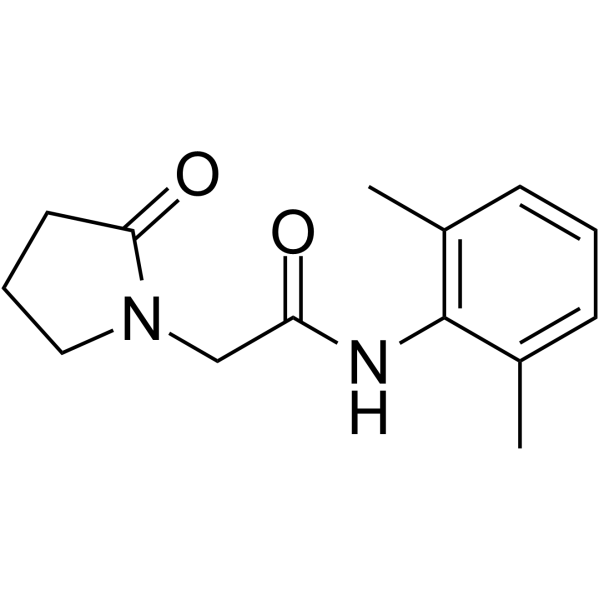
    Nefiracetam is a cognition-enhancing agent. Nefiracetam is an activator of nAChR, N-methyl-D-aspartate receptor (NMDAR), mGluR5, PKC, gamma-aminobutyric acid (GABA), and N/L-type Ca 2+ channels. Nefiracetam promotes neuroplasticity and enhances neuroprotection. Nefiracetam can be used in Alzheimer's disease, epilepsy, and cerebral ischemia research .
    Nefiracetam
  • HY-109009
    Padsevonil
    2 Publications Verification

    UCB-0942

    GABA Receptor Neurological Disease
    Padsevonil (UCB0942) is a potent antiepileptic agent that selectively acts on presynaptic and postsynaptic targets. Padsevonil binds to synaptic vesicular protein 2 (SV2) with high affinity. Padsevonil is also a positive allosteric modulator and partial agonist of GABAAR, with high potency against α1 and α5 receptors. Padsevonil has antiepileptic effects in a variety of rodent models .
    Padsevonil
  • HY-111751
    JNJ-61432059
    1 Publications Verification

    iGluR Neurological Disease
    JNJ-61432059 is a blood-brain barrier-permeable, orally active TARP γ-8-associated AMPAR modulator with anticonvulsant activity. JNJ-61432059 negatively regulates GluA1 and positively modulates GluA2-containing AMPARs. JNJ-61432059 exerts potent protective effects in rodent epilepsy models. JNJ-61432059 is applicable for epilepsy-related research .
    JNJ-61432059
  • HY-160955

    Phosphatase Neurological Disease
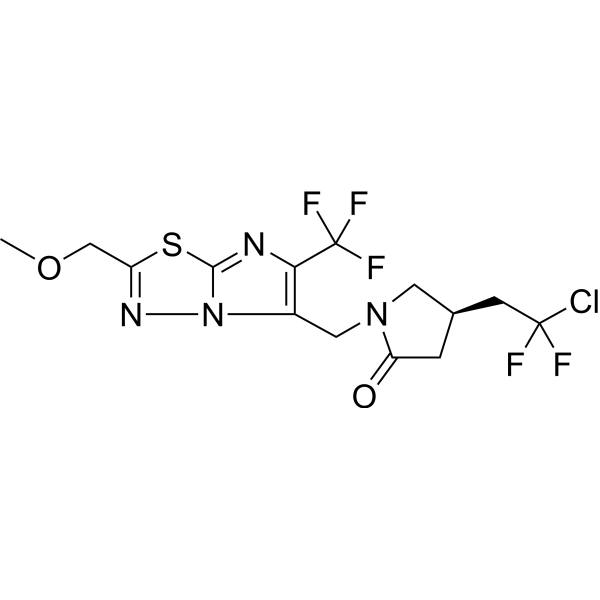
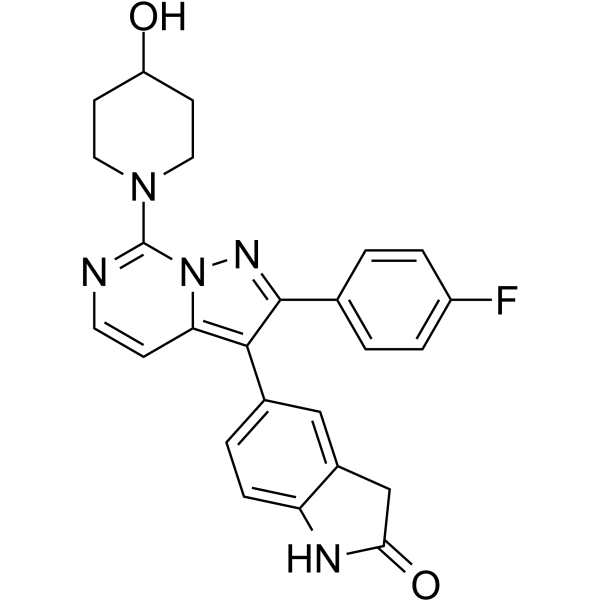
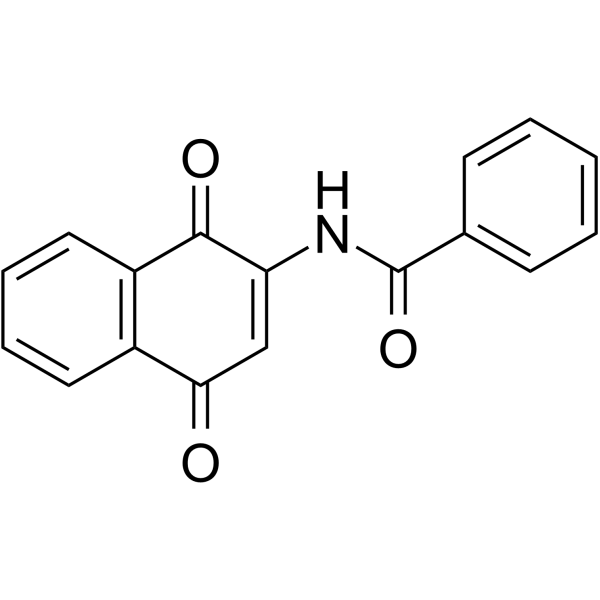
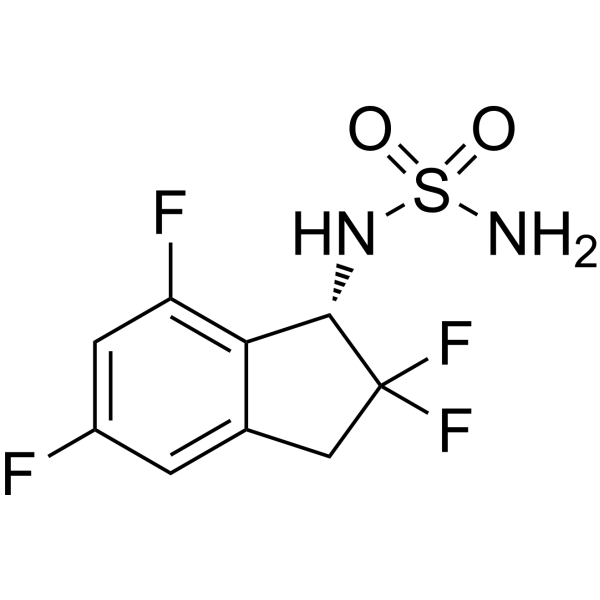
    Z218484536 is a selective and brain-penetrant phosphoserine phosphatase (PSPH) inhibitor. Z218484536 binds to PSPH with a Kd value of approximately 0.23 μM. Z218484536 reduces L-serine and D-serine levels in astrocytes. Z218484536 is able to suppress spontaneous epileptic seizures without causing serious side effects. Z218484536 also shows good anti-epileptic effects in the temporal lobe epilepsy (TLE) model .
    Z218484536
  • HY-110192
    ML 297
    1 Publications Verification

    VU 0456810; CID 56642816

    Potassium Channel Neurological Disease
    ML 297 (VU 0456810) is a potent and selective GIRK1/2 activator, with an EC50 of 0.16 μM. ML 297 can cross the blood-brain barrier with brain-to-plasma ratio of 0.2 in mice model (i.p.). ML 297 is potential for the treatment of epilepsy .
    ML 297
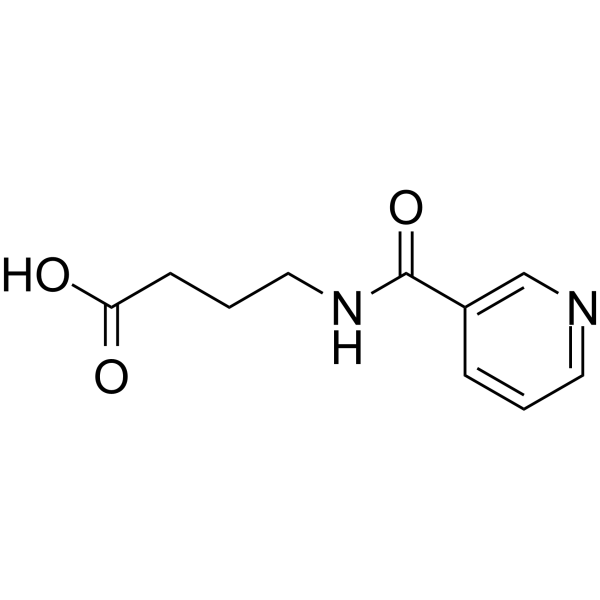
  • HY-107482

    Nicotinoyl-GABA; Nicotinoyl-γ-aminobutyric acid

    GABA Receptor Neurological Disease
    Picamilon is an orally active derivative of γ-aminobutyric acid that has nootropic effect. Picamilon improves the epilepsy model in rats and promotes correction of functional disorders of the pancreas during Alloxan (HY-W017227)-induced diabetes mellitus in rats .
    Picamilon
  • HY-138668

    TRP Channel Neurological Disease
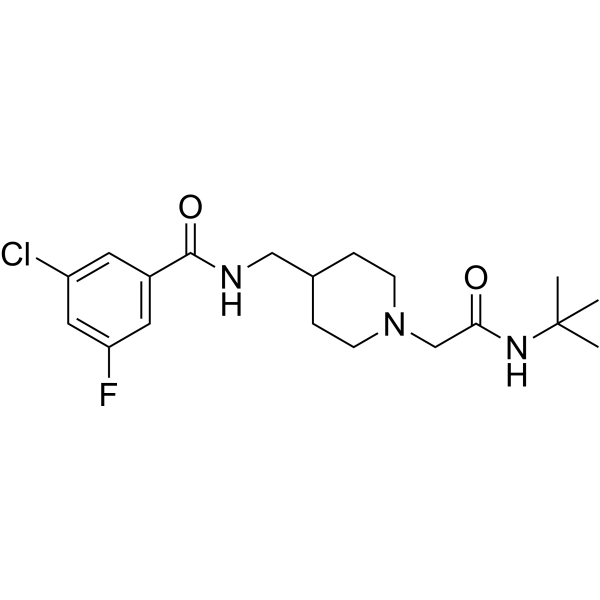
    JW-65 is a selective TRPC3 channel inhibitor with favorable blood-brain barrier penetration. JW-65 directly binds to human TRPC3 protein and modulates calcium signaling to reduce seizure susceptibility. JW-65 reduces seizure incidence, severity, and duration while prolonging seizure latency in multiple seizure models. JW-65 alleviates Aβ‑induced neuronal damage. JW-65 serves as a valuable tool for research on epilepsy, seizure disorders, and Alzheimer’s disease .
    JW-65
  • HY-14948
    Carisbamate
    1 Publications Verification

    RWJ-333369

    Sodium Channel Neurological Disease
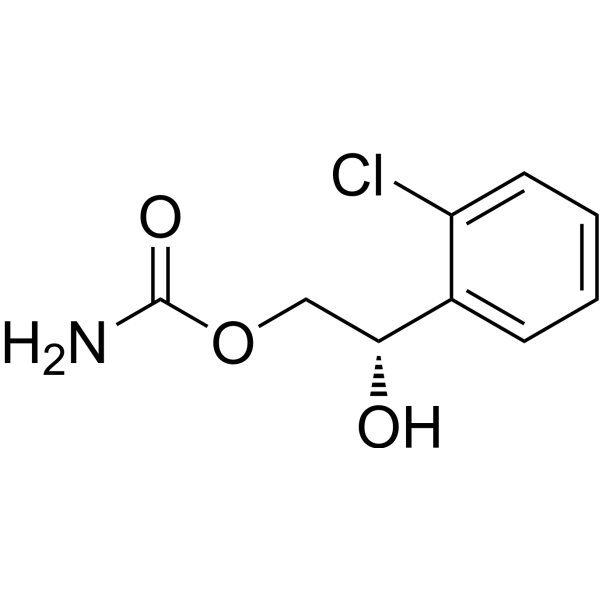
    Carisbamate (RWJ-333369) is an orally active neuromodulator. Carisbamate prevents the development and production of epilep-like discharges and has a neuroprotective effect after in vitro epilepticus-like injury. Carisbamate has good antiepileptic activity in genetic models of generalized and nonconvulsive epilepsy .
    Carisbamate
  • HY-175668

    Potassium Channel Neurological Disease
    IDOR-1104-0086 is an orally active Kv7 potassium channel opener with an EC50 of 210 nM that can cross blood-brain barrier. IDOR-1104-0086 displays strong selectivity against the hERG channel with an IC20 of 25 μM. IDOR-1104-0086 exhibits efficacy in two rodent models of epilepsy and a favorable tolerability profile. IDOR-1104-0086 can used for the study of epilepsy .
    IDOR-1104-0086
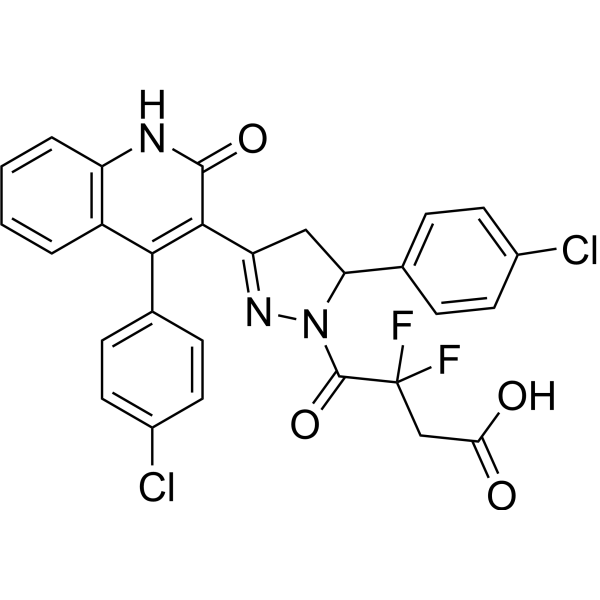
  • HY-155811

    iGluR Neurological Disease
    DQP-997-74 (compound 2i) is a selective negative allosteric modulator of N-methyl-d-aspartate receptor (NMDAR), specifically targeting GluN2C/D (IC50: 0.069 μM and 0.035 μM), with blood-brain barrier penetrability. Where DQP refers to dihydroquinoline-pyrazoline. DQP-997-74 acts synergistically with the agonist glutamate to exhibit time-dependent enhanced potency in inhibiting hypersynchronous activity driven by high-frequency excitatory synaptic transmission. DQP-997-74 reduces the number of epileptogenesis in a murine model of tuberous sclerosis complex (TSC)-induced epilepsy. DQP-997-74 can be used for research on NMDAR-related neurological diseases .
    DQP-997-74
  • HY-W012481

    Ethylphenylhydantoin; Phenylethyihydantoin; Desmethylmephenytoin

    Drug Metabolite Neurological Disease
    Nirvanol (Ethylphenylhydantoin) is a metabolite of Mephenytoin (HY-B1184) that exerts anticonvulsant effects in the maximal electroshock (M.E.S.) seizure model in mice. Nirvanol shows potential for research in epilepsy-related neurological disorders .
    Nirvanol
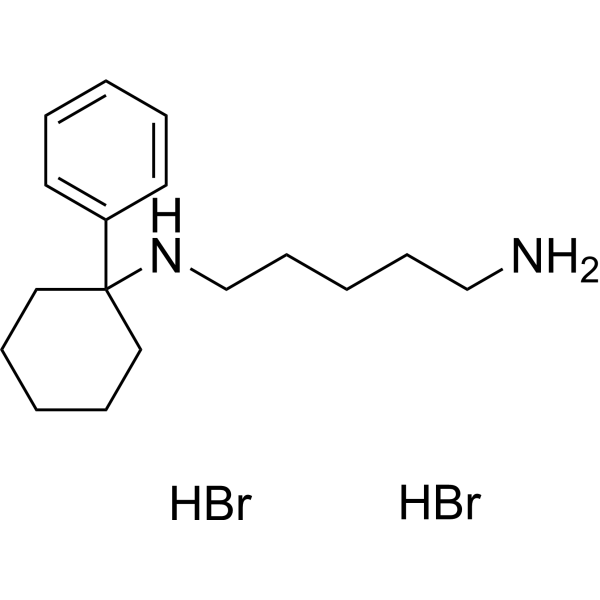
  • HY-103232

    mGluR Neurological Disease
    IEM-1925 bromide is an orally active glutamate receptor antagonist, increases the latent period and decreases the duration of status epilepticus in rats in a lithium-pilocarpine model of epilepsy .
    IEM-1925 bromide
  • HY-109009A

    (S)-UCB-0942

    GABA Receptor Neurological Disease
    (S)-Padsevonil is the S-enantiomer of Padsevonil (HY-109009).Padsevonil (UCB0942) is a potent antiepileptic agent that selectively acts on presynaptic and postsynaptic targets. Padsevonil binds to synaptic vesicular protein 2 (SV2) with high affinity. Padsevonil is also a positive allosteric modulator and partial agonist of GABAAR, with high potency against α1 and α5 receptors. Padsevonil has antiepileptic effects in a variety of rodent models .
    (S)-Padsevonil
  • HY-107482A

    Nicotinoyl-GABA sodium; Nicotinoyl-γ-aminobutyric acid sodium; Sodium 4-(nicotinamido)butanoate

    GABA Receptor Neurological Disease
    Picamilon sodium is an orally active derivative of γ-aminobutyric acid that has nootropic effect. Picamilon sodium improves the epilepsy model in rats and promotes correction of functional disorders of the pancreas during Alloxan (HY-W017227)-induced diabetes mellitus in rats .
    Picamilon sodium
  • HY-19130

    Adenosine Receptor Neurological Disease
    BW-534U87 is an orally active adenosine A1 receptor agonist and competitive adenosine deaminase (ADA) inhibitor (Ki=7 μM). BW-534U87 elevates brain adenosine levels and suppresses epileptiform activity. BW-534U87 demonstrate anticonvulsant efficacy in animal seizure models. BW-534U87 is promising for research of epilepsy and adenosine-related neuropsychiatric disorders .
    BW-534U87
  • HY-155238

    GABA Receptor Neurological Disease
    E2730 is a noncompetitive but selective inhibitor of gamma-aminobutyric acid (GABA) transporter 1 (GAT1) with orally available and antiepileptic activity. E2730-mediated GAT1 inhibition is positively correlated with environmental GABA levels and selectively inhibits GAT1-mediated GABA uptake. E2730 (5-50 mg/kg; po) in rat amygdala ignition model, and in mouse cornea ignition (5-50 mg/kg), drug resistance 6Hz-44mA has demonstrated in vivo efficacy in models of psychomotor epilepsy (5-50 mg/kg), fragile X syndrome (2.5-300 mg/kg), and Dravet syndrome (10 mg/kg, 20 mg/kg) .
    E2730
  • HY-178362

    Carbonic Anhydrase NKCC mTOR Neurological Disease
    CAII/VII-IN-1 is an orally active hCA II (KI = 12.3 nM), and hCA VII (KI = 22.6 nM) inhibitor, showing no significant activity against hCA I. CAII/VII-IN-1 shows excellent neuroprotective activity in vivo Pilocarpine (HY-B0726A)-induced seizure model. CAII/VII-IN-1 can upregulate KCC2 and inhibit mTOR, exerting neuroprotective effects. CAII/VII-IN-1 does not show any significant neurotoxic effects or alterations in liver and kidney function. CAII/VII-IN-1 can be used for the study of epilepsy .
    CAII/VII-IN-1
  • HY-149422

    Fluorescent Dye Neurological Disease
    NIR-FP is a near-infrared fluorescent probe with high sensitivity and selectivity for superoxide anion O 2-. O 2- is the main precursor of ROS, and ferroptosis-mediated epilepsy models can be dynamically tracked by detecting O 2-. Ferroptosis-mediated epilepsy models include: kainic acid (HY-N2309)-induced chronic epilepsy model, Pentylenetetrazole-induced acute epilepsy model, and pilocarpine (HY-B0726A)-induced epilepsy model .
    NIR-FP
  • HY-177302

    mGluR Neurological Disease
    mGluR2 modulator 6 (Compound 25-a) is a mGluR2 modulator. mGluR2 modulator 6 has anticonvulsant activity in the 6Hz epilepsy model, and the effect is better when combined with Levetiracetam (HY-B0106). mGluR2 modulator 6 can be used in the research of epilepsy .
    mGluR2 modulator 6
  • HY-D2968

    Fluorescent Dye Neurological Disease
    DCM-ONOO is a near-infrared two-photon fluorescence probe specifically designed for real-time monitoring of the dynamic fluctuations of peroxynitrite (ONOO⁻) in epilepsy models. DCM-ONOO exhibits excellent optical properties, with a single photon excitation (Ex) of 520 nm; a single photon emission (Em) of 685 nm; a two-photon excitation of 820 nm; and a Stokes shift of 165 nm. When DCM-ONOO is combined with ONOO⁻, it shifts from 460 nm to 512 nm, and only generates a significant fluorescence response to ONOO⁻. DCM-ONOO has been successfully applied to rat epilepsy models .
    DCM–ONOO
  • HY-P5918

    NAX-5055

    Biochemical Assay Reagents Neurological Disease
    Galanin-B2 (NAX-5055) has activity in the epilepsy model. Galanin-B2 can penetrate the blood-brain-barrier .
    Galanin-B2
  • HY-162856

    TRP Channel Neurological Disease
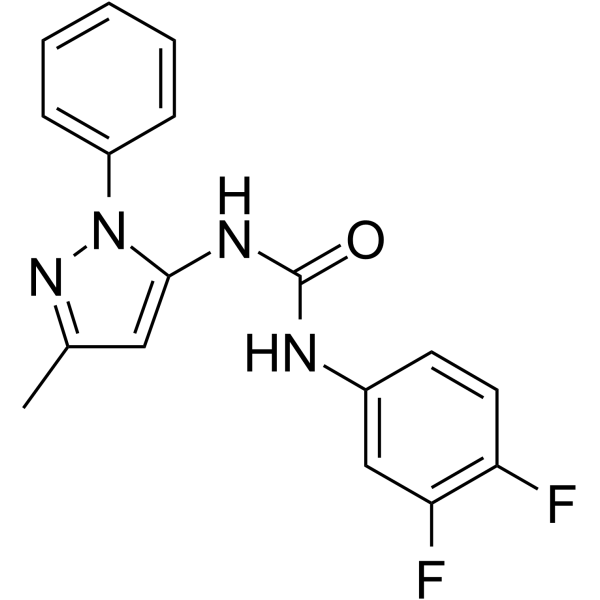
    TRPV1-IN-2 ((R)-32) is a TRPV1 inhibitor. TRPV1-IN-2 has protective effects on ED epilepsy models .
    TRPV1-IN-2
  • HY-W012481R

    Ethylphenylhydantoin (Standard); Phenylethyihydantoin (Standard); Desmethylmephenytoin (Standard)

    Drug Metabolite Reference Standards Neurological Disease
    Nirvanol (Ethylphenylhydantoin) is a metabolite of Mephenytoin (HY-B1184) that exerts anticonvulsant effects in the maximal electroshock (M.E.S.) seizure model in mice. Nirvanol shows potential for research in epilepsy-related neurological disorders .
    Nirvanol (Standard)
  • HY-165514

    Sodium Channel Neurological Disease
    Nafimidone is a stable and brain-penetrant antiepileptic compound Nafimidone shows effective anticonvulsant effects in kindled amygdaloid seizure model. However, The effective window of Nafimidone is narrow, and has obvious epileptogenic effects at high doses. Nafimidone can be used for the study of epilepsy .
    Nafimidone
  • HY-106670

    F1933

    GABA Receptor Neurological Disease
    Dulozafone (F1933) shows anticonvulsant activity and can be used for epilepsy research .
    Dulozafone
  • HY-172887

    Potassium Channel Neurological Disease
    Kv7.2/Kv7.3 activator-2 is a BBB-penetrable Kv7.2/7.3 activator (EC50: 0.25 μM). Kv7.2/Kv7.3 activator-2 has good photostability. Kv7.2/Kv7.3 activator-2 has potently antiepileptic effects in maximal electroshock (MES) and sc-pentylenetetrazol (sc-PTZ)-induced acute mice seizure models .
    Kv7.2/Kv7.3 activator-2
  • HY-106469

    MY-117

    Drug Derivative Neurological Disease
    Taltrimide (MY-117), a lipophilic derivative of Taurine (HY-B0351), strongly inhibits the sodium-independent binding of Taurine to synaptic membranes of brain, the effects on the binding of GABA being less pronounced. Taltrimide exhibits definitive anticonvulsive effects in experimental epilepsy models .
    Taltrimide
  • HY-W012481S

    Ethylphenylhydantoin-d5; Phenylethyihydantoin-d5; Desmethylmephenytoin-d5

    Isotope-Labeled Compounds Drug Metabolite Neurological Disease
    Nirvanol-d5 (Ethylphenylhydantoin-d5) is deuterium labeled Nirvanol (HY-W012481) . Nirvanol (Ethylphenylhydantoin) is a metabolite of Mephenytoin (HY-B1184) that exerts anticonvulsant effects in the maximal electroshock (M.E.S.) seizure model in mice. Nirvanol shows potential for research in epilepsy-related neurological disorders .
    Nirvanol-d5
  • HY-175670

    GABA Receptor Neurological Disease
    GABAA receptor modulator-10 is an orally active, potent positive allosteric modulator (PAM) of the α1β2γ2 GABAA receptor with favorable blood-brain barrier (BBB) penetration. GABAA receptor modulator-10 enhances α1β2γ2 GABAA receptor function and potentiates GABA-evoked currents. GABAA receptor modulator-10 demonstrates potent antiepileptic efficacy in both the Pentetrazol (PTZ)- and Kainic Acid (KA) (HY-N2309)-induced mice epilepsy models. GABAA receptor modulator-10 can be used for the study of epilepsy .
    GABAA receptor modulator-10
  • HY-W707539

    RWJ-333369-d215N

    Isotope-Labeled Compounds Sodium Channel Neurological Disease
    Carisbamate-d2,- 15N (RWJ-333369-d2,- 15N) is the deuterium labeled Carisbamate (HY-14948). Carisbamate (RWJ-333369) is an orally active neuromodulator. Carisbamate prevents the development and production of epilep-like discharges and has a neuroprotective effect after in vitro epilepticus-like injury. Carisbamate has good antiepileptic activity in genetic models of generalized and nonconvulsive epilepsy .
    Carisbamate-d2,-15N
  • HY-178016

    Histamine Receptor Neurological Disease
    H3R antagonist 8 is a selective nonimidazole histamine H3 receptor antagonist (IC50 = 0.35 μM). H3R antagonist 8 exhibits hERG channel blockade activity (IC50 = 0.67 μM). H3R antagonist 8 inhibits seizures by antagonizing H3 receptor. H3R antagonist 8 reduces tonic hind limb extension (THLE) in mice in the maximal electroshock seizure (MES) model (ED50 = 20.21 mg/kg) and and shortens pentylenetetrazol (PTZ)-induced total movement distance in AB strain zebrafish larvae. H3R antagonist 8 can be used for the study of epilepsy .
    H3R antagonist 8
  • HY-179142

    COX TNF Receptor Interleukin Related Neurological Disease Inflammation/Immunology
    COX-2-IN-60 is a potent, orally active, and selective COX-2 inhibitor with an IC50 of 0.06 μM. COX-2-IN-60 exhibits ~100-fold selectivity over COX-1 (IC50 = 5.93 ). COX-2-IN-60 reduces oxidative stress and neuroinflammatory cytokines, and effectively counteracts epileptogenesis. COX-2-IN-60 exhibits significant anticonvulsant effects and protects against hippocampal injury by suppressing oxidative stress (reducing MDA and NO), pro-inflammatory signaling (reducing TNF-α and IL-6), and glial activationin in the Pilocarpine (HY-B0726A)-induced seizure mouse model. COX-2-IN-60 can be used for the research on neuroinflammatory and epilepsy .
    COX-2-IN-60
  • HY-105693

    iGluR Neurological Disease
    Fluorofelbamate, a Felbamate (HY-B0184) analog, is a potent NMDA receptor antagonist. Fluorofelbamate exhibits anticonvulsant and antiepileptogenic effects in an experimental rat model of self-sustaining status epilepticus (SSSE). Fluorofelbamate can be used for epilepsy research .
    Fluorofelbamate
  • HY-180056

    Carbonic Anhydrase NKCC mTOR Neurological Disease
    CAII-IN-12 (compound 6c) is a potent and selective carbonic anhydrase (CA) II and VII inhibitor (hCA II Ki = 47.8 nM, hCA VII Ki = 3.6 nM) with anti-epilepitic activity. CAII-IN-12 displays selectivity over hCA I (Ki = 370 nM). CAII-IN-12 exhibits potent anticonvulsant activity in both Pentylenetetrazol- and Pilocarpine (HY-B0726A)-induced seizure mouse models. CAII-IN-12 increases expression of KCC2 in the hippocampus, maintains neuronal integrity, and reduces mTOR activity. CAII-IN-12 can be used for epilepsy research .
    CAII-IN-12
  • HY-N18014

    Drug Derivative Neurological Disease
    Naringenin 4',7-dimethyl ether, Naringenin (HY-N0100) derivative is an anti-seizure agent. Naringenin 4',7-dimethyl ether attenuates pentylenetetrazole-induced seizures in larval zebrafish and reduces seizures in the mouse 6-Hz psychomotor seizure model. Naringenin 4',7-dimethyl ether can be used for the research of epilepsy .
    Naringenin 4',7-dimethyl ether
  • HY-181575

    Tryptophan Hydroxylase Neurological Disease
    TPH2 agonist-1 (compound 20e) is an orally active, blood-brain barrier permeable, 1,3,4-oxadiazol-2 (3H)-one-derived TPH2 agonist. TPH2 agonist-1 upregulates TPH2 expression, elevates 5-HT and GABA levels, and exhibits antiepileptic activity in SCN1A-deficient models. TPH2 agonist-1 stabilizes the electrophysiological activity of neuronal networks and inhibits abnormal spike and burst activities. TPH2 agonist-1 shows no significant hERG inhibition or cytotoxicity, and it can be used in studies related to severe myoclonic epilepsy of infancy (Dravet syndrome) .
    TPH2 agonist-1
  • HY-174899

    iGluR Neurological Disease
    AMPA-IN-2 is an orally active AMPA inhibitor that can cross the blood-brain barrier. AMPA-IN-2 improves epileptic seizures by inhibiting the intrinsic excitability of neurons and inhibiting the excitability of glutamatergic transmission. AMPA-IN-2 exerts anti-epileptic effects in the pentylenetetrazol (PTZ) model and can be used as a promising candidates with high broad-spectrum anti-epileptic potential .
    AMPA-IN-2
  • HY-119716

    Neurological Disease
    Cyheptamide is an orally active anticonvulsant and antiepileptic agent. Cyheptamide exhibits moderate acute toxicity in animal models, with lethal doses varying by species specificity. Cyheptamide can be used in studies related to convulsions and epilepsy .
    Cyheptamide
  • HY-109009R

    UCB-0942 (Standard)

    GABA Receptor Reference Standards Neurological Disease
    Padsevonil (Standard) is the analytical standard of Padsevonil (HY-109009). This product is intended for research and analytical applications. Padsevonil (UCB0942) is a potent antiepileptic agent that selectively acts on presynaptic and postsynaptic targets. Padsevonil binds to synaptic vesicular protein 2 (SV2) with high affinity. Padsevonil is also a positive allosteric modulator and partial agonist of GABAAR, with high potency against α1 and α5 receptors. Padsevonil has antiepileptic effects in a variety of rodent models .
    Padsevonil (Standard)
  • HY-165514A

    Cholinesterase (ChE) Neurological Disease
    Nafimidone is a stable and brain-penetrant antiepileptic compound. Nafimidone shows effective anticonvulsant effects in kindled amygdaloid seizure model. Nafimidone exhibits the narrow effective window, and has obvious epileptogenic effects at high doses. Nafimidone can be used for the study of epilepsy .
    Nafimidone hydrochloride
  • HY-109009AR

    (S)-UCB-0942 (Standard)

    Reference Standards GABA Receptor Neurological Disease
    (S)-Padsevonil (Standard) is the analytical standard of (S)-Padsevonil (HY-109009A). This product is intended for research and analytical applications. (S)-Padsevonil is the S-enantiomer of Padsevonil (HY-109009).Padsevonil (UCB0942) is a potent antiepileptic agent that selectively acts on presynaptic and postsynaptic targets. Padsevonil binds to synaptic vesicular protein 2 (SV2) with high affinity. Padsevonil is also a positive allosteric modulator and partial agonist of GABAAR, with high potency against α1 and α5 receptors. Padsevonil has antiepileptic effects in a variety of rodent models .
    (S)-Padsevonil (Standard)
  • HY-107482R

    Nicotinoyl-GABA (Standard); Nicotinoyl-γ-aminobutyric acid (Standard)

    Reference Standards GABA Receptor Neurological Disease
    Picamilon (Standard) is the analytical standard of Picamilon (HY-107482). This product is intended for research and analytical applications. Picamilon is an orally active derivative of γ-aminobutyric acid that has nootropic effect. Picamilon improves the epilepsy model in rats and promotes correction of functional disorders of the pancreas during Alloxan (HY-W017227)-induced diabetes mellitus in rats .
    Picamilon (Standard)
  • HY-121554

    GABA Receptor Neurological Disease
    Kojic amine is an orally active γ-aminobutyric acid (GABA) analog. Kojic amine acts as a GABA mimic that inhibits sodium-independent [ 3H]GABA binding to rat brain cell membranes. Kojic amine reduces flexor spasms in chronic spinal rat and cat models. Kojic amine prevents tonic extensor convulsions in mice. Kojic amine produces a transient, dose-dependent analgesic effect in the mouse hot-plate test. Kojic amine can be used in research related to skeletal muscle spasm, epilepsy and analgesia [1][2]
    Kojic amine
  • HY-15080

    LY 293606

    iGluR Cardiovascular Disease Neurological Disease
    GYKI 53405 is a non-competitive, orally active AMPA receptor antagonist. GYKI 53405 shows no significant binding affinity for GABAA, GABAB or benzodiazepine receptors. GYKI 53405 increases self-grooming behavior, induces wet dog-like shakes, reduces spontaneous activity, produces anxiolytic-like behavior, reverses the anxiogenic effect induced by mCPP, inhibits locomotor activity, suppresses sound-induced and maximal electroshock-induced seizures, prolongs survival in global cerebral ischemia models, and exhibits sustained anticonvulsant effects at doses below the sedation threshold. GYKI 53405 can be used in research related to absence epilepsy, anxiety disorders and global cerebral ischemia .
    GYKI 53405
  • HY-182023

    Reactive Oxygen Species (ROS) GABA Receptor Neurological Disease
    Anticonvulsant agent 11 (Compound 8b) is an anticonvulsant agent. Anticonvulsant agent 11 exerts neuroprotective effects by enhancing cell viability and reducing ROS levels. Anticonvulsant agent 11 induces the expression of GABAA α1, resulting in neuronal hyperpolarization. Anticonvulsant agent 11 increases the number of neurite-bearing cells and the length of neurites. Anticonvulsant agent 11 exhibits dose-dependent anticonvulsant effects in mice. Anticonvulsant agent 11 can be used for the research of epilepsy .
    Anticonvulsant agent 11

Inquiry Online

Your information is safe with us. * Required Fields.

Salutation


Country or Region *

Applicant Name *


Organization Name *

Department *


Email Address *


Product Name *

Cat. No.


Requested quantity *

Phone Number *


Remarks

Inquiry Online

Inquiry Information

Product Name:
Cat. No.:
Quantity:
MCE Japan Authorized Agent:

