1. Search Result
Search Result
Results for "

heart development

" in MedChemExpress (MCE) Product Catalog:

28

Inhibitors & Agonists

4

Screening Libraries

1

Biochemical Assay Reagents

4

Natural
Products

7

Isotope-Labeled Compounds

4

Oligonucleotides

Cat. No. Product Name Target Research Areas Chemical Structure
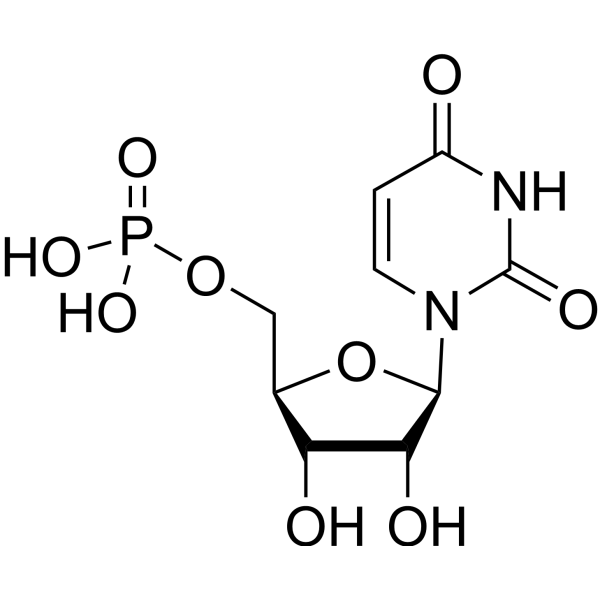
  • HY-101981
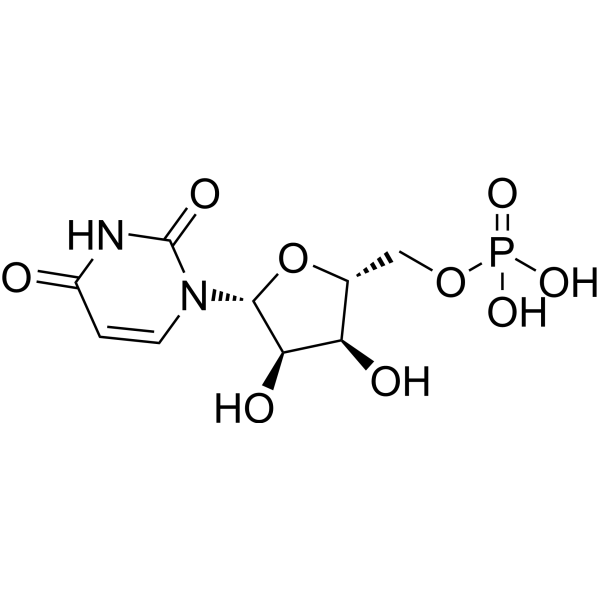
    Uridine 5'-monophosphate
    2 Publications Verification

    5'-​Uridylic acid

    Endogenous Metabolite Cholinesterase (ChE) Potassium Channel Apoptosis Cardiovascular Disease Metabolic Disease
    Uridine 5'-monophosphate (5'-Uridylic acid) is an orally active mitochondrial ATP-dependent potassium channel activator that has a protective effect on the heart. Uridine 5'-monophosphate can promote the synthesis of CDP-choline and induce apoptosis in intestinal epithelial cells, which is beneficial for gut development and reduces diarrhea .
    Uridine 5'-monophosphate
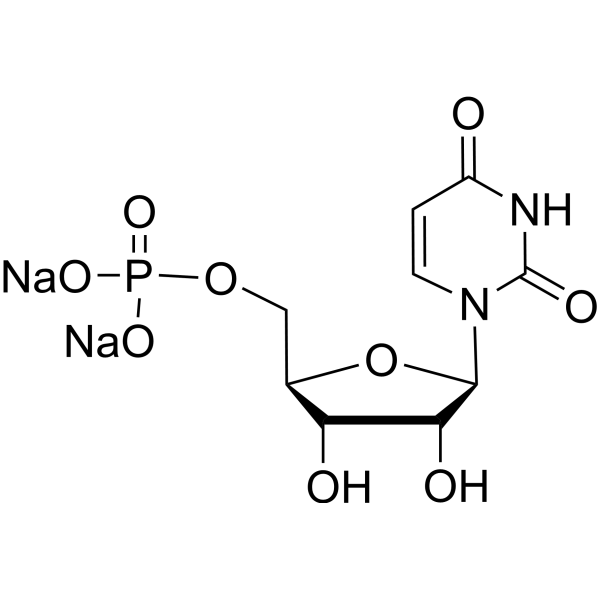
  • HY-W013175
    Uridine 5'-monophosphate disodium salt
    2 Publications Verification

    5'-​Uridylic acid disodium salt

    Endogenous Metabolite Cholinesterase (ChE) Potassium Channel Apoptosis Cardiovascular Disease Metabolic Disease
    Uridine 5'-monophosphate (5'-Uridylic acid) disodium salt is an orally active mitochondrial ATP-dependent potassium channel activator that has a protective effect on the heart. Uridine 5'-monophosphate disodium salt can promote the synthesis of CDP-choline and induce apoptosis in intestinal epithelial cells, which is beneficial for gut development and reduces diarrhea .
    Uridine 5'-monophosphate disodium salt
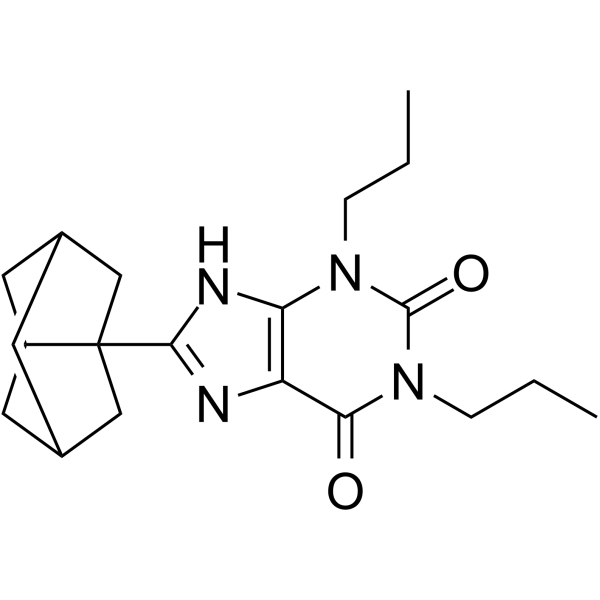
  • HY-10965

    KW-3902

    Adenosine Receptor Neurological Disease
    Rolofylline (KW-3902) is a potent, selective adenosine A1 receptor antagonist that is under development for the treatment of patients with acute congestive heart failure and renal impairment. Rolofylline is metabolized primarily to the pharmacologically active M1-trans and M1-cis metabolites by cytochrome P450 (CYP450) . Rolofylline is alleviating the presynaptic dysfunction and restores neuronal activity as well as dendritic spine levels in vitro, is an interesting candidate to combat the hypometabolism and neuronal dysfunction associated with Tau-induced neurodegenerative diseases .
    Rolofylline
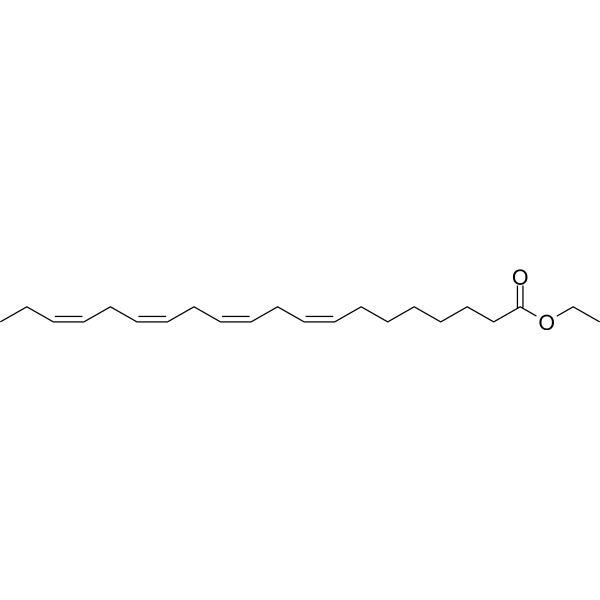
  • HY-125139

    ω-3 Arachidonic acid ethyl ester, in ethanol, 98%; (all-Z)-8,11,14,17-Eicosatetraenoic acid ethyl ester, in ethanol, 98%

    Biochemical Assay Reagents Cardiovascular Disease Others
    omega-3 Arachidonic acid ethyl ester, in ethanol, 98% is a rare polyunsaturated fatty acid found in very small amounts in dietary sources. Omega-3 fatty acids are known to be essential for the growth and development of infants, and they protect against heart disease, blood clots, high blood pressure, and inflammatory and autoimmune diseases. In human platelet membranes, omega-3 arachidonic acid inhibits arachidonyl-CoA synthetase with a Ki of 14 μM. It also inhibits arachidonoyl-CoA synthetase in calf brain extract with an IC50 of approximately 5 μM. Omega-3 ethyl arachidonate is the more lipophilic form of the free acid.
    omega-3 Arachidonic acid ethyl ester, in ethanol, 98%
  • HY-101981R

    5'-​Uridylic acid (Standard)

    Reference Standards Endogenous Metabolite Cardiovascular Disease Metabolic Disease
    Uridine 5'-monophosphate (Standard) is the analytical standard of Uridine 5'-monophosphate. This product is intended for research and analytical applications. Uridine 5'-monophosphate (5'-Uridylic acid) is an orally active mitochondrial ATP-dependent potassium channel activator that has a protective effect on the heart. Uridine 5'-monophosphate can promote the synthesis of CDP-choline and induce apoptosis in intestinal epithelial cells, which is beneficial for gut development and reduces diarrhea.
    Uridine 5'-monophosphate (Standard)
  • HY-W013175S2

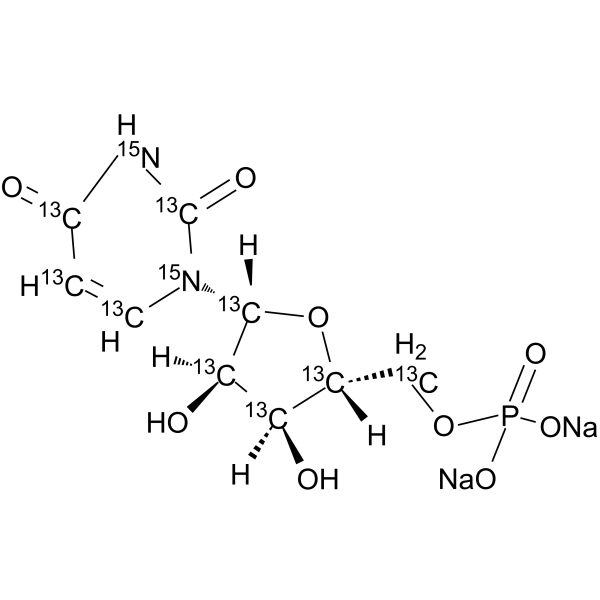
    5'-​Uridylic acid-13C9,15N2 disodium

    Isotope-Labeled Compounds Endogenous Metabolite Cholinesterase (ChE) Potassium Channel Apoptosis Cardiovascular Disease Metabolic Disease
    Uridine 5'-monophosphate- 13C9, 15N2 disodium is the 13C and 15N labeled Uridine 5'-monophosphate disodium salt (HY-W013175). Uridine 5'-monophosphate (5'-Uridylic acid) disodium salt is an orally active mitochondrial ATP-dependent potassium channel activator that has a protective effect on the heart. Uridine 5'-monophosphate disodium salt can promote the synthesis of CDP-choline and induce apoptosis in intestinal epithelial cells, which is beneficial for gut development and reduces diarrhea .
    Uridine 5'-monophosphate-13C9,15N2 disodium
  • HY-W020788

    CGA 154281

    Environmental Pollutants Glutathione S-transferase Estrogen Receptor/ERR Pregnane X Receptor (PXR) FXR Metabolic Disease Cancer
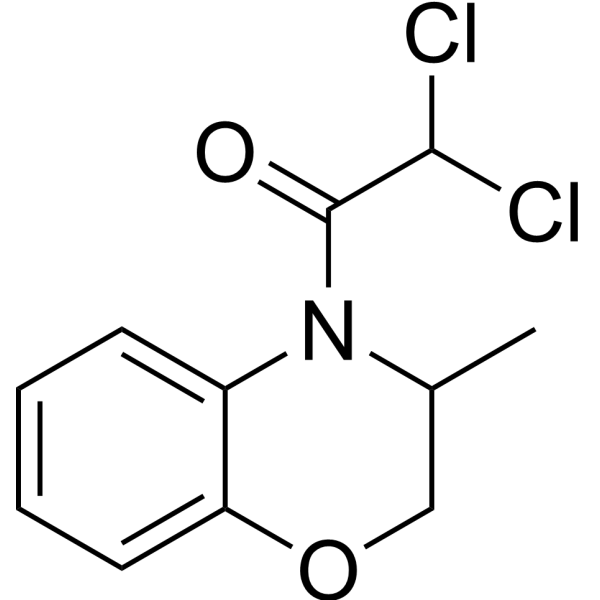
    Benoxacor (CGA 154281) is a herbicide safener and xenobiotic metabolism regulator. Benoxacor protects maize from the toxicity of metolachlor mainly by inducing detoxifying enzymes such as Glutathione S-transferase. Benoxacor also activates FXR, PXR and ERRα, and inhibits aromatase (aromatase). However, Benoxacor exhibits potential subacute oral toxicity and a high risk of hepatotoxicity in animal models. Benoxacor induces reactive oxygen species accumulation, interferes with embryonic heart development, and causes increased liver and kidney weights as well as alterations in gut microbiota in mice. Benoxacor can be used in studies related to hepatic steatosis, infertility, breast cancer and developmental toxicity .
    Benoxacor
  • HY-121287

    Herbicide Cardiovascular Disease
    Ioxynil is an herbicide that act as endocrine disruptor. Ioxynil can disrupt vascular and heart development in zebrafish .
    Ioxynil
  • HY-163120

    Myosin Cardiovascular Disease
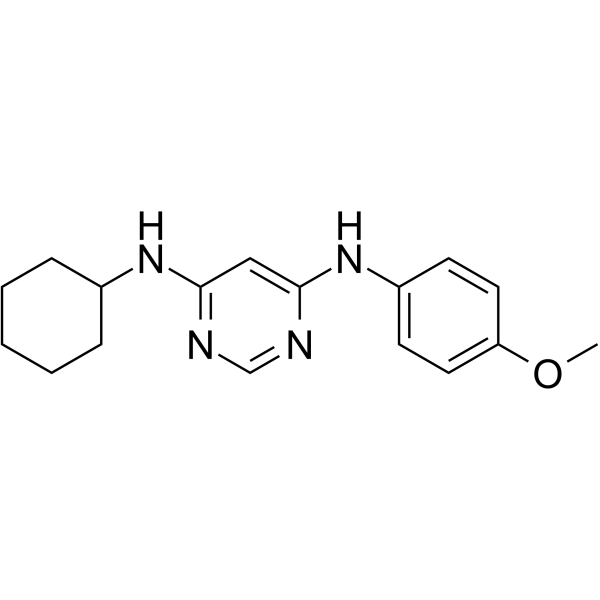
    Myosin-IN-1 (compound F10) is a Myosin inhibitor that specifically targets cardiac myosin. Myosin-IN-1 stabilizes the biochemical and structural closed state of the cardiac myosin motor domain and reduces myocardial force production and calcium sensitivity in vitro. Myosin-IN-1 acts as a negative inotropic agent in isolated Langendroff-perfused rat hearts, reducing stress in isolated myofilaments and left ventricular pressure development. Myosin-IN-1 can be used in heart failure research .
    Myosin-IN-1
  • HY-131948

    Potassium Channel Cardiovascular Disease
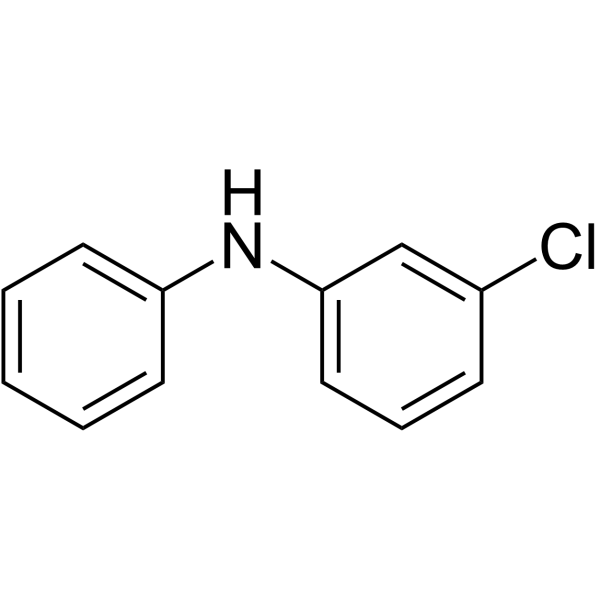
    3-Chlorodiphenylamine is a high affinity Ca 2+ sensitizer of cardiac muscle. 3-Chlorodiphenylamine is based on diphenylamine and binds to the isolated N-domain of cardiac troponin C (cTnC) (Kd=6 µM). 3-Chlorodiphenylamine is an excellent starting scaffold for the development of more potent Ca 2+-sensitizing compounds due to its small size, and can be used for systolic heart failure research .
    3-Chlorodiphenylamine
  • HY-101981S

    5'-Uridylic acid-15N2

    Endogenous Metabolite Isotope-Labeled Compounds Cholinesterase (ChE) Potassium Channel Apoptosis Cardiovascular Disease Metabolic Disease
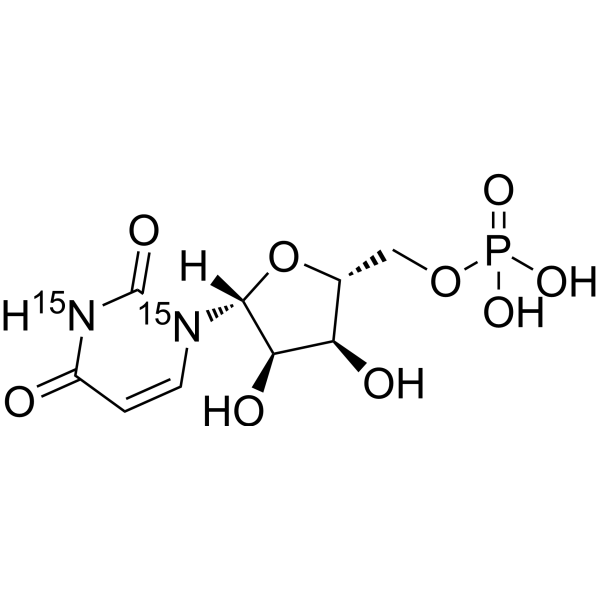
    Uridine 5'-monophosphate- 15N2 (5'-​Uridylic acid- 15N2) is the 15N labeled Uridine 5'-monophosphate (HY-101981). Uridine 5'-monophosphate (5'-Uridylic acid) is an orally active mitochondrial ATP-dependent potassium channel activator that has a protective effect on the heart. Uridine 5'-monophosphate can promote the synthesis of CDP-choline and induce apoptosis in intestinal epithelial cells, which is beneficial for gut development and reduces diarrhea .
    Uridine 5'-monophosphate-15N2
  • HY-175875

    Molecular Glues Zinc Finger Protein Drug Derivative Cardiovascular Disease Cancer
    HRZ-01-082-5 is an analog of Glutarimide (HY-I0466). HRZ-01-082-5 is a dual-functional molecular glue degrader of SALL4 and OSR1 with a DC50 4.8  nM for OSR1. HRZ-01-082-5 significantly induced SALL4 and OSR1 degradation through CRBN. HRZ-01-082-5 can be used for heart and urogenital development, as well as cancers research .
    HRZ-01-082-5
  • HY-14873

    BG 9928

    Adenosine Receptor Cardiovascular Disease Metabolic Disease
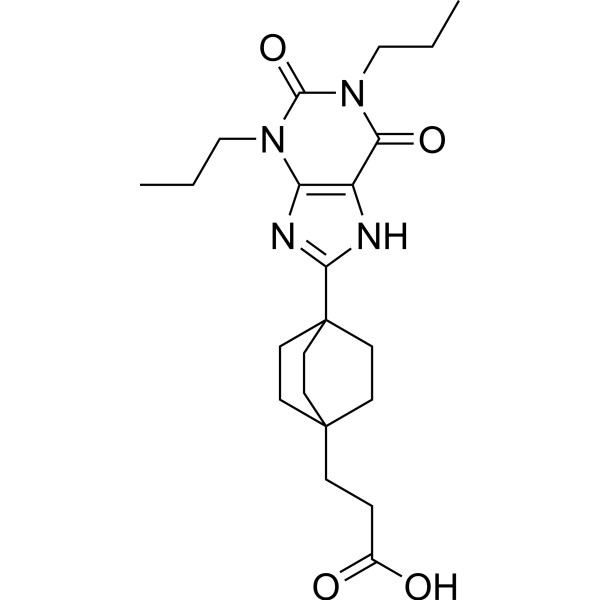
    Tonapofylline (BG 9928) is an orally active and selective adenosine A1 receptor antagonist with a Ki of 7.4 nM for human adenosine A1 receptor (hA1), which displays 915-fold selectivity versus human adenosine A2A receptor and 12-fold selectivity versus human adenosine A2B receptor and is used in development for the treatment of heart failure .
    Tonapofylline
  • HY-W020788R

    CGA 154281 (Standard)

    Reference Standards Glutathione S-transferase Estrogen Receptor/ERR Pregnane X Receptor (PXR) FXR Others
    Benoxacor (Standard) is the analytical standard of Benoxacor. This product is intended for research and analytical applications. Benoxacor (CGA 154281) is a herbicide safener and xenobiotic metabolism regulator. Benoxacor protects maize from the toxicity of metolachlor mainly by inducing detoxifying enzymes such as Glutathione S-transferase. Benoxacor also activates FXR, PXR and ERRα, and inhibits aromatase (aromatase). However, Benoxacor exhibits potential subacute oral toxicity and a high risk of hepatotoxicity in animal models. Benoxacor induces reactive oxygen species accumulation, interferes with embryonic heart development, and causes increased liver and kidney weights as well as alterations in gut microbiota in mice. Benoxacor can be used in studies related to hepatic steatosis, infertility, breast cancer and developmental toxicity .
    Benoxacor (Standard)
  • HY-174706

    mRNA Cardiovascular Disease
    Human FGF16 mRNA encodes the human fibroblast growth factor 16 (FGF16) protein, a member of the fibroblast growth factor (FGF) family. FGF16 probably plays an important role in the regulation of embryonic development, cell proliferation and cell differentiation. It is also required for normal cardiomyocyte proliferation and heart development.
    Human FGF16 mRNA
  • HY-174477

    mRNA Cardiovascular Disease
    Mouse Tbx5 mRNA encodes the mouse T-box 5 (Tbx5) protein, a DNA-binding protein that regulates the transcription of several genes. Tbx5 is involved in heart development and limb pattern formation.
    Mouse Tbx5 mRNA
  • HY-E70864

    CaMK Metabolic Disease
    STK33 is clearly related to the canonical kinases from the CAMK group. STK33 could be involved in the normal development of heart and other organs in embryonic and fetal stages. STK33 Recombinant Human Active Protein Kinase is a recombinant STK33 protein that can be used to study STK33-related functions .
    STK33 Recombinant Human Active Protein Kinase
  • HY-114602

    Monocarboxylate Transporter Inflammation/Immunology
    AR-C117977 is a potent monocarboxylate transporter (MCT1) inhibitor. AR-C117977 prolongs the survival of skin and heart sllograft. AR-C117977 inhibits the development of transplant arteriosclerosis in aortic allografts partially, but was unable to inhibit alloantibody production after transplantation. AR-C117977 shows potent immunosuppressive properties in vivo effectively preventing acute but not chronic allograft rejection in the mouse .
    AR-C117977
  • HY-W013175R

    5'-​Uridylic acid disodium salt (Standard)

    Endogenous Metabolite Cholinesterase (ChE) Reference Standards Potassium Channel Apoptosis Cardiovascular Disease Metabolic Disease
    Uridine 5'-monophosphate (disodium salt) (Standard) is the analytical standard of Uridine 5'-monophosphate (disodium salt). This product is intended for research and analytical applications. Uridine 5'-monophosphate (5'-Uridylic acid) disodium salt is an orally active mitochondrial ATP-dependent potassium channel activator that has a protective effect on the heart. Uridine 5'-monophosphate disodium salt can promote the synthesis of CDP-choline and induce apoptosis in intestinal epithelial cells, which is beneficial for gut development and reduces diarrhea .
    Uridine 5'-monophosphate disodium salt (Standard)
  • HY-101981S2

    5'-​Uridylic acid-d11 dilithium

    Isotope-Labeled Compounds Endogenous Metabolite Apoptosis Potassium Channel Cholinesterase (ChE) Cardiovascular Disease Metabolic Disease
    Uridine 5'-monophosphate-d11 (5'- Uridylic acid-d11) dilithium is deuterium labeled Uridine 5'-monophosphate (HY-101981). Uridine 5'-monophosphate (5'-Uridylic acid) is an orally active mitochondrial ATP-dependent potassium channel activator that has a protective effect on the heart. Uridine 5'-monophosphate can promote the synthesis of CDP-choline and induce apoptosis in intestinal epithelial cells, which is beneficial for gut development and reduces diarrhea .
    Uridine 5'-monophosphate-d11 dilithium
  • HY-101981S5

    5'-​Uridylic acid-15N2 dilithium

    Isotope-Labeled Compounds Endogenous Metabolite Apoptosis Potassium Channel Cholinesterase (ChE) Cardiovascular Disease Metabolic Disease
    Uridine 5'-monophosphate- 15N2 (5'- Uridylic acid- 15N2) dilithium is 15N labeled Uridine 5'-monophosphate (HY-101981). Uridine 5'-monophosphate (5'-Uridylic acid) is an orally active mitochondrial ATP-dependent potassium channel activator that has a protective effect on the heart. Uridine 5'-monophosphate can promote the synthesis of CDP-choline and induce apoptosis in intestinal epithelial cells, which is beneficial for gut development and reduces diarrhea .
    Uridine 5'-monophosphate-15N2 dilithium
  • HY-101981S4

    5'-​Uridylic acid-13C9 dilithium

    Isotope-Labeled Compounds Endogenous Metabolite Apoptosis Potassium Channel Cholinesterase (ChE) Cardiovascular Disease Metabolic Disease
    Uridine 5'-monophosphate- 13C9 (5'- Uridylic acid- 13C9) dilithium is 13C-labeled Uridine 5'-monophosphate (HY-101981). Uridine 5'-monophosphate (5'-Uridylic acid) is an orally active mitochondrial ATP-dependent potassium channel activator that has a protective effect on the heart. Uridine 5'-monophosphate can promote the synthesis of CDP-choline and induce apoptosis in intestinal epithelial cells, which is beneficial for gut development and reduces diarrhea .
    Uridine 5'-monophosphate-13C9 dilithium
  • HY-101981S3

    5'-​Uridylic acid-13C9,15N2 dilithium

    Isotope-Labeled Compounds Endogenous Metabolite Apoptosis Potassium Channel Cholinesterase (ChE) Cardiovascular Disease Metabolic Disease
    Uridine 5'-monophosphate- 13C9, 15N2 (5'- Uridylic acid- 13C9, 15N2) dilithium is 13C and 15N-labeled Uridine 5'-monophosphate (HY-101981). Uridine 5'-monophosphate (5'-Uridylic acid) is an orally active mitochondrial ATP-dependent potassium channel activator that has a protective effect on the heart. Uridine 5'-monophosphate can promote the synthesis of CDP-choline and induce apoptosis in intestinal epithelial cells, which is beneficial for gut development and reduces diarrhea .
    Uridine 5'-monophosphate-13C9,15N2 dilithium
  • HY-10965R

    KW-3902 (Standard)

    Adenosine Receptor Reference Standards Neurological Disease
    Rolofylline (Standard) is the analytical standard of Rolofylline. This product is intended for research and analytical applications. Rolofylline (KW-3902) is a potent, selective adenosine A1 receptor antagonist that is under development for the treatment of patients with acute congestive heart failure and renal impairment. Rolofylline is metabolized primarily to the pharmacologically active M1-trans and M1-cis metabolites by cytochrome P450 (CYP450) . Rolofylline is alleviating the presynaptic dysfunction and restores neuronal activity as well as dendritic spine levels in vitro, is an interesting candidate to combat the hypometabolism and neuronal dysfunction associated with Tau-induced neurodegenerative diseases .
    Rolofylline (Standard)
  • HY-101981S1

    5'-​Uridylic acid-15N2,d11 dilithium

    Isotope-Labeled Compounds Endogenous Metabolite Apoptosis Potassium Channel Cholinesterase (ChE) Cardiovascular Disease Metabolic Disease
    Uridine 5'-monophosphate- 15N2,d11 (5'- Uridylic acid- 15N2,d11) dilithium is deuterium and 15N labeled Uridine 5'-monophosphate (HY-101981). Uridine 5'-monophosphate (5'-Uridylic acid) is an orally active mitochondrial ATP-dependent potassium channel activator that has a protective effect on the heart. Uridine 5'-monophosphate can promote the synthesis of CDP-choline and induce apoptosis in intestinal epithelial cells, which is beneficial for gut development and reduces diarrhea .
    Uridine 5'-monophosphate-15N2,d11 dilithium
  • HY-174538

    mRNA Cardiovascular Disease
    Human TBX5 mRNA encodes the human T-box transcription factor 5 (TBX5) protein, a member of a phylogenetically conserved family. TBX5 is a DNA-binding protein that regulates the transcription of several genes and also involved in heart development and limb pattern formation.
    Human TBX5 mRNA
  • HY-183777

    Apelin Receptor (APJ) Arrestin Cardiovascular Disease
    B-007 is an AplnR agonist with G protein-biased signaling (EC50 = 11.6 nM). B-007 activates the G protein pathway while abolishing β-arrestin1 and β-arrestin2 signaling. B-007 serves as a scaffold for development of G protein-biased apelin receptor agonists. B-007 can be used for the research of heart failure .
    B-007
  • HY-W714183

    Herbicide ERK p38 MAPK JNK PI3K Akt Apoptosis Microtubule/Tubulin Metabolic Disease
    Dinitramine is a herbicide. Dinitramine activates the Erk/P38/JNK/MAPK pathway and inactivates the PI3k/Akt pathway in testicular cells. Dinitramine induces endoplasmic reticulum stress, dysregulation of calcium homeostasis in the cytoplasm and mitochondria, apoptosis, and downregulated expression of cell cycle genes in testicular cells. Dinitramine reduces the viability and proliferation capacity of testicular cells, and inhibits cell division by suppressing the synthesis of tubulin. Dinitramine induces abnormal heart development, inhibited angiogenesis, inflammatory responses, apoptosis, and impaired embryonic growth in zebrafish embryos .
    Dinitramine

Inquiry Online

Your information is safe with us. * Required Fields.

Salutation


Country or Region *

Applicant Name *


Organization Name *

Department *


Email Address *


Product Name *

Cat. No.


Requested quantity *

Phone Number *


Remarks

Inquiry Online

Inquiry Information

Product Name:
Cat. No.:
Quantity:
MCE Japan Authorized Agent:

