Search Result
Results for "
high exposure
" in MedChemExpress (MCE) Product Catalog:
4
Biochemical Assay Reagents
1
Isotope-Labeled Compounds
| Cat. No. |
Product Name |
Target |
Research Areas |
Chemical Structure |
-
- HY-14307
-
|
|
TRP Channel
Eukaryotic Initiation Factor (eIF)
Reactive Oxygen Species (ROS)
|
Cancer
|
|
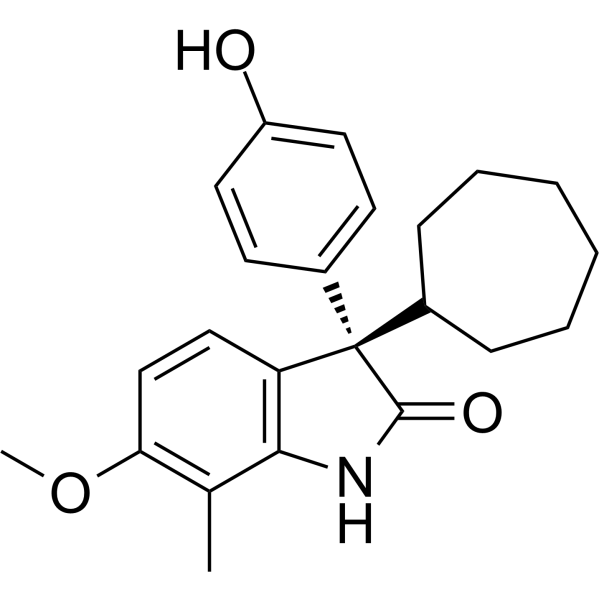
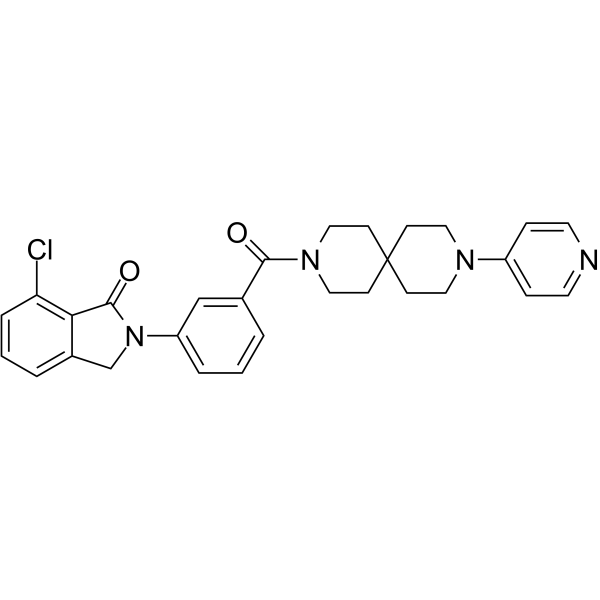
Necrocide 1, a necrosis by sodium overload (NECSO) inducer, is a selective transient receptor potential melastatin 4 (TRPM4) agonist with an EC50 of 306.3 nM for human TRPM4. Necrocide 1 triggers TRPM4-dependent necrotic cell death through the induction of sodium influx. Necrocide 1 induces hallmarks of immunogenic cell death incurring calreticulin (CALR) exposure, ATP secretion and high mobility group box 1 (HMGB1) release. Necrocide 1 can be used for the study of breast and prostate cancer .
|
-
-
- HY-125920
-
|
Sarkosyl NL sodium
|
Environmental Pollutants
Biochemical Assay Reagents
|
Others
|
|
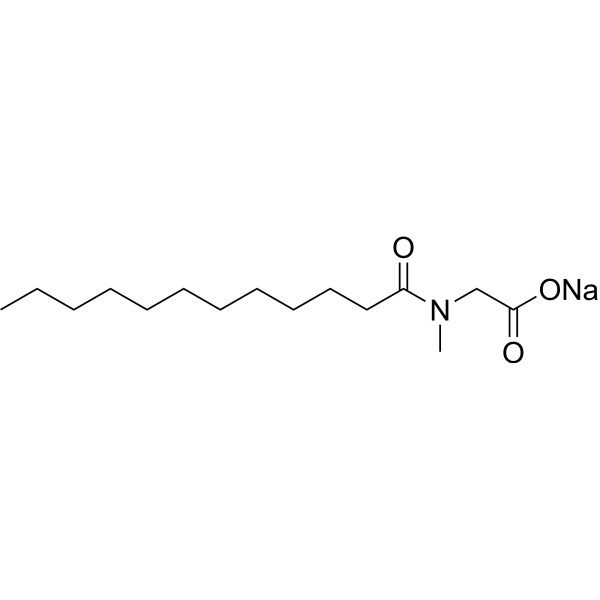
Lauroylsarcosine sodium is a surfactant commonly used in personal care and cosmetics such as shampoos, facial cleansers and toothpaste. It works by lowering the surface tension of water, allowing it to better penetrate and clean surfaces. Lauroylsarcosine sodium is considered safe for cosmetic use and is approved for use in several countries. However, it can cause skin irritation in high concentrations or with prolonged exposure.
|
-
-
- HY-W088065
-
|
|
Environmental Pollutants
DNA/RNA Synthesis
|
Others
|
Sodium formate acts as a key promoter for heterogeneous nucleation of ZIF crystals and thin film synthesis. It is also recognized as a GRAS substance by the FDA, and serves as a cosmetic preservative and food additive. Sodium formate has low acute oral toxicity (acute oral LD50=7410 mg/kg and acute intravenous LD50=807 mg/kg in mice), with no heritable or carcinogenic effects, but exhibits embryonic developmental toxicity and teratogenicity at high concentrations. Sodium formate may cause moderate irritation to rabbit eyes, is relatively safe to the skin, and does not induce tumor formation in rats in vivo. Sodium formate is rapidly absorbed and oxidized to carbon dioxide in vivo, and forms DNA adducts in specific metabolic deficiency models or upon high-dose exposure .
|
-
-
- HY-156618
-
|
ABSK011
|
FGFR
|
Cancer
|
|
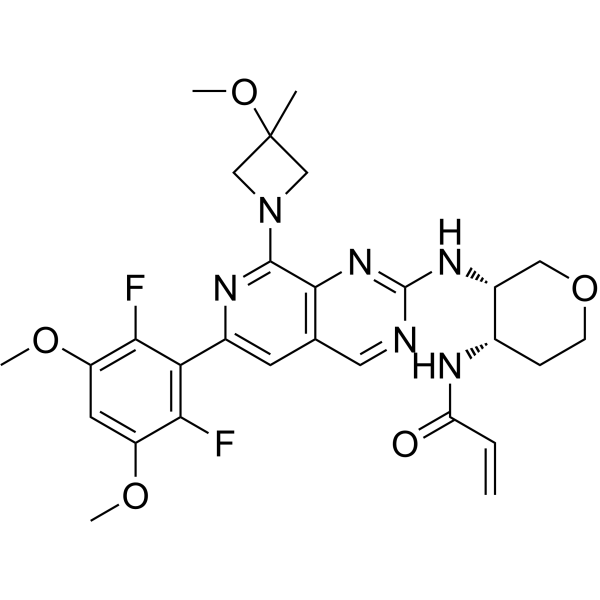
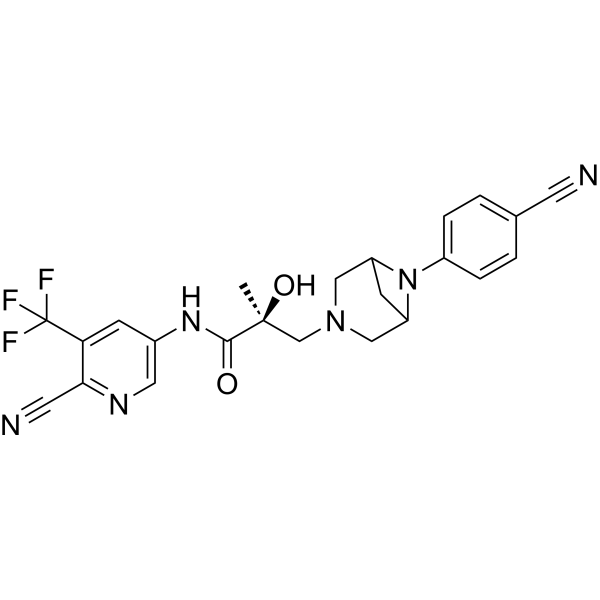
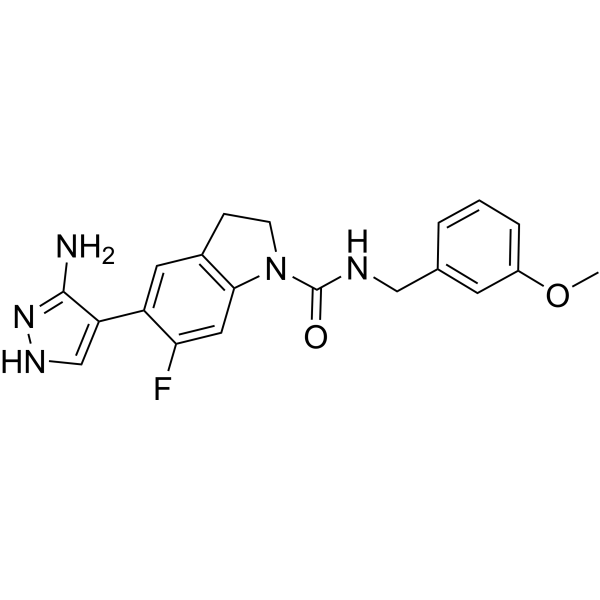
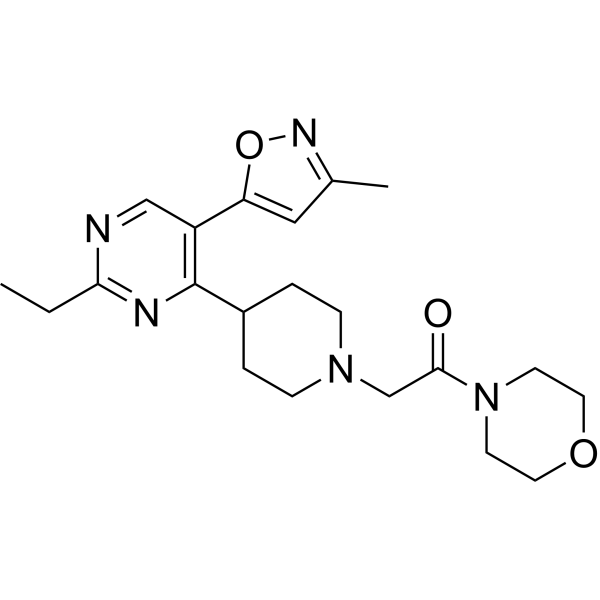
Irpagratinib (ABSK011) is an orally active FGFR4 inhibitor (IC50<10 nM). Irpagratinib inhibits FGFR4 autophosphorylation and blocks signaling from FGFR4 to downstream pathway activation. Irpagratinib has shown high exposure in PK studies in mice, rats, and dogs, and also demonstrated antitumor activity in a subcutaneous xenograft tumor model .
|
-
-
- HY-12545
-
|
PbTx-3
|
Sodium Channel
|
Inflammation/Immunology
|
|
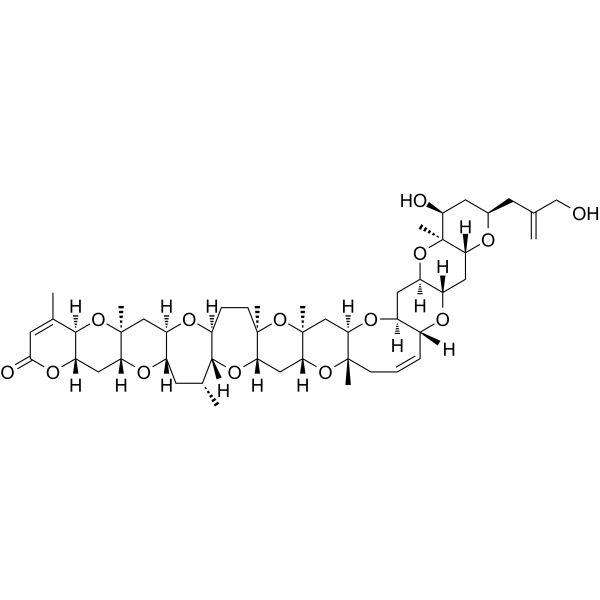
Brevetoxin-3 (PbTx-3) is a potent allosteric voltage-gated Na + channel activator and has multiple active centers (A-ring lactone, C-42 of R side chain) . Brevetoxin-3 (PbTx-3) has a high affinity to site 5 of the voltage-sensitive Na + channels, inhibits the inactivation of Na + channels and prolongs the mean open time of these channels. Brevetoxin-3 (PbTx-3) repeated exposures can lead to prolonged airway hyperresponsiveness (AHR) and lung inflammation .
|
-
-
- HY-W099594
-
|
Benzyldimethyldodecylammonium bromide
|
Environmental Pollutants
Biochemical Assay Reagents
|
Others
|
|
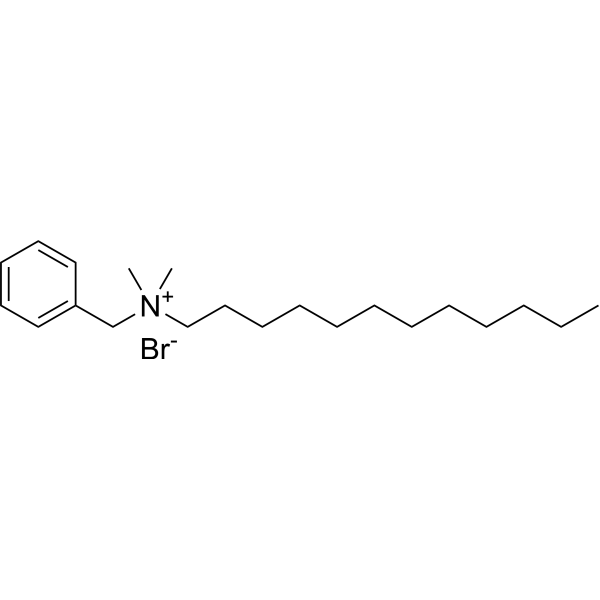
N-Benzyl-N, N-dimethyldodecan-1-aminium bromide, also known as Benzalkonium Chloride (BAC), is a quaternary ammonium compound widely used as an antimicrobial and surfactant in various industries. BAC is commonly used as a disinfectant and antiseptic in a variety of products including hand sanitizers, disinfectant wipes and eye drops. Its ability to kill bacteria, viruses and fungi makes it an effective tool in preventing the spread of infection. BAC is also used as a preservative and disinfectant in the food industry. It is added to food packaging and processing equipment to prevent the growth of microorganisms and increase the shelf life of foods. Additionally, BACs are found in many household products such as cleaning solutions, fabric softeners and personal care products. Its surfactant properties allow it to be used to reduce surface tension and increase the effectiveness of cleaning agents. Although BAC has many uses, ingestion or exposure to high concentrations of BAC can cause skin irritation and other adverse effects.
|
-
-
- HY-15043
-
|
|
Bradykinin Receptor
|
Inflammation/Immunology
Endocrinology
|
|
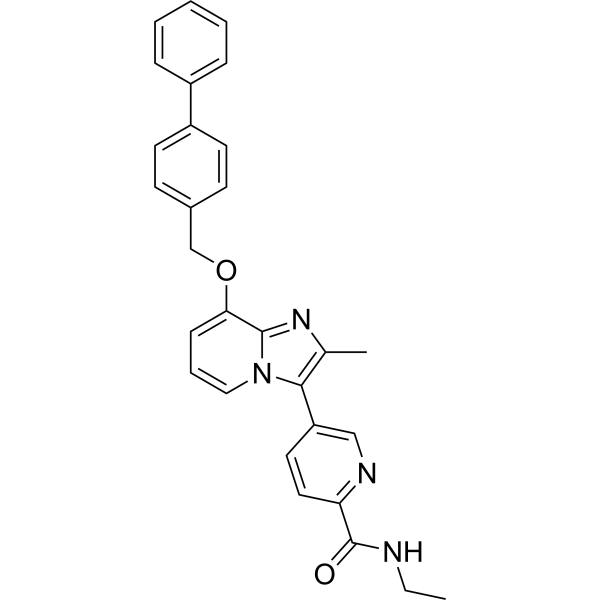
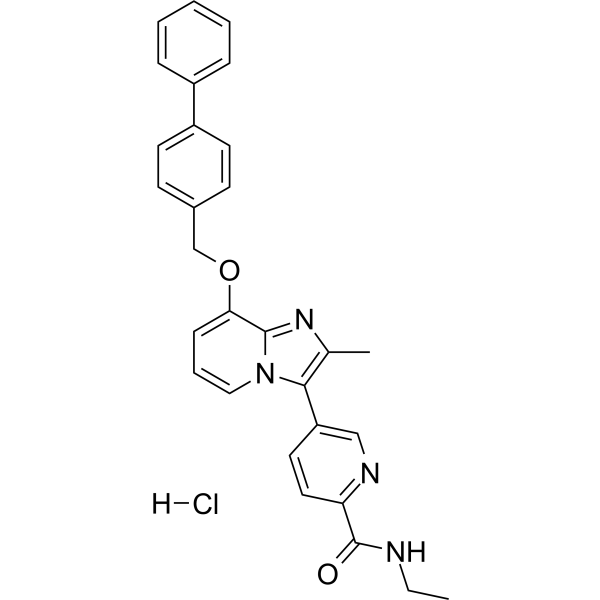
ELN-441958 is a potent, neutral, competitive and selective bradykinin B1 receptor antagonist with a Ki of 0.26 nM against native human bradykinin B1 receptor. ELN-441958 has high oral bioavailability, and has low CNS exposure in the mouse .
|
-
-
- HY-N5112A
-
|
Arnebin 1
|
FGFR
Necroptosis
Apoptosis
CDK
JNK
|
Inflammation/Immunology
|
|
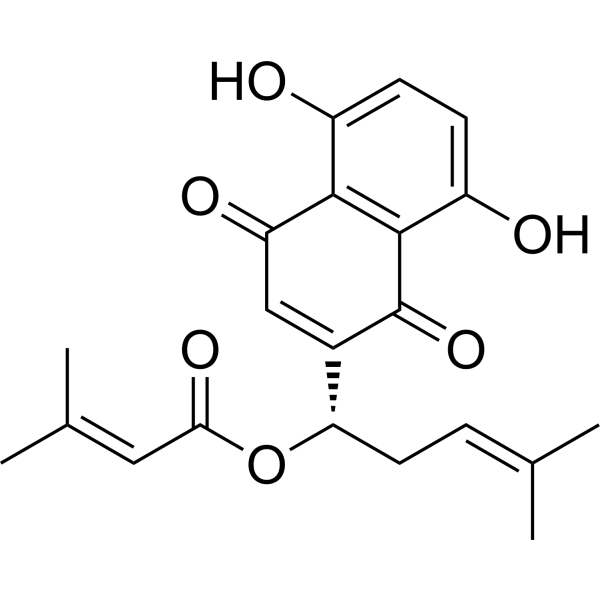
β,β-Dimethylacrylalkannin (Arnebin 1) is an orally active FGFR1 inhibitor (IC50=2.5 μM) and the main active component of Lithospermum erythrorhizon. β,β-Dimethylacrylalkannin blocks downstream signaling by binding to the ATP pocket of FGFR1, and regulates the CDK1/Cdc25C pathway and ROS-JNK axis, thereby inducing G2/M phase arrest, necrosis and apoptosis in cancer cells, and inhibiting tumor proliferation. β,β-Dimethylacrylalkannin also acts as a colistin adjuvant to disrupt the cell membrane of Gram-negative bacteria. β,β-Dimethylacrylalkannin exhibits significant tumor-inhibitory effects with no obvious toxicity in PDX models, but chronic exposure to high doses may alter the relative lung/liver weights of rats, while acute exposure to high doses causes responses such as reduced motor activity. β,β-Dimethylacrylalkannin finds wide application in studies related to hepatocellular carcinoma, colorectal cancer, colistin-resistant bacterial infections, hepatitis and psoriasis .
|
-
-
- HY-163087
-
-
-
- HY-W116007
-
|
|
Environmental Pollutants
DNA/RNA Synthesis
|
Endocrinology
|
|
Octamethylcyclotetrasiloxane promotes the anchorage-independent growth of MCF-10A and MCF-10F cells. Octamethylcyclotetrasiloxane induces DNA damage, inhibits the expression of DNA-repairing protein BRCA1 under long-term and high-concentration exposure. Octamethylcyclotetrasiloxane exhibits intrinsic estrogenic activity .
|
-
-
- HY-175728
-
|
|
Potassium Channel
Sodium Channel
Calcium Channel
|
Metabolic Disease
|
|
VU6032735 is a potent and subtype-selective sperm-specific potassium channel 3 (SLO3) inhibitor with IC50 values of 165 nM (hSLO3) and 730 nM (mSLO3). VU6032735 also inhibits sodium channel and L-type calcium channel VU6032735 can sustain high tissue exposure in the fertilized oviduct. VU6032735 can be used for the research of contraception .
|
-
-
- HY-114652
-
|
2-Amino-α-carboline; AαC
|
Endogenous Metabolite
|
Cancer
|
|
AalphaC (AαC) is a potential carcinogen with carcinogenic activity. AalphaC is an important biomarker in tobacco smoke and is associated with tobacco smoke exposure. Urinary concentrations of AalphaC are significantly higher in dedicated smokers than in non-smokers, indicating its importance in monitoring tobacco exposure. AalphaC levels increase significantly with increasing serum nicotine levels, indicating its close relationship with tobacco use. In addition, consuming high-temperature cooked beef significantly increases the amount of AalphaC in urine, while consuming vegetables is associated with a decrease in AalphaC concentrations. Smoking half a pack of cigarettes is associated with a significant increase in the amount of AalphaC, which further confirms the biological activity of AalphaC and its association with dietary habits .
|
-
-
- HY-120253
-
|
BY-108330
|
Environmental Pollutants
Insecticide
SOD
Glutathione Peroxidase
Carboxylesterase (CES)
|
Infection
Metabolic Disease
|
|
Spirotetramat (BY-108330) is an orally active Insecticide and lipid biosynthesis inhibitor. Spirotetramat regulates the activities of superoxide dismutase (SOD) and glutathione peroxidase (GSH-Px), with short-term exposure increasing their activities and long-term exposure altering their activities. Spirotetramat induces the activity and mRNA expression of carboxylesterase (CarE). Spirotetramat induces oxidative stress and lipid peroxidation in tadpoles. Spirotetramat is toxic to amphibian tadpoles and exhibits sublethal/non-lethal toxicity to amphibians. Spirotetramat causes death in immature psyllids, aphids, scale insects, mealybugs, whiteflies and thrips, and shows a high lethal rate against Cacopsylla pyri nymphs. Spirotetramat reduces the fecundity of Aphis gossypii. Spirotetramat induces tolerance in the offspring of exposed Aphis gossypii, and acts on Myzus persicae, Bemisia tabaci and Tetranychus urticae .
|
-
-
- HY-14375
-
|
|
NAMPT
|
Cancer
|
|
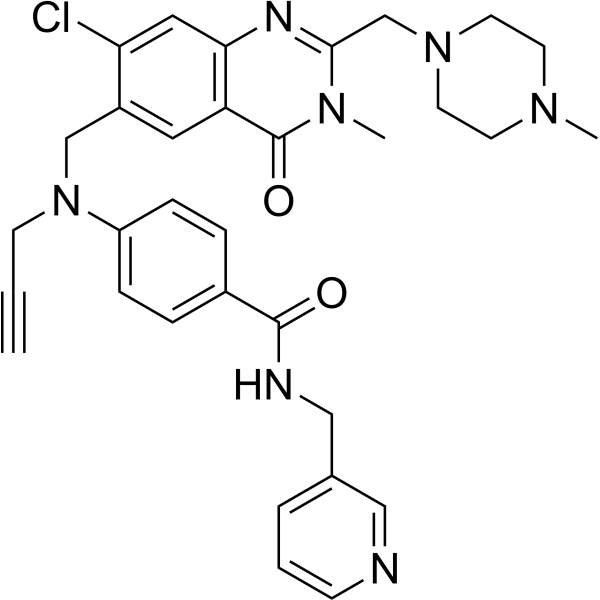
CB 300919 is a quinazoline-based antitumour agent with high activity in the CH1 human ovarian tumour xenograft. CB 300919 has a continuous exposure (96 h) growth inhibition IC50 value of 2 nM in human CH1 ovarian tumor xenograft . CB 300919 is a click chemistry reagent, it contains an Alkyne group and can undergo copper-catalyzed azide-alkyne cycloaddition (CuAAc) with molecules containing Azide groups.
|
-
-
- HY-W653780
-
|
DMTP; O,O-Dimethyl phosphorothionate
|
Endogenous Metabolite
|
Others
|
|
Dimethyl phosphorothioate (DMTP; O,O-Dimethyl phosphorothionate) is a metabolite of organophosphate pesticides. Dimethyl phosphorothioate can be used as a biomonitoring indicator for assessing pesticide exposure levels of organophosphate pesticides and identifying high-risk groups .
|
-
-
- HY-125920R
-
|
Sarkosyl NL sodium (Standard)
|
Biochemical Assay Reagents
Reference Standards
|
Others
|
|
Lauroylsarcosine (sodium) (Standard) is the analytical standard of Lauroylsarcosine (sodium). This product is intended for research and analytical applications. Lauroylsarcosine sodium is a surfactant commonly used in personal care and cosmetics such as shampoos, facial cleansers and toothpaste. It works by lowering the surface tension of water, allowing it to better penetrate and clean surfaces. Lauroylsarcosine sodium is considered safe for cosmetic use and is approved for use in several countries. However, it can cause skin irritation in high concentrations or with prolonged exposure.
|
-
-
- HY-138879B
-
|
(1S,5R)-CP-601927
|
nAChR
|
Neurological Disease
|
|
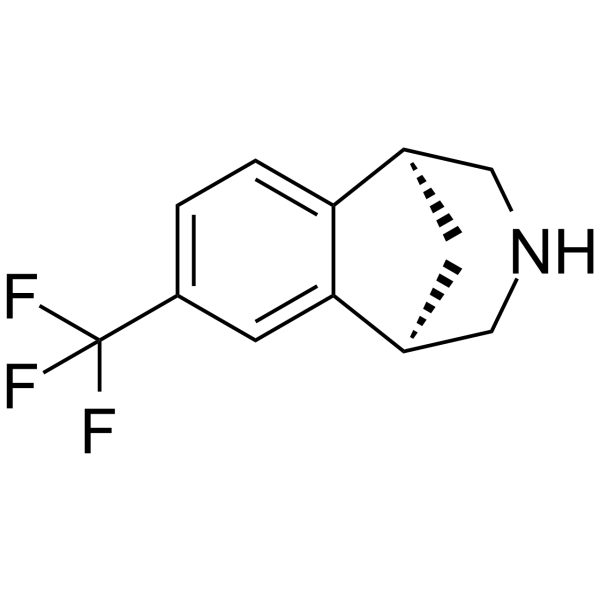
CP-601932 ((1S,5R)-CP-601927) is a high-affinity partial agonist at α3β4 nAChR (Ki=21 nM; EC50=~ 3 μM). CP-601932 has the same high-binding affinity at α4β2 nAChR (Ki=21 nM) and an order of magnitude lower affinity for α6 and α7 nAChR subtypes. CP-601932 selectively decreases ethanol but not sucrose consumption and operant self-administration following long-term exposure. CP-601932 can penetrate the CNS .
|
-
-
- HY-130609A
-
|
|
γ-secretase
|
Neurological Disease
|
|
Aβ42-IN-1 free base (compound 1v) is an orally active, high brain exposure γ-secretase modulator. Aβ42-IN-1 free base potently reduces Aβ42 levels with an IC50 value of 0.091 μM, and significantly reduces brain Aβ42 levels in mice. Aβ42-IN-1 free base is a promising compound for the treatment of Alzheimer’s disease .
|
-
-
- HY-130609
-
|
|
γ-secretase
|
Neurological Disease
|
|
Aβ42-IN-1, compound 1v, is a novel, potent and orally active?γ-secretase modulator (GSM). Aβ42-IN-1 potently reduced Aβ42 levels with an IC50?value of 0.091?μM without CYP3A4 inhibition. Aβ42-IN-1 shows a sustained pharmacokinetic profile.
|
-
-
- HY-157455
-
|
|
Androgen Receptor
|
Cancer
|
|
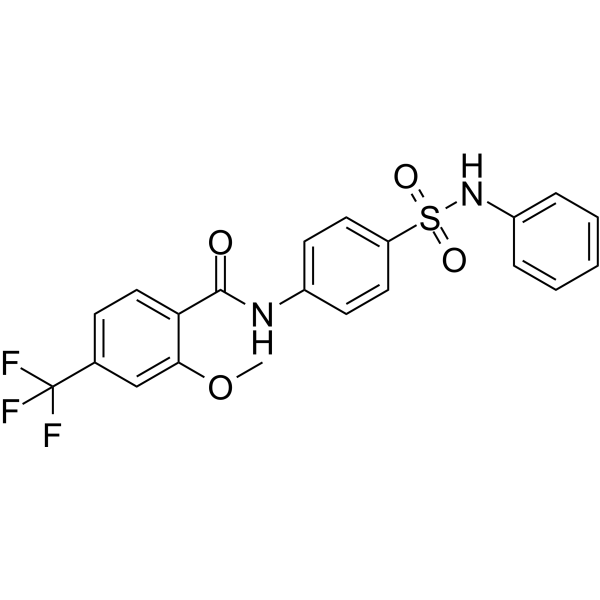
AR antagonist 5 (compound 30a) is a selective androgen receptor (AR) antagonist with an IC50 value of 134.8 nM. AR antagonist 5 has favorable pharmacokinetic properties and shows a high skin exposure and low plasma exposure [1.
|
-
-
- HY-156593
-
|
|
ROCK
|
Cancer
|
|
ROCK-IN-9 (Compound T345) is a ROCK inhibitor. ROCK-IN-9 shows cytotoxicity in HepG2 cell, with an IC50 of 40.8 μM. ROCK-IN-9 has good pharmacokinetic properties in mice, and shows high in vivo exposure and oral bioavailability at lower doses .
|
-
-
- HY-155992
-
|
|
Sigma Receptor
|
Neurological Disease
|
|
WLB-89462 (Compound 20c) is a selective σ2 receptor ligand (Ki: 13 nM). WLB-89462 has neuroprotective activity. WLB-89462 improves short-term memory impairment induced by Aβ peptide in rats. WLB-89462 has good ADMET profile (good solubility, no CYP inhibition, good metabolic stability, high permeability, brain penetration, and high oral exposure in rodents) .
|
-
-
- HY-147720
-
|
|
γ-secretase
|
Neurological Disease
|
|
γ-Secretase modulator 11 (1o) showed high potency in vitro and brain exposure, inducing brain a β 42 levels were significantly reduced and showed undetectable inhibition of cytochrome P450 enzymes. In addition, compound 1o showed excellent anti cognitive deficit effect in AD model mice.
|
-
-
- HY-143439
-
|
|
Estrogen Receptor/ERR
|
Cancer
|
|
LX-039 is a highly potent, selective and orally active estrogen receptor degrader with EC50 value of 2.29 nM. LX-039 has indole C-3 chlorine atom. LX-039 exhibits excellent mouse pharmacokinetics, low clearance, high Cmax and oral exposure. LX-039 has anti-tumor activity .
|
-
-
- HY-12570
-
|
|
Casein Kinase
Wnt
|
Cancer
|
|
CK2-IN-9 is a potent and selective inhibitor of CK2 kinase with an IC50 of 3 nM. CK2-IN-9 reduces Wnt reporter activity with an IC50 of 75 nM. CK2-IN-9 has low exposure (AUC=0.36 μM/h) and high clearance (CL=65 mL/min/kg) properties in rat .
|
-
-
- HY-105110
-
|
SM-8668
|
Fungal
|
Infection
|
|
SM-8668 is an effective orally active antifungal agent, with median effective doses (ED50) of 0.18, 3.7, and 5.9 mg/kg for systemic candidiasis, aspergillosis, and cryptococcosis in mice, respectively. Pharmacokinetic studies in mice and rats indicate that SM-8668 has a long half-life and a high total exposure. SM-8668 can be used in anti-infective research .
|
-
-
- HY-112142A
-
|
DVR-23
|
HBV
|
Inflammation/Immunology
|
|
(Rac)-AB-423 (DVR-23) is an anti-HBV candidate compound with promising anti-HBV activity. (Rac)-AB-423 showed no induction of CYP1A2, CYP3A4, or CYP2B6 enzyme activity at high concentrations. (Rac)-AB-423 exhibited desirable pharmacokinetic properties, enabling good systemic exposure and high oral bioavailability. (Rac)-AB-423 achieved more than 2 log viral load reduction in the hydrodynamic injection (HDI) HBV mouse model .
|
-
-
- HY-169310
-
|
|
ATM/ATR
|
Cancer
|
|
ATM Inhibitor-11 (Compound 1) is an inhibitor for ATM with an IC50 of 0.32 nM. ATM Inhibitor-11 inhibits the KAP1 phosphorylation with an IC50 of 0.97 nM. ATM Inhibitor-11 exhibits high exposure in the brain, heart and plasma of ICR mouse. ATM Inhibitor-11 exhibits anti-tumor efficacy in NCI-H441 xenograft mouse model .
|
-
-
- HY-162940
-
|
|
TAM Receptor
|
Inflammation/Immunology
Cancer
|
|
MerTK/Axl-IN-1 (Compound A-910) is a potent and selective dual MerTK/Axl inhibitor, with IC50s of 4.2 and 8.8 nM in Ba/F3, and 0.2 and 0.9 nM in HTRF. MerTK/Axl-IN-1 results in pMerTK inhibition in vivo. MerTK/Axl-IN-1 has long half-life, high oral exposure and bioavailability .
|
-
-
- HY-W700491
-
|
2-Amino-α-carboline-15N3; AαC-15N3
|
Isotope-Labeled Compounds
Endogenous Metabolite
|
Cancer
|
|
AalphaC- 15N3 (2-Amino-α-carboline- 15N3) is 15N labeled AalphaC. AalphaC (AαC) is a potential carcinogen with carcinogenic activity. AalphaC is an important biomarker in tobacco smoke and is associated with tobacco smoke exposure. Urinary concentrations of AalphaC are significantly higher in dedicated smokers than in non-smokers, indicating its importance in monitoring tobacco exposure. AalphaC levels increase significantly with increasing serum nicotine levels, indicating its close relationship with tobacco use. In addition, consuming high-temperature cooked beef significantly increases the amount of AalphaC in urine, while consuming vegetables is associated with a decrease in AalphaC concentrations. Smoking half a pack of cigarettes is associated with a significant increase in the amount of AalphaC, which further confirms the biological activity of AalphaC and its association with dietary habits .
|
-
-
- HY-162944
-
|
|
Ferroptosis
Mitochondrial Metabolism
STING
Autophagy
|
Cancer
|
|
NA-Ir is a Ferroptosis inducer. NA-Ir targets mitochondrial DNA (mtDNA) and activates the cGAS-STING pathway to induce ferritinophagy (Autophagy), while also generating reactive oxygen species (ROS) through photodynamic therapy (PDT), depleting glutathione (GSH), and downregulating glutathione peroxidase 4 (GPX4), thereby triggering lipid peroxidation and Ferroptosis. NA-Ir exhibits higher anticancer activity under light exposure and selectively inhibits cancer cells with high H2S levels .
|
-
-
- HY-157053
-
|
|
Biochemical Assay Reagents
|
Cancer
|
|
[Ru(dppn)2phen](PF6)2 (compound 4) is a polypyridylruthenium compound used in photodynamic therapy (PDT). [Ru(dppn)2phen](PF6)2 is normally nontoxic under dark conditions and induces mitochondrial respiratory damage upon light exposure. [Ru(dppn)2phen](PF6)2 exhibits high levels of singlet oxygen quantum yield and phototoxicity against cancer cells .
|
-
-
- HY-147859
-
|
|
Amyloid-β
|
Neurological Disease
|
|
BChE-IN-8 (compound 20) is an orally active, potent and BBB-penetrated BChE (butyrylcholinesterase) inhibitor, with IC50 values of 0.15 nM (eqBChE, equine serum BChE) and 45.2 nM (hBChE), respectively. High stability of BChE-IN-8 contributes to significantly improved blood concentration and tissue exposure. BChE-IN-8 can exert neuro-protecting and cognition improving properties through multiple modulations, including cholinergic system, Aβ aggregation, neuropeptide levels. BChE-IN-8 can be used for Alzheimer's disease (AD) research .
|
-
-
- HY-169309
-
|
|
EGFR
|
Cancer
|
|
EGFR-IN-133 (Compound 24) is an inhibitor for EGFR, that inhibits the EGFR wildtype, L858R/T790M, d19/T790M, L858R/T790M/C797S, and d19/T790M/C797S mutans with IC50 of 0.1, 0.044, 0.036, 0.04, and 0.054 nM. EGFR-IN-133 exhibits good pharmacokinetics characteristics with high oral exposure .
|
-
-
- HY-169308
-
|
|
EGFR
|
Cancer
|
|
EGFR-IN-132 (Compound 23) is an inhibitor for EGFR, that inhibits the EGFR wildtype, L858R/T790M, d19/T790M, L858R/T790M/C797S, and d19/T790M/C797S mutans with IC50 of 1.6, 0.025, 0.019, 0.022, and 0.029 nM. EGFR-IN-132 exhibits good pharmacokinetics characteristics with high oral exposure .
|
-
-
- HY-180967
-
|
|
Bcr-Abl
PROTACs
Apoptosis
|
Cancer
|
|
PROTAC BCR-ABL Degrader-2 is a selective Bcr-Abl T315 PROTAC degrader with a DC50 of 108.7 nM in Ba/F3 Bcr-Abl T315I cells. PROTAC BCR-ABL Degrader-2 exhibits the most potent degradation efficacy with DR of 69.89% and 94.23% at 100 and 300 nM, respectively. PROTAC BCR-ABL Degrader-2 demonstrates high plasma exposure, and induces significant tumor regression and induces tumor cell apoptosis with a good safety profile in vivo. PROTAC BCR-ABL Degrader-2 can be used for chronic myeloid leukemia (CML) research .
|
-
-
- HY-182320
-
|
|
CETP
|
Cardiovascular Disease
|
|
DRL-17822 is a selective cholesteryl ester transfer protein (CETP) inhibitor. DRL-17822 increases high-density lipoprotein levels. The exposure of DRL-17822 nanocrystal formulation increases significantly after a high-fat breakfast. The exposure of DRL-17822 in the fasted state is higher than that of its nanocrystal formulation. DRL-17822 can be used in the research of type II hyperlipidemia and atherosclerotic cardiovascular disease .
|
-
-
- HY-W394166
-
|
|
Biochemical Assay Reagents
|
Others
|
|
6-Bromo-7-hydroxy-4-(hydroxymethyl)coumarin is a photosensitive cage like ceramide. 6-Bromo-7-hydroxy-4-(hydroxymethyl)coumarin can release active ceramides under light exposure. 6-Bromo-7-hydroxy-4-(hydroxymethyl)coumarin can be used for research on drug release with high spatiotemporal precision .
|
-
-
- HY-171823
-
|
|
PROTACs
HMG-CoA Reductase (HMGCR)
|
Metabolic Disease
|
|
PROTAC HMGCR Degrader-1 is an orally active HMGCR PROTAC degrader with IC50 of 1.32 μM. PROTAC HMGCR Degrader-1 is a lactone prodrug of PROTAC HMGCR Degrader-2 (HY-181134). PROTAC HMGCR Degrader-1 achieves high plasma exposure of the active ingredient leading to robust HMGCR degradation and demonstrating promising cholesterol-lowering efficacy in vivo. PROTAC HMGCR Degrader-1 can be used for hyperlipidemia research .
|
-
-
- HY-181545A
-
|
|
NO Synthase
IFNAR
|
Cancer
|
|
nNOS-IN-2 trihydrochloride is a blood-brain barrier-permeable nitric oxide synthase (nNOS) inhibitor. nNOS-IN-2 trihydrochloride exhibits Ki values of 1.7 nM and 2.3 nM against human and rat nNOS, respectively, and shows high selectivity for human eNOS and iNOS. nNOS-IN-2 trihydrochloride also effectively reduces PD-L1 expression in human melanoma cells under both basal conditions and IFN-γ exposure. nNOS-IN-2 trihydrochloride can be used for the study of melanoma and related signaling pathways .
|
-
-
- HY-181711
-
|
|
NO Synthase
|
Neurological Disease
Cancer
|
|
nNOS-IN-6 is a human neuronal nitric oxide synthase (hnNOS) inhibitor with a human hnNOS Ki of 16 nM, ~1800-fold selectivity over human eNOS, ~2900-fold selectivity over human iNOS, and a rat nNOS Ki of 34 nM.nNOS-IN-6 exhibits high effective permeability in PAMPA-BBB assays, crosses the blood-brain barrier, and shows sustained systemic exposure, low clearance, and robust brain penetration in mouse in vivo pharmacokinetic studies.nNOS-IN-6 can be used for the research of neurodegenerative diseases, melanoma .
|
-
-
- HY-P992384
-
|
|
Interleukin Related
|
Inflammation/Immunology
|
|
IMG-008 is a fully human antagonistic antibody targeting IL-36R, acting as a high-affinity IL-36R inhibitor (Kd = 6.23 pM). IMG-008 competitively blocks the pro-inflammatory signaling pathway mediated by human IL-36R, inhibiting receptor activation and the production of inflammatory cytokines. IMG-008 suppresses Imiquimod (HY-B0180)-induced skin inflammation in humanized mice, and Fc modification increases its serum exposure and prolongs its half-life. IMG-008 can be used in studies related to IL-36R-mediated inflammatory diseases such as psoriasis .
|
-
-
- HY-180406
-
|
|
Neuropeptide Y Receptor
|
Neurological Disease
|
|
NPY Y2 antagonist 2 is a modulator targeting the neuropeptide Y (NPY) receptor Y2, with pKi values of 6.8 nM and 7.2 nM in human and rat brains, respectively, and demonstrating blood-brain barrier penetration. NPY Y2 antagonist 2 shows selectivity for the Y1 and Y5 receptors. NPY Y2 antagonist 2 blocks the negative feedback regulation mediated by the NPY Y2 receptor, thereby increasing endogenous NPY release and enhancing Y1 receptor activation, resulting in the modulation of central neurotransmitter release. NPY Y2 antagonist 2 exhibits moderate in vivo clearance, high free fraction in rat brain, and a favorable brain/plasma ratio and brain exposure. NPY Y2 antagonist 2 is applicable for research in conditions such as mood disorders, anxiety induced by alcohol withdrawal, and social anxiety associated with nicotine withdrawal .
|
-
| Cat. No. |
Product Name |
Type |
-
- HY-125920
-
|
Sarkosyl NL sodium
|
Biochemical Assay Reagents
|
|
Lauroylsarcosine sodium is a surfactant commonly used in personal care and cosmetics such as shampoos, facial cleansers and toothpaste. It works by lowering the surface tension of water, allowing it to better penetrate and clean surfaces. Lauroylsarcosine sodium is considered safe for cosmetic use and is approved for use in several countries. However, it can cause skin irritation in high concentrations or with prolonged exposure.
|
-
- HY-W088065
-
|
|
Biochemical Assay Reagents
|
Sodium formate acts as a key promoter for heterogeneous nucleation of ZIF crystals and thin film synthesis. It is also recognized as a GRAS substance by the FDA, and serves as a cosmetic preservative and food additive. Sodium formate has low acute oral toxicity (acute oral LD50=7410 mg/kg and acute intravenous LD50=807 mg/kg in mice), with no heritable or carcinogenic effects, but exhibits embryonic developmental toxicity and teratogenicity at high concentrations. Sodium formate may cause moderate irritation to rabbit eyes, is relatively safe to the skin, and does not induce tumor formation in rats in vivo. Sodium formate is rapidly absorbed and oxidized to carbon dioxide in vivo, and forms DNA adducts in specific metabolic deficiency models or upon high-dose exposure .
|
-
- HY-W099594
-
|
Benzyldimethyldodecylammonium bromide
|
Biochemical Assay Reagents
|
|
N-Benzyl-N, N-dimethyldodecan-1-aminium bromide, also known as Benzalkonium Chloride (BAC), is a quaternary ammonium compound widely used as an antimicrobial and surfactant in various industries. BAC is commonly used as a disinfectant and antiseptic in a variety of products including hand sanitizers, disinfectant wipes and eye drops. Its ability to kill bacteria, viruses and fungi makes it an effective tool in preventing the spread of infection. BAC is also used as a preservative and disinfectant in the food industry. It is added to food packaging and processing equipment to prevent the growth of microorganisms and increase the shelf life of foods. Additionally, BACs are found in many household products such as cleaning solutions, fabric softeners and personal care products. Its surfactant properties allow it to be used to reduce surface tension and increase the effectiveness of cleaning agents. Although BAC has many uses, ingestion or exposure to high concentrations of BAC can cause skin irritation and other adverse effects.
|
-
- HY-125920R
-
|
Sarkosyl NL sodium (Standard)
|
Biochemical Assay Reagents
|
|
Lauroylsarcosine (sodium) (Standard) is the analytical standard of Lauroylsarcosine (sodium). This product is intended for research and analytical applications. Lauroylsarcosine sodium is a surfactant commonly used in personal care and cosmetics such as shampoos, facial cleansers and toothpaste. It works by lowering the surface tension of water, allowing it to better penetrate and clean surfaces. Lauroylsarcosine sodium is considered safe for cosmetic use and is approved for use in several countries. However, it can cause skin irritation in high concentrations or with prolonged exposure.
|
| Cat. No. |
Product Name |
Target |
Research Area |
Image |
-
- HY-P992384
-
|
|
Interleukin Related
|
Inflammation/Immunology
|
|
IMG-008 is a fully human antagonistic antibody targeting IL-36R, acting as a high-affinity IL-36R inhibitor (Kd = 6.23 pM). IMG-008 competitively blocks the pro-inflammatory signaling pathway mediated by human IL-36R, inhibiting receptor activation and the production of inflammatory cytokines. IMG-008 suppresses Imiquimod (HY-B0180)-induced skin inflammation in humanized mice, and Fc modification increases its serum exposure and prolongs its half-life. IMG-008 can be used in studies related to IL-36R-mediated inflammatory diseases such as psoriasis .
|
-
(5)
| Cat. No. |
Product Name |
Category |
Target |
Chemical Structure |
-
- HY-12545
-
-
-
- HY-N5112A
-
|
Arnebin 1
|
Quinones
Structural Classification
other families
Classification of Application Fields
Other Diseases
Plants
Naphthalene Quinones
Pteris livida Mett.
Disease Research Fields
|
FGFR
Necroptosis
Apoptosis
CDK
JNK
|
|
β,β-Dimethylacrylalkannin (Arnebin 1) is an orally active FGFR1 inhibitor (IC50=2.5 μM) and the main active component of Lithospermum erythrorhizon. β,β-Dimethylacrylalkannin blocks downstream signaling by binding to the ATP pocket of FGFR1, and regulates the CDK1/Cdc25C pathway and ROS-JNK axis, thereby inducing G2/M phase arrest, necrosis and apoptosis in cancer cells, and inhibiting tumor proliferation. β,β-Dimethylacrylalkannin also acts as a colistin adjuvant to disrupt the cell membrane of Gram-negative bacteria. β,β-Dimethylacrylalkannin exhibits significant tumor-inhibitory effects with no obvious toxicity in PDX models, but chronic exposure to high doses may alter the relative lung/liver weights of rats, while acute exposure to high doses causes responses such as reduced motor activity. β,β-Dimethylacrylalkannin finds wide application in studies related to hepatocellular carcinoma, colorectal cancer, colistin-resistant bacterial infections, hepatitis and psoriasis .
|
-
| Cat. No. |
Product Name |
Chemical Structure |
-
- HY-W700491
-
|
|
|
AalphaC- 15N3 (2-Amino-α-carboline- 15N3) is 15N labeled AalphaC. AalphaC (AαC) is a potential carcinogen with carcinogenic activity. AalphaC is an important biomarker in tobacco smoke and is associated with tobacco smoke exposure. Urinary concentrations of AalphaC are significantly higher in dedicated smokers than in non-smokers, indicating its importance in monitoring tobacco exposure. AalphaC levels increase significantly with increasing serum nicotine levels, indicating its close relationship with tobacco use. In addition, consuming high-temperature cooked beef significantly increases the amount of AalphaC in urine, while consuming vegetables is associated with a decrease in AalphaC concentrations. Smoking half a pack of cigarettes is associated with a significant increase in the amount of AalphaC, which further confirms the biological activity of AalphaC and its association with dietary habits .
|
-
| Cat. No. |
Product Name |
|
Classification |
-
- HY-14375
-
|
|
|
Alkynes
|
|
CB 300919 is a quinazoline-based antitumour agent with high activity in the CH1 human ovarian tumour xenograft. CB 300919 has a continuous exposure (96 h) growth inhibition IC50 value of 2 nM in human CH1 ovarian tumor xenograft . CB 300919 is a click chemistry reagent, it contains an Alkyne group and can undergo copper-catalyzed azide-alkyne cycloaddition (CuAAc) with molecules containing Azide groups.
|
Your information is safe with us. * Required Fields.
Inquiry Information
- Product Name:
- Cat. No.:
- Quantity:
- MCE Japan Authorized Agent:

