



Aβ42-IN-1 free base
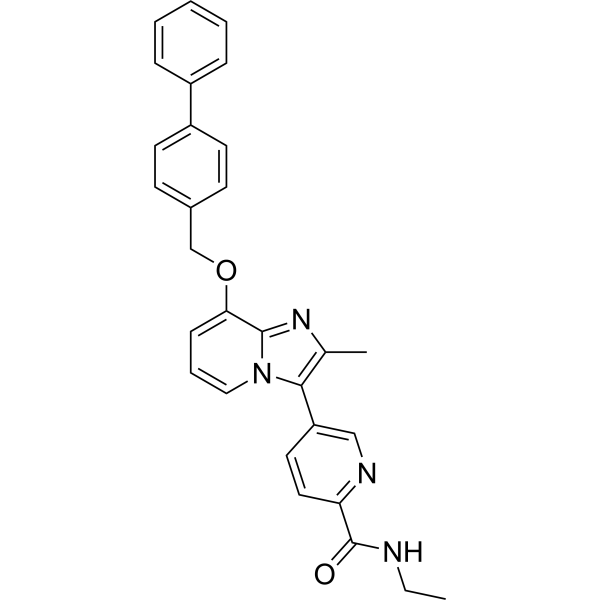
Aβ42-IN-1 free base (compound 1v) is an orally active, high brain exposure γ-secretase modulator. Aβ42-IN-1 free base potently reduces Aβ42 levels with an IC50 value of 0.091 μM, and significantly reduces brain Aβ42 levels in mice. Aβ42-IN-1 free base is a promising compound for the treatment of Alzheimer’s disease.
For research use only. We do not sell to patients.
- CAS No.: 2434633-17-5
- Formula: C29H26N4O2
- Molecular Weight:462.54
-
Storage:
Please store the product under the recommended conditions in the Certificate of Analysis.

To place orders, for customer services and technical support, please contact: MedChemExpress USA
Tel: 609-228-6898 E-mail: [email protected] [email protected]


-
 Biological Activity
-
Chemical Information
- Protocols
- Purity & Documentation
- References
-
 Help & FAQs


-
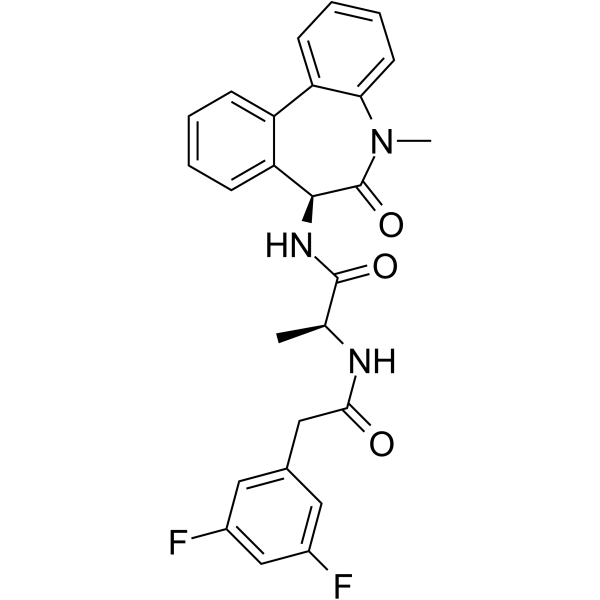
HY-13526
YO-01027γ-secretase Inhibitor -
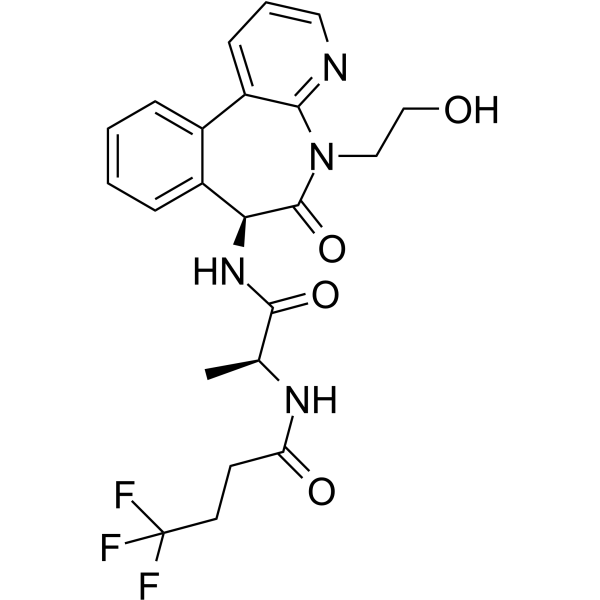
HY-12449
CrenigacestatNotch/γ-secretase Inhibitor -
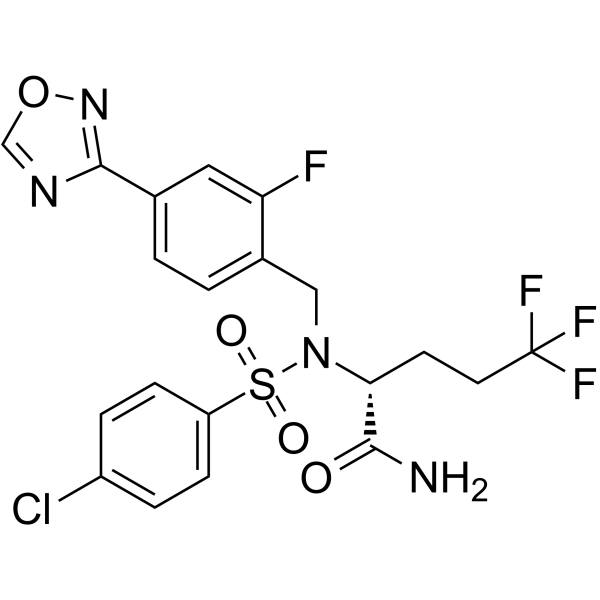
HY-50845
Avagacestatγ-secretase Inhibitor -
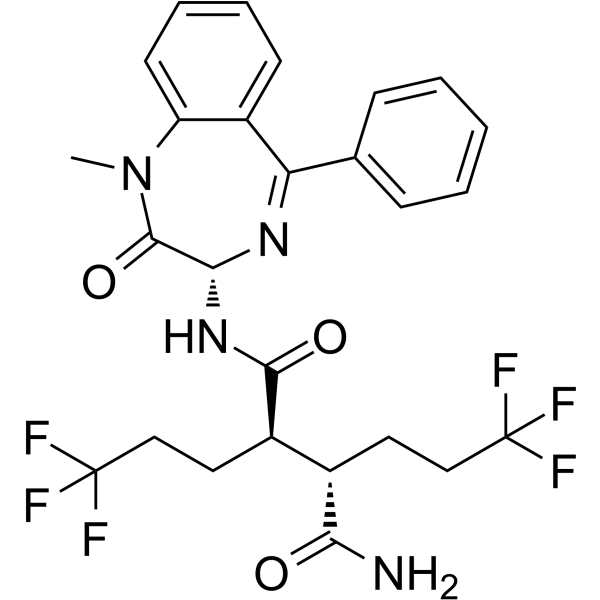
HY-15670
BMS-906024γ-secretase Inhibitor -
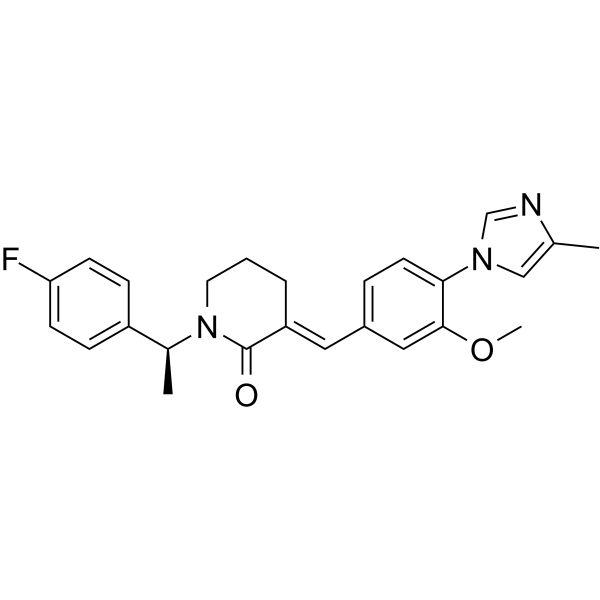
HY-10016
E 2012γ-Secretase Modulator -
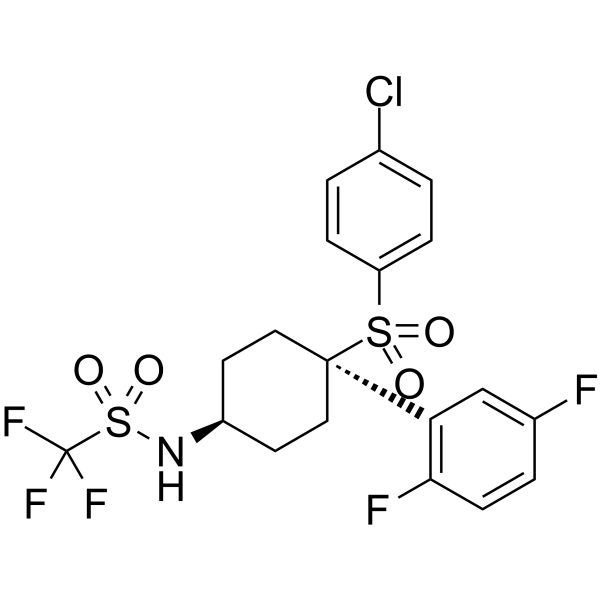
HY-14174
MRK-560γ-Secretase Inhibitor -
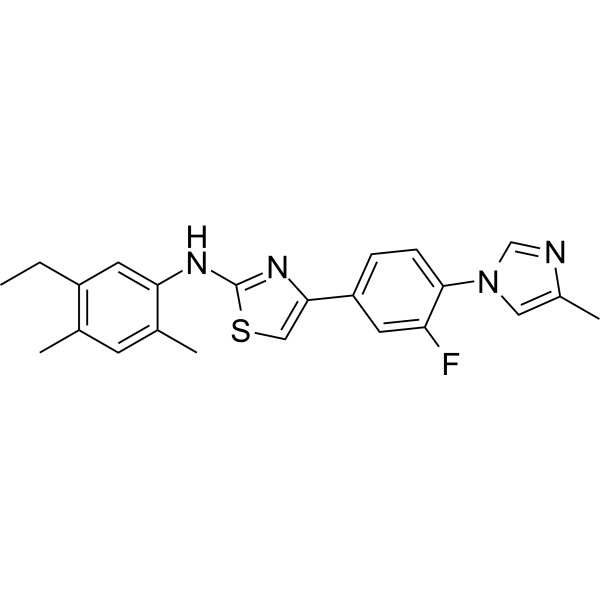
HY-108714
NGP555γ-secretase Modulator -
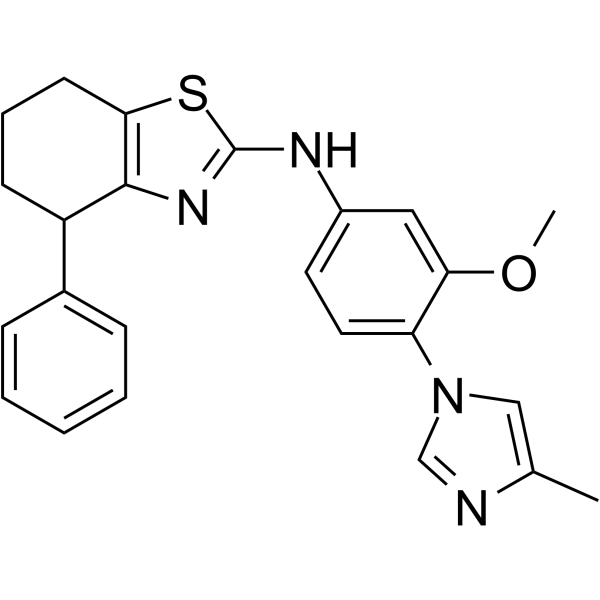
HY-10043
gamma-secretase modulator 1Gamma-secretase Modulator -
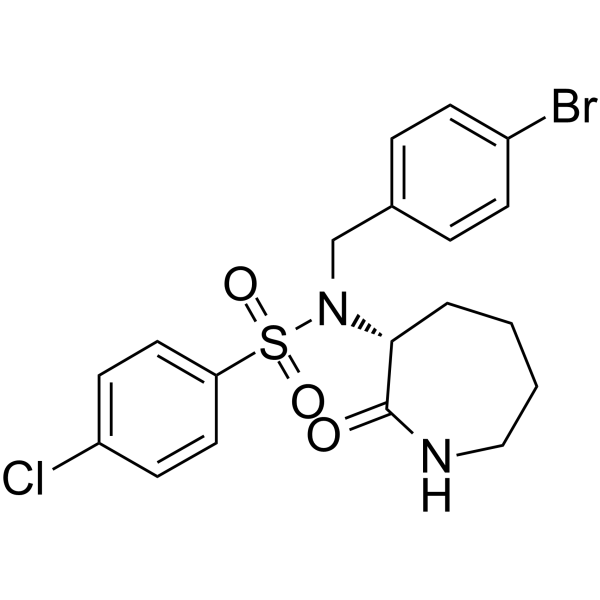
HY-50882
ELN318463γ-secretase Inhibitor -
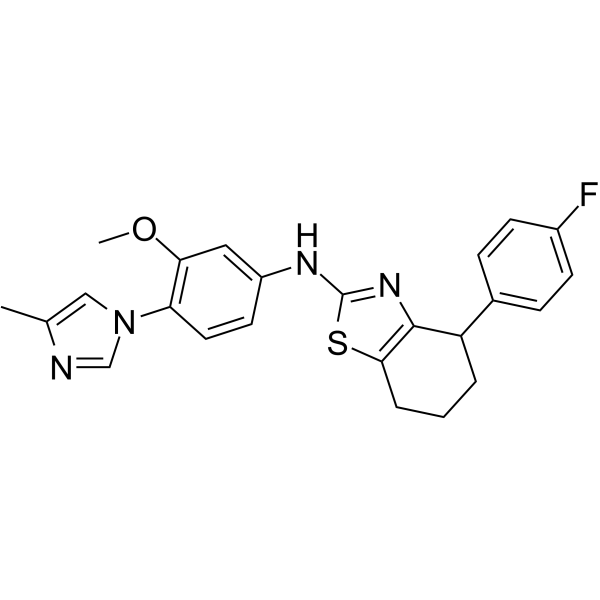
HY-50889
gamma-secretase modulator 3γ-Secretase modulator -
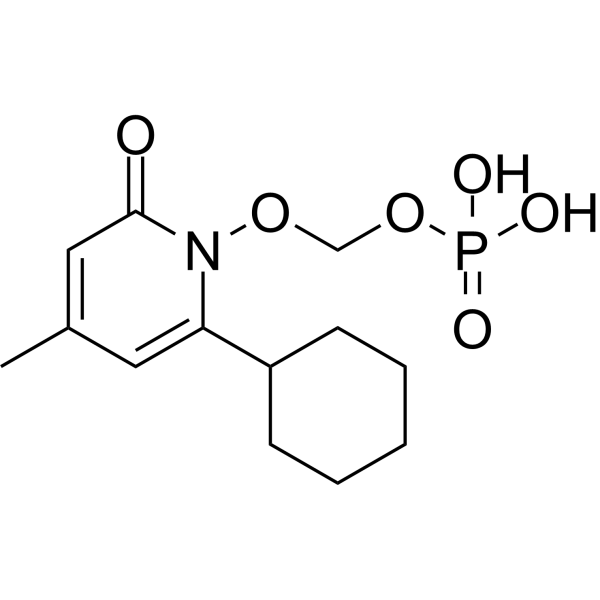
HY-109174
FosciclopiroxAnticancer Agent -
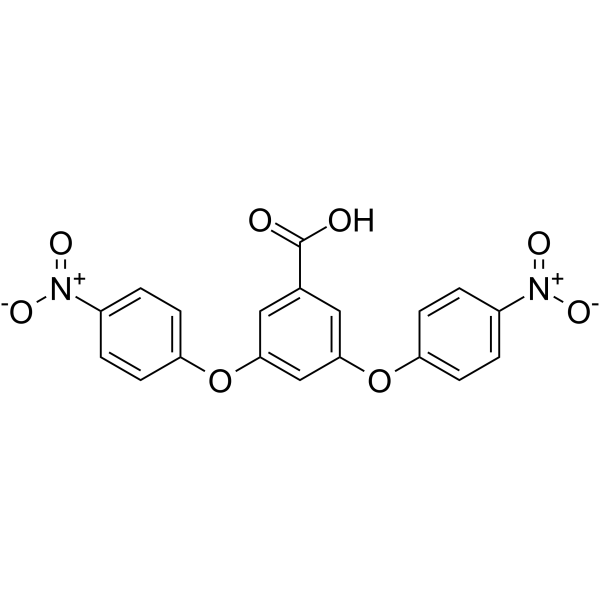
HY-103539
3,5-Bis(4-nitrophenoxy)benzoic acidγ-secretase Inhibitor


Biological Activity
Description
In Vivo
MedChemExpress (MCE) has not independently confirmed the accuracy of these methods. They are for reference only.
-
Animal Model:Nonfasted 8-week-old male ddY mice[1]
-
Dosage:30 mg/kg
-
Administration:p.o. (Pharmacokinetic Analysis)
-
Result:The CLint is 84.7 µL/min/mg protein.


Chemical Information
-
CAS No. 2434633-17-5
-
Molecular Weight 462.54
-
Formula C29H26N4O2
-
SMILES
O=C(C1=NC=C(C2=C(C)N=C3C(OCC4=CC=C(C5=CC=CC=C5)C=C4)=CC=CN32)C=C1)NCC
-
Shipping
Room temperature in continental US; may vary elsewhere.
-
Storage
Please store the product under the recommended conditions in the Certificate of Analysis.

Protocols
-
Cell Cytotoxicity Assay
Cytotoxicity assays are usually based on the assessment of cell membrane damage, which can also be indirectly detected by measuring cell viability. Detection methods include MTT assay, CKK-8 assay, LDH assay and ATP assay, etc.
-
Notch Pathway Solutions
The Notch pathway is a contact-dependent signaling pathway that controls cell-fate decisions, differentiation, proliferation, and tissue patterning through interactions between membrane-bound Notch receptors and membrane-bound ligands on neighboring cells. Canonical Notch signaling is activated when ligand engagement triggers proteolytic release of the Notch intracellular domain, which enters the nucleus and regulates transcription together with DNA-binding transcriptional complexes. In the canonical mechanism, ligand-dependent Notch activation leads to release of the intracellular Notch domain, and presenilin-dependent γ-secretase activity is required for production of the active intracellular signaling fragment. The released intracellular domain functions as a nuclear signal that converts Notch receptor activation at the membrane into transcriptional regulation of target programs such as HES/HEY-family genes and other context-dependent downstream targets. The literature links Notch p


Purity & Documentation
References

Calculators
Concentration (start) × Volume (start) = Concentration (final) × Volume (final)


Aβ42-IN-1 free base Related Classifications
HY-130609A Related Classifications
 Powered by Bioz