94 Results for "

host+cells

" in MedChemExpress (MCE) Product Catalog:
Products (94)

94 Results for "host+cells" in MCE Product Catalog:

21
21 Publications Verification
Referencia número: HY-U00434
No. CAS: 890405-51-3
Target:  

mTOR Autophagy Apoptosis

Áreas de investigación:  

Infection Inflammation/Immunology

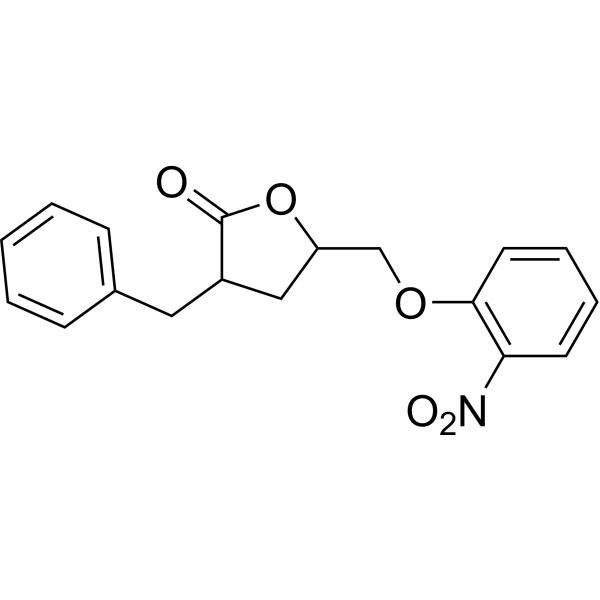
3BDO is a IFITM3 modulator and mTOR activator with antiviral and autophagy-inhibiting effects. 3BDO exhibits inhibitory activity against porcine coronaviruses. 3BDO increases the protein abundance of IFITM3, inhibits virus-cell membrane fusion, and blocks viral entry. 3BDO inhibits the entry of transmissible gastroenteritis virus, porcine epidemic diarrhea virus, and porcine respiratory coronavirus into host cells. 3BDO can be used for research on porcine coronavirus infection .
11
11 Cited Publications
Referencia número: HY-14904A
No. CAS: 131707-23-8
Pureza:  99.86%
Áreas de investigación:  

Infection

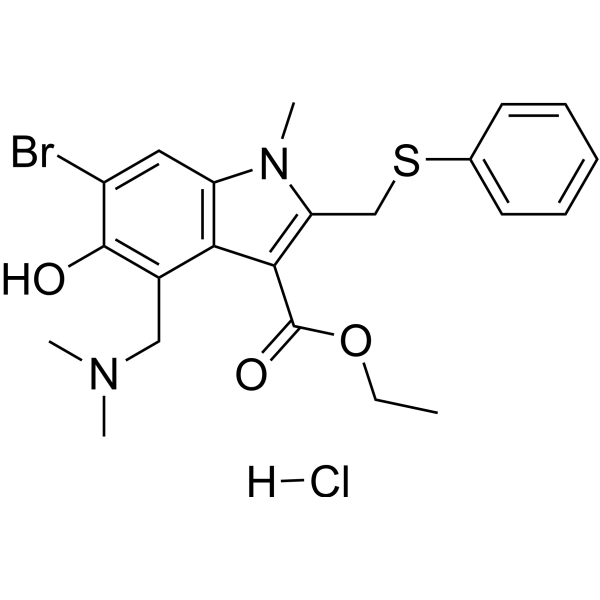
Umifenovir hydrochloride is a potent, orally active broad-spectrum antiviral with activity against a number of enveloped and non-enveloped viruses. Umifenovir hydrochloride is used as an anti-influenza virus agent. Umifenovir hydrochloride could effectively inhibit the fusion of virus with host cells . Umifenovir hydrochloride is an efficient inhibitor of SARS-CoV-2 in vitro. Anti-inflammatory activity .
11
11 Cited Publications
Referencia número: HY-14904
No. CAS: 131707-25-0
Pureza:  98.00%
Áreas de investigación:  

Infection

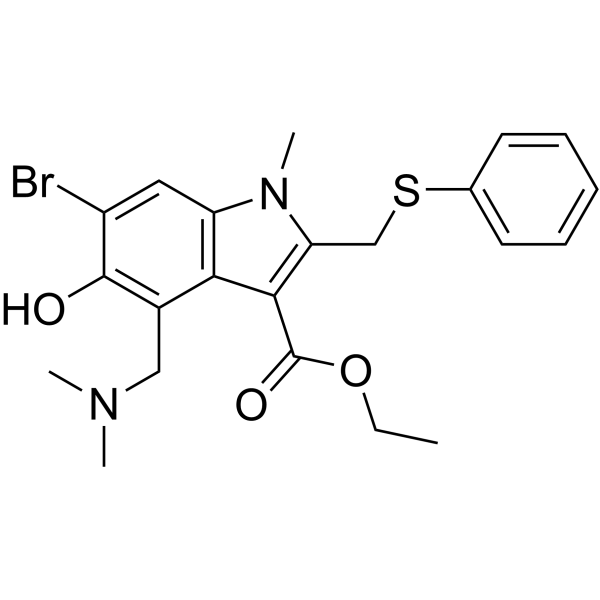
Umifenovir is a potent, orally active broad-spectrum antiviral agent with activity against a number of enveloped and non-enveloped viruses. Umifenovir is used as an anti-influenza virus agent. Umifenovir could effectively inhibit the fusion of virus with host cells . Umifenovir is an efficient inhibitor of SARS-CoV-2 in vitro . Umifenovir shows anti-inflammatory activity .
9
9 Cited Publications
Referencia número: HY-112258
No. CAS: 2059148-82-0
Pureza:  99.16%
Target:  

DNA/RNA Synthesis

Áreas de investigación:  

Infection

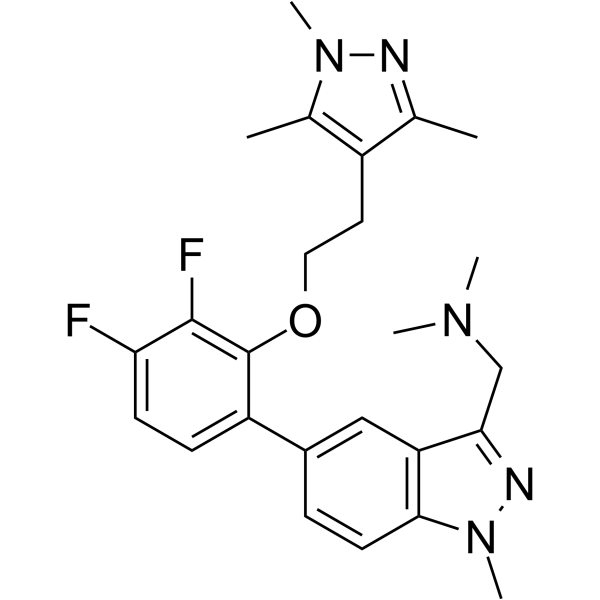
IMP-1088 is a potent human N-myristoyltransferases NMT1 and NMT2 dual inhibitor with IC50s of <1 nM for HsNMT1 and HsNMT2. IMP-1088 has a Kd of <210 pM for HsNMT1. IMP-1088 efficiently blocks rhinovirus replication by blocking rhinovirus virus-encoded protein (VP0) N-myristoylation. IMP-1088 protects host cells from the cytotoxic effects of viral infection .
5
5 Cited Publications
Referencia número: HY-116282
No. CAS: 9011-18-1
Pureza:  99.20%
Synonyms: DSS (MW 5000); DXS (MW 5000)
Dextran sulfate sodium salt (DSS) (MW 5000) is a polymer of dehydrated glucose with a molecular weight of approximately 5000. Dextran sulfate sodium salt (DSS) with different molecular weights exhibits different biological activities. Dextran sulfate sodium salt (MW 5000) is an inhibitor of complement and coagulation pathways, and belongs to the glycosaminoglycans (GAG) family. Dextran sulfate sodium salt (MW 5000) acts as an anticoagulant, antiviral, and anti-lipemic agent. Dextran sulfate sodium salt (DSS) stops HIV-1 virus adsorption to host cells. Dextran sulfate sodium salt (MW 5000) prevents NK cell-mediated cytotoxicity. Dextran sulfate sodium salt (MW 5000) inhibits instant blood-mediated inflammatory reaction (IBMIR) .
2
2 Cited Publications
Referencia número: HY-N6727
No. CAS: 67-99-2
Synonyms: Aspergillin
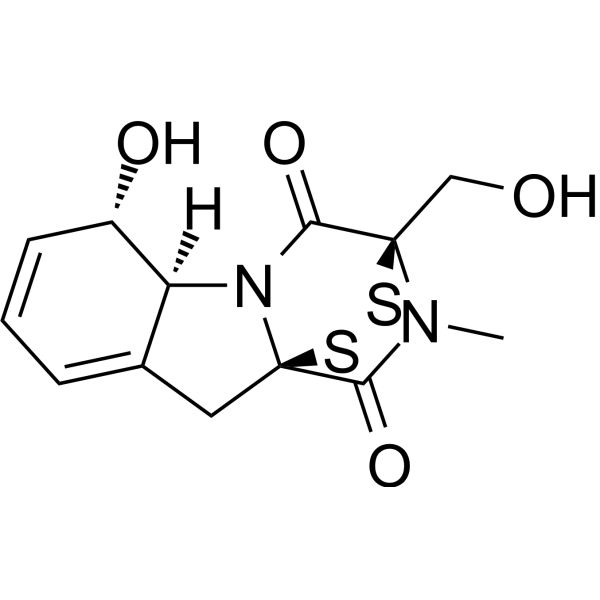
Gliotoxin is a secondary metabolite, the most abundant mycotoxin secreted by A. fumigatus, inhibits the phagocytosis of macrophages and the immune functions of other immune cells . Gliotoxin inhibits inducible NF-κB activity by preventing IκB degradation, which consequently induces host-cell apoptosis . Gliotoxin activates PKA and increases intracellular cAMP concentration; modulates actin cytoskeleton rearrangement to facilitate A. fumigatus internalization into lung epithelial cells . Gliotoxin is a potent NOTCH2 transactivation inhibitor, can effectively induce apoptosis of chronic lymphocytic leukemia (CLL) cells .
2
2 Cited Publications
Referencia número: HY-19767
No. CAS: 1629249-33-7
Áreas de investigación:  

Infection Inflammation/Immunology Cancer

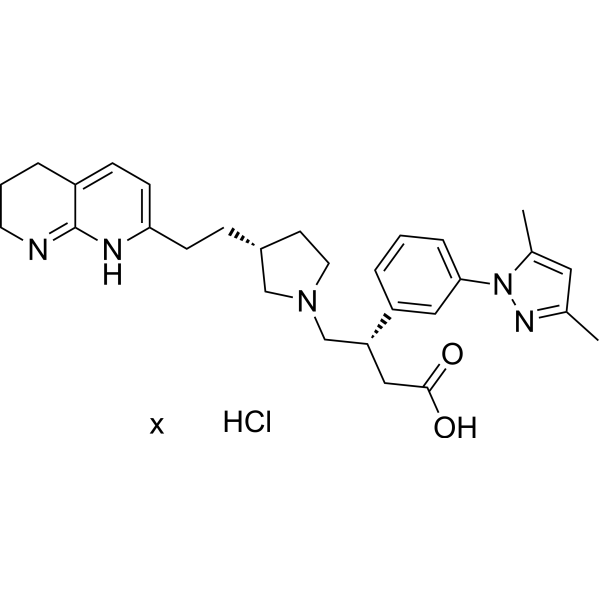
GSK 3008348 is a small molecule antagonist of integrin αvβ6 with IC50 values for αvβ6, αvβ1, αvβ3, αvβ5, and αvβ8 are 1.50, 2.83, 12.53, 4.00, and 2.26 nM, respectively. GSK 3008348 can target the αvβ6 integrin, inhibit TGF-β activation, and thereby alleviate the fibrotic process. GSK 3008348 prevents the binding of the foot-and-mouth disease virus (FMDV) to the αvβ6 integrin receptor on the surface of host cells, thereby inhibiting the entry of the virus. GSK 3008348 can be used for research on pulmonary fibrosis and various types of cancer .
2
2 Cited Publications
Referencia número: HY-19767A
No. CAS: 1629249-40-6
Áreas de investigación:  

Infection Inflammation/Immunology Cancer

GSK 3008348 hydrochloride is a small molecule antagonist of integrin αvβ6 with IC50 values for αvβ6, αvβ1, αvβ3, αvβ5, and αvβ8 are 1.50, 2.83, 12.53, 4.00, and 2.26 nM, respectively. GSK 3008348 hydrochloride can target the αvβ6 integrin, inhibit TGF-β activation, and thereby alleviate the fibrotic process. GSK 3008348 hydrochloride prevents the binding of the foot-and-mouth disease virus (FMDV) to the αvβ6 integrin receptor on the surface of host cells, thereby inhibiting the entry of the virus. GSK 3008348 hydrochloride can be used for research on pulmonary fibrosis and various types of cancer .
2
2 Cited Publications
Referencia número: HY-13321
No. CAS: 442666-98-0
Pureza:  99.53%
Target:  

HCV

Áreas de investigación:  

Infection

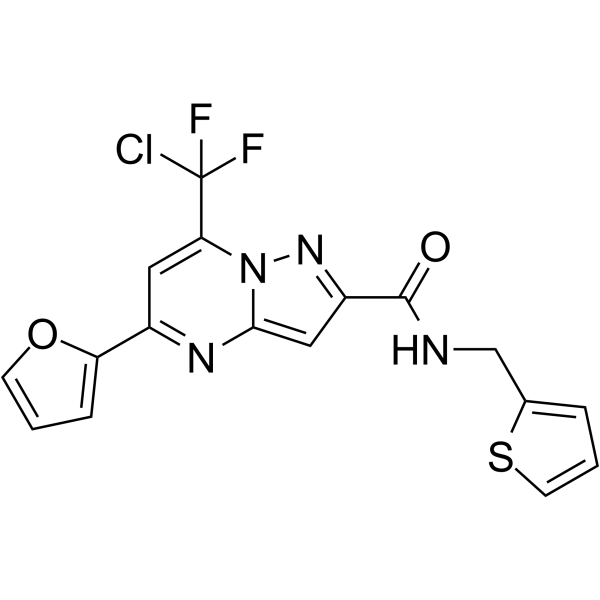
Anguizole is an HCV NS4B inhibitor. Anguizole interacts with NS4B-AH2, inhibits AH2 lipid vesicle aggregation, disrupts NS4B dimerization/multimerization and impairs NS4B-NS5A interaction. Anguizole exhibits little host cell toxicity. Anguizole can be used for the research of HCV infection .
1
1 Cited Publications
Referencia número: HY-16468
No. CAS: 148717-90-2
Synonyms: MSI-1256; ENT-01 free acid
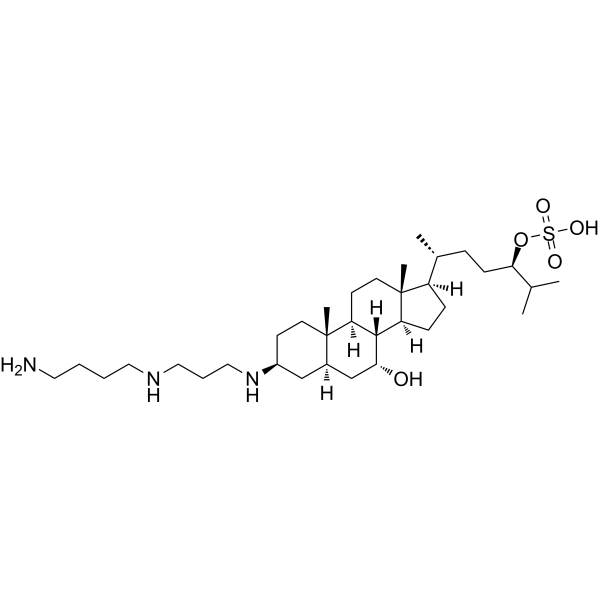
Squalamine (MSI-1256) is an aminosterol compound with broad-spectrum antiviral activity. Squalamine makes cells less conducive to certain viral replication by altering the electrostatic interactions in the inner membrane of host cells. Squalamine also has antibacterial and antitumor activities. Squalamine has broad-spectrum antibacterial activity against Gram-negative and Gram-positive bacteria, fungi and protozoa. Squalamine inhibits tumor-related angiogenesis and the growth of human breast cancer cells. Squalamine restores the function of enteric nervous system in Parkinson ,s disease mouse models .
1
1 Cited Publications
Referencia número: HY-124801
No. CAS: 332108-65-3
Pureza:  98.68%
Áreas de investigación:  

Infection

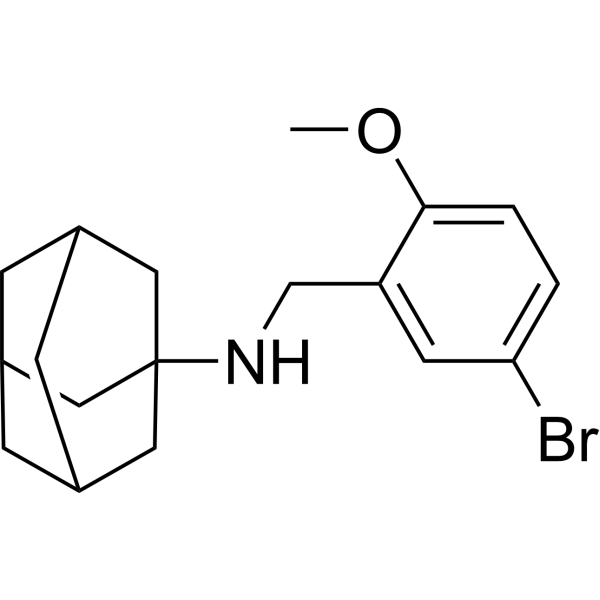
ABMA is a broad-spectrum inhibitor of intracellular toxins and pathogens. ABMA efficiently protects cells against various toxins and pathogens including viruses, intracellular bacteria and parasite. ABMA selectively acts at host cell late endosomes rather than targeting toxin or pathogen itself. ABMA has broad-spectrum anti-infection activity .
1
1 Cited Publications
Referencia número: HY-W395779
No. CAS: 1335113-30-8
Target:  

Filovirus

Áreas de investigación:  

Infection

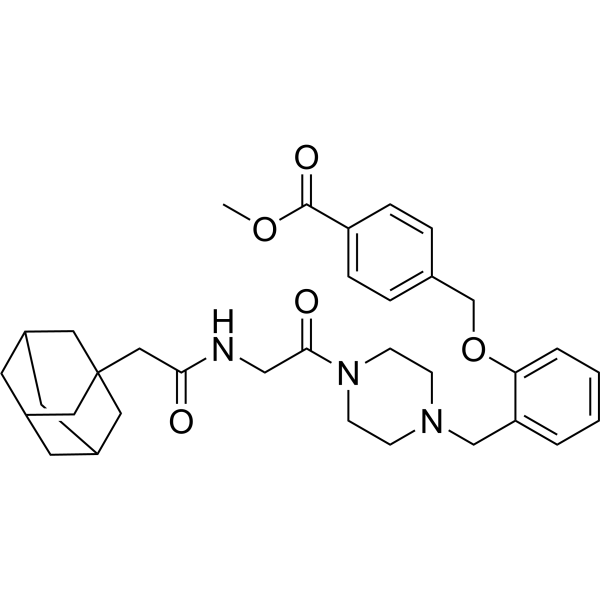
EBOV-IN-1 (com 3.47) is an adamantane dipeptide piperazine and an inhibitor of Ebola virus (EBOV). EBOV-IN-1 targets Niemann-Pick C1 (NPC1) and inhibits its binding to the EBOV glycoprotein (GP) that activates and mediates viral penetration into host cells, thereby inhibiting EBOV infection. EBOV-IN-1 inhibits pseudotyped EBOV infection with an IC50 of 13 nM .
Referencia número: HY-P3161
No. CAS: 936541-36-5
Lactoferrin from Bovine milk is a substance released by neutrophils. Lactoferrin from Bovine milk is an orally active multifunctional iron binding glycoprotein. Lactoferrin from Bovine milk prevents cell adhesion, growth and spreading of cell colonies. Lactoferrin from Bovine milk also has antiviral activity and inhibits microbial and viral adhesion and entry into host cells. Besides, Lactoferrin from Bovine milk has anti-inflammatory, immunomodulatory, and anti-cancer activities .
Referencia número: HY-116282A
No. CAS: 9011-18-1
Synonyms: DSS (MW 4500-5500); DXS (MW 4500-5500)
Áreas de investigación:  

Infection Inflammation/Immunology

Dextran sulfate sodium salt (DSS) (MW 4500-5500) is a polymer of dehydrated glucose with a molecular weight of approximately 4500-5500. Dextran sulfate sodium salt with different molecular weights exhibits different biological activities. Dextran sulfate sodium salt (MW 4500-5500) is an inhibitor of complement and coagulation pathways, and belongs to the glycosaminoglycans (GAG) family. Dextran sulfate sodium salt (MW 4500-5500) acts as an anticoagulant, antiviral, and anti-lipemic agent. Dextran sulfate sodium salt (MW 4500-5500) stops HIV-1 virus adsorption to host cells. Dextran sulfate sodium salt (MW 4500-5500) prevents NK cell-mediated cytotoxicity. Dextran sulfate sodium salt (MW 4500-5500) inhibits instant blood-mediated inflammatory reaction (IBMIR) .
Referencia número: HY-W015954
No. CAS: 24347-58-8
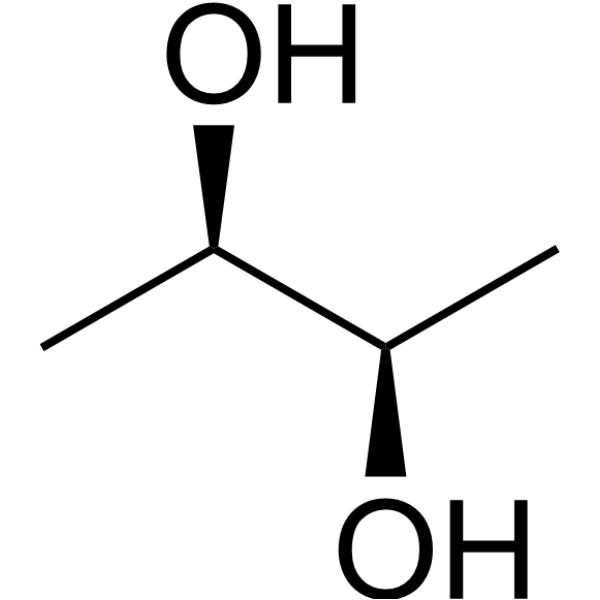
(2R,3R)-Butane-2,3-diol is a non-covalent, reversible agonist targeting lanthanum (La 3+)-sensitive calcium channels in bacteria (e.g., Escherichia coli) with an EC50 of approximately 25 mM. (2R,3R)-Butane-2,3-diol binds to calcium channel proteins or related complexes, induces channel opening, promotes extracellular calcium influx, and triggers intracellular calcium transients, which may regulate bacterial physiological activities such as growth, metabolism, and signal transduction. (2R,3R)-Butane-2,3-diol mediates bacterial-host cell signaling interactions and affects the metabolic balance of intestinal microorganisms, and can be used to study lactose intolerance and other related diseases .
Referencia número: HY-131686
No. CAS: 59247-13-1
Ganglioside GT1b (bovine) ammonium is a member of the ganglioside family. Ganglioside GT1b (bovine) ammonium acts as a protective signal against nerve injury-induced spinal synapse elimination. Ganglioside GT1b (bovine) ammonium induces HA synthesis and the phosphorylation of Akt/mTOR in orbital fibroblasts. Ganglioside GT1b (bovine) ammonium enhances porcine oocyte maturation and induce activation of EGFR and ERK1/2 signaling. Ganglioside GT1b (bovine) ammonium is a putative host cell receptor for the Merkel cell polyomavirus. Ganglioside GT1b (bovine) ammonium can be used for the researches of cancer, infection, immunology, endocrinology and neurological disease, such as Thyroid eye disease .
Referencia número: HY-107577
No. CAS: 2753-30-2
Pureza:  ≥98.0%
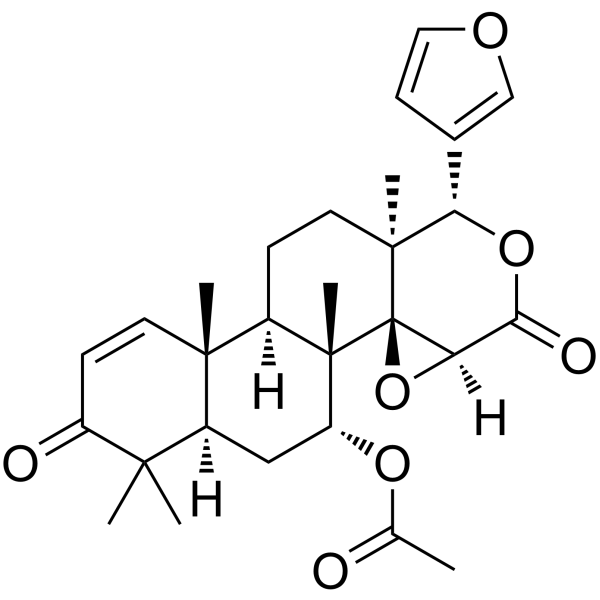
Gedunin is a limonoid with anti-cancer, anti-viral, anti-inflammatory and insecticidal activities. Gedunin acts as a potent Hsp90 inhibitor and induces the degradation of Hsp90-dependent client proteins. Geduni may obstructs the entry of SARS-CoV-2 virus into human host cells and can be used for COVID-19 research .
Referencia número: HY-N0539
No. CAS: 105471-98-5
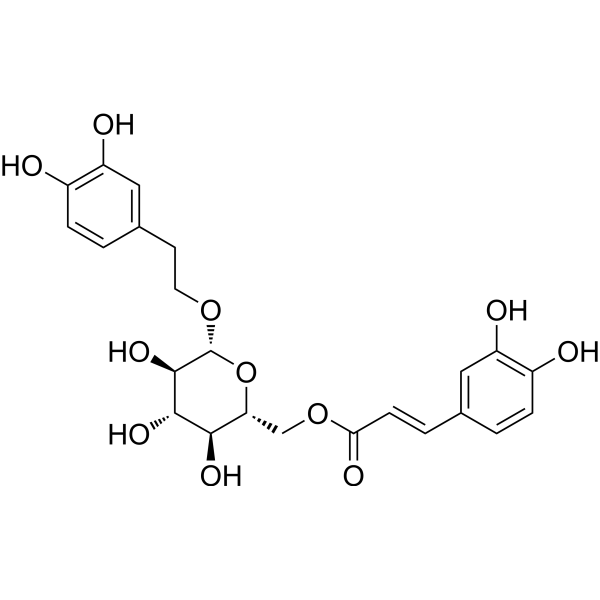
Calceolarioside B is a phenylethanoid glycoside. Calceolarioside B can be isolated from the leaves of Akebia quinata. Calceolarioside B inhibits RLAR activity with an IC50 value of 23.99 μM. Calceolarioside B inhibits the entry of Omicron BA.2 into host cells. Calceolarioside B reduces IL-6 levels. Calceolarioside B has immunomodulatory activity. Calceolarioside B has anticancer activity against human hormone-independent prostate cancer .
Referencia número: HY-E70562
Target:  

Bacterial

Áreas de investigación:  

Infection Cancer

Mucinase StcE is a zinc metalloproteinase belonging to the M66 family, which is secreted by enterohemorrhagic Escherichia coli via the type II general secretion pathway. Mucinase StcE specifically recognizes and cleaves the 'T*XT' motif in mucin-type glycoproteins with α-O-glycans (such as MUC2, Mucin 7, Glycoprotein 340, CD45, CD43, C1 Esterase Inhibitor (HY-P991629), etc.). By degrading the mucus layer to reduce its viscosity, inhibiting complement cascade activation, and localizing complement regulatory factors to the cell membrane, Mucinase StcE helps bacteria penetrate the mucosal barrier, adhere to host cells, and evade immune clearance. Mucinase StcE can serve as a mucin-specific proteolytic tool for research on mucinous carcinomas derived from the colon, esophagus, and salivary glands .
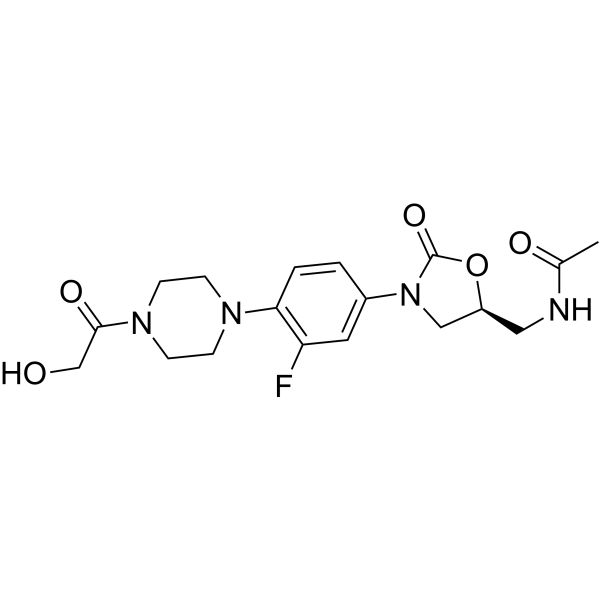
Referencia número: HY-10393
No. CAS: 165800-04-4
Pureza:  96.11%
Synonyms: PNU-100592
Target:  

Bacterial Antibiotic

Áreas de investigación:  

Infection

Eperezolid (PNU-100592) is an orally active protein synthesis inhibitor that targets the bacterial 50S ribosomal subunit. Eperezolid competitively binds to a specific site on the ribosomal 50S subunit (overlapping with the binding sites of chloramphenicol (HY-B0239) and lincomycin (HY-117660)) to inhibit the translation initiation stage and exert antibacterial activity. Eperezolid can induce host cell autophagy to enhance the clearance of intracellular mycobacteria, and its MIC90 for Staphylococcus aureus and Enterococcus is 1-4 μg/mL. Eperezolid is mainly used for antibacterial research on infections with Gram-positive bacteria such as methicillin-resistant (HY-121544) Staphylococci and vancomycin-resistant (HY-B0671) Enterococci, as well as infections with intracellular bacteria such as Mycobacterium tuberculosis .

