Search Result
Results for "
hydroxylated
" in MedChemExpress (MCE) Product Catalog:
4
Biochemical Assay Reagents
11
Isotope-Labeled Compounds
| Cat. No. |
Product Name |
Target |
Research Areas |
Chemical Structure |
-
- HY-32351
-
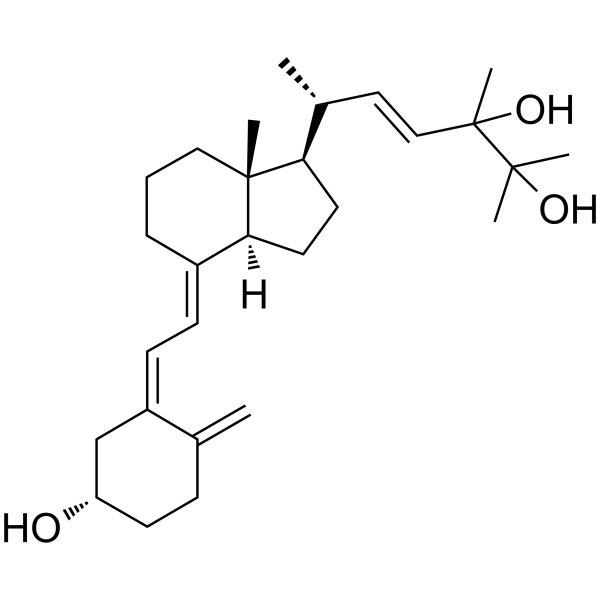
Calcifediol
Maximum Cited Publications
11 Publications Verification
25-Hydroxy Vitamin D3
|
VD/VDR
Endogenous Metabolite
|
Metabolic Disease
|
|
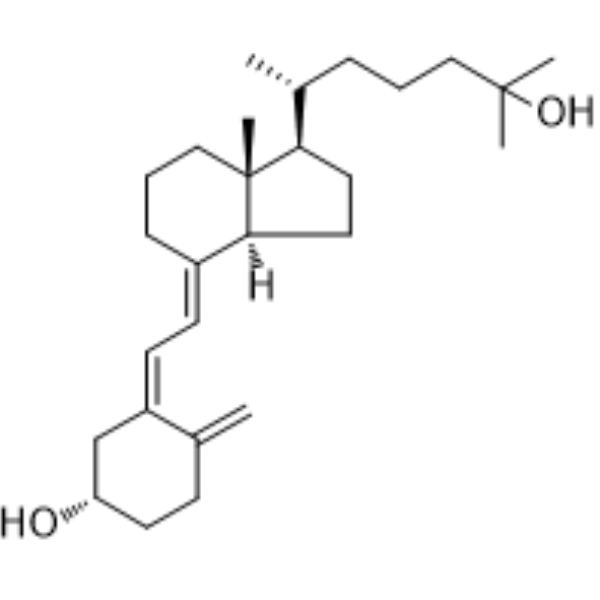
Calcifediol (25-hydroxy Vitamin D3) is an effective VDR ligand and VD supplement. Calcifediol is a prohormone of the vitamin D endocrine system (VDES) and is hydroxylated in the liver to produce the active form, calcitriol. Calcifediol can rapidly increase serum VD levels .
|
-
-
- HY-17365
-
-
-
- HY-32351A
-
|
25-hydroxy Vitamin D3 monohydrate
|
VD/VDR
Endogenous Metabolite
|
Metabolic Disease
|
|
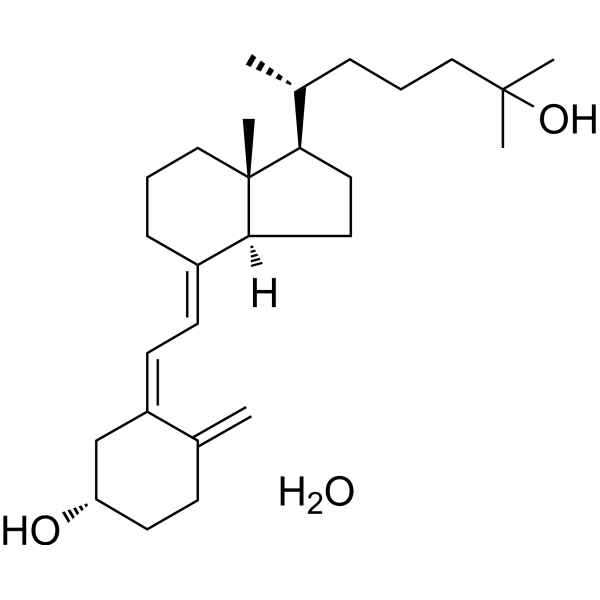
Calcifediol monohydrate (25-hydroxy Vitamin D3 monohydrate), is an effective VDR ligand and VD supplement. Calcifediol is a prohormone of the vitamin D endocrine system (VDES) and is hydroxylated in the liver to produce the active form, calcitriol. Calcifediol can rapidly increase serum VD levels .
|
-
-
- HY-125586
-
|
|
DNA/RNA Synthesis
ADC Payload
|
Cancer
|
|
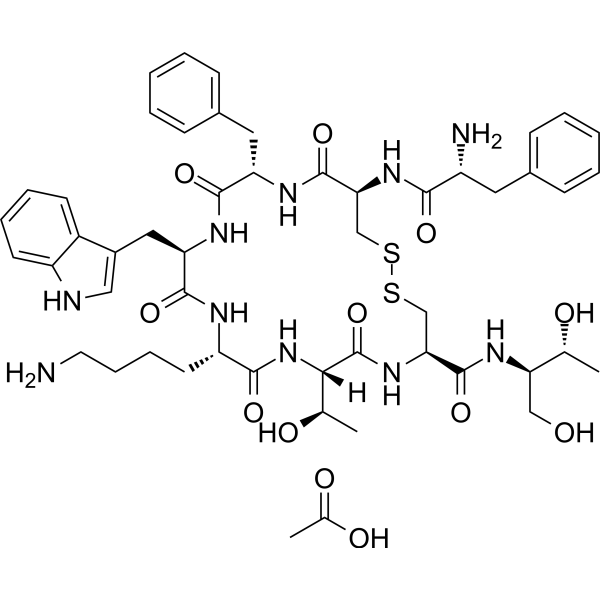
β-Amanitin is a cyclic peptide toxin in the poisonous Amanita phalloides mushroom. β-Amanitin inhibits inhibits eukaryotic RNA polymerase II and III. β-Amanitin inhibits protein synthesis. β-Amanitin can be used as a cytotoxic component of antibody-drug conjugates (ADCs) .
|
-
-
- HY-N0169B
-
-
-
- HY-W001160
-
|
|
Endogenous Metabolite
Calcium Channel
nAChR
|
Neurological Disease
Endocrinology
Cancer
|
|
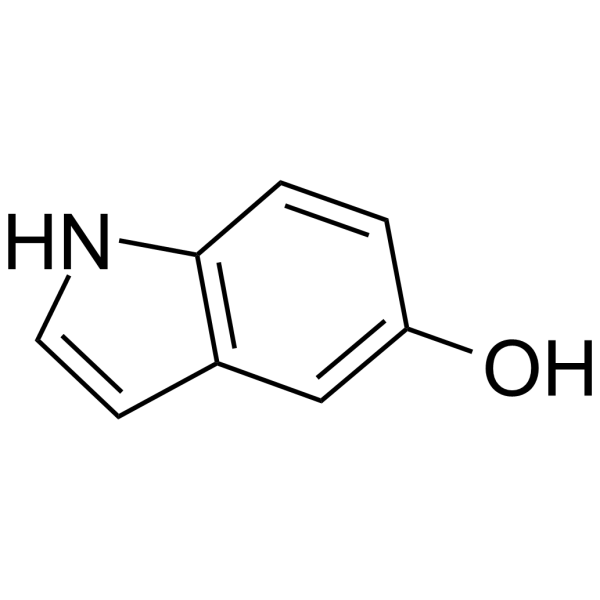
5-Hydroxyindole is an orally active hydroxylated indole and tryptophan metabolite. 5-Hydroxyindole activates α7 nicotinic acetylcholine receptors and acts on intestinal L-type calcium channels. 5-Hydroxyindole slows down the desensitization of 5-HT3 receptor-mediated ion currents in cells. 5-Hydroxyindole causes convulsions and loss of consciousness. 5-Hydroxyindole is used in the study of neuroblastoma, schizophrenia, and diseases related to intestinal motility disorders .
|
-
-
- HY-32351S
-
|
25-Hydroxy Vitamin D3-d3
|
Isotope-Labeled Compounds
VD/VDR
Endogenous Metabolite
|
Metabolic Disease
|
|
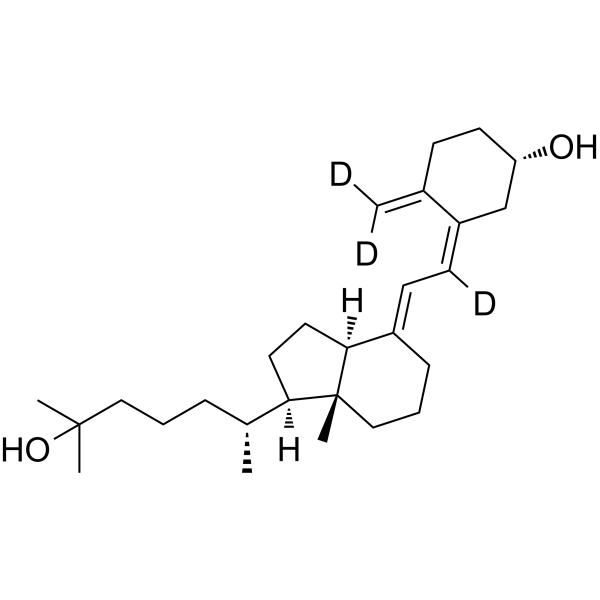
Calcifediol-d3 is a deuterium labeled Calcifediol. Calcifediol, is an effective VDR ligand and VD supplement. Calcifediol is a prohormone of the vitamin D endocrine system (VDES) and is hydroxylated in the liver to produce the active form, calcitriol. Calcifediol can rapidly increase serum VD levels .
|
-
-
- HY-127112
-
|
|
Drug Derivative
|
Others
|
|
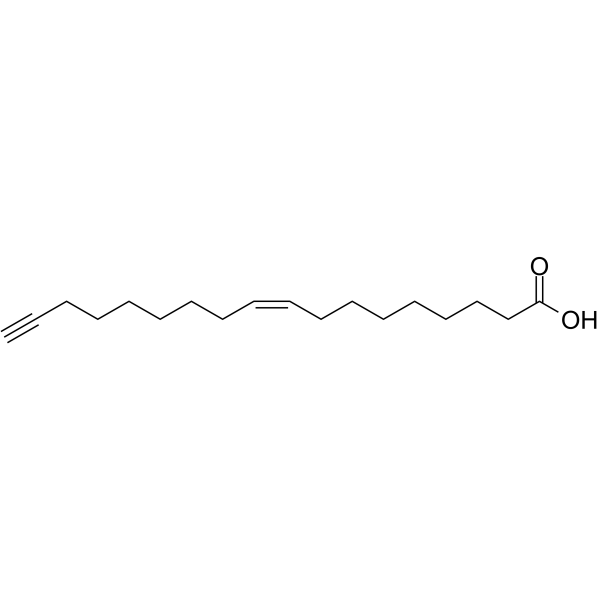
Oleic acid alkyne is Oleic acid (HY-N1446) with an acetylene group. The terminal alkyne group can be used for click chemical ligation reactions. Oleic acid can be hydroxylated by a microsomal cytochrome P-450-dependent system (ω-OAH). Through click chemistry reactions, fluorescent or biotin-labeled oleic acid can be introduced to analyze its metabolism and biological activity.
|
-
-
- HY-114360
-
|
|
Endogenous Metabolite
COX
Interleukin Related
Glutathione Peroxidase
TNF Receptor
|
Neurological Disease
Metabolic Disease
Inflammation/Immunology
Cancer
|
|
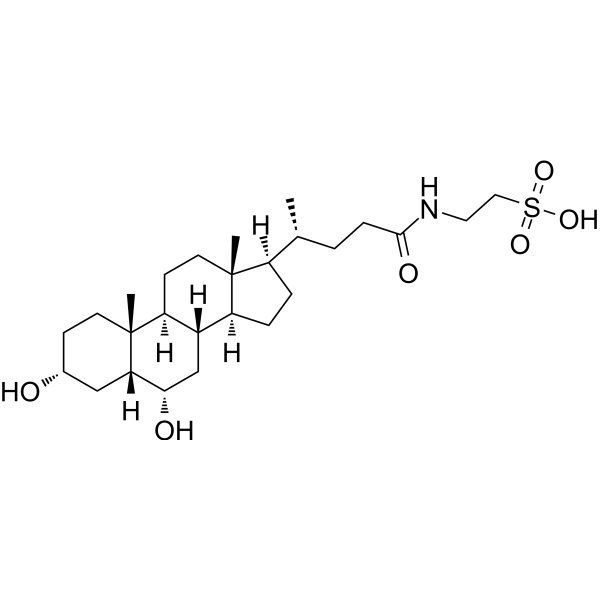
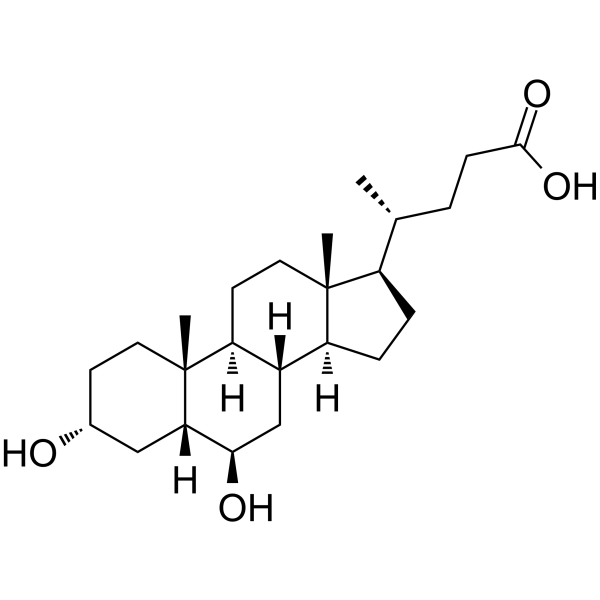
Taurohyodeoxycholic acid is an orally active 6 alpha-hydroxylated bile acid. Taurohyodeoxycholic acid decreases colonic MPO activity, TNF-α, lL-6 serum levels and the expression of COX-2. Taurohyodeoxycholic acid alleviates trinitrobenzene sulfonic acid induced ulcerative colitis via regulating Th1/Th2 and Th17/Treg cells balance. Taurohyodeoxycholic acid ameliorates high-fat diet-induced nonalcoholic fatty liver disease in mice. Taurohyodeoxycholic acid prevents Taurochenodeoxycholic acid (HY-N2027)-induced hepatotoxicity in bile fistula rats. Taurohyodeoxycholic acid can be used for the study of nonalcoholic fatty liver disease (NAFLD), colitis and biliary fistula .
|
-
-
- HY-N7844
-
|
Benzyladenosine
|
Apoptosis
Adenosine Receptor
|
Inflammation/Immunology
Cancer
|
|
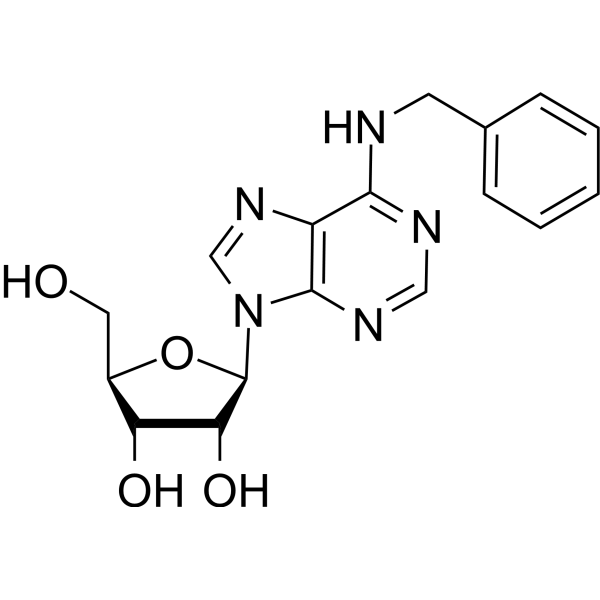
N6-Benzyladenosine is an adenosine receptor agonist, has a cytoactive activity. N6-Benzyladenosine arrests cell cycle at G0/G1 phase and induces cell apoptosis. N6-Benzyladenosine also exerts inhibitory effect on T. gondii adenosine kinase and glioma - .
|
-
-
- HY-156106
-
|
|
HIF/HIF Prolyl-Hydroxylase
Ligands for E3 Ligase
E1/E2/E3 Enzyme
|
Cancer
|
|
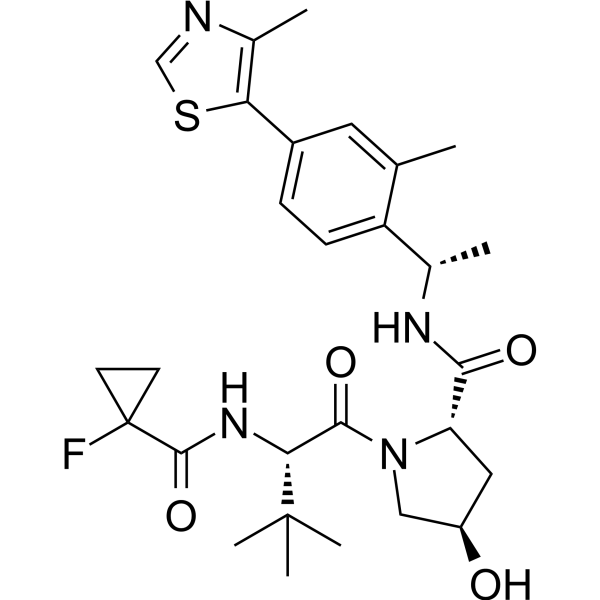
VHL-IN-1 (Compound 30) is an E3 ligase VHL inhibitor with a Kd value of 37 nM. VHL-IN-1 blocks VHL-mediated ubiquitination and degradation of HIF-1α. VHL-IN-1 stabilizes the protein levels of HIF-1α and hydroxylated HIF-1α, and induces the transcriptional activity of HIF-1α. VHL-IN-1 can be used for PROTAC development. VHL-IN-1 is applicable for cancer research .
|
-
-
- HY-76801
-
-
-
- HY-B1427
-
|
Gamma-amino-beta-hydroxybutyric acid
|
Drug Derivative
|
Neurological Disease
|
|
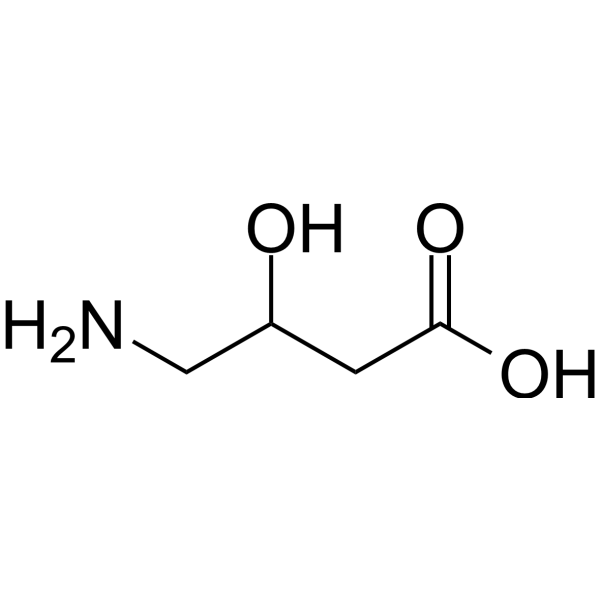
Gamibetal (Gamma-amino-beta-hydroxybutyric acid) is γ-amino-β-hydroxybutyric acid (GABOB), a hydroxylated derivative of GABA (γ-aminobutyric acid). Gamibetal exhibits central inhibitory and anticonvulsant activities. Gamibetal can be used in research on epilepsy, neuralgia, and other conditions .
|
-
-
- HY-W399297
-
|
7α,12α-Dihydroxycholanoic acid
|
Endogenous Metabolite
|
Metabolic Disease
|
|
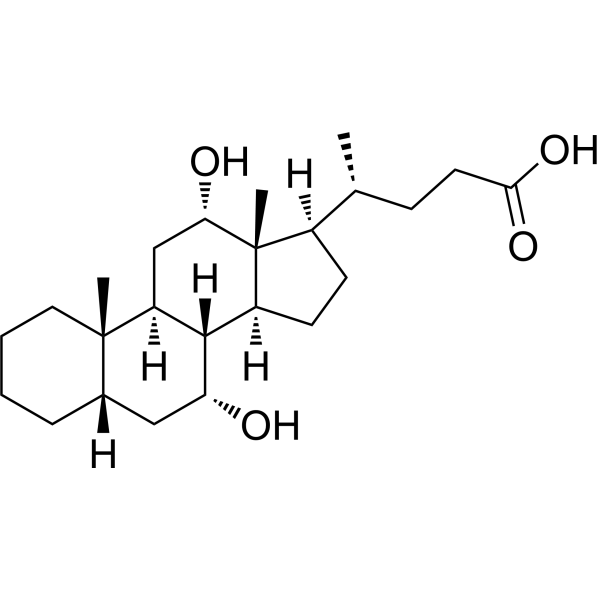
Isodeoxycholic acid (7α,12α-Dihydroxycholanoic acid) is a 3β-hydroxylated secondary bile acid. Isodeoxycholic acid is produced by epimerization of deoxycholic acid by intestinal bacteria. Isodeoxycholic acid is detectable in feces, mainly existing as saponifiable conjugates with long-chain fatty acids. Isodeoxycholic acid participates in the regulation of intestinal physiology .
|
-
-
- HY-113058
-
|
|
Endogenous Metabolite
|
Metabolic Disease
|
|
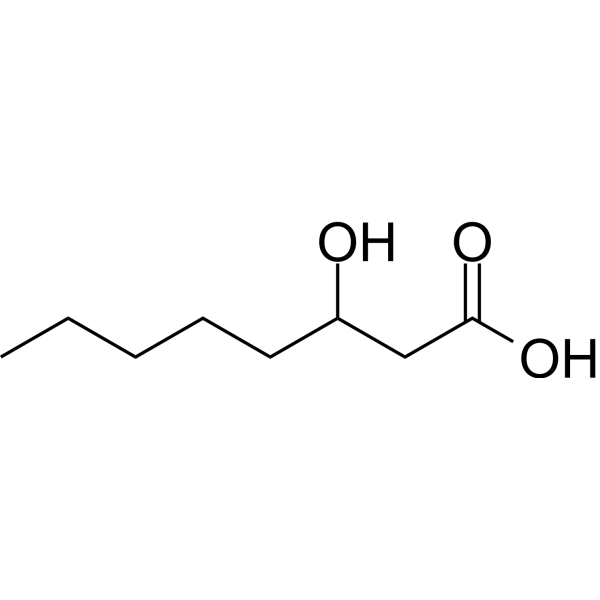
3-Hydroxyoctanoic acid is a hydroxylated fatty acid that has been found in the LPS of Pseudomonas aeruginosa and in methyl-branched poly(3-hydroxyalkanoate) (PHA) polymers produced by Pseudomonas oleophores. It is an agonist of the orphan receptor GPR109B, increasing intracellular calcium in human neutrophils endogenously expressing GPR109B. 3-Hydroxycaprylic acid prevents lipolysis in human adipocytes and is upregulated in human plasma in response to a ketogenic diet. Plasma levels of 3-hydroxyoctanoic acid were also increased 3.41-fold in human male runners exhausted on a treadmill and in a mouse model of autism spectrum disorder (ASD) fed a high-glycemic diet.
|
-
-
- HY-W399311
-
|
|
Drug Metabolite
|
Others
|
|
4-Hydroxyphenyl diphenyl phosphate is a hydroxylated metabolite of organophosphate flame retardant .
|
-
-
- HY-N0685
-
|
|
HIV
|
Infection
|
|
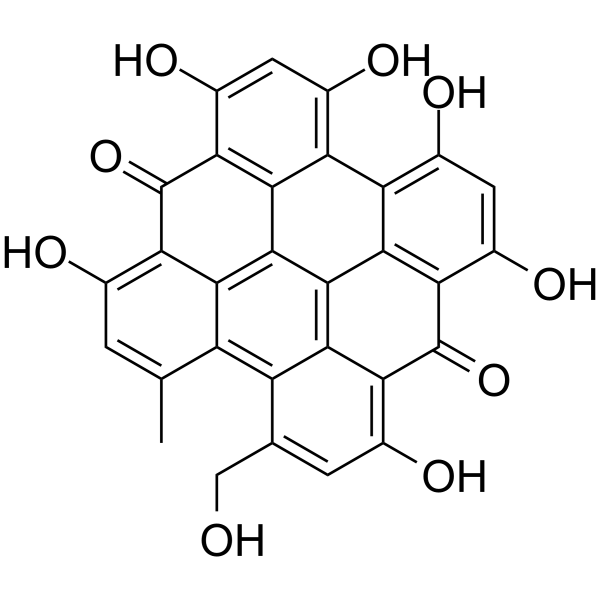
Pseudohypericin and its congener Hypericin are the major hydroxylated phenanthroperylenediones present in Hypericum species. Pseudohypericin shows anti-HIV activity .
|
-
-
- HY-P10447
-
|
Fengycin IX; SNA-60-367-3
|
Phospholipase
|
Infection
|
|
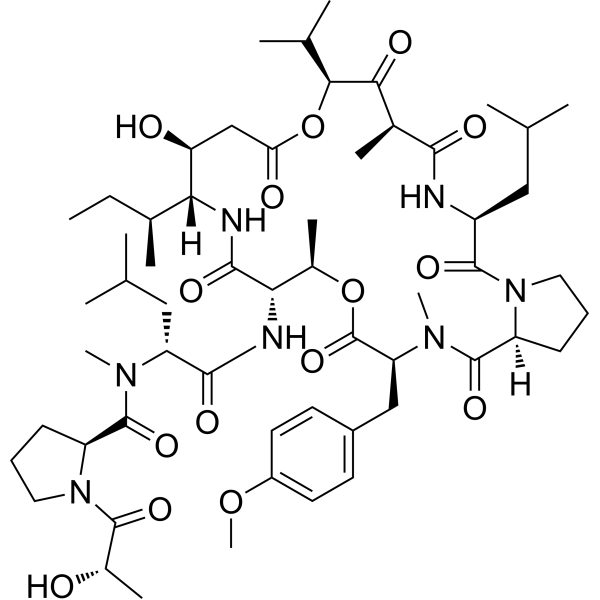
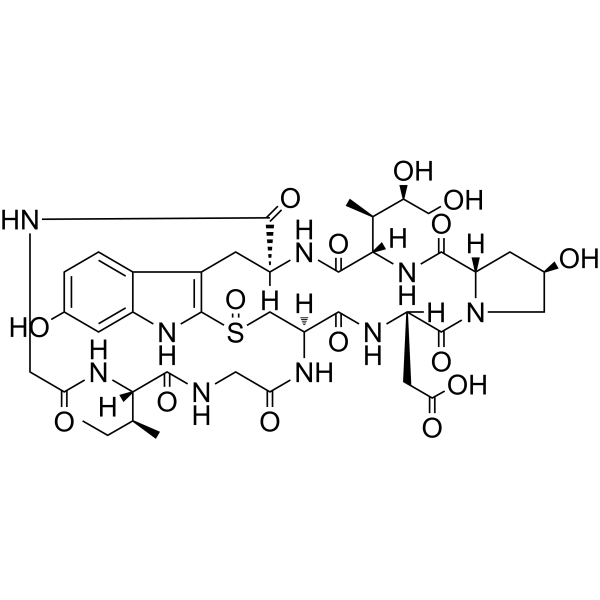
Plipastatin A1 is a lipopeptide with phospholipase A2 inhibitory activity. Plipastatin A1 inhibits conidial germination of Botrytis cinerea in vitro and reduces the incidence of gray mold on tomato leaves. Plipastatin A1 is applicable to research related to gray mold .
|
-
-
- HY-N7177
-
|
|
Drug Metabolite
VEGFR
|
Cancer
|
|
Hydroxytanshinone IIA is a hydroxylated metabolite of Tanshinone IIA. Tanshinone IIA may suppress angiogenesis by targeting the protein kinase domains of VEGF/VEGFR2 .
|
-
-
- HY-113884A
-
|
(±)-13-HODE
|
Endogenous Metabolite
|
Metabolic Disease
|
|
(±)13-HODE is one of the two racemic monohydroxy fatty acids resulting from the non-enzymatic oxidation of linoleic acid. It is the principle hydroxylated fatty acid in human psoriatic skin scales, with a mean concentration of 17 ng/mg.
|
-
-
- HY-151239
-
|
AR 00440993
|
Cytochrome P450
|
Cancer
|
|
ONT-993 is an aliphatic hydroxylated metabolite. ONT-993 inhibits CYP2D6 (IC50=7.9 µM) and causes metabolism-dependent inactivation of CYP3A (KI=1.6 µM) .
|
-
-
- HY-32351R
-
|
25-hydroxy Vitamin D3 (Standard)
|
Reference Standards
VD/VDR
Endogenous Metabolite
|
Metabolic Disease
|
|
Calcifediol (Standard) is the analytical standard of Calcifediol. This product is intended for research and analytical applications. Calcifediol (25-hydroxy Vitamin D3) is an effective VDR ligand and VD supplement. Calcifediol is a prohormone of the vitamin D endocrine system (VDES) and is hydroxylated in the liver to produce the active form, calcitriol. Calcifediol can rapidly increase serum VD levels .
|
-
-
- HY-153100A
-
|
|
Others
|
Others
|
|
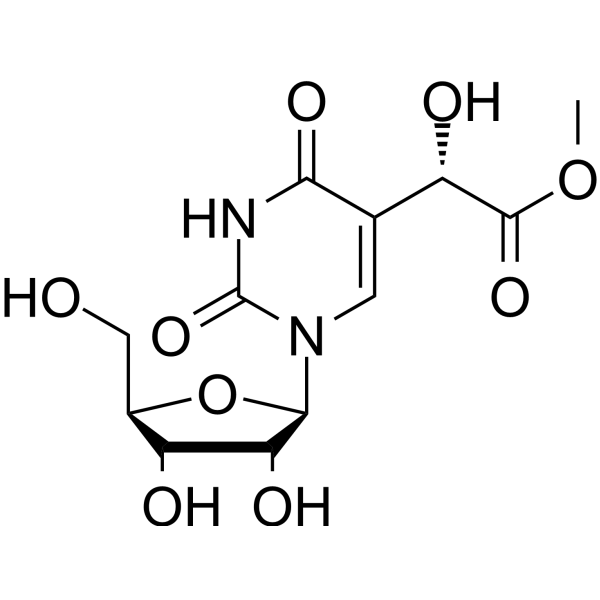
(S)-mchm5U is a hydroxylated form of mcm5U, may be present in tRNA from the silkworm Bombyx mori. (S)-mchm5U may be present also in mammalian tRNA, and that the ALKBH8 oxygenase could be responsible for its formation. (S)-mchm5U can be used for RNA modification synthesis .
|
-
-
- HY-20874
-
|
|
Drug Metabolite
|
Others
|
|
Deschlorodemethyldiazepam is a benzodiazepines compound. Deschlorodemethyldiazepam can be hydroxylated in vitro by liver microsomal enzymes obtained from rats or mice .
|
-
-
- HY-100947A
-
-
-
- HY-D0272
-
|
|
Estrogen Receptor/ERR
|
Metabolic Disease
|
|
2,3,4-Trihydroxybenzophenone is a hydroxylated benzophenone UV filter with estrogenic activity. 2,3,4-Trihydroxybenzophenone is a quorum sensing inhibitor and an EC 1.14.18.1 (tyrosinase) inhibitor. 2,3,4-Trihydroxybenzophenone is also a human urinary metabolite, a rat metabolite and a drug metabolite .
|
-
-
- HY-32351AS
-
|
25-hydroxy Vitamin D3-d6 monohydrate
|
Isotope-Labeled Compounds
VD/VDR
Endogenous Metabolite
|
Metabolic Disease
|
|
Calcifediol-d6 monohydrate is the deuterium labeled Calcifediol monohydrate. Calcifediol monohydrate (25-hydroxy Vitamin D3 monohydrate), is an effective VDR ligand and VD supplement. Calcifediol is a prohormone of the vitamin D endocrine system (VDES) and is hydroxylated in the liver to produce the active form, calcitriol. Calcifediol can rapidly increase serum VD levels .
|
-
-
- HY-N11675
-
|
|
Endogenous Metabolite
|
Cancer
|
|
5-Hydroxy-TSU-68 (compound M1) is the 5-hydroxylated indolinone derivative of TSU-68. TSU-68 is an anticancer agent that inhibits angiogenic receptor tyrosine kinases .
|
-
-
- HY-124669
-
|
|
Drug Derivative
|
Cancer
|
|
RTC-30 is an optimized phenothiazine with anti-cancer potency. RTC-30 contains a hydroxylated linker (N) that confers increased oral bioavailability .
|
-
-
- HY-149503
-
-
-
- HY-P3100
-
|
|
Parasite
|
Infection
|
|
Orfamide A is a major metabolite of insecticidal biosurfactant in Pseudomonas sp. F6 and has aphidicidal activity. Orfamide A can be used for aphid control in organic agriculture. Orfamide A exhibits dose-dependent mortality against aphids with an LC50 value of 34.5 μg/mL .
|
-
-
- HY-W017519
-
|
Quinoxalin-2-one
|
Drug Intermediate
|
Others
|
|
2-Quinoxalinol (2-hydroxyquinoxaline) is a 2-hydroxylated quinoxaline that possesses photocatalytic activity and interacts with various compounds, such as antioxidant vitamins and aromatic metabolites, including neurotransmitters and the pineal hormone melatonin .
|
-
-
- HY-121711
-
-
-
- HY-W099744
-
-
-
- HY-158104
-
|
|
ATF6
|
Others
|
|
LPPM-8 is a ligand of Med25 and an inhibitor of Med25 protein-protein interactions (PPIs). LPPM-8 engages Med25 through interaction with the H2 face of its Activator Interaction Domain and stabilizes full-length protein in the cellular proteome. LPPM-8 is an orthosteric inhibitor of H2-binding transcriptional activators (such as ATF6a). LPPM-8 can be used for studying Med25 and Mediator complex biology .
|
-
-
- HY-Y0531
-
|
Tricyclo[3.3.1.1~3,7~]decan-1-ol
|
Drug Intermediate
Bacterial
|
Infection
|
|
1-Adamantanol (Tricyclo[3.3.1.1~3,7~]decan-1-ol) is a hydroxylated derivative of Adamantane (HY-N2427). 1-Adamantanol serves as a substrate for regioselective hydroxylation reactions in Streptomyces strain SA8. 1-Adamantanol can form acrylate derivatives, which are used as photoresist layer materials .
|
-
-
- HY-15977
-
|
|
Drug Isomer
|
Neurological Disease
|
|
(S)-P7C3-OMe, P7C3-A20 hydroxylated analog, is the (S)-enantiomer of P7C3-OMe. P7C3-OMe is a pro-neurogenic compound, can be used for the research of neuropsychiatric and/or neurodegenerative disease .
|
-
-
- HY-W752502
-
|
|
Dopamine Receptor
Vasopressin Receptor
Adrenergic Receptor
|
Cardiovascular Disease
|
|
Docarpamine is an orally active dopamine prodrug that can be hydroxylated in the small intestine and liver to form active dopamine. Docarpamine mainly activates D1-like receptors in peripheral blood vessels to lower blood pressure and heart rate in a state of spontaneous hypertension. Docarpamine exerts a pressor and tachycardic effect by activating D1-like receptors, vasopressin V1 receptors, and α-adrenergic receptors in normal blood pressure conditions. Docarpamine can be used for research on renal vascular dilation and diuresis .
|
-
-
- HY-145751
-
|
7α-Hydroxydehydroepiandrosterone; 3β,7α-Dihydroxy-Δ5-androsten-17-one
|
Cytochrome P450
Mitochondrial Metabolism
|
Metabolic Disease
Cancer
|
|
7α-Hydroxy-DHEA (7α-Hydroxydehydroepiandrosterone) is a 7α-hydroxylated metabolite of DHEA (HY-14650), catalyzed by intracellular steroid 7α-hydroxylases such as P450 2A1. 7α-Hydroxy-DHEA exhibits biological activity comparable to DHEA but does not convert into compounds with androgenic or estrogenic activity. It induces the activity of thermogenic enzymes such as mitochondrial sn-glycerol-3-phosphate dehydrogenase and cytosolic malic enzyme, enhancing heat production and reducing food utilization efficiency. As a more efficient and safer metabolite compared to DHEA, 7α-Hydroxy-DHEA holds potential for studies in the fields of obesity, metabolic diseases, and adrenal carcinoma .
|
-
-
- HY-109101AS2
-
|
|
Isotope-Labeled Compounds
DNA/RNA Synthesis
|
Neurological Disease
|
|
Risdiplam-hydroxylate-d6 is a Risdiplam-hydroxylate tritium substitute. Risdiplam (RG7916) is an orally administered, centrally and peripherally distributed SMN2 pre-mRNA splicing modifier that increases survival motor neuron (SMN) protein levels .
|
-
-
- HY-109101AS1
-
|
|
Isotope-Labeled Compounds
DNA/RNA Synthesis
|
Neurological Disease
|
|
Risdiplam-hydroxylate-d3 is a Risdiplam-hydroxylate tritium substitute. Risdiplam (RG7916) is an orally administered, centrally and peripherally distributed SMN2 pre-mRNA splicing modifier that increases survival motor neuron (SMN) protein levels .
|
-
-
- HY-N10475
-
|
|
Endogenous Metabolite
|
Others
|
|
4,12-Dimethoxy-6-(7,8-dihydroxy-7,8-dihydrostyryl)-2-pyrone (compound 3) is a hydroxylated microbial metabolite of Yangonin .
|
-
-
- HY-D0113
-
|
|
Reactive Oxygen Species (ROS)
|
Others
|
|
7-Hydroxy-4-methyl-2(1H)-quinolone (compound 2b) is a fluorescent hydroxylated product. 7-Hydroxy-4-methyl-2(1H)-quinolone can be used for detecting hydroxyl radicals of DNA damage .
|
-
-
- HY-109502S
-
|
|
Isotope-Labeled Compounds
|
Neurological Disease
|
|
10-OH-NBP-d4 is deuterium labeled 10-OH-NBP. 10-OH-NBP is a Butylphthalide (3-n-Butylphthalide; NBP; HY-B0647) hydroxylated metabolite and can penetrates the blood-brain barrier (BBB). Butylphthalide exerts neuroprotective effects and has potential for cerebral ischemia research .
|
-
-
- HY-131543
-
|
RU 42698
|
Endogenous Metabolite
Glucocorticoid Receptor
|
Metabolic Disease
|
|
22-Hydroxy Mifepristone (RU 42698) is an orally active hydroxylated alcoholic metabolite with antiprogestational and antiglucocorticoidal activities, which contains an Alkyne group and can undergo copper-catalyzed azide-alkyne cycloaddition (CuAAc) with molecules containing Azide groups. The relative binding affinity of 22-Hydroxy Mifepristone to the human glucocorticoid receptor is 48% .
|
-
-
- HY-N13097
-
|
|
Others
|
Others
|
|
Cinerolone is a hydroxylated product of cinerone that can be hydroxylated through a microbial system.
|
-
-
- HY-158878
-
|
(±)-2'-Hydroxy cer(d18:0/12:0); (±)-2'-Hydroxy ceramide (d18:0/12:0); N-(R,S)-α-Hydroxydodecanoyl-D-erythro-dihydrosphingosine
|
Biochemical Assay Reagents
|
Others
|
|
C12((±)-2'-Hydroxy) dihydro ceramide (d18:0/12:0) is the 2’-hydroxylated form of C12 dihydro ceramide.
|
-
-
- HY-W017519R
-
|
Quinoxalin-2-one (Standard)
|
Drug Intermediate
Reference Standards
|
Others
|
|
2-Quinoxalinol (2-hydroxyquinoxaline) is a 2-hydroxylated quinoxaline that possesses photocatalytic activity and interacts with various compounds, such as antioxidant vitamins and aromatic metabolites, including neurotransmitters and the pineal hormone melatonin .
|
-
-
- HY-W753416
-
|
|
Phytohormone
|
Inflammation/Immunology
|
|
14-Hydroxylated brassinosteroid is a plant growth regulator. 14-Hydroxylated brassinosteroid enhances winter wheat resistance to heat stress, delays heat-induced leaf senescence, maintains leaf water content, promotes grain filling, and mitigates yield loss. 14-Hydroxylated brassinosteroid shows antioxidant activity. 14-Hydroxylated brassinosteroid can be used for the research of plant growth .
|
-
-
- HY-113404S
-
-
- HY-N8621
-
|
|
Drug Isomer
|
Others
|
|
(11S)-(-)-Hydroxyjasmonic acid is a hydroxylated cyclopentane fatty acid of the jasmonic acid type that can be found in the culture filtrate of the fungus Botryodiplodia theobromae< .
|
-
- HY-W099565
-
-
- HY-113404S1
-
-
- HY-W250446
-
|
|
Biochemical Assay Reagents
|
Others
|
|
(R)-Methyl 3-hydroxydecanoate is an enantiomerically pure hydroxylated fatty acid methyl ester. The hydroxyl group enables further derivatization or replacement with other reactive functional groups.
|
-
- HY-N0685R
-
|
|
Reference Standards
HIV
|
Infection
|
|
Pseudohypericin (Standard) is the analytical standard of Pseudohypericin. This product is intended for research and analytical applications. Pseudohypericin and its congener Hypericin are the major hydroxylated phenanthroperylenediones present in Hypericum species. Pseudohypericin shows anti-HIV activity .
|
-
- HY-W127423
-
|
|
Biochemical Assay Reagents
|
Others
|
|
Methyl (+/-)-2-hydroxystearateis a hydroxylated fatty acid methyl ester that broadens phase transitions in dimyristoylphosphatidylcholine (DMPC) lipid membranes. It has been used in the synthesis of lipid-nucleotide conjugated anti-HIV agents to increase the cleavage of phosphodiester bonds and the number of released intracellular nucleotides.
|
-
- HY-116615
-
|
Methyl cerebronate
|
Biochemical Assay Reagents
|
Others
|
|
Methyl (+/-)-2-hydroxytetracosanoate, a hydroxylated fatty acid methyl ester, has been found in mature and immature strawberry homogenates, Pseudosuberites and S. massa sponges, sediment samples from Hani River and Lake Kivu, and aerial parts of Escherichia coli found in. sun mirror.
|
-
- HY-160624
-
|
|
Polo-like Kinase (PLK)
|
Cancer
|
|
CD 10899 is a hydroxylated metabolite of Volasertib (HY-12137). CD 10899 is pharmacologically active against Polo-like kinase 1 (PLK1) (IC50: 6 nM). Volasertib is an orally active, highly potent and ATP-competitive PLK1 inhibitor. CD 10899 can be used for research of cancer .
|
-
- HY-32351AS1
-
|
25-Hydroxy Vitamin D3-13C5 monohydrate
|
Isotope-Labeled Compounds
VD/VDR
Endogenous Metabolite
|
Metabolic Disease
|
|
Calcifediol- 13C5 monohydrate is the 13C-labeled Calcifediol monohydrate. Calcifediol monohydrate (25-hydroxy Vitamin D3 monohydrate), is an effective VDR ligand and VD supplement. Calcifediol is a prohormone of the vitamin D endocrine system (VDES) and is hydroxylated in the liver to produce the active form, calcitriol. Calcifediol can rapidly increase serum VD levels .
|
-
- HY-32351AR
-
|
25-hydroxy Vitamin D3 monohydrate (Standard)
|
Reference Standards
VD/VDR
Endogenous Metabolite
|
Metabolic Disease
|
|
Calcifediol monohydrate (Standard) is the analytical standard of Calcifediol (monohydrate). This product is intended for research and analytical applications. Calcifediol monohydrate (25-hydroxy Vitamin D3 monohydrate), is an effective VDR ligand and VD supplement. Calcifediol is a prohormone of the vitamin D endocrine system (VDES) and is hydroxylated in the liver to produce the active form, calcitriol. Calcifediol can rapidly increase serum VD levels .
|
-
- HY-123934
-
|
|
P-glycoprotein
|
Neurological Disease
|
|
VU6007477 is a brain-penetrant, selective M1 positive allosteric modulator (PAM) with an EC50 value of 230 nM. VU6007477 is also a human P-glycoprotein (P-gp) substrate with moderate permeability. VU6007477 displays improved central nervous system (CNS) penetration over the hydroxylated congeners. VU6007477 a pyranyl amide derivative, which is promising for research of robust cholinergic seizure activity .
|
-
- HY-N12475
-
|
|
Fungal
Cytochrome P450
|
Infection
|
|
Solavetivone is a Sesquiterpenoid phytoalexin and Antifungal agent. Solavetivone is isolated from stress-challenged potato plants. Solavetivone is hydroxylated by sesquiterpenoid phytoalexin hydroxylase (SPH/CYP76A2L). Solavetivone helps solanaceous plants defend against pathogens, damages plant cells after pathogen threat, and inhibits mycelial growth of Rhizoctonia solani. Solavetivone is applicable to studies related to Rhizoctonia solani infection .
|
-
- HY-131543S
-
|
RU 42698-d6
|
Isotope-Labeled Compounds
|
Others
|
|
22-Hydroxy Mifepristone-d6 is the deuterium labeled 22-Hydroxy Mifepristone (HY-131543). 22-Hydroxy Mifepristone (RU 42698) is an orally active hydroxylated alcoholic metabolite with antiprogestational and antiglucocorticoidal activities, which contains an Alkyne group and can undergo copper-catalyzed azide-alkyne cycloaddition (CuAAc) with molecules containing Azide groups. The relative binding affinity of 22-Hydroxy Mifepristone to the human glucocorticoid receptor is 48% .
|
-
- HY-W399297R
-
|
7α,12α-Dihydroxycholanoic acid (Standard)
|
Endogenous Metabolite
Reference Standards
|
Infection
Metabolic Disease
|
|
Isodeoxycholic acid (7α,12α-Dihydroxycholanoic acid) Standard is the analytical standard of Isodeoxycholic acid (HY-W399297). This product is intended for research and analytical applications. Isodeoxycholic acid (7α,12α-Dihydroxycholanoic acid) is a 3β-hydroxylated secondary bile acid. Isodeoxycholic acid is produced by epimerization of deoxycholic acid by intestinal bacteria. Isodeoxycholic acid is detectable in feces, mainly existing as saponifiable conjugates with long-chain fatty acids. Isodeoxycholic acid participates in the regulation of intestinal physiology .
|
-
- HY-124626
-
|
|
Histamine Receptor
|
Inflammation/Immunology
|
(R)-(+)-Mequitazine is a histamine H1 receptor antagonist that mainly undergoes bio-transformation via human liver microsomes, resulting in hydroxylated and S-oxidized metabolites. (R)-(+)-Mequitazine competitively binds to the H1 receptors in gastrointestinal, vascular, and respiratory effect cells, thus blocking the endogenous activity of histamine. (R)-(+)-Mequitazine has an inhibitory effect on CYP3A-catalyzed midazolam 1’-hydroxylase. (R)-(+)-Mequitazine can be used in the study of various allergic diseases .
|
-
- HY-113058R
-
|
|
Endogenous Metabolite
Reference Standards
|
Infection
Metabolic Disease
|
|
3-Hydroxyoctanoic acid (Standard) is the analytical standard of 3-Hydroxyoctanoic acid (HY-113058). 3-Hydroxyoctanoic acid is a hydroxylated fatty acid that has been found in the LPS of Pseudomonas aeruginosa and in methyl-branched poly(3-hydroxyalkanoate) (PHA) polymers produced by Pseudomonas oleophores. It is an agonist of the orphan receptor GPR109B, increasing intracellular calcium in human neutrophils endogenously expressing GPR109B. 3-Hydroxycaprylic acid prevents lipolysis in human adipocytes and is upregulated in human plasma in response to a ketogenic diet.
|
-
- HY-W001160R
-
|
|
Reference Standards
Endogenous Metabolite
nAChR
Calcium Channel
|
Neurological Disease
Endocrinology
Cancer
|
|
5-Hydroxyindole (Standard) is the analytical standard of 5-Hydroxyindole (HY-W001160). This product is intended for research and analytical applications. 5-Hydroxyindole is an orally active hydroxylated indole and tryptophan metabolite. 5-Hydroxyindole activates α7 nicotinic acetylcholine receptors and acts on intestinal L-type calcium channels. 5-Hydroxyindole slows down the desensitization of 5-HT3 receptor-mediated ion currents in cells. 5-Hydroxyindole causes convulsions and loss of consciousness. 5-Hydroxyindole is used in the study of neuroblastoma, schizophrenia, and diseases related to intestinal motility disorders .
|
-
- HY-159907
-
-
- HY-134802
-
|
|
Endogenous Metabolite
|
Others
|
|
2-Hydroxyhexacosanoic acid is a hydroxylated fatty acid. 2-Hydroxyhexacosanoic acid can be obtained from C26 acids by the 2-hydroxylase of Candida utilis .
|
-
- HY-E71271
-
|
|
Biochemical Assay Reagents
|
Others
|
|
β-Amyrin 24-hydroxylase (EC 1.14.99.43) is an enzyme with systematic name beta-amyrin,AH2:oxygen oxidoreductase (24-hydroxylating).
|
-
- HY-150306A
-
|
(Rac)-IM-250
|
HSV
DNA/RNA Synthesis
|
Infection
|
|
(Rac)-Adibelivir ((Rac)-IM-250) is a blood-brain barrier-penetrant HSV helicase-primase inhibitor and metabolic stabilizer with antiviral activity. (Rac)-Adibelivir is also effective against Acyclovir (HY-17422)-resistant strains, and its deuterated structure exhibits enhanced metabolic stability, reducing the formation of hydroxylated metabolites. (Rac)-Adibelivir prolongs in vivo half-life, reduces administration dosage, improves oral bioavailability, and achieves higher brain exposure in mice. (Rac)-Adibelivir can be used in the research of herpes simplex infection, herpes encephalitis and Alzheimer's disease .
|
-
- HY-N17250
-
|
|
Drug Derivative
|
Others
|
|
5-exo-Hydroxyborneol is a hydroxylated monoterpenoid that is a product of microbial transformation of (+)-bornyl acetate by Helminthosporium sativum .
|
-
- HY-158952
-
|
(R)-2'-Hydroxy cer(d18:0/24:0); (R)-2'-Hydroxy ceramide (d18:0/24:0); N-(R)-α-C24 Dihydro ceramide (d18:0/24:0)
|
Biochemical Assay Reagents
|
Metabolic Disease
|
|
C24 (2'(R)-Hydroxy) dihydro ceramide (d18:0/24:0) ((R)-2'-Hydroxy cer(d18:0/24:0)) is the 2R-isomer of a 2’-hydroxylated form of C24 Dihydro ceramide (d18:0/24:0) (HY-156206).
|
-
- HY-160559
-
|
|
Drug Derivative
|
Others
|
|
Ceramide 8 is a free 6-hydroxylated ceramide found in human skin with (2S,3R,4E,6R) stereochemical configuration. Ceramide 8 is a predominant lipid component of human epidermal stratum corneum. Ceramide 8 contributes to the skin's water barrier function that prevents body water loss .
|
-
- HY-172571
-
|
15(R),19(R)-Hydroxy PGF1α
|
Drug Derivative
|
Others
|
|
15(R),19(R)-Hydroxy prostaglandin F1α is a hydroxylated derivative of PGF1α, which is mainly found in the semen of some mammals .
|
-
- HY-W131311
-
-
- HY-180601
-
-
- HY-N12407
-
|
|
Dengue Virus
|
Infection
|
|
Peridinin is a hydroxylated carotenoid ketone that exhibits inhibitory activity against DENV NS2B/NS3 protease and all dengue virus serotypes (DENV-1, DENV-2, DENV-3, DENV-4). Peridinin inhibits dengue virus production and reduces viral titers. Peridinin is applicable to research related to dengue virus infection .
|
-
- HY-E71188
-
|
|
Biochemical Assay Reagents
|
Others
|
|
13-Deoxydaunorubicin hydroxylase (EC 1.14.13.181) shows broad substrate specificity for structures based on an anthracycline aglycone, but have a strong preference for 4-methoxy anthracycline intermediates (13-Deoxydaunorubicin and 13-dihydrodaunorubicin) over their 4-hydroxy analogues (13-deoxycarminomycin and 13-dihydrocarminomycin) , as well as a preference for substrates hydroxylated at the C-13 rather than the C-14 position.
|
-
- HY-32351S3
-
|
25-hydroxy Vitamin D3-d9
|
Isotope-Labeled Compounds
VD/VDR
Drug Metabolite
Endogenous Metabolite
|
Metabolic Disease
|
|
Calcifediol-d9 (25-hydroxy Vitamin D3-d9) is the deuterium labeled Calcifediol (HY-32351). Calcifediol (25-hydroxy Vitamin D3) is an effective VDR ligand and VD supplement. Calcifediol is a prohormone of the vitamin D endocrine system (VDES) and is hydroxylated in the liver to produce the active form, calcitriol. Calcifediol can rapidly increase serum VD levels .
|
-
- HY-W744192
-
|
R-842
|
Drug Metabolite
IFNAR
TNF Receptor
Interleukin Related
|
Infection
Inflammation/Immunology
Cancer
|
|
2-Hydroxy Imiquimod (R-842), a hydroxylated metabolite of Imiquimod (HY-B0180), is an immunomodulating agent. 2-Hydroxy Imiquimod can induce IFN-α, TNF-α, IL-1, IL-6 and IL-8 in human blood cells. 2-Hydroxy Imiquimod exhibits antivirus and antitumor activities. 2-Hydroxy Imiquimod can be used for the researches of cancer, infection and immunology .
|
-
- HY-175400
-
|
6-PPD-quinone-4-OH
|
Drug Metabolite
|
Others
|
|
6-PPD-Q-4-OH (6-PPD-quinone-4-OH) is a metabolite of 6PPD-Q (HY-153169). 6-PPD-Q-4-OH is applicable to exposure studies of 6PPD-Q, an environmental pollutant .
|
-
- HY-P11783
-
|
|
Fungal
|
Infection
|
|
Surfactin C2 is a lipopeptide produced by Bacillus subtilis A18 with antifungal activity. Surfactin C2 acts against Heterobasidion annosum and Heterobasidion parviporum. Surfactin C2 exerts its activity mainly through membrane‑active effects to disrupt fungal cell structures and inhibit mycelial growth. Surfactin C2 can be used for the research of butt rot and root rot of conifers .
|
-
- HY-W152736
-
|
|
DYRK
|
Neurological Disease
|
|
2-Methyl-5-acetylphenol is a hydroxylated methylacetophenone that exists in the aerial parts of Cannabis sativa subsp. sativa. 2-Methyl-5-acetylphenol exhibits strong binding affinity to HIPK2. 2-Methyl-5-acetylphenol cannot reverse MPP + (1-methyl-4-phenyl-pyridinium ion)-induced neuronal cytotoxicity. 2-Methyl-5-acetylphenol can be used for Parkinson's disease research .
|
-
- HY-Y0531S
-
|
Tricyclo[3.3.1.1~3,7~]decan-1-ol-d15
|
Isotope-Labeled Compounds
Drug Intermediate
Bacterial
|
Infection
|
|
1-Adamantanol-d15 (Tricyclo[3.3.1.1~3,7~]decan-1-ol-d15) is the deuterium labeled 1-Adamantanol (HY-Y0531). 1-Adamantanol (Tricyclo[3.3.1.1~3,7~]decan-1-ol) is a hydroxylated derivative of Adamantane (HY-N2427). 1-Adamantanol serves as a substrate for regioselective hydroxylation reactions in Streptomyces strain SA8. 1-Adamantanol can form acrylate derivatives, which are used as photoresist layer materials .
|
-
- HY-P2209
-
|
Daechuine S27; N-Demethylamphibine H
|
Parasite
Phosphodiesterase (PDE)
|
Infection
|
|
Nummularine B (Daechuine S27; N-Demethylamphibine H) is an anti-parasite agent. Nummularine B inhibits calmodulin-dependent phosphodiesterase activity with an IC50 of 16.8 μM. Nummularine B inhibits the growth of Plasmodium and Leishmania donovani in vitro. Nummularine B inhibits the calmodulin-dependent activity of actomyosin Ca 2+-ATPase. Nummularine B is applicable to research related to malaria and visceral leishmaniasis .
|
-
- HY-N7844R
-
|
Benzyladenosine (Standard)
|
Apoptosis
Adenosine Receptor
Phytohormone
Reference Standards
|
Inflammation/Immunology
Cancer
|
|
N6-Benzyladenosine (Standard) (Benzyladenosine (Standard)) is the analytical standard of N6-Benzyladenosine (HY-N7844). This product is intended for research and analytical applications. N6-Benzyladenosine is an adenosine receptor agonist, has a cytoactive activity. N6-Benzyladenosine arrests cell cycle at G0/G1 phase and induces cell apoptosis. N6-Benzyladenosine also exerts inhibitory effect on T. gondii adenosine kinase and glioma - .
|
-
- HY-P4948
-
|
|
Biochemical Assay Reagents
|
Others
|
|
Coumarin-phalloidin is a kind of phalloidin labeled with Coumarin (HY-N0709). Coumarin-phalloidin is a new type of actin probe that can be used for triple immunofluorescence microscopic observation of the cell skeleton .
|
-
| Cat. No. |
Product Name |
Type |
-
- HY-D0113
-
|
|
Fluorescent Dye
|
|
7-Hydroxy-4-methyl-2(1H)-quinolone (compound 2b) is a fluorescent hydroxylated product. 7-Hydroxy-4-methyl-2(1H)-quinolone can be used for detecting hydroxyl radicals of DNA damage .
|
| Cat. No. |
Product Name |
Type |
-
- HY-113058
-
|
|
Biochemical Assay Reagents
|
|
3-Hydroxyoctanoic acid is a hydroxylated fatty acid that has been found in the LPS of Pseudomonas aeruginosa and in methyl-branched poly(3-hydroxyalkanoate) (PHA) polymers produced by Pseudomonas oleophores. It is an agonist of the orphan receptor GPR109B, increasing intracellular calcium in human neutrophils endogenously expressing GPR109B. 3-Hydroxycaprylic acid prevents lipolysis in human adipocytes and is upregulated in human plasma in response to a ketogenic diet. Plasma levels of 3-hydroxyoctanoic acid were also increased 3.41-fold in human male runners exhausted on a treadmill and in a mouse model of autism spectrum disorder (ASD) fed a high-glycemic diet.
|
-
- HY-Y0531
-
|
Tricyclo[3.3.1.1~3,7~]decan-1-ol
|
Biochemical Assay Reagents
|
|
1-Adamantanol (Tricyclo[3.3.1.1~3,7~]decan-1-ol) is a hydroxylated derivative of Adamantane (HY-N2427). 1-Adamantanol serves as a substrate for regioselective hydroxylation reactions in Streptomyces strain SA8. 1-Adamantanol can form acrylate derivatives, which are used as photoresist layer materials .
|
-
- HY-W127423
-
|
|
Biochemical Assay Reagents
|
|
Methyl (+/-)-2-hydroxystearateis a hydroxylated fatty acid methyl ester that broadens phase transitions in dimyristoylphosphatidylcholine (DMPC) lipid membranes. It has been used in the synthesis of lipid-nucleotide conjugated anti-HIV agents to increase the cleavage of phosphodiester bonds and the number of released intracellular nucleotides.
|
-
- HY-116615
-
|
Methyl cerebronate
|
Biochemical Assay Reagents
|
|
Methyl (+/-)-2-hydroxytetracosanoate, a hydroxylated fatty acid methyl ester, has been found in mature and immature strawberry homogenates, Pseudosuberites and S. massa sponges, sediment samples from Hani River and Lake Kivu, and aerial parts of Escherichia coli found in. sun mirror.
|
| Cat. No. |
Product Name |
Target |
Research Area |
-
- HY-17365
-
-
- HY-125586
-
|
|
DNA/RNA Synthesis
ADC Payload
|
Cancer
|
|
β-Amanitin is a cyclic peptide toxin in the poisonous Amanita phalloides mushroom. β-Amanitin inhibits inhibits eukaryotic RNA polymerase II and III. β-Amanitin inhibits protein synthesis. β-Amanitin can be used as a cytotoxic component of antibody-drug conjugates (ADCs) .
|
-
- HY-105055
-
|
|
Peptides
|
Cancer
|
|
Didemnin B is a depsipeptide extracted from the marine tunicate Trididemnin cyanophorum. Didemnin B can be used for the research of cancer .
|
-
- HY-P10447
-
|
Fengycin IX; SNA-60-367-3
|
Phospholipase
|
Infection
|
|
Plipastatin A1 is a lipopeptide with phospholipase A2 inhibitory activity. Plipastatin A1 inhibits conidial germination of Botrytis cinerea in vitro and reduces the incidence of gray mold on tomato leaves. Plipastatin A1 is applicable to research related to gray mold .
|
-
- HY-P4755
-
|
|
Peptides
|
Others
|
|
N-((RS)-2-Hydroxy-propyl)-Val-Leu-anilide is a polypeptide that can be found by peptide screening. Peptide screening is a research tool that pools active peptides primarily by immunoassay. Peptide screening can be used for protein interaction, functional analysis, epitope screening, especially in the field of agent research and development .
|
-
- HY-P3100
-
|
|
Parasite
|
Infection
|
|
Orfamide A is a major metabolite of insecticidal biosurfactant in Pseudomonas sp. F6 and has aphidicidal activity. Orfamide A can be used for aphid control in organic agriculture. Orfamide A exhibits dose-dependent mortality against aphids with an LC50 value of 34.5 μg/mL .
|
-
- HY-125357
-
|
|
Peptides
|
Metabolic Disease
|
|
Ternatin (compound 2) is a cyclic heptapeptides that can be isolated from mushroom Coliorus versicolor. Ternatin inhibits fat-accumulation with an IC50 of 0.027 μM in 3T3-L1 adipocytes .
|
-
- HY-158104
-
|
|
ATF6
|
Others
|
|
LPPM-8 is a ligand of Med25 and an inhibitor of Med25 protein-protein interactions (PPIs). LPPM-8 engages Med25 through interaction with the H2 face of its Activator Interaction Domain and stabilizes full-length protein in the cellular proteome. LPPM-8 is an orthosteric inhibitor of H2-binding transcriptional activators (such as ATF6a). LPPM-8 can be used for studying Med25 and Mediator complex biology .
|
-
- HY-P11783
-
|
|
Fungal
|
Infection
|
|
Surfactin C2 is a lipopeptide produced by Bacillus subtilis A18 with antifungal activity. Surfactin C2 acts against Heterobasidion annosum and Heterobasidion parviporum. Surfactin C2 exerts its activity mainly through membrane‑active effects to disrupt fungal cell structures and inhibit mycelial growth. Surfactin C2 can be used for the research of butt rot and root rot of conifers .
|
-
- HY-P2209
-
|
Daechuine S27; N-Demethylamphibine H
|
Parasite
Phosphodiesterase (PDE)
|
Infection
|
|
Nummularine B (Daechuine S27; N-Demethylamphibine H) is an anti-parasite agent. Nummularine B inhibits calmodulin-dependent phosphodiesterase activity with an IC50 of 16.8 μM. Nummularine B inhibits the growth of Plasmodium and Leishmania donovani in vitro. Nummularine B inhibits the calmodulin-dependent activity of actomyosin Ca 2+-ATPase. Nummularine B is applicable to research related to malaria and visceral leishmaniasis .
|
-
- HY-P4948
-
|
|
Biochemical Assay Reagents
|
Others
|
|
Coumarin-phalloidin is a kind of phalloidin labeled with Coumarin (HY-N0709). Coumarin-phalloidin is a new type of actin probe that can be used for triple immunofluorescence microscopic observation of the cell skeleton .
|
| Cat. No. |
Product Name |
Category |
Target |
Chemical Structure |
-
- HY-32351
-
-
-
- HY-32351A
-
-
-
- HY-N0169B
-
-
-
- HY-W001160
-
-
-
- HY-105055
-
-
-
- HY-114360
-
-
-
- HY-N7844
-
-
-
- HY-B1427
-
-
-
- HY-W399297
-
-
-
- HY-113058
-
|
|
Microorganisms
Source Classification
|
Endogenous Metabolite
|
|
3-Hydroxyoctanoic acid is a hydroxylated fatty acid that has been found in the LPS of Pseudomonas aeruginosa and in methyl-branched poly(3-hydroxyalkanoate) (PHA) polymers produced by Pseudomonas oleophores. It is an agonist of the orphan receptor GPR109B, increasing intracellular calcium in human neutrophils endogenously expressing GPR109B. 3-Hydroxycaprylic acid prevents lipolysis in human adipocytes and is upregulated in human plasma in response to a ketogenic diet. Plasma levels of 3-hydroxyoctanoic acid were also increased 3.41-fold in human male runners exhausted on a treadmill and in a mouse model of autism spectrum disorder (ASD) fed a high-glycemic diet.
|
-
-
- HY-N0685
-
-
-
- HY-N7177
-
-
-
- HY-32351R
-
-
-
- HY-N11675
-
-
-
- HY-121711
-
-
-
- HY-W099744
-
-
-
- HY-145751
-
|
7α-Hydroxydehydroepiandrosterone; 3β,7α-Dihydroxy-Δ5-androsten-17-one
|
Endogenous metabolite
Steroids
Source Classification
|
Cytochrome P450
Mitochondrial Metabolism
|
|
7α-Hydroxy-DHEA (7α-Hydroxydehydroepiandrosterone) is a 7α-hydroxylated metabolite of DHEA (HY-14650), catalyzed by intracellular steroid 7α-hydroxylases such as P450 2A1. 7α-Hydroxy-DHEA exhibits biological activity comparable to DHEA but does not convert into compounds with androgenic or estrogenic activity. It induces the activity of thermogenic enzymes such as mitochondrial sn-glycerol-3-phosphate dehydrogenase and cytosolic malic enzyme, enhancing heat production and reducing food utilization efficiency. As a more efficient and safer metabolite compared to DHEA, 7α-Hydroxy-DHEA holds potential for studies in the fields of obesity, metabolic diseases, and adrenal carcinoma .
|
-
-
- HY-N10475
-
-
-
- HY-N13097
-
-
-
- HY-N0685R
-
-
-
- HY-32351AR
-
-
-
- HY-N12475
-
-
-
- HY-W399297R
-
|
7α,12α-Dihydroxycholanoic acid (Standard)
|
Structural Classification
Endogenous metabolite
Steroids
Source Classification
|
Endogenous Metabolite
Reference Standards
|
|
Isodeoxycholic acid (7α,12α-Dihydroxycholanoic acid) Standard is the analytical standard of Isodeoxycholic acid (HY-W399297). This product is intended for research and analytical applications. Isodeoxycholic acid (7α,12α-Dihydroxycholanoic acid) is a 3β-hydroxylated secondary bile acid. Isodeoxycholic acid is produced by epimerization of deoxycholic acid by intestinal bacteria. Isodeoxycholic acid is detectable in feces, mainly existing as saponifiable conjugates with long-chain fatty acids. Isodeoxycholic acid participates in the regulation of intestinal physiology .
|
-
-
- HY-W001160R
-
-
-
- HY-134802
-
-
-
- HY-N17250
-
-
-
- HY-180601
-
-
-
- HY-N12407
-
-
-
- HY-P2209
-
-
-
- HY-N7844R
-
-
| Cat. No. |
Product Name |
Chemical Structure |
-
- HY-32351S
-
|
|
|
Calcifediol-d3 is a deuterium labeled Calcifediol. Calcifediol, is an effective VDR ligand and VD supplement. Calcifediol is a prohormone of the vitamin D endocrine system (VDES) and is hydroxylated in the liver to produce the active form, calcitriol. Calcifediol can rapidly increase serum VD levels .
|
-
-
- HY-32351AS
-
|
|
|
Calcifediol-d6 monohydrate is the deuterium labeled Calcifediol monohydrate. Calcifediol monohydrate (25-hydroxy Vitamin D3 monohydrate), is an effective VDR ligand and VD supplement. Calcifediol is a prohormone of the vitamin D endocrine system (VDES) and is hydroxylated in the liver to produce the active form, calcitriol. Calcifediol can rapidly increase serum VD levels .
|
-
-
- HY-109101AS2
-
|
|
|
Risdiplam-hydroxylate-d6 is a Risdiplam-hydroxylate tritium substitute. Risdiplam (RG7916) is an orally administered, centrally and peripherally distributed SMN2 pre-mRNA splicing modifier that increases survival motor neuron (SMN) protein levels .
|
-
-
- HY-109101AS1
-
|
|
|
Risdiplam-hydroxylate-d3 is a Risdiplam-hydroxylate tritium substitute. Risdiplam (RG7916) is an orally administered, centrally and peripherally distributed SMN2 pre-mRNA splicing modifier that increases survival motor neuron (SMN) protein levels .
|
-
-
- HY-109502S
-
|
|
|
10-OH-NBP-d4 is deuterium labeled 10-OH-NBP. 10-OH-NBP is a Butylphthalide (3-n-Butylphthalide; NBP; HY-B0647) hydroxylated metabolite and can penetrates the blood-brain barrier (BBB). Butylphthalide exerts neuroprotective effects and has potential for cerebral ischemia research .
|
-
-
- HY-113404S
-
|
|
|
DL-Dopa-d6 is the deuterium labeled DL-Dopa. DL-Dopa is a beta-hydroxylated derivative of phenylalanine.
|
-
-
- HY-113404S1
-
|
|
|
L-Dopa-d3 is deuterated labeled DL-Dopa (HY-113404). DL-Dopa is a beta-hydroxylated derivative of phenylalanine.
|
-
-
- HY-32351AS1
-
|
|
|
Calcifediol- 13C5 monohydrate is the 13C-labeled Calcifediol monohydrate. Calcifediol monohydrate (25-hydroxy Vitamin D3 monohydrate), is an effective VDR ligand and VD supplement. Calcifediol is a prohormone of the vitamin D endocrine system (VDES) and is hydroxylated in the liver to produce the active form, calcitriol. Calcifediol can rapidly increase serum VD levels .
|
-
-
- HY-131543S
-
|
|
|
22-Hydroxy Mifepristone-d6 is the deuterium labeled 22-Hydroxy Mifepristone (HY-131543). 22-Hydroxy Mifepristone (RU 42698) is an orally active hydroxylated alcoholic metabolite with antiprogestational and antiglucocorticoidal activities, which contains an Alkyne group and can undergo copper-catalyzed azide-alkyne cycloaddition (CuAAc) with molecules containing Azide groups. The relative binding affinity of 22-Hydroxy Mifepristone to the human glucocorticoid receptor is 48% .
|
-
-
- HY-32351S3
-
|
|
|
Calcifediol-d9 (25-hydroxy Vitamin D3-d9) is the deuterium labeled Calcifediol (HY-32351). Calcifediol (25-hydroxy Vitamin D3) is an effective VDR ligand and VD supplement. Calcifediol is a prohormone of the vitamin D endocrine system (VDES) and is hydroxylated in the liver to produce the active form, calcitriol. Calcifediol can rapidly increase serum VD levels .
|
-
-
- HY-Y0531S
-
|
|
|
1-Adamantanol-d15 (Tricyclo[3.3.1.1~3,7~]decan-1-ol-d15) is the deuterium labeled 1-Adamantanol (HY-Y0531). 1-Adamantanol (Tricyclo[3.3.1.1~3,7~]decan-1-ol) is a hydroxylated derivative of Adamantane (HY-N2427). 1-Adamantanol serves as a substrate for regioselective hydroxylation reactions in Streptomyces strain SA8. 1-Adamantanol can form acrylate derivatives, which are used as photoresist layer materials .
|
-
| Cat. No. |
Product Name |
|
Classification |
-
- HY-127112
-
|
|
|
Alkynes
|
|
Oleic acid alkyne is Oleic acid (HY-N1446) with an acetylene group. The terminal alkyne group can be used for click chemical ligation reactions. Oleic acid can be hydroxylated by a microsomal cytochrome P-450-dependent system (ω-OAH). Through click chemistry reactions, fluorescent or biotin-labeled oleic acid can be introduced to analyze its metabolism and biological activity.
|
Your information is safe with us. * Required Fields.
Inquiry Information
- Product Name:
- Cat. No.:
- Quantity:
- MCE Japan Authorized Agent:

