



Search Result
Results for "
immune cell migration
" in MedChemExpress (MCE) Product Catalog:
1
Biochemical Assay Reagents
| Cat. No. |
Product Name |
Target |
Research Areas |
Chemical Structure |
-
- HY-113962
-
|
7α,25-OHC
|
EBI2/GPR183
Endogenous Metabolite
|
Inflammation/Immunology
|
|
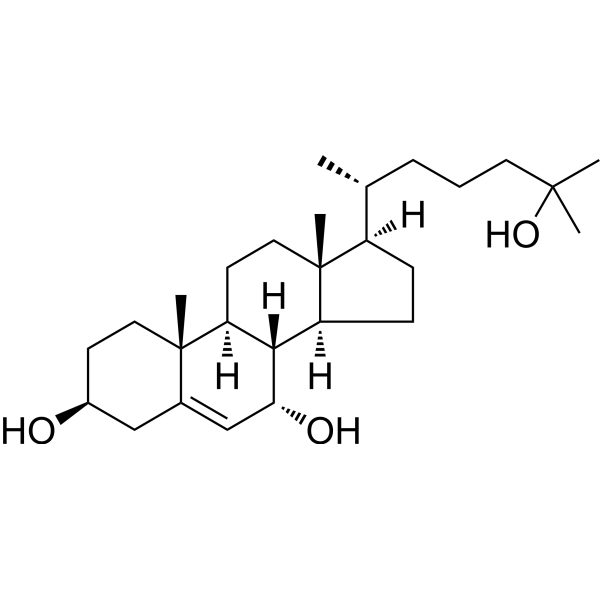
7α, 25-dihydroxycholesterol (7α,25-OHC) is a potent and selective agonist and endogenous ligand of the orphan GPCR receptor EBI2 (GPR183). 7α, 25-dihydroxycholesterol is highly potent at activating EBI2 (EC50=140 pM; Kd=450 pM). 7α, 25-dihydroxycholesterol can serve as a chemokine directing migration of B cells, T cells and dendritic cells .
|
-
-
- HY-16657
-
TAPI-1
Maximum Cited Publications
15 Publications Verification
|
MMP
NF-κB
Apoptosis
TNF Receptor
|
Inflammation/Immunology
Cancer
|
|
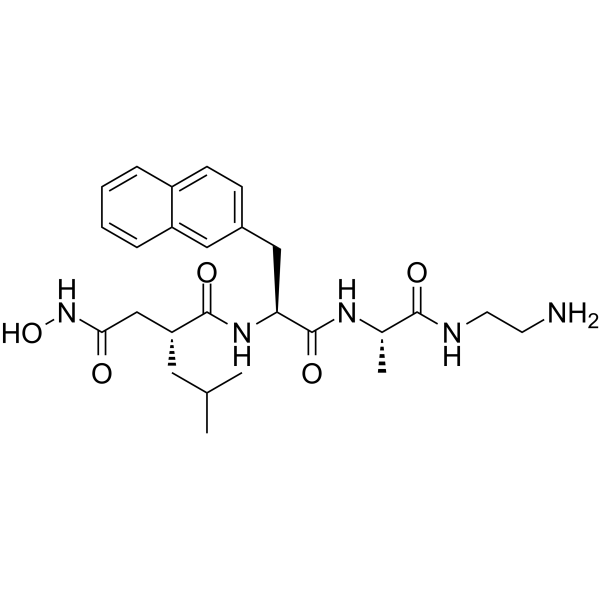
TAPI-1 is a broad-spectrum MMP inhibitor and NF-κB p65 inhibitor that targets ADAM17/TACE, ADAM10 and other proteins. TAPI-1 reduces the proteolytic cleavage of membrane-bound TNF-α, decreases TNF-α levels, inhibits NF-κB pathway activation, and downregulates profibrotic markers. TAPI-1 reduces the proportion of proinflammatory immune cells, alleviates cardiac and airway fibrosis, and improves cardiac function after myocardial infarction. Meanwhile, TAPI-1 inhibits the viability, migration and invasion of esophageal squamous cell carcinoma cells, enhances the chemosensitivity of Cisplatin (HY-17394), induces apoptosis, and shows low toxicity to normal esophageal epithelial cells. TAPI-1 can be widely used in studies related to myocardial infarction-induced heart failure, severe traumatic tracheal stenosis, esophageal squamous cell carcinoma and other conditions .
|
-
-
- HY-151435
-
|
|
CCR
|
Inflammation/Immunology
|
|
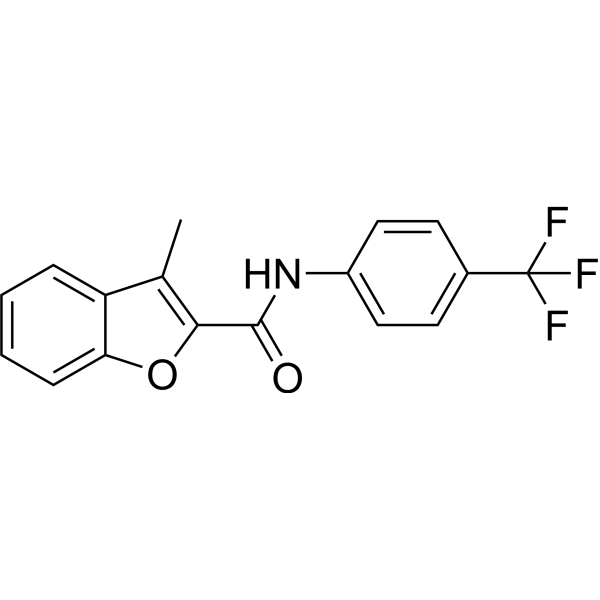
CCR6 antagonist 1 is a CCR6 antagonist that inhibits the CCL20/CCR6 axis. CCR6 antagonist 1 can be used in the research of autoimmune-mediated inflammatory diseases, such as inflammatory bowel diseases (IBDs) .
|
-
-
- HY-P1120
-
|
WKYMVm-amide; W-Peptide
|
Formyl Peptide Receptor (FPR)
PERK
Apoptosis
|
Neurological Disease
Metabolic Disease
Inflammation/Immunology
Cancer
|
|
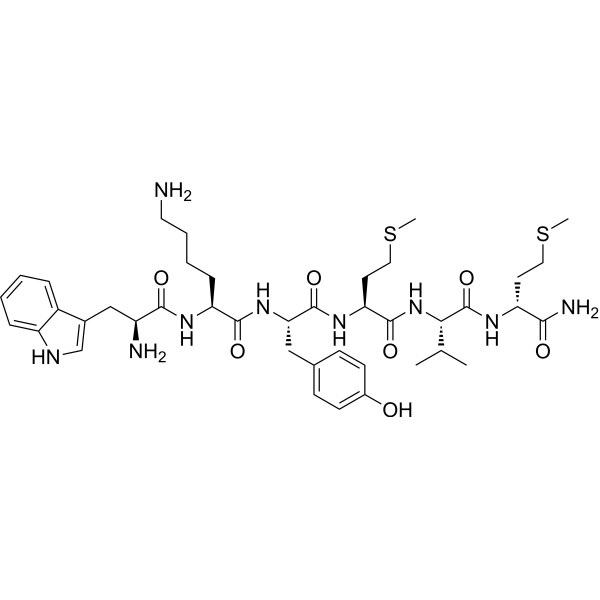
WKYMVm is a selective formylpeptide receptor 2 (FPR2) agonist. WKYMVm has a powerful anti-inflammatory effect that can reduce lung injury and spinal cord injury. WKYMVm ameliorates obesity by regulating lipid metabolism and leptin signaling. WKYMVm is involved in the regulation of immune cells by activating FPRs. WKYMVm can promote the chemotactic migration of immune cells and inhibit the apoptosis of phagocytes. In addition, WKYMVm may play a favorable or unfavorable role in tumors, depending on the type of tumor .
|
-
-
- HY-108831A
-
|
AN100226; BG00002
|
Integrin
|
Inflammation/Immunology
Cancer
|
|
Natalizumab (Anti-CD49d) (AN100226; BG00002) Solution is a humanized monoclonal IgG4 antibody inhibitor that selectively targets α4 integrin (CD49d), blocking the interaction of integrins such as α4β1 (VLA-4) with vascular cell adhesion molecule VCAM-1, intercellular adhesion molecule ICAM-1, and fibronectin by competitively binding to the α4 subunit. Natalizumab solution inhibits the adhesion, retention, and transendothelial migration of immune cells (such as CD4 + T cells), reducing the infiltration of inflammatory cells into the central nervous system or lesion sites, thereby exerting anti-inflammatory and immunomodulatory activity. Natalizumab (Anti-CD49d) solution is used in the study of relapsing-remitting multiple sclerosis (RRMS) and is also applied in the research of autoimmune or inflammation-related diseases such as Crohn's disease, B-cell lymphoma, and non-infectious uveitis. Natalizumab (Anti-CD49d) can also prevent lymphocytes from entering the central nervous system, thus preventing acute demyelinating relapses .
|
-
-
- HY-W127575
-
|
delta-3,5-Cholestadiene
|
PI3K
Akt
|
Inflammation/Immunology
|
|
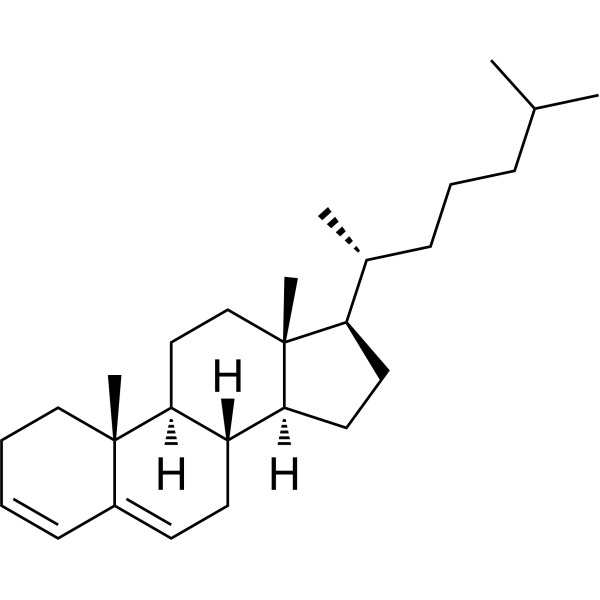
Cholesta-3,5-diene is an inflammatory modulator that targets immune cells such as neutrophils and accelerates wound healing by promoting neutrophil chemotaxis and fibroblast migration. Cholesta-3,5-diene enhances immune cell recruitment and extracellular matrix deposition by activating chemokine receptor-mediated signaling pathways such as PI3K/Akt. Cholesta-3,5-diene can be applied topically to wound repair and has potential therapeutic value in chronic ulcers or skin lesions .
|
-
-
- HY-W040055
-
|
D-(+)-Neopterin; D-erythro-Neopterin
|
NF-κB
PPAR
ERK
Raf
Src
|
Cardiovascular Disease
Inflammation/Immunology
|
|
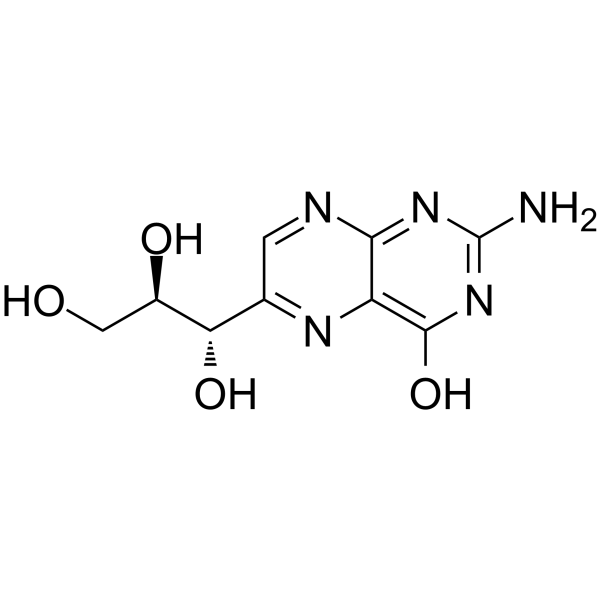
Neopterin is an immune system activator metabolized by GTP and can be produced by activated macrophages. Neopterin has the potential to resist vascular inflammation and atherosclerosis. Neopterin inhibits the phosphorylation of NF-κB and promotes the expression of PPAR-γ, thereby suppressing the inflammatory response of vascular endothelial cells, reducing the formation of macrophage foam cells, and regulating the migration and proliferation of vascular smooth muscle cells. Neopterin can be used in research fields such as cardiovascular diseases (such as atherosclerosis), inflammation-related diseases and tumor immunomonitoring .
|
-
-
- HY-P991224
-
|
|
CCR
|
Inflammation/Immunology
Cancer
|
|
CAP-100 is a monoclonal antibody that targets CCR7. CAP-100 neutralizes the ligand-binding site and signaling of CCR7. CAP-100 strongly inhibits CCR7-induced migration, extravasation, homing, and survival in chronic lymphocytic leukemia (CLL) samples. CAP-100 triggers potent tumor cell killing, mediated by host immune mechanism. CAP-100 shows a favorable toxicity profile on relevant hematopoietic subsets. CAP-100 is involved in research on anti-tumor and disease such as CLL .
|
-
-
- HY-108831
-
|
|
Integrin
|
Inflammation/Immunology
Cancer
|
|
Natalizumab (AN100226; BG00002) is a humanized monoclonal IgG4 antibody inhibitor that selectively targets α4 integrin (CD49d). It blocks the interaction of integrins such as α4β1 (VLA-4) with vascular cell adhesion molecule VCAM-1, intercellular adhesion molecule ICAM-1, and fibronectin by competitively binding to the α4 subunit. Natalizumab inhibits the adhesion, retention, and transendothelial migration of immune cells (such as CD4 + T cells), reducing the infiltration of inflammatory cells into the central nervous system or lesion sites, thus exerting anti-inflammatory and immunomodulatory activity. Natalizumab is used in the study of relapsing-remitting multiple sclerosis (RRMS) and also has applications in the study of autoimmune or inflammation-related diseases such as Crohn's disease, B-cell lymphoma, and non-infectious uveitis. Natalizumab can also prevent lymphocytes from entering the central nervous system, thereby preventing acute demyelinating relapses .
|
-
-
- HY-P990016
-
|
ARGX-112; LEO-138559; LP-0145
|
Interleukin Related
|
Inflammation/Immunology
|
|
Temtokibart (ARGX-112) is a monoclonal antibody and also an IL-22RA1 inhibitor. Temtokibart inhibits the signal transduction of IL-22, IL-20 and IL-24. Temtokibart reduces the expression levels of inflammatory proteins, chemokines, immune cell migration and markers of activated immune pathways. Temtokibart improves the expression of genes related to immunity and epidermal barrier function. Temtokibart is applicable to research on moderate-to-severe atopic dermatitis .
|
-
-
- HY-119684
-
|
|
NOD-like Receptor (NLR)
Interleukin Related
|
Neurological Disease
Inflammation/Immunology
|
|
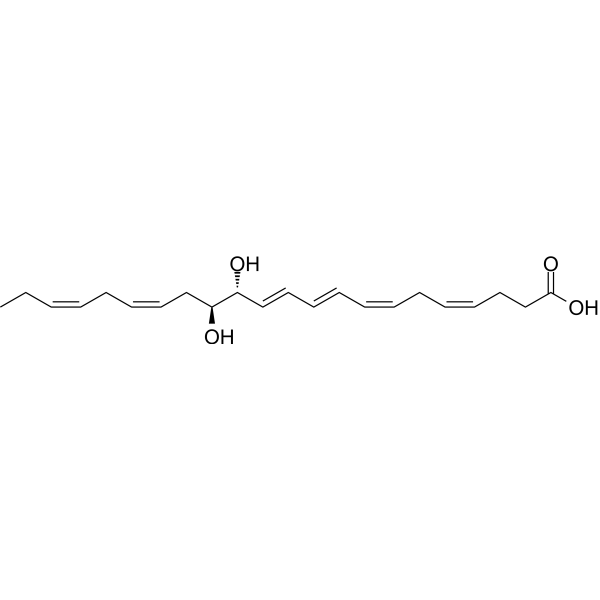
Maresin 2 is an anti-inflammatory and pro-resolving mediator. Maresin 2 drives intestinal epithelial cell migration by activating the focal cell-matrix adhesion signaling pathway in primary human intestinal epithelial cells, thereby promoting mucosal wound repair. Maresin 2 alleviates nociceptive and anxiety-like behaviors in rats with type 1 diabetes by inhibiting IL-1β in the spinal cord and prefrontal cortex. Maresin 2 attenuates allergic airway inflammation in mice by inhibiting the activation of the NLRP3 inflammasome, Th2-type immune responses, and oxidative stress. Maresin 2 inhibits inflammatory and neuropathic trigeminal neuralgia and reduces neuronal activation in the trigeminal ganglion. Maresin 2 promotes inflammation resolution and mucosal repair after DSS-induced colitis or biopsy-induced colonic mucosal injury .
|
-
-
- HY-P10427
-
|
|
CXCR
Dengue Virus
|
Neurological Disease
Inflammation/Immunology
Cancer
|
|
DV1 is a CXCR4 inhibitor with anti-proteolytic properties that specifically blocks the binding of SDF-1α to its receptor. DV1 inhibits the migration of breast cancer cells and enables the targeted delivery of avidin-PLGA nanoparticles to CXCR4-expressing cancer cells. DV1 not only effectively suppresses the progression of metastatic breast cancer in mouse models, but also preferentially accumulates in brain tumor tissues rather than normal brain tissues, showing potential for inhibiting intracranial tumor metastasis. As a humoral immune stimulant, DV1 induces the production of specific IgG, neutralizing antibodies and cellular immune responses, thereby providing the host with protection against lethal challenges. DV1 has been applied to studies on CXCR4-expressing cancers, glioblastoma, dengue fever and other related diseases .
|
-
-
- HY-164548
-
|
|
HSP
Apoptosis
PI3K
Akt
NF-κB
|
Inflammation/Immunology
Cancer
|
|
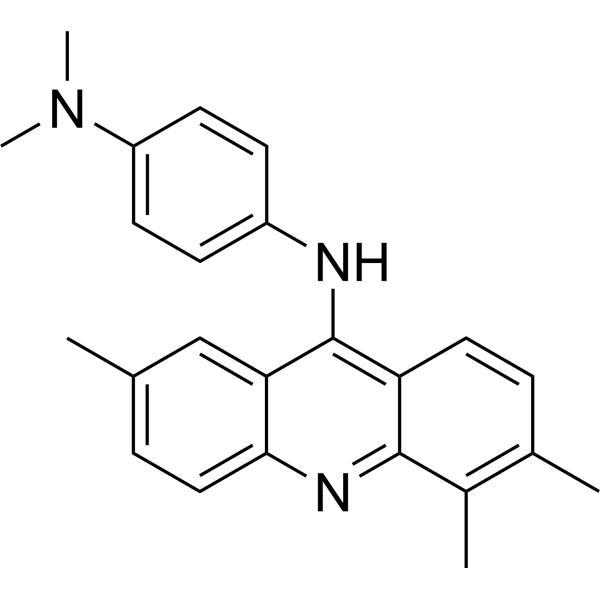
WK88-1 is an apoptosis inducer and Hsp90 client protein inhibitor with antiproliferative and immunomodulatory activities. WK88-1 inhibits signaling pathways such as PI3K/Akt and NF-κB, and induces mitochondrial dysfunction and cell cycle arrest. WK88-1 effectively suppresses cancer cell migration and invasion, and reverses various EGFR mutations and resistance to Gefitinib (HY-50895). WK88-1 also regulates the differentiation of monocytes and dendritic cells, blocks the expression of multiple chemokines, inhibits immune cell migration and M1 marker transcription, and restores impaired endocytic activity. WK88-1 has been used in studies of breast cancer, non-small cell lung cancer with various EGFR mutations or Met amplification, and atherosclerosis and other related diseases .
|
-
-
- HY-P10427A
-
|
|
CXCR
Dengue Virus
|
Infection
|
|
DV1 TFA is a CXCR4 inhibitor with anti-proteolytic properties that specifically blocks the binding of SDF-1α to its receptor. DV1 TFA inhibits the migration of breast cancer cells and enables the targeted delivery of avidin-PLGA nanoparticles to CXCR4-expressing cancer cells. DV1 TFA not only effectively suppresses the progression of metastatic breast cancer in mouse models, but also preferentially accumulates in brain tumor tissues rather than normal brain tissues, showing potential for inhibiting intracranial tumor metastasis. As a humoral immune stimulant, DV1 TFA induces the production of specific IgG, neutralizing antibodies and cellular immune responses, thereby providing the host with protection against lethal challenges. DV1 TFA has been applied to studies on CXCR4-expressing cancers, glioblastoma, dengue fever and other related diseases .
|
-
-
- HY-139990
-
|
|
c-Fms
|
Cancer
|
|
CSF1R-IN-3 (compound 21) is a potent and orally active CSF-1R inhibitor (IC50=2.1 nM). CSF1R-IN-3 is a potent antiproliferative activity against colorectal cancer cells. CSF1R-IN-3 inhibits the progression of colorectal cancer by suppressing the migration of macrophages, reprograming M2-like macrophages to the M1 phenotype, and enhancing the antitumor immunity .
|
-
-
- HY-153565
-
|
|
Others
|
Inflammation/Immunology
|
|
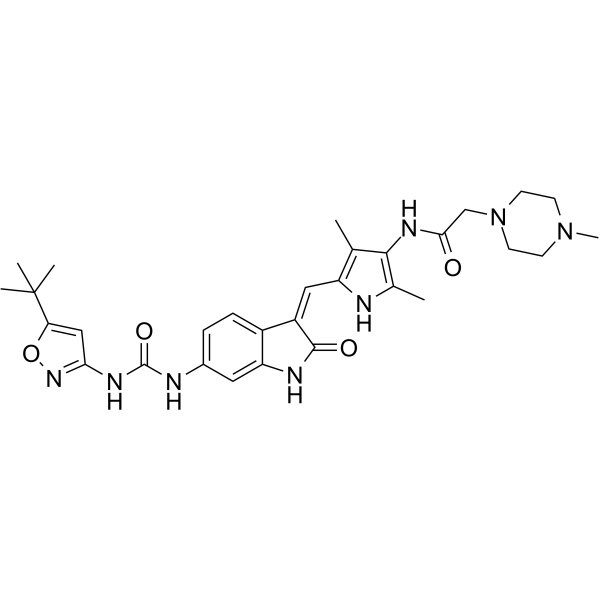
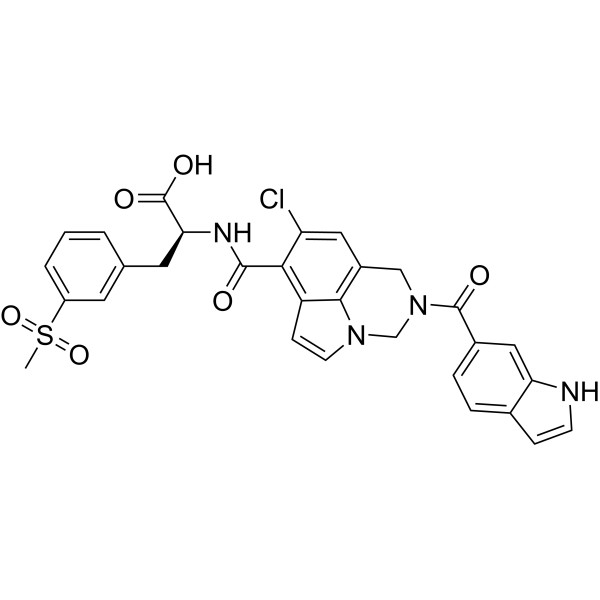
Immune cell migration-IN-1 (compound 2) is a potent agent to inhibit immune cell migration. Immune cell migration-IN-1 can be used for research in alleviating dry eye diseases, eczema dermatitis and psoriasis .
|
-
-
- HY-P991168
-
|
|
Amyloid-β
CCR
|
Neurological Disease
Inflammation/Immunology
|
|
Velaprumig is a monoclonal antibody targeting human CD99, CCL25, and anti-human Aβ (Aβ-47F). Velaprumig regulates immune cell migration and reduces β-amyloid-related pathological processes, exerting immunomodulatory and potential anti - Alzheimer's disease activities .
|
-
-
- HY-179228
-
|
|
CTLA-4
TGF-beta/Smad
|
Cancer
|
|
AN02 is a derivative of Curcumin (HY-N0005). AN02 inhibits the proliferation and clonogenicity, migration and invasion of ovarian cancer cells. AN02 dose-dependently upregulates the expression of APC and mediates the degradation of CTLA-4 through SMAD4. In the small xenograft model, AN02 significantly inhibits tumor growth and reverses the tumor immune-suppressive microenvironment. AN02, when combined with Ipilimumab (HY-P9901), can enhance efficacy and inhibit epithelial-mesenchymal transition. AN02 can be used for the study of ovarian cancer .
|
-
-
- HY-153567
-
|
|
Biochemical Assay Reagents
|
Inflammation/Immunology
|
|
Immune cell migration-IN-2 is a potent immune cell migration inhibitor with an EC50 of 13.5 nM in a T-cell adhesion assay. Immune cell migration-IN-2 is extracted from patent WO2019001171, example 11, can be used for dry-eye and other retinal diseases research . Immune cell migration-IN-2 is a click chemistry reagent, it contains an Alkyne group and can undergo copper-catalyzed azide-alkyne cycloaddition (CuAAc) with molecules containing Azide groups.
|
-
-
- HY-155115
-
|
|
Histone Demethylase
PD-1/PD-L1
|
Cancer
|
|
LSD1-IN-27 is an orally active LSD1 inhibitor (IC50: 13 nM). LSD1-IN-27 inhibits the stemness and migration of gastric cancer cells. LSD1-IN-27 also reduces the expression of PD-L1 in BGC-823 and MFC cells. LSD1-IN-27 can enhance T cell immune response in gastric cancer .
|
-
-
- HY-163535
-
|
|
HDAC
DNA Methyltransferase
Apoptosis
|
Inflammation/Immunology
Cancer
|
|
J208 is a dual inhibitor for histone deacetylase (HDAC) and DNA methyltransferase (DNMT). J208 inhibits proliferation of cancer cells, as well as the migration/invasion of triple-negative breast cancer (TNBC) cells. J208 induces apoptosis, arrests the cell cycle at G0/G1 phase. J2008 activates the innate immune signalling pathway in TNBC, by inducing the expression of endogenous retroviruses (ERVs) .
|
-
-
- HY-142677
-
|
|
PI3K
|
Inflammation/Immunology
Cancer
|
|
PI3K-IN-27 is a potent inhibitor of PI3K. PI3K belongs to a large family of lipid signaling kinase that plays key role in cellular process including cell growth, differentiation, migration and apoptosis. PI3K-IN-27 has the potential for the research of hyper-proliferative diseases like cancer and inflammation, or immune and autoimmune diseases (extracted from patent WO2021233227A1, compound 1) .
|
-
-
- HY-175236
-
|
|
PD-1/PD-L1
Apoptosis
ERK
JNK
Cadherin
p38 MAPK
GSK-3
IFNAR
Caspase
Bcl-2 Family
|
Cancer
|
|
SF-9-2 is a PD-L1/PD-1 binding inhibitor (IC50 = 24.9 nM). SF-9-2 inhibits epithelial-mesenchymal transition, migration, invasion, and proliferation of SK-N-SH cells, and also induces apoptosis and cell cycle arrest. SF-9-2 blocks PD-L1-induced SK-N-SH cell growth through the MAPK signaling pathway. SF-9-2 restores GSK-3β activity and enhances PD-L1 degradation through the ubiquitin-proteasome pathway. SF-9-2 inhibits tumor growth in the SK-N-SH NOG mouse model without significant toxicity. SF-9-2 also acts as an immune checkpoint inhibitor, blocking PD-L1 to restore T cell function. SF-9-2 can be used in neuroblastoma research .
|
-
-
- HY-P1120A
-
|
|
Formyl Peptide Receptor (FPR)
PERK
Apoptosis
|
Neurological Disease
Metabolic Disease
Inflammation/Immunology
Cancer
|
|
WKYMVm (TFA) is a selective formylpeptide receptor 2 (FPR2) agonist. WKYMVm has a powerful anti-inflammatory effect that can reduce lung injury and spinal cord injury. WKYMVm ameliorates obesity by regulating lipid metabolism and leptin signaling. WKYMVm is involved in the regulation of immune cells by activating FPRs, and WKYMVm can promote the chemotactic migration of immune cells and inhibit the apoptosis of phagocytes. In addition, WKYMVm may play a favorable or unfavorable role in tumors, depending on the type of tumor .
|
-
-
- HY-172225
-
|
|
Apoptosis
Autophagy
Ferroptosis
|
Cancer
|
|
[Ru(phen)2(HMPIP)](PF6)2 (Compound 6A) is an anti-tumor agent. [Ru(phen)2(HMPIP)](PF6)2 can inhibit the proliferation and migration of HepG2 liver cancer cells, and induce apoptosis, autophagy, cell cycle arrest and ferroptosis of HepG2 liver cancer cells. [Ru(phen)2(HMPIP)](PF6)2 exerts its anti-tumor activity by stimulating immune response to increase CD8+ T cells .
|
-
-
- HY-173280
-
|
CHNQD-01228
|
Arf Family GTPase
BMX Kinase
|
Cancer
|
|
Brefeldin A 4-O-nicotinate (CHNQD-01228) is a dual inhibitor of Arf1 and BMX proteins. The IC50 value for the proliferation of T24 cells is 0.22 μM. It can also dose-dependently inhibit the migration and colony formation of T24 cells, induce G1 phase arrest and trigger Apoptosis. Brefeldin A 4-O-nicotinate exerts its anti-cancer activity by targeting the BMX protein to inhibit the AKT/p-AKT and STAT3/p-STAT3 signaling pathways, as well as by inhibiting the Arf1 protein to eliminate bladder cancer stem cells and activate anti-tumor immunity. Brefeldin A 4-O-nicotinate can be used in the research related to bladder cancer .
|
-
-
- HY-169262
-
|
|
Phospholipase
Apoptosis
|
Cancer
|
|
PLD-IN-1 (Compound 3r) is an orally active inhibitor for phospholipase D with an IC50 of 1.97 μM. PLD-IN-1 reduces the expression of CD24, CD47 and PD-L1, enhances the calreticulin expression, and thus modulates the immune evasion mechanism in lung cancer cells by promoting the phagocytosis of cancer cells by macrophages. PLD-IN-1 inhibits the cell viability of lung cancer cell A549, HCC44, H460 and HCC15 with IC50 of 18.44, 22.31, 24.85 and 21.45 μM, respectively. PLD-IN-1 can induce apoptosis and inhibits migration in cell A549. PLD-IN-1 enhances the level of pro-inflammatory M1 macrophages and decreases the level of anti-inflammatory M2 macrophages, exhibits antitumor efficacy in mouse model .
|
-
-
- HY-P992436
-
|
|
Integrin
|
Neurological Disease
|
|
PAS-003 is a humanized monoclonal antibody targerting α5β1 integrin. PAS-003 modulates immune cell migration, immune cell adhesion, improves behavior, and improves survival in ALS mouse models. PAS-003 can be used for the research of amyotrophic lateral sclerosis .
|
-
-
- HY-183058
-
|
|
Histone Methyltransferase
|
Cancer
|
|
EZM8266 is an orally active and selective G9a (EHMT2) histone methyltransferase inhibitor with a human EHMT2 IC50 of 1 pM. EZM8266 reduces repressive H3K9me2 marks at immune-stimulatory gene and endogenous retroviral element promoters. EZM8266 reduces colony formation, migration, and invasion of cancer cells. EZM8266 enhances IFN-γ response, increases MHC class I expression, and enhances CXCL10-mediated T cell recruitment in cancer cells. EZM8266 can be used for the research of hepatocellular carcinoma .
|
-
-
- HY-182365
-
|
|
Histone Demethylase
|
Neurological Disease
Inflammation/Immunology
|
|
EED-IN-4 is an orally active, EZH2-selective immunomodulator and EED-H3K27me3 inhibitor (EED, IC50=28.21 nM) with anti-inflammatory activity. In mouse models, EED-IN-4 preferentially and persistently accumulates in lymph nodes after oral administration. By reducing the H3K27me3 level of dendritic cells and inhibiting their migration, EED-IN-4 reduces the infiltration of immune cells into the central nervous system and effectively alleviates spinal cord inflammation. EED-IN-4 shows weak inhibitory activity against hERG channels and is non-mutagenic, with no obvious toxicity observed upon long-term oral administration. EED-IN-4 can be used for the research of multiple sclerosis .
|
-
| Cat. No. |
Product Name |
Type |
-
- HY-W127575
-
|
delta-3,5-Cholestadiene
|
Biochemical Assay Reagents
|
|
Cholesta-3,5-diene is an inflammatory modulator that targets immune cells such as neutrophils and accelerates wound healing by promoting neutrophil chemotaxis and fibroblast migration. Cholesta-3,5-diene enhances immune cell recruitment and extracellular matrix deposition by activating chemokine receptor-mediated signaling pathways such as PI3K/Akt. Cholesta-3,5-diene can be applied topically to wound repair and has potential therapeutic value in chronic ulcers or skin lesions .
|
| Cat. No. |
Product Name |
Target |
Research Area |
-
- HY-P1120
-
|
WKYMVm-amide; W-Peptide
|
Formyl Peptide Receptor (FPR)
PERK
Apoptosis
|
Neurological Disease
Metabolic Disease
Inflammation/Immunology
Cancer
|
|
WKYMVm is a selective formylpeptide receptor 2 (FPR2) agonist. WKYMVm has a powerful anti-inflammatory effect that can reduce lung injury and spinal cord injury. WKYMVm ameliorates obesity by regulating lipid metabolism and leptin signaling. WKYMVm is involved in the regulation of immune cells by activating FPRs. WKYMVm can promote the chemotactic migration of immune cells and inhibit the apoptosis of phagocytes. In addition, WKYMVm may play a favorable or unfavorable role in tumors, depending on the type of tumor .
|
-
- HY-P10427
-
|
|
CXCR
Dengue Virus
|
Neurological Disease
Inflammation/Immunology
Cancer
|
|
DV1 is a CXCR4 inhibitor with anti-proteolytic properties that specifically blocks the binding of SDF-1α to its receptor. DV1 inhibits the migration of breast cancer cells and enables the targeted delivery of avidin-PLGA nanoparticles to CXCR4-expressing cancer cells. DV1 not only effectively suppresses the progression of metastatic breast cancer in mouse models, but also preferentially accumulates in brain tumor tissues rather than normal brain tissues, showing potential for inhibiting intracranial tumor metastasis. As a humoral immune stimulant, DV1 induces the production of specific IgG, neutralizing antibodies and cellular immune responses, thereby providing the host with protection against lethal challenges. DV1 has been applied to studies on CXCR4-expressing cancers, glioblastoma, dengue fever and other related diseases .
|
-
- HY-P10427A
-
|
|
CXCR
Dengue Virus
|
Infection
|
|
DV1 TFA is a CXCR4 inhibitor with anti-proteolytic properties that specifically blocks the binding of SDF-1α to its receptor. DV1 TFA inhibits the migration of breast cancer cells and enables the targeted delivery of avidin-PLGA nanoparticles to CXCR4-expressing cancer cells. DV1 TFA not only effectively suppresses the progression of metastatic breast cancer in mouse models, but also preferentially accumulates in brain tumor tissues rather than normal brain tissues, showing potential for inhibiting intracranial tumor metastasis. As a humoral immune stimulant, DV1 TFA induces the production of specific IgG, neutralizing antibodies and cellular immune responses, thereby providing the host with protection against lethal challenges. DV1 TFA has been applied to studies on CXCR4-expressing cancers, glioblastoma, dengue fever and other related diseases .
|
-
- HY-P10542
-
|
|
Peptides
|
Cancer
|
|
Dodecapeptide AR71 is an inhibitor of melanoma inhibitory activity (MIA). Dodecapeptide AR71 can reduce cell migration, reduce metastasis formation, and increase immune response. Dodecapeptide AR71 can be used in research on the treatment of malignant melanoma .
|
-
- HY-P1120A
-
|
|
Formyl Peptide Receptor (FPR)
PERK
Apoptosis
|
Neurological Disease
Metabolic Disease
Inflammation/Immunology
Cancer
|
|
WKYMVm (TFA) is a selective formylpeptide receptor 2 (FPR2) agonist. WKYMVm has a powerful anti-inflammatory effect that can reduce lung injury and spinal cord injury. WKYMVm ameliorates obesity by regulating lipid metabolism and leptin signaling. WKYMVm is involved in the regulation of immune cells by activating FPRs, and WKYMVm can promote the chemotactic migration of immune cells and inhibit the apoptosis of phagocytes. In addition, WKYMVm may play a favorable or unfavorable role in tumors, depending on the type of tumor .
|
| Cat. No. |
Product Name |
Target |
Research Area |
Image |
-
- HY-108831A
-
|
AN100226; BG00002
|
Integrin
|
Inflammation/Immunology
Cancer
|
|
Natalizumab (Anti-CD49d) (AN100226; BG00002) Solution is a humanized monoclonal IgG4 antibody inhibitor that selectively targets α4 integrin (CD49d), blocking the interaction of integrins such as α4β1 (VLA-4) with vascular cell adhesion molecule VCAM-1, intercellular adhesion molecule ICAM-1, and fibronectin by competitively binding to the α4 subunit. Natalizumab solution inhibits the adhesion, retention, and transendothelial migration of immune cells (such as CD4 + T cells), reducing the infiltration of inflammatory cells into the central nervous system or lesion sites, thereby exerting anti-inflammatory and immunomodulatory activity. Natalizumab (Anti-CD49d) solution is used in the study of relapsing-remitting multiple sclerosis (RRMS) and is also applied in the research of autoimmune or inflammation-related diseases such as Crohn's disease, B-cell lymphoma, and non-infectious uveitis. Natalizumab (Anti-CD49d) can also prevent lymphocytes from entering the central nervous system, thus preventing acute demyelinating relapses .
|
-
(5)
-
- HY-P991224
-
|
|
CCR
|
Inflammation/Immunology
Cancer
|
|
CAP-100 is a monoclonal antibody that targets CCR7. CAP-100 neutralizes the ligand-binding site and signaling of CCR7. CAP-100 strongly inhibits CCR7-induced migration, extravasation, homing, and survival in chronic lymphocytic leukemia (CLL) samples. CAP-100 triggers potent tumor cell killing, mediated by host immune mechanism. CAP-100 shows a favorable toxicity profile on relevant hematopoietic subsets. CAP-100 is involved in research on anti-tumor and disease such as CLL .
|
-
(5)
-
- HY-108831
-
|
|
Integrin
|
Inflammation/Immunology
Cancer
|
|
Natalizumab (AN100226; BG00002) is a humanized monoclonal IgG4 antibody inhibitor that selectively targets α4 integrin (CD49d). It blocks the interaction of integrins such as α4β1 (VLA-4) with vascular cell adhesion molecule VCAM-1, intercellular adhesion molecule ICAM-1, and fibronectin by competitively binding to the α4 subunit. Natalizumab inhibits the adhesion, retention, and transendothelial migration of immune cells (such as CD4 + T cells), reducing the infiltration of inflammatory cells into the central nervous system or lesion sites, thus exerting anti-inflammatory and immunomodulatory activity. Natalizumab is used in the study of relapsing-remitting multiple sclerosis (RRMS) and also has applications in the study of autoimmune or inflammation-related diseases such as Crohn's disease, B-cell lymphoma, and non-infectious uveitis. Natalizumab can also prevent lymphocytes from entering the central nervous system, thereby preventing acute demyelinating relapses .
|
-
(5)
-
- HY-P990016
-
|
ARGX-112; LEO-138559; LP-0145
|
Interleukin Related
|
Inflammation/Immunology
|
|
Temtokibart (ARGX-112) is a monoclonal antibody and also an IL-22RA1 inhibitor. Temtokibart inhibits the signal transduction of IL-22, IL-20 and IL-24. Temtokibart reduces the expression levels of inflammatory proteins, chemokines, immune cell migration and markers of activated immune pathways. Temtokibart improves the expression of genes related to immunity and epidermal barrier function. Temtokibart is applicable to research on moderate-to-severe atopic dermatitis .
|
-
(5)
-
- HY-P991168
-
|
|
Amyloid-β
CCR
|
Neurological Disease
Inflammation/Immunology
|
|
Velaprumig is a monoclonal antibody targeting human CD99, CCL25, and anti-human Aβ (Aβ-47F). Velaprumig regulates immune cell migration and reduces β-amyloid-related pathological processes, exerting immunomodulatory and potential anti - Alzheimer's disease activities .
|
-
(5)
-
- HY-P992436
-
|
|
Integrin
|
Neurological Disease
|
|
PAS-003 is a humanized monoclonal antibody targerting α5β1 integrin. PAS-003 modulates immune cell migration, immune cell adhesion, improves behavior, and improves survival in ALS mouse models. PAS-003 can be used for the research of amyotrophic lateral sclerosis .
|
-
(5)
| Cat. No. |
Product Name |
Category |
Target |
Chemical Structure |
Your information is safe with us. * Required Fields.
Inquiry Information
- Product Name:
- Cat. No.:
- Quantity:
- MCE Japan Authorized Agent:

