
From 11:00 pm to 12:00 pm EST ( 8:00 pm to 9:00 pm PST ) on January 6th, the website will be under maintenance. We are sorry for the inconvenience. Please arrange your schedule properly.
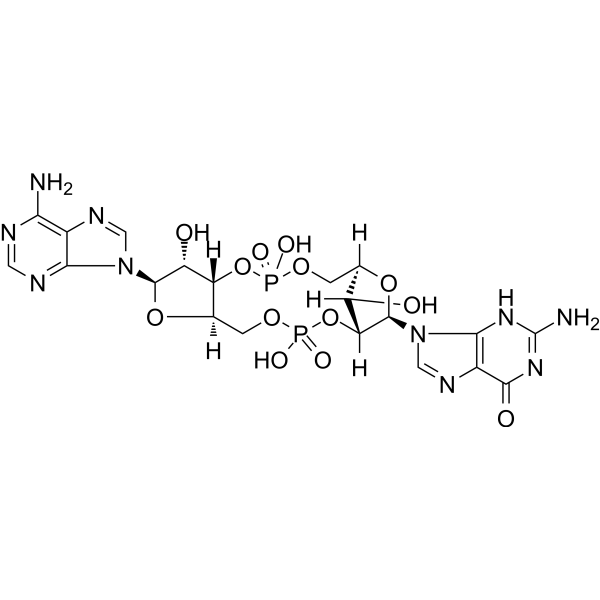
2',3'-cGAMP (2'-3'-cyclic GMP-AMP) is a endogenous cGAMP in mammalian cells. 2',3'-cGAMP binds to STING with a high affinity and is a potent inducer of interferon-β (IFNβ). 2',3'-cGAMP is produced in mammalian cells in response to DNA in the cytoplasm .
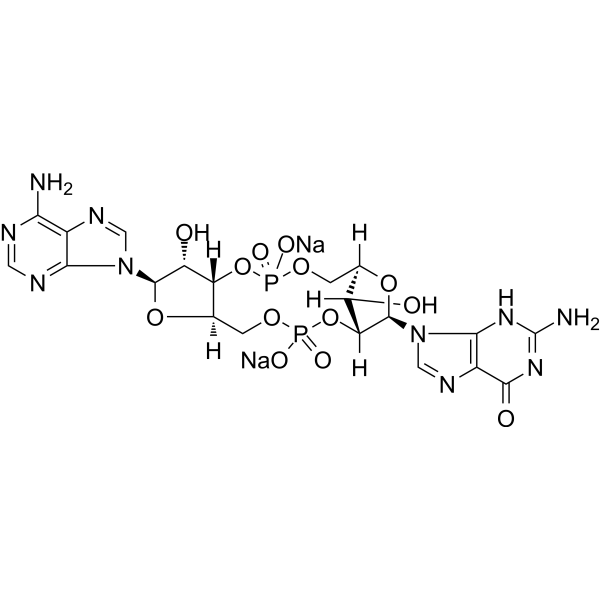
2',3'-cGAMP sodium (2'-3'-cyclic GMP-AMP sodium) is a endogenous cGAMP in mammalian cells. 2',3'-cGAMP sodium binds to STING with a high affinity and is a potent inducer of interferon-β (IFNβ). 2',3'-cGAMP sodium is produced in mammalian cells in response to DNA in the cytoplasm .
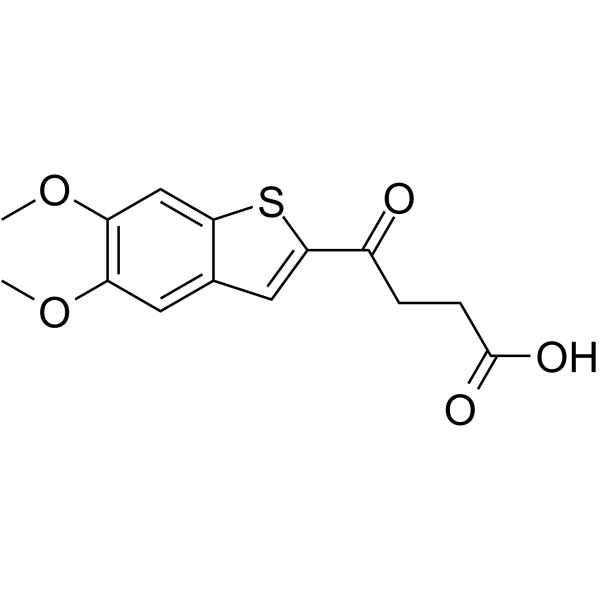
MSA-2, a potent and orally available non-nucleotide STING agonist, is bound to STING as a noncovalent dimer with nanomolar affinity. MSA-2 shows EC50s of 8.3 and 24 μM for human STING isoforms WT and HAQ, respectively. MSA-2 stimulates interferon-β secretion in tumors, induces tumor regression with durable antitumor immunity, and synergizes with anti-PD-1 in syngeneic mouse tumor models .
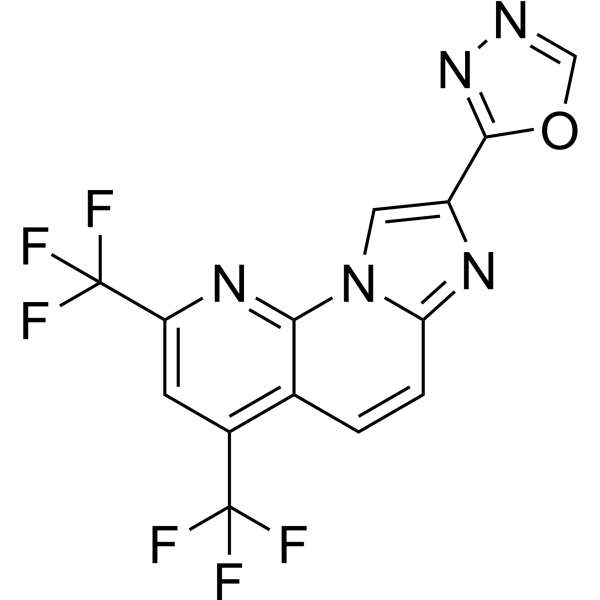
RO8191 (CDM-3008), an imidazonaphthyridine compound, is an orally active and potent interferon (IFN) receptor agonist. RO8191 directly binds to IFNα/β receptor 2 (IFNAR2) and activates IFN-stimulated genes (ISGs) expression and JAK/STAT phosphorylation. RO8191 shows antiviral activity against both HCV and EMCV with an IC50 of 200 nM for HCV replicon . RO8191 is a cccDNA modulator (CDM) through interferon-like activity and has anti-HBV activity .
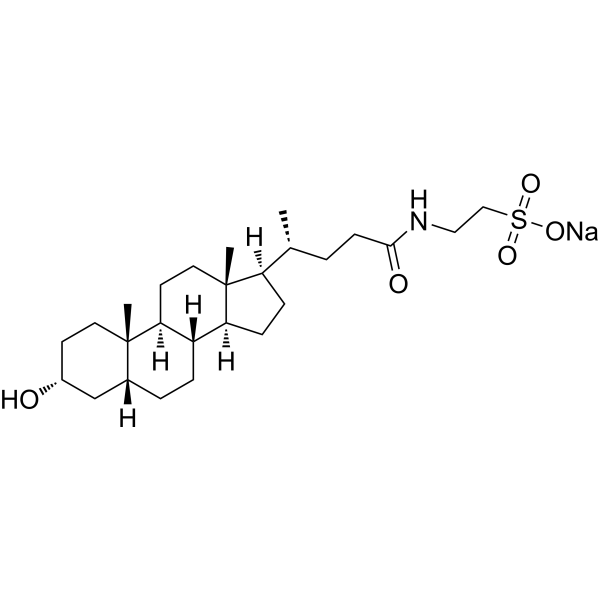
Taurolithocholic acid is an orally active bile acid and antiviral agent. Taurolithocholic acid upregulates FADS2 by activating the TGR5-PI3K/AKT-SREBP2 signaling axis, inhibits SFTSV-induced ferroptosis (Ferroptosis), viral replication and viral entry of HBV/HDV, while reducing the release of IL-1β, lipid ROS and LDH. While exerting antiviral protective effects, Taurolithocholic acid also stimulates the recycling of hepatocellular membrane transporters, impairs canalicular bile acid secretion function, and induces hepatocyte cholestasis, apoptosis and acute hepatocellular injury. Taurolithocholic acid serves as an experimental model compound for hepatocellular cholestasis. At concentrations ≤200 μM, Taurolithocholic acid shows no cytotoxicity and does not activate the interferon pathway. Taurolithocholic acid not only protects mice from lethal SFTSV infection but also is suitable for studies related to severe fever with thrombocytopenia syndrome and cholestasis .
Taurolithocholic acid sodium salt is an orally active bile acid and antiviral agent. Taurolithocholic acid sodium salt upregulates FADS2 by activating the TGR5-PI3K/AKT-SREBP2 signaling axis, inhibits SFTSV-induced ferroptosis, viral replication and viral entry of HBV/HDV, while reducing the release of IL-1β, lipid ROS and LDH. While exerting antiviral protective effects, Taurolithocholic acid sodium salt also stimulates the recycling of hepatocellular membrane transporters, impairs canalicular bile acid secretion function, and induces hepatocyte cholestasis, apoptosis and acute hepatocellular injury. Taurolithocholic acid sodium salt serves as an experimental model compound for hepatocellular cholestasis. At concentrations ≤200 μM, Taurolithocholic acid sodium salt shows no cytotoxicity and does not activate the interferon pathway. Taurolithocholic acid sodium salt not only protects mice from lethal SFTSV infection but also is suitable for studies related to severe fever with thrombocytopenia syndrome and cholestasis .
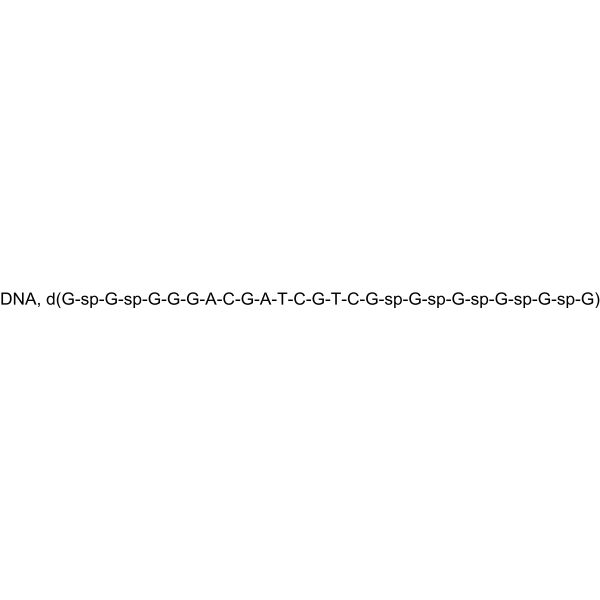
ODN 2216 is a type A CpG oligodeoxynucleotide vaccine adjuvant and a TLR9 agonist. ODN 2216 interacts with TLR9 in the lysosomes of CD4 + T cells and activates feedback-dependent signaling pathways. ODN 2216 induces the production of type I interferons, IL-6 and TGF-β via the IRAK4/IRF7 axis, while increasing intracellular ATP levels. ODN 2216 not only induces the differentiation of CD4 + T cells into anti-inflammatory Th3-like regulatory phenotypes to inhibit autologous proliferation, but also enhances the specific CD8 + T cell-mediated cytotoxicity against Mammaglobin-A in breast cancer cells. ODN 2216 is widely used in studies related to breast cancer and systemic lupus erythematosus .
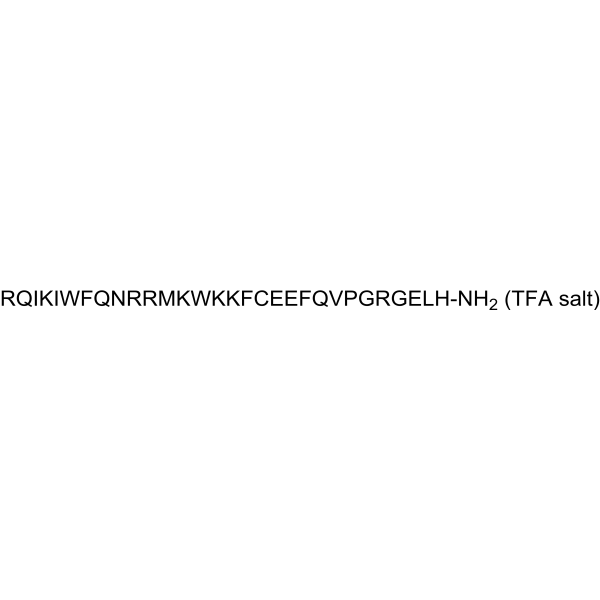
Pepinh-TRIF (TFA) is a 30 aa peptide that blocks TIR-domain-containing adapter-inducing interferon-β (TRIF) signaling by interfering with TLR-TRIF interaction .
ODN 2216 sodium is a type A CpG oligodeoxynucleotide vaccine adjuvant and a TLR9 agonist. ODN 2216 sodium interacts with TLR9 in the lysosomes of CD4 + T cells and activates feedback-dependent signaling pathways. ODN 2216 sodium induces the production of type I interferons, IL-6 and TGF-β via the IRAK4/IRF7 axis, while increasing intracellular ATP levels. ODN 2216 sodium not only induces the differentiation of CD4 + T cells into anti-inflammatory Th3-like regulatory phenotypes to inhibit autologous proliferation, but also enhances the specific CD8 + T cell-mediated cytotoxicity against Mammaglobin-A in breast cancer cells. ODN 2216 sodium is widely used in studies related to breast cancer and systemic lupus erythematosus .
Dazukibart (PF-06823859) is a potent, selective humanized IgG1 neutralizing monoclonal antibody that targets interferonβ (IFNβ). Dazukibart can be used in the study of moderate to severe dermatomyositis .
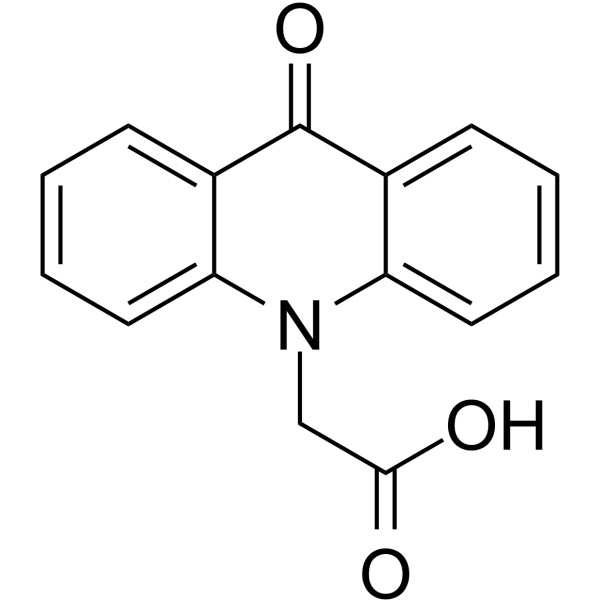
Cridanimod is a potent progesterone receptor (PR) activator mediated through induction of IFNα and IFNβ expression. Cridanimod is a small-molecule immunomodulator and interferon inducer .
SNX281 is a selective STING agonist, with IC50 values of 4.1, 4.5, 10.7, and 3.7 μM against human, mouse, rat, and monkey STING, respectively. SNX281 undergoes homodimerization at the STING binding site, triggering a conformational shift of STING from an inactive open state to an active closed state, thereby driving downstream STING-dependent signaling pathways. SNX281 induces type I interferons, IFN-β, TNF-α, IL-6, cytokine release, T cell responses, and long-lasting immune memory. SNX281 exhibits anti-tumor activity and is applicable to research related to colorectal cancer, melanoma, advanced solid tumors, lymphoma, and ovarian cancer .
STING agonist-45 is a selective STING agonist (EC50 = 0.28 μM). STING agonist-45 activates the innate immune response through the cGAS-STING pathway, upregulating key markers such as p-TBK1 and IRF3. STING agonist-45 exhibits robust STING activation in human peripheral blood mononuclear cells (PBMCs), inducing the production of type I interferons (such as IFN-β) and downstream cytokines (such as TNF-α and IL-6). STING agonist-45 enhances anti-tumor immunity, inhibits tumor growth, and increases CD8 + T cell infiltration in mouse models. STING agonist-45 is promising for the study of STING-related diseases .
STING-IN-15 is an orally active STING inhibitor, with an IC50 of 116 nM against h-STING and an IC50 of 96.3 nM against m-STING. STING-IN-15 inhibits the STING signaling pathway in cells, reduces the secretion of IFN-β and IP-10, downregulates the expression of ISG15, ISG56 and TNF-α, and suppresses the phosphorylation of TBK1/IRF3. STING-IN-15 alleviates systemic and renal inflammation induced by STING agonists in mice, reduces tissue damage and the expression of interferon pathway genes, and inhibits spontaneous tissue inflammation in mice. STING-IN-15 can be used for the research of acute kidney injury and autoimmune/inflammatory diseases .
RBN012811 is a highly selective PROTAC-based PARP14 degrader. RBN012811 forms a ternary complex with cereblon by binding to the NAD+ site of PARP14, and mediates the specific degradation of PARP14 via the ubiquitin-proteasome pathway (IC50=10 nM). RBN012811 effectively depletes endogenous PARP14 in various cell lines and primary human macrophages, thereby downregulating IL-10 production and IFN-β mRNA levels, increasing phosphorylated STAT1 levels to enhance inflammatory signaling, and inhibiting interferon-induced ADPr condensate formation. RBN012811 also modulates viral replication, exhibiting increased HSV1 replication while reducing VSV replication. RBN012811 has important application value in research related to cancer and viral infections .
Caraphenol A is a resveratrol trimer and is able to transiently reduce interferon-induced transmembrane (IFITM) protein expression. Caraphenol A safely enhances lentiviral vector gene delivery to hematopoietic stem and progenitor cells . Caraphenol A also inhibits human cystathionine β-synthase (hCBS) and human cystathionine γ- lyase (hCSE) with IC50s of 5.9 μM and 12.1 μM, respectively .
4A-MPLA ammonium is an orally active TLR4 agonist. 4A-MPLA ammonium induces TLR4 endocytosis dependent on Cdc42 and galectin-3, triggering TRIF-mediated signaling and sustained IFN-β production. 4A-MPLA ammonium promotes lipid droplet formation, upregulates interferon-stimulated genes and type I IFN signaling genes, downregulates lysosome/phagosome function genes, and modulates tolerogenic dendritic cell function. 4A-MPLA ammonium can be used for the research of colitis .
diABZI-i is an orthogonal STING inhibitor. diABZI-i significantly inhibits cGAMP-induced IFNβ in PBMCs. diABZI-i also activates constitutive signaling of V155M SAVI and exerts potent agonistic effects in the STING V155M THP-1 cell model. diABZI-i can be used for research on monogenic autoinflammatory diseases such as SAVI .
STING Degrader-2 is an orally active STING degrader that promotes proteasome-independent degradation of STING. STING Degrader-2 inhibits cGAMP-induced STING activation, suppresses STING oligomerization, and inhibits phosphorylation of STING and interferon regulatory factor 3 (IRF3). STING Degrader-2 reduces serum IFN-β and CXCL-10 levels in a cGAMP-induced autoimmune disease mouse model. STING Degrader-2 can be used for the research of autoimmune diseases .
Taurolithocholic acid-d4 is deuterium labeled Taurolithocholic acid. Taurolithocholic acid is an orally active bile acid and antiviral agent. Taurolithocholic acid upregulates FADS2 by activating the TGR5-PI3K/AKT-SREBP2 signaling axis, inhibits SFTSV-induced ferroptosis, viral replication and viral entry of HBV/HDV, while reducing the release of IL-1β, lipid ROS and LDH. While exerting antiviral protective effects, Taurolithocholic acid also stimulates the recycling of hepatocellular membrane transporters, impairs canalicular bile acid secretion function, and induces hepatocyte cholestasis, apoptosis and acute hepatocellular injury. Taurolithocholic acid serves as an experimental model compound for hepatocellular cholestasis. At concentrations ≤200 μM, Taurolithocholic acid shows no cytotoxicity and does not activate the interferon pathway. Taurolithocholic acid not only protects mice from lethal SFTSV infection but also is suitable for studies related to severe fever with thrombocytopenia syndrome and cholestasis .
TDI-015051 is a highly selective, orally active antiviral agent that targets the coronavirus NSP14guanine-N7 methyltransferase. TDI-015051 binds to substrates in a non-competitive manner and forms a stable ternary complex, precisely blocking the capping and methylation processes of viral mRNA. TDI-015051 potently inhibits a variety of coronaviruses (including SARS-CoV-2 and MERS). By impairing viral replication and translation and inducing a moderate type I interferon-mediated immune response, it significantly reduces pulmonary viral load and exhibits a synergistic effect with Nirmatrelvir (HY-138687). In addition, TDI-015051 does not inhibit non-coronavirus methyltransferases, and the drug-resistant mutations it induces impair viral fitness, demonstrating excellent antiviral properties and safety. TDI-015051 can be used for research on COVID-19 and the replication mechanism of coronaviruses .The IC50 values of TDI-015051 against SARS-CoV-2, α-hCoV-NL63, α-hCoV-229E, β-hCoV-MERS are 0.15 nM, 1.7 nM, 2.6 nM and 3.6 nM, respectively, and the Ka value against SARS-CoV-2 is 0.061 nM .
Peginterferon beta-1a (Peginterferon β-1a) is the first pegylated interferonbeta-1a molecule. Peginterferon beta-1a induces cancer cells apoptosis and shows anti-tumor activities in nude mice models. Peginterferon beta-1a can be used for the research of cancer and multiple sclerosis (RMS) .
3’-β-C-Ethynylguanosine is a guanosine analog. Some guanosine analogs have immunostimulatory activity. In some animal models, they also induce type I interferons, producing antiviral effects. Studies have shown that the functional activity of guanosine analogs is dependent on the activation of Toll-like receptor 7 (TLR7) . 3’-β-C-Ethynylguanosine is a click chemistry reagent, it contains an Alkyne group and can undergo copper-catalyzed azide-alkyne cycloaddition (CuAAc) with molecules containing Azide groups.
ZSA-215 is a potent and orally active STING agonist with an EC50 of 3.3 μM. ZSA-215 enhances STING signaling through promoting the phosphorylation of STING and interferon regulatory factor 3 (IRF3) and secretion of IFN-β. ZSA-215 inhibits tumor regression and long-term survival of mice in MC38 colon cancer model. ZSA-215 can be used to the study of colon cancerr .
Taurolithocholic acid (sodium salt) (Standard) is the analytical standard of Taurolithocholic acid (sodium salt). This product is intended for research and analytical applications. Taurolithocholic acid sodium salt is an orally active bile acid and antiviral agent. Taurolithocholic acid sodium salt upregulates FADS2 by activating the TGR5-PI3K/AKT-SREBP2 signaling axis, inhibits SFTSV-induced ferroptosis, viral replication and viral entry of HBV/HDV, while reducing the release of IL-1β, lipid ROS and LDH. While exerting antiviral protective effects, Taurolithocholic acid sodium salt also stimulates the recycling of hepatocellular membrane transporters, impairs canalicular bile acid secretion function, and induces hepatocyte cholestasis, apoptosis and acute hepatocellular injury. Taurolithocholic acid sodium salt serves as an experimental model compound for hepatocellular cholestasis. At concentrations ≤200 μM, Taurolithocholic acid sodium salt shows no cytotoxicity and does not activate the interferon pathway. Taurolithocholic acid sodium salt not only protects mice from lethal SFTSV infection but also is suitable for studies related to severe fever with thrombocytopenia syndrome and cholestasis .
S-27609 is an imidazoquinoline with antiviral and antitumour properties. S-27609 can induce peripheral blood mononuclear cells to produce various cytokines such as interferon-α (IFN-α), tumor necrosis factor-α (TNF-α), and interleukin-1β (IL-1β). S-27609 is promising for research of viral infections (e.g., herpes virus) and tumors .
RTDLDSLRTYTL is an Alpha (v) beta (6) integrin (avb6) inhibitor with high affinity and specificity. RTDLDSLRTYTL binds to avb6 integrin, a peptide sequence that activates cytotoxicity and cytokine production in T cells, such as interferon-gamma. RTDLDSLRTYTL is designed through a chimeric T cell antigen receptor (CAR) so that T cells can be redirected to specifically recognize and attack tumor cells. RTDLDSLRTYTL can be used in the research of cancer immunotherapy and targeted drug development .
Taurolithocholic Acid-d5 (sodium) is the deuterium labeled Taurolithocholic acid sodium salt. Taurolithocholic Acid sodium salt is an orally active bile acid and antiviral agent. Taurolithocholic Acid sodium salt upregulates FADS2 by activating the TGR5-PI3K/AKT-SREBP2 signaling axis, inhibits SFTSV-induced ferroptosis, viral replication and viral entry of HBV/HDV, while reducing the release of IL-1β, lipid ROS and LDH. While exerting antiviral protective effects, Taurolithocholic Acid sodium salt also stimulates the recycling of hepatocellular membrane transporters, impairs canalicular bile acid secretion function, and induces hepatocyte cholestasis, apoptosis and acute hepatocellular injury. Taurolithocholic Acid sodium salt serves as an experimental model compound for hepatocellular cholestasis. At concentrations ≤200 μM, Taurolithocholic Acid sodium salt shows no cytotoxicity and does not activate the interferon pathway. Taurolithocholic Acid sodium salt not only protects mice from lethal SFTSV infection but also is suitable for studies related to severe fever with thrombocytopenia syndrome and cholestasis .
Human IFNB1 mRNA encodes the human interferonbeta 1 (IFNB1) protein, a cytokine that belongs to the interferon family. IFNB1 belongs to the type I class of interferons, which are important for defense against viral infections. In addition, type I interferons are involved in cell differentiation and anti-tumor defenses.
Human IFNAR2 mRNA encodes the human interferon alpha and beta receptor subunit 2 (IFNAR2) protein, a protein that belongs to the type II cytokine receptor family. IFNAR2 is a type I membrane protein that forms one of the two chains of a receptor for interferons alpha and beta. Binding and activation of the receptor stimulates Janus protein kinases, which in turn phosphorylate several proteins, including STAT1 and STAT2.
Cridanimod is a potent progesterone receptor (PR) activator mediated through induction of IFNα and IFNβ expression. Cridanimod is a small-molecule immunomodulator and interferon inducer .
Human IFNAR1 mRNA encodes the human interferon alpha and beta receptor subunit 1 (IFNAR1) protein, a protein that belongs to the type II cytokine receptor family and functions as an antiviral factor.
Human TGFB1 mRNA encodes the human transforming growth factor beta 1 (TGFB1) protein, a secreted ligand of the TGF-beta superfamily. TGFB1 can regulate cell proliferation, differentiation and growth, and also play a role in modulating expression and activation of other growth factors including interferon gamma and tumor necrosis factor alpha.
QX006N is a humanized monoclonal antibody inhibitor targeting human interferon α/β receptor 1 (IFNAR1). QX006N is promising for research of systemic lupus erythematosus (SLE) and other IFNAR1-related autoimmune diseases .
9-(β-D-Xylofuranosyl)guanine is a guanosine analog. Some guanosine analogs have immunostimulatory activity. In some animal models, they also induce type I interferons, producing antiviral effects. Studies have shown that the functional activity of guanosine analogs is dependent on the activation of Toll-like receptor 7 (TLR7) .
2'-C-Methylguanosine (2'-C-beta-Methylguanosine) is a guanosine analogue. Some guanosine analogs have immunostimulatory activity. In some animal models, they also induce type I interferons, producing antiviral effects. Studies have shown that the functional activity of guanosine analogs is dependent on the activation of Toll-like receptor 7 (TLR7) .
Human IFNLR1 mRNA encodes the human interferon lambda receptor 1 (IFNLR1) protein, a member of the class II cytokine receptor family. IFNLR1, interleukine 10 receptor and beta (IL10RB) form a receptor complex which has been shown to interact with three closely related cytokines, including interleukin 28A (IL28A), interleukin 28B (IL28B), and interleukin 29 (IL29).
Taurolithocholic acid-d4 (sodium) is the deuterium labeled Taurolithocholic acid (sodium salt). Taurolithocholic acid sodium is an orally active bile acid and antiviral agent. Taurolithocholic acid sodium upregulates FADS2 by activating the TGR5-PI3K/AKT-SREBP2 signaling axis, inhibits SFTSV-induced ferroptosis, viral replication and viral entry of HBV/HDV, while reducing the release of IL-1β, lipid ROS and LDH. While exerting antiviral protective effects, Taurolithocholic acid sodium also stimulates the recycling of hepatocellular membrane transporters, impairs canalicular bile acid secretion function, and induces hepatocyte cholestasis, apoptosis and acute hepatocellular injury. Taurolithocholic acid sodium serves as an experimental model compound for hepatocellular cholestasis. At concentrations ≤200 μM, Taurolithocholic acid sodium shows no cytotoxicity and does not activate the interferon pathway. Taurolithocholic acid sodium not only protects mice from lethal SFTSV infection but also is suitable for studies related to severe fever with thrombocytopenia syndrome and cholestasis .
Taurolithocholic acid-d4-1 (sodium) is the deuterium labeled Taurolithocholic acid. Taurolithocholic acid sodium is an orally active bile acid and antiviral agent. Taurolithocholic acid sodium upregulates FADS2 by activating the TGR5-PI3K/AKT-SREBP2 signaling axis, inhibits SFTSV-induced ferroptosis, viral replication and viral entry of HBV/HDV, while reducing the release of IL-1β, lipid ROS and LDH. While exerting antiviral protective effects, Taurolithocholic acid sodium also stimulates the recycling of hepatocellular membrane transporters, impairs canalicular bile acid secretion function, and induces hepatocyte cholestasis, apoptosis and acute hepatocellular injury. Taurolithocholic acid sodium serves as an experimental model compound for hepatocellular cholestasis. At concentrations ≤200 μM, Taurolithocholic acid sodium shows no cytotoxicity and does not activate the interferon pathway. Taurolithocholic acid sodium not only protects mice from lethal SFTSV infection but also is suitable for studies related to severe fever with thrombocytopenia syndrome and cholestasis .
Taurolithocholic acid-d5 is deuterium labeled Taurolithocholic acid. Taurolithocholic acid is an orally active bile acid and antiviral agent. Taurolithocholic acid upregulates FADS2 by activating the TGR5-PI3K/AKT-SREBP2 signaling axis, inhibits SFTSV-induced ferroptosis, viral replication and viral entry of HBV/HDV, while reducing the release of IL-1β, lipid ROS and LDH. While exerting antiviral protective effects, Taurolithocholic acid also stimulates the recycling of hepatocellular membrane transporters, impairs canalicular bile acid secretion function, and induces hepatocyte cholestasis, apoptosis and acute hepatocellular injury. Taurolithocholic acid serves as an experimental model compound for hepatocellular cholestasis. At concentrations ≤200 μM, Taurolithocholic acid shows no cytotoxicity and does not activate the interferon pathway. Taurolithocholic acid not only protects mice from lethal SFTSV infection but also is suitable for studies related to severe fever with thrombocytopenia syndrome and cholestasis .
Pig TRIM56 mRNA encodes the pig TRIM56 protein, an interferon-stimulated gene (ISG) that acts as an important innate immune factor. Overexpression of TRIM56 restricts viral replication by enhancing TLR3-TRAF3-mediated IFN-β production .
CDN-3 (Compound 10) is a cyclic dideoxy nucleotide derivative. CDN-3 can stimulate the production of IFN-β, activate the IRF-3 and NF-κB pathways, and induce the production of type I interferons as well as pro-inflammatory factors such as IL-6 and TNF-α. CDN-3 can inhibit cancer cells proliferation. CDN-3 can be used for research of colon cancer .
RTDLDSLRTYTL TFA is an Alpha (v) beta (6) integrin (avb6) inhibitor with high affinity and specificity. RTDLDSLRTYTL TFA binds to avb6 integrin, a peptide sequence that activates cytotoxicity and cytokine production in T cells, such as interferon-gamma. RTDLDSLRTYTL TFA is designed through a chimeric T cell antigen receptor (CAR) so that T cells can be redirected to specifically recognize and attack tumor cells. RTDLDSLRTYTL TFA can be used in the research of cancer immunotherapy and targeted drug development .
SB2960 is a receptor for activated protein C kinase 1 (RACK1) binder with a human KD of 5.65 μM. SB2960 can promote stress granule (SG) formation and exhibit potent antiviral activity across diverse viral species. SB2960 suppresses viral replication with minimal cytotoxicity by modulating host antiviral immune responses. SB2960 increases the thermal stability of RACK1 and reduces SARS-CoV-2 N protein levels. SB2960 enhances type I interferon(IFN-β) expression and inhibits RIG-I, ISG56, and RANTES expression. SB2960 can be used for the research of virus infection .
Angiogenesis is the physiological process through which new blood vessels are formed from pre-existing vessels. It occurs in various physiological processes e.g. embryonic development, menstrual cycle, exercise and wound healing etc. Angiogenesis is regulated by both endogenous activators and inhibitors. Some key activators of angiogenesis include vascular endothelial growth factor (VEGF), basic fibroblast growth factor (bFGF), angiogenin, TGF-β, etc. whereas angiogenesis inhibitors are angiostatin, endostatin, interferon, platelet factor 4, etc. The loss of balance between these opposing signals leads to life threatening diseases like cancer, cardiovascular and ischemic diseases etc. which are thus controlled by exogenous angiogenesis activators (for cardiovascular/ischemic disorders) and inhibitors (for cancer).
MCE offers a unique collection of 3,431 compounds with validated angiogenesis targets modulating properties. MCE angiogenesis-related compound library is an effective tool for angiogenesis research and discovery of angiogenesis-related drugs.
Pepinh-TRIF (TFA) is a 30 aa peptide that blocks TIR-domain-containing adapter-inducing interferon-β (TRIF) signaling by interfering with TLR-TRIF interaction .
IT9302 is a synthetic IL-10 agonist with the activity of inducing tolerogenic dendritic cells. IT9302 is able to mimic multiple effects of IL-10, including downregulating the antigen presentation machinery and increasing the sensitivity of tumor cells to natural killer cell-mediated lysis. IT9302 can also hinder the response of human monocytes to differentiation factors and reduce the antigen presentation and co-stimulatory capacity of dendritic cells. Dendritic cells treated with IT9302 showed a weakened ability to stimulate T cell proliferation and interferon-γ production. IT9302 exerts its effects through mechanisms that are partially different from IL-10, involving STAT3 inactivation and regulation of the NF-κB intracellular pathway. IT9302-treated dendritic cells showed enhanced expression of membrane-bound TGF-β, associated with the effective induction of foxp3+ regulatory T cells .
RTDLDSLRTYTL is an Alpha (v) beta (6) integrin (avb6) inhibitor with high affinity and specificity. RTDLDSLRTYTL binds to avb6 integrin, a peptide sequence that activates cytotoxicity and cytokine production in T cells, such as interferon-gamma. RTDLDSLRTYTL is designed through a chimeric T cell antigen receptor (CAR) so that T cells can be redirected to specifically recognize and attack tumor cells. RTDLDSLRTYTL can be used in the research of cancer immunotherapy and targeted drug development .
RTDLDSLRTYTL TFA is an Alpha (v) beta (6) integrin (avb6) inhibitor with high affinity and specificity. RTDLDSLRTYTL TFA binds to avb6 integrin, a peptide sequence that activates cytotoxicity and cytokine production in T cells, such as interferon-gamma. RTDLDSLRTYTL TFA is designed through a chimeric T cell antigen receptor (CAR) so that T cells can be redirected to specifically recognize and attack tumor cells. RTDLDSLRTYTL TFA can be used in the research of cancer immunotherapy and targeted drug development .
Dazukibart (PF-06823859) is a potent, selective humanized IgG1 neutralizing monoclonal antibody that targets interferonβ (IFNβ). Dazukibart can be used in the study of moderate to severe dermatomyositis .
QX006N is a humanized monoclonal antibody inhibitor targeting human interferon α/β receptor 1 (IFNAR1). QX006N is promising for research of systemic lupus erythematosus (SLE) and other IFNAR1-related autoimmune diseases .
2',3'-cGAMP (2'-3'-cyclic GMP-AMP) is a endogenous cGAMP in mammalian cells. 2',3'-cGAMP binds to STING with a high affinity and is a potent inducer of interferon-β (IFNβ). 2',3'-cGAMP is produced in mammalian cells in response to DNA in the cytoplasm .
2',3'-cGAMP sodium (2'-3'-cyclic GMP-AMP sodium) is a endogenous cGAMP in mammalian cells. 2',3'-cGAMP sodium binds to STING with a high affinity and is a potent inducer of interferon-β (IFNβ). 2',3'-cGAMP sodium is produced in mammalian cells in response to DNA in the cytoplasm .
Taurolithocholic acid sodium salt is an orally active bile acid and antiviral agent. Taurolithocholic acid sodium salt upregulates FADS2 by activating the TGR5-PI3K/AKT-SREBP2 signaling axis, inhibits SFTSV-induced ferroptosis, viral replication and viral entry of HBV/HDV, while reducing the release of IL-1β, lipid ROS and LDH. While exerting antiviral protective effects, Taurolithocholic acid sodium salt also stimulates the recycling of hepatocellular membrane transporters, impairs canalicular bile acid secretion function, and induces hepatocyte cholestasis, apoptosis and acute hepatocellular injury. Taurolithocholic acid sodium salt serves as an experimental model compound for hepatocellular cholestasis. At concentrations ≤200 μM, Taurolithocholic acid sodium salt shows no cytotoxicity and does not activate the interferon pathway. Taurolithocholic acid sodium salt not only protects mice from lethal SFTSV infection but also is suitable for studies related to severe fever with thrombocytopenia syndrome and cholestasis .
Caraphenol A is a resveratrol trimer and is able to transiently reduce interferon-induced transmembrane (IFITM) protein expression. Caraphenol A safely enhances lentiviral vector gene delivery to hematopoietic stem and progenitor cells . Caraphenol A also inhibits human cystathionine β-synthase (hCBS) and human cystathionine γ- lyase (hCSE) with IC50s of 5.9 μM and 12.1 μM, respectively .
4A-MPLA ammonium is an orally active TLR4 agonist. 4A-MPLA ammonium induces TLR4 endocytosis dependent on Cdc42 and galectin-3, triggering TRIF-mediated signaling and sustained IFN-β production. 4A-MPLA ammonium promotes lipid droplet formation, upregulates interferon-stimulated genes and type I IFN signaling genes, downregulates lysosome/phagosome function genes, and modulates tolerogenic dendritic cell function. 4A-MPLA ammonium can be used for the research of colitis .
Taurolithocholic acid (sodium salt) (Standard) is the analytical standard of Taurolithocholic acid (sodium salt). This product is intended for research and analytical applications. Taurolithocholic acid sodium salt is an orally active bile acid and antiviral agent. Taurolithocholic acid sodium salt upregulates FADS2 by activating the TGR5-PI3K/AKT-SREBP2 signaling axis, inhibits SFTSV-induced ferroptosis, viral replication and viral entry of HBV/HDV, while reducing the release of IL-1β, lipid ROS and LDH. While exerting antiviral protective effects, Taurolithocholic acid sodium salt also stimulates the recycling of hepatocellular membrane transporters, impairs canalicular bile acid secretion function, and induces hepatocyte cholestasis, apoptosis and acute hepatocellular injury. Taurolithocholic acid sodium salt serves as an experimental model compound for hepatocellular cholestasis. At concentrations ≤200 μM, Taurolithocholic acid sodium salt shows no cytotoxicity and does not activate the interferon pathway. Taurolithocholic acid sodium salt not only protects mice from lethal SFTSV infection but also is suitable for studies related to severe fever with thrombocytopenia syndrome and cholestasis .
IFN-beta Protein, Rhesus Macaque (HEK293, Fc, Solution) is the recombinant rhesus macaque-derived IFN-beta protein, expressed by HEK293, with C-mFc tag.
IFN-beta is a secretory cytokine produced by cells under viral infection or nucleic acid stimulation. IFNβ binds to cell surface heterodimeric receptors (IFNAR1/IFNAR2), activates the JAK-STAT signaling pathway, and induces the expression of interferon-stimulated genes (ISGs) (such as PKR, 2'5'-OAS). IFN-beta inhibits viral proliferation, regulates immune responses (such as inhibiting Th1 cell polarization, reducing pro-inflammatory cytokine secretion), inhibits the proliferation of vascular smooth muscle cells and tumor cells. IFN-beta has anti-atherosclerotic and vascular remodeling effects. IFN-beta Protein, Human (CHO) is a recombinant interferon-beta protein (CHO), expressed by CHO, without a tag.
IFN-β (interferon-β) is a key type I interferon cytokine that coordinates the innate immune response to infection, tumors, and inflammation. IFN-β binds to high-affinity (IFNAR2) and low-affinity (IFNAR1) heterodimeric receptors, activates Jak-STAT signaling, and modulates interferon-regulated genes. IFN-beta Protein, Human (HEK293, Fc) is the recombinant human-derived IFN-beta protein, expressed by HEK293 , with C-hFc labeled tag.
IFN-β protein is a type I interferon that plays a key role in the innate immune response by binding to IFNAR2 and IFNAR1 receptors and activating Jak-STAT signaling. This results in transcriptional regulation of interferon-regulated genes, affecting antiviral proteins, cell proliferation regulators, and immunomodulatory proteins. IFN-beta Protein, Mouse (HEK293, Fc) is the recombinant mouse-derived IFN-beta protein, expressed by HEK293 , with C-hFc labeled tag.
IFN-beta is a secretory cytokine produced by cells under viral infection or nucleic acid stimulation. IFNβ binds to cell surface heterodimeric receptors (IFNAR1/IFNAR2), activates the JAK-STAT signaling pathway, and induces the expression of interferon-stimulated genes (ISGs) (such as PKR, 2'5'-OAS). IFN-beta inhibits viral proliferation, regulates immune responses (such as inhibiting Th1 cell polarization, reducing pro-inflammatory cytokine secretion), inhibits the proliferation of vascular smooth muscle cells and tumor cells. IFN-beta has anti-atherosclerotic and vascular remodeling effects. Mouse (HEK293) is the recombinant mouse-derived IFN-beta protein, expressed by HEK293 , with tag free.
IFN-beta Protein is an immunomodulatory cytokine of the type 1 interferon family. IFN-beta Protein reduces joint inflammation by inhibiting the RANKL-c-Fos signaling pathway. IFN-beta Protein regulates mitochondrial fission through STAT5, PGAM5, and Drp1 to rescue neurodegeneration. IFN-beta Protein, Rhesus Macaque (HEK293, Fc) is the recombinant Rhesus Macaque-derived IFN-beta protein, expressed by HEK293 , with C-mFc labeled tag.
PDGF R beta protein is a receptor protein that binds to platelet-derived growth factor (PDGF). It is expressed in a variety of cells, including fibroblasts and smooth muscle cells. Animal-Free IFN-beta Protein, Human (His) is the recombinant human-derived animal-FreeIFN-beta protein, expressed by E. coli , with C-His labeled tag.This product is for cell culture use only.
IFN-alpha/beta R2, one of the subunit of IFN-α/β receptor, is a type I IFN receptor. IFN-alpha/beta R2 forms the heterodimeric receptor with IFNAR1, and binds to type I IFNs. IFN-alpha/beta R2 also interacts with JAK1 and leads to tyrosine phosphorylation of the IFNARs and STAT proteins. Upon activation by these IFNs, IFNAR1 and IFN-alpha/beta R2 undergo a conformational change to promote a cascade of downstream signaling events, including the phosphorylation of Tyk2 and JAK1, STAT1 and STAT2. IFN-alpha/beta R2 Protein, Human (HEK293, His) is a recombinant human IFN-alpha/beta R2 (I27-K243) with C-terminal 6*His tag, which is produced in HEK293 cells.
IFN-alpha/beta R2, one of the subunit of IFN-α/β receptor, is a type I IFN receptor. IFN-alpha/beta R2 forms the heterodimeric receptor with IFNAR1, and binds to type I IFNs. IFN-alpha/beta R2 also interacts with JAK1 and leads to tyrosine phosphorylation of the IFNARs and STAT proteins. Upon activation by these IFNs, IFNAR1 and IFN-alpha/beta R2 undergo a conformational change to promote a cascade of downstream signaling events, including the phosphorylation of Tyk2 and JAK1, STAT1 and STAT2. IFN-alpha/beta R2 Protein, Human (HEK293, hFc) is a recombinant human IFN-alpha/beta R2 (I27-K243) with C-terminal hFc tag, which is produced in HEK293 cells.
IFN-alpha/beta R2, one of the subunit of IFN-α/β receptor, is a type I IFN receptor. IFN-alpha/beta R2 forms the heterodimeric receptor with IFNAR1, and binds to type I IFNs. IFN-alpha/beta R2 also interacts with JAK1 and leads to tyrosine phosphorylation of the IFNARs and STAT proteins. Upon activation by these IFNs, IFNAR1 and IFN-alpha/beta R2 undergo a conformational change to promote a cascade of downstream signaling events, including the phosphorylation of Tyk2 and JAK1, STAT1 and STAT2. IFN-alpha/beta R2 Protein, Cynomolgus (HEK293, His) is a recombinant biotinylated cynomolgus IFN-alpha/beta R2 (M1-K243) with C-terminal His tag, which is produced in HEK293 cells.
B18R protein functions as a potent antagonist against the antiviral effects of host IFN-alpha/beta and key IFN-inducible proteins, such as OAS1 involved in viral RNA degradation. It acts as a soluble IFN-alpha receptor, effectively impeding the interaction between host IFN-alpha and its receptor. The protein's ability to interact with host IFNA1 underscores its role in modulating the host's immune response against viral infections. B18R Protein, Vaccinia virus (HEK293, His) is the recombinant Virus-derived B18R protein, expressed by HEK293 , with C-6*His labeled tag.
IFN-α/β R2 protein forms a heterodimer with IFNAR1 and acts as a receptor for type I interferons. After interferon binding, the receptor subunit activates JAK, leading to the phosphorylation of STAT transcription factors. IFN-alpha/beta R2 Protein, Human (HEK293, His, solution) is the recombinant human-derived IFN-alpha/beta R2 protein, expressed by HEK293 , with C-His labeled tag.
IFN-alpha/beta R2, one of the subunit of IFN-α/β receptor, is a type I IFN receptor. IFN-alpha/beta R2 forms the heterodimeric receptor with IFNAR1, and binds to type I IFNs. IFN-alpha/beta R2 also interacts with JAK1 and leads to tyrosine phosphorylation of the IFNARs and STAT proteins. Upon activation by these IFNs, IFNAR1 and IFN-alpha/beta R2 undergo a conformational change to promote a cascade of downstream signaling events, including the phosphorylation of Tyk2 and JAK1, STAT1 and STAT2. IFN-alpha/beta R2 Protein, Human (Biotinylated, HEK293, His) is a recombinant biotinylated human IFN-alpha/beta R2 (I27-K243) with C-terminal His tag, which is produced in HEK293 cells.
IFNAR1, one of the subunit of IFN-α/β receptor, is a type I IFN receptor. IFNAR1 forms the heterodimeric receptor with IFNAR2. IFNAR1 mediates IFN-induced STAT signaling by interacting with tyrosine kinase 2 (Tyk2). Upon activation by these IFNs, IFNAR1 and IFNAR2 undergo a conformational change to promote a cascade of downstream signaling events, including the phosphorylation of Tyk2 and JAK1, STAT1 and STAT2. IFNAR1 Protein, Rhesus Macaque (HEK293) is a recombinant rhesus macaque IFNAR1 (M1-K437) without any tag, which is produced in HEK293 cells.
IFNAR1, one of the subunit of IFN-α/β receptor, is a type I IFN receptor. IFNAR1 forms the heterodimeric receptor with IFNAR2. IFNAR1 mediates IFN-induced STAT signaling by interacting with tyrosine kinase 2 (Tyk2). Upon activation by these IFNs, IFNAR1 and IFNAR2 undergo a conformational change to promote a cascade of downstream signaling events, including the phosphorylation of Tyk2 and JAK1, STAT1 and STAT2. IFNAR1 Protein, Rhesus Macaque (HEK293, Fc) is a recombinant rhesus macaque IFNAR1 (M1-K437) with a C-terminal hFc tag, which is produced in HEK293 cells.
IFNAR1, one of the subunit of IFN-α/β receptor, is a type I IFN receptor. IFNAR1 forms the heterodimeric receptor with IFNAR2. IFNAR1 mediates IFN-induced STAT signaling by interacting with tyrosine kinase 2 (Tyk2). Upon activation by these IFNs, IFNAR1 and IFNAR2 undergo a conformational change to promote a cascade of downstream signaling events, including the phosphorylation of Tyk2 and JAK1, STAT1 and STAT2. IFNAR1 Protein, Mouse (HEK293, His) is a recombinant mouse IFNAR1 (M1-T429) with C-terminal His tag, which is produced in HEK293 cells.
IFNAR1, one of the subunit of IFN-α/β receptor, is a type I IFN receptor. IFNAR1 forms the heterodimeric receptor with IFNAR2. IFNAR1 mediates IFN-induced STAT signaling by interacting with tyrosine kinase 2 (Tyk2). Upon activation by these IFNs, IFNAR1 and IFNAR2 undergo a conformational change to promote a cascade of downstream signaling events, including the phosphorylation of Tyk2 and JAK1, STAT1 and STAT2. IFNAR1 Protein, Human (HEK293, Fc) is a recombinant human IFNAR1 (K28-K436) with C-terminal hFc tag, which is produced in HEK293 cells.
IFNAR1, one of the subunit of IFN-α/β receptor, is a type I IFN receptor. IFNAR1 forms the heterodimeric receptor with IFNAR2. IFNAR1 mediates IFN-induced STAT signaling by interacting with tyrosine kinase 2 (Tyk2). Upon activation by these IFNs, IFNAR1 and IFNAR2 undergo a conformational change to promote a cascade of downstream signaling events, including the phosphorylation of Tyk2 and JAK1, STAT1 and STAT2. IFNAR1 Protein, Human (HEK293, His) is a recombinant human IFNAR1 (K28-K436) with C-terminal 6*His tag, which is produced in HEK293 cells.
IL-6 protein is a multifunctional cytokine that plays multiple biological functions in immunity, tissue regeneration, and metabolism. After binding to IL6R, the resulting complex binds to the signaling subunit IL6ST/gp130, triggering the intracellular IL6 signaling pathway. GMP IL-6 Protein, Human is the recombinant human-derived IL-6 protein, expressed by E. coli , with tag free. GMP IL-6 Protein, Human, has molecular weight of ~20.0 kDa.
IL-6 protein is a multifunctional cytokine that plays multiple biological functions in immunity, tissue regeneration, and metabolism. After binding to IL6R, the resulting complex binds to the signaling subunit IL6ST/gp130, triggering the intracellular IL6 signaling pathway. Animal-Free IL-6 Protein, Human (His) is the recombinant human-derived animal-FreeIL-6 protein, expressed by E. coli , with C-His labeled tag. This product is for cell culture use only.
IL-6 protein is a multifunctional cytokine that plays multiple biological functions in immunity, tissue regeneration, and metabolism. After binding to IL6R, the resulting complex binds to the signaling subunit IL6ST/gp130, triggering the intracellular IL6 signaling pathway. IL-6 Protein, Human (HEK293, His) is the recombinant human-derived IL-6 protein, expressed by HEK293, with N-His labeled tag.
IFNAR1, one of the subunit of IFN-α/β receptor, is a type I IFN receptor. IFNAR1 forms the heterodimeric receptor with IFNAR2. IFNAR1 mediates IFN-induced STAT signaling by interacting with tyrosine kinase 2 (Tyk2). Upon activation by these IFNs, IFNAR1 and IFNAR2 undergo a conformational change to promote a cascade of downstream signaling events, including the phosphorylation of Tyk2 and JAK1, STAT1 and STAT2. IFNAR1 Protein, Cynomolgus (HEK293, His) is a recombinant Cynomolgus IFNAR1 (A25-K437) with C-terminal 6*His tag, which is produced in HEK293 cells.
Taurolithocholic acid-d4 is deuterium labeled Taurolithocholic acid. Taurolithocholic acid is an orally active bile acid and antiviral agent. Taurolithocholic acid upregulates FADS2 by activating the TGR5-PI3K/AKT-SREBP2 signaling axis, inhibits SFTSV-induced ferroptosis, viral replication and viral entry of HBV/HDV, while reducing the release of IL-1β, lipid ROS and LDH. While exerting antiviral protective effects, Taurolithocholic acid also stimulates the recycling of hepatocellular membrane transporters, impairs canalicular bile acid secretion function, and induces hepatocyte cholestasis, apoptosis and acute hepatocellular injury. Taurolithocholic acid serves as an experimental model compound for hepatocellular cholestasis. At concentrations ≤200 μM, Taurolithocholic acid shows no cytotoxicity and does not activate the interferon pathway. Taurolithocholic acid not only protects mice from lethal SFTSV infection but also is suitable for studies related to severe fever with thrombocytopenia syndrome and cholestasis .
Taurolithocholic Acid-d5 (sodium) is the deuterium labeled Taurolithocholic acid sodium salt. Taurolithocholic Acid sodium salt is an orally active bile acid and antiviral agent. Taurolithocholic Acid sodium salt upregulates FADS2 by activating the TGR5-PI3K/AKT-SREBP2 signaling axis, inhibits SFTSV-induced ferroptosis, viral replication and viral entry of HBV/HDV, while reducing the release of IL-1β, lipid ROS and LDH. While exerting antiviral protective effects, Taurolithocholic Acid sodium salt also stimulates the recycling of hepatocellular membrane transporters, impairs canalicular bile acid secretion function, and induces hepatocyte cholestasis, apoptosis and acute hepatocellular injury. Taurolithocholic Acid sodium salt serves as an experimental model compound for hepatocellular cholestasis. At concentrations ≤200 μM, Taurolithocholic Acid sodium salt shows no cytotoxicity and does not activate the interferon pathway. Taurolithocholic Acid sodium salt not only protects mice from lethal SFTSV infection but also is suitable for studies related to severe fever with thrombocytopenia syndrome and cholestasis .
Taurolithocholic acid-d4 (sodium) is the deuterium labeled Taurolithocholic acid (sodium salt). Taurolithocholic acid sodium is an orally active bile acid and antiviral agent. Taurolithocholic acid sodium upregulates FADS2 by activating the TGR5-PI3K/AKT-SREBP2 signaling axis, inhibits SFTSV-induced ferroptosis, viral replication and viral entry of HBV/HDV, while reducing the release of IL-1β, lipid ROS and LDH. While exerting antiviral protective effects, Taurolithocholic acid sodium also stimulates the recycling of hepatocellular membrane transporters, impairs canalicular bile acid secretion function, and induces hepatocyte cholestasis, apoptosis and acute hepatocellular injury. Taurolithocholic acid sodium serves as an experimental model compound for hepatocellular cholestasis. At concentrations ≤200 μM, Taurolithocholic acid sodium shows no cytotoxicity and does not activate the interferon pathway. Taurolithocholic acid sodium not only protects mice from lethal SFTSV infection but also is suitable for studies related to severe fever with thrombocytopenia syndrome and cholestasis .
Taurolithocholic acid-d4-1 (sodium) is the deuterium labeled Taurolithocholic acid. Taurolithocholic acid sodium is an orally active bile acid and antiviral agent. Taurolithocholic acid sodium upregulates FADS2 by activating the TGR5-PI3K/AKT-SREBP2 signaling axis, inhibits SFTSV-induced ferroptosis, viral replication and viral entry of HBV/HDV, while reducing the release of IL-1β, lipid ROS and LDH. While exerting antiviral protective effects, Taurolithocholic acid sodium also stimulates the recycling of hepatocellular membrane transporters, impairs canalicular bile acid secretion function, and induces hepatocyte cholestasis, apoptosis and acute hepatocellular injury. Taurolithocholic acid sodium serves as an experimental model compound for hepatocellular cholestasis. At concentrations ≤200 μM, Taurolithocholic acid sodium shows no cytotoxicity and does not activate the interferon pathway. Taurolithocholic acid sodium not only protects mice from lethal SFTSV infection but also is suitable for studies related to severe fever with thrombocytopenia syndrome and cholestasis .
Taurolithocholic acid-d5 is deuterium labeled Taurolithocholic acid. Taurolithocholic acid is an orally active bile acid and antiviral agent. Taurolithocholic acid upregulates FADS2 by activating the TGR5-PI3K/AKT-SREBP2 signaling axis, inhibits SFTSV-induced ferroptosis, viral replication and viral entry of HBV/HDV, while reducing the release of IL-1β, lipid ROS and LDH. While exerting antiviral protective effects, Taurolithocholic acid also stimulates the recycling of hepatocellular membrane transporters, impairs canalicular bile acid secretion function, and induces hepatocyte cholestasis, apoptosis and acute hepatocellular injury. Taurolithocholic acid serves as an experimental model compound for hepatocellular cholestasis. At concentrations ≤200 μM, Taurolithocholic acid shows no cytotoxicity and does not activate the interferon pathway. Taurolithocholic acid not only protects mice from lethal SFTSV infection but also is suitable for studies related to severe fever with thrombocytopenia syndrome and cholestasis .
IFNAR1; IFNAR; interferon alpha/beta receptor 1; IFN-R-1; IFN-alpha/beta receptor 1; Cytokine receptor class-II member 1; Cytokine receptor family 2 member 1; CRF2-1; Type I interferon receptor 1
WB, IP
Human
Interferon alpha/beta Receptor 1 Antibody (YA3112) is a Rabbit-derived and non-conjugated IgG monoclonal antibody, targeting to Interferon alpha/beta Receptor 1.
IFNAR1; IFNAR; interferon alpha/beta receptor 1; IFN-R-1; IFN-alpha/beta receptor 1; Cytokine receptor class-II member 1; Cytokine receptor family 2 member 1; CRF2-1; Type I interferon receptor 1
WB, IP
Human
Interferon alpha/beta Receptor 1 Antibody (YA3112) is a Rabbit-derived and non-conjugated IgG monoclonal antibody, targeting to Interferon alpha/beta Receptor 1.
Interferon alpha/beta receptor 1 Antibody (YA3833) is a Mouse-derived and non-conjugated IgG1 monoclonal antibody, targeting to Interferon alpha/beta receptor 1.
3’-β-C-Ethynylguanosine is a guanosine analog. Some guanosine analogs have immunostimulatory activity. In some animal models, they also induce type I interferons, producing antiviral effects. Studies have shown that the functional activity of guanosine analogs is dependent on the activation of Toll-like receptor 7 (TLR7) . 3’-β-C-Ethynylguanosine is a click chemistry reagent, it contains an Alkyne group and can undergo copper-catalyzed azide-alkyne cycloaddition (CuAAc) with molecules containing Azide groups.
ODN 2216 is a type A CpG oligodeoxynucleotide vaccine adjuvant and a TLR9 agonist. ODN 2216 interacts with TLR9 in the lysosomes of CD4 + T cells and activates feedback-dependent signaling pathways. ODN 2216 induces the production of type I interferons, IL-6 and TGF-β via the IRAK4/IRF7 axis, while increasing intracellular ATP levels. ODN 2216 not only induces the differentiation of CD4 + T cells into anti-inflammatory Th3-like regulatory phenotypes to inhibit autologous proliferation, but also enhances the specific CD8 + T cell-mediated cytotoxicity against Mammaglobin-A in breast cancer cells. ODN 2216 is widely used in studies related to breast cancer and systemic lupus erythematosus .
ODN 2216 sodium is a type A CpG oligodeoxynucleotide vaccine adjuvant and a TLR9 agonist. ODN 2216 sodium interacts with TLR9 in the lysosomes of CD4 + T cells and activates feedback-dependent signaling pathways. ODN 2216 sodium induces the production of type I interferons, IL-6 and TGF-β via the IRAK4/IRF7 axis, while increasing intracellular ATP levels. ODN 2216 sodium not only induces the differentiation of CD4 + T cells into anti-inflammatory Th3-like regulatory phenotypes to inhibit autologous proliferation, but also enhances the specific CD8 + T cell-mediated cytotoxicity against Mammaglobin-A in breast cancer cells. ODN 2216 sodium is widely used in studies related to breast cancer and systemic lupus erythematosus .
3’-β-C-Ethynylguanosine is a guanosine analog. Some guanosine analogs have immunostimulatory activity. In some animal models, they also induce type I interferons, producing antiviral effects. Studies have shown that the functional activity of guanosine analogs is dependent on the activation of Toll-like receptor 7 (TLR7) . 3’-β-C-Ethynylguanosine is a click chemistry reagent, it contains an Alkyne group and can undergo copper-catalyzed azide-alkyne cycloaddition (CuAAc) with molecules containing Azide groups.
Human IFNB1 mRNA encodes the human interferonbeta 1 (IFNB1) protein, a cytokine that belongs to the interferon family. IFNB1 belongs to the type I class of interferons, which are important for defense against viral infections. In addition, type I interferons are involved in cell differentiation and anti-tumor defenses.
Human IFNAR2 mRNA encodes the human interferon alpha and beta receptor subunit 2 (IFNAR2) protein, a protein that belongs to the type II cytokine receptor family. IFNAR2 is a type I membrane protein that forms one of the two chains of a receptor for interferons alpha and beta. Binding and activation of the receptor stimulates Janus protein kinases, which in turn phosphorylate several proteins, including STAT1 and STAT2.
Human IFNAR1 mRNA encodes the human interferon alpha and beta receptor subunit 1 (IFNAR1) protein, a protein that belongs to the type II cytokine receptor family and functions as an antiviral factor.
Human TGFB1 mRNA encodes the human transforming growth factor beta 1 (TGFB1) protein, a secreted ligand of the TGF-beta superfamily. TGFB1 can regulate cell proliferation, differentiation and growth, and also play a role in modulating expression and activation of other growth factors including interferon gamma and tumor necrosis factor alpha.
9-(β-D-Xylofuranosyl)guanine is a guanosine analog. Some guanosine analogs have immunostimulatory activity. In some animal models, they also induce type I interferons, producing antiviral effects. Studies have shown that the functional activity of guanosine analogs is dependent on the activation of Toll-like receptor 7 (TLR7) .
Human IFNLR1 mRNA encodes the human interferon lambda receptor 1 (IFNLR1) protein, a member of the class II cytokine receptor family. IFNLR1, interleukine 10 receptor and beta (IL10RB) form a receptor complex which has been shown to interact with three closely related cytokines, including interleukin 28A (IL28A), interleukin 28B (IL28B), and interleukin 29 (IL29).
Pig TRIM56 mRNA encodes the pig TRIM56 protein, an interferon-stimulated gene (ISG) that acts as an important innate immune factor. Overexpression of TRIM56 restricts viral replication by enhancing TLR3-TRAF3-mediated IFN-β production .
Inquiry Online
Your information is safe with us. * Required Fields.
Western blot analysis of extracts from THP-1(lane 2(20μg), Jurkat (lane 3(20μg) and NIH3T3(lane 4(20μg) using FOXO1A (HY-P80132) Rabbit mAb. Proteins were transferred
to a PVDF membrane and blocked with 5% non-fat milk in TBST for 2 hour at room temperature. The primary antibody (1/1000) and Loading control antibody (Beta Actin, HY-P80438, 1/10000) was
used in 5% non-fat milk in TBST at 4°C overnight. Goat Anti-Mouse/Rabbit IgG-HRP Secondary Antibody (1/10000) was used for 1 hour at room temperature.
Western blot analysis of extracts from THP-1(lane 2(20μg), Jurkat (lane 3(20μg) and NIH3T3(lane 4(20μg) using FOXO1A (HY-P80132) Rabbit mAb. Proteins were transferred
to a PVDF membrane and blocked with 5% non-fat milk in TBST for 2 hour at room temperature. The primary antibody (1/1000) and Loading control antibody (Beta Actin, HY-P80438, 1/10000) was
used in 5% non-fat milk in TBST at 4°C overnight. Goat Anti-Mouse/Rabbit IgG-HRP Secondary Antibody (1/10000) was used for 1 hour at room temperature.
Western blot analysis of extracts from THP-1(lane 2(20μg), Jurkat (lane 3(20μg) and NIH3T3(lane 4(20μg) using FOXO1A (HY-P80132) Rabbit mAb. Proteins were transferred
to a PVDF membrane and blocked with 5% non-fat milk in TBST for 2 hour at room temperature. The primary antibody (1/1000) and Loading control antibody (Beta Actin, HY-P80438, 1/10000) was
used in 5% non-fat milk in TBST at 4°C overnight. Goat Anti-Mouse/Rabbit IgG-HRP Secondary Antibody (1/10000) was used for 1 hour at room temperature.
Western blot analysis of extracts from THP-1(lane 2(20μg), Jurkat (lane 3(20μg) and NIH3T3(lane 4(20μg) using FOXO1A (HY-P80132) Rabbit mAb. Proteins were transferred
to a PVDF membrane and blocked with 5% non-fat milk in TBST for 2 hour at room temperature. The primary antibody (1/1000) and Loading control antibody (Beta Actin, HY-P80438, 1/10000) was
MedchemExpress Validation 03
Western blot analysis of extracts from THP-1(lane 2(20μg), Jurkat (lane 3(20μg) and NIH3T3(lane 4(20μg) using FOXO1A (HY-P80132) Rabbit mAb. Proteins were transferred
MedchemExpress Validation 04
Western blot analysis of extracts from THP-1(lane 2(20μg), Jurkat (lane 3(20μg) and NIH3T3(lane 4(20μg) using FOXO1A (HY-P80132) Rabbit mAb. Proteins were transferred
to a PVDF membrane and blocked with 5% non-fat milk in TBST for 2 hour at room temperature. The primary antibody (1/1000) and Loading control antibody (Beta Actin, HY-P80438, 1/10000) was
used in 5% non-fat milk in TBST at 4°C overnight. Goat Anti-Mouse/Rabbit IgG-HRP Secondary Antibody (1/10000) was used for 1 hour at room temperature.
MedchemExpress Validation
Western blot analysis of extracts from THP-1(lane 2(20μg), Jurkat (lane 3(20μg) and NIH3T3(lane 4(20μg) using FOXO1A (HY-P80132) Rabbit mAb. Proteins were transferred
to a PVDF membrane and blocked with 5% non-fat milk in TBST for 2 hour at room temperature. The primary antibody (1/1000) and Loading control antibody (Beta Actin, HY-P80438, 1/10000) was
used in 5% non-fat milk in TBST at 4°C overnight. Goat Anti-Mouse/Rabbit IgG-HRP Secondary Antibody (1/10000) was used for 1 hour at room temperature.
Western blot analysis of extracts from THP-1(lane 2(20μg), Jurkat (lane 3(20μg) and NIH3T3(lane 4(20μg) using FOXO1A (HY-P80132) Rabbit mAb. Proteins were transferred
to a PVDF membrane and blocked with 5% non-fat milk in TBST for 2 hour at room temperature. The primary antibody (1/1000) and Loading control antibody (Beta Actin, HY-P80438, 1/10000) was
used in 5% non-fat milk in TBST at 4°C overnight. Goat Anti-Mouse/Rabbit IgG-HRP Secondary Antibody (1/10000) was used for 1 hour at room temperature.
MedchemExpress Validation
Western blot analysis of extracts from THP-1(lane 2(20μg), Jurkat (lane 3(20μg) and NIH3T3(lane 4(20μg) using FOXO1A (HY-P80132) Rabbit mAb. Proteins were transferred
to a PVDF membrane and blocked with 5% non-fat milk in TBST for 2 hour at room temperature. The primary antibody (1/1000) and Loading control antibody (Beta Actin, HY-P80438, 1/10000) was
used in 5% non-fat milk in TBST at 4°C overnight. Goat Anti-Mouse/Rabbit IgG-HRP Secondary Antibody (1/10000) was used for 1 hour at room temperature.
MedchemExpress Validation
Western blot analysis of extracts from THP-1(lane 2(20μg), Jurkat (lane 3(20μg) and NIH3T3(lane 4(20μg) using FOXO1A (HY-P80132) Rabbit mAb. Proteins were transferred
to a PVDF membrane and blocked with 5% non-fat milk in TBST for 2 hour at room temperature. The primary antibody (1/1000) and Loading control antibody (Beta Actin, HY-P80438, 1/10000) was
used in 5% non-fat milk in TBST at 4°C overnight. Goat Anti-Mouse/Rabbit IgG-HRP Secondary Antibody (1/10000) was used for 1 hour at room temperature.
MedchemExpress Validation
Western blot analysis of extracts from THP-1(lane 2(20μg), Jurkat (lane 3(20μg) and NIH3T3(lane 4(20μg) using FOXO1A (HY-P80132) Rabbit mAb. Proteins were transferred
to a PVDF membrane and blocked with 5% non-fat milk in TBST for 2 hour at room temperature. The primary antibody (1/1000) and Loading control antibody (Beta Actin, HY-P80438, 1/10000) was
used in 5% non-fat milk in TBST at 4°C overnight. Goat Anti-Mouse/Rabbit IgG-HRP Secondary Antibody (1/10000) was used for 1 hour at room temperature.
MedchemExpress Validation
Western blot analysis of extracts from THP-1(lane 2(20μg), Jurkat (lane 3(20μg) and NIH3T3(lane 4(20μg) using FOXO1A (HY-P80132) Rabbit mAb. Proteins were transferred
to a PVDF membrane and blocked with 5% non-fat milk in TBST for 2 hour at room temperature. The primary antibody (1/1000) and Loading control antibody (Beta Actin, HY-P80438, 1/10000) was
used in 5% non-fat milk in TBST at 4°C overnight. Goat Anti-Mouse/Rabbit IgG-HRP Secondary Antibody (1/10000) was used for 1 hour at room temperature.
MedchemExpress Validation
Western blot analysis of extracts from THP-1(lane 2(20μg), Jurkat (lane 3(20μg) and NIH3T3(lane 4(20μg) using FOXO1A (HY-P80132) Rabbit mAb. Proteins were transferred
to a PVDF membrane and blocked with 5% non-fat milk in TBST for 2 hour at room temperature. The primary antibody (1/1000) and Loading control antibody (Beta Actin, HY-P80438, 1/10000) was
used in 5% non-fat milk in TBST at 4°C overnight. Goat Anti-Mouse/Rabbit IgG-HRP Secondary Antibody (1/10000) was used for 1 hour at room temperature.
MedchemExpress Validation
Western blot analysis of extracts from THP-1(lane 2(20μg), Jurkat (lane 3(20μg) and NIH3T3(lane 4(20μg) using FOXO1A (HY-P80132) Rabbit mAb. Proteins were transferred
to a PVDF membrane and blocked with 5% non-fat milk in TBST for 2 hour at room temperature. The primary antibody (1/1000) and Loading control antibody (Beta Actin, HY-P80438, 1/10000) was
used in 5% non-fat milk in TBST at 4°C overnight. Goat Anti-Mouse/Rabbit IgG-HRP Secondary Antibody (1/10000) was used for 1 hour at room temperature.
MedChemExpress values your privacy and your trust is important to us. We use cookies to enhance your website experience. Some cookies are necessary to run the website.
Privacy and Cookie Policy

