From 11:00 pm to 12:00 pm EST ( 8:00 pm to 9:00 pm PST ) on January 6th, the website will be under maintenance. We are sorry for the inconvenience. Please arrange your schedule properly.
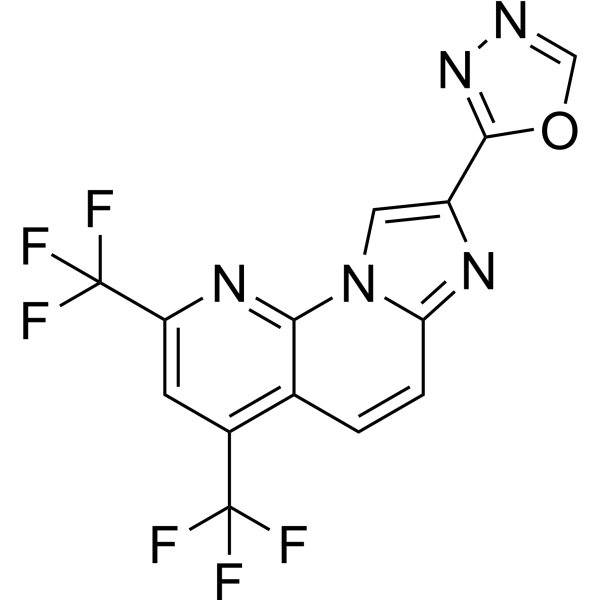
RO8191 (CDM-3008), an imidazonaphthyridine compound, is an orally active and potent interferon (IFN) receptor agonist. RO8191 directly binds to IFNα/β receptor 2 (IFNAR2) and activates IFN-stimulated genes (ISGs) expression and JAK/STAT phosphorylation. RO8191 shows antiviral activity against both HCV and EMCV with an IC50 of 200 nM for HCV replicon . RO8191 is a cccDNA modulator (CDM) through interferon-like activity and has anti-HBV activity .
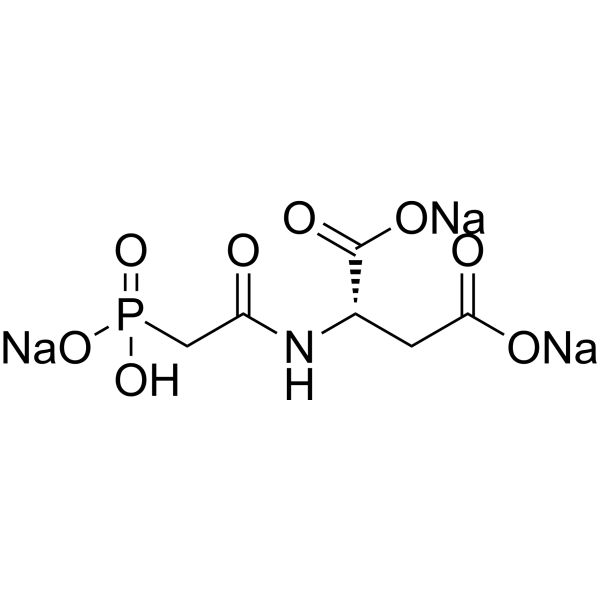
Sparfosic acid trisodium is a DNA antimetabolite agent and a potent inhibitor of aspartate transcarbamoyl transferase. Aspartate transcarbamoyl transferase catalyzes the second step of de novo pyrimidine biosynthesis. Sparfosic acid trisodium synergistically enhances the cytotoxicity of a combination of 5-fluorouracil (5-FU) and interferon-alpha (IFN) against human colon cancer cell lines .
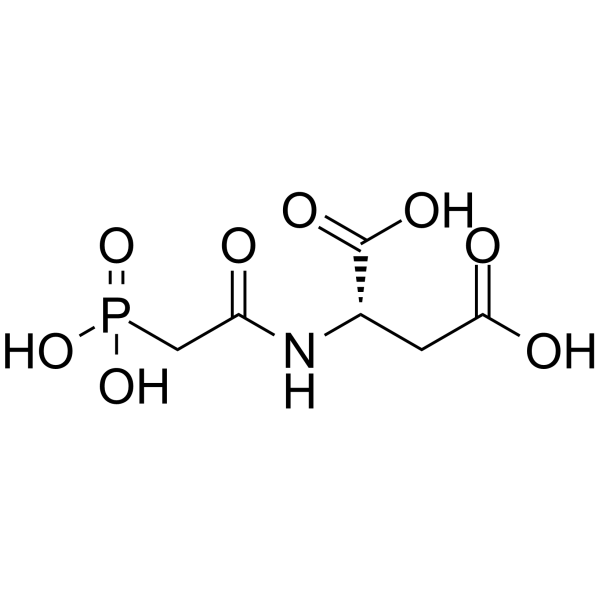
Sparfosic acid, a DNA antimetabolite agent, is a potent inhibitor of aspartate transcarbamoyl transferase, the enzyme catalyzing the second step of de novo pyrimidine biosynthesis. Sparfosic acid synergistically enhances the cytotoxicity of a combination of 5-fluorouracil (5-FU) and interferon-alpha (IFN) against human colon cancer cell lines .
Sifalimumab (MEDI-545) is an anti-IFNα monoclonal antibody. Sifalimumab suppresses the abnormal immune activity by binding to multiple interferon-alpha (IFNα) subtypes. Sifalimumab can be used in systemic lupus erythematosus (SLE) research .
CpG ODN 10101 (ODN 10101; CPG 10101) is a selective agonist targeting TLR9, a synthetic oligodeoxynucleotide modified with phosphate thioester. CpG ODN 10101 activates B cells and plasmacytoid dendritic cells (pDCs), inducing the production of cytokines and chemokines such as interferon-IFN-α, interferon-inducible protein IP-10, and 2'5'-oligoadenylate synthase (2'5'-OAS), regulating innate immunity and promoting Th1 adaptive immune responses. CpG ODN 10101 also possesses antiviral properties and enhances vaccine immunogenicity, making it suitable as an immunomodulator and vaccine adjuvant for vaccine development in chronic hepatitis C and infectious diseases such as melioidosis, pertussis, and respiratory syncytial virus (RSV) .
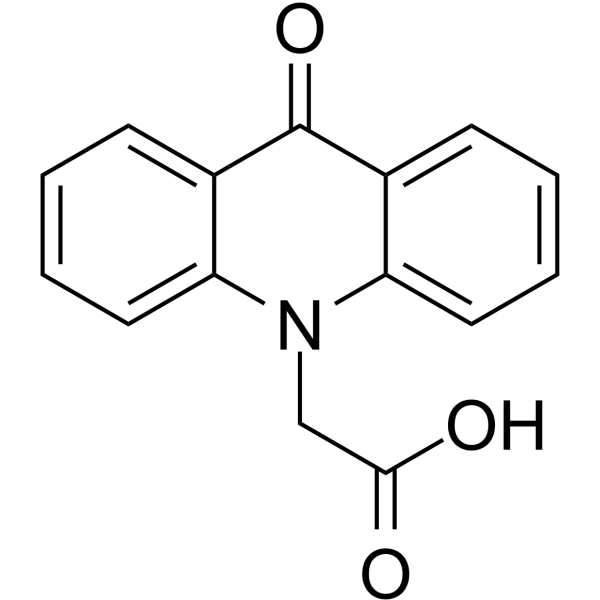
Cridanimod is a potent progesterone receptor (PR) activator mediated through induction of IFNα and IFNβ expression. Cridanimod is a small-molecule immunomodulator and interferon inducer .
SNX281 is a selective STING agonist, with IC50 values of 4.1, 4.5, 10.7, and 3.7 μM against human, mouse, rat, and monkey STING, respectively. SNX281 undergoes homodimerization at the STING binding site, triggering a conformational shift of STING from an inactive open state to an active closed state, thereby driving downstream STING-dependent signaling pathways. SNX281 induces type I interferons, IFN-β, TNF-α, IL-6, cytokine release, T cell responses, and long-lasting immune memory. SNX281 exhibits anti-tumor activity and is applicable to research related to colorectal cancer, melanoma, advanced solid tumors, lymphoma, and ovarian cancer .
STING agonist-45 is a selective STING agonist (EC50 = 0.28 μM). STING agonist-45 activates the innate immune response through the cGAS-STING pathway, upregulating key markers such as p-TBK1 and IRF3. STING agonist-45 exhibits robust STING activation in human peripheral blood mononuclear cells (PBMCs), inducing the production of type I interferons (such as IFN-β) and downstream cytokines (such as TNF-α and IL-6). STING agonist-45 enhances anti-tumor immunity, inhibits tumor growth, and increases CD8 + T cell infiltration in mouse models. STING agonist-45 is promising for the study of STING-related diseases .
Modakafusp alfa (TAK-573) is a humanized, anti-CD38IgG4 monoclonal antibody fused to 2 attenuated IFNα2b molecules, which delivers interferon-alpha to CD38-expressing cells. Modakafusp alfa has direct anti-proliferative activity on multiple myeloma (MM) cancer cells in vitro and induces robust and durable antitumor responses in MM xenograft tumor models. Modakafusp alfa in combination with anti-PD-1 antibodies induces immunomodulation and antitumor responses with good tolerance in mice .
STING-IN-15 is an orally active STING inhibitor, with an IC50 of 116 nM against h-STING and an IC50 of 96.3 nM against m-STING. STING-IN-15 inhibits the STING signaling pathway in cells, reduces the secretion of IFN-β and IP-10, downregulates the expression of ISG15, ISG56 and TNF-α, and suppresses the phosphorylation of TBK1/IRF3. STING-IN-15 alleviates systemic and renal inflammation induced by STING agonists in mice, reduces tissue damage and the expression of interferon pathway genes, and inhibits spontaneous tissue inflammation in mice. STING-IN-15 can be used for the research of acute kidney injury and autoimmune/inflammatory diseases .
GSK2245035 is a highly potent and selective intranasal Toll-Like receptor 7 (TLR7) agonist with preferential Type-1 interferon (IFN)-stimulating properties. GSK2245035 has pEC50s of 9.3 and 6.5 for IFNα and TFNα. GSK2245035 effectively suppresses allergen-induced Th2 cytokine production in human peripheral blood cell cultures. GSK2245035 is used for asthma .
Vidutolimod sodium is a CpG-A oligodeoxynucleotide. Vidutolimod sodium is a Toll-like receptor 9 (TLR9) agonist, which activates plasmacytoid dendritic cells (pDCs) and triggers interferonalpha (IFNα) release, leading to a cascade of anti-tumor immune effects.
MG-T-19 is an effective TIM-3 inhibitor that can suppress the interaction of TIM-3 with PtdSer, CEACAM1, and Gal-9. MG-T-19 can increase the production of tumor necrosis factor-α(TNF-α) and interferon-γ (IFN-γ) in peripheral blood mononuclear cells (PBMCs) from healthy donors, and enhance the ability of PBMCs to inhibit the proliferation of Kasumi-1 cells (an acute myelogenous leukemia cell line) .
CARM1-IN-6 is a potent CARM1 inhibitor that inhibits CARM1 enzymatic activity with an IC50 of 12.3 μM and a Kd of 0.6785 μM. CARM1-IN-6 suppresses oncogenic estrogen/ERα-target gene expression, activates type I interferon (IFN) and IFN-induced genes (ISGs), induces cell cycle arrest, and inhibits breast cancer cell proliferation both in vitro and in vivo. CARM1-IN-6 can be used for the research of breast cancer .
TriDAP dihydrochloride (L-Ala-γ-D-Glu-meso-diaminopimelic acid dihydrochloride) is a NOD1 agonist with a Kd value of 34.5 μM. TriDAP dihydrochloride enhances the binding of NOD1-RICK, promotes RICK phosphorylation, and activates the NF-κB, TAK1, MEK/ERK, p38 and interferon response pathways. TriDAP dihydrochloride downregulates Runx2 via increasing ubiquitination and reduces trabecular bone parameters. TriDAP dihydrochloride decreases IκBα levels and increases p65 levels. TriDAP dihydrochloride induces the secretion of proinflammatory mediators IL-8 and prostaglandins, triggers tissue inflammation and innate immune activation, and inhibits SARS-CoV-2 replication in lung epithelial cells. TriDAP dihydrochloride increases the RANKL/OPG ratio in mice, reduces bone mass and enhances osteoclast activity, and inhibits new bone formation by decreasing the mineralization deposition rate in mice. TriDAP dihydrochloride can be used in research related to pulpitis, chronic ulcerative colitis, Crohn's disease and SARS-CoV-2 infection .
Anti-Mouse IFNγR/CD119 Antibody (GR-20) is a rat-derived IgG2a κ type antibody inhibitor, targeting to mouse IFNγR/CD119.Anti-Mouse IFNγR/CD119 Antibody (GR-20) reacts with the mouse IFNγR (interferon gamma receptor) α chain also known as CD119 and IFNγ receptor 1. Anti-Mouse IFNγR/CD119 Antibody (GR-20) blocks the binding of IFNγ to CD119 therefore inhibiting IFNγ signaling. Anti-Mouse IFNγR/CD119 Antibody (GR-20) can be used for the researches of cancer, infection, inflammation and immunology, such as melanoma and C. trachomatis infected genital tract inflammation .
TDI-015051 is a highly selective, orally active antiviral agent that targets the coronavirus NSP14guanine-N7 methyltransferase. TDI-015051 binds to substrates in a non-competitive manner and forms a stable ternary complex, precisely blocking the capping and methylation processes of viral mRNA. TDI-015051 potently inhibits a variety of coronaviruses (including SARS-CoV-2 and MERS). By impairing viral replication and translation and inducing a moderate type I interferon-mediated immune response, it significantly reduces pulmonary viral load and exhibits a synergistic effect with Nirmatrelvir (HY-138687). In addition, TDI-015051 does not inhibit non-coronavirus methyltransferases, and the drug-resistant mutations it induces impair viral fitness, demonstrating excellent antiviral properties and safety. TDI-015051 can be used for research on COVID-19 and the replication mechanism of coronaviruses .The IC50 values of TDI-015051 against SARS-CoV-2, α-hCoV-NL63, α-hCoV-229E, β-hCoV-MERS are 0.15 nM, 1.7 nM, 2.6 nM and 3.6 nM, respectively, and the Ka value against SARS-CoV-2 is 0.061 nM .
TriDAP (L-Ala-γ-D-Glu-meso-diaminopimelic acid) is a NOD1 agonist with a Kd value of 34.5 μM. TriDAP enhances the binding of NOD1-RICK, promotes RICK phosphorylation, and activates the NF-κB, TAK1, MEK/ERK, p38 and interferon response pathways. TriDAP downregulates Runx2 via increasing ubiquitination and reduces trabecular bone parameters. TriDAP decreases IκBα levels and increases p65 levels. TriDAP induces the secretion of proinflammatory mediators IL-8 and prostaglandins, triggers tissue inflammation and innate immune activation, and inhibits SARS-CoV-2 replication in lung epithelial cells. TriDAP increases the RANKL/OPG ratio in mice, reduces bone mass and enhances osteoclast activity, and inhibits new bone formation by decreasing the mineralization deposition rate in mice. TriDAP can be used in research related to pulpitis, chronic ulcerative colitis, Crohn's disease and SARS-CoV-2 infection .
S-27609 is an imidazoquinoline with antiviral and antitumour properties. S-27609 can induce peripheral blood mononuclear cells to produce various cytokines such as interferon-α (IFN-α), tumor necrosis factor-α (TNF-α), and interleukin-1β (IL-1β). S-27609 is promising for research of viral infections (e.g., herpes virus) and tumors .
STING agonist-44 (Compound 4) is a potent and selective STING agonist with an EC50 value of 5.68 for IRF induction in THP1 cells and 2.212 μM in RAW cells. STING agonist-44 activates the STING pathway, inducing the production of type I interferons and pro-inflammatory cytokines (e.g., CXCL10, TNFα). STING agonist-44 is promising for research of cancers .
RTDLDSLRTYTL is an Alpha (v) beta (6) integrin (avb6) inhibitor with high affinity and specificity. RTDLDSLRTYTL binds to avb6 integrin, a peptide sequence that activates cytotoxicity and cytokine production in T cells, such as interferon-gamma. RTDLDSLRTYTL is designed through a chimeric T cell antigen receptor (CAR) so that T cells can be redirected to specifically recognize and attack tumor cells. RTDLDSLRTYTL can be used in the research of cancer immunotherapy and targeted drug development .
Human IFNAR2 mRNA encodes the human interferonalpha and beta receptor subunit 2 (IFNAR2) protein, a protein that belongs to the type II cytokine receptor family. IFNAR2 is a type I membrane protein that forms one of the two chains of a receptor for interferonsalpha and beta. Binding and activation of the receptor stimulates Janus protein kinases, which in turn phosphorylate several proteins, including STAT1 and STAT2.
Cridanimod is a potent progesterone receptor (PR) activator mediated through induction of IFNα and IFNβ expression. Cridanimod is a small-molecule immunomodulator and interferon inducer .
Human IFNAR1 mRNA encodes the human interferonalpha and beta receptor subunit 1 (IFNAR1) protein, a protein that belongs to the type II cytokine receptor family and functions as an antiviral factor.
QX006N is a humanized monoclonal antibody inhibitor targeting human interferonα/β receptor 1 (IFNAR1). QX006N is promising for research of systemic lupus erythematosus (SLE) and other IFNAR1-related autoimmune diseases .
GSK2245035 maleate is a highly potent and selective intranasal Toll-Like receptor 7 (TLR7) agonist with preferential Type-1 interferon (IFN)-stimulating properties. GSK2245035 maleate has pEC50s of 9.3 and 6.5 for IFNα and TFNα. GSK2245035 maleate effectively suppresses allergen-induced Th2 cytokine production in human peripheral blood cell cultures. GSK2245035 maleate is used for asthma .
Human TGFB1 mRNA encodes the human transforming growth factor beta 1 (TGFB1) protein, a secreted ligand of the TGF-beta superfamily. TGFB1 can regulate cell proliferation, differentiation and growth, and also play a role in modulating expression and activation of other growth factors including interferon gamma and tumor necrosis factor alpha.
Anti-Mouse IFNγRα/CD119 Antibody (2E2) is an Armenian hamster-derived IgG type antibody inhibitor, targeting to mouse IFNγRα/CD119. Anti-Mouse IFNγRα/CD119 Antibody (2E2) reacts with the mouse IFNγR (interferon gamma receptor) α chain also known as CD119 and IFNγ receptor 1. Anti-Mouse IFNγRα/CD119 Antibody (2E2) is a non-neutralizing antibody and does not block the binding of IFNγ to the receptor. Anti-Mouse IFNγRα/CD119 Antibody (2E2) can be used for detections of western blot, flow cytometry and immunoprecipitation .
Peginterferon alfa-2a is a PEG-modified interferon (IFN) alpha-2a. Peginterferon alfa-2a can be used for research of chronic hepatitis C virus (HCV) and hepatitis B virus (HBV) infection .
JNJ-55920839 (CNTO-6358) is a fully human immunoglobulin G1κ monoclonal antibody and a selective Interferonα/ω neutralizer, with a Kd value of 0.9-10.7 pM against hIFNα and a Kd of 1.44 pM against IFNω. JNJ-55920839 can be used in research related to systemic lupus erythematosus .
CDN-3 (Compound 10) is a cyclic dideoxy nucleotide derivative. CDN-3 can stimulate the production of IFN-β, activate the IRF-3 and NF-κB pathways, and induce the production of type I interferons as well as pro-inflammatory factors such as IL-6 and TNF-α. CDN-3 can inhibit cancer cells proliferation. CDN-3 can be used for research of colon cancer .
RTDLDSLRTYTL TFA is an Alpha (v) beta (6) integrin (avb6) inhibitor with high affinity and specificity. RTDLDSLRTYTL TFA binds to avb6 integrin, a peptide sequence that activates cytotoxicity and cytokine production in T cells, such as interferon-gamma. RTDLDSLRTYTL TFA is designed through a chimeric T cell antigen receptor (CAR) so that T cells can be redirected to specifically recognize and attack tumor cells. RTDLDSLRTYTL TFA can be used in the research of cancer immunotherapy and targeted drug development .
(E)-Hyzetimibe ((E)-HS-25) (Compound I-1Z) is the trans isomer of Hyzetimibe (HY-107176A), a cholesterol-lowering agent. (E)-Hyzetimibe has cholesterol acyltransferase (ACTA) inhibitory activity, but its cholesterol-lowering effect is relatively weak. (E)-Hyzetimibe can inhibit the entry of hepatitis C virus (HCV) into host cells, and it has a synergistic effect when used in combination with interferon-α. (E)-Hyzetimibe can be used for the study of HCV infection .
DBPR110 is a nonstructural protein 5A (NS5A) inhibitor with inhibitory activity against hepatitis C virus (HCV). DBPR110 exhibited a 50% effective concentration (EC50) of 3.9 ± 0.9 pM and a selectivity index value of over 12,800,000 by reducing HCV1b replicon reporter expression. DBPR110 also effectively reduced the activity of HCV2a replicon with an EC50 of 228.8 pM and a selectivity index value of over 173,130. DBPR110 showed synergy with interferonalpha (IFN-α), NS3 protease inhibitors, and NS5B polymerase inhibitors. The results of DBPR110 suggest that it may be an effective small molecule inhibitor against HCV NS5A .
Hepatitis C virus (HCV) is a hepatotropic enveloped positive- strand RNA virus (family Flaviviridae) that infects the parenchymal cells of the liver. HCV infection is a significant public health burden. Globally, an estimated 71 million people have chronic hepatitis C virus infection. A significant number of those who are chronically infected will develop cirrhosis or liver cancer. To date, there is no vaccine against HCV, and combination pegylated alphainterferon (pIFN-) and ribavirin, the main standard-of-care treatment for HCV, is effective in only a subset of patients and is associated with a wide spectrum of toxic side effects and complications. More recently, new therapeutic approaches that target essential components of the HCV life cycle have been developed, including direct-acting antiviral (DAA) that specifically block a viral enzyme or functional protein and host-targeted agents (HTA) that block interactions between host proteins and viral components that are essential to the viral life cycle. However, the genetic diversity of HCV viruses and the stage of liver disease (i.e., cirrhosis) are revealing themselves as obstacles for effective, pan-genotypic treatments. There still exists a need for the discovery and development of new HCV inhibitors. In particular, since the future of HCV therapy will likely consist of a cocktail approach using multiple inhibitors that target different steps of infection, new antivirals targeting all steps of the viral infection cycle.
MCE offers a unique collection of 391 compounds with identified and potential anti-HCV activity. MCE Anti- Hepatitis C Virus Compound Library is a useful tool for discovery new anti-HCV drugs and other anti-infection research.
TriDAP dihydrochloride (L-Ala-γ-D-Glu-meso-diaminopimelic acid dihydrochloride) is a NOD1 agonist with a Kd value of 34.5 μM. TriDAP dihydrochloride enhances the binding of NOD1-RICK, promotes RICK phosphorylation, and activates the NF-κB, TAK1, MEK/ERK, p38 and interferon response pathways. TriDAP dihydrochloride downregulates Runx2 via increasing ubiquitination and reduces trabecular bone parameters. TriDAP dihydrochloride decreases IκBα levels and increases p65 levels. TriDAP dihydrochloride induces the secretion of proinflammatory mediators IL-8 and prostaglandins, triggers tissue inflammation and innate immune activation, and inhibits SARS-CoV-2 replication in lung epithelial cells. TriDAP dihydrochloride increases the RANKL/OPG ratio in mice, reduces bone mass and enhances osteoclast activity, and inhibits new bone formation by decreasing the mineralization deposition rate in mice. TriDAP dihydrochloride can be used in research related to pulpitis, chronic ulcerative colitis, Crohn's disease and SARS-CoV-2 infection .
TriDAP (L-Ala-γ-D-Glu-meso-diaminopimelic acid) is a NOD1 agonist with a Kd value of 34.5 μM. TriDAP enhances the binding of NOD1-RICK, promotes RICK phosphorylation, and activates the NF-κB, TAK1, MEK/ERK, p38 and interferon response pathways. TriDAP downregulates Runx2 via increasing ubiquitination and reduces trabecular bone parameters. TriDAP decreases IκBα levels and increases p65 levels. TriDAP induces the secretion of proinflammatory mediators IL-8 and prostaglandins, triggers tissue inflammation and innate immune activation, and inhibits SARS-CoV-2 replication in lung epithelial cells. TriDAP increases the RANKL/OPG ratio in mice, reduces bone mass and enhances osteoclast activity, and inhibits new bone formation by decreasing the mineralization deposition rate in mice. TriDAP can be used in research related to pulpitis, chronic ulcerative colitis, Crohn's disease and SARS-CoV-2 infection .
RTDLDSLRTYTL is an Alpha (v) beta (6) integrin (avb6) inhibitor with high affinity and specificity. RTDLDSLRTYTL binds to avb6 integrin, a peptide sequence that activates cytotoxicity and cytokine production in T cells, such as interferon-gamma. RTDLDSLRTYTL is designed through a chimeric T cell antigen receptor (CAR) so that T cells can be redirected to specifically recognize and attack tumor cells. RTDLDSLRTYTL can be used in the research of cancer immunotherapy and targeted drug development .
RTDLDSLRTYTL TFA is an Alpha (v) beta (6) integrin (avb6) inhibitor with high affinity and specificity. RTDLDSLRTYTL TFA binds to avb6 integrin, a peptide sequence that activates cytotoxicity and cytokine production in T cells, such as interferon-gamma. RTDLDSLRTYTL TFA is designed through a chimeric T cell antigen receptor (CAR) so that T cells can be redirected to specifically recognize and attack tumor cells. RTDLDSLRTYTL TFA can be used in the research of cancer immunotherapy and targeted drug development .
MCE Blue Agarose 6FF can be used for the purification of biological macromolecules such as albumin, interferons, nucleotide-dependent enzymes (e.g., kinases, dehydrogenases), α2-macroglobulin, and coagulation factors.
Sifalimumab (MEDI-545) is an anti-IFNα monoclonal antibody. Sifalimumab suppresses the abnormal immune activity by binding to multiple interferon-alpha (IFNα) subtypes. Sifalimumab can be used in systemic lupus erythematosus (SLE) research .
Modakafusp alfa (TAK-573) is a humanized, anti-CD38IgG4 monoclonal antibody fused to 2 attenuated IFNα2b molecules, which delivers interferon-alpha to CD38-expressing cells. Modakafusp alfa has direct anti-proliferative activity on multiple myeloma (MM) cancer cells in vitro and induces robust and durable antitumor responses in MM xenograft tumor models. Modakafusp alfa in combination with anti-PD-1 antibodies induces immunomodulation and antitumor responses with good tolerance in mice .
Anti-Mouse IFNγR/CD119 Antibody (GR-20) is a rat-derived IgG2a κ type antibody inhibitor, targeting to mouse IFNγR/CD119.Anti-Mouse IFNγR/CD119 Antibody (GR-20) reacts with the mouse IFNγR (interferon gamma receptor) α chain also known as CD119 and IFNγ receptor 1. Anti-Mouse IFNγR/CD119 Antibody (GR-20) blocks the binding of IFNγ to CD119 therefore inhibiting IFNγ signaling. Anti-Mouse IFNγR/CD119 Antibody (GR-20) can be used for the researches of cancer, infection, inflammation and immunology, such as melanoma and C. trachomatis infected genital tract inflammation .
QX006N is a humanized monoclonal antibody inhibitor targeting human interferonα/β receptor 1 (IFNAR1). QX006N is promising for research of systemic lupus erythematosus (SLE) and other IFNAR1-related autoimmune diseases .
Anti-Mouse IFNγRα/CD119 Antibody (2E2) is an Armenian hamster-derived IgG type antibody inhibitor, targeting to mouse IFNγRα/CD119. Anti-Mouse IFNγRα/CD119 Antibody (2E2) reacts with the mouse IFNγR (interferon gamma receptor) α chain also known as CD119 and IFNγ receptor 1. Anti-Mouse IFNγRα/CD119 Antibody (2E2) is a non-neutralizing antibody and does not block the binding of IFNγ to the receptor. Anti-Mouse IFNγRα/CD119 Antibody (2E2) can be used for detections of western blot, flow cytometry and immunoprecipitation .
Peginterferon alfa-2a is a PEG-modified interferon (IFN) alpha-2a. Peginterferon alfa-2a can be used for research of chronic hepatitis C virus (HCV) and hepatitis B virus (HBV) infection .
JNJ-55920839 (CNTO-6358) is a fully human immunoglobulin G1κ monoclonal antibody and a selective Interferonα/ω neutralizer, with a Kd value of 0.9-10.7 pM against hIFNα and a Kd of 1.44 pM against IFNω. JNJ-55920839 can be used in research related to systemic lupus erythematosus .
IFN-alpha 17 (IFNA17) is an antivirus drug. Type I Interferons (INFαs and INF β) are proinflammatory cytokines that promote atherosclerosis. IFNα, a cytokine with multiple functions in innate and adaptive immunity and a potent inhibitor of HIV, exerts antiviral activity. IFN-alpha 17/IFNA17 Protein, Human (His) is the recombinant human-derived IFN-alpha 17/IFNA17 protein, expressed by E. coli , with N-6*His tag.
IFN-alpha 4 (IFNA4), belongs to type I interferon family, is produced by macrophages with antiviral activities. IFN-alpha 4/IFNA4 Protein, Human (HEK293, His) contains 166 a.a. (C24-D189), produced in HEK293 cells cells with a C-terminal His-tag.
IFN-alpha 4 (IFNA4), belongs to type I interferon family, is produced by macrophages with antiviral activities. IFN-alpha 4/IFNA4 Protein, Rat (HEK293, Fc) contains 166 a.a. (C24-K189), produced in HEK293 cells with a N-terminal hFc-tag.
IFN-alpha 14 (IFNA14), belongs to type I interferon family, is produced by macrophages with antiviral activities. IFN-alpha 14/IFNA14 Protein, Human (His-SUMO) contains 166 a.a. (C24-D189), produced in E. coli cells with a N-terminal His-SUMO tag.
IFN-alpha 5 (IFNA5), belongs to type I interferon family, is produced by macrophages with antiviral activities. IFN-alpha 5/IFNA5 Protein, Mouse (P.pastoris, His) contains 168 a.a. (C24-E189), produced in P. pastoris yeast cells with a C-terminal His-tag.
IFN-alpha 5 (IFNA5), belongs to type I interferon family, is produced by macrophages with antiviral activities. IFN-alpha 5/IFNA5 Protein, Mouse (HEK293, His) contains 166 a.a. (C24-E189), produced in HEK293 cells with a C-terminal His-tag.
IFN-alpha 5 (IFNA5), belongs to type I interferon family, is produced by macrophages with antiviral activities. IFN-alpha 5/IFNA5 Protein, Mouse (HEK293, Fc) contains 189 a.a. (M1-E189), produced in HEK293 cells with a C-terminal hFc-tag.
IFN-alpha 10 (IFNA10), belongs to type I interferon family, is produced by macrophages with antiviral activities. IFN-alpha 10/IFNA10 Protein, Human (HEK293, His) contains 189 a.a. (M1-D189), produced in HEK293 cells with a C-terminal His-tag.
IFN-alpha 10 (IFNA10), belongs to type I interferon family, is produced by macrophages with antiviral activities. IFN-alpha 10/IFNA10 Protein, Human (HEK293, Fc) contains 166 a.a. (C24-D189), produced in HEK293 cells with a N-terminal hFc-tag.
IFN-alpha 6 (IFNA6), belongs to type I interferon family, is produced by macrophages with antiviral activities. IFN-alpha 6/IFNA6 Protein, Human (His-Myc) contains 169 a.a. (S21-E189), produced in E. coli cells with a N-terminal His-tag and a C-terminal Myc-tag.
IFN-alpha 6 (IFNA6), belongs to type I interferon family, is produced by macrophages with antiviral activities. IFN-alpha 6/IFNA6 Protein, Human (HEK293, His) contains 169 a.a. (S21-E189), produced in HEK293 cells with a C-terminal His-tag.
IFN-alpha 14 (IFNA14), belongs to type I interferon family, is produced by macrophages with antiviral activities. IFN-alpha 14/IFNA14 Protein, Mouse (HEK293, His) contains 166 a.a. (C24-K189), produced in HEK293 cells with a C-terminal His-tag.
IFN-alpha 14 (IFNA14), belongs to type I interferon family, is produced by macrophages with antiviral activities. IFN-alpha 14/IFNA14 Protein, Mouse (HEK293, Fc) contains 166 a.a. (C24-K189), produced in HEK293 cells with a N-terminal hFc-tag.
IFN-alpha 4 (IFNA4), belongs to type I interferon family, is produced by macrophages with antiviral activities. IFN-alpha 4/IFNA4 Protein, Human (HEK293, Fc) contains 166 a.a. (C24-D189), produced in HEK293 cells with a N-terminal hFc-tag.
IFN-alpha 4 (IFNA4), belongs to type I interferon family, is produced by macrophages with antiviral activities. IFN-alpha 4/IFNA4 Protein, Human (sf9, His) contains 189 a.a. (M1-D189), produced in Sf9 insect cells cells with a C-terminal His-tag.
IFN-alpha 14 (IFNA14), belongs to type I interferon family, is produced by macrophages with antiviral activities. IFN-alpha 14/IFNA14 Protein, Rhesus Macaque (P.pastoris, His) contains 166 a.a. (C24-D189), produced in P.pastoris yeast cells with a C-terminal His-tag.
IFN-alpha 5 (IFNA5), belongs to type I interferon family, is produced by macrophages with antiviral activities. IFN-alpha 5/IFNA5 Protein, Human (HEK293, Fc) contains 168 a.a. (L22-E189), produced in HEK293 cells cells with a N-terminal hFc-tag.
IFN-alpha 5 (IFNA5), belongs to type I interferon family, is produced by macrophages with antiviral activities. IFN-alpha 5/IFNA5 Protein, Human (P.pastoris, His) contains 168 a.a. (L22-E189), produced in P. pastoris yeast cells with a C-terminal His-tag.
IFN-alpha 1a/IFNA1 Protein, produced by macrophages, demonstrates robust antiviral activities. It stimulates essential enzymes—a protein kinase and an oligoadenylate synthetase—contributing to the intricate molecular response that fortifies the host's immune defenses against viral threats. Animal-Free IFN-alpha 1/IFNA13 Protein, Human (His) is the recombinant human-derived animal-FreeIFN-alpha 1a/IFNA1 protein, expressed by E. coli , with N-His labeled tag. This product is for cell culture use only.
IFN alpha 1a Protein, synthesized by macrophages, exhibits robust antiviral activities by stimulating key enzymes—a protein kinase and an oligoadenylate synthetase. This orchestrated molecular response enhances the host's immune defenses against viral threats. IFN-alpha 1/IFNA1 Protein, Mouse (HEK293, hFc) is the recombinant mouse-derived IFN-alpha 1/IFNA1 protein, expressed by HEK293 , with C-hFc labeled tag.
IFN-alpha 7 (IFNA7), belongs to type I interferon family, is produced by macrophages with antiviral activities. IFN-alpha 7/IFNA7 Protein, Human (P.pastoris, His) contains 166 a.a. (C24-D189), produced in P.pastoris yeast cells with a C-terminal His-tag.
IFN-alpha 7 (IFNA7), belongs to type I interferon family, is produced by macrophages with antiviral activities. IFN-alpha 7/IFNA7 Protein, Human (HEK293, Fc) contains 166 a.a. (C24-D189), produced in HEK293 cells with a N-terminal hFc-tag.
IFN-alpha B/IFNA8 Protein, synthesized by macrophages, displays potent antiviral activities. It stimulates the production of essential enzymes—a protein kinase and an oligoadenylate synthetase—that are pivotal in cellular defense against viral infections. IFN-alpha B/IFNA8 Protein, Human (HEK293) is the recombinant human-derived IFN-alpha B/IFNA8 protein, expressed by HEK293, with tag free and additional two amino acids (Gly & Pro) at the N-terminus.
IFN-alpha B/IFNA8 Protein, synthesized by macrophages, displays potent antiviral activities. It stimulates the production of essential enzymes—a protein kinase and an oligoadenylate synthetase—that are pivotal in cellular defense against viral infections. IFN-alpha B/IFNA8 Protein, Human (HEK293, His) is the recombinant human-derived IFN-alpha B/IFNA8 protein, expressed by HEK293 , with C-His labeled tag.
IFN-alpha 2 (IFNA2), belongs to type I interferon family, is a protein secreted by cells infected by a virus and acting on other cells to inhibit viral infection. IFN-alpha 2 increases the frequencies of cytotoxic CD8+ T cells and induces CD4+ T cell depletion. IFN-alpha 2/IFNA2 Protein, Rhesus Macaque (P.pastoris) contains 165 a.a. (C24-E188), is produced in yeast strain P. pastoris with tag free.
IFN-alpha B/IFNA8 protein is a member of the alpha/beta interferon family. IFN-alpha B/IFNA8 Protein, Cynomolgus (HEK293, mFc) is the recombinant cynomolgus-derived IFN-alpha B/IFNA8, expressed by HEK293, with C-mFc labeled tag.
IFN-alpha 2 (IFNA2), belongs to type I interferon family, is a protein secreted by cells infected by a virus and acting on other cells to inhibit viral infection. IFN-alpha 2 increases the frequencies of cytotoxic CD8+ T cells and induces CD4+ T cell depletion. IFN-alpha 2/IFNA2 Protein, Rhesus Macaque (HEK293, His) contains 188 a.a. (M1-E188), is produced in HEK293 cells with a C-terminal His-tag.
IFN-alpha 2 (IFNA2), belongs to type I interferon family, is a protein secreted by cells infected by a virus and acting on other cells to inhibit viral infection. IFN-alpha 2 increases the frequencies of cytotoxic CD8+ T cells and induces CD4+ T cell depletion. IFN-alpha 2/IFNA2 Protein, Rhesus Macaque (HEK293, Fc) is produced in HEK293 cells with a C-terminal mFc-tag.
IFN-alpha B/IFNA8 protein is a member of the alpha/beta interferon family. IFN-alpha B/IFNA8 Protein, Cynomolgus (HEK293, mFc, solution) is the recombinant cynomolgus-derived IFN-alpha B/IFNA8 protein, expressed by HEK293 , with C-mFc labeled tag.
IFN-alpha 1 (IFNA1), belongs to type I interferon family, is produced by macrophages with antiviral activities. IFN-alpha 1 involves in the activation of JAK1 and TYK2 pathway, exerts function by inhibiting viral replication as well as modulating immune response. IFN-alpha 1/IFNA13 Protein, Human (HEK293, His) is produced in HEK293 cells with a C-Terminal His-tag.
IFN-alpha/beta R2, one of the subunit of IFN-α/β receptor, is a type I IFN receptor. IFN-alpha/beta R2 forms the heterodimeric receptor with IFNAR1, and binds to type I IFNs. IFN-alpha/beta R2 also interacts with JAK1 and leads to tyrosine phosphorylation of the IFNARs and STAT proteins. Upon activation by these IFNs, IFNAR1 and IFN-alpha/beta R2 undergo a conformational change to promote a cascade of downstream signaling events, including the phosphorylation of Tyk2 and JAK1, STAT1 and STAT2. IFN-alpha/beta R2 Protein, Human (HEK293, His) is a recombinant human IFN-alpha/beta R2 (I27-K243) with C-terminal 6*His tag, which is produced in HEK293 cells.
IFN-alpha/beta R2, one of the subunit of IFN-α/β receptor, is a type I IFN receptor. IFN-alpha/beta R2 forms the heterodimeric receptor with IFNAR1, and binds to type I IFNs. IFN-alpha/beta R2 also interacts with JAK1 and leads to tyrosine phosphorylation of the IFNARs and STAT proteins. Upon activation by these IFNs, IFNAR1 and IFN-alpha/beta R2 undergo a conformational change to promote a cascade of downstream signaling events, including the phosphorylation of Tyk2 and JAK1, STAT1 and STAT2. IFN-alpha/beta R2 Protein, Human (HEK293, hFc) is a recombinant human IFN-alpha/beta R2 (I27-K243) with C-terminal hFc tag, which is produced in HEK293 cells.
IFN-alpha/beta R2, one of the subunit of IFN-α/β receptor, is a type I IFN receptor. IFN-alpha/beta R2 forms the heterodimeric receptor with IFNAR1, and binds to type I IFNs. IFN-alpha/beta R2 also interacts with JAK1 and leads to tyrosine phosphorylation of the IFNARs and STAT proteins. Upon activation by these IFNs, IFNAR1 and IFN-alpha/beta R2 undergo a conformational change to promote a cascade of downstream signaling events, including the phosphorylation of Tyk2 and JAK1, STAT1 and STAT2. IFN-alpha/beta R2 Protein, Cynomolgus (HEK293, His) is a recombinant biotinylated cynomolgus IFN-alpha/beta R2 (M1-K243) with C-terminal His tag, which is produced in HEK293 cells.
IFN-alpha 2/IFNA2 Protein, synthesized by macrophages, exhibits potent antiviral activities. Its interaction with IFNAR2 plays a pivotal role in signaling processes, contributing to the intricate network of antiviral defense mechanisms. IFN-alpha 2/IFNA2 Protein, Mouse is the recombinant mouse-derived IFN-alpha 2/IFNA2 protein, expressed by E. coli, with tag free.
IFN-α/β R2 protein forms a heterodimer with IFNAR1 and acts as a receptor for type I interferons. After interferon binding, the receptor subunit activates JAK, leading to the phosphorylation of STAT transcription factors. IFN-alpha/beta R2 Protein, Human (HEK293, His, solution) is the recombinant human-derived IFN-alpha/beta R2 protein, expressed by HEK293 , with C-His labeled tag.
IFN-alpha/beta R2, one of the subunit of IFN-α/β receptor, is a type I IFN receptor. IFN-alpha/beta R2 forms the heterodimeric receptor with IFNAR1, and binds to type I IFNs. IFN-alpha/beta R2 also interacts with JAK1 and leads to tyrosine phosphorylation of the IFNARs and STAT proteins. Upon activation by these IFNs, IFNAR1 and IFN-alpha/beta R2 undergo a conformational change to promote a cascade of downstream signaling events, including the phosphorylation of Tyk2 and JAK1, STAT1 and STAT2. IFN-alpha/beta R2 Protein, Human (Biotinylated, HEK293, His) is a recombinant biotinylated human IFN-alpha/beta R2 (I27-K243) with C-terminal His tag, which is produced in HEK293 cells.
IFN-alpha 2/IFNA2 Protein, synthesized by macrophages, exhibits potent antiviral activities. Its interaction with IFNAR2 plays a pivotal role in signaling processes, contributing to the intricate network of antiviral defense mechanisms. IFN-alpha 2/IFNA2 Protein, Mouse (His) is the recombinant mouse-derived IFN-alpha 2/IFNA2 protein, expressed by E. coli , with N-6*His labeled tag.
IFN-alpha 4 (IFNA4), belongs to type I interferon family, is produced by macrophages with antiviral activities. IFN-alpha 4/IFNA4 Protein, Mouse (HEK293, His) contains 162 a.a. (C25-E186), produced in HEK293 cells with a C-terminal His-tag.
IFN-alpha 4 (IFNA4), belongs to type I interferon family, is produced by macrophages with antiviral activities. IFN-alpha 4/IFNA4 Protein, Cynomolgus (HEK293, Fc), produced in HEK293 cells with a C-terminal mFc-tag.
IFN-omega protein is a member of the alpha/beta interferon family. IFN-omega 1 Protein, Human (HEK293, His) is the recombinant human-derived IFN-omega protein, expressed by HEK293 , with C-His labeled tag.
IFN-omega protein is a member of the alpha/beta interferon family. IFN-omega 1 Protein, Human (HEK293, Fc) is the recombinant human-derived IFN-omega protein, expressed by HEK293 , with N-hFc labeled tag.
IFN-alpha 13 (IFNA13), belongs to type I interferon family, is produced by macrophages with antiviral activities. IFN-alpha 13/IFNA13 Protein, Cynomolgus (HEK293, His) contains 166 a.a. (C25-E190), produced in HEK293 cells with a C-terminal His-tag.
IFN-alpha 13 (IFNA13), belongs to type I interferon family, is produced by macrophages with antiviral activities. IFN-alpha 13/IFNA13 Protein, Mouse (HEK293, His) contains 189 a.a. (M1-E189), produced in HEK293 cells with a C-terminal His-tag.
IFN-alpha 13 (IFNA13), belongs to type I interferon family, is produced by macrophages with antiviral activities. IFN-alpha 13/IFNA13 Protein, Cynomolgus (HEK293, Fc) contains 166 a.a. (C25-E190), produced in HEK293 cells with a C-terminal hFc-tag.
IFN-alpha 13 (IFNA13), belongs to type I interferon family, is produced by macrophages with antiviral activities. IFN-alpha 13/IFNA13 Protein, Mouse (HEK293, Fc) contains 166 a.a. (C24-E189), produced in HEK293 cells with a N-terminal hFc-tag.
IFN-alpha 13 (IFNA13), belongs to type I interferon family, is produced by macrophages with antiviral activities. IFN-alpha 13/IFNA13 Protein, Mouse (P.pastoris, His) contains 166 a.a. (C24-E189), produced in P.pastoris yeast cells with a C-terminal His-tag.
B18R protein functions as a potent antagonist against the antiviral effects of host IFN-alpha/beta and key IFN-inducible proteins, such as OAS1 involved in viral RNA degradation. It acts as a soluble IFN-alpha receptor, effectively impeding the interaction between host IFN-alpha and its receptor. The protein's ability to interact with host IFNA1 underscores its role in modulating the host's immune response against viral infections. B18R Protein, Vaccinia virus (HEK293, His) is the recombinant Virus-derived B18R protein, expressed by HEK293 , with C-6*His labeled tag.
IFN alpha 1a Protein, synthesized by macrophages, exhibits robust antiviral activities by stimulating key enzymes—a protein kinase and an oligoadenylate synthetase. This orchestrated molecular response enhances the host's immune defenses against viral threats. Animal-Free IFN alpha 1/IFNA1 Protein, Mouse (His) is the recombinant mouse-derived animal-FreeIFN alpha 1a protein, expressed by E. coli , with N-His labeled tag.This product is for cell culture use only.
IFN alpha 1a Protein, synthesized by macrophages, exhibits robust antiviral activities by stimulating key enzymes—a protein kinase and an oligoadenylate synthetase. This orchestrated molecular response enhances the host's immune defenses against viral threats. IFN alpha 1/IFNA1 Protein, Mouse (HEK293, His) is the recombinant mouse-derived IFN alpha 1/IFNA1 protein, expressed by HEK293, with C-His labeled tag.
IFN-alpha 1/13 (IFNA1), belongs to type I interferon family, is produced by macrophages with antiviral activities. IFN-alpha 1 involves in the activation of JAK1 and TYK2 pathway, exerts function by inhibiting viral replication as well as modulating immune response. IFN-alpha 1b/IFNA13 Protein, Human contains 166 a.a. (C24-D189, A137V), produced in E. coli cells with tag free.
IFN-alpha 2 (IFNA2), belongs to type I interferon family, is a protein secreted by cells infected by a virus and acting on other cells to inhibit viral infection. IFN-alpha 2 increases the frequencies of cytotoxic CD8+ T cells and induces CD4+ T cell depletion. IFN-alpha 2/IFNA2 Protein, Mouse (P.pastoris) contains 167 a.a. (C24-E190), is produced in yeast strain P. pastoris with tag free.
IFN-alpha 2a, Human, a cytokine primarily produced by macrophages, displays robust antiviral activities. Its interaction with IFNAR2 is pivotal in mediating essential signaling pathways, contributing to intricate defense mechanisms against viral infections. IFN-alpha 2b/IFNA2 Protein, Human (HEK293, Fc) is the recombinant human-derived IFN-alpha 2b/IFNA2 protein, expressed by HEK293 , with C-hFc labeled tag.
IFN-omega 1 protein is a member of the alpha/beta interferon family. IFN-omega 1 Protein, Bovine (His-SUMO) is the recombinant bovine-derived IFN-omega 1 protein, expressed by E. coli , with N-6*His, N-SUMO labeled tag.
IFN-alpha 2 (IFNA2), belongs to type I interferon family, is a protein secreted by cells infected by a virus and acting on other cells to inhibit viral infection. IFN-alpha 2 increases the frequencies of cytotoxic CD8+ T cells and induces CD4+ T cell depletion. IFN-alpha 2b/IFNA2 Protein, Human (P.pastoris) contains 165 a.a., is produced in yeast strain P. pastoris with tag free.
IFN-alpha 2 (IFNA2), belongs to type I interferon family, is a protein secreted by cells infected by a virus and acting on other cells to inhibit viral infection. IFN-alpha 2 increases the frequencies of cytotoxic CD8+ T cells and induces CD4+ T cell depletion. IFN-alpha 2/IFNA2 Protein, Mouse (HEK293, Fc) contains 167 a.a. (C24-E190), is produced in HEK293 cells with a N-terminal hFc-tag.
IFN-alpha 13 (IFNA1), belongs to type I interferon family, is produced by macrophages with antiviral activities. IFN-alpha 1 involves in the activation of JAK1 and TYK2 pathway, exerts function by inhibiting viral replication as well as modulating immune response. IFN-alpha 1/IFNA13 Protein, Human (P.pastoris, His) is produced in P.pastoris yeast cells with a C-Terminal His tag.
IFNAR1, one of the subunit of IFN-α/β receptor, is a type I IFN receptor. IFNAR1 forms the heterodimeric receptor with IFNAR2. IFNAR1 mediates IFN-induced STAT signaling by interacting with tyrosine kinase 2 (Tyk2). Upon activation by these IFNs, IFNAR1 and IFNAR2 undergo a conformational change to promote a cascade of downstream signaling events, including the phosphorylation of Tyk2 and JAK1, STAT1 and STAT2. IFNAR1 Protein, Rhesus Macaque (HEK293) is a recombinant rhesus macaque IFNAR1 (M1-K437) without any tag, which is produced in HEK293 cells.
IFNAR1, one of the subunit of IFN-α/β receptor, is a type I IFN receptor. IFNAR1 forms the heterodimeric receptor with IFNAR2. IFNAR1 mediates IFN-induced STAT signaling by interacting with tyrosine kinase 2 (Tyk2). Upon activation by these IFNs, IFNAR1 and IFNAR2 undergo a conformational change to promote a cascade of downstream signaling events, including the phosphorylation of Tyk2 and JAK1, STAT1 and STAT2. IFNAR1 Protein, Rhesus Macaque (HEK293, Fc) is a recombinant rhesus macaque IFNAR1 (M1-K437) with a C-terminal hFc tag, which is produced in HEK293 cells.
The IFI27L2A protein critically regulates interferon-induced transcriptional activity, specifically NR4A1, NR4A2, and NR4A3. Its interaction with XPO1 enhances the nuclear export of these receptors, with potential vascular effects on the injury response. IFI27L2A Protein, Mouse (Cell-Free, His) is the recombinant mouse-derived IFI27L2A protein, expressed by E. coli Cell-free , with N-10*His labeled tag.
IFNAR1, one of the subunit of IFN-α/β receptor, is a type I IFN receptor. IFNAR1 forms the heterodimeric receptor with IFNAR2. IFNAR1 mediates IFN-induced STAT signaling by interacting with tyrosine kinase 2 (Tyk2). Upon activation by these IFNs, IFNAR1 and IFNAR2 undergo a conformational change to promote a cascade of downstream signaling events, including the phosphorylation of Tyk2 and JAK1, STAT1 and STAT2. IFNAR1 Protein, Mouse (HEK293, His) is a recombinant mouse IFNAR1 (M1-T429) with C-terminal His tag, which is produced in HEK293 cells.
IFNAR1, one of the subunit of IFN-α/β receptor, is a type I IFN receptor. IFNAR1 forms the heterodimeric receptor with IFNAR2. IFNAR1 mediates IFN-induced STAT signaling by interacting with tyrosine kinase 2 (Tyk2). Upon activation by these IFNs, IFNAR1 and IFNAR2 undergo a conformational change to promote a cascade of downstream signaling events, including the phosphorylation of Tyk2 and JAK1, STAT1 and STAT2. IFNAR1 Protein, Human (HEK293, Fc) is a recombinant human IFNAR1 (K28-K436) with C-terminal hFc tag, which is produced in HEK293 cells.
The EIF2AK2 protein is an interferon-inducing kinase that initiates the innate immune response against viral infection. It phosphorylates eIF-2-α, activating the integrated stress response, inhibiting overall protein synthesis and favoring ISR-specific mRNAs such as ATF4. EIF2AK2 Protein, Human (Active, sf9, GST) is the recombinant human-derived EIF2AK2 protein, expressed by Sf9 insect cells, with N-GST labeled tag.
IFNAR1, one of the subunit of IFN-α/β receptor, is a type I IFN receptor. IFNAR1 forms the heterodimeric receptor with IFNAR2. IFNAR1 mediates IFN-induced STAT signaling by interacting with tyrosine kinase 2 (Tyk2). Upon activation by these IFNs, IFNAR1 and IFNAR2 undergo a conformational change to promote a cascade of downstream signaling events, including the phosphorylation of Tyk2 and JAK1, STAT1 and STAT2. IFNAR1 Protein, Human (HEK293, His) is a recombinant human IFNAR1 (K28-K436) with C-terminal 6*His tag, which is produced in HEK293 cells.
IFNAR1, one of the subunit of IFN-α/β receptor, is a type I IFN receptor. IFNAR1 forms the heterodimeric receptor with IFNAR2. IFNAR1 mediates IFN-induced STAT signaling by interacting with tyrosine kinase 2 (Tyk2). Upon activation by these IFNs, IFNAR1 and IFNAR2 undergo a conformational change to promote a cascade of downstream signaling events, including the phosphorylation of Tyk2 and JAK1, STAT1 and STAT2. IFNAR1 Protein, Cynomolgus (HEK293, His) is a recombinant Cynomolgus IFNAR1 (A25-K437) with C-terminal 6*His tag, which is produced in HEK293 cells.
IFN-gamma R1 (CD119), one of the subunit of IFN-gamma receptor, is a receptor for IFN-gamma. IFN-gamma R1 forms the functional receptor with IFN-gamma R2. Upon binding with IFN-gamma, IFN-gamma R1 and IFN-gamma R2 oligomerize and transphosphorylate. Then, JAK1 and JAK2 are phosphorylated and activated, and STAT1 is recruited to the receptor complex. Phosphorylated STAT1 translocates to the nucleus, where it regulates the expression of IFN-responsive genes (e.g. CD54). IFN-gamma R1/CD119 Protein, Mouse (HEK293, His) is a recombinant mouse IFN-gamma R1 with C-terminal 6*His tag, which is produced in HEK293 cells.
IFN-gamma R1 (CD119), one of the subunit of IFN-gamma receptor, is a receptor for IFN-gamma. IFN-gamma R1 forms the functional receptor with IFN-gamma R2. Upon binding with IFN-gamma, IFN-gamma R1 and IFN-gamma R2 oligomerize and transphosphorylate. Then, JAK1 and JAK2 are phosphorylated and activated, and STAT1 is recruited to the receptor complex. Phosphorylated STAT1 translocates to the nucleus, where it regulates the expression of IFN-responsive genes (e.g. CD54). IFN-gamma R1/CD119 Protein, Rat (HEK293, Fc) is a recombinant mouse IFN-gamma R1 (M1-S241) with C-terminal hFc tag, which is produced in HEK293 cells.
IFN-gamma R1 (CD119), one of the subunit of IFN-gamma receptor, is a receptor for IFN-gamma. IFN-gamma R1 forms the functional receptor with IFN-gamma R2. Upon binding with IFN-gamma, IFN-gamma R1 and IFN-gamma R2 oligomerize and transphosphorylate. Then, JAK1 and JAK2 are phosphorylated and activated, and STAT1 is recruited to the receptor complex. Phosphorylated STAT1 translocates to the nucleus, where it regulates the expression of IFN-responsive genes (e.g. CD54). IFN-gamma R1/CD119 Protein, Human (228a.a, HEK293, His) is a recombinant human IFN-gamma R1 (E18-G245) with C-terminal 6*His tag, which is produced in HEK293 cells.
IFN-gamma R1 (CD119), one of the subunit of IFN-gamma receptor, is a receptor for IFN-gamma. IFN-gamma R1 forms the functional receptor with IFN-gamma R2. Upon binding with IFN-gamma,IFN-gamma R1 and IFN-gamma R2 oligomerize and transphosphorylate. Then, JAK1 and JAK2 are phosphorylated and activated, and STAT1 is recruited to the receptor complex. Phosphorylated STAT1 translocates to the nucleus, where it regulates the expression of IFN-responsive genes (e.g. CD54). IFN-gamma R1/CD119 Protein, Human (HEK293, His, solution) is a recombinant human IFN-gamma R1 (E18-G245) with C-terminal 6*His tag, which is produced in HEK293 cells.
IFN-γ R1/CD119 is an important receptor subunit of interferon γ/INFG that activates effector immune cells and enhances antigen presentation, contributing to antibacterial, antiviral, and antitumor responses. It cooperates with IFNGR2 to form a functional receptor. IFN-gamma R1/CD119 Protein, Human (HEK293, His-Flag) is the recombinant human-derived IFN-gamma R1/CD119 protein, expressed by HEK293 , with C-6*His, C-Flag labeled tag.
The CXCL11 protein selectively attracts interleukin-activated T cells and induces calcium release in these cells. Its binding to CXCR3 suggests a complex role in T cell chemotaxis and may be important in CNS diseases involving T cell recruitment. I-TAC/CXCL11 Protein, Mouse is the recombinant mouse-derived CXCL11 protein, expressed by E. coli , with tag free.
The CXCL11 protein selectively attracts interleukin-activated T cells and induces calcium release in these cells. Its binding to CXCR3 suggests a complex role in T cell chemotaxis and may be important in CNS diseases involving T cell recruitment. Animal-Free I-TAC/CXCL11 Protein, Mouse (His) is the recombinant mouse-derived animal-FreeI-TAC/CXCL11 protein, expressed by E. coli , with N-His labeled tag. This product is for cell culture use only.
Interferon alpha/beta receptor 1 Antibody (YA3833) is a Mouse-derived and non-conjugated IgG1 monoclonal antibody, targeting to Interferon alpha/beta receptor 1.
IFNAR1; IFNAR; interferonalpha/beta receptor 1; IFN-R-1; IFN-alpha/beta receptor 1; Cytokine receptor class-II member 1; Cytokine receptor family 2 member 1; CRF2-1; Type I interferon receptor 1
WB, IP
Human
Interferon alpha/beta Receptor 1 Antibody (YA3112) is a Rabbit-derived and non-conjugated IgG monoclonal antibody, targeting to Interferon alpha/beta Receptor 1.
IFNAR1; IFNAR; interferonalpha/beta receptor 1; IFN-R-1; IFN-alpha/beta receptor 1; Cytokine receptor class-II member 1; Cytokine receptor family 2 member 1; CRF2-1; Type I interferon receptor 1
WB, IP
Human
Interferon alpha/beta Receptor 1 Antibody (YA3112) is a Rabbit-derived and non-conjugated IgG monoclonal antibody, targeting to Interferon alpha/beta Receptor 1.
CpG ODN 10101 (ODN 10101; CPG 10101) is a selective agonist targeting TLR9, a synthetic oligodeoxynucleotide modified with phosphate thioester. CpG ODN 10101 activates B cells and plasmacytoid dendritic cells (pDCs), inducing the production of cytokines and chemokines such as interferon-IFN-α, interferon-inducible protein IP-10, and 2'5'-oligoadenylate synthase (2'5'-OAS), regulating innate immunity and promoting Th1 adaptive immune responses. CpG ODN 10101 also possesses antiviral properties and enhances vaccine immunogenicity, making it suitable as an immunomodulator and vaccine adjuvant for vaccine development in chronic hepatitis C and infectious diseases such as melioidosis, pertussis, and respiratory syncytial virus (RSV) .
Vidutolimod sodium is a CpG-A oligodeoxynucleotide. Vidutolimod sodium is a Toll-like receptor 9 (TLR9) agonist, which activates plasmacytoid dendritic cells (pDCs) and triggers interferonalpha (IFNα) release, leading to a cascade of anti-tumor immune effects.
Human IFNAR2 mRNA encodes the human interferonalpha and beta receptor subunit 2 (IFNAR2) protein, a protein that belongs to the type II cytokine receptor family. IFNAR2 is a type I membrane protein that forms one of the two chains of a receptor for interferonsalpha and beta. Binding and activation of the receptor stimulates Janus protein kinases, which in turn phosphorylate several proteins, including STAT1 and STAT2.
Human IFNAR1 mRNA encodes the human interferonalpha and beta receptor subunit 1 (IFNAR1) protein, a protein that belongs to the type II cytokine receptor family and functions as an antiviral factor.
Human TGFB1 mRNA encodes the human transforming growth factor beta 1 (TGFB1) protein, a secreted ligand of the TGF-beta superfamily. TGFB1 can regulate cell proliferation, differentiation and growth, and also play a role in modulating expression and activation of other growth factors including interferon gamma and tumor necrosis factor alpha.
Inquiry Online
Your information is safe with us. * Required Fields.
Western blot analysis of extracts from THP-1(lane 2(20μg), Jurkat (lane 3(20μg) and NIH3T3(lane 4(20μg) using FOXO1A (HY-P80132) Rabbit mAb. Proteins were transferred
to a PVDF membrane and blocked with 5% non-fat milk in TBST for 2 hour at room temperature. The primary antibody (1/1000) and Loading control antibody (Beta Actin, HY-P80438, 1/10000) was
used in 5% non-fat milk in TBST at 4°C overnight. Goat Anti-Mouse/Rabbit IgG-HRP Secondary Antibody (1/10000) was used for 1 hour at room temperature.
Western blot analysis of extracts from THP-1(lane 2(20μg), Jurkat (lane 3(20μg) and NIH3T3(lane 4(20μg) using FOXO1A (HY-P80132) Rabbit mAb. Proteins were transferred
to a PVDF membrane and blocked with 5% non-fat milk in TBST for 2 hour at room temperature. The primary antibody (1/1000) and Loading control antibody (Beta Actin, HY-P80438, 1/10000) was
used in 5% non-fat milk in TBST at 4°C overnight. Goat Anti-Mouse/Rabbit IgG-HRP Secondary Antibody (1/10000) was used for 1 hour at room temperature.
Western blot analysis of extracts from THP-1(lane 2(20μg), Jurkat (lane 3(20μg) and NIH3T3(lane 4(20μg) using FOXO1A (HY-P80132) Rabbit mAb. Proteins were transferred
to a PVDF membrane and blocked with 5% non-fat milk in TBST for 2 hour at room temperature. The primary antibody (1/1000) and Loading control antibody (Beta Actin, HY-P80438, 1/10000) was
used in 5% non-fat milk in TBST at 4°C overnight. Goat Anti-Mouse/Rabbit IgG-HRP Secondary Antibody (1/10000) was used for 1 hour at room temperature.
Western blot analysis of extracts from THP-1(lane 2(20μg), Jurkat (lane 3(20μg) and NIH3T3(lane 4(20μg) using FOXO1A (HY-P80132) Rabbit mAb. Proteins were transferred
to a PVDF membrane and blocked with 5% non-fat milk in TBST for 2 hour at room temperature. The primary antibody (1/1000) and Loading control antibody (Beta Actin, HY-P80438, 1/10000) was
MedchemExpress Validation 03
Western blot analysis of extracts from THP-1(lane 2(20μg), Jurkat (lane 3(20μg) and NIH3T3(lane 4(20μg) using FOXO1A (HY-P80132) Rabbit mAb. Proteins were transferred
MedchemExpress Validation 04
Western blot analysis of extracts from THP-1(lane 2(20μg), Jurkat (lane 3(20μg) and NIH3T3(lane 4(20μg) using FOXO1A (HY-P80132) Rabbit mAb. Proteins were transferred
to a PVDF membrane and blocked with 5% non-fat milk in TBST for 2 hour at room temperature. The primary antibody (1/1000) and Loading control antibody (Beta Actin, HY-P80438, 1/10000) was
used in 5% non-fat milk in TBST at 4°C overnight. Goat Anti-Mouse/Rabbit IgG-HRP Secondary Antibody (1/10000) was used for 1 hour at room temperature.
MedchemExpress Validation
Western blot analysis of extracts from THP-1(lane 2(20μg), Jurkat (lane 3(20μg) and NIH3T3(lane 4(20μg) using FOXO1A (HY-P80132) Rabbit mAb. Proteins were transferred
to a PVDF membrane and blocked with 5% non-fat milk in TBST for 2 hour at room temperature. The primary antibody (1/1000) and Loading control antibody (Beta Actin, HY-P80438, 1/10000) was
used in 5% non-fat milk in TBST at 4°C overnight. Goat Anti-Mouse/Rabbit IgG-HRP Secondary Antibody (1/10000) was used for 1 hour at room temperature.
Western blot analysis of extracts from THP-1(lane 2(20μg), Jurkat (lane 3(20μg) and NIH3T3(lane 4(20μg) using FOXO1A (HY-P80132) Rabbit mAb. Proteins were transferred
to a PVDF membrane and blocked with 5% non-fat milk in TBST for 2 hour at room temperature. The primary antibody (1/1000) and Loading control antibody (Beta Actin, HY-P80438, 1/10000) was
used in 5% non-fat milk in TBST at 4°C overnight. Goat Anti-Mouse/Rabbit IgG-HRP Secondary Antibody (1/10000) was used for 1 hour at room temperature.
MedchemExpress Validation
Western blot analysis of extracts from THP-1(lane 2(20μg), Jurkat (lane 3(20μg) and NIH3T3(lane 4(20μg) using FOXO1A (HY-P80132) Rabbit mAb. Proteins were transferred
to a PVDF membrane and blocked with 5% non-fat milk in TBST for 2 hour at room temperature. The primary antibody (1/1000) and Loading control antibody (Beta Actin, HY-P80438, 1/10000) was
used in 5% non-fat milk in TBST at 4°C overnight. Goat Anti-Mouse/Rabbit IgG-HRP Secondary Antibody (1/10000) was used for 1 hour at room temperature.
MedchemExpress Validation
Western blot analysis of extracts from THP-1(lane 2(20μg), Jurkat (lane 3(20μg) and NIH3T3(lane 4(20μg) using FOXO1A (HY-P80132) Rabbit mAb. Proteins were transferred
to a PVDF membrane and blocked with 5% non-fat milk in TBST for 2 hour at room temperature. The primary antibody (1/1000) and Loading control antibody (Beta Actin, HY-P80438, 1/10000) was
used in 5% non-fat milk in TBST at 4°C overnight. Goat Anti-Mouse/Rabbit IgG-HRP Secondary Antibody (1/10000) was used for 1 hour at room temperature.
MedchemExpress Validation
Western blot analysis of extracts from THP-1(lane 2(20μg), Jurkat (lane 3(20μg) and NIH3T3(lane 4(20μg) using FOXO1A (HY-P80132) Rabbit mAb. Proteins were transferred
to a PVDF membrane and blocked with 5% non-fat milk in TBST for 2 hour at room temperature. The primary antibody (1/1000) and Loading control antibody (Beta Actin, HY-P80438, 1/10000) was
used in 5% non-fat milk in TBST at 4°C overnight. Goat Anti-Mouse/Rabbit IgG-HRP Secondary Antibody (1/10000) was used for 1 hour at room temperature.
MedchemExpress Validation
Western blot analysis of extracts from THP-1(lane 2(20μg), Jurkat (lane 3(20μg) and NIH3T3(lane 4(20μg) using FOXO1A (HY-P80132) Rabbit mAb. Proteins were transferred
to a PVDF membrane and blocked with 5% non-fat milk in TBST for 2 hour at room temperature. The primary antibody (1/1000) and Loading control antibody (Beta Actin, HY-P80438, 1/10000) was
used in 5% non-fat milk in TBST at 4°C overnight. Goat Anti-Mouse/Rabbit IgG-HRP Secondary Antibody (1/10000) was used for 1 hour at room temperature.
MedchemExpress Validation
Western blot analysis of extracts from THP-1(lane 2(20μg), Jurkat (lane 3(20μg) and NIH3T3(lane 4(20μg) using FOXO1A (HY-P80132) Rabbit mAb. Proteins were transferred
to a PVDF membrane and blocked with 5% non-fat milk in TBST for 2 hour at room temperature. The primary antibody (1/1000) and Loading control antibody (Beta Actin, HY-P80438, 1/10000) was
used in 5% non-fat milk in TBST at 4°C overnight. Goat Anti-Mouse/Rabbit IgG-HRP Secondary Antibody (1/10000) was used for 1 hour at room temperature.
MedchemExpress Validation
Western blot analysis of extracts from THP-1(lane 2(20μg), Jurkat (lane 3(20μg) and NIH3T3(lane 4(20μg) using FOXO1A (HY-P80132) Rabbit mAb. Proteins were transferred
to a PVDF membrane and blocked with 5% non-fat milk in TBST for 2 hour at room temperature. The primary antibody (1/1000) and Loading control antibody (Beta Actin, HY-P80438, 1/10000) was
used in 5% non-fat milk in TBST at 4°C overnight. Goat Anti-Mouse/Rabbit IgG-HRP Secondary Antibody (1/10000) was used for 1 hour at room temperature.
MedChemExpress values your privacy and your trust is important to us. We use cookies to enhance your website experience. Some cookies are necessary to run the website.
Privacy and Cookie Policy

