1. Search Result
Search Result
Results for "

legumes

" in MedChemExpress (MCE) Product Catalog:

26

Inhibitors & Agonists

1

Biochemical Assay Reagents

1

Peptides

19

Natural
Products

2

Isotope-Labeled Compounds

Cat. No. Product Name Target Research Areas Chemical Structure
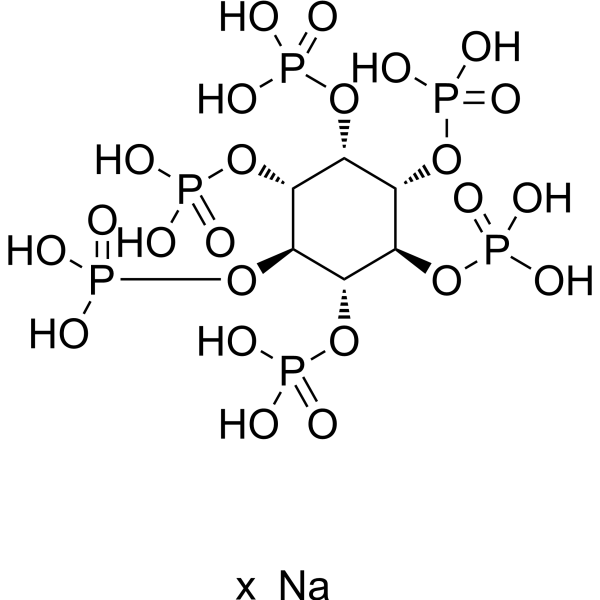
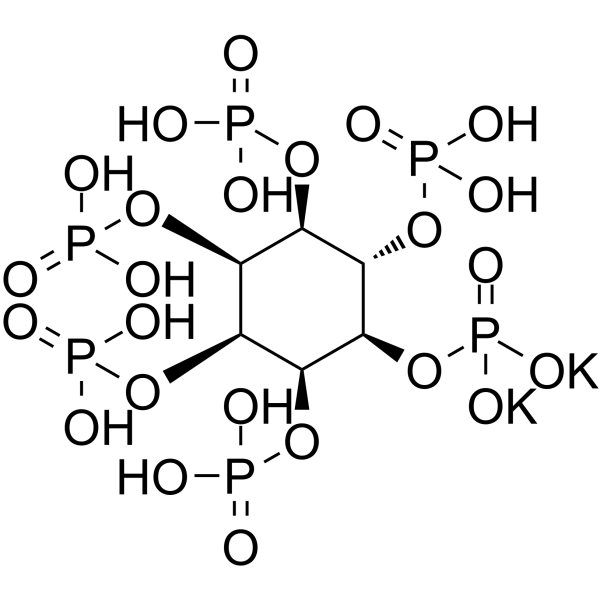
  • HY-N2581
    Phytic acid sodium salt
    1 Publications Verification

    myo-Inositol, hexakisdihydrogen phosphate sodium salt; Inositol hexaphosphate sodium salt

    MOFs Endogenous Metabolite Amyloid-β Autophagy Cardiovascular Disease Neurological Disease Metabolic Disease Cancer
    Phytic acid (myo-Inositol; hexakis dihydrogen phosphate; Inositol hexaphosphate) sodium salt is an orally active compound. Phytic acid sodium salt can be derived from the seeds of legumes. Phytic acid sodium salt is a [PO4] 3- storage depot and precursor for other inositol phosphates and pyrophosphates. Phytic acid sodium salt attenuates oligomers and upregulates autophagy protein. Phytic acid sodium salt can be used in cardiovascular disease, metabolic disease, nervous system disease and cancer research .
    Phytic acid sodium salt
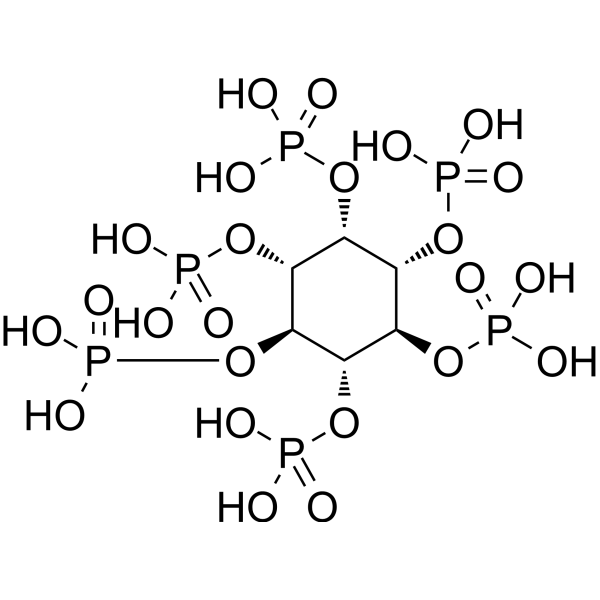
  • HY-N0814
    Phytic acid (50% w/w in water)
    1 Publications Verification

    Inositol hexaphosphate; SNF472 free acid

    Endogenous Metabolite Amyloid-β Autophagy Cardiovascular Disease Neurological Disease Metabolic Disease Cancer
    Phytic acid (myo-Inositol; hexakis dihydrogen phosphate; Inositol hexaphosphate) is an orally active compound. Phytic acid can be derived from the seeds of legumes. Phytic acid is a [PO4] 3- storage depot and precursor for other inositol phosphates and pyrophosphates. Phytic acid attenuates oligomers and upregulates autophagy protein. Phytic acid can be used in cardiovascular disease, metabolic disease, nervous system disease and cancer research .
    Phytic acid (50% w/w in water)
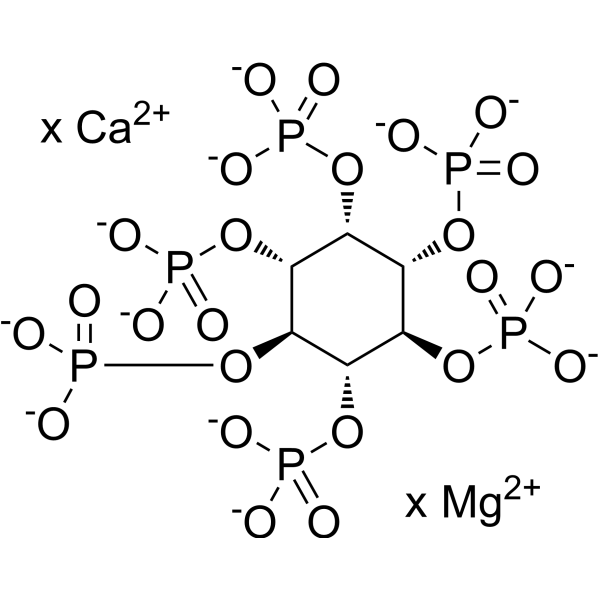
  • HY-N2582
    Calcium Phytate
    1 Publications Verification

    Phytin

    Endogenous Metabolite Metabolic Disease
    Calcium phytate (Phytin) is an insoluble phosphorus-containing compound widely present in plant-based foods such as cereals and legumes. Calcium phytate can be found in feces and can alleviate lead poisoning .
    Calcium Phytate
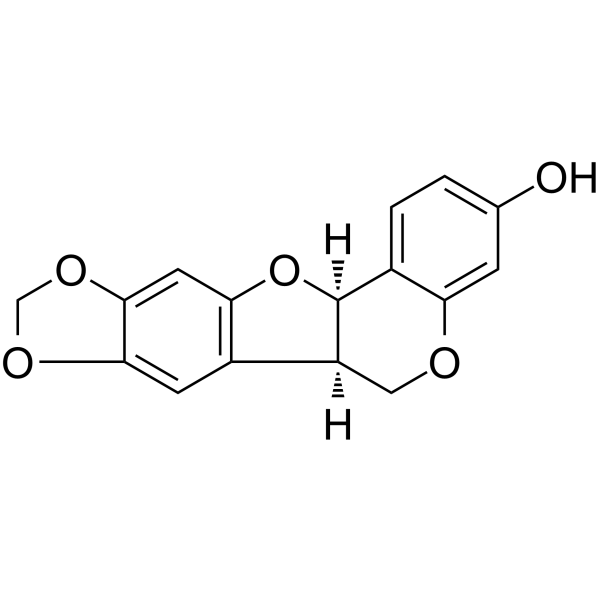
  • HY-N6051

    Fungal NOD-like Receptor (NLR) NF-κB Infection Inflammation/Immunology
    (-)-Maackiain is a pterocarpan phytoalexin produced from Sophora flavescens. (-)-Maackiain is toxic to several genera of fungal pathogens of legume and non legume hosts. (-)-Maackiain enhances the activation of NLRP3 inflammasome, inhibits the activation of NF-κB pathway, exhibiting thereby immunostimulatory and anti-inflammatory activities. (-)-Maackiain is orally active .
    (-​)​-Maackiain
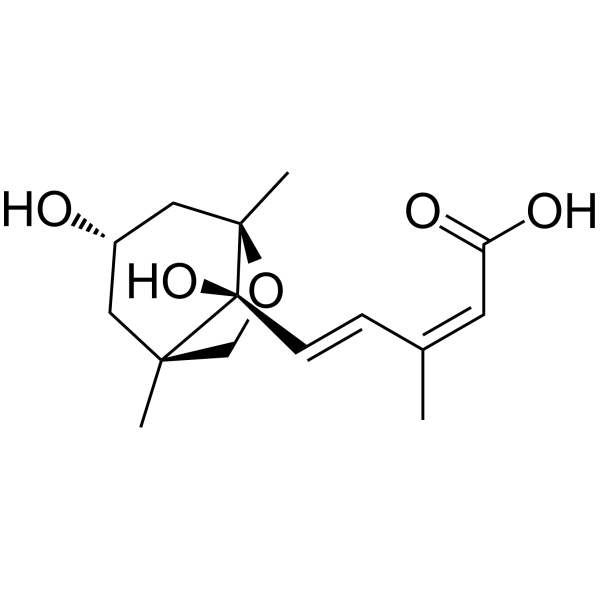
  • HY-116831

    Drug Metabolite Others
    4′-Dihydrophaseic acid is a metabolite of the plant hormone abscisic acid and is present in legume seeds .
    4′-Dihydrophaseic acid
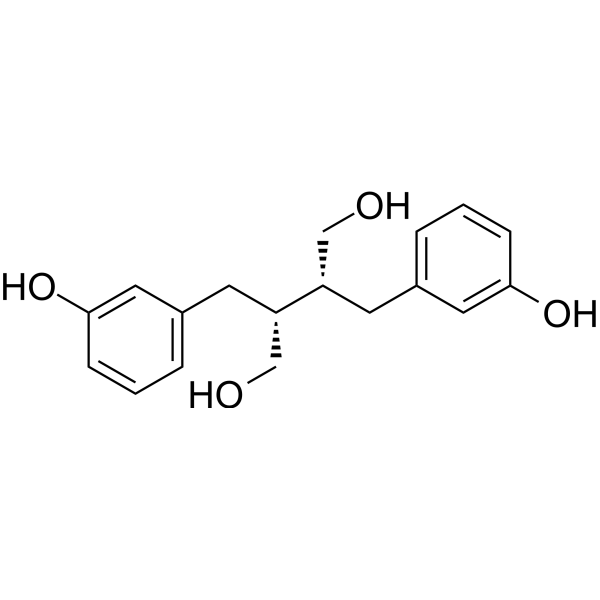
  • HY-108695

    Apoptosis Endogenous Metabolite Cancer
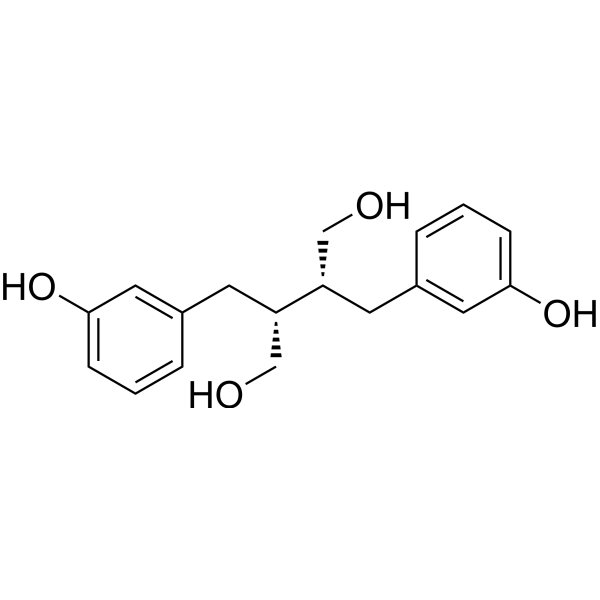
    Enterodiol is transformed by human intestinal bacteria from lignans contained in various whole-grain cereals, nuts, legumes, flaxseed, and vegetables. Enterodiol has an apoptotic effect in colorectal cancer (CRC) cells. Anti-cancer activities .
    Enterodiol
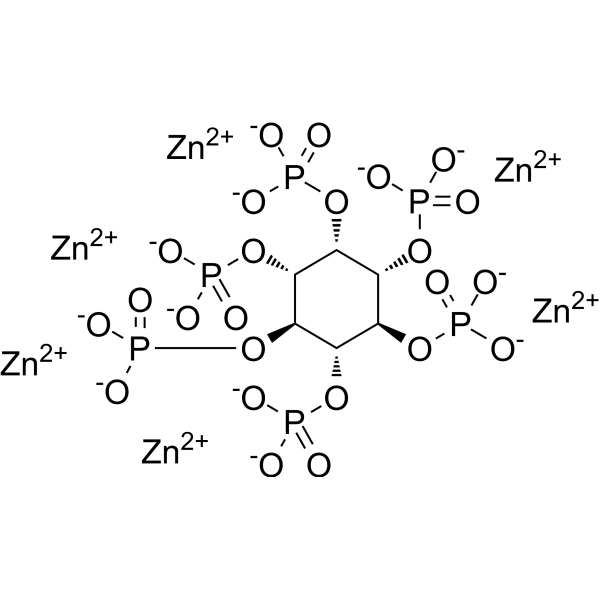
  • HY-N2580
    Zinc Phytate
    1 Publications Verification

    Endogenous Metabolite Amyloid-β Autophagy Cardiovascular Disease Neurological Disease Metabolic Disease Cancer
    Zinc Phytate (myo-Inositol; hexakis dihydrogen phosphate; Inositol hexaphosphate) is an orally active compound. Zinc Phytate can be derived from the seeds of legumes. Zinc Phytate is a [PO4] 3- storage depot and precursor for other inositol phosphates and pyrophosphates. Zinc Phytate attenuates oligomers and upregulates autophagy protein. Zinc Phytate can be used in cardiovascular disease, metabolic disease, nervous system disease and cancer research .
    Zinc Phytate
  • HY-P2766

    Biochemical Assay Reagents Others
    Trehalase is an enzyme that can be found in various tissues, especially in pollen and legume root nudules. Trehalase controls the hydrolysis of trehalose. Trehalase has crucial role in carbon metabolism in insects .
    Trehalase
  • HY-W059747

    Environmental Pollutants Others
    Chloroxynil is a Vir gene of Agrobacterium tumefaciens activator. Chloroxynil enhances T-DNA transfer efficiency by activating the expression of Agrobacterium Vir genes. Chloroxynil is promising for research of Agrobacterium-mediated transformation efficiency in legumes and rice .
    Chloroxynil
  • HY-N8744

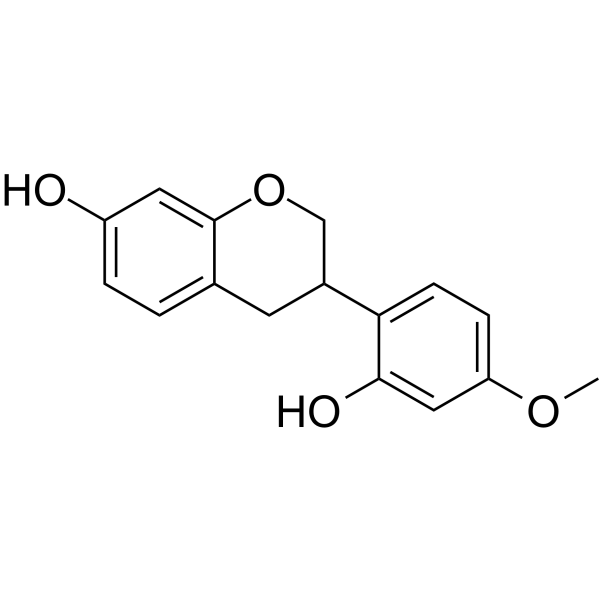
    (±)-Vestitol

    Fungal Infection
    Vestitol ((±)-Vestitol) is an isoflavonoid phytoalexin and Antifungal agent. Vestitol can be isolated from the leaves of Trifolium arvense. Vestitol inhibits the mycelial growth of Helminthosporium carbonum with a ED50 of 17 μg/mL. Vestitol can be used in the research of fungal infections (Helminthosporium carbonum-induced plant diseases) .
    Vestitol
  • HY-N6051R

    Reference Standards Fungal NOD-like Receptor (NLR) NF-κB Infection Inflammation/Immunology
    (-​)​-Maackiain (Standard) is the analytical standard of (-​)​-Maackiain. This product is intended for research and analytical applications. (-)-Maackiain is a pterocarpan phytoalexin produced from Sophora flavescens. (-)-Maackiain is toxic to several genera of fungal pathogens of legume and non legume hosts. (-)-Maackiain enhances the activation of NLRP3 inflammasome, inhibits the activation of NF-κB pathway, exhibiting thereby immunostimulatory and anti-inflammatory activities. (-)-Maackiain is orally active .
    (-)-Maackiain (Standard)
  • HY-108695B

    Apoptosis Endogenous Metabolite Cancer
    (±)-Enterodiol is the racemate of Enterodiol (HY-108695). Enterodiol is transformed by human intestinal bacteria from lignans contained in various whole-grain cereals, nuts, legumes, flaxseed, and vegetables. Enterodiol has an apoptotic effect in colorectal cancer (CRC) cells. Enterodiol has anti-cancer activities .
    (±)-Enterodiol
  • HY-118747

    HIV Infection
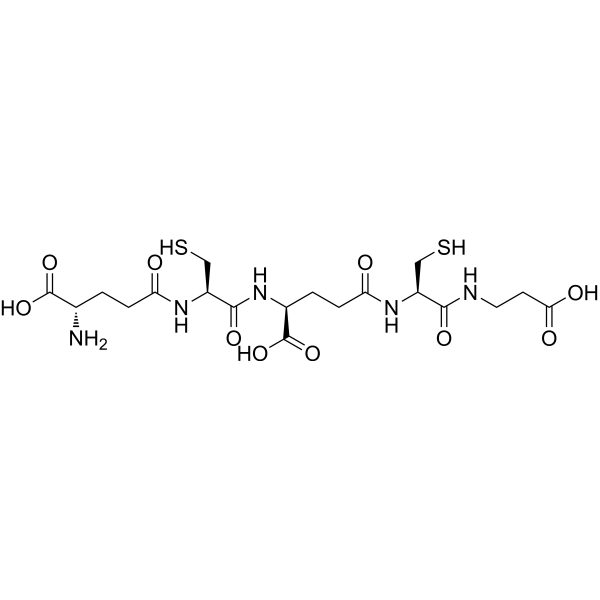
    Scirpusin A is a naturally occurring compound extracted from the legume plant Caragana rosea Turcz, exhibiting anti-HIV activity. Scirpusin A demonstrates significant inhibitory effects against HIV-1 (EC50=7 μg/mL). Scirpusin A is utilized in research towards the development of anti-HIV therapeutics .
    Scirpusin A
  • HY-W705820

    Isotope-Labeled Compounds Apoptosis Endogenous Metabolite Cancer
    (±)-Enterodiol-d6 is the deuterium labeled (±)-Enterodiol (HY-108695B). (±)-Enterodiol is the racemate of Enterodiol (HY-108695). Enterodiol is transformed by human intestinal bacteria from lignans contained in various whole-grain cereals, nuts, legumes, flaxseed, and vegetables. Enterodiol has an apoptotic effect in colorectal cancer (CRC) cells. Enterodiol has anti-cancer activities .
    (±)-Enterodiol-d6
  • HY-W742595

    Sex Pheromone Endocrinology
    (E,E)-10,12-Hexadecadienol is a female pheromone isolated from legume pod borer .
    (E,E)-10,12-Hexadecadienol
  • HY-N14742

    Others Others
    Pteridic acid A is a plant growth promoter. Pteridic acid A has Auxin-like plant growth hormone activity, and 1 nM can promote the growth of legumes and other plant roots .
    Pteridic acid A
  • HY-118040

    Bacterial Metabolic Disease
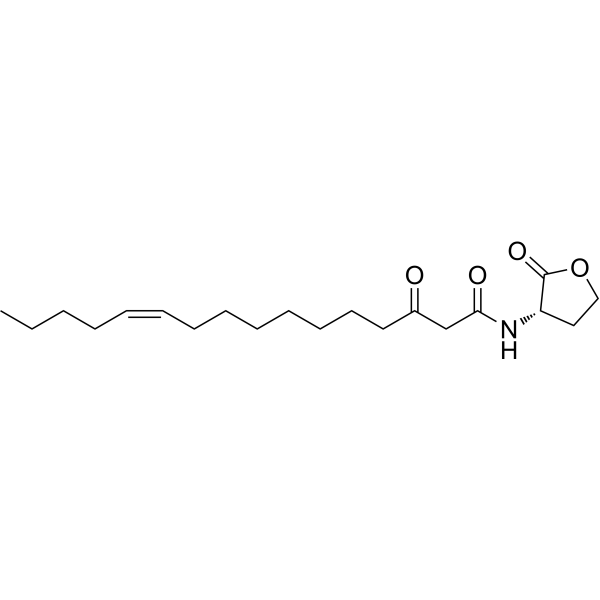
    3-Oxo-C16:1 could induce changes in root protein production in the model legume Medicago truncatula. 3-Oxo-C16:1 is an unsaturated 16-carbon AHL utilized by species such as S. meliloti and Agrobacterium vitus .
    3-Oxo-C16:1
  • HY-108695BR

    Reference Standards Apoptosis Endogenous Metabolite Cancer
    (±)-Enterodiol (Standard) is the analytical standard of (±)-Enterodiol. This product is intended for research and analytical applications. (±)-Enterodiol is the racemate of Enterodiol (HY-108695). Enterodiol is transformed by human intestinal bacteria from lignans contained in various whole-grain cereals, nuts, legumes, flaxseed, and vegetables. Enterodiol has an apoptotic effect in colorectal cancer (CRC) cells. Enterodiol has anti-cancer activities .
    (±)-Enterodiol (Standard)
  • HY-W778288

    Isotope-Labeled Compounds Apoptosis Endogenous Metabolite Cancer
    (±)-Enterodiol- 13C3 is the 13C-labeled (±)-Enterodiol (HY-108695B). (±)-Enterodiol is the racemate of Enterodiol (HY-108695). Enterodiol is transformed by human intestinal bacteria from lignans contained in various whole-grain cereals, nuts, legumes, flaxseed, and vegetables. Enterodiol has an apoptotic effect in colorectal cancer (CRC) cells. Enterodiol has anti-cancer activities .
    (±)-Enterodiol-13C3
  • HY-W127487

    Biochemical Assay Reagents Others
    Quorum sensing is a regulatory system used by bacteria to control gene expression in response to increased cell density. This regulatory process manifests itself in a variety of phenotypes, including biofilm formation and virulence factor production. Coordinated gene expression is achieved through the production, release and detection of small diffusible signaling molecules called autoinducers. N-acylated homoserine lactones (AHLs) comprise a class of such autoinducers, each of which generally consists of a fatty acid coupled to a homoserine lactone (HSL). Modulation of bacterial quorum-sensing signaling systems to suppress pathogenesis represents a new approach to antimicrobial research for infectious diseases. AHLs differ in acyl length (C4-C18), C3 substitution (hydrogen, hydroxyl, or oxo group), and the presence or absence of one or more carbon-carbon double bonds in the fatty acid chain. These differences confer signaling specificity through the affinity of the LuxR family of transcriptional regulators. C18-HSL, one of four lipophilic long acyl side chain AHLs produced by the LuxI AHL synthase homolog SinI, is involved in quorum-sensing signaling in strains of Rhizobium meliloti (a nitrogen-fixing bacterial symbiont of the legume M. sativa) . C18-HSL and other hydrophobic AHLs tend to localize in the relatively lipophilic environment of bacterial cells and cannot diffuse freely across the cell membrane. Long-chain N-acyl homoserine lactones can be exported from cells by efflux pumps, or can be transported between communicating cells by extracellular outer membrane vesicles.
    N-Octadecanoyl-L-homoserine lactone
  • HY-W1126957

    Others Others
    Phaseolus vulgaris extract is a natural active ingredient extracted from the legume plant Phaseolus vulgaris.
    Phaseolus vulgaris extract
  • HY-N18665

    Others Others
    Medicago sativa extract is a whole-plant extract of alfalfa, a legume, and can be used in research on health supplements.
    Medicago sativa extract
  • HY-N17791

    Others Others
    Cassiaphenone A 2-glucoside is a carboxylated benzophenone glucoside that can be isolated from the pods of Cassia angustifolia and the bark of Cassia abbreviata, both belonging to the legume family .
    Cassiaphenone A 2-glucoside
  • HY-N14751

    Others Others
    Pteridic acid B is a plant growth promoter. Pteridic acid B has Auxin-like plant growth hormone activity, and 1 nM can promote the growth of legumes and other plant roots .
    Pteridic acid B
  • HY-W612164

    Drug Derivative Infection
    2-Methyl-3-phenylpropanal is a volatile aromatic compound found in the flowers of legume host plants such as cowpeas and lentils. 2-Methyl-3-phenylpropanal can specifically bind to the odor-binding protein MvitOBP3 of the bean pod moth and exert potential oviposition attraction activity. 2-Methyl-3-phenylpropanal can be used for pest control .
    2-Ethoxypropan-1-ol
  • HY-181448

    Inositol hexaphosphate hexalithium; SNF472 hexalithium

    Endogenous Metabolite Amyloid-β Autophagy Cardiovascular Disease Neurological Disease Metabolic Disease Cancer
    Phytic acid (Inositol hexaphosphate hexalithium) hexalithium is an orally active compound. Phytic acid hexalithium can be derived from the seeds of legumes. Phytic acid is a [PO4] 3- storage depot and precursor for other inositol phosphates and pyrophosphates. Phytic acid hexalithium attenuates oligomers and upregulates Autophagy protein. Phytic acid hexalithium can be used in cardiovascular disease, metabolic disease, nervous system disease and cancer research .
    Phytic acid hexalithium

Inquiry Online

Your information is safe with us. * Required Fields.

Salutation


Country or Region *

Applicant Name *


Organization Name *

Department *


Email Address *


Product Name *

Cat. No.


Requested quantity *

Phone Number *


Remarks

Inquiry Online

Inquiry Information

Product Name:
Cat. No.:
Quantity:
MCE Japan Authorized Agent:

