
1. Search Result
Search Result
Results for "

microbial cell membrane

" in MedChemExpress (MCE) Product Catalog:

31

Inhibitors & Agonists

1

Biochemical Assay Reagents

6

Peptides

3

Natural
Products

2

Isotope-Labeled Compounds

Cat. No. Product Name Target Research Areas Chemical Structure
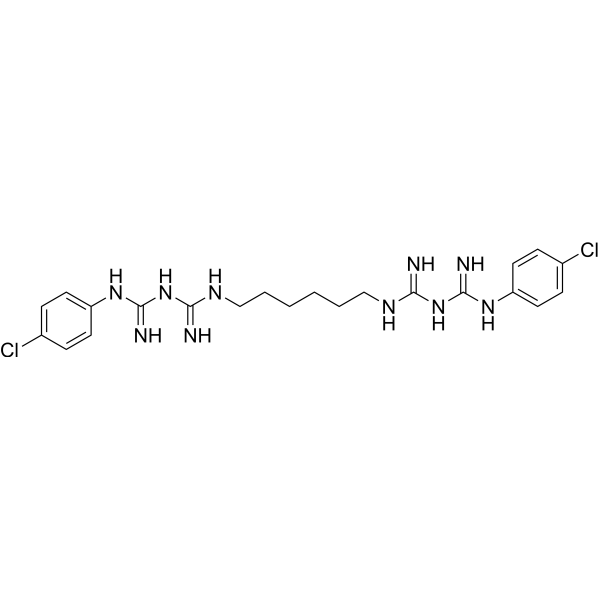
  • HY-B1248
    Chlorhexidine
    Maximum Cited Publications
    13 Publications Verification

    Environmental Pollutants Antibiotic Necroptosis Bacterial Apoptosis Infection
    Chlorhexidine is a orally active cationic antimicrobial agent that targets microbial cell membranes. Chlorhexidine binds to cell membrane phospholipids non-specifically, destroys membrane structure and induces leakage of cell contents. Chlorhexidine has broad-spectrum bactericidal activity against both Gram-positive and Gram-negative bacteria. Chlorhexidine can interfere with membrane permeability, cause protein precipitation and energy metabolism disorders, such as rapid inhibition of microbial growth and induction of cell death (necrosis or apoptosis) .
    Chlorhexidine
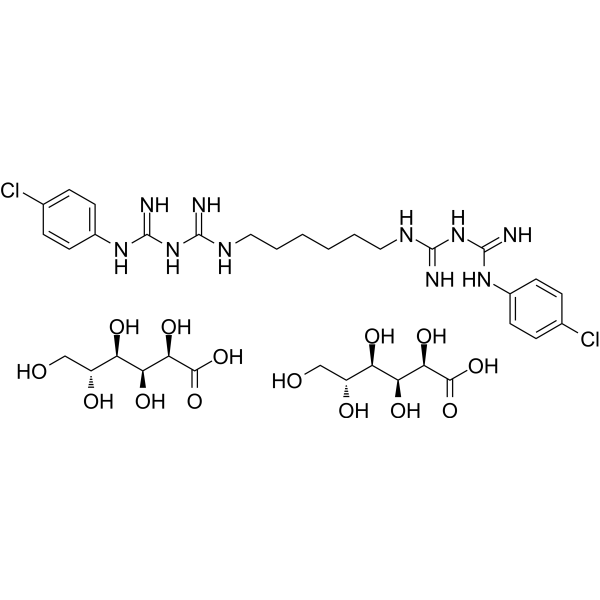
  • HY-B0608
    Chlorhexidine digluconate (20% in water)
    Maximum Cited Publications
    13 Publications Verification

    Environmental Pollutants Antibiotic Bacterial Necroptosis Apoptosis Infection
    Chlorhexidine digluconate (20% in water) is a orally active cationic antimicrobial agent that targets microbial cell membranes. Chlorhexidine digluconate (20% in water) binds to cell membrane phospholipids non-specifically, destroys membrane structure and induces leakage of cell contents. Chlorhexidine digluconate (20% in water) has broad-spectrum bactericidal activity against both Gram-positive and Gram-negative bacteria. Chlorhexidine digluconate (20% in water) can interfere with membrane permeability, cause protein precipitation and energy metabolism disorders, such as rapid inhibition of microbial growth and induction of cell death (necrosis or apoptosis) .
    Chlorhexidine digluconate (20% in water)
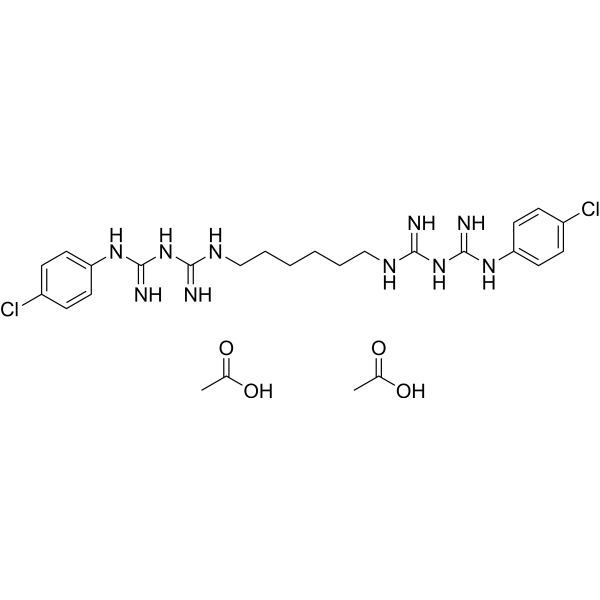
  • HY-W013699
    Chlorhexidine diacetate
    Maximum Cited Publications
    13 Publications Verification

    Environmental Pollutants Antibiotic Necroptosis Bacterial Apoptosis Infection
    Chlorhexidine diacetate is a orally active cationic antimicrobial agent that targets microbial cell membranes. Chlorhexidine diacetate binds to cell membrane phospholipids non-specifically, destroys membrane structure and induces leakage of cell contents. Chlorhexidine diacetate has broad-spectrum bactericidal activity against both Gram-positive and Gram-negative bacteria. Chlorhexidine diacetate can interfere with membrane permeability, cause protein precipitation and energy metabolism disorders, such as rapid inhibition of microbial growth and induction of cell death (necrosis or apoptosis) .
    Chlorhexidine diacetate
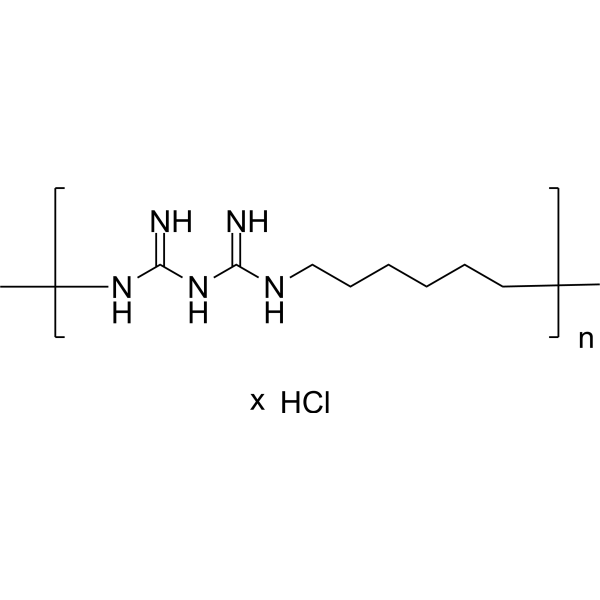
  • HY-W017766

    PHMB

    Environmental Pollutants Bacterial Infection
    Poly(hexamethylenebiguanide) hydrochloride (PHMB) is an antimicrobial and antiviral agent. Poly(hexamethylenebiguanide) hydrochloride is active against both Gram-positive and Gram-negative bacteria. Poly(hexamethylenebiguanide) hydrochloride works by adsorbing to the surface of cellulose, which can damage microbial cell membranes and interfere with metabolism. Poly(hexamethylenebiguanide) hydrochloride is widely used in medical, clothing and household textiles, and cosmetic fields .
    Poly(hexamethylenebiguanide) hydrochloride
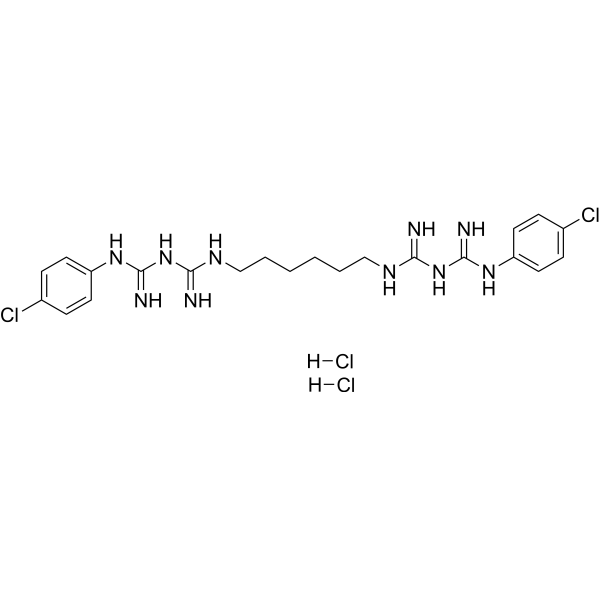
  • HY-B1145
    Chlorhexidine dihydrochloride
    Maximum Cited Publications
    13 Publications Verification

    Environmental Pollutants Antibiotic Apoptosis Bacterial Necroptosis Infection
    Chlorhexidine dihydrochloride is a orally active cationic antimicrobial agent that targets microbial cell membranes. Chlorhexidine dihydrochloride binds to cell membrane phospholipids non-specifically, destroys membrane structure and induces leakage of cell contents. Chlorhexidine dihydrochloride has broad-spectrum bactericidal activity against both Gram-positive and Gram-negative bacteria. Chlorhexidine dihydrochloride can interfere with membrane permeability, cause protein precipitation and energy metabolism disorders, such as rapid inhibition of microbial growth and induction of cell death (necrosis or apoptosis) .
    Chlorhexidine dihydrochloride
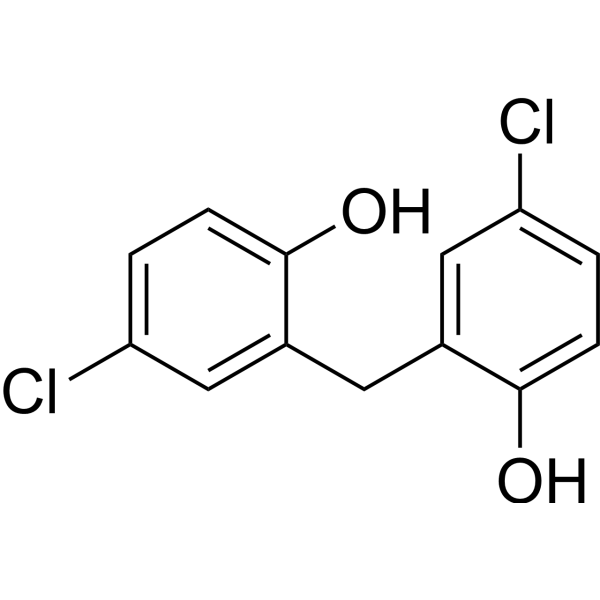
  • HY-12638
    Dichlorophen
    1 Publications Verification

    DDM

    Environmental Pollutants Fungal Parasite Bacterial Infection
    Dichlorophen is a chlorophenol antimicrobial agent that can destroy the integrity of microbial cell membranes and interfere with the activity of metabolic enzymes. Dichlorophen can covalently bind to the thiol groups of microbial proteins and has broad-spectrum antibacterial, antifungal and anthelmintic activity. Dichlorophen can be used as an antimicrobial agent in the study of drug-resistant bacterial infections .
    Dichlorophen
  • HY-127032

    Polidronium chloride

    Biochemical Assay Reagents Infection
    Polyquaternium-1 (Polidronium chloride; PQ-1) is an antimicrobial preservative and an activator of NF-κB. Polyquaternium-1 targets bacterial cell membranes, commonly used in ophthalmic surgery. Polyquaternium-1 adsorbs to the surface of microbial membranes through its polycationic properties, destroying membrane integrity and inducing potassium ion leakage, leading to bacterial death. Polyquaternium-1 exerts antimicrobial effects at a concentration of 0.001% and has low toxicity to mammalian cells. Polyquaternium-1 can be used to prepare products such as glaucoma eye drops (Travoprost preparations containing PQ-1), artificial tears, and contact lens solutions to reduce the ocular surface toxicity of traditional preservatives such as benzalkonium chloride (HY-B2232) .
    Polyquaternium-1
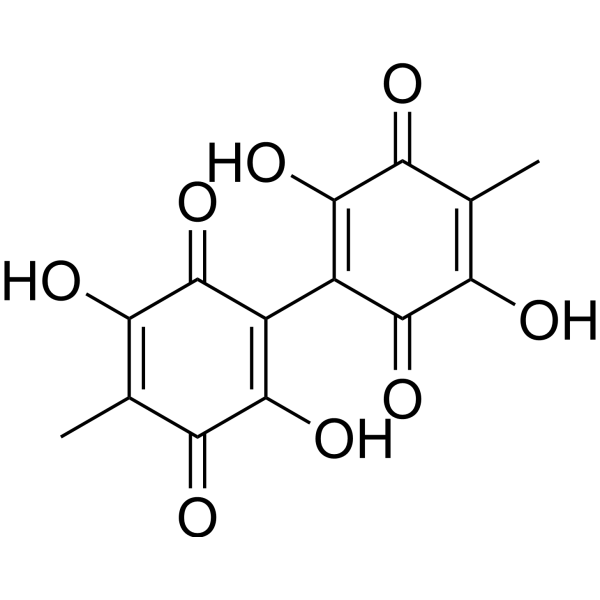
  • HY-N7719

    Endogenous Metabolite Bacterial Fungal Parasite Apoptosis Reactive Oxygen Species (ROS) Caspase HSV Infection Inflammation/Immunology Cancer
    Oosporein is a microbial metabolite and a red crystalline toxin produced by various fungi. Oosporein can promote the reproduction of fungi in host bodies by inhibiting insect immunity, and possesses multiple activities such as antibacterial, antiviral (HSV), and insecticidal effects. Oosporein can inhibit plant growth. In addition, Oosporein can also induce apoptosis, cell membrane damage, oxidative stress, and mitochondrial damage. Oosporein has certain antitumor activity .
    Oosporein
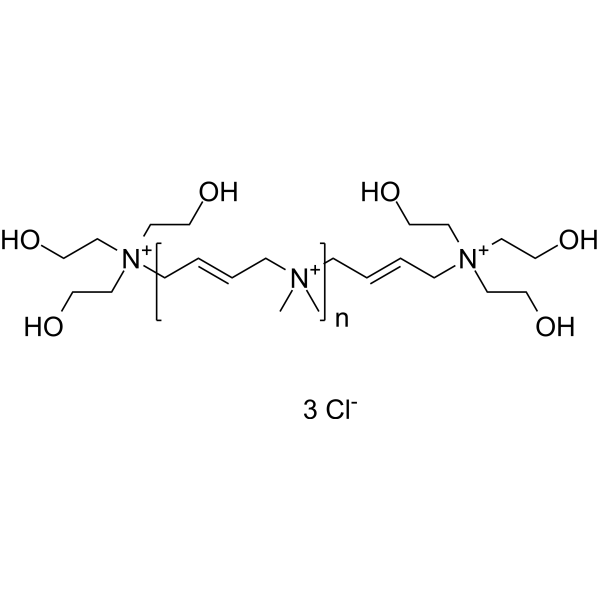
  • HY-108004

    Septefril; Decametoxin

    Bacterial Fungal Infection
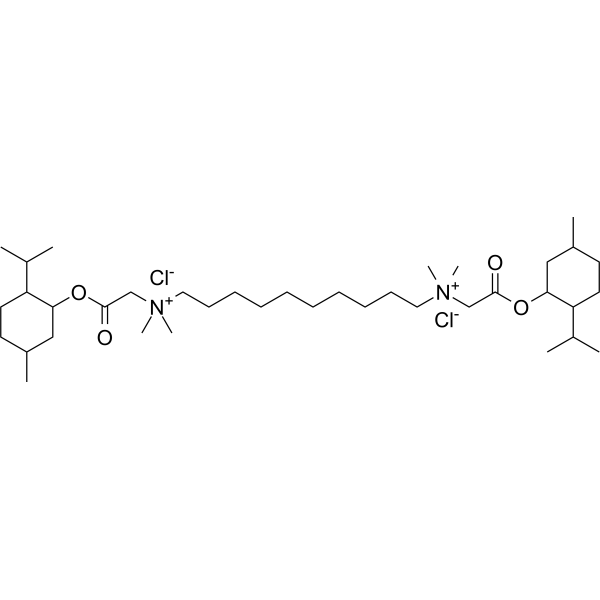
    Decamethoxine (Septefril) is a cationic gemini surfactant. Decamethoxine exhibits strong bactericidal and fungicidal effects. Decamethoxine modifies the permeability of the microbial cell membrane, resulting in the destruction and death of diverse microorganisms .
    Decamethoxine
  • HY-P5589

    PlnA

    Bacterial Reactive Oxygen Species (ROS) Infection Inflammation/Immunology
    Plantaricin A is an antimicrobial peptide that can be derived from Lactobacillus plantarum. Plantaricin A has a synergistic effect with Ciprofloxacin. Plantaricin A shows anti-microbial activity. Plantaricin A increases the membrane potential of S. aureus and the level of intracellular ROS. Plantaricin A inhibits the function of the efflux pump by binding it and altering the structure of MepA, NorA, and LmrS. Plantaricin A significantly relieves inflammation, and promotes wound healing. Plantaricin A permeabilizes cancerous rat pituitary cells [1][2].
    Plantaricin A
  • HY-W016473

    Bacterial Infection
    Adamantane-carboxylic acid is a compound with inhibitory activity against microorganisms. Although its specific target has not been clearly defined, it can inhibit Gram-positive bacteria and some Gram-negative bacteria. It forms a 1-monoacylglycerol derivative through a direct reaction with glycidol, and exerts its antibacterial effect by mechanisms such as altering the permeability of the bacterial cell membrane. This compound can be used in the research of antibacterial agents in the food and cosmetic industries to reduce harmful microbial flora and extend the shelf life of products .
    Adamantane-carboxylic acid
  • HY-P3512

    IB-367

    Bacterial Fungal Parasite Infection Cancer
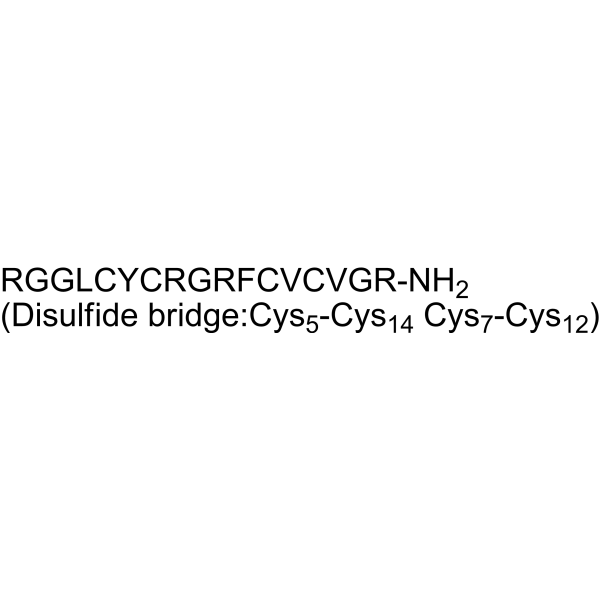
    Iseganan is an anti-microbial peptide that is active against both Gram-positive and Gram-negative bacteria and fungi. Iseganan kills a broad-spectrum of bacteria and fungi by attaching to and destroying the integrity of the lipid cell membranes. Iseganan can be used for oral mucositis research .
    Iseganan
  • HY-B1145S

    Isotope-Labeled Compounds Antibiotic Bacterial Necroptosis Apoptosis Infection
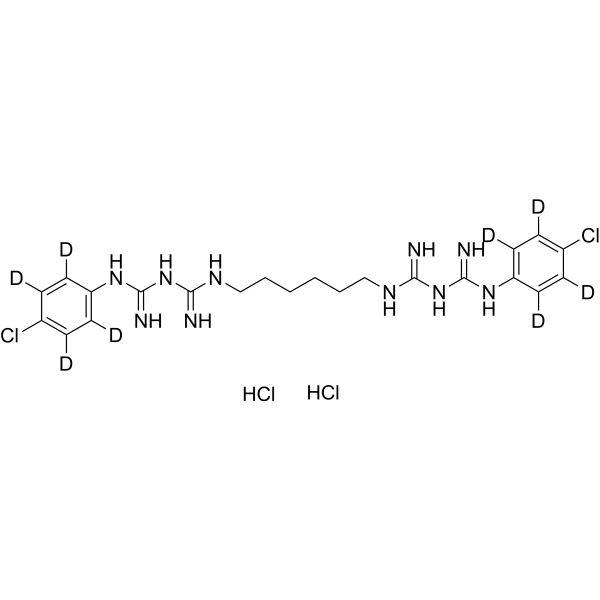
    Chlorhexidine-d8 (dihydrochloride) is the deuterium labeled Chlorhexidine dihydrochloride (HY-B1145). Chlorhexidine dihydrochloride is a orally active cationic antimicrobial agent that targets microbial cell membranes. Chlorhexidine dihydrochloride binds to cell membrane phospholipids non-specifically, destroys membrane structure and induces leakage of cell contents. Chlorhexidine dihydrochloride has broad-spectrum bactericidal activity against both Gram-positive and Gram-negative bacteria. Chlorhexidine dihydrochloride can interfere with membrane permeability, cause protein precipitation and energy metabolism disorders, such as rapid inhibition of microbial growth and induction of cell death (necrosis or apoptosis) .
    Chlorhexidine-d8 dihydrochloride
  • HY-B1248R

    Reference Standards Antibiotic Bacterial Necroptosis Apoptosis Infection
    Chlorhexidine (Standard) is the analytical standard of Chlorhexidine (HY-B1248). This product is intended for research and analytical applications. Chlorhexidine is a orally active cationic antimicrobial agent that targets microbial cell membranes. Chlorhexidine binds to cell membrane phospholipids non-specifically, destroys membrane structure and induces leakage of cell contents. Chlorhexidine has broad-spectrum bactericidal activity against both Gram-positive and Gram-negative bacteria. Chlorhexidine can interfere with membrane permeability, cause protein precipitation and energy metabolism disorders, such as rapid inhibition of microbial growth and induction of cell death (necrosis or apoptosis) .
    Chlorhexidine (Standard)
  • HY-N7719R

    Endogenous Metabolite Reference Standards Bacterial Fungal Parasite Apoptosis Reactive Oxygen Species (ROS) Caspase HSV Infection Inflammation/Immunology Cancer
    Oosporein (Standard) is the analytical standard of Oosporein (HY-N7719). This product is intended for research and analytical applications. Oosporein is a microbial metabolite and a red crystalline toxin produced by various fungi. Oosporein can promote the reproduction of fungi in host bodies by inhibiting insect immunity, and possesses multiple activities such as antibacterial, antiviral (HSV), and insecticidal effects. Oosporein can inhibit plant growth. In addition, Oosporein can also induce apoptosis, cell membrane damage, oxidative stress, and mitochondrial damage. Oosporein has certain antitumor activity .
    Oosporein (Standard)
  • HY-B1248A

    Antibiotic Bacterial Necroptosis Apoptosis Infection
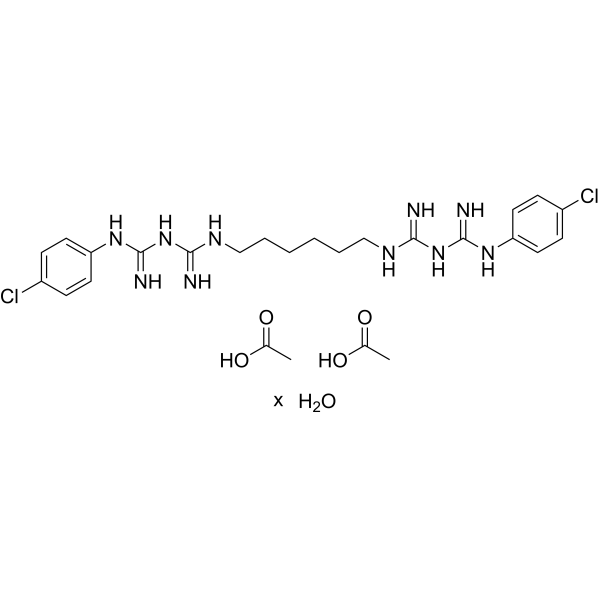
    Chlorhexidine acetate hydrate is a orally active cationic antimicrobial agent that targets microbial cell membranes. Chlorhexidine acetate hydrate binds to cell membrane phospholipids non-specifically, destroys membrane structure and induces leakage of cell contents. Chlorhexidine acetate hydrate has broad-spectrum bactericidal activity against both Gram-positive and Gram-negative bacteria. Chlorhexidine acetate hydrate can interfere with membrane permeability, cause protein precipitation and energy metabolism disorders, such as rapid inhibition of microbial growth and induction of cell death (necrosis or apoptosis) .
    Chlorhexidine acetate hydrate
  • HY-W013699R

    Reference Standards Antibiotic Bacterial Necroptosis Apoptosis Infection
    Chlorhexidine diacetate (Standard) is the analytical standard of Chlorhexidine diacetate (HY-W013699). This product is intended for research and analytical applications. Chlorhexidine diacetate is a orally active cationic antimicrobial agent that targets microbial cell membranes. Chlorhexidine diacetate binds to cell membrane phospholipids non-specifically, destroys membrane structure and induces leakage of cell contents. Chlorhexidine diacetate has broad-spectrum bactericidal activity against both Gram-positive and Gram-negative bacteria. Chlorhexidine diacetate can interfere with membrane permeability, cause protein precipitation and energy metabolism disorders, such as rapid inhibition of microbial growth and induction of cell death (necrosis or apoptosis) .
    Chlorhexidine diacetate (Standard)
  • HY-W016758

    1-Butyl-3-methylimidazolium chloride

    Bacterial Infection
    [BMIM]Cl (1-butyl-3-methylimidazolium chloride) is an alkyl-imidazolium chloride compound and a persistent aquatic pollutant. [BMIM]Cl exhibits antimicrobial activity against S. aureus (MIC = 25 mM), E. coli (MIC = 50 mM), and P. aeruginosa (MIC = 100 mM). It possesses moderate membrane permeability and cytotoxicity, directly affecting microorganisms and mammalian cells at high concentrations, but can inhibit the function of complex ecosystems (e.g., anaerobic digestion) even at environmentally relevant low concentrations by disrupting microbial community structures. [BMIM]Cl can be used in research related to bacterial infections .
    [BMIM]Cl
  • HY-123209

    WS-9659 A

    Antibiotic Bacterial Infection Cancer
    Lavanducyanin (WS-9659 A) is an antibiotic targeting microbial cell membranes. Lavanducyanin is promising for research of infections and cancer adjuvants .
    Lavanducyanin
  • HY-B1145R

    Reference Standards Antibiotic Bacterial Necroptosis Apoptosis Infection
    Chlorhexidine dihydrochloride (Standard) is the analytical standard of Chlorhexidine dihydrochloride (HY-B1145). This product is intended for research and analytical applications. Chlorhexidine dihydrochloride is a orally active cationic antimicrobial agent that targets microbial cell membranes. Chlorhexidine dihydrochloride binds to cell membrane phospholipids non-specifically, destroys membrane structure and induces leakage of cell contents. Chlorhexidine dihydrochloride has broad-spectrum bactericidal activity against both Gram-positive and Gram-negative bacteria. Chlorhexidine dihydrochloride can interfere with membrane permeability, cause protein precipitation and energy metabolism disorders, such as rapid inhibition of microbial growth and induction of cell death (necrosis or apoptosis) .
    Chlorhexidine dihydrochloride (Standard)
  • HY-W738281

    Isotope-Labeled Compounds Antibiotic Bacterial Necroptosis Apoptosis Infection
    Chlorhexidine-d8 is deuterium-labeled Chlorhexidine (HY-B1248) . Chlorhexidine is a orally active cationic antimicrobial agent that targets microbial cell membranes. Chlorhexidine binds to cell membrane phospholipids non-specifically, destroys membrane structure and induces leakage of cell contents. Chlorhexidine has broad-spectrum bactericidal activity against both Gram-positive and Gram-negative bacteria. Chlorhexidine can interfere with membrane permeability, cause protein precipitation and energy metabolism disorders, such as rapid inhibition of microbial growth and induction of cell death (necrosis or apoptosis) .
    Chlorhexidine-d8
  • HY-P10455

    Bacterial Infection
    Cys-Pexiganan TFA is an amphiphilic antimicrobial peptide. Cys-Pexiganan TFA exhibits antibacterial activities against Staphylococcus aureus and Pseudomonas aeruginosa, with MIC of 16 μg/mL and 64.0 μg/mL. Cys-Pexiganan TFA interacts with anionic phospholipids and DNA of microbial cell membranes, disintegrates the cells and leads to cell death .
    Cys-Pexiganan TFA
  • HY-P2098

    Antibiotic Bacterial Fungal Infection
    Alamethicin F 50 is an antibiotic. Alamethicin F 50 is composed of membrane-active peptide, containing 75% Alamethicin F 50/5 and 10% Alamethicin F 50/7. Alamethicin F 50 is exhibits antifungal and antibacterial activity by disrupting the integrity of microbial cell membranes, resulting in leakage of cell contents and death of the microorganisms. Alamethicin F 50 is able to reduce the surface tension of water, which can be used as a surfactant or detergent .
    Alamethicin F 50
  • HY-12638R

    DDM (Standard)

    Reference Standards Bacterial Fungal Parasite Infection
    Dichlorophen (Standard) is the analytical standard of Dichlorophen (HY-12638). This product is intended for research and analytical applications. Dichlorophen is a chlorophenol antimicrobial agent that can destroy the integrity of microbial cell membranes and interfere with the activity of metabolic enzymes. Dichlorophen can covalently bind to the thiol groups of microbial proteins and has broad-spectrum antibacterial, antifungal and anthelmintic activity. Dichlorophen can be used as an antimicrobial agent in the study of drug-resistant bacterial infections .
    Dichlorophen (Standard)
  • HY-168204

    Bacterial Fungal Infection
    3-Acetyl-28-N–(3–guanidinobutoxy)-oleanolic acid (compound J1) is a potent antimicrobial agent. 3-Acetyl-28-N–(3–guanidinobutoxy)-oleanolic acid shows anti-gram-positive bacteria and fungi activity. 3-Acetyl-28-N–(3–guanidinobutoxy)-oleanolic acid can be used as antibiotic adjuvants. 3-Acetyl-28-N–(3–guanidinobutoxy)-oleanolic disrupts the bacterial cell membrane, inserts into the DNA, and binds to DNA gyrase. 3-Acetyl-28-N–(3–guanidinobutoxy)-oleanolic reduces microbial count in a mouse MRSA skin infection model and accelerates wound healing .
    3-Acetyl-28-N-(3-guanidinobutoxy)-oleanolic acid
  • HY-W587449

    Drug Intermediate Others
    Chlorhexidine impurity 1 is a impurity of Chlorhexidine (HY-B1248). Chlorhexidine is a orally active cationic antimicrobial agent that targets microbial cell membranes.
    Chlorhexidine impurity 1
  • HY-108004R

    Septefril (Standard); Decametoxin (Standard)

    Reference Standards Bacterial Fungal Infection
    Decamethoxine (Standard) is the analytical standard of Decamethoxine (HY-108004). This product is intended for research and analytical applications. Decamethoxine (Septefril) is a cationic gemini surfactant. Decamethoxine exhibits strong bactericidal and fungicidal effects. Decamethoxine modifies the permeability of the microbial cell membrane, resulting in the destruction and death of diverse microorganisms .
    Decamethoxine (Standard)
  • HY-P11398

    Bacterial HIV Fungal DNA Alkylator/Crosslinker Infection Cancer
    Tachyplesin II is a broad-spectrum cationic antimicrobial peptide. Tachyplesin II has significant inhibitory effects on Gram-positive bacteria, Gram-negative bacteria, and some fungi. Tachyplesin II binds to bacterial membrane lipopolysaccharides through its positive charge, disrupting membrane integrity and causing leakage of cellular contents. Tachyplesin II can bind to DNA grooves, inhibiting microbial replication, and also suppressing HIV-1 replication and the proliferation of liver cancer cells .
    Tachyplesin II
  • HY-P11607

    Bacterial Infection
    CyLip-10 is a microbial-derived cyclic-lipid antimicrobial peptide. CyLip-10 has broad-spectrum antimicrobial efficacy, low hemolytic activity, and excellent stability. CyLip-10 can disrupt membrane integrity, inhibit biofilm formation and induce membrane permeabilization and bacterial cell death. CyLip-10 reduces bacterial load, promotes wound healing, and alleviates inflammatory responses in a mouse Methicillin (HY-121544)-resistant Staphylococcus aureus skin wound infection model. CyLip-10 can be used for the bacterial infection .
    CyLip-10
  • HY-N17760

    Fungal Others
    (25RS)-Schidigera-saponin E1 is a steroidal saponin with anti-yeast activity, which can be isolated from the stems of Yucca schidigera (Mojave yucca). (25RS)-Schidigera-saponin E1 exerts weak anti-yeast activity by affecting the integrity of microbial cell membranes, with a MIC≥100 μg/mL against some food spoilage yeasts. (25RS)-Schidigera-saponin E1 can be used in the field of food preservation to extend the shelf life of foods containing cooked rice, beans, fermented condiments, etc.
    (25RS)-Schidigera-saponin E1
  • HY-W110755

    Bacterial Infection
    Poly diallyldimethylammonium chloride is a cationic antimicrobial polymer with quaternary ammonium side chains, and it exhibits microbicidal activity. Poly diallyldimethylammonium (chloride) can be used in studies of bacterial and fungal infections (E. coli, S. aureus, C. albicans infections) .
    Poly diallyldimethylammonium chloride

Inquiry Online

Your information is safe with us. * Required Fields.

Salutation


Country or Region *

Applicant Name *


Organization Name *

Department *


Email Address *


Product Name *

Cat. No.


Requested quantity *

Phone Number *


Remarks

Inquiry Online

Inquiry Information

Product Name:
Cat. No.:
Quantity:
MCE Japan Authorized Agent:

